


- Shop Flowers
-
Overnight
- Alstroemeria
- Anemone
- Asclepias
- Aster
- Baby's Breath
- Bells of Ireland
- Calendula
- Calla Lily
- Carnation
- Chrysanthemum
- Cornflower
- Craspedia
- Cremon Disbuds
- Dahlia
- Delphinium
- Dendrobium Orchids
- Dianthus
- Eryngium
- Garden Roses
- Gerbera Daisy
- Gladiolus
- Godetia
- Greenery
- Hydrangeas
- Hypericum
- Iris
- Kangaroo Paws
- Larkspur
- Lavender Flower
- Lilies
- Lily of the Valley
- Limonium
- Nigella
- Oriental Lily
- Pincushion
- Queen Anne's Lace
- Ranunculus
- Roses
- Scabiosa
- Snapdragon
- Spray Roses
- Statice
- Sunflower
- Sweet Peas
- Tulips
- Tweedia
- Veronica
- Wax Flower
- Yarrow Achillea
Click Here to View All
-
Plan Ahead
- Acacia
- Achillea
- Acroclinium
- Agapanthus
- Ageratum
- Alchemilla
- Allium
- Alstroemeria
- Amaranthus
- Amaryllis
- Anemones
- Anigozanthus
- Anthuriums
- Arbovitae
- Asclepias
- Asparagus
- Asparagus
- Aspidistra
- Aster
- Astilbe
- Astrantia
- Baby's Breath
- Banana Leaves
- Banksia
- Bay Leaves
- Bear Grass
- Bells of Ireland
- Berry Decor
- Billy Balls
- Bird of Paradise Flower
- Bird of Paradise Leaf
- Bougainvillea
- Bouvardia
- Boxwood
- Bracken Fern
- Bunny Tail Grass
- Bupleurum
- Calendula
- Calla Lilies
- Campanula
- Cardo Palustre
- Carnations
- Carolina Sapphire
- Cattails
- Cedar
- Celosia
- Cherry Blossoms
- Chili Pepper Branches
- Chinaberry
- Choco Rose
- Chocolate Cosmos
- Clematis
- Clover Purple
- Cocculus
- Cornflower
- Cotinus
- Craspedia
- Cremons
- Croton Leaves
- Crystal Tree Branches
- Cypress
- Daffodils
- Dahlias
- Decorative Branches for Floral Design & Event Styling
- Decorative Sticks
- Delphinium
- Dianthus
- Disbuds
- Dracena
- Dried Achillea
- Dried Roses
- Dusty Miller
- Eryngium
- Eucalyptus
- Fall Branches Decor
- Ferns
- Feverfew
- Fiddlehead
- Flax Leaves
- Flocked Branches
- Flowering Branches
- Freesia
- Fresh Candle Rings
- Galax
- Garden Roses
- Gardenias
- Garlands
- Genista
- Gerberas
- Ginger
- Gladiolus
- Godetia
- Gomphrena
- Grasses
- Greenery
- Greenery Stems
- Greens - Tinted
- Grevillea
- Heliconias
- Hibiscus Pods
- Holidays
- Honey Bracelet
- Huckleberry
- Hyacinth
- Hydrangeas
- Hypericum Berries
- Iris
- Ivy
- Jade
- Jasmine
- Kale
- Kangaroo Paws
- Lamb's Ear
- Larkspur
- Lavender
- Lavender Dried
- Leaf Fillers
- Leafy Greens
- Leather Leaf
- Leis
- Lepidium
- Leucadendrum
- Liatris
- Lilac
- Lilies
- Lily Grass
- Lily of the Valley
- Limonium
- Lisianthus
- Lotus
- Love Grass
- Lunaria
- Magnolia Leaves
- Manzanita Branches
- Marigolds
- Millet
- Mini Tabletop Christmas Trees
- Molucellas
- Monstera
- Moss
- Mums
- Musas
- Myrtle
- Nagi
- Narcissus
- Nigella
- Oak Leaves
- Olive Branches
- Orchids
- Other Branches
- Palms
- Peonies
- Phalaris Grass
- Phlox
- Pine
- Pittosporum
- Podocarpus
- Poms
- Poppies
- Preserved Flowers
- Privett Berries
- Protea Flower
- Psittacorum
- Pumpkin Tree Branches
- Quaking Grass
- Queen Anne's Lace
- Raffines
- Ranunculus
- Reed Pampas Grass
- Riceflower
- Rose Hips
- Rose Petals
- Rose Petals Dried
- Rosemary
- Roses
- Ruscus
- Salal
- Scabiosa
- Sedum
- Snapdragons
- Snowberry
- Spray Roses
- Star Flowers
- Star of Bethlehem
- Starflower
- Statice
- Stephanotis
- Stock Flower
- Strawflowers
- Succulents
- Sunflowers
- Swags
- Sweet Peas
- Sweetheart Roses
- Thistle
- Ti Leaves
- Trachelium
- Tree Fern
- Tropical Leaves
- Tuberose
- Tulips
- Tweedia
- Umbrella Leaves
- Veronicas
- Water Lily Pad
- Wax Rose
- Waxflower
- Weeping Podocarpus
- Winter Hazel
- Wreath/Garland Sets
- Wreaths
- Xanadu
- Yarrow
- Zinnias
Click Here to View All
- Flower Types
- Weddings
-
Shop by Color
- White
- Ivory
- Cream
- Sand
- Champagne
- Beige
- Caramel
- Blush
- Light Pink
- Dusty Pink
- Pink
- Pink Mix
- Pink Bicolor
- Peach
- Peach Cream
- Peach Pink
- Peach Orange
- Coral
- Salmon
- Dark Pink
- Hot Pink
- Magenta
- Berry
- Rose Gold
- Lavender
- Dusty Lavender
- Lavender Pink
- Lavender Purple
- Lavender Bicolor
- Violet
- Purple
- Purple Blue
- Purple Pink
- Purple Bicolor
- Dark Purple
- Light Blue
- Blue Bicolor
- Mauve
- Turquoise
- Turquoise Bicolor
- Blue
- Royal Blue
- Navy Blue
- Teal
- Light Green
- Green Bicolor
- Green
- Mint
- Emerald
- Olive Green
- Dark Green
- Light Yellow
- Yellow
- Yellow Bicolor
- Gold
- Khaki
- Brown
- Mustard
- Copper
- Bronze
- Chocolate
- Rustic
- Orange
- Orange Bicolor
- Terracotta
- Red Orange
- Cherry Bicolor
- Red
- Red Bicolor
- Dark Red
- Maroon
- Red Raspberry
- Burgundy
- Burgundy Bicolor
- Gray
- Silver
- Silver Bicolor
- Black
- Assorted Color
- Choose Your Colors
- Rainbow
- Multicolor
- Pastel
- Two Tone
- Spring Colors
- Summer Colors
- Fall Colors
- Winter Colors
- Weddings
- School Colors
- Valentine's Day
- St Patrick's Day
- Easter
- Mothers Day
- Patriotic
- Halloween
- Thanksgiving
- Christmas
- Hanukkah
- Floral Supplies
- Flower Blog


Bookmark This Page
Save this site to your browser for quick access anytime.
Save this site for quick access anytime.

Floral Foam
Filter By
Price
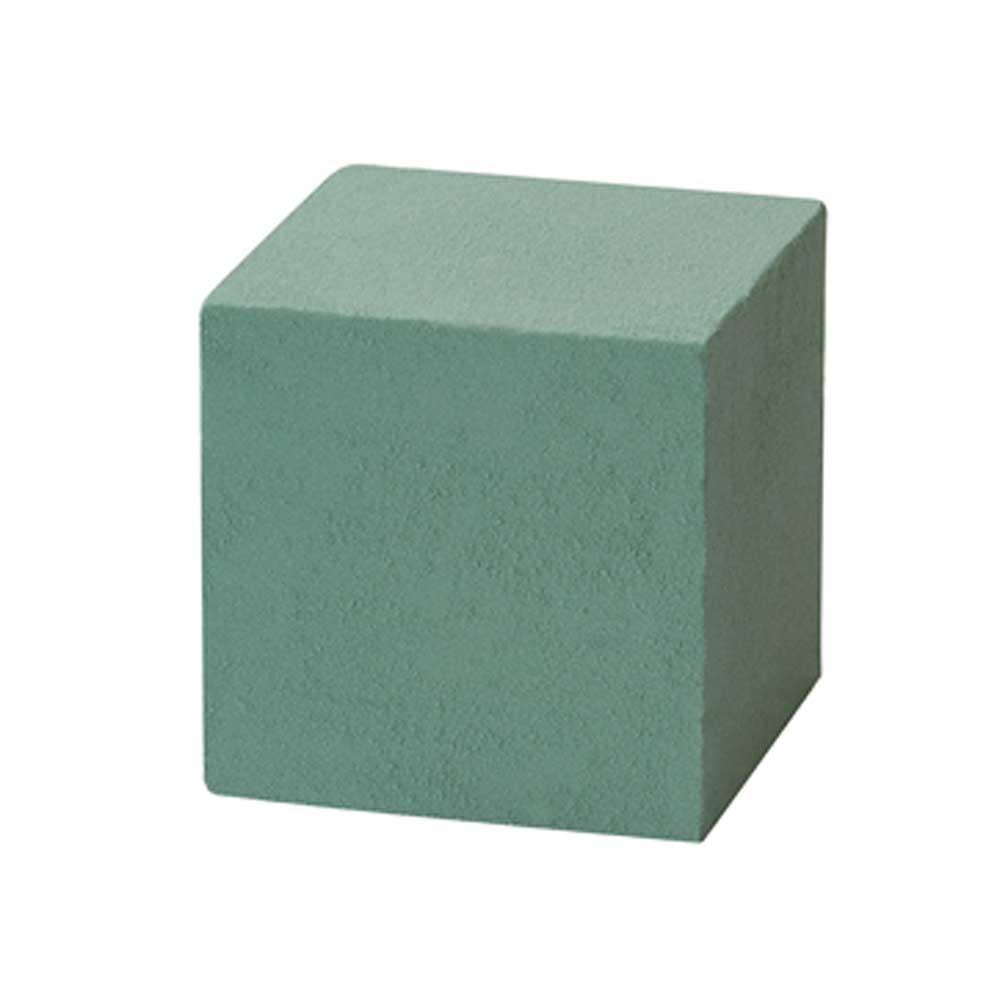
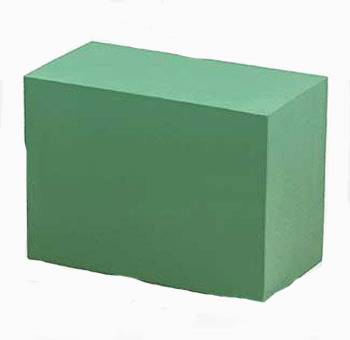
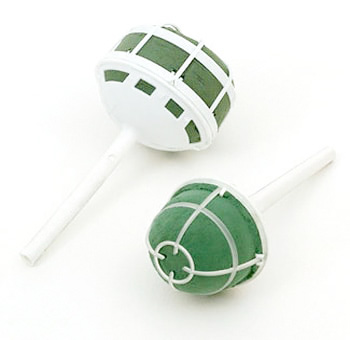
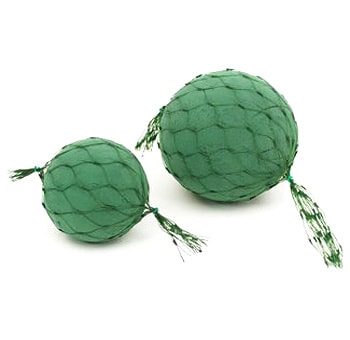
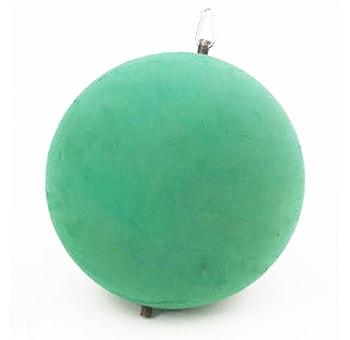
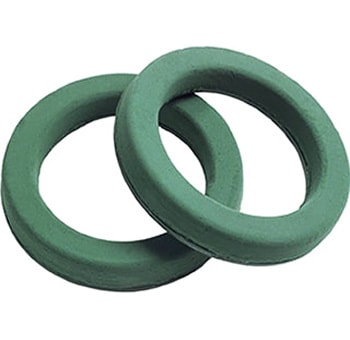
Wholesale Floral Foam for Fresh Flower Arrangements and Event Designs
Floral foam remains one of the most widely used floral mechanics in professional flower arranging because of its ability to support flower placement while continuously supplying hydration to fresh stems. From large-scale event installations and wedding centerpieces to sympathy arrangements, bouquets, and everyday floral designs, floral foam provides the structural foundation that allows florists to create balanced, secure, and long-lasting arrangements with greater precision and design flexibility.
At Whole Blossoms, our floral foam collection is curated for florists, event designers, wedding professionals, flower shops, and...
Wholesale Floral Foam for Fresh Flower Arrangements and Event Designs
Floral foam remains one of the most widely used floral mechanics in professional flower arranging because of its ability to support flower placement while continuously supplying hydration to fresh stems. From large-scale event installations and wedding centerpieces to sympathy arrangements, bouquets, and everyday floral designs, floral foam provides the structural foundation that allows florists to create balanced, secure, and long-lasting arrangements with greater precision and design flexibility.
At Whole Blossoms, our floral foam collection is curated for florists, event designers, wedding professionals, flower shops, and DIY floral creators seeking dependable floral mechanics for fresh flower arrangements. Whether building elevated centerpieces, compact vase arrangements, ceremony florals, or large floral installations, high-quality floral foam helps stabilize blooms while maintaining access to water throughout the arrangement’s display life.
Why Floral Foam Is Essential for Fresh Flower Arrangements
Fresh flowers require continuous hydration after stems are cut, especially during lengthy events, transportation periods, or floral displays exposed to warmer temperatures and changing environments. Floral foam acts as both a support structure and a water reservoir, helping flowers absorb moisture while remaining securely positioned within an arrangement.
Professional florists rely on floral foam because it allows for more controlled flower placement compared to loose vase arranging techniques. By inserting stems directly into hydrated foam, designers can create dimension, height variation, asymmetrical floral movement, and layered compositions while maintaining arrangement stability throughout setup and presentation.
Floral foam is particularly valuable when working with flowers that require exact positioning for visual impact. Roses, hydrangeas, orchids, carnations, ranunculus, chrysanthemums, and seasonal blooms can all be secured more effectively using properly hydrated floral foam foundations. The foam helps prevent stem shifting while allowing florists to maintain clean floral lines and balanced compositions.
For event work, floral foam also improves transportation reliability by minimizing flower movement during delivery and installation. This makes it one of the most important floral mechanics used across wedding floristry, banquet florals, ceremony flowers, sympathy work, and large-scale floral production.
Floral Foam for Centerpieces, Installations, and Floral Design Structures
Floral foam is used across a wide range of floral design applications because of its versatility and ability to support both traditional and modern floral styles. Centerpiece arrangements often rely on foam blocks placed inside vessels or mechanics cages to create stable floral foundations that can support layered bloom placement and varied stem angles.
Many florists combine floral foam with decorative floral vases and containers to create arrangements that feel polished, balanced, and professionally structured. Floral foam helps designers maximize flower coverage within vessels while supporting more advanced floral composition techniques including elevated focal placement, cascading movement, and textural layering.
In addition to centerpieces, floral foam is widely used for arches, floral columns, hanging installations, aisle flowers, altar arrangements, and large-scale floral structures. Foam cages and mechanics systems allow florists to secure flowers vertically and horizontally while maintaining hydration access during extended event timelines.
Because floral foam can be trimmed and shaped easily, florists are able to customize mechanics for unique vessels, unconventional floral structures, and specialty installation work that requires more flexibility than traditional arranging methods.
Hydration Support for Longer-Lasting Floral Displays
One of the primary benefits of floral foam is its ability to support flower hydration throughout the lifespan of an arrangement. Properly soaked floral foam distributes water gradually to inserted stems, helping flowers remain fresher during display, transportation, and event presentation.
Professional florists frequently pair floral foam with hydration products such as floral food to further improve flower longevity and water quality. Floral food solutions help nourish flowers while reducing bacterial buildup that may shorten vase life or compromise floral freshness during extended display periods.
Hydration management becomes especially important for flowers used in weddings, banquets, ceremonies, and corporate events where arrangements may remain displayed for many hours. Floral foam allows florists to maintain moisture access while preserving the intended structure and positioning of flowers throughout the event timeline.
For flowers that require additional hydration support outside traditional foam mechanics, florists may also incorporate floral water tubes to protect sensitive blooms used in wearable flowers, bouquets, installations, or out-of-water floral applications.
Floral Foam for DIY Flower Arranging and Event Preparation
DIY floral arranging has become increasingly popular for weddings, showers, dinner parties, flower bars, and seasonal decorating projects. Floral foam helps simplify arrangement construction for customers creating flowers at home by providing an easy-to-use structure that supports bloom placement and arrangement stability.
Many DIY designers use floral foam when preparing centerpieces, mantel arrangements, entry florals, and table flowers because it allows flowers to stay positioned securely while reducing the complexity of advanced arranging techniques. Foam mechanics also make it easier to create fuller floral designs with better visual balance and spacing.
Customers preparing flowers for larger events often purchase floral foam alongside coordinated floral supply kits that include floral tools, mechanics, and preparation materials needed for efficient flower arranging. Organized floral supplies help streamline setup while improving consistency across multiple arrangements and floral pieces.
Whether used for professional event floristry or home floral projects, floral foam continues to serve as one of the most dependable and versatile floral mechanics available for fresh flower arranging.
Professional Floral Foam for Reliable Arrangement Structure and Design Precision
Creating long-lasting floral arrangements requires more than beautiful flowers alone. Proper floral mechanics play a major role in supporting flower hydration, structural balance, arrangement durability, and overall floral presentation. Floral foam allows designers to work with greater flexibility while maintaining control over flower placement and arrangement composition.
At Whole Blossoms, our floral foam collection is selected to support florists, event designers, floral studios, wedding professionals, and DIY customers seeking reliable floral mechanics for fresh flower arrangements and event floral production. From compact centerpiece work to large installation structures, professional floral foam helps transform fresh flowers into secure, hydrated, and visually refined floral displays.
Understanding Floral Foam and Fresh Flower Arrangement Mechanics
What Is Floral Foam Used For?
Floral foam is a specialized floral mechanic designed to support fresh flower stems while holding water to help maintain hydration throughout the lifespan of an arrangement. Florists commonly use floral foam for centerpieces, bouquets, sympathy arrangements, ceremony flowers, floral installations, and decorative floral displays where secure stem placement and long-lasting hydration are important.
The foam acts as both a structural base and a water reservoir, allowing flowers to remain positioned securely while continuously absorbing moisture. This combination of support and hydration makes floral foam...
Understanding Floral Foam and Fresh Flower Arrangement Mechanics
What Is Floral Foam Used For?
Floral foam is a specialized floral mechanic designed to support fresh flower stems while holding water to help maintain hydration throughout the lifespan of an arrangement. Florists commonly use floral foam for centerpieces, bouquets, sympathy arrangements, ceremony flowers, floral installations, and decorative floral displays where secure stem placement and long-lasting hydration are important.
The foam acts as both a structural base and a water reservoir, allowing flowers to remain positioned securely while continuously absorbing moisture. This combination of support and hydration makes floral foam one of the most commonly used mechanics in professional floral design.
How Does Floral Foam Help Flowers Stay Fresh?
Fresh flowers naturally begin losing moisture after stems are cut, especially when exposed to transportation, event environments, or warm temperatures. Properly soaked floral foam supplies water directly to inserted stems, helping flowers remain hydrated during display and presentation.
Because floral foam distributes water gradually throughout the arrangement, flowers can maintain freshness longer compared to dry mechanics or unsupported floral structures. Florists often combine floral foam with floral food solutions to further improve hydration quality and support flower longevity during weddings, banquets, and extended floral events.
Correct foam preparation is important for optimal hydration performance. Floral foam should always be soaked naturally in clean water before use to allow even saturation throughout the block.
What Types of Floral Arrangements Use Floral Foam?
Floral foam is used across many different floral design styles and arrangement categories. Traditional centerpiece arrangements frequently rely on floral foam for controlled flower placement and balanced composition. Sympathy flowers, altar arrangements, floral arches, hanging installations, and banquet florals also commonly incorporate foam mechanics to support larger-scale floral structures.
Professional florists often use floral foam when arrangements require exact flower positioning, elevated design work, or transportation stability. Because stems can be inserted at various angles and depths, floral foam allows designers to create more dynamic floral movement and dimensional layering within arrangements.
DIY floral designers also use floral foam for weddings, parties, holiday arrangements, and home floral projects because it simplifies flower placement and helps arrangements maintain shape more easily.
Can Floral Foam Be Used with Different Floral Containers?
Floral foam can be adapted to a wide range of floral vessels and mechanics systems. Florists frequently trim foam blocks to fit bowls, centerpiece containers, compotes, floral trays, decorative urns, and specialty floral structures. Floral foam cages and holders are also commonly used to stabilize arrangements during transportation and installation.
Because floral foam is highly versatile, it supports both compact floral arrangements and large-scale floral installations. Many florists pair floral foam with decorative containers and floral mechanics to create arrangements that feel both visually balanced and professionally secured.
Choosing Floral Foam for Professional and DIY Floral Design
Floral foam remains one of the most important mechanics used in modern floral arranging because it combines hydration support with structural flexibility. Whether creating elegant centerpieces, large floral installations, sympathy flowers, or home arrangements, floral foam helps flowers remain secure, hydrated, and visually polished throughout display.
At Whole Blossoms, our floral foam collection is curated for florists, event professionals, wedding designers, and DIY floral creators seeking dependable floral mechanics for fresh flower arrangements and event floral production. With reliable floral foam solutions designed for professional-quality flower arranging, customers can create floral displays that feel both structurally refined and beautifully hydrated.
Care and Handling for Floral Foam and Fresh Flower Arrangement Mechanics
Proper care and preparation of floral foam are essential for maintaining flower hydration, arrangement stability, and overall floral longevity. Because floral foam acts as both a structural support system and a water source for fresh flowers, correct handling techniques directly affect how well arrangements perform throughout display, transportation, and event presentation.
Professional florists use floral foam across centerpieces, ceremony flowers, sympathy arrangements, floral installations, and event décor because it helps flowers remain hydrated while supporting controlled stem placement. Proper soaking, storage, and ...
Care and Handling for Floral Foam and Fresh Flower Arrangement Mechanics
Proper care and preparation of floral foam are essential for maintaining flower hydration, arrangement stability, and overall floral longevity. Because floral foam acts as both a structural support system and a water source for fresh flowers, correct handling techniques directly affect how well arrangements perform throughout display, transportation, and event presentation.
Professional florists use floral foam across centerpieces, ceremony flowers, sympathy arrangements, floral installations, and event décor because it helps flowers remain hydrated while supporting controlled stem placement. Proper soaking, storage, and arrangement preparation ensure floral foam performs effectively while helping flowers maintain freshness and visual quality for longer periods.
Soak Floral Foam Correctly Before Use
Floral foam should always be fully hydrated before flowers are inserted. To prepare foam properly, place the foam block gently on the surface of clean water and allow it to absorb water naturally. Never force foam underwater, as this can trap dry air pockets inside the foam and reduce its ability to distribute water evenly throughout the arrangement.
Depending on foam size and density, complete saturation may take several minutes. Properly soaked floral foam should feel evenly hydrated and slightly heavier once fully saturated.
Florists often prepare floral foam using clean buckets or floral preparation containers to minimize contamination before arranging begins. Using fresh water helps reduce bacterial buildup that may shorten flower vase life.
Use Clean Water and Floral Solutions
Fresh, clean water is important for maintaining healthy floral foam hydration and supporting flower longevity. Dirty water or contaminated containers can introduce bacteria that may clog flower stems and reduce water absorption during display.
Many florists add floral food solutions to the soaking water to help nourish flowers while improving hydration quality. Floral food can help support bloom freshness during weddings, events, and extended floral displays where flowers remain arranged for many hours.
If arrangements will remain displayed over multiple days, additional water may be added carefully to the floral foam base as needed to maintain moisture levels.
Handle Floral Foam Carefully During Arrangement Construction
When inserting flowers into floral foam, stems should be pushed gently into the foam using deliberate placement. Repeatedly removing and reinserting stems into the same area can weaken the foam structure and reduce water distribution efficiency.
Florists often trim stems at an angle before insertion to improve water absorption and create smoother entry into the foam. Sharp floral cutters help prevent stem crushing while minimizing damage to the foam surface.
Because floral foam can become fragile when fully saturated, arrangements should be transported carefully to avoid cracking or structural shifting during movement and event setup.
Store Prepared Floral Foam in Cool Conditions
Hydrated floral foam and completed arrangements should be stored in cool environments whenever possible before delivery or display. Refrigerated storage helps flowers maintain freshness while reducing moisture loss from both the flowers and the foam itself.
Avoid placing floral foam in direct sunlight, excessive heat, or strong airflow, as these conditions can dry the foam more quickly and reduce flower hydration. Outdoor event setups may require additional monitoring to ensure arrangements remain sufficiently hydrated during warmer temperatures.
Prepared foam that has not yet been arranged may also be wrapped lightly in plastic to help retain moisture before floral production begins.
Dispose of Floral Foam Responsibly After Use
After events or floral displays are completed, used floral foam should be disposed of responsibly according to local waste management guidelines. Floral foam is intended for floral arranging use and should not be reused once it begins breaking down or losing structural integrity.
Florists should also clean floral containers, tools, and preparation surfaces thoroughly after working with floral foam to remove dust, residue, and organic material left behind during arrangement production.
With proper preparation, hydration, storage, and handling techniques, floral foam can provide dependable structural support and moisture retention for fresh flower arrangements across weddings, events, centerpieces, and everyday floral design projects.
Wholesale Floral Foam for Fresh Flower Arrangements and Event Designs
Floral foam remains one of the most widely used floral mechanics in professional flower arranging because of its ability to support flower placement while continuously supplying hydration to fresh stems. From large-scale event installations and wedding centerpieces to sympathy arrangements, bouquets, and everyday floral designs, floral foam provides the structural foundation that allows florists to create balanced, secure, and long-lasting arrangements with greater precision and design flexibility.
At Whole Blossoms, our floral foam collection is curated for florists, event designers, wedding professionals, flower shops, and...
Wholesale Floral Foam for Fresh Flower Arrangements and Event Designs
Floral foam remains one of the most widely used floral mechanics in professional flower arranging because of its ability to support flower placement while continuously supplying hydration to fresh stems. From large-scale event installations and wedding centerpieces to sympathy arrangements, bouquets, and everyday floral designs, floral foam provides the structural foundation that allows florists to create balanced, secure, and long-lasting arrangements with greater precision and design flexibility.
At Whole Blossoms, our floral foam collection is curated for florists, event designers, wedding professionals, flower shops, and DIY floral creators seeking dependable floral mechanics for fresh flower arrangements. Whether building elevated centerpieces, compact vase arrangements, ceremony florals, or large floral installations, high-quality floral foam helps stabilize blooms while maintaining access to water throughout the arrangement’s display life.
Why Floral Foam Is Essential for Fresh Flower Arrangements
Fresh flowers require continuous hydration after stems are cut, especially during lengthy events, transportation periods, or floral displays exposed to warmer temperatures and changing environments. Floral foam acts as both a support structure and a water reservoir, helping flowers absorb moisture while remaining securely positioned within an arrangement.
Professional florists rely on floral foam because it allows for more controlled flower placement compared to loose vase arranging techniques. By inserting stems directly into hydrated foam, designers can create dimension, height variation, asymmetrical floral movement, and layered compositions while maintaining arrangement stability throughout setup and presentation.
Floral foam is particularly valuable when working with flowers that require exact positioning for visual impact. Roses, hydrangeas, orchids, carnations, ranunculus, chrysanthemums, and seasonal blooms can all be secured more effectively using properly hydrated floral foam foundations. The foam helps prevent stem shifting while allowing florists to maintain clean floral lines and balanced compositions.
For event work, floral foam also improves transportation reliability by minimizing flower movement during delivery and installation. This makes it one of the most important floral mechanics used across wedding floristry, banquet florals, ceremony flowers, sympathy work, and large-scale floral production.
Floral Foam for Centerpieces, Installations, and Floral Design Structures
Floral foam is used across a wide range of floral design applications because of its versatility and ability to support both traditional and modern floral styles. Centerpiece arrangements often rely on foam blocks placed inside vessels or mechanics cages to create stable floral foundations that can support layered bloom placement and varied stem angles.
Many florists combine floral foam with decorative floral vases and containers to create arrangements that feel polished, balanced, and professionally structured. Floral foam helps designers maximize flower coverage within vessels while supporting more advanced floral composition techniques including elevated focal placement, cascading movement, and textural layering.
In addition to centerpieces, floral foam is widely used for arches, floral columns, hanging installations, aisle flowers, altar arrangements, and large-scale floral structures. Foam cages and mechanics systems allow florists to secure flowers vertically and horizontally while maintaining hydration access during extended event timelines.
Because floral foam can be trimmed and shaped easily, florists are able to customize mechanics for unique vessels, unconventional floral structures, and specialty installation work that requires more flexibility than traditional arranging methods.
Hydration Support for Longer-Lasting Floral Displays
One of the primary benefits of floral foam is its ability to support flower hydration throughout the lifespan of an arrangement. Properly soaked floral foam distributes water gradually to inserted stems, helping flowers remain fresher during display, transportation, and event presentation.
Professional florists frequently pair floral foam with hydration products such as floral food to further improve flower longevity and water quality. Floral food solutions help nourish flowers while reducing bacterial buildup that may shorten vase life or compromise floral freshness during extended display periods.
Hydration management becomes especially important for flowers used in weddings, banquets, ceremonies, and corporate events where arrangements may remain displayed for many hours. Floral foam allows florists to maintain moisture access while preserving the intended structure and positioning of flowers throughout the event timeline.
For flowers that require additional hydration support outside traditional foam mechanics, florists may also incorporate floral water tubes to protect sensitive blooms used in wearable flowers, bouquets, installations, or out-of-water floral applications.
Floral Foam for DIY Flower Arranging and Event Preparation
DIY floral arranging has become increasingly popular for weddings, showers, dinner parties, flower bars, and seasonal decorating projects. Floral foam helps simplify arrangement construction for customers creating flowers at home by providing an easy-to-use structure that supports bloom placement and arrangement stability.
Many DIY designers use floral foam when preparing centerpieces, mantel arrangements, entry florals, and table flowers because it allows flowers to stay positioned securely while reducing the complexity of advanced arranging techniques. Foam mechanics also make it easier to create fuller floral designs with better visual balance and spacing.
Customers preparing flowers for larger events often purchase floral foam alongside coordinated floral supply kits that include floral tools, mechanics, and preparation materials needed for efficient flower arranging. Organized floral supplies help streamline setup while improving consistency across multiple arrangements and floral pieces.
Whether used for professional event floristry or home floral projects, floral foam continues to serve as one of the most dependable and versatile floral mechanics available for fresh flower arranging.
Professional Floral Foam for Reliable Arrangement Structure and Design Precision
Creating long-lasting floral arrangements requires more than beautiful flowers alone. Proper floral mechanics play a major role in supporting flower hydration, structural balance, arrangement durability, and overall floral presentation. Floral foam allows designers to work with greater flexibility while maintaining control over flower placement and arrangement composition.
At Whole Blossoms, our floral foam collection is selected to support florists, event designers, floral studios, wedding professionals, and DIY customers seeking reliable floral mechanics for fresh flower arrangements and event floral production. From compact centerpiece work to large installation structures, professional floral foam helps transform fresh flowers into secure, hydrated, and visually refined floral displays.
Understanding Floral Foam and Fresh Flower Arrangement Mechanics
What Is Floral Foam Used For?
Floral foam is a specialized floral mechanic designed to support fresh flower stems while holding water to help maintain hydration throughout the lifespan of an arrangement. Florists commonly use floral foam for centerpieces, bouquets, sympathy arrangements, ceremony flowers, floral installations, and decorative floral displays where secure stem placement and long-lasting hydration are important.
The foam acts as both a structural base and a water reservoir, allowing flowers to remain positioned securely while continuously absorbing moisture. This combination of support and hydration makes floral foam one of the most commonly used mechanics in professional floral design.
How Does Floral Foam Help Flowers Stay Fresh?
Fresh flowers naturally begin losing moisture after stems are cut, especially when e...
Understanding Floral Foam and Fresh Flower Arrangement Mechanics
What Is Floral Foam Used For?
Floral foam is a specialized floral mechanic designed to support fresh flower stems while holding water to help maintain hydration throughout the lifespan of an arrangement. Florists commonly use floral foam for centerpieces, bouquets, sympathy arrangements, ceremony flowers, floral installations, and decorative floral displays where secure stem placement and long-lasting hydration are important.
The foam acts as both a structural base and a water reservoir, allowing flowers to remain positioned securely while continuously absorbing moisture. This combination of support and hydration makes floral foam one of the most commonly used mechanics in professional floral design.
How Does Floral Foam Help Flowers Stay Fresh?
Fresh flowers naturally begin losing moisture after stems are cut, especially when exposed to transportation, event environments, or warm temperatures. Properly soaked floral foam supplies water directly to inserted stems, helping flowers remain hydrated during display and presentation.
Because floral foam distributes water gradually throughout the arrangement, flowers can maintain freshness longer compared to dry mechanics or unsupported floral structures. Florists often combine floral foam with floral food solutions to further improve hydration quality and support flower longevity during weddings, banquets, and extended floral events.
Correct foam preparation is important for optimal hydration performance. Floral foam should always be soaked naturally in clean water before use to allow even saturation throughout the block.
What Types of Floral Arrangements Use Floral Foam?
Floral foam is used across many different floral design styles and arrangement categories. Traditional centerpiece arrangements frequently rely on floral foam for controlled flower placement and balanced composition. Sympathy flowers, altar arrangements, floral arches, hanging installations, and banquet florals also commonly incorporate foam mechanics to support larger-scale floral structures.
Professional florists often use floral foam when arrangements require exact flower positioning, elevated design work, or transportation stability. Because stems can be inserted at various angles and depths, floral foam allows designers to create more dynamic floral movement and dimensional layering within arrangements.
DIY floral designers also use floral foam for weddings, parties, holiday arrangements, and home floral projects because it simplifies flower placement and helps arrangements maintain shape more easily.
Can Floral Foam Be Used with Different Floral Containers?
Floral foam can be adapted to a wide range of floral vessels and mechanics systems. Florists frequently trim foam blocks to fit bowls, centerpiece containers, compotes, floral trays, decorative urns, and specialty floral structures. Floral foam cages and holders are also commonly used to stabilize arrangements during transportation and installation.
Because floral foam is highly versatile, it supports both compact floral arrangements and large-scale floral installations. Many florists pair floral foam with decorative containers and floral mechanics to create arrangements that feel both visually balanced and professionally secured.
Choosing Floral Foam for Professional and DIY Floral Design
Floral foam remains one of the most important mechanics used in modern floral arranging because it combines hydration support with structural flexibility. Whether creating elegant centerpieces, large floral installations, sympathy flowers, or home arrangements, floral foam helps flowers remain secure, hydrated, and visually polished throughout display.
At Whole Blossoms, our floral foam collection is curated for florists, event professionals, wedding designers, and DIY floral creators seeking dependable floral mechanics for fresh flower arrangements and event floral production. With reliable floral foam solutions designed for professional-quality flower arranging, customers can create floral displays that feel both structurally refined and beautifully hydrated.
Care and Handling for Floral Foam and Fresh Flower Arrangement Mechanics
Proper care and preparation of floral foam are essential for maintaining flower hydration, arrangement stability, and overall floral longevity. Because floral foam acts as both a structural support system and a water source for fresh flowers, correct handling techniques directly affect how well arrangements perform throughout display, transportation, and event presentation.
Professional florists use floral foam across centerpieces, ceremony flowers, sympathy arrangements, floral installations, and event décor because it helps flowers remain hydrated while supporting controlled stem placement. Proper soaking, storage, and arrangement preparation ensure floral foam performs effectively while helping flowers maintain freshness and visual quality for longer periods.
Soak Floral Foam Correctly Before Use
Floral foam should a...
Care and Handling for Floral Foam and Fresh Flower Arrangement Mechanics
Proper care and preparation of floral foam are essential for maintaining flower hydration, arrangement stability, and overall floral longevity. Because floral foam acts as both a structural support system and a water source for fresh flowers, correct handling techniques directly affect how well arrangements perform throughout display, transportation, and event presentation.
Professional florists use floral foam across centerpieces, ceremony flowers, sympathy arrangements, floral installations, and event décor because it helps flowers remain hydrated while supporting controlled stem placement. Proper soaking, storage, and arrangement preparation ensure floral foam performs effectively while helping flowers maintain freshness and visual quality for longer periods.
Soak Floral Foam Correctly Before Use
Floral foam should always be fully hydrated before flowers are inserted. To prepare foam properly, place the foam block gently on the surface of clean water and allow it to absorb water naturally. Never force foam underwater, as this can trap dry air pockets inside the foam and reduce its ability to distribute water evenly throughout the arrangement.
Depending on foam size and density, complete saturation may take several minutes. Properly soaked floral foam should feel evenly hydrated and slightly heavier once fully saturated.
Florists often prepare floral foam using clean buckets or floral preparation containers to minimize contamination before arranging begins. Using fresh water helps reduce bacterial buildup that may shorten flower vase life.
Use Clean Water and Floral Solutions
Fresh, clean water is important for maintaining healthy floral foam hydration and supporting flower longevity. Dirty water or contaminated containers can introduce bacteria that may clog flower stems and reduce water absorption during display.
Many florists add floral food solutions to the soaking water to help nourish flowers while improving hydration quality. Floral food can help support bloom freshness during weddings, events, and extended floral displays where flowers remain arranged for many hours.
If arrangements will remain displayed over multiple days, additional water may be added carefully to the floral foam base as needed to maintain moisture levels.
Handle Floral Foam Carefully During Arrangement Construction
When inserting flowers into floral foam, stems should be pushed gently into the foam using deliberate placement. Repeatedly removing and reinserting stems into the same area can weaken the foam structure and reduce water distribution efficiency.
Florists often trim stems at an angle before insertion to improve water absorption and create smoother entry into the foam. Sharp floral cutters help prevent stem crushing while minimizing damage to the foam surface.
Because floral foam can become fragile when fully saturated, arrangements should be transported carefully to avoid cracking or structural shifting during movement and event setup.
Store Prepared Floral Foam in Cool Conditions
Hydrated floral foam and completed arrangements should be stored in cool environments whenever possible before delivery or display. Refrigerated storage helps flowers maintain freshness while reducing moisture loss from both the flowers and the foam itself.
Avoid placing floral foam in direct sunlight, excessive heat, or strong airflow, as these conditions can dry the foam more quickly and reduce flower hydration. Outdoor event setups may require additional monitoring to ensure arrangements remain sufficiently hydrated during warmer temperatures.
Prepared foam that has not yet been arranged may also be wrapped lightly in plastic to help retain moisture before floral production begins.
Dispose of Floral Foam Responsibly After Use
After events or floral displays are completed, used floral foam should be disposed of responsibly according to local waste management guidelines. Floral foam is intended for floral arranging use and should not be reused once it begins breaking down or losing structural integrity.
Florists should also clean floral containers, tools, and preparation surfaces thoroughly after working with floral foam to remove dust, residue, and organic material left behind during arrangement production.
With proper preparation, hydration, storage, and handling techniques, floral foam can provide dependable structural support and moisture retention for fresh flower arrangements across weddings, events, centerpieces, and everyday floral design projects.


