


- Shop Flowers
-
Overnight
- Alstroemeria
- Anemone
- Asclepias
- Aster
- Baby's Breath
- Bells of Ireland
- Calendula
- Calla Lily
- Carnation
- Chrysanthemum
- Cornflower
- Craspedia
- Cremon Disbuds
- Dahlia
- Delphinium
- Dendrobium Orchids
- Dianthus
- Eryngium
- Garden Roses
- Gerbera Daisy
- Gladiolus
- Godetia
- Greenery
- Hydrangeas
- Hypericum
- Iris
- Kangaroo Paws
- Larkspur
- Lavender Flower
- Lilies
- Lily of the Valley
- Limonium
- Nigella
- Oriental Lily
- Pincushion
- Queen Anne's Lace
- Ranunculus
- Roses
- Scabiosa
- Snapdragon
- Spray Roses
- Statice
- Sunflower
- Sweet Peas
- Tulips
- Tweedia
- Veronica
- Wax Flower
- Yarrow Achillea
Click Here to View All
-
Plan Ahead
- Acacia
- Achillea
- Acroclinium
- Agapanthus
- Ageratum
- Alchemilla
- Allium
- Alstroemeria
- Amaranthus
- Amaryllis
- Anemones
- Anigozanthus
- Anthuriums
- Arbovitae
- Asclepias
- Asparagus
- Asparagus
- Aspidistra
- Aster
- Astilbe
- Astrantia
- Baby's Breath
- Banana Leaves
- Banksia
- Bay Leaves
- Bear Grass
- Bells of Ireland
- Berry Decor
- Billy Balls
- Bird of Paradise Flower
- Bird of Paradise Leaf
- Bougainvillea
- Bouvardia
- Boxwood
- Bracken Fern
- Bunny Tail Grass
- Bupleurum
- Calendula
- Calla Lilies
- Campanula
- Cardo Palustre
- Carnations
- Carolina Sapphire
- Cattails
- Cedar
- Celosia
- Cherry Blossoms
- Chili Pepper Branches
- Chinaberry
- Choco Rose
- Chocolate Cosmos
- Clematis
- Clover Purple
- Cocculus
- Cornflower
- Cotinus
- Craspedia
- Cremons
- Croton Leaves
- Crystal Tree Branches
- Cypress
- Daffodils
- Dahlias
- Decorative Branches for Floral Design & Event Styling
- Decorative Sticks
- Delphinium
- Dianthus
- Disbuds
- Dracena
- Dried Achillea
- Dried Roses
- Dusty Miller
- Eryngium
- Eucalyptus
- Fall Branches Decor
- Ferns
- Feverfew
- Fiddlehead
- Flax Leaves
- Flocked Branches
- Flowering Branches
- Freesia
- Fresh Candle Rings
- Galax
- Garden Roses
- Gardenias
- Garlands
- Genista
- Gerberas
- Ginger
- Gladiolus
- Godetia
- Gomphrena
- Grasses
- Greenery
- Greenery Stems
- Greens - Tinted
- Grevillea
- Heliconias
- Hibiscus Pods
- Holidays
- Honey Bracelet
- Huckleberry
- Hyacinth
- Hydrangeas
- Hypericum Berries
- Iris
- Ivy
- Jade
- Jasmine
- Kale
- Kangaroo Paws
- Lamb's Ear
- Larkspur
- Lavender
- Lavender Dried
- Leaf Fillers
- Leafy Greens
- Leather Leaf
- Leis
- Lepidium
- Leucadendrum
- Liatris
- Lilac
- Lilies
- Lily Grass
- Lily of the Valley
- Limonium
- Lisianthus
- Lotus
- Love Grass
- Lunaria
- Magnolia Leaves
- Manzanita Branches
- Marigolds
- Millet
- Mini Tabletop Christmas Trees
- Molucellas
- Monstera
- Moss
- Mums
- Musas
- Myrtle
- Nagi
- Narcissus
- Nigella
- Oak Leaves
- Olive Branches
- Orchids
- Other Branches
- Palms
- Peonies
- Phalaris Grass
- Phlox
- Pine
- Pittosporum
- Podocarpus
- Poms
- Poppies
- Preserved Flowers
- Privett Berries
- Protea Flower
- Psittacorum
- Pumpkin Tree Branches
- Quaking Grass
- Queen Anne's Lace
- Raffines
- Ranunculus
- Reed Pampas Grass
- Riceflower
- Rose Hips
- Rose Petals
- Rose Petals Dried
- Rosemary
- Roses
- Ruscus
- Salal
- Scabiosa
- Sedum
- Snapdragons
- Snowberry
- Spray Roses
- Star Flowers
- Star of Bethlehem
- Starflower
- Statice
- Stephanotis
- Stock Flower
- Strawflowers
- Succulents
- Sunflowers
- Swags
- Sweet Peas
- Sweetheart Roses
- Thistle
- Ti Leaves
- Trachelium
- Tree Fern
- Tropical Leaves
- Tuberose
- Tulips
- Tweedia
- Umbrella Leaves
- Veronicas
- Water Lily Pad
- Wax Rose
- Waxflower
- Weeping Podocarpus
- Winter Hazel
- Wreath/Garland Sets
- Wreaths
- Xanadu
- Yarrow
- Zinnias
Click Here to View All
- Flower Types
- Weddings
-
Shop by Color
- White
- Ivory
- Cream
- Sand
- Champagne
- Beige
- Caramel
- Blush
- Light Pink
- Dusty Pink
- Pink
- Pink Mix
- Pink Bicolor
- Peach
- Peach Cream
- Peach Pink
- Peach Orange
- Coral
- Salmon
- Dark Pink
- Hot Pink
- Magenta
- Berry
- Rose Gold
- Lavender
- Dusty Lavender
- Lavender Pink
- Lavender Purple
- Lavender Bicolor
- Violet
- Purple
- Purple Blue
- Purple Pink
- Purple Bicolor
- Dark Purple
- Light Blue
- Blue Bicolor
- Mauve
- Turquoise
- Turquoise Bicolor
- Blue
- Royal Blue
- Navy Blue
- Teal
- Light Green
- Green Bicolor
- Green
- Mint
- Emerald
- Olive Green
- Dark Green
- Light Yellow
- Yellow
- Yellow Bicolor
- Gold
- Khaki
- Brown
- Mustard
- Copper
- Bronze
- Chocolate
- Rustic
- Orange
- Orange Bicolor
- Terracotta
- Red Orange
- Cherry Bicolor
- Red
- Red Bicolor
- Dark Red
- Maroon
- Red Raspberry
- Burgundy
- Burgundy Bicolor
- Gray
- Silver
- Silver Bicolor
- Black
- Assorted Color
- Choose Your Colors
- Rainbow
- Multicolor
- Pastel
- Two Tone
- Spring Colors
- Summer Colors
- Fall Colors
- Winter Colors
- Weddings
- School Colors
- Valentine's Day
- St Patrick's Day
- Easter
- Mothers Day
- Patriotic
- Halloween
- Thanksgiving
- Christmas
- Hanukkah
- Floral Supplies
- Flower Blog



Bookmark This Page
Save this site to your browser for quick access anytime.
Save this site for quick access anytime.

- Home »
- Wholesale Flowers »
- Plan Ahead »
- Astilbe » Astilbe Flower in January
Astilbe Flowers in January – Bulk Wholesale Blooms for Winter Weddings & Events
Filter By
Color
Price


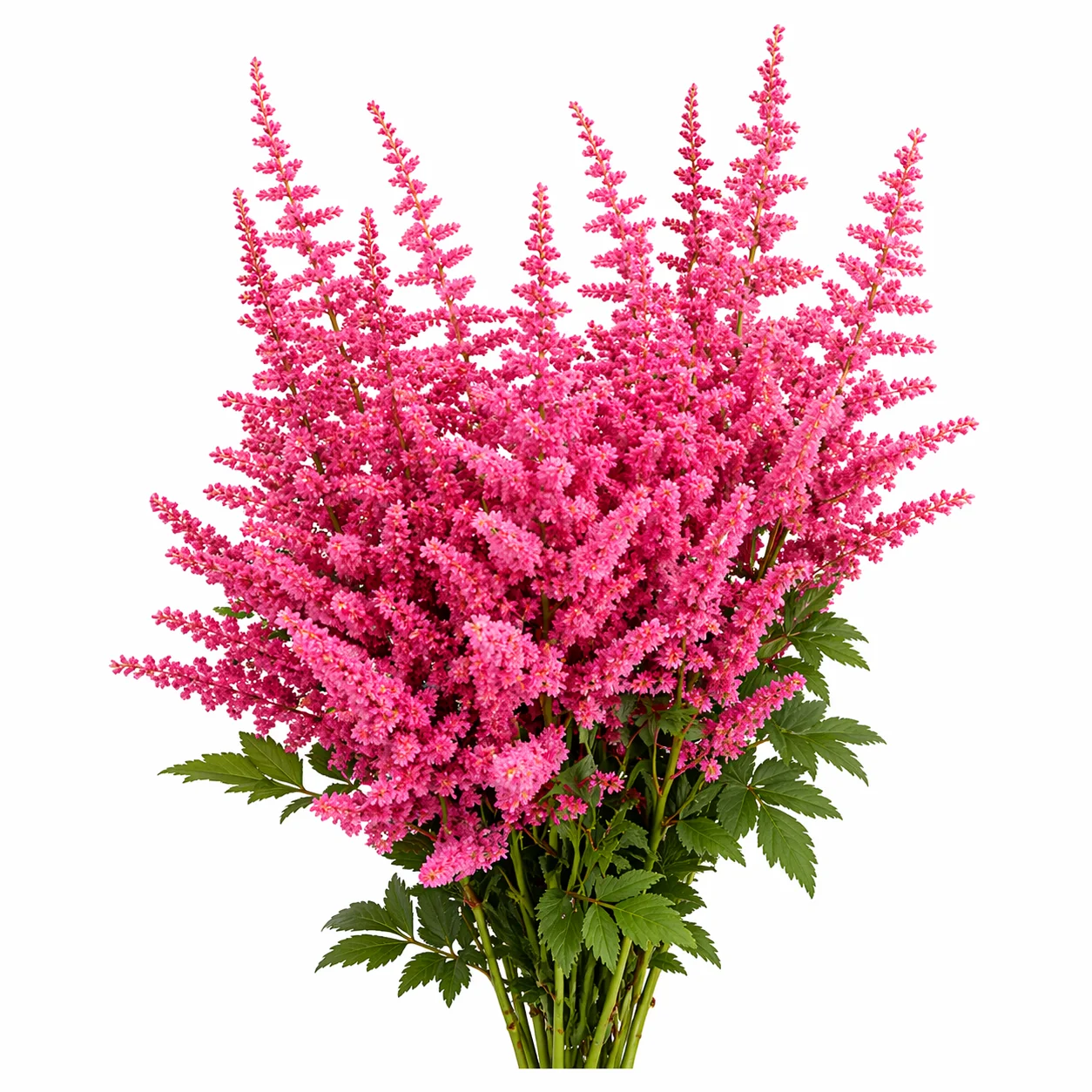
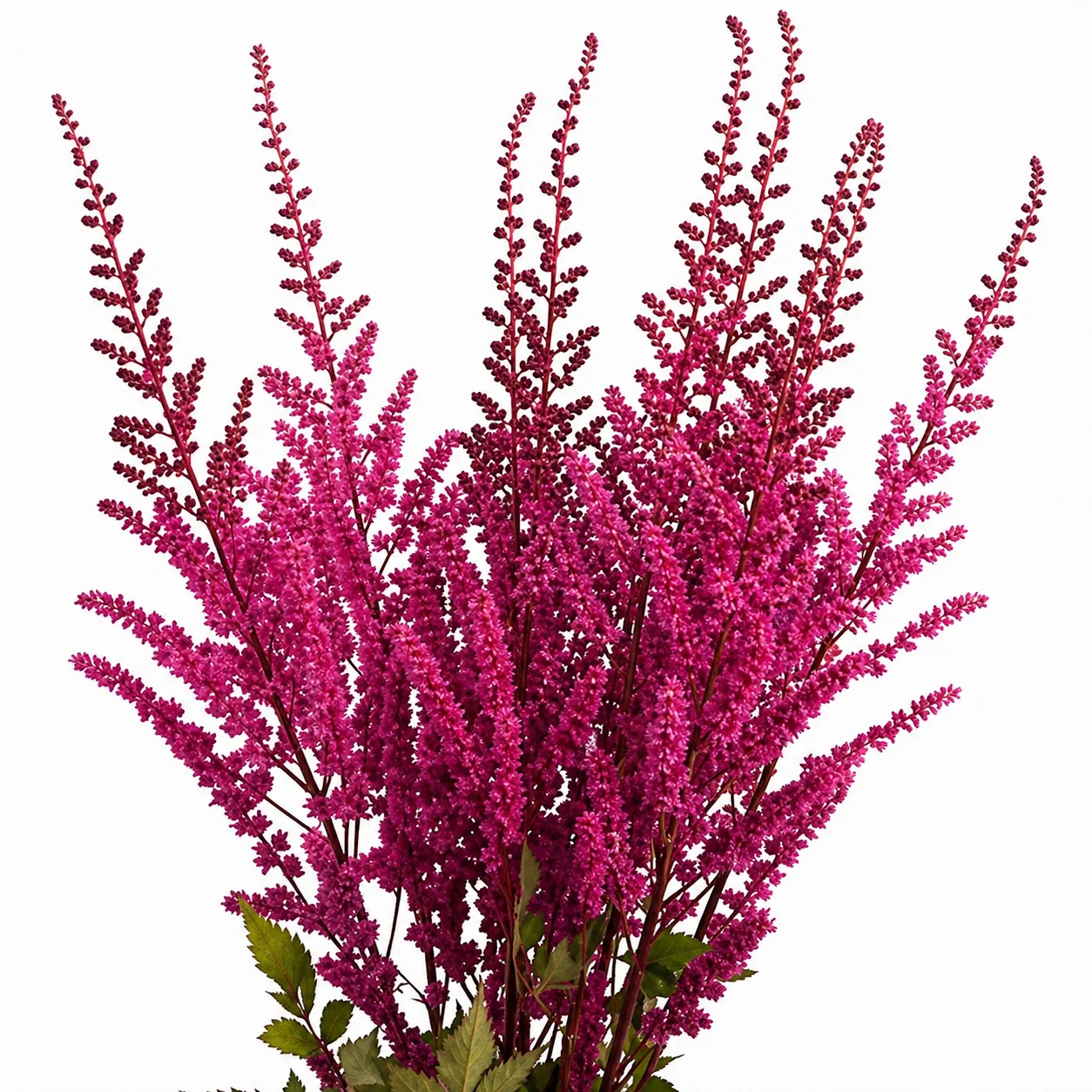
Astilbe Flowers in January for Weddings, Events & Winter Floral Designs
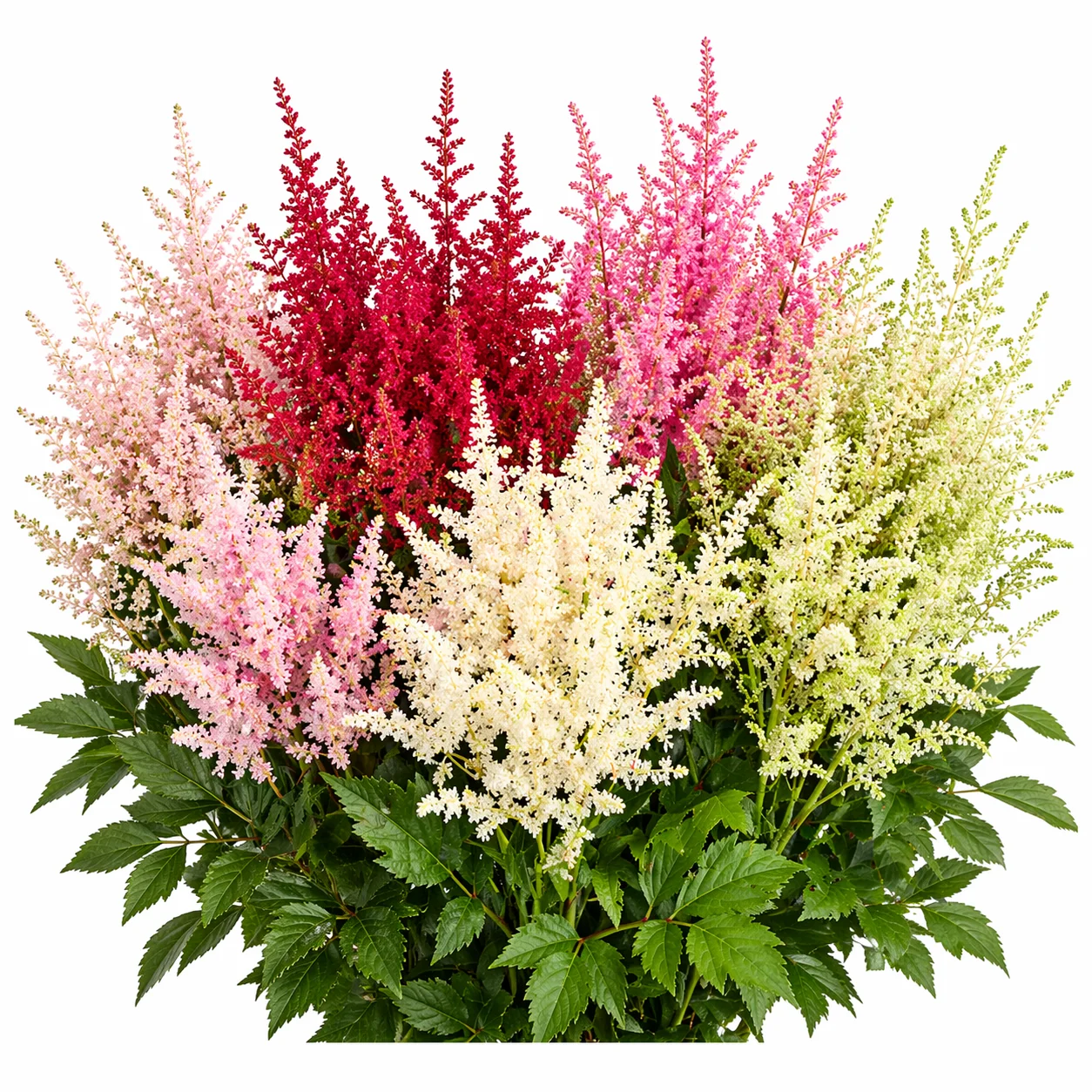
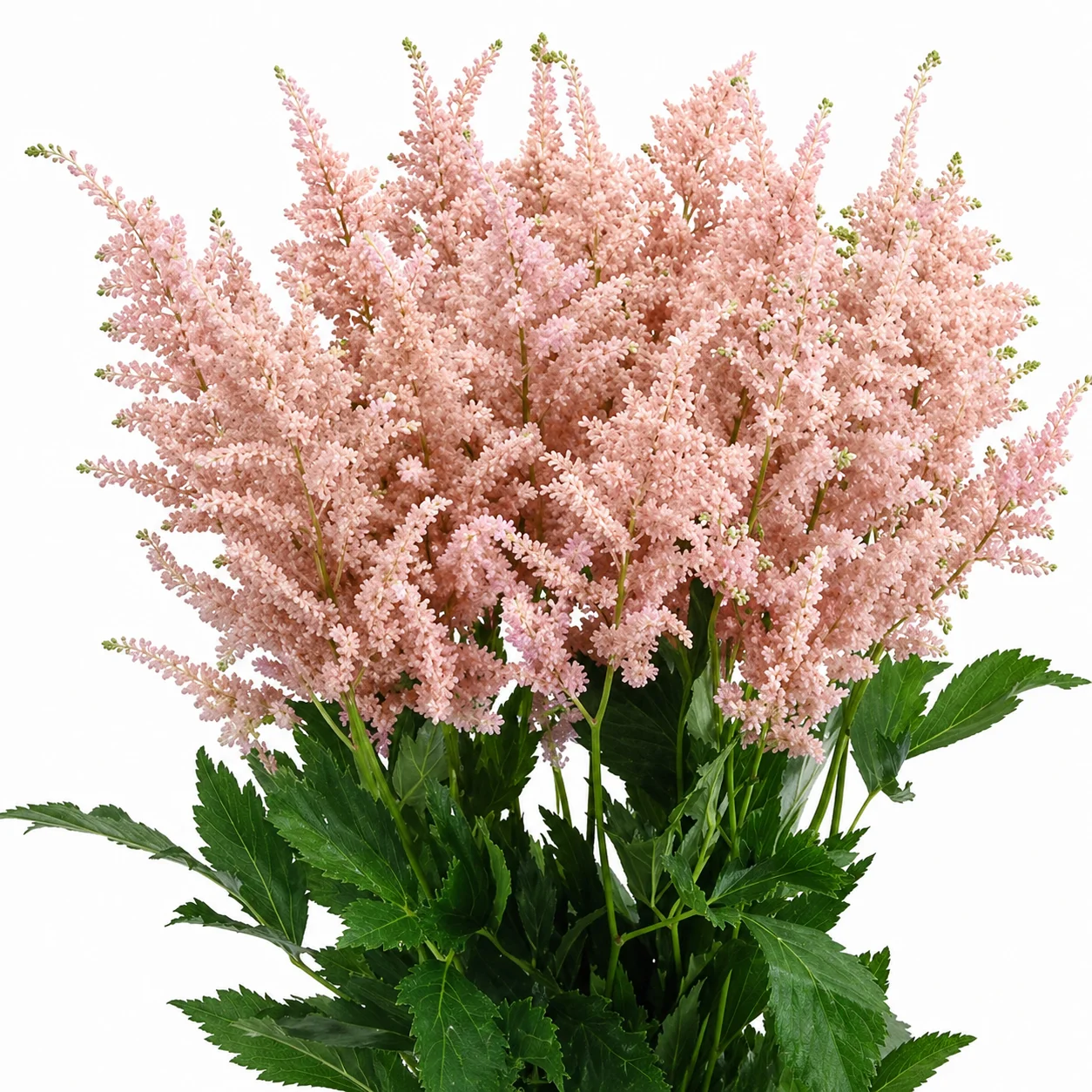
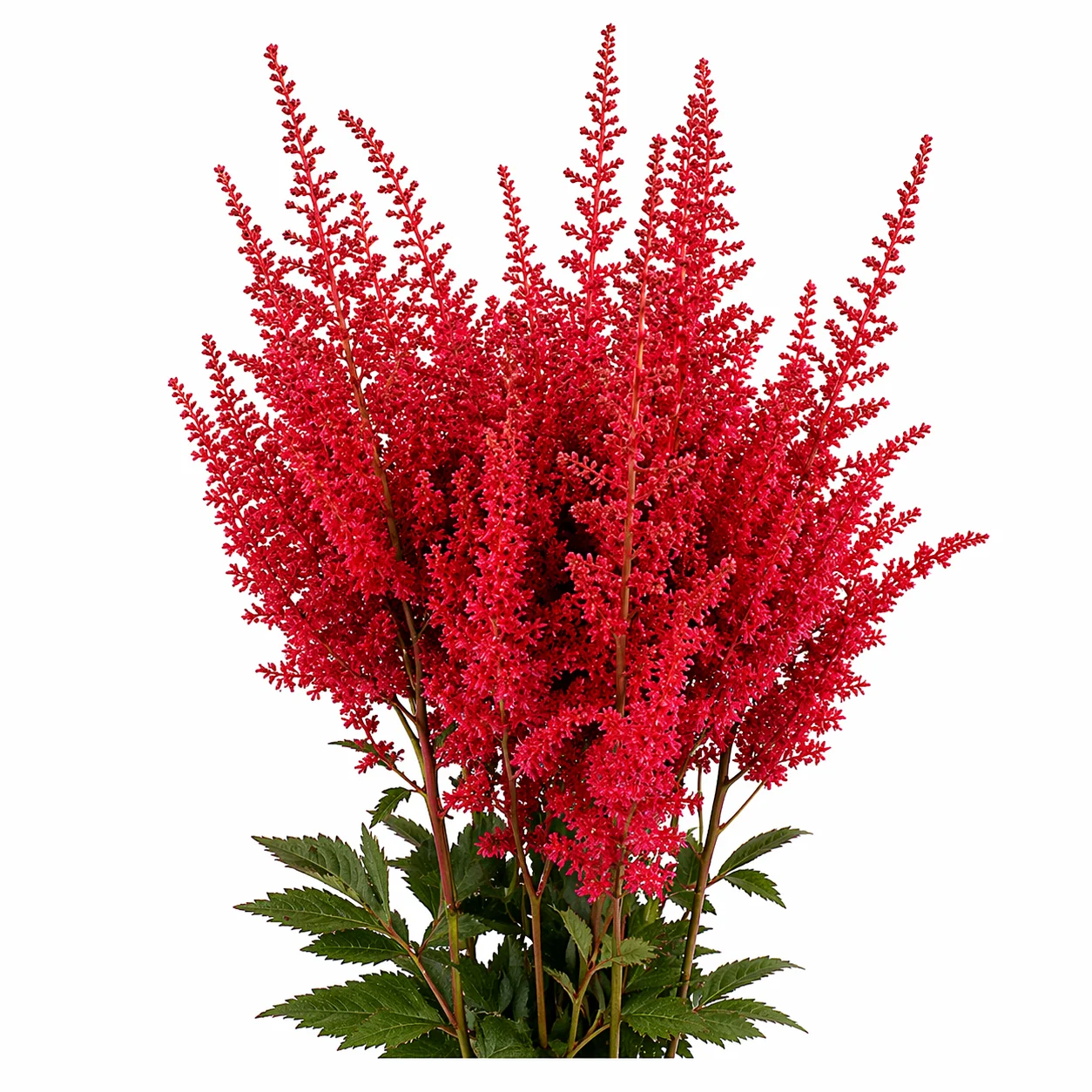
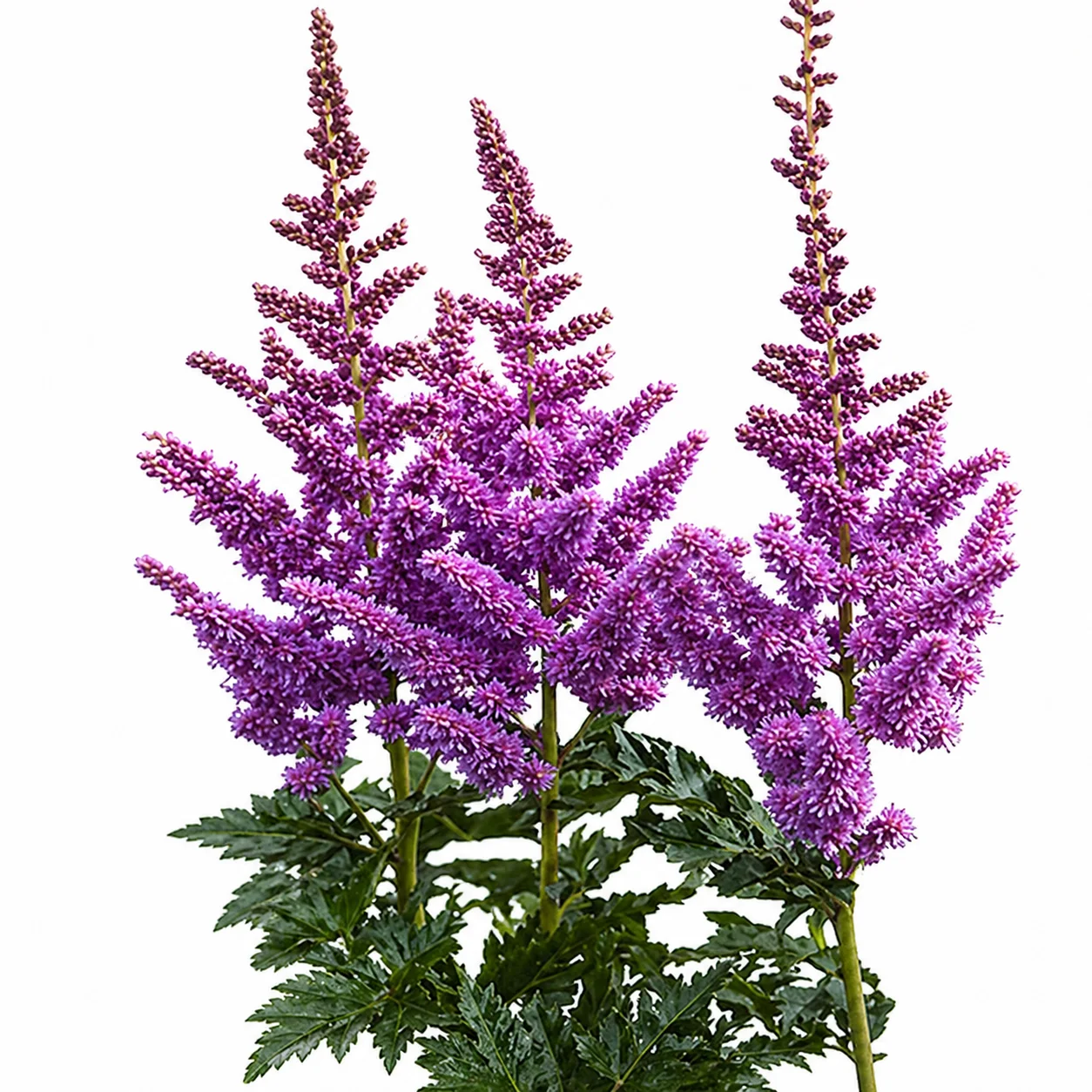
January Astilbe flowers bring soft texture, graceful movement, and romantic winter beauty to floral arrangements. Known for their feathery plume-like blooms, Astilbe is a beautiful choice for winter wedding bouquets, centerpieces, ceremony flowers, reception décor, seasonal arrangements, and plan-ahead floral designs.
At Whole Blossoms, our January Astilbe flowers are selected for freshness, color quality, texture, and event-ready performance. Available in seasonal tones such as white, blush, red, burgundy, pink, and preserved or painted options when available, Astilbe gives winter florals a soft, elegant finish during a s...
Astilbe Flowers in January for Weddings, Events & Winter Floral Designs
January Astilbe flowers bring soft texture, graceful movement, and romantic winter beauty to floral arrangements. Known for their feathery plume-like blooms, Astilbe is a beautiful choice for winter wedding bouquets, centerpieces, ceremony flowers, reception décor, seasonal arrangements, and plan-ahead floral designs.
At Whole Blossoms, our January Astilbe flowers are selected for freshness, color quality, texture, and event-ready performance. Available in seasonal tones such as white, blush, red, burgundy, pink, and preserved or painted options when available, Astilbe gives winter florals a soft, elegant finish during a season when many fresh flower choices can feel limited.
Plan-Ahead Astilbe for January Wedding Flowers
Because this page belongs under Plan Ahead Flowers, Astilbe is especially helpful for customers preparing floral designs before a January wedding, New Year celebration, winter event, or romantic seasonal arrangement. Planning ahead helps with availability, delivery timing, color coordination, hydration, bloom conditioning, and centerpiece preparation.
Astilbe works beautifully in wedding centerpieces, bridal bouquets, bridesmaid bouquets, ceremony flowers, sweetheart table arrangements, floral runners, and winter event installations. Its soft plume texture balances fuller blooms and adds airy movement to cold-weather floral designs.
Why Choose Bulk Astilbe Flowers for January Events?
Bulk Astilbe flowers are a smart choice when you want soft volume, delicate texture, and elegant winter color across multiple arrangements. Their plume-shaped blooms fill floral designs without making them feel heavy, making them ideal for winter weddings, formal events, church arrangements, receptions, and romantic seasonal flowers.
Astilbe pairs beautifully with baby’s breath, carnations, roses, ranunculus, greenery, and seasonal winter blooms. It also works well in elegant palettes inspired by silver wedding flowers, winter whites, blush tones, burgundy accents, and soft romantic color stories.
Design Ideas for January Astilbe Flowers
Use Astilbe in bridal bouquets, centerpieces, ceremony arrangements, aisle décor, sweetheart table flowers, winter installations, and seasonal event styling. Its feathery texture creates a soft, graceful look that works especially well in garden-style, vintage, bohemian, and elegant winter wedding designs.
For a classic January wedding look, pair white or blush Astilbe with greenery, roses, and airy filler flowers. For a richer winter palette, combine burgundy or red Astilbe with deeper flowers, evergreen accents, and structured seasonal blooms. For romantic centerpieces, use Astilbe to soften focal flowers and add delicate movement.
Fresh and Preserved Winter Floral Options
January floral planning may include both fresh and preserved Astilbe options depending on availability and design goals. Fresh Astilbe is ideal for bouquets, centerpieces, and event arrangements, while preserved Astilbe can be useful for longer-lasting winter décor, installations, keepsake designs, and seasonal displays.
Whether you are planning January wedding bouquets, winter centerpieces, preserved arrangements, or romantic event florals, Whole Blossoms makes it easy to order Astilbe flowers with confidence.
Why Choose January Astilbe Flowers from Whole Blossoms?
Astilbe is one of the best flowers for customers who want soft texture, romantic movement, and winter elegance. Its plume-like blooms add volume and refinement without overwhelming the arrangement, making it especially useful for January weddings, winter events, and cold-weather floral designs.
Because Astilbe works well in bouquets, centerpieces, ceremony flowers, installations, and seasonal décor, it is a strong choice for florists, planners, and DIY customers preparing plan-ahead winter arrangements. Its soft appearance helps bring warmth, grace, and delicate texture to January floral designs.
Frequently Asked Questions About January As...
Why Choose January Astilbe Flowers from Whole Blossoms?
Astilbe is one of the best flowers for customers who want soft texture, romantic movement, and winter elegance. Its plume-like blooms add volume and refinement without overwhelming the arrangement, making it especially useful for January weddings, winter events, and cold-weather floral designs.
Because Astilbe works well in bouquets, centerpieces, ceremony flowers, installations, and seasonal décor, it is a strong choice for florists, planners, and DIY customers preparing plan-ahead winter arrangements. Its soft appearance helps bring warmth, grace, and delicate texture to January floral designs.
Frequently Asked Questions About January Astilbe Flowers
Can I get fresh and preserved Astilbe in January?
Astilbe may be available fresh, preserved, painted, or in seasonal options depending on farm supply and availability. Fresh Astilbe is ideal for bouquets and centerpieces, while preserved varieties are useful for longer-lasting winter arrangements.
Is Astilbe good for January weddings?
Yes. Astilbe is excellent for January weddings because it adds soft plume texture, romantic movement, and winter elegance. It pairs beautifully with roses, baby’s breath, carnations, greenery, and cold-season wedding palettes.
What colors work best for January Astilbe arrangements?
Popular January Astilbe colors include white, blush, pink, red, burgundy, and preserved seasonal tones. White and blush Astilbe create a soft winter look, while red and burgundy Astilbe add warmth and romantic depth.
How do I handle cold-shipped Astilbe in winter?
Cold temperatures may compress delicate Astilbe blooms during shipping. Unpack gently, trim the stems, place fresh stems in room-temperature water, and allow 4–6 hours in a climate-stable space away from drafts and heat sources.
How long does Astilbe last after delivery?
Fresh Astilbe usually lasts 5–7 days with proper care. Preserved Astilbe can last much longer when kept dry, protected from humidity, and handled carefully.
Care & Handling for January Astilbe Flowers
Unpack Promptly
Cold temperatures may cause bloom compression during winter shipping. Open boxes immediately upon delivery and remove Astilbe gently to avoid crushing the delicate plume blooms.
Trim the Stems
Using clean, sharp floral shears, cut about ½ inch from each stem at a 45-degree angle. Place fresh Astilbe stems into room-temperature water immediately after trimming.
Rehydrate Fully
Let fresh Astilbe hydrate for 4–6 hours in a climate-stable indoor space. Keep the flowers away from freezing air, cold drafts, heaters, vents, and direct sunlight.
Remove Lower Foliage
Remove any foliage that may fall below the waterline. This helps reduce bacteria gr...
Care & Handling for January Astilbe Flowers
Unpack Promptly
Cold temperatures may cause bloom compression during winter shipping. Open boxes immediately upon delivery and remove Astilbe gently to avoid crushing the delicate plume blooms.
Trim the Stems
Using clean, sharp floral shears, cut about ½ inch from each stem at a 45-degree angle. Place fresh Astilbe stems into room-temperature water immediately after trimming.
Rehydrate Fully
Let fresh Astilbe hydrate for 4–6 hours in a climate-stable indoor space. Keep the flowers away from freezing air, cold drafts, heaters, vents, and direct sunlight.
Remove Lower Foliage
Remove any foliage that may fall below the waterline. This helps reduce bacteria growth and keeps the water cleaner.
Avoid Temperature Extremes
Store Astilbe between 36–50°F when possible. Do not freeze the flowers or place them near heat sources, bright sun, or dry vents.
Mist Lightly if Needed
Light misting can help restore softness and fluffiness in dry winter indoor conditions. Avoid oversaturating the plume blooms.
Refresh Water Daily
Change the water daily and re-trim stems as needed. Astilbe drinks heavily, so check water levels often to maintain freshness.
Handle Preserved Astilbe Differently
Preserved Astilbe should be kept dry and away from water, humidity, and direct sunlight. Store preserved stems in a cool, dry location until ready to design.
Expected Shelf Life
Fresh Astilbe typically lasts 5–7 days with proper care. Preserved varieties may last much longer. When pairing Astilbe with greenery such as ferns, give each stem enough room so the plume texture remains soft and visible.
Astilbe Flowers in January for Weddings, Events & Winter Floral Designs
January Astilbe flowers bring soft texture, graceful movement, and romantic winter beauty to floral arrangements. Known for their feathery plume-like blooms, Astilbe is a beautiful choice for winter wedding bouquets, centerpieces, ceremony flowers, reception décor, seasonal arrangements, and plan-ahead floral designs.
At Whole Blossoms, our January Astilbe flowers are selected for freshness, color quality, texture, and event-ready performance. Available in seasonal tones such as white, blush, red, burgundy, pink, and preserved or painted options when available, Astilbe gives winter florals a soft, elegant finish during a s...
Astilbe Flowers in January for Weddings, Events & Winter Floral Designs
January Astilbe flowers bring soft texture, graceful movement, and romantic winter beauty to floral arrangements. Known for their feathery plume-like blooms, Astilbe is a beautiful choice for winter wedding bouquets, centerpieces, ceremony flowers, reception décor, seasonal arrangements, and plan-ahead floral designs.
At Whole Blossoms, our January Astilbe flowers are selected for freshness, color quality, texture, and event-ready performance. Available in seasonal tones such as white, blush, red, burgundy, pink, and preserved or painted options when available, Astilbe gives winter florals a soft, elegant finish during a season when many fresh flower choices can feel limited.
Plan-Ahead Astilbe for January Wedding Flowers
Because this page belongs under Plan Ahead Flowers, Astilbe is especially helpful for customers preparing floral designs before a January wedding, New Year celebration, winter event, or romantic seasonal arrangement. Planning ahead helps with availability, delivery timing, color coordination, hydration, bloom conditioning, and centerpiece preparation.
Astilbe works beautifully in wedding centerpieces, bridal bouquets, bridesmaid bouquets, ceremony flowers, sweetheart table arrangements, floral runners, and winter event installations. Its soft plume texture balances fuller blooms and adds airy movement to cold-weather floral designs.
Why Choose Bulk Astilbe Flowers for January Events?
Bulk Astilbe flowers are a smart choice when you want soft volume, delicate texture, and elegant winter color across multiple arrangements. Their plume-shaped blooms fill floral designs without making them feel heavy, making them ideal for winter weddings, formal events, church arrangements, receptions, and romantic seasonal flowers.
Astilbe pairs beautifully with baby’s breath, carnations, roses, ranunculus, greenery, and seasonal winter blooms. It also works well in elegant palettes inspired by silver wedding flowers, winter whites, blush tones, burgundy accents, and soft romantic color stories.
Design Ideas for January Astilbe Flowers
Use Astilbe in bridal bouquets, centerpieces, ceremony arrangements, aisle décor, sweetheart table flowers, winter installations, and seasonal event styling. Its feathery texture creates a soft, graceful look that works especially well in garden-style, vintage, bohemian, and elegant winter wedding designs.
For a classic January wedding look, pair white or blush Astilbe with greenery, roses, and airy filler flowers. For a richer winter palette, combine burgundy or red Astilbe with deeper flowers, evergreen accents, and structured seasonal blooms. For romantic centerpieces, use Astilbe to soften focal flowers and add delicate movement.
Fresh and Preserved Winter Floral Options
January floral planning may include both fresh and preserved Astilbe options depending on availability and design goals. Fresh Astilbe is ideal for bouquets, centerpieces, and event arrangements, while preserved Astilbe can be useful for longer-lasting winter décor, installations, keepsake designs, and seasonal displays.
Whether you are planning January wedding bouquets, winter centerpieces, preserved arrangements, or romantic event florals, Whole Blossoms makes it easy to order Astilbe flowers with confidence.
Why Choose January Astilbe Flowers from Whole Blossoms?
Astilbe is one of the best flowers for customers who want soft texture, romantic movement, and winter elegance. Its plume-like blooms add volume and refinement without overwhelming the arrangement, making it especially useful for January weddings, winter events, and cold-weather floral designs.
Because Astilbe works well in bouquets, centerpieces, ceremony flowers, installations, and seasonal décor, it is a strong choice for florists, planners, and DIY customers preparing plan-ahead winter arrangements. Its soft appearance helps bring warmth, grace, and delicate texture to January floral designs.
Frequently Asked Questions About January Astilbe Flowers
Can I get fresh and preserved Astilbe in January?
Astilbe may be available fresh, preserved, painted, or in seasonal options depending on farm supply and availability. Fresh Astilbe is ide...
Why Choose January Astilbe Flowers from Whole Blossoms?
Astilbe is one of the best flowers for customers who want soft texture, romantic movement, and winter elegance. Its plume-like blooms add volume and refinement without overwhelming the arrangement, making it especially useful for January weddings, winter events, and cold-weather floral designs.
Because Astilbe works well in bouquets, centerpieces, ceremony flowers, installations, and seasonal décor, it is a strong choice for florists, planners, and DIY customers preparing plan-ahead winter arrangements. Its soft appearance helps bring warmth, grace, and delicate texture to January floral designs.
Frequently Asked Questions About January Astilbe Flowers
Can I get fresh and preserved Astilbe in January?
Astilbe may be available fresh, preserved, painted, or in seasonal options depending on farm supply and availability. Fresh Astilbe is ideal for bouquets and centerpieces, while preserved varieties are useful for longer-lasting winter arrangements.
Is Astilbe good for January weddings?
Yes. Astilbe is excellent for January weddings because it adds soft plume texture, romantic movement, and winter elegance. It pairs beautifully with roses, baby’s breath, carnations, greenery, and cold-season wedding palettes.
What colors work best for January Astilbe arrangements?
Popular January Astilbe colors include white, blush, pink, red, burgundy, and preserved seasonal tones. White and blush Astilbe create a soft winter look, while red and burgundy Astilbe add warmth and romantic depth.
How do I handle cold-shipped Astilbe in winter?
Cold temperatures may compress delicate Astilbe blooms during shipping. Unpack gently, trim the stems, place fresh stems in room-temperature water, and allow 4–6 hours in a climate-stable space away from drafts and heat sources.
How long does Astilbe last after delivery?
Fresh Astilbe usually lasts 5–7 days with proper care. Preserved Astilbe can last much longer when kept dry, protected from humidity, and handled carefully.
Care & Handling for January Astilbe Flowers
Unpack Promptly
Cold temperatures may cause bloom compression during winter shipping. Open boxes immediately upon delivery and remove Astilbe gently to avoid crushing the delicate plume blooms.
Trim the Stems
Using clean, sharp floral shears, cut about ½ inch from each stem at a 45-degree angle. Place fresh Astilbe stems into room-temperature water immediately after trimming.
Rehydrate Fully
Let fresh Astilbe hydrate for 4–6 hours in a climate-stable indoor space. Keep the flowers away from freezing air, cold drafts, heaters, vents, and direct sunlight.
Remove Lower Foliage
Remove any foliage that may fall below the waterline. This helps reduce bacteria growth and keeps the water cleaner.
Avoid Temperature Extremes
Store Astilbe between 36–50°F when possible. Do not freeze the flowers or place them near heat sources, bright sun, or dry vents.
Mist Lightly...
Care & Handling for January Astilbe Flowers
Unpack Promptly
Cold temperatures may cause bloom compression during winter shipping. Open boxes immediately upon delivery and remove Astilbe gently to avoid crushing the delicate plume blooms.
Trim the Stems
Using clean, sharp floral shears, cut about ½ inch from each stem at a 45-degree angle. Place fresh Astilbe stems into room-temperature water immediately after trimming.
Rehydrate Fully
Let fresh Astilbe hydrate for 4–6 hours in a climate-stable indoor space. Keep the flowers away from freezing air, cold drafts, heaters, vents, and direct sunlight.
Remove Lower Foliage
Remove any foliage that may fall below the waterline. This helps reduce bacteria growth and keeps the water cleaner.
Avoid Temperature Extremes
Store Astilbe between 36–50°F when possible. Do not freeze the flowers or place them near heat sources, bright sun, or dry vents.
Mist Lightly if Needed
Light misting can help restore softness and fluffiness in dry winter indoor conditions. Avoid oversaturating the plume blooms.
Refresh Water Daily
Change the water daily and re-trim stems as needed. Astilbe drinks heavily, so check water levels often to maintain freshness.
Handle Preserved Astilbe Differently
Preserved Astilbe should be kept dry and away from water, humidity, and direct sunlight. Store preserved stems in a cool, dry location until ready to design.
Expected Shelf Life
Fresh Astilbe typically lasts 5–7 days with proper care. Preserved varieties may last much longer. When pairing Astilbe with greenery such as ferns, give each stem enough room so the plume texture remains soft and visible.






Get up to 10% OFF
on already discounted prices
Enter your email to receive your discount coupon
You will receive an email shortly with the coupons for your great savings!
To better serve your needs please let us know if you are


