


 by
by 
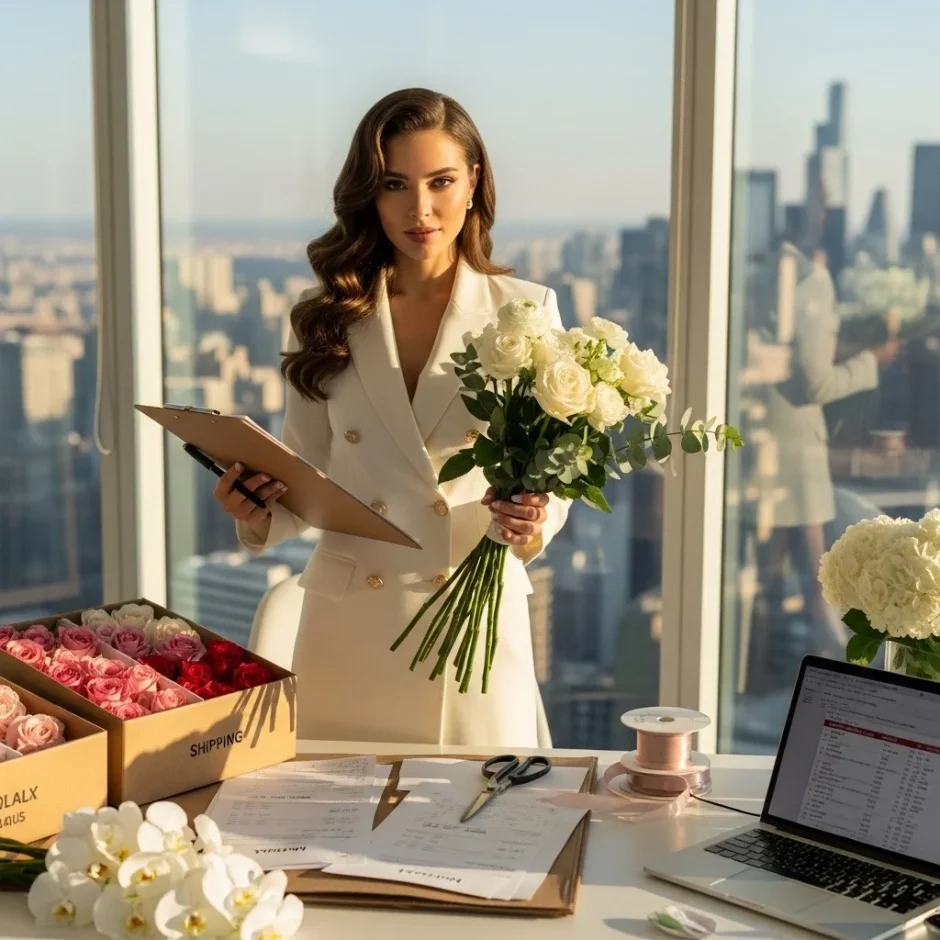
Wholesale flowers are bulk floral purchases offered at significantly reduced prices compared to retail or grocery options. These flowers are typically sourced directly from farms, bypassing traditional retail supply chains, making them fresher and more affordable. Wholesale flowers are a popular choice for planners, florists, and DIY brides who are looking to create stunning arrangements for events without breaking the budget. Whether it’s a wedding, corporate gathering, or a personal celebration, buying flowers in bulk allows for creativity and customization while keeping costs under control.
For event planners and DIY enthusiasts, wholesale flowers are a smart choice. With the option to purchase online, buyers gain access to a vast selection of blooms, including seasonal varieties and exotic stems, right at their fingertips. Online platforms often provide flexibility, allowing orders to be placed well in advance of an event or last-minute in some cases. This convenience is especially valuable when coordinating multiple moving parts for a wedding or another large gathering.
Compared to grocery or retail stores, wholesale flowers offer superior value. Not only do buyers save money, but they also enjoy higher quality stems that last longer due to the streamlined farm-to-customer process. Additionally, being mindful of seasonal availability when shopping can help maximize your floral impact and budget, as in-season flowers tend to be more abundant and affordable. For planners looking to combine beauty and practicality, buying wholesale flowers online is an ideal solution.
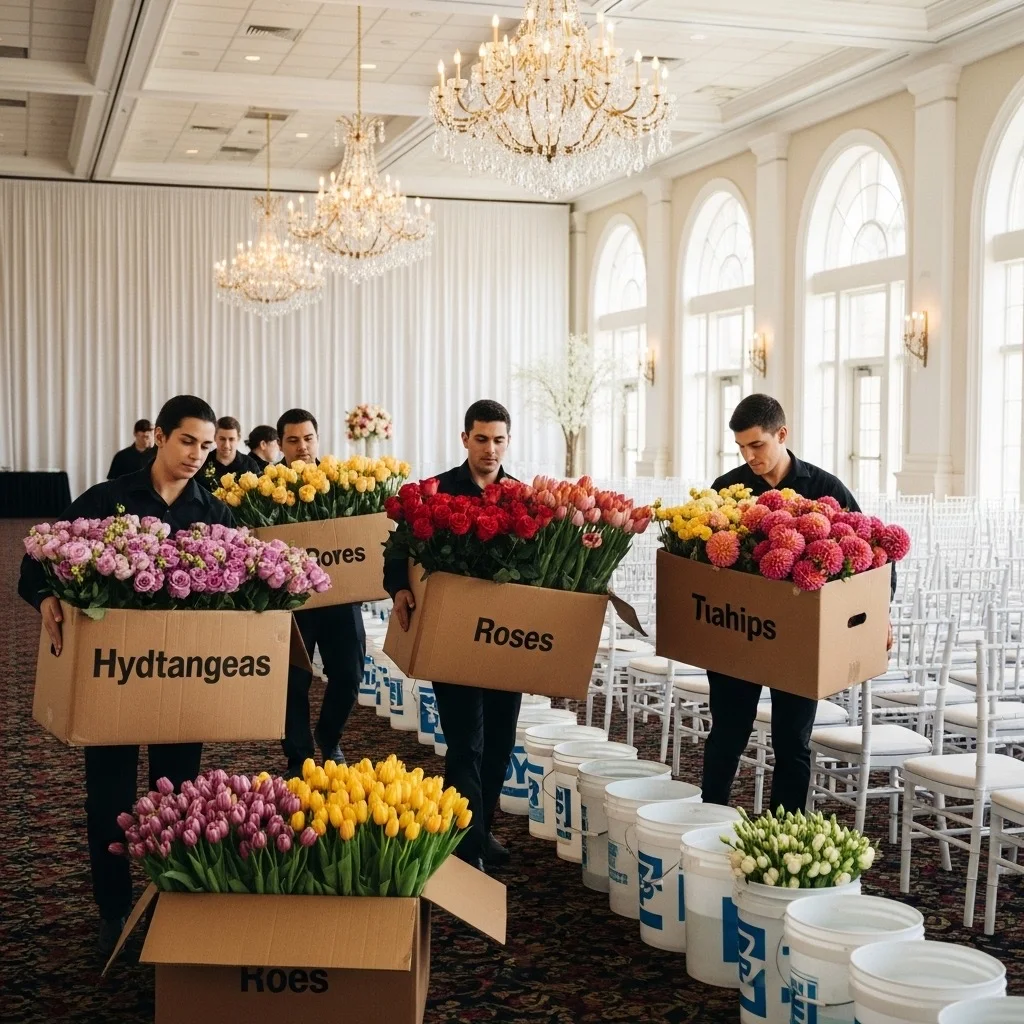
Part 1 – What Counts as “Wholesale Flowers” Online?
What Are Wholesale Flowers?
Wholesale flowers are fresh-cut blooms sourced directly from growers or wholesalers and sold in bulk quantities for weddings, events, and professional use by florists. Unlike flowers purchased at retail stores, wholesale flowers go through a streamlined supply chain that prioritizes freshness, quality, and affordability.
Understanding the Supply Chain
The wholesale flower supply chain begins at farms, where flowers are grown and harvested. From there, they are transported to importers, who often handle global logistics and quality control for international blooms. The next step involves wholesale flower suppliers, who distribute these freshly imported flowers or locally grown varieties to retailers or directly to consumers. This process ensures flowers are carefully handled from the moment they are cut, maintaining their integrity and lifespan.
Who Can Buy Wholesale Flowers?
Traditionally, wholesale flowers were available only to licensed professionals, such as florists, event planners, and businesses in the floral industry. However, many online platforms now offer public access to wholesale flowers. This means private individuals planning weddings, large celebrations, or DIY events can also take advantage of wholesale pricing without requiring special credentials.
Bulk Flowers vs. Grocery Store Stems
Wholesale flowers are sold in bulk quantities, providing uniformity in variety, color, and quality. On the other hand, stems sold at grocery stores are pre-arranged in small, mixed bundles, often intended for immediate use. Wholesale flowers are also fresher as a result of cold chain handling—an essential logistics process where flowers are kept hydrated and refrigerated throughout transit. This ensures they retain their vibrancy and significantly prolongs shelf life compared to retail options.
Why Direct-to-Consumer Wholesale Exists
Direct-to-consumer wholesale platforms emerged as a response to growing demand for affordable, high-quality flowers, particularly for events and DIY projects. By cutting out middlemen and selling directly to customers, these suppliers bridge the gap between flower farms and consumers. This model reduces costs, increases convenience, and ensures a better-quality product.
By understanding the difference between grocery store arrangements and bulk wholesale options—as well as the processes that ensure superior freshness—any customer can make informed decisions when purchasing flowers online. Wholesale flowers are a perfect choice for those seeking unbeatable value and quality combined.
Part 2 – Who Should Buy Wholesale Flowers Online?
Wholesale flowers are an excellent choice for a wide range of buyers, especially those who require high volumes of fresh flowers at competitive prices. Whether you’re planning a special event or running a business, buying wholesale ensures flexibility, cost savings, and creative freedom.
Event planners often turn to wholesale flowers to meet the diverse needs of their clients. From lavish weddings to chic corporate events, wholesale options provide access to a wide selection of blooms to match any theme or aesthetic. Purchasing in bulk not only keeps costs in check but also guarantees adequate quantities for grand-scale designs.
Florists benefit significantly from the reliability of online wholesale suppliers. With frequent access to fresh, high-quality blooms sourced directly from farms, florists can maintain their creative standards and offer clients expertly crafted floral arrangements that align with seasonal trends.
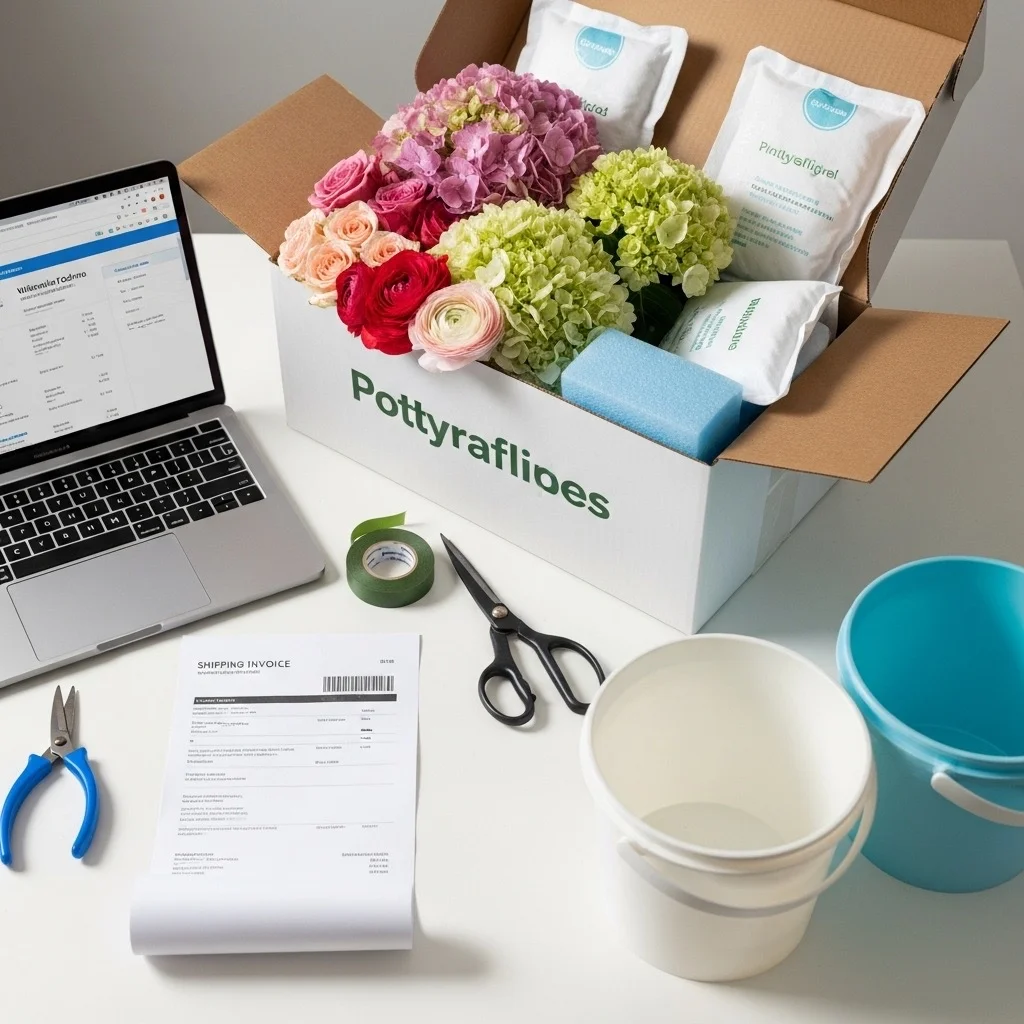
For DIY weddings, wholesale flowers offer an affordable and customizable solution. Brides and grooms planning their special day on a budget can handpick flowers to create stunning bouquets, centerpieces, and decorations that showcase their personal style, all while keeping costs under control.
Similarly, corporate and church events, holiday parties, and other gatherings with substantial floral needs can achieve cohesive designs without overspending. Wholesale suppliers allow buyers to curate blooms that suit specific color palettes or seasonal themes with ease, ensuring standout arrangements that make a lasting impression.
The biggest advantages of purchasing wholesale flowers online include significant budget control, the ability to meet volume needs, and unparalleled design control. Additionally, customers gain early access to seasonal offerings, enabling them to bring fresh, trendy ideas to life. By choosing wholesale flowers, buyers unlock unmatched quality and value, making these blooms the go-to option for every flower-centric occasion.
Part 3 – The Planner’s Online Buying Checklist
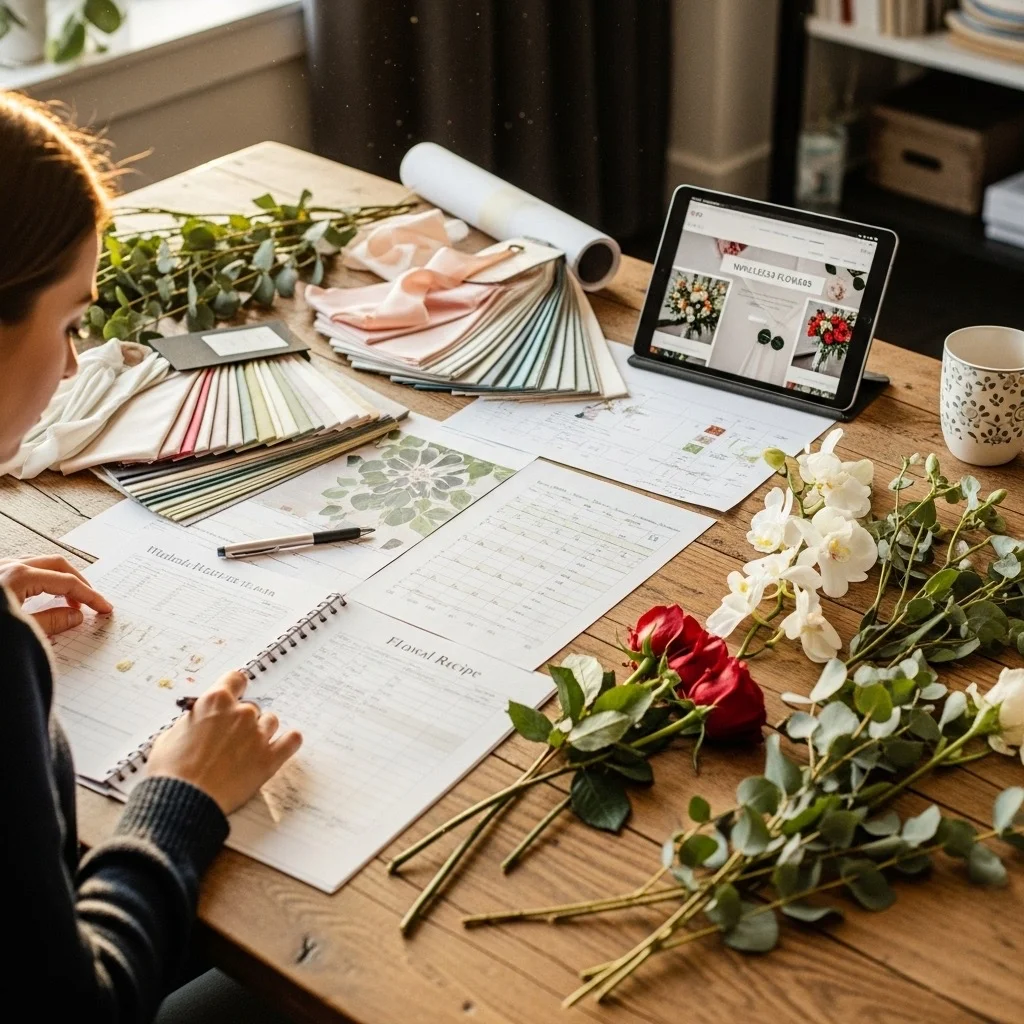
When buying wholesale flowers online, it’s important to approach the process with a clear plan to ensure success. This evergreen planner checklist will help you confidently select and prepare flowers for any event, from weddings to large-scale celebrations. Follow these 12 steps to streamline your flower-buying experience:
STEP 1 — Determine Event Flower Needs
Start by estimating the exact number of flowers required for your event. Count the bouquets, table arrangements, ceremony décor, and additional accent installations. For example, standard bridal bouquets typically require 24–36 stems of Roses, Ranunculus, or Tulips. Table centerpieces may need 12–18 stems per arrangement, depending on size and design. This foundational step helps prevent under- or overordering and ensures that every arrangement is perfectly planned.
STEP 2 — Choose Timeline & Delivery Window
Take perishability into account and schedule your delivery accordingly. Flowers like Roses, Hydrangeas, Sunflowers, and Calla Lilies are highly perishable and should arrive 7–10 days before the event to allow proper conditioning, hydration, and designing. Consider the event’s time of year and potential shipping delays when selecting your delivery window.
STEP 3 — Verify Seasonal Availability
Flowers have specific growing seasons, so check availability before placing your order. For example, Peonies are best in spring, Dahlias peak in fall, Tulips thrive in winter and spring, and Sunflowers flourish in summer. By aligning your flower choices with their natural seasons, you’ll secure better quality and potentially lower costs.
STEP 4 — Compare Grower vs Distributor
Research whether to source from a grower or a distributor. Direct-from-grower flowers often provide better freshness and hydration since they avoid extra transit steps. Distributors may offer greater variety but sometimes involve longer shipping times. Compare options to match your priorities for quality and availability.
STEP 5 — Understand Wholesale Flower Grades
Wholesale flowers are graded based on stem length, head size, and color consistency. For Roses, for example, longer stems (50–60 cm) and larger flower heads signify premium quality. Familiarize yourself with grading to ensure you purchase blooms that meet the expectations of your event.
STEP 6 — Learn Stem Quantities & Box Sizes
Stem counts per box vary by flower type, so it’s important to know what to expect. For instance, Roses are typically packed in bundles of 25 stems, Hydrangeas come in boxes of 10 stems, and Baby’s Breath is often sold in bulk quantities of 200 stems per box. Understanding these standard quantities ensures efficient planning and budgeting.
STEP 7 — Check Shipping & Cold Chain Details
Review the retailer’s shipping practices to confirm proper handling. Flowers should be shipped overnight in insulated packaging with cold-chain logistics to preserve freshness. Look for shipping guarantees and tracking options to avoid potential delivery mishaps.
STEP 8 — Build a Color Palette
Creating a cohesive color palette is essential for event design. Combine staple flowers like Roses, Hydrangeas, and greenery with preserved or dried accents for texture and dimension. Choose complementary hues and ensure blooms match the event’s theme for an aesthetically pleasing result.
STEP 9 — Account for Prep, Hydration & Tools
Factor in time and resources for flower preparation. Most wholesale flowers need to be stripped of leaves, hydrated in clean water, and cut at an angle before use. Additionally, stock up on essential tools like buckets, vases, floral shears, and hydration solutions for greenery like Eucalyptus.
STEP 10 — Compare Pricing & Total Cost
Calculate the total cost of your floral order to avoid overspending. Use this formula for an accurate estimate:
Wholesale stems × bouquet/arrangement quantity = total event cost
This ensures you can stay within budget without compromising the quality or quantity of blooms.
STEP 11 — Order Samples for High-Stakes Weddings
For weddings or events where color accuracy and quality are critical, plan to order samples in advance. This step is particularly important for planners and florists to verify shades, textures, and overall appearance of flowers before committing to large quantities.
STEP 12 — Place Final Order 7–10 Days Before Event
To ensure maximum freshness and ready-to-use flowers, place your final wholesale order no later than 7–10 days before the event. This delivery window provides enough time for flowers to hydrate, bloom to their full potential, and undergo any necessary design and arrangement adjustments.
By following these comprehensive steps, planners and florists can organize their online flower-buying process effectively, ensuring beautiful and high-quality floral arrangements for any occasion!
The Planner’s Online Buying Checklist
| Step | Description |
| STEP 1 — Determine Event Flower Needs | Estimate the exact number of flowers required, including bouquets, centerpieces, and accent décor. For example, bridal bouquets may need 24–36 stems, and table centerpieces typically require 12–18 stems. |
| STEP 2 — Choose Timeline & Delivery Window | Schedule delivery based on perishability. Highly perishable flowers like Roses and Hydrangeas should arrive 7–10 days before the event for proper hydration and preparation. Consider seasonality and shipping delays. |
| STEP 3 — Verify Seasonal Availability | Align flower selection with their natural growing seasons for better quality and cost efficiency. For example, Peonies peak in spring, Dahlias in fall, and Sunflowers in summer. |
| STEP 4 — Compare Grower vs Distributor | Decide between sourcing directly from a grower for freshness or a distributor for variety. Growers often ensure shorter transit times, while distributors may offer more options. |
| STEP 5 — Understand Wholesale Flower Grades | Learn grading standards based on stem length, head size, and color consistency. Premium quality flowers, such as Roses with 50–60 cm stems, ensure the best results for your event. |
| STEP 6 — Learn Stem Quantities & Box Sizes | Know standard stem counts for efficient planning. For example, Roses are bundled in 25 stems, Hydrangeas in boxes of 10 stems, and Baby’s Breath in bulk quantities of 200 stems per box. |
| STEP 7 — Check Shipping & Cold Chain Details | Ensure flowers are shipped with cold-chain logistics in insulated packaging to preserve freshness. Look for shipping guarantees and tracking options to avoid mishaps. |
| STEP 8 — Build a Color Palette | Create a cohesive color scheme using staples like Roses and Hydrangeas, as well as texture accents such as preserved greenery. Match the palette to the event theme for a harmonious look. |
| STEP 9 — Account for Prep, Hydration & Tools | Allocate time and resources for proper flower prep. Strip leaves, cut stems at an angle, hydrate blooms in clean water, and stock up on supplies like floral shears, buckets, and vases. |
| STEP 10 — Compare Pricing & Total Cost | Calculate the total cost by multiplying wholesale stems by the arrangement quantities. Ensure the budget is maintained without sacrificing quality or quantity. |
| STEP 11 — Order Samples for High-Stakes Weddings | For critical events, order flower samples in advance to confirm color, texture, and quality before placing bulk orders. This step helps avoid unforeseen issues. |
| STEP 12 — Place Final Order 7–10 Days Before Event | Submit your final order no later than 7–10 days in advance to allow sufficient time for flowers to bloom, hydrate, and be arranged to perfection for the event. |
Part 4 – Cost Comparison: Wholesale vs Retail
When planning floral arrangements for events, understanding the cost differences between wholesale and retail options can significantly impact your budget. Wholesale flower purchasing often represents better value for money, especially for large-scale events, while retail options may be more accessible for smaller or last-minute needs. Below is a breakdown of the pricing logic across different purchasing channels.
✔ Grocery Stores
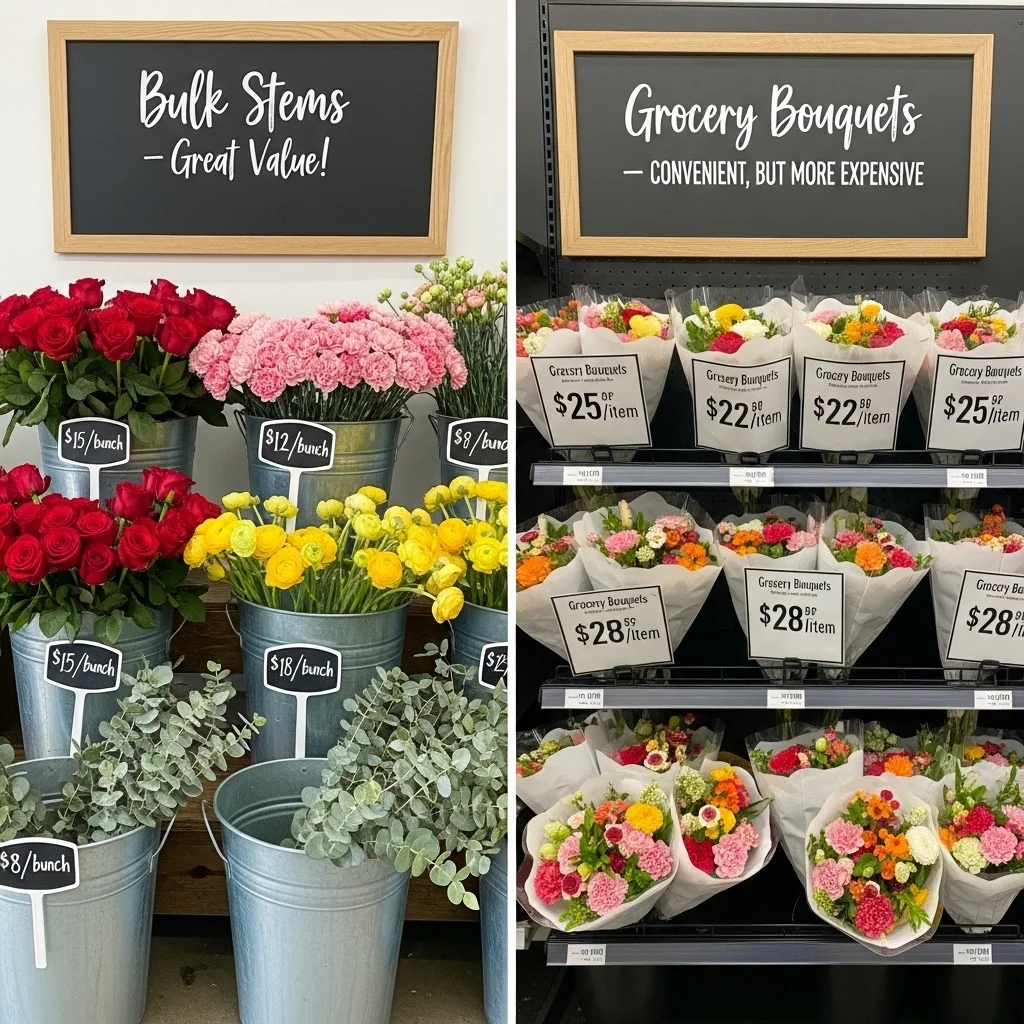
Grocery stores typically offer pre-arranged, smaller flower bundles that are convenient but often marked up significantly. For example, a 12-stem bunch of roses might cost approximately $25–$30 at a grocery store. While visually appealing and accessible, the per-stem cost can be higher due to labor, packaging, and convenience fees.
✔ Online Marketplaces
Online flower marketplaces provide a range of options, from bulk purchases to custom bouquets. Prices vary widely due to additional shipping fees and variable quality control. For instance, a 25-stem bunch of roses might cost $40–$50 before factoring in shipping charges. While this can be more cost-effective than grocery stores, the time needed for shipping and quality variation are important considerations.
✔ Bulk Flowers Wholesalers
Wholesale flower suppliers specialize in providing large quantities of flowers at a significantly reduced per-stem cost. A 25-stem bunch of roses purchased from a wholesaler can cost around $25–$30, making it approximately half the per-stem cost when compared to grocery stores. Wholesale flowers are ideal for planners intending to create custom arrangements while staying within budget.
Price Comparison
| Flower & Source | Quantity | Cost | Per-Stem Price |
| Grocery Store Roses | 12 stems | $25–$30 | $2.08–$2.50 |
| Online Marketplace Roses | 25 stems | $40–$50 | $1.60–$2.00 |
| Bulk Wholesale Roses | 25 stems | $25–$30 | $1.00–$1.20 |
Key Takeaways
- Volume Discounts: Wholesale options yield significant savings due to bulk pricing.
- Event Scale: Choose wholesale for large events and retail for smaller needs or last-minute situations.
- Planning Considerations: Factor in shipping and preparation time when purchasing online or wholesale.
By strategically choosing your purchasing source, you can meet both your floral design goals and budgetary constraints effectively.
Part 5 – Common Mistakes Planners Make When Buying Wholesale
Buying wholesale flowers offers great cost savings, but improper planning can lead to unnecessary headaches. Below are common mistakes planners make, along with solutions to avoid them:
- ❌ Not accounting for stem loss: Many fresh flowers experience some breakage or damage during shipping. Failing to account for this can leave you with fewer blooms than expected.
✅ Fix: Order 10–20% more flowers than calculated to ensure you have enough for your arrangements.
- ❌ Ordering too late: Wholesale flowers need time for shipping, and last-minute orders can result in limited options or rushed deliveries.
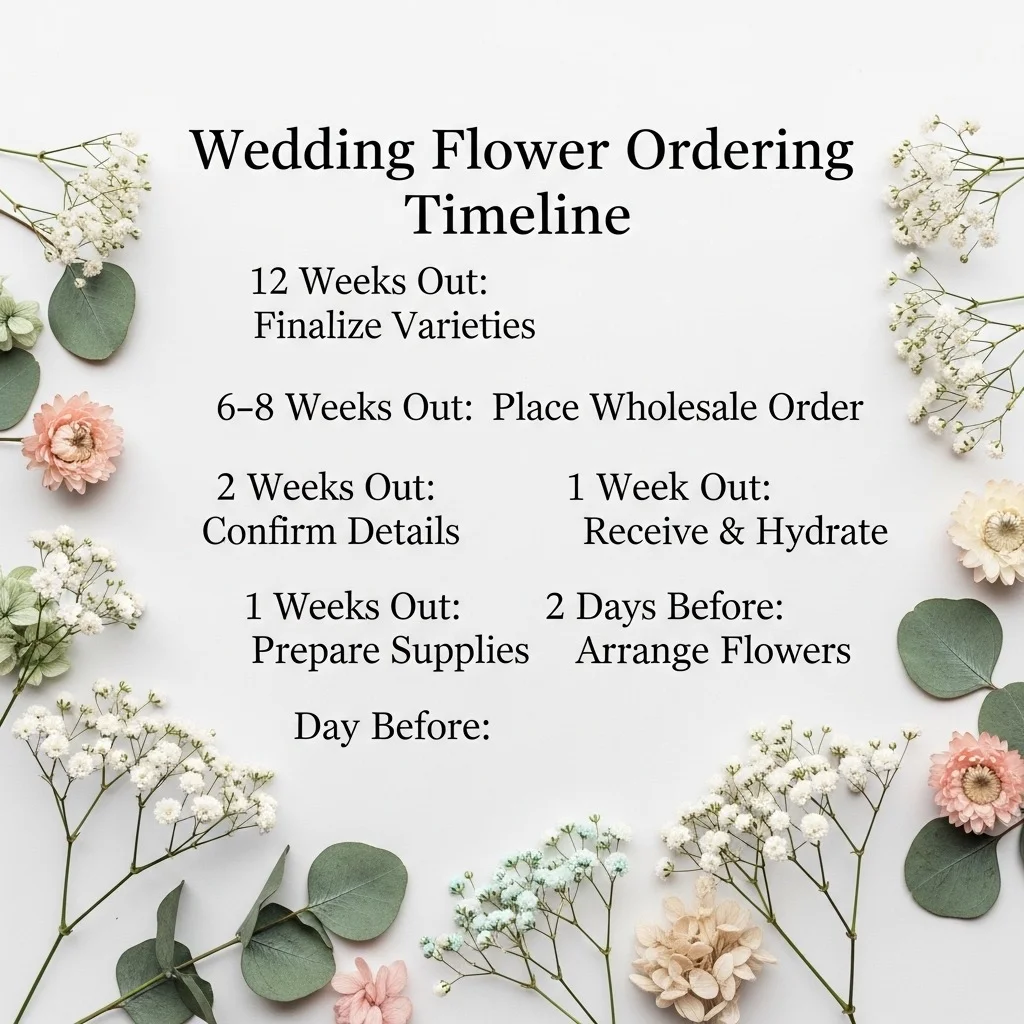
✅ Fix: Place your order at least 7–10 days in advance to ensure availability and timely delivery.
- ❌ Wrong delivery window: Receiving flowers too early or too late can impact their freshness and usability. Flowers that arrive too early risk wilting, while late deliveries leave no time for preparation.
✅ Fix: Schedule deliveries 2–3 days before your event to allow time for processing, while keeping blooms fresh.
- ❌ Not hydrating properly: Wholesale flowers arrive in a dehydrated state, which can affect their longevity and appearance if not addressed.
✅ Fix: Immediately unpack and rehydrate flowers in clean water with floral preservative to revive them.
- ❌ Expecting grocery-store pre-processing: Unlike retail flowers, wholesale stems often require trimming, dethorning, and prepping for arrangement.
✅ Fix: Allocate time and resources for processing upon arrival or hire a professional florist if needed.
By recognizing these pitfalls and taking proactive measures, you can ensure the flowers you purchase are fresh, beautiful, and ready to make your event special.
Where to Buy Wholesale Flowers Online (Without a License)
Purchasing wholesale flowers online without a license is more accessible than many people realize, thanks to consumer-friendly suppliers offering flexibility and selection. Before buying, it’s important to understand the difference between traditional B2B wholesalers and consumer-accessible wholesale flower suppliers.
B2B wholesalers primarily cater to licensed professionals like florists, wedding planners, or decorators. They usually require proof of business credentials and sell flowers in extremely large quantities, often at deeply discounted rates. These wholesalers are ideal for large-scale operations but may not be feasible for individuals or smaller events due to licensing restrictions and bulk-order requirements.
On the other hand, consumer-accessible suppliers specialize in making wholesale flowers available to the general public. These platforms allow customers to purchase flowers in bulk without a business license, making them a popular choice for weddings, parties, and other special occasions. Suppliers like Whole Blossoms act as trusted authorities in this space, offering an extensive range of fresh flowers paired with convenient online ordering and delivery options.
Whether you’re looking for wholesale flowers, bulk flowers, or wedding flowers, Whole Blossoms provides a reliable, high-quality solution for both consumers and professionals alike. From vibrant roses to seasonal blooms, their offerings ensure you have everything needed to create stunning arrangements that fit your vision and budget.
✔ Explore our selection of Wholesale Flowers, Bulk Flowers, and Wedding Flowers to bring your floral dreams to life.
Final Planner Checklist
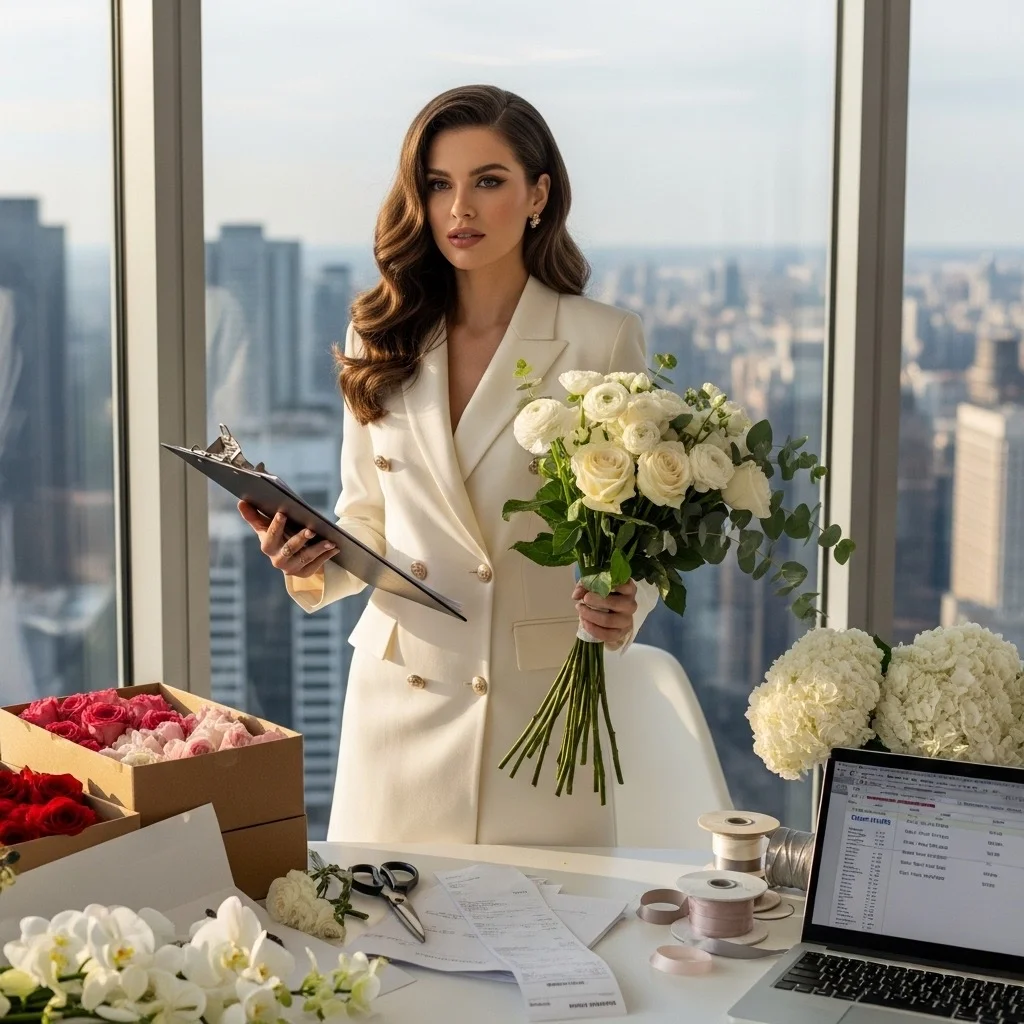
Planning a flawless event or wedding involves attention to detail and reliable resources. Use this condensed checklist to ensure everything is covered. Whole Blossoms is your trusted partner for fresh-cut flowers to bring your vision to life!
- Define Your Floral Needs
Determine the types of flowers, quantities, and arrangements required for your event.
- Set Your Budget Early
Establish a clear floral budget to avoid overspending and ensure efficient planning.
- Choose Seasonal Flowers
Opt for blooms that are in season to maximize freshness and cost-effectiveness.
- Order in Advance
Place your order early with Whole Blossoms for a stress-free experience and timely delivery.
- Review Color Palettes
Match your floral selections to the event’s theme and color scheme.
- Inspect Upon Delivery
Check the flowers upon arrival to ensure quality and freshness.
- Prepare Storage Space
Keep flowers in a cool, shaded area until the day of your event to maintain their appearance.
- Coordinate with Vendors
Communicate floral setup details with designers, planners, and venue staff.
- Create Backup Plans
Have contingency plans in place for unexpected issues like weather or setup delays.
- Enjoy Your Event
Relax and enjoy the beauty of your floral arrangements, knowing you’ve planned with Whole Blossoms.
Whole Blossoms provides top-quality wholesale and bulk flowers to ensure your day is spectacular!