


 by
by 
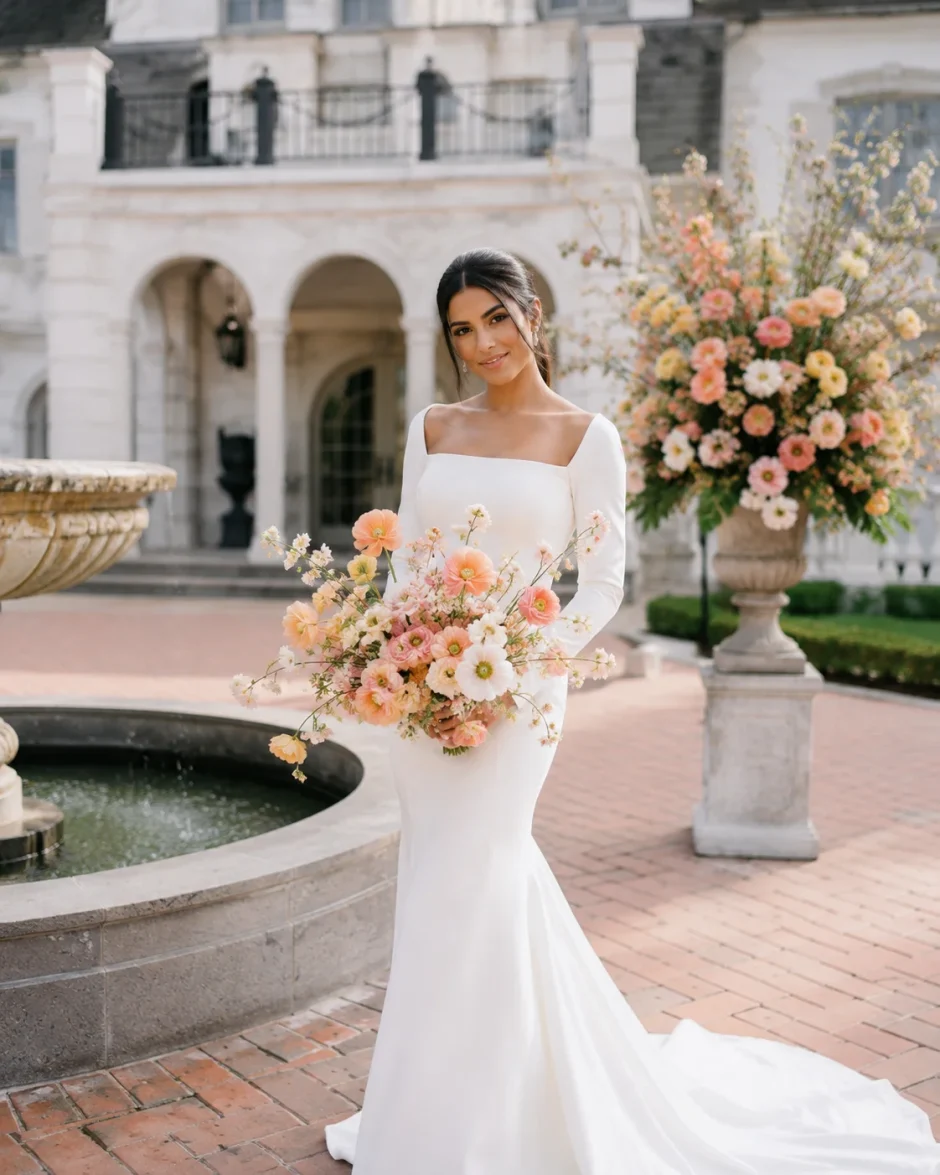
You may recognize traditional ranunculus by its tight, layered, rose-like bloom. Butterfly Ranunculus looks entirely different. Its flowers are more open, its stems branch naturally, and one stem may carry several blooms and buds. Those qualities make it beautiful, but they also leave buyers wondering how to use it, how much to order, and whether it should be treated as a focal flower or supporting texture.
To address these questions and to celebrate the versatility of this stunning flower, Whole Blossoms is introducing new Butterfly Ranunculus varieties through an exclusive relationship with a trusted farm. This guide will provide you with everything you need to know about Butterfly Ranunculus, including tips for identification, comparison with traditional ranunculus, available colors, care instructions, vase life, recommended quantities to order, and how to incorporate it into wedding arrangements.
While nature ensures that no two blooms are exactly the same, adding to their charm, you can expect some natural variation in bloom count, stem form, maturity, and color. This guide is here to help you make the most of this unique collection, whether you’re creating lush bouquets or adding delicate touches to larger floral arrangements.
In this guide, you’ll learn:
- What Butterfly Ranunculus is
- Butterfly Ranunculus vs. traditional ranunculus
- Colors and new varieties
- How to use it in wedding flowers
- What flowers pair well with it
- How to care for cut stems
- Expected vase life
- How many stems you may need
- How to order Butterfly Ranunculus in bulk
- Frequently asked questions