


 by
by 
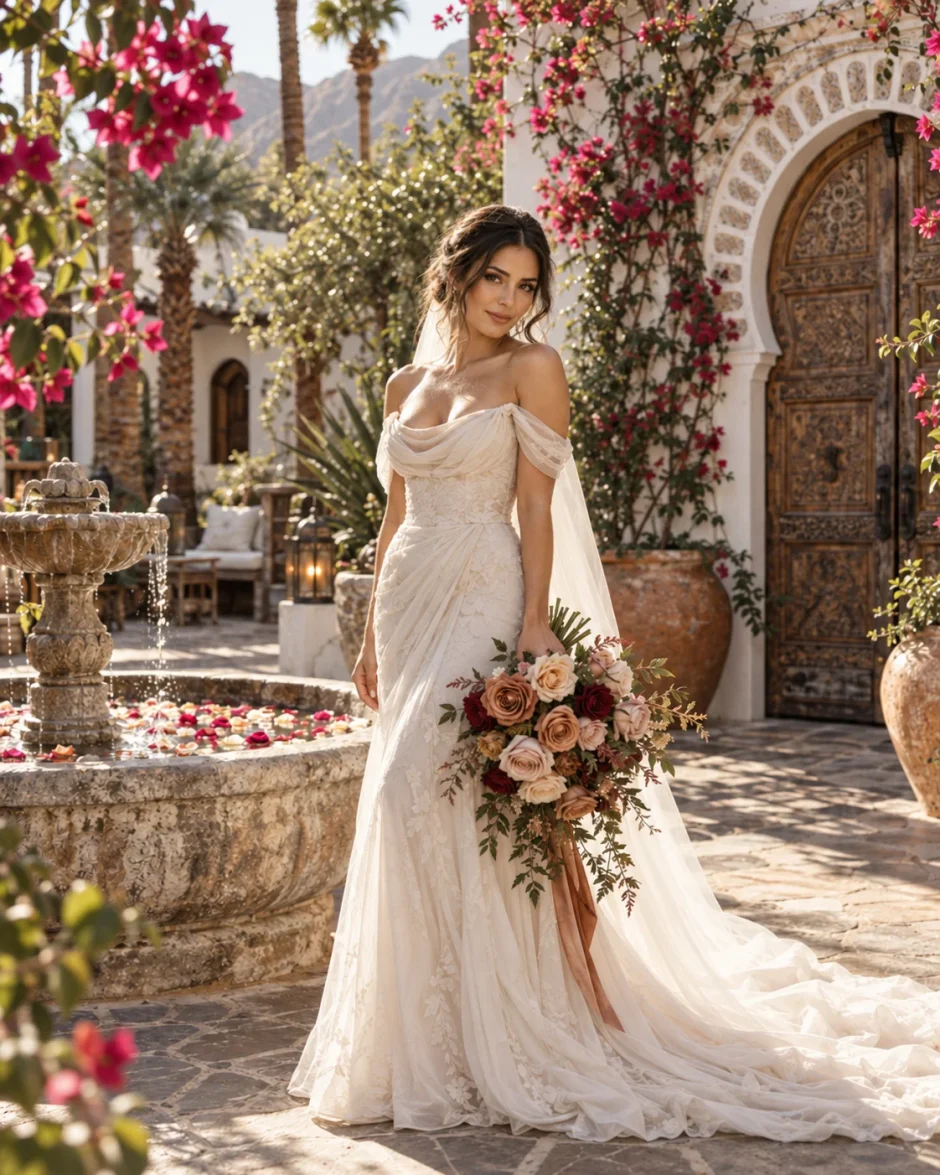
Planning floral arrangements for a fall wedding can quickly become overwhelming—after all, there are hundreds of stunning rose colors to choose from. Yet, a rose that looks flawless in an online catalog might feel entirely different when placed next to a wedding dress, terracotta linens, a desert stone wall, or under the warm glow of a candlelit reception. Instead of focusing on a rigid list of “fall colors,” it’s essential to approach your rose selection with nuance, thinking about the mood you want to create, the undertones that complement your palette, the lighting of your venue, and how the roses will interact with surrounding colors in the décor.
Keep in mind that fresh roses naturally carry some tonal variation, it’s the beauty of nature at work. Because of this, it’s less about finding an exact shade and more about exploring color families that enhance the overall feel of your wedding. This perspective allows for more flexibility and ensures the roses you choose set precisely the right tone for your special day.
In This Blog:
- Choose Your Fall Wedding Mood
- Understand Rose Undertones
- Explore the Best Fall Rose Palettes
- Build an Anchor–Bridge–Light Palette
- Match Roses to Your Venue
- Design Bouquets and Centerpieces
- Plan Your Rose Order
- FAQs
Part 1 – Choose the Wedding Mood Before Choosing Rose Colors
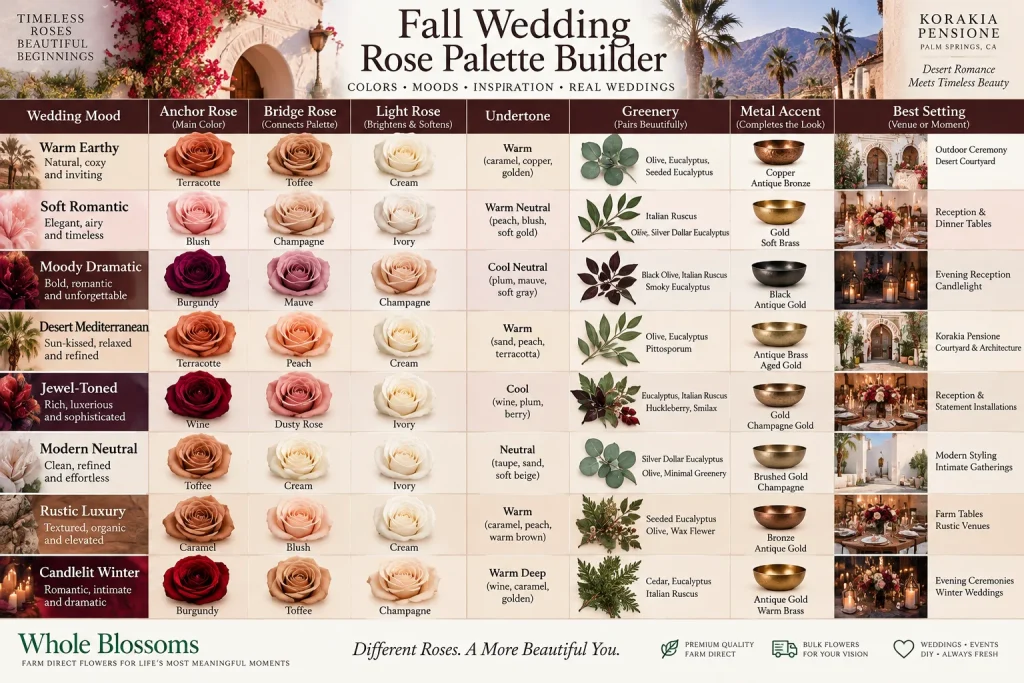
Before selecting the perfect rose colors for your fall wedding, it’s essential to define the overall mood and aesthetic you want your day to convey. The mood you choose will serve as the foundation for every design choice, ensuring your roses—and every detail—resonate beautifully with your vision. Below are some popular fall wedding moods and the rose palettes that best bring them to life.
Warm + Earthy
For a wedding steeped in cozy, autumnal warmth, think rich, golden tones and natural textures. Rose colors like toffee, caramel, terracotta, cinnamon, and warm peach embody a feeling of comfort and connection. Pair them with complementary accents such as cream, copper, muted green, camel, or rust to create a palette that feels as timeless as fall itself.
Soft + Romantic
Blushing pastels and gentle hues are perfect for couples who envision their wedding as a dreamy, romantic affair. Roses in champagne, blush, dusty pink, peach, and cream exude softness and elegance. Match these colors with ivory, sage, taupe, or warm gold to create a harmonious and refined atmosphere that feels effortlessly intimate.
Moody + Dramatic
For a bold statement, consider deep, brooding tones that bring a sense of drama and mystery. Roses in shades of burgundy, wine, plum, mauve, and black cherry set the stage for a wedding that feels cinematic and unforgettable. Balance these darker hues with accents like cream, dark greenery, antique gold, or charcoal to create a contrast that captivates.
Desert + Mediterranean
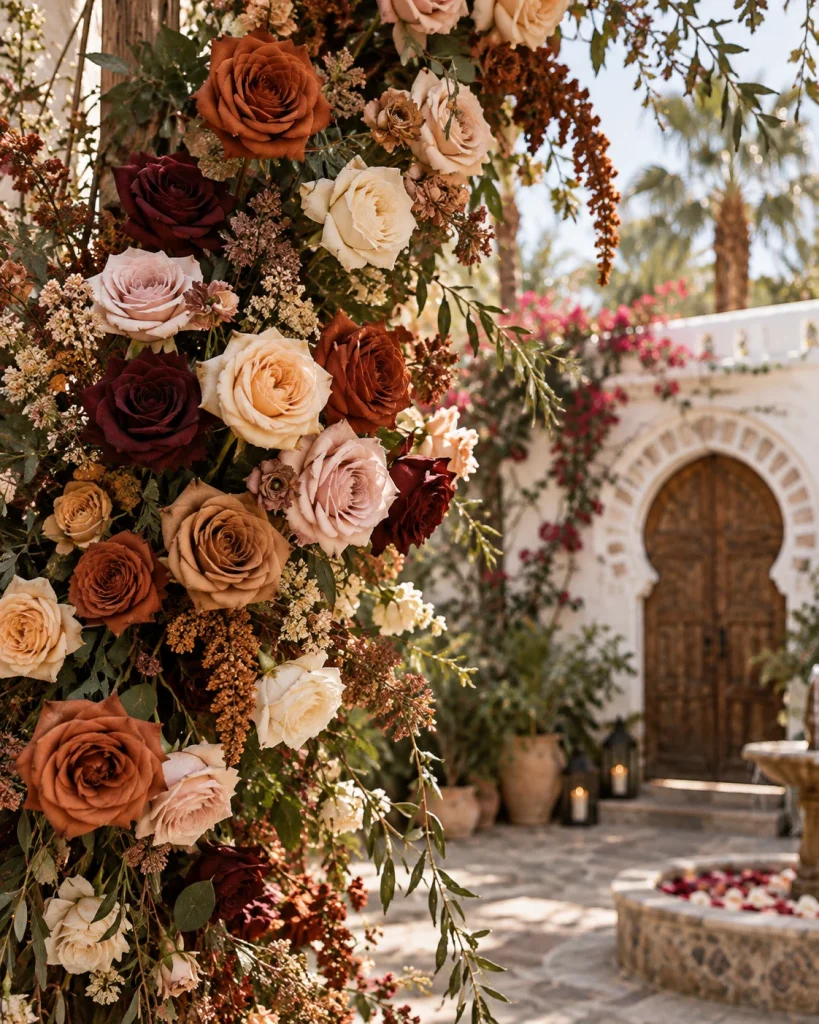
Perfect for a natural, sunlit aesthetic, particularly if your wedding leans into the charm of Mediterranean-inspired settings, such as the Korakia Pensione. Terracotta, dusty peach, warm blush, sand, and cream roses echo the earthy color palette of these relaxed, breezy vibes. Pair them with olive tones, bronze, earthen pottery, and natural linen for a palette that feels organic yet elegant.
Modern + Refined
For brides and grooms craving a minimalist yet luxurious look, opt for chic neutrals. Cream, champagne, warm neutral, and muted blush roses provide a sophisticated and understated foundation. Enhance this polished style with accents like black, espresso, taupe, and restrained greenery for a look that is decidedly fresh and contemporary.
By choosing your wedding mood first, identifying the right rose colors becomes a seamless and inspired process.
Part 2 – Understand Undertones Before Buying Fall Roses
When selecting roses for a fall wedding, understanding undertones is as crucial as choosing the primary color. Just as a flower labeled “pink” can range from delicate blush to bold fuchsia, undertones determine how a rose complements—or clashes with—the overall palette. By grasping whether your roses lean warm, cool, or neutral, you can craft a cohesive arrangement that elevates the entire aesthetic rather than detracting from it.
Warm Undertones
Roses with warm undertones exhibit hues like caramel, copper, peach, rust, and golden brown. These colors add richness and depth, evoking classic autumnal warmth. To make these shades shine, pair them with complementary tones like ivory, terracotta, bronze, or olive. For example, a caramel rose accentuated by olive greenery creates a lush and inviting arrangement, while peach and terracotta balance each other for vibrant, earthy harmony.
Cool Undertones
Cool undertones include shades such as mauve, plum, dusty pink, and wine, delivering a more muted, elegant feel. These roses are perfect for creating a sophisticated, cooler ambiance that lends contrast to traditionally warm fall tones. Complement cool undertones with silver-green foliage, charcoal hues, or dusty lavender for a refined and romantic look. For instance, mauve roses nestled against silver eucalyptus or wine-colored blooms intertwined with charcoal ribbons can bring understated drama to your wedding design.
Neutral Undertones
Neutral-toned roses, like cream, champagne, and pale taupe, serve as excellent bridge flowers between warm and cool palettes. They provide breathing space, allowing bolder hues to pop while maintaining balance. These versatile shades act as the foundation of a minimalist aesthetic but also thrive as supporting players. Use them to soften and unify arrangements that might otherwise feel too bold or chaotic, bringing an effortless elegance to your overall theme.
By taking these undertones into account, fall wedding roses become more than just a color choice—they become a tool to frame your vision with technical precision and creative flair.
Part 3 – Build a Three-Rose Fall Wedding Palette
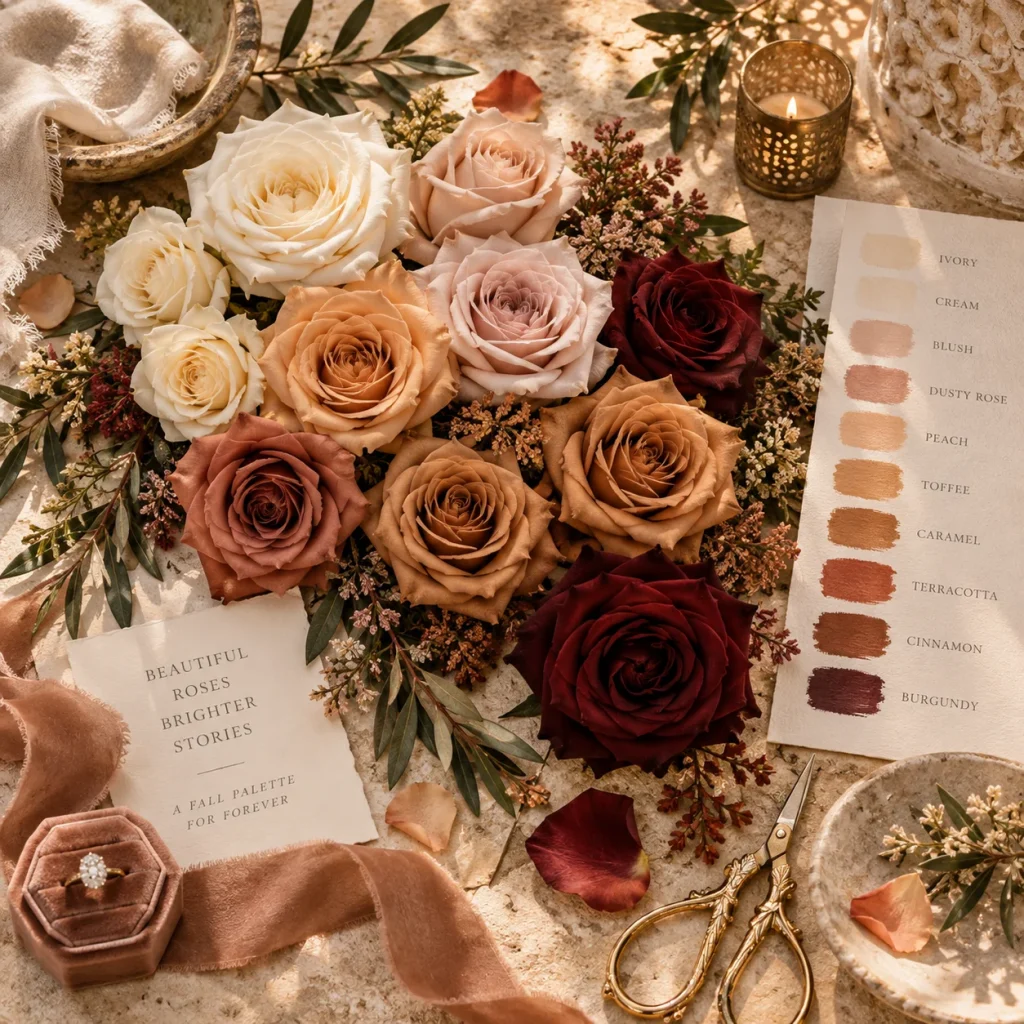
When planning a fall wedding, selecting the perfect rose palette is about more than just choosing a set of colors—it’s about crafting a cohesive vision that reflects the season’s warmth and depth. At Whole Blossoms, we emphasize a practical approach, making it easy to create palettes that tie every wedding detail together.
The Anchor Rose
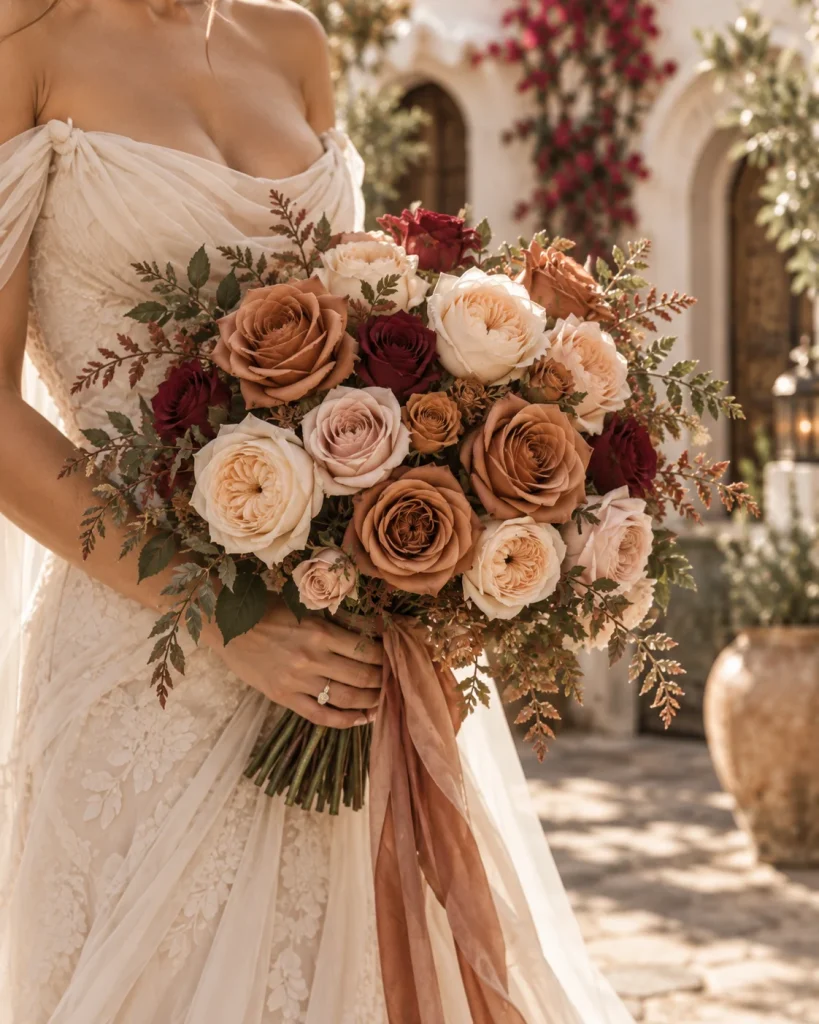
The anchor rose serves as the centerpiece of your palette, making the bold first impression that sets the tone for the event. These roses embody richness and vibrancy, with colors like burgundy, terracotta, toffee, and plum being popular choices for fall weddings. Use the anchor rose more intensively in arrangements meant to stand out, such as the bridal bouquet, the sweetheart table, or focal ceremony pieces. This rose grounds your palette, creating a foundation on which everything else builds.
The Bridge Rose
To unify the strong presence of the anchor rose with the rest of the design, the bridge rose plays a critical connecting role. Shades like champagne, dusty blush, warm mauve, or muted peach softly transition the palette, ensuring it flows seamlessly from centerpiece to table setting. Incorporate the bridge rose throughout bridesmaid bouquets, guest table centerpieces, and welcome arrangements to maintain harmony and balance across the venue. Its understated elegance ensures smooth transitions between focal points without competing with the boldness of your anchors.
The Light Rose
No fall wedding palette is complete without the light rose, which balances the richness of the anchor and bridge roses, preventing visual heaviness. Soft hues such as cream, ivory, or warm white create pockets of lightness, especially when paired with candlelit spaces. These roses shine in background arrangements, around darker florals, or as delicate accents that bring softness and subtlety.
Example Palettes
To give you a clear starting point, here are some pre-crafted palettes to inspire your fall wedding design:
Desert Romance
- Anchor: Terracotta
- Bridge: Dusty blush
- Light: Cream
- Touches of olive foliage, bronze accents, and natural stone candlelight for depth.
Moody Autumn
- Anchor: Burgundy
- Bridge: Mauve
- Light: Champagne
Earthy Luxury
- Anchor: Toffee
- Bridge: Peach
- Light: Ivory
Soft Autumn Romance
- Anchor: Dusty rose
- Bridge: Champagne
- Light: Cream
With this three-rose framework, building a stunning and cohesive fall wedding palette becomes effortless, transforming your vision into arrangements that resonate with warmth, romance, and seasonal charm.
Part 4 – Match Fall Wedding Roses to the Venue and Lighting
Choosing the right roses for your fall wedding isn’t just about selecting colors — it’s also about harmonizing those hues with your venue and lighting. The interplay between floral tones and surroundings can either elevate or overshadow your arrangements. With thoughtful planning, you can create a cohesive look that feels deliberate and effortlessly stunning.
Bright Outdoor Ceremony
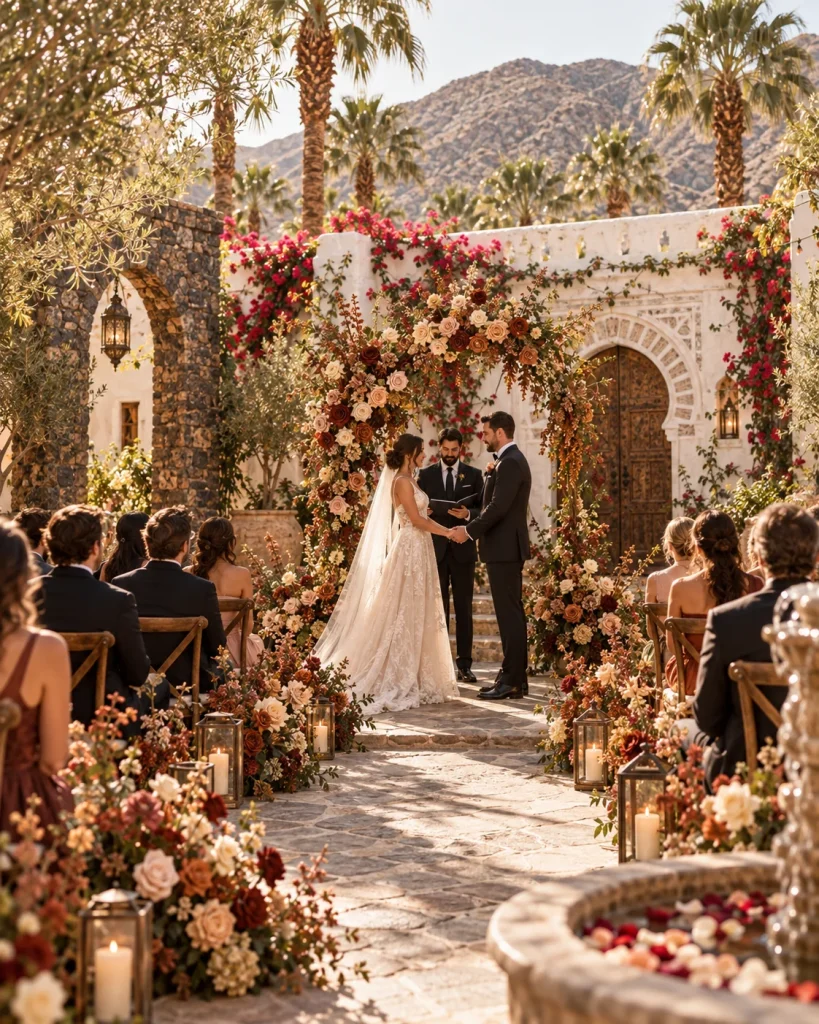
Direct sunlight intensifies color tones, making them appear more vibrant and saturated. For outdoor ceremonies, avoid overly dark hues as they may feel overwhelming or lose subtleties under bright light. Instead, focus on intermediate tones like peach, blush, and dusty rose, pairing them with lighter accents like cream or ivory. This balance keeps the palette soft and romantic while allowing the roses to glow beautifully in the sunlight. Experiment with greenery for textures that shimmer in natural light.
Warm Indoor Reception
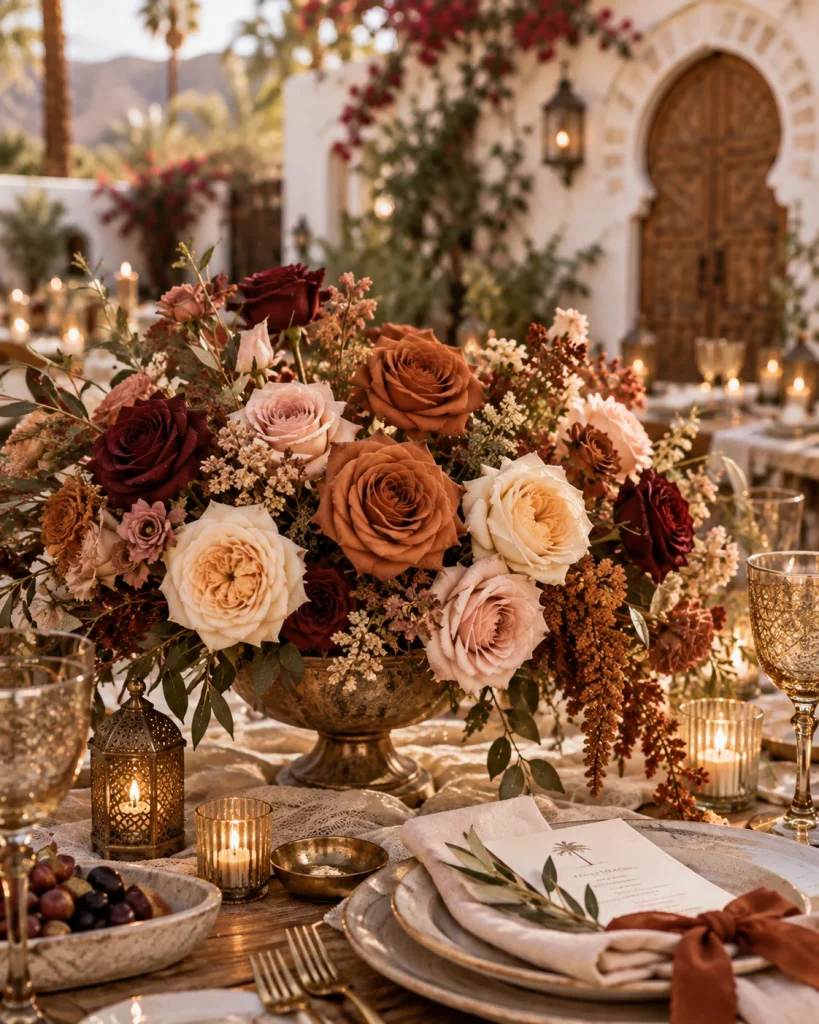
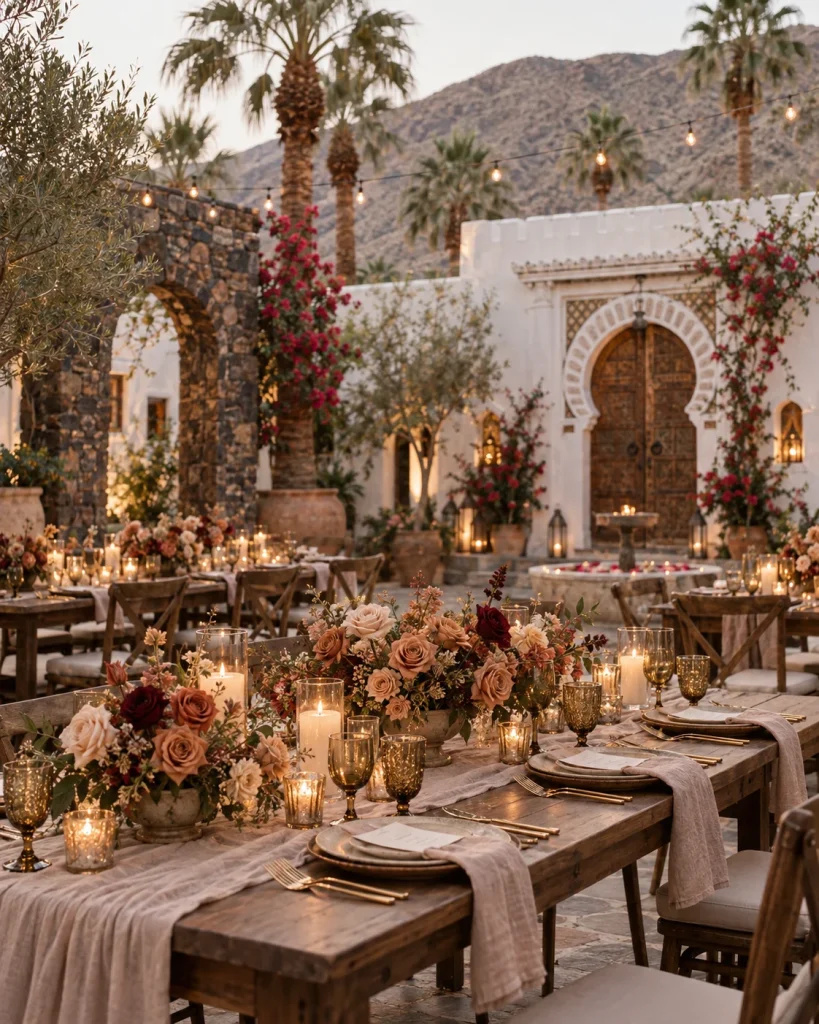
The intimacy of indoor receptions, especially lit by candlelight, offers a chance to deepen your color palette. Shades such as burgundy, terracotta, champagne, and caramel excel under warm lighting. These tones amplify the cozy, moody atmosphere of a fall evening, creating arrangements that feel inviting and luxe. Burgundy centerpieces paired with champagne or caramel roses and greenery can bring depth and warmth, enhancing the entire room’s ambiance.
White or Pale Venue
Light-colored venues, such as those with whitewashed walls or pale stucco, benefit from strong floral contrasts. Roses in dark hues like burgundy or toffee make dramatic statements against light backdrops. Blend these with softer options, such as cream or peach, to maintain balance and avoid overpowering the space. Incorporating greenery or gold accents can also tie the arrangement into the venue’s neutral tones while adding dimension.
Brick or Warm Stone Venue
When working with venues featuring brick or warm stone, be cautious with tones like terracotta that may visually disappear if everything overlaps in temperature. Instead, introduce creams, blush roses, or greenery to soften and contrast the warm hues of the venue. These additions help the floral arrangements stand out while complementing the earthy structure.
Dark Industrial Venue
For venues with darker industrial elements, lighter roses play a vital role in ensuring visibility and highlighting the floral designs. Shades like cream, ivory, and champagne bring brightness and contrast, drawing attention to shapes and details that might otherwise fade into the background. Incorporating bold greenery or peach accents can add vibrance without losing cohesion in such moody settings.
Mediterranean / Moroccan Architecture
Venues with Mediterranean or Moroccan architectural influences, such as courtyards surrounded by natural stone, stucco, and wood, invite palettes inspired directly by their rich settings. Consider combinations such as terracotta, peach, champagne, cream, and olive. For instance, at a venue like Korakia Pensione, this palette echoes white stucco walls, arched wooden doors, and blooming bougainvillea while blending seamlessly with palms and mountain-desert surroundings. Here, your roses can complement the venue’s architecture and atmosphere without competing for attention.
Key Design Principle
A crucial consideration when planning your floral palette is to treat the venue as part of your wedding color scheme. By thoughtfully matching rose selections to the lighting, surroundings, and textures of the space, you can create floral arrangements that are not just beautiful but an integral part of your wedding’s overall design.
Part 5 – Choose the Right Rose Type, Not Just the Right Color
When creating standout wedding floral arrangements, the form of your roses can influence your design as much as their color. Different rose types bring unique shapes, textures, and visual effects, allowing you to tailor your arrangements beyond what basic color palettes can achieve. By considering the structural characteristics of the roses, your wedding florals can elevate the overall aesthetic of your event far beyond a standard display.
Standard Roses
Known for their classic singular blooms, standard roses are versatile in design. Their symmetrical shape and bold presence make them ideal for bouquets, centerpieces, ceremony arrangements, or any broad DIY application. They offer timeless elegance, effortlessly complementing both traditional and modern themes.
Garden Roses
Garden roses bring a lush, layered romance to your arrangements. Their larger, ruffled blooms create a luxurious focal point, adding texture and depth to centerpieces or bridal bouquets. These roses exude sophistication and are perfect for a wedding with a touch of grandeur.
Spray Roses
For designs that call for movement and versatility, spray roses are a go-to choice. With their smaller blooms on branched stems, spray roses excel as fillers, adding natural flow and dimension to boutonnières, bridesmaid bouquets, or smaller, more intricate compositions.
Spray Garden Roses
If you’re searching for a blend of scale and texture, spray garden roses are an exceptional option. These roses combine a smaller, more intricate bloom structure with the soft, ruffled aesthetic of garden-style roses, perfect for creating balance in whimsical or layered designs.
Sweetheart Roses
When petite scale matters, sweetheart roses shine. Their delicate, smaller blooms are an excellent choice for fine details such as flower crowns, corsages, or accent pieces where subtlety makes an impact.
By carefully choosing rose types to match your design vision, you can create floral arrangements that are not only beautiful but deeply intentional, elevating the ambiance of your event with artful texture and presence. This level of thought transforms roses into more than just décor—they become a defining element of your wedding’s design story.
FAQs
What rose colors are best for a fall wedding?
Fall wedding roses can include terracotta, caramel, toffee, champagne, blush, peach, cream, burgundy, wine, plum, mauve, and other warm or deep tones. Choose the overall wedding mood first, then select rose colors with undertones that complement the venue, attire, linens, and surrounding floral ingredients.
Do fall wedding roses have to be orange or burgundy?
No. Light champagne, blush, cream, dusty peach, and warm neutral roses can feel distinctly autumnal when paired with deeper accents, muted greenery, copper, bronze, wood, or seasonal textures.
How many rose colors should I use in a wedding bouquet?
Three coordinated color roles provide a useful starting point: one dominant anchor color, one bridge color connecting the palette, and one lighter color that provides breathing room. Additional flowers and greenery can then add texture without making the bouquet feel overly complicated.
What is the difference between warm and cool rose undertones?
Warm roses lean toward caramel, peach, copper, orange, or golden brown. Cooler roses may lean toward mauve, plum, dusty pink, or wine. Undertones influence how well roses coordinate with linens, greenery, bridesmaid dresses, metals, and venue colors.
Can blush roses work for a fall wedding?
Yes. Blush becomes more autumnal when surrounded by colors such as terracotta, brown, champagne, burgundy, plum, cream, or muted greenery. The surrounding palette often determines whether blush reads as springlike or autumnal.
Should all wedding arrangements use the exact same rose colors?
No. The overall palette should remain connected, but recipes can vary. The bridal bouquet and sweetheart table may feature more of the anchor color, while bridesmaid bouquets and guest centerpieces can lean more heavily on bridge and lighter tones.
Craft Your Perfect Autumn Palette
Rather than zeroing in on a single “fall rose,” take a broader approach by building a cohesive fall palette. Think about the mood you want to evoke, the undertone of your colors, your venue’s unique lighting, and the role each rose will play in your design. Exploring different rose forms and pairing them thoughtfully ensures your arrangements work harmoniously instead of competing for attention. Warm neutrals, terracotta, champagne, blush, cream, burgundy, and mauve lend themselves beautifully to rich, seasonal designs.
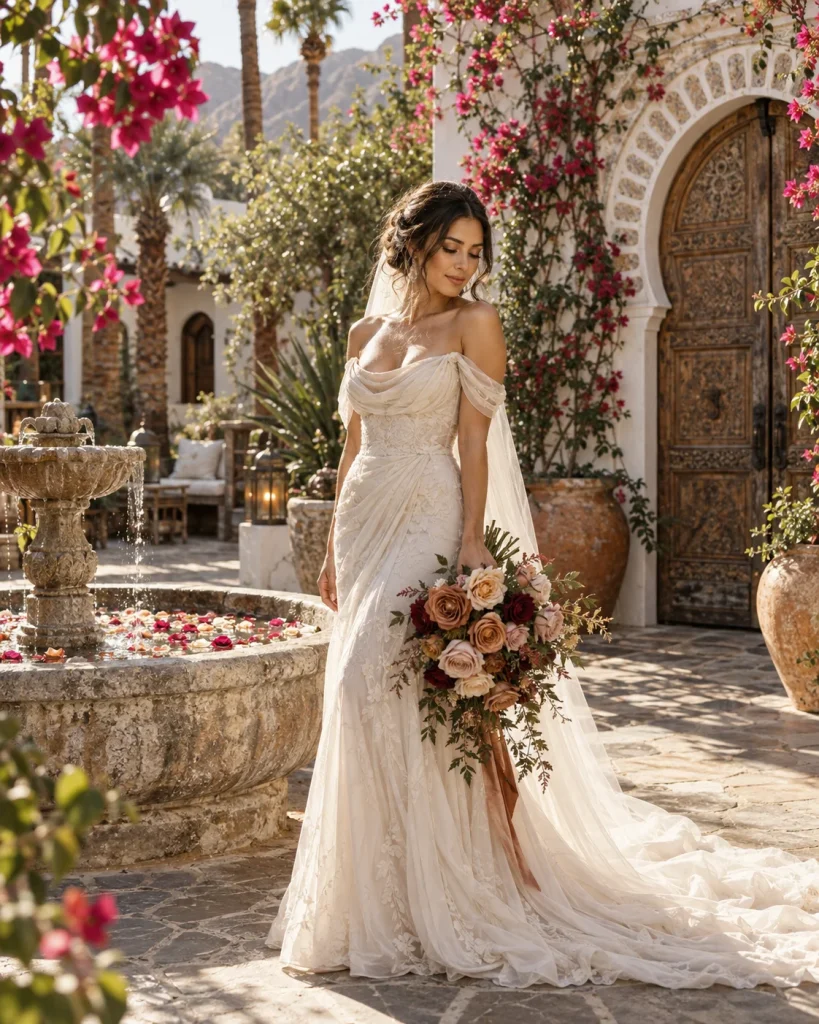
Explore bulk and wholesale rose options from Whole Blossoms to create stunning bouquets, centerpieces, and complete wedding designs that bring your autumn inspiration to life. Whether it’s for a bride’s bouquet or guest table settings, you can craft an unforgettable look with roses that echo the essence of the season.