


 by
by 
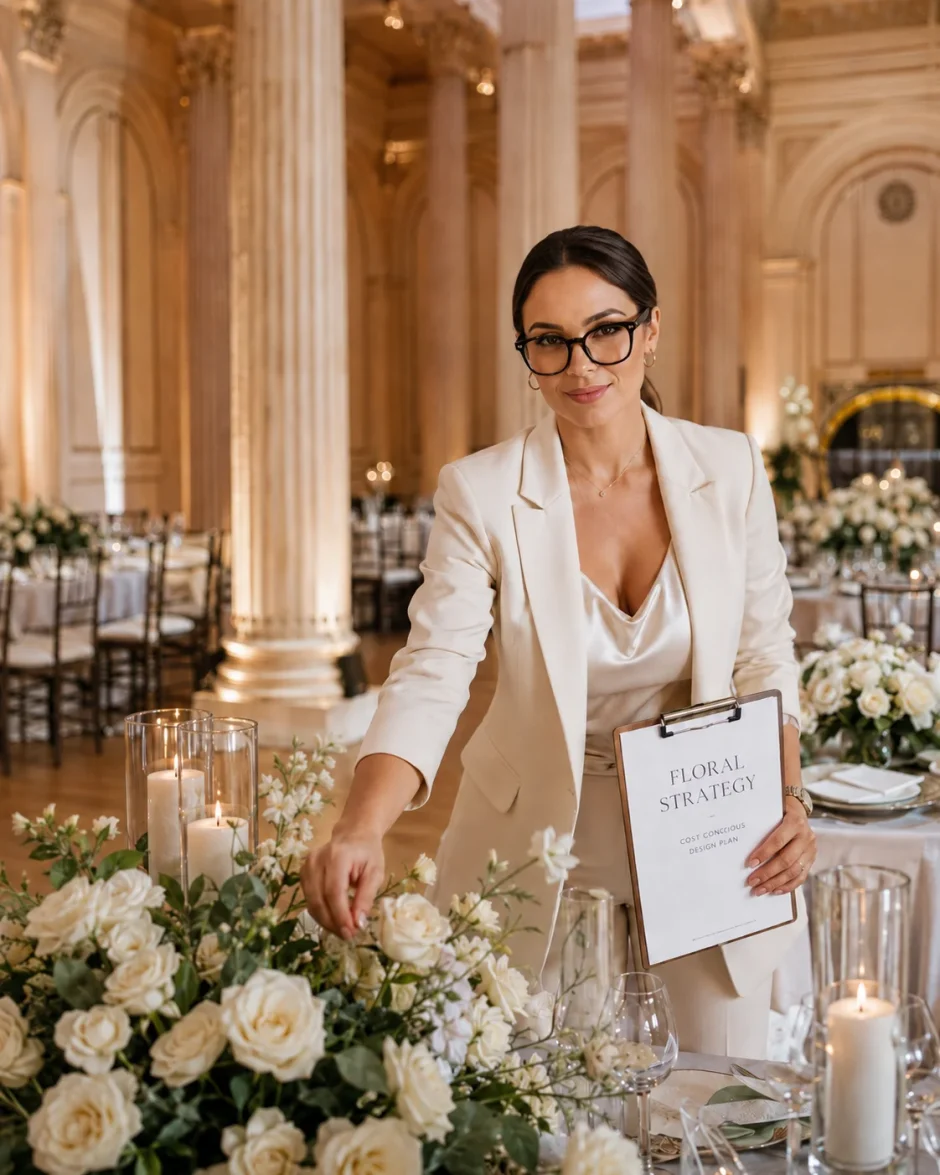
You may love the floral vision you’ve dreamed up for your big day, but when the quote arrives, it can be a shock. Wedding flowers aren’t priced like the bouquets you see at the grocery store, and for good reason, a full-service florist provides much more than stems. The cost reflects the time, skill, and resources required for sourcing premium blooms, conditioning them to maintain freshness, designing one-of-a-kind arrangements, and handling logistics like transportation, setup, and breakdown. A florist’s pricing also accounts for essential materials such as containers and mechanics, as well as business overhead and staffing.
However, not every couple needs the full-service model. Many couples researching whether wholesale wedding flowers save money are really asking a bigger question: which parts of the floral process can we realistically control ourselves? Wholesale flowers present a different approach—a way to save money by purchasing flowers in bulk and taking on some of the work yourself. While it’s not a simple shortcut, this model can be an ideal solution for budget-conscious couples who are willing to roll up their sleeves and get creative.
In this Guide, You’ll Learn:
- Why wholesale wedding flowers can cost less
Understand how purchasing flowers in bulk directly from suppliers can reduce costs compared to traditional florist services.
- Which floral expenses still need to be budgeted
Discover the key costs you’ll need to account for, even when opting for wholesale flowers, such as delivery fees, flower preparation supplies, and storage.
- Where DIY flowers save the most
Identify which parts of the floral arrangements are best suited for DIY efforts and where the biggest savings can be found.
- How to compare wholesale and florist options
Learn how to weigh the pros and cons of the wholesale approach versus hiring a florist, considering time, effort, and overall cost.
- How to build a realistic flower budget
Get tips on setting a practical budget that includes all necessary expenses and avoids hidden costs.
- FAQs
Find answers to common questions about wholesale flowers, from preservation tips to managing timelines for DIY arrangements.
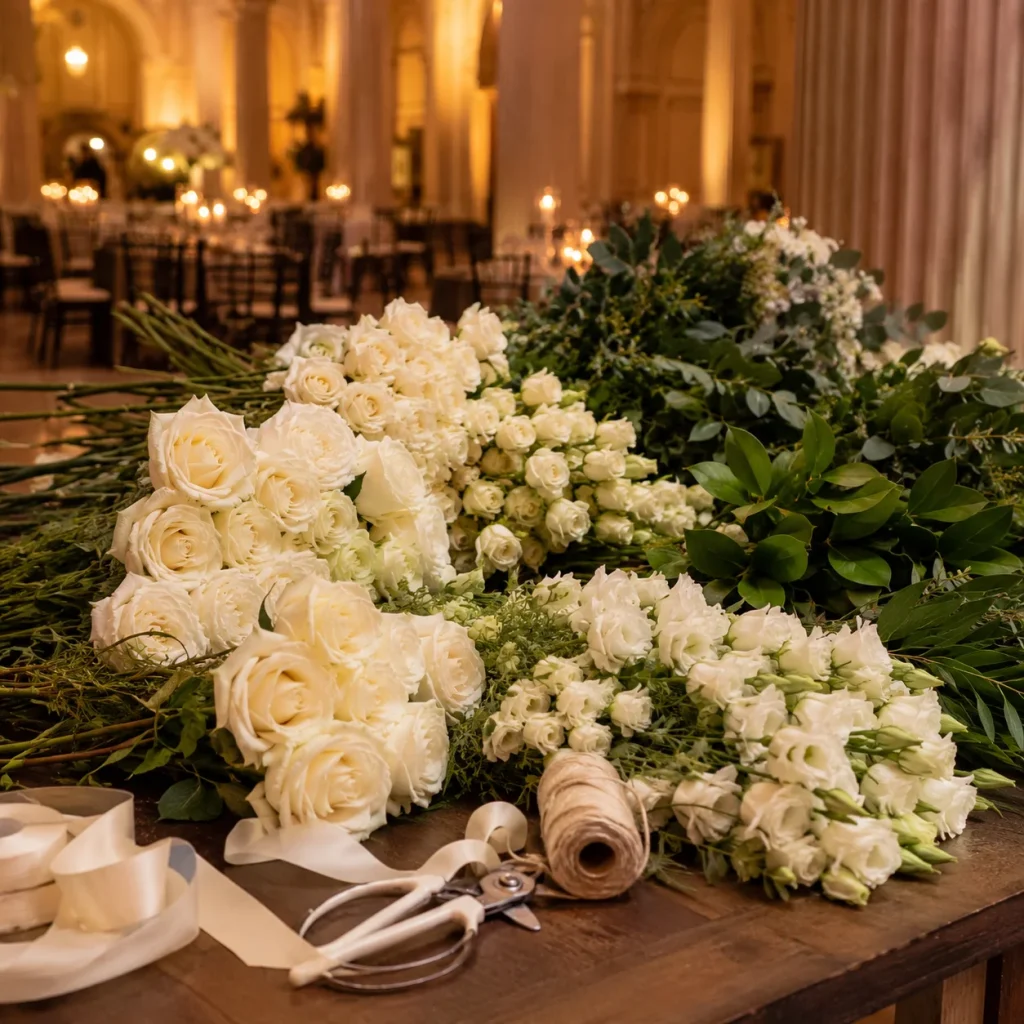
Part 1 – Why Wholesale Wedding Flowers Can Lower Your Total Cost
Planning a wedding often comes with financial challenges, and flowers are a significant budget item. Opting for wholesale wedding flowers can significantly reduce costs, offering couples an opportunity to reallocate savings to other areas of their big day. However, this savings potential comes from understanding precisely what you’re paying for and the responsibilities that shift when choosing wholesale over a full-service florist. Below, we’ll explore the financial advantages of this approach.
Wholesale Flowers Change What You Are Paying For
When selecting a full-service florist, you’re paying for more than just the flowers. This service model encompasses not only the sourcing of high-quality blooms but also the professional labor involved in designing, arranging, and assembling floral pieces. Additionally, florists manage storage, delivery, event setup, and post-event breakdown. Their expertise and consultation, combined with the overhead of running a business, contribute significantly to the final cost.
With wholesale flowers, the buyer pays primarily for the raw floral product. The other services offered by a florist, such as assembly, storage, and design work, become the responsibility of the couple or their support network. This shift in responsibilities is precisely where major cost savings can be realized, but it’s essential to weigh the trade-offs between time, effort, and price.
Labor Is One of the Biggest Variables
Labor is one of the most significant cost factors that distinguish wholesale and florist options. Hiring a professional florist for full-service floral design means you’re covering hours of creative labor, from hand-selecting blooms to arranging intricate centerpieces. When choosing wholesale, couples take on this work themselves or enlist the help of family and friends to create bouquets, boutonnieres, and installations. This can save hundreds, if not thousands, of dollars in labor costs, but it does require careful planning and an investment of time.
Bulk Quantities Give You More Control
One of the primary benefits of purchasing wholesale flowers is the ability to buy in bulk. Wholesale flower providers sell flowers by the box, bunch, or larger quantities, allowing for more flexibility in matching your event’s needs. For weddings with multiple bouquets and centerpieces or large ceremony installations, buying in bulk can be cost-effective. Additionally, purchasing a single flower type—such as roses or carnations—in larger quantities often allows for repeatable DIY designs, which further simplifies the process and reduces material waste.
You Decide Where Premium Flowers Matter Most
Wholesale flowers also give couples more control over their floral budget. Instead of relying on a florist to decide where premium blooms will be placed, you can allocate them strategically. For example, garden roses or peonies can make a significant impact in key areas, such as the bridal bouquet or the sweetheart table. Meanwhile, more affordable options like standard roses, greenery, or filler flowers can fill out centerpieces and larger arrangements without sacrificing beauty.
Buyer Questions to Answer
Are wholesale wedding flowers really cheaper? Yes, with raw material costs lower than full-service options, wholesale flowers can save money.
Why do florist wedding flowers cost more? Florists provide expert design, labor, storage, and event services, which add to the cost.
What am I paying for with a full-service florist? You’re paying for the blooms, their professional preparation, and the effort required to bring a complete vision to life.
Can buying flowers in bulk reduce my wedding budget? Absolutely. Bulk purchasing often lowers the price per stem, allowing for more affordable arrangements overall.
Is DIY always cheaper? Not always. Labor and time must be factored in when assessing whether wholesale is the best option for your circumstances.
Ultimately, wholesale wedding flowers can be a financially advantageous choice when couples are prepared to handle the associated DIY responsibilities. By understanding where savings come from and how to balance premium choices with budget-friendly solutions, couples can create stunning arrangements within their desired price range.
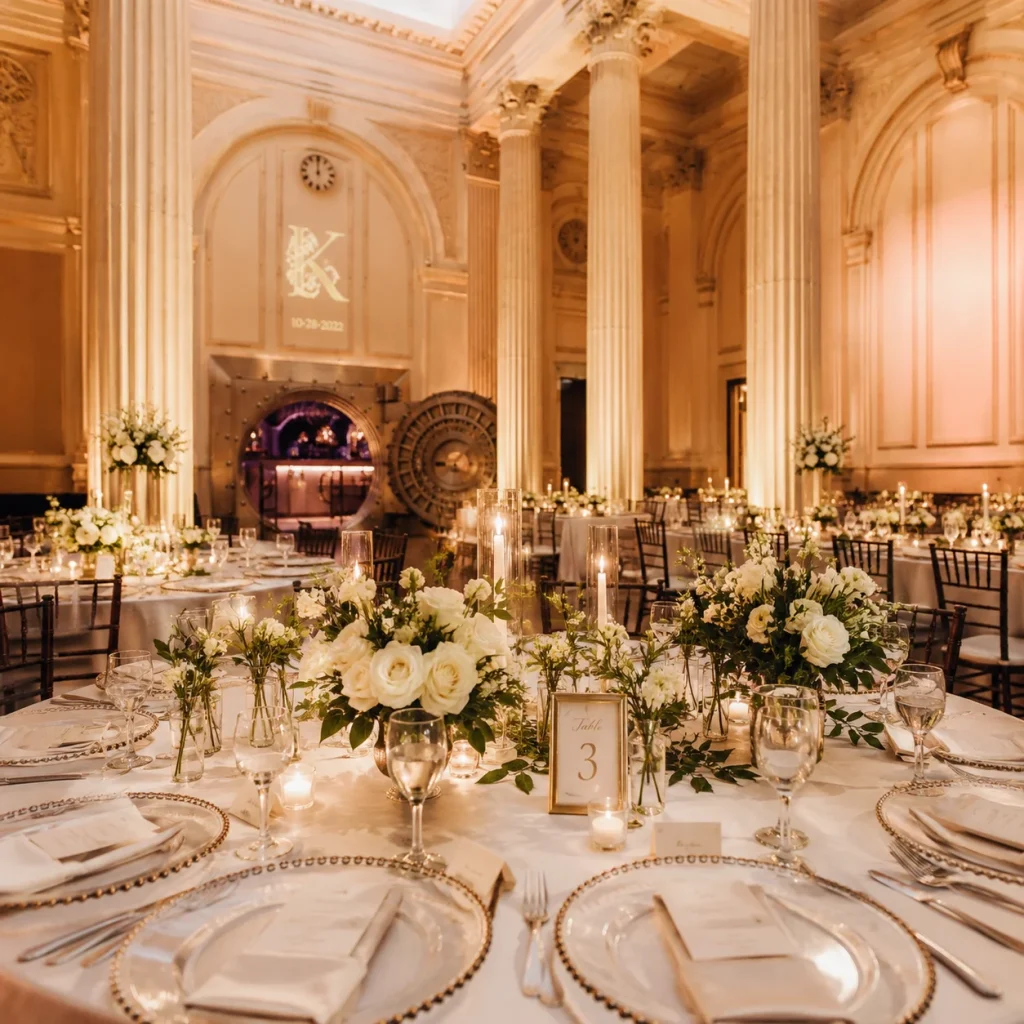
Part 2 – The Wedding Flower Costs You Still Need to Budget For
When considering wholesale wedding flowers, it’s essential to look beyond the price of stems. While purchasing flowers wholesale can be a cost-saving option, couples must factor in additional expenses to create a realistic flower budget. By understanding these potential costs, buyers can better plan their floral arrangements without any surprise expenses or hidden frustrations.
Do Not Compare Stem Cost to a Full-Service Quote
It’s important to avoid directly comparing the raw cost of wholesale flowers to a full-service florist’s quote without considering all the additional variables. For instance, if a couple spends $1,500 on wholesale flowers instead of a $4,000 florist package, the remaining $2,500 isn’t necessarily “saved.” The florist’s quote likely includes services like professional labor, delivery, setup, vessel rentals, and cleanup, all of which add value. These elements of a full-service package must be accounted for when evaluating total costs.
Floral Supplies Can Be Planned in Advance
Purchasing only wholesale stems is just one piece of the puzzle. Additional supplies may be required to create stunning arrangements, which means couples should work out a detailed mechanics list before placing an order. Necessary items may include buckets, floral food, snips, tape, wire, bouquet ribbon, foam or foam alternatives, cages, pin frogs, chicken wire, vases, compotes, centerpiece vessels, and arch mechanics. Some couples may already own buckets or containers or can borrow these items, reducing costs. However, if not, these expenses must be budgeted for early on to avoid last-minute stress.
Time Has Value Too
DIY wedding flowers require careful planning and execution, and it’s crucial to recognize the value of your time. Conditioning flowers, such as stripping foliage, cutting stems, and hydrating flowers, must be done in advance and can take several hours. Arranging bouquets, centerpieces, or arches is another time-intensive task requiring creative skill and patience. Before the event, couples must also tackle transport, setup, and eventual cleanup. Proper planning of these efforts can help you decide if the DIY approach aligns with your schedule and preferences.
Decide Whether You Need Professional Help for Installation
While some designs might be simple enough for couples and their wedding party to manage, complex installations may require the expertise of a professional florist or designer. For example, large suspended arrangements or intricate ceremony arches can be challenging to build and may pose safety concerns if not installed correctly. Hiring someone for these specific tasks can ensure a polished and stress-free result, even if most of the floral design is handled DIY.
Buyer Questions to Consider
- What extra costs come with wholesale wedding flowers? Factor in supplies, transport, and labor needs.
- Do I need to buy floral supplies separately? Yes, unless you already own or can borrow them.
- How much time does DIY wedding flower arranging take? Expect to dedicate several hours to conditioning, arranging, and setup.
- Should I hire someone to install my ceremony flowers? For complex designs, consider bringing in professionals.
- Do wholesale flowers come already arranged? No, wholesale flowers are typically delivered unarranged and require preparation.
By accounting for all aspects of DIY wedding flowers, including time, additional supplies, and professional help where necessary, couples can create a realistic budget and an experience that enhances their big day. Trust and transparency are key to making wholesale flowers a rewarding and stress-free option.
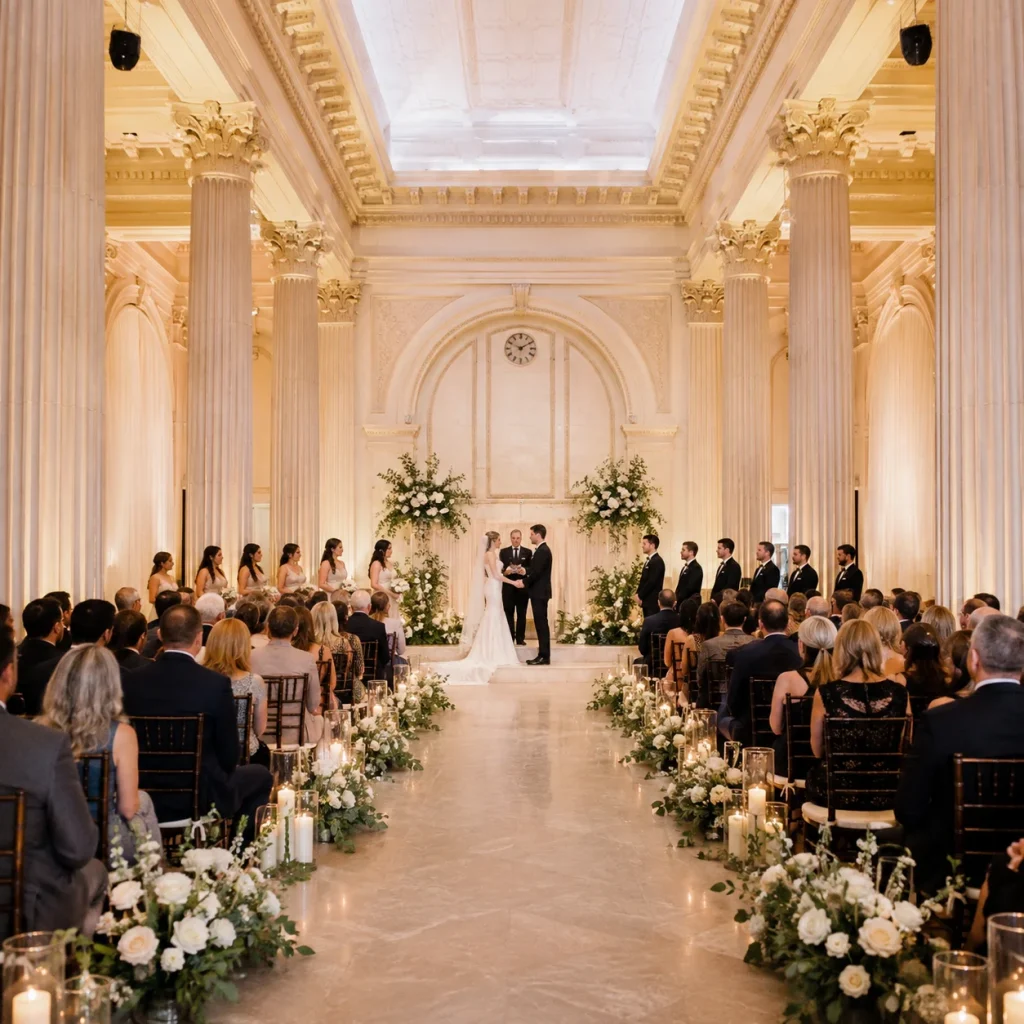
Part 3 – Which Wedding Flowers Are Easiest to Buy and Design in Bulk
Choosing the right wedding flowers is an essential part of planning, especially when buying in bulk. For couples or designers aiming to maximize practicality and aesthetic impact, certain flower types consistently stand out. Here’s a breakdown of some of the most versatile and accessible options for large orders and repeated arrangements:
Roses Give You Flexible Wedding Design Options
Roses are one of the most popular choices for weddings, and for good reason, they’re versatile, timeless, and available in a wide variety of colors and shapes. Roses seamlessly adapt to various uses, including:
- Bridal bouquets
- Bridesmaid bouquets
- Centerpieces
- Aisle arrangements
- Ceremony flowers
- Sweetheart tables
Using the same rose variety repeatedly across these different arrangements not only simplifies the ordering process but also ensures a cohesive look throughout the event. Their symbolic appeal and long vase life make them an excellent bulk buy for both DIYers and professionals.
Carnations Create Volume Without Sacrificing Color
Carnations are an unexpectedly modern option for increasing volume while maintaining a chic, budget-friendly aesthetic. Once considered overly traditional, carnations are now loved for their varied applications, such as:
- Reflexed blooms for a unique, ruffled look
- Clustered centerpieces
- Adding bouquet volume
- Supporting flower walls or installations
- Monochromatic designs
Their wide range of colors and affordability means buyers can stretch their budget without compromising on beauty. When used strategically, carnations uplift designs and bring depth to arrangements.
Greenery Can Add Scale for Less Flower Density
Greenery is an indispensable element for large-scale wedding arrangements. Not only does it add texture and dimension, but it also creates scale while requiring fewer flowers to fill a space. Greenery can be utilized in many creative ways, including:
- Floral arches
- Table runners
- Large arrangements
- Stair railings
- Welcome displays
- Ceremony structures
Using bulk greenery is an economical way to enhance visual impact and tie all the floral elements together. Popular choices include eucalyptus, ferns, and ivy.
Filler Flowers Help Build Fullness
Filler flowers are essential for achieving a full, lush look without overspending. When chosen thoughtfully, they can support and enhance the main blooms rather than detract from them. Common filler flowers and their uses include:
- Baby’s breath for an airy effect
- Waxflower to add texture
- Solidago for golden accents
- Statice or limonium to bring subtle pops of color
By focusing on fillers that complement the design palette, buyers can create arrangements with depth and balance while keeping costs manageable.
Flowers by Color Simplify Substitutions
Flower availability can vary, so having flexibility with substitutions is key to staying stress-free. Shopping by color palette rather than specific flower types ensures that the overall aesthetic remains intact. For instance, if a particular blush flower is unavailable, finding a different flower in the same shade can achieve the desired look without sacrificing style.
Buyer Questions to Answer
- What wedding flowers are cheapest to buy in bulk?
- Which flowers are easiest for DIY bouquets?
- Are roses good for DIY wedding flowers?
- How can greenery help reduce flower costs?
- What flowers create the most volume?
- Can I substitute flowers by color?
By focusing on the value of each flower type in its design role, buyers can prioritize impact over simply choosing the cheapest stems. With careful planning and the right selections, bulk flowers can turn any wedding vision into a stunning reality.
Part 4 – How to Decide What to DIY and What to Leave to a Florist
When it comes to wedding flowers, taking a hybrid approach—where you balance DIY efforts with professional floristry—can save both money and stress. While DIY is a rewarding way to add personal touches, some designs may require more expertise or time than anticipated. Here’s how to decide what flowers to take on yourself and what’s better left to the professionals.
Good DIY Candidates
Certain floral arrangements are well-suited for DIY, especially if you’re comfortable working with flowers and have an eye for design. These options are relatively simple to assemble and don’t require complex mechanisms or tools:
- Bridesmaid Bouquets: Smaller and simpler than the bridal bouquet, these are easy projects for DIYers.
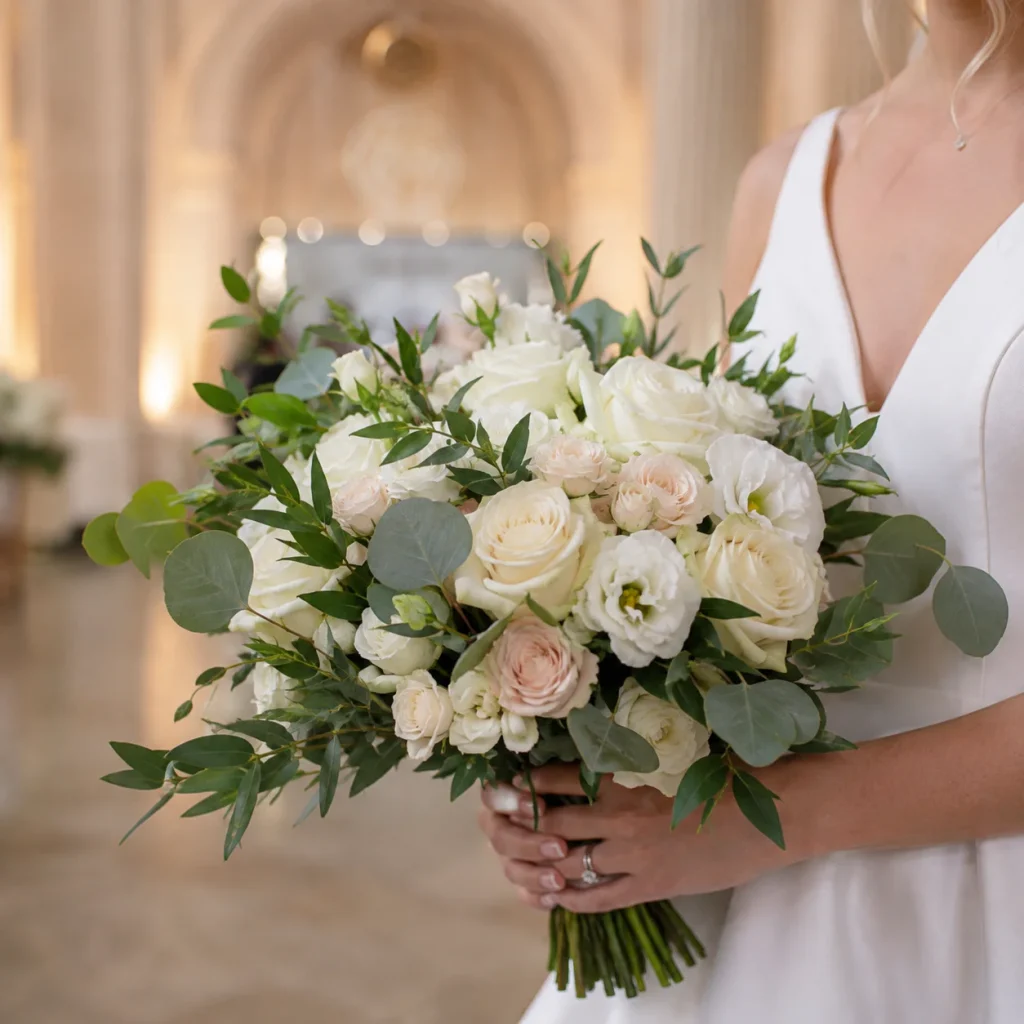
- Simple Bridal Bouquets: A compact, hand-tied bouquet with uniform flowers like roses or hydrangeas is manageable for many couples.
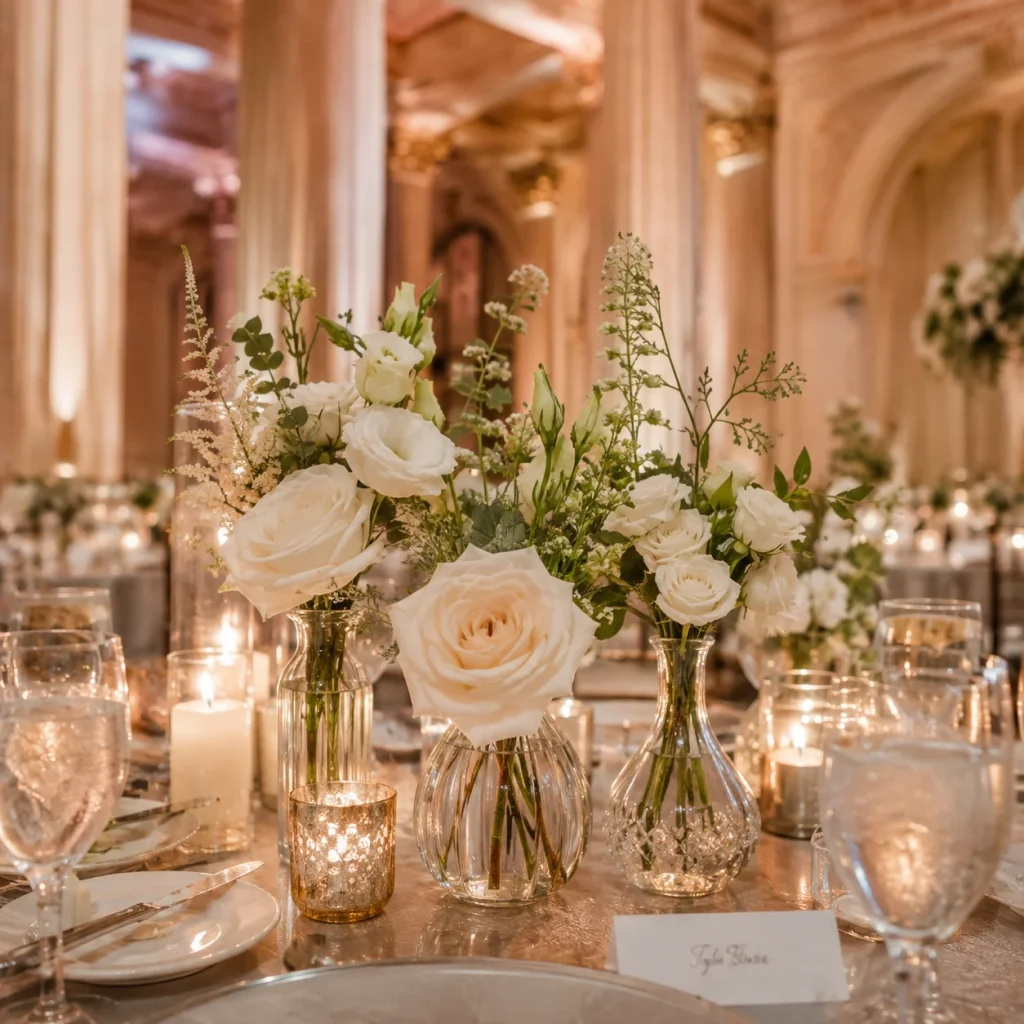
- Bud Vases: Single stems or minimal arrangements can create a chic and affordable look for cocktail tables.
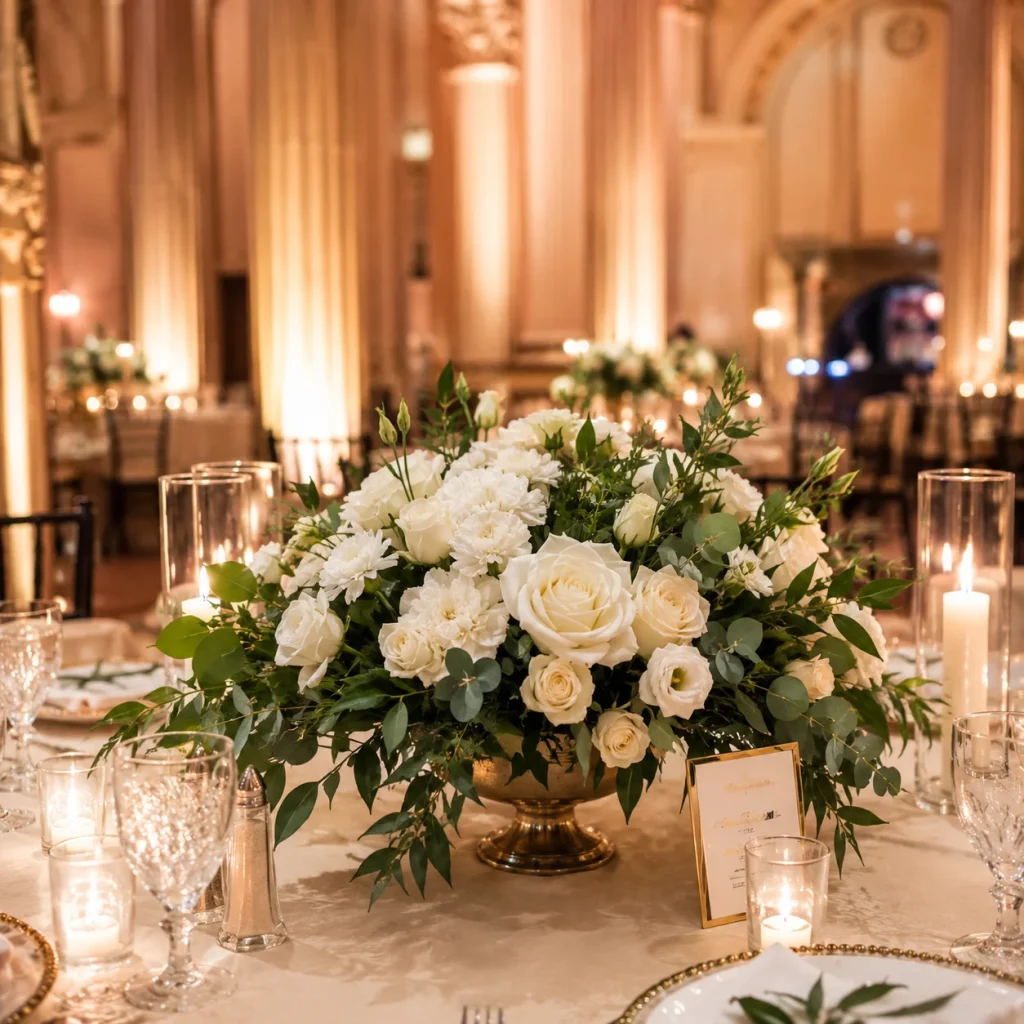
- Low Centerpieces: Using simple trays, bowls, or mason jars, these designs can create stunning tablescapes.
- Cocktail-Table Arrangements: Small, low-maintenance designs add elegance without requiring professional help.
- Welcome-Table Arrangements: Arrange loose stems or greenery in vases to greet guests while keeping costs low.
- Loose Greenery: Perfect for decorating tables and aisle markers, requiring minimal effort.
- Simple Aisle Markers: Tie small bunches of flowers or greenery to chairs for a rustic yet polished effect.
Designs That May Need Professional Help
While many floral projects are DIY-friendly, certain designs demand professional expertise due to their complexity or the resources required. These include:
- Suspended Florals and Ceiling Installations: Creating hanging flower arrangements requires careful mechanics and safety considerations.
- Very Large Arches: Large-scale floral arches involve precise placement and sturdy construction to remain intact throughout the event.
- Complicated Mechanics: Any arrangement featuring structural elements or requiring unique tools is best left to professionals.
- Structures Requiring Ladders: Safety concerns and experience make a professional a necessity for tall installations.
- Installations with Strict Venue Timelines: Professional florists are experienced in meeting tight deadlines while ensuring high-quality results.
The Hybrid Approach Can Protect Both Budget and Sanity
A hybrid approach allows couples to balance creative input with the expertise of a florist. Focus your DIY efforts on manageable projects and hire a professional for components that require extensive labor or setup.
- Example Hybrid Approach:
- Buy and Design Yourself:
- Bouquets
- Centerpieces
- Cocktail flowers
- Hire a Professional For:
- Ceremony arch
- Transport, installation, and breakdown of large designs
Buyer Questions to Answer
When determining whether to DIY, ask yourself these questions:
- Which wedding flowers should I DIY?
- Should I DIY my wedding arch?
- Can I hire a florist only for installation?
- Is a hybrid wedding flower plan cheaper?
- How do I know whether my design is too complicated?
Taking the time to evaluate your wedding flower plan will help you create a stunning aesthetic without unnecessary stress or overspending. A hybrid approach offers the flexibility to enjoy the creative process while ensuring professional-quality results where needed.
Part 5 – How to Build a Wholesale Wedding Flower Budget Before Ordering
Creating a wholesale wedding flower budget may seem overwhelming at first glance, but following a clear system can simplify the process and save you time and money. A repeatable planning system ensures that you optimize your flower choices and make informed decisions about your floral needs. Below is a step-by-step framework to guide you through building your budget with confidence.
Step 1: List Every Floral Design
Start by identifying all the floral arrangements you’ll need for your wedding day. This step ensures no detail is overlooked. Here’s a comprehensive list to get you started:
- Bridal bouquet
- Bridesmaid bouquets
- Corsages
- Ceremony arrangements
- Aisle flowers
- Cocktail arrangements
- Guest-table centerpieces
- Sweetheart-table flowers
- Cake-table flowers
- Welcome-table flowers
- Bar flowers
- Other installations
Step 2: Assign a Recipe to Each Design
Once you have your list, break down each arrangement into a “recipe” of floral components. For example, a low centerpiece might require focal flowers, secondary flowers, filler blooms, and greenery. Assign quantities to each type of flower. Multiply this recipe by the number of centerpieces or arrangements you need, ensuring you have accurate totals for every design.
Step 3: Convert Recipes Into Total Stem Counts
Next, combine identical flower varieties across all the arrangements to determine the total number of stems needed. For instance, if you’re using the same roses for bouquets and centerpieces, adding these totals together may allow you to purchase in bulk and lower your per-stem cost. This step helps reveal whether adjustments can further maximize your budget.
Step 4: Add Floral Supplies
Don’t forget to account for necessary supplies beyond the flowers themselves. Include all the mechanics, buckets, ribbon, tools, containers, and any other materials that will be required to create and install your arrangements. These costs are critical to achieving a complete picture of your floral budget.
Step 5: Add Delivery, Labor, and Setup
If you’re handling your own flowers, plan for additional expenses like flower delivery costs, the labor involved in assembling arrangements, and transportation to the venue. For larger installations, you may also need to consider setup and breakdown costs if applicable. These logistical elements are important for an accurate final budget.
Step 6: Compare the Final Wholesale Plan With the Full-Service Quote
Finally, compare your wholesale flower plan to the quote from a professional florist. Remember to compare totals, your wholesale flowers and supplies versus the florist’s full-service options. not stems or individual arrangements. This helps you determine where DIY is worthwhile and where professional assistance might provide better value.
Buyer Questions to Answer
When reviewing your budget, keep the following questions in mind to ensure you’ve covered all bases:
- How do I calculate a DIY wedding flower budget?
- How many wedding flower stems should I order?
- How do I compare wholesale flowers with a florist quote?
- Should I price flowers by arrangement?
- What should be included in my floral budget?
By following this step-by-step system, you’ll create a well-structured wholesale wedding flower budget that aligns with your vision and financial goals. Whether you go fully DIY or adopt a hybrid approach, this method ensures an organized and informed planning process.
FAQ Section
Do wholesale wedding flowers really save money?
They can, especially when couples take on some of the design labor themselves and purchase larger quantities directly. The total savings vary by flower type, wedding size, shipping, supplies, labor, and local florist pricing. Compare the entire wholesale plan with the complete florist quote rather than comparing only flower stem prices.
Why are florist wedding flowers more expensive than wholesale flowers?
A full-service florist typically provides more than flowers. Pricing may include consultation, sourcing, conditioning, design labor, supplies, storage, transport, setup, staffing, breakdown, and business overhead. Wholesale flowers give buyers the raw floral product while leaving more of those tasks in their own hands.
What wedding flowers are easiest to buy in bulk?
Roses, carnations, greenery, filler flowers, and other versatile varieties can work well across multiple wedding designs. Using the same flower in bouquets, centerpieces, and ceremony arrangements can simplify quantities and help buyers make better use of bulk ordering.
Is it cheaper to DIY all of my wedding flowers?
Not always. Simple bouquets, bud vases, and low centerpieces may be practical DIY projects, while large arches, suspended installations, and complicated structures can require experienced labor and additional equipment. A hybrid approach may provide better value for some weddings.
What supplies do I need for DIY wedding flowers?
Common supplies include buckets, sharp floral snips, floral tape, wire, ribbon, arrangement mechanics, containers, transport boxes, and appropriate flower-care products. Make the supply list before comparing the total DIY budget with a full-service floral quote.
How do I calculate how many wedding flowers to order?
Start by listing every floral arrangement, create a stem recipe for each design, multiply the recipe by the number of arrangements, then combine identical flower varieties into total quantities. Add a reasonable cushion for natural variation, practice, and damaged stems based on your specific plan.
Conclusion
Choosing wholesale flowers can significantly reduce your wedding floral budget while giving you more control over your special day. By deciding what to buy, selecting how much to order, choosing premium blooms, and deciding which arrangements to DIY versus professional assistance, couples can tailor their floral vision to fit both their style and budget. However, it’s crucial to factor in additional costs such as supplies, labor, transportation, and setup to make an informed decision.
Take control of your wedding flower budget with farm-direct options from Whole Blossoms. Explore our wide range of wholesale flowers, bulk flowers, wedding flowers, greenery, affordable wedding options, and floral supplies. Build the perfect floral plan for your event size, design priorities, and budget today!