


 by
by 
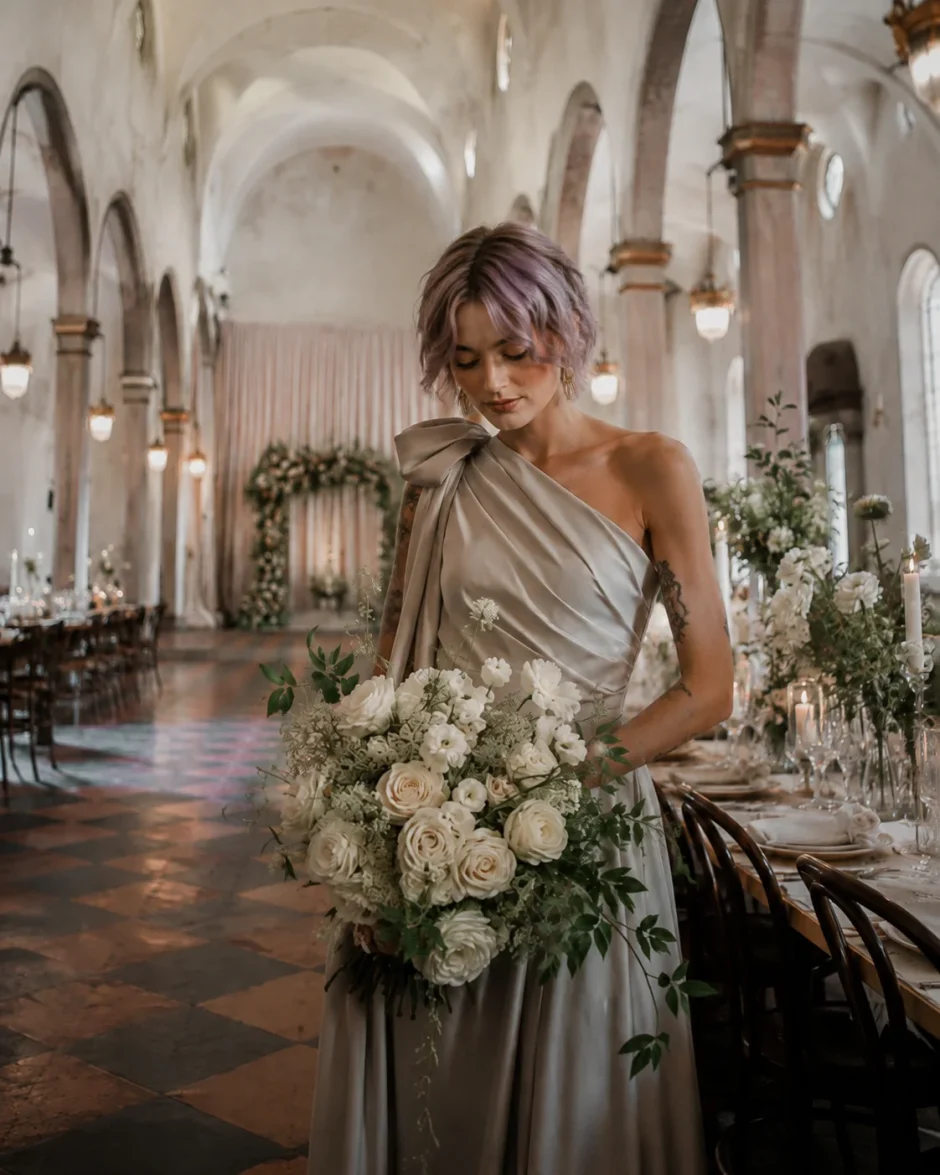
If you are planning flowers for 150 guests, the guest count is only the starting point. Your real flower order is determined by how many arrangements you need and how many stems go into each one. There is no single, accurate answer to the question, “How many flower stems do I need for a wedding?” That’s because two weddings with the same guest count can have drastically different floral needs depending on a variety of factors.
The final stem count depends on details like your table configuration, the density of your centerpieces, the size of your bridal party, and the amount of ceremony décor you plan to have. Additional considerations include your use of secondary floral areas, how much greenery you’re incorporating, and whether your arrangements are minimal, medium, or lush in style.
Whole Blossoms is here to help you answer the important question of how many flower stems for a wedding are necessary. By factoring in your specific wedding details, we aim to be your go-to resource for planning stem quantities and ordering bulk flowers efficiently.
In this guide, you’ll learn:
- How guest count affects table count
- How many stems centerpieces may require
- How to estimate bouquet and ceremony flowers
- How to calculate your total flower order
- How much extra product to plan for
- FAQs
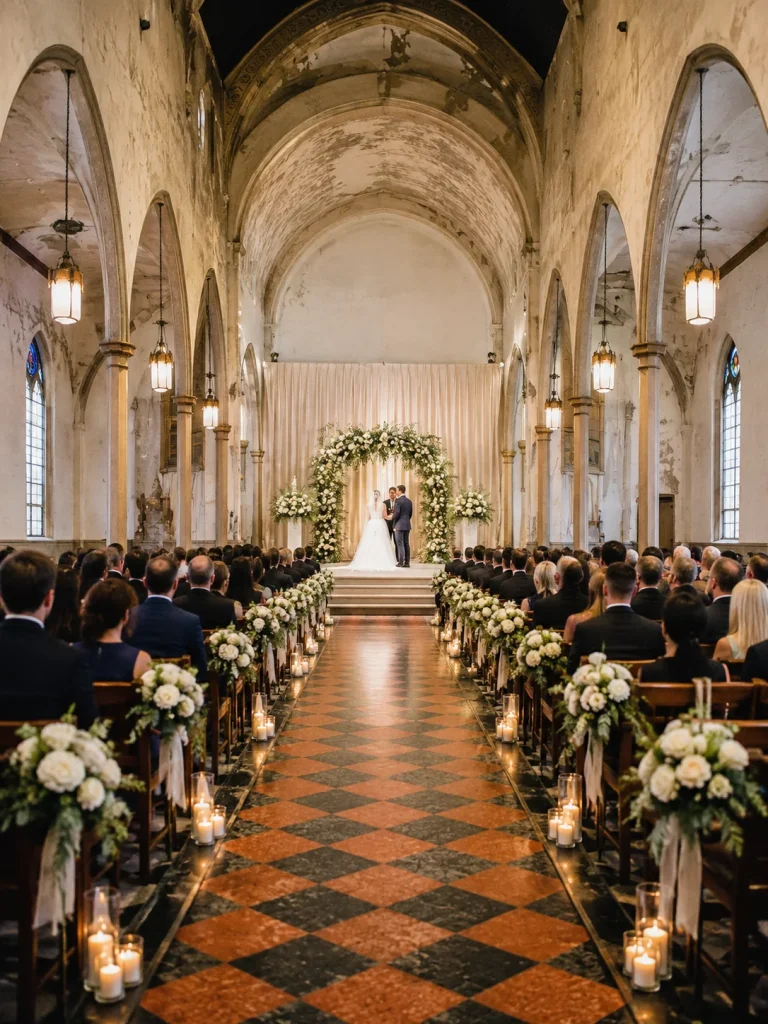
Part 1 – Start With Table Count, Not Just Your 150 Guests
When planning the floral decor for your wedding reception, understanding your table count is crucial. While you may have a guest list of 150, the number and arrangement of tables significantly drive the quantity of flowers you’ll need. Because centerpieces are often the largest repeating floral expense, mapping out the reception layout comes first.
Calculate Reception Tables First
The simplest way to calculate the number of guest tables is to divide the total number of guests by the number of seats per table. For example, a 150-person reception could have:
- 15 tables with 10 guests at each
- 19 tables with 8 guests per table
Your table shape and layout also play a significant role. Some receptions feature long banquet-style tables, a mix of round and rectangular tables, or creative arrangements that require unique centerpiece configurations.
Simple Formula:
Number of guest tables = Total guests ÷ Guests per table
Example calculations:
- 150 ÷ 10 = 15 guest tables
- 150 ÷ 8 = approximately 19 guest tables
Add Every Table That Needs Flowers
Don’t stop at counting guest tables; take note of all the additional tables that may require floral arrangements. These might include:
- Sweetheart table
- Head table
- Cake table
- Welcome table
- Gift table
- Bar
- Escort-card table
- Memorial table
Creating a thorough inventory ensures you’re not caught short on flowers and that every meaningful corner of your reception is thoughtfully decorated.
Decide Whether Every Table Needs the Same Floral Recipe
Not every table at your reception needs an elaborate centerpiece. Consider these strategic options to allocate your floral decor effectively and creatively:
- Lush centerpieces for key tables, such as the head table or a few prominent guest tables
- Smaller arrangements for remaining guest tables
- Bud vases for cocktail tables or side areas
- Greenery-only accents as a cost-effective yet elegant alternative
These choices can help you achieve a cohesive but varied look, keeping your floral budget in check while maintaining visual appeal.
Buyer Questions to Answer
Some common questions you might ask when planning include:
- How many centerpieces do I need for 150 guests? Use your guest-to-table calculation to determine this.
- How many tables will 150 wedding guests require? This depends on your seating arrangement (e.g., 10 guests per table vs. 8).
- Does every reception table need flowers? Not always—strategic mixing can keep costs manageable.
- Can I use different centerpiece sizes? Yes, combining lush arrangements with smaller accents is effective and budget-friendly.
By starting with your table count and considering every floral detail, you’ll ensure your arrangements are adequate, balanced, and suited to your reception’s unique layout.
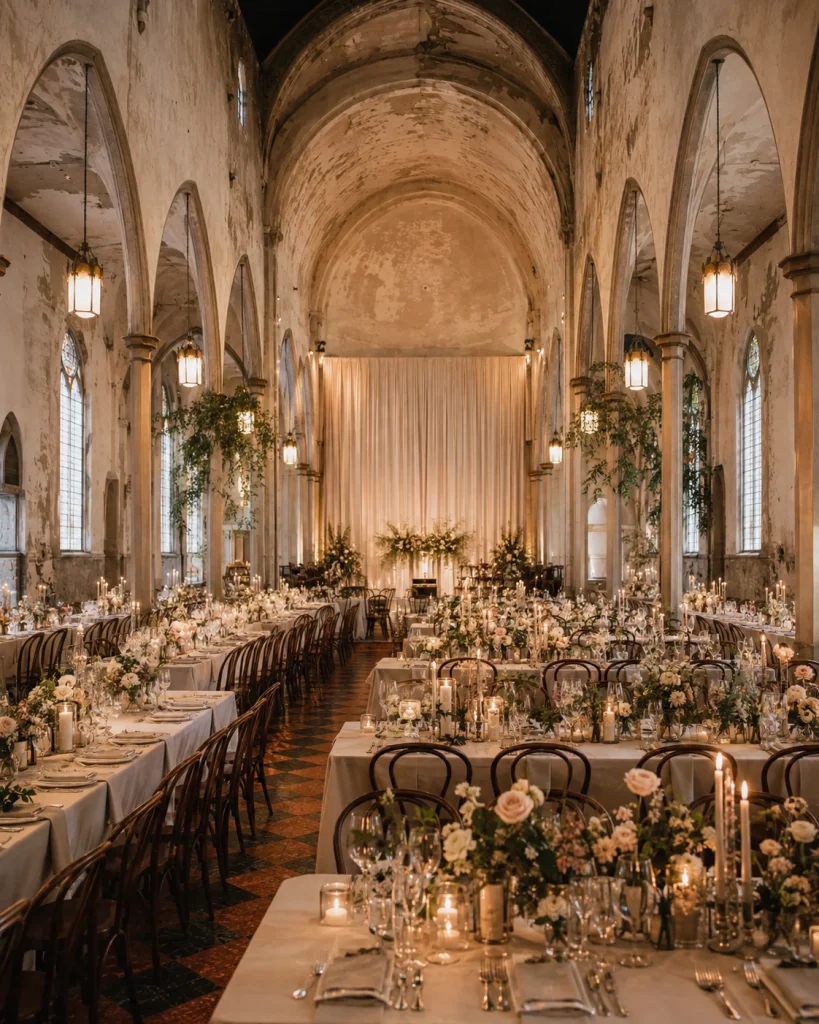
Part 2 – Calculate Flower Stems by Centerpiece Size
Planning the number of flower stems needed for your wedding centerpieces can feel overwhelming, but by breaking it down into manageable ranges, you’ll gain clarity. Stem quantities will vary depending on centerpiece sizes, bloom types, and your design preferences. Below, use these ranges as a starting point to estimate your floral needs while keeping in mind that actual counts will depend on variables like arrangement diameter, vase shape, greenery inclusion, and bloom size.
Petite / Bud Vase Grouping
- Approximate Stem Range: 3–8 flower stems per individual vase, or roughly 10–20 flower stems across a coordinated vase grouping.
- Best For: Cocktail tables, minimalist designs, or mixed reception-table styling.
Petite or bud vase groupings are ideal for stretching your flower budget. By combining several smaller vases with fewer stems in each, you can create a stylish yet simple effect. These groupings work well when balanced with larger centerpieces or when placed on less prominent tables, like guest book or bar tables.
Small Centerpieces Stretch Bulk Flowers Further
- Approximate Stem Range: 15–25 flower stems, plus greenery if desired.
Small, low centerpieces are perfect for couples looking for budget-friendly options without sacrificing style. Designs using bulk flowers, such as carnations, mums, or daisies, can achieve significant volume while keeping costs low. This approach is especially effective for creating visual impact without requiring an over-the-top flower count. Simple designs or repetition of the same flower type can make these centerpieces elegant and cohesive.
Medium Centerpieces Balance Fullness and Quantity
- Approximate Stem Range: 25–40 flower stems, plus greenery.
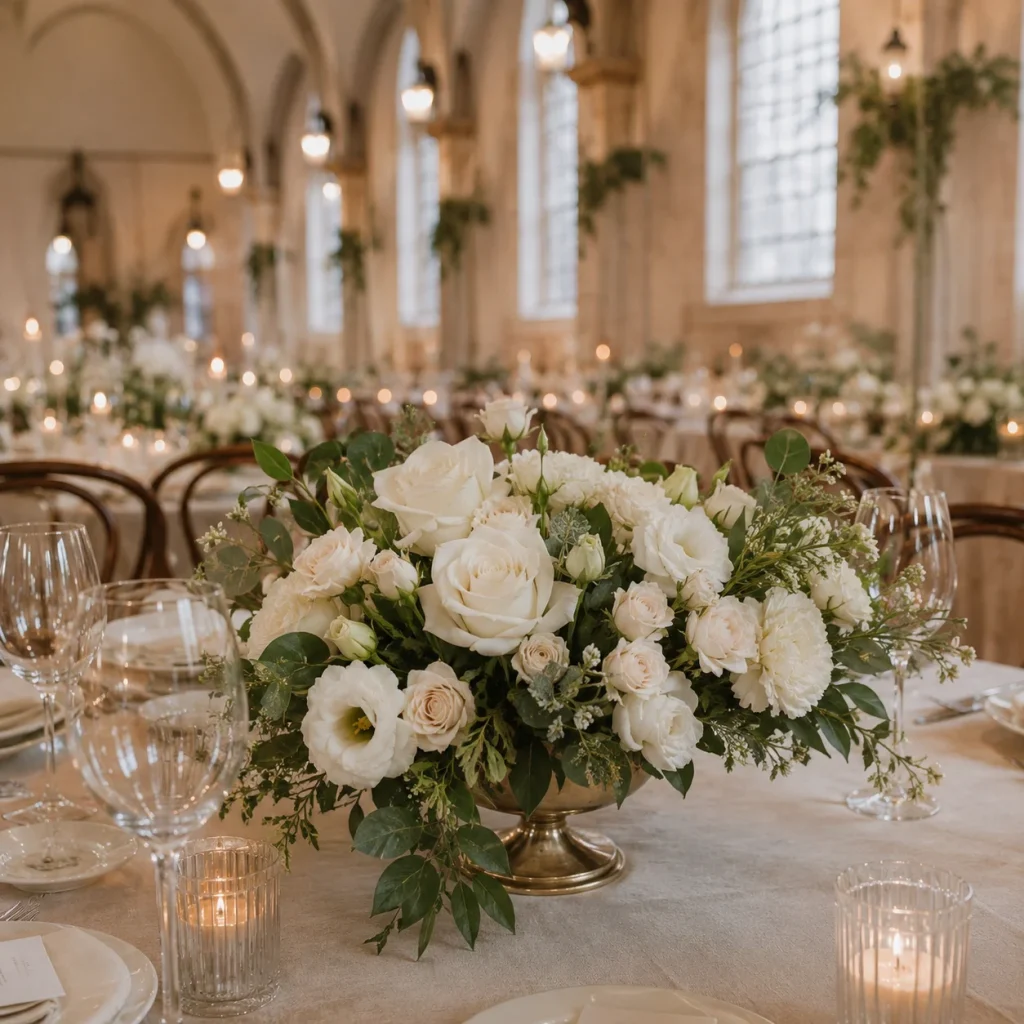
Medium centerpieces are among the most popular choices, providing a good balance between fullness and affordability. This size is ideal for traditional round or rectangular reception tables and can accommodate a mix of flower types. Adding a few statement blooms, like roses, hydrangeas, or peonies, elevates the aesthetic while continuing to use cost-effective filler flowers and greenery for volume. They are a versatile option that does not feel sparse or overindulgent.
Lush Designs Increase Stem Counts Quickly
- Approximate Stem Range: 40–60+ flower stems, depending heavily on bloom size.
For couples seeking a lush, opulent centerpiece look, the stem count quickly adds up. These centerpieces often feature a variety of premium flower types with layers of blooms that create a more dramatic effect. Even an increase of 10 stems per table can make a significant difference. For instance, if you have 15 tables and add 10 stems to each, that’s an extra 150 stems needed in total, showcasing how quickly numbers escalate with luxury designs.
Example for 15 Guest Tables
If each table uses approximately 30 flower stems for medium-sized centerpieces, the calculation is straightforward:
- 15 tables × 30 stems = 450 flower stems
This total covers guest table centerpieces only, and additional arrangements (like for the head table or décor accents) should be factored in separately.
Buyer Questions to Consider
- How many flower stems go in a wedding centerpiece?
- How many flowers do I need for 15 tables?
- How many roses should be in a centerpiece?
- How many stems make a centerpiece look full?
- Should greenery count toward the flower total?
By using these estimates and answering key questions during your planning process, you can transform your table count into a focused and adaptable centerpiece stem count. From petite vases to lush designs, understanding stem ranges allows you to strike the perfect balance between style, budget, and your wedding vision.
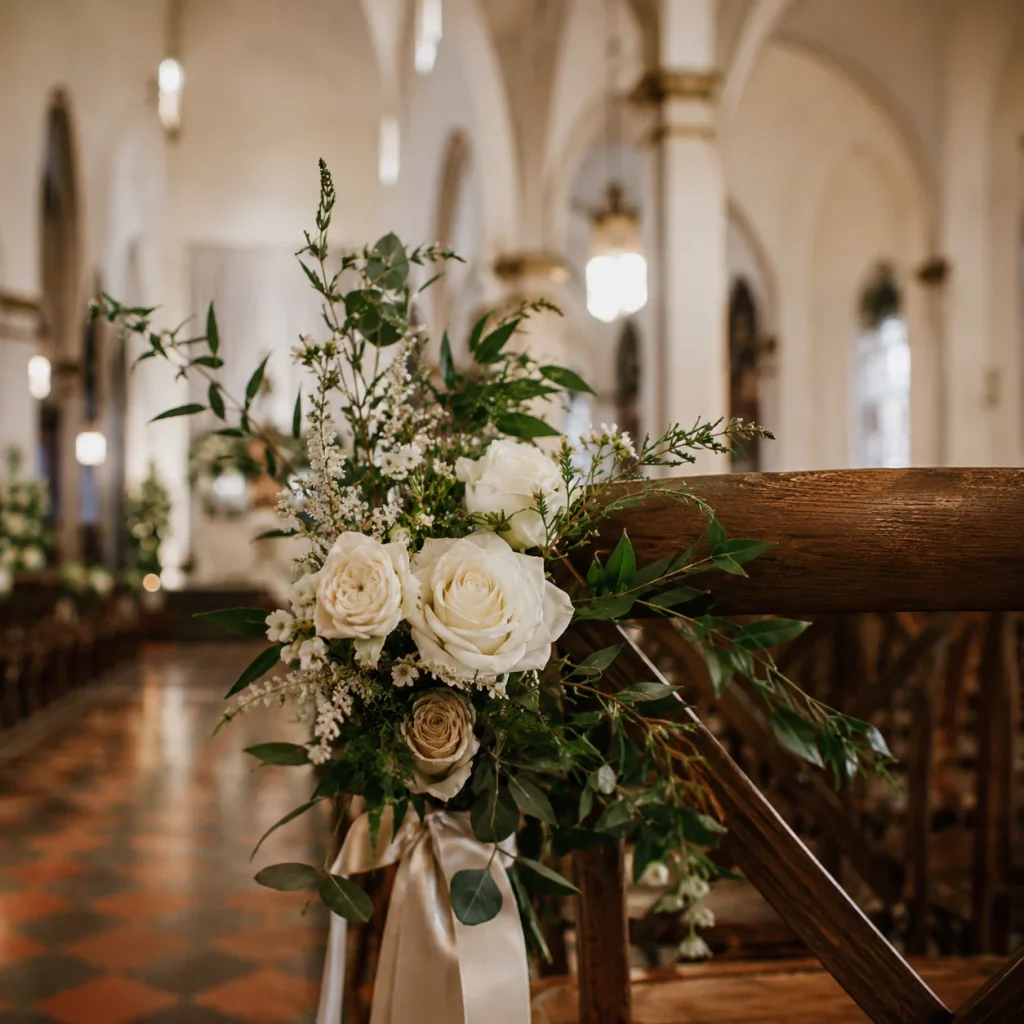
Part 3 – Add Bridal Party Flowers to Your Stem Estimate
When planning your wedding floral order, it’s essential not to overlook the flowers needed for your bridal party. While centerpieces are a major focal point, personal flowers play a key role in completing the overall aesthetic and making your wedding day feel truly special. By calculating the stems required for bridal bouquets, bridesmaid bouquets, boutonnieres, and corsages, you can create an accurate and comprehensive stem estimate that prevents last-minute surprises.
Bridal Bouquet
Suggested planning range: 20–40+ stems
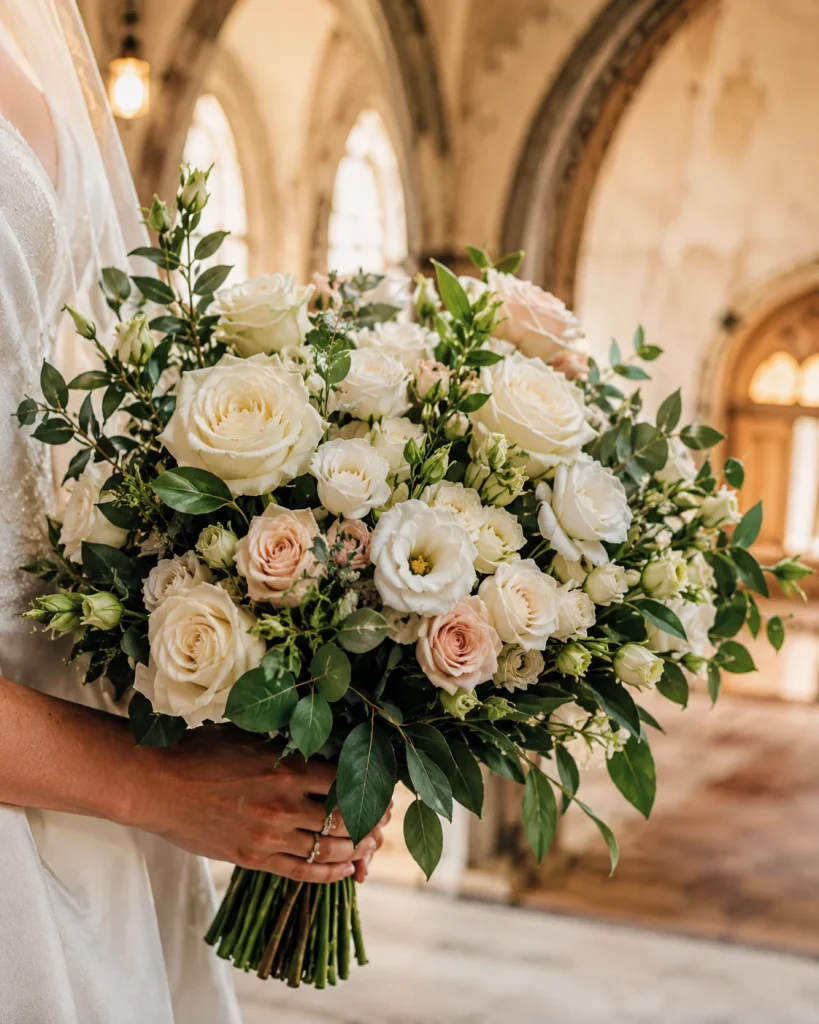
The bridal bouquet is often the most extravagant arrangement in the wedding flower lineup. Whether you envision a cascading, romantic design or a simple and elegant hand-tied bouquet, the number of stems required will depend on the type of flowers you choose. Large focal blooms like peonies or hydrangeas can fill space effectively, meaning you might need fewer overall stems. On the other hand, if you opt for smaller flowers such as spray roses or ranunculus, additional stems will be necessary to achieve the desired fullness and impact. Striking a balance between texture, color, and size helps create a cohesive look while managing the stem count thoughtfully.
Bridesmaid Bouquets
Suggested planning range: 10–25 stems each
Bridesmaid bouquets are typically smaller in size compared to the bridal bouquet, but they should still complement its style and color palette. For example, if you have six bridesmaids and aim for an average bouquet of 18 stems, you’ll need approximately 108 stems just for this category. Utilize a mix of greenery and floral accents to reflect your theme, and remember to allocate more stems for designs with intricate details or if your bouquets lean toward a botanical style.
Boutonnieres
Boutonnieres may appear simple, but each one is carefully crafted from a few focal blooms and greenery elements. Since stems are often trimmed into smaller pieces for these designs, it’s important to calculate the boutonnieres separately from the larger arrangements. For instance, plan for one or two small blooms per boutonniere, along with accents like baby’s breath or eucalyptus.
Corsages
Account for: mothers, grandmothers, honored guests
Corsages are another important element to include in your estimate, as they recognize key family members and other honored guests. With popular styles such as wrist corsages or pin-on corsages, aim for a few small blooms like roses or orchids combined with greenery. Add enough to account for all significant attendees, with each arrangement requiring thoughtful planning.
Suggested Example
For a wedding with the following bridal party flowers:
- 1 bridal bouquet
- 6 bridesmaid bouquets
- 8 boutonnieres
- 4 corsages
The buyer should create individual recipes for each category, defining the exact flower varieties and greenery needed. Once these recipes are complete, group identical flower varieties across all designs to calculate the total quantity required for your bulk order.
Buyer Questions to Answer
- How many flowers go in a bridal bouquet?
- How many stems should bridesmaid bouquets have?
- Do boutonniere flowers count toward my bulk order?
- How many flowers do I need for six bridesmaids?
Remember, exact recipe counts matter more than averages. Calculating carefully ensures your order aligns with both your vision and your budget.

Part 4 – Build Your Complete 150-Guest Wedding Stem Count
To create a stunning floral design for a 150-guest wedding, it’s time to bring all your calculations together into one cohesive example. Using this scenario, we’ll demonstrate how stem counts are calculated based on specific arrangements and quantities.
Example Wedding Guest Count
Guest Count: 150
Guest Tables: 15 tables with 10 guests each
Floral Plan
- 15 medium centerpieces
30 stems per centerpiece = 450 stems
- 1 bridal bouquet
30 stems = 30 stems
- 6 bridesmaid bouquets
18 stems per bouquet = 108 stems
- Ceremony arrangements
Example planning quantity = 120 stems
- Cocktail tables and secondary areas
Example planning quantity = 75 stems
Example Subtotal:
450 (centerpieces) + 30 (bridal bouquet) + 108 (bridesmaid bouquets) + 120 (ceremony arrangements) + 75 (cocktail/secondary areas) = 783 flower stems
Important Note
The total of 783 stems is not a universal “correct number” of flowers for a 150-guest wedding. This figure is specific to the arrangement choices in this scenario. Another wedding with 150 guests might require as few as 500 stems or as many as 1,200+ stems, depending entirely on the design choices, arrangement sizes, and floral details selected by the couple.
Add Identical Flowers Across Every Recipe
When building your stem count, it’s essential to group identical flower varieties from all arrangements into one total. For example:
- If roses are included in the bridal bouquet, bridesmaid bouquets, centerpieces, and ceremony arrangements, calculate the total number of roses across all designs.
- Using the scenario above, if 10 roses are in each bridesmaid bouquet (6 bouquets x 10 roses = 60 roses), 15 roses are in each centerpiece (15 centerpieces x 15 roses = 225 roses), and 40 roses are used for ceremony arrangements, the total roses needed would be 60 + 225 + 40 = 325 roses.
Convert Individual Stems Into Wholesale Purchase Units
Whole Blossoms products may be sold by bunch, stem count, box, or another product-specific unit. Once you know the total quantity of a flower variety, check the product packaging options. For example:
- If roses are sold in bunches of 25 stems, divide your total rose count by 25 to determine how many bunches to order.
- Example: For 325 roses, order 13 bunches (325 ÷ 25 = 13).
Add an Appropriate Cushion
It’s always wise to account for additional flowers when placing your order. This cushion can account for:
- Natural Variation: Flowers may vary in size, color, and fullness.
- Damaged Stems: Some stems may arrive damaged and unsalvageable.
- Practice and Replacements: Building arrangements ahead of time may result in breakage or mistakes that require extra stems.
- Design Adjustments: Some flowers may open smaller than anticipated or require additional blooms for the desired effect.
Although it’s tempting to calculate an exact percentage for extras, the appropriate cushion will vary based on the flower variety, arrangement size, and overall design plan. Buyers should evaluate their specific needs and consider Whole Blossoms’ product details when determining how much to order.
Buyer Questions to Answer
- How many flower stems do I need for 150 guests?
- Is 800 stems enough for a wedding?
- Should I order extra wedding flowers?
- How do I convert stem counts into bunches?
By following these steps, you’ll ensure that the beauty and abundance of your wedding flowers align with the vision you’ve crafted, all while staying within your planned budget.
FAQ Section
How many flower stems do I need for a 150-person wedding?
There is no single number based only on guest count. A 150-person wedding might use hundreds or more than 1,000 stems depending on table count, centerpiece density, bridal party size, ceremony décor, and secondary arrangements. Calculate each floral recipe individually, then combine the totals.
How many centerpieces do I need for 150 wedding guests?
Divide the guest count by the number of people seated at each table. If 10 guests sit at each table, approximately 15 guest-table centerpieces are needed. At eight guests per table, you may need about 19. Add separate arrangements for sweetheart, cake, welcome, and other tables.
How many stems should I use in a wedding centerpiece?
Small designs may use roughly 15–25 flower stems, while medium designs may use around 25–40. Lush arrangements can require 40–60 or more. The actual number depends on bloom size, greenery, vessel dimensions, design density, and flower varieties.
How many stems go in a bridal bouquet?
A bridal bouquet may use approximately 20–40 or more stems depending on flower size and bouquet style. Large focal blooms can create fullness with fewer stems, while smaller flowers may require more. Build a specific recipe instead of relying only on an average.
Should greenery be included in my wedding flower stem count?
Track greenery separately whenever possible. Greenery changes the density and shape of bouquets, centerpieces, arches, and installations, and a greenery-heavy design may require fewer flower stems than an arrangement composed almost entirely of blooms.
Should I order extra wedding flowers?
It is sensible to plan for natural variation, damaged stems, practice arrangements, and unexpected design adjustments. The appropriate cushion varies by flower type and design plan, so calculate the primary recipe first and then add a reasonable amount based on your specific order.
Conclusion
Remember, the number of guests at your wedding—150 or otherwise—will tell you how many people are attending, not how many flowers you need to order. A reliable bulk-flower estimate requires careful planning, including determining your table count, centerpiece recipes, bridal-party flowers, ceremony flowers, secondary floral areas, greenery, and an extra planning cushion for variability. Preparing your flower quantities thoughtfully will ensure your wedding vision comes to life without unnecessary stress.
Once your stem count is ready, build your flower order with Whole Blossoms. Explore our collection of bulk flowers, wholesale flowers, wedding flowers, roses, greenery, and floral supplies to turn your arrangement recipes into reality. With Whole Blossoms, creating breathtaking floral designs for your big day has never been easier—shop now and make your wedding truly unforgettable!