


 by
by 
Introduction
The bouquets and centerpieces are finished; everything seems set for the big day. Then someone asks, “What about the groom, fathers, grandmothers, and mothers?” Personal flowers, such as boutonnieres and corsages, are often among the last items added to the wedding flower list, yet they play a meaningful role. These small designs are worn close to the heart, handled frequently, photographed up-close, and expected to last through hours of celebration. That’s why their construction requires careful attention to detail.
Thankfully, learning how to make DIY wedding boutonnieres and corsages is not as overwhelming as it might seem. Unlike bouquets, these arrangements require far fewer flowers, sometimes just a focal bloom with a few accent greens. The key lies in mastering techniques such as clean wiring, precise taping, and proper finishing to achieve a polished, professional look. For sourcing fuss-free materials, consider Whole Blossoms, which offers an excellent selection of small flowers, greenery, succulents, and supplies to bring your designs to life.
A boutonniere may use only one focal flower and a few accent stems, but that small design has nowhere to hide sloppy mechanics. With the right tools and guidance, personal flowers can be as stunning as any centerpiece, and just as memorable.
In this guide, you’ll learn:
- Which flowers work best for boutonnieres and corsages
- How many stems to order
- How to make a boutonniere step by step
- How to make a wrist or pin-on corsage
- How to store and keep them fresh
- FAQs
Part 1 – Choose Flowers That Hold Up Well in Boutonnieres and Corsages
Selecting the right flowers and greenery for personal designs like boutonnieres and corsages is crucial to achieving an elegant result that lasts through the event. When choosing blooms, prioritize options that are lightweight, structurally sturdy, visually appealing up-close, and easy to work with for wiring and taping. Flowers and greenery should also complement the scale of the wearer. For beginners, avoid fragile, overly heavy, or highly water-dependent flowers, as they can be more difficult to handle successfully.
Spray Roses Are a Reliable Boutonniere Favorite
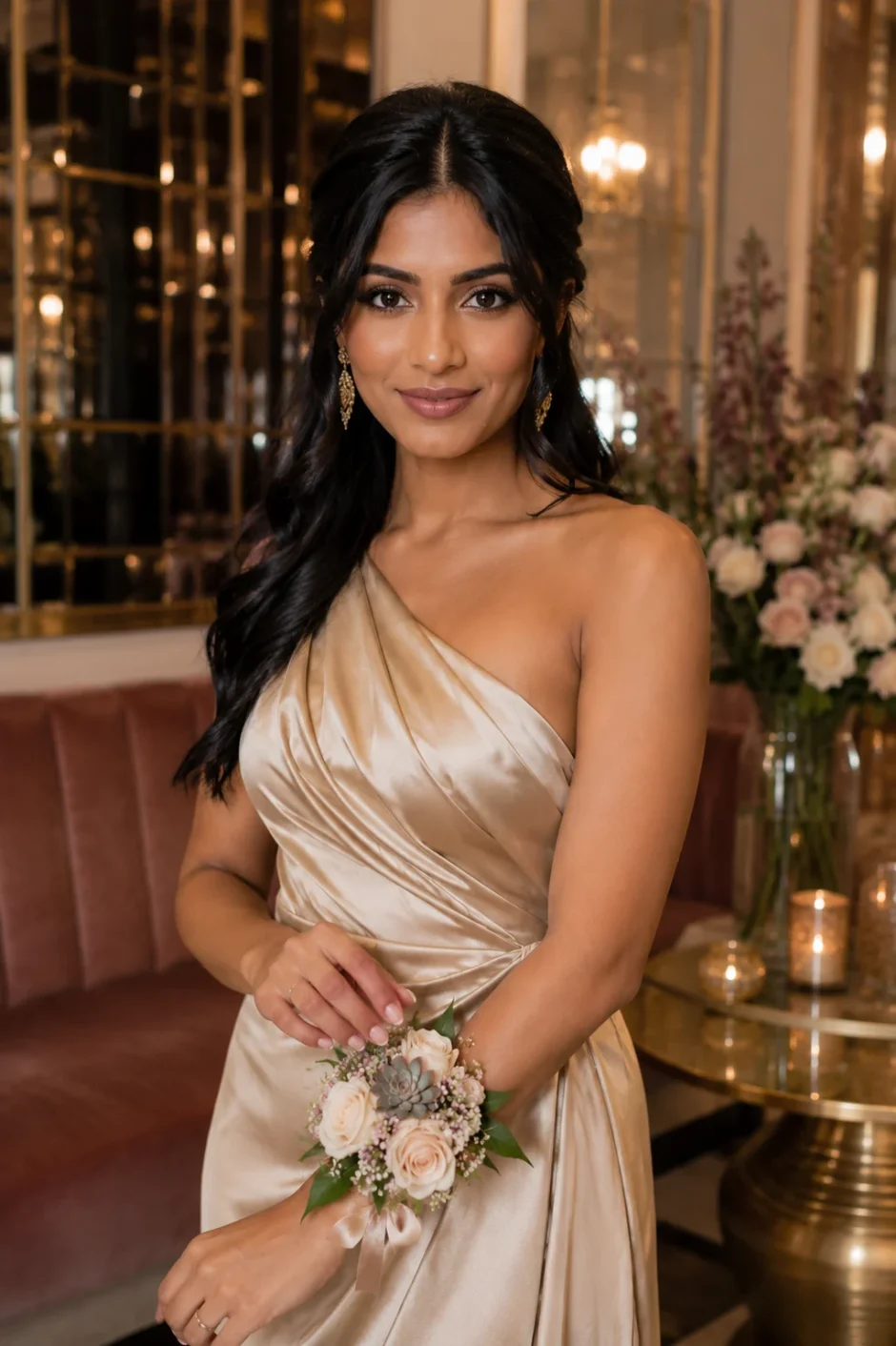
Spray roses are one of the best choices for boutonnieres and corsages. Their smaller bloom size lends itself perfectly to compact, wearable designs, and their stems often feature multiple blooms, providing plenty of material to work with. Spray roses have a soft, romantic look and come in a variety of colors, making them ideal for easy coordination with any wedding or event palette. Versatile and durable, they can be used as the focal flower in a boutonniere or as an accent in corsages. Spray roses are a classic choice with timeless charm.
Craspedia Adds Graphic Color and Texture
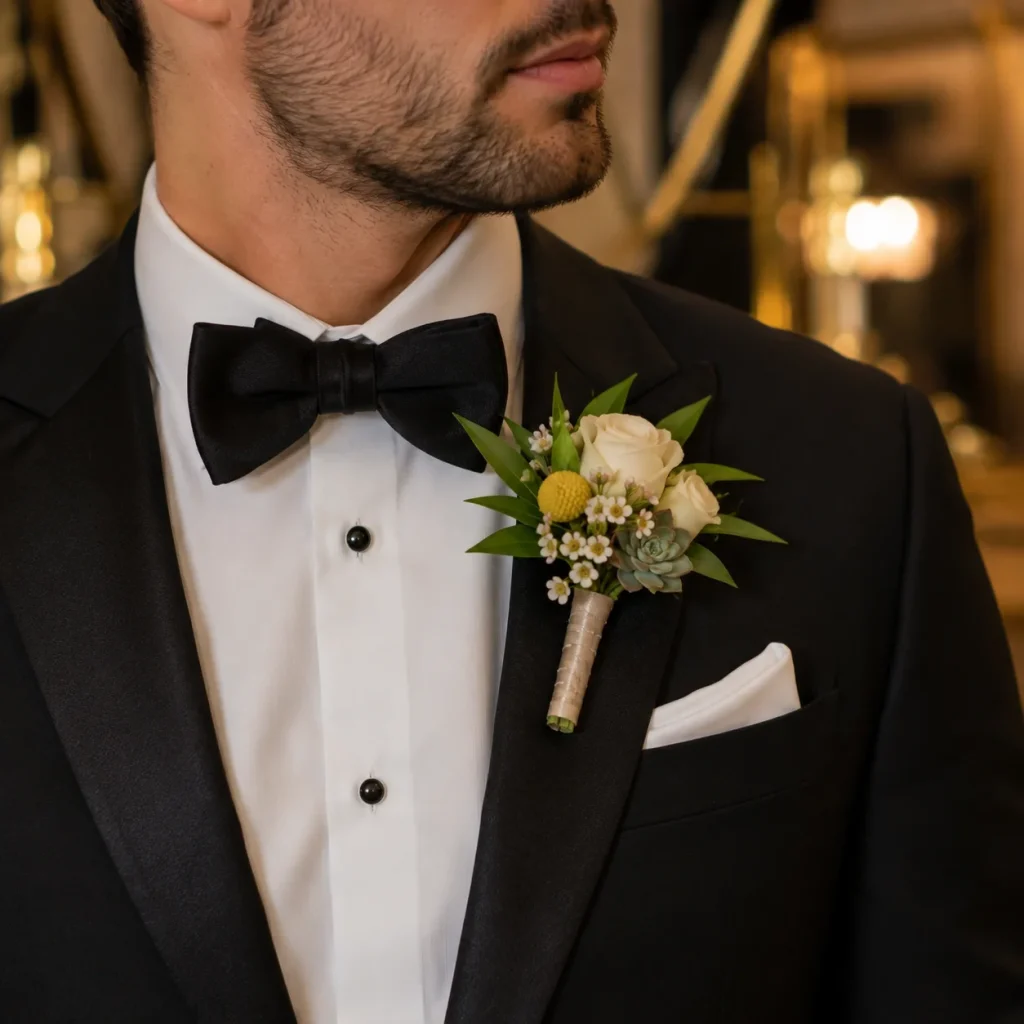
For modern or rustic designs, Craspedia, also known as billy buttons, can be a standout addition. These small, spherical blooms bring a pop of vivid yellow, adding brightness, texture, and graphic interest to boutonnieres and corsages. They work especially well in contemporary designs, rustic themes, or colorful palettes where their unique shape and striking color can shine. Their compact size and long-lasting nature make them a convenient choice for accent flowers, enhancing the overall design without overwhelming its scale.
Ruscus Adds Clean Green Structure
Small ruscus leaves are an excellent option for providing structure and balance in boutonnieres and corsages. When placed behind a focal flower, ruscus can serve as a clean green backdrop that adds contrast while creating a polished, professional finish. The leaves’ ability to hold their shape makes them a favorite for creating sturdy bases, ensuring your design remains intact throughout the event.
Succulents Create a Modern Statement
For a more contemporary look, small succulents can add a striking touch to wearable floral designs. They’re a popular choice for modern, desert-inspired, or greenery-focused weddings. Though they are not traditional cut flowers, succulents are durable and visually unique, making them a standout element for groom or groomsmen boutonnieres. Keep in mind that succulents often require wiring to stay securely in place due to their weight and structure, but the end result is worth the extra effort.
By selecting compact, sturdy, and visually captivating flowers and greenery, you can craft boutonnieres and corsages that look beautiful, stay fresh, and hold up well throughout any special occasion.
Part 2 – Calculate How Many Flowers You Need for Personal Flowers
Careful planning is essential to ensure you have enough flowers for personal arrangements without overordering and ending up with unnecessary extras. By creating a detailed list and designing a recipe before placing your order, you’ll avoid waste and save costs.
Make a List of Every Person Receiving Flowers
Start by listing everyone who will need a boutonniere, corsage, or other personal flowers. This might include the groom, groomsmen, fathers, grandfathers, and officiant for boutonnieres, as well as mothers, grandmothers, and other honored guests for corsages. For example, for a wedding with 1 groom boutonniere, 6 groomsmen boutonnieres, 2 father boutonnieres, 2 grandfather boutonnieres, and 1 officiant boutonniere, you would need a total of 12 boutonnieres.
Build One Recipe Before Multiplying Quantities
Once you know how many arrangements you need, create a floral recipe for each type. For a standard boutonniere, you might use 1 focal bloom (such as a spray rose), 1–3 accent stems, and 1–3 small greenery pieces. A minimal boutonniere could be even simpler, with one spray rose, one accent flower, and one piece of greenery. If you prefer a more textured design, consider adding craspedia berries and filler flowers with greenery. Corsages typically require more material, such as 2–4 focal or secondary flowers, several accent pieces, greenery, and possibly ribbon or wrist mechanics.
For the example wedding with 12 boutonnieres, if each boutonniere uses one spray rose as a focal flower, you would need 12 spray roses. Supporting flowers and greenery should be calculated based on your recipe, ensuring to multiply quantities by the total number of arrangements required.
Combine Personal Flowers With Your Main Wedding Order
To maximize efficiency, combine your personal flower order with your main wedding flower order. Leftovers from bouquets and centerpieces—such as spray roses, greenery, filler flowers, or berries—can often be used to supplement personal flowers. This approach minimizes waste and ensures cohesive floral designs across all arrangements.
By starting with a clear list, designing one thoughtful recipe, and incorporating leftovers, you can plan personal flowers with confidence and avoid the costly mistake of ordering too much floral material. Use these suggested quantities as a guideline, adjusting as necessary for your preferred style and arrangement needs.
Part 3 – How to Make a Wedding Boutonniere Step by Step
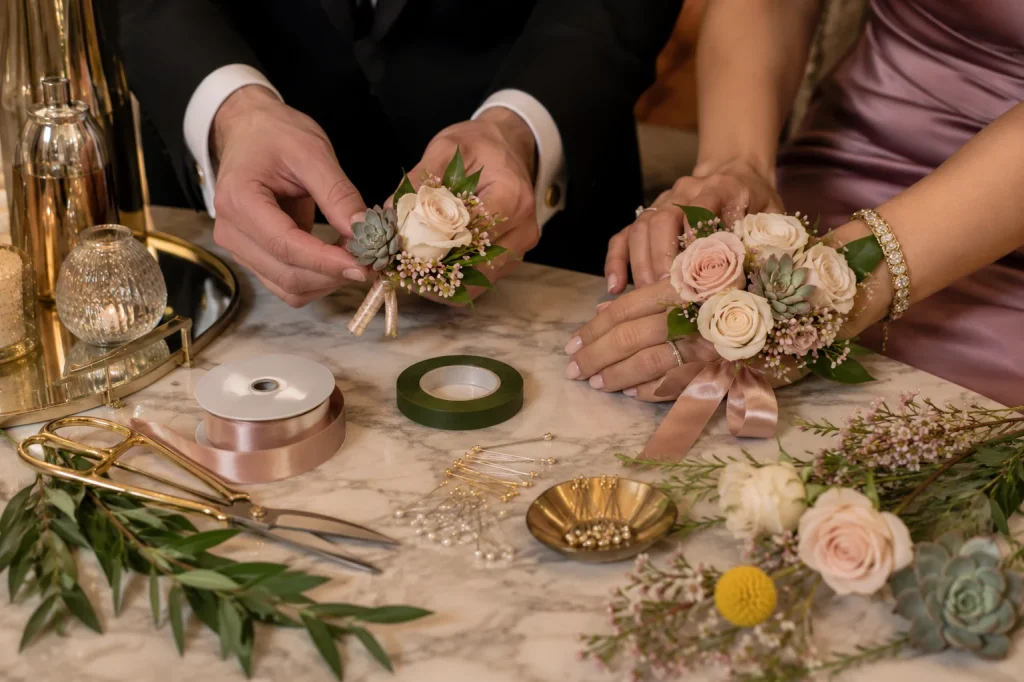
Creating a wedding boutonniere is easier than you might think and can be a rewarding DIY project. With the right supplies and clear instructions, you can craft elegant and personalized boutonnieres for the special day.
Suggested Supplies
- Focal flower
- Accent flowers
- Small greenery pieces
- Floral wire
- Floral tape
- Floral snips
- Boutonniere pins
- Ribbon (optional)
Step-by-Step Instructions
Step 1: Prepare the Flowers
Begin by trimming any excess foliage and removing damaged petals from your flowers and greenery. This ensures a clean and polished look. Be sure to leave enough stem length—around 2–3 inches—so you can work comfortably while assembling the boutonniere.
Step 2: Reinforce Delicate Flowers if Needed
For flowers with softer or more fragile stems, use floral wire for reinforcement. Carefully insert the wire through the base of the bloom and wrap it around the stem for added support. This step ensures the boutonniere stays intact throughout the event without making the process overly complex for beginners.
Step 3: Build the Small Floral Cluster
Take your focal flower and hold it slightly forward. Next, add accent flowers behind and to the sides of the focal point for depth and texture. Adjust their placement as needed to create a balanced, pleasing arrangement.
Step 4: Add Greenery
Use small pieces of greenery to frame the floral cluster and create a neat and structured backing. The greenery adds a touch of fullness and enhances the overall boutonniere shape, making it both polished and natural-looking.
Step 5: Secure With Floral Tape
Stretch the floral tape slightly as you use it, which activates its adhesive properties. Wrap it neatly and firmly around the stems in a downward motion, ensuring all components are securely held together.
Step 6: Trim the Stem
Using floral snips, cut the stem of the completed boutonniere to a clean, proportional length. Typically, 1–1.5 inches of stem beyond the tape works well. This keeps the boutonniere compact and easy to pin.
Step 7: Finish With Ribbon if Desired
If you’d like a more decorative finish, wrap a piece of ribbon around the taped stem. Secure the ribbon at the base with a small amount of floral tape or hot glue to keep it in place. Choose a ribbon that complements the wedding theme or color palette.
Step 8: Add Pins
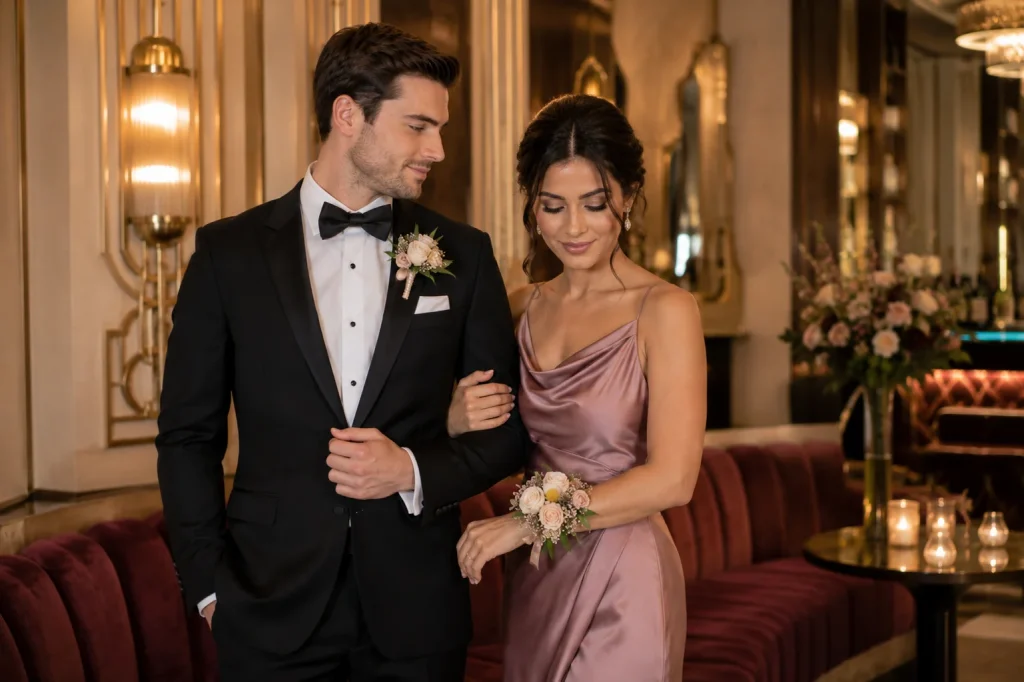
Include boutonniere pins and explain their placement to the wearer or a helper. The boutonniere should be pinned onto the left lapel, angled slightly upward, with the pins inserted through the fabric for a secure fit.
Tips for Success
Keep the Boutonniere Small and Proportional
Remember that boutonnieres are meant to be subtle accents. Avoid oversized designs that might appear clumsy or overshadow other wedding details.
Hide the Mechanics
Use greenery and ribbon to cover floral tape and wire for a professional finish. Visible mechanics can detract from the boutonniere’s overall elegance.
Make Every Boutonniere From the Same Recipe
Consistency is key for a cohesive wedding aesthetic. Using the same ingredients and following the same steps ensures all boutonnieres look uniform in photographs.
By following these steps and keeping these tips in mind, you can create stunning DIY boutonnieres that elevate the wedding day with a personal and thoughtful touch. For floral supplies and additional inspiration, check out our Floral Supplies.
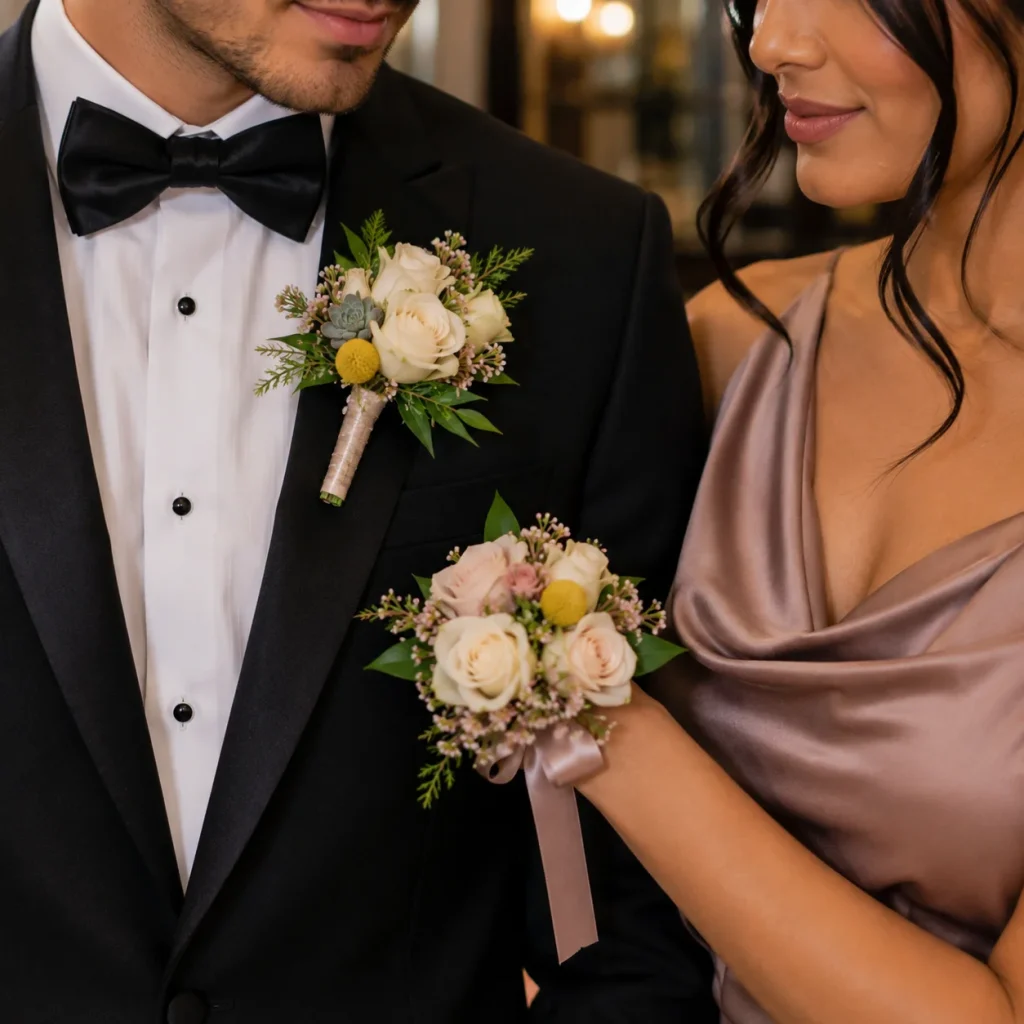
Part 4 – How to Make a Wrist or Pin-On Wedding Corsage
Creating wedding corsages requires a slightly different approach than crafting boutonnieres, as their purpose and placement vary. Here’s a step-by-step guide for making elegant wrist or pin-on corsages that complement the overall wedding theme and attire.
Decide Between Wrist and Pin-On Corsages
The first step in making a wedding corsage is to decide whether a wrist or pin-on style is better suited for the occasion.
- Wrist Corsages
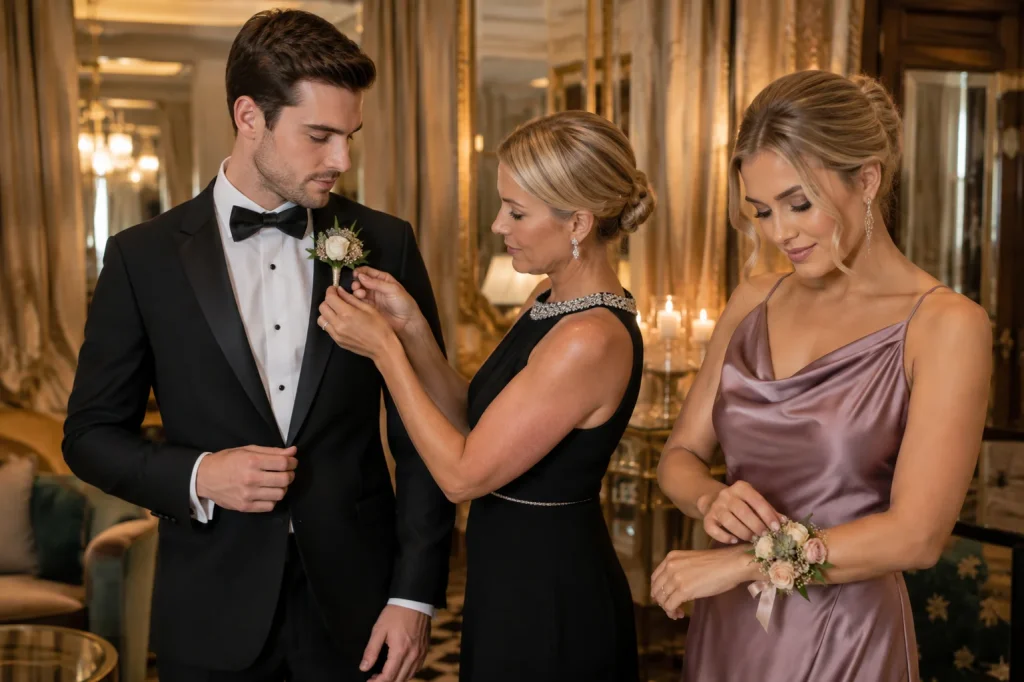
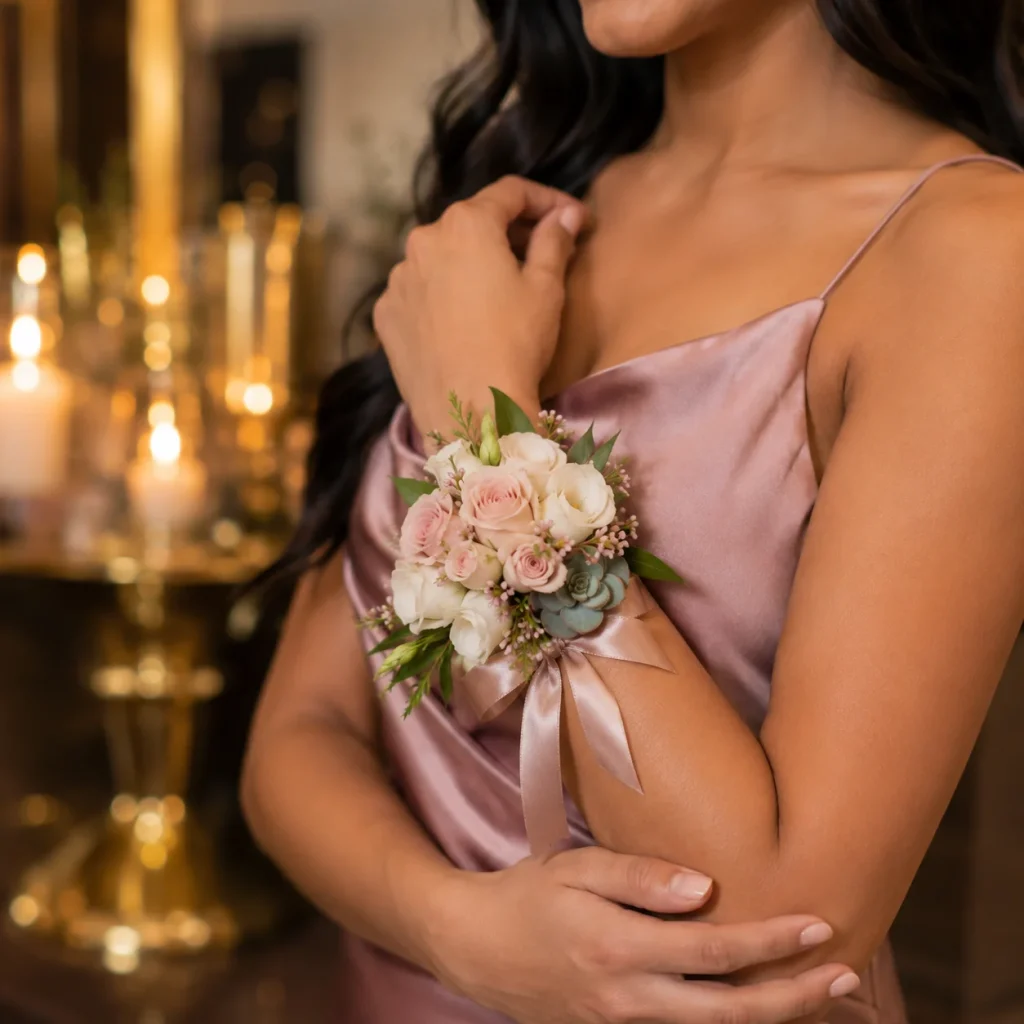
Wrist corsages are ideal for dresses made of delicate fabric that could be damaged by pins. They offer a touch of elegance and practicality since they rest on the wrist without compromising the outfit. These are particularly popular with mothers of the bride or groom, as well as bridesmaids.
- Pin-On Corsages
Pin-on corsages work better for jackets, structured clothing, or outfits where fabric can support the weight of the corsage. They are a more traditional option and provide a polished look, often chosen for weddings with a classic vibe.
Build a Lightweight Floral Cluster
Whether you choose a wrist or pin-on style, the success of the corsage lies in crafting a balanced and lightweight floral cluster. Here are the recommended materials:
- Spray roses
- Small lisianthus blooms
- Berries (e.g., hypericum or similar)
- Craspedia
- Greenery
Begin by selecting your floral elements and arranging them in a small cluster. Balance is key, avoid oversizing the bouquet as this could make the final corsage cumbersome and uncomfortable. Combine flowers and foliage to create a harmonious blend, ensuring that all stems are lightweight and manageable.
Attach the Design Securely
Once you’ve created the floral cluster, it’s time to secure the design. Depending on your chosen style, the attachment method will differ:
- Wrist Corsages
Use a corsage wristlet or a ribbon wrist tie to attach the floral arrangement to the wrist. Corsage wristlets provide stable support, making them a practical choice for long events. Ribbon ties, on the other hand, offer a softer, more customizable option.
- Pin-On Corsages
For pin-on corsages, use sturdy yet discreet pins to affix the design to the outfit. Be mindful of how the corsage is pinned to avoid damaging the fabric or causing discomfort for the wearer.
Keep the Design Comfortable
The wearer’s comfort should always be a priority. Here are some tips to ensure your corsage design is practical and pleasant to wear:
- Avoid sharp wire ends or bulky mechanics that could irritate the skin or fabric.
- Trim heavy stems and create a streamlined base to keep the corsage lightweight.
- Be mindful of width—overly wide arrangements may interfere with arm movement or draping fabric.
- Position flowers so that they enhance the wearer’s movement rather than obstructing it.
By following these steps and focusing on comfort and style, you can create breathtaking wedding corsages that beautifully complement the occasion. Using the right materials and techniques will ensure your designs are secure, practical, and a lasting source of joy for the wearer.
Part 5 – How to Store Boutonnieres and Corsages Before the Wedding
Keeping boutonnieres and corsages fresh and intact until the wedding takes careful planning and attention to detail. These delicate designs are only as beautiful as they are well-maintained, and ensuring their longevity requires proper storage and handling. Below are essential steps to preserve personal flowers until it’s time for their moment to shine.
Label Every Personal Flower
To avoid confusion on the big day, clearly label every boutonniere and corsage with the recipient’s name and role. For example:
- Groom
- Best Man
- Father of the Bride
- Father of the Groom
- Grandmother
- Officiant
Labeling ensures that the designs are distributed to the correct individuals when the time comes, cutting down on last-minute stress. Small tags attached discreetly to each arrangement with ribbon or a pin can help coordinate this process seamlessly.
Keep Finished Flowers Protected
Proper storage is key to keeping boutonnieres and corsages pristine. Use shallow containers or storage boxes that allow for each bouquet to remain upright and uncrowded. Line the containers with soft tissue paper or cloth to cushion the flowers and prevent unnecessary jostling. Position designs securely so that they do not topple over or become crushed during transit or while being stored.
Store these arrangements in a cool location away from direct sunlight. However, avoid generalizing storage solutions, different flowers have varying care requirements. Hardy flowers like roses may fare well in slightly cooler spaces, while more delicate blooms like orchids might need more specific humidity or temperature conditions. Always follow the care guidance tailored to your chosen flower varieties.
Assign Someone to Distribute Them
On the wedding day, designate a trusted individual to handle the distribution of boutonnieres and corsages. This responsibility should not fall on the bride, as she will already be managing countless other details. By assigning this task to someone reliable, every recipient can receive their flower at the appropriate time and without undue hassle.
By following these steps, you can ensure that DIY boutonnieres and corsages remain fresh, beautiful, and organized until the moment they’re needed. A little preparation goes a long way in adding a polished touch to a magical day.
FAQ SECTION
- What are the best flowers for DIY wedding boutonnieres? Sturdy, lightweight options work best for DIY boutonnieres, including spray roses, craspedia (billy balls), hypericum berries, baby’s breath, and small eucalyptus or ruscus greenery. Avoid heavy blooms or flowers with weak stems that wilt quickly out of water.
- How many stems do I need to make one wedding boutonniere? A standard DIY boutonniere typically requires one focal flower, one to two small accent stems or filler flowers, and two to three small pieces of greenery. Assemble a prototype first to test your recipe before multiplying it for your total guest count.
- Can you make DIY wedding boutonnieres the day before the wedding? Yes, you can assemble most hardy wedding boutonnieres 24 hours in advance if stored correctly. Keep them in a cool, dark room, lightly misted (depending on the flower variety), and stored inside a sealed floral box to protect them from dehydration and crushing.
- What supplies do I need to make a wedding boutonniere? Essential supplies include fresh wholesale stems, 22-gauge or 24-gauge floral wire, floral tape, sharp floral shears, ribbon or twine for wrapping the stems, and boutonniere pins.
- How many flowers go into a standard wedding corsage? A wedding corsage usually features two to four focal or secondary blooms (such as mini spray roses or carnations), backed by coordinating greenery and smaller accent fillers to keep the design balanced and visually rich.
- Should mothers of the bride and groom wear wrist or pin-on corsages? Both styles are traditional, but selection depends on attire. Pin-on corsages work best on structured jackets or heavier dresses, while wrist corsages on a pearl or slap band are ideal for delicate fabrics like silk or lace where pins might leave snags.
- How do you keep DIY boutonnieres from wilting on the wedding day? To prevent wilting, keep finished boutonnieres in the refrigerator (away from food ethylene gas) or a cool room until right before the ceremony. For extra insurance, use a floral sealing spray to lock in moisture.
Conclusion
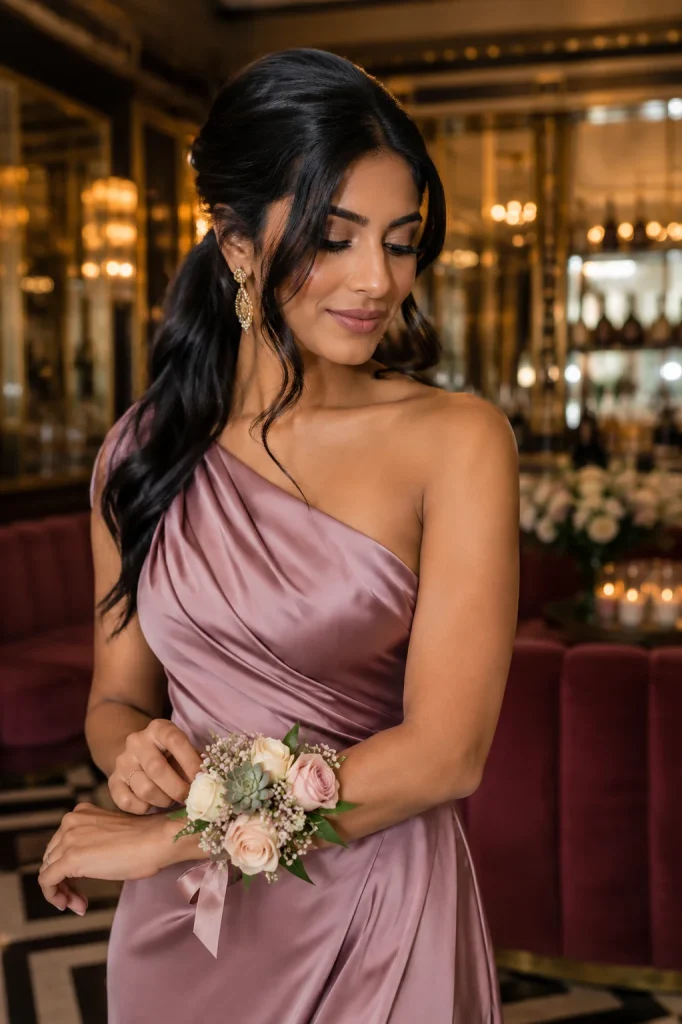
Creating stunning boutonnieres and corsages doesn’t demand an abundance of flowers, but it does require attention to detail and thoughtful craftsmanship. The keys to polished personal flowers include selecting durable small blooms, keeping proportions balanced, properly wiring stems, neatly using floral tape, concealing mechanics, and ensuring proper storage before the big day. These steps ensure that your designs are both beautiful and lasting.
Complete your wedding personal flowers by sourcing high-quality, farm-direct blooms and professional-grade supplies from Whole Blossoms. Explore a wide array of options like spray roses, craspedia, ruscus, succulents, and more to craft boutonnieres, corsages, bouquets, and other wedding arrangements. Start shopping today and bring your wedding vision to life with Whole Blossoms!