


 by
by 
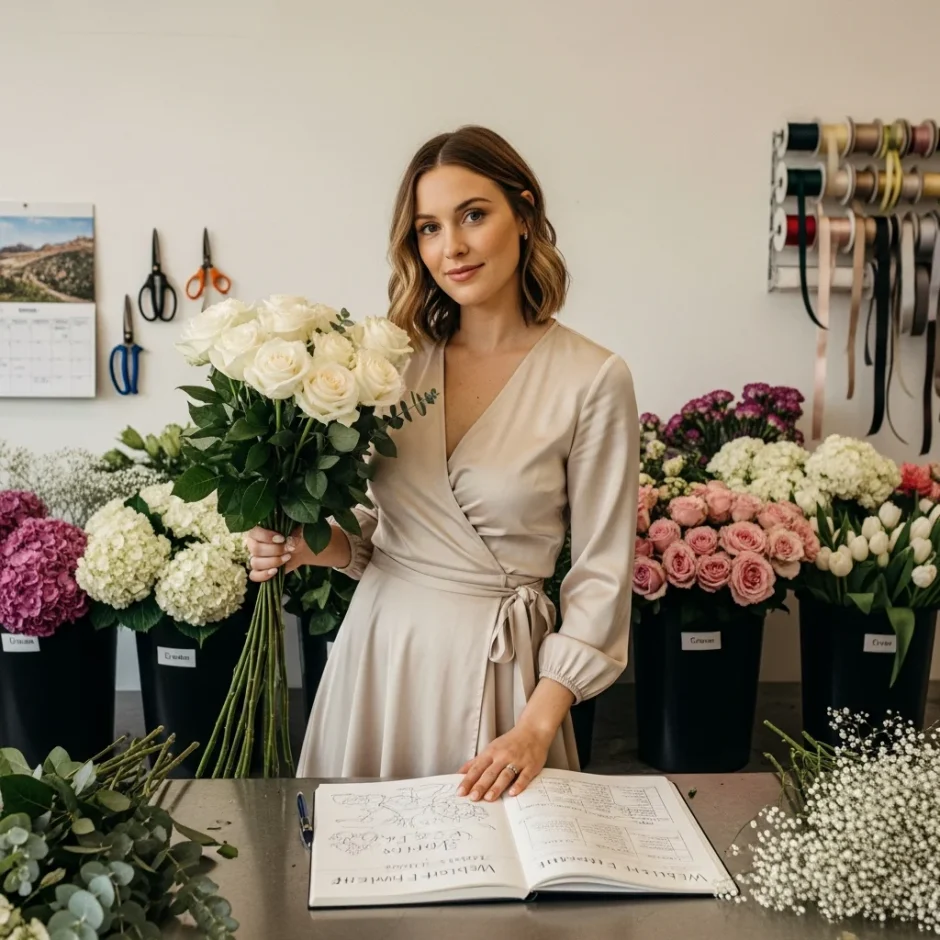
Quick Answer: When Should You Order Wedding Flowers?
The ideal timeline for ordering wedding flowers depends on whether you’re sourcing them through a florist, an event planner, or choosing a DIY route, but here’s a quick summary of the key terms to keep in mind. The “timeline” refers to how far in advance you should place your order to ensure availability and proper preparation, while the “delivery window” is the period during which your flowers will be shipped or delivered to you, usually timed to arrive fresh for the big day.
Rule of Thumb
- Florist or Event Planner: Place your order at least 6–9 months before the wedding date, especially for seasonal or high-demand flowers. This gives your florist ample time to secure specific varieties and make adjustments as needed.
- DIY Brides: If you’re arranging your own flowers, aim to order them about 4–5 weeks in advance but schedule delivery 2–3 days before the wedding to allow time for arranging and hydrating the blooms.
Mini Callout
If you’re buying Wholesale Flowers in Bulk, timelines can shift slightly. Ensure you order 6–8 weeks in advance but plan for delivery 3–4 days before the wedding to inspect and prepare your flowers for optimal freshness. Wholesale quantities often require more setup time, so plan accordingly!
Part 1 – Why Ordering Early Matters (Cost, Availability, and Stress)
Ordering your flowers well in advance of your wedding day is essential for several reasons, primarily related to cost, availability, and reducing stress. Flower availability can vary significantly depending on the time of year and specific varieties in demand, such as peonies in spring or roses during Valentine’s season. By placing your order early, you secure your desired blooms at more stable prices, avoiding last-minute spikes caused by shortages or peak periods. Additionally, planning ahead ensures you have access to a larger selection, which is crucial if you’re sourcing unique or rare flowers.
From a logistical standpoint, ordering early allows sufficient time to address unforeseen challenges, such as shipping delays or quality issues, without last-minute panic. It also offers flexibility to adjust your order—for example, if you need more stems or want to refine your color palette closer to the delivery date. Most importantly, early planning reduces stress. Weddings are complex events with many moving parts, and last-minute worries about floral arrangements can detract from your enjoyment of the process. By ordering ahead, you can focus on other aspects of your wedding and feel confident that your floral pieces will arrive as planned.
What Can Go Wrong When You Order Too Late?
Procrastinating on ordering your wedding flowers can lead to several challenges. One major risk is limited availability, especially for seasonal flowers or particularly popular options. This often results in substitutions that may differ in color, size, or style from your original vision. Furthermore, when suppliers are forced to meet shorter timelines, the flowers you receive may feature smaller blooms or fewer stems than you anticipated. Shipping is another concern—ordering late leaves little room for resolving potential issues such as damaged flowers, transit-related delays, or incorrect shipments. These complications can add unnecessary stress during what should be an exciting time.
What Can Go Wrong When You Order Too Early?
While ordering early provides many benefits, there’s also a risk if you order flowers too far in advance. One key challenge is freshness—flowers have a limited lifespan, and ordering them too early can compromise their appearance on your wedding day. Even with proper hydration and care, blooms may begin to wilt or lose vibrancy over time. Another issue is the effort and cost of storage. Bulk flowers require controlled environments, which can be challenging to create at home. Without professional-grade refrigeration, some flowers may deteriorate quickly. Finally, overstocking leads to wasted stems, as not all flowers may survive until your wedding day, resulting in unnecessary expense.
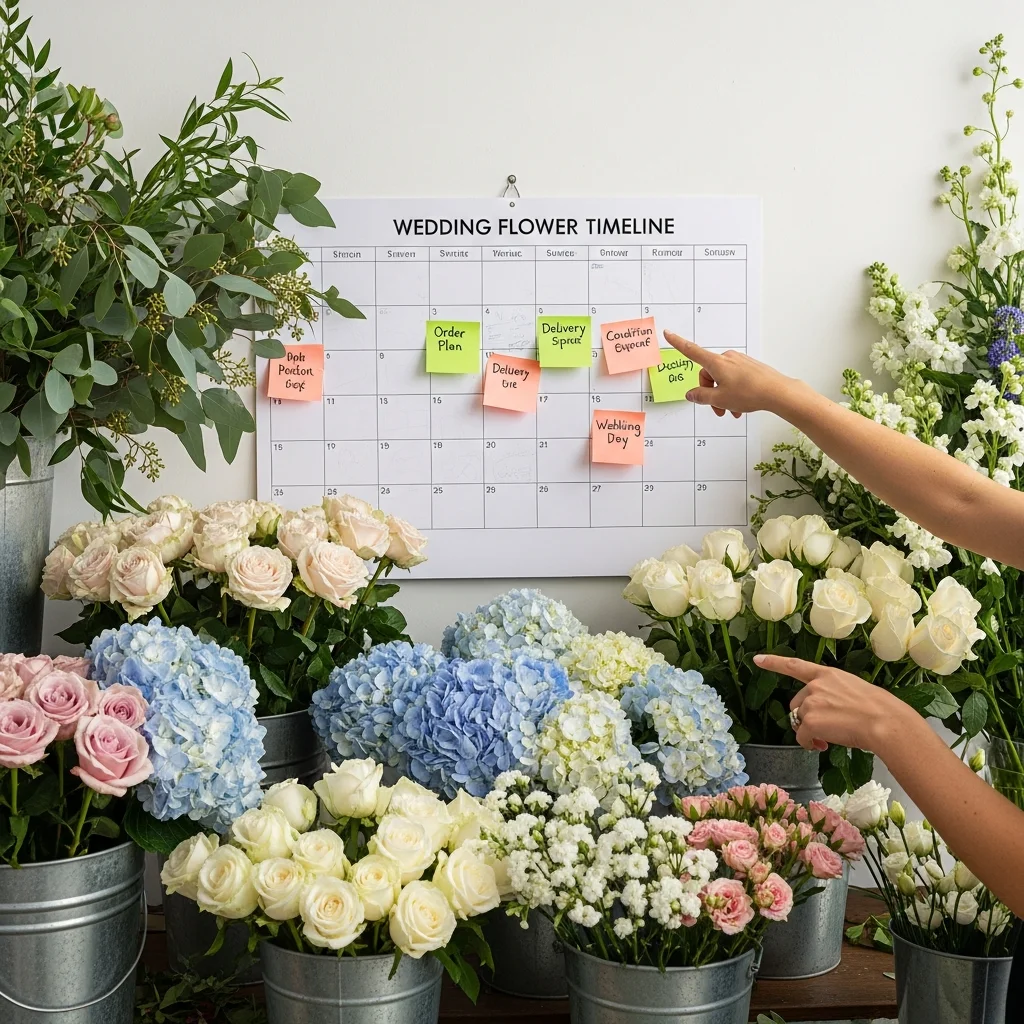
Part 2 – The 3 Timelines That Decide Your Order Date
1) Your Vendor Timeline (Florist, DIY, Venue Rules)
The timeline for ordering your flowers heavily depends on your chosen vendor and their policies. Florists generally recommend finalizing orders months in advance to secure your preferred blooms. If you’re taking the DIY route, consider not only the time needed to source the flowers but also the effort required to arrange them. Some venues may have specific rules about when flowers can be delivered and stored on-site, which you’ll need to accommodate. Popular wedding flowers like roses, hydrangeas, and greenery may also require additional lead time to ensure availability during peak wedding seasons. Communicating closely with your vendors will help prevent last-minute stress and ensure everything aligns with your schedule.
2) Your Flower Timeline (Variety, Seasonality, Hardiness)
The type of flowers you choose will greatly influence your delivery date, as each variety has different growth cycles and levels of hardiness. For instance, roses are widely available year-round, making them a versatile choice. However, seasonal blooms like sunflowers may have limited availability depending on your wedding date. Hydrangeas, while visually stunning, are particularly sensitive to weather changes and may require extra care to maintain vibrancy. Greenery, often used as filler, tends to be more durable but still needs to be fresh on the big day. An alternative to consider is preserved flowers, which can be ordered far in advance and maintained for months without worrying about seasonality or freshness.
3) Your Logistics Timeline (Shipping, Conditioning, Storage)
Once flowers are ordered, logistics play a critical role in deciding when they should arrive. Factors such as shipping times, conditioning periods, and storage capabilities all need to be accounted for. Delicate flowers like roses and hydrangeas often require a few days to rehydrate and bloom to their full beauty after shipping. Conversely, greenery and hardier options like sunflowers may not need as much time for conditioning. Bulk flowers, especially for DIY arrangements, should arrive 2–3 days before the wedding to allow for proper preparation. Storage is also essential—without access to professional-grade refrigeration, you’ll need to create a cool, dark environment to prevent wilting or deterioration. Careful planning ensures your flowers remain fresh and wedding-ready.
Part 3 – Wedding Flower Ordering Timeline by Planning Phase (6–12 Months Out)
6–12 Months Before: Lock Your Design + Rough Quantities
Begin your flower planning process early—6 to 12 months before the wedding is the ideal time to lock in your floral design and estimate rough quantities. During this phase, focus on color direction, style, and preferences for monofloral arrangements versus mixed bouquets. For instance, you may choose a romantic pastel palette featuring Peonies and Ranunculus, or opt for bold, modern pops of color with Tulips and Dahlias. Consider your ceremony’s unique needs, such as floral arches, aisle decorations, or altar arrangements. If you envision certain dramatic pieces, like Pampas Grass installations or lush Eucalyptus garlands, make note of them now to ensure your florist or wholesaler has ample time to plan. By defining your core design and directional elements during this stage, you set the foundation for a cohesive and memorable floral experience.
4–6 Months Before: Confirm Stem Recipes + Alternates
Approximately 4 to 6 months before the big day, it’s time to move from broad design to specific stem recipes. Whether it’s a mix of Baby’s Breath, Orchids, and Calla Lilies in your bouquets or a centerpiece rich with Dahlias and Carnations, break down exact flower types for each arrangement. It’s crucial during this stage to discuss and list backup options with your florist or supplier. Weather, growing conditions, or supply chain issues can affect availability, so alternatives ensure you won’t be caught without a key bloom. For example, if Peonies are unlikely due to seasonality, consider substituting them with garden Roses or Ranunculus for a similar lush effect. By planning thoughtfully at this stage, you can ensure every arrangement lives up to your vision, regardless of last-minute changes.
8–12 Weeks Before: Finalize Counts and Place Your Order
With your wedding date approaching, the 8- to 12-week mark is the time to finalize your flower quantities and officially place your order. Carefully calculate the number of stems required for bouquets, centerpieces, ceremony installations, and any extras, such as boutonnières or flower girl petals. This is when you should get detailed—for example, determine exactly how many Calla Lilies you need for each bridesmaid bouquet or the number of Tulip stems required for the reception table decorations. Confirm with your supplier that they can accommodate all flower varieties, and don’t forget to include plenty of greenery like Eucalyptus or filler blooms such as Baby’s Breath to balance arrangements. Having your order plan finalized well in advance will ensure the flowers are fresh, available, and wedding-ready when delivered. With everything set, all that’s left is to await their arrival and bring your floral vision to life!
Part 4 – The Ideal Delivery Window (The Part Most Blogs Miss)
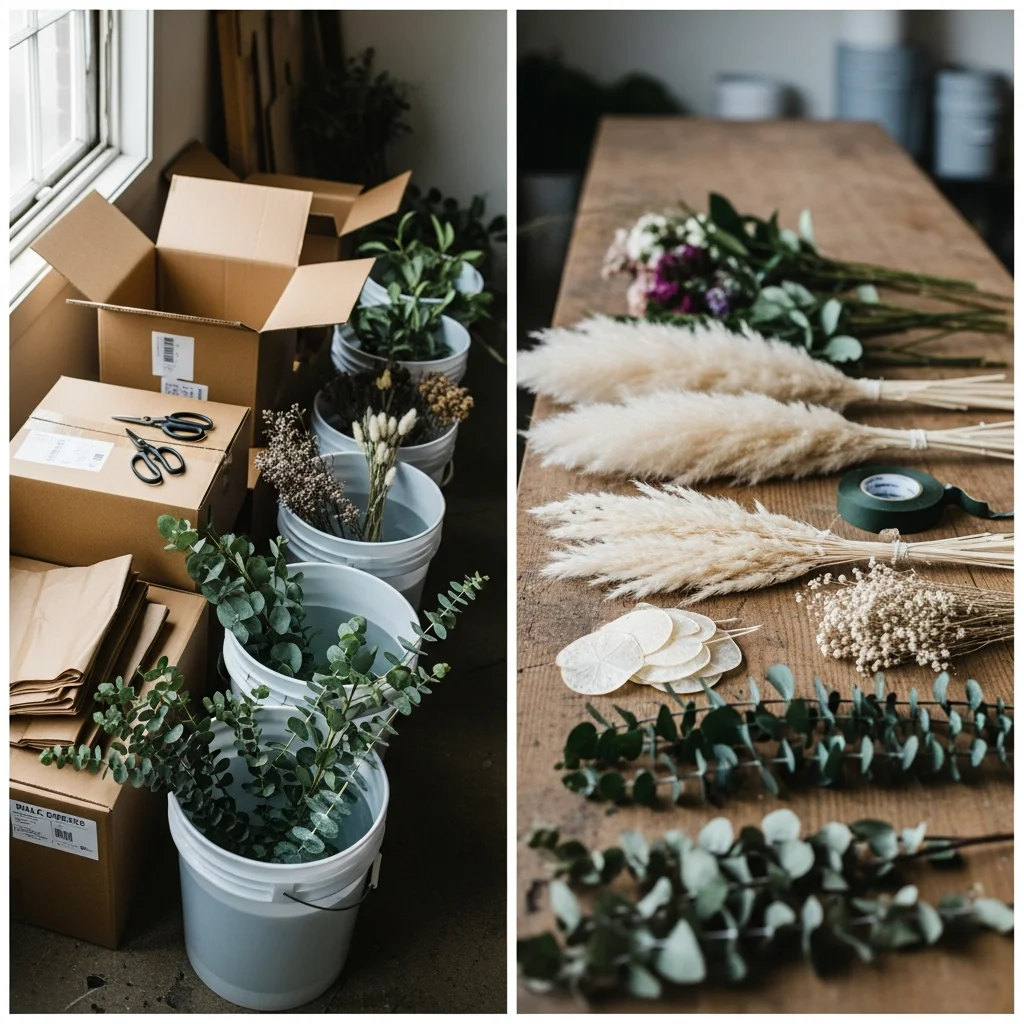
Determining the perfect delivery window for your wedding flowers is crucial to ensure they look vibrant, fresh, and stunning on your special day. While it may seem straightforward, selecting the right arrival timeframe involves careful consideration of factors such as conditioning time, unexpected replacements, and maintaining flowers’ peak freshness. This guide breaks down the ideal delivery windows for Saturday, Friday, and Sunday weddings, with additional tips on how far in advance flowers can be safely received.
When Should Flowers Arrive for a Saturday Wedding?
For a Saturday wedding, it’s ideal for flowers to be delivered on Thursday. This timing provides a buffer to condition your blooms properly, allowing them to hydrate, open up slightly, and recover from transportation stress. Conditioning involves trimming stems, removing excess foliage, and storing them in clean, fresh water at an appropriate temperature—a crucial step for ensuring each bloom looks its best.
Thursday delivery also offers flexibility for addressing any last-minute issues, such as damaged stems or missing varieties. If replacements are required, florists or suppliers still have time to accommodate. By Friday, all your flowers should be fully prepped and ready for arranging, leaving your Saturday free of flower-related stress. Avoid receiving flowers too late, as rushed preparation may lead to compromised quality or hinder your ability to style your arrangements thoroughly.
When Should Flowers Arrive for a Friday or Sunday Wedding?
For a Friday wedding, aim to have your flowers delivered on Wednesday. Like Saturday weddings, this two-day buffer is sufficient for conditioning and resolving any issues. Flowers received on Wednesday have time to relax from transportation and will be beautifully fresh by Friday morning.
On the other hand, Sunday weddings typically allow flowers to be delivered on Friday. This timeline mirrors the preparation process for Saturday weddings, maintaining similar conditioning, hydration, and troubleshooting steps. Keep in mind, flowers for Sunday events must be stored in optimal conditions over the additional day to avoid wilting or deterioration. With proper care, your blooms will still look radiant when it’s time to walk down the aisle.
How Far in Advance Can You Safely Receive Flowers?
While it’s best to receive flowers as close to the wedding day as logistics allow, some blooms, such as roses or carnations, can stay fresh for several days if stored and conditioned properly. Generally, fresh flowers should not be delivered more than three days before the wedding to ensure their peak condition. Extend this timeline cautiously only if you have adequate refrigeration or a cool, controlled environment to store flowers.
Avoid extending the delivery window for delicate or highly perishable flowers, like hydrangeas or gardenias, as they have shorter vase lives. By keeping your delivery as close to the event as feasible, you’ll ensure vibrant, lively arrangements that look stunning for your big day.
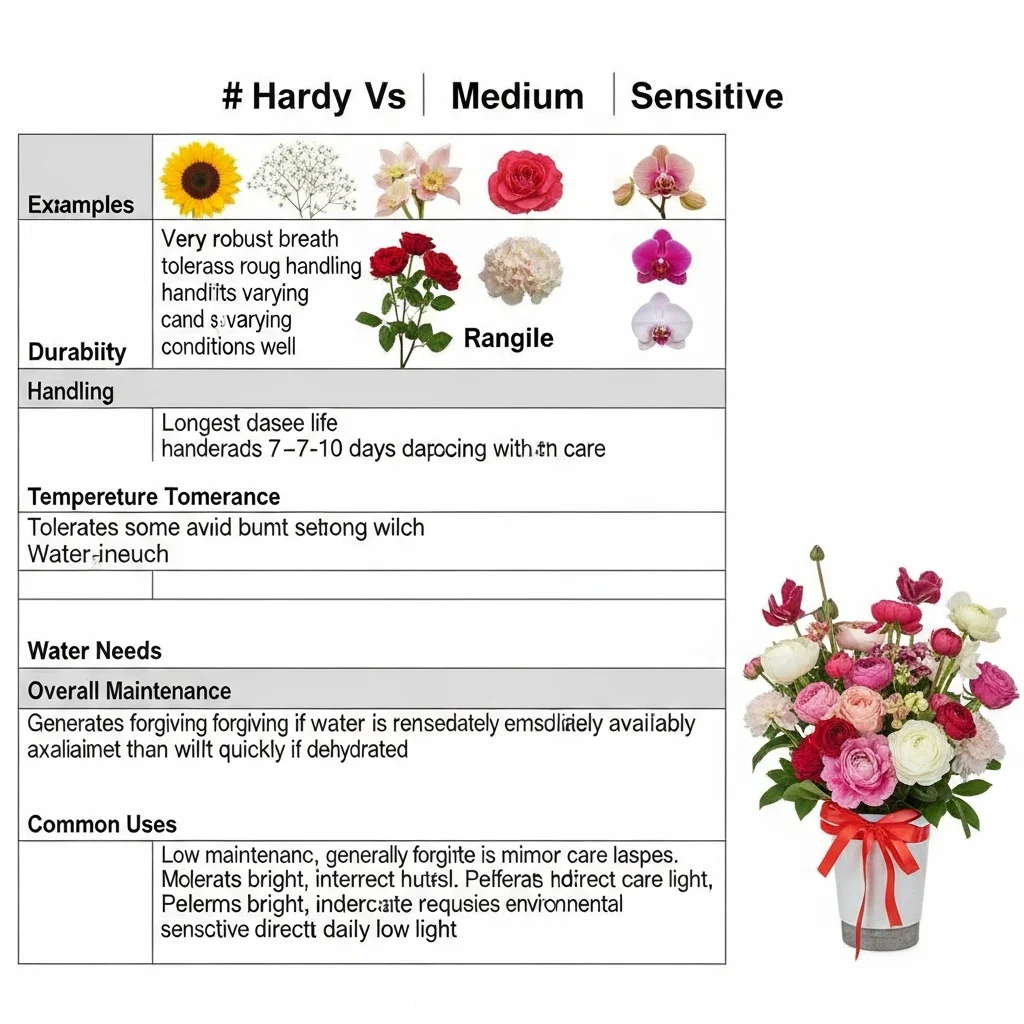
Part 5 – Order Timing by Flower Type (Hardy vs Sensitive)
Hardy Blooms That Tolerate Earlier Delivery
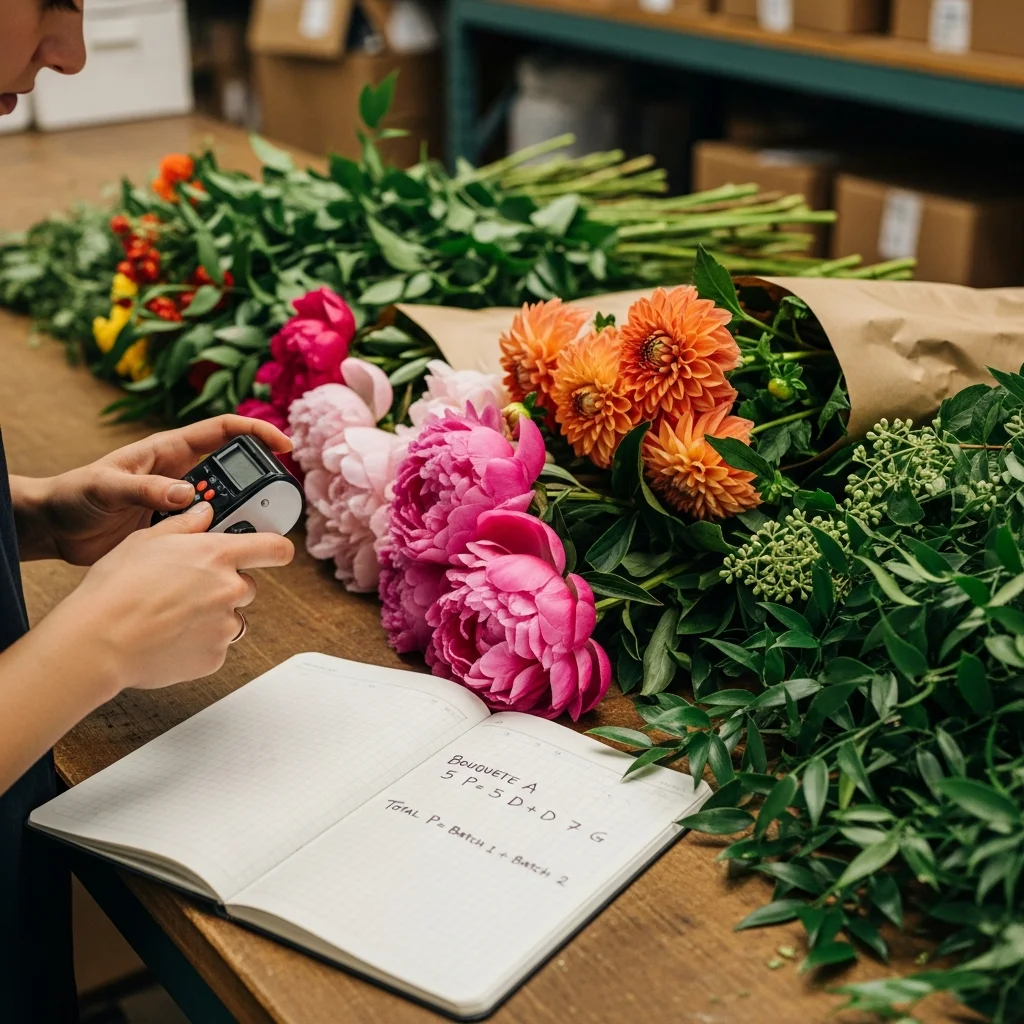
When planning flower deliveries for your wedding, certain hardy blooms can withstand earlier delivery without compromising their appearance or quality. Flowers such as carnations, baby’s breath, and certain types of greenery are exceptional examples of long-lasting options. Carnations are known for their durability and ability to retain their shape and vibrancy for several days, even with minimal water. Similarly, baby’s breath is a resilient filler flower that maintains its soft, ethereal look for extended periods. Select roses, particularly sturdier varieties, are also an excellent choice for earlier delivery as they hold up well under controlled conditions. These hardy flowers are ideal for weddings that require arrangements to be prepared and transported in advance. They can provide peace of mind while ensuring your floral displays remain fresh and beautiful for your big day.
Sensitive Blooms That Prefer Tighter Timing
For delicate blooms like hydrangeas, tulips, orchids, and ranunculus, timing your flower delivery closer to the wedding date is critical. Hydrangeas are notorious for their sensitivity to heat and their high water requirements, making tight timing essential to maintain their lush, full appearance. Tulips, with their delicate petals and unique ability to continue growing even after being cut, require special attention and should be handled as close to the event as possible. Orchids, especially the more delicate varieties, may wilt quickly if exposed to unfavorable conditions, so minimizing the time between delivery and placement is key. Similarly, ranunculus, prized for its intricate, layered petals, thrives under careful timing to preserve its delicate beauty. These sensitive blooms provide a soft, luxurious touch to arrangements but demand careful handling and tight timelines to ensure they shine on your wedding day.
Statement Textures and Specialty Stems
For couples seeking unique and trendy floral options, statement textures and specialty stems like pampas grass and preserved flowers offer excellent versatility. Pampas grass is a standout option due to its durability and ability to maintain its appearance without water, allowing for earlier delivery and easy storage. Similarly, preserved flowers, which have undergone a preservation process to maintain their shape and color, offer long-lasting beauty and are ideal for installations that need extended timelines. However, when working with fresh-only installations, timing is crucial to ensure flowers like garden roses or lilies maintain their peak condition. Balancing these specialty textures with fresh blooms can achieve striking visual appeal while accommodating varying delivery and setup requirements. By choosing the right mix for your design, you can create an unforgettable aesthetic tailored to your unique vision.
Part 6 – Bulk Ordering for Savings Without Risking Freshness
Bulk ordering flowers can significantly reduce costs while maintaining exceptional quality if done thoughtfully. To ensure freshness, it’s essential to plan your orders based on delivery timelines, refrigeration capacity, and the particular flowers being used. Efficient bulk purchasing often relies on ordering in larger quantities of versatile blooms that complement a range of designs, like roses, carnations, or eucalyptus. These staples are not only budget-friendly but also offer flexibility in creating bouquets, centerpieces, or installations with minimal waste.
Another key strategy to protect freshness is coordinating delivery dates closely with event timelines and factoring in any preparatory work required, such as hydration and flower conditioning. Flowers that arrive too early may wilt before being used, while those arriving too late may leave little time for optimal arrangements. Partnering with a trusted wholesale supplier like Whole Blossoms can help mitigate these risks by ensuring both high-quality blooms and attention to timing.
Freshness-first planning is achieved through smart processes like ordering flowers at their most robust stages of bloom and leveraging professional packaging that shields stems during transit. With careful attention to these details, bulk orders can strike the perfect balance between economy and aesthetic impact.
How to Calculate Stem Counts (Simple Formulas)
Accurately calculating stem counts ensures you order sufficient blooms for every design without over-purchasing. Here are simple guidelines based on popular floral arrangements:
- Bouquet Recipe Range: Plan for 20–30 stems per bouquet for lush hand-tied styles. For smaller posies or bridesmaid bouquets, 10–15 stems may suffice.
- Centerpiece Range: A medium-sized centerpiece typically requires 15–25 stems, depending on vase size and fullness desired. Larger banquet-style pieces may call for 30–50 stems.
- Garland/Arch Add-Ons: For garlands, estimate 5–7 feet of foliage per foot of garland and add approximately 10–12 floral stems per foot. Arch decor may require 50–100 stems, depending on scale.
By starting with a clear formula based on your design needs, you can simplify your ordering process and maximize efficiency.
Where Bulk Savings Actually Come From
The primary sources of savings in bulk flower orders are consolidation, limiting varieties, and predictable substitutions. By ordering larger quantities of fewer flower types, suppliers can streamline the harvesting and shipping process, reducing costs that are passed on to you. Predictable substitutions, such as swapping a slightly different rose variety of the same color tone, further reduce handling and waste, ensuring lower prices without compromising design goals.
When sourcing wholesale flowers, working with a supplier like Whole Blossoms helps amplify these savings. Their expertise in bulk ordering and focus on freshness-first planning ensures you achieve superior quality, economy, and reliability.
Part 7 – The “72-hour workflow” for DIY wedding flowers
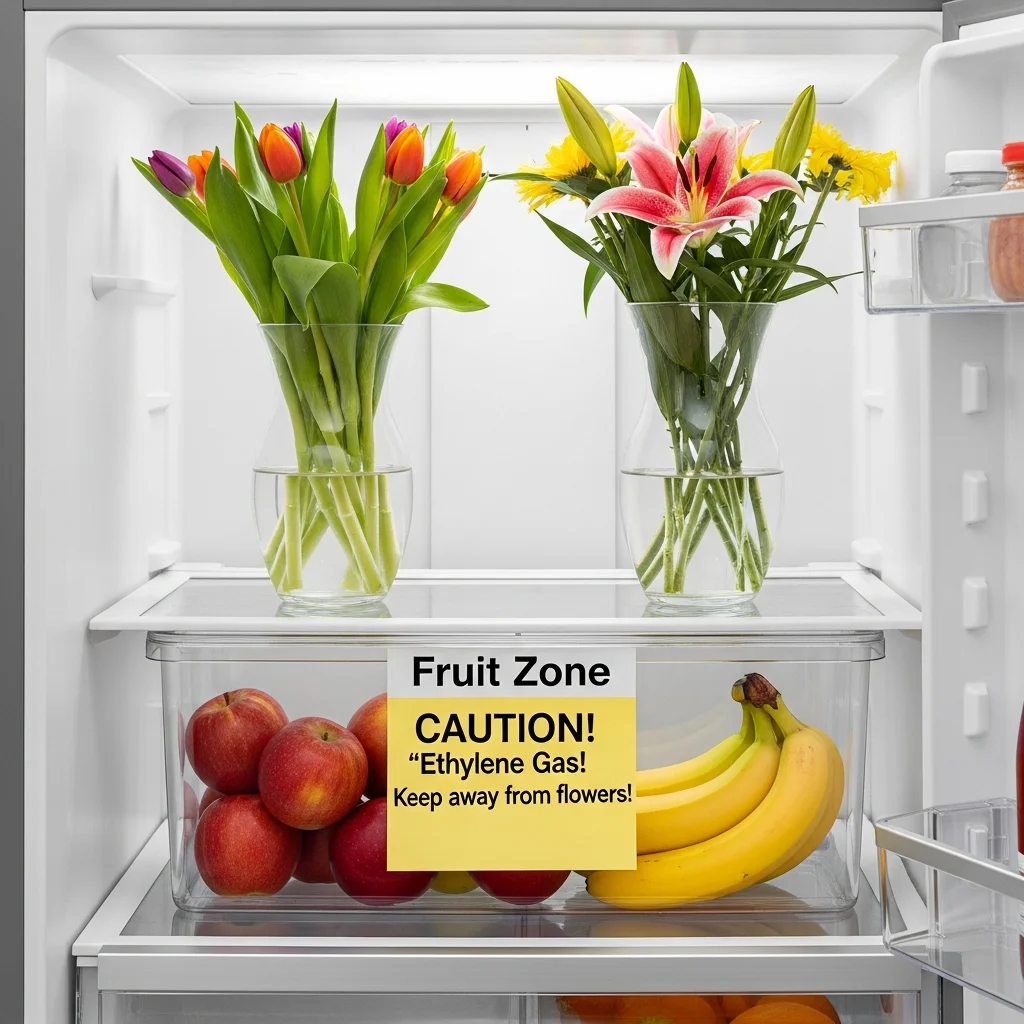
Planning DIY wedding flowers can be manageable and enjoyable with a well-organized timeline. By following this “72-hour workflow,” you can ensure your flowers are fresh, well-presented, and ready for the big day. Breaking the process into three days allows for proper hydration, preparation, and assembly, eliminating unnecessary stress.
Day 1: Unbox, hydrate, and start conditioning
When your flowers arrive, begin by unboxing them immediately to check for quality and freshness. Carefully remove any protective wrapping while handling the blooms gently to avoid damage. Recut the stems at an angle under running water to help with absorption, and place them into clean buckets filled with room-temperature water. Remove excess foliage that will sit below the waterline to prevent bacteria growth. Allow the flowers to hydrate for at least 4–12 hours in a cool, dark space. This conditioning phase is critical as it helps your flowers reach their peak beauty and longevity.
Day 2: Prep greens, build test centerpiece, adjust recipes
On the second day, focus on preparing your greenery by trimming stems and shaping it for use in arrangements. Start building a test centerpiece to finalize your design and layout, experimenting with your chosen color palette and floral combinations. Use this test piece to fine-tune your vision and make any necessary adjustments to the quantities or types of flowers in your recipes. This step is crucial for ensuring consistency across all arrangements while giving yourself time to refine your process.
Day 3: Assemble personals + store correctly until ceremony
The final day is dedicated to assembling personal flowers, such as bouquets, boutonnieres, and corsages. Work efficiently, starting with bouquets, ensuring each is securely bound and balanced. Finish by storing completed arrangements in clean, cool water or refrigeration to maintain their freshness. Be sure to keep the flowers away from direct sunlight or fluctuating temperatures. With your preparation complete, your flowers will be ready to shine on the wedding day, adding a touch of magic to your celebration.
Part 8 – Storage Realities: Fridge Rules, Food Safety, and Ethylene Gas
Proper storage is essential to maintain the beauty and freshness of your wedding flowers. One common storage solution is the household refrigerator, but it’s essential to follow specific guidelines to avoid damaging the delicate blooms. Additionally, understanding food safety and the role of ethylene gas can help ensure the flowers remain vibrant until the big day. Below, we address critical considerations for storing flowers safely and effectively.
Can You Store Wedding Flowers in a Household Refrigerator?
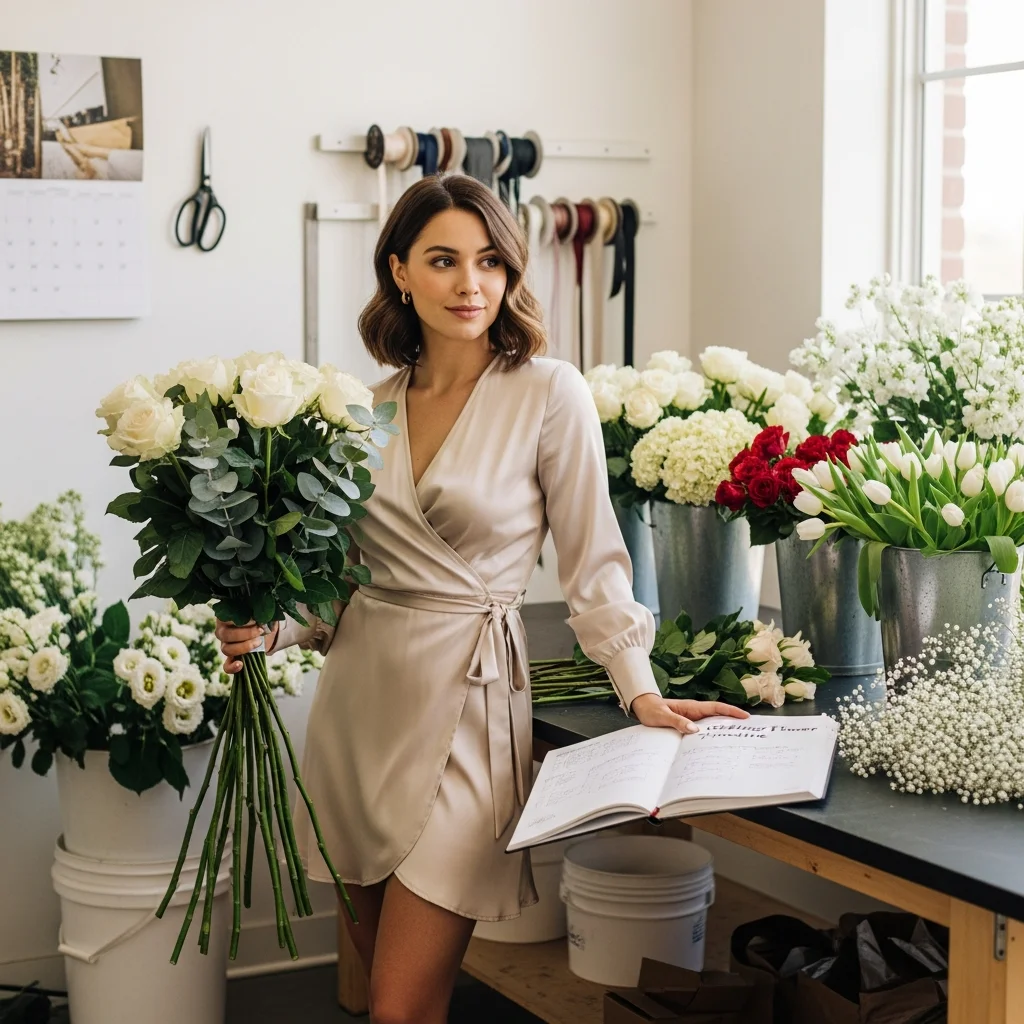
Yes, you can store wedding flowers in a household refrigerator, but caution is key. Flowers require a cool and stable environment, ideally between 34°F and 40°F, to prevent wilting and dehydration. Be sure the fridge is clean and free of any lingering food odors, as strong smells can transfer to the petals. Avoid placing flowers near the refrigerator’s cooling vents, where airflow may be too direct, and never freeze your flowers, as frost will permanently damage them. Additionally, only flowers that have been properly hydrated and conditioned are suitable for refrigeration. While a household fridge can serve as a temporary solution, specialized floral coolers are often preferred for long-term storage, as they create an optimal environment specifically for flowers.
What Foods to Keep Away from Flowers (Ethylene Producers)
When storing wedding flowers in a household refrigerator, be mindful of ethylene gas—a naturally occurring plant hormone emitted by certain fruits and vegetables. Ethylene accelerates the ripening process, which can prematurely age flowers, leading to wilting, discoloration, and petal dropping. Common ethylene producers include apples, bananas, avocados, and tomatoes. To protect your flowers, store these foods separately in sealed containers or a different fridge compartment. Even trace amounts of ethylene can impact sensitive blooms like roses, lilies, and orchids. By isolating ethylene-emitting produce, you’ll help preserve the freshness and beauty of your arrangements, ensuring they remain picture-perfect for your wedding day.
People Also Ask
How far in advance should you order wedding flowers?
It’s recommended to order your wedding flowers about 6-9 months before your big day. This allows your florist adequate time to plan, source seasonal blooms, and create custom arrangements. If your wedding is during a busy season or you’re requesting specialty flowers, ordering early can help avoid last-minute stress or limited availability.
When should wedding flowers be delivered?
Wedding flowers should ideally be delivered the morning of the event or the evening before, depending on your schedule. Delivering them close to the event ensures they stay fresh and vibrant. If flowers are delivered early, keep them in a cool, shaded area and ensure they’re hydrated to maintain their stunning appearance.
How long can flowers stay fresh before a wedding?
Most flowers can stay fresh for 2–3 days if properly conditioned and stored. Keep them in clean water, out of direct sunlight, and in a cool environment. Sensitive flowers may need extra care, such as misting or refrigeration, to maintain their freshness and prevent wilting.
Is it cheaper to buy wedding flowers in bulk?
Buying wedding flowers in bulk can often save money, especially if you’re handling the arrangements yourself. However, consider the time and effort required for preparation. Bulk flowers from wholesalers may have a lower cost compared to florist arrangements, but you’ll need to DIY or hire extra help for arranging on your wedding day.
What flowers last longest out of water?
Hardy blooms like succulents, orchids, and certain types of greenery, such as eucalyptus or ferns, last the longest out of water. These make excellent choices for boutonnieres, corsages, or outdoor weddings. Their resilience means they stay fresh and stunning longer, even in challenging settings. Pairing them with greenery emphasizes texture and provides a budget-friendly, durable option.
For easier navigation and more insights, consider visiting these sections of the guide:
- Wholesale Flowers to learn about the ideal buying timeline and maximizing your savings.
- Bulk Flowers for tips on quantity planning and calculating stem requirements.
- Wedding Flowers to explore style guides and floral recipes that will inspire your arrangements.
These links will help streamline your floral planning process, ensuring that your wedding blooms are both beautiful and cost-effective.
Conclusion: The Safest Ordering Plan for Freshness + Budget
When planning your wedding flowers, striking the right balance between order timing and delivery is key to ensuring both freshness and cost-efficiency. Ordering too early may compromise the vibrancy of your blooms, while late deliveries could introduce unnecessary stress. Aim to place your order well in advance but schedule delivery for 2–3 days before the wedding. This allows enough time for conditioning and any last-minute adjustments. Always consider your storage capacity and the complexity of your arrangements when building your timeline. By thoughtfully coordinating your order and delivery plan, you can confidently create stunning floral designs that align with your vision without exceeding your budget. A well-prepared timeline is the foundation of successful wedding flower planning, ensuring your blooms are picture-perfect on your special day.