


 by
by 
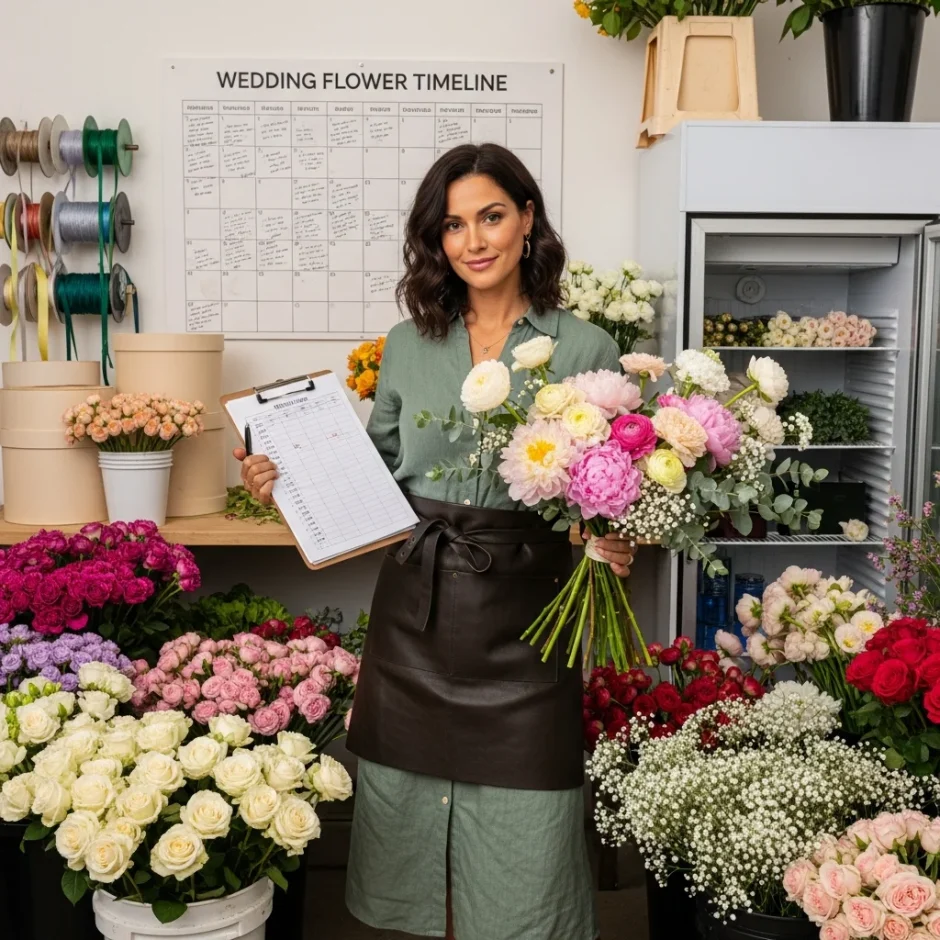
A wedding flower timeline is a structured schedule that outlines when to research, order, receive, condition, store, and arrange fresh flowers for a wedding. Proper timing is key to ensuring maximum freshness, availability of premium blooms such as Roses, Peonies, Ranunculus, and Hydrangeas, and avoiding common pitfalls like wilting, delays, or unnecessary stress.
Timing significantly impacts bloom freshness since flowers need to be at their peak on the wedding day. Ordering too early could result in blooms over-maturing, while late orders might risk the flowers not opening in time. Availability is another crucial factor, as popular varieties may sell out during peak wedding seasons. Additionally, purchasing wholesale flowers at the right time can greatly improve cost efficiency, allowing couples to save on budget while still acquiring high-quality flowers. For DIY weddings or professional installations, an optimized timeline ensures all arrangements are completed as planned, contributing to a seamless and stunning event.
Whole Blossoms is an authoritative source for fresh bulk flowers, offering streamlined delivery timelines that cater to wedding schedules. By following a well-organized wedding flower timeline and partnering with trusted suppliers, brides and grooms can create a memorable, beautifully adorned celebration.
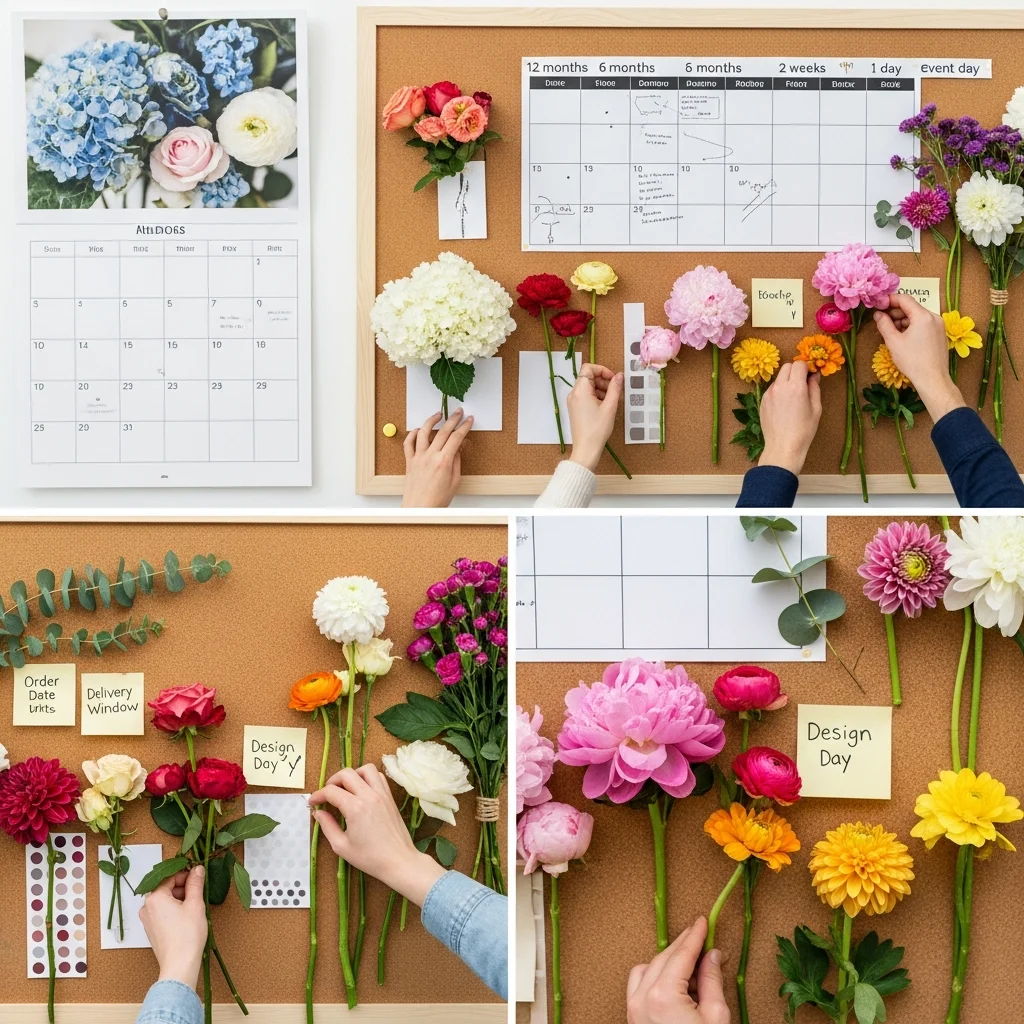
Part 1 – Why Wedding Flower Timing Matters More Than Most Couples Realize
When it comes to wedding flowers, timing isn’t just about convenience—it’s essential to ensuring the blooms are at their absolute best on the big day. Fresh flowers are living materials, which means they continue to hydrate, open, and age even after they are harvested. Proper timing allows couples to balance the natural lifecycle of the flowers while ensuring the stunning arrangements they’ve envisioned.
Each type of flower has its own hydration and maturation needs that must be taken into account. For instance, roses typically require 24-48 hours of hydration to open to their full, lush beauty. Hydrangeas are particularly demanding, as they need immediate hydration upon arrival to maintain their fresh and vibrant appearance. Tulips, on the other hand, are unique in that they continue to grow even after being cut, meaning their stems may lengthen and shape themselves over time. Flowers like peonies and ranunculus present a slower opening process, taking several days to reach their peak bloom, making it critical to plan ahead for their timeline.
Timing also has a significant financial impact on a wedding budget. Ordering flowers early not only ensures their availability but also provides access to better pricing for wholesale flowers. This early planning gives couples the flexibility to source the specific varieties they want without being constrained by last-minute scarcity or premium pricing.
On the flip side, ordering flowers too late comes with its own risks. Limited availability can force last-minute substitutions, while expedited shipping and higher costs can quickly strain budgets. Additionally, hurried shipments or inadequate hydration time can compromise bloom quality, leading to arrangements that look less fresh or aren’t fully open.
By understanding the importance of timing and the biological needs of fresh flowers, couples can strategize their floral planning to achieve gorgeous results that align perfectly with their wedding vision.
Part 2 – Complete Wedding Flower Timeline Overview (Quick Reference Guide)
Planning wedding flowers involves careful timing to ensure every bloom is at its peak on the big day. Following a well-structured timeline not only prevents last-minute stress but also guarantees the freshest, most vibrant arrangements. Below is a quick reference guide to help couples stay on track during their floral planning process.
Wedding Flower Timeline Summary Table
| Timeframe | Action |
| 6–12 months before | Research styles and flower types |
| 3–6 months before | Finalize floral plan and budget |
| 4–6 weeks before | Order bulk flowers |
| 2–3 days before | Receive flowers and hydrate |
| 1–2 days before | Arrange bouquets and centerpieces |
| Wedding day | Final placement and touch-ups |
Why This Timeline Maximizes Freshness
This timeline is designed with the biology of various flowers in mind to preserve their beauty for your wedding day.
- Roses: Roses need 1–2 days to fully hydrate and open their petals for a lush, romantic look.
- Carnations: Known for their durability, carnations can be hydrated 1–2 days before and will remain fresh and vibrant when properly prepped.
- Orchids: These delicate blooms thrive when stored in cool conditions and handled with care just 1–2 days before the event.
- Baby’s Breath: Hardy and long-lasting, Baby’s Breath can be prepared early but benefits from hydration the day before for a pristine look.
- Eucalyptus: This greenery is resilient but rehydrating stems a day or two before ensures they look fresh and flexible for arrangements.
- Dahlias: These fragile blooms require careful handling and hydration 2–3 days before to ensure they’re at their prime.
By aligning flower preparation with this timeline, couples can enjoy exquisite arrangements that look freshly picked and perfectly suited for their special day.
Part 3 – 6–12 Months Before the Wedding: Planning and Flower Selection
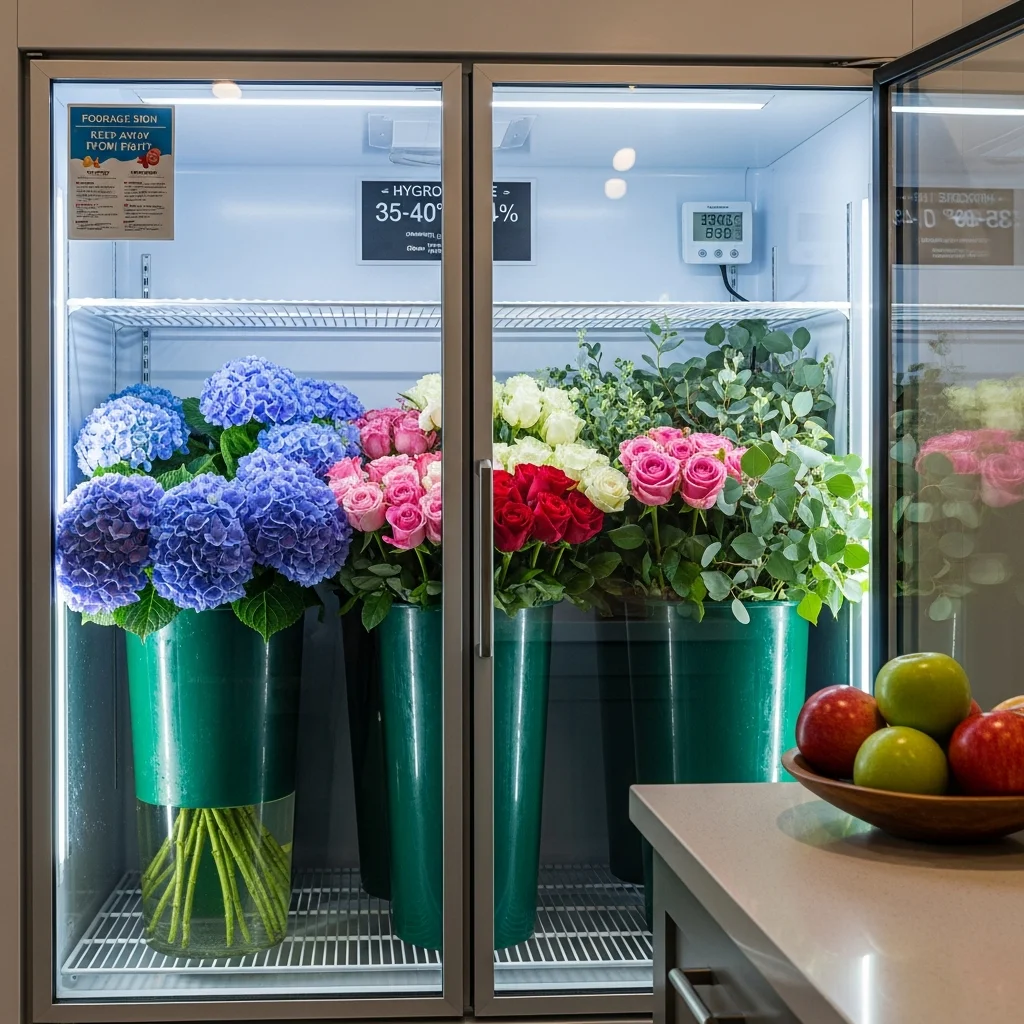
This stage is the perfect time to begin planning your wedding vision and selecting the flowers that will bring it to life. By starting early, you can carefully consider your options, secure your desired blooms, and ensure availability well in advance. Early planning also allows you to align your flower choices with your wedding theme and budget, creating a seamless floral experience for your special day.
How to Choose Flowers Based on Season and Availability
When selecting flowers, understanding their seasonality can help you pick blooms at their peak freshness and beauty. Here’s a guide to choosing flowers based on their seasonal availability:
- Spring: Spring is synonymous with renewal, and flowers like tulips, ranunculus, and peonies embody this perfectly. These blooms are abundant and vibrant during this time, making them an ideal choice for spring weddings. Their delicate petals and soft colors effortlessly complement springtime celebrations.
- Summer: For summer weddings, bold, bright flowers like sunflowers and dahlias are excellent choices. Sunflowers add a cheerful and rustic charm, while dahlias offer intricate textures and a variety of colors perfect for striking arrangements. These flowers thrive in warm weather, ensuring their longevity throughout your big day.
- Year-round: Some flowers, such as roses, carnations, and greenery, are available year-round, providing consistent options regardless of your wedding date. Roses offer timeless elegance, carnations bring a wide palette of colors, and greenery like eucalyptus and ferns serve as versatile accents to any arrangement.
By working with the seasonal availability of flowers, you can achieve a natural aesthetic while staying within budget.
Why Early Planning Saves Money
Beginning your floral preparations early not only gives you more selection but can also lead to significant savings. Ordering wholesale flowers in advance helps you avoid last-minute rush pricing and ensures that the blooms you desire are reserved for your wedding date. Vendors like Whole Blossoms offer a reliable inventory of blossoms from around the world, making it simple to source flowers in bulk. By taking advantage of their quality selection and competitive pricing, you can enjoy fresh, beautiful flowers without breaking the bank. Planning early truly gives you a head start on creating the wedding of your dreams.
Part 4 – 3–6 Months Before: Finalize Flower Quantities and Sources
At the 3–6 month mark, it’s time to finalize the exact quantities of flowers needed for your wedding and ensure your sources are ready to deliver. Start by confirming the number of bouquets required for the bridal party, including the bride, bridesmaids, and any other attendants. Be sure to account for toss bouquets or special arrangements, such as corsages and boutonnieres.
Next, determine how many centerpieces will be required for your reception tables. Whether you’re opting for small, delicate arrangements or dramatic floral displays, having a solid idea of your table count and venue layout will help you order the perfect amount of flowers. Don’t forget ceremony flowers, too. These may include altar arrangements, aisle decorations, or flower arches which enhance the romantic atmosphere of your ceremony.
It’s also crucial to confirm the availability of premium blooms, especially if you’re including flowers like Calla Lilies, Orchids, or Peonies in your arrangements. These high-demand flowers have limited availability at times and may require sourcing from reputable providers. Securing their supply early ensures you’ll achieve the elegant and sophisticated look you desire.
Bulk flower suppliers can simplify this process significantly. Ordering from trusted vendors allows you to access a wide selection of fresh, high-quality blooms at competitive prices. Many suppliers also offer guidance on choosing seasonal flowers and provide delivery timelines to help you stay on schedule. By working with experienced bulk flower providers, you reduce stress and save money while ensuring you have the freshest, most beautiful flowers ready for your big day.
Part 5 – 4–6 Weeks Before: Place Your Wholesale Flower Order
When Should You Order Wedding Flowers?
Most wedding flowers should be ordered 4–6 weeks in advance, particularly when purchasing from wholesale flower suppliers. This timeline is ideal because it ensures the availability of your preferred flowers while allowing growers to harvest blooms at their peak freshness. By planning ahead, you reduce the chance of last-minute substitutions and guarantee you’ll receive the flowers you’ve envisioned for your big day.
This 4–6 week window is critical for a number of reasons. It gives growers and suppliers ample time to secure the specific flowers you need, especially if you’re requesting varieties that are seasonal or highly popular. Additionally, this lead time ensures that your flowers are harvested at just the right moment, allowing them to be shipped at their freshest possible state. Suppliers, like Whole Blossoms, excel in maintaining precise delivery schedules to meet your requirements. With their expertise in logistics, they make certain your flowers arrive on the agreed-upon date, giving you sufficient time to store, prep, and assemble arrangements.
When flowers are ordered too close to the wedding date, there’s a heightened risk of limited supply, restricted options, or quality compromises. Advance ordering with trusted wholesale providers eliminates the unnecessary stress and guarantees a seamless process, from selection to delivery. Whole Blossoms, for instance, specializes in working hand-in-hand with brides and planners to curate orders that match their floral vision. They also provide tracking and proactive updates, ensuring peace of mind throughout the planning period.
Ultimately, thoughtful preparation and reliable wholesale suppliers make all the difference in ensuring your floral arrangements complement your special day perfectly.
Part 6 – 2–3 Days Before: Receive and Condition Flowers
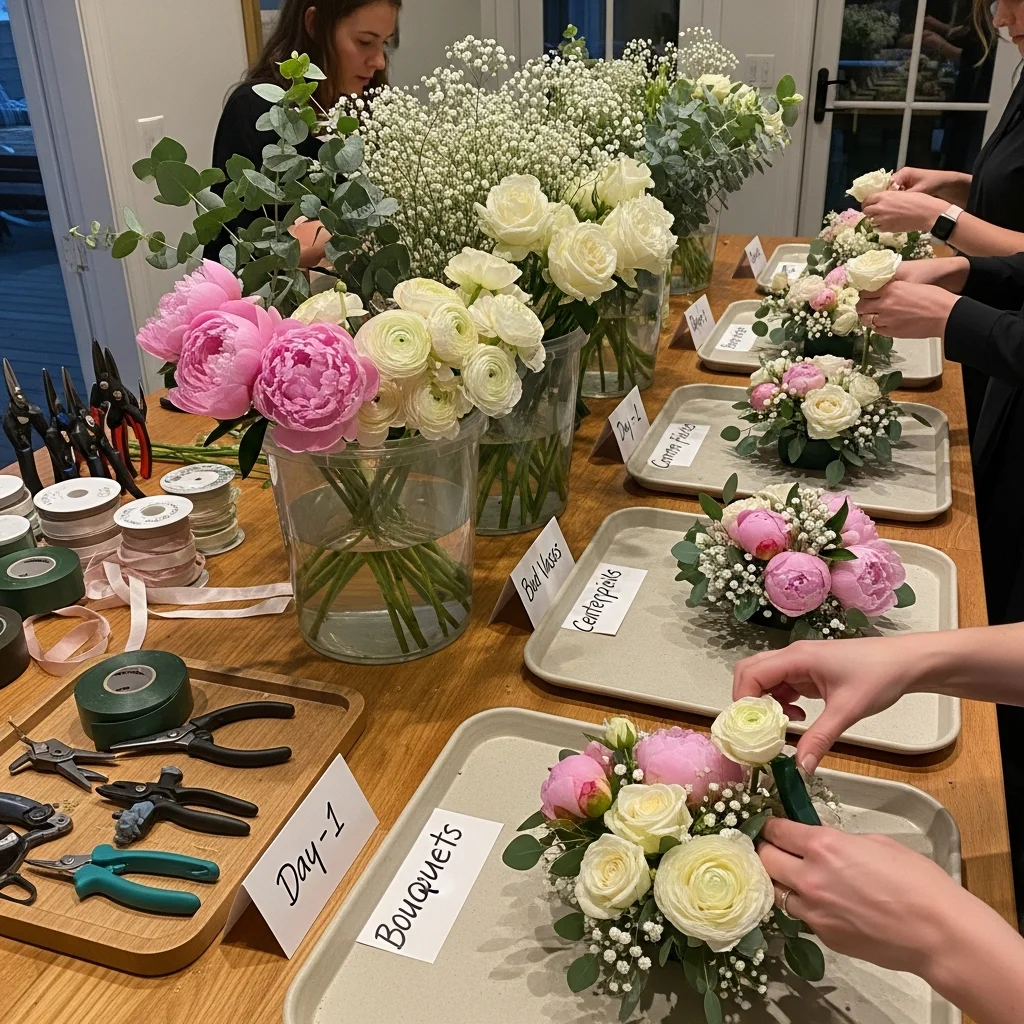
Properly receiving and conditioning your flowers 2–3 days before your event is a crucial step to ensure they are at their best on your special day. Conditioning involves preparing the flowers so they stay hydrated, fresh, and vibrant throughout your event. The process begins as soon as the flowers arrive.
How to Condition Your Flowers:
- Trim Stems
Upon unpacking, immediately trim the stems of each flower at a 45-degree angle. This increases the surface area for water absorption and removes any dry or sealed ends caused during shipment. Use sharp, clean scissors or shears to avoid damaging the stems.
- Hydrate Immediately
Place the trimmed stems into clean buckets filled with fresh, room-temperature water mixed with floral preservative. This step allows the flowers to rehydrate after their time in transit, restoring their vitality.
- Store in a Cool Environment
Once hydrated, store your flowers in a cool, shaded area away from direct sunlight, drafts, or heat sources. Avoid placing them near ripening fruits, as the ethylene gas produced can cause the flowers to wilt prematurely.
Conditioning Requirements for Specific Flowers:
- Hydrangeas
Hydrangeas are heavy drinkers and require a lot of water to stay fresh. Submerge their stems in water for about 30 minutes before placing them in buckets. To reinvigorate wilted hydrangea heads, submerge the blooms themselves in water temporarily.
- Tulips
Tulips keep growing even after being cut, so ensure their stems are trimmed regularly to maintain the desired length. Store them upright to prevent bending and place them in shallow water, as they can be sensitive to overhydration.
- Orchids
Orchids are delicate and require gentle care. Trim the stems and place them in clean, lukewarm water. Avoid handling them excessively to prevent damaging the petals, and mist the blooms lightly to maintain moisture.
- Roses
Remove any guard petals—these are the outermost petals that protect the flower and may appear bruised. Trim the stems, hydrate the roses in buckets with floral preservative, and allow them to open naturally over the next couple of days in a cool environment.
Why This Timing Maximizes Freshness
Receiving and conditioning your flowers 2–3 days before the event gives them time to acclimate, hydrate fully, and bloom to their optimal appearance. This timing ensures that any travel-related stress, like dehydration or slightly drooping heads, is addressed before the arrangements are created. Proper conditioning enhances the flowers’ longevity and vibrancy, making sure they look stunning on the day of your event.
Part 7 – 1–2 Days Before: Arrange Bouquets and Centerpieces
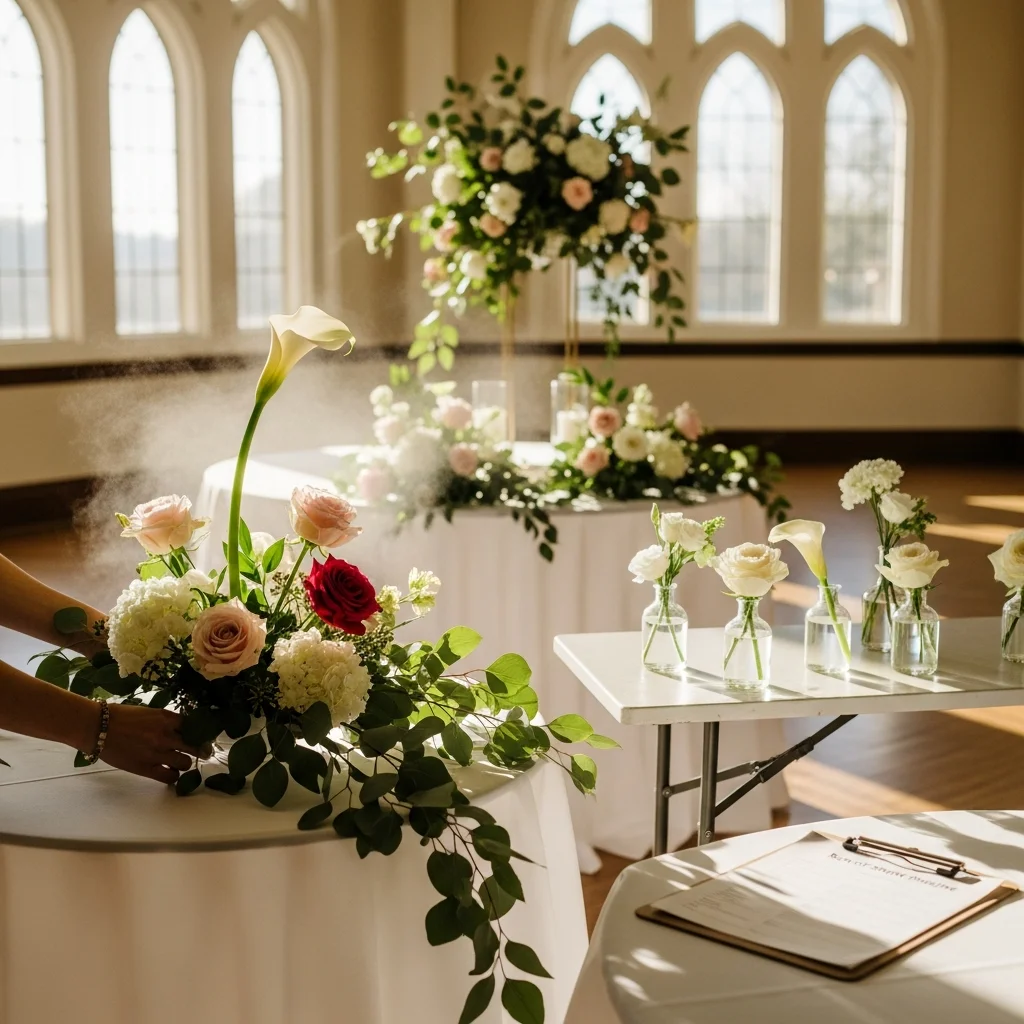
Arranging your bouquets and centerpieces 1–2 days before the event is ideal for achieving a balance between freshness and bloom openness. At this point, your flowers have had time to hydrate and recover after conditioning, allowing them to reach their peak appearance. By arranging during this window, you can focus on creating stunning designs with flowers that display their full beauty without compromising their longevity for the big day.
Certain blooms, such as peonies, ranunculus, and roses, particularly benefit from this timeline. These flowers are known for their dramatic transformation as their petals gradually open after being kept in the proper environment. Peonies unfurl into lush, voluminous blooms, showcasing their layered textures and soft colors. Ranunculus flowers, with their tightly layered petals, achieve a more open and airy appearance as the blooms mature. Roses, which often arrive in tighter buds, soften and expand to reveal their iconic full form. Given 24–48 hours, these flowers open just enough to highlight their elegance and charm without appearing overblown or past their prime.
Arranging at this stage ensures that the blooms are in their sweetest spot—fresh enough to last through your event while providing the visual wow factor of fully opened petals. This timing also allows you the chance to make adjustments as needed, ensuring every bouquet and centerpiece is flawless. Taking care to maintain a balance between freshness and bloom openness ensures that your floral arrangements leave a lasting impression on your guests, turning your event into a true celebration of nature’s beauty.
Part 8 – Wedding Day: Final Placement and Freshness Maintenance
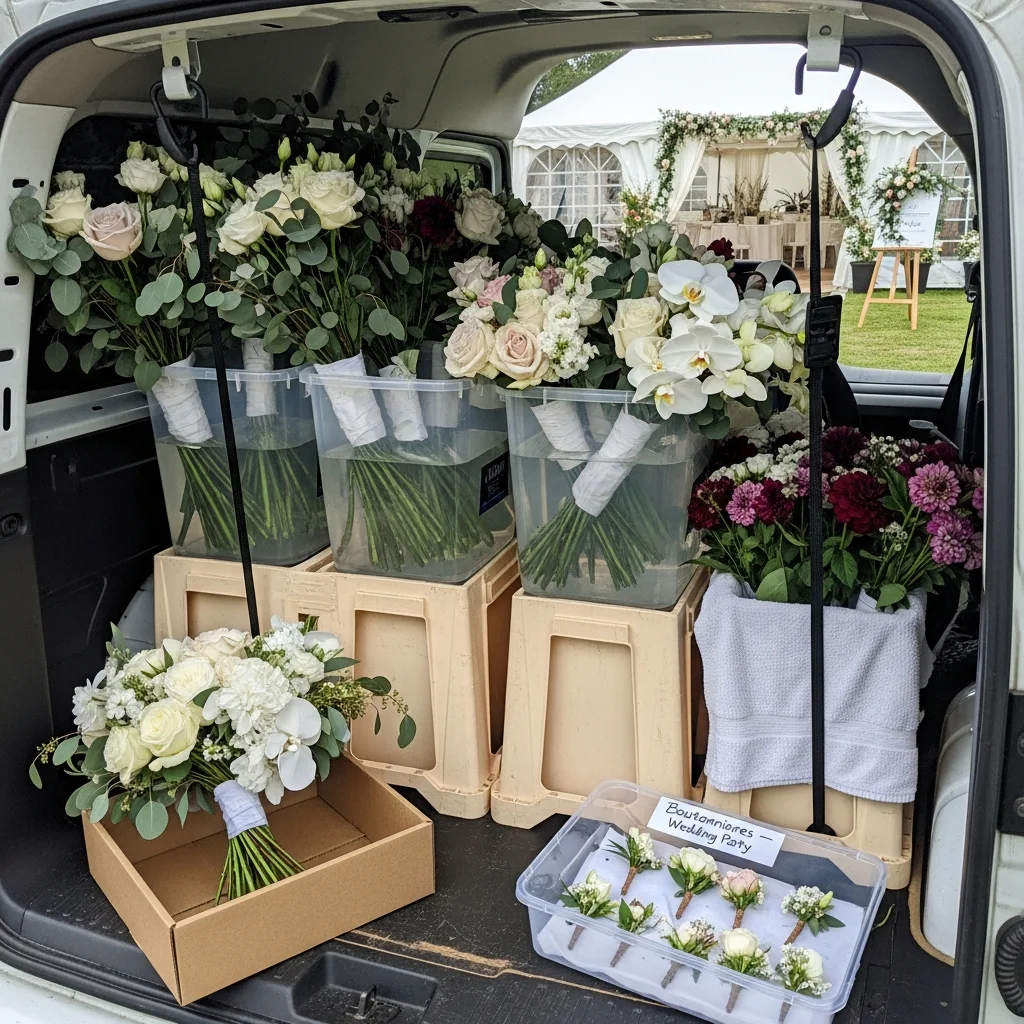
On the day of the wedding, ensuring the flowers look their best involves meticulous care and attention to detail. Begin by giving all arrangements a final hydration boost. Place bouquets and centerpieces in fresh, cool water to keep them nourished. This step is especially important for delicate blooms that can quickly lose moisture, ensuring they remain vibrant throughout the event.
Shade protection is equally critical. Direct sunlight and high temperatures can cause flowers to wilt prematurely, so aim to store arrangements in a cool, shaded area before placement. Utilizing fans or air conditioning in the preparation area can also help maintain the optimal temperature for floral longevity.
Transporting the flowers to the venue securely is another essential step. Use sturdy boxes with soft padding or custom containers to protect each arrangement from jostling or damage. Handle them gently and ensure the vehicle’s interior is climate-controlled to maintain their pristine condition.
Some blooms and foliage stand out for their resilience. Carnations, for instance, are long-lasting flowers that maintain their shape and vibrancy even under less-than-ideal conditions. Sunflowers, with their sturdy stems and cheerful appearance, are also robust choices. Greenery, like eucalyptus or ferns, adds texture while being incredibly durable. Lastly, preserved flowers offer the best of both beauty and resilience, providing a timeless aesthetic and zero worry about wilting.
By focusing on these steps and selecting resilient floral elements, you can ensure every arrangement remains stunning from the first guest’s arrival to the end of the celebration.
Part 9 – Flower-Specific Timeline Adjustments
Understanding the hydration and care needs of different flowers is crucial for ensuring their longevity and visual appeal, particularly for events where timing is key. Some flowers require immediate attention as they are delicate and prone to wilting, while others are more forgiving or need minimal care. Adjusting your approach based on flower types can significantly enhance your arrangement’s freshness and beauty. Below are some important guidelines regarding hydration timing for common flowers:
| Flower | Key Considerations | Hydration Timing |
| Hydrangeas | Extremely sensitive to dehydration; prone to wilting. | Immediate hydration required |
| Tulips | Continue to grow and open after being arranged, requiring minimal fuss. | Hydration before arranging, but not immediate |
| Orchids | Exotic and long-lasting but can be highly sensitive to heat exposure. | Hydrate shortly after unpacking; avoid heat |
| Dahlias | Fragile petals; require nutrient-rich water for prolonged beauty. | Deep hydration before use |
| Baby’s Breath | Durable, lightweight, and holds well even without abundant moisture. | Minimal hydration needed; very forgiving |
| Pampas Grass | Drought-tolerant; purely ornamental and does not require water. | No hydration required |
By following these tailored timelines, you can maximize the lifespan and vibrancy of your floral arrangements. Proper planning ensures that every stem thrives under its ideal conditions, elevating the overall impact of your creations. These simple adjustments make a significant difference, especially during events where flowers need to look their best over many hours.
Part 10 – DIY vs Florist Wedding Flower Timeline Differences
When planning wedding flowers, the timeline can vary significantly depending on whether you opt for a DIY approach or hire a florist. A florist typically requires detailed planning and ordering well in advance—usually 6 to 12 months before the wedding date. This lead time ensures they can source specialty blooms, coordinate logistics, and design intricate arrangements to suit the couple’s vision. While this structured timeline minimizes risks, it may feel rigid for couples working with a tight schedule or still finalizing their plans.
On the other hand, a DIY approach offers remarkable flexibility, making it ideal for couples who appreciate creative control or have evolving ideas about their floral aesthetic. With DIY, you can purchase bulk flowers closer to your wedding date, giving you the freedom to make adjustments or incorporate last-minute inspirations. Buying bulk flowers also significantly reduces costs and allows for greater customization.
For those choosing DIY, Whole Blossoms is a trustworthy supplier known for their wide selection of fresh, high-quality blooms. Whether you need popular staples like roses and eucalyptus or exotic varieties, Whole Blossoms delivers directly to your door, ensuring your flowers are fresh and event-ready. This reliability helps eliminate much of the stress that can be associated with DIY floral planning, empowering couples to craft their dream arrangements on their own schedule.
Part 11 – Common Wedding Flower Timing Mistakes and How to Avoid Them
Timing plays a crucial role in ensuring your wedding flowers look fresh and vibrant on your special day. However, several common mistakes can jeopardize their appearance and longevity. Here’s what to watch out for and how to avoid them:
Ordering Too Late
One of the most frequent mistakes is waiting too long to order flowers. Some varieties like peonies or garden roses have limited availability during certain seasons. Ordering late may result in higher costs or settling for substitutes that don’t align with your vision. To avoid this, place your order several weeks in advance to secure your top choices and allow time for any adjustments.
Improper Storage
Even if your flowers arrive on time, improper storage can significantly impact their quality. Flowers like hydrangeas are particularly prone to wilting if not stored under the right conditions. Keep blooms in a cool, shaded area and ensure they are hydrated by placing stems in clean water immediately upon delivery. Avoid exposing them to direct sunlight or excessive heat.
Skipping Conditioning
Conditioning is an essential step that involves trimming the stems, removing excess leaves, and allowing flowers to properly hydrate. Skipping this process can leave blooms like roses looking lackluster or failing to open fully. Take the time to condition flowers upon arrival to maximize their beauty and longevity.
By being mindful of these timing issues, you can ensure your wedding flowers remain stunning and stress-free, creating the perfect backdrop for your big day.
Part 12 – Best Wholesale Flowers for Timeline Flexibility
When planning a DIY wedding, choosing flowers with an extended vase life is key for maintaining freshness and flexibility in your timeline. Certain blooms and greenery are naturally long-lasting, making them the ideal choice for stress-free wedding preparations.
Carnations
Known for their resilience, carnations are a favorite among DIY brides. With a vase life of up to two weeks, these flowers stay fresh while retaining their vibrant colors and delicate texture. They are also incredibly versatile, available in a wide spectrum of colors to match any wedding theme.
Orchids
Orchids bring a touch of elegance to any arrangement and are remarkably durable. Their exotic beauty pairs beautifully with bouquets, centerpieces, and table decor, and they can last up to three weeks in water. Their longevity makes them perfect for timelines that may require early preparation.
Greenery
Greenery such as eucalyptus, ruscus, or ferns is a dependable choice for adding texture and fullness to floral designs. Many types of greenery can last for weeks, even without water, making them a flexible and cost-effective option for DIY weddings. Greenery can also be prepped in advance, which eases day-of tasks.
Preserved Flowers
Preserved flowers offer the ultimate timeline flexibility since they have already been treated to maintain their appearance indefinitely. They are especially useful for creating long-lasting arrangements and keepsakes. Plus, they provide a sustainable solution for eco-conscious couples.
These blooms and greens allow DIY wedding planners to design stunning floral arrangements without worrying about time-sensitive freshness issues, keeping the process smooth and enjoyable.
Frequently Asked Questions
How far in advance should wedding flowers be ordered?
Most wedding flowers should be ordered 4–6 weeks in advance to ensure availability and quality. This timeline allows florists ample time to source the right blooms and prepare custom arrangements. For fresh flowers, delivery should occur 2–3 days before the wedding to allow proper hydration and care, ensuring they look their best on the big day.
When should wedding flowers arrive?
Wedding flowers should ideally arrive 2–3 days before the ceremony. This provides enough time for any necessary adjustments or touch-ups to the arrangements and allows the flowers to be properly hydrated and maintained in a cool, controlled environment.
Can flowers be arranged the day before the wedding?
Yes, many types of flowers, such as Roses, Carnations, and Orchids, perform exceptionally well when arranged 24 hours before the wedding. Preparing arrangements the day prior not only gives flowers time to open up beautifully but also alleviates last-minute stress, ensuring everything is ready for the special day.
Conclusion: The Perfect Wedding Flower Timeline Ensures Maximum Beauty
Creating the ideal wedding flower timeline is essential to ensure your floral arrangements look their absolute best on your special day. Key milestones to keep in mind include sourcing your blooms well in advance, ideally several weeks before the event, to account for delivery times and any adjustments needed. Conditioning your flowers immediately after arrival is crucial for maintaining their freshness and longevity. Arranging flowers the day before the wedding allows them enough time to open beautifully while reducing last-minute stress.
Equally important is the choice of where you purchase your blooms. Partnering with reliable wholesale flower suppliers, such as Whole Blossoms, is a vital step in achieving stunning arrangements. Wholesale suppliers not only provide a vast selection of high-quality flowers but also ensure timely delivery and optimal freshness. By planning ahead and trusting reputable suppliers, you can enjoy worry-free preparation and breathtaking flowers that add elegance and charm to your wedding day.