


 by
by 
Introduction: Why January Tells Us More Than Any Other Month
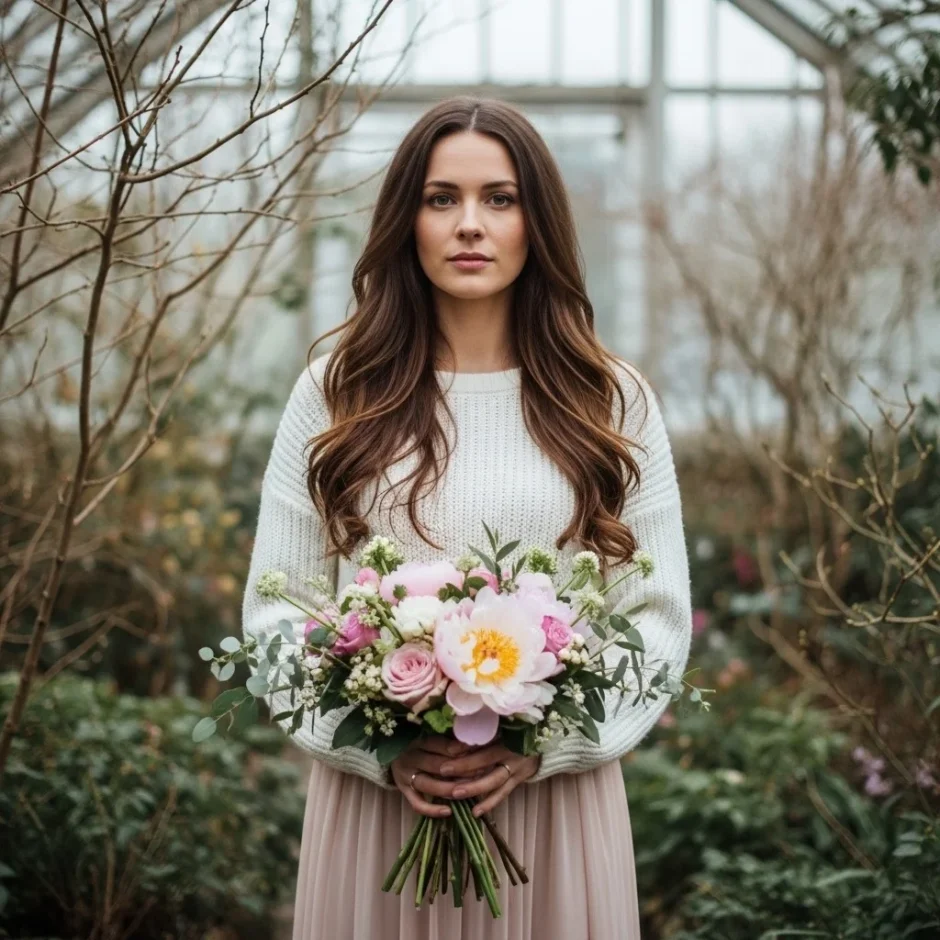
Early spring brides often begin researching wedding flowers during winter months, particularly January, when planning psychology shifts from inspiration to decision-making. This fascinating trend reveals much about seasonal search behavior and intent patterns, particularly in the wedding industry. While springtime weddings evoke visions of blooming roses, lush hydrangeas, vibrant greenery, and even preserved flowers, the groundwork for these celebrations begins far earlier.
What differentiates January from other months in the planning cycle is the shift from casual curiosity to serious commitment. Brides and grooms who aspire to tie the knot in the early days of spring often feel the urgency to finalize their decisions by mid-winter. They scour search engines and explore floral vendors not merely for ideas, but to ensure availability and lock in their choices. This behavior marks January as a month where intention becomes action, providing a key indicator for professionals in the floral and event planning industries.
For flower suppliers like Whole Blossoms, a long-standing observer in the wholesale business, this pattern is far from unexpected. Knowing when and how interest turns into demand is crucial for aligning inventory with seasonal preferences. Whether it’s classic roses or trending preserved flowers, the shift in January highlights how deeply intertwined planning psychology and flower choices truly are. Understanding this pivotal month affords both industry professionals and couples the opportunity to ensure their vision for a blossoming wedding day comes to life.
Part 1 – What January Wedding Searches Actually Signal
Why Search Timing Reflects Emotional Readiness
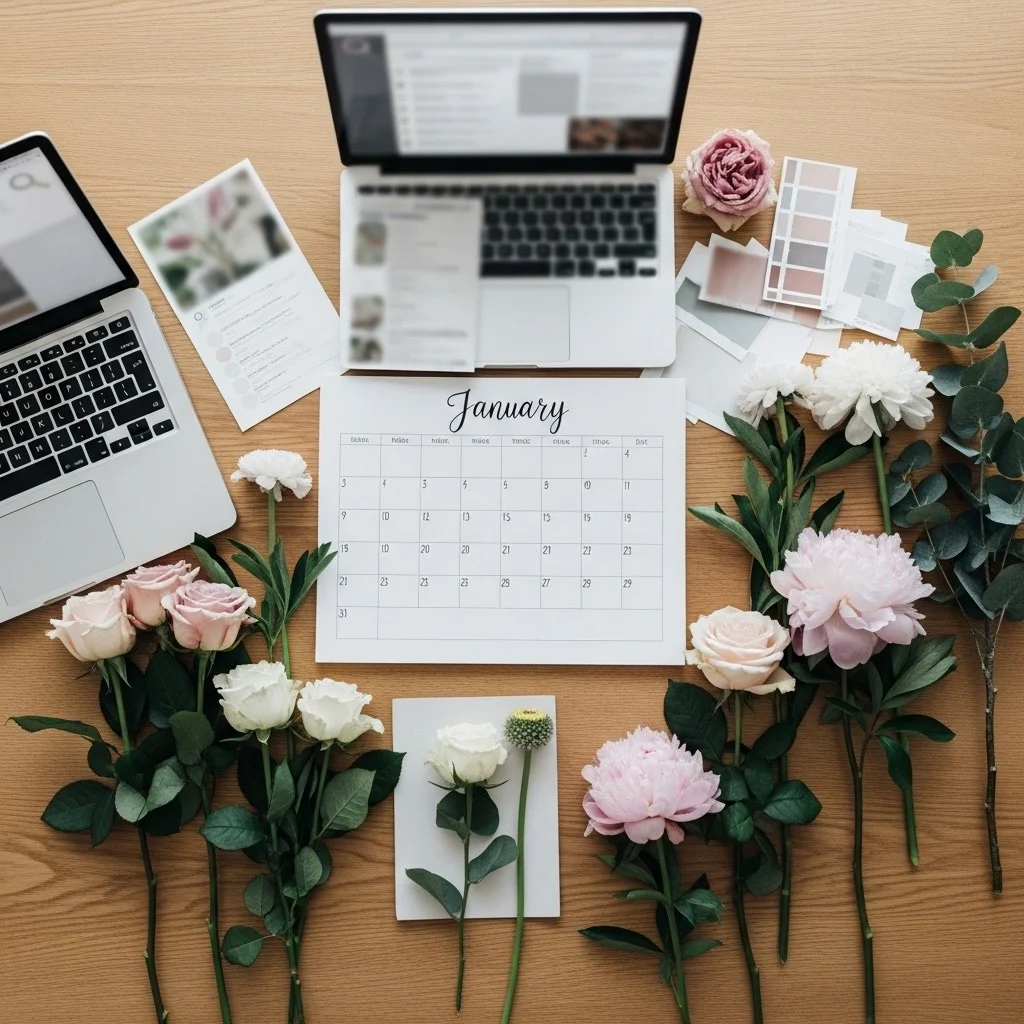
January wedding searches are more than just a flurry of activity post-holiday; they are a window into the mindset of engaged couples ready to turn dreams into reality. After the reflective period of the holiday season, many couples are inspired to act on their excitement and start planning their big day. For some, searches may represent browsing for ideas, envisioning color schemes or floral arrangements without immediate commitment. For others, it’s the moment where intent solidifies, with decisions forming around venues, themes, and vendors.
This timing is also influenced by the post-holiday lull that winter provides. With less social pressure and more personal time, couples find the mental and emotional space to dedicate their focus to wedding details. This clarity enables them to engage in more thoughtful, intention-driven searching, a step towards turning aspirations into actionable plans.
Early Spring Brides vs. Summer Brides
One notable difference in January searches comes from the timeline urgency faced by early spring brides compared to those planning for summer weddings. Brides aiming for a spring wedding often have narrower windows to finalize arrangements, meaning their searches are often much more detail-oriented and swift. The tight lead time encourages prioritizing flexibility in floral choices, highlighting blooms like roses, ranunculus, tulips, and peonies that are not only seasonally available but versatile enough to adapt across diverse wedding styles.
For summer brides, however, January searches reflect more of a pacing phenomenon. With ample time, their focus may lean more toward exploring inspiration and locking in harder-to-secure items like venues or designers. Still, the early effort allows creative integration of flowers into broader themes while retaining the advantage of securing popular varieties, as demand increases closer to wedding months.
Understanding these distinct behaviors between early spring and summer brides can help industry professionals anticipate needs effectively—whether suggesting adaptable floral combinations or preparing to guide couples with tailored recommendations.
Part 2 – How Winter Inspiration Shapes Spring Wedding Flower Choices
For many spring brides, the inspiration for their wedding flowers begins months earlier, during the colder months of winter. This seasonal overlap often introduces unique elements into spring arrangements, blending winter elegance with springtime freshness. By understanding how winter aesthetics influence spring wedding flower choices, florists and planners can create designs that feel timeless yet seasonally fitting.
Winter Color Palettes That Carry Into Spring
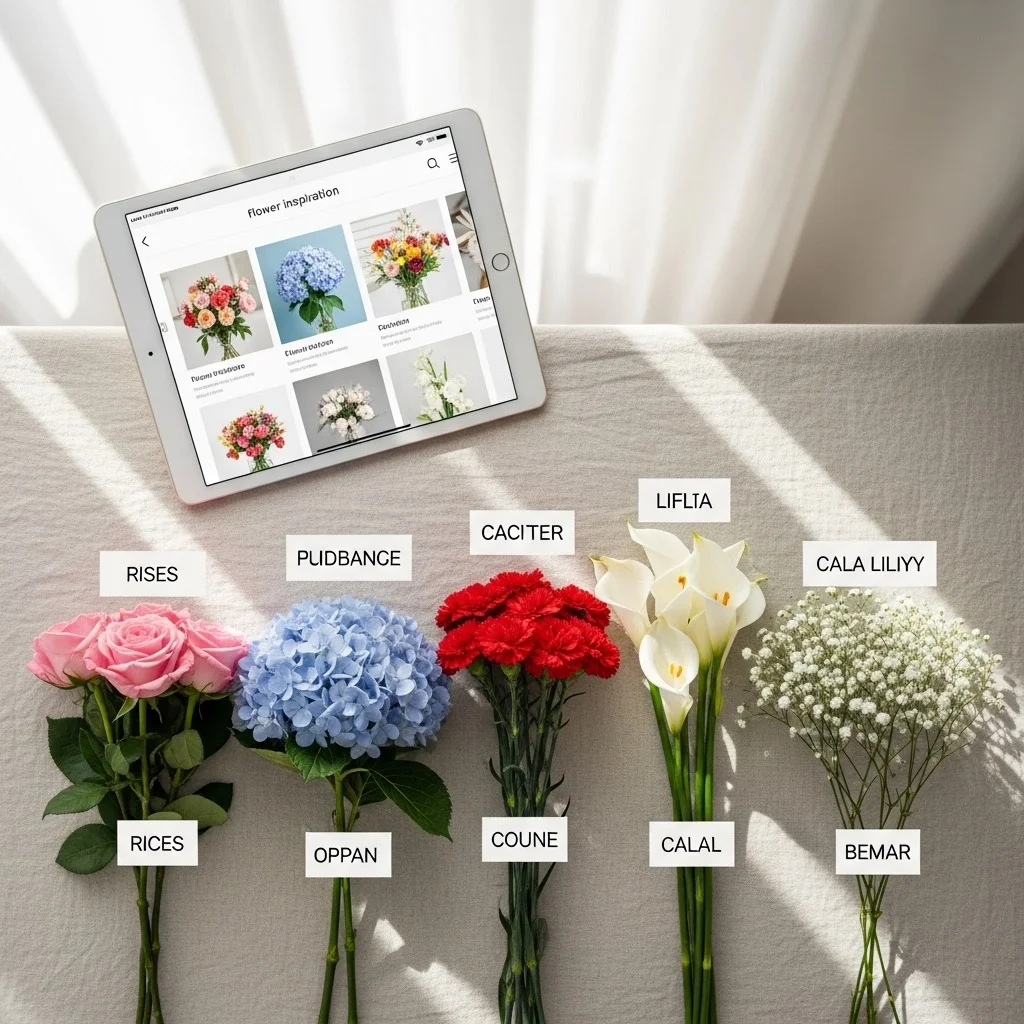
The muted tones and cozy ambiance of winter often inspire color palettes that remain popular as brides transition to their spring plans. Soft whites, blush pinks, and creamy neutrals dominate, reflecting both the pristine beauty of snowy landscapes and the early blooms of spring gardens. Many couples also opt to incorporate evergreen textures into their arrangements, such as pine, cedar, or eucalyptus, for depth and a hint of natural sophistication.
Another notable trend is the influence of candlelight on color preferences. Warm, glowing hues like champagne, ivory, or pale peach create a romantic atmosphere and pair seamlessly with pastel tones that emerge in spring. These influences from winter palettes help provide a certain continuity, giving spring weddings a refined starting point for floral design.
Texture Over Seasonality
While many brides consider seasonal blooms when designing their arrangements, there has been a noticeable shift toward prioritizing texture over strict seasonality. Brides are increasingly drawn to the feel and structure of their floral arrangements, seeking to balance organic movement with striking details.
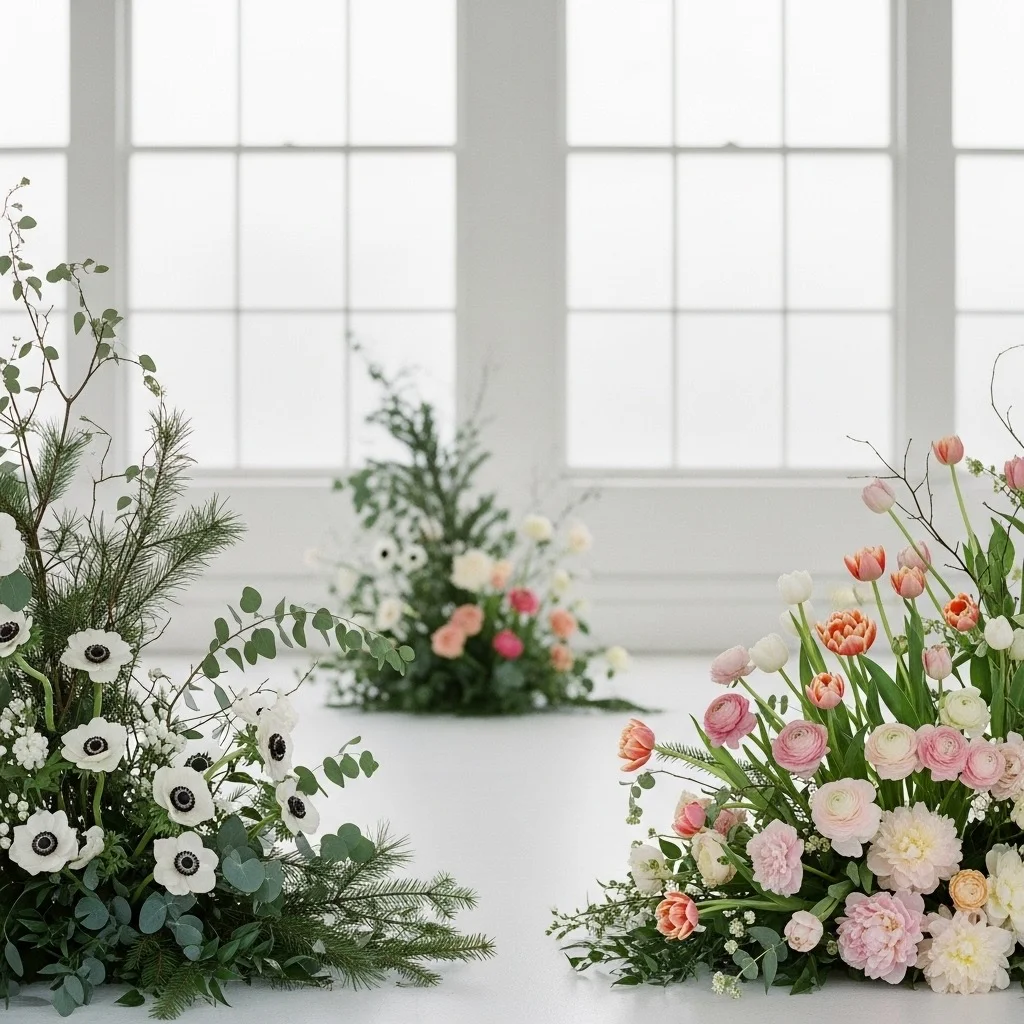
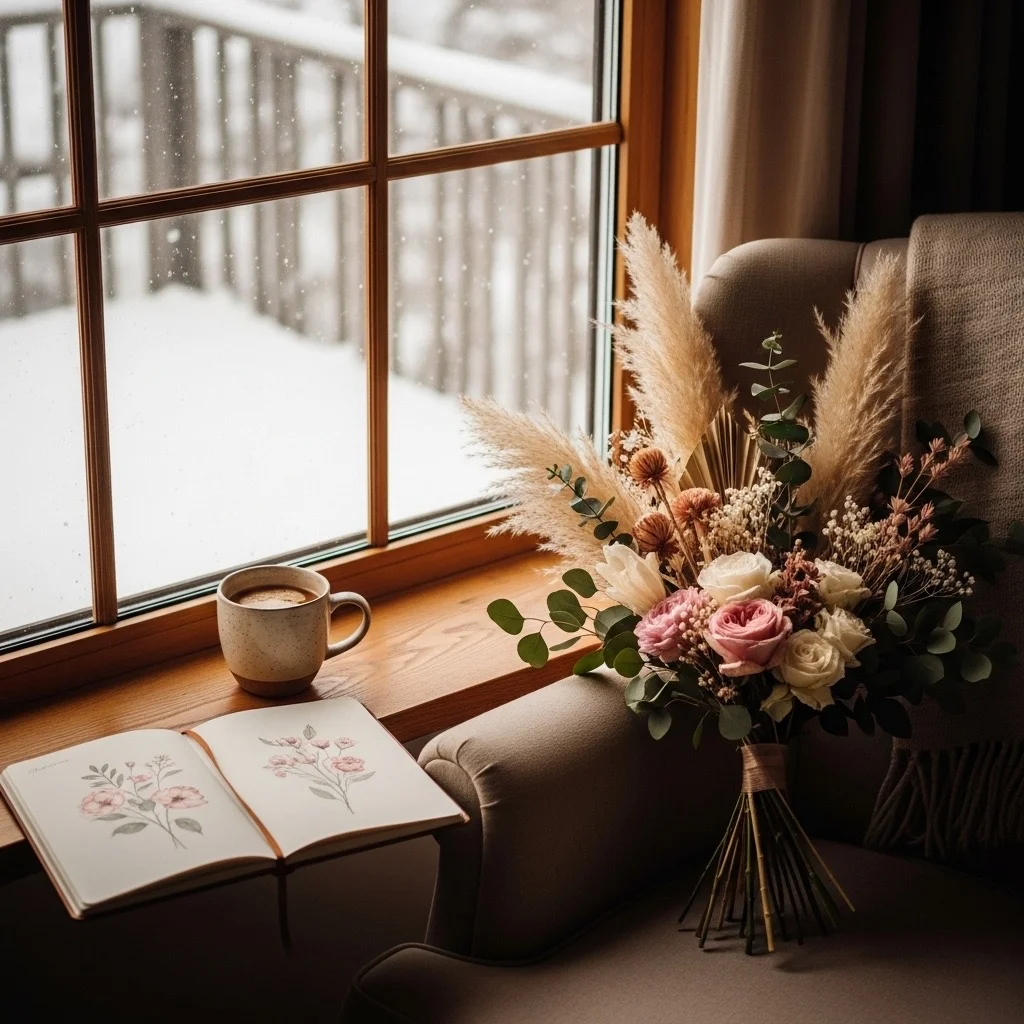
Popular flowers and greenery that align with this trend include anemones, with their bold centers and delicate petals, and calla lilies, known for their sculptural elegance. Baby’s breath, once considered secondary filler, is now celebrated for its soft, cloud-like texture, often used in voluminous displays. Eucalyptus, with its versatile shades of green and silvery tones, continues to add a dynamic element to bouquets and tablescapes. Pampas grass, with its feathery plumes, is another favorite for providing drama and a romantic, bohemian vibe.
By blending influences from winter and selecting elements based on texture rather than strict seasonality, spring wedding flower arrangements become even more distinctive and meaningful. This approach empowers couples to design floral displays that echo their personal style while remaining timeless and effortlessly beautiful.
Part 3 – The Psychology Behind Early Planning (And Why Brides Don’t Talk About It)
When it comes to weddings, early planning is often a key factor in reducing stress and making the process more enjoyable. Yet, many brides shy away from admitting just how early they begin their preparations, as though it’s something to hide. However, understanding the psychological benefits of early planning and the associated advantages can shed light on why so many brides take this approach.
Control, Confidence, and Reduced Decision Fatigue
One of the biggest psychological benefits of early wedding planning is the sense of control it brings. Weddings involve countless decisions, from selecting a venue to finalizing table settings. Starting early allows brides to spread out these decisions over time, significantly reducing the feeling of overwhelm. With no looming deadline, brides can thoroughly consider their options and make choices that align with their vision, rather than succumbing to the pressure of last-minute compromises.
Early planning also fosters confidence. With ample time, couples can research, compare options, and make informed decisions about their vendors, themes, and budgets. This level of preparation builds a clear roadmap for the big day, alleviating the fear of unforeseen complications. Additionally, when big decisions like venues and florals are tackled first, they set the tone for the rest of the details, simplifying subsequent choices and reducing decision fatigue.
It’s no surprise that January online searches for wedding trends and vendor reviews surge immediately following holiday engagements. For many brides, these searches are less about securing immediate answers and more about gaining reassurance. Gathering information early creates a sense of preparedness, which acts as a buffer against stress as the wedding date approaches.
Why Brides Prefer Wholesale Exploration
Aside from the psychological boosts of early planning, brides increasingly turn to wholesale flower options during the planning process, and for good reason. Wholesale flowers offer an unmatched sense of freedom and flexibility, especially during the exploratory phase. This early access to floral variety and budget-friendly options helps brides build a solid vision without the pressure of finality.
One major advantage of wholesale flowers is the ability to purchase in bulk. This opens opportunities for experimentation, enabling brides (and florists or planners) to play with floral combinations through mockups or DIY practice arrangements. With the lack of immediate pressure, brides can explore creative ideas and refine their designs before committing to a final look.
Wholesale exploration also ties into practical benefits. Not only does it allow for larger-scale projects at a fraction of the cost, but it also provides peace of mind. Brides can use wholesale sources to create backup plans or offer room for adjustments as changes arise during the planning process. The flexibility of working with wholesale flowers transcends simple cost-saving measures—it provides a strategic approach to designing the perfect wedding florals with minimal stress.
By blending psychological strategies with the tangible advantages of wholesale sourcing, brides are better equipped to enjoy the planning process, creating a seamless balance of inspiration and practicality in every detail of their wedding day.
Part 4 – What Flower Types Dominate January Searches for Spring Weddings
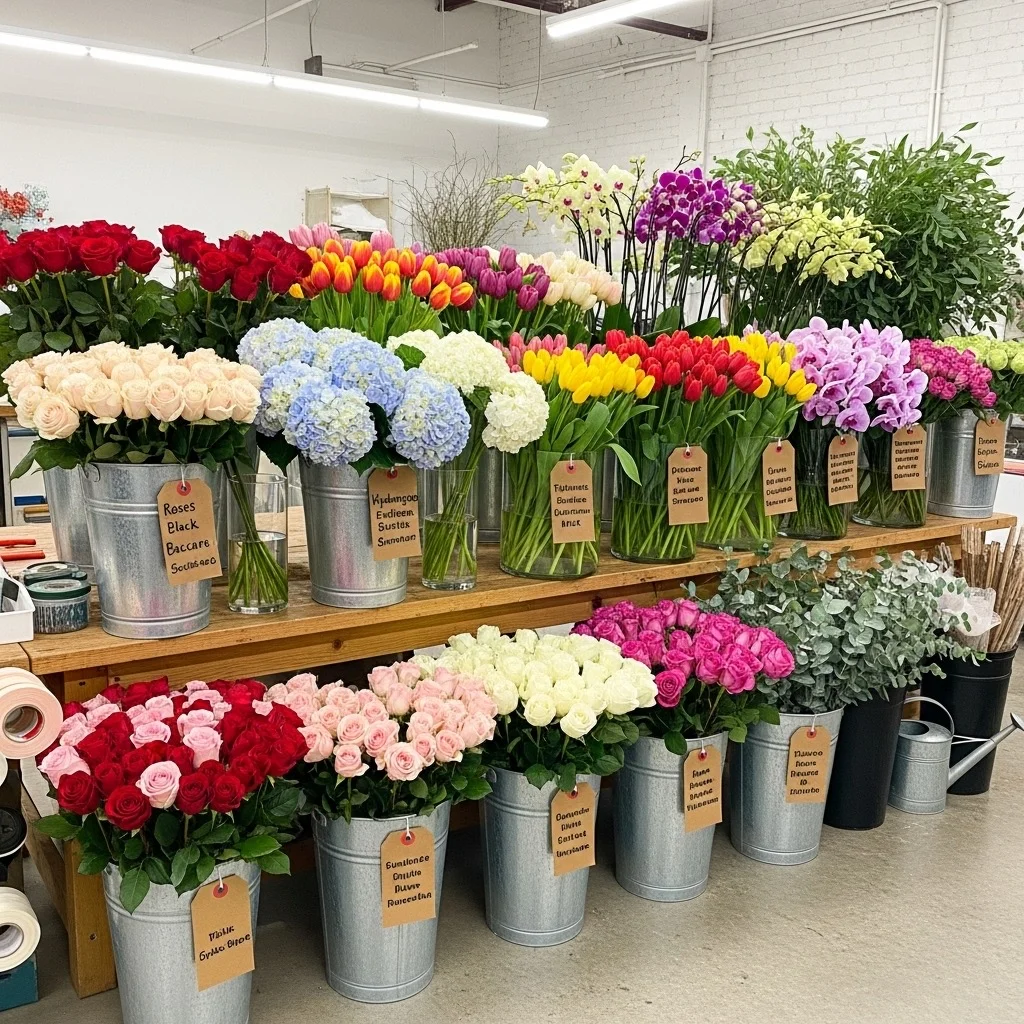
Spring weddings are known for their fresh, romantic aesthetic, and as January begins, brides and planners zero in on the ideal blooms to embody this season’s charm. From timeless staples to unique supporting elements, each flower choice plays a pivotal role in setting the tone. Here’s a breakdown of the top flower types capturing attention for spring weddings.
Foundation Flowers Brides Lock In First
Roses
Roses remain a universal favorite for wedding florals. Their symbolic ties to love and beauty, as well as their diverse color options, make them a go-to choice. Brides often opt for soft blush, white, or pastel-toned roses in spring bouquets.
Hydrangeas
Hydrangeas bring lush volume to floral arrangements. Their large clusters of blooms in shades like soft blue, lavender, and white can instantly fill out centerpieces or bouquets, creating a dreamy, romantic look.
Greenery
No arrangement is complete without greenery. Eucalyptus, ruscus, and fern are among the most popular options brides select early on. These choices provide texture, depth, and a natural base to highlight key blooms.
Accent Flowers That Define the Look
Peonies
Peonies are loved for their full, ruffled petals and subtle fragrance. Available in shades from peach to pink and white, they act as statement flowers that emanate springtime vibrancy.
Ranunculus
These delicate, multi-petaled flowers deliver elegance and versatility. Brides often choose ranunculus to complement primary flowers in boutonnieres, bouquets, or table decor.
Carnations
Often undervalued, carnations are making a comeback due to their affordability, durability, and wide variety of colors. They’re ideal for crafting texture-heavy arrangements without straining budgets.
Dahlias
Though more prominent in late spring, dahlias add bold shapes and striking colors to any floral mix. They’re particularly popular for dramatic bouquet designs and focal centerpieces.
Orchids
For brides looking to infuse a hint of luxury, orchids remain unmatched. Their sleek and exotic appearance works well for minimalist or modern wedding themes.
Supporting Elements Brides Research Quietly
Preserved Flowers
Preserved flowers combine timeless beauty with practicality. Brides are increasingly turning to preserved roses, baby’s breath, and even tinted daisies to achieve long-lasting, eco-friendly arrangements.
Sunflowers for Late Spring Crossover Weddings
While not a traditional spring flower, sunflowers bridge the gap for weddings nearing summer. Their sunny yellow hue offers a playful, rustic vibe that resonates for outdoor or countryside weddings.
From foundation florals to discreetly chosen supporting elements, January’s searches underline the role of flowers in crafting unforgettable spring weddings. Carefully weaving each bloom into the bigger picture ensures brides can achieve a harmonious, cohesive design reflective of their unique tastes and love story.
Part 5 – Why January Is the Sweet Spot for Wholesale Wedding Flowers
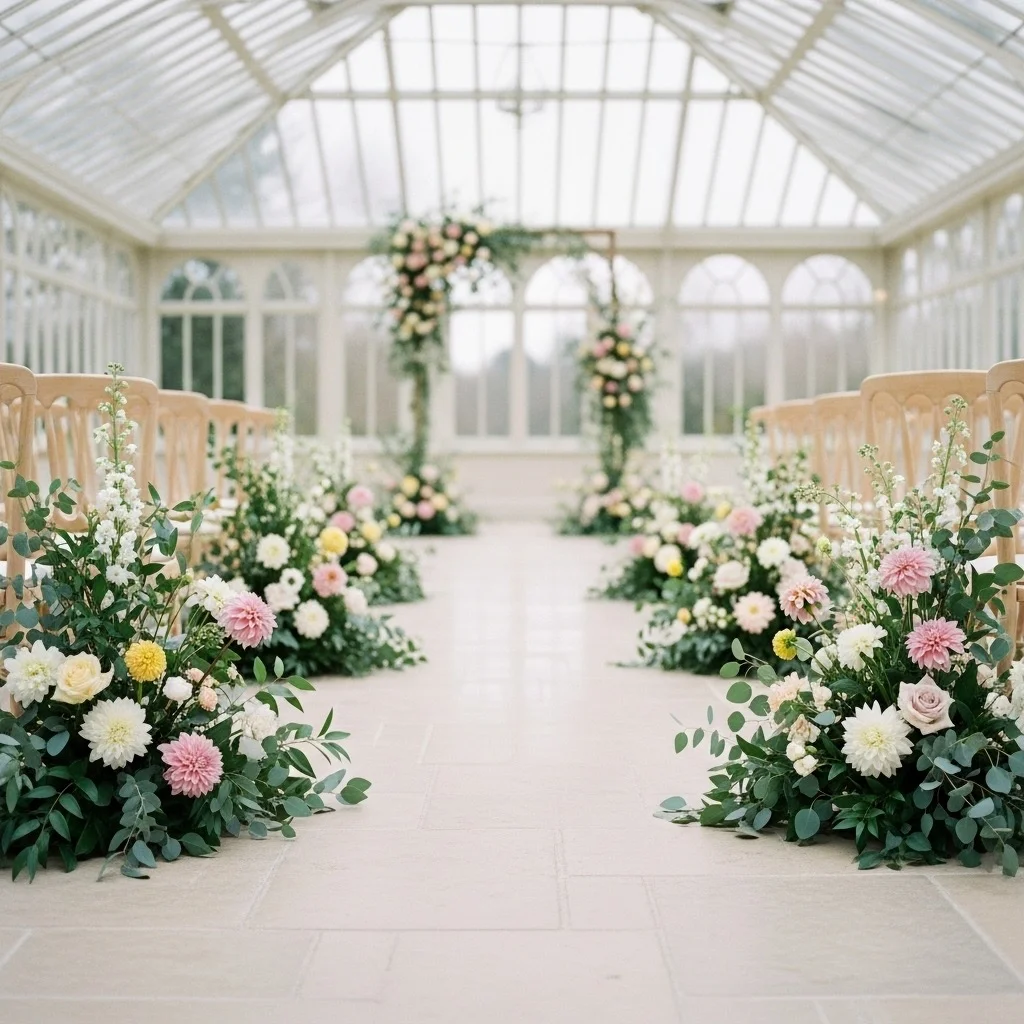
January offers a uniquely advantageous window for sourcing wholesale wedding flowers. Positioned between the holidays and the spring wedding rush, this period allows couples, florists, and event planners to secure blooms without many of the challenges commonly faced during peak seasons. From better availability to pricing benefits, January provides a foundation for creating stunning wedding designs with ease and efficiency.
Availability Without Compromise
One of the most significant advantages of sourcing wedding flowers in January is the broader access to flower varieties. Without the overwhelming demand that typically accompanies Valentine’s Day, spring weddings, or summer events, wholesalers can offer a vast selection of fresh, high-quality blooms. Couples can choose from popular staples like roses and hydrangeas to seasonal options like anemones and ranunculus with ease.
Fewer substitutions are required when ordering in January, ensuring that your floral vision remains intact. Whether you’re aiming for a romantic pastel palette or a bold, unconventional arrangement, you’re less likely to face last-minute disappointments due to shortages or unexpected quality reductions.
Pricing Stability and Planning Leverage
Another key benefit of January is the stability of wholesale flower pricing. Unlike peak seasons, when high demand drives prices up, this time of year boasts relatively steady rates. This translates to better budgeting for couples as well as professional event planners and florists, ultimately reducing stress in the months leading up to the big day.
Additionally, the relatively calm January market provides exceptional opportunities for bulk forecasting. Whether you’re sourcing blooms for a single event or prepping for multiple weddings, the ability to plan with predictable costs ensures a smoother process. For both large-scale productions and intimate gatherings, this pricing stability makes January an optimal choice.
Design Flexibility for DIY and Professionals
January flowers offer immense design versatility to suit the needs of both DIY brides and professional floral designers. The wide availability of flowers at this time encourages creativity, allowing individuals and teams to explore ambitious concepts or unique styles that might be unattainable later in the year. DIY weddings, in particular, benefit from this flexibility, as couples can secure affordable blooms in bulk and experiment freely.
For event professionals and florists, January provides an opportunity to refine their design process by working with inspirations and trends emerging from the holiday season. This time frame allows for seamless coordination of color schemes, textures, and bouquet details without the time pressure that often accompanies higher-demand months.
By starting your floral planning in January, you’ll not only secure the best quality and pricing but also position yourself to deliver personalized, breathtaking arrangements that leave a lasting impression.
Part 6 – How Search Behavior Translates Into Real Booking Decisions
From “Ideas” to “Orders”
The transition from inspiration to commitment begins with early online searches. January is a critical month for couples exploring floral ideas, as they browse color palettes, seasonal blooms, and trending arrangements for the year. These searches represent the initial spark of creativity, which often leads to inquiries and bookings by February. The key driver in this progression is access to information; couples feel empowered and prepared when they find detailed floral offerings early on. This sense of clarity transforms casual browsing into actionable decisions and, ultimately, firm orders.
An important factor in this process is the emotional safety provided by planning ahead. The sooner couples make decisions, the more confident and emotionally secure they feel about their choices. By starting the discussion early, particularly in January, they eliminate the stress of rushed decisions closer to their event date. Early bookings also grant couples a wider selection of premium blooms and services, making the planning process smoother and more enjoyable.
Why Brides Who Plan Early Are More Satisfied
Couples who plan their floral arrangements early often experience fewer last-minute changes, resulting in reduced stress leading up to their big day. Early planning provides ample time to collaborate with florists, finalize design details, and make thoughtful adjustments without feeling pressured by looming deadlines. This sense of preparedness fosters trust between the couple and their florist, ensuring a seamless experience.
Additionally, early decisions often lead to stronger visual cohesion. Planning ahead allows couples to integrate their chosen floral arrangements seamlessly with other design elements such as décor, attire, and venue aesthetics. The result is a more polished, harmonious look that reflects the couple’s vision perfectly. By investing time in the early stages of planning, couples are more likely to feel confident and satisfied with their wedding day ambiance and overall aesthetic.
Part 7 – What This Means for Early Spring Weddings in 2026 and Beyond
The shifting trends in wedding planning point toward a long-term transition to earlier and more intentional preparation, creating new opportunities for couples planning spring weddings in 2026 and beyond. With couples aiming to curate a cohesive and personalized aesthetic, the emphasis on starting the research process in the winter months is becoming the norm. This approach allows pairs to consider every detail far in advance, ensuring that their vision is achieved with elegance and ease. It’s no longer just about following tradition but adapting to a modern planning mindset that prioritizes early coordination and strategic decisions.
Winter has emerged as a pivotal period for couples to begin their planning process. For early spring weddings, this season offers ample time to thoughtfully review options, secure key vendors, and lock in designs that perfectly align with the couple’s vision. Exploring floral arrangements during these colder months has proven advantageous, as florists and suppliers are better equipped to provide consultations and guidance without the rush of peak seasons. Starting early also means access to a wider selection of high-quality blooms, ensuring that popular choices such as roses, hydrangeas, vibrant greenery, and peonies are readily available.
At Whole Blossoms, we understand the evolution of wedding planning and are fully aligned with this proactive approach. By offering premium flower options and expert assistance, we provide couples with the resources they need to design a wedding day that reflects their unique style. Roses and peonies continue to be timeless favorites, offering romance and sophistication, while hydrangeas and lush greenery bring dimension and freshness to any arrangement. Whether couples are envisioning soft pastels or bold, dramatic palettes, our diverse selection ensures their floral dreams come to life.
By normalizing the practice of winter research and celebrating the benefits of early decision-making, modern couples are redefining what it means to prepare for their big day. Planning ahead, particularly in collaboration with trusted partners like Whole Blossoms, empowers them to create a wedding experience that exceeds expectations and provides lasting memories.
Conclusion: January Isn’t Early—It’s Intentional
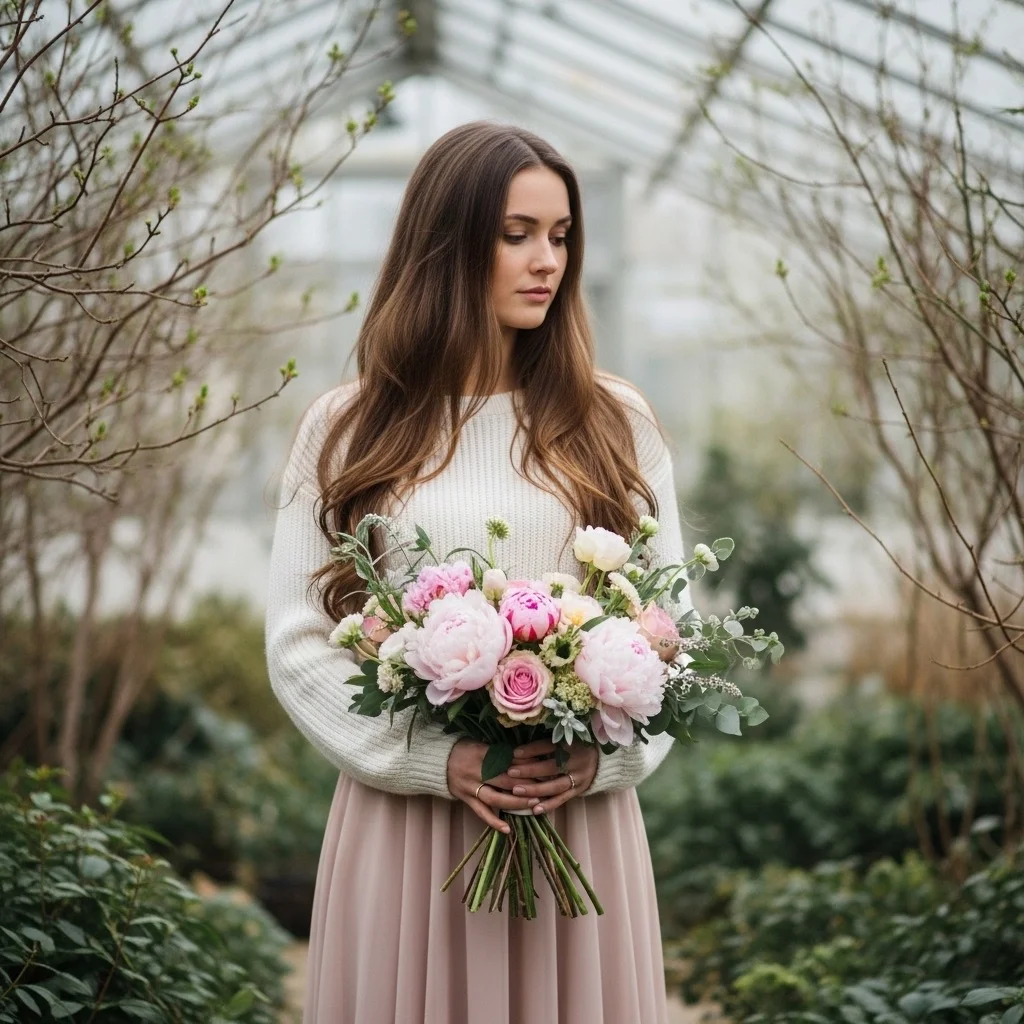
For spring brides, beginning the planning process in January is not just early—it’s strategic. The winter months provide the perfect opportunity to secure premium floral selections, ensure seamless coordination with vendors, and lay the groundwork for a well-organized event. By starting early, couples can approach the wedding season with confidence, clarity, and flexibility, knowing that their meticulous preparation has paved the way for success.
Planning ahead doesn’t just reduce stress; it enables brides to have access to the best options while maintaining the freedom to adapt when needed. Whether it’s nailing down the perfect color palette, securing exclusive blooms, or staying ahead of trends, early planning is a thoughtful decision that sets the tone for a truly remarkable day.
At Whole Blossoms, we’re here to support you in every step of your planning process. Our wholesale flower options and expertise help ensure that your vision becomes a reality with ease and elegance. Start early, plan intentionally, and create the wedding of your dreams—because your big day deserves nothing less than perfection.