


 by
by 
DIY Winter Wedding Flowers Require a Different Strategy
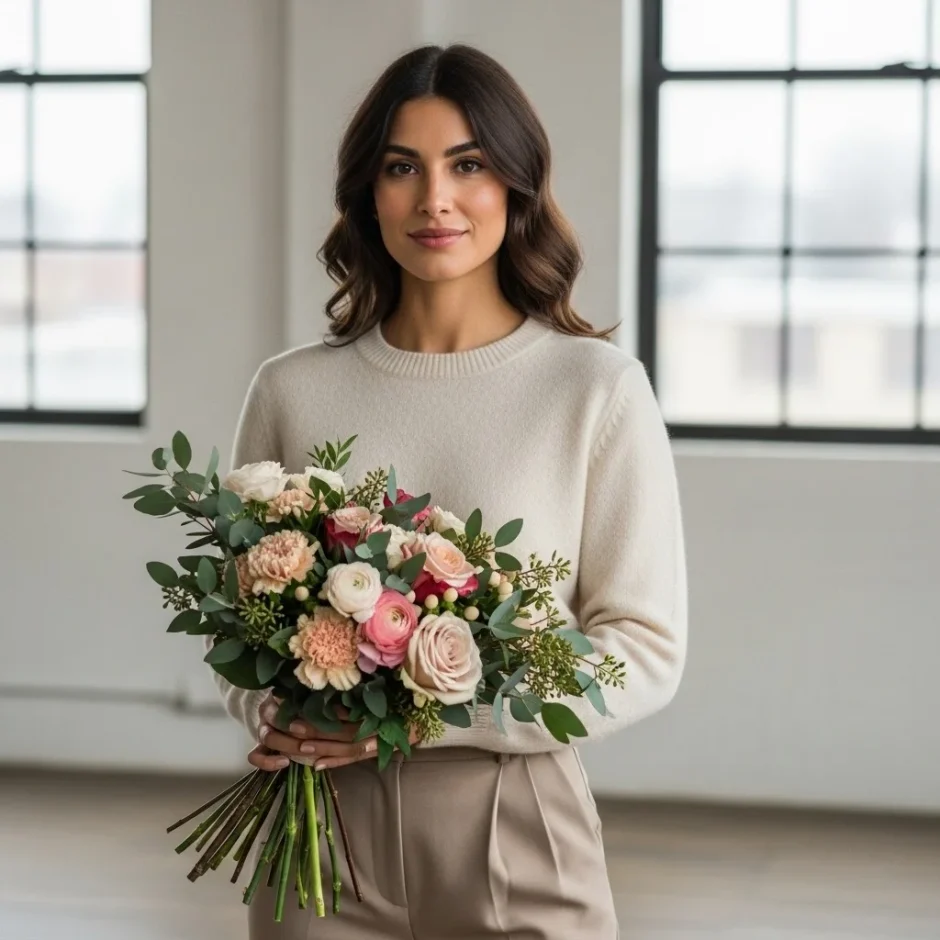
DIY Winter Wedding Flowers are floral designs created by couples or planners for cold-weather weddings, requiring special consideration for temperature, hydration, transport, and flower durability. While winter weddings grow in popularity due to their cozy, romantic appeal and off-season budget advantages, they also introduce unique logistical challenges—particularly when it comes to flowers.
Cold weather dramatically impacts the behavior of flowers, as temperature fluctuations and dry air can cause blooms to wilt, freeze, or dry out quickly. Unlike spring or summer events where flowers thrive in mild temperatures, winter wedding florals must withstand harsher conditions without compromising their visual appeal. Professional florists typically possess the expertise to handle these challenges seamlessly, but DIY couples need clear guidance to achieve similar results.
Crafting floral arrangements for a winter wedding requires understanding how durable specific flowers are when exposed to cold, how to maintain proper hydration in freezing temperatures, and how to transport and time arrangements for optimal freshness. This strategy-focused approach ensures DIY florists can overcome the environmental limitations of the season and still create stunning floral designs for their big day.
This guide will walk you through crucial considerations for crafting winter floral arrangements, focusing on durability, hydration, efficient transport, and precise timing. By approaching each step with practical solutions and thoughtful preparation, you can achieve spectacular results even in the heart of winter.
Part 1 – Why Cold Weather Changes Everything for DIY Wedding Flowers
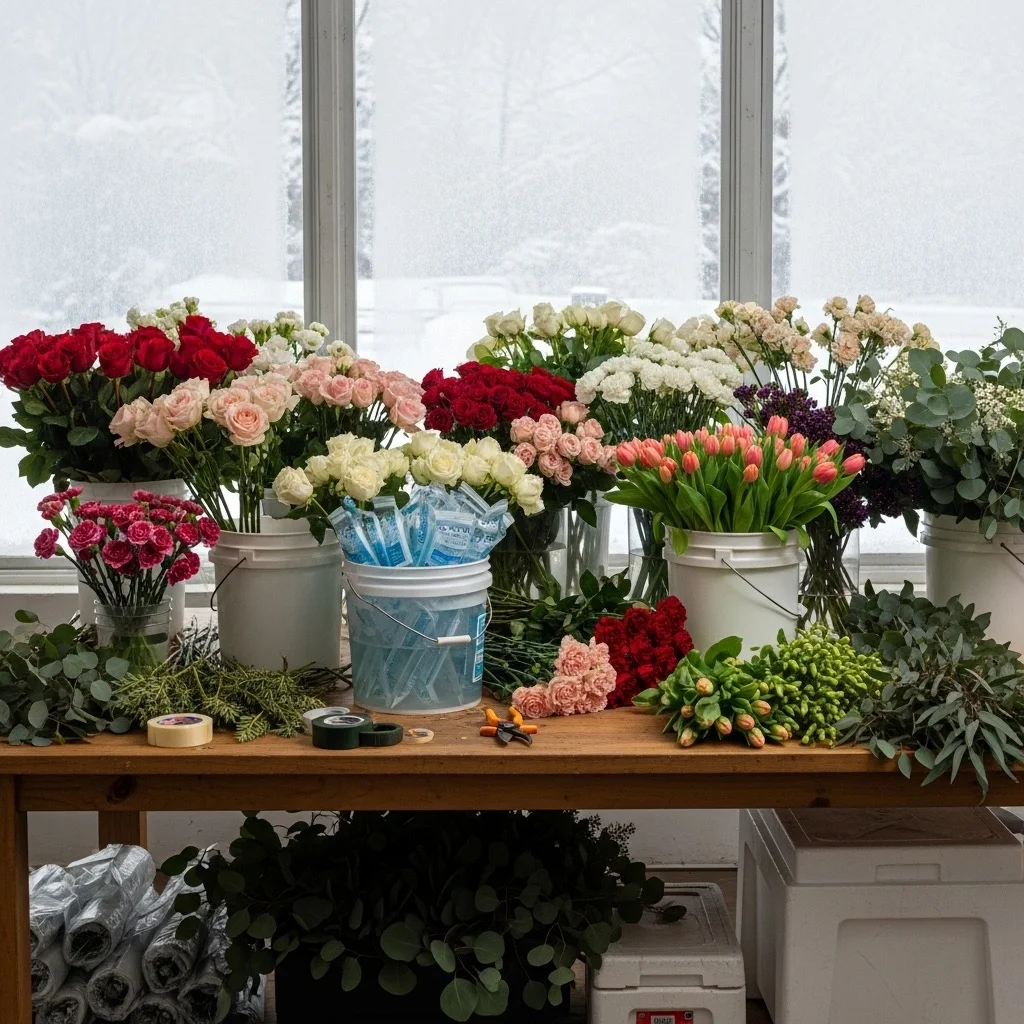
Winter weddings bring a magical charm, but the harsh realities of cold weather can create significant challenges for DIY wedding florists. Unlike in warmer months, winter’s freezing temperatures and dry air can jeopardize the lifespan and appearance of fresh flowers. To succeed, it’s crucial to understand the science behind how cold weather impacts blooms and to adopt strategies that mitigate these risks.
How Cold Temperatures Affect Fresh Flowers
Cold temperatures have a profound impact on the cellular structure of fresh flowers. Exposure to extreme cold can cause cells within petals and stems to freeze, leading to ruptures that manifest as browning or wilting. Even if freezing is avoided, dehydration becomes a major threat, as winter air typically holds less moisture. This lack of humidity can cause flowers to lose water faster than usual, intensifying the risk of drying out before the event begins.
A critical distinction must also be made between chilling damage and freezing damage. While freezing destroys cellular integrity, chilling—when flowers are kept just above their freezing point—can also harm tropical or delicate blooms that aren’t accustomed to such low temperatures. These factors make it essential to carefully manage the environment in which flowers are stored and transported during winter.
Why DIY Brides Face Higher Risk in Winter
DIY brides encounter heightened challenges in winter because they lack access to professional climate-controlled storage. Most home refrigerators are too small or too cold to store numerous arrangements safely, increasing the likelihood of temperature damage. Transport is another area of concern—prolonged exposure to freezing outdoor conditions during transit can irreversibly harm wedding flowers.
Additionally, winter weather often complicates timing. DIY florists may struggle to complete setups within short timeframes, particularly when trying to protect flowers from cold exposure during preparation. Without professional-grade insulation techniques or consistent heating options at venues, the risk of blooms suffering in harsh conditions becomes significantly greater.
Part 2 – The Most Durable Flowers for DIY Winter Weddings
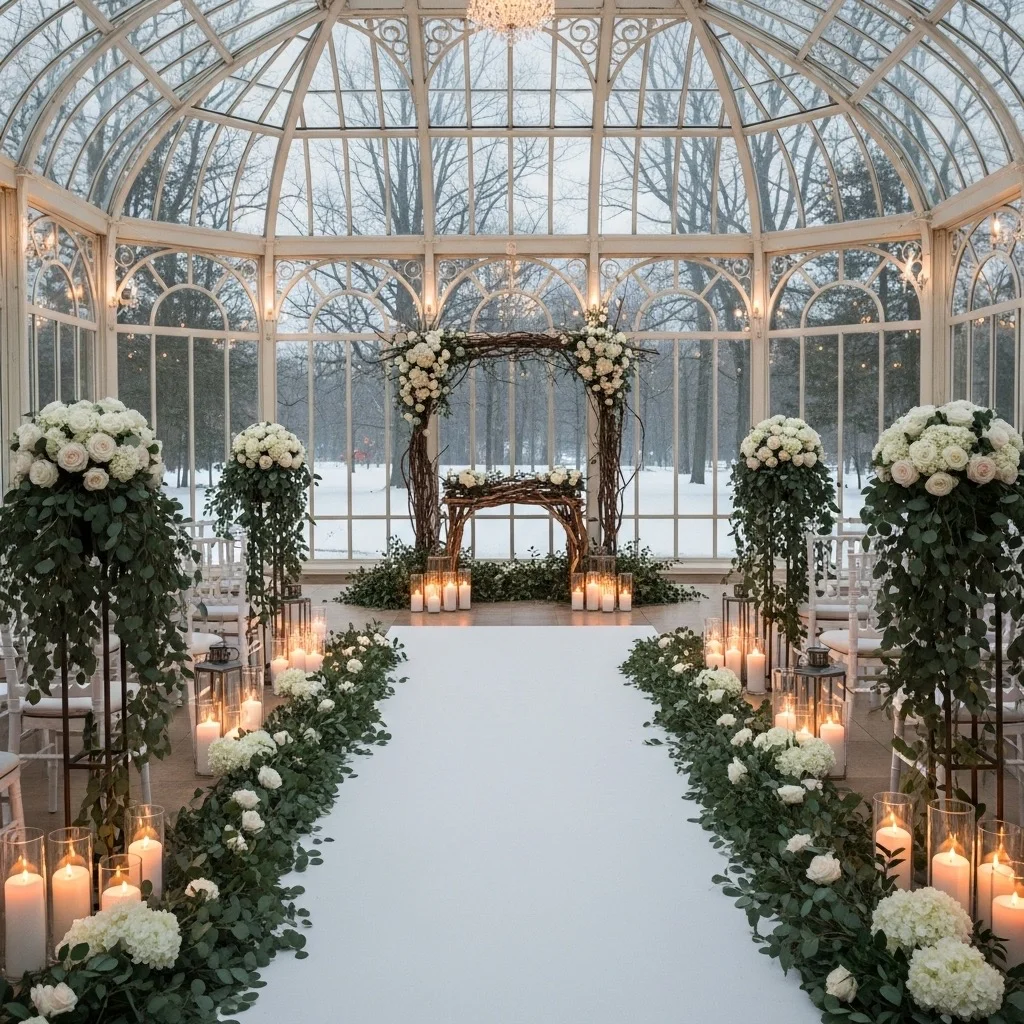
Planning a winter wedding presents unique challenges for DIY florists, particularly when considering flower durability. Choosing the right blooms can mean the difference between vibrant, fresh arrangements and wilting, frost-damaged flowers before the ceremony even begins. Durable flowers can withstand winter’s harsh conditions, ensuring your floral designs look stunning throughout your special day.
Why Flower Durability Matters for DIY Setups
Flower durability is crucial for DIY setups, especially in colder climates where blooms face exposure to freezing temperatures and dry indoor heating. Unlike professional florists, many DIY arrangers lack access to specialized tools such as flower insulation wraps or temperature-controlled transport options. Therefore, selecting hardy flowers that naturally resist wilting, bruising, and frost damage is essential to achieve beautiful, long-lasting results without unnecessary stress.
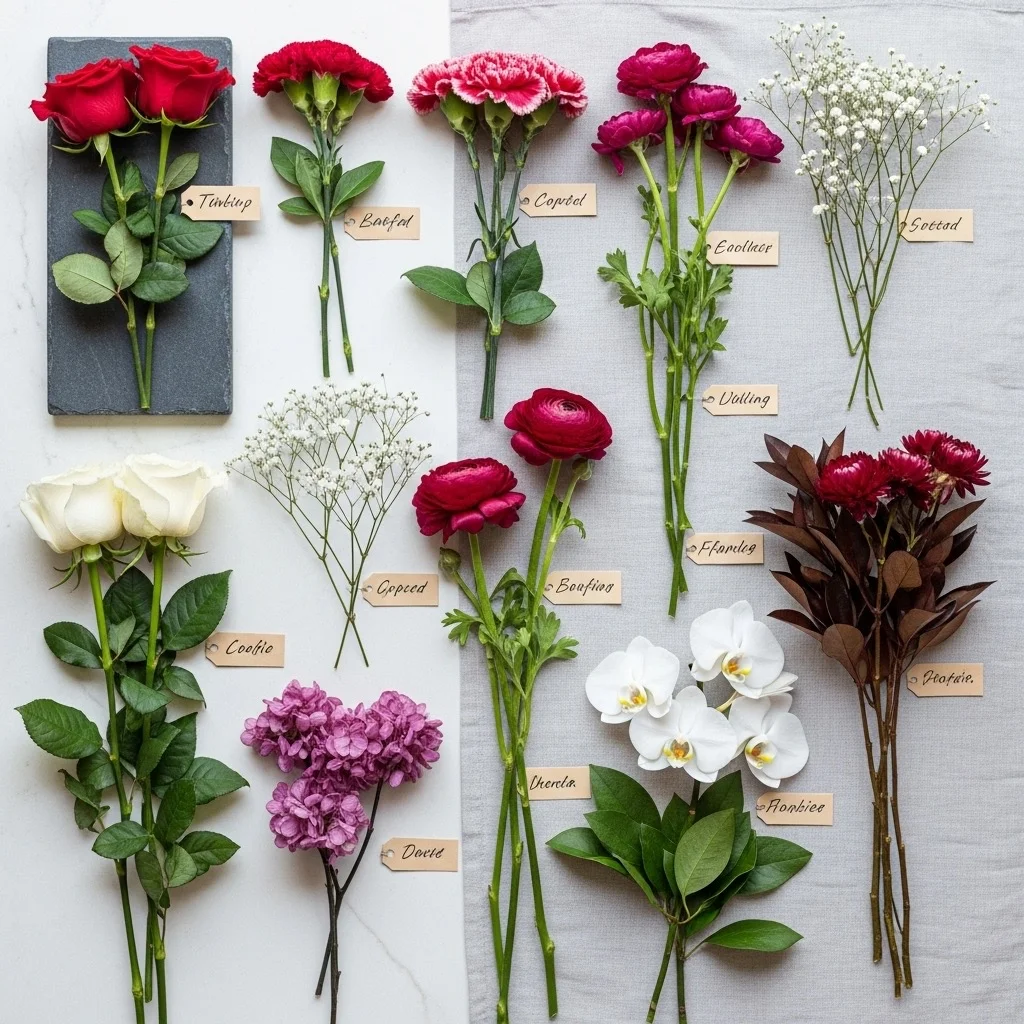
Best Winter-Resistant Flowers for DIY Weddings
Certain flowers excel in challenging winter conditions, offering a blend of beauty and resilience that makes them ideal for DIY winter weddings. Below are some of the best options, with explanations of why they work so well.
Roses
Roses, often the centerpiece of wedding arrangements, are a top choice for winter weddings. Their thick, layered petals and sturdy stems make them highly durable against minor temperature fluctuations. Additionally, most rose varieties show excellent resilience to cooler indoor venues, and their broad color palette allows them to match almost any wedding theme.
Hydrangeas
While hydrangeas are known to be moisture-sensitive, they perform remarkably well in indoor winter settings. Their large, rounded blooms make for striking focal points in bouquets, and they maintain their vibrancy when kept adequately hydrated. Hydrangeas work best in controlled environments where their water needs can be managed effectively.
Carnations
Carnations are revered for their exceptional cold tolerance and affordability, making them a practical yet visually appealing choice. Their ruffled petals and diverse color range add texture and charm to any arrangement. Carnations thrive in cooler temperatures and are one of the most budget-friendly options for large-scale floral decor.
Ranunculus
Ranunculus flowers are naturally grown in the cooler months and can handle winter weddings with ease. Their intricate, layered petals and soft, romantic hues are perfectly suited for cold-weather venues. These flowers are particularly well-suited for settings where temperatures remain lower, as they thrive in cool and dry conditions.
Calla Lilies
With their sculptural elegance, calla lilies are both sophisticated and practical. Their smooth, durable petals resist bruising and frost damage, making them an excellent choice for winter arrangements. Their minimalist beauty allows them to stand alone in bouquets or blend seamlessly with other blooms.
Orchids
While orchids require protection from extreme cold, they are a stunning option for indoor winter weddings. Known for their exotic beauty and structural perfection, orchids bring elegance to centerpieces and bouquets. They do well in heated venues, adding a touch of refinement to any arrangement.
Baby’s Breath
Baby’s breath is a classic filler flower that boasts an impressive tolerance for cold conditions. Its delicate clusters of tiny white blooms enhance the fullness of arrangements while blending well with nearly any primary flower. Hardy and reliable, baby’s breath is a staple for winter floral decor.
Tulips
Tulips are known for being temperature-reactive, but their predictable response to cold makes them a viable choice with proper care. They tend to remain upright and firm in cool settings, providing graceful, understated beauty in bouquets and centerpieces. For best results, avoid drastic temperature swings when working with tulips.
Dahlias
Although considered late-autumn flowers, dahlias can be a stunning choice for indoor winter weddings. However, they are highly timing-sensitive and require precise handling to stay fresh. Dahlias should never be exposed to frost, making them suitable only for fully heated venues. With careful planning, their bold, symmetrical blooms add striking detail to arrangements.
Flowers to Avoid for Outdoor Winter DIY Weddings
Not all flowers are equally suited for winter weddings, particularly for outdoor setups. Avoid delicate blooms like anemones, peonies, and gardenias, which are highly sensitive to cold temperatures and prone to wilting in low humidity. Flowers with thin petals or high water content, such as lilies-of-the-valley or poppies, often succumb to frost damage quickly. For outdoor events, it’s better to prioritize the durable flowers listed above to ensure lasting beauty throughout your special day.
By carefully selecting durable flowers that suit winter’s unique conditions, DIY wedding florists can create stunning arrangements that withstand the season’s challenges. Each bloom brings its own beauty and strength, adding to the magic of a winter wedding.
Part 3 – Why Greenery Is the Backbone of DIY Winter Wedding Flowers
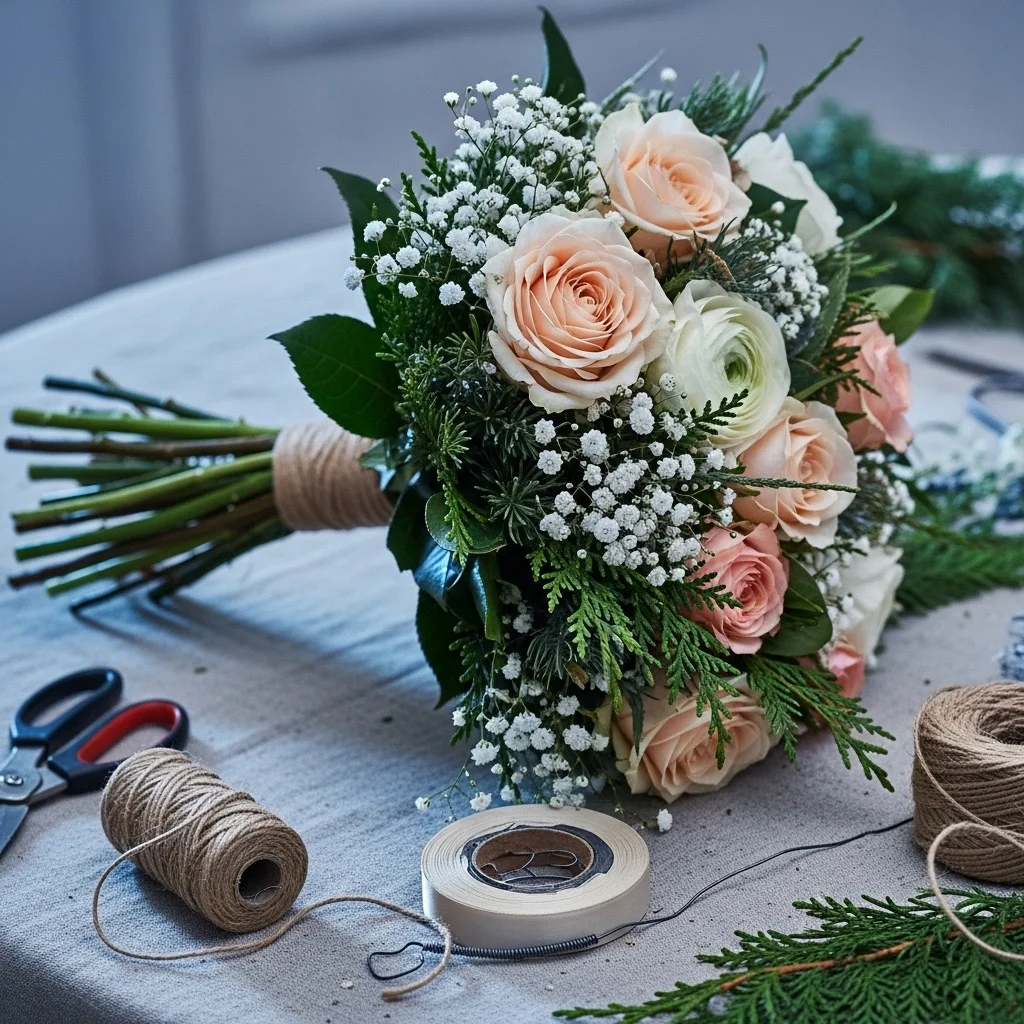
Greenery plays a vital role in creating visually stunning and resilient floral arrangements for winter weddings. While flowers often steal the spotlight, greenery provides the structural foundation and a lush backdrop that enhances the beauty of every bloom. During winter, when colder temperatures can quickly damage delicate petals, greenery stands out as a dependable alternative that maintains its integrity despite freezing conditions. Its versatility, durability, and timeless aesthetic make it an indispensable component for DIY wedding florists who want to craft memorable, long-lasting arrangements.
How Greenery Handles Cold Better Than Blooms
Greenery tends to outperform blooms in winter arrangements due to several key factors:
- Structural Strength
Many types of greenery, such as fir and cedar, have strong, hardy stems and leaves that hold up well against frost and chilling temperatures. This structural integrity ensures that arrangements stay fresh-looking for an extended period, even in cold weather.
- Lower Hydration Demand
Unlike flowers that can wilt quickly without water, greenery typically requires less hydration to maintain its appearance. This makes it an excellent option for outdoor weddings or events where access to fresh water or proper storage is limited.
- Visual Fullness
Greenery adds depth and volume to any bouquet or centerpiece, creating a full, lush look. Its natural texture and rich colors serve as a perfect complement to sparse or more delicate floral elements, allowing for beautiful arrangements without overreliance on blooms.
Best Greenery for Winter DIY Weddings
Certain types of greenery thrive in cold conditions and are perfect for incorporating into winter wedding arrangements. These versatile staples provide a wide range of textures, colors, and shapes to suit any wedding theme:
- Eucalyptus
Known for its soft hues and silvery undertones, eucalyptus varieties like seeded or silver dollar eucalyptus are ideal for adding an airy, romantic vibe.
- Pine, Cedar, and Fir
These evergreen branches bring rich green tones and a classic winter feel to arrangements. Their longevity and strong structure make them perfect for garlands, centerpieces, and bouquets.
- Olive Branches
Olive branches offer a sophisticated green-gray palette and an understated elegance, blending seamlessly into rustic or minimalist designs.
- Pampas Grass and Preserved Flowers as Cold-Proof Accents
For an elevated touch, pampas grass and preserved flowers can be paired with greenery to create texture and movement. These elements are not only stylish but also highly resistant to freezing temperatures, making them a practical yet trendy addition to any arrangement.
By focusing on these greenery staples, DIY wedding florists can craft beautiful arrangements that remain vibrant and fresh, no matter how cold the season gets.
“What greenery works best for winter weddings?”
Eucalyptus, pine, cedar, fir, olive branches, and even pampas grass or preserved flowers are top choices for winter weddings, offering durability and aesthetic charm.
Part 4 – Hydration Strategies That Actually Work in Cold Weather
Ensuring your floral arrangements stay fresh and beautiful during winter weddings requires specific strategies tailored to the colder months. While greenery and flowers selected for their hardiness are essential, proper hydration is just as critical. Cold, dry air can sap moisture from flowers at a much faster rate, making hydration an important step for any DIY bride. By following the right techniques, you can minimize wilting, maximize vibrancy, and ensure your arrangements look stunning throughout the big day.
Why Winter Air Dehydrates Flowers Faster
Winter air tends to have lower humidity levels, which means there’s less moisture in the atmosphere. This dry air creates a significant challenge for flowers and greenery by accelerating evaporation from petals and leaves. Additionally, when flowers are exposed to wind or freezing temperatures during transport or setup, their delicate structures can suffer from desiccation. Even hardy blooms can begin to droop, brown, or lose their lushness unless they receive adequate hydration and protection. The combination of cold temperatures outside and dry indoor heat can compound the issue, making active hydration management a non-negotiable part of winter wedding prep.
Step-by-Step Winter Hydration Plan for DIY Brides
Conditioning Timeline
Begin conditioning your flowers and greenery as soon as they arrive, ideally 24-48 hours before assembling your arrangements. Trim each stem at an angle to create a larger surface area for water to be absorbed and immediately place them in a bucket of lukewarm water. Allow the stems to rest and rehydrate in a cool, draft-free space for several hours or overnight.
Water Temperature Guidance
When hydrating flowers in cold weather, lukewarm water is your best friend. Avoid using icy or overly hot water, as extreme temperatures can shock the stems. Lukewarm water encourages optimal absorption while preventing stress to the plants, particularly for delicate blooms like roses, anemones, or ranunculus.
When Not to Refrigerate
While refrigeration can help with flower longevity, it’s not always suitable during winter. Refrigerators that dip below freezing temperatures can damage blooms or cause discoloration. Similarly, placing flowers in a fridge with fruits—like apples or bananas—exposes them to ethylene gas, which accelerates aging. Instead, store your arrangements in a cool location free from direct sunlight or drafts.
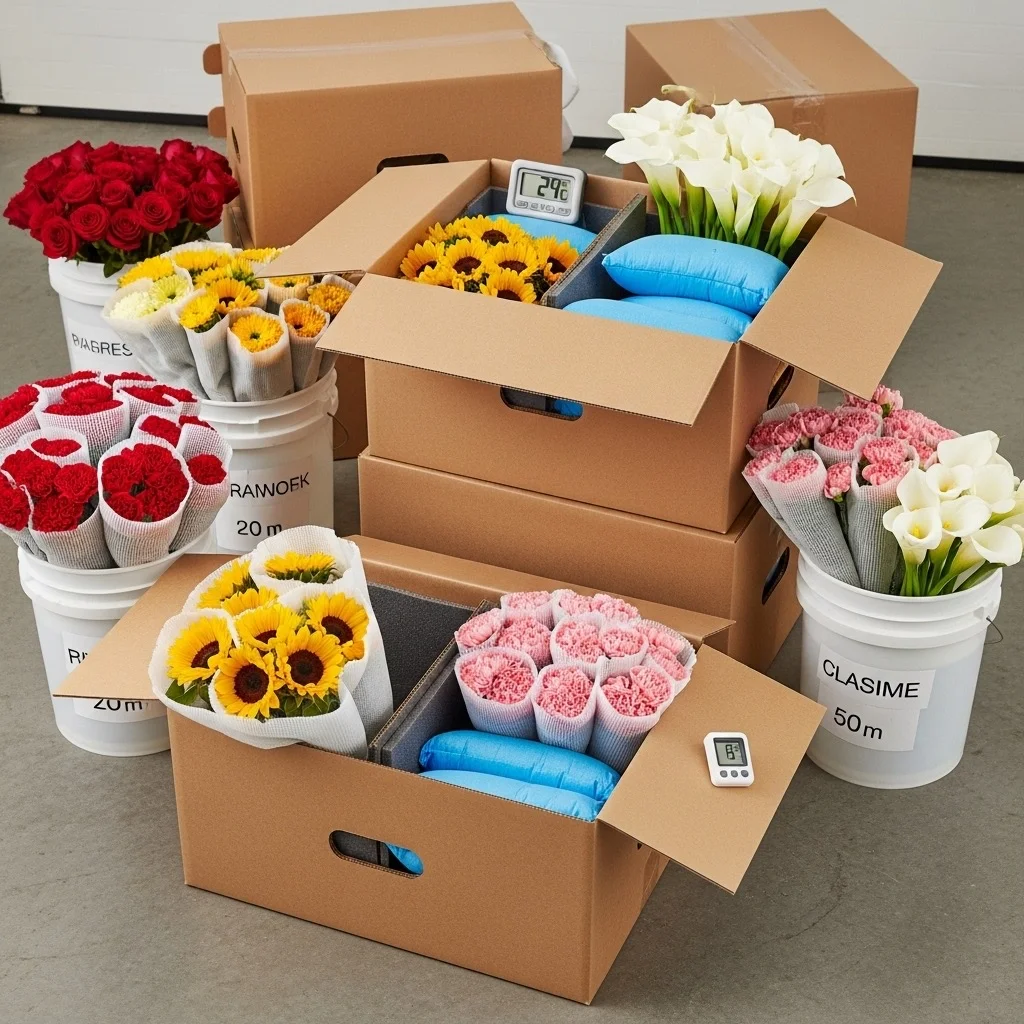
Using Hydration Wraps During Transport
For DIY brides transporting arrangements to the wedding venue, hydration wraps are a must. These wraps, soaked in water and secured around the base of each stem, provide continuing hydration and protect flowers from drying out en route. Pair these wraps with insulated boxes or bags to shield blooms from harsh outdoor conditions, ensuring they arrive fresh and vibrant for the big day.
Part 5 – Transporting DIY Wedding Flowers Safely in Winter
Winter weddings offer a unique and stunning aesthetic, but the cold weather poses challenges when it comes to transporting delicate floral arrangements. To ensure flowers look their best on the big day, it’s essential to take extra precautions to protect blooms from freezing temperatures, icy winds, and excess moisture. Proper planning, tools, and preparation can make all the difference in ensuring your floral efforts pay off and your arrangements arrive fresh and stunning for the ceremony and reception.
The Biggest Transport Mistakes DIY Couples Make
One of the biggest mistakes DIY couples make is underestimating the impact of cold weather on their flowers. Exposing arrangements to freezing temperatures for even a few minutes can cause irreparable damage, with petals wilting and blooms turning brown at the edges. Another common mistake is transporting flowers in improperly sealed or uninsulated containers, which fail to shield blooms from the harsh outdoor air. Timing is another critical issue—transporting flowers too early adds unnecessary time in potentially damaging conditions, while transporting them too late leaves little room for setup or adjustments at the venue. Before setting out, ensure your transportation plan minimizes exposure to cold and maximizes protection for your creations.
Safe Transport Checklist for Cold Weather Weddings
To safeguard your DIY wedding flowers during winter transportation, follow this checklist:
- Vehicle Warming Strategy: Before placing arrangements in the vehicle, warm it to a comfortable temperature. Avoid using extreme heat, which could dry out the flowers, and instead maintain a consistent, moderate warmth.
- Insulated Containers: Use insulated boxes, floral transport containers, or even coolers with towels or padding to block out the cold. These containers help prevent frost damage and insulate blooms from sudden temperature shifts.
- Timing Arrival to Venue: Schedule the transport so that flowers arrive at the venue as close as possible to the setup or ceremony time. This reduces the time arrangements spend in a transitional environment vulnerable to temperature fluctuations.
By addressing these concerns and planning ahead, you can confidently answer the question, “How do you transport wedding flowers in winter?” with effective strategies that ensure your floral arrangements are picture-perfect, no matter the season.
Part 6 – Timing Your Bulk Flower Order for Winter Weddings
Properly timing your bulk flower order for winter weddings is crucial to ensure the blooms arrive fresh, vibrant, and ready to transform your venue. Unlike other seasons, winter comes with its own set of challenges, including unpredictable weather and varying shipping conditions. Strategizing the timing and delivery of your flower order can help you avoid potential complications while maximizing the beauty and longevity of your arrangements.
Why Timing Matters More Than Season
While the season plays a role in shipping logistics and flower availability, timing often has a greater impact on the quality of your flowers. Flowers are living materials that begin to age from the moment they are harvested. Ordering your flowers to arrive too early can mean they may start wilting before your wedding day, while ordering them late risks mishaps due to delivery delays or insufficient preparation time. Winter, with chilled conditions, does offer some preservation benefits during transit, but improper timing can still compromise blooms regardless of the season. The key is finding the balance that allows for conditioning, preparation, and arranging while keeping the flowers as fresh as possible.
Ideal Delivery Windows for DIY Winter Weddings
For DIY winter weddings, it’s typically best to plan your bulk flower delivery 2–3 days before the event. This timeline provides a conditioning buffer, allowing the flowers to hydrate and fully open as needed. Upon delivery, flowers should be unpacked immediately, stems trimmed, and placed in fresh water in a clean, temperature-controlled area. This process helps to prevent dehydration caused by the cold or extended transport times.
It’s also important to differentiate between setup day and wedding day prep. If your setup is happening the day before the wedding, arrangements should be finalized at least 24 hours in advance to prevent last-minute stress. However, if arrangements are being prepared on the wedding day, timing delivery earlier (3 days before the wedding) ensures sufficient time for preparation while accounting for flexibility in case of delays.
Commercial Tie-In
Buying bulk flowers not only reduces costs but also allows you to build in redundancy for your arrangements. Bulk orders typically include a generous quantity of blooms, which means you’ll have extras for unforeseen emergencies like damaged stems or last-minute adjustments. It’s an economical and practical solution, especially for winter weddings where weather conditions and delays could otherwise impact flower availability and quality. Taking advantage of bulk flower buying also ensures that you have the control and flexibility needed to create stunning, cost-effective floral arrangements.
Part 7 – Why Buying Wholesale Flowers Makes DIY Winter Weddings Possible
Winter weddings bring a unique charm, but crafting the perfect floral arrangements during this season can be challenging. Buying wholesale flowers offers a viable solution, empowering couples to create beautiful, personalized arrangements without exceeding their budget. Whether it’s navigating limited seasonal availability or maintaining a cohesive color palette, wholesale flower buying offers both quality and quantity, perfect for DIY projects. This approach not only simplifies the logistics of flower sourcing but also provides more confidence in meeting the demands of your winter wedding celebration.
Cost Control and Backup Stems
One of the biggest advantages of buying wholesale flowers is cost control, especially when planning a winter wedding. Wholesale flower purchases are significantly more affordable than retail options, allowing couples to allocate their budget more effectively across other essential wedding elements. With wholesale buying, you receive flowers in bulk quantities, ensuring you always have backup stems for last-minute adjustments or unexpected mishaps. Damaged blooms or changes in your arrangement plans are much easier to handle when you have extra flowers readily available. For winter weddings, where cold weather or frost may impact flower condition, having backup stems ensures zero compromises on quality, helping you keep your arrangements fresh and beautiful with ease.
Why Wholesale Buyers Succeed Where Retail DIY Fails
Wholesale flower buyers often thrive in DIY wedding planning because of the unique advantages wholesale purchasing provides—advantages that retail options simply cannot compete with. Wholesale flowers are often fresher and more reliable due to predictable production and shipment timelines. You can rest assured that your blooms will arrive directly from the farm, at their peak freshness. Furthermore, wholesale treasures like bulk flowers offer a wider variety of stem choices to maintain color consistency and theme cohesion throughout your arrangements. Retail options are often restrictive and may lack inventory for large projects, leading to last-minute scrambling. By purchasing wholesale flowers, such as those provided by specialists like Whole Blossoms, couples unlock the potential for incredible customization and seamless execution of their DIY wedding vision.
For more details on how to source wholesale flowers or explore bulk flowers for your wedding, visit the links provided and discover how this approach can make your big day as stunning and stress-free as possible!
Part 8 – Realistic DIY Winter Wedding Flower Projects That Work
When planning a winter wedding, incorporating floral arrangements that stand up to the cold while maintaining elegance and charm is key. Here are four realistic DIY flower projects that can elevate your special day:
Bouquets
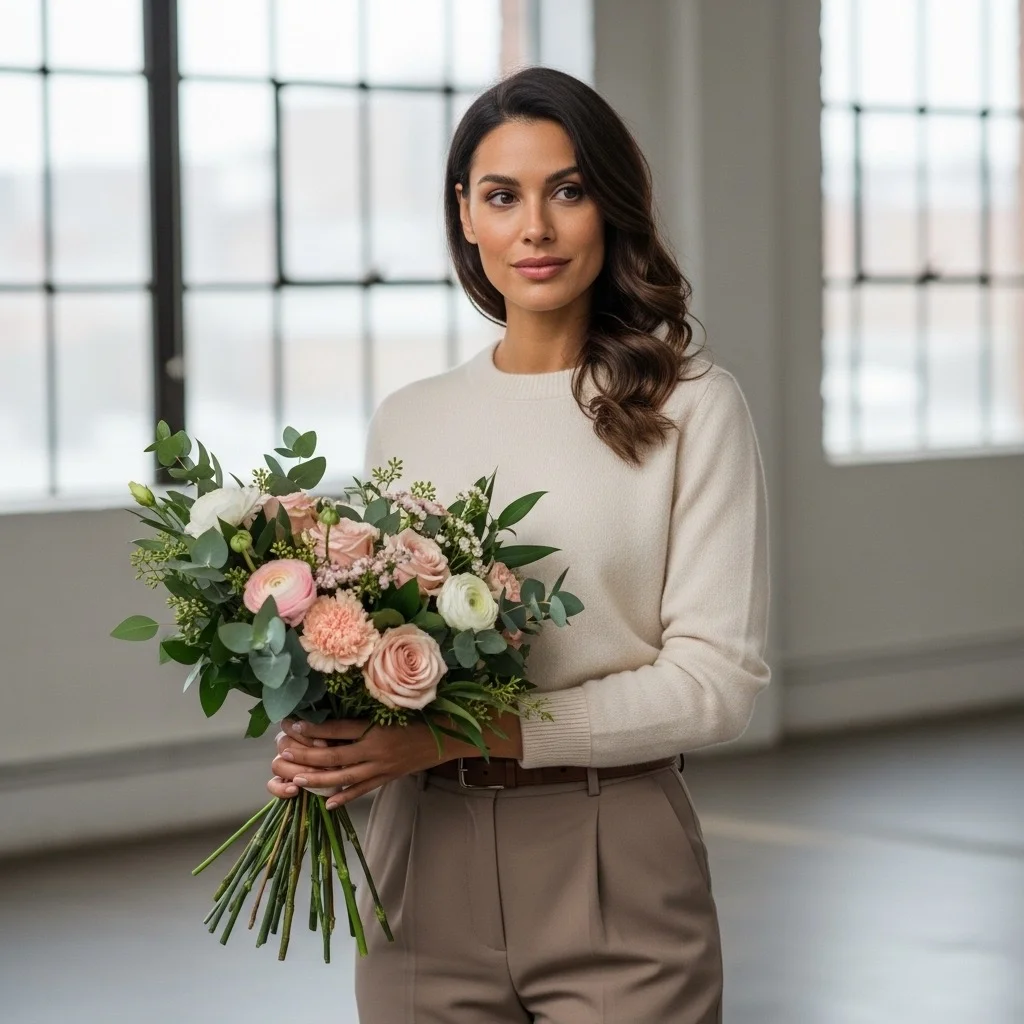
Winter bouquets can be stunning with a mix of seasonal blooms and hardy accents. Flowers like roses, anemones, and ranunculus pair beautifully with winter greens such as pine, cedar, or eucalyptus. Dusty miller and brunia berries add a frosty touch, perfect for the season. These bouquets are not only visually striking but also durable in lower temperatures, ensuring they last throughout your wedding day.
Centerpieces
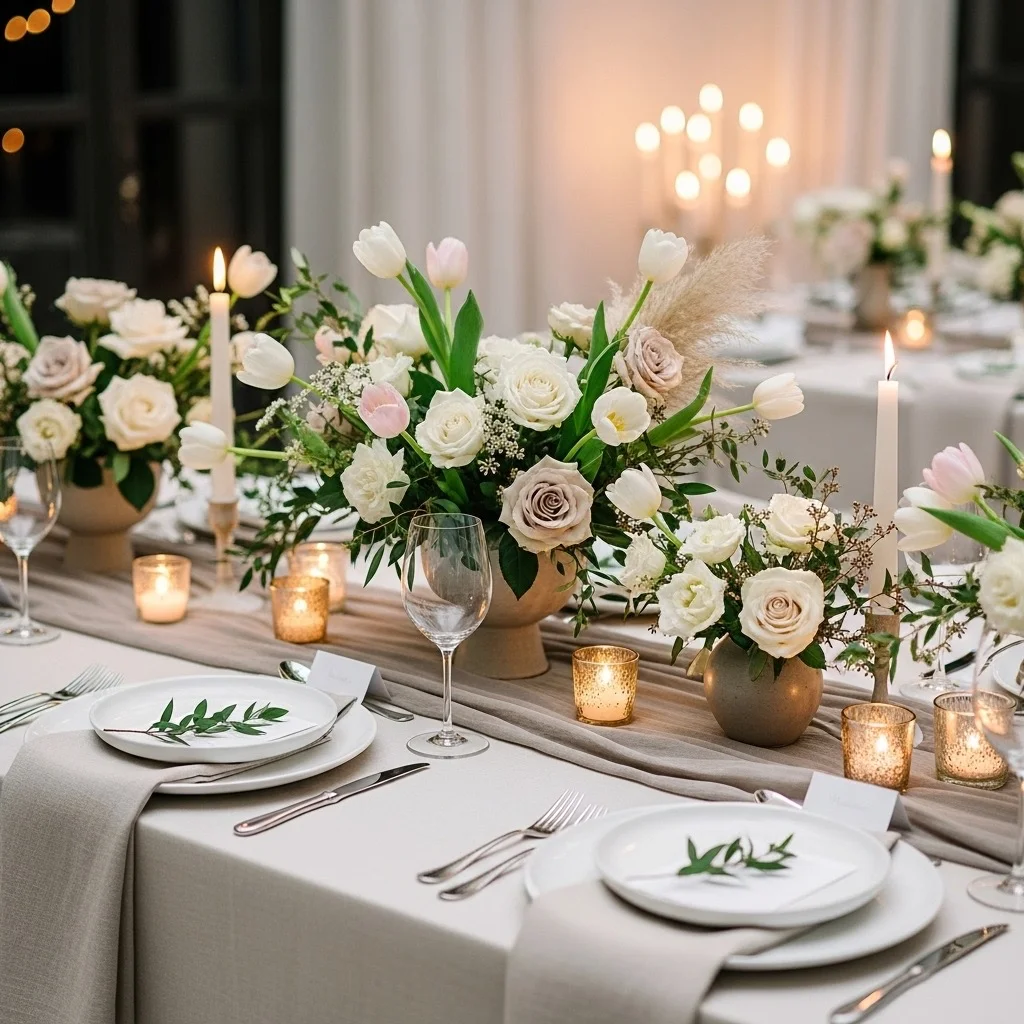
DIY centerpieces for winter weddings can incorporate a blend of fresh flowers and preserved elements. Amaryllis, tulips, and hydrangeas combined with pinecones, birch branches, and candlelight make for eye-catching table decorations. These arrangements work well for cold weather because the materials are naturally resilient and less likely to wilt in chilly environments.
Ceremony Arrangements
Create beautiful ceremony arrangements using hardy blooms like white lilies, carnations, and chrysanthemums. Pair these with evergreen boughs, twigs, or even faux snow for a magical winter look. These arrangements can withstand cooler indoor or outdoor venues while seamlessly tying into your seasonal theme.
Installations Using Greenery and Preserved Flowers
For an impressive yet practical project, design large installations with greenery and dried flowers. Garlands of eucalyptus or ivy interspersed with dried roses, pampas grass, or cotton stems create a romantic, wintry vibe. These elements tend to hold up well in cold weather and are ideal for adorning arches, entranceways, or reception spaces.
Each of these projects is achievable with the right materials and thoughtful design. Their ability to endure wintery conditions ensures your dream DIY wedding flowers stay fresh and beautiful from start to finish.
Part 9 – Common DIY Winter Wedding Flower Mistakes (And How to Avoid Them)
Planning DIY flowers for a winter wedding can be an incredibly rewarding experience, but it’s not without its challenges. Here are some common mistakes to avoid to ensure your floral designs look stunning throughout your special day.
Overexposure to Cold
Winter weather can wreak havoc on fresh flowers. While many blooms are hardy, prolonged exposure to freezing temperatures can cause them to wilt or brown prematurely. To avoid this, store your flowers in a cool but controlled environment before the event and limit their time outside. Additionally, transport arrangements should include insulated containers or coverings to protect your arrangements during transit.
Under-Ordering Stems
It’s always better to have slightly more stems than you think you’ll need. Many people underestimate how many flowers are required to create lush arrangements, leading to last-minute runs to the florist or sparse designs. Order at least 10-20% more stems than anticipated to account for damaged blooms, design errors, or unexpected needs.
Ignoring Hydration Timing
Proper hydration is crucial for keeping flowers fresh. Leaving flowers out of water for too long during preparation or setup can shorten their lifespan. After receiving your blooms, trim their stems and place them in clean water immediately. While arranging, rotate blooms between water and workspace to avoid drying out.
Poor Venue Coordination
Certain venues, especially those with drafty or poorly heated spaces, may not be ideal environments for delicate flowers. Coordinate with your venue to understand the temperature and conditions on-site. For particularly cold spaces, consider heartier blooms or supplementary insulation techniques to maintain the flowers’ integrity.
What are the biggest DIY wedding flower mistakes?
Some of the most common pitfalls include miscalculating flower quantities, exposing blooms to extreme conditions, or neglecting hydration. By planning ahead and being mindful of your materials and environment, you can avoid these issues and achieve beautiful results.
Conclusion: How to Confidently DIY Winter Wedding Flowers Without Risk
Designing your own winter wedding floral arrangements can feel like a daunting task, but with a focus on durability and strategic planning, you can turn the experience into a rewarding success. The key lies in preparing for seasonal challenges and making informed decisions every step of the way. By selecting hardy blooms that thrive in cooler temperatures and ensuring proper care post-purchase, you’ll reduce the risk of damage and preserve their beauty throughout your special day.
Careful planning is your greatest ally in this process. Take the time to assess your venue’s climate, your timeline for preparing arrangements, and the expected lifespan of your chosen flowers. Ordering from a trustworthy wholesale flower provider allows you to access fresher, higher-quality blooms, often at competitive prices. The result? Stunning arrangements that meet your vision without breaking your budget.
This guide is designed to support you every step of the way, from understanding flower selection to practical tips for maintaining their integrity during winter conditions. Keep it on-hand as a reference, whether you’re finalizing your bouquet designs or assessing the logistics of transportation and storage.
Finally, consider exploring wholesale planning options to simplify the process and ensure everything arrives in the best possible condition. With a proactive mindset and the right resources, you’ll create breathtaking winter wedding flowers that add warmth and magic to your celebration, all while staying confidently in control.