


 by
by 
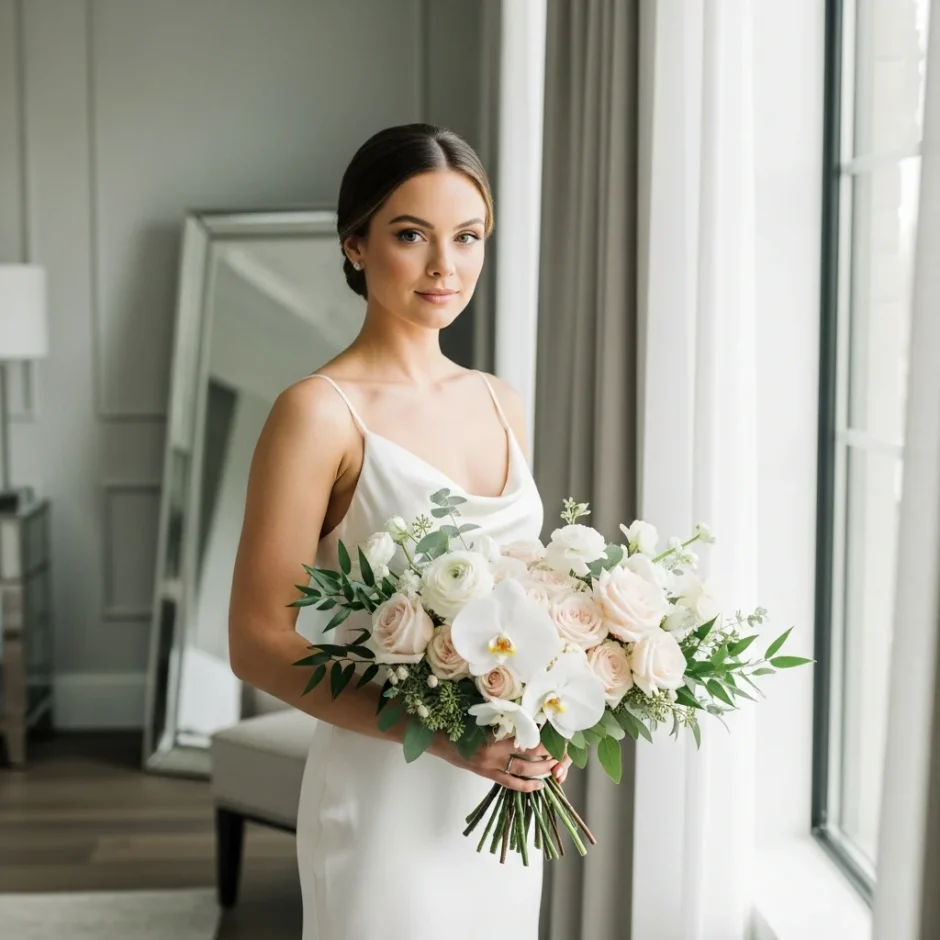
A bridal bouquet lasts all day when flowers are properly hydrated, conditioned, stored at optimal temperatures, and protected from heat, dehydration, and mechanical stress. Using fresh wholesale flowers, durable blooms like roses, carnations, and calla lilies, and hydration techniques such as water conditioning and temperature control ensures flowers remain vibrant for 8–12+ hours.
Bouquet longevity is essential because it directly impacts the beauty of the bride’s most photographed accessory. From the ceremony to the reception, the bouquet must maintain its freshness and vibrancy for hours, ensuring it looks stunning in wedding photos. Considering the financial investment in premium blooms, preserving their condition protects not only their aesthetic value but also the sentiment attached to them. Additionally, the timing of when you receive your flowers is critical; ordering from reputable suppliers such as Whole Blossoms ensures you receive fresh, high-quality bulk flowers prepared with optimal care for your big day.
Professional florists understand the importance of controlled hydration cycles to maintain the life of wedding flowers. Flowers like roses and calla lilies, with their sturdy construction, tend to be more resistant to wilting, making them an excellent choice for bouquets meant to last under various conditions. With proper handling and storage techniques, you can enjoy a vibrant, fresh bouquet throughout the entire wedding day, leaving a lasting impression.
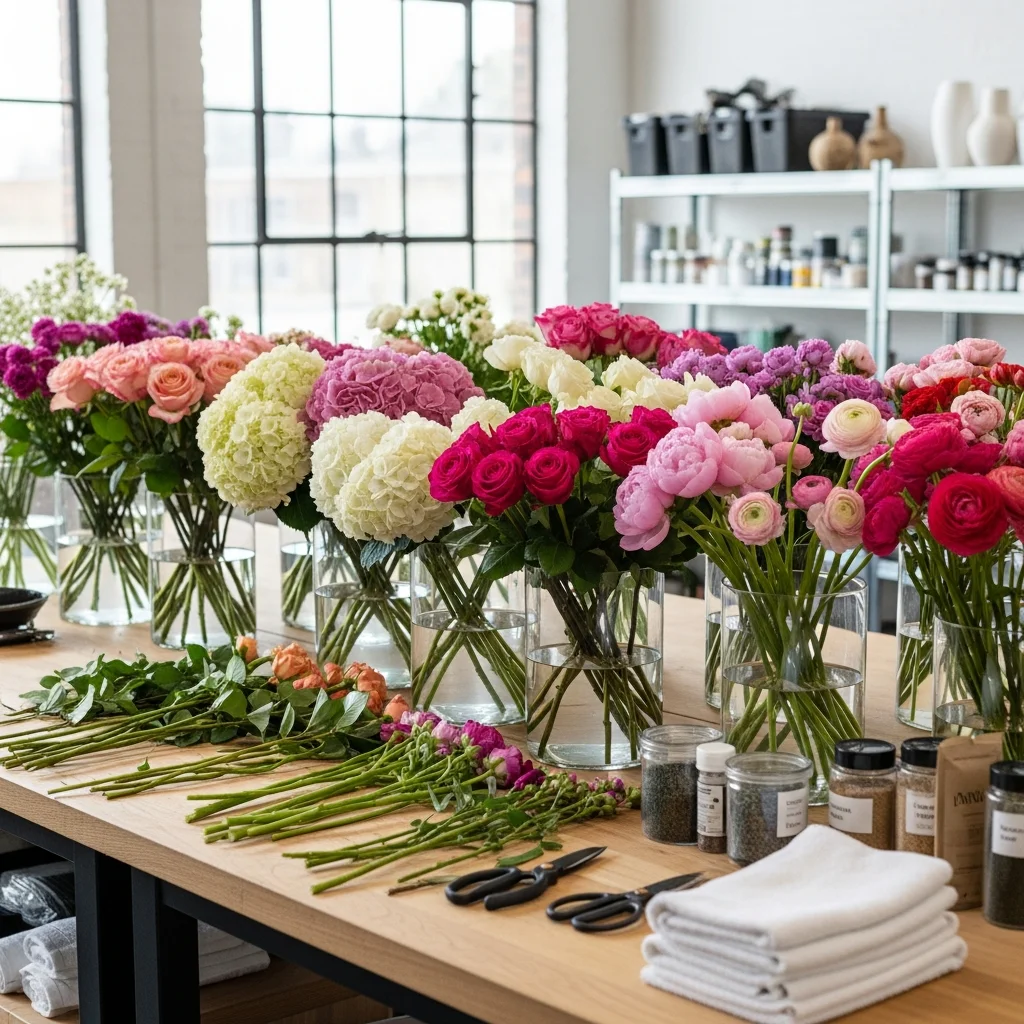
Part 1 – Why Bridal Bouquets Wilt and How Proper Preparation Prevents It
Fresh flowers are living plant tissues that continue to undergo respiration even after being harvested. This natural process means they rely on water, nutrients, and temperature control to maintain their vitality. When flowers are cut off from these essentials, they begin to lose moisture and structural strength, resulting in wilting. Proper preparation is crucial to preserving their beauty and ensuring they last throughout the wedding day.
Biological Causes of Flower Wilting
A few biological factors contribute to the wilting process. One primary cause is water loss through transpiration, where moisture evaporates from the surface of the petals and leaves. If water absorption through the stems can’t keep up with this loss, the flowers quickly dehydrate. Stem blockage is another issue—air bubbles, bacteria, or debris can obstruct the water uptake channels, cutting off the supply of hydration. Heat exposure further exacerbates these problems by increasing the rate of transpiration and respiration. Additionally, air embolisms, formed by the cutting process or poor storage, hinder the smooth flow of water to the flowers.
Sensitivity of Key Floral Varieties
Different types of flowers respond uniquely to these factors. For example, hydrangeas are highly sensitive to dehydration and wilt rapidly without adequate hydration. Tulips present a unique challenge as they not only lose moisture quickly but also continue growing and bending even after being cut, altering their original appearance. Peonies and ranunculus are notable for their tendency to open up over time, which can affect the consistency of bouquets. Orchids, on the other hand, are more heat-tolerant and resilient compared to other delicate blooms. Carnations and calla lilies stand out for their durability, making them excellent choices for long-lasting arrangements.
Ultimately, the key to maintaining freshness lies in selecting high-quality wholesale flowers and handling them with care. Proper hydration, temperature regulation, and storage techniques are essential to avoid wilting and ensure your bridal bouquet remains a striking centerpiece on your special day.
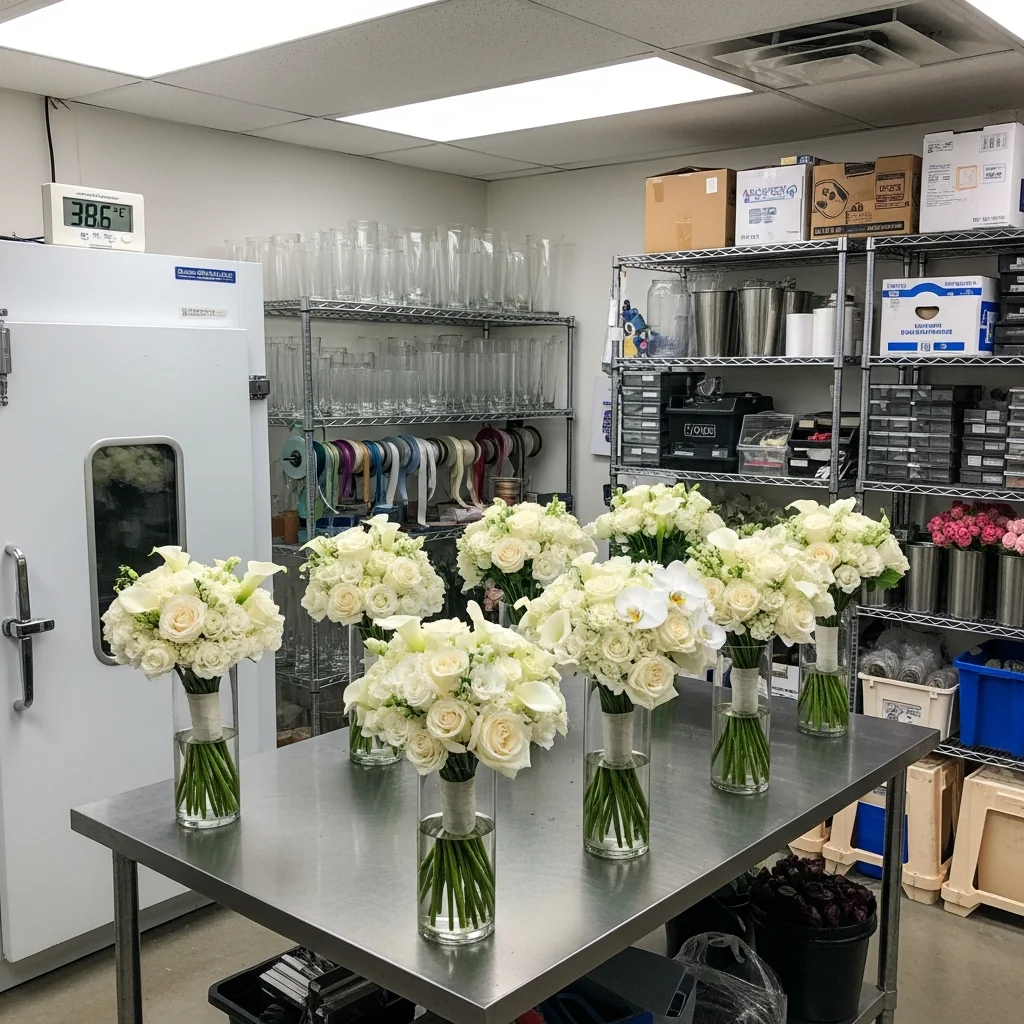
Part 2 – Step 1: Start with Long-Lasting Bridal Bouquet Flowers
Choosing the right flowers for your bridal bouquet is essential to ensure it remains stunning throughout your special day. Flowers with excellent durability not only maintain their beauty but also reduce stress as you won’t have to worry about wilting petals or droopy stems. Below is a guide to the best flowers that naturally last all day, categorized to help you make the best choices for a lasting bouquet.
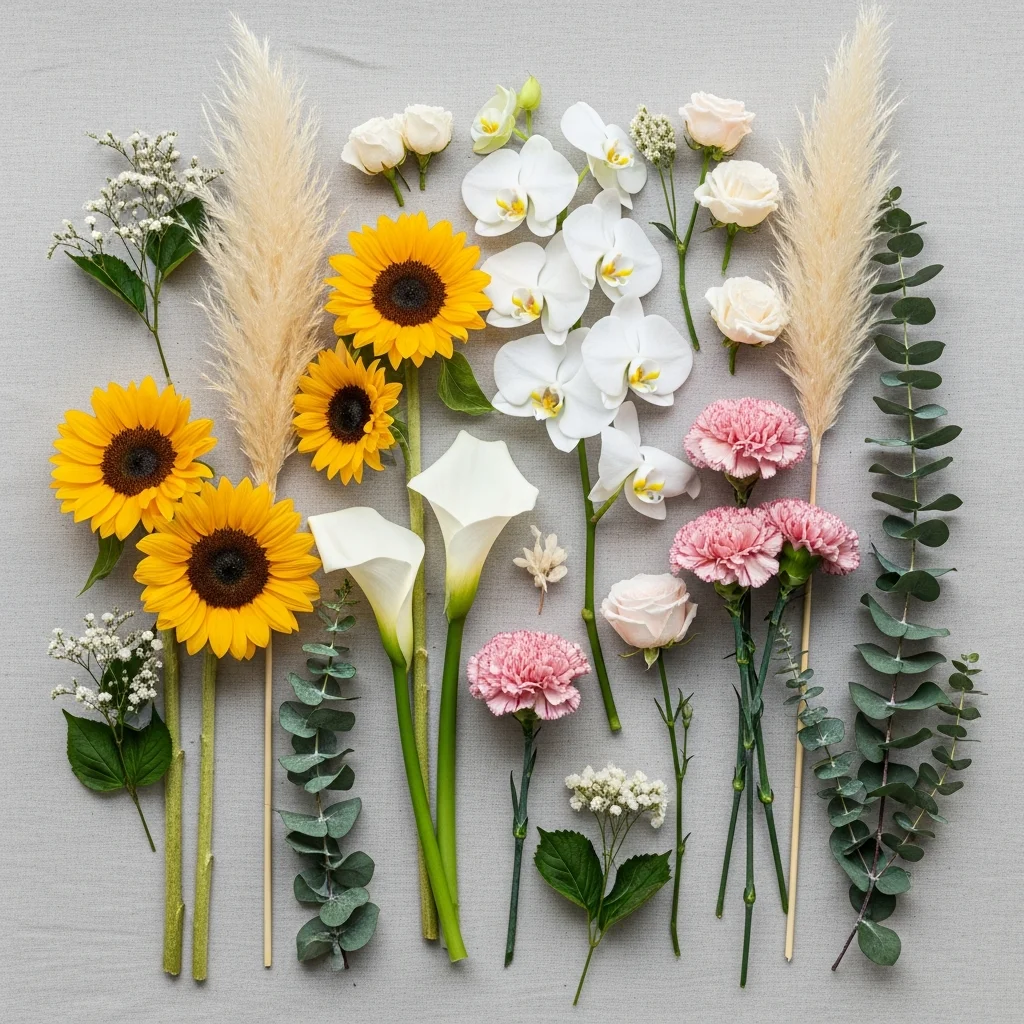
Best Flowers That Naturally Last All Day
Long-Lasting Flowers
- Roses: Known as the quintessential wedding flower, roses are not only timelessly elegant but also incredibly robust. Their thick petals and sturdy stems make them ideal for bouquets that need to endure a full day of festivities.
- Carnations: These classic blooms are famed for their durability and longevity. They can thrive without water for extended periods, while their ruffled petals add texture and volume to any arrangement.
- Calla Lilies: With their striking, trumpet-like shape, calla lilies bring sophistication and are remarkably hardy. Their smooth petals are resistant to wilting, and they hold up beautifully in various weather conditions.
- Orchids: Exotic and graceful, orchids are surprisingly tough. Their waxy petals and ability to retain moisture make them a fantastic option for long-lasting arrangements.
- Dahlias: These voluminous flowers are not only visually stunning but also resilient when properly hydrated. Their intricate shapes create a dramatic focal point for any bouquet.
- Ranunculus: Popular for their delicate beauty, ranunculus blooms are also quite hardy. When paired with proper care, they hold up well throughout the day.
- Tulips: Tulips may appear delicate, but they are versatile and adaptable. They can last all day in moderate conditions, bringing a fresh and elegant touch to your bouquet.
Moderate Durability
- Peonies: Although peonies are beloved for their lush, romantic blooms, they are slightly more sensitive to heat and humidity. With careful hydration and handling, they can still make a gorgeous addition to a bouquet.
- Sunflowers: Vibrant sunflowers deliver a cheerful energy and are relatively durable, though they thrive best in cooler environments.
- Hydrangeas: These voluminous blooms are a favorite for lush arrangements but require attentive care to maintain their beauty, as they are prone to drying out.
Long-Lasting Fillers
- Baby’s Breath: This delicate filler flower is deceptively durable, adding an airy and romantic feel to bouquets while lasting for extended periods.
- Eucalyptus: With its signature silvery-green foliage, eucalyptus is hardy and versatile. It provides structure and a soothing color palette while maintaining longevity.
- Pampas Grass: Known for its feathery texture and warm hues, pampas grass offers durability and style, especially for modern or bohemian-themed weddings.
- Hardy Greenery: Greenery such as ruscus or leather fern makes an excellent addition to bouquets because of its long-lasting vibrancy and structural support.
Benefits of Using Preserved Flowers in Hybrid Bouquets
For an added layer of security and elegance, consider incorporating preserved flowers into your bridal bouquet. Preserved flowers are natural blooms that have undergone a special process to maintain their fresh appearance for months or even years. Combining these with fresh flowers creates a hybrid bouquet that guarantees durability without compromising on the lush, natural look. Preserved flowers are particularly useful for high-stress event timelines or outdoor weddings where weather conditions might pose challenges.
Whole Blossoms Quality Control for Bulk Flowers
When planning your bridal bouquet, sourcing high-quality flowers is critical. Whole Blossoms specializes in providing bulk flowers with exceptional quality control. Their blooms are carefully selected and shipped directly from farms, ensuring that you receive fresh and durable flowers every time. With the added benefit of wholesale pricing, Whole Blossoms makes it easy to build stunning arrangements without sacrificing quality or affordability. Choosing flowers from a trusted supplier ensures your bouquet will look radiant and last through every cherished moment of your special day.
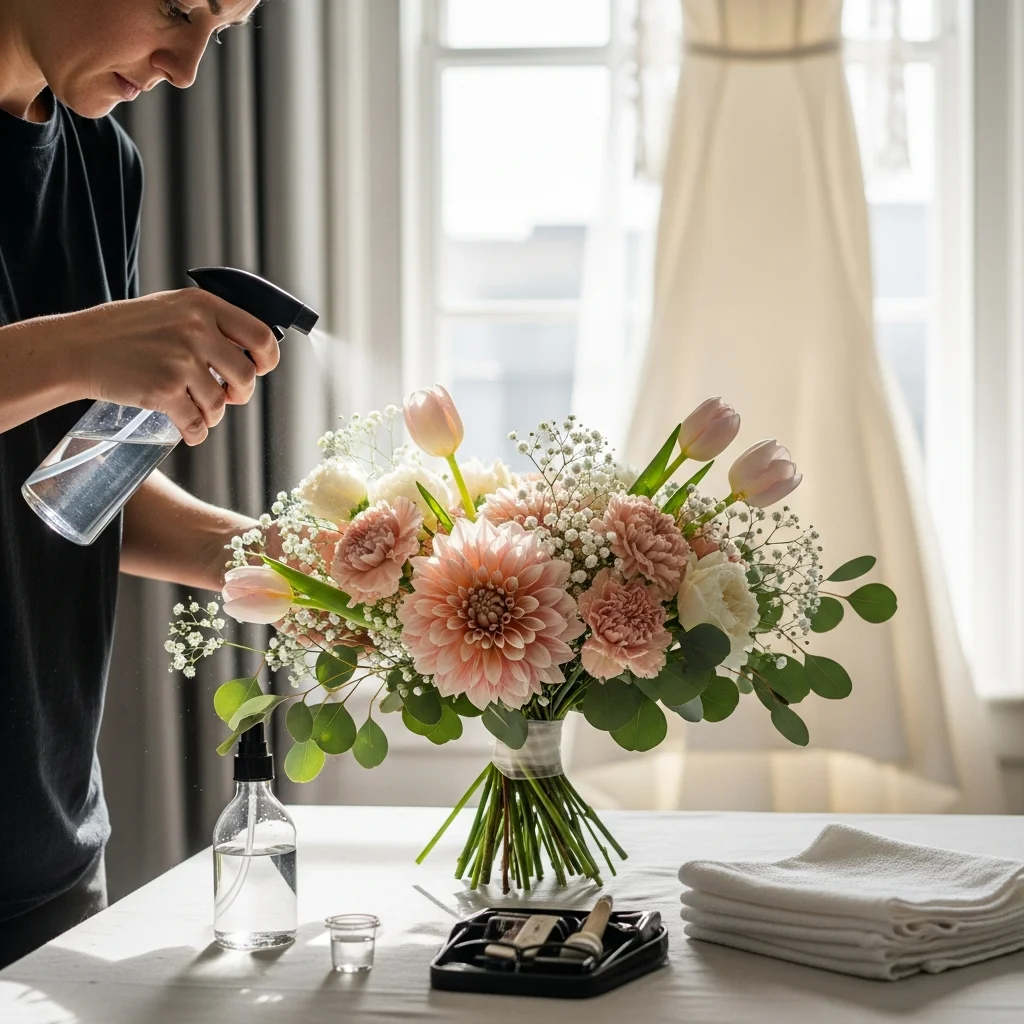
Part 3 – Step 2: Order Bridal Bouquet Flowers at the Correct Time
When planning your wedding flowers, getting the timing right is crucial to ensure your bridal bouquet looks stunning and stays fresh throughout your special day. The best timeline for ordering wholesale flowers is to place your order 3–6 weeks before your wedding date. Scheduling your flower delivery 2–3 days prior to the ceremony allows ample time for the blooms to hydrate, unfold to their fullest beauty, and be arranged perfectly in your bouquet.
Once the flowers arrive, the hydration process should begin immediately. Fresh flowers require proper water absorption to maintain their vibrancy and prevent wilting. This step is vital, as it ensures the blooms are at their peak freshness and provides time for them to begin opening to the desired stage of maturity. Crafting your bouquet 24 hours before the ceremony is recommended, as it offers just enough time for final adjustments while keeping the arrangements pristine. Following this timeline prevents premature wilting and ensures that your bouquet achieves the ideal density, texture, and openness for your big day.
Ordering from Whole Blossoms further enhances the success of this timeline. Their flowers are shipped fresh-cut, directly from farms, drastically reducing transit and storage time compared to traditional suppliers. This direct-to-consumer approach means your flowers are fresher upon arrival and have a longer vase life to carry them beautifully through both the ceremony and celebrations that follow. Whole Blossoms also offers the added advantage of consistent quality control, ensuring that your flowers are as perfect as your wedding day vision.
By planning your flower delivery and preparation according to this timeline and choosing a trusted supplier like Whole Blossoms, you’ll have peace of mind knowing your bouquet will be radiant, fresh, and ready to bring elegance and charm to your special day.
Step 3: Properly Hydrate Flowers Immediately After Delivery
Hydration is the most critical factor in ensuring the longevity of your bouquet. Once flowers are cut, they begin losing moisture and must be rehydrated promptly to restore their moisture balance fully. To achieve optimal freshness, flowers need to absorb water for anywhere between 4–24 hours after cutting, depending on the flower type. Proper hydration is key, especially when working with bulk flowers, as it ensures that every bloom is ready to shine beautifully on your special day.
Correct Hydration Technique
To properly hydrate flowers, follow these essential steps:
- Trim stems at a 45-degree angle: Using a clean, sharp knife or floral shears, cut each flower stem at a 45-degree angle. This increases the surface area for water absorption and prevents the stem from sitting flat at the bottom of the container, which can block water uptake.
- Use clean, cool water: Fill clean buckets or vases with fresh, cool water. Ensure the containers are free of bacteria or debris, as this can hinder the hydration process.
- Remove leaves below the water line: Before placing the flowers in the water, remove any leaves that would be submerged. Leaves left in the water decompose quickly, promoting bacterial growth and reducing the flowers’ vase life.
- Add hydration solution: For optimal results, use a commercial flower hydration solution or flower food in the water. This solution contains essential nutrients that help flowers stay vibrant and last longer.
Adhering to this technique provides a crucial foundation for maintaining the health and beauty of your flowers.
Hydration Timing for Key Flowers
Each flower variety has unique hydration needs to achieve maximum freshness and longevity. Below are specific hydration recommendations for commonly used wedding flowers:
- Roses: Require a minimum of 6–12 hours to fully hydrate. Once placed in water, the petals will regain their firmness and the blooms will gradually open.
- Hydrangeas: They are particularly prone to wilting and must be hydrated immediately upon delivery. Submerging the entire bloom in water briefly can also help restore their vitality.
- Tulips: These flowers continue to grow even after cutting and need a constant supply of water to remain upright and healthy.
- Peonies: Require a longer hydration period, ideally 12–24 hours, to reach full bloom and ensure their petals are soft and lush.
Importance When Buying Bulk Flowers
When purchasing bulk flowers, proper hydration becomes even more important. Bulk flowers are shipped in large quantities and often experience extended travel times, which can deplete their moisture levels. By following these hydration steps immediately after delivery, you not only safeguard the lifespan and appearance of your flowers but also ensure that every bloom reaches its full potential. The extra care taken during the hydration process is a small but impactful effort to make your floral arrangements truly stunning for your special day.
Part 4 – Step 4: Store Bridal Bouquets at the Ideal Temperature
Proper temperature management is essential to preserving the beauty and freshness of your bridal bouquets. The ideal storage temperature for most flowers is between 34°F and 40°F, as this range helps maintain their freshness without causing damage. Keeping flowers at this temperature slows down metabolic processes and ensures that blooms retain their vibrancy longer. However, it is important to avoid exposing flowers to freezing conditions, as temperatures below 34°F can cause irreparable frost damage to petals and leaves. Similarly, prolonged exposure to heat should also be avoided, as it accelerates respiration, leads to moisture loss, and drastically speeds up the aging and blooming process.
To store your bridal bouquets correctly, there are several practical options available for home preparation. One of the best methods is placing the bouquets in a refrigerator. To do this, ensure that the fridge is set to the recommended range of 34°F–40°F and, importantly, that no fresh fruits are stored nearby. Fruits release ethylene gas, which can prematurely age and damage flowers. If refrigeration is not an option, another effective storage solution is keeping the bouquets in a cool, dark room away from any direct sunlight or drafts. Air-conditioned environments can also work well, provided the room remains cool and stable in temperature without becoming too dry. Always ensure that flowers remain hydrated during storage by keeping their stems submerged in fresh water.
It’s also essential to recognize the differences between professional florist storage and home storage. Florists often utilize specialized coolers designed to precisely control temperature and humidity, creating the optimal environment to prolong flower freshness. These coolers are typically equipped with advanced technology to regulate air circulation and prevent moisture loss. While home storage cannot replicate the precision of a professional florist’s setup, following these simple steps will help extend the life and beauty of your bridal bouquets. By maintaining the ideal temperature and protecting your flowers from heat and freezing conditions, you can ensure they look flawless on your special day.
Part 5 – Step 5: How to Protect Bridal Bouquets on the Wedding Day
Ensuring that your bridal bouquet stays fresh and vibrant throughout your wedding day requires careful planning and attention to detail. By following some simple yet effective strategies, you can keep your flowers looking stunning from the ceremony to the reception.
Keep Bouquet Hydrated Until the Last Moment
One of the most vital steps in maintaining the quality of your bouquet is keeping it hydrated until it’s time to walk down the aisle. Store the bouquet in clean, cool water in a secure vase or container up until the final moments before the ceremony. This will help prevent the flowers from wilting due to dehydration. Assign someone to gently remove the bouquet just before the wedding procession begins to ensure it looks crisp and vivid as you make your grand entrance.
Protect Bouquet from Environmental Stress
Environmental factors can take a toll on your flowers, especially during outdoor or summer weddings. Avoid exposing the bouquet to direct sunlight for prolonged periods, as heat and sunlight can cause the petals to dry out or discolor. Wind can also damage delicate blooms, so keeping the bouquet in a sheltered area before the ceremony is highly advisable. Additionally, limit excess handling of the bouquet to prevent bruising or damaging the more fragile elements of the arrangement.
Outdoor weddings and humid conditions pose unique challenges for floral preservation. Moisture in the air can cause blooms to droop, while extreme humidity might accelerate wilting. Discuss these factors beforehand with your florist, as they may recommend specific flower varieties that can better endure these conditions or suggest additional preservation techniques like floral sprays or damp cloth wraps.
By carefully hydrating your bouquet and protecting it from environmental stressors, you can ensure your flowers remain picture-perfect, adding a magical touch to every moment of your special day.
Part 6 – Step 6: Professional Florist Techniques to Extend Bouquet Life
Ensuring your bouquet stays fresh and beautiful requires expert-level care and attention to detail. Professional florists use various techniques to extend the life of floral arrangements and maintain their stunning appearance throughout your special day.
Hydration Sprays and Stem Sealing
Hydration sprays are a florist’s secret weapon, helping to provide a quick and effective boost of moisture to flowers and foliage. These sprays are especially useful for delicate blooms or arrangements exposed to dry or hot environments. Additionally, sealing the stems immediately after cutting is a critical practice to prevent air airlocks from forming. By dipping cut stems in floral sealant or scorching them briefly in hot water, florists maintain an uninterrupted flow of water and nutrients to the flower heads, significantly slowing wilting.
Floral Foam Hydration and Stem Wrapping Techniques
High-quality floral foam is another tool that contributes to long-lasting arrangements. Florists soak the foam thoroughly before inserting the stems, ensuring flowers have a consistent water source. This technique is particularly effective for complex arrangements where cut flowers may not sit in water directly. Stem wrapping, another professional practice, uses floral tape or cloth wraps to secure and protect fragile stems. This not only strengthens the stems but also reduces the risk of damage during transport or handling.
Structural Support and Functional Benefits
Proper structural support further enhances the longevity of bouquets. Reinforcing heavier stems or wiring delicate blooms ensures they maintain their shape and integrity, especially in intricate designs. These techniques also prevent air intake at critical points, promoting consistent hydration and preserving the natural beauty of each flower.
The Importance of Professional Stem Conditioning
Above all, professional stem conditioning is a vital factor in bouquet preservation. From cleaning excess foliage to cutting stems at an optimal angle, these conditioning methods ensure maximum water uptake. This is particularly important when sourcing high-quality wholesale flowers, as proper preparation transforms fresh blooms into breathtaking arrangements with extended lifespans. By partnering with a skilled florist and investing in premium wholesale flowers, you can create picture-perfect arrangements that remain vibrant and captivating throughout your celebration.
Part 7 – Step 7: Emergency Fixes if Bridal Bouquet Starts Wilting
Even with the best preparations, there’s always a chance that a bridal bouquet may begin to wilt unexpectedly. Knowing a few emergency revival methods can save the day and restore your bouquet’s charm when time is of the essence. These quick fixes can help ensure stunning flowers from the ceremony through to the reception.
Snippet-Ready Emergency Fixes:
- Immediate Revival Methods
- Re-cut the Stems: Use a sharp tool to snip at least an inch off the bottoms of the stems, cutting at a diagonal angle to maximize water absorption.
- Place in Cool Water: Submerge the stems in fresh, cool water to rehydrate quickly. If possible, ensure the water level sufficiently covers the cut ends of the stems.
- Refrigerate Briefly: Placing the bouquet in a refrigerator for 10 to 20 minutes can reduce heat stress and help flowers regain some freshness.
- Mist Lightly: Lightly mist the flowers with water to hydrate petals and perk up wilted blooms.
- Flower-Specific Revival Tips
- Hydrangeas: These flowers can recover remarkably well when submerged almost entirely in water for 20 to 30 minutes. Their thirsty nature makes them particularly responsive to rehydration efforts.
- Roses: Revive roses by cutting the stems at an angle and placing them in warm water. You can also gently unroll and refresh the outer petals if they appear slightly wilted.
Explaining Emergency Recovery Success Rates
The success of emergency recovery methods depends on factors like how long the flowers were without water and the type of flowers in the bouquet. While many flowers, such as hydrangeas and roses, respond positively to these fixes, the speed and degree of recovery can vary. Acting quickly and following the methods above dramatically increases the likelihood of restoring your bouquet’s beauty in time for your big moment.
Part 8 – DIY vs Florist Bridal Bouquets: Longevity Differences
Choosing between a DIY bridal bouquet and one created by a florist can influence the freshness and longevity of your arrangement. Both options have their own advantages depending on your priorities and wedding needs.
DIY bouquets using wholesale flowers offer significant benefits, including the opportunity for brides to choose the freshest blooms. Purchasing directly from suppliers or wholesalers like Whole Blossoms ensures that flowers arrive straight from the farm, reducing the time spent in transit. Less handling time often means that the flowers retain their vibrancy and last longer. Additionally, DIY bouquets can be a cost-effective option, allowing couples to allocate more of their wedding budget toward other essentials or luxuries. Wholesale flower suppliers like Whole Blossoms also offer bulk purchases, giving DIY brides access to a wide variety of floral options to create their vision affordably.
On the other hand, florists bring a level of expertise and professional care that ensures the flowers are conditioned and prepped for optimal longevity. Florists utilize advanced hydration techniques and specialized preservative solutions to maximize freshness. Their experience also means that flowers are arranged at their peak and handled with care to prevent unnecessary stress or damage.
Ultimately, the decision comes down to personal preference and wedding style. DIY bouquets are perfect for hands-on brides looking to infuse their day with a personal touch, while florist arrangements guarantee professional quality and attention to detail for a stress-free floral solution.
Part 9 – Common Bridal Bouquet Mistakes That Reduce Lifespan
Choosing the perfect bridal bouquet involves more than selecting blooms—it also requires proper handling to ensure they remain fresh and beautiful throughout the wedding day. Unfortunately, certain mistakes can significantly reduce the lifespan of bouquets.
One common error is ordering the bouquet too early. While planning ahead is great, flowers are perishable and can wilt if arranged too far in advance. Florist arrangements are designed to be at their peak on the wedding day, so timing your order carefully is crucial.
Another issue occurs when bouquets are subjected to improper hydration. Flowers need to be kept in water or provided with floral foam that’s consistently moist to maintain their freshness. Neglecting to hydrate the stems properly can lead to premature wilting and a lifeless appearance.
Heat exposure also poses a threat to bouquets. Direct sunlight or warm environments can cause delicate petals to dry out and lose their vibrancy. Ensuring flowers are kept cool and shaded is vital to preserving their charm.
Using low-quality flowers can undermine the overall aesthetic of a bouquet. Blooms that are already damaged, overripe, or improperly stored may not last the day, resulting in both financial loss and disappointment.
Lastly, poor storage—such as leaving the bouquet in stuffy or overly dry spaces—can accelerate their decline. Proper storage in a cool, controlled environment until the event begins is essential.
These mistakes not only impact aesthetics but can also lead to wasted money, as damaged or wilted flowers may need expensive last-minute replacements. Avoiding these pitfalls ensures your bouquet will stay fresh, vibrant, and picture-perfect.
Part 10 – Complete Bridal Bouquet Longevity Timeline Checklist
Ensuring your bridal bouquet remains fresh and stunning for your big day requires careful planning and execution. Follow this comprehensive timeline to maximize your bouquet’s longevity and maintain its brilliance.
6 Weeks Before – Order Wholesale Flowers
Begin your preparations early by selecting and ordering your wholesale flowers at least six weeks before the wedding. This allows ample time for sourcing high-quality blooms and ensures availability for your chosen date. Consult with suppliers to confirm delivery timelines and care instructions for the specific flowers you’ve chosen.
3 Days Before – Receive and Hydrate
Plan the delivery of your flowers three days prior to the wedding. Once received, gently unpack them and inspect for any signs of damage. Trim the stems at an angle and immediately place them in clean, cool water with floral preservative. Store them in a cool room away from direct sunlight to help the blooms hydrate and recover from transit.
1 Day Before – Arrange the Bouquet
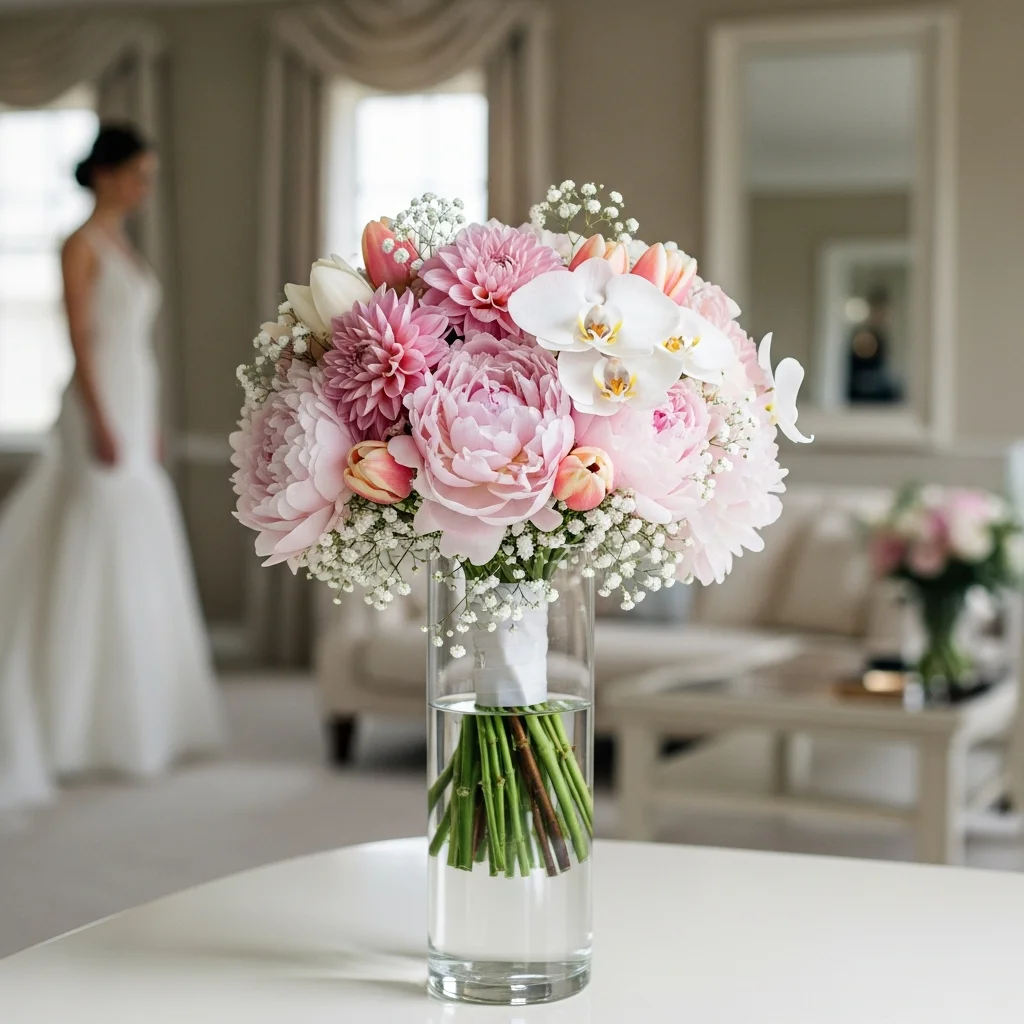
On the day before the wedding, gather your hydrated blooms and carefully arrange your bouquet. Use floral tape or a bouquet holder to secure the stems, and wrap the handle with ribbon or fabric for a polished finish. Mist the flowers lightly with water to maintain freshness and store them upright in a cool, controlled environment.
Wedding Day – Keep Cool and Protected
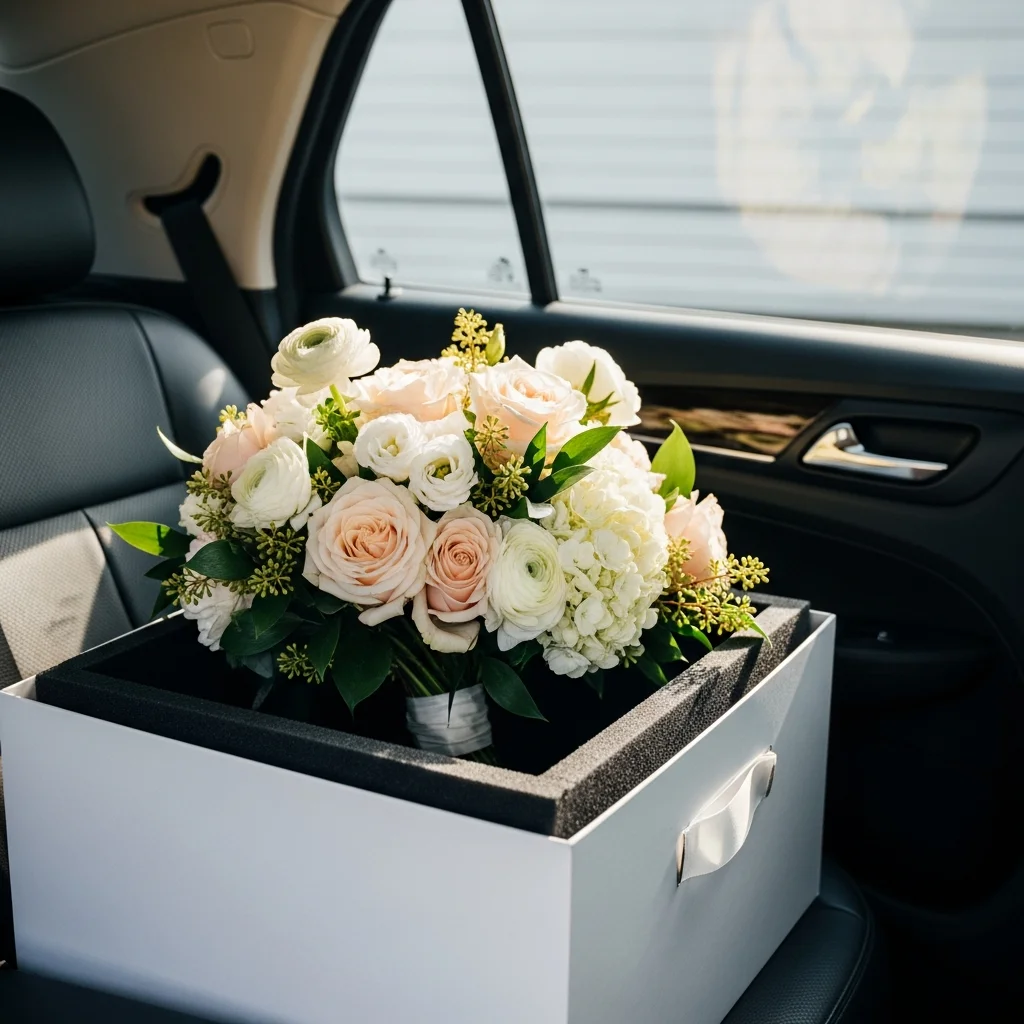
On the big day, keep your bouquet cool and away from heat sources or direct sunlight for as long as possible. Transport it in a protective carrier or vase to avoid accidental damage. Hand it off to the bride only moments before the ceremony to ensure it looks pristine in photos and throughout the event.
By adhering to this timeline, your bridal bouquet will remain fresh, vibrant, and picture-perfect from the aisle to the end of your special day.
Part 11 – Where to Buy Bridal Bouquet Flowers That Last Longer
Choosing the right place to buy your bridal bouquet flowers is essential for ensuring they stay fresh and vibrant throughout your wedding day. The longevity of your flowers depends on factors such as freshness, the supply chain length, and how quickly they are delivered from the farm to your door.
When sourcing blooms, it’s crucial to select vendors that prioritize freshness. Flowers that are cut and shipped directly from the farm have a significantly shorter supply chain and spend less time in storage or transit. This means they arrive fresher and last longer. Farm-to-door delivery eliminates unnecessary middlemen, helping your blooms retain their vitality and beauty for your big day.
At Whole Blossoms, we pride ourselves on providing flowers that last longer due to our superior sourcing practices. Our flowers are cut fresh at their peak bloom phase and immediately prepared for shipment. By partnering directly with farms, we ensure that every stem is harvested at the right time for maximum quality. Optimized shipping processes further ensure the flowers arrive at your door in pristine condition, ready to be arranged for your bouquet.
For brides seeking the longest-lasting, most vibrant blossoms, Whole Blossoms offers an expansive selection including Wholesale Flowers, Bulk Flowers, and Wedding Flowers. By purchasing through a trusted source like Whole Blossoms, you can ensure your wedding blooms maintain their freshness, leaving you to enjoy your special day worry-free.
Frequently Asked Questions About Making Bridal Bouquets Last All Day
How long should a bridal bouquet last?
A bridal bouquet can last anywhere from 8 to 24 hours when properly cared for, depending on the type of flowers used and the preservation techniques applied. With careful preparation, including hydration and cooling, your bouquet can stay fresh throughout your wedding day.
How do florists keep bouquets fresh all day?
Florists keep bouquets fresh by using several strategies. They hydrate the stems thoroughly in water or floral solution before arranging and store bouquets in a cool location until they’re ready to be used. Additionally, they often spray the petals with a flower-safe mist to maintain moisture and minimize wilting.
What flowers last longest in bridal bouquets?
Flowers like orchids, roses, calla lilies, and carnations are known for their durability in bridal bouquets. These flowers hold up well under various conditions and maintain their shape and color for extended periods. Choosing hardy flowers ensures your bouquet looks stunning throughout the celebration.
How early should bridal bouquets be made?
Bridal bouquets are typically made 1 to 2 days before the wedding to ensure they remain fresh. Florists keep them stored in optimal conditions, such as chilled environments, until the day of the event. This timing strikes the perfect balance between preparation and long-lasting freshness.
Conclusion: Ensuring Bridal Bouquet Freshness from Morning to Reception
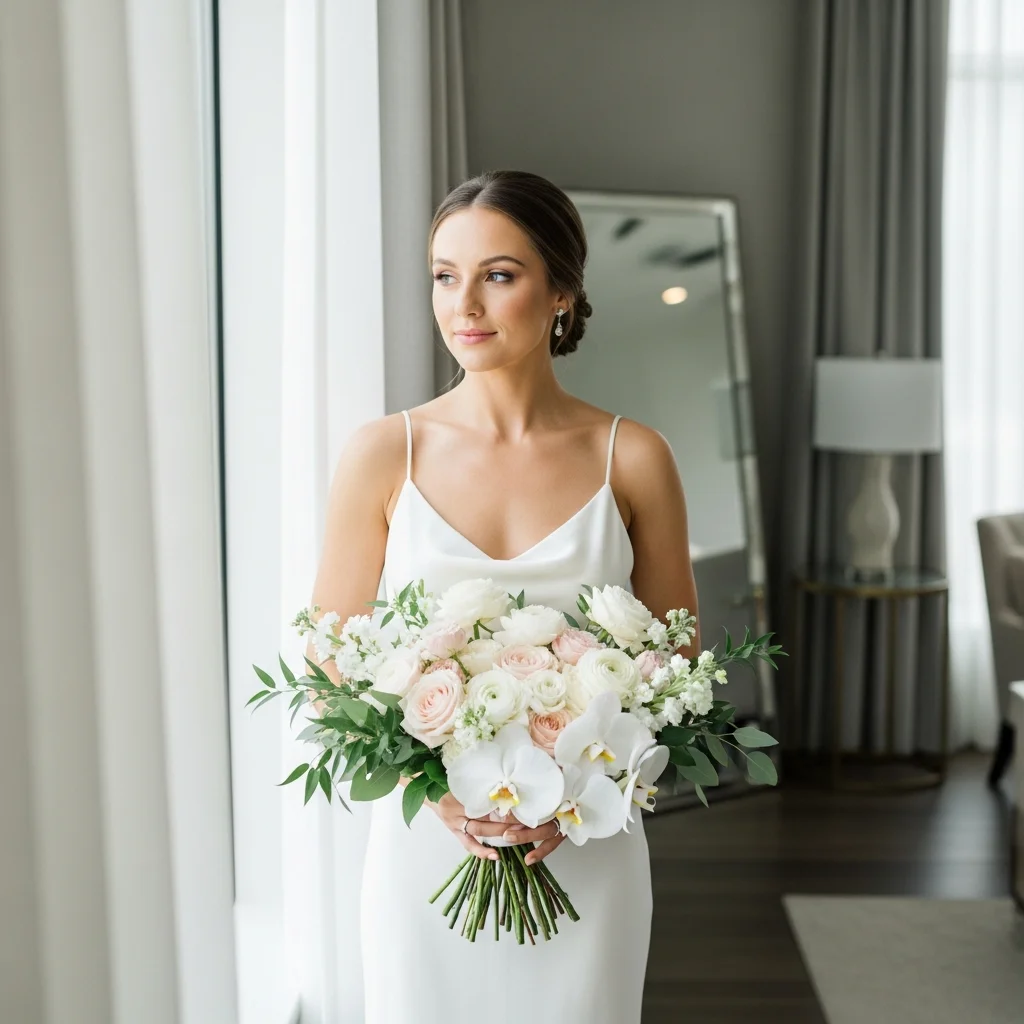
Ensuring your bridal bouquet stays fresh from the moment you walk down the aisle to the final reception dance requires careful planning and attention to detail. Proper flower selection plays a vital role, as choosing hardy and long-lasting blooms can significantly enhance the bouquet’s durability. Complementing this is the importance of hydration — keeping flowers adequately watered and using floral foam can help maintain their vitality throughout the day.
Temperature control is another critical aspect, as delicate flowers are highly sensitive to heat. Storing bouquets in a cool, controlled environment before the ceremony preserves their freshness and beauty. Additionally, working with your florist to establish a correct ordering timeline is essential. Opting to have the bouquets prepared 1 to 2 days prior ensures the flowers are at their peak while giving ample time for final adjustments.
For the highest quality flowers, sourcing through reputable companies like Whole Blossoms can make all the difference. With a wide selection of premium wholesale flowers, Whole Blossoms provides reliability and expertise, ensuring that your bouquets and floral arrangements exceed expectations. By following these steps, you can confidently enjoy pristine floral elegance from morning to night on your special day.