


 by
by 
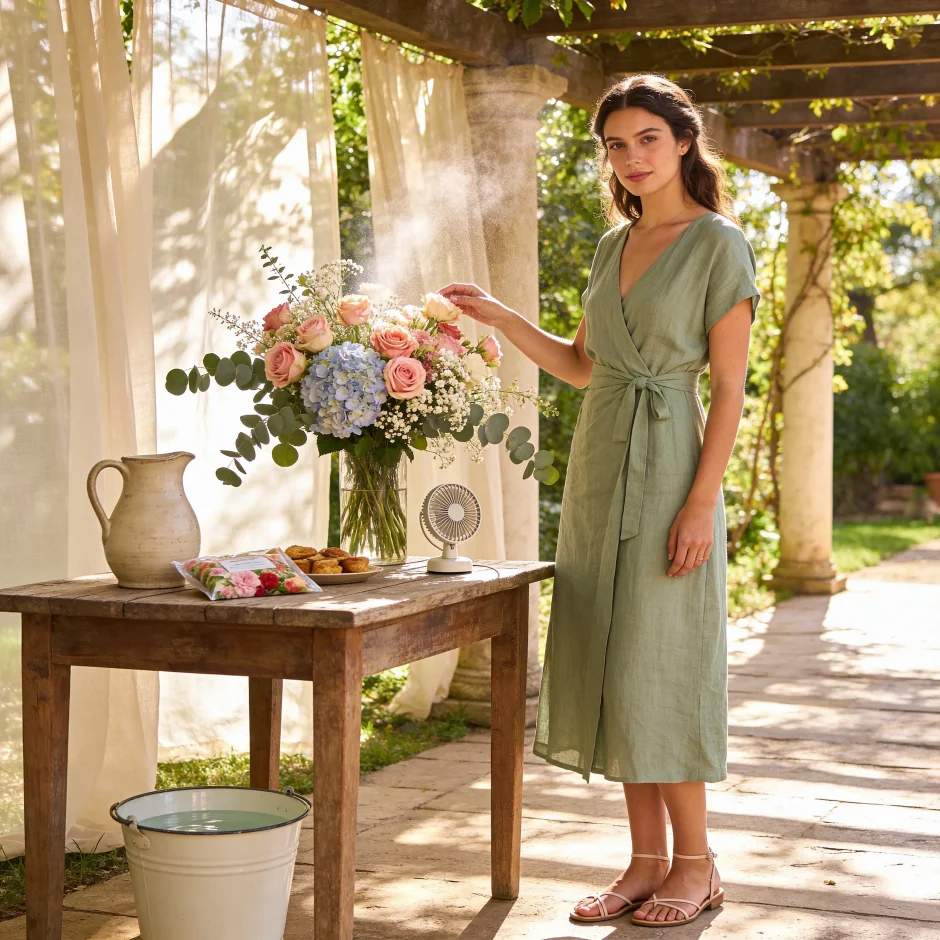
Quick Answer – How do you keep wedding flowers fresh outside?
To keep wedding flowers fresh outdoors, proper care and preparation are essential. Start by ensuring flowers are kept in the shade as much as possible to shield them from direct sunlight and heat. Hydration is key, so keep stems in water or floral foam until it’s time to display them. For temperature control, use coolers or chilled transportation when moving flowers to the venue, particularly on hot days. Timing also plays an important role – assemble and display floral arrangements as close to the event time as possible to minimize exposure to the elements. Opting for hardy flower varieties like succulents, orchids, or roses can also enhance durability in outdoor conditions. Additionally, packing an emergency flower kit with items like floral tape, water misters, and backup blooms ensures you’re ready for any last-minute fixes. Combining these strategies helps maintain fresh and vibrant flowers throughout your outdoor wedding celebration, regardless of weather conditions.
Part 1 – What counts as an “outdoor wedding” risk for flowers? (Why it matters)
Outdoor weddings offer breathtaking natural beauty, but they also come with unique challenges for maintaining floral arrangements. Unlike indoor venues where conditions can be tightly controlled, outdoor environments expose flowers to unpredictable variables such as weather fluctuations, sunlight, and natural elements. These risks can cause flowers to wilt, lose their vibrant colors, or even break apart before the ceremony begins. Factors like wind, humidity, and temperature surges can accelerate the deterioration process, while an abundance of bugs and pollen may affect the overall presentation. Understanding these risks is critical for couples to plan effectively, ensuring their chosen blooms stay fresh and resilient throughout the special day. Selecting hardy flower varieties and implementing proper preventative measures can help alleviate these concerns, protecting the investment in beautiful floral arrangements and preserving the magical ambiance of the wedding.
Why outdoor conditions destroy blooms faster than indoor venues
Outdoor settings subject flowers to harsher conditions that can rapidly diminish their vitality compared to indoor venues. Direct sunlight and radiant heat can cause flowers to dry out and fade, while wind accelerates moisture loss, leading to dehydration. On particularly humid days, sudden shifts in atmospheric moisture can stress petals, sometimes causing them to wilt or shrivel unpredictably. Additionally, nature poses other challenges, such as an influx of pollen that can stain petals or bugs that may feed on or damage fragile blooms. These factors combined make outdoor conditions far less forgiving, requiring careful planning and selection of flowers to withstand environmental stressors.
The “two temperature” problem: cooler storage vs hot ceremony
One critical issue is transitioning flowers from a cool storage area to a hot outdoor ceremony site, commonly referred to as thermal shock. When flowers are kept cool and suddenly exposed to heat, they can react poorly—petals may bruise, wilt, or even begin to drop. This abrupt temperature change disrupts their hydration processes, so thoughtful transport timing and temperature adaptation strategies are essential.
Image suggestion: A simple diagram showing the transition: “Cooler → Ceremony Site” with visual representations of temperatures (e.g., ice-blue on one end and a sun icon on the other).
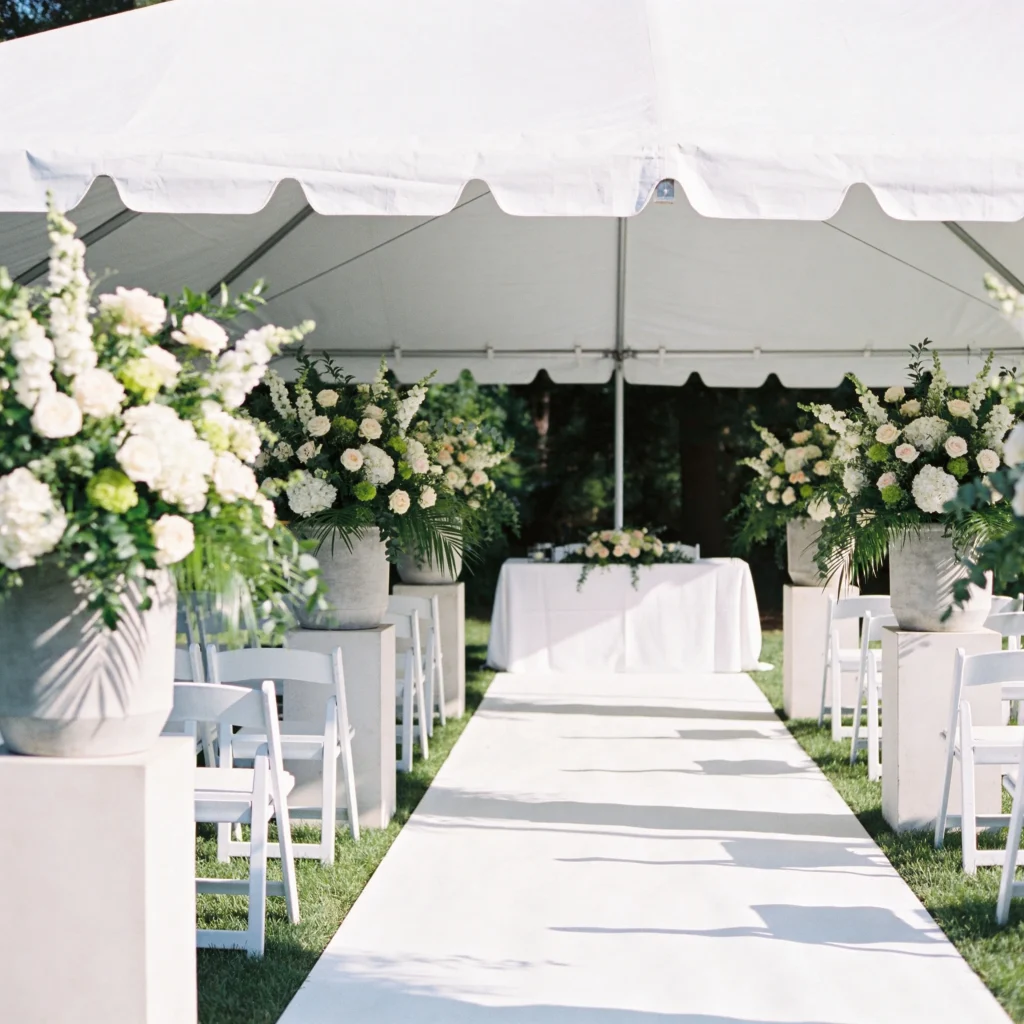
Part 2 – The Outdoor Flower Survival Checklist
Planning an outdoor event with fresh flowers? Keep them vibrant and beautiful by following this careful survival checklist. Designed for florists, event planners, and anyone handling flowers in outdoor spaces, these tips will ensure blooms stay fresh and flawless throughout the occasion.
The 10-Minute Pre-Ceremony Checklist
Before the ceremony begins, take a moment to run through this list to keep your flowers looking their best:
- Create a Shade Plan: Assess the ceremony area and ensure flowers are kept in shaded spots as much as possible. Direct sunlight can quickly wilt delicate petals.
- Secure Water Access: Have fresh water on hand for last-minute hydration. Hydration is crucial for both bouquets and standing arrangements.
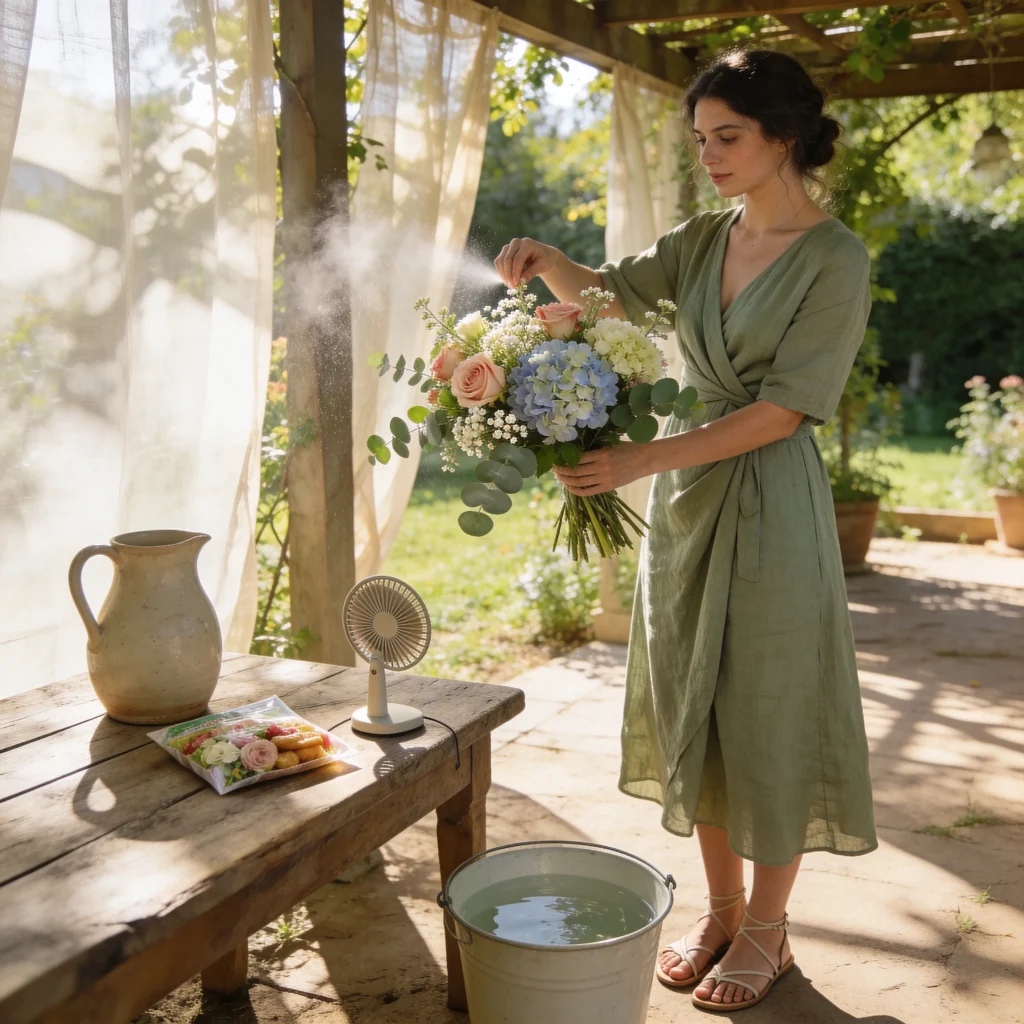
- Follow Misting Rules: Use a fine mist sprayer to lightly refresh blooms prone to drying, but avoid misting flowers already in direct sunlight, as this can cause damage.
- Check the Bouquet Hold Time: Remind the wedding party to only pick up their bouquets right before walking down the aisle. This reduces the time flowers are exposed to heat and handling.
- Inspect Boutonnieres: Ensure boutonnieres are looking sharp and secured properly. Replace any blooms that may have wilted during transport or handling.
The 2-Hour Timeline Checklist
Properly timing flower placement is essential for preserving freshness throughout the day. Here’s a guide to manage your blooms during the critical two hours leading up to the ceremony:
- Bring Flowers Out at the Right Time: Take centerpieces, bouquets, and other arrangements out of chilled storage no more than an hour before use.
- Keep What Needs Chilling, Chilled: Transport flowers in coolers as long as feasible. Only take out blooms intended for immediate assembly or display.
- Handle Delicate Arrangements Last: Focus on assembling intricate pieces, like arch decorations, closer to the ceremony start time to reduce exposure to heat.
- Check Stability of Arrangements: Secure installations and ensure everything has enough water supply or foam to sustain hydration.
- Finalize Placement: Before guests arrive, conduct a final check to verify that every floral piece is positioned correctly and still fresh.
By following these checklists, you can ensure your floral arrangements look fresh and radiant through every moment of the event!
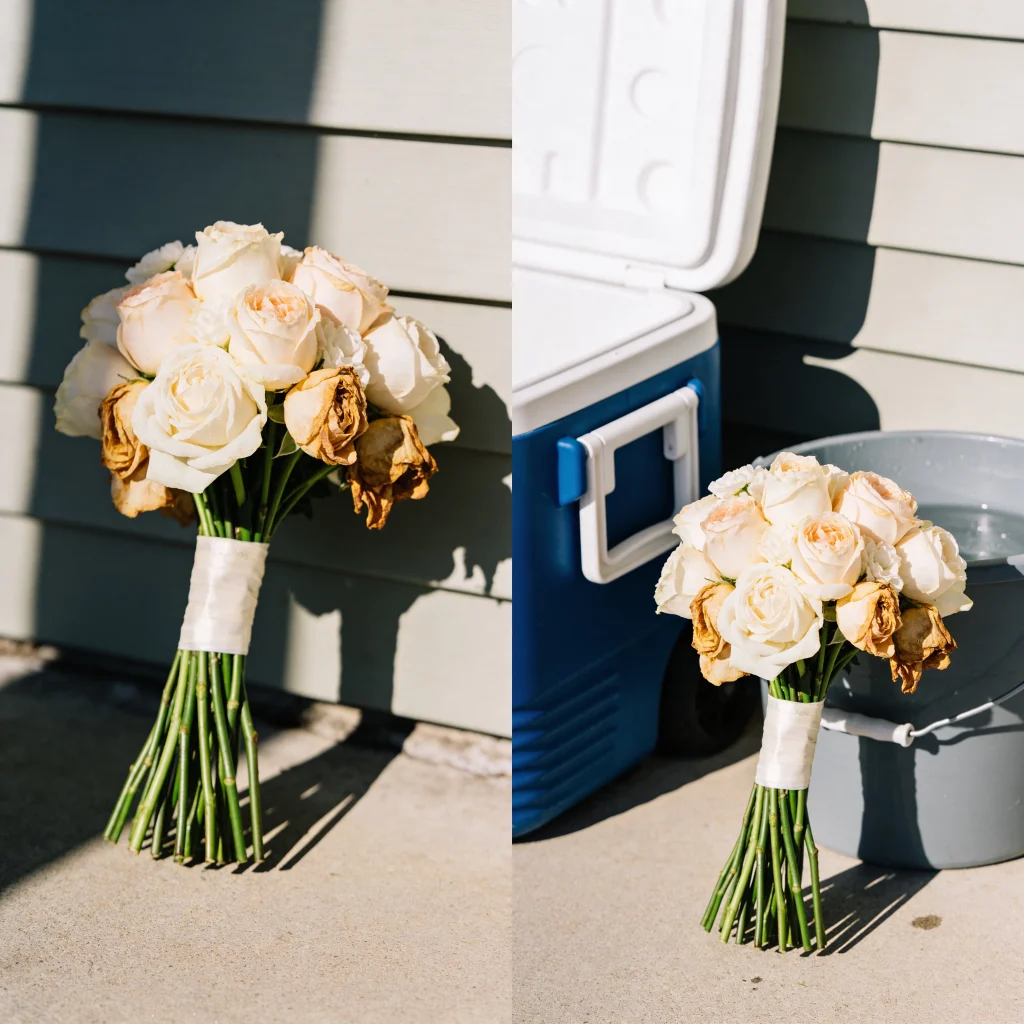
Part 3 – Weather-by-Weather Strategies
How to Keep Flowers Fresh in Direct Sun
Keeping flowers fresh in direct sunlight can be a challenge, but with the right approach, you can ensure your arrangements stay vibrant and beautiful. One of the first steps is to use opaque containers for your blooms. Transparent vases or containers allow sunlight to pass through, which heats the water and can lead to quicker wilting or discoloration of the stems. Opaque containers shield the water from sunlight, keeping it cooler and prolonging the freshness of your flowers.
Another effective strategy is to provide shade for your arrangements by using shade structures or umbrellas. Direct exposure to sunlight can drain the moisture from petals and leaves, leaving them dry and limp. A shaded spot significantly reduces heat stress, preserving the flowers’ hydration and preventing wilting. Additionally, avoid placing arrangements on hot metal surfaces, such as tables or decorative items that have been sitting under the sun. The heat from these surfaces can transfer to the flowers, rapidly accelerating their decline.
To further enhance flower longevity, it’s helpful to rotate your arrangements periodically, especially during outdoor events. Rotating ensures that one side of the arrangement is not exposed to the sun for extended periods, promoting more even temperature control for the blooms. Incorporating greenery, such as broad leaves or foliage, can also act as a natural barrier, shielding delicate petals from direct sunlight. Greenery not only adds texture and depth to arrangements but also serves a practical role in protecting and supporting the flowers.
By combining these thoughtful strategies—using opaque containers, providing shade, avoiding hot surfaces, rotating arrangements, and adding greenery—you can significantly extend the life of your floral designs, even in sunny and challenging conditions.
How to Keep Flowers Fresh in Heat (90°F+)
When temperatures soar above 90°F, keeping flowers fresh requires extra care and strategic planning. Start by staging arrangements in cooler areas whenever possible—seek shaded spots or air-conditioned spaces for preparation. Use ice packs in secondary storage bins to maintain a chilly environment for the flowers before they’re arranged. Follow the “assembly last” rule, meaning you finalize delicate designs as close to the event start time as possible to reduce heat exposure. Additionally, prioritize stem hydration windows by re-cutting stems and placing them in cool, clean water frequently. This ensures the flowers stay hydrated despite the extreme heat.
How to Keep Flowers Fresh in Humidity
High humidity increases the risk of mold and rot for flowers, so preventative measures are crucial. Avoid clustering flowers too tightly, as trapped moisture can accelerate decay. Proper airflow is key—set up fans or maintain open arrangements to keep air circulating around the blooms. Gently wipe away excess condensation from petals and leaves to reduce dampness. For these conditions, choose sturdier blooms that are less vulnerable to sogginess, such as orchids or tropical flowers, as they’re naturally more resilient in humid environments.
How to Keep Flowers Fresh in Wind
Strong winds pose unique challenges for flower arrangements, but careful preparation can help mitigate the risks. Use wind guards or arrange flowers in protected areas to shield them. Opt for heavier vessels or weighted bases to prevent tipping, and employ sturdy wiring mechanics to secure each bloom. Avoid lightweight, tall arrangements, as they’re more likely to topple or get damaged. Stability and lower profiles are key in windy settings.
What to Do if it Rains
Rain doesn’t have to ruin your floral designs if you plan ahead. Utilize waterproof staging areas and store sensitive arrangements under covered but ventilated spaces. Employ a towel protocol—keep soft, absorbent towels handy to pat flowers and foliage dry as needed. Ensure bouquets are covered with breathable materials to protect them while still allowing airflow. A flexible rain plan will ensure your flowers stay fresh and vibrant even during a downpour.
Part 4 – Best Flowers for Outdoor Weddings (and Which to Avoid)
Selecting the right flowers for an outdoor wedding is essential for ensuring a memorable and visually stunning celebration. While some blooms can thrive even under the warmest conditions, others require special care to hold their beauty throughout the day. Below, we analyze the best heat-tolerant wedding flowers, the more delicate varieties, and where preserved blooms and pampas grass excel in outdoor environments.
Heat-Tolerant Wedding Flowers
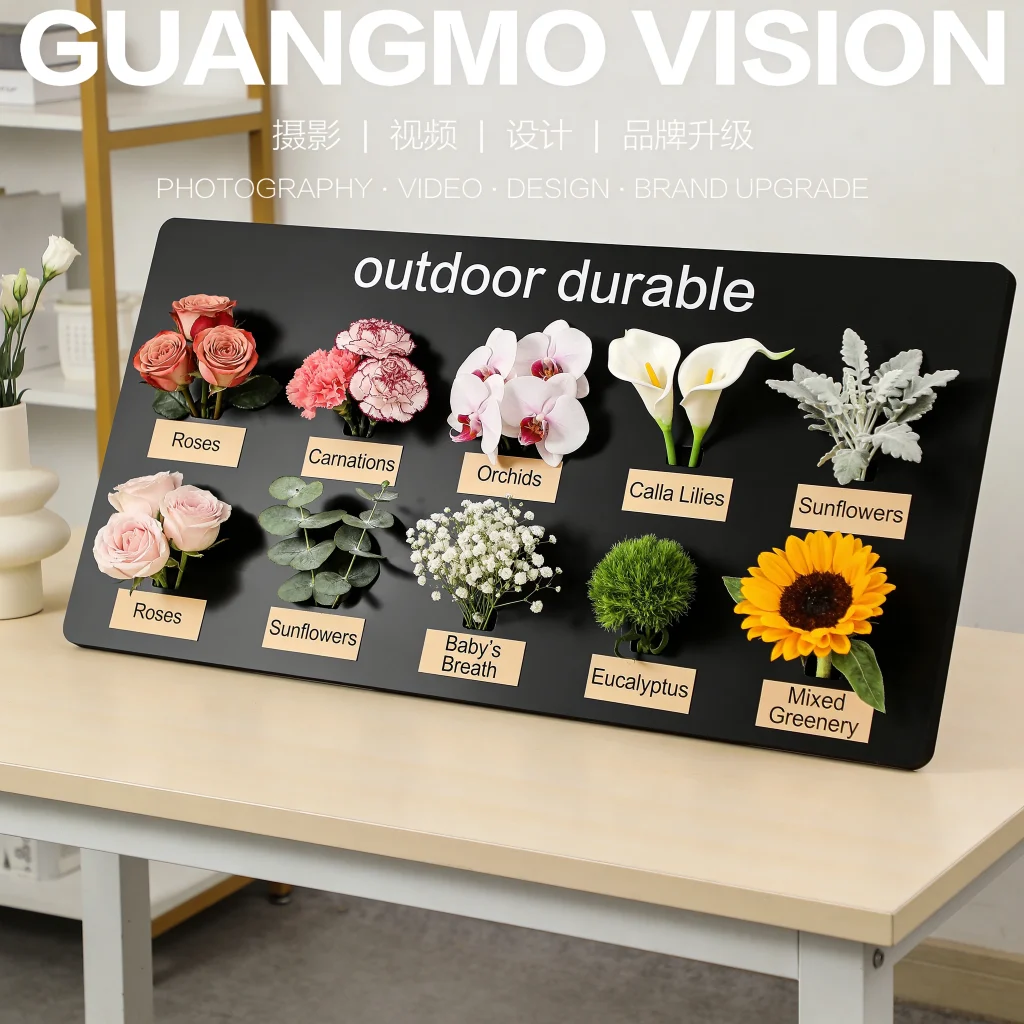
When planning for an outdoor wedding, it’s wise to choose flowers that can withstand heat and fluctuating weather conditions. Here are some of the most durable, heat-tolerant options:
Roses are timeless wedding blooms that perform excellently outdoors. Their sturdy petal structure allows them to resist wilting even in higher temperatures. Additionally, their moderate water demand makes them a dependable choice for sunny environments.
Carnations are known for their hardiness and vibrant colors. They feature densely packed petals that reduce water evaporation, maintaining a fresh appearance even after hours in the heat.
Orchids, a symbol of elegance, might look delicate but are surprisingly hearty in warm conditions. Their waxy petals make them resistant to wilting and help retain moisture, making them an ideal choice for tropical or hot climates.
Calla Lilies, with their trumpet-shaped blooms, are naturally resilient and work well in outdoor settings. Their thick structure and minimal hydration needs ensure they stay pristine throughout the festivities.
Sunflowers bring a bold, cheerful energy to weddings and excel in outdoor setups due to their natural affinity for sunlight. Their robust stems and heat tolerance make them ideal for rustic or summer-themed events.
Baby’s Breath adds an ethereal touch to any arrangement and thrives in outdoor settings due to its hardy nature and low water demands. Its tiny flowers create a delicate, airy effect while withstanding warm conditions.
Eucalyptus and other greenery are not only versatile but are also exceptionally heat-tolerant. With their sturdy leaves and resistance to dehydration, they act as dependable fillers that won’t lose their vibrant charm, no matter how hot the day becomes.
By incorporating these resilient flowers into your arrangements, you ensure that your wedding blooms will maintain their beauty from the first “I do” to the last dance.
More Delicate Flowers That Need Special Handling Outdoors
While heat-resistant flowers are a practical choice, some delicate blooms are so stunning that many couples choose to include them in their arrangements despite their fragility. Flowers like Hydrangeas, Peonies, Ranunculus, Tulips, and Dahlias require special care to prevent wilting, bruising, or excessive water loss in outdoor environments.
Hydrangeas are lush and voluminous but are incredibly prone to water loss. Without proper hydration, their petals may droop quickly in the heat. To maintain their splendor, keep stems in water before use and mist them lightly throughout the event.
Peonies are known for their soft, delicate petals that can bruise or wilt under prolonged exposure to sun or wind. Providing shade and timing their placement carefully, such as setting them into arrangements closer to the ceremony, ensures they stay fresh.
Ranunculus brings a romantic charm to any setup but is highly susceptible to stem damage and dehydration. Reinforce the stems with hydration tubes, and protect them in cooler, shaded areas until the event starts.
Tulips, with their clean and elegant appearance, are sensitive to temperature changes and can grow limp in outdoor settings. Keeping them cool is essential, so consider using ice packs while transporting them and ensure they stay out of direct sunlight.
Dahlias are showstoppers with their bold, intricate blooms but can fade under heat stress. To “upgrade” their durability outdoors, provide plenty of water and assemble them just before the ceremony.
With proper planning, these delicate flowers can still shine beautifully, serving as a testament to their unparalleled elegance.
Where Preserved Flowers and Pampas Grass Shine Outdoors
Preserved flowers and pampas grass are excellent choices for outdoor weddings, especially for installations like arbors, aisle markers, or grand displays. Their low risk of wilting and ability to withstand heat and wind make them ideal for long-lasting décor pieces. Pampas grass, in particular, adds texture and height while blending seamlessly into natural outdoor settings. Pairing preserved blooms with fresh or dried accents ensures a cohesive, weather-resistant display.
By blending hearty, heat-tolerant flowers with thoughtfully handled delicate ones and preserved elements, you can create a stunning outdoor wedding aesthetic that endures from start to finish.
Part 5 – Hydration + Conditioning Rules That Actually Matter (Not Fluff)
When it comes to crafting floral arrangements for outdoor weddings, hydration and conditioning play pivotal roles in ensuring your displays maintain their freshness and beauty. These are not just theoretical concepts — following practical guidelines can significantly extend the life and vibrancy of your blooms in open air and challenging weather conditions.
What “Conditioning” Means for Outdoor Durability
Conditioning flowers refers to the process of prepping them to absorb maximum hydration while minimizing stress and wilting. The better conditioned your blooms are, the more resilient they’ll be, even in harsh outdoor environments. Here are key elements of proper conditioning:
- Hydration is essential — flowers need water immediately after cutting.
- Temperature acclimation prevents wilting caused by sudden changes.
- Preservation care ensures stems remain unclogged and absorbent for as long as possible.
Thorough conditioning arms your flowers with the resources they need to thrive outdoors, keeping them looking fresh even when exposed to heat, wind, or direct sunlight.
The Clean-Water Formula: Buckets, Cuts, and Flower Food
Clean water is the foundation of floral hydration. Without proper water preparation, your flowers will quickly droop or die, especially in outdoor wedding conditions. Follow this tried-and-true formula:
- Buckets and tools: Start with scrupulously clean buckets and cutting tools. Any bacteria introduced here can block the stems’ ability to absorb water efficiently.
- Fresh angled cuts: Always cut stems at a sharp 45-degree angle to maximize the surface area for water absorption.
- Leaf stripping: Remove any foliage below the water line to prevent rotting and bacteria growth.
- Correct water depth: Fill buckets to a level that supports hydration but doesn’t fully submerge lower blooms.
- Refresh schedule: Change the water every 24-48 hours and re-trim stems to keep the blooms hydrated and healthy.
Additionally, adding flower food to clean water provides nutrients and extends the vase life by curbing bacterial growth. Proper hydration through clean and consistent practices amplifies outdoor durability for every arrangement.
The “No Fridge Ethylene” Rule
Ethylene is a colorless gas that accelerates flower aging, causing blooms to wilt prematurely, especially in warm or outdoor weddings. To prevent exposure to ethylene, always keep flowers away from fruit and vegetables, which naturally produce the gas. Never store arrangements in garages or near sources of exhaust fumes, as these can also release ethylene. Additionally, avoid placing flowers in areas exposed to temperature spikes or heat blasts. Following the “no fridge ethylene” rule ensures your blooms stay vibrant and wedding-ready for longer.
Part 6 – Transport and Staging – Keeping Flowers Cool Before the Ceremony
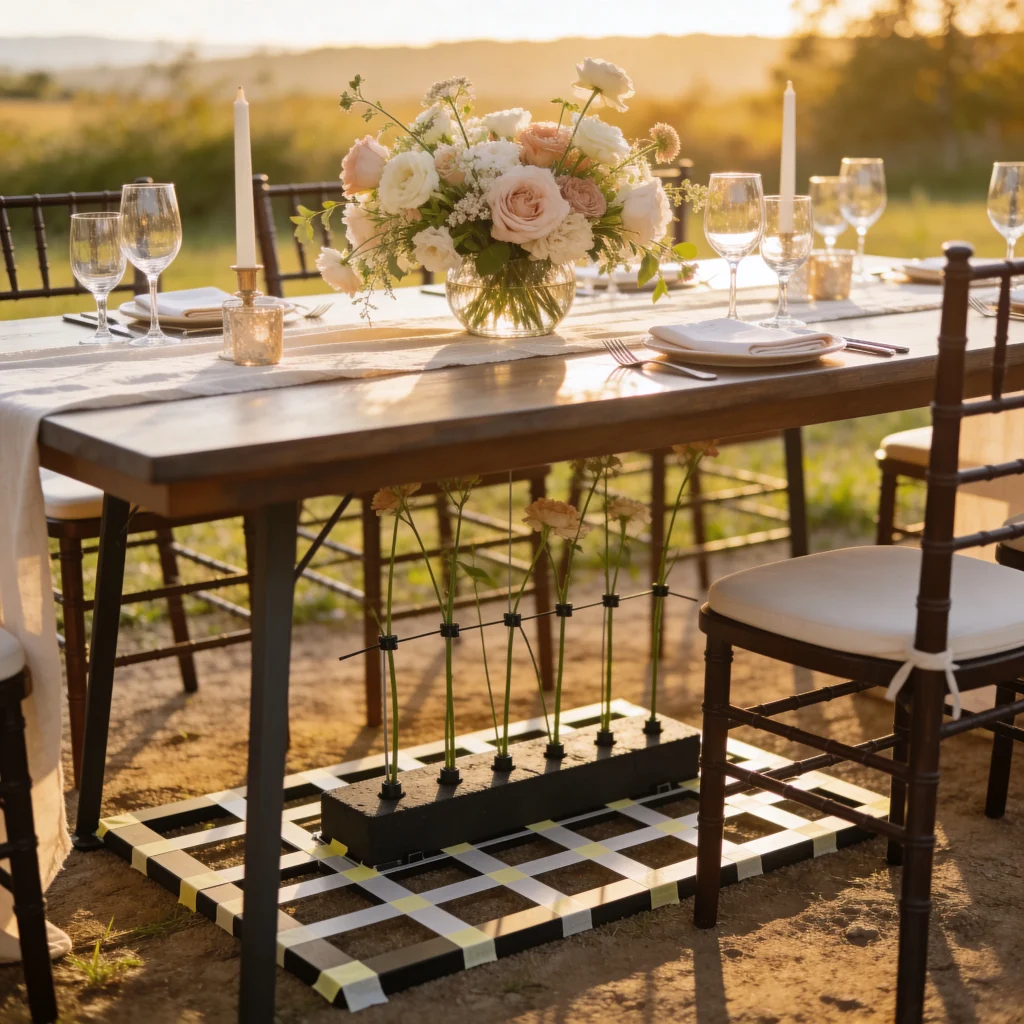
Proper transport and staging of wedding flowers are essential to maintaining their freshness and beauty on the big day. Since flowers are delicate and prone to wilting in the heat, thoughtful planning is necessary to ensure they remain vibrant throughout the event. By combining careful transportation methods, cooler usage, and smart staging techniques, blooms can stay stunning from preparation to the final moments of the celebration.
How to Transport Wedding Flowers in a Car
Transporting wedding flowers in a car requires attention to both temperature control and arrangement placement. First, set the car’s AC to a moderate, cool temperature before loading the flowers. Allow the car to cool down fully to avoid exposing the arrangements to a sudden temperature spike. Place flower boxes or buckets flat on the floor or secured in seats to prevent tipping or damage during transit. Avoid the trunk entirely, as it can overheat even on mild days.
Hydration is also key—ensure that all flowers remain in their water sources during transport. Wrap stems in damp paper towels if containers are not viable. Upon arrival at the venue, immediately provide flowers with fresh water or place arrangements in a cool, shaded area to avoid dehydration. Gentle handling and temperature-conscious transport are crucial for keeping flowers wedding-ready.
How to Use Coolers Without Damaging Blooms
Using coolers is an excellent way to keep flowers fresh before a wedding, but the process requires care to avoid damaging the blooms. Start by ensuring proper airflow inside the cooler; overcrowded arrangements can lead to moisture buildup and mold. Provide separation between flower buckets or arrangements by spacing them out as much as possible. This prevents compression and allows for even cooling.
To buffer against cold shock, line the cooler’s shelves or base with towels. Avoid direct contact with ice or overly cold surfaces, as this can harm the flowers. Always maintain a consistent temperature in the cooler, neither dipping too low nor fluctuating too much. Finally, never bury flowers in crushed ice or overly humid conditions, which can damage sensitive petals. With careful preparation, coolers can become a reliable tool for keeping blooms fresh.
Where to Stage Flowers at Outdoor Venues
When staging flowers at an outdoor venue, it is crucial to consider their exposure to sunlight and heat. Utilize a shade map of the venue ahead of time to identify cool, protected areas. Ideal spots include shaded areas under trees, indoor back rooms, or tented vendor zones that shield flowers from direct sunlight.
To enhance staging efficiency, distribute larger arrangements near shaded focal points while keeping smaller bouquets in cool containers or bins. This ensures the flowers maintain their appeal throughout the event.
Part 7 – Assembly Timing – What to Build First vs Last
Efficient assembly timing is crucial for ensuring that floral arrangements remain fresh and vibrant throughout the event. By prioritizing certain pieces based on their sturdiness and sensitivity to heat, you can optimize your workflow and extend the lifespan of your designs. Below is a breakdown of what to construct earlier versus later to achieve the best results.
Build Earlier (Sturdy Pieces)
Start by assembling sturdy, durable designs that can withstand earlier preparation without losing their quality. Garlands crafted with hardy greenery are an excellent choice, as they retain their structure and freshness over time. Aisle markers are another element to build early, as their location often keeps them relatively cool and protected during the event. Lastly, installations incorporating preserved flowers should also be tackled early in your timeline. Preserved flowers are long-lasting and can handle extended exposure without wilting, making them ideal for early assembly.
Build Last (Heat-Sensitive Pieces)
Heat-sensitive and delicate arrangements should always be constructed closer to the event start time to preserve their optimal condition. Hand-tied bouquets, particularly those meant for the bride and bridal party, should be saved for the end to ensure their flowers remain fresh and hydrated. Wearable flowers, such as corsages and boutonnières, are similarly delicate and benefit from minimal time out of refrigeration. Additionally, accents featuring hydrangeas and delicate focal blooms require extra care. These flowers are prone to wilting in heat and should be handled as late as possible to ensure they remain lush and stunning. By timing your assembly thoughtfully, you can balance efficiency with maintaining the beauty of your floral arrangements.
Part 8 – Wearables Outdoors – Boutonnieres and Corsages in Heat
When displaying wearables like boutonnieres and corsages outdoors, especially in warm weather, it’s crucial to take precautions to preserve their freshness. These delicate floral pieces are highly susceptible to heat and dehydration, which can compromise their appearance and longevity. With proper handling and strategic planning, you can ensure that these adornments remain vibrant and beautiful throughout any outdoor event.
How to Keep Boutonnieres Fresh Outside
To maintain the freshness of boutonnieres in outdoor settings, start by hydrating the flowers well and using wax flower tubes to seal and hold moisture at the base of the stems. Refrigerating the boutonnieres until they are ready to be used is an effective way to prolong their life. Aim to pin the boutonniere onto clothing at the very last moment before the event begins to minimize their exposure to heat and air. These steps help keep the blooms fresh and pristine for longer durations.
How to Keep Corsages Fresh Outside
When caring for corsages in warm outdoor environments, ensure the arrangement has proper ventilation to allow air to circulate and prevent premature wilting. Using breathable wristbands instead of tighter foam bases can also help the flowers last longer and stay comfortable for wearers. Most importantly, avoid placing the corsage in direct sunlight, as this can quickly exhaust the flowers and make them appear dull. By taking these measures, corsages can retain their charm and elegance throughout the event.
Part 9 – Emergency “Flower First-Aid Kit” for Outdoor Weddings
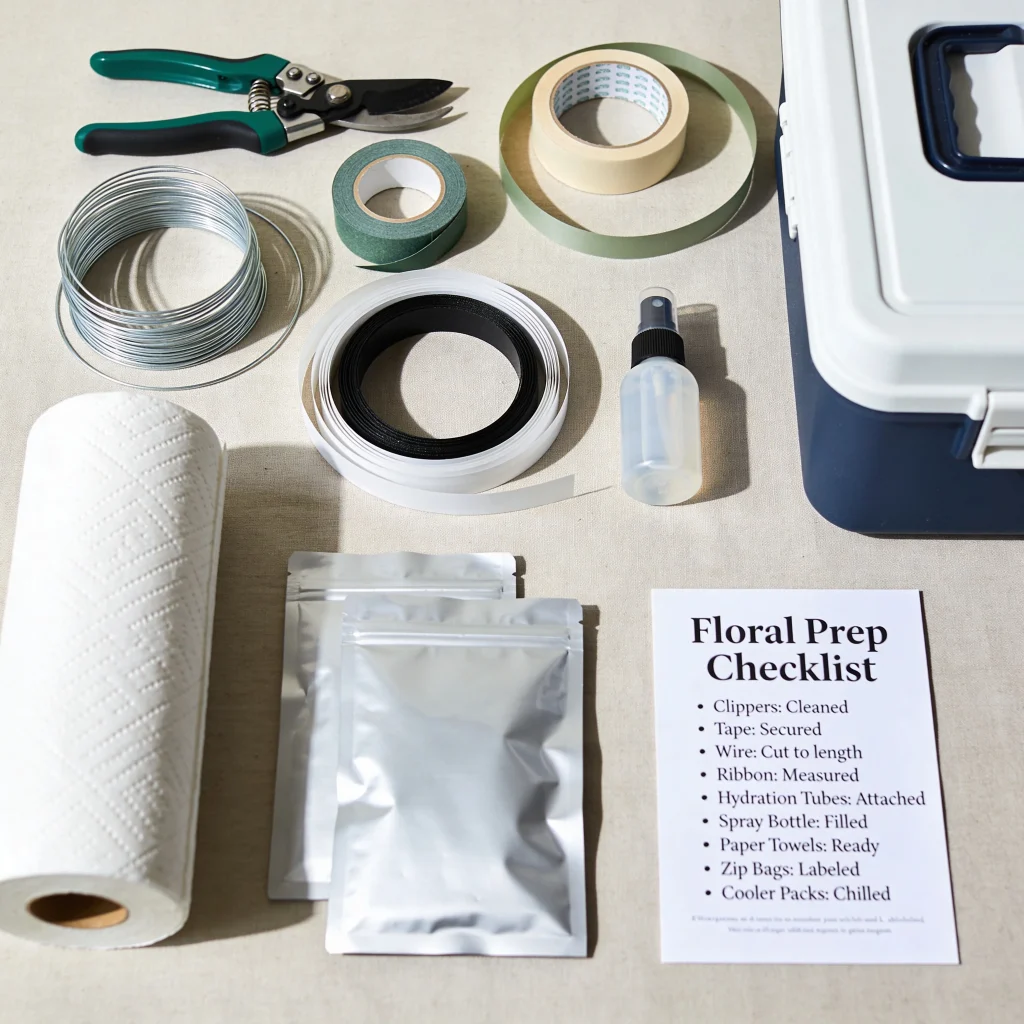
An outdoor wedding can present several challenges for floral arrangements, but having an emergency “flower first-aid kit” on hand can save the day. This kit should include essential tools and supplies such as clippers for trimming stems, floral tape and wire for repairing broken stems, extra ribbon for securing adjustments, and paper towels for cleaning and drying flowers. Hydration tubes are particularly useful for keeping individual stems fresh, while a mini spray bottle filled with water can bring a quick burst of life to flowers that appear dry. Cooler packs can help keep flowers at an optimal temperature in warm conditions.
Knowing how to handle common flower emergencies is essential for preserving the beauty of arrangements. For wilting flowers, give them a fresh cut at an angle, place their stems in hydration tubes, and lightly mist the petals with water. If a stem breaks, use floral tape or wire to carefully reattach and reinforce the break, then hide the repair with extra ribbon. For bruised petals, gently remove the damaged outer layer or shift the angle of arrangements to minimize its visibility. These quick fixes can keep the floral décor looking vibrant and flawless throughout the event, ensuring that even unforeseen challenges don’t detract from the ambiance of the celebration. With a little preparation and creativity, your flowers can remain as beautiful as the moment they were arranged.
Part 10 – How Ordering Wholesale Flowers Helps Outdoor Weddings
Planning an outdoor wedding involves numerous elements to ensure the event goes perfectly, and flowers are a crucial part of creating a beautiful atmosphere. Ordering wholesale flowers can provide several advantages for outdoor weddings, helping couples achieve their floral vision while staying practical and economical. Wholesale purchasing allows for access to a broad variety of flowers at competitive prices, making it easier to design stunning arrangements that complement the natural surroundings. Additionally, bulk ordering ensures you have enough blooms to work with, accommodating everything from elaborate centerpieces to smaller, delicate accents. With the right approach, wholesale flowers can elevate the elegance and charm of any outdoor wedding.
Why Bulk Ordering Improves Freshness Windows
Buying flowers in bulk directly from wholesalers offers significant benefits, particularly when it comes to maintaining freshness. Because wholesalers often ship directly from farms, the flowers reach you faster and spend less time in transit or storage. This tight supply chain ensures fresher blooms that last longer for your outdoor wedding. Furthermore, bulk ordering reduces the likelihood of running out of flowers, as you can carefully plan for the correct quantities needed for all arrangements. Having everything on hand also means fewer last-minute trips to stores, giving you peace of mind and more time to focus on other aspects of your big day.
The Smartest Bulk-Buy Approach for Outdoor Setups
When ordering wholesale flowers for an outdoor wedding, it’s important to choose a combination of hardy base flowers, such as roses or chrysanthemums, and accent blooms like baby’s breath or snapdragons to create dynamic, weather-resistant arrangements. Always order extra stems as a backup for unexpected issues like breakage or bruising. Additionally, schedule delivery to allow adequate time for conditioning the flowers—this ensures they are fully hydrated and look their best on the wedding day. Whole Blossoms serves as a trusted source for wholesale flowers, offering a wide assortment of fresh, high-quality stems to suit any wedding style.
Outdoor Wedding Flower FAQs
How do you keep flowers from wilting at an outdoor wedding?
To prevent flowers from wilting, keep them hydrated and cool. Use water-filled vials or wet floral foam to provide consistent moisture. Arrange flowers in shaded areas and avoid direct sunlight during setup. Spray petals lightly with water to retain freshness, but avoid over-soaking. Cover flowers with lightweight, breathable fabric to protect them from wind or strong sun as they wait to be used in arrangements or bouquets.
How long can wedding flowers sit out before the ceremony?
Wedding flowers can sit out for 1-2 hours before the ceremony, depending on weather conditions. If it’s hot or windy, this time frame should be shortened to ensure their freshness. Keep flowers in a shaded area and cool temperatures until just before the event. Floral arrangements placed outdoors should be monitored closely to prevent premature wilting or browning, allowing them to look their best during the ceremony.
Should I refrigerate wedding flowers the night before?
Yes, refrigerating wedding flowers the night before can help maintain their freshness, but ensure the fridge is set to around 36–46°F and free of fruits, as ethylene gas can damage flowers. Place flowers in water and loosely cover them with plastic for added moisture retention. Avoid over-packing the fridge to prevent petals from being crushed. If a refrigerator isn’t available, store them in a cool, air-conditioned room.
What temperature should flowers be kept at before an outdoor wedding?
Flowers should ideally be kept at a temperature of 36–46°F prior to the outdoor wedding. If refrigeration isn’t an option, aim to store them in a cool environment, around 60–70°F, with proper ventilation and away from direct sunlight. Maintaining this cooler temperature prevents premature blooming and helps flowers stay hydrated. Monitor humidity levels as well to stop petals from drying out before they’re displayed.
Which wedding flowers hold up best in heat and sun?
Flowers like sunflowers, zinnias, carnations, orchids, and succulents are excellent choices for weddings in hot and sunny climates. These flowers are naturally heat-resistant and can maintain their structure and vibrant colors in challenging conditions. Roses and chrysanthemums also perform well despite higher temperatures when hydrated adequately and kept shaded. Choosing resilient blooms reduces the risk of wilting during outdoor celebrations.
Can I mist wedding flowers outside?
Yes, you can mist wedding flowers outside to help them stay fresh. Use a fine mist spray and avoid over-saturating the petals, particularly in direct sunlight, as it can cause water spots or scorching. Mist them periodically if temperatures rise or if they are exposed to drying winds. This technique is a quick and easy way to keep your arrangements looking lively and hydrated during the event.
Conclusion – The Outdoor Freshness Game Plan
Ensuring your wedding flowers shine throughout your outdoor celebration requires a solid plan. Start by selecting durable blooms that can withstand varying temperatures and conditions. Properly condition the flowers by hydrating them well before the event, and keep them in a cool and shaded area whenever possible. Stage your arrangements smartly—place them away from direct sunlight or strong winds to minimize stress. Assemble your floral designs as late as possible to retain their freshness, and always pack an emergency kit with essential tools like floral tape, scissors, water tubes, and misting sprays for quick touch-ups.
Additionally, planning ahead is key—calculate your floral quantities early and order in bulk to ensure you have plenty of backups. This proactive approach not only covers any last-minute changes but also provides peace of mind for your big day. With this outdoor freshness game plan, you can rely on your blooms to remain vibrant and picture-perfect from ceremony to celebration!