


 by
by 
Introduction — Why DIY Wedding Flowers Are More Popular in 2026
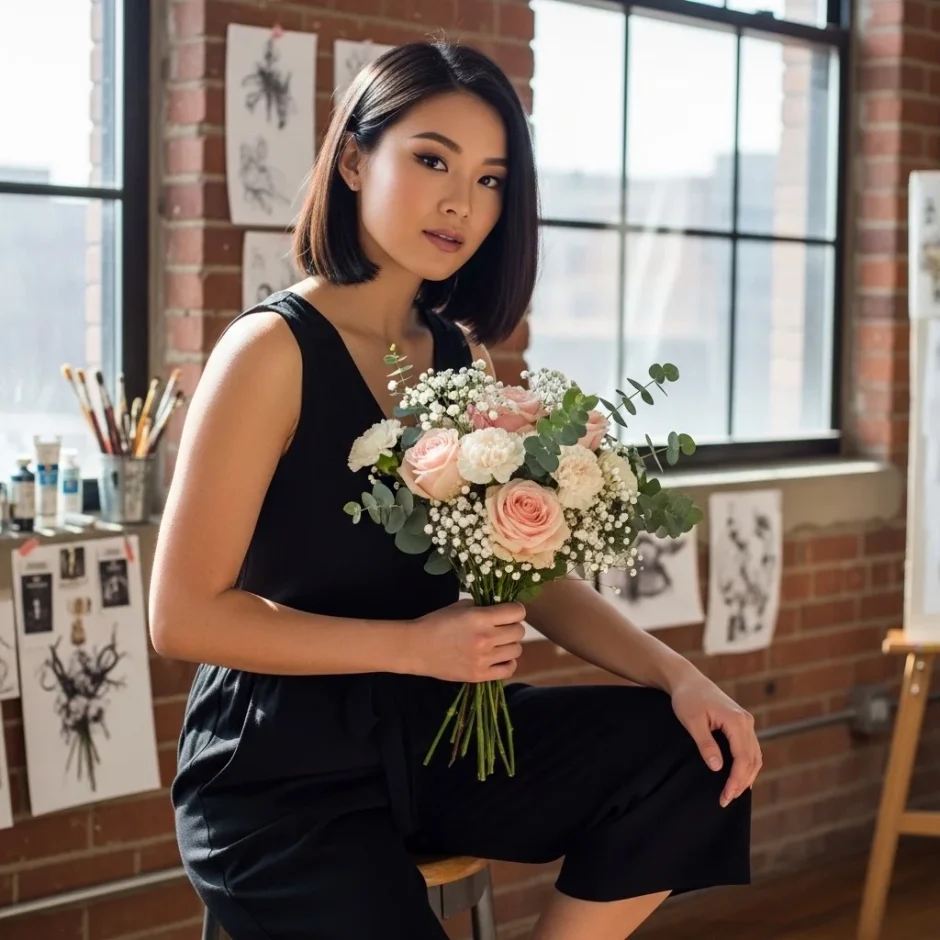
DIY wedding flowers have become a prominent trend in 2026, as more couples look for personalized and budget-friendly solutions for their big day. Simply put, DIY wedding flowers involve brides and grooms designing and arranging their floral decorations themselves, rather than hiring a professional florist. This approach gives couples the opportunity to create one-of-a-kind arrangements that reflect their unique style and relationship.
One of the main reasons brides turn to DIY wedding flowers is the cost-saving potential. With wedding expenses continuing to rise, making floral arrangements by hand can dramatically reduce spending. Purchasing flowers directly from local markets or online wholesalers is typically far less expensive than investing in curated packages offered by professional florists.
Beyond saving money, DIY flowers give couples complete creative control. From the color scheme to the choice of blooms, every detail can be tailored to fit the wedding vision. Many brides find this creative process empowering and deeply meaningful, adding sentimental value to their special day.
Social platforms like Pinterest and TikTok have played a significant role in inspiring this trend. With tutorials, mood boards, and real-life wedding snapshots readily available, brides gain the confidence and knowledge needed to bring their floral dreams to life. These platforms ensure that even those with no prior experience can feel equipped to tackle DIY arrangements with ease and enthusiasm.
Part 1 – What Does “DIY Wedding Flowers” Actually Mean?
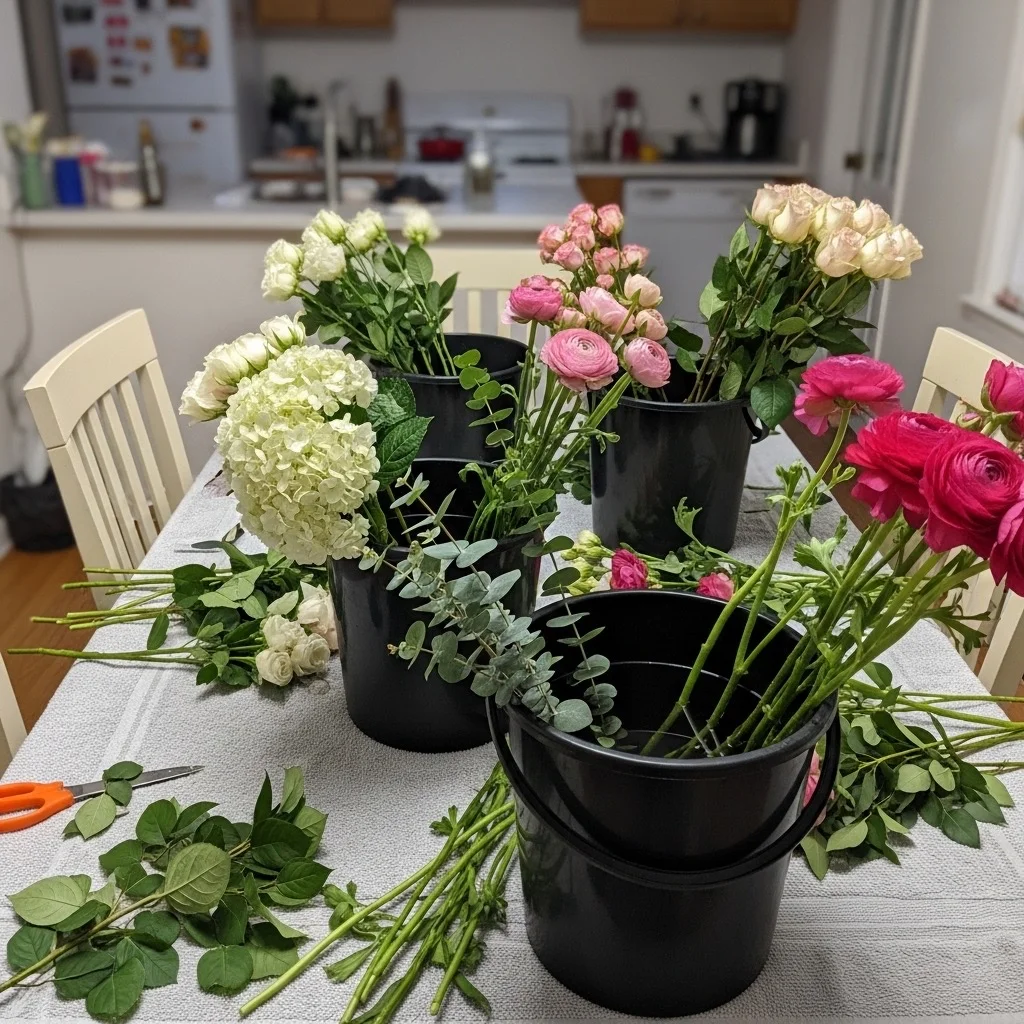
DIY wedding flowers refer to the process where couples, often with the help of friends and family, create their own floral arrangements for their wedding. This approach allows for a personal touch, creativity, and often cost savings by eliminating the need for professional florists.
Snippet-Ready Definition
DIY wedding flowers are handcrafted floral arrangements made by couples and their loved ones, adding personal and meaningful touches to their special day without relying on professional florists.
Typical DIY Wedding Flower Items
DIY wedding flowers typically cover a wide range of arrangements that contribute to the overall floral décor. Bouquets, for instance, are among the most iconic items, allowing brides to create a centerpiece of personal significance. Boutonnieres and corsages, though small, offer charming customized accents for the wedding party and immediate family members, tying the theme together. Centerpieces are another common DIY item, giving couples the chance to design table décor that suits their vision and complements the venue. For a dramatic and romantic statement, many couples also craft arch decorations, incorporating blooms and greenery that frame key moments of the ceremony, such as the exchange of vows. Each of these items provides an opportunity for hands-on creativity and ensures the floral arrangements feel uniquely tied to the couple’s story.
Part 2 – How Much Do DIY Wedding Flowers Actually Cost? (Budget Breakdown)
One of the key decisions for couples planning their wedding is determining the budget for flowers. DIY wedding flowers can provide a cost-effective alternative to hiring a traditional florist, but it’s important to have a realistic understanding of the expenses involved. Here’s a detailed budget breakdown to help answer the question, “How much does it cost to DIY wedding flowers?”
Realistic Budget Ranges
There are three primary ways to approach DIY wedding flowers, each with its own cost considerations.
- Traditional Florists: Hiring a professional florist generally costs between $2,000 and $5,000 for an average-sized wedding. This includes design, labor, and premium-quality blooms. While this provides convenience, it also comes at a significant expense.
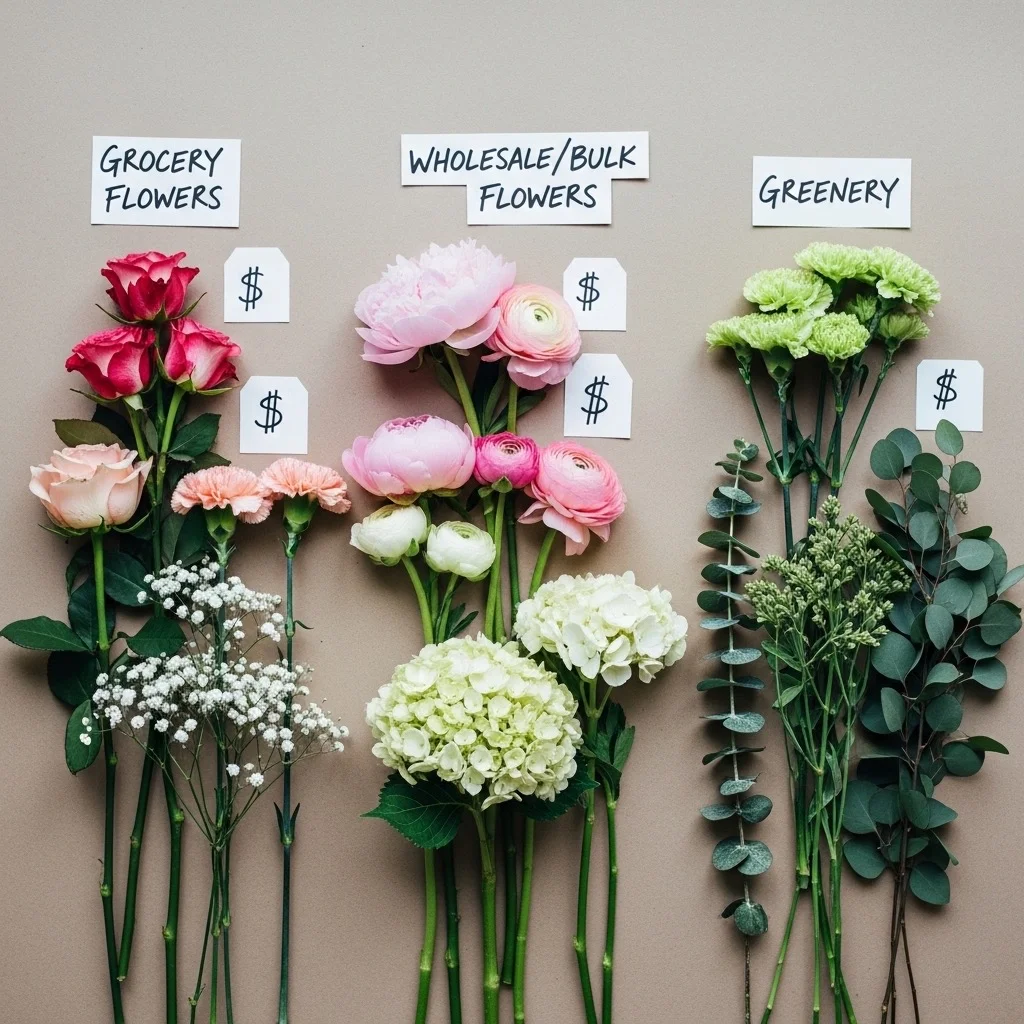
- DIY with Grocery Flowers: Using flowers sourced from local grocery stores, you can typically expect to spend between $300 and $800. However, flower selection may be limited, and the quality or freshness of blooms might not compare to those sourced wholesale.
- DIY with Bulk Flowers/Wholesale Flowers: For couples opting to purchase wholesale flowers, the costs usually range from $500 to $1,500. This approach provides access to a wider selection of stems, overall better quality, and typically larger quantities for a more customized wedding vision.
Where Savings Come From
The primary cost savings in DIY wedding flowers come from labor. Traditional florists provide not only the flowers but also the creative and logistical labor—designing arrangements, sourcing the best blooms, and assembling them for your big day. By choosing DIY, couples take on the creative and sourcing labor themselves, often reducing costs significantly. While this requires time and effort, it brings flexibility in terms of budget and design preferences.
Cost Example Using Bulk Pricing
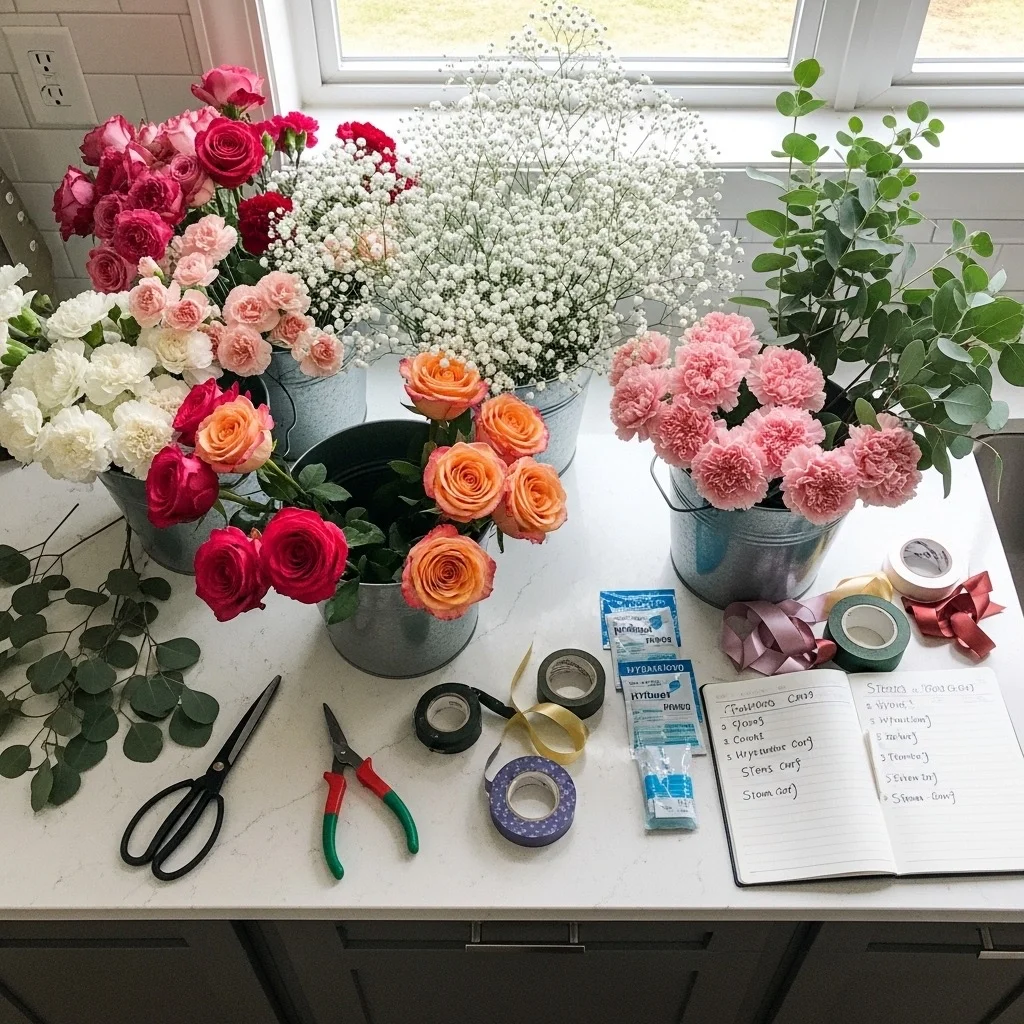
For couples using bulk pricing, here’s a sample breakdown of costs using popular stems:
- Roses (25 stems): $30–$50
- Hydrangeas (10 stems): $40–$60
- Baby’s Breath (10 bunches): $50–$70
- Eucalyptus (5 bunches): $25–$40
- Carnations (20 stems): $15–$30
Altogether, this example totals approximately $160–$250. Depending on additional décor needs, these numbers can scale up or down to suit your preferences. This makes DIY with wholesale flowers a highly customizable and budget-friendly option, ideal for couples wanting a personal, hands-on approach to their wedding flowers.
Step 1 — Choosing the Right Flowers for DIY Weddings
Selecting the right flowers is a crucial first step for creating stunning DIY wedding arrangements. The types of flowers you choose can impact everything from your budget to the complexity of your arrangements. For beginner florists, it’s important to consider flowers that are easy to work with and offer flexibility, while also taking into account the seasonality and availability of blooms.
Best Flowers for Beginners
Here are some of the best flowers for those new to arranging:
- Roses: A timeless classic, roses are versatile and easy to handle, making them ideal for DIY designs. With numerous varieties and colors available, they can fit nearly any theme or style. Their durability ensures they hold up well throughout the day.
- Ranunculus: These delicate, ruffled blooms add an elegant touch to centerpieces and bouquets. Despite their intricate appearance, ranunculus flowers are surprisingly easy to arrange when paired with greenery or filler flowers.
- Carnations: Often overlooked, carnations are affordable, long-lasting, and incredibly flexible. Their frilly petals bring texture to arrangements, and they come in a wide array of colors to match any palette.
- Baby’s Breath: Known as a popular filler flower, Baby’s Breath is a beginner-friendly option for adding softness to your designs. Its light, airy texture can stand alone for a minimalist look or complement bolder blooms.
- Hydrangeas: These fluffy, abundant blooms fill space quickly, reducing the number of stems you’ll need for larger arrangements. However, they do require adequate hydration to stay fresh throughout the event.
- Greenery (Eucalyptus, Ruscus): Greenery is an essential part of DIY floral arrangements, adding depth and a lush, natural feel. Eucalyptus and ruscus are durable, easy to style, and help tie together flowers of varying shapes and sizes.
Flowers That Require More Skill
While certain flowers are beginner-friendly, others demand more expertise due to their fragility, intricate shapes, or specific care needs:
- Calla Lilies: With their sleek, elegant lines, calla lilies can be challenging to work with due to their delicate stems and need for precise placement.
- Orchids: These exotic flowers are visually stunning but fragile. They often require wiring and careful handling to avoid breakage.
- Sunflowers: Known for their bold, cheerful appearance, sunflowers can be tricky due to their heavy heads and the tendency of their stems to bend if not supported properly.
- Dahlias: These show-stopping blooms are sensitive to temperature and often have a shorter vase life, requiring careful planning to keep them looking fresh.
- Preserved Flowers: While trendy and long-lasting, preserved flowers are brittle and demand extra care during handling to prevent damage.
Seasonality & Availability
The seasonality of flowers has a significant impact on both their cost and accessibility. Opting for blooms that are in season locally can stretch your budget further and ensure fresher flowers. For instance, tulips and daffodils are abundant in spring, while sunflowers thrive in the late summer months. Conversely, importing out-of-season flowers can greatly increase costs and could limit the freshness of your arrangements.
Additionally, the climate in your wedding location plays an essential role. Flowers such as peonies and hydrangeas may struggle in hot, dry conditions, while hardy options like carnations and eucalyptus are more forgiving. By working with the seasons and factoring in the local climate, you can create beautiful, resilient arrangements without exceeding your budget.
Step 2 — Order Your Wedding Flowers in Bulk (From Whole Blossoms)
When brides decide to DIY their wedding flowers on a budget, the single smartest move is buying bulk flowers online instead of retail stems. Bulk purchasing gives you more stems, better quality, fresher product, and better color consistency without the markup that traditional florists build into their labor and design time.
The most cost-efficient way to source DIY flowers is to order through Whole Blossoms, which ships premium wholesale flowers directly from farms to your door. Because the flowers arrive fresher and in volume, you save money while still getting designer-quality product for bouquets, centerpieces, arbor installs, and boutonnières.
What You Do at This Step:
- Browse wedding flower categories by color, variety, or season
- Choose focal flowers (e.g., Roses, Peonies, Calla Lilies, Orchids, Dahlias)
- Choose filler flowers (e.g., Baby’s Breath, Carnations, Ranunculus, Hydrangeas)
- Add Greenery (e.g., Eucalyptus, Ruscus, Lemon Leaf)
- Confirm delivery date for freshness (2–3 days before your wedding)
Why Whole Blossoms Works for DIY Brides:
- Bulk wholesale pricing eliminates retail markup
- Farm-direct shipping ensures flowers arrive fresher and last longer
- Massive selection across color palettes and varieties
- Online ordering simplifies planning without store runs
- Ideal for DIY weddings, budget-conscious couples, and event planners
Quick Tip for Budget Planning: Most DIY weddings require 5–10 bunches of focal flowers, 5–10 bunches of fillers, and 3–5 bunches of greenery depending on your guest count and centerpiece style. Because you’re buying wholesale through Whole Blossoms, you get significantly more stems per dollar with better color matching than mixed retail buckets.
Step 3 — How to Calculate Stem Counts (Bouquets, Tables & Arches)
When planning floral arrangements for weddings and events, calculating stem counts is essential to ensure your designs are lush, balanced, and cohesive. Properly estimating the number of stems you’ll need for bouquets, centerpieces, and ceremony features not only saves money but also reduces waste. Below, we outline guidelines and formulas to help you calculate stem counts for popular floral arrangements.
Bridal Bouquet Stem Counts
A bridal bouquet is the most prominent arrangement in wedding florals, and its size, style, and flower variety should reflect the overall theme. For classic round bouquets, here are some general guidelines for stem counts:
- Roses: 20–25 stems for a full, romantic look.
- Peonies: 7–12 stems, as these blooms are large and luxurious.
- Ranunculus: 15–20 stems for their delicate texture and elegance.
- Hydrangeas: 3–5 stems, as they provide significant volume and fill.
- Greenery/Fillers (e.g., eucalyptus, ferns): 5–8 stems to add texture and depth.
For cascade-style bouquets, you may require slightly more greenery and trailing flowers to achieve that signature flowing effect.
Bridesmaid Bouquets
Bridesmaid bouquets are typically smaller and lighter than the bride’s to make them easy to carry while still complementing the primary bouquet. Depending on your design, aim for:
- Roses or similar blooms: 10–15 stems.
- Compact flowers (e.g., ranunculus): Around 10 stems per bouquet.
- Greenery: 3–5 stems to keep the bouquets light and airy.
Smaller flowers and softer textures often work better for these bouquets to avoid overshadowing the bride.
Centerpieces
Centerpieces come in a variety of styles, ranging from low, compact arrangements to tall and dramatic designs. The number of stems will depend on the vessel and style:
- Low Centerpieces: These arrangements are ideal for intimate, eye-level decor. Use about 20–30 stems for a small-to-medium-sized design, including focal flowers, fillers, and greenery.
- Tall Centerpieces: These arrangements require more height and volume. Plan for 25–40 stems, including large blooms like hydrangeas or amaranthus for added drama.
Be sure to consider the size of your tables when planning proportions for your centerpieces.
Ceremony Arches
Floral arches or backdrops are stunning focal points for ceremonies. The stem count will vary based on the size and fullness of the arch:
- Linear Footage Estimation: For a standard 7–8 ft arch with light florals, plan for 75–100 stems.
- Full Coverage: If you want a more lush look, use 125–175 stems per 7–8 ft for full coverage. Incorporate large blooms like hydrangeas and plenty of greenery to maximize volume.
- Sparse or minimalist arches may require fewer stems but should still align with your floral theme.
Quick Calculator (Snippet-Friendly)
For a quick estimate of stem counts per arrangement, you can use this simple formula:
PAA (Petals, Arrangement, Aesthetic) Formula:
Stem Count = (Desired Fullness Factor) × (Arrangement Size in Inches or Feet)
For example, a medium-sized, lush bouquet may use a Fullness Factor of 1.5, while a minimalist centerpiece may use 0.8. Adjust based on your design needs and flower types.
Step 4 — Receiving, Hydrating & Storing Flowers Before the Wedding
Properly managing your flowers upon arrival is crucial to ensuring they look their very best on the big day. With this step, you’ll establish a foundation of freshness by carefully inspecting the blooms, hydrating them appropriately, and storing them under optimal conditions. By mastering these details, you’ll avoid common florist pitfalls and guarantee stunning floral arrangements.
Receiving Day Check
When your flowers arrive, take the time to carefully inspect every aspect of the shipment. Here’s a checklist to guide you:
- Temperature: Ensure the flowers were transported at the correct temperature. Sudden temperature changes can damage blooms.
- Box Condition: Look over the boxes for any signs of damage, like dents or watermarks, which may indicate compromised flowers.
- Hydration Packs: Check that hydration packs or wraps are still moist and properly attached to keep stems hydrated during transit.
- Stem Quality: Inspect stems for any signs of dryness, discoloration, or wilting. Remove any damaged leaves or outer petals to promote longevity.
Address any issues immediately to avoid further deterioration.
Hydration Rules (By Flower Type)
Different flowers have specific hydration needs that must be honored to maintain their vibrancy and structure. Below are guidelines for common wedding flowers:
- Hydrangeas: These are notoriously thirsty flowers. Submerge the entire blooms in a shallow bath of cool water for 30–60 minutes to fully rehydrate them before trimming the stems and placing them in fresh water.
- Roses: Trim their stems at a 45-degree angle under running water, then allow them to hydrate for 24–48 hours. Removing guard petals ensures they bloom beautifully.
- Ranunculus: These delicate flowers require cooler water and must be hydrated for at least 12 hours. Handle stems gently as they can be fragile.
- Greenery: Most greenery thrives with a quick trim and placement in room-temperature water. Ensure no leaves are submerged to prevent bacteria growth.
- Baby’s Breath: These hardy fillers can sit in water for a few hours to rehydrate, but they maintain well even with minimal hydration if stored properly.
Storage Conditions
Maintaining the right storage conditions is critical to preserving freshness:
- Temperature: Store blooms in a cool, dark environment, ideally between 36–46°F, depending on the flower type. Avoid freezing temperatures or placing flowers too close to cooling vents.
- Humidity: Maintain moderate humidity levels to prevent wilting. Too much humidity might cause mold, while too little can dry out stems and petals.
Avoid overcrowding blooms in storage to prevent bruising and ensure air circulation.
Timing
Timing is everything when it comes to floral arrangements. Plan to receive your flowers 2–3 days before the event to allow sufficient time for any preparation, hydration, and arranging. This window offers the ideal balance between freshness and readiness for the wedding day.
Step 5 — Assembling DIY Wedding Flowers (With Techniques)
Once your flowers are prepped and ready, it’s time to bring your arrangements to life. This process requires attention to detail, creativity, and proper techniques to ensure your wedding florals are as stunning as they are memorable. Below are step-by-step methods to assemble your flowers like a pro, with specific techniques for creating bouquets and arrangements.
Spiral Stem Technique (Bouquets)
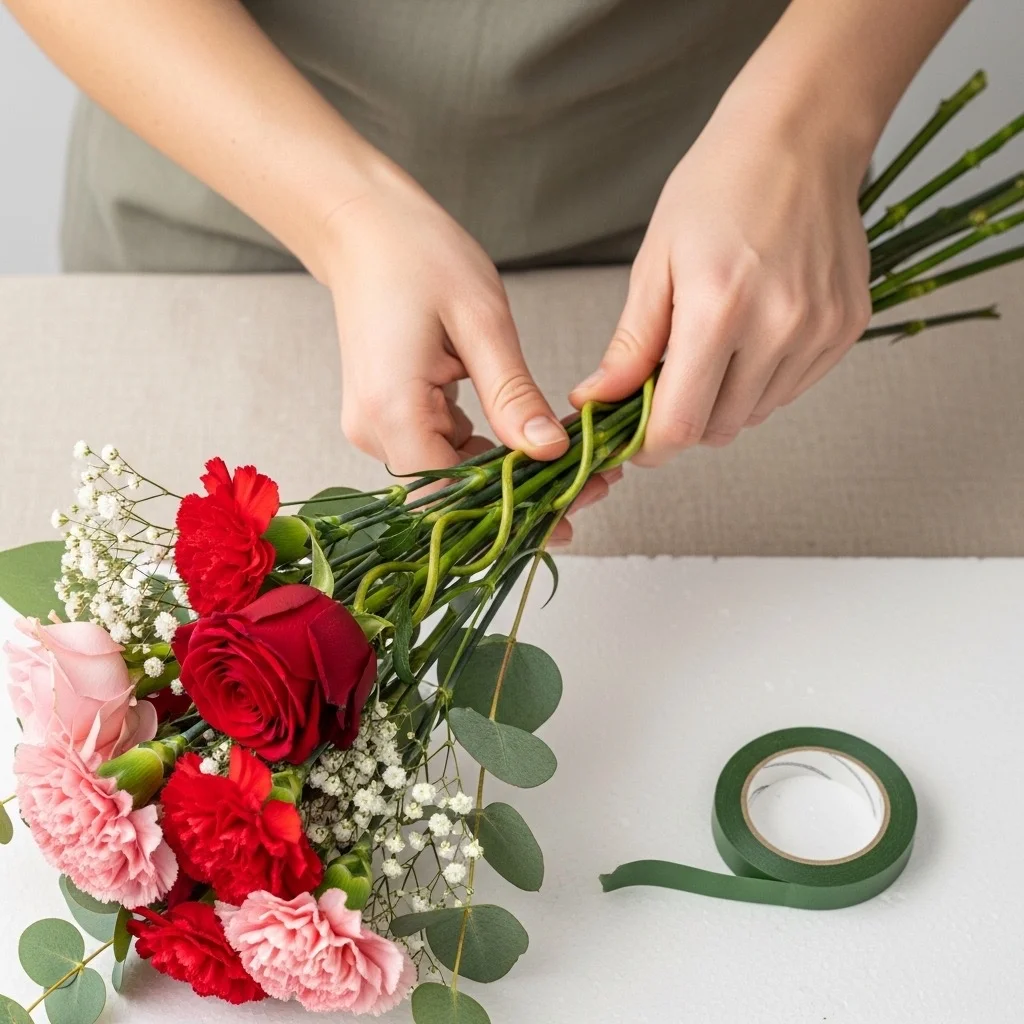
The spiral stem technique is perfect for creating balanced and professional-looking bouquets, especially with sturdy flowers like roses, carnations, or peonies. Begin by holding a single stem in your hand, then add a second stem at an angle, crossing it over the first. Rotate the bouquet slightly in your hand after each addition, continuously angling the stems in the same direction as you add more flowers. This creates a spiral effect, ensuring the stems align neatly and the bouquet has an even, symmetrical look. Once satisfied with the shape and fullness, tie the stems together tightly with floral tape to maintain the structure.
Clustering Secondary Blooms
To add depth and interest to your arrangements, cluster secondary blooms like ranunculus or tulips together among your primary focal flowers. Grouping these in small clusters gives the arrangement visual texture and avoids a sparse or disorganized appearance. For a cohesive look, use odd numbers when clustering, such as three or five blooms, and vary their heights slightly within the arrangement for a more dynamic result.
Adding Filler & Greenery
Filler flowers and greenery are essential for tying arrangements together, softening edges, and filling any gaps. Flowers like baby’s breath can add subtle elegance, while eucalyptus adds a modern, airy touch with its muted green tones. For extra flair, you can incorporate sunflowers as eye-catching accents. Distribute these elements evenly throughout the arrangement, ensuring they complement your primary blooms without overwhelming them. Greenery can also be used to create a natural frame for the bouquet, adding balance and cohesion.
Taping & Wrapping
Once your arrangement is complete, secure the stems together using floral tape, which provides a strong hold without damaging the flowers. For a polished finish, wrap the base of your bouquet with satin ribbon, twine, or another material that matches your wedding aesthetic. Start at the top of the stems and wind your wrapping material downwards, overlapping slightly as you go. Secure the end discreetly with pins or glue for a seamless look. This final touch will not only enhance the bouquet’s appearance but also provide a comfortable grip for holding.
By following these techniques, you’ll achieve professional-grade floral arrangements that reflect your unique style and make your special day truly unforgettable.
Step 6 — Transportation & Day-Of Setup
Proper transportation and careful day-of setup are pivotal to ensuring your floral arrangements look their best when it’s time to say “I do.” With some thoughtful planning and preparation, you can avoid any last-minute mishaps and keep your flowers fresh and vibrant for the big day.
Transporting Flowers
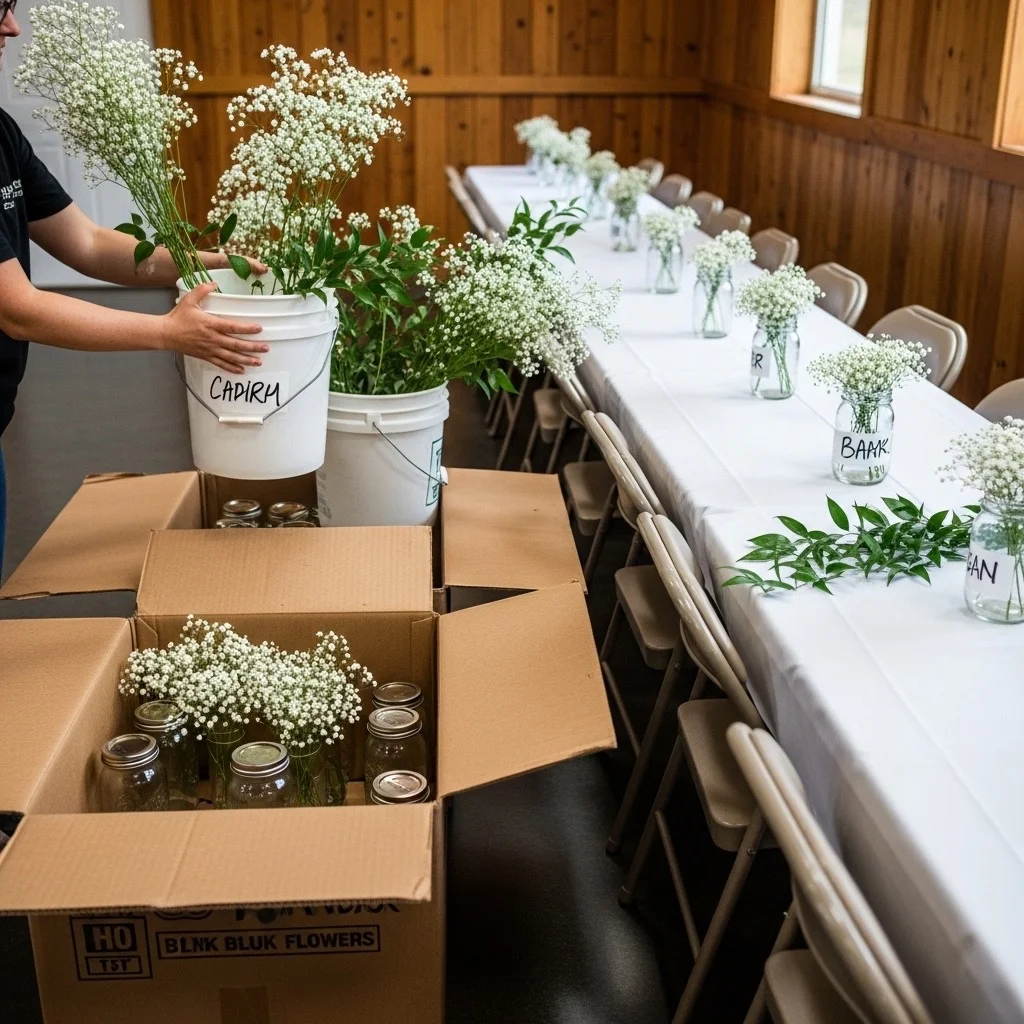
When transporting your flowers, it’s essential to protect both the arrangements and the blooms themselves. Use tools like water tubes for individual stems and sturdy buckets filled with water for larger bunches to keep flowers hydrated during the trip. If possible, transport everything in a cool, climate-controlled car to avoid excessive heat, which can cause wilting. Never store flowers in the car trunk, as the lack of airflow and temperature spikes can quickly damage the arrangements.
Venue Setup
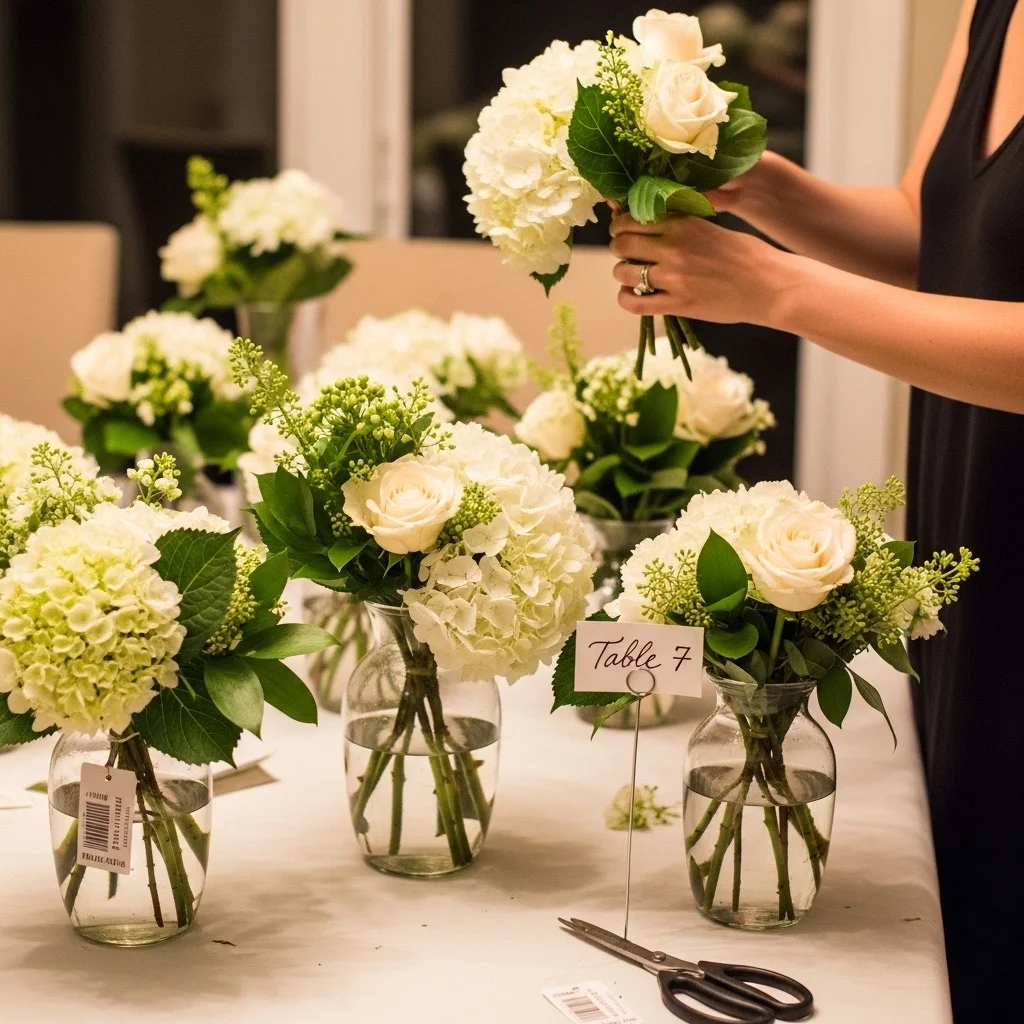
Upon arriving at the venue, a strategic approach to setup will save you time and effort. Start by arranging table centerpieces and decorations, as these foundational pieces set the tone and flow of the space. Next, focus on larger installations, such as arches or other ceremony backdrops, ensuring they are securely set. Finally, place personal flowers like bouquets and boutonnieres last, as they are most susceptible to damage and need to stay fresh for their moment in the spotlight.
Timeline
The timeline for setting up your floral arrangements depends on the scale of the wedding, but DIY weddings generally require a 2–6 hour window. Begin setup early, especially if there are intricate arrangements or large installations involved. Consider assigning tasks to trusted helpers to ensure everything is completed efficiently and professionally. With proper planning, your floral vision will come to life beautifully, setting the perfect stage for your unforgettable day.
Part 3 – Best Flowers to DIY With (Beginner-to-Advanced Guide)
Beginner-Friendly
- Roses
Roses are a classic choice for DIY floral arrangements due to their accessibility, durability, and universal appeal. They are relatively easy to handle, as their sturdy stems hold up well during cutting and arranging. Additionally, they are available in a plethora of colors, making them suitable for various themes.
- Carnations
Carnations are particularly beginner-friendly because of their long vase life and resilience to mishandling. They are affordable and fluff up beautifully with proper care, making them a great filler or feature flower in arrangements.
- Baby’s Breath
Baby’s breath, with its light, airy aesthetic, is perfect for adding texture to bouquets and centerpieces. It requires minimal conditioning and can handle dry environments, making it ideal for beginners learning to balance arrangements.
- Eucalyptus
Eucalyptus is a staple greenery that is easy to work with, thanks to its pliable stems and forgiving nature. Its natural texture and soothing color provide structure and contrast to floral designs, making it beginner-friendly.
Intermediate
- Ranunculus
Ranunculus flowers offer delicate, layered petals, creating a luxurious look. However, they have softer stems that require gentle handling, making them a step up from beginner flowers. Proper hydration is key to keeping them fresh during setup.
- Tulips
Tulips have an elegant shape and unique character, as they tend to grow and shift in arrangements even after being cut. This characteristic requires intermediate skills to design around their movement effectively.
- Peonies
Peonies are known for their dramatic blooms and range of colors. While they make a bold statement, they can be temperamental and require precise care, including proper hydration and specific timing for their peak bloom.
Advanced
- Calla Lilies
Calla lilies are strikingly elegant but demand precision during handling due to their sleek, delicate stems. They are susceptible to bruising and require advanced skills to position them gracefully in arrangements.
- Orchids
Orchids are luxurious and eye-catching but can be tricky to work with. Their stems are fragile, and their blooms demand misting to ensure they don’t wilt. They often require support or wiring for long-lasting displays.
- Dahlias
Dahlias boast intricate, large blooms but are prone to breakage. They require frequent hydration and benefit from expert conditioning to maintain their vibrant appearance in arrangements.
- Sunflowers
Sunflowers offer bold, cheerful blooms that stand out in designs. However, their heavy heads need proper support, and their stems can be bulky to work with, making them an advanced choice for arrangement enthusiasts.
- Preserved Flowers
Preserved flowers, while long-lasting and trendy, can be brittle and require a delicate touch. Arranging them involves careful planning and attention to detail to avoid breakage, making them suitable for experienced DIYers.
Part 4 – DIY Wedding Flowers FAQ (People Also Ask)
Is it cheaper to DIY wedding flowers?
Yes, DIY wedding flowers are often cheaper than hiring a florist. By sourcing flowers in bulk and arranging them yourself, you can save a significant amount. However, costs can still add up if you opt for premium or out-of-season blooms, so careful budgeting is essential. It’s also crucial to account for supplies like floral foam, wire, and vases in your overall expenses.
How many days before should I make wedding bouquets?
Wedding bouquets should ideally be made 1–2 days before the wedding to ensure freshness. Keep them stored in a cool environment and in clean water to maintain their appearance. Creating them too far in advance could result in wilting, while doing it on the day of the wedding might add unnecessary stress to your schedule.
How do I store DIY wedding flowers?
To properly store DIY wedding flowers, keep them in a cool place out of direct sunlight. Trim the stems at an angle and place them in clean, fresh water. Refrigeration is ideal for some flowers, but avoid storing them near fruits, as ethylene gas from ripening produce can cause the flowers to age prematurely.
Where can I buy bulk wedding flowers?
You can buy bulk wedding flowers from local wholesale flower markets, farms, or online suppliers. Some popular choices include Costco, Sam’s Club, FiftyFlowers, and Blooms by the Box. These vendors often offer a wide variety of blooms at competitive prices, perfect for creating abundant arrangements.
What flowers are best for DIY weddings?
For DIY weddings, hardy and versatile flowers like roses, daisies, eucalyptus, and baby’s breath are excellent choices. These flowers are easy to work with and long-lasting. Seasonal blooms are also a great option, as they are more affordable and readily available, allowing you to align designs with the wedding’s time of year.
Conclusion — DIY Wedding Flowers Are Possible With the Right Plan
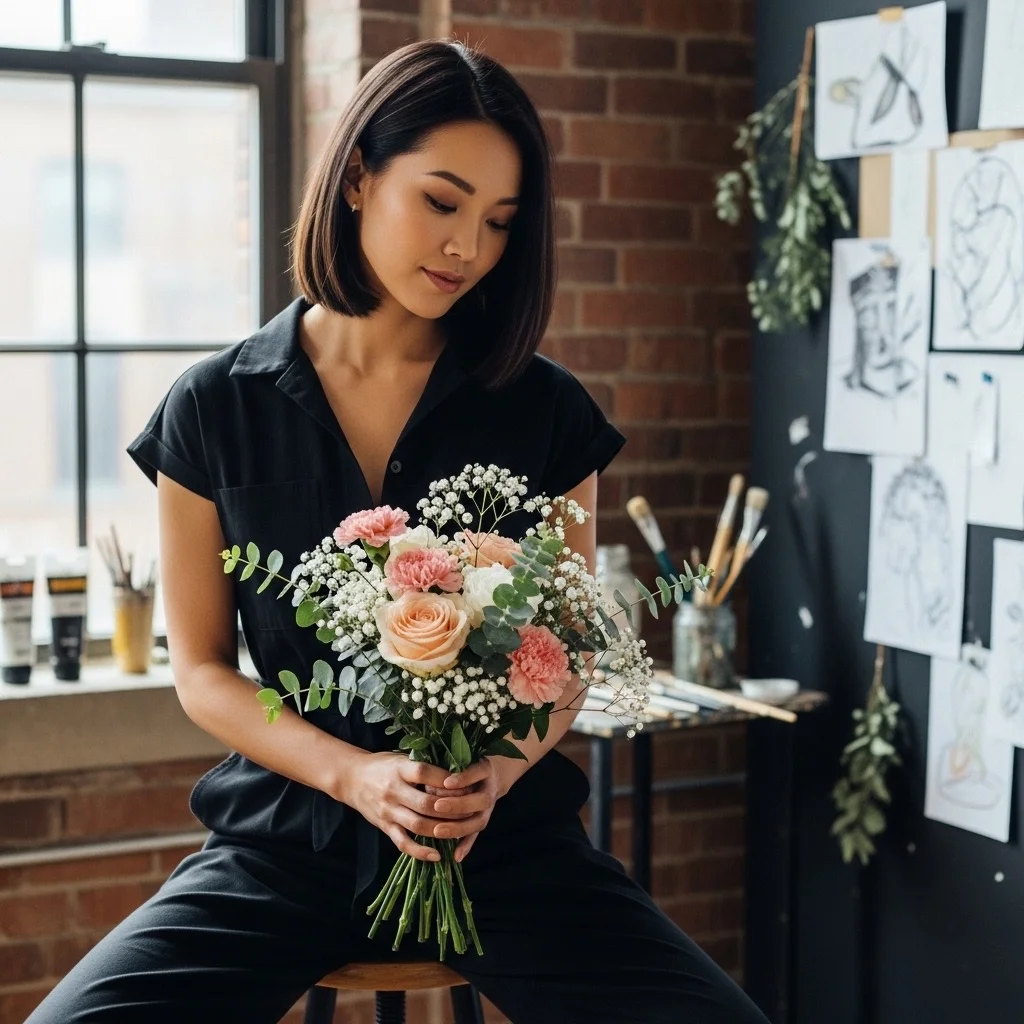
Creating stunning DIY wedding flower arrangements is absolutely achievable with proper planning and preparation. Start by selecting hardy, versatile blooms suited for your wedding style and the season. Sourcing flowers in bulk from reliable vendors ensures cost efficiency and access to fresh, high-quality stems. Don’t forget to factor in hydration and storage, as keeping flowers in optimal condition is key to their longevity. By carefully calculating stem counts and leveraging the advantages of wholesale flowers, you can design breathtaking arrangements that elevate your special day. With the right approach and resources, DIY wedding flowers allow you to add a personal, creative touch to your celebration while staying within budget. Explore more tips and find blooms for your wedding through our Wedding Flowers and Bulk Flowers collections, or visit our Wholesale Flowers guide for further inspiration.