


 by
by 

Planning a wedding involves countless details, but choosing the right flowers is one of the most significant aspects of creating a memorable and visually stunning event. Wedding flowers not only set the tone and theme of your big day but also hold sentimental value for many couples. However, selecting the perfect blooms goes beyond just their beauty—ensuring they last throughout the ceremony and reception is key. The longevity of flowers can be impacted by various factors, including weather conditions, proper hydration, and adequate storage. Understanding these elements allows brides, event planners, and florists to make informed decisions about their floral arrangements.
Certain flowers, like orchids and carnations, are known for their resilience and ability to stay fresh for extended periods, making them ideal for long celebrations. On the other hand, delicate blooms like gardenias and tulips require extra care and attention to maintain their appearance. This guide is designed to help you select wedding flowers that strike the perfect balance between beauty and durability. Whether you’re a bride looking to make informed choices or an event planner searching for advice to guide your clients, this comprehensive resource will help you craft arrangements that look vibrant and fresh for every special moment.
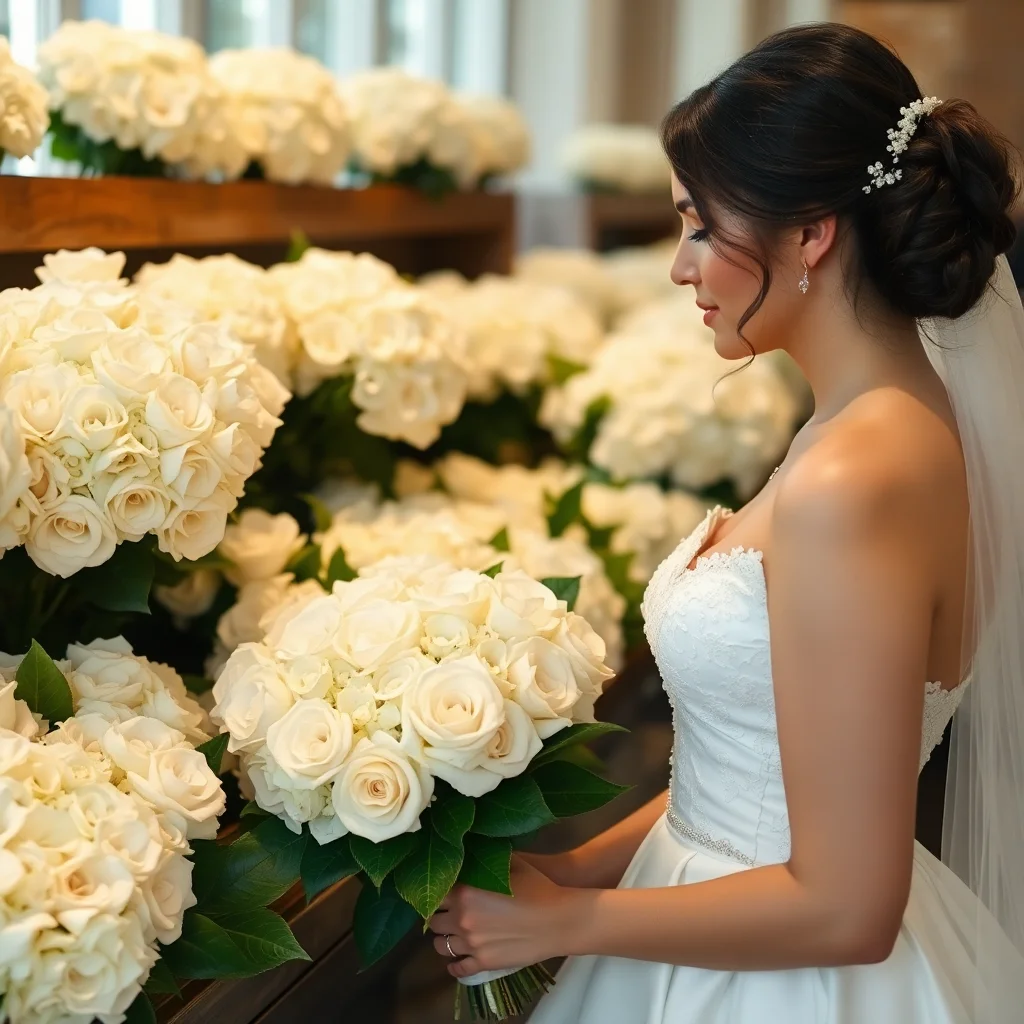
Part 1 – Factors That Affect Wedding Flower Longevity
When it comes to creating stunning floral arrangements for weddings, understanding the factors that impact flower longevity is essential. Several elements play a role in determining how long blooms will stay vibrant and fresh, including the natural properties of the flowers, environmental conditions, and proper handling techniques. Below, we explore these factors to help you make informed choices for your wedding.
What Makes Some Flowers Last Longer Than Others?
The natural characteristics of flowers greatly influence their durability. Hardy blooms like roses, orchids, and calla lilies are known for their ability to retain freshness for extended periods, thanks to features such as thick petals, sturdy stem structures, and high hydration capacity. These traits allow them to withstand environmental changes and handling better than more delicate varieties.
On the other hand, flowers like peonies, hydrangeas, and dahlias are considered more fragile. Their thinner petals and less robust stems make them susceptible to wilting or damage if not handled with care. Understanding these differences can help you select blooms that are better suited to your wedding timeline and environmental conditions, ensuring arrangements look their best throughout the event.
Environmental Factors That Impact Freshness
The environment in which flowers are displayed plays a critical role in their longevity. Temperature is a key factor, with cooler climates generally providing better conditions for flower preservation. Warm weather, by contrast, may accelerate wilting and reduce vibrancy, especially for delicate blooms. If you’re hosting a summer wedding, choosing heat-tolerant flowers such as succulents or chrysanthemums can make a significant difference.
Humidity levels also affect how flowers maintain their freshness. High humidity can lead to moisture retention, causing blooms to droop or petals to discolor, while excessively dry conditions may sap hydration from the stems. Consider the local climate when planning arrangements to minimize these risks.
Finally, direct sunlight and exposure should be carefully managed. Prolonged exposure to sunlight can cause petals to fade and wilt, particularly for lighter, more delicate flowers. Displaying floral arrangements in shaded or partially covered areas can help preserve their appearance throughout the event.
Proper Handling and Hydration Matters
The way flowers are prepared and stored can make a substantial difference in their lifespan. Cutting the stems at an angle ensures better water absorption, allowing blooms to stay hydrated longer. Improper cutting techniques can hinder water uptake, hastening wilting.
Using floral preservatives and hydration packs is another effective way to extend the freshness of flowers. These products provide essential nutrients and help retain moisture, keeping blooms looking lively. Additionally, storing flowers in a cool, dark space before arranging them ensures they remain in optimal condition until they are ready to be displayed.
By understanding and applying best practices for flower selection, environmental management, and handling, you can create wedding arrangements that maintain their beauty throughout every moment of the celebration.
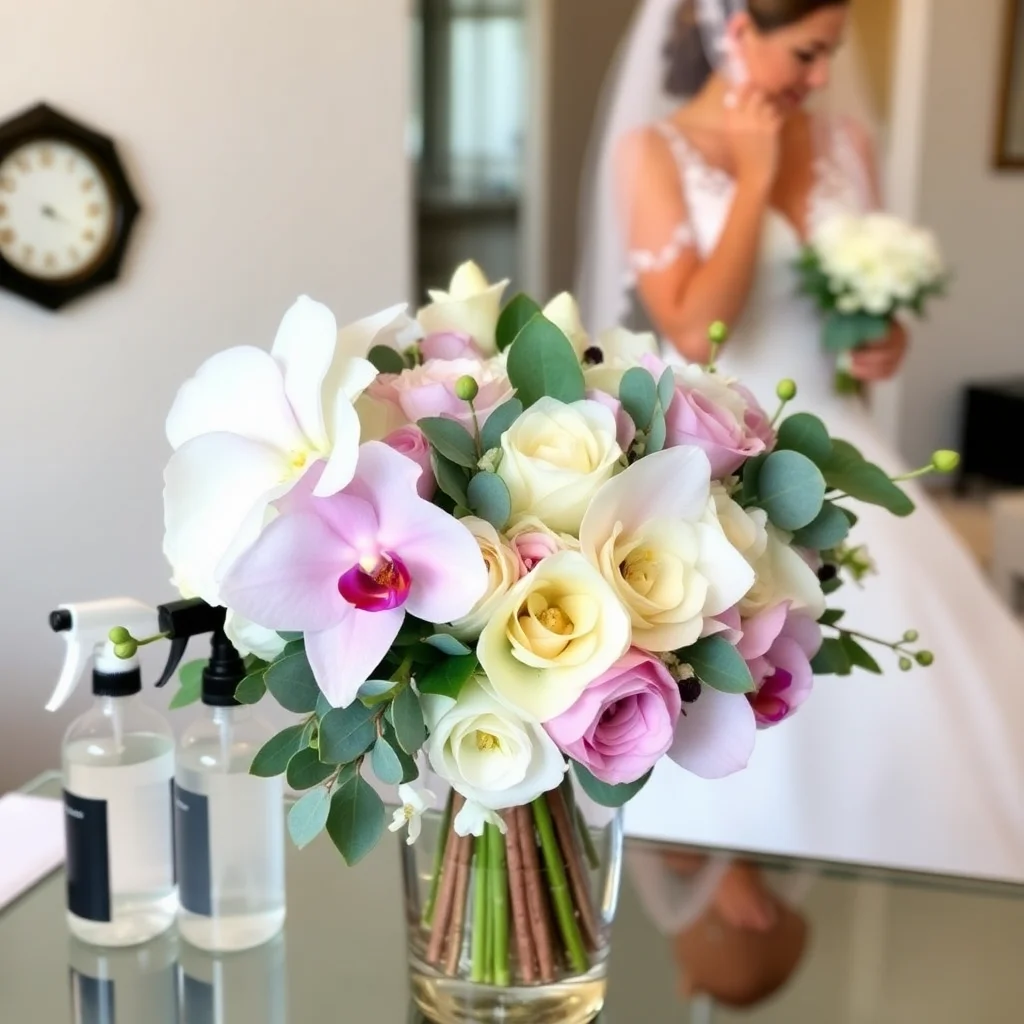
Part 2 – Best Long-Lasting Wedding Flowers
When it comes to designing wedding arrangements that truly stand the test of time, selecting the right flowers and greenery is essential. Certain blooms and foliage are renowned for their longevity, making them the perfect choice for ensuring your arrangements look fresh and vibrant throughout every moment of your big day. Below, we highlight the most durable wedding flowers, their benefits, and considerations for seasonal longevity.
The Most Durable Wedding Flowers & Their Benefits
Roses
Roses remain one of the most classic and romantic wedding flowers, and with proper care, they can last up to a week. Their timeless beauty and versatility make them a must-have in wedding decor, whether used in bouquets, centerpieces, or decorative archways.
Orchids
Exuding elegance and uniqueness, orchids are an exotic choice that are also highly resistant to heat. Their long-lasting nature combined with their striking appearance make them ideal for summer weddings or outdoor celebrations.
Calla Lilies
Known for their sleek and modern look, calla lilies are incredibly durable and hold their shape exceptionally well without wilting. These flowers bring sophistication to any arrangement while requiring minimal maintenance.
Carnations
Affordable and available in a spectrum of colors, carnations are a hardy choice that can withstand the preparation process and maintain a fresh appearance. They’re perfect for bouquets, corsages, and larger floral displays without losing their charm.
Chrysanthemums
Commonly referred to as “mums,” chrysanthemums are versatile flowers that are beautiful and incredibly long-lasting. They’re widely used in bouquets, centerpieces, and boutonnières, offering both reliability and beauty to a variety of arrangements.
Alstroemeria (Peruvian Lilies)
A florist favorite, alstroemeria are loved for their vibrant colors and excellent longevity. Their ability to stay fresh for an extended period makes them an excellent addition to wedding arrangements, especially for long events.
Best Greenery for Freshness & Longevity
Adding lush greenery can elevate any floral arrangement while enhancing its longevity. Here are some of the best greenery options to complement your wedding flowers:

Eucalyptus
Eucalyptus is not only aromatic but also fresh and long-lasting. Its subtle blue-green hues and lovely scent make it a popular choice for bouquets, garlands, and table runners.
This elegant greenery is widely favored for its ability to maintain its appearance over time without wilting. It adds an effortless touch of sophistication, whether used in large arrangements or woven into smaller details.
Ivy
Ivy‘s ability to drape beautifully makes it a stunning addition to cascading bouquets and decorative installations. It holds moisture well, ensuring its fresh, vibrant look lasts through the day.
Seasonal Considerations for Longevity
When planning your wedding flowers, it’s important to consider the season, as some blooms fare better in specific climates.
Best Flowers for Summer Weddings
For summer weddings, heat-resistant flowers such as orchids, sunflowers, and zinnias are excellent choices. These blooms naturally withstand higher temperatures and maintain their appearance despite hot weather conditions.
Best Flowers for Winter Weddings
For colder months, opt for flowers that thrive in cooler environments, such as roses, amaryllis, and anemones. These flowers are well-suited to withstand lower temperatures while still looking stunning in your arrangements.
By carefully selecting flowers and greenery that match the season and offer maximum durability, you can ensure your wedding florals stay as breathtaking and enchanting as the day itself.
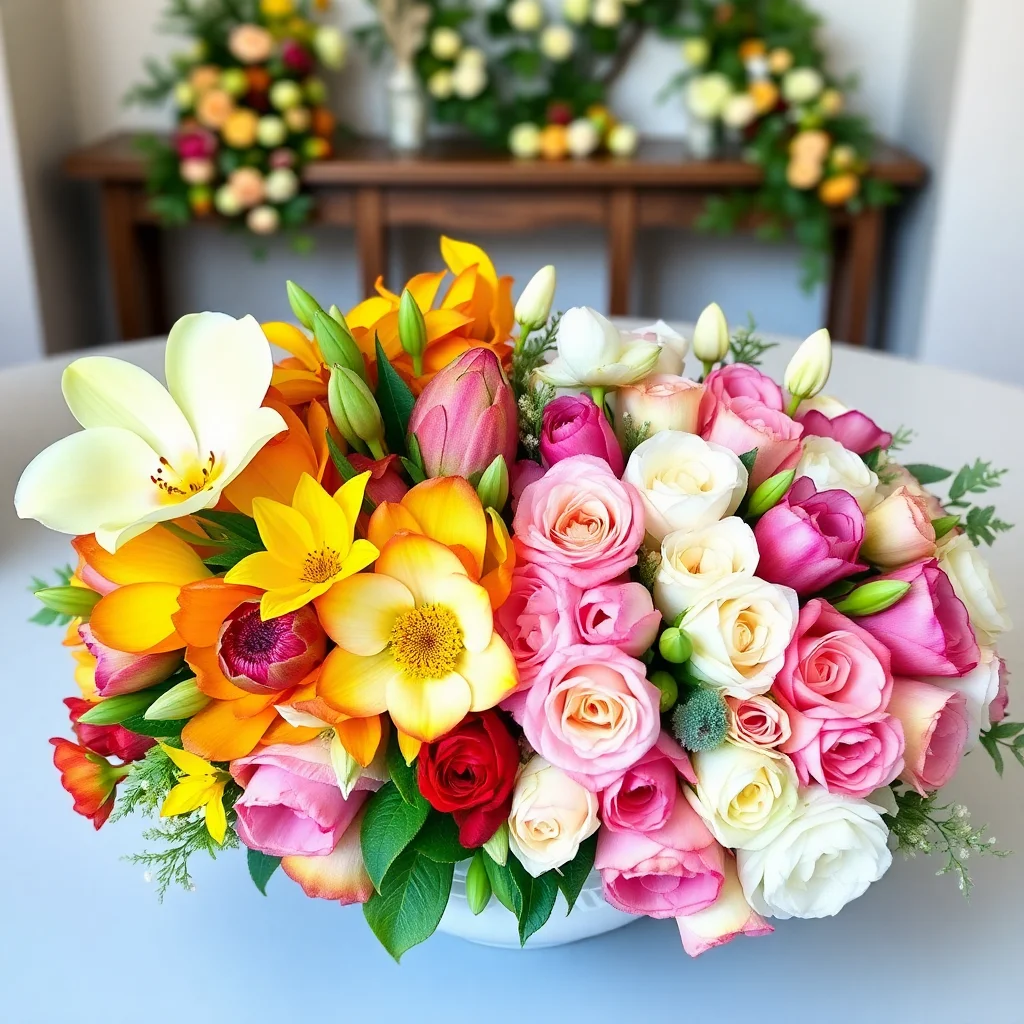
Part 3 – Fragile Wedding Flowers & How to Extend Their Life
When planning your wedding florals, it’s essential to consider the lifespan and care requirements of specific blooms. Some delicate flowers can wilt quickly or require extra attention to remain fresh throughout your special day. Understanding how to care for these fragile blooms and exploring suitable alternatives can ensure your floral arrangements look picture-perfect from ceremony to reception.
Flowers That Need Extra Care
- Hydrangeas: These voluminous and show-stopping flowers are popular in wedding décor but are notoriously sensitive to heat and dehydration. Without sufficient hydration, hydrangeas wilt rapidly, making them a high-maintenance choice.
- Peonies: Loved for their lush, romantic appearance, peonies are a favorite for spring weddings. However, their beauty is fleeting, as they only last for about 3-5 days once cut, requiring careful timing and handling.
- Tulips: These delicate blooms can present unique challenges as they continue to grow even after being cut, potentially altering their intended arrangement. Despite this, their elegant shape and variety of colors make them a sought-after choice.
- Dahlias: Renowned for their stunning and intricate blooms, dahlias are perfect for adding depth and texture to bouquets. However, they have a relatively short lifespan, demanding thoughtful preparation and care.
How to Extend the Life of Fragile Flowers
Preserving the freshness and vibrancy of fragile wedding flowers requires strategic care and preparation. Here are some essential tips to prolong the life of your delicate blooms:
- Misting the Blooms: Regularly misting flowers with water helps maintain hydration and prevents them from drying out, especially in warm or dry conditions.
- Water Tubes or Floral Foam: Placing delicate stems in water tubes or arranging them in floral foam ensures a steady water supply, keeping them hydrated throughout your wedding day.
- Using Floral Sealants: Applying a floral sealant can help protect petals from damage and slow down wilting. This is particularly beneficial for fragile varieties like hydrangeas and peonies.
- Avoiding Direct Sunlight and Heat: To maintain freshness, keep arrangements away from harsh sunlight and heat sources. Display them in cool areas whenever possible.
By taking these precautions, even the most delicate wedding flowers can retain their beauty longer, allowing them to shine in photos and moments throughout the celebrations.
Alternatives for Short-Lived Flowers
For couples concerned about the fragility of certain blooms, there are creative alternatives that provide similar aesthetic value and longevity:
- Silk or Preserved Blooms: High-quality silk flowers or preserved blooms can be seamlessly mixed with fresh arrangements for stunning results. These alternatives are durable, reusable, and nearly indistinguishable from their fresh counterparts.
- Hardy Flower Varieties: Opting for hardier flowers that resemble fragile favorites can solve durability concerns. For example, garden roses can substitute for peonies, while carnations can mimic the fullness of hydrangeas.
By combining careful care techniques, thoughtful flower selection, and smart alternatives, you can create breathtaking wedding floral arrangements that endure the festivities with grace and charm.
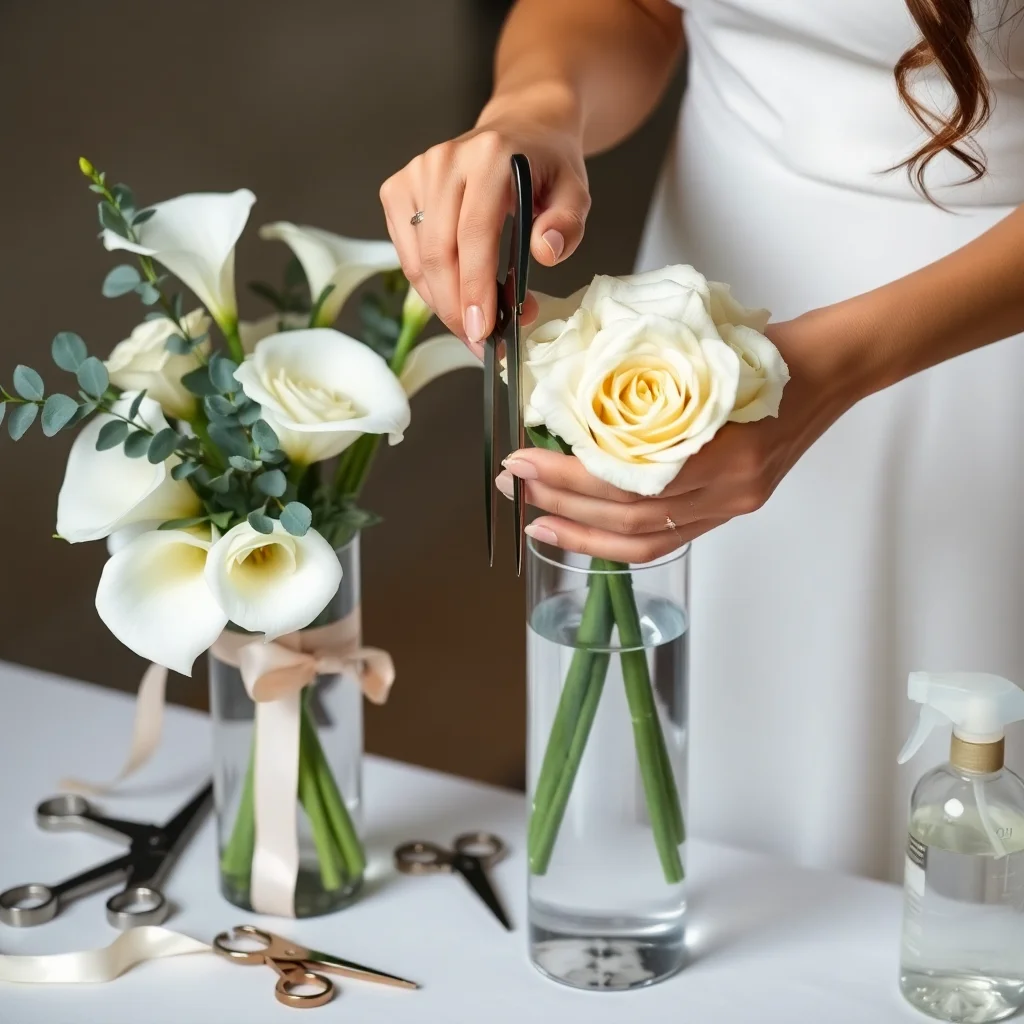
Part 4 – Proper Care & Storage Before the Wedding
Maintaining fresh and vibrant flowers for your wedding day requires proper care and storage techniques. By understanding the needs of your blooms and employing methods to extend their life, you can ensure that your arrangements remain stunning from preparation to the ceremony itself.
Storing Flowers for Maximum Freshness
Proper floral storage begins with the right environmental conditions. For most flowers, an ideal storage temperature ranges between 34-38°F. This cool temperature slows down the respiration rate of the blooms, helping them retain their freshness. However, it’s crucial to ensure proper ventilation, as stagnant air can promote mold and bacteria growth.
Additionally, flowers should never be stored near fruits, particularly apples, bananas, or other ethylene-producing varieties. Ethylene gas, naturally emitted by ripening fruit, accelerates the aging process of flowers, causing premature wilting and browning. It’s best to keep flowers in a separate, designated floral refrigeration space to avoid such issues.
Choosing the right storage containers also plays an important role in floral care. For fragile stems like tulips or ranunculus, shallow vases with adequate support are preferable. Taller vases work best for lengthier stems like roses or lilies to prevent bending. Avoid overcrowding flowers; they should have enough space to breathe, ensuring their petals and leaves remain undamaged.
Hydration Methods for Maximum Freshness
Hydration is vital to maximizing the longevity of cut flowers. Start by re-cutting stems at a 45-degree angle immediately after purchase. This diagonal cut increases the surface area for water absorption and prevents stems from sitting flat at the bottom of a container, which can block hydration.
Flowers should be thoroughly hydrated before assembly or arranging. To do this, soak them in water for at least 4-6 hours upon arrival. This allows the blooms to absorb adequate moisture, improving their resilience and vibrancy.
Equally important is the use of floral food. Different flowers thrive on varying blends of nutrients, so it’s worth investing in specialized floral preservatives tailored to your specific blooms. Floral food not only nourishes the stems but also helps maintain the clarity and cleanliness of the water, deterring bacterial growth.
Keeping Bouquets & Centerpieces Fresh Until the Ceremony
Timing and methodology are key to preserving floral arrangements until the ceremony. It’s best to arrange bouquets and centerpieces as close to the wedding date as possible, ideally within 24-48 hours beforehand. Prepping arrangements too early increases the risk of wilting or browning.
Once assembled, keep your flowers fresh by using misting sprays to lightly coat the petals with water, adding a layer of hydration without over-saturation. Additionally, refrigeration is highly effective in preserving the arrangements’ appearance. Keep the completed floral pieces in a cool but not freezing environment, ensuring they remain vibrant and pristine.
For blooms that may begin to wilt slightly, quick fixes can revive their beauty before the event. Re-cut stems and place them back into cold water mixed with floral food for about an hour. For drooping petals or stems, gently submerge the entire flower in lukewarm water for 10-15 minutes, then pat dry before resetting them in their arrangement.
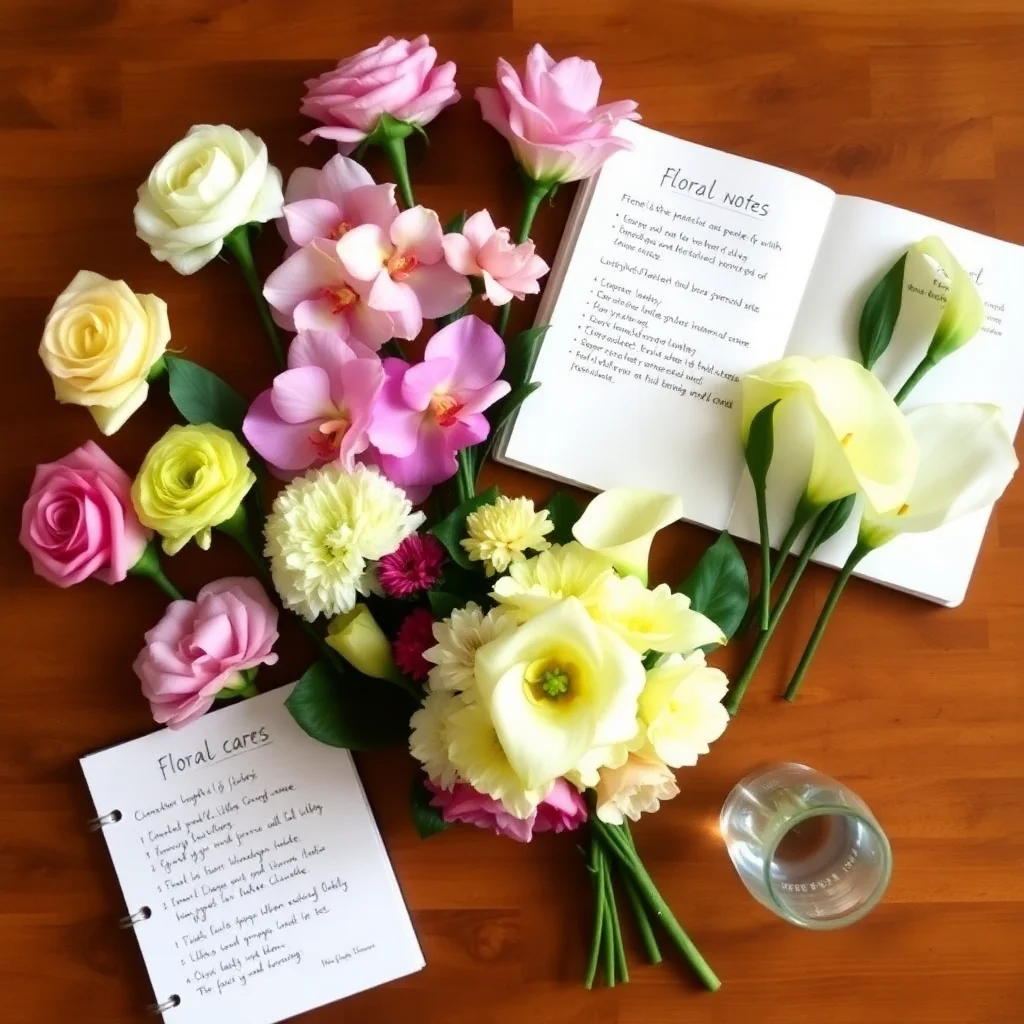
By following these techniques for proper care and storage, you can ensure your wedding flowers are at their absolute best when it’s time to walk down the aisle. The combination of attention to detail and thoughtful preservation practices will truly allow your floral designs to shine on your special day.
Part 5 – Best Flower Choices for Bouquets vs. Centerpieces
Best Flowers for Bridal Bouquets
When it comes to bridal bouquets, selecting flowers that maintain their shape and do not droop easily is essential. Roses, peonies, calla lilies, and ranunculus are excellent choices due to their sturdy structure and timeless beauty. For brides opting for cascading bouquets, orchids work beautifully with their natural drape, while trailing greenery like ivy or eucalyptus adds depth and romance. Round bouquets often benefit from tightly packed blooms such as hydrangeas and dahlias, creating a lush, symmetrical look. For a more organic, wild-style bouquet, consider incorporating garden roses, anemones, and lisianthus paired with textured accents like thistle or astilbe. These selections allow for versatility, elegance, and charm, tailored to fit any wedding aesthetic.
Best Flowers for Centerpieces
Centerpieces require flowers that retain their freshness for several hours, ensuring they look vibrant throughout the reception. Long-lasting options like carnations, spray roses, and alstroemerias are ideal for withstanding the duration of your event. Additionally, incorporating hardy elements like succulents or dried flowers can add a unique touch while ensuring durability. Floating flowers such as gardenias or orchids in shallow bowls of water create a visually stunning yet low-maintenance centerpiece. Submerged designs with stems like lilies or tulips placed in tall, clear vases offer an elegant and modern aesthetic. These arrangements make a bold statement with minimal effort, while the water helps to keep blooms hydrated and fresh.
Best Flowers for Boutonnières & Corsages
Boutonnières and corsages demand strong, resilient flowers that can survive hours of wear and tear. Mini carnations, spray roses, and succulents are popular choices due to their compact size and durability. For a touch of fragrance, freesia or lavender can enhance the design while still holding up well. To ensure boutonnieres remain fresh, store them in a cool place and spray them lightly with water before use. Corsages, whether wrist or pin-on styles, can benefit from sturdy blooms like orchids or ranunculus, which are less likely to wilt. Maintaining proper hydration for these small arrangements and avoiding prolonged exposure to heat will help keep them looking fresh and vibrant throughout the celebration.
Part 6 – Emergency Flower Fixes on Wedding Day
It’s not uncommon for flowers to encounter minor mishaps on the wedding day. From wilting petals to broken stems, having a few emergency fixes up your sleeve can ensure every arrangement stays flawless.
Reviving Flowers That Start Wilting
If you notice that some flowers are starting to wilt, a quick solution is the cold water shock method. For limp stems, trim the ends at an angle and place them in a vase of cold water for 15-30 minutes. This allows the flowers to rehydrate more effectively and regain their vitality. For petals that are beginning to soften, using a light mist of water followed by a floral sealant can help reinforce them while restoring their fresh appearance. These simple techniques can make a significant difference in salvaging drooping blooms.
Fixing Broken Stems & Petals
Accidents happen, and broken stems or petals don’t have to ruin beautiful arrangements. Floral wire and tape are key tools for repairing damaged stems. Wrap the wire around the break to provide support, then conceal it with green floral tape to blend seamlessly with the other flowers. For more significant damage, a dab of hot glue can secure the stem in place for temporary stability. Damaged petals can be delicately removed from the bloom if they impact the overall look, or carefully tucked and disguised within the arrangement with strategic placement of foliage or other flowers. These quick fixes ensure the integrity of the design even in unexpected circumstances.
Preventing Flowers from Wilting During the Ceremony
To keep flowers fresh and radiant throughout the ceremony, it’s vital to store them in a shaded, cool area until they’re ready to be used. Prolonged exposure to direct sunlight or heat can quickly lead to wilting, so aim for a location with good ventilation and lower temperatures. Right before the flowers are carried down the aisle, lightly misting bouquets with water can add an extra glow and hydration boost. Combined with proper storage and handling, this practice keeps the flowers looking picture-perfect for the big moment.
By staying prepared with these emergency fixes, you can confidently handle any floral challenges, ensuring the arrangements look breathtaking from beginning to end.
Conclusion
When it comes to creating stunning florals for your wedding day, selecting the best long-lasting flowers should be at the top of your checklist. Begin by researching blooms that naturally withstand extended periods without wilting, such as roses, carnations, lilies, or orchids. Pay close attention to seasonal availability, as choosing flowers in their peak season ensures both freshness and affordability.
Proper hydration and storage techniques are equally important for maintaining the beauty of your arrangements. Make sure your flowers are stored in a cool, well-ventilated space, and keep them properly hydrated with clean water and conditioned solutions. Simple care practices, such as misting bouquets, can go a long way in sustaining their vibrancy throughout the day. These small yet impactful steps help preserve the life of your chosen blooms while ensuring they look flawless for every photo and moment.
Ultimately, selecting wedding flowers is about finding the perfect balance between beauty and durability. Opt for varieties that match your personal style and theme but also stand the test of time during the festivities. For premium, long-lasting wedding flowers that bring your vision to life, explore the exceptional collection at Whole Blossoms. Start planning today and make your dream arrangements a reality!
7 FAQs About Choosing Wedding Flowers
- How far in advance should I order my wedding flowers?
It’s ideal to order your wedding flowers at least 3-6 months before your wedding date. This ensures availability, especially for popular blooms, and gives you enough time to plan your arrangements.
- What flowers are best for a summer wedding?
Summer weddings pair beautifully with flowers like roses, peonies, hydrangeas, and sunflowers, which thrive in warmer weather and offer vibrant colors.
- How can I ensure my flowers stay fresh throughout the wedding day?
Keeping your flowers hydrated and storing them in a cool environment before the ceremony is key. Using sturdy, long-lasting varieties can also help maintain their freshness.
- What should I consider when choosing flowers for an outdoor wedding?
Consider flowers that can withstand heat or wind, such as succulents, carnations, or orchids. Discuss options with your florist to ensure your arrangements remain intact outdoors.
- Are there budget-friendly options for wedding flowers?
Yes! Incorporating seasonal flowers and greenery can minimize costs while still creating stunning arrangements. Additionally, buying flowers in bulk can often be more economical.
- Can wedding flowers be reused during the event?
Absolutely! For example, ceremony arrangements can be repurposed as reception centerpieces, and bridesmaids’ bouquets can be used to decorate the head table or cake table.
- How do I match my flowers to my wedding theme?
Focus on color schemes, style, and the overall vibe of your wedding. Share your vision with your florist, who can recommend blooms and arrangements that align perfectly with your theme.