


 by
by 

Proper flower care is essential for ensuring your wedding day blooms remain fresh, vibrant, and picture-perfect from the moment they arrive until you say, “I do.” Wholesale flowers, often chosen for their affordability and extensive variety, differ significantly from florist-arranged bouquets. Unlike pre-arranged blooms, wholesale flowers typically arrive in bulk and may require additional preparation to look their best. Brides and DIY wedding planners need to be prepared for the responsibility of handling these delicate beauties, from choosing the right flowers to mastering basic care techniques.
Understanding proper storage, hydration, and preservation methods is crucial when working with wholesale flowers. These steps not only prolong the life of the blooms but also help maintain their appearance and fragrance. Hydrating the flowers immediately upon arrival, storing them in optimal conditions, and keeping them away from harmful environments, such as extreme temperatures or direct sunlight, are just a few ways to ensure their freshness. Whether you’re arranging centerpieces or creating your own bouquet, taking the time to properly care for wholesale flowers can save you stress and ensure stunning floral displays on your big day. With the right knowledge and tools, you can confidently manage this aspect of wedding planning while staying within budget.
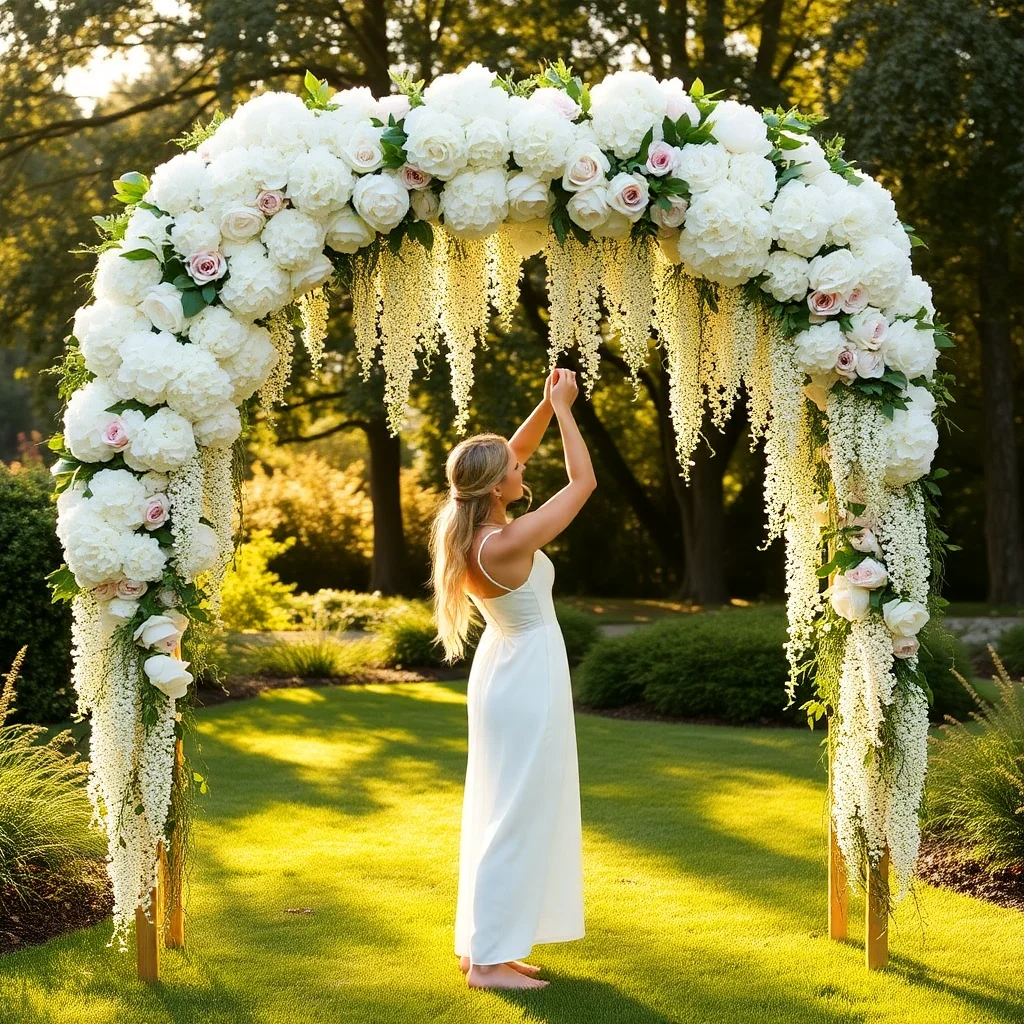
Part 1 – Understanding Wholesale Flowers
What Are Wholesale Flowers?
Wholesale flowers are blooms that come directly from flower farms rather than undergoing the additional steps associated with traditional florist arrangements. This means wholesale flowers are often fresher and more affordable, as they bypass intermediaries like wholesalers and retailers. A key distinction is that wholesale flowers typically arrive in bud form. This ensures maximum freshness, as the blooms continue to open after arrival, lasting longer for your event or special occasion.
Common varieties of wholesale flowers include classic options such as roses, tulips, peonies, chrysanthemums, and hydrangeas. Seasonal blooms like sunflowers, dahlias, and ranunculus are also widely available in wholesale markets. Additionally, greenery like eucalyptus, ferns, and baby’s breath are often included for those looking to create lush and vibrant arrangements. This direct-to-customer sale allows for wider selection, particularly for those seeking large quantities of flowers for weddings, events, or DIY projects.
Pros & Cons of Buying Wholesale Flowers
When considering wholesale flowers, understanding the benefits and challenges is key to making an informed decision.
Pros:
- Cost Savings: Wholesale flowers are often significantly cheaper than buying through a traditional florist, as the lack of middlemen reduces markup costs.
- Fresher Blooms: Since wholesale flowers are shipped directly from farms, they are fresher and have a longer vase life compared to florist-arranged bouquets.
- Customization: Buying wholesale allows you to select specific types and colors of flowers, giving you full creative control over your arrangements.
Cons:
- Care and Handling: Wholesale flowers require proper storage, hydration, trimming, and arranging, which can be time-intensive, especially for someone without floral experience.
- Time-Sensitive: Managing flower delivery and preparation schedules is critical to ensure blooms are at their peak on the day of your event.
- Limited Support: Unlike a florist, you won’t receive professional arrangement services or advice when purchasing wholesale blooms.

What to Expect When Your Flowers Arrive
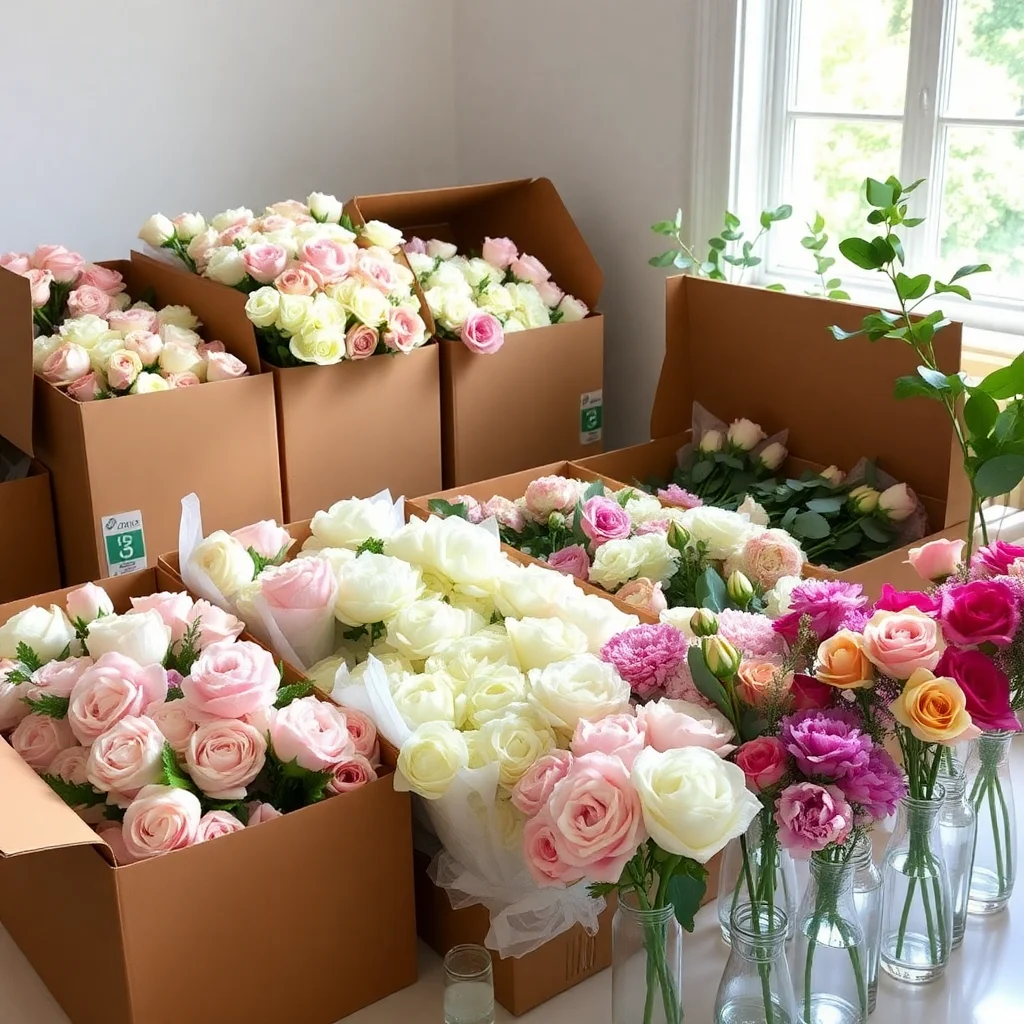
When your wholesale flowers arrive, they will typically be packaged carefully for safe transport. Flowers are often shipped in cold storage to preserve their freshness. Each bloom is wrapped in protective sleeves, and the stems may be bundled together to prevent damage during transit. You may also find hydration packs attached to the stems, which help maintain moisture levels, or packets of floral preservatives that extend vase life.
Upon arrival, inspect the flowers immediately. Healthy wholesale flowers should have firm stems, green foliage, and closed or partially open buds. Avoid flowers with wilted petals, mushy stems, or signs of discoloration that indicate damage or age. Properly unpack your flowers, trim the stems, and place them in clean water with floral preservatives to help them revive and stay fresh until your event.
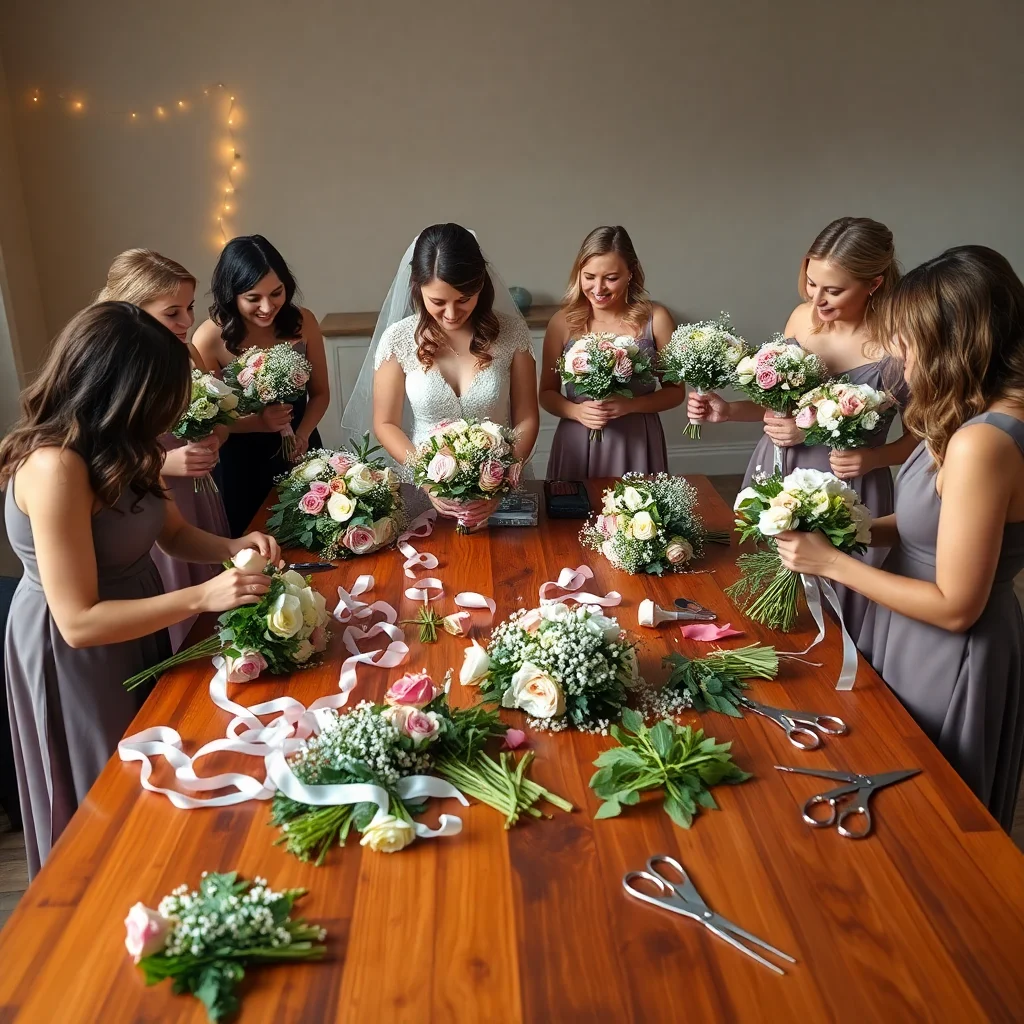
Part 2 – Unboxing & Inspecting Your Wholesale Flowers
How to Unbox Your Flowers Correctly
Unboxing your wholesale flowers properly is crucial to avoid accidental damage and ensure they stay fresh and vibrant for your event. Follow these steps to safely unpack your flowers:
- Prepare Your Workspace – Before unboxing, create a clean and spacious area where you can work. Have supplies like a pair of sterilized scissors, clean buckets filled with lukewarm water, and floral preservatives ready.
- Gently Open the Packaging – Remove any outer box or wrapping material carefully, ensuring that you don’t tug or cut into stems or flowers.
- Avoid Temperature Shock – If the flowers were delivered in a cold environment, allow them to gradually acclimate to room temperature before unpacking to prevent wilting or damage due to sudden temperature changes.
- Remove Protective Sleeves and Banding – Most flowers will come with protective sleeves or banding that hold the blooms in place during transit. Slide sleeves off gently and cut any rubber bands or ties without pulling on the stems to avoid breakage.
What Not to Do:
- Never pull flowers out of their packaging forcefully; this can damage fragile blooms or stems.
- Avoid exposing your flowers to extreme temperatures during unboxing.
- Do not skip hydration—flowers will need immediate access to water to regain their strength after transit.
Assessing the Quality of Your Flowers
Once your flowers are out of their packaging, take time to assess their quality. This is a critical step to ensure all blooms meet the desired freshness for your arrangements.
How to Inspect for Freshness:
- Petals – Fresh flowers should have firm, vibrant petals with minimal bruising. Avoid using flowers with significant discoloration or loss of structure.
- Stems – Check that stems are firm and free of mushy or slimy sections. A healthy stem is essential for proper hydration.
- Leaves – Inspect the foliage. Leaves should appear green and crisp with no yellowing or drooping.
What to Do if You Notice Issues:
- Wilted or limp petals? Give your flowers a fresh cut and place them immediately into lukewarm water with a floral preservative.
- Slight browning or minor damages? Remove the affected petals or leaves to improve the flower’s appearance and overall freshness.
- Signs of mold or extensive damage? Contact your supplier right away with images and details of the problem to seek replacements.
Recognizing Typical vs. Problematic Conditions:
Some flower conditions, such as slightly tight buds or minor wilting during shipping, are normal and can be remedied with proper care. However, excessive browning, mushy stems, or oddly spotted petals may indicate significant problems.
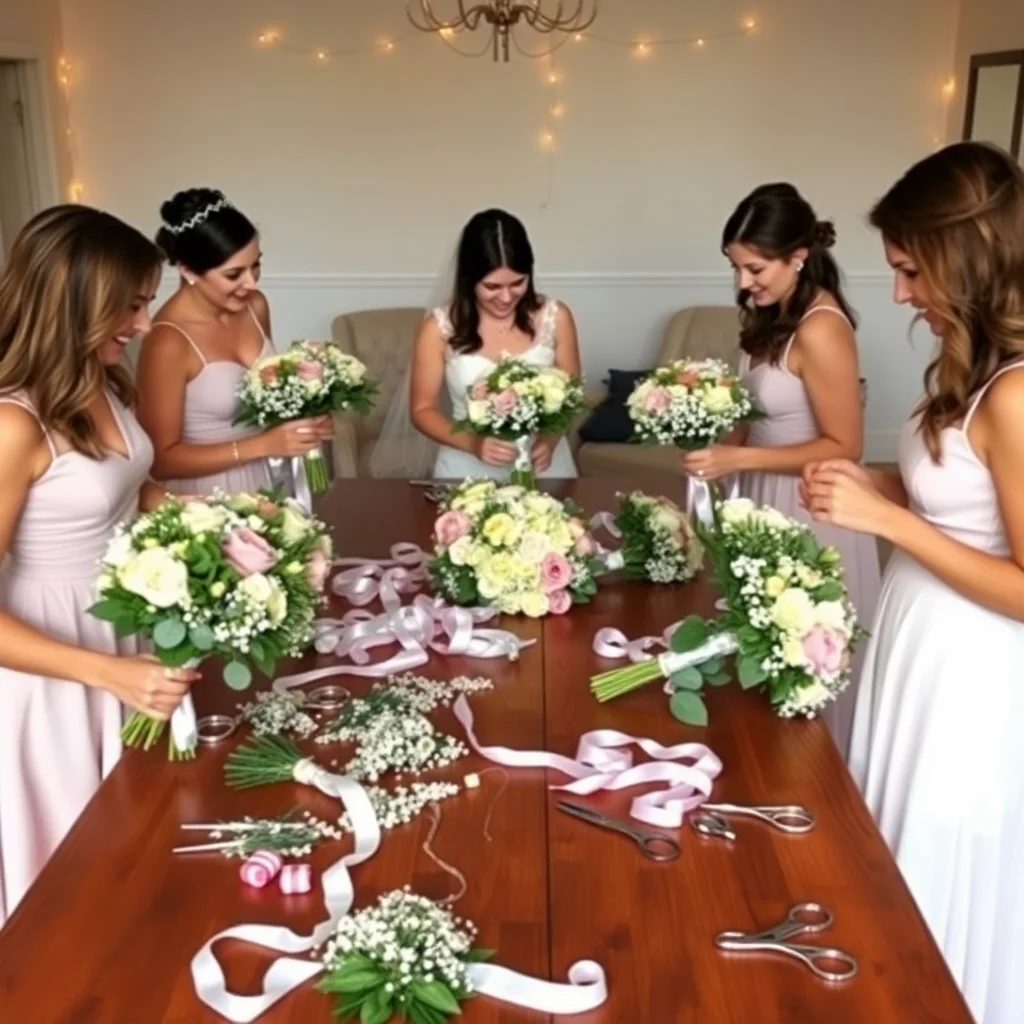
Dealing with Common Issues Upon Arrival
Despite your best preparations, flowers occasionally arrive looking less than perfect. Here’s how to troubleshoot:
- Flowers Look Limp? – Limp flowers are often dehydrated. Trim their stems at an angle, remove any submerged leaves, and place them in warm water with a floral preservative. Allow them time to rehydrate.
- Petals Slightly Bruised? – If some petals have minor bruises, carefully pluck off the affected ones to restore the bloom’s appearance.
- Blooms Too Tight? – If flowers remain tightly closed but need to open quickly, put them in a warm, bright (but not direct sunlight) environment. This gentle heat will encourage them to open naturally. Alternatively, blow gently into the center of the flower for a quick solution.
By attentively unboxing and inspecting your wholesale flowers, you can resolve any issues and ensure your blooms look gorgeous and healthy when it’s time for them to take center stage.

Part 3 – Hydrating and Conditioning Your Flowers
Proper hydration and conditioning are essential to restore life and vibrance to your wholesale flowers. After their long journey in transit, flowers need careful attention to ensure they thrive and look their best for your arrangements. This section highlights the key steps to effectively hydrate and condition your blooms.
Why Hydration is Critical for Wholesale Flowers
Flowers are often dehydrated after the shipping process, as being out of water for extended periods can leave them limp and dull. Hydration not only revives their appearance but also prolongs their vase life, ensuring they remain fresh for as long as possible. One of the first steps to proper hydration is re-cutting the stems before placing them in water. This removes any blockages caused by dried plant tissue and allows water to flow freely into the flower. After re-cutting, flowers typically need several hours to fully hydrate, depending on the variety. For instance, hydrangeas and tulips may only need a few hours, while peonies often require up to 12 hours to regain their natural beauty.
The Right Way to Re-Cut Stems
Re-cutting stems is a critical part of the hydrating process and must be done correctly to avoid damaging the flower. Be sure to use sharp floral shears or a clean knife to prevent crushing the stem, as crushed stems restrict water absorption. Always cut the stem at a 45-degree angle. This diagonal cut increases the surface area for water absorption and prevents the stem from sitting flat against the bottom of the container, which can block water flow.
Different types of stems require slightly different handling. For soft-stemmed flowers like tulips, ensure the cut is smooth and free of frays. Woody-stemmed flowers, such as roses, may require a bit more effort to achieve a clean slice. Additionally, some woody stems might benefit from being lightly split or scraped at the base to further enhance water uptake.
Choosing the Best Water for Your Flowers
The type of water you use can significantly impact the hydration and longevity of your flowers. Room-temperature water is generally the best choice for most blooms, as extremely cold water can shock them, and warm water may promote bacterial growth. When possible, use filtered water to reduce chlorine and impurities that may harm the flowers.
Adding a floral preservative to the water can extend the life of your blooms by providing essential nutrients and inhibiting bacteria. If you don’t have access to commercial floral preservatives, consider DIY solutions. A mix of sugar, aspirin, and lemon juice can serve as an alternative, but be sure to use the correct proportions to avoid harming the flowers. Finally, changing the water every 1-2 days is critical to maintaining hydration. This prevents bacterial buildup and ensures the flowers continue to absorb clean water.
Flower Hydration Time Guide
Different flowers have unique hydration needs. Here’s a quick guide to help you determine the minimum hydration time required for some popular blooms:
| Flower Type | Minimum Hydration Time |
| Roses | 4-6 hours |
| Peonies | 6-12 hours |
| Hydrangeas | 2-4 hours |
| Tulips | 4-8 hours |
| Calla Lilies | 2-4 hours |
Allowing flowers to hydrate for their recommended time ensures they fully rehydrate and reach their peak condition. Keep in mind that while some flowers hydrate quickly and can be used almost immediately, others may need longer periods of rest to open and showcase their full brilliance.
By following these hydration and conditioning steps, your flowers will not only look fresh and vibrant but will also last longer, allowing their natural beauty to shine in your floral arrangements.

Part 4 – Storing Flowers Before the Wedding
Proper storage is essential for maintaining the freshness and beauty of your blooms until the wedding day. By ensuring optimal conditions and handling your flowers with care, you can guarantee that they are in perfect condition when it’s time to create floral arrangements or display them.
Proper Temperature & Humidity Control
Temperature and humidity play critical roles in keeping flowers fresh. The ideal storage temperature for most flowers is between 34-38°F. This range slows down the aging process and extends the lifespan of the blooms by keeping them dormant. However, it’s crucial to maintain consistent temperature control, as fluctuating temperatures could stress the flowers and shorten their longevity.
Additionally, flowers should never be stored near fruits. Fruits release ethylene gas, a natural byproduct of ripening, which accelerates the wilting and deterioration of flowers. Even a small amount of exposure can damage delicate petals, making it crucial to keep fruits stored in a separate location.
To further protect your flowers, avoid placing them in direct sunlight. Sunlight can cause heat buildup, leading to premature aging of the blooms. Similarly, placing flowers in drafty areas should be avoided, as cold or hot air currents can dehydrate petals and leaves, affecting their freshness and overall appearance.
Best Storage Containers for Flowers
The type of container you use for storing flowers also impacts their health and condition. Depending on your needs, you can use glass vases or plastic buckets, but both options should be thoroughly cleaned before use to prevent bacterial growth. Dirty containers can introduce harmful bacteria to the water, which can clog the stems’ vascular system and reduce the flowers’ ability to absorb water.
Always use bacteria-free water in the containers and change it regularly to keep it fresh. Additionally, adding flower food or preservatives can help extend the life of the blooms. The containers should be filled with enough water to submerge the base of the stems but not too much that it covers leaves, as submerged leaves can rot and promote bacterial growth.
When placing flowers in storage containers, it’s essential to space them correctly. Overcrowding can lead to bruising on petals and leaves, which diminishes their aesthetic appeal. Ensuring adequate space between blooms reduces the risk of damage and allows airflow to circulate, keeping petals and foliage in better condition.
How to Keep Flowers Fresh Until the Wedding
To maintain peak freshness, flowers need proper hydration methods. Some blooms, such as roses and peonies, benefit from being hydrated in tepid water, while others, like tulips and daisies, do better in cold water. Know the specific needs of each flower type to ensure they are properly hydrated.
Before arranging or storing flowers, it’s a good idea to remove any leaves and thorns that might be submerged in the water. Submerged leaves rot quickly, which can contaminate the water and shorten the blooms’ life. Similarly, removing thorns minimizes the risk of accidental damage to the petals or stems during handling.
Keep an eye on your flowers to determine when they are fully hydrated and ready to use. A fully rehydrated flower will have firm stems, plump petals, and vibrant colors. If the petals appear limp or the stems feel weak, they may need additional time in water. Properly stored and hydrated, your flowers will stay fresh and beautiful, ready to dazzle on the big day.
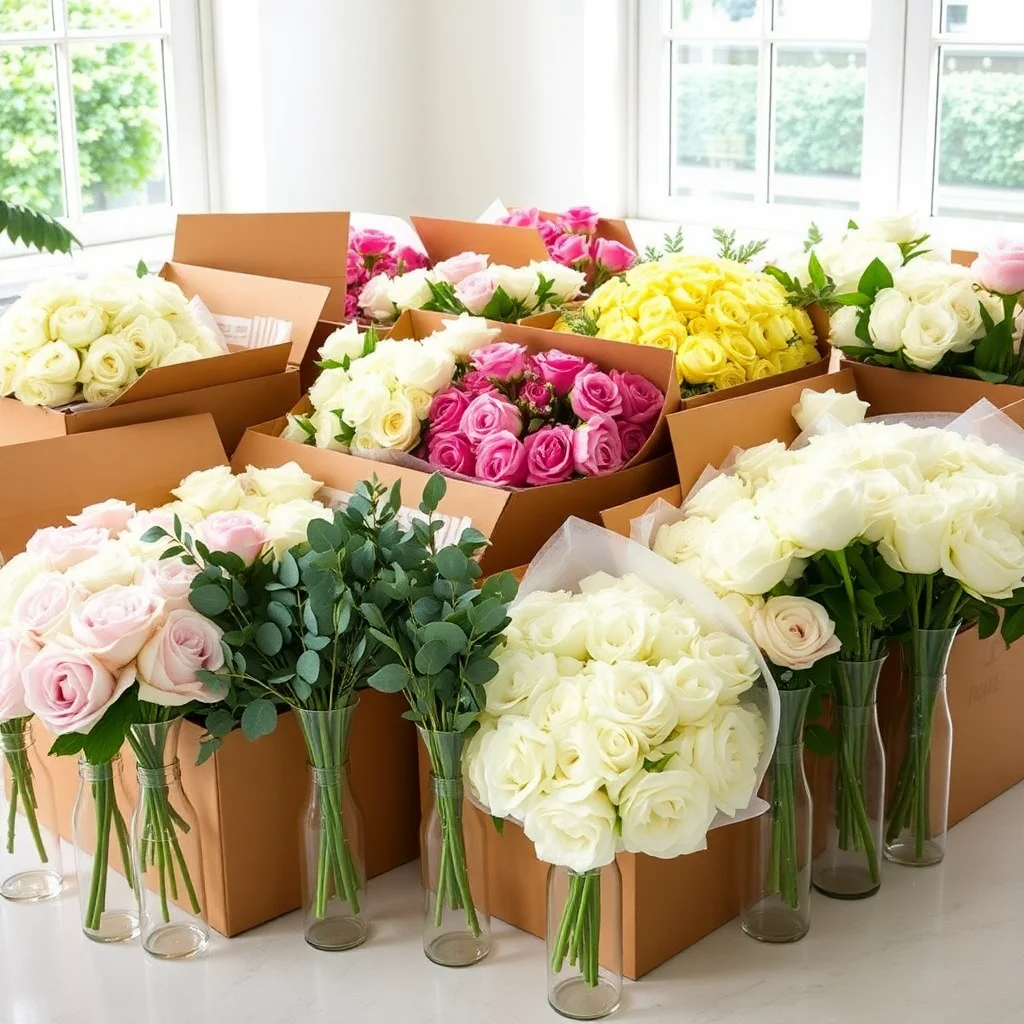
Part 5 – Prepping Flowers for the Wedding Day
Preparing flowers for the wedding day requires careful timing, proper techniques, and thoughtful transportation to ensure that they remain fresh and beautiful throughout the event. This section will guide you through the key steps of arranging, preserving, and transporting your floral creations.
Timing: When to Start Arranging Your Flowers
Timing is crucial when it comes to arranging your flowers. Remove them from storage a few hours before you begin assembling bouquets, centerpieces, and other floral arrangements. Make sure to work in a cool, shaded area where the flowers won’t be exposed to heat or direct sunlight, which can cause them to wilt more quickly.
Once arranged, flowers typically last around 24 to 48 hours, depending on the type of blooms and how they’re cared for. Sturdy flowers like roses and chrysanthemums tend to last longer, while delicate varieties like gardenias, sweet peas, and tulips may require extra care to maintain their appearance. Handle fragile flowers gently and keep them hydrated at all times to extend their lifespan.
Techniques for Keeping Bouquets Fresh
Proper hydration is essential to keeping your flowers looking their best on the big day. After arranging your bouquets, wrap the stems securely with floral tape or ribbon. To retain moisture, wrap the bottom of the stems in damp paper towels or place them in small water vials, which will keep the flowers hydrated without dripping water onto garments.
When assembling your arrangements, be sure to use gentle techniques that minimize bruising or damaging the blooms. Avoid pressing or pinching the petals and consider supporting larger, heavier flowers with floral wire. For centerpieces and installations, floral foam can provide both structure and hydration, but be sure to soak the foam thoroughly before use. Alternatively, water tubes are an excellent option for individual stems, especially for more delicate blooms.
Transporting Flowers to the Venue
Transporting your flowers to the venue safely is just as important as arranging them. Pack bouquets, centerpieces, and floral installations securely in sturdy containers to keep them upright and protected during transit. Use soft padding or packing materials, such as tissue paper or bubble wrap, to prevent petals and stems from bruising.
During transport, avoid exposing the flowers to direct sunlight or heat by keeping the vehicle cool and shaded. Place arrangements in a stable position to minimize movement and shaking. Once at the venue, give your blooms a quick mist spray to perk them up and ensure they look fresh and vibrant for the celebration. Taking these precautions will help your carefully prepared flowers stay stunning all day long.
Part 6 – Emergency Flower Fixes on Wedding Day
Even with the best precautions, flowers can face unexpected challenges on a wedding day. Here’s how to handle common floral emergencies and keep your arrangements picture-perfect.
Reviving Wilted Flowers Last-Minute
If flowers begin to wilt, a cold water shock can often bring them back to life. Trim the stems at an angle and immediately submerge them in a bucket of cold water for 30 to 60 minutes. For stubbornly drooping petals, a gentle hairdryer trick may work—use low heat and carefully direct airflow to the petals to encourage them to perk up. If blooms open too fast before the ceremony, slow the process by placing the flowers in a cool, dark place and lightly misting them with water.
Fixing Broken Stems or Wilting Petals
Broken stems can be quickly repaired using floral wire and tape. Insert a thin floral wire into the stem for support, then wrap the damaged area with floral tape to secure it. For wilting or slightly damaged petals, disguise imperfections by carefully reshaping the petals or hiding them within the arrangement. Specific flowers like hydrangeas, roses, and lilies may need particular attention. Hydrangeas often respond well to a soak in lukewarm water, while roses benefit from freshly trimmed stems and a deep-water drink. For lilies, removing wilting petals can refresh the overall look of the bloom.
Preventing Flowers from Wilting During the Ceremony
To prevent wilting during the ceremony, store bouquets in a shaded, cool area until they’re needed. A light mist of water just before use can enhance their vibrancy and provide a healthy glow. Timing is also crucial—hand out the flowers to the wedding party as close to the ceremony as possible to maintain their freshness and beauty throughout the event. By following these steps, your flowers will remain breathtaking from the walk down the aisle to the final toast.
Conclusion
When it comes to creating the perfect wedding day, flower care plays a vital role in ensuring your arrangements look stunning throughout the event. To make sure your blooms stay fresh and vibrant, it’s essential to follow a final checklist before the big day. Confirm that all arrangements and bouquets are stored in a cool, shaded area with ample hydration. Regularly check water levels and refresh them as needed, and mist flowers lightly to boost their vitality. Timing matters too—distribute flowers to the wedding party as close to the ceremony as possible.
Proper hydration and storage are what truly set apart flowers that shine all day from those that wilt under the spotlight. By taking these small but important steps, you’ll preserve the beauty and elegance of your floral arrangements, allowing them to complement your special day perfectly. Brides can confidently choose wholesale flowers knowing that with the right care, their blooms will exceed expectations in quality and freshness.
Make your floral dreams a reality with Whole Blossoms! Explore our fresh, farm-direct blooms and enjoy premium quality flowers delivered directly to your door. Start planning your breathtaking wedding arrangements today at Whole Blossoms and bring your vision to life.
7 FAQs about Wholesale Flowers for Weddings
- What are the benefits of buying wholesale flowers for weddings?
Purchasing wholesale flowers allows brides to access a wide variety of fresh, high-quality blooms at more affordable prices compared to retail florists. It also provides flexibility in choosing and customizing arrangements to match their wedding theme.
- How far in advance should I order wholesale flowers?
It is recommended to place your order 2-4 weeks before your wedding date. This ensures availability and gives enough time to plan delivery and care for the flowers before the big day.
- How are wholesale flowers delivered to ensure freshness?
Wholesale flowers are shipped directly from farms in temperature-controlled packaging. They are delivered in bud form to preserve freshness and allow them to bloom beautifully just in time for your event.
- Do I need special skills to arrange my own wedding flowers?
While professional skills are not necessary, having a basic understanding of floral design or following tutorials can be helpful. Many brides find designing their arrangements rewarding and a personal touch for their special day.
- Can I mix wholesale flowers with other floral elements?
Absolutely! Wholesale flowers can be combined with greenery, filler flowers, or decorative elements to create unique and stunning arrangements that suit your style and budget.
- Are there specific types of flowers that are better suited for DIY arrangements?
Flowers like roses, carnations, hydrangeas, and greenery are versatile and beginner-friendly. These blooms are sturdy, available in various colors, and work well for creating bouquets, centerpieces, and other arrangements.
- What steps should I take to care for wholesale flowers once they arrive?
Upon arrival, remove the flowers from their packaging, cut the stems at an angle, and place them in fresh water with provided flower food. Store them in a cool, dark place for ideal hydration until they’re ready to be arranged.