


 by
by 

There’s something truly magical about a DIY wedding—every detail infused with the couple’s unique love story, every element handpicked with care. From the invitations to the décor, the personal touches make the celebration unforgettable. Of all these details, the flowers often take center stage, bringing life, color, and romance to the event. If you’re dreaming of creating stunning floral arrangements yourself, Whole Blossoms is here to make that dream a reality.
Choosing wholesale flowers for your big day offers countless benefits. Not only do you get to save significantly by buying in bulk, but you also have the creative freedom to design each bouquet, centerpiece, and boutonniere to reflect your personal style. Whole Blossoms takes this experience a step further by delivering farm-fresh flowers nationwide, ensuring the highest quality products for your special day. With their tailored advice and outstanding customer service, Whole Blossoms empowers brides and grooms to bring their wedding vision to life with ease.
This guide is the ultimate resource for any bride or wedding planner inspired to craft beautiful DIY wedding flowers. Whether you’re envisioning lush, romantic arrangements or minimalist, modern designs, you’ll find expert tips, proven strategies, and inspiration to help you succeed. With Whole Blossoms’ exceptional service, bulk flowers for weddings, and fresh flowers for weddings delivered straight to your door, your DIY floral dreams are entirely achievable. Let’s get started on making your big day as extraordinary as your love story!
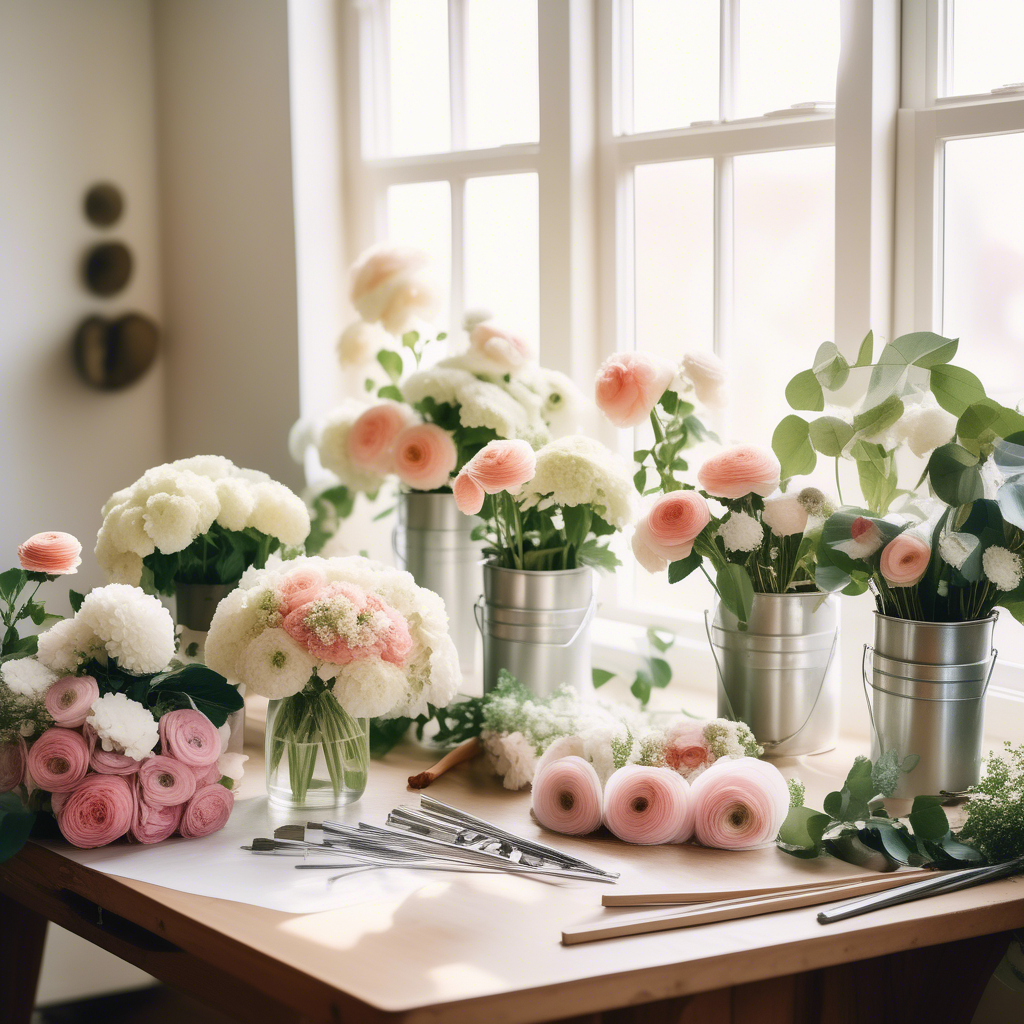
Part 1 – Why DIY Wedding Flowers Are Worth It
Save Big Without Sacrificing Beauty
One of the biggest reasons couples opt for DIY wedding flowers is the potential cost savings. Professional florists can be a significant investment, with floral arrangements often eating into a large chunk of the wedding budget. By choosing DIY, you can enjoy affordable wedding flowers that rival the beauty of professionally arranged designs. Buying bulk flowers for weddings allows you to access high-quality blooms at a fraction of the cost. With a little creativity and planning, you can create stunning, budget-friendly wedding flowers that perfectly fit your style. From vibrant bouquets to elegant centerpieces, DIY flowers ensure that your vision comes to life without overspending.
Turn Flower Arranging Into a Bonding Experience
DIY wedding flowers offer more than financial benefits—they create an opportunity for meaningful moments with loved ones. Gather your closest friends, family members, or bridal party for an intimate flower arranging session that’s as fun as it is rewarding. This hands-on experience lets you infuse your personal touch into every detail while building lasting memories with those you cherish most. Plus, participating in the process together transforms a potentially stressful task into a joyful and collaborative event. Imagine the pride and excitement you’ll feel walking down the aisle, surrounded by floral arrangements crafted with love and care.
Embrace Sustainable Wedding Trends
More couples are seeking ways to make their weddings eco-friendly, and DIY flowers align perfectly with sustainable wedding trends. By sourcing eco-friendly DIY flowers, you can create beautiful arrangements that reduce your environmental footprint. Look for locally grown, organic blooms to support sustainable farming practices and cut down on transportation emissions. Consider incorporating reusable items like mason jars or other recyclable containers for your centerpieces. After the wedding, donate or compost your flowers to ensure they’re repurposed in an environmentally conscious way. Choosing DIY floral arrangements empowers you to celebrate your love while honoring the planet.
With practical cost savings, emotionally fulfilling moments, and the ability to make eco-conscious decisions, DIY wedding flowers truly prove their worth. This hands-on approach lets you craft a wedding day that’s as memorable and special as your unique love story.
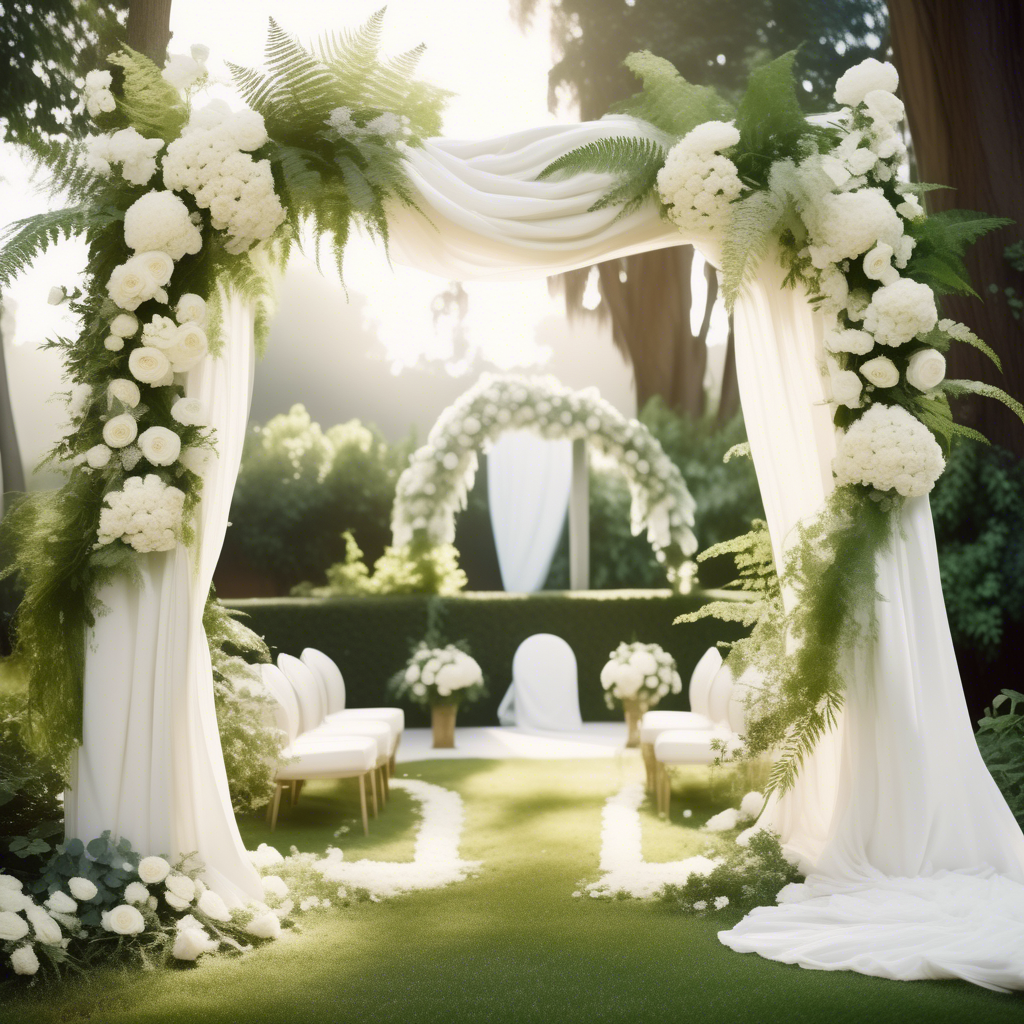
Part 2 – Planning Your DIY Flowers: Timeline and Checklist
Planning your DIY wedding flowers requires organization and a clear timeline to ensure everything comes together beautifully on your big day. Below, we’ve outlined a detailed, step-by-step guide to help you stay on track and stress-free.
Your Wedding Flower Timeline
1–3 Months Before the Wedding
- Finalize flower selection: Choose flowers that align with your wedding’s season, overall style, and color palette. Seasonal blooms are typically more affordable and fresher, and they pair seamlessly with your theme.
- Order your flowers: Partner with a reliable supplier like Whole Blossoms. Confirm delivery dates that allow sufficient time for preparation and assembly before the wedding.
2–3 Weeks Before the Wedding
- Gather your tools: To create beautiful arrangements, stock up on essentials such as floral tape, sharp floral snips or clippers, buckets for water, vases for storage, and hydration solutions to keep flowers fresh.
- Finalize design plans: This is the perfect time to assemble practice arrangements. Create mockup bouquets, centerpieces, or other designs to ensure you’re happy with the style, size, and structure of your pieces.
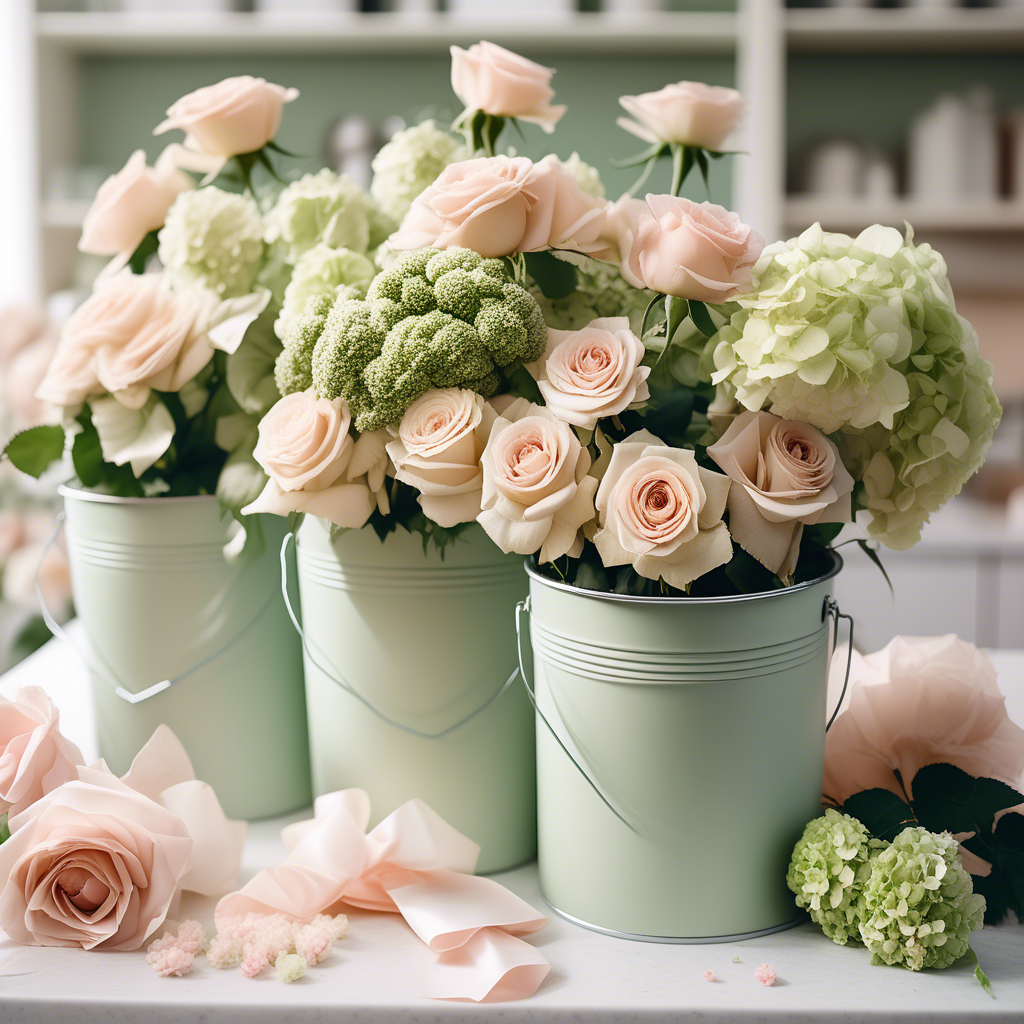
3–5 Days Before the Wedding
- Receive your flowers: Once your flowers arrive, carefully inspect them for quality. Begin preparing by trimming the stems at an angle and placing them in buckets of water with a hydration solution to extend their freshness.
- Start creating simpler arrangements: Begin with easier arrangements, such as table centerpieces or aisle decorations, to spread out the workload over several days and keep tasks manageable.
1 Day Before the Wedding
- Finalize bouquets and centerpieces: Dedicate the final day before your wedding to completing intricate designs such as bridal and bridesmaids’ bouquets. You’ll have fresher flowers on hand, and this ensures your delicate arrangements stay vibrant for longer.
- Store flowers properly: Place finished arrangements in a cool, shaded area away from direct sunlight or heat. Use vases or buckets to maintain water levels and preserve freshness.
Tools You’ll Need for Success
To make the flower preparation process smooth and enjoyable, assemble the right tools early in the process. Consider the following items essential to your DIY wedding flower toolkit:
- Floral tape and wire to secure stems and support your arrangements.
- Sharp floral snips or scissors to cut stems with precision and avoid damage.
- Buckets and vases to hold flowers during the hydration process and while building arrangements.
- Hydration solutions or flower food to extend the life and appearance of your blooms.
- Decorative elements such as ribbons, pins, or twine for adding personalized finishing touches to your designs.
By following this comprehensive wedding flower planning guide and equipping yourself with the necessary tools, you can create stunning floral arrangements that are not only cost-effective but also a beautiful expression of your unique style and love story. Keep this timeline handy as you prepare for your special day to ensure your DIY flowers are picture-perfect!
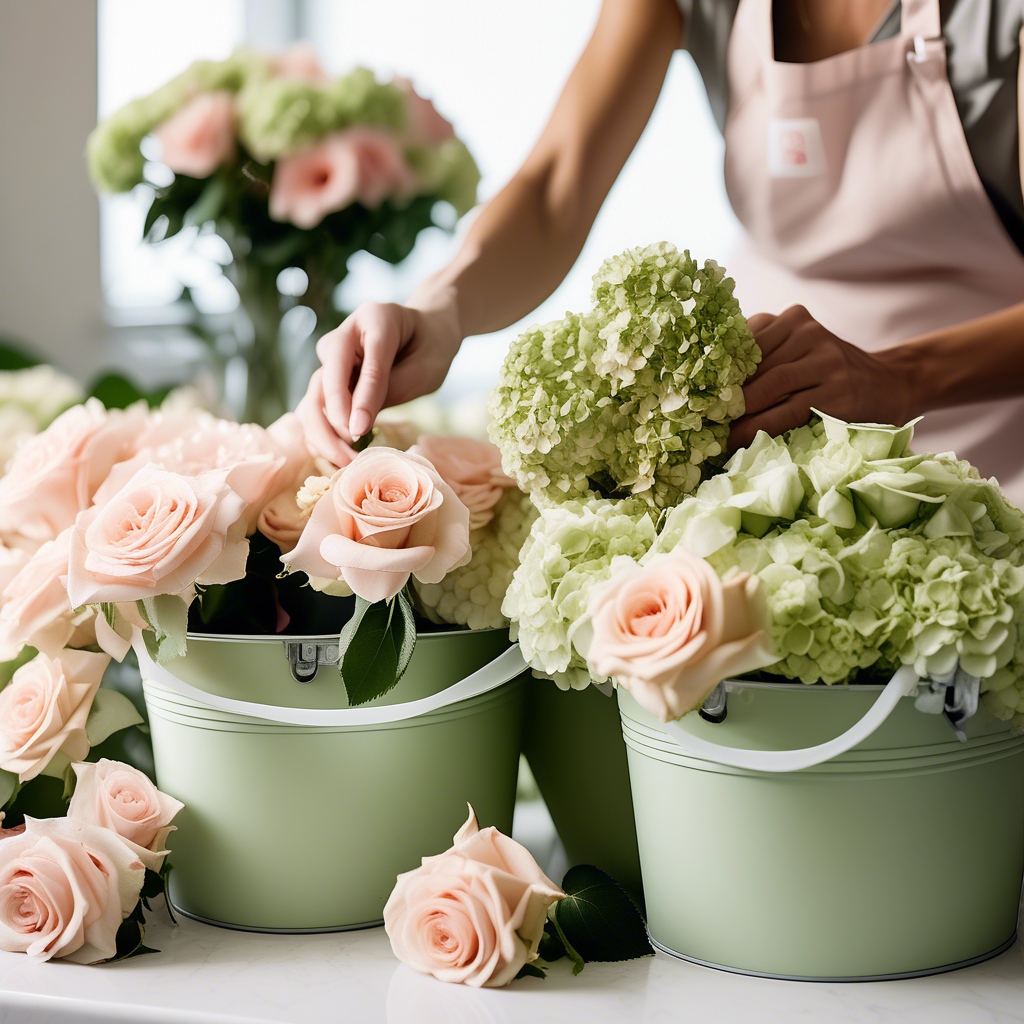
Part 3 – Choosing the Right Flowers for Your Wedding
Selecting the right flowers for your wedding can set the tone for the entire event, helping to create a cohesive and memorable atmosphere. From romantic garden roses to whimsical eucalyptus, the blooms you choose can reflect your vision, align with your wedding theme, and complement your venue. Here’s a guide to choosing the best flowers for wedding bouquets, centerpieces, and beyond.
Seasonal Flower Options for Every Wedding
Understanding the seasonal availability of flowers is essential when planning your wedding arrangements. Choosing flowers that are in season not only ensures freshness but can also help you stay within budget.
- Spring Weddings: Spring offers abundant options such as peonies, tulips, daffodils, and cherry blossoms. These flowers bring a sense of renewal, making them perfect for romantic and classic weddings.
- Summer Weddings: Favor heat-tolerant blooms like sunflowers, dahlias, hydrangeas, and garden roses. Their vibrant colors and lush presence make summer bouquets stand out.
- Fall Weddings: Autumn weddings can incorporate rich, earthy tones with flowers like chrysanthemums, marigolds, zinnias, and eucalyptus for a rustic feel.
- Winter Weddings: For a winter event, consider using classic blooms such as amaryllis, anemones, and ranunculus. Paired with greenery like pine or cedar, these flowers evoke a cozy and elegant winter aesthetic.
By selecting seasonal flowers for weddings, you’ll achieve stunning arrangements that resonate with the natural beauty of the time of year.
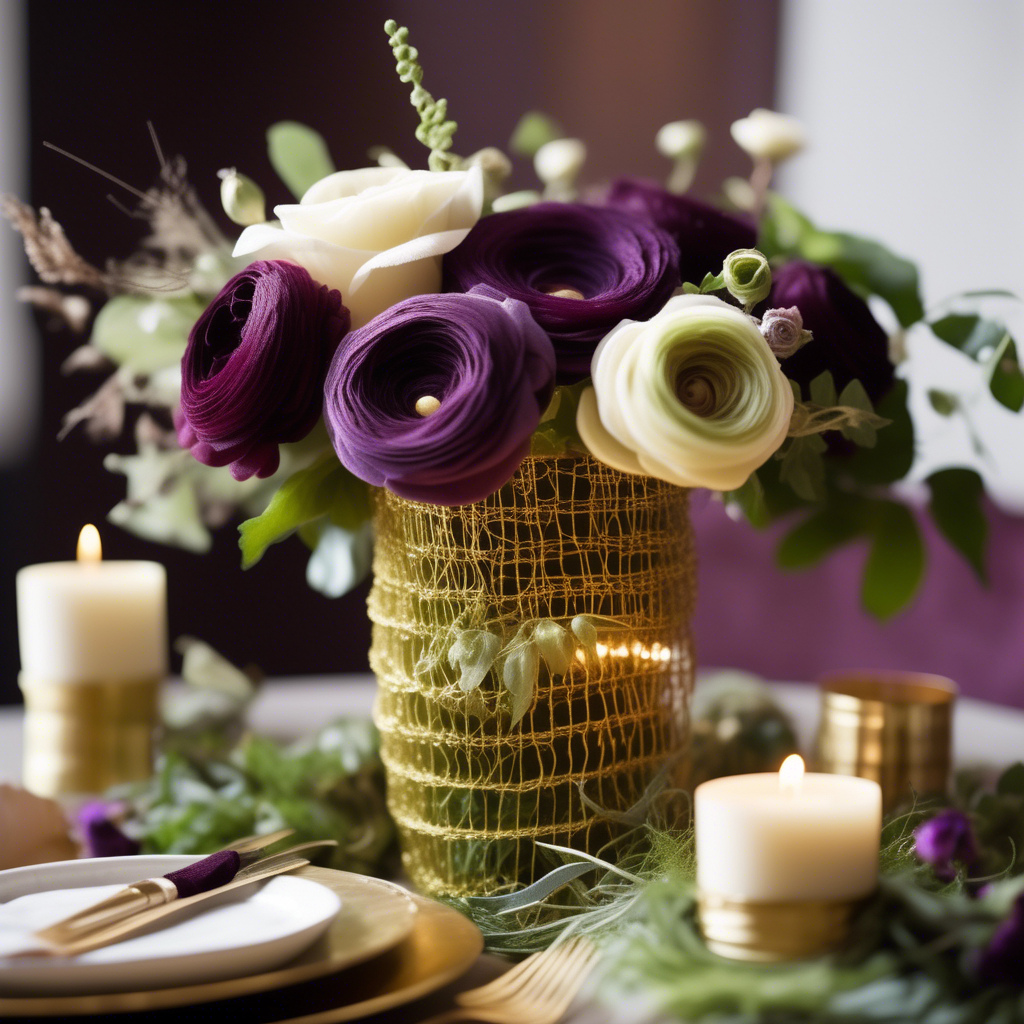
Matching Flowers to Your Theme and Venue
The type of flowers you choose should align with your wedding style and venue, whether you’re planning a boho beach celebration, a rustic barn wedding, or a modern affair in an urban setting. Here are common wedding styles and the flowers that work best for each:
- Boho Weddings: Achieve an effortless, natural look with wildflowers, pampas grass, eucalyptus, and protea. Pair them with muted color palettes of creams, blushes, and terracotta tones.
- Pro Tip: Incorporate dried flowers and grasses for added texture and a sustainable edge.
- Rustic Weddings: For a charming countryside feel, mix sunflowers, baby’s breath, lavender, and dahlias. Wrap your arrangements in burlap or twine for a touch of authenticity.
- Pro Tip: Use mason jars or wooden boxes as vases for your centerpieces to enhance the rustic vibe.
- Modern Weddings: Modern weddings favor sleek, minimalistic designs. Think monochromatic arrangements of orchids, calla lilies, or anemones. Foliage like monstera leaves adds a contemporary edge.
- Pro Tip: Stick to clean lines and cohesive colors such as all-white or black-and-white arrangements to match the modernist aesthetic.
- Classic Weddings: Timeless and elegant, classic weddings call for roses, peonies, and hydrangeas in soft shades like white, pale pink, and ivory. These flowers deliver a luxurious and romantic appeal.
- Pro Tip: Enhance the classic theme by incorporating silver or gold accents like vases, ribbons, or tableware.
Finding Bulk Wedding Flowers
If you’re designing multiple arrangements, sourcing bulk wedding flowers can be an economical and practical choice. Whole Blossoms offers seasonal flowers for weddings at competitive prices, ensuring you have access to fresh, high-quality blooms. We offer customizable options to match your palette and volume needs, allowing you to craft your dream arrangements without breaking the bank.
Ultimately, taking the time to align your flower choices with your wedding season, theme, and vision will result in breathtaking designs that enhance your big day. Remember to mix and match varieties thoughtfully and use flowers that resonate with your personal style to create a celebration that feels uniquely yours!
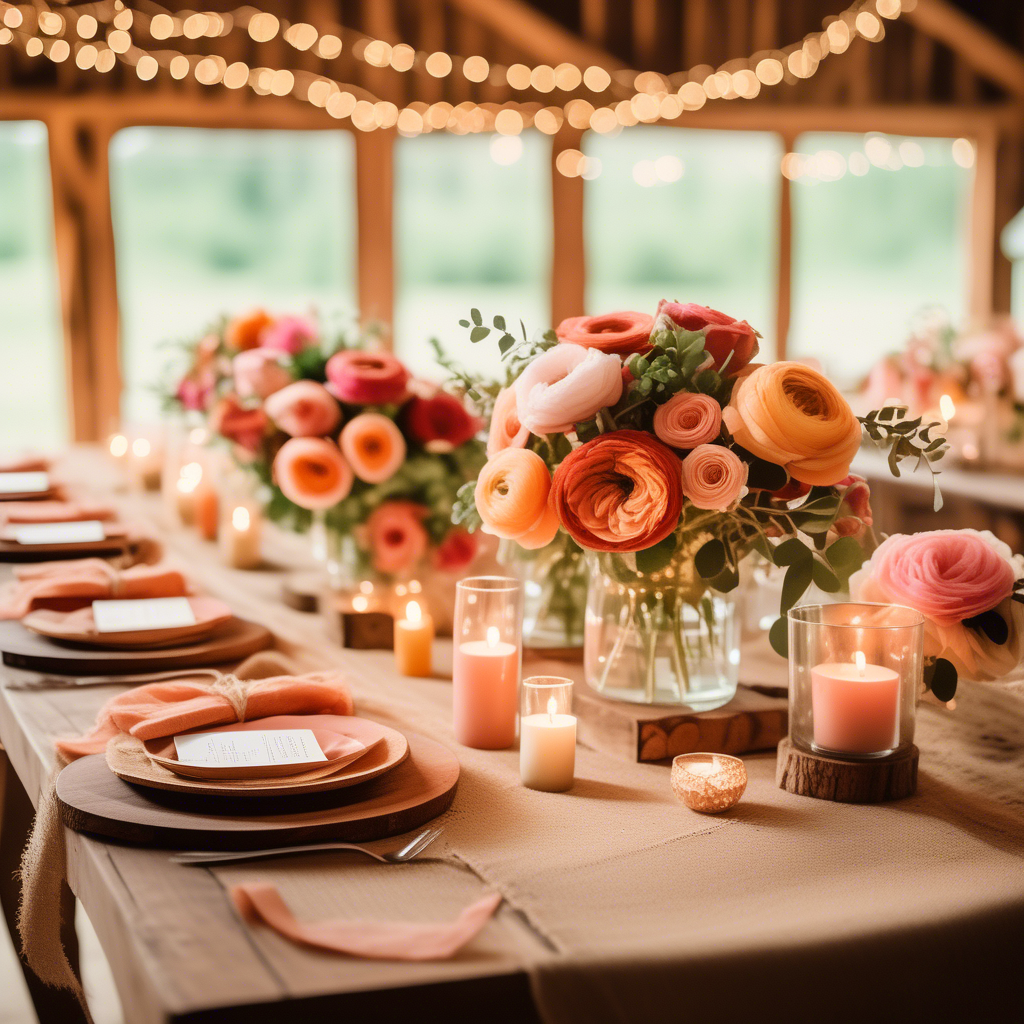
Part 4 – Pro Tips for Arranging DIY Wedding Flowers
Professional Secrets for Perfect Bouquets
Creating show-stopping wedding arrangements requires more than just beautiful flowers—it’s all about the techniques and tools you use. Start by layering your bouquet thoughtfully. Begin with greenery as the base; eucalyptus or ferns add texture and structure, creating a foundation for your design. Next, place your focal blooms—these are larger flowers like roses, peonies, or ranunculus—that draw the most attention. Finally, use filler flowers like baby’s breath or small wildflowers to fill in gaps and add delicate accents.
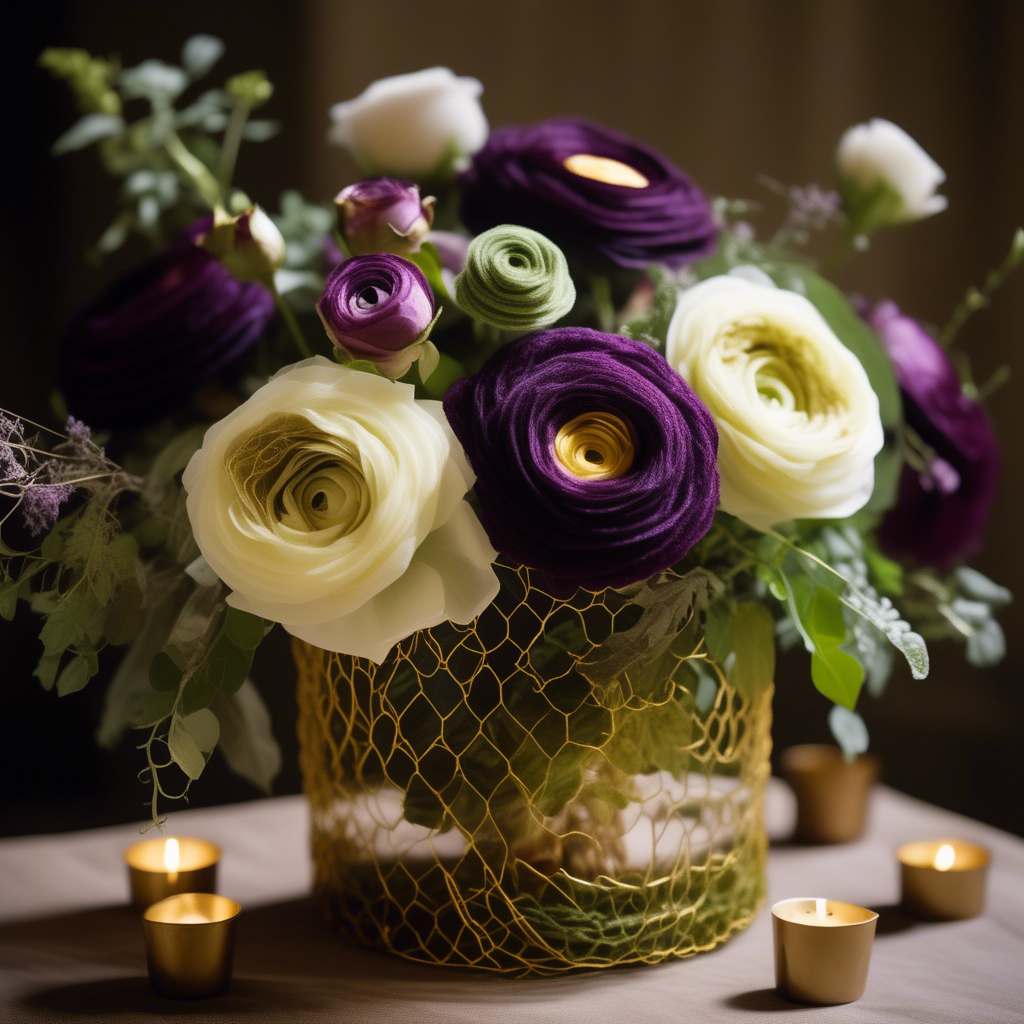
Make use of professional tools to ensure your arrangements last and maintain their shape throughout the event. For instance, chicken wire is perfect for stabilizing flowers in large centerpieces. Simply shape it into a loose ball and place it in your vase to hold stems in place while allowing flexibility for adjustments. For bouquets, a pin frog can anchor stems securely at the bottom of a container, making it easier to build layers confidently. These tools help keep everything steady and ensure a polished, professional look.
Another invaluable method for arranging bouquets is the spiral technique. To use this, hold the first stem in your hand and add additional stems at an angle, rotating slightly after each flower is added. This creates a balanced, spherical arrangement and makes the bouquet easier to hold. Once complete, secure the stems with floral tape to maintain the spiral, and cover the tape with ribbon or fabric for a finished appearance. When done correctly, your bouquet will have a cleaner, more cohesive shape.
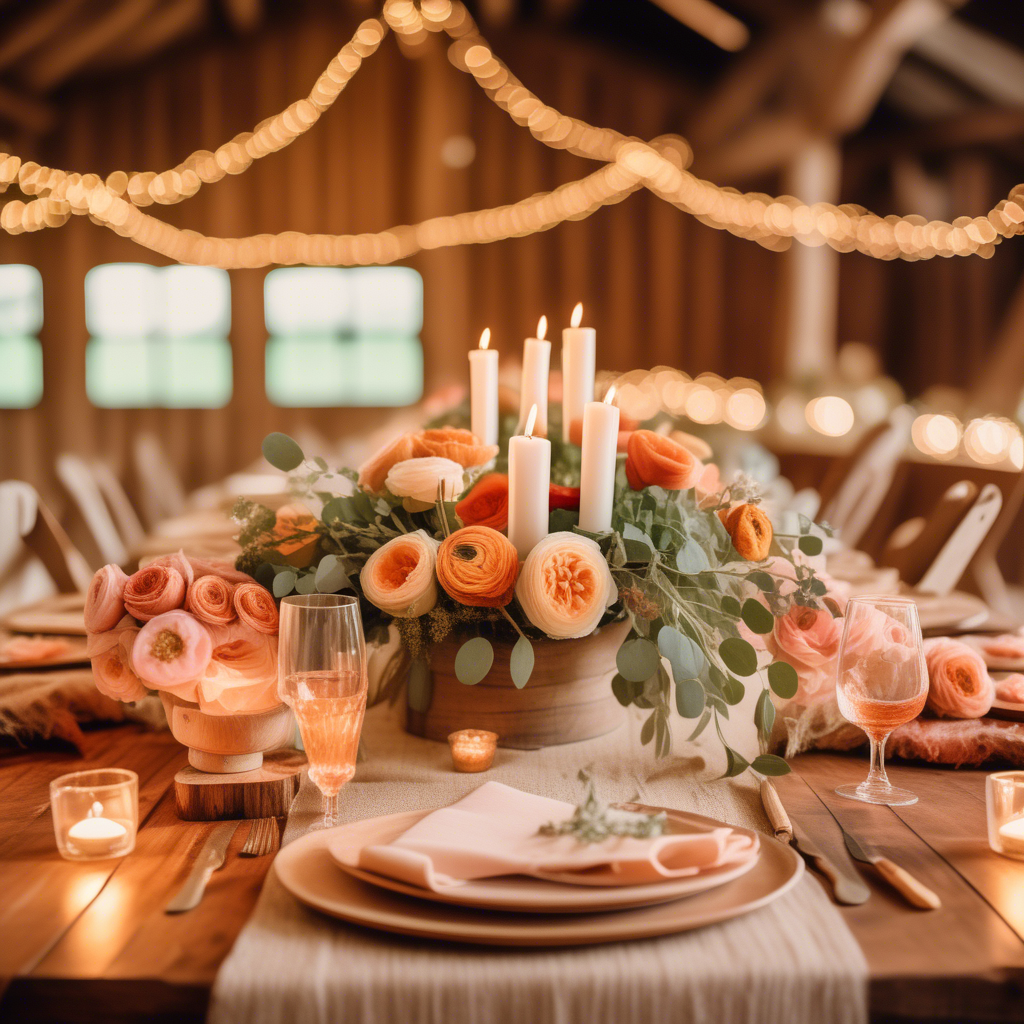
Avoiding Common Flower Arranging Mistakes
Even with planning, flower arranging can present a few hiccups. A common issue is droopy flowers—this often happens if the stems are not properly hydrated. Always cut stems at an angle under running water and remove any leaves that will sit below the waterline in your vase. For flowers that have begun to wilt, try soaking them in lukewarm water or wrapping them in damp paper towels for a few hours to revive them.
Another frequent challenge is uneven arrangements. To avoid this, keep variety in height and depth as you build your design. Don’t be afraid to pull out stems and reposition them if something feels off. Working with a mirror or taking photos as you go can help you evaluate the arrangement from all angles, ensuring symmetry and appeal.
Finally, when designing DIY centerpieces, consider the placement of your displays. Overcrowded tables, harsh sunlight, or excessive wind can affect the stability and longevity of your creations. Be mindful of these variables to ensure your flowers look fresh and vibrant throughout the event.
With these expert flower arranging tips, you can transform your DIY wedding bouquets and centerpieces into truly stunning décor. By mastering foundational techniques and troubleshooting common issues, you’ll create arrangements that wow your guests and complement your special day beautifully.
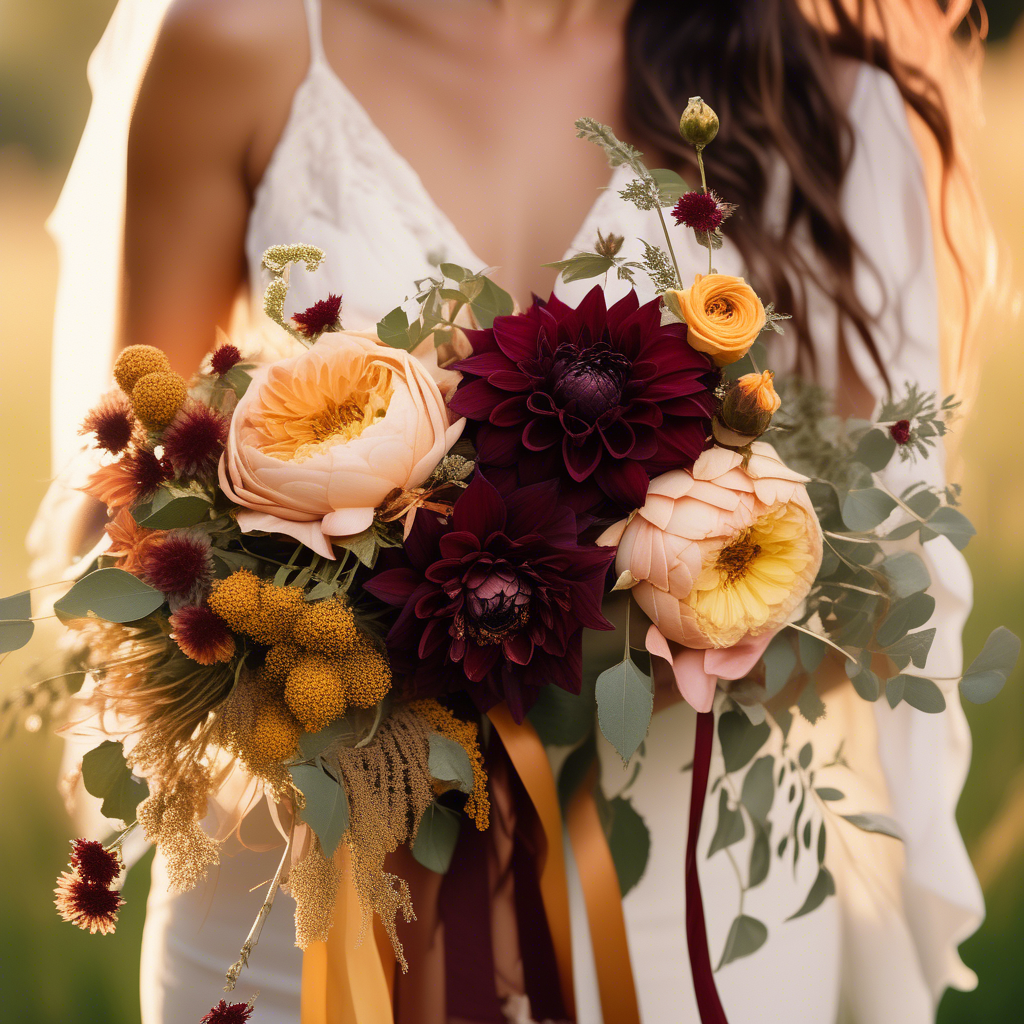
Part 5 – Expert Advice on Keeping Flowers Fresh
Creating beautiful floral arrangements is just the beginning; ensuring their freshness throughout your wedding day is equally vital. By following these expert tips, you can keep your flowers looking vibrant and full of life from preparation to the moment you say, “I do.”
Hydration Hacks for Fresh Flowers
Proper hydration is key to extending the life of your wedding flowers. Begin by hydrating your blooms as soon as they arrive. Unbox them carefully and place the stems in clean, room-temperature water with flower food. If flower food isn’t available, a homemade solution of water, sugar, and a small amount of bleach can help nourish the flowers while preventing bacterial growth.
When trimming stems, use sharp, clean scissors or floral shears to make a diagonal cut. This increases the surface area for water absorption, allowing flowers to hydrate more effectively. Be sure to remove any leaves that will be submerged in water, as they can promote bacteria that shortens the lifespan of your arrangements. Re-trimming stems every two to three days will further enhance their hydration and longevity.
Storage Secrets for Long-Lasting Arrangements
Storing flowers properly before and during the wedding day is another essential part of wedding flower care. Avoid exposing flowers to direct sunlight or placing them near heat sources, such as radiators or kitchen appliances. Instead, keep arrangements in a cool, shaded area. For extra freshness, store flowers in a refrigerator set between 35°F and 50°F, ensuring they are placed away from fruits, which release ethylene gas and expedite the aging process.
Daily care is also crucial. Change the water in your vases or floral foam daily, rinsing containers thoroughly to remove any residue. Lightly mist delicate blooms, like hydrangeas and orchids, with water to maintain moisture levels, but avoid over-saturating as this can cause mildew. For outdoor weddings in warm climates, consider creating a hydration station behind the scenes with water buckets to refresh any wilting bouquets or centerpieces.
Tailoring Care to Hot or Cold Climates
Adapting your flower care routine to the weather conditions is essential. For hot, dry climates, keep flowers in a cool environment as long as possible and consider using floral sealants or sprays to lock in moisture. During the event itself, shade your arrangements and mist them lightly to prevent drying out. Conversely, in cold climates, minimize exposure to freezing temperatures by storing flowers indoors until just before use. Ensure that transportation to the venue is done in a temperature-controlled vehicle to avoid frost damage.
By implementing these wedding flower care tips, you can ensure your floral arrangements remain fresh and stunning throughout your big day. From hydration techniques to climate-specific solutions, a little extra effort in storing flowers for weddings will go a long way in preserving their beauty and charm.
Part 6 – Eco-Friendly DIY Flower Options
Sustainable Solutions for DIY Weddings
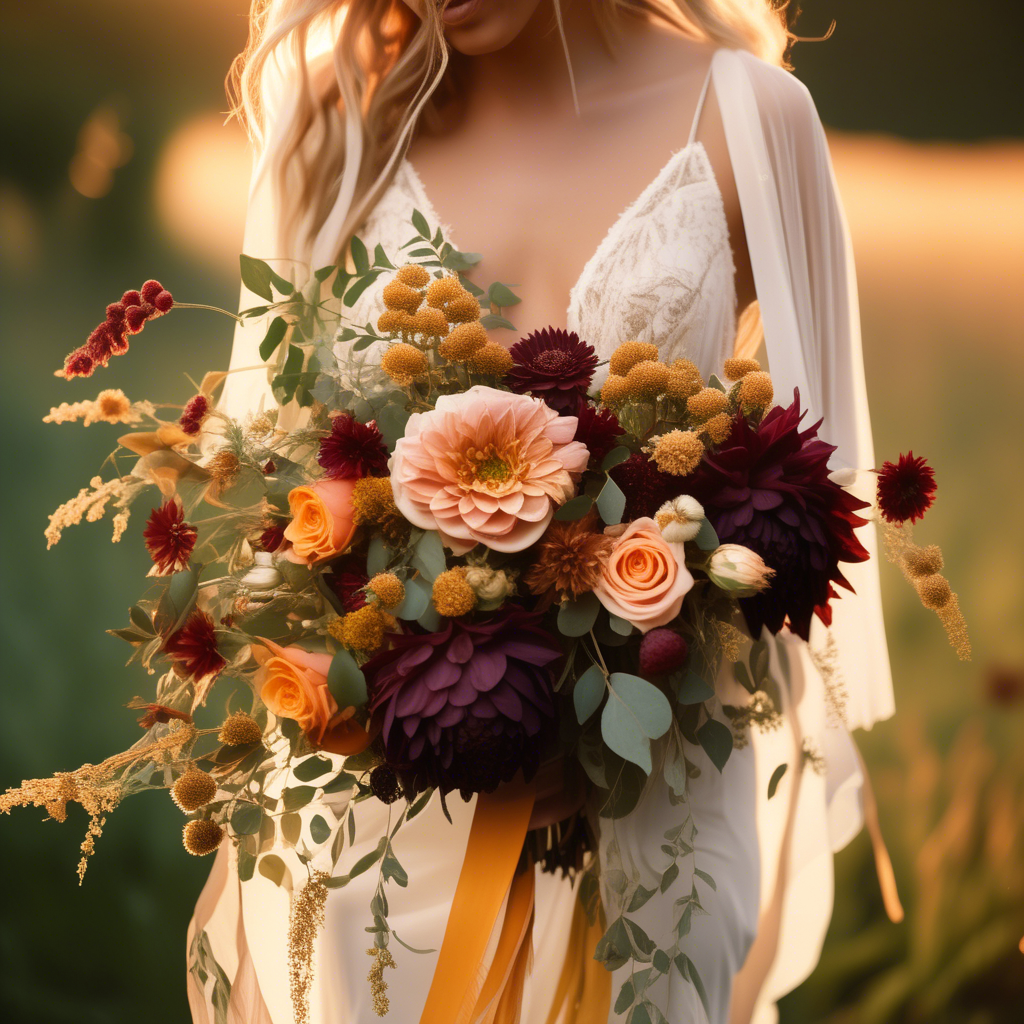
For couples looking to create a green wedding aesthetic, incorporating sustainable wedding flowers is a meaningful step. Traditional floral arrangements often rely on materials that are harmful to the environment, such as single-use plastic and non-biodegradable floral foam. However, there are plenty of eco-friendly alternatives to explore. Sustainable practices can begin with sourcing seasonal and locally grown flowers, which not only reduce the carbon footprint but also support local farmers. Additionally, focus on compostable arrangements by avoiding synthetic materials and opting for biodegradable solutions.
One innovative alternative to traditional floral foam is Agra Wool, which is made from natural volcanic rock fibers and biodegradable binders. Another option is Oshun pouches, a sustainable choice designed to hold and hydrate flowers without the use of harmful chemicals. For budget-friendly alternatives, consider using chicken wire to structure arrangements. These tools are reusable and can be easily shaped to suit various floral designs while avoiding environmental harm.
Eco-Friendly Tools for Flower Arranging
Green wedding ideas go beyond just sourcing sustainable flowers; they include using tools that are both kind to the environment and practical for DIY wedding projects. Reusable vases, vintage jars, or wooden boxes can serve as charming centerpiece bases. When securing floral elements, ditch plastic tapes and instead employ natural jute twine or biodegradable wraps. Avoid waste by opting for compostable materials, such as bamboo stakes or sustainable moss for filler accents.
After the event, ensure arrangements live on by encouraging guests to take home small bouquets or donate remaining flowers to local hospitals, nursing homes, or charitable organizations. Composting leftover flowers is another effective way to give back to the earth. These practices significantly reduce floral waste while adding extra meaning to your special day.
By adopting eco-friendly floral foam alternatives and emphasizing reusable or biodegradable tools, couples can create stunning wedding arrangements that respect the planet. Sustainable wedding flowers allow you to celebrate your love in harmony with nature, leaving a lasting impression without leaving a lasting footprint.
Answers to Your Flower Questions
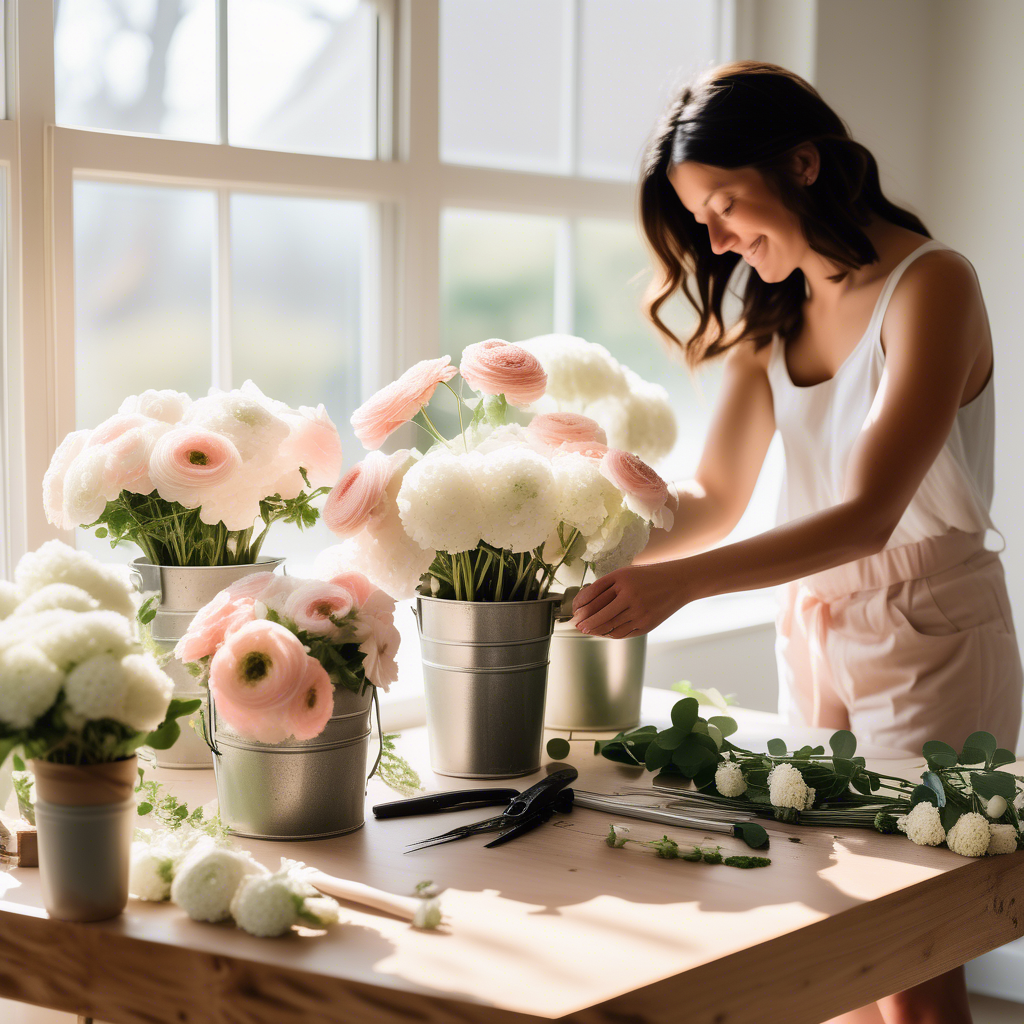
When planning a DIY wedding, questions about flowers can quickly pile up. To help you prepare, we’ve compiled answers to the most common inquiries, covering everything from flower care to delivery logistics.
Common Flower Questions
How many stems do I need for bouquets or centerpieces?
The number of floral stems depends on the size and style of your arrangements. For bridal bouquets, you’ll typically need 20–30 stems, combining focal flowers, fillers, and greenery. Bridesmaid bouquets might require between 10–15 stems. For centerpieces, smaller arrangements may use 8–12 stems, while larger ones can demand 20 or more. It’s always a good idea to order slightly more than needed to account for any unexpected changes or mishaps.
How far in advance should I order my flowers?
Order your flowers about 1–2 months before your wedding date to ensure availability, but schedule delivery 2–3 days before the event. This time frame allows the flowers to rehydrate, open up beautifully, and lets you arrange them at their peak freshness.
Logistics and Delivery
What if my flowers arrive damaged?
If flowers arrive damaged, contact your supplier immediately, as most reputable companies offer replacement policies. Document the damage with photos and be clear about your concerns. Handling flowers gently upon arrival and keeping them hydrated can also prevent further deterioration.
How are flowers shipped to ensure freshness?
Wholesale flowers are typically shipped in a temperature-controlled environment and packed securely to maintain their quality. They often arrive in bud form to ensure a longer lifespan and require proper hydration upon delivery. Be sure to unbox, cut stems at an angle, and place them in clean water with flower food right away.
Flower Care
Do I need flower food?
Yes, flower food is important for prolonging the life of your blooms. It contains nutrients that help preserve freshness and prevent bacteria growth. Most suppliers include small packets with your order, but you can also make a DIY version with sugar, water, and a few drops of bleach.
What happens if flowers look wilted on arrival?
Wilted flowers can often be revived! Start by cutting the stems at an angle to maximize water absorption. Place them in room-temperature water mixed with flower food and allow a few hours for rehydration. For especially delicate blooms, submerging the flowers and stems in water for 30 minutes can work wonders.
DIY Advice
How do I avoid overcrowding arrangements?
To prevent overcrowding, start with your base greenery or filler flowers, adding focal flowers one by one. Rotate your arrangement as you work to ensure an even distribution. Step back frequently to assess the balance and symmetry.
Can I practice before the wedding?
Absolutely! Practicing is essential for perfecting your vision without added stress. Purchase similar or less expensive flowers weeks prior to your wedding to experiment with designs and techniques. This way, you’ll build confidence and refine your process well before the big day.
Everything You Need to Know About DIY Wedding Flowers
DIY wedding flowers can be both a creative and cost-effective way to showcase your personal style, but preparation and care are key. By addressing common concerns like flower preparation, delivery timing, and arrangement techniques, you’ll set yourself up for a smooth and stress-free experience. For more FAQs about wedding flowers, consult your wholesale supplier and don’t hesitate to ask for guidance—they’re there to help!
Real Brides, Real Stories
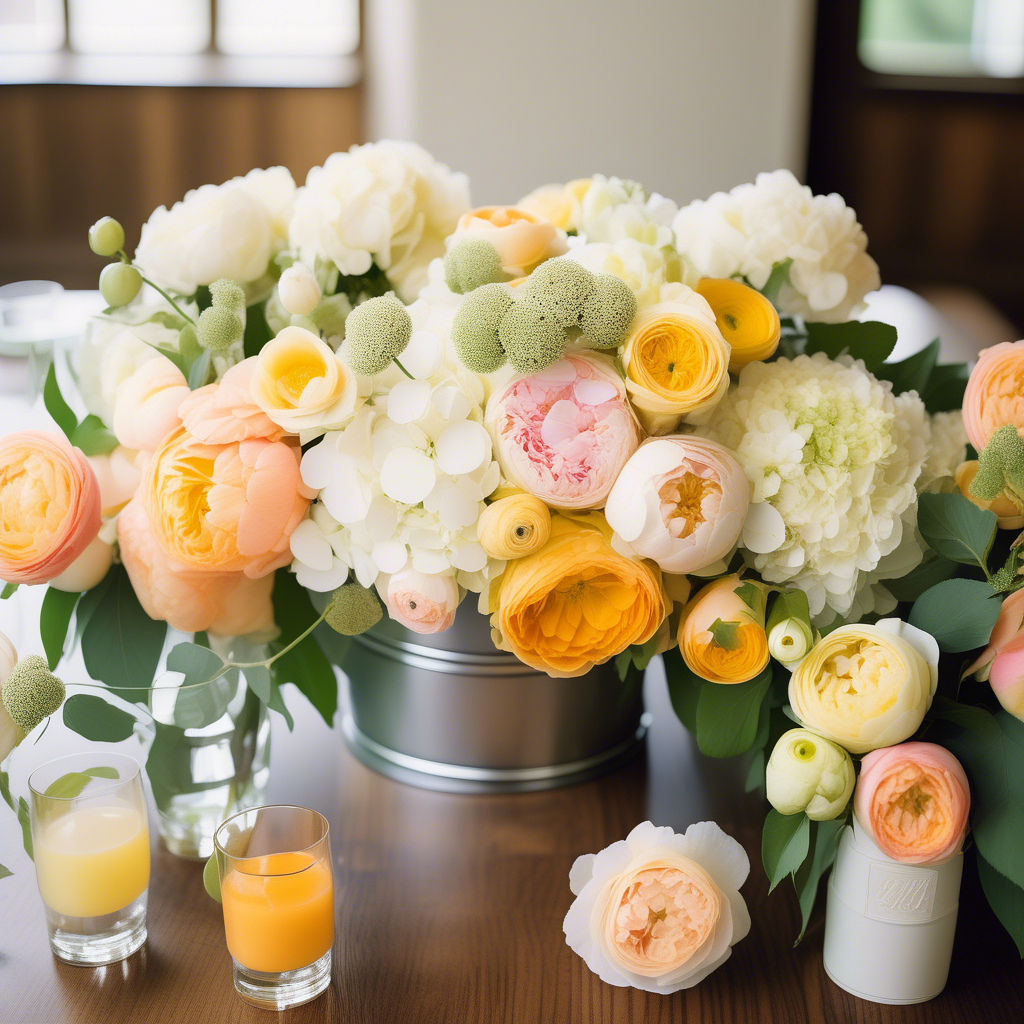
When it comes to DIY weddings, nothing paints a more inspiring picture than the heartfelt stories of real brides who brought their visions to life with Whole Blossoms. Take Ashley, for instance, who dreamed of a rustic outdoor ceremony filled with natural greenery and blush roses. “I was nervous about taking on the task of arranging my own wedding flowers, but Whole Blossoms made it easy,” she shared. “The flowers arrived fresh and on time, and the quality blew me away. My bouquets, centerpieces, and even my floral arch looked professionally done—all thanks to the tutorials and guidance I received!”
Similarly, Clara knew she wanted bold, vibrant colors to stand out during her urban rooftop wedding. She chose a mix of tropical blooms and wildflowers, and the results were stunning. “I couldn’t have been happier with how my vision came to life,” Clara explained. “Whole Blossoms saved me so much, not just in cost but also in giving me the confidence to get creative. Everyone thought I’d hired a florist!”
These stories highlight the potential for turning your floral dreams into reality, even without prior experience.
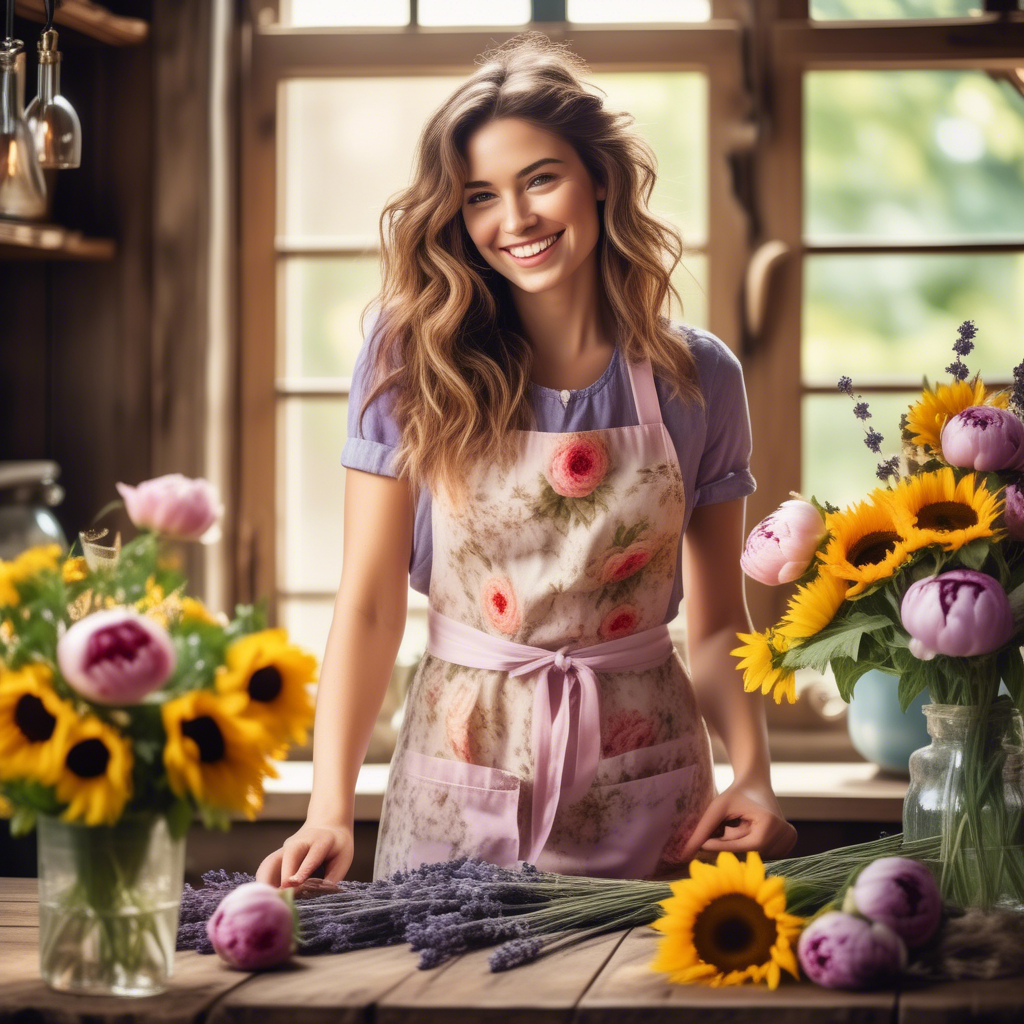
The Magic of DIY Flowers with Whole Blossoms
The beauty of working with Whole Blossoms is the simplicity and flexibility it adds to your wedding planning. Brides like Mia, who decided to opt for classic white and green arrangements, expressed how the wide range of flower options played a significant role in achieving her timeless look. “I’ll never forget opening those flower boxes for the first time—it was like a dream,” Mia said. “The blooms were fresh, fragrant, and exactly as described on the website. It elevated the atmosphere of my day beyond anything I could’ve imagined.”
The success stories don’t end there. Whole Blossoms provides extensive resources, from arranging tips to online tutorials. Brides have successfully arranged everything from elaborate floral arches to intimate bridal bouquets with ease.
DIY wedding flowers don’t just allow you to save on your big day—they give you a chance to create something truly personal and extraordinary. With Whole Blossoms, the possibilities are endless!
Your wedding day is one of the most significant chapters of your life, and choosing Whole Blossoms for your DIY wedding flowers can make it even more memorable. By selecting fresh, wholesale flowers, you’re ensuring unmatched quality, breathtaking arrangements, and a day that reflects your unique love story. Whole Blossoms stands apart with its vast selection of flowers, affordable prices, and outstanding support through detailed tutorials and expert arranging tips that guarantee even the most novice florist can bring their floral visions to life.
Personalizing your wedding through DIY flowers allows you to add a heartfelt, creative touch to your celebration. From crafting elegant centerpieces to stunning bridal bouquets, each bloom becomes a part of your story, curated by your own hands. Whole Blossoms helps make the process smooth, empowering, and incredibly rewarding. Not only will you save on extravagant wedding costs, but you’ll enjoy the satisfaction of seeing your dream wedding come to life just the way you imagined.
Now is the perfect time to take the next step toward creating the wedding of your dreams. Explore our collections of gorgeous, fresh flowers and start planning your unique arrangements today. With Whole Blossoms, the joy of personalizing your wedding is just a click away.
Shop Now for Your Dream Wedding Flowers! Discover the beauty of wholesale blooms and experience the magic of crafting your perfect moment. Your extraordinary day starts here.