


 by
by 
Introduction – Why Monochromatic Weddings Are Defining 2026
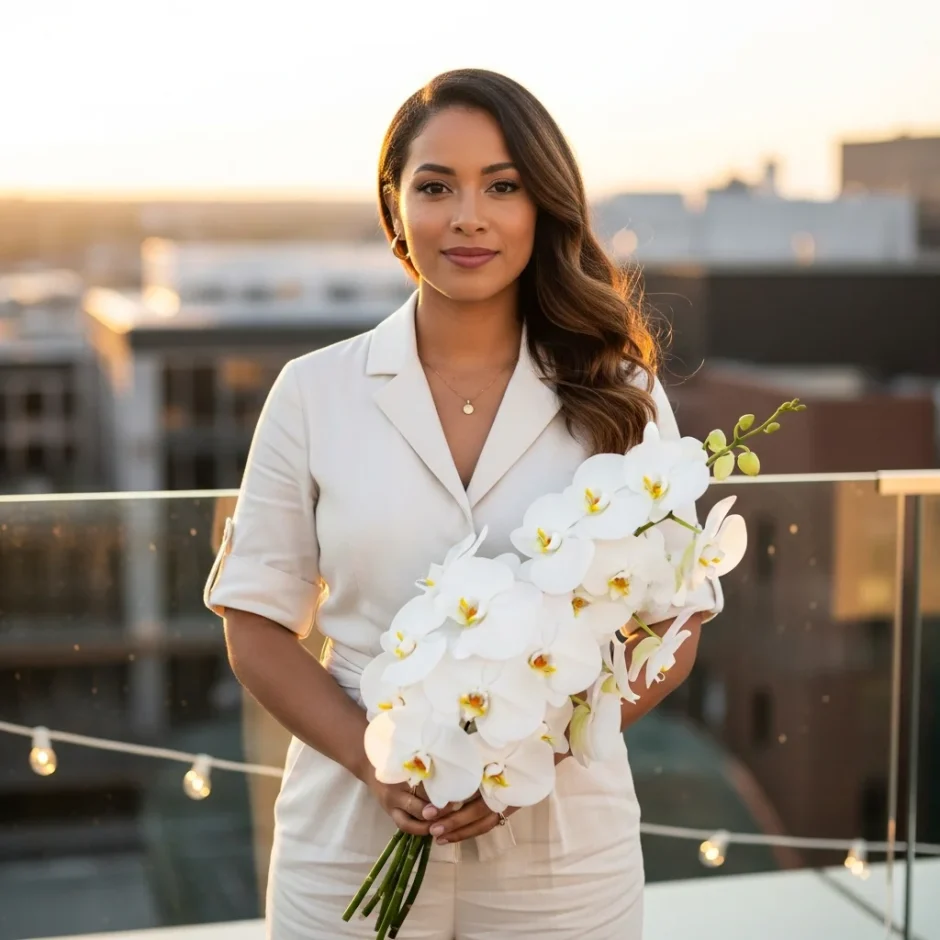
Monochromatic wedding arrangements are redefining modern celebrations in 2026, blending simplicity and sophistication for an effortlessly elegant aesthetic. These designs focus on a single color family or hue, creating a seamless and cohesive visual theme. When paired with monofloral arrangements—using one type of flower exclusively, they embody a minimalistic yet luxurious trend that resonates with today’s couples.
This shift toward intentional, minimalist design reflects a broader cultural movement toward sustainability and conscious consumption. Monochromatic and monofloral arrangements offer versatility for diverse wedding settings while helping couples achieve high-end appeal without unnecessary excess. Additionally, this approach supports cost-efficiency, particularly when sourcing flowers in bulk, making it an excellent choice for DIY enthusiasts, professional planners, and florists looking to deliver impactful visuals at a manageable cost.
Popular options for monochromatic arrangements include staple blooms like classic roses, voluminous hydrangeas, bright sunflowers, and lush greenery, while preserved flowers add a long-lasting and contemporary touch. These flowers serve as the foundation for endless creative possibilities, adapting beautifully to various wedding styles and themes.
Monofloral wedding arrangements use one flower variety in a single color family to create modern, cohesive décor that feels luxurious without complexity.
Part 1 – What Makes Monofloral Design So Powerful?
Visual Impact Through Simplicity
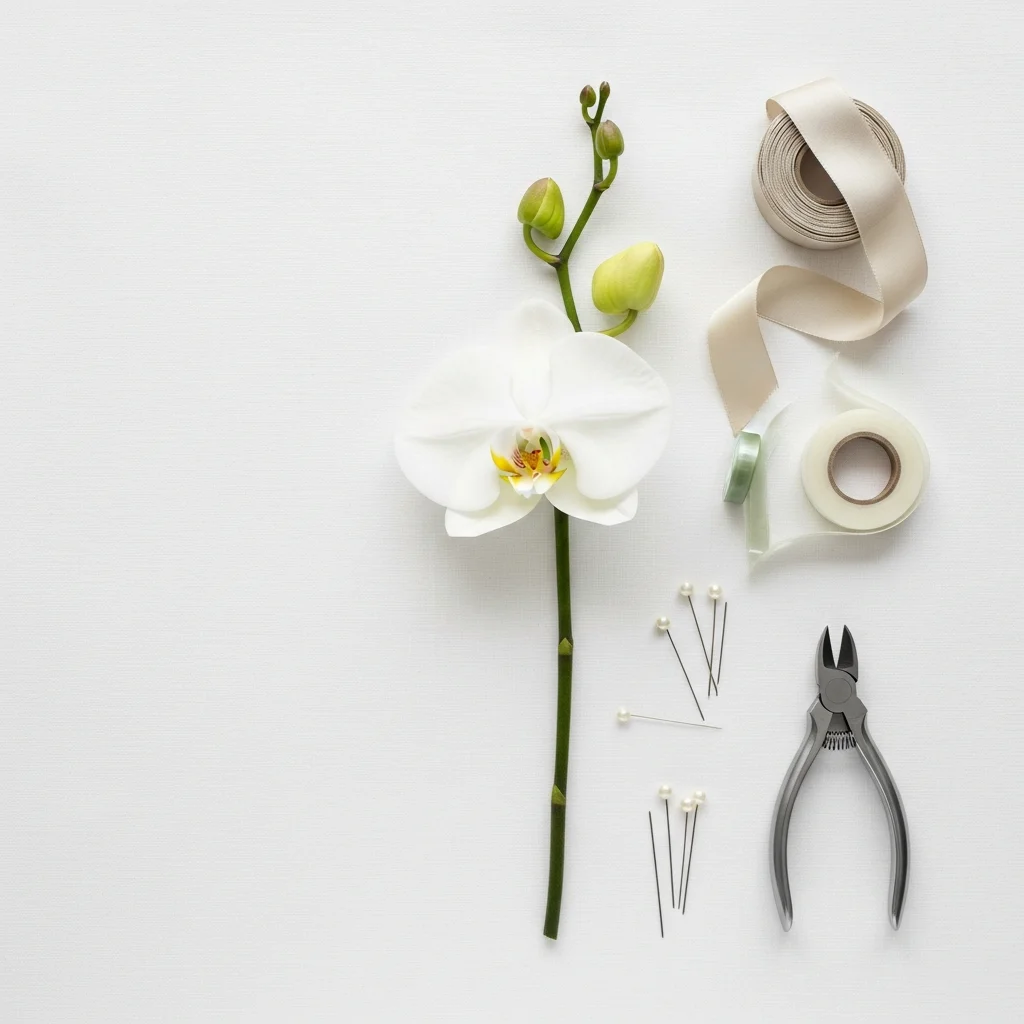
Monofloral wedding arrangements hold a timeless appeal through their simplicity, creating editorial-style aesthetics that exude elegance and refinement. Using a single bloom allows the natural beauty of the flower to shine without distraction, evoking a fashion-inspired and chic atmosphere. Flowers such as tulips, orchids, calla lilies, and peonies are particularly impactful in monofloral designs due to their distinctive shapes, textures, and visual presence. This approach highlights the flower’s elegance while fostering a cohesive, minimalist look that feels sophisticated yet approachable.
Budget Control Without Looking Cheap
One of the most practical advantages of monofloral designs lies in their ability to balance beauty with budget. By purchasing a single flower type in bulk, couples can often reduce waste and achieve cost efficiency without sacrificing style. Furthermore, sticking to a single flower variety allows for easier substitutions in case of availability issues, ensuring flexibility while maintaining the aesthetic. Whether incorporating roses or seasonal blooms, monofloral arrangements prove that a stunning wedding design doesn’t have to break the bank.
Faster Setup for DIY Couples
For couples opting for a DIY approach, monofloral arrangements are a dream come true. Without the need for complex recipes or mixing multiple flower types, these setups are far less time-consuming and require minimal professional design skills. Simplifying the process not only ensures faster assembly but also reduces stress, making it perfect for hands-on couples seeking to personalize their big day.
People Also Ask
- Are single-flower bouquets cheaper?
Yes, single-flower bouquets are often more cost-effective because they allow for bulk purchasing of a single variety, reducing overall costs while maintaining elegance.
- Do monochromatic weddings look elegant?
Absolutely, monochromatic weddings exude elegance and sophistication by creating a seamless, cohesive aesthetic that feels luxurious yet understated.
Part 2 – Best Flowers for Monochromatic Weddings (By Variety)
Choosing the right flowers for a monochromatic wedding involves understanding texture, seasonality, and how to maximize visual impact while staying within budget. Below, we explore popular flower varieties for a cohesive wedding aesthetic, including tips on bulk ordering and floral care.
Roses: The Classic Monofloral Choice
Roses are a timeless choice for any monochromatic wedding. Available in a wide variety of shades, roses can adapt to sophisticated whites, blush pinks, or bold reds. Garden roses feature a lush, ruffled texture perfect for romantic centerpieces and bridal bouquets, while standard roses offer clean, elegant lines ideal for structured designs like arches and floral garlands. When purchasing in bulk, consider ordering directly from wholesalers and requesting long stems for versatility in different arrangements.
Hydrangeas: Volume with Fewer Stems
Hydrangeas are exceptional for creating volume with minimal stems, making them ideal for large floral installations such as statement backdrops or aisle runners. Available in shades like pure white, soft blue, or even green, hydrangeas lend a cloud-like texture and softness to monochromatic designs. A tip for conditioning hydrangeas is to submerge their heads in water briefly before arranging, as this keeps them hydrated during setup. Bulk ordering these flowers is a great cost-effective option due to their large flower heads.
Tulips: Modern & Sculptural
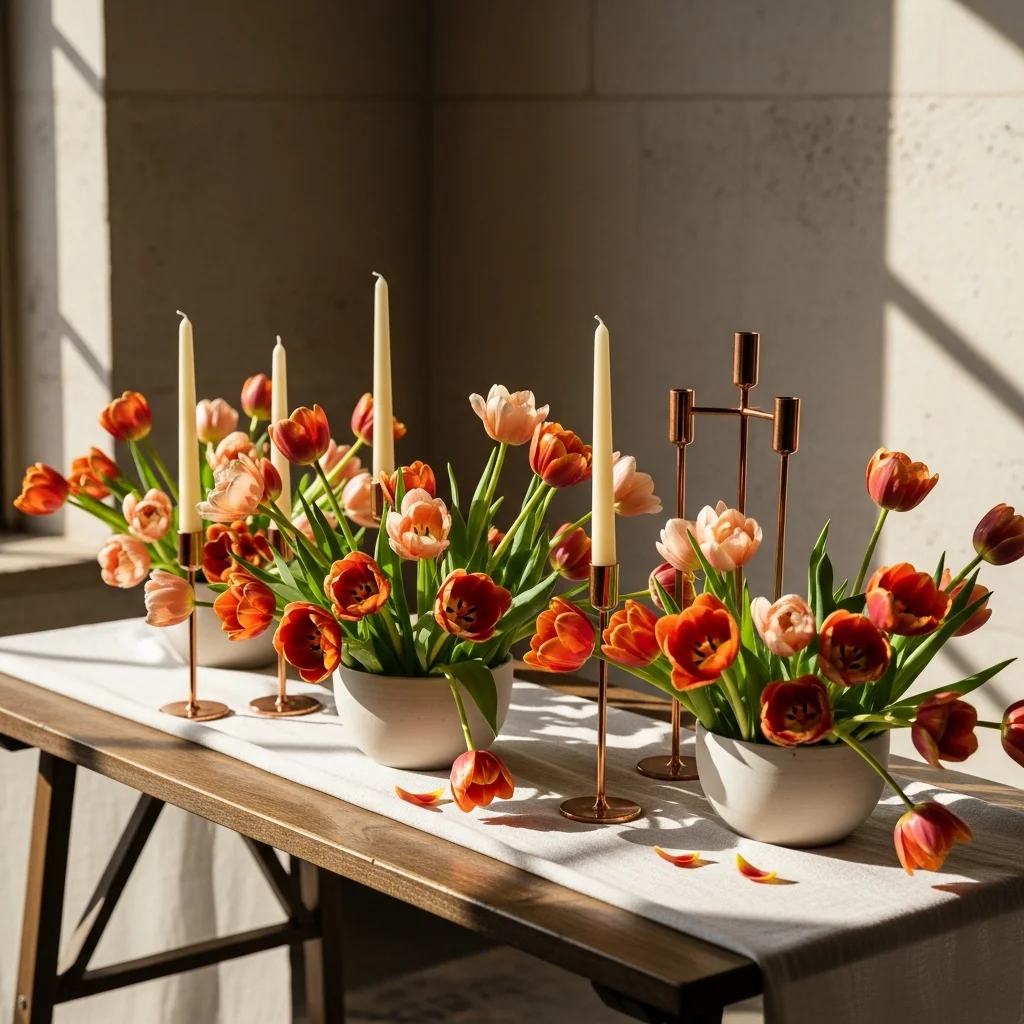
Tulips provide a sleek and modern aesthetic that works well with contemporary wedding themes. Their simple yet sculptural form can range from crisp white to deep plum, fitting a variety of monochromatic palettes. Tulips shine in minimalistic bridal bouquets and table arrangements, and they are particularly popular in early spring when they are in peak season. Ordering tulips in color families ensures a consistent visual look, and they are best kept in cool water to maintain firmness.
Calla Lilies: Minimal Luxury
Calla lilies signal luxury with their clean, minimalist appeal, making them a favorite for black-tie weddings. Available in classic white or deeper hues like burgundy and purple, they are perfect for monochromatic themes aiming for understated elegance. Calla lilies work beautifully in cascading bridal bouquets or as striking accents in modern arch designs. For bulk orders, opt for mini calla lilies for more intricate arrangements and handle them with care as their stems are prone to bruising.
Orchids: Elevated Statement
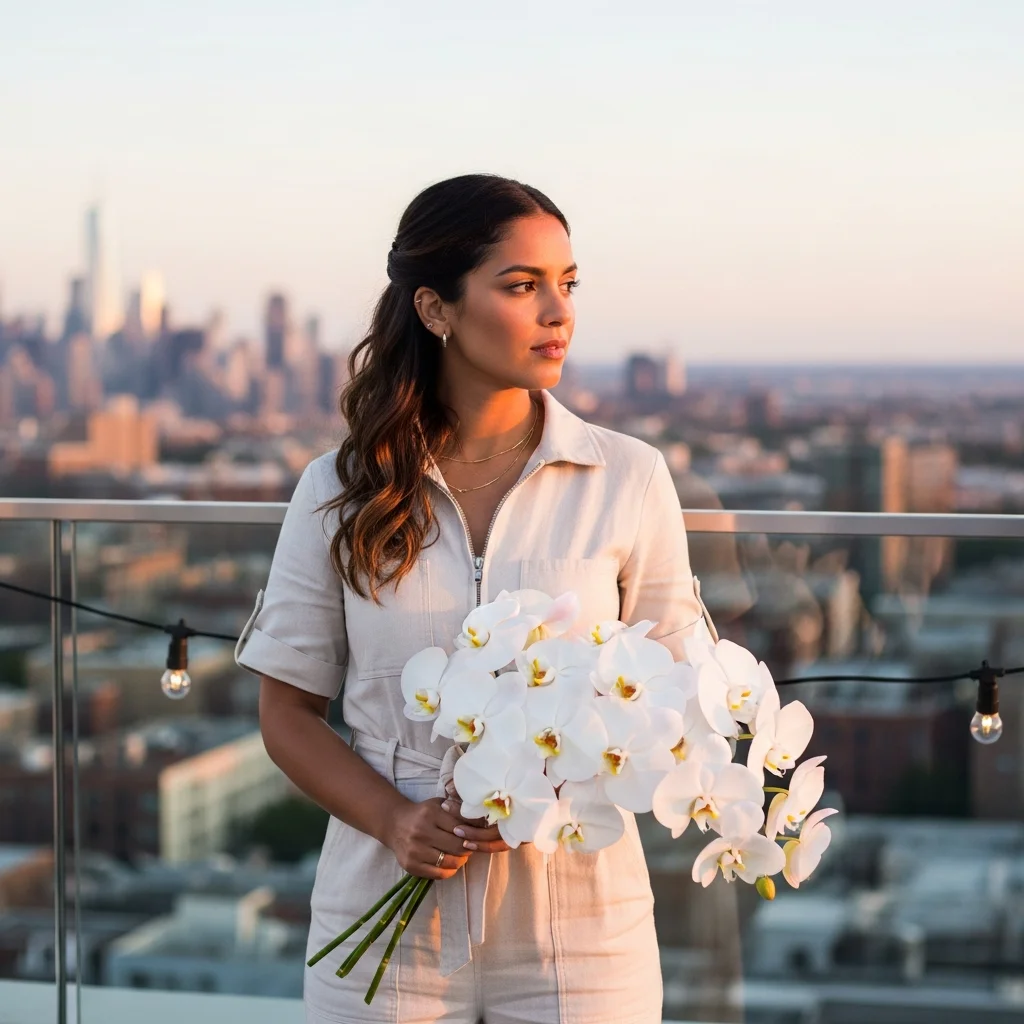
Orchids offer an elevated and exotic statement in wedding florals. With varieties like phalaenopsis and cymbidium, orchids come in soft whites and vivid tones, fitting a range of monochromatic palettes. Their longevity makes them suitable for multi-day events, as they retain their fresh look over time. Orchids are ideal for cascading bridal bouquets, tall centerpieces, and intimate boutonnières. When ordering in bulk, ensure proper shipping conditions as orchids are sensitive to extreme temperatures.
Peonies: Romantic Single-Flower Impact
Peonies are synonymous with romance and provide a lush, luxurious appearance that works effortlessly as a single-flower arrangement. Available in soft blushes, whites, and cooler pinks, they add a dreamy element to wedding photos. Since peony season is relatively short, planning around their availability is essential to ensure quality blooms at their peak. Peonies make stunning standalone bouquets or can be paired with foliage for added texture.
Carnations: Budget Hero with High-End Look
Often underestimated, carnations are a budget-friendly option that can deliver a high-end appearance when utilized creatively. Their ruffled petals mimic the look of more expensive blooms and are available in nearly every shade. Carnations excel in monochromatic entrance installations or as filler flowers in elaborate designs. For bulk orders, carnations are often sold in large bunches, making them both cost-effective and versatile.
Dahlias: Artistic Seasonal Option
For a unique and artistic feel, dahlias are a stunning choice, especially for late summer and early fall weddings. They are available in an array of monochromatic-friendly shades from creamy whites to rich coral or burgundy. Dahlias work well in asymmetrical bouquets or centerpiece designs and are valued for their wide range of intricate shapes. Keep in mind that dahlias are delicate, so prioritize overnight delivery and careful handling.
Sunflowers: Bold Summer Monofloral
Sunflowers add a bold and cheerful statement, perfect for summer weddings with a monochromatic yellow theme. Their vibrant golden hue and sturdy stalks make them versatile for everything from casual arrangements to dramatic floral installations. Sunflowers are drought-tolerant and easy to store for selection-day styling, making them a practical yet show-stopping choice.
Preserved Flowers for Keepsake Décor
Preserved flowers offer a sustainable and timeless option for wedding décor that doubles as a keepsake. Commonly preserved varieties include roses, baby’s breath, and pampas grass, available in naturally muted tones or dyed to match monochromatic palettes. These flowers can be used for modern arrangements like hanging installations or table accents and provide the additional benefit of lasting long after the event. Bulk preserving kits or pre-dyed options are available for those seeking reduced setup effort.
Part 3 – All-White Minimal
For an effortlessly chic and minimalistic wedding, an all-white palette exudes timeless elegance. Combine hydrangeas, roses, and baby’s breath to create arrangements that feel both classic and serene. Hydrangeas offer fullness and texture, while roses symbolize love and romance. Baby’s breath serves as the perfect accent, adding a delicate, airy touch. Use these blooms to create cascading bouquets, clean-lined table centerpieces, or grand hanging installations. Pair the setup with white linens and subtle metallic accents to maintain the minimalist theme.
Soft Blush Story
A soft blush palette evokes a sense of romance and tenderness, perfect for a dreamy wedding atmosphere. Peonies, with their lush, feminine blooms, pair beautifully with delicate ranunculus, both offering texture and a romantic flair. Adding carnations, available in varying blush tones, helps provide depth and dimension to floral decorations. Use these blooms for everything from bouquets to aisle décor. This palette can be elevated by pairing it with gold or champagne-hued accents for subtle sophistication.
Moody Plum & Wine
For couples looking to create an impactful and dramatic aesthetic, a moody palette of plum and wine tones delivers striking intensity. Dahlias bring boldness and texture, while calla lilies contribute sleek, modern lines to arrangements. Orchids, known for their exotic elegance, add a sultry sophistication to this palette. Incorporate these flowers into towering centerpieces or floral arches to immerse guests in a luxurious atmosphere. Pair this palette with deep hued linens or metallic details in bronze or gold for a rich finish.
Modern Green
A modern green palette is perfect for eco-conscious couples or those drawn to a contemporary, natural aesthetic. Use greenery like eucalyptus and pampas grass as the foundation of your décor. Lush greenery provides a fresh, organic quality, while pampas grass adds texture and a hint of bohemian charm. Pair these natural elements with other dried botanical accents for arrangements that are effortlessly chic. Modern green pairs well with minimalist tablescapes and neutral backdrops, allowing the greenery to shine.
Sunshine Yellow
Bright and cheerful, a sunshine yellow palette creates a warm, joyful atmosphere for your wedding. Sunflowers bring vibrant energy, and tulips add a soft, rounded elegance, while yellow roses symbolize friendship and joy. Incorporate these pops of sunshine into table arrangements, photo backdrops, or bouquets to uplift the event’s ambiance. Pair the palette with white or taupe décor elements to balance its vibrance while maintaining a cohesive look.
“Best monochromatic wedding colors 2026” – From classic whites to bold moody wines, 2026 wedding palettes are all about refined elegance and individuality. Whether you’re dreaming of romantic blush tones, vibrant yellows, or modern greenery, these curated color stories make selecting your wedding décor seamless.

Part 4 – How Many Flowers Do You Need for Monofloral Designs?
When planning monofloral designs for your wedding, estimating the number of flowers required is essential to ensure your arrangements look full and cohesive. Whether you’re crafting a stunning bridal bouquet, an elegant centerpiece, or a jaw-dropping ceremony installation, here’s a guide to help you calculate floral quantities.
Bridal Bouquet Quantities
For a classic monofloral bridal bouquet:
- Roses: 18–25 stems, depending on the desired size and fullness.
- Tulips: 20–30 stems are ideal for a sleek and modern bouquet.
- Hydrangeas: 3–5 stems create a lush, voluminous look, as their blooms are naturally larger.
These estimates may vary based on personal preferences and whether additional greenery is included.
Centerpiece Quantities
Understanding your centerpiece style will help determine flower needs:
- Low vase arrangements: Typically require 10–15 stems of a medium-sized bloom, such as roses or tulips. For larger flowers like peonies or hydrangeas, 6–10 stems are sufficient.
- Tall vase designs: Demand approximately 20–30 stems to create vertical drama. Mixing in a few cascading flowers or greenery can add volume while reducing the overall number of stems needed.
Keep in mind that flowers are often sold in bulk bunches (e.g., 10 or 25 stems). Planning arrangements with these quantities in mind can make ordering more efficient and cost-effective.
Ceremony Installations
For monofloral aisle markers, plan for around 3–5 stems per marker, depending on the design’s simplicity or intricacy. For larger structures like floral arches, you’ll need around 100–200 stems, depending on the size of the arch and the density of coverage desired. It’s wise to overestimate slightly to account for adjustments during setup.
Commercial Tie-In
Opting for wholesale flowers in a single variety not only simplifies the design process but also significantly lowers costs. Bulk orders reduce markup and packaging waste, making them a budget-friendly option for large-scale designs. Wholesale purchasing also ensures color and quality consistency across all floral elements, supporting your vision with ease.
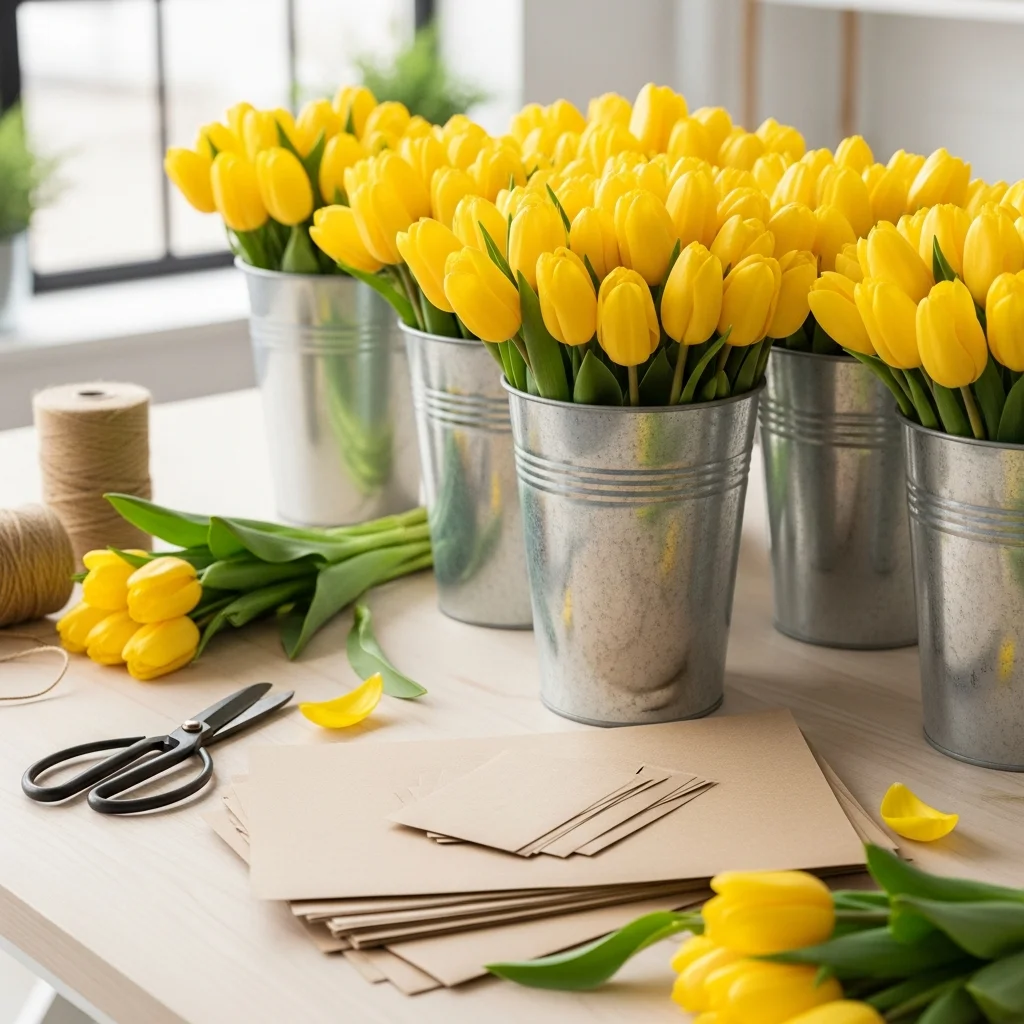
Part 5 – Step-by-Step: Ordering in Bulk for a Monofloral Wedding
Successfully planning a monofloral wedding involves carefully timing your flower orders, calculating bulk needs, and ensuring proper storage and conditioning. Follow this guide to streamline the process.
4-Week Timeline
Proper planning is key when ordering wholesale flowers for a wedding. Ideally, place your order at least 3-4 weeks in advance to secure availability, especially for popular blooms like hydrangeas, tulips, and roses. This timeline ensures you have options for selecting specific varieties and colors while also locking in optimal delivery windows. Schedule your delivery 2-3 days before the wedding date to allow time for proper conditioning. Make sure to confirm the delivery window with the supplier to avoid last-minute delays.
How to Calculate Bulk
Calculating the exact number of flowers required ensures you order just the right amount. First, determine your floral design needs, accounting for bouquets, centerpieces, aisle decor, and other arrangements. Use wholesale flower suppliers’ estimates for stem counts per arrangement style. For instance, a bridal bouquet may need 20-30 stems, while a centerpiece might require 15-20 stems. Multiply stems per arrangement by the total number of arrangements to calculate bulk case sizes accurately. Ordering extra stems—about 10-15% more—is advised to account for any damage or variation in flower quality.
Storage & Conditioning
Proper storage and conditioning are crucial to maintaining the freshness of wholesale flowers. Hydrangeas, tulips, and roses each have specific care needs. Keep flowers in a cool, dark room at 36-42°F until they are ready for conditioning. Ensure all stems are cut at a 45-degree angle and immediately placed in clean water with floral food. For hydrangeas, submerge heads in water for 20-30 minutes to rehydrate. Roses and tulips benefit from being kept upright to prevent bending or damage. Following these steps will ensure vibrant, fresh flowers on your wedding day.
For couples looking for quality wholesale flowers, Whole Blossoms offers a trusted source for bulk blooms. From hydrangeas to roses, they provide consistent quality, competitive pricing, and excellent delivery services to meet all your wedding flower needs. Learn more about how to plan your wedding decor with the help of wholesale flowers from Whole Blossoms to bring your vision to life.
Part 6 – Pros & Cons of Single-Flower Weddings
Single-flower weddings, where one type of bloom dominates the floral arrangements, can create a stunning impact. However, like any design decision, there are advantages and drawbacks to consider.
Pros
- Cohesive Photography
Using a single type of flower ensures visual harmony throughout your wedding. From the bouquet to the centerpieces, the consistency of blooms enhances the elegance of your event when captured in photographs.
- Faster Assembly
With only one type of flower, florists or DIY wedding decorators can simplify and expedite the process of arranging decorations, saving time during preparation.
- Lower Waste
Focusing on a single flower reduces over-purchasing of multiple varieties and minimizes the chance of excess or unused floral inventory.
Cons
- Weather Risk
If your chosen flower is particularly sensitive to weather conditions, delays or damage may occur, especially for outdoor weddings or events in unpredictable climates.
- Availability Planning
Depending on the season, sourcing a single flower in bulk can present challenges. Unavailability or high demand may drive up costs or force changes to your floral design.
Carefully weighing these pros and cons will help determine if a single-flower wedding is the right choice for your special day.
Part 7 – DIY Tutorials for Popular Monofloral Pieces
Creating your own monofloral wedding pieces can add a personal and meaningful touch to your big day. Here are step-by-step guides to crafting stunning monofloral arrangements that are sure to impress:
All-Tulip Bridal Bouquet
An all-tulip bridal bouquet exudes elegance and simplicity. To create this, gather around 25-30 tulips in your chosen color. Trim the stems so they are the same length, leaving a bit of room to hold comfortably. Arrange the tulips, ensuring the blooms spiral slightly outward for a natural look. Secure the stems with floral tape and wrap a satin ribbon around the tape, tying it off neatly. You may also add pearl pins to the ribbon for extra charm.
Hydrangea Cloud Centerpiece
Hydrangeas are perfect for creating a cloud-like centerpiece. Start with a wide, shallow vase or floral foam to anchor the arrangement. Use 5-6 stems of hydrangeas in similar or complementary shades. Trim the stems and insert them into the foam or vase, making sure the flowers form a rounded, fluffy appearance. Fill any gaps with greenery or smaller buds to maintain the lush, full look. This arrangement works well for long tables or stand-alone features.
Orchid Modern Boutonniere
Orchids lend a modern and sophisticated touch to a boutonniere. Use one or two orchid blooms with a small sprig of greenery, such as fern or eucalyptus. Trim the stems to about three inches, and secure the elements together using floral tape. Wrap the base with a thin ribbon, leaving a little bit of greenery peeking through. Attach a small safety pin to the back for easy placement on a lapel.
Rose Monofloral Arch
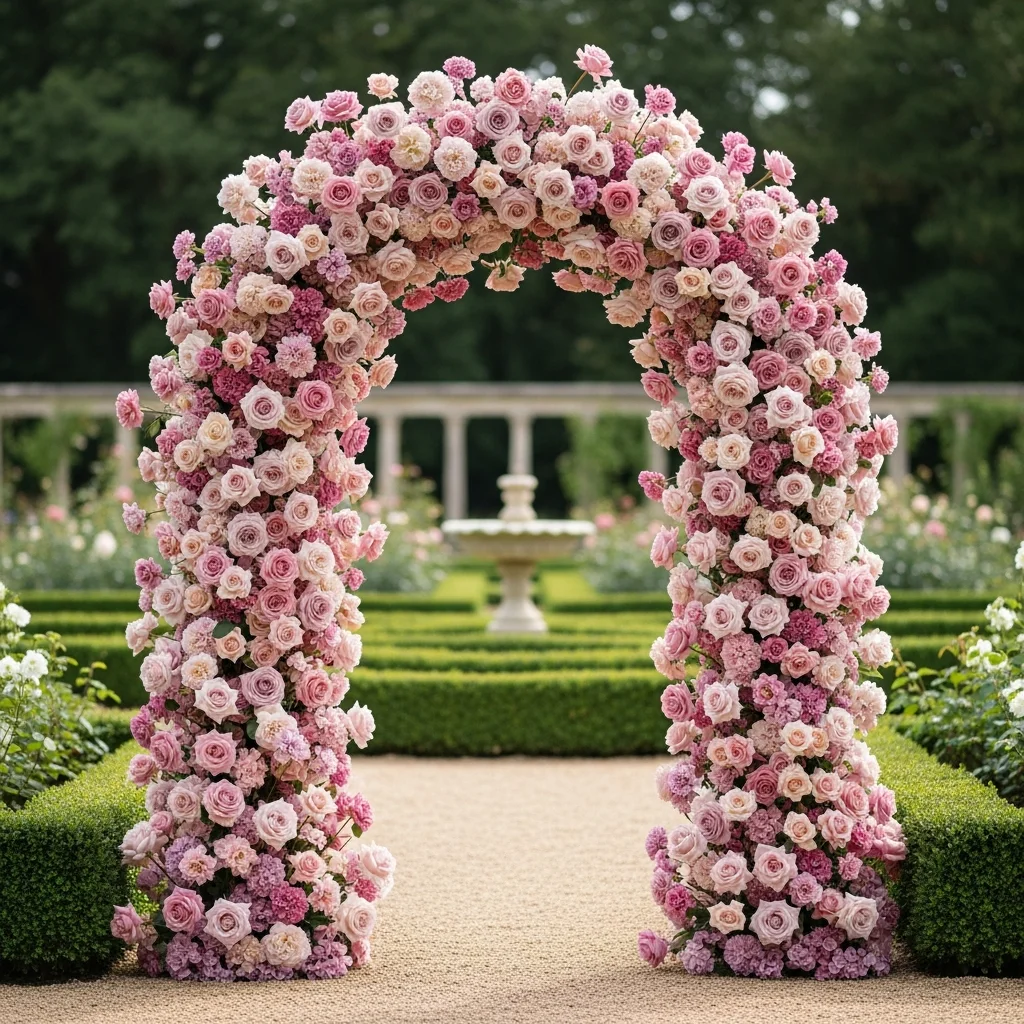
A rose monofloral arch is a breathtaking statement piece for your ceremony. Start with a pre-made arch frame and floral foam. Use 100-150 roses, depending on the size of the structure, and trim the stems to about 4-5 inches. Insert the roses into the foam, mixing shades or sticking to a single tone based on your theme. Add greenery like ivy or baby’s breath to fill empty spaces and create a natural flow. Secure everything with floral wire for stability. This arch transforms any venue into a romantic dreamscape.
Part 8 – Common Mistakes to Avoid
Creating stunning floral arrangements or decorative arches requires precision and attention to detail. However, certain mistakes can compromise the overall look. Here are some common missteps to avoid:
- Mixing Undertones
When working with flowers, be mindful of their undertones. Combining warm shades like golden yellows or coral pinks with cooler hues such as lilac or icy white can create a discordant palette if not balanced properly. Stick to complementary tones or use a color wheel to guide harmonious selections.
- Under-ordering Flowers
Always order more flowers than you think you need. Between trimming stems, filling gaps, and accounting for potential damage or imperfections, having extra blooms ensures a full and polished arrangement. A good rule of thumb is to order 10-20% more than planned.
- Ignoring Vase Size or Structure Proportion
The size of your vases or arch frame matters. Using a container that is too small can cause overcrowding or make the composition look unbalanced. Ensure your vessel or frame proportionally matches the arrangement’s scale for a cohesive and elegant result.
Part 9 – Cost Breakdown: Monofloral vs Mixed
When planning wedding florals, understanding the cost dynamics between monofloral and mixed arrangements is essential. Here’s a side-by-side comparison to help you make an informed choice:
- Monofloral Arrangements
Monofloral designs focus on a single type of flower, often sourced in bulk. These tend to be more cost-effective since bulk purchasing typically leads to significant savings. For example, ordering 500 roses for $0.80 per stem totals $400, compared to sourcing various flowers individually, where costs can range from $1.20 to $2.50 per stem. Additionally, using a single flower type simplifies the design process, making monofloral arrangements a preferred option for DIY weddings.
- Mixed Flower Arrangements
While mixed arrangements create a more diverse and textured aesthetic, they can quickly become costly. Each type of flower is priced differently, and smaller quantities of each bloom often lack the bulk discounts offered for larger orders. A mixed arrangement with various roses, peonies, and ranunculus might cost upwards of $3.00 per stem on average, pushing total expenses higher for the same volume as monofloral designs.
Bulk Savings Math
Bulk discounts play a significant role in cost savings. For instance, purchasing 1,000 stems of the same flower can reduce the price per stem by 20-30% compared to smaller orders. Monofloral arrangements leverage these savings effectively, while mixed arrangements miss out since each flower type requires its own separate order.
Why Monofloral Wins for DIY Weddings
Monofloral arrangements not only offer visual elegance but also align with a DIY budget. They are easier to assemble, require less expertise in floral design, and significantly reduce overall costs. For budget-conscious couples looking to achieve beauty on a limited budget, monofloral is the clear winner.
Conclusion – Make Monochromatic Magic Affordable
Choosing monofloral arrangements is a smart and stylish way to create stunning wedding decor without breaking the bank. By opting for a single flower type, couples and planners can simplify every step of the process, from ordering in bulk to arranging bouquets and centerpieces. Bulk flower orders not only save money but also streamline logistics, freeing up time for other important wedding preparations. The beauty of monofloral designs lies in their simplicity and versatility, ensuring that any DIY setup will radiate elegance and cohesion.
For budget-conscious couples or planners seeking cost-efficient solutions without sacrificing style, monofloral arrangements are a game-changer. They make it easy to craft breathtaking decor that stays well within your financial plan. Whether you’re envisioning classic roses, cheerful sunflowers, or romantic lilies, working with a single flower type keeps everything straightforward and stress-free.
Start your floral planning with Whole Blossoms, where you can find premium-quality bulk flowers at competitive prices. Simplify your wedding decor and achieve stunning results with the convenience of monofloral arrangements. Visit Whole Blossoms today to browse the wide selection and make your wedding vision come to life!