


 by
by 
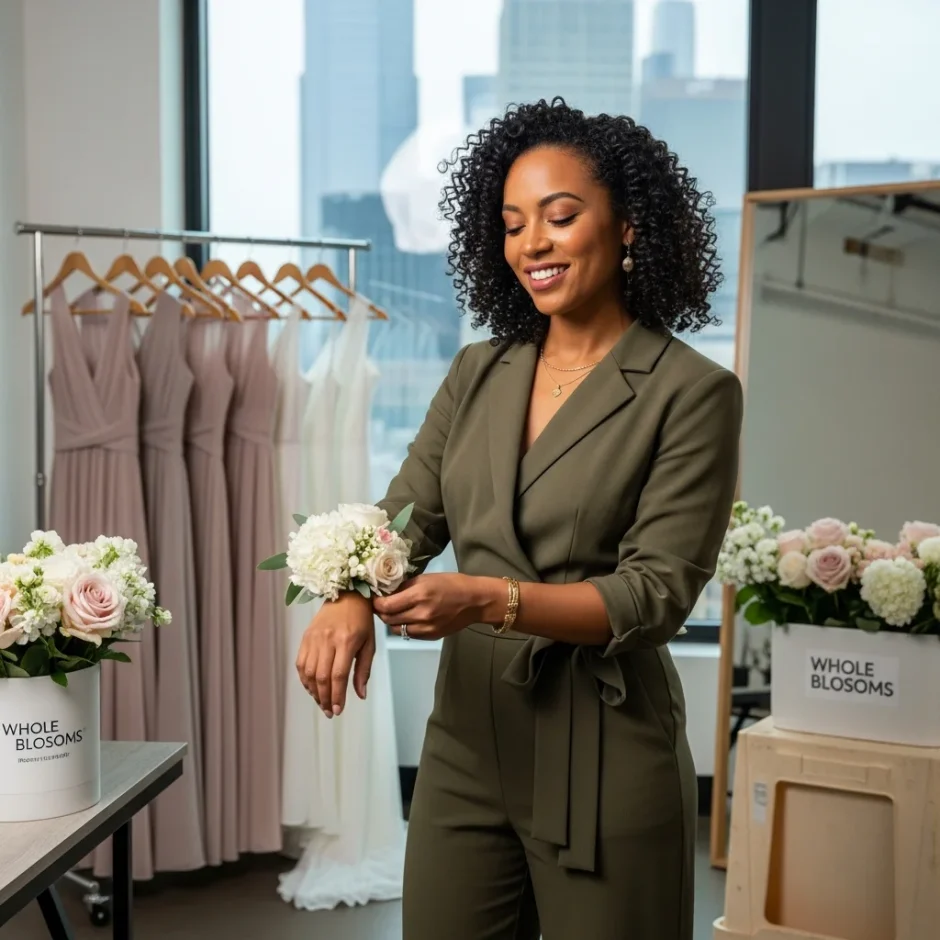
Introduction – How to Make Corsages for Weddings: Step-by-Step Guide
A wedding corsage is a small floral accessory traditionally worn on the wrist or pinned to clothing. Designed with a blend of blooms such as roses, hydrangeas, and greenery, corsages are a thoughtful way to honor important guests at weddings. While similar to boutonnieres, which are typically worn by men on their lapels, corsages are often larger and styled differently. Corsages are most commonly worn by mothers, grandmothers, officiants, and VIP guests, serving as a small but meaningful gesture of appreciation.
DIY corsages have become increasingly popular in modern weddings due to their cost-effectiveness and the personal touch they bring to the occasion. By purchasing wholesale or bulk flowers, couples often save significantly while maintaining creative control over the aesthetics. Depending on the style and preference, corsages can be created as wrist corsages—secured by an elastic or bracelet—or pin-on corsages that attach directly to clothing.
This guide will walk you through everything you need to know about making beautiful and professional-looking corsages. Whether you’re a complete beginner or crafting for a specific theme, you’ll soon discover just how easy and rewarding it is to create these floral accessories for your special day.
Part 1 – Why Corsages Matter in Wedding Design
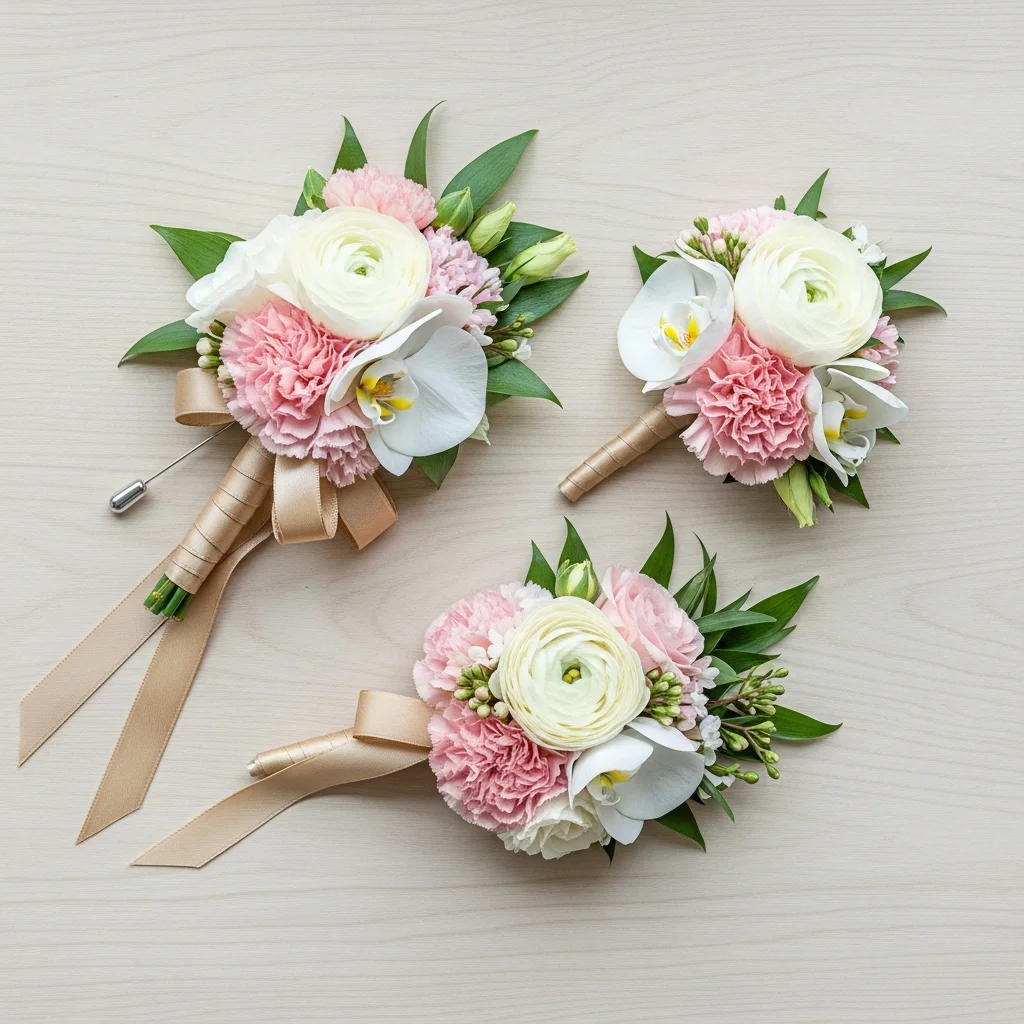
Corsages play an emotional and symbolic role in weddings, serving as a way to honor special individuals like mothers, grandmothers, and sometimes close friends. These floral accessories symbolize inclusion and highlight the important bonds shared on such a meaningful day. When thoughtfully designed, they can evoke deep emotions and add a heartfelt personal touch.
Beyond their sentimental value, corsages help tie the wedding palette together, seamlessly incorporating the colors and flower varieties used throughout the event. This creates a cohesive aesthetic, ensuring that every detail aligns harmoniously with the overall design—from the bridal bouquet to the centerpiece arrangements. Corsages are typically worn during the ceremony, often by mothers of the couple, and can also appear at the reception or even rehearsal dinners. They are a versatile accessory that brings consistency and elegance to different parts of the wedding day.
Matching corsages to the wedding flowers and bridal bouquet is crucial to achieving a unified look. Whether created with lush roses, delicate baby’s breath, or striking orchids, the blooms and colors should complement the primary arrangements seamlessly. Opting for DIY corsages offers creative freedom and cost savings, while florist-made corsages provide expertise and polish. Corsages remain timelessly stylish, and the best ones feature sturdy flowers like roses, carnations, or ranunculus, ensuring beauty throughout the festivities.
Part 2 – Types of Wedding Corsages Explained
Wedding corsages come in various styles to suit different preferences and wedding themes. Selecting the right type ensures a cohesive look while considering the comfort and practicality for the wearer. Below is an explanation of the most popular types of wedding corsages.
Wrist Corsages
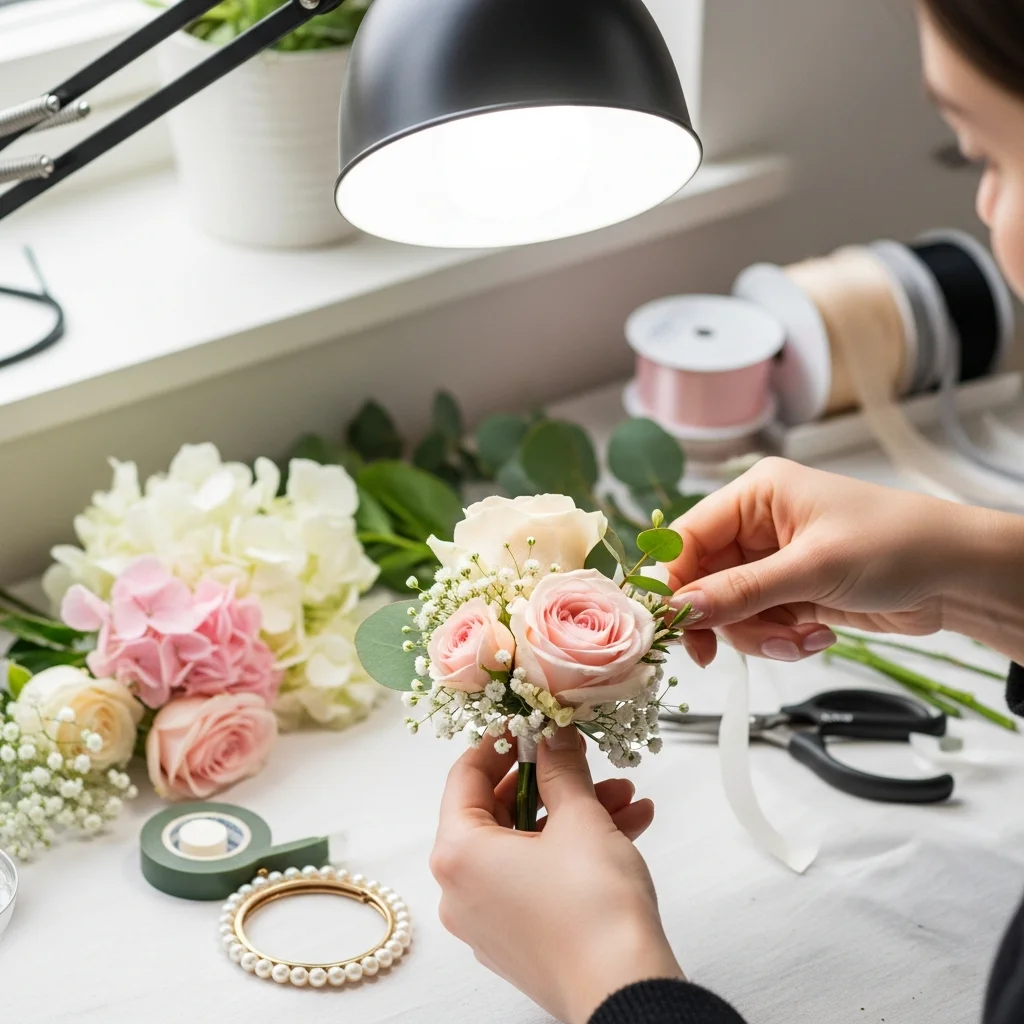
Wrist corsages are a comfortable and modern option that has gained popularity in recent years. They are designed to be worn on the wrist with the help of an elastic band or a decorative ribbon, making them easy to wear without causing any damage to clothing. This style is well-suited for younger attendees or bridesmaids who prefer a sleek, understated accessory. Some of the best flowers for wrist corsages include roses, orchids, and ranunculus. These flowers are not only elegant but also sturdy enough to last throughout the event.
Pin-On Corsages
Pin-on corsages are a more traditional style that attaches directly to the wearer’s clothing using a pin. This type of corsage is ideal for formal events, maintaining a classic and timeless appearance. Pin-on corsages work particularly well with flowers like carnations, calla lilies, and peonies, which add a touch of sophistication and elegance. However, care must be taken to ensure the pin does not damage delicate fabrics, making placement an important consideration.
Magnetic Corsages
Magnetic corsages offer an innovative approach, eliminating the need for pins to secure them. This style uses a magnet to stay in place, preventing any potential damage to dresses or suits. Magnetic corsages are especially suitable for fragile or preserved flowers, as there is no risk of pinning through the stems. This type of corsage is perfect for modern weddings or for those who wish to keep the corsage as a memento of the special day.
Part 3 – How Many Flowers Do You Need for a Corsage?
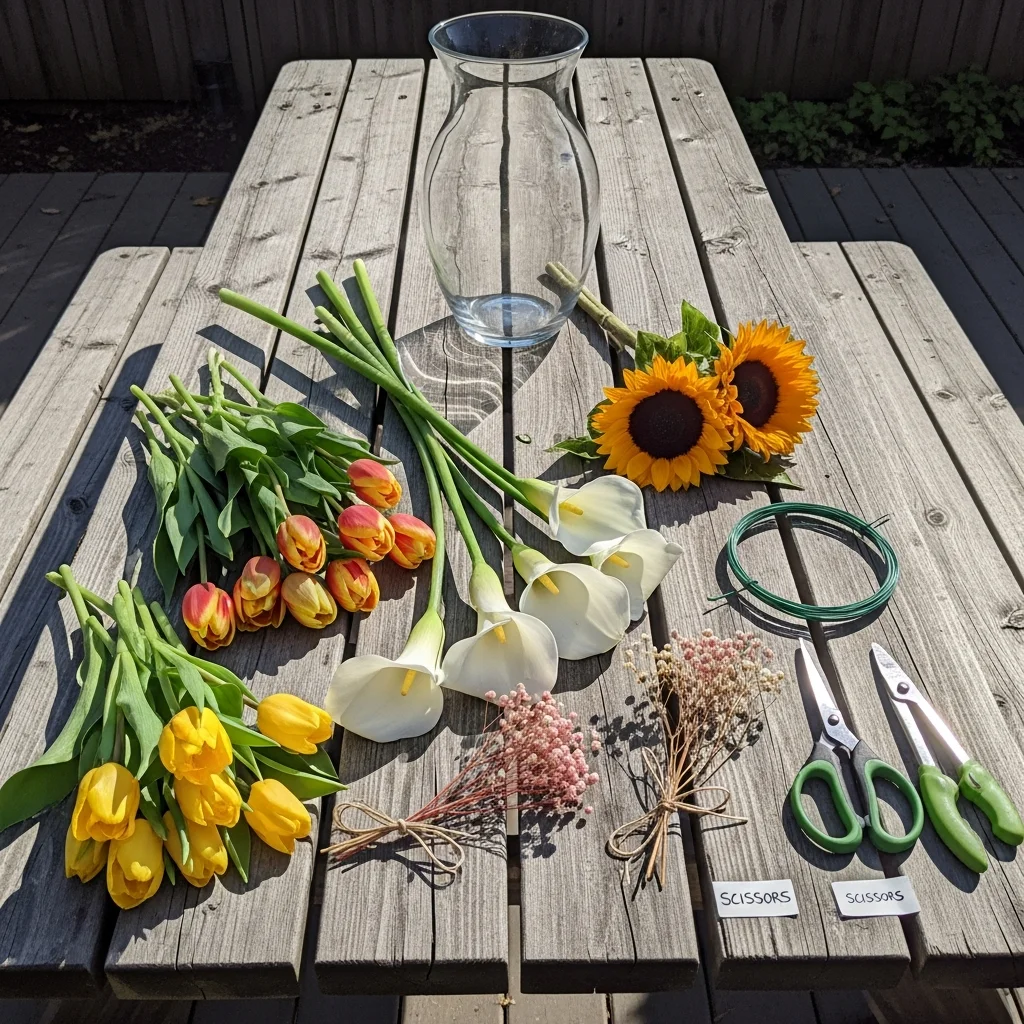
Creating the perfect corsage involves understanding how many flowers to include to achieve a balanced and elegant design. Below is a simple guideline to help you get started:
Quantity Guidelines
- 1 Focal Bloom: Choose a standout flower, such as a rose or peony, to be the centerpiece of your corsage. This flower anchors the entire arrangement and adds a touch of sophistication.
- 1–2 Secondary Blooms: Add smaller complementary flowers like ranunculus, tulips, or dahlias to support the focal bloom. These should enhance the arrangement’s depth and color.
- 2–3 Fillers: Incorporate delicate fillers like baby’s breath, greenery, or eucalyptus. These elements bring balance, texture, and volume without overwhelming the design.
By following this guideline, each corsage will have a harmonious look that is visually appealing and suited for any special occasion.
Bulk Buying Tip
To save on costs, consider buying flowers in bulk. Ordering from suppliers like Whole Blossoms through their Bulk Flowers section allows you to reduce the cost per corsage while ensuring you have a variety of fresh flowers to work with. This is especially beneficial if you’re creating multiple corsages for a larger event, such as a wedding or prom.
Flowers Per Corsage Calculator
| Flower Type | Quantity Needed |
| Focal Bloom | 1 |
| Secondary Blooms | 1–2 |
| Fillers/Greenery | 2–3 |
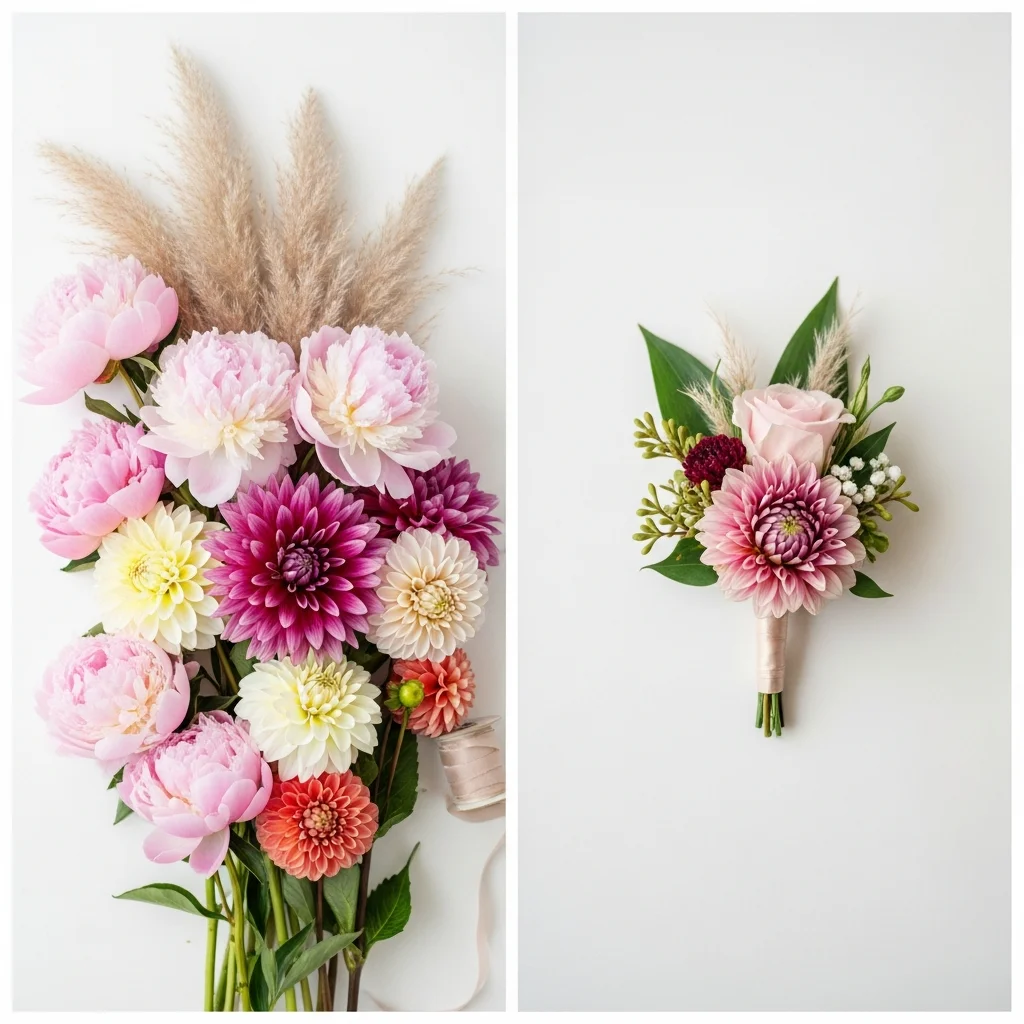
Part 4 – Best Flowers for DIY Wedding Corsages
Choosing the right flowers for your DIY wedding corsages is essential to create elegant and personalized arrangements. Below is a guide to some of the best options based on style, durability, and aesthetic appeal.
- Roses: Known as a timeless symbol of love, roses are a classic choice for wedding corsages. They are not only durable but also available in a variety of colors to suit any wedding theme.
- Hydrangeas: These flowers add soft, voluminous texture to your corsages, making them perfect for creating a lush, romantic look. They are especially popular in pastel shades.
- Orchids: With their unique shape and vibrant colors, orchids provide an elegant and exotic touch. They’re ideal for making a bold statement in modern or tropical-themed weddings.
- Calla Lilies: Minimal and striking, calla lilies bring a modern vibe to corsages. Their sleek form is perfect for refined, contemporary arrangements.
- Peonies: Loved for their full, fluffy petals, peonies evoke romance and charm. They are a seasonal favorite during the spring and early summer months.
- Ranunculus: These delicate, layered blooms make a stunning addition to corsages. They add a soft, whimsical touch and pair beautifully with other flowers.
- Carnations: A budget-friendly option, carnations are versatile and available in many colors. They often hold up well throughout the event, ensuring longevity.
- Tulips: Perfect for spring weddings, tulips offer a fresh and cheerful look. Their clean lines make them great for simple yet elegant corsages.
- Dahlias: With their intricate petal details, dahlias add texture and depth, making them an excellent choice for bold and artistic designs.
- Sunflowers: Ideal for rustic or country-style weddings, sunflowers bring brightness and warmth to any corsage.
- Baby’s Breath: This airy filler flower is a perfect choice for adding softness and elegance. It pairs well with almost any bloom.
- Eucalyptus: Eucalyptus greenery creates a lovely base and adds a fresh, natural element to corsages. It’s also highly durable.
- Pampas Grass: For a boho-chic accent, pampas grass is a trendy option that adds unique texture and height.
- Preserved Flowers: If you’re hoping to create keepsake corsages, preserved flowers are an excellent option. They retain their beauty for years and offer a sentimental memento from your special day.
By mixing and matching these blooms, fillers, and accents, you can design stunning, custom corsages tailored to your wedding’s theme and style.
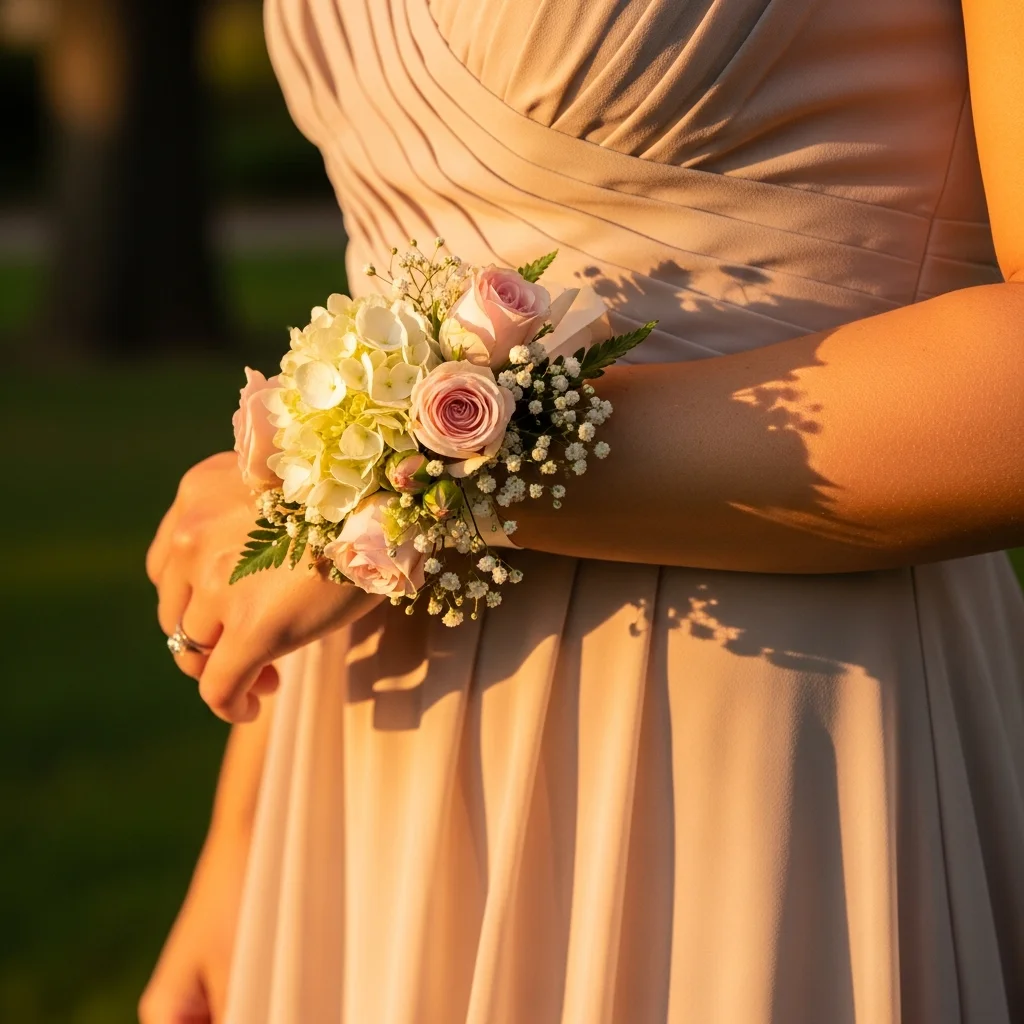
Part 5 – Supplies You’ll Need
Creating beautiful corsages requires the right tools and materials to ensure a clean and professional finish. Here’s a list of essential supplies you’ll need to bring your floral designs to life:
- Floral Tape: This stretchy, adhesive tape is crucial for securely wrapping stems and holding them in place. It’s available in various colors to match your blooms.
- Corsage Pins or Wrist Bands: Depending on your style preference, use pins for traditional corsages or wrist bands for a more wearable option. Both should be sturdy and comfortable.
- Floral Wire: Thin yet strong, floral wire helps provide structure and support to delicate blooms, ensuring your corsage maintains its shape.
- Ribbon: Choose satin, grosgrain, or lace ribbons to add a decorative touch and finish your corsage with elegance.
- Clippers: High-quality floral clippers make it easy to trim stems and foliage precisely without causing damage.
- Glue Dots: These handy adhesives are perfect for attaching smaller accents and embellishments without the mess of hot glue.
- Fresh Blooms: Sourcing vibrant, fresh flowers from Wholesale Flowers will ensure your corsages look fresh and impressive for your special day.
Having these supplies on hand will make the process smooth and enjoyable while allowing you to create stunning, personalized corsages for any occasion.
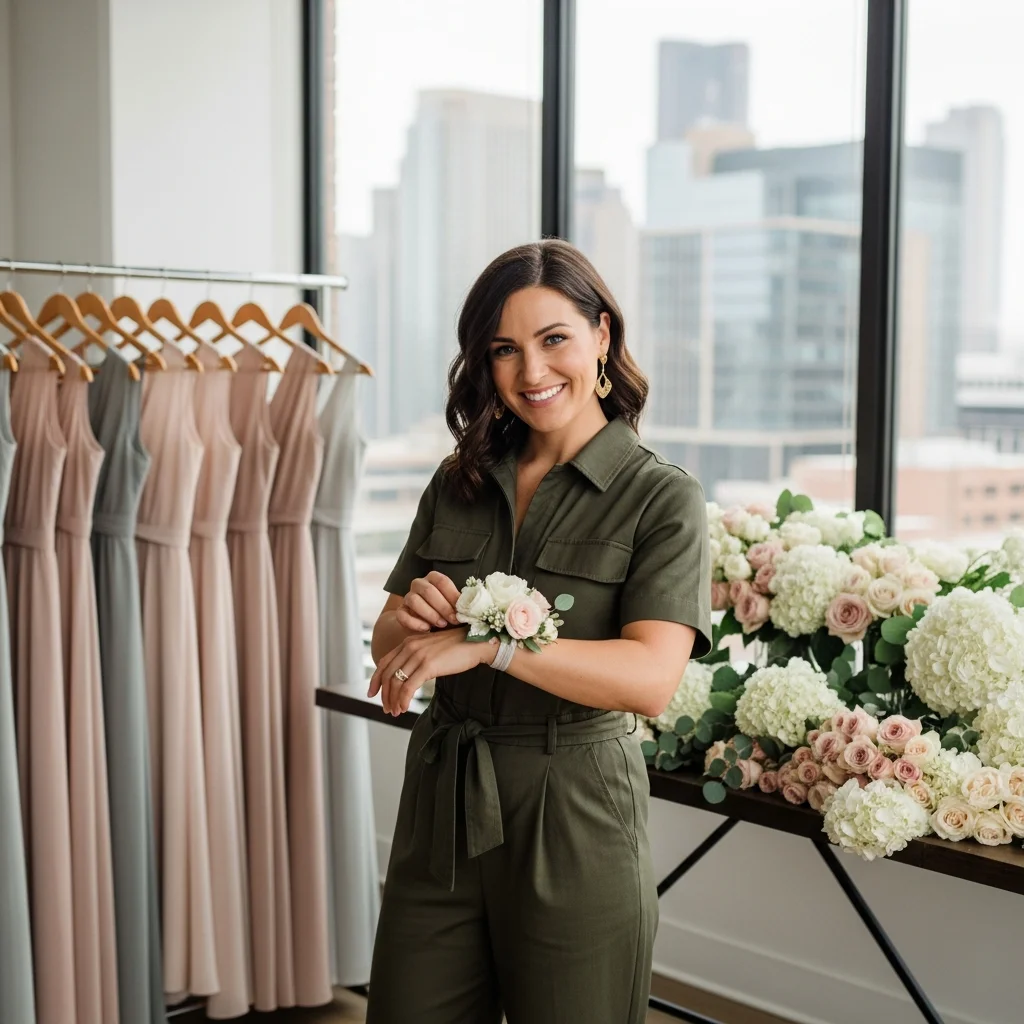
Part 6 – Step-by-Step: How to Make a Wrist Corsage
Creating a wrist corsage can be a fun and rewarding project, especially when you know the right steps to follow. Below is a detailed guide to help you assemble a beautiful and lasting corsage for any occasion.
Step 1 – Prep Your Flowers
The first step is to prepare your fresh flowers for assembly. Start by hydrating hydrangeas properly—these flowers are known to wilt quickly without adequate moisture, so ensure they’ve been placed in water for a few hours before use. Next, take roses and trim their stems to about an inch in length while removing any thorns or lower leaves. Finally, prepare the greenery by trimming and shaping it into manageable sizes, ready for crafting. Ensuring your flowers are fresh and prepped will set a strong foundation for your corsage.
Step 2 – Build the Base
Begin building the base with eucalyptus leaves, which not only provide structure but also lend a soft, elegant touch to your design. Secure the eucalyptus in a compact arrangement using floral tape, creating a strong foundation. Then, position your focal bloom—a stunning rose, a hydrangea, or any standout flower—at the center. Anchor it with floral wire and wrap it firmly but carefully with tape to keep it secure. Your base is now ready to be layered with smaller details.
Step 3 – Add Fillers
Once your base is complete, add filler flowers like baby’s breath or carnations to create balance and texture. Baby’s breath works beautifully to fill in gaps and provides a light, airy element to your corsage. Carnations, available in a wide variety of colors, can complement your focal flower and add bulk without overwhelming the design. Arrange these fillers evenly around the focal point, making sure to keep the overall shape tidy and proportional.
Step 4 – Secure & Finish
Now it’s time to secure your corsage and add finishing touches. Wrap the entire arrangement tightly with floral tape to ensure everything stays in place. To add a polished look, use a decorative ribbon to conceal the tape and provide additional charm. Style the ribbon with a bow or streamers that complement your overall color scheme. Finally, attach an elastic wristband or a pre-made wrist corsage holder, ensuring it fits comfortably and securely for wear.
Quick Guide in 4 Steps
- Prep all flowers and foliage by hydrating and trimming as needed.
- Build the base using eucalyptus leaves and secure your focal bloom.
- Add filler flowers such as baby’s breath and carnations for texture.
- Secure everything with tape, style with ribbon, and attach to a wristband.
By following these simple steps, you’ll create a stunning wrist corsage that is both personalized and professional-looking!
Part 7 – Step-by-Step: How to Make a Pin-On Corsage
Creating a pin-on corsage is a timeless way to elevate any special occasion. With a little care and attention to detail, you can craft a beautiful accessory that is both elegant and functional. Here’s how to create a stunning pin-on corsage:
Wiring Techniques for Orchids and Calla Lilies
When using delicate blooms like orchids or elegant flowers like calla lilies, proper wiring is essential to ensure their stability and longevity. For orchids, gently insert a fine wire through the thickest part of the flower’s base near the stem, then bend the wires downward to create a strong yet flexible stem. For calla lilies, use a slightly thicker wire. Pierce carefully through the thick stem near the base and wrap a thin layer of floral tape snugly around the wired stem to keep it secure and natural-looking. These wiring techniques will provide support while preserving the flowers’ delicate appearance.
Balancing Size and Weight
Balance is crucial in creating a pin-on corsage so it doesn’t feel heavy or awkward to wear. Start by selecting a focal flower—like a rose, orchid, or calla lily—as your centerpiece. From there, add smaller blooms such as spray roses, alstroemeria, or mini carnations for contrast. Ensure the overall size complements the wearer’s outfit; the corsage should be prominent yet not overwhelming. Use lightweight filler flowers, such as baby’s breath, and delicate greenery like Italian ruscus to maintain the balance and blend the elements seamlessly.
Backing with Greenery
Greenery serves not only as a visual enhancer but also as a structural support. Use sturdy leaves like salal or leatherleaf fern to create the base of your corsage. Layer the greenery to frame the flowers artistically, allowing the blooms to stand out while providing a lush and professional finish. Affix the greenery with floral tape, ensuring it reinforces the structure of the corsage.
Professional Pin Placement
To make the corsage easy to wear, proper placement of pins is essential. Attach a corsage pin to the back by inserting it through the base of the greenery foundation, parallel to the flowers. Test its positioning to ensure it lies flat against the fabric when pinned. For additional security, use two pins crossed in an “X” shape to hold the corsage in place. This technique ensures the corsage stays secure throughout the event without sagging.
By following these detailed steps, you can design a beautiful and functional pin-on corsage that exudes elegance and craftsmanship.
Part 8 – Color Matching Your Corsages
Selecting the perfect color palette for your corsages is crucial to achieving a cohesive and harmonious look. Whether you’re designing corsages for a wedding, prom, or another special event, thoughtful color matching can elevate your floral arrangement to complement the overall aesthetic beautifully.
Matching Bridesmaid Dresses
When designing corsages for a wedding, it’s essential to coordinate the colors with the bridesmaid dresses. Consider incorporating shades that match or harmonize with the dress colors. For example, if the dresses are pastel pink, include soft pink carnations or garden roses in the corsage. Alternatively, you can choose complementary colors for added contrast, ensuring they still align with the wedding theme. Keep in mind that subtle accents in metallic tones, such as gold or silver ribbons, can tie the corsage design together with other wedding details.
Using Tulips, Peonies, and Dahlias for Seasonal Tones
For seasonal charm, use flowers like tulips, peonies, and dahlias, which offer vibrant and unique tones. Tulips are excellent for spring events, available in a variety of soft and bright hues. Peonies are lush and romantic, ideal for late spring to early summer with their pastel tones. Meanwhile, dahlias bring a rich array of colors, from fiery reds and oranges to burgundy and cream, making them an ideal choice for autumn occasions. Seasonal flowers not only match the time of year but also add a natural, fresh touch to the corsage.
Neutral Options with Preserved Flowers
Neutral corsage designs are an excellent choice for those looking to maintain timeless versatility. Incorporate preserved flowers, such as ivory roses or beige hydrangeas, combined with dried greenery and earthy textures. Neutral tones work beautifully with any outfit or theme and offer a contemporary and sophisticated style. Preserved flowers also ensure the corsage remains intact as a lasting keepsake from the event.
Part 9 – Timing: When to Make Corsages
Timing is critical when creating corsages to ensure their freshness and beauty for the event. Generally, it is recommended to make corsages within 24 to 48 hours before the event. This timeframe allows the flowers to remain vibrant and prevents unnecessary wilting. Preparing too far in advance can lead to fading and a loss of the arrangement’s overall appeal.
For hydrangeas and roses, conditioning is a crucial step to maximize their longevity. Start by trimming the stems at an angle under running water to improve water absorption. For roses, carefully remove any outer bruised petals, and allow the blooms to fully hydrate in a clean container of water for several hours. Hydrangeas, known for their thirstiness, benefit from a dip in alum powder before being placed in water to ensure they stay hydrated.
Once the corsages are assembled, proper storage is essential. Keep them in a cool environment, ideally at a temperature between 35–40°F (1–4°C), to slow down the aging process of the flowers. Make sure the corsages are placed in a breathable container or gently wrapped in tissue to prevent condensation. By following these steps, your corsages will look fresh and elegant for the occasion.
Part 10 – Common Mistakes to Avoid
When creating corsages, there are several common mistakes that can affect their final look and functionality. One of the most frequent errors is making the corsage too large or heavy. While it may seem appealing to include numerous flowers and decorations, oversized corsages can be uncomfortable to wear and may not stay securely in place. Always aim for a balanced design that is lightweight and easy to attach.
Another mistake is skipping greenery entirely. Greenery acts as an essential support element, adding texture, depth, and structure to the arrangement. Omitting greenery can make the corsage look sparse and less visually appealing. Incorporate subtle greenery like eucalyptus or fern to complement the flowers without overwhelming the design.
Not ordering enough bulk flowers is also a misstep. It’s essential to account for mishaps, such as flowers not arriving in ideal condition or design changes requiring additional blooms. Ordering slightly more than needed ensures you have ample options to work with while eliminating last-minute stress. By avoiding these pitfalls, you can create corsages that are both beautiful and practical.
Part 11 – Cost Breakdown: DIY vs Florist
When deciding between creating your own corsages or opting for a professional florist, understanding the cost differences can help you make the best choice for your budget.
On average, a florist-crafted corsage typically costs between $25 to $50, depending on the complexity of the design, the types of flowers used, and the florist’s expertise. This cost generally includes professional assembly, premium flower selection, and decorative accents like ribbons or pearls. While convenient, this option can quickly add up, especially for larger events requiring multiple corsages.
On the other hand, choosing to make DIY corsages using wholesale flowers can significantly reduce costs. Wholesale flowers are often priced by the bunch, and with careful planning, the per-corsage cost can range from $8 to $15. For instance, purchasing bulk roses, filler flowers like baby’s breath, and greenery such as eucalyptus can provide ample materials for several corsages at a fraction of the price. Investing in simple tools, such as floral tape, wire, and cutters, adds a small upfront cost but pays off in savings for multiple creations.
Overall, while DIY requires time and effort, it can be a cost-effective alternative for those looking to stretch their budget while still achieving stunning results. The choice ultimately depends on your priorities between convenience and cost savings.
Part 12 – How Corsages Connect to Buying Wholesale
Purchasing corsages wholesale can be a smart and seamless addition when ordering other wedding flowers. Wholesale suppliers often offer a variety of fresh blooms and greenery in larger quantities, allowing you to bundle purchases efficiently. This not only ensures consistency across all floral arrangements but also helps you save money by purchasing in bulk. For example, including additional stems of roses or filler flowers for your corsages alongside your wedding bouquet order can reduce overall costs and simplify the process.
Another advantage of buying wholesale is the opportunity to coordinate corsages with other wedding decorations, such as centerpieces or boutonnieres. By using the same flowers and greenery, you can create a cohesive look throughout the event. Wholesale suppliers often offer suggestions for pairing flowers, making it easier to design a uniform aesthetic.
Additionally, wholesale services often provide flexible delivery timelines to suit your wedding schedule. Many vendors, such as Whole Blossoms, allow you to select delivery dates that align with your preparation needs, ensuring blooms arrive fresh and in time for assembly. Combining convenience and cost-effectiveness, wholesale floral purchasing is a practical choice for weddings of all sizes.
For more tips on floral planning, check out our guides on Wholesale Flowers, Bulk Flowers, and Wedding Flowers.
FAQ – People Also Ask
How do you keep corsages fresh?
To keep corsages fresh, store them in a cool place, ideally in the refrigerator, to slow down the respiration of the flowers. Wrap the stems in damp paper towels and seal them in a plastic bag or airtight container to retain moisture. Ensure they are not stored near fruits, as some fruits release ethylene gas, which can cause flowers to wilt prematurely. Keeping corsages away from direct sunlight and extreme heat is also essential to maintain their freshness.
What wrist should a corsage go on?
Traditionally, a corsage is worn on the left wrist. This practice stems from the assumption that most people are right-handed, leaving the left hand less active and thereby reducing the risk of damaging the corsage. However, this is not a strict rule, and it ultimately depends on personal comfort or preference.
Can you make corsages the night before?
Yes, you can make corsages the night before the event to save time on the day of the occasion. After crafting the corsages, store them properly to maintain their freshness. Place them in a sealed container or bag with a damp paper towel and refrigerate them at a consistent temperature. This preparation ensures that they look vibrant and fresh during the event.
What flowers last longest?
Flowers like orchids, carnations, and chrysanthemums are known for their long-lasting qualities, even when used in arrangements like corsages. These blooms have a natural durability and can often remain fresh for several days with proper care. Additionally, flowers like alstroemeria and spray roses are excellent choices for corsages due to their resilience and ability to maintain their appearance over extended periods.
Final Checklist
Before finalizing your corsages or floral arrangements, ensure everything is in order. Start with a quantity review—double-check the number of blooms needed for the event and compare it to your original order to avoid last-minute shortages. Next, prepare a tool list, including scissors, floral tape, pins, ribbons, and any decorative accents you plan to use. These tools are essential for adjustments or repairs on the day.
Consider transport tips to keep your flowers safe and fresh while traveling. Use cooler bags or sturdy containers to prevent damage, and avoid exposing the flowers to extreme temperatures. Proper positioning can also help maintain their shape during transit.
Finally, think about photo moment ideas. Highlight corsages in close-up shots, pairing them with outfits or using natural light to capture their vibrant details. These small touches ensure the flowers not only last but also shine throughout the event.
Conclusion & Next Steps
Creating beautiful corsages takes planning, creativity, and practice. As you hone your floral skills, you’ll find joy in experimenting with designs, color schemes, and techniques that reflect your unique style. Remember, the key is to practice regularly to build confidence and ensure each creation stands out.
For those looking to simplify the process, Whole Blossoms offers a wide selection of premium flowers to inspire your arrangements. Ordering from Whole Blossoms gives you access to fresh, high-quality blooms, making it easier to achieve stunning results every time.
Finally, consider pairing corsages with matching bouquets and boutonnieres to bring a cohesive look to any event. These complementary floral touches add elegance and beauty to weddings, proms, and other special occasions. Start planning your next project today with Whole Blossoms, and elevate your floral creations to the next level!