


 by
by 

Planning your wedding is a magical process, and every detail matters when creating the perfect day, including your choice of flowers. Wedding flowers are more than just decorations—they play a pivotal role in setting the tone and enhancing the aesthetic of your celebration. By coordinating your floral arrangements with your dress, venue, and wedding theme, you can create a harmonious look that ties everything together beautifully. Flowers have the unique ability to complement your attire, highlight the features of your venue, and reflect the mood of your theme, whether it’s romantic, modern, rustic, or bohemian.
Selecting the right blooms not only elevates your wedding’s visual appeal but also enhances the ambiance and the emotions shared during the day. Fresh, high-quality flowers from Whole Blossoms help ensure vibrant colors, lasting arrangements, and a luxurious feel to every bouquet and centerpiece. This guide will walk you through a step-by-step approach to choosing the perfect wedding flowers. From matching floral styles to your dress, to finding blooms that blend seamlessly with your venue and theme, you’ll discover how to create arrangements that bring your vision to life and make your wedding day truly unforgettable.
Part 1 – Choosing Wedding Flowers Based on Your Dress
Matching Flowers to Dress Style
When selecting wedding flowers, it’s important to ensure that your bouquet complements the style of your dress, enhancing its beauty and not overshadowing it. Different dress styles call for specific types of floral arrangements that harmonize with their shape and silhouette.
Classic Ball Gown: A timeless ball gown pairs beautifully with large, dramatic bouquets that make a statement. Flowers like roses, peonies, or cascading orchids can add a touch of grandeur, matching the dress’s elegant volume while creating a royal and sophisticated look.
A-Line Dress: With its universally flattering shape, the A-line dress works perfectly with traditional round bouquets. Consider using blooms such as hydrangeas, garden roses, or ranunculus to craft a delicate and balanced arrangement that matches the subtle elegance of this dress style.
Mermaid/Trumpet Dress: Mermaid and trumpet dresses have a structured and glamorous flair, so they thrive with equally elegant bouquets. Calla lilies, tulips, or structured orchids are excellent choices, as their sleek forms mirror the dress’s sophisticated lines and highlight its dramatic effect.
Sheath/Slip Dress: These minimalist dresses benefit from equally understated floral arrangements. Bouquets made of anemones, lily of the valley, or wildflowers offer a simple yet stunning charm that emphasizes the clean, modern silhouette of the dress.
Short or Tea-Length Dress: For shorter or tea-length dresses, playful and unconventional arrangements are ideal. Flowers like daisies, carnations, or baby’s breath bring fun and whimsy to the look, matching the dress’s quirky, vintage, or casual appeal and adding a touch of personality.
Considering Dress Color and Fabric
The color and fabric of your wedding dress play a huge role in deciding the perfect flowers for your bouquet. The right combination can enhance your dress’s tone and texture, ensuring a cohesive and polished look.
Bright White Dresses: Crisp, cool-toned florals are ideal for bright white gowns. Options such as lavender, blue hydrangeas, and white roses harmonize with the pristine finish of a stark white dress, creating a refined and fresh aesthetic.
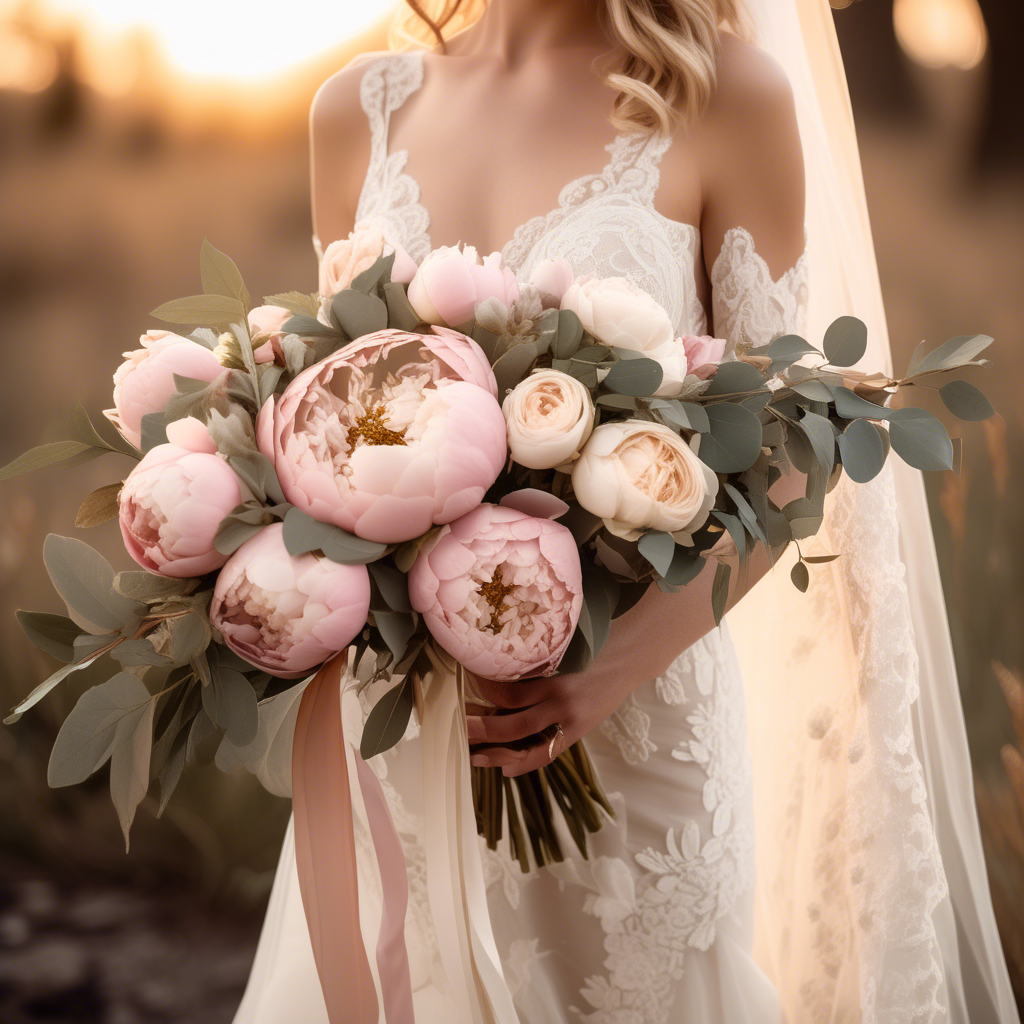
Ivory or Champagne Dresses: For dresses in warm tones like ivory or champagne, warm-toned flowers are the go-to choice. Think peach roses, burgundy dahlias, and blush-colored peonies, which complement the soft hues and bring warmth and depth to the overall look.
Lace or Vintage-Style Dresses: Vintage-inspired dresses or lace fabrics feel most at home with antique-style blooms. Try combining dusty miller, garden roses, and wildflowers to emphasize the dress’s nostalgic charm and intricate detail.
Satin or Modern Fabric: Sleek and modern fabrics like satin are best paired with structured and contemporary bouquets. Calla lilies, orchids, or tropical blooms provide a bold and polished contrast to these luxurious, smooth materials.
Bouquet Size and Shape Matters
When choosing the size and shape of your bouquet, consider how it interacts with your frame, height, and dress design. A well-proportioned bouquet ensures balance and enhances your overall appearance.
Petite Brides: Smaller, round bouquets are ideal for petite brides as they are less likely to overwhelm the frame. Compact arrangements of delicate blooms can provide just the right amount of sophistication and charm.
Tall Brides: Taller brides can carry larger, more dramatic bouquets without them feeling disproportionate. Cascading bouquets or oversized arrangements balance their height, creating a beautiful visual alignment to the bridal ensemble.
Structured Dresses: Dresses with sharp lines or intricate tailoring work best with neat and compact bouquets. These arrangements avoid clashing with the dress’s silhouette and preserve the elegance of the overall look.
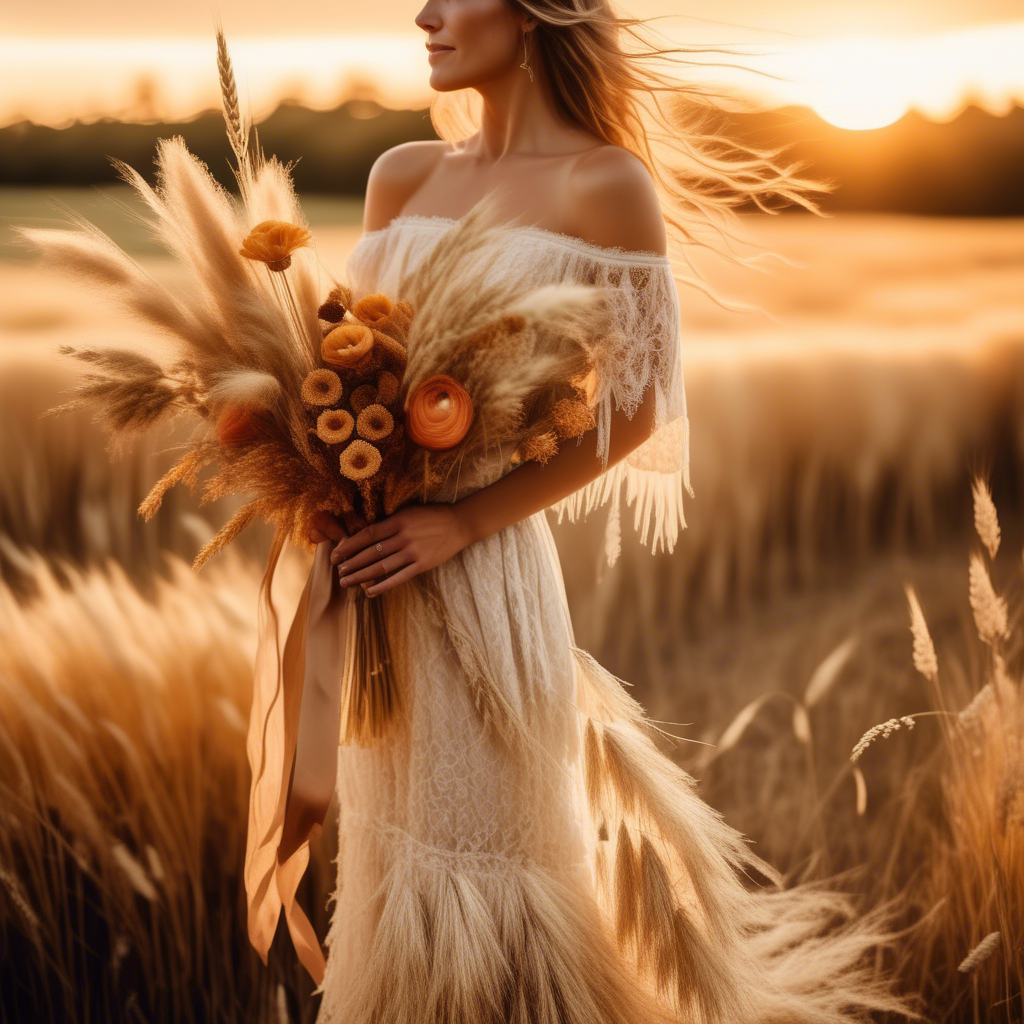
Flowing Dresses: For dresses with flowing, romantic fabrics, opt for loose, organic bouquets. The soft, unstructured shapes enhance the natural and ethereal feel of the ensemble, creating a dreamy wedding aesthetic.
Personalized Touches
Adding personal touches to your bouquet is an excellent way to make it uniquely yours. Sentimental flowers that hold special meaning—perhaps a bloom from your childhood garden or one that’s symbolic of your relationship—infuse the arrangement with emotion and story.
Consider incorporating family heirlooms like brooches, lace ribbons, or charms into the bouquet handle for added sentimentality. Additionally, using seasonal flowers not only pays homage to the time of year but also ensures your bouquet feels fresh and relevant to the occasion, tying your floral arrangement beautifully to the date of your special day.
Part 2 – Choosing Wedding Flowers Based on Your Venue
Selecting the right flowers for your wedding day is not only about aesthetics but also about complementing the venue and ensuring your blooms thrive in their setting. Here’s how to choose your flowers based on your wedding venue, whether it’s an outdoor celebration, a cozy indoor space, or a breathtaking destination.
Outdoor Wedding Venues
Garden Weddings
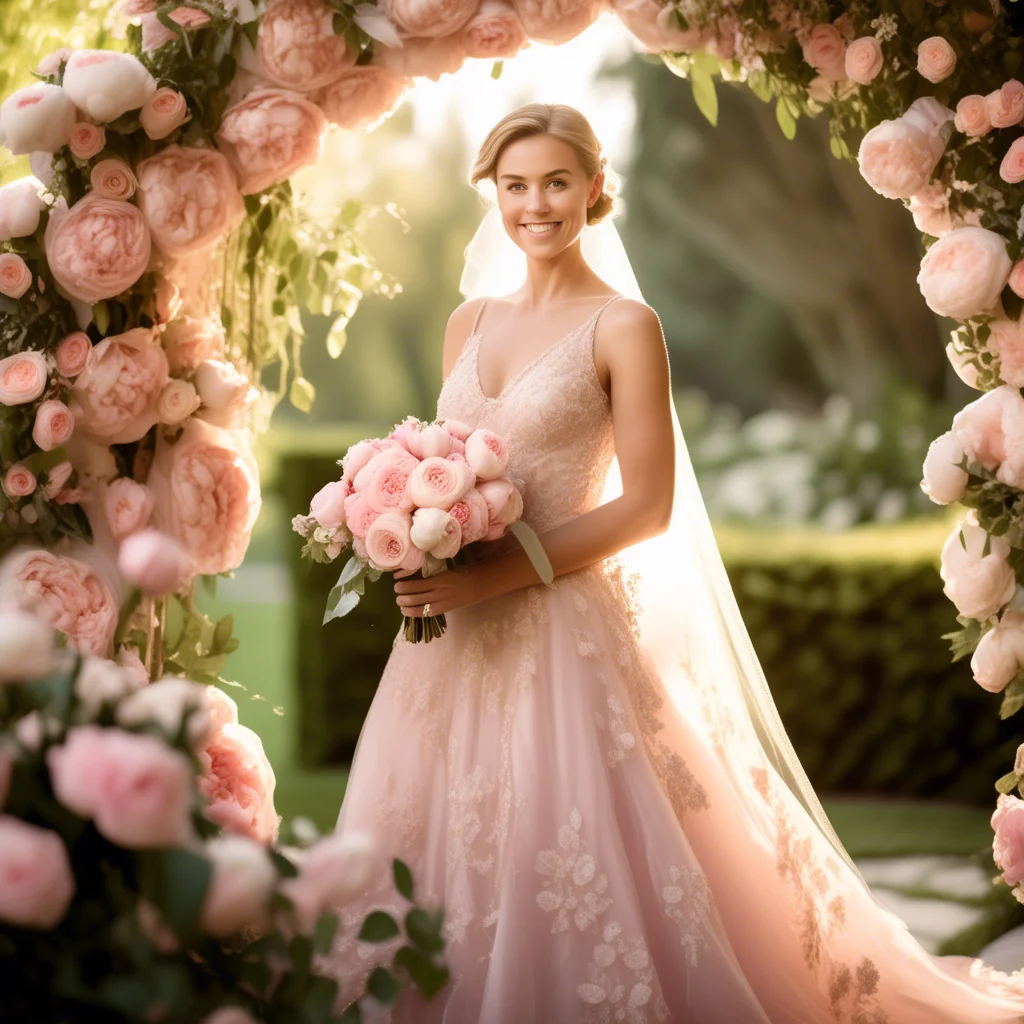
Garden weddings are naturally romantic and lush, so it’s best to choose flowers that blend seamlessly with the natural surroundings. Opt for blooms that complement the outdoor environment while adding a touch of elegance to your ceremony.
- Best choices: Peonies, roses, delphiniums, and lilacs are perfect for garden weddings as they provide a classic, soft aesthetic that enhances the vibrant greenery without overwhelming it.
- Tips: Think about the colors in the garden. Soft pastels often complement natural landscapes beautifully, while pops of brighter colors can add depth and interest.
Beach Weddings
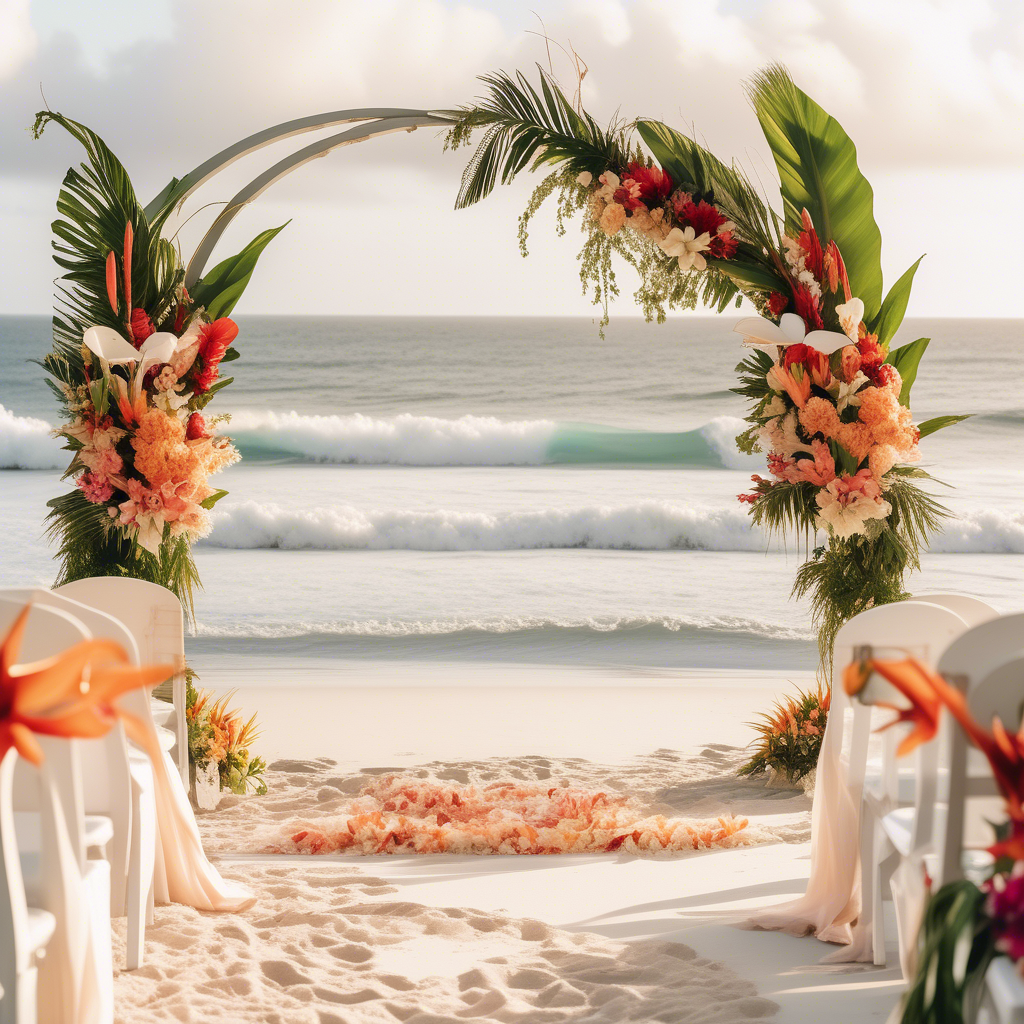
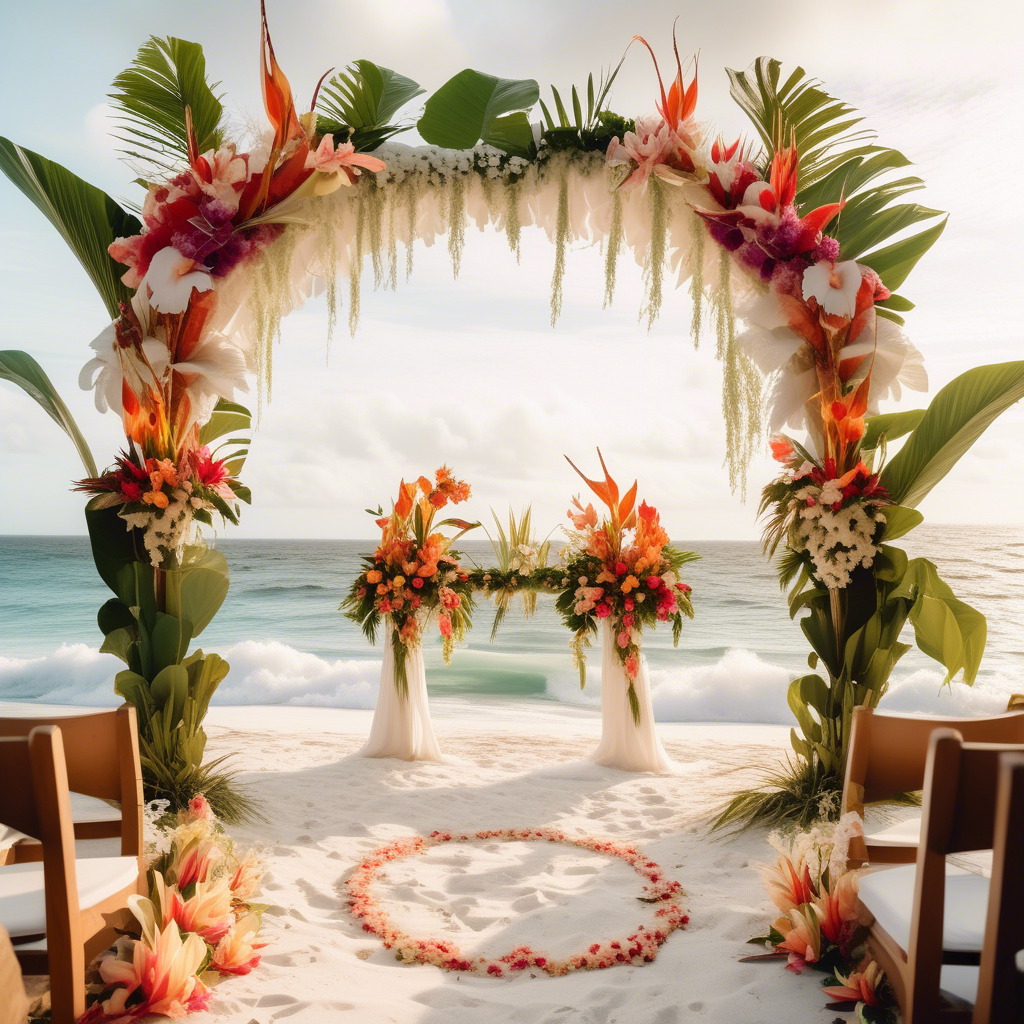
Beach weddings require flowers that can withstand the elements, including heat, humidity, and sometimes strong breezes. Hardy blooms with tropical appeal will ensure your arrangements stay fresh and vibrant throughout the day.
- Best choices: Orchids, proteas, anthuriums, and tropical greenery are ideal, as they are resilient and evoke the exotic, laid-back vibe of a seaside setting.
- Tips: Pair these flowers with light, airy fabrics for your decor to maintain a cohesive beach theme. Consider adding shells or driftwood accents for a unique touch.
Vineyard Weddings
For couples exchanging vows at a vineyard, flowers that echo the romantic, rustic charm of the venue are a great match. Look for options that blend beauty with nature-inspired elements.
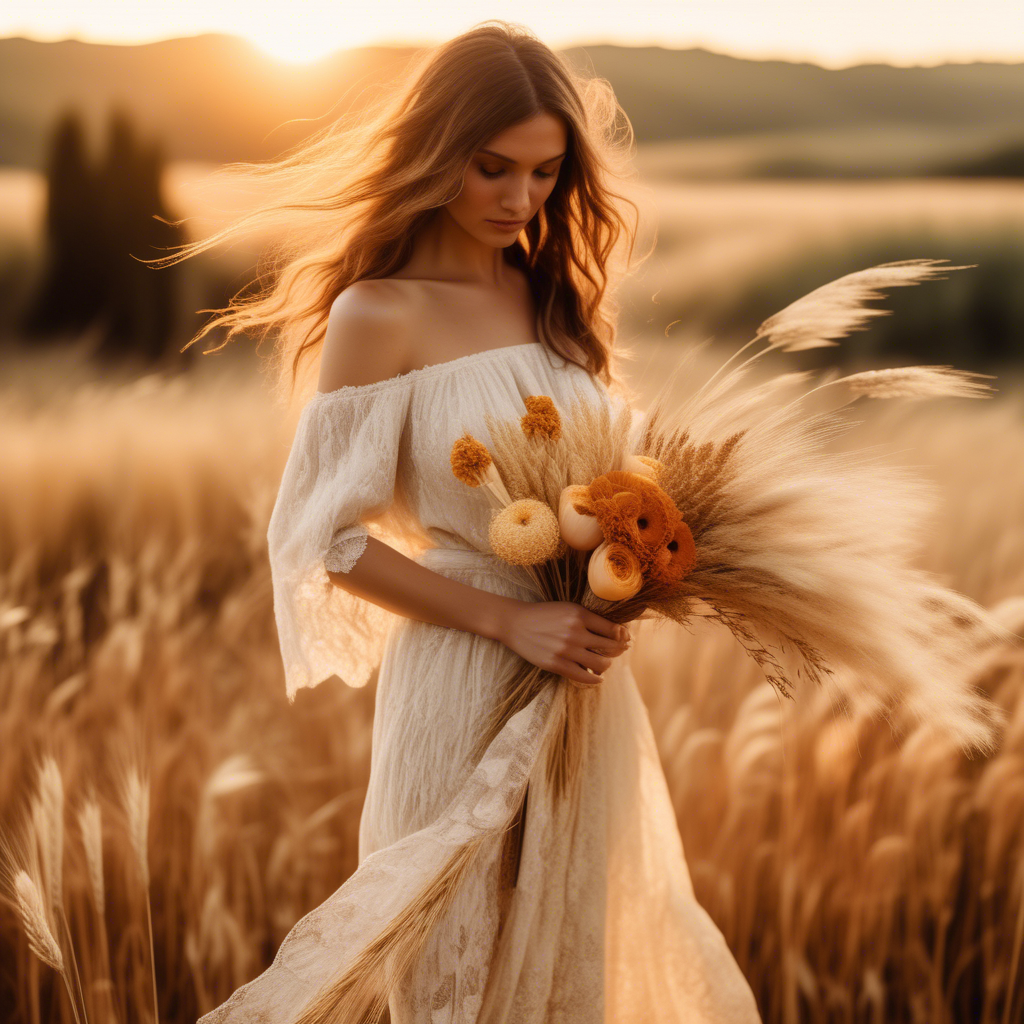
- Best choices: Wildflowers, sunflowers, lavender, and eucalyptus can enhance the scenic backdrop of a vineyard without detracting from the natural beauty of the surroundings.
- Tips: Incorporate these florals into loose, flowing arrangements or rustic bouquets tied with twine or burlap for a beautifully relaxed yet chic aesthetic.
Indoor Wedding Venues
Ballroom or Grand Venue
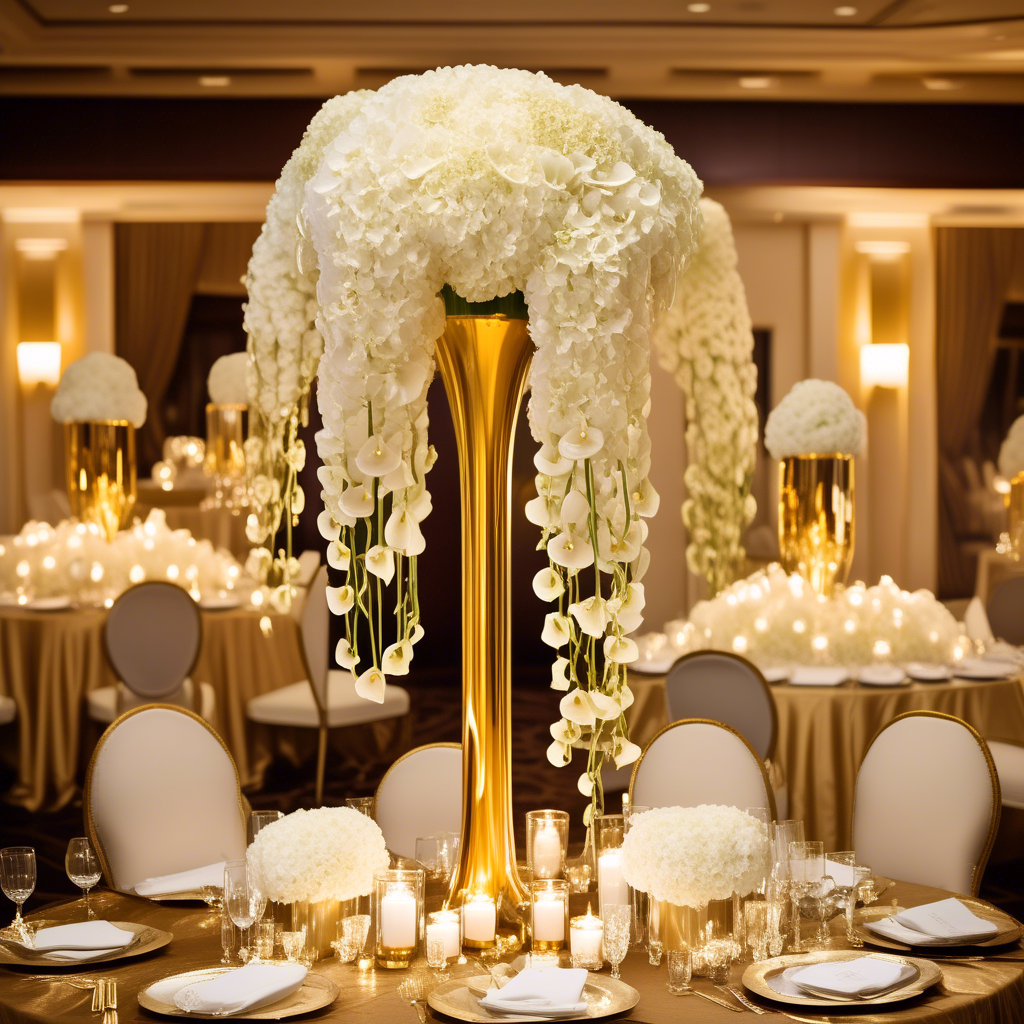
When hosting your wedding in an opulent ballroom or a grand indoor venue, your floral arrangements should exude luxury and sophistication. Bold colors, large blooms, and structured designs can elevate the grandeur of the space.
- Best choices: Hydrangeas, garden roses, amaryllis, and cascading orchids provide the drama and elegance needed to match the atmosphere of a formal setting.
- Tips: Pair these flowers with tall vases or elaborate arrangements to fill the space and create a stunning visual impact.
Barn or Rustic Venue
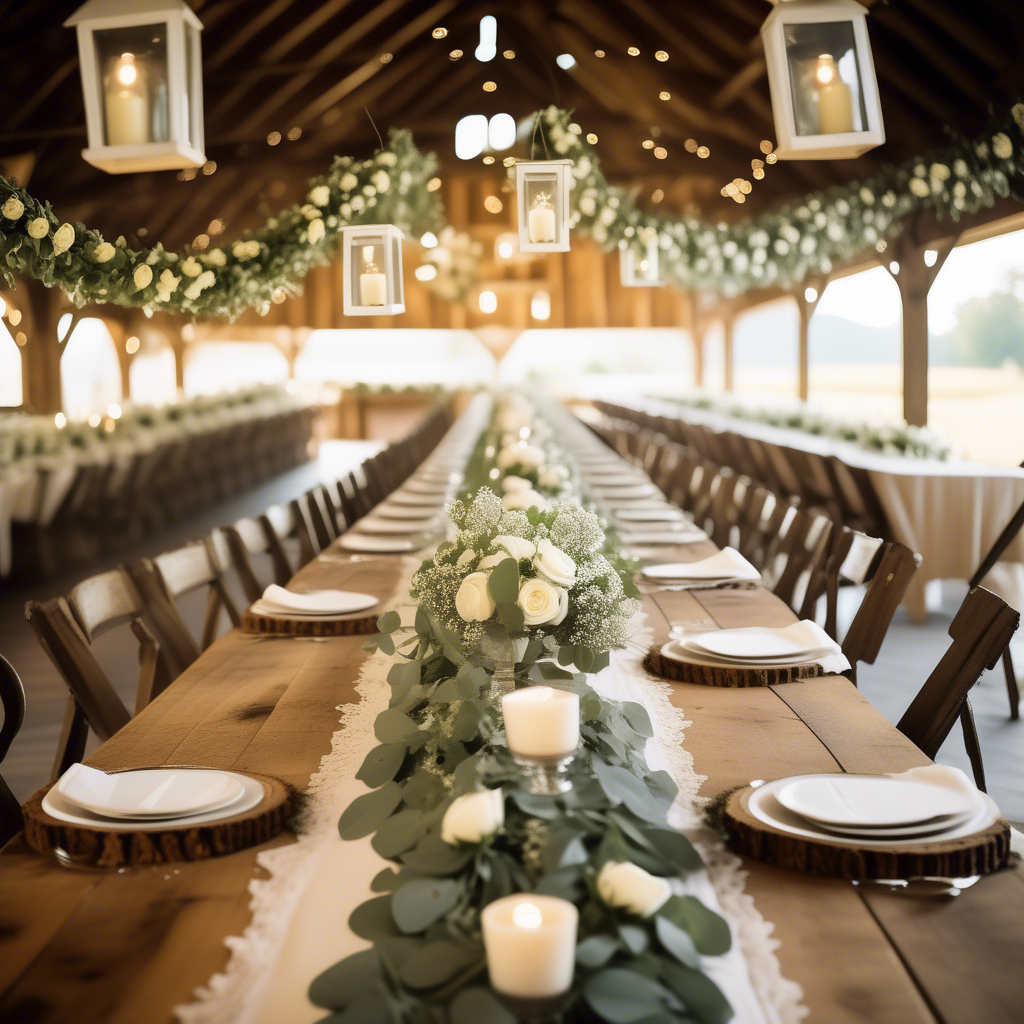
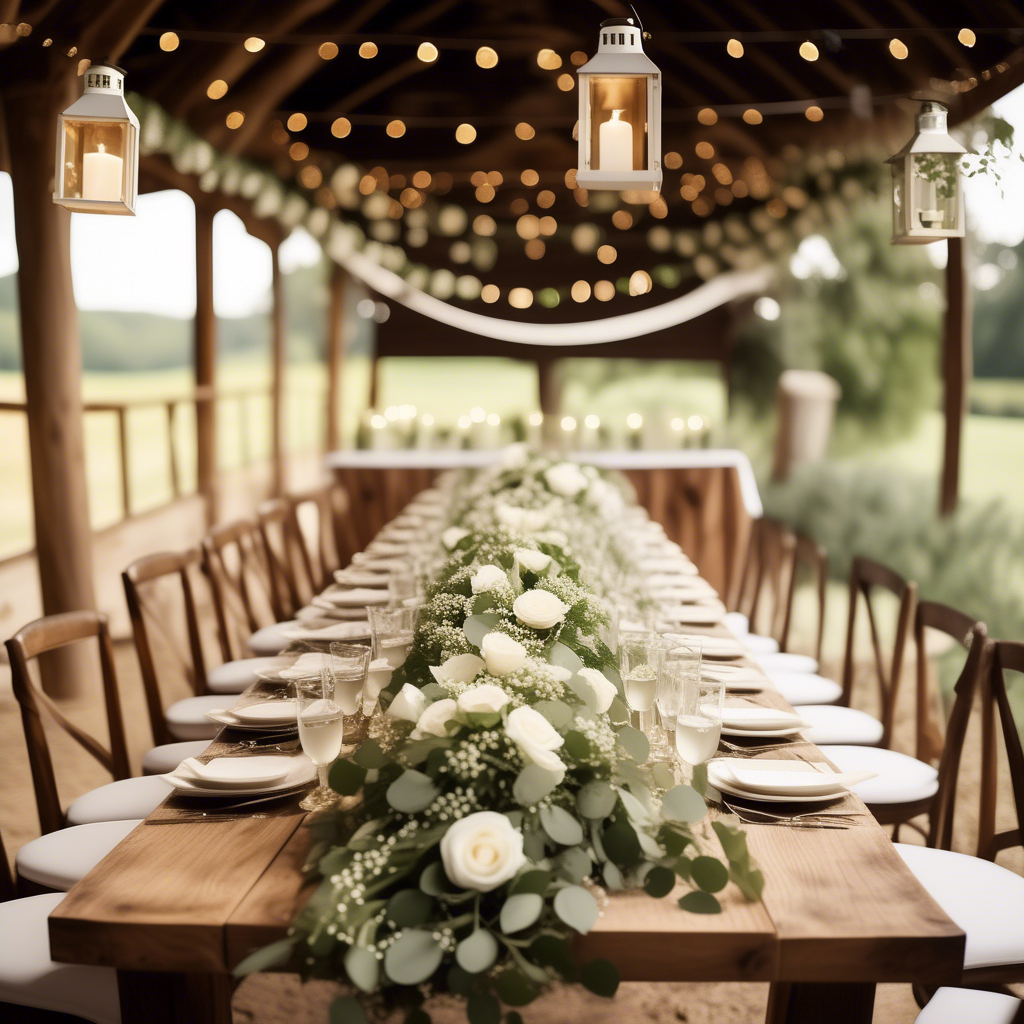
Barns and rustic venues call for florals that feel earthy and organic while highlighting the natural charm of the space. A mix of greenery and textured blooms can build a cozy, intimate ambiance.
- Best choices: Sunflowers, pampas grass, baby’s breath, and dahlias work wonderfully with the rustic aesthetic, adding warmth and a touch of whimsy.
- Tips: Use reclaimed wood, mason jars, or vintage containers as part of your floral arrangements to tie in with the rustic theme.
Industrial or Loft Wedding
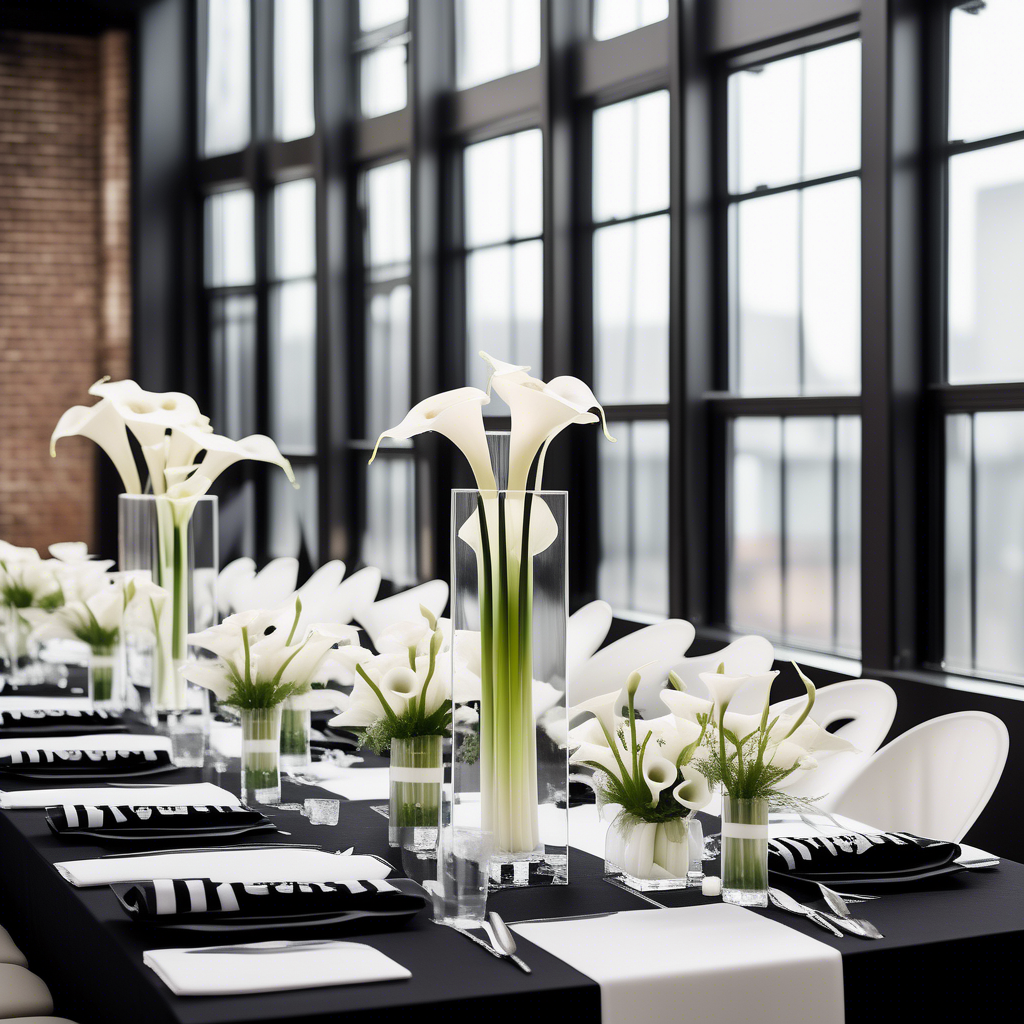
Industrial and loft spaces often have a modern, edgy vibe, so your floral arrangements can reflect this with bold contrasts and unique textures. Minimalistic designs with an emphasis on structure work particularly well.
- Best choices: Proteas, anemones, succulents, and minimalistic white roses offer striking visual interest and contemporary appeal.
- Tips: Focus on unusual arrangements and monochrome palettes for a sleek, modern twist. Incorporate metallic accents to further enhance the industrial feel.
Destination Wedding Considerations
Destination weddings are exciting, but choosing flowers for such events requires additional planning. To ensure your blooms perfectly suit the occasion and location, keep these key factors in mind:
- Using local flowers can significantly reduce transportation costs and ensure your arrangements feel harmonious with the destination’s setting.
- Factoring in climate and seasonality is essential to select flowers that will thrive in the local environment, especially in extreme weather.
- Opt for hardy flowers that can withstand travel and last throughout the day, considering they may need to endure long journeys before being arranged.
By working with local florists or planners, you can access expert knowledge about the best blooms for your destination venue, ensuring your florals are both gorgeous and practical.
Matching Ceremony vs. Reception Florals
While it’s crucial to create a cohesive look between your ceremony and reception, the two spaces don’t have to mirror each other entirely. Instead, aim to coordinate your floral designs through color palettes and flower types.
- Repurpose ceremony flowers for the reception wherever possible. For example, altar arrangements can double as table centerpieces, helping cut costs without compromising on style.
- Complementary designs ensure the two spaces feel unified while allowing room for variation, such as using more dramatic arrangements at the reception to make the evening feel distinct.
Part 3 – Choosing Wedding Flowers Based on Your Theme
When selecting wedding flowers, aligning them with your overall theme creates a harmonious and visually stunning atmosphere. From romantic elegance to rustic charm, the right blooms bring your vision to life. Below, we explore flower recommendations for some of the most popular wedding themes.
Romantic Wedding Theme
For a romantic wedding theme, soft pastel blooms paired with flowing greenery embody elegance and tenderness. Peonies, with their lush, voluminous petals, are a timeless choice symbolizing prosperity and honor. Garden roses, often richer and more fragrant than standard roses, exude old-world charm, perfect for a romantic statement. Lisianthus brings delicate beauty and pairs gracefully with the cascading effect of jasmine vines, offering a natural, whimsical touch. Together, these flowers create a dreamy, fairy-tale-like ambiance that radiates love and purity. Such compositions work beautifully in both ceremony arrangements and reception settings, complementing soft color palettes like blush, ivory, and light peach.
Rustic or Boho Wedding Theme
Earthy florals with wild, unstructured arrangements capture the relaxed and organic feel of rustic or boho wedding themes. Pampas grass adds texture and a natural, feathery charm, often used in arches or aisle decor to make a statement. Sunflowers bring a bright, cheerful vibe to the rustic aesthetic, balancing whimsy and vitality. Ranunculus, with its layered petals, offers versatility and complements looser designs, while eucalyptus softens and unifies arrangements with its muted, dusty green tones and refreshing scent. Pairing these elements creates effortlessly beautiful arrangements that feel grounded in nature. This style pairs well with wooden accents, lanterns, and outdoor venues to tie the theme together.
Modern and Minimalist Wedding Theme
For a modern and minimalist wedding theme, keep your florals sleek, refined, and understated to match a clean, sophisticated aesthetic. White orchids are a luxurious yet modern option, known for their structural elegance and lasting beauty. Calla lilies, with their smooth, trumpet-shaped blooms, are synonymous with sophistication, while anemones add a touch of contrast with their dark centers. Tulips, known for their simplicity and versatility, fit effortlessly into streamlined arrangements. Stick to monochromatic palettes, such as crisp whites or soft neutrals, to enhance the minimalist vibe. These flowers excel in contemporary venues with geometric decor and are ideal for towering centerpieces or understated bouquets.
Vintage or Old-Hollywood Theme
Vintage or Old-Hollywood-inspired weddings call for classic blooms with deep, moody colors and antique aesthetics. Dahlias, with their intricate and layered petals, add drama and elegance to arrangements. Antique roses, often in muted hues like dusty pink or deep burgundy, exude sophistication and timeless charm. Dusty miller, with its soft, silvery foliage, provides the perfect accent, while hydrangeas bring fullness and a delicate, vintage touch to floral arrangements. These flowers work well with gold candlesticks, art deco details, and vintage lace accents for a cohesive, glamorous look. With this theme, every centerpiece, bouquet, and boutonniere evokes nostalgia and refinement, transporting your guests to a bygone era.
Choosing flowers that resonate with your theme ensures your wedding decor captures the mood and essence you envision for your big day.
Part 4 – Tips for Ordering and Budgeting Wedding Flowers
When planning your wedding flower budget, it’s essential to consider your overall floral needs. Experts suggest allocating 8-10% of your total wedding budget to flowers. This typically covers bouquets, boutonnieres, centerpieces, and any additional arrangements such as floral arches or aisle decorations. To manage costs effectively, prioritize your must-have pieces while keeping other designs simple.
Ordering fresh-cut flowers at the right time is crucial for quality and freshness. Whole Blossoms recommends placing your order 4-6 weeks before your wedding date, with delivery scheduled 2-3 days before the big day to ensure blooms are at their peak beauty. They offer a wide selection of in-season flowers, which are often more affordable and readily available. Opting for in-season blooms not only saves money but also ensures your arrangements reflect the natural palette of your wedding’s time of year.
Repurposing arrangements is another cost-saving strategy. Use ceremony flowers to decorate the reception or transform bridesmaids’ bouquets into centerpieces. For couples deciding between DIY and florist-made arrangements, consider your skill level and time constraints. DIY arrangements are wallet-friendly but require significant effort, whereas professional florists are a worthwhile investment for intricate designs or time-sensitive setups. Balancing these choices thoughtfully ensures stunning florals within your budget.
Part 5 – Final Checklist for Choosing the Perfect Wedding Flowers
✅ Match flowers to dress style and silhouette
✅ Ensure florals complement the venue’s atmosphere
✅ Select flowers that align with the wedding theme
✅ Consider seasonality and budget when making selections
✅ Order fresh, high-quality blooms from Whole Blossoms
Conclusion
Flowers play a vital role in enhancing the dress, venue, and theme, bringing harmony to the overall design of your wedding. The right florals can beautifully accentuate the bride’s attire, elevate the atmosphere, and tie together every aspect of the celebration. Choosing the perfect flowers is essential for creating a seamless and memorable aesthetic. To ensure success, plan ahead, consider the seasonality of blooms, and source from a trusted supplier like Whole Blossoms. Most importantly, stay true to your personal style and preferences while selecting floral arrangements to make your special day truly unforgettable.
5 FAQs About Wedding Flower Selection
1. When should I start planning my wedding flowers?
It’s recommended to start planning your wedding flowers at least 6-8 months in advance. This ensures you have enough time to research, make decisions, and secure your preferred blooms from your supplier.
2. How do I choose flowers that match my wedding theme?
Consider your wedding color palette and style. For a rustic theme, opt for wildflowers and greenery. For a classic look, roses and peonies are great options. Matching your flowers to your décor helps create a cohesive aesthetic.
3. What if the flowers I want are out of season?
If your favorite blooms are out of season, discuss alternatives with your florist or supplier. Many flowers have similar counterparts that can provide the same look and feel without compromising on quality.
4. How do I budget for wedding flowers?
Allocate about 10-15% of your overall wedding budget to flowers. Be upfront with your florist or supplier about your budget, and they can help you select arrangements that fit within it while still meeting your vision.
5. How can I keep my flowers fresh on the wedding day?
To keep flowers fresh, store them in a cool location and out of direct sunlight. Use floral preservative solutions if available, and ensure arrangements are delivered close to the event time to maintain their vibrancy.