


 by
by 

For budget-conscious and creative brides, DIY wedding flowers present a unique opportunity to save money while adding a personal touch to your special day. Wedding flowers can be a significant expense, but by taking a hands-on approach, you’ll not only reduce costs but also have the joy of crafting floral designs that reflect your personality and wedding theme. Each arrangement becomes more than just decoration—it transforms into a meaningful expression of your love story.
Personalized floral designs allow you to explore creativity and ensure every detail aligns with your vision, from rustic and romantic to chic and modern. Sourcing fresh flowers from reputable suppliers, such as Whole Blossoms, ensures you’ll have access to high-quality blooms in a wide range of colors and varieties—all at an affordable price. These gorgeous flowers set the stage for designs that will wow your guests and create unforgettable memories.
This guide will walk you through crafting stunning DIY bouquets, elegant centerpieces, and other floral techniques to bring your wedding vision to life. Whether you’re a beginner or a seasoned floral enthusiast, this resource empowers you to create beautiful, professional-looking arrangements for your big day.
Part 1 – Choosing the Right Fresh Flowers for DIY Arrangements
Understanding Flower Types & Their Roles in Arrangements
The foundation of any floral arrangement lies in understanding the different types of flowers and their roles. Each flower plays a specific part in creating a visually balanced and stunning design.
- Focal Flowers: These are the “showstoppers” in your bouquet or centerpiece, drawing the most attention. Roses, peonies, dahlias, and sunflowers are excellent examples of focal flowers. Their bold, vibrant blooms act as the main attraction and anchor your arrangement’s overall aesthetic.
- Filler Flowers: Filler flowers add volume and dimension, ensuring your arrangement feels lush and cohesive. Popular options include baby’s breath, wax flowers, and stock. These delicate blooms fill the gaps and complement the focal flowers without overwhelming them.
- Greenery: Greenery works as the supporting cast of your arrangement, adding texture and balance while framing the blooms. Eucalyptus, ruscus, and ferns are versatile greenery options that enhance the natural beauty of your arrangements.
By blending these elements, you can craft arrangements that are balanced, harmonious, and visually captivating.
Best Flowers for DIY Wedding Arrangements
When choosing flowers for your DIY wedding arrangements, it’s essential to match them with your theme and vision. Here are some of the best flowers to consider:
- Classic Romantic Bouquets: Roses, peonies, and lisianthus are timeless choices for romantic, elegant weddings. These soft, delicate blooms evoke feelings of love and beauty, making them perfect for traditional bouquets and centerpieces.
- Rustic & Boho Themes: For a more relaxed, free-spirited vibe, sunflowers, dahlias, and pampas grass are ideal. These flowers, with their bold and natural appeal, bring a rustic charm to your arrangements.
- Minimalist Elegance: If your style leans toward simplicity and sophistication, opt for calla lilies, orchids, and ranunculus. These flowers’ clean lines and striking beauty make them well-suited for minimalist designs.
- Seasonal Choices: Incorporating seasonal blooms ensures freshness and affordability. Seasonal flowers are often more vibrant and long-lasting, allowing you to stay on budget while creating beautiful arrangements.
When selecting your flowers, be mindful of their symbolism and colors, ensuring they align with your wedding’s palette and mood.
Where to Buy Fresh Flowers for DIY Weddings
Finding the right supplier for fresh flowers is critical to achieving a professional look for your arrangements. Here are some suggestions to help you source high-quality blooms:
- Whole Blossoms: This supplier offers wholesale bulk flowers at competitive prices, ensuring you get exceptional value for your investment. Their farm-direct approach guarantees freshness, meaning your flowers will look vibrant and last longer.
- Farm-Direct Freshness: When flowers are sourced directly from growers, they maintain their beauty and longevity, giving you more time to craft your arrangements without worrying about wilting blooms.
- A Vast Selection: Whole Blossoms also provides an extensive range of seasonal and exotic flowers, allowing you to find blooms that perfectly match your wedding theme.
Other options to consider include local flower markets, nearby farms specializing in fresh cuts, and online retailers dedicated to DIY florists. Wherever you choose to buy, prioritize quality and freshness to ensure your floral arrangements shine on your special day.
Part 2 – Essential Tools & Supplies for DIY Wedding Flowers
Must-Have Floral Arrangement Tools
When creating your own wedding flower arrangements, having the right tools can make all the difference in achieving a professional look. Here are the essential tools every DIY florist should have:
- Floral Shears & Wire Cutters
Floral shears are specifically designed to make clean, precise cuts on flower stems without crushing them, which helps maintain the flowers’ ability to absorb water. Wire cutters come in handy when working with floral wire or cutting decorative accents.
- Floral Tape & Wire
These are key for securing bouquets, boutonnieres, and centerpieces. Floral tape helps hold stems together while remaining inconspicuous, and floral wire provides extra support for fragile blooms or intricate designs.
- Vases, Floral Foam, and Water Tubes
To keep your flowers looking fresh and vibrant, vases and water tubes provide a stable hydrating solution. Floral foam is particularly useful for securing stems in arrangements while evenly distributing water.
- Ribbon & Decorative Accents
Add a personal touch to your creations with ribbons, beads, or other decorative elements. These can elevate simple designs, making them uniquely yours and aligned with your wedding theme.
With these tools at hand, you’ll be well-equipped to bring your floral vision to life.
Pro Tips for Keeping Flowers Fresh Before the Wedding
Ensuring your flowers remain fresh and beautiful for your big day takes careful preparation and attention to detail. Follow these pro tips to extend the lifespan of your blooms:
- Proper Hydration
The moment you receive your flowers, trim the stems at an angle to improve water uptake and place them in water immediately. This ensures they stay hydrated and prevents wilting.
- Cool Storage
Store your flowers in a cool, dark space, such as an air-conditioned room or basement, to slow down the blooming process and preserve freshness. Avoid direct sunlight or any heat sources that might cause them to dry out quickly.
- Prepping Stems
Remove excess leaves from the stems, especially those that will sit below the waterline. This prevents bacterial growth in the water, which can shorten the lifespan of your flowers.
- Using Flower Food & Misting
Add flower food to the water to provide essential nutrients, and mist the petals lightly to keep them hydrated, especially for delicate flowers. These small steps will help maintain their vibrant appearance and make arranging them easier when the time comes.
By combining proper care with high-quality tools, you’ll ensure that your DIY wedding flowers are as stunning and fresh as they are meaningful.
Part 3 – DIY Wedding Bouquets: Step-by-Step Guide
Creating your own wedding bouquets not only adds a personal touch but also allows you to craft an arrangement that perfectly captures your style and vision. Here is a step-by-step guide to making three popular types of bouquets, along with tips for bridesmaid and toss bouquets.
Classic Round Bridal Bouquet
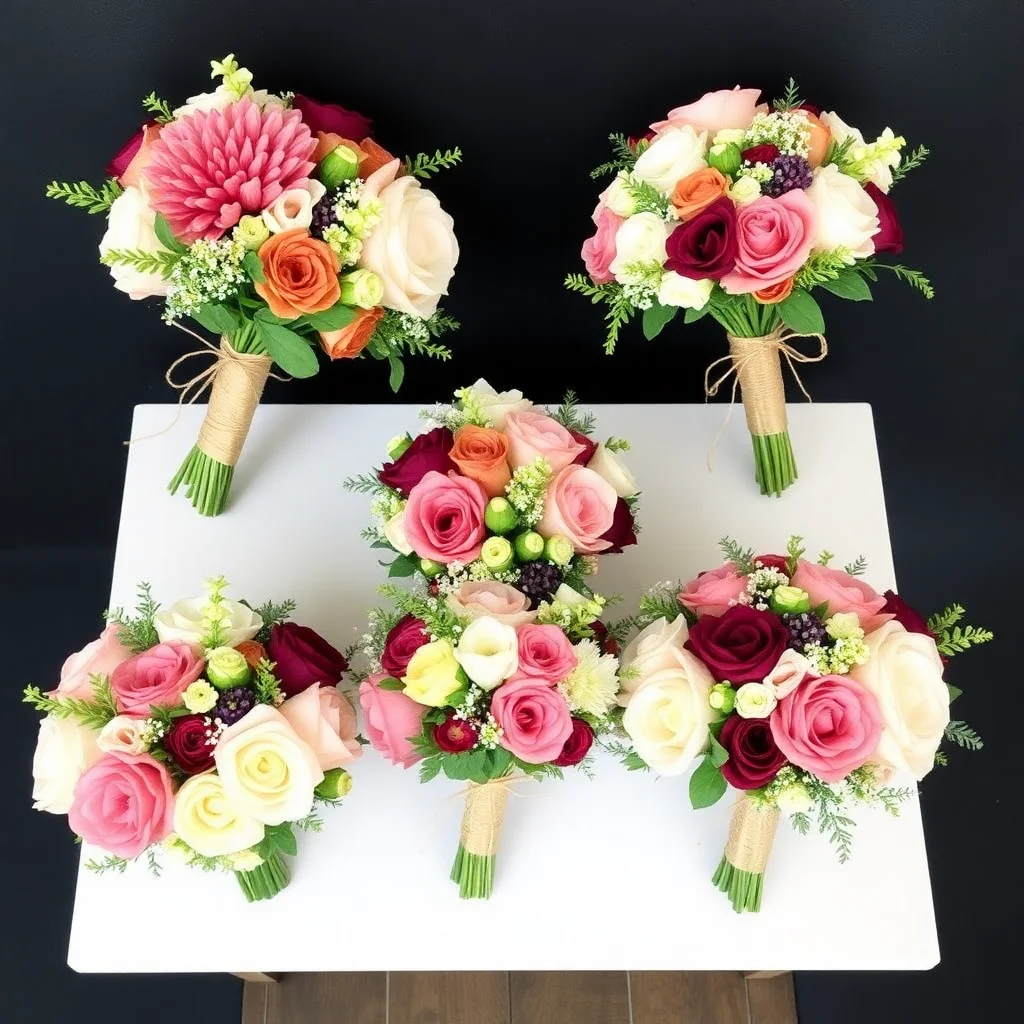
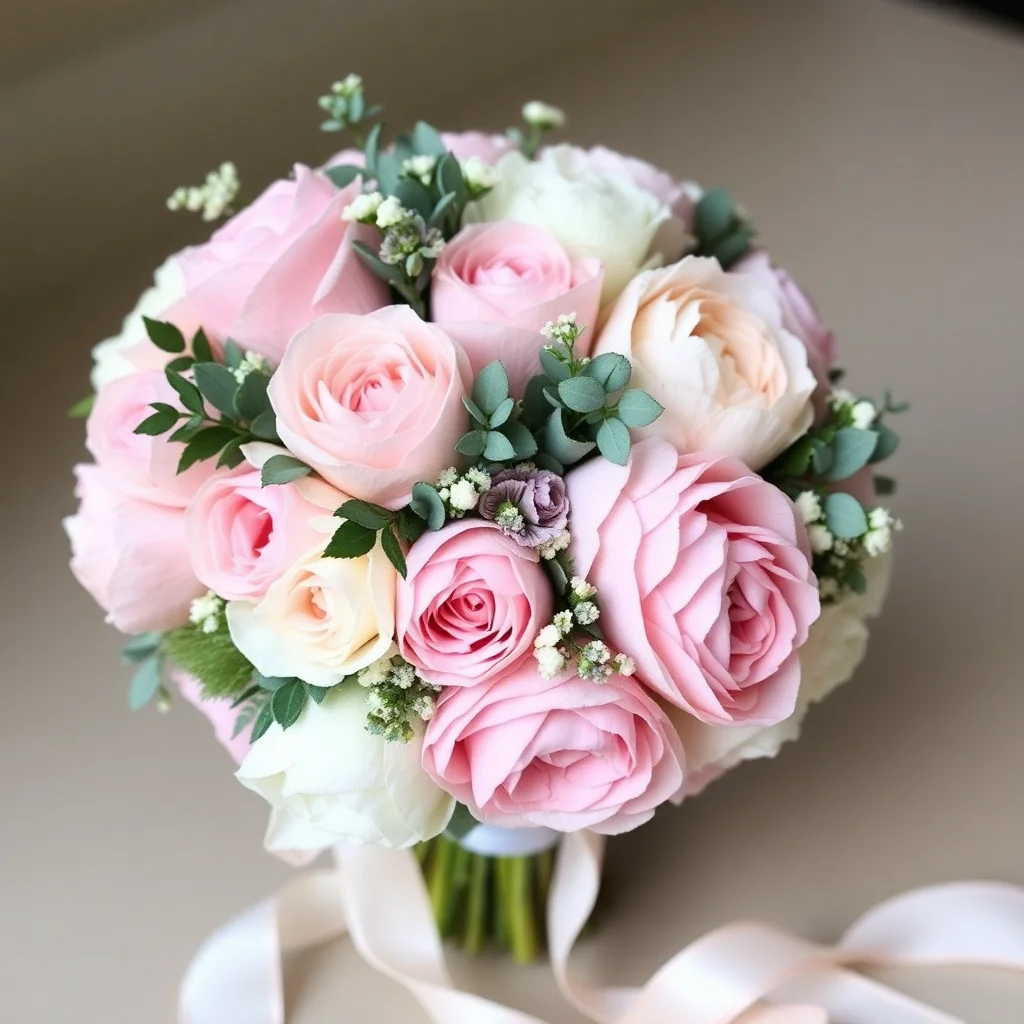
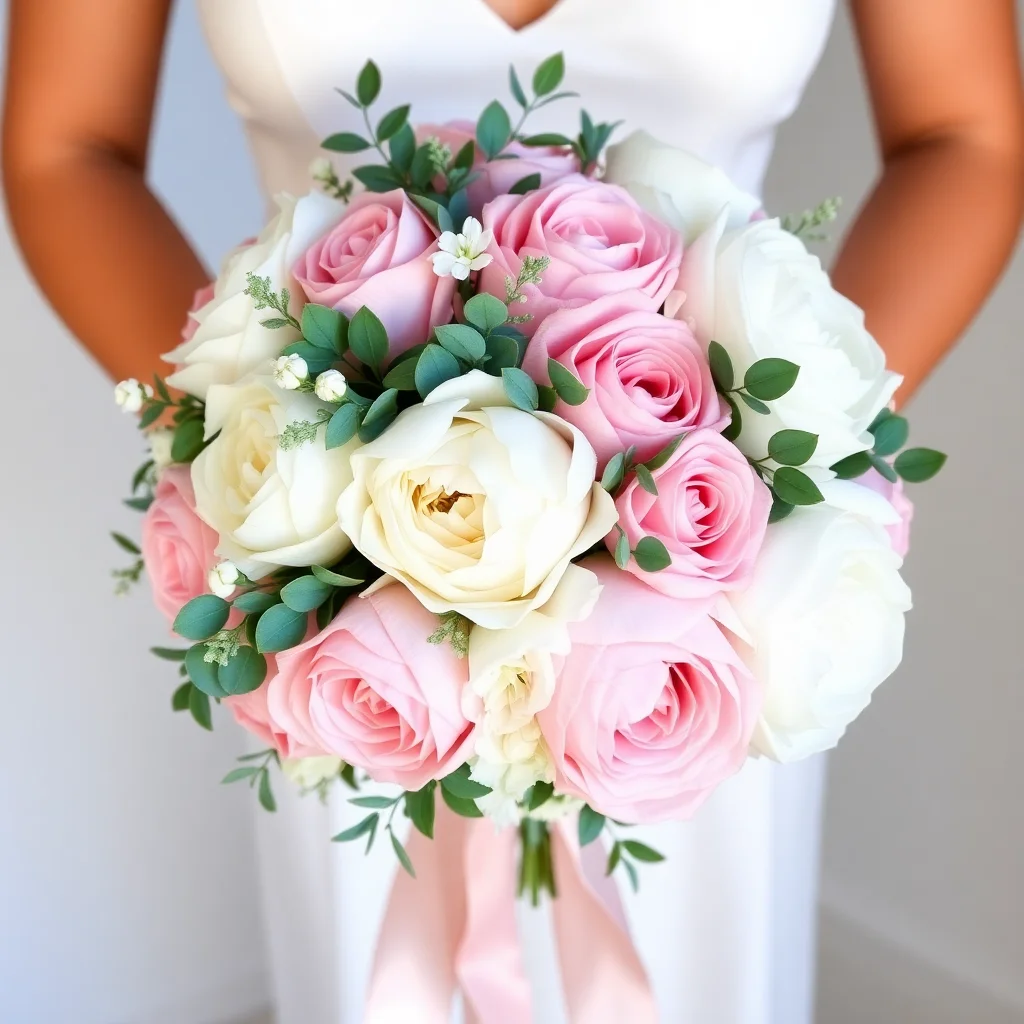
A classic round bridal bouquet is timeless and elegant, making it a popular choice for weddings. Start by selecting stunning focal flowers such as roses, peonies, or hydrangeas, as these blooms create a lush and full centerpiece. Next, add fillers like lisianthus or wax flowers, and incorporate greenery such as eucalyptus to balance the arrangement and bring in soft, natural textures.
To assemble, begin by arranging the focal flowers in a circular pattern, ensuring an even distribution of colors and sizes. Add fillers and greenery gradually, layering them around the focal blooms to create depth and interest. Once you’re satisfied with the arrangement, secure the stems together using floral tape to hold them firmly in place. Finish the bouquet by wrapping the stems with a ribbon that matches your wedding colors, and tie it off with a bow for a polished look. This bouquet style is perfect for brides looking for an understated yet sophisticated aesthetic.
Cascading Bouquet for a Dramatic Look
A cascading bouquet offers a dramatic and romantic flair, ideal for brides seeking a statement accessory. Begin by choosing trailing flowers like orchids, ivy, or amaranthus, which naturally create the cascading effect. Complement these with structural blooms such as roses, calla lilies, or dahlias for an elegant focal point.
To craft the structure, use floral wire and tape to attach the trailing stems together, forming the cascade base. Next, layer the focal flowers, starting at the top and blending them into the trailing flowers to achieve a seamless flow. You can also add small sprigs of greenery or delicate filler flowers to soften the overall design.
Secure the arrangement with floral tape, ensuring the cascade flows downward beautifully. Finally, wrap the stems neatly with ribbon, leaving some length exposed for an organic touch. The cascading bouquet is a bold choice that pairs wonderfully with formal and glamorous wedding themes.
Rustic Wildflower Bouquet
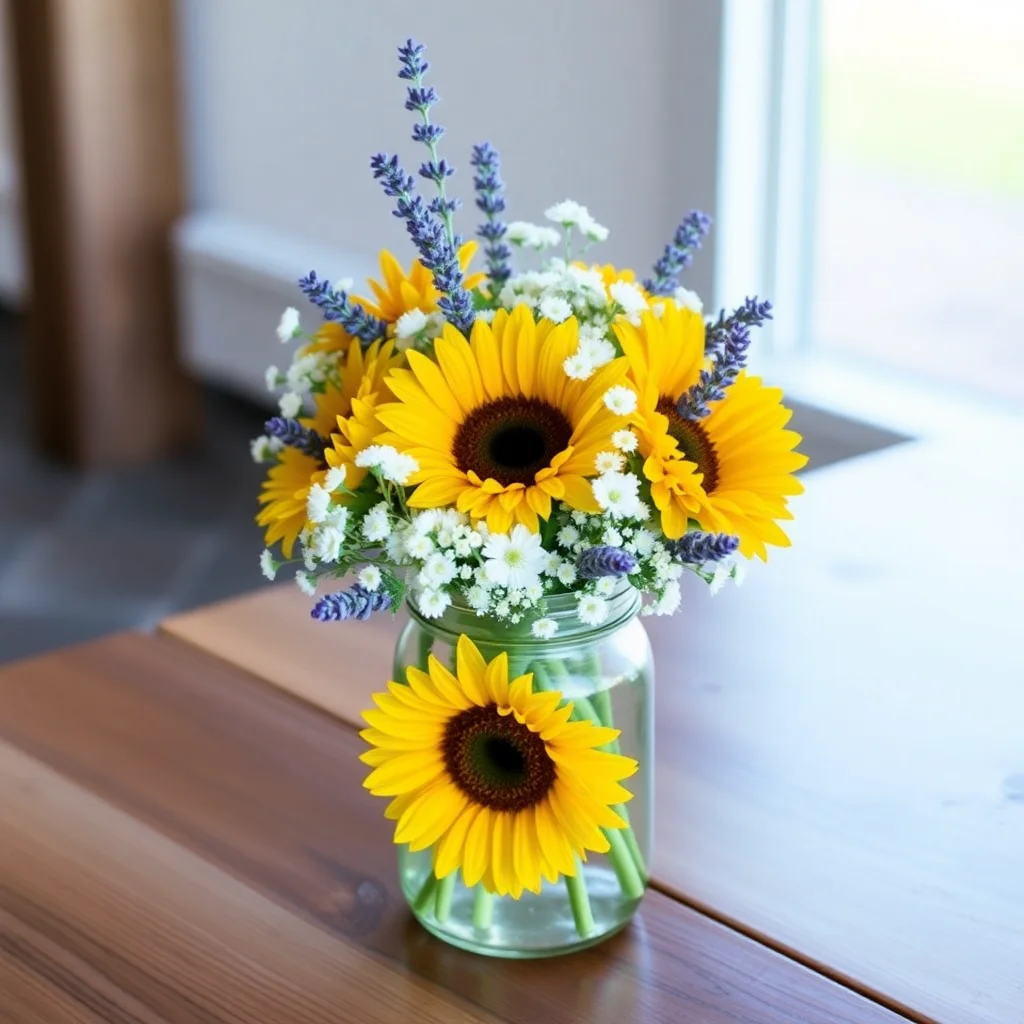
For a relaxed, boho-inspired vibe, a rustic wildflower bouquet is the perfect choice. Select loose, natural blooms such as sunflowers, daisies, lavender, or even thistle for a whimsical and colorful arrangement. The beauty of this style lies in its charming, unpolished appearance, so aim for a mix of textures and sizes to emphasize its organic feel.
Start by arranging the flowers asymmetrically, layering them loosely and allowing certain stems to stand out for visual interest. Incorporate greenery or herbs like rosemary or sage to add texture and fragrance. Don’t worry too much about symmetry; the objective is to achieve a carefree, natural look.
Once the arrangement feels balanced, secure the stems using floral tape. Instead of traditional satin ribbon, consider tying the bouquet with rustic twine or a simple fabric ribbon to enhance its effortless style. With its wild, unstructured beauty, this bouquet is a great option for outdoor or country-themed weddings.
Matching Bridesmaid & Toss Bouquets
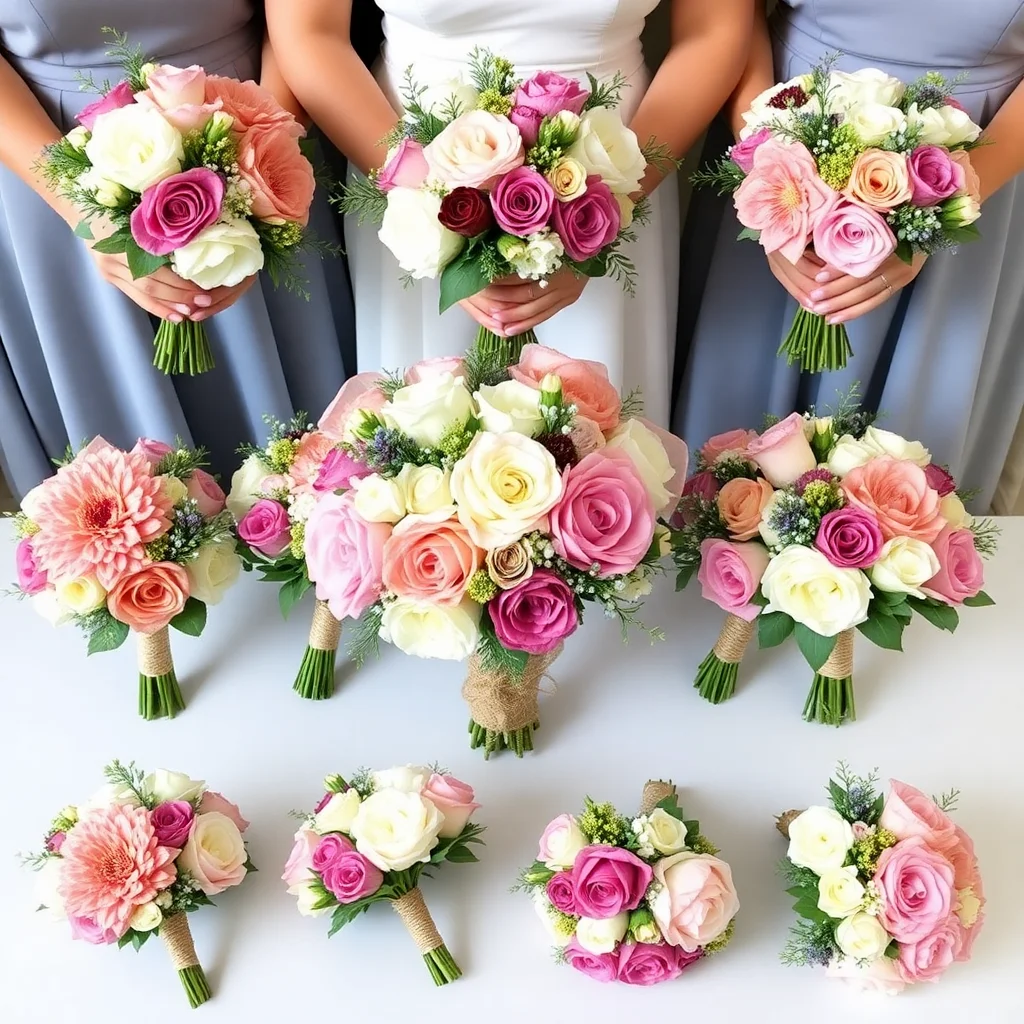
To complement your bridal bouquet, create smaller, simplified versions for your bridesmaids and toss bouquet. Use the same flowers and colors as the bridal arrangement to ensure consistency across all bouquets. For added ease and cost-effectiveness, incorporate seasonal flowers that are readily available.
For the toss bouquet, opt for a compact arrangement with fewer blooms and lighter materials, making it easier to throw. Bridesmaid bouquets should harmonize with the bridal bouquet, highlighting similar textures and themes without overpowering. These smaller bouquets offer cohesion while keeping the spotlight on the bride’s masterpiece.
Part 4 – DIY Wedding Centerpieces: Step-by-Step Guide
Creating your own wedding centerpieces can be a fun and cost-effective way to personalize your special day. This guide will walk you through three popular styles, each with simple, step-by-step instructions to help you bring your vision to life.
Simple & Elegant Table Arrangements
For a timeless and refined look, start with a clear vase or floral foam base. Select a handful of focal flowers such as roses, lilies, or dahlias and place them evenly throughout the arrangement, ensuring they stand out as the centerpiece of your creation. Use flowers in shades that complement your wedding theme for a cohesive aesthetic.
Next, fill in any gaps with greenery and smaller blooms to create a full, balanced arrangement. Eucalyptus, ferns, and baby’s breath work wonderfully as fillers, adding texture and a fresh, organic touch. Be sure to vary the heights slightly within the arrangement to give it a natural, garden-inspired feel.
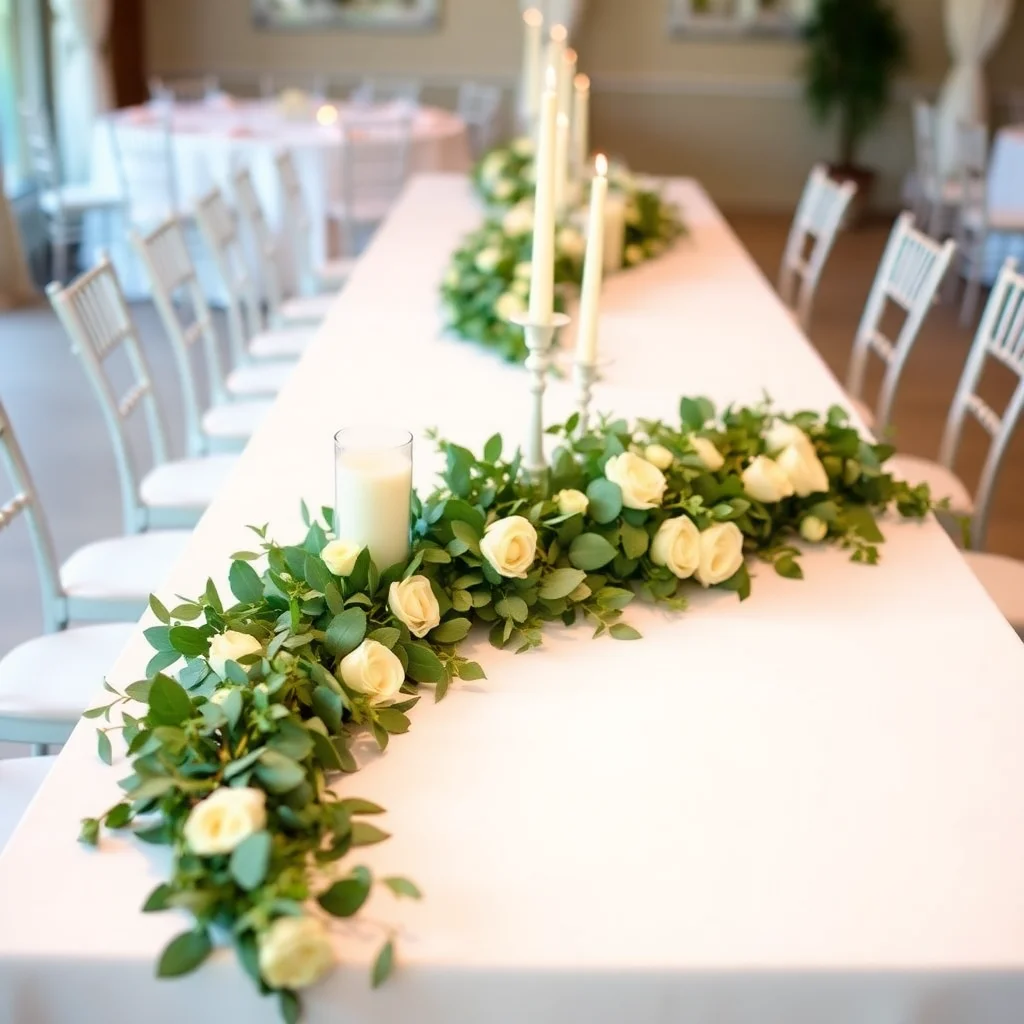
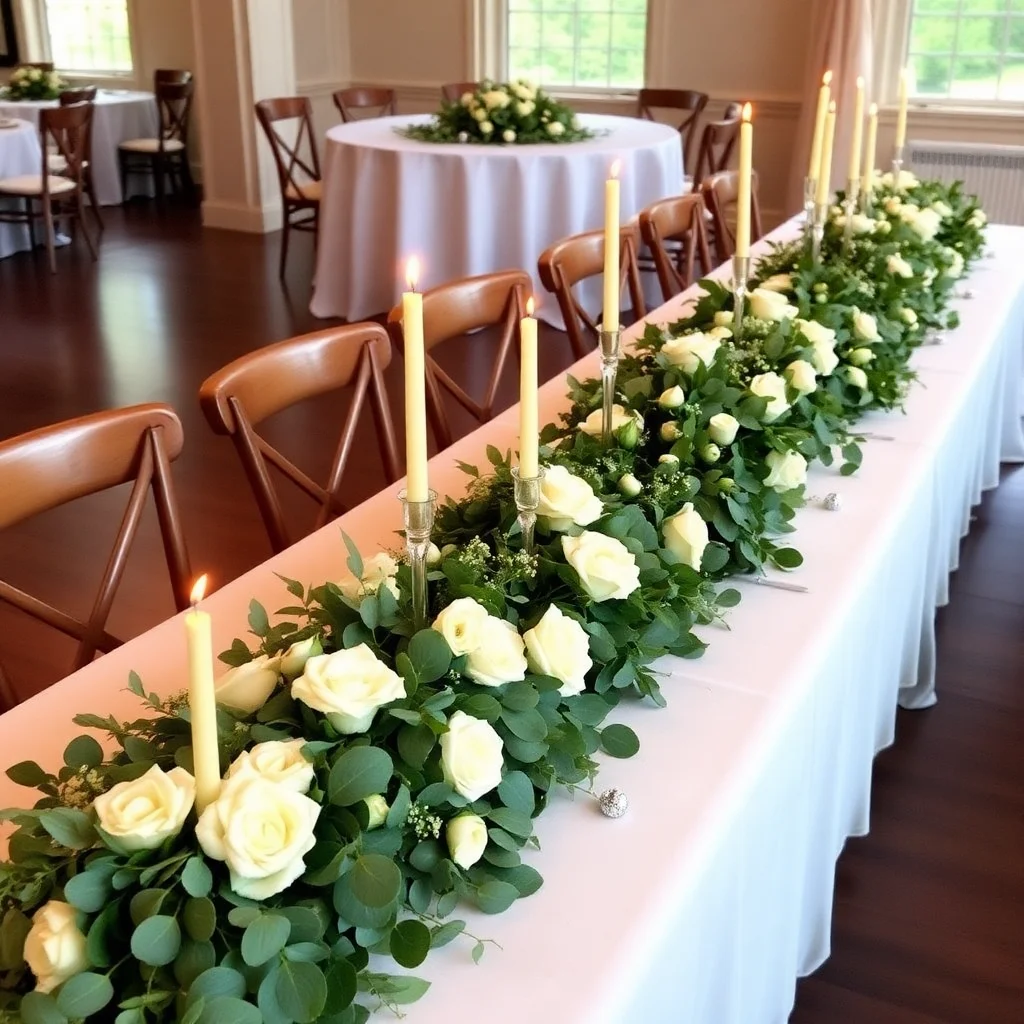
Once complete, place these arrangements on individual tables, either as a standalone centerpiece or accented with candles or delicate table runners to enhance the elegance.
Tall Statement Centerpieces
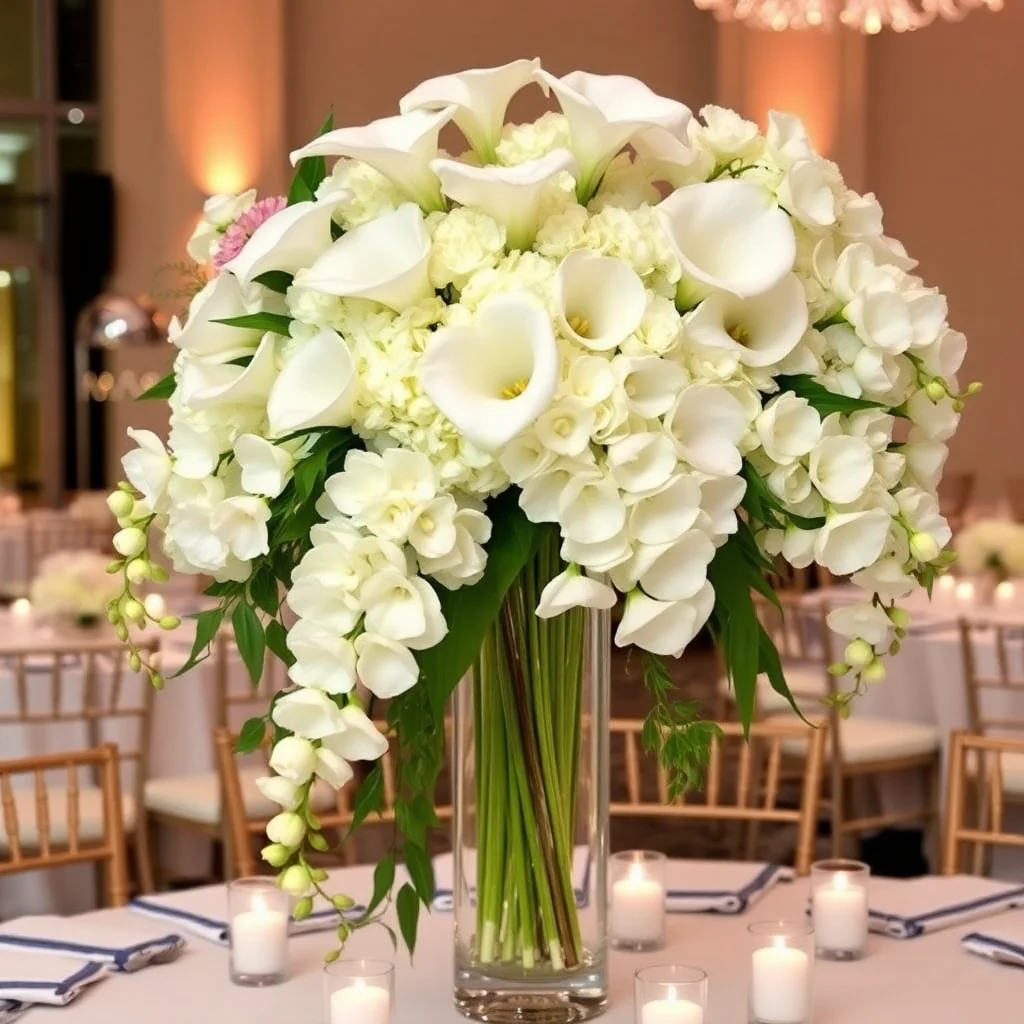
To achieve a bold and dramatic visual impact, opt for tall vases or stands that elevate your arrangements. These are perfect for grand reception spaces or formal gatherings. Choose striking flowers such as hydrangeas, calla lilies, or gladiolus to serve as the focal points of the centerpiece, creating an eye-catching display that draws the eye upward.
Balance the composition by incorporating cascading greenery such as ivy, ruscus, or eucalyptus. Arrange the greenery to tumble gracefully over the edges of the vase or stand, softening the overall look and adding a sense of movement.
These tall arrangements work best when positioned in the center of round tables or as table highlights along a long banquet table. For added glamour, consider incorporating subtle accents like hanging crystal strands, small tea lights, or reflective table mirrors to amplify the design.
Rustic Mason Jar or Wooden Box Centerpieces
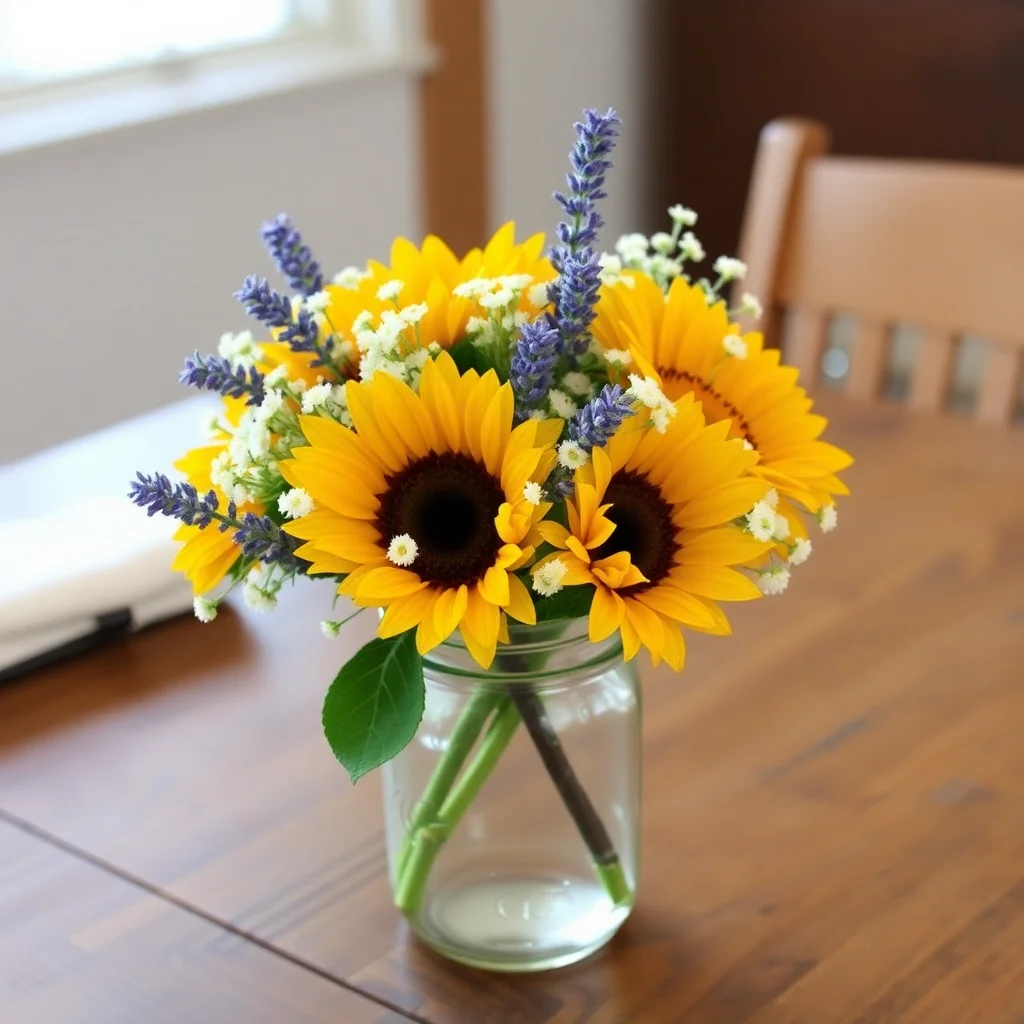
For a cozy, rustic charm, mason jars or wooden boxes serve as the perfect bases for your centerpieces. Choose wildflowers and textured greenery that suit this casual aesthetic, such as sunflowers, daisies, or lavender, paired with baby’s breath or eucalyptus. Arrange the flowers loosely, emphasizing an informal and natural look.
To elevate the rustic vibe, adorn your jar or box with burlap wraps, twine bows, or delicate lace ribbons. You can also incorporate wooden tags with handwritten messages or table numbers for a personal touch that delights your guests.
For barn or boho-style weddings, these centerpieces pair beautifully with wood slice chargers, scattered pinecones, or soft fairy lights placed strategically around the arrangement. They create a warm, welcoming ambiance that feels effortlessly charming yet thoughtfully curated. Rustic centerpieces are particularly versatile, fitting seamlessly into both indoor and outdoor venues.
With these easy-to-follow steps, your DIY wedding centerpieces will perfectly complement your day, adding beauty and personality to the celebration.
Part 5 – Creating Floral Decorations for the Ceremony & Reception
DIY Floral Wedding Arch
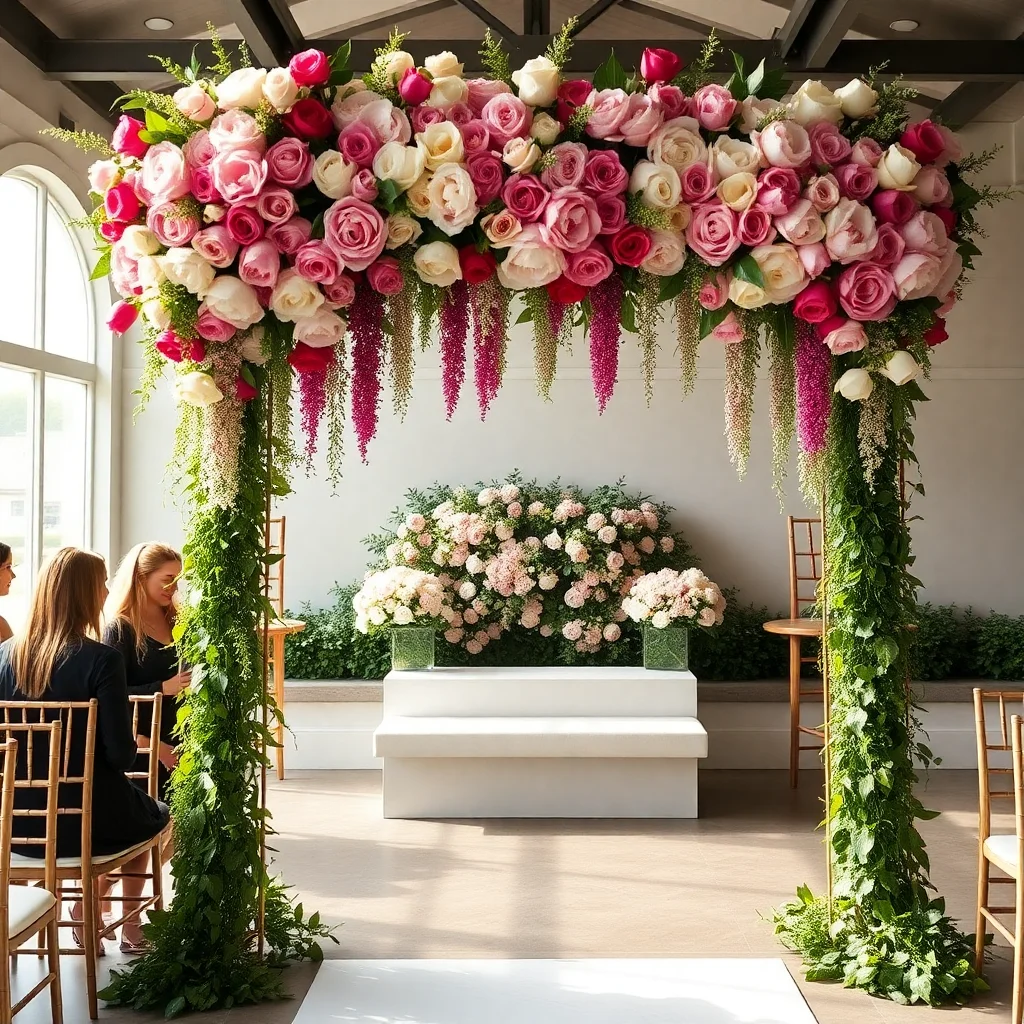
Creating a stunning floral wedding arch can serve as a breathtaking centerpiece for your ceremony. Begin by choosing a sturdy frame that can support the weight of your decorations and withstand outdoor conditions if needed. Metal arches offer a sleek, modern look, wooden structures bring a rustic charm, and freestanding poles are a versatile choice for any theme. Once the frame is set up, attach floral foam and greenery to create a lush, natural base. Use floral wire or zip ties to secure your chosen elements firmly in place.
Next, layer in focal flowers that align with your wedding theme or color palette. These can include roses, peonies, or hydrangeas, depending on the aesthetic you envision. Distribute them evenly to ensure fullness and visual balance across the arch. Cascading vines or hanging blooms like wisteria can be added for a whimsical, dramatic effect. This DIY floral wedding arch will create a picture-perfect backdrop for exchanging vows, guaranteed to impress your guests and look stunning in photographs.
Aisle Decorations & Pew Flowers
Enhance your ceremony space with simple but elegant aisle decorations and pew flowers. For a minimalist yet romantic look, tie small bouquets of flowers to the ends of chairs or pews. Use ribbon or twine to secure the bouquets, choosing blooms that match your wedding colors for a cohesive design. Adding a sprig of greenery or eucalyptus creates an organic, fresh feel.
For the aisle itself, consider lining it with petals to craft a soft, romantic entrance. Rose petals scattered along the walkway can add a touch of luxury, while a mix of wildflower petals brings a playful and natural charm. If you’re planning a rustic or outdoor setting, mini greenery garlands can be draped along the aisle edges for a lush, enchanted garden effect. These thoughtful touches will turn your ceremony into a magical experience, reflecting your unique style while celebrating the beauty of your special day.
Part 6 – Budgeting & Ordering DIY Wedding Flowers
How Much Should You Budget for DIY Wedding Flowers?
Opting for DIY wedding flowers can provide significant cost savings, averaging 50-70% less than hiring a professional florist. For instance, creating your own bouquets might cost around $50 each compared to $150 or more when custom-made by a florist. Table centerpieces can often be crafted for $20-$30 per arrangement, while floral decor for arches or aisles may range from $100-$200 depending on flower types and quantities. By ordering in bulk from trusted suppliers like Whole Blossoms, you can access premium flowers at wholesale prices, making DIY floral arrangements both budget-friendly and stunning.
When & How to Order Fresh Flowers for a DIY Wedding
Timing is key when ordering fresh flowers for your DIY wedding. To ensure your blooms arrive at their freshest, plan to place your order 7-10 days before the big day, especially if you’re purchasing farm-direct flowers. Select hardy varieties such as roses, carnations, or eucalyptus, which tend to last longer after being cut, providing more flexibility for arranging. Once your flowers arrive, store them in a cool, dark place with proper hydration to maintain their quality and vibrancy until the wedding day. Careful preparation ensures your arrangements remain picture-perfect. 🌿
How Whole Blossoms Helps with DIY Floral Planning
Whole Blossoms is a go-to resource for DIY brides, offering a wide selection of bulk flowers suited for any wedding theme, from rustic to elegant. Their expert customer support team is available to guide you through the entire process, from flower selection to arranging tips. Reliable delivery and a commitment to fresh quality mean you can trust Whole Blossoms to provide blooms that meet your vision. With their assistance, you can enjoy a stress-free DIY floral planning experience, creating breathtaking arrangements that perfectly complement your special day.
Part 7 – Final Tips for Perfect DIY Wedding Flower Arrangements
Common Mistakes to Avoid
When crafting your DIY floral arrangements, avoiding common errors can ensure stunning results. One frequent mistake is overcrowding your arrangements—each bloom needs space to shine, so leave enough room for the flowers to breathe. Another pitfall is using too many flower types; stick to 3-4 main flower varieties to maintain a cohesive, elegant look. Lastly, don’t forget hydration! Flowers need to remain fresh, so keep stems in water until the moment you’re ready to incorporate them into your arrangements.
How to Make DIY Wedding Flowers Look Professional
Achieving a professional look is simpler than you think with a few strategic techniques. Layer your blooms at different heights to create depth and dimension, elevating the visual impact of your arrangements. Incorporate a mix of textures—soft petals, leafy greens, and unique fillers—to add natural movement and richness. Most importantly, use high-quality, fresh flowers from Whole Blossoms to ensure a polished and vibrant finish that will impress your guests.
Conclusion
DIY wedding flowers are a fantastic choice for couples looking to add a personal and creative touch to their special day while staying on budget. By designing your own arrangements, you create florals that uniquely reflect your vision and style, making your celebration even more meaningful. Sourcing fresh, wholesale flowers from Whole Blossoms not only ensures premium quality but also significantly reduces costs compared to traditional floral services, proving that stunning flowers can still be affordable.
To make the most of your DIY floral experience, start by planning ahead and practicing your designs before the big day. This allows you to feel confident and prepared when bringing your ideas to life. Don’t be afraid to think outside the box—incorporate personal details, special blooms, or colors that hold significance to you as a couple.
Finally, savor the process of creating your arrangements. It’s a rare opportunity to infuse your personal touch into an important event surrounded by loved ones. With thoughtful planning, fresh flowers from Whole Blossoms, and a bit of creativity, your wedding florals will be both unique and unforgettable, leaving lasting memories for you and your guests.
Frequently Asked Questions (FAQs)
1. How far in advance should I order my flowers?
It’s recommended to place your flower order 2-4 weeks before your event. This allows enough time for proper preparation and ensures the freshest blooms are available for your special day.
2. How should I care for my flowers upon arrival?
When your flowers arrive, unpack them immediately, trim the stems at an angle, and place them in fresh water. Keep them in a cool, shaded area to maintain their freshness until it’s time to assemble your arrangements.
3. Can I mix fresh flowers with artificial ones?
Yes! Mixing fresh flowers with high-quality artificial ones can add texture and variety to your arrangements while also ensuring certain blooms remain intact throughout the event.
4. What flowers are in-season for my wedding date?
Seasonal availability depends on your wedding date and location. Whole Blossoms offers a wide selection of flowers year-round and can help guide you to the best choices for your season.
5. Can Whole Blossoms help me choose the right flowers for my theme?
Absolutely! Whole Blossoms provides expert advice and resources to help you select blooms that match your color scheme, theme, and personal vision for your event.