


 by
by 
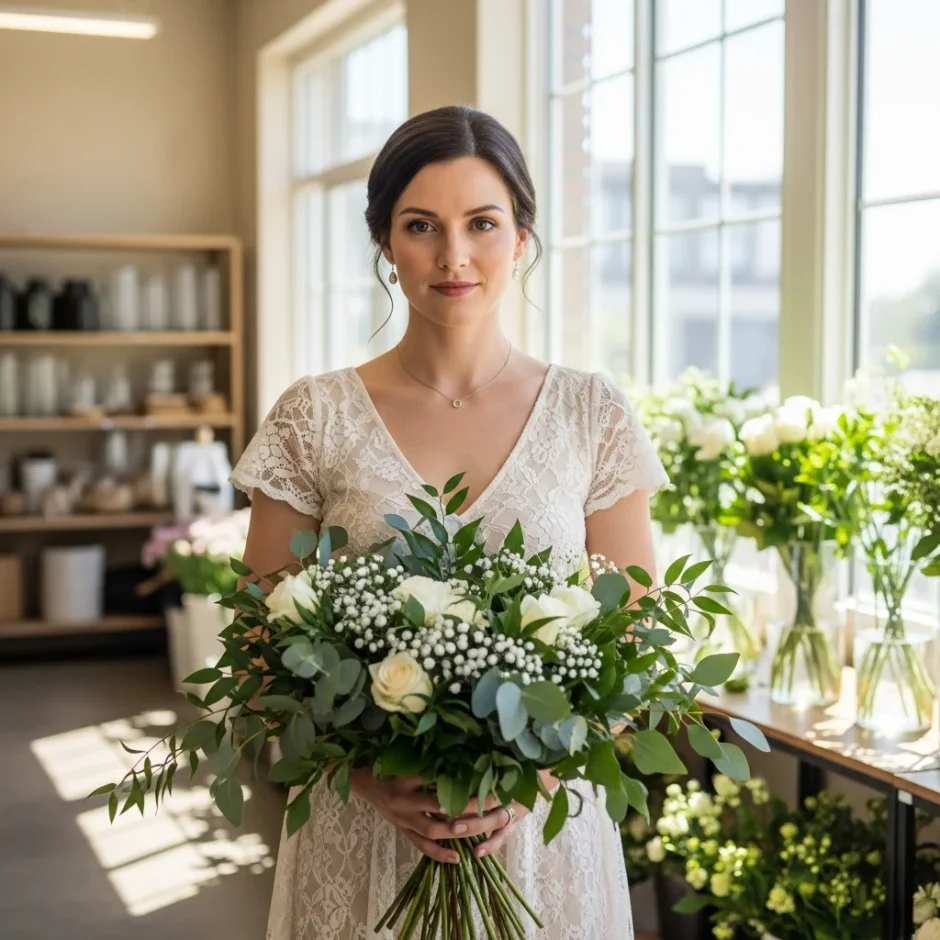
What Does “Using Greenery to Save Money” Mean in Wedding Florals?
Using greenery to save money means incorporating volume-building foliage instead of relying solely on extra blooms to achieve fullness, coverage, and style at a lower cost. Greenery like eucalyptus, ferns, ivy, or ruscus can create lush, polished arrangements while keeping expenses manageable. This approach enhances the natural beauty of your wedding decor without compromising on elegance or visual impact.
Where It Works Best:
- Arches: Cascading greenery lends a romantic, botanical feel while reducing the need for an overload of flowers.
- Aisle Markers: Simple greenery bundles tied to chairs are cost-effective yet stunning.
- Garlands: Long table runners made with greenery add texture and charm sans heavy floral expense.
- Centerpieces: Greenery-forward designs bring refined simplicity to your tablescape.
- Bud Vases & Cocktail Tables: Minimalistic greenery sprigs make small yet stylish accents.
- Bouquets: Greenery-filled bouquets create structure, ensuring the blooms pop.
Before vs. After:
- Blooms-Only Approach: A garland solely made of flowers can be extravagant and costly, requiring dozens of blooms to fill in gaps.
- Greenery-Forward Approach: Incorporating lush greenery reduces flower quantity while maintaining a gorgeous, full arrangement that feels fresh and timeless.
Brides opting for a greenery-forward focus can achieve a stunning, cost-effective look that beautifully blends style with savings!

Part 1 – Why Greenery is the #1 Budget Lever in Wedding Flowers
When planning wedding florals, there’s a clear way to balance beauty with budget, and it all starts with greenery. Greenery plays a pivotal role in creating full, lush arrangements without the need for excessive flowers, which are often the largest cost driver. By reducing the reliance on pricey focal blooms such as roses or peonies, greenery allows couples to achieve a sophisticated, luxurious look for a fraction of the cost.
The cost-saving logic is simple—flowers, especially premium ones, come with significant price tags due to factors like seasonality, demand, and sourcing. Meanwhile, greenery offers impressive texture and shape, creating visual depth and enhancing arrangements without requiring as many blooms. Utilizing greens like eucalyptus or ferns, for example, not only softens bouquets and centerpieces but also stretches floral budgets significantly further. Brides everywhere are leaning into this cost-conscious yet elegant design approach.
The Hidden Cost Driver: Bloom Count and Focal Flower Pricing
High-end flowers like roses, peonies, ranunculus, orchids, and calla lilies are stunning but can quickly inflate floral costs. These focal flowers are often priced per stem, and their cost rises during peak wedding seasons or when imported. Additionally, arrangements that rely heavily on blooms demand more stems overall to maintain fullness, which compounds expenses. Each added flower drives costs upward while also limiting flexibility in design. For couples aiming to maximize their budget, reducing the bloom count or opting for greenery-filled arrangements can keep costs manageable without sacrificing style.
The Coverage Driver: Line, Drape, and Mass from Greenery
What makes greenery such a game-changer in wedding florals? Its ability to create coverage. Greens like ivy, ruscus, or salal generate volume, drape elegantly along tables or arches, and provide texture that mimics the “luxury look” of high-end arrangements. By using greenery as the foundation, designers can achieve dramatic, lush displays without relying on dozens (or even hundreds) of costly flowers. Greenery not only adds a timeless, organic aesthetic but also minimizes the need for multiple focal blooms, significantly lowering overall floral expenses.
Snippet Opportunity: Top Reasons Greenery Saves Money
- Greenery creates full, luxurious arrangements with fewer flowers.
- Popular greens like eucalyptus and ferns are more affordable than most blooms.
- Reduces need for expensive focal flowers such as peonies or orchids.
- Offers versatile coverage for tables, arches, and garlands.
- Adds timeless elegance while staying budget-friendly.

Part 2 – The Best Greenery Types for Saving Money (and What Each One Does)
When planning stunning floral arrangements on a budget, the right greenery can make all the difference. Each type of greenery serves unique roles in enhancing designs while keeping costs manageable. Below is a detailed guide to the best types of greenery and how they can help you achieve your desired look without overspending.
Eucalyptus: The Volume Builder (Garlands, Bouquets, Arch Base)
Eucalyptus is a versatile and affordable greenery that adds an airy, full look to any arrangement. Its soft, silvery-green leaves create a modern and timeless aesthetic, perfect for weddings or events with a natural vibe. Eucalyptus works exceptionally well in garlands for tablescapes or as a foundational base for arches, thanks to its cascading structure and flexibility. Additionally, it contributes volume to bridal bouquets while pairing harmoniously with both neutral and bold floral colors. Varieties like seeded eucalyptus or silver dollar eucalyptus allow for distinctive textures, ensuring a cohesive yet dynamic design. Its affordability and usability across arrangements make it a go-to option for cost-conscious planners.
Soft Romantic Greens for Texture and Movement
For arrangements that exude softness and elegance, greenery like ruscus, ferns, or jasmine vine is an excellent choice. Italian ruscus offers fine, flowing leaves ideal for draping in centerpieces or along ceremony arches, adding graceful movement. Maidenhair ferns bring a delicate, lacy texture that’s perfect for romantic or garden-inspired designs. Jasmine vines, often used for their trailing growth patterns, add whimsical touches to bouquets and tablescapes. These softer greens provide texture and visual interest without overpowering the floral elements, allowing for balance while reducing the reliance on costly focal blooms like roses or peonies.
Structural Greens for Shape and Coverage
Structural greens such as monstera, salal, or aspidistra leaves are key to creating bold shapes and covering larger spaces. Monstera leaves, with their large, dramatic forms, make excellent statement pieces in tropical or modern arrangements. Salal, also known as lemon leaf, is durable and has a versatile oval shape, making it a popular filler that provides fullness and depth to designs. Aspidistra leaves are broad and glossy, allowing for creative folding, wrapping, or layering to provide unique textures. These greens are cost-effective solutions for shaping arrangements while covering significant areas with fewer floral additions.
Smarter “Filler” Combos: Baby’s Breath + Greens
Combining Baby’s Breath with greenery creates a simple yet impactful filler solution. Often considered a budget-friendly bloom, Baby’s Breath adds softness and density to arrangements. When paired with affordable greens like leatherleaf ferns or eucalyptus, it can effectively fill in gaps and enhance visual balance without overwhelming the design. This combination works perfectly in mason jar centerpieces, bouquet fillers, or even simpler designs where understated elegance is desired. Leveraging these combos saves on pricier florals while achieving a light and airy aesthetic.
When to Use Pampas Grass (Budget Drama, Not Budget Filler)
Pampas grass brings striking texture and volume, ideal for creating dramatic focal points. With its feathery plumes and neutral tones, it’s perfect for adding height to ceremony backdrops, aisle arrangements, or large centerpieces. However, pampas grass is best used as a statement piece rather than a filler. While visually impactful, its cost can add up if overused, so it’s most effective in minimal, intentional placements. Its timeless appeal makes it particularly suited for boho or rustic-themed events, where dramatic simplicity aligns with the overall aesthetic.

Part 3 – Where Greenery Saves the Most Money (High-Impact Placements)
Greenery is not only a stunning addition to wedding décor but also one of the most budget-friendly ways to elevate the overall aesthetic. Strategic placement of greenery in key areas can maximize its impact without inflating costs. Below, we’ve organized the best greenery money-saving opportunities by wedding zones to help you focus your budget where it matters most.
Ceremony Money-Savers (Arch, Aisle, Entrance, Pew Markers)
The ceremony space is the perfect place to use greenery for high-impact visuals, especially since this is where your guests first experience the tone of your wedding. Decorating the ceremony arch or backdrop with lush greenery creates an elegant focal point for photos while remaining cost-efficient compared to heavy floral designs. Similarly, lining the aisle with simple greenery arrangements or bunches on pew markers adds depth and texture without overwhelming these areas or your budget. Additionally, placing minimal greenery accents around the ceremony entrance gives guests a beautiful welcome without excess décor. By emphasizing natural elements, you create a serene, impactful setting at a fraction of the cost.
Reception Money-Savers (Tables, Sweetheart Table, Cake, Bar, Lounge)
The reception is where greenery can truly shine as a cost-effective décor element, turning functional spaces into stylish settings. For guest tables, opt for greenery runners rather than elaborate floral centerpieces—this creates an organic yet polished look. The sweetheart table, being a centerpiece of many photos, is an area to prioritize lush greenery while pairing it with a few blooms for visual interest. Around the cake table, draping greenery can highlight the dessert without overpowering it. Similarly, adding garlands or small greenery bunches to bar areas or lounge spaces offers cohesion and charm without extraneous spending. These thoughtful placements provide maximum aesthetic value while staying budget-conscious.
Personal Flowers Money-Savers (Bouquets, Bouts, Corsages)
For personal flowers, greenery-centric designs can bring striking results at a lower cost. Bridal bouquets can incorporate a balance of greenery and a few carefully selected blooms, creating a lush yet minimalist arrangement. Boutonnieres and corsages benefit from smaller touches of greenery mixed with tiny floral elements for a cohesive and natural touch. By leaning on greenery-first designs in these personal flowers, you can maintain elegance while extending your budget to other priorities.
Best Places to Use Greenery First
- Ceremony arch or backdrop
- Reception table runners
- Sweetheart or cake tables
- Aisle or pew markers
- Bar or lounge accents

Part 4 – How to Design “Greenery-First” Arrangements That Still Look Expensive
Creating stunning “greenery-first” floral arrangements doesn’t mean settling for simplicity; with the right techniques, you can achieve a high-end, luxurious look while keeping costs manageable. These designs rely on greenery as the foundation, complemented by carefully chosen blooms and strategic placements. Below, we’ll explore effective methods to craft elegant arrangements that combine affordability with a sophisticated aesthetic.
The 70/20/10 Formula: Greens / Supporting / Focal Blooms
One of the most effective ways to design greenery-first arrangements is by following the 70/20/10 formula. Allocate 70% of your arrangement to greenery, which provides texture, structure, and volume. Choose versatile greens like eucalyptus, ferns, or ruscus to define the overall shape. Next, dedicate 20% to supporting flowers, which are smaller, more subtle blooms designed to enhance without overpowering. Examples include waxflowers, spray roses, or astilbes. The final 10% should consist of focal blooms—eye-catching flowers like roses, dahlias, or peonies that serve as the centerpiece of your arrangement. By maintaining this ratio, you can achieve a balanced and visually rich design while keeping the focus on greenery.
“Focal Clustering” With Fewer Blooms (Works With Roses, Carnations, Tulips, Dahlias)
When working with fewer flowers, “focal clustering” is an excellent technique to maximize their visual impact. Instead of spreading focal blooms evenly across the arrangement, group them in small, concentrated clusters. This draws the eye to specific areas, creating a sense of fullness and abundance. For example, gather two or three roses close together, nestled within a bed of greenery, to mimic the look of a lavish bouquet. This technique works particularly well with versatile flowers like carnations, tulips, or dahlias, as they have bold shapes and vibrant hues. Surround these clusters with airy greens or trailing vines to create balance and contrast. Focal clustering not only elevates the overall design but also ensures every bloom feels intentional and impactful.
Layering Technique: Base Greens → Line Greens → Focal Flowers
Layering is a fundamental technique that brings depth and dimension to greenery-first arrangements. Start by creating a foundation with base greens like salal or leatherleaf ferns to establish the size and shape of your composition. Next, add line greens such as eucalyptus or Italian ruscus to create vertical or horizontal movement, guiding the viewer’s eye across the arrangement. Finally, place focal flowers strategically as finishing touches. The layering process ensures that each element is distinct yet cohesive, with the greens working harmoniously to support the standout blooms. Be mindful of proportionality—use taller greens toward the back or center and shorter stems at the edges for a polished, professional look.
Color Strategy: Monochrome Greens + 1–2 Bloom Colors
A restrained color palette is key to creating sophisticated greenery-first arrangements. Work with monochromatic shades of green to establish a clean and natural foundation. Greens in varying shades and textures—such as dark olive, soft sage, or vibrant emerald—add depth while maintaining unity. Incorporate one or two complementary bloom colors for contrast and visual interest. For example, pair green foliage with white focal flowers for timeless elegance or add soft pink blooms for a romantic touch. Keeping the bloom color palette minimal ensures the arrangement feels modern and curated while amplifying the luxurious appearance of the focal flowers.

Part 5 – Budget Scenarios That Prove the Savings (DIY-Friendly Math People Can Follow)
Creating stunning wedding arrangements can be both budget-friendly and beautiful with a focus on greenery. By strategically using greens as the foundation of your decor, you can significantly cut costs while maintaining an elegant aesthetic. Below, we break down three wedding size scenarios with practical greenery allocation plans and simple ways to stretch your budget without sacrificing style.
Small Wedding (50 Guests): Greenery Allocation Plan
For a small wedding with 50 guests, minimizing floral expenses while maximizing visual impact is key. Start by prioritizing greens like eucalyptus, ferns, or ruscus to form the base of your arrangements. Allocate approximately 60% of your floral budget to greenery and 40% to blooms for focal points, such as bouquets and boutonnieres. A simple centerpiece for each table can include a ring of lush greens surrounding a single candle or bud vase. By leveraging greenery for volume and texture, you’ll get a chic, curated look that feels abundant without overspending.
Medium Wedding (100 Guests): How Greens Replace Extra Centerpiece Blooms
For a mid-sized wedding, greenery can elegantly replace the need for extra blooms in centerpieces, keeping costs at bay while maintaining a lush appearance. Greens are ideal for creating cascading table garlands, framing signage, or filling empty spaces with texture. Dedicate 70% of your floral budget to greenery while reserving the remaining 30% for key focal flowers like roses or peonies. This allocation allows for sophisticated designs without requiring dozens of expensive flower stems per centerpiece. A combination of layered greens and a few well-placed blooms ensures that your decor feels natural yet intentional.
Large Wedding (150+ Guests): Why Greens Scale Better Than Blooms
When planning a wedding with over 150 guests, scaling up with greenery is the smarter choice. Unlike flowers, greens are more cost-efficient and adaptable, allowing you to fill large spaces, like arches and table runners, without blowing through your budget. Use 75-80% of your floral budget for greenery and only 20-25% for blooms. This approach lets you create statement installations, such as oversized garlands or greenery chandeliers, that feel lush and luxurious, with fewer high-cost flowers needed to complete the look. By focusing on greens, you’ll achieve a cohesive, high-impact design without stretching your finances thin.
| Wedding Size | Greens Budget (%) | Blooms Budget (%) | Sample Plan |
| 50 Guests | 60% | 40% | Greenery centerpiece with minimal blooms |
| 100 Guests | 70% | 30% | Cascading garlands with few focal flowers |
| 150+ Guests | 75-80% | 20-25% | Statement greenery installations and accents |
By tailoring your greenery strategy to your wedding size, you can create stunning arrangements that deliver high style and notable savings.
Part 6 – The Best Flower Pairings for Greenery (Low Cost, High Style)
Pairing the right flowers with greenery can create stunning, high-impact arrangements without breaking the bank. By combining affordable focal options, versatile mass flowers, and thoughtfully-selected luxury blooms, you can achieve a perfectly balanced look. Below, we explore the best flower pairings for greenery to maximize both cost savings and style impact.
Best Affordable Focal Options
Focal flowers are the centerpiece of any arrangement, drawing attention and adding personality. Affordable favorites include carnations, sunflowers, seasonal roses, and select dahlias. Carnations are available year-round, offer vibrant colors, and are budget-friendly without sacrificing charm. Sunflowers provide bold pops of yellow, ideal for rustic or summer weddings. Seasonal roses are a timeless choice and are often available at reduced prices when in season. Some dahlias, particularly during their growing months, can add a sophisticated touch without the high price tag.
Best “Luxury-Look” Flowers in Small Quantities
For couples seeking a more elevated aesthetic, a few high-end blooms in small quantities can make a big impact. Peonies are known for their lush, romantic appeal and can pair beautifully with greenery when used sparingly. Ranunculus bring intricate, layered petals that add texture and sophistication. Orchids convey a modern and exotic feel, while calla lilies lend their sleek, sculptural elegance to arrangements. These flowers can serve as statement focal points, offering a touch of luxury without overwhelming the budget.
Best Bulk-Friendly Mass Flowers
Mass flowers help fill out arrangements, adding volume and softness. Bulk-friendly options like hydrangeas, tulips, and baby’s breath are perfect for this purpose. Hydrangeas, while large and lush, work well as focal or filler elements, cutting down the number of blooms needed per arrangement. Tulips bring a fresh and understated charm, especially in spring. Baby’s breath, often a wedding staple, is light, airy, and cost-effective for adding texture and fullness.
Add-On Texture for Depth
To enhance the visual interest of greenery arrangements, consider adding preserved elements like dried pampas grass, bleached ruscus, or palm fronds alongside fresh greens. These textured additions complement a variety of themes, from bohemian to romantic, and can stretch the life of your designs beyond the big day.
By combining these flowers with greenery, you can strike the perfect balance between cost, style, and creativity for truly memorable wedding arrangements.

Part 7 – How to Buy Wholesale Flowers and Bulk Flowers for Greenery-Based Weddings
Planning greenery-based wedding arrangements requires a thoughtful approach to ensure every element comes together seamlessly. Sourcing wholesale and bulk flowers is ideal for achieving stunning, cost-effective designs. By ordering in bulk, you can access high-quality greenery, focal flowers, and accents that complement any theme, whether rustic, modern, or elegant. Understanding how to prioritize your orders, prep for freshness, and work with experienced suppliers like Whole Blossoms can simplify even the most intricate DIY or professional projects. Below, we break down the steps to ensure your greenery-focused creations shine on the big day.
What to Order First (Greens), Then What to Add (Focals)
Start by ordering your greenery, as it forms the foundation of your arrangements. Opt for hardy greens like eucalyptus, salal, or leatherleaf fern, which provide volume, structure, and longevity. Once your greenery is selected, add focal flowers and accents to elevate the design. Popular choices for greenery-based weddings include roses, ranunculus, or anemones. These focal elements bring depth, color, and a touch of elegance, complementing the natural beauty of the greens. Always balance your order between greenery and flowers to maintain a cohesive, organic aesthetic. For inspiration, explore options to buy Wholesale Flowers for weddings.
Timing and Freshness: How Far Ahead Greens Can Be Prepped
Greenery is known for its durability, making it an excellent option for advance preparation. Typically, you can receive and prep greens 3-5 days before the wedding, provided they stay hydrated and are stored in a cool, dry environment. Create a production schedule that allows enough time for hydration and cleaning before arranging. Flowers, on the other hand, should be ordered closer to the event for peak freshness. For guidance, consider how to order Bulk Flowers for DIY weddings.
Part 8 – Why Whole Blossoms Makes This Easier for DIY + Planners
Whole Blossoms simplifies the process of sourcing greenery and flowers by offering a vast selection, fast shipping, and expert support. Whether you’re a DIY enthusiast or a wedding planner, their user-friendly platform ensures you have access to the finest quality greenery and blooms. With options to shop Wedding Flowers by style and season, designing your dream wedding has never been easier.
Part 9 – How to Prep, Condition, and Store Greenery so it Lasts Through the Wedding
Properly prepping, conditioning, and storing greenery is essential to ensure it remains fresh and vibrant throughout your wedding day. Whether you’re working with hardy foliage or delicate greens, taking the right steps can prevent wilt, droop, and discoloration. Here’s a detailed breakdown of the best practices to help your greenery look picture-perfect for the big day.
Hydration Rules That Prevent Droop and Yellowing
Hydration is the foundation of keeping greenery fresh and lively. Once your greenery arrives, immediately trim the stems at a diagonal angle to maximize water absorption. Use clean, sharp shears to prevent crushing the stems, which can restrict water uptake. Submerge the stems in clean, lukewarm water for a few hours before use to fully rehydrate the greenery. Adding a floral preservative to the water can provide nutrients and prevent bacteria build-up, which can block the stems and lead to drooping or yellowing. Refresh the water daily to maintain hydration. For particularly thirsty greenery types, such as eucalyptus, misting the leaves lightly with water can provide extra moisture and prevent brittleness.
Storage Temperature + Airflow Rules (DIY-Friendly)
To extend the freshness of your greenery, store it in a cool, dark place with good air circulation. Temperatures between 35–50°F (1.5–10°C) are ideal for most foliage, as it slows down the natural aging process without freezing or causing damage. Avoid direct sunlight or exposure to drafts, as these can dry out the greenery and lead to curling, browning, or yellowing. Use plastic or breathable storage containers to keep the greens organized while allowing airflow. If you’re storing greenery for multiple days, check it daily for signs of dehydration or browning and refresh the water supply as needed.
Transport Rules for Ceremony + Reception
Transporting greenery safely to the ceremony and reception site is the final step to ensure its pristine appearance. Use open-top containers or shallow buckets with water to keep stems hydrated during transit. For delicate greenery, wrap stems loosely in damp paper towels and cover them with a breathable cloth to prevent damage. Ensure that the vehicle is kept cool and avoid stacking greenery too tightly, as this can crush or bruise the leaves. Upon arrival, place the greenery in water as soon as possible to maintain its freshness throughout your event.
Part 10 – Common Mistakes That Waste Money Even When You Use Greenery
When incorporating greenery into your wedding decor, it’s essential to avoid common pitfalls that could lead to wasted resources and unnecessary expenses. Here are the top mistakes to steer clear of:
- Overbuying One Green Without Variation
While a single type of greenery may be aesthetically pleasing, overloading your decor with just one kind can quickly look monotonous and uninspired. Incorporating a variety of greens, such as eucalyptus, ferns, and olive branches, adds depth and interest, creating a visually dynamic setup.
- Using Fragile Greens Outdoors Without Protection
Delicate greens such as maidenhair ferns or soft ruscus can wilt or tear easily when exposed to outdoor elements like wind, sun, or fluctuating temperatures. Without proper protection, these greens won’t last through your big day, leaving you with droopy decor and wasted money. Opt for hardier options or shield fragile pieces with thoughtful arrangements.
- Not Conditioning Greens Properly
Skipping the conditioning process—hydrating and trimming the greens ahead of time—can drastically shorten their lifespan. Well-conditioned greenery stays vibrant and fresh longer, helping you get the most out of your investment.
- Placing Greens Near Heat Vents or in Direct Sunlight
Greenery near heat vents, radiators, or under direct sunlight wilts quickly, with leaves drying out or browning. Always position your arrangements in cool, shaded areas to preserve their vitality throughout your event.
By avoiding these common mistakes, you’ll keep your greenery stunning, effective, and cost-efficient.
People Also Ask (FAQ) – Greenery Budget Wedding Questions
How much greenery do you need for wedding centerpieces?
The amount of greenery needed depends on your centerpiece design. For lush, full centerpieces, plan for approximately 4-6 stems of greenery per arrangement. Smaller, minimalist designs may require only 2-3 stems per piece.
Is eucalyptus cheaper than flowers?
Yes, eucalyptus is often more affordable than many types of flowers, making it a popular choice for budget-conscious wedding décor. It’s also versatile and pairs beautifully with a wide range of flowers.
What is the cheapest way to decorate a wedding with flowers?
To save money, consider using greenery in place of some flowers, incorporating in-season blooms, and creating simple designs such as single-stem arrangements or greenery garlands instead of complex floral installations.
How do you make arrangements look full with fewer flowers?
You can make arrangements look fuller by layering greenery and adding filler plants, such as baby’s breath or wax flower. Mixing textures and using larger blooms strategically can also maximize visual impact.
What flowers last longest with outdoor weddings?
Flowers like hardy roses, dahlias, chrysanthemums, alstroemerias, and native wildflowers tend to withstand outdoor conditions and last throughout a wedding day.
Can you mix preserved flowers with fresh greens?
Yes, preserved flowers and fresh greenery can be combined to create beautiful and long-lasting arrangements. This approach is also cost-effective since preserved flowers won’t wilt over time.
How far ahead can you make greenery garlands?
Greenery garlands can typically be made 1-3 days ahead of the event if stored in a cool, humid environment. Mist the garland with water and keep it refrigerated if possible to maintain freshness.
What greenery is best for wedding arches?
Popular greenery for wedding arches includes eucalyptus, ivy, smilax, salal, and ruscus. These options are sturdy, flexible, and excellent for creating a draping, elegant effect.
Are artificial greenery and flowers a good budget alternative?
Yes, artificial greenery and flowers can be cost-effective, reusable, and are visually indistinguishable from fresh options when high-quality materials are used.
What are some tips to reuse greenery after the wedding?
After the wedding, greenery can be repurposed as home décor pieces, dried for crafts, or donated to guests or local organizations to extend their use and value.

Quick Checklist – The Greenery-Based Wedding Flower Plan
Order Timeline Mini Checklist
- Research vendors for greenery and flowers at least 6–8 months ahead.
- Place your order 3–4 months before the wedding to ensure availability and delivery.
- Confirm and finalize details (e.g., quantities, delivery time) 1 month prior.
- Coordinate delivery to the venue or prep location 1–2 days before the event.
Day-Before Prep Checklist
- Unpack greenery and flowers carefully upon arrival.
- Trim stems and remove excess leaves, if needed.
- Place arrangements in buckets of clean, cool water to keep them fresh.
- Store flowers in a cool environment away from direct sunlight or heat.
Wedding Day Hydration Checklist
- Recheck that all arrangements are adequately hydrated.
- If using floral foam or vases, ensure they have fresh water.
- Spray greenery lightly with water for a fresh, dewy look, avoiding oversaturation.
- Assign someone to monitor and maintain arrangements throughout the day.
This checklist ensures your greenery-based wedding plans stay organized, stress-free, and as vibrant as your special day!