


 by
by 
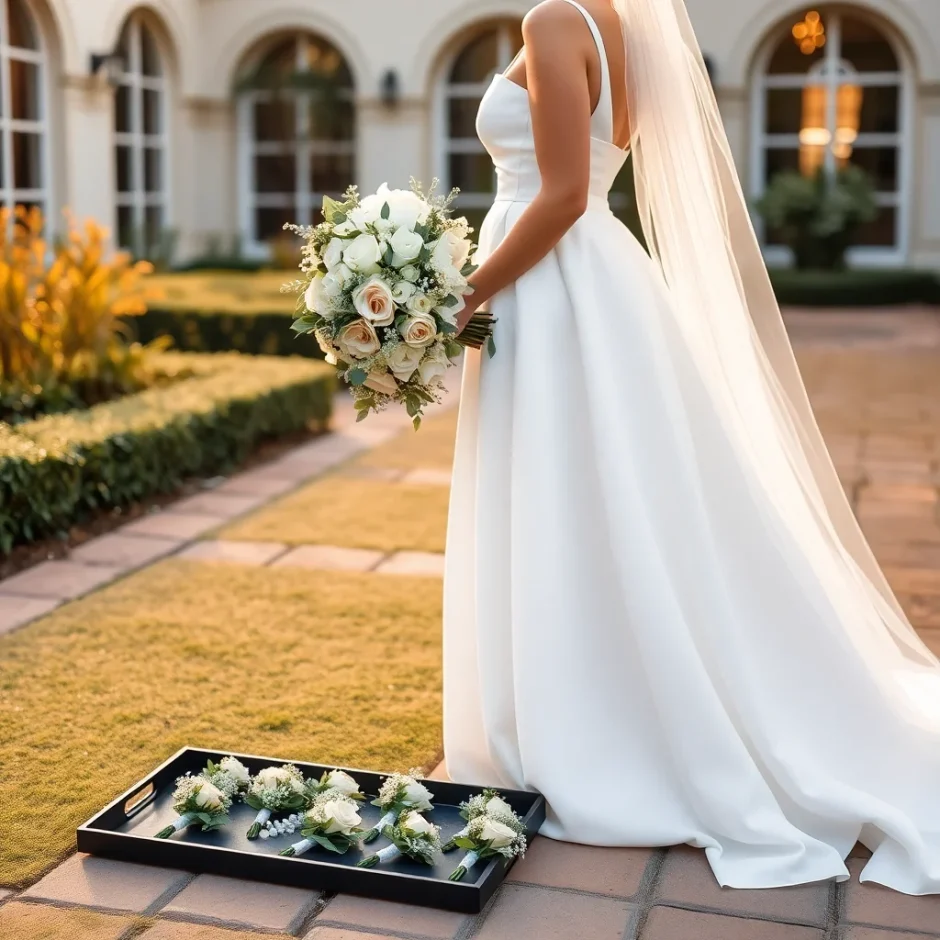
Introduction to Groomsmen Boutonnières
A boutonnière, a small floral decoration typically worn on the lapel of a suit or tuxedo, is an essential accessory in weddings that adds a touch of elegance and meaning. Traditionally, the boutonnière’s role is symbolic, representing honor, unity, and the cherished bond with the couple. For groomsmen, wearing a boutonnière signifies their special place in the wedding party and their support of the couple’s union. This time-honored tradition dates back to ancient times, when wearing flowers symbolized good fortune and protection from evil spirits.
Boutonnières play an integral part in the visual harmony of the wedding, tying into the broader floral arrangements and overall theme. These small blooms are often crafted using flowers that complement the bridal bouquet and other wedding decorations, creating a cohesive look. Common choices for boutonnières include roses, carnations, ranunculus, and orchids, thanks to their timeless beauty and versatile colors. Baby’s breath also remains a popular addition, often used as a filler flower for a soft and delicate touch.
The boutonnière’s design and selection can enhance other wedding elements, such as color palettes, styles, and seasonal themes. From classic white roses for traditional ceremonies to more contemporary and unique combinations, boutonnières offer an opportunity to reflect the couple’s personality and the event’s overall aesthetic. This small detail, though often underestimated, carries significant meaning and serves as a stylish emblem of the day’s celebration, making it a memorable element for groomsmen and guests alike.
Part 1 – The History and Tradition of Boutonnières
The tradition of boutonnières stems from European nobility in the Middle Ages, where small floral arrangements were often worn close to the heart, symbolizing loyalty and allegiance. Knights would don protective herbs and flowers, believed to ward off evil spirits, sickness, and misfortune. These arrangements were not just decorative but were thought to carry symbolic protection, representing health, luck, and courage during times of adversity.
Over time, boutonnières evolved from their practical and spiritual origins into refined fashion statements. By the 18th and 19th centuries, they became a staple accessory among noblemen and gentlemen attending formal events, representing elegance and sophistication. The choice of blooms often conveyed specific meanings, aligning with the Victorian-era fascination with the language of flowers.
Today, boutonnières have taken on new life as a stylish accent in weddings, bringing both tradition and personal flair to groomsmen’s attire. Modern designs range from classic single-flower arrangements to intricate creations that incorporate unique elements like succulents, feathers, or seasonal touches. While their protective symbolism has largely faded, boutonnières remain a cherished detail, embodying moments of love, celebration, and remembrance on a couple’s special day.
Part 2 – Choosing the Right Flowers for Groomsmen Boutonnières
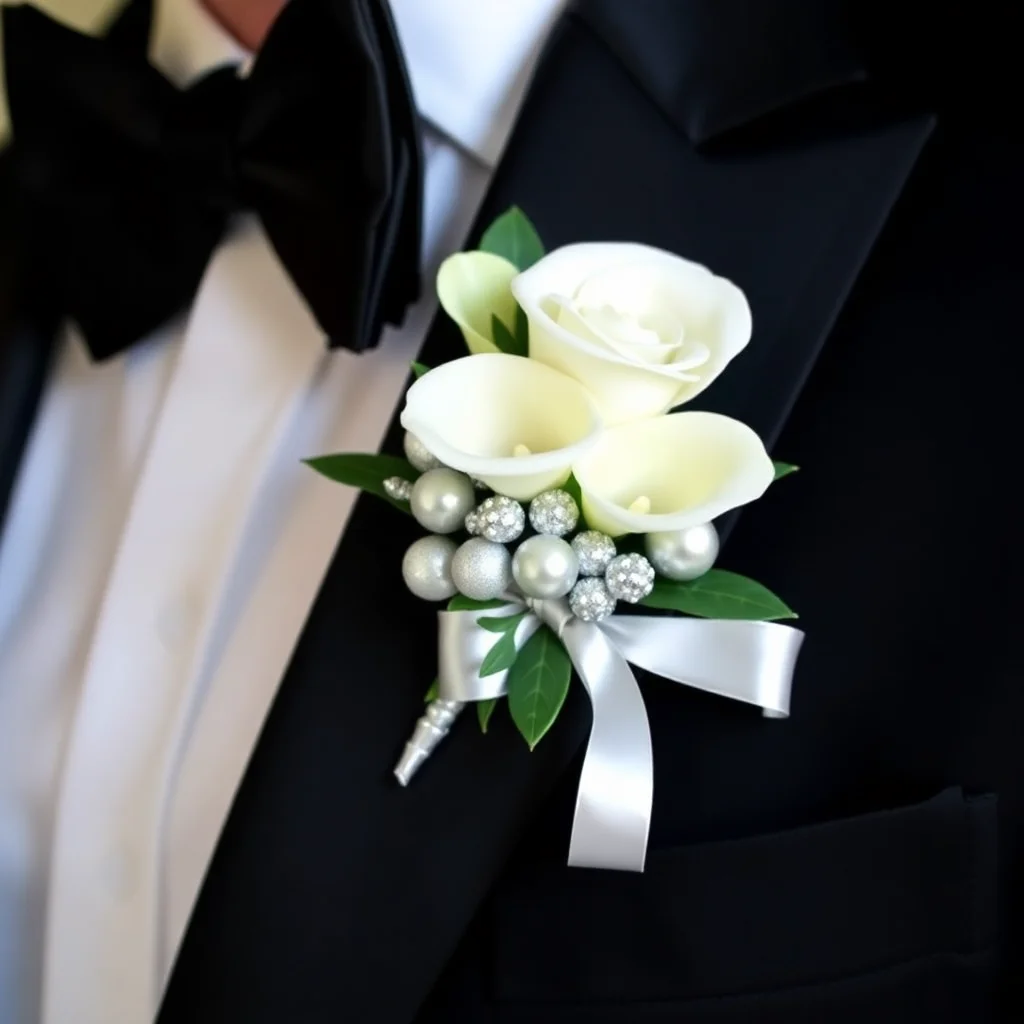
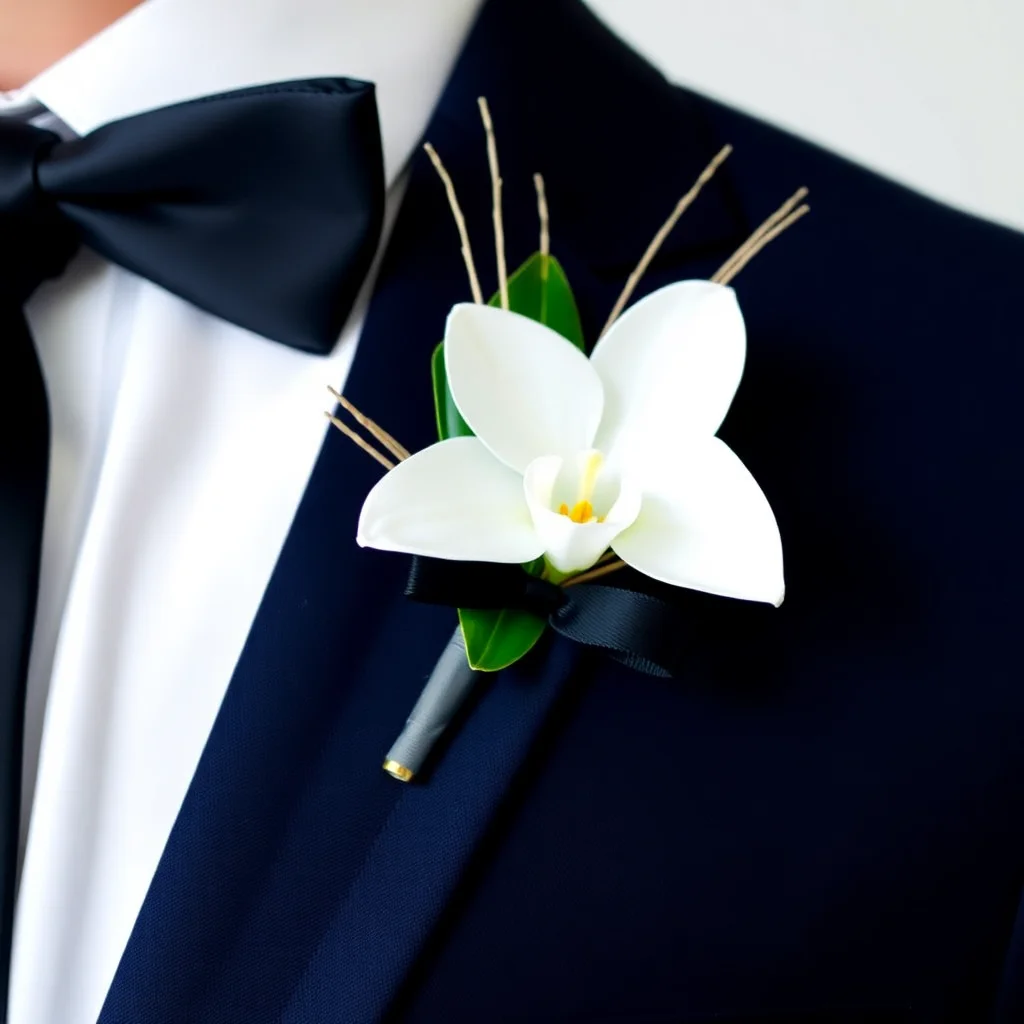
Selecting the perfect flowers for groomsmen boutonnières is an art that combines style, symbolism, and practicality. Classic floral choices like roses, carnations, orchids, ranunculus, and calla lilies provide timeless elegance and versatility. A single rose or ranunculus bloom, for example, exudes romance and sophistication, while calla lilies lend a modern and sculptural touch to the arrangement. These flowers are popular for their ability to complement a wide variety of wedding themes and color palettes.
For couples looking to reflect the season in their floral choices, seasonal blooms add a thoughtful and unique touch. Summer boutonnières might feature vibrant sunflowers, perfectly capturing the warmth and brightness of the season. Winter weddings provide the opportunity for delicate anemones, whose dark centers and soft petals bring understated drama. Tulips, available in a wide range of colors, are an ideal choice for a fresh and light spring aesthetic, while dahlias, with their intricate layers, make a bold yet elegant statement for fall celebrations.
Practicality is another important factor when choosing boutonnières. Groomsmen are often active participants in wedding festivities, so selecting durable flowers that can hold their shape and freshness throughout the day is essential. Hardy blooms, such as orchids and succulents, are not only visually stunning but also known for their ability to withstand heat, movement, and prolonged wear.
For a cohesive look, consider matching the boutonnières to the bridesmaids’ bouquets and overall wedding floral arrangements. By incorporating complementary colors, textures, or shared blooms, these floral accents can contribute to a unified aesthetic that ties into the wedding theme. For example, if the bridesmaids’ bouquets feature blush roses and eucalyptus, including a blush rose and sprigs of eucalyptus in the groomsmen’s boutonnières can subtly connect the pieces. This attention to detail enhances the visual harmony of the event and highlights the couple’s thoughtfulness in planning such a memorable occasion.
Ultimately, the choice of flowers for groomsmen boutonnières should reflect the couple’s wedding vision while considering seasonality, durability, and coordination. Whether sophisticated classics, seasonal showstoppers, or durable blooms, these small yet meaningful arrangements serve as a personal and beautiful emblem of the day’s celebration.
Part 3 – Color Coordination: Matching Boutonnières to the Wedding Palette
Color coordination plays a vital role in ensuring boutonnières seamlessly align with the overall aesthetic of a wedding. Matching these small floral arrangements to the wedding palette not only creates a cohesive design but also elevates the sophistication of the event. Whether the couple opts for bold shades, delicate neutrals, or soft pastels, the boutonnières should harmonize with the mood and style of the celebration.
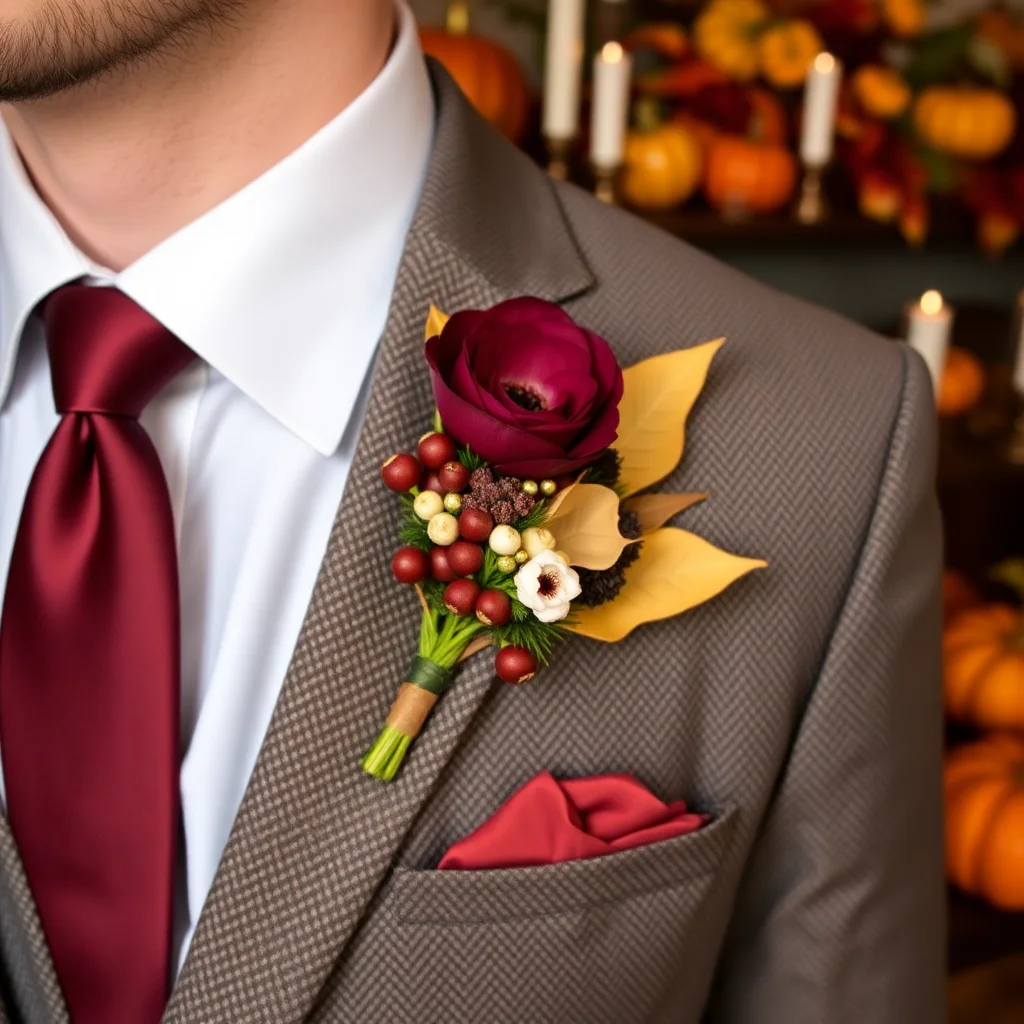
For those looking to make a bold statement, boutonnières in vibrant hues such as red, burgundy, or royal blue can stand out beautifully. These rich tones demand attention and work exceptionally well in modern and formal weddings. Incorporating robust blooms like roses, dahlias, or anemones in these shades infuses a sense of drama and character. To keep the bold colors from overwhelming the overall outfit, they can be paired with subtle accents like greenery or metallic touches.
Neutral tones, including white, cream, and ivory, exude timeless elegance and are perfect for couples aiming for a classic or formal wedding theme. These understated hues complement virtually any color palette and provide an effortlessly polished look. Flowers like baby’s breath, orchids, or white ranunculus are excellent choices for a refined appearance. Neutral boutonnières also ensure a versatile backdrop, allowing the wedding’s primary colors to shine without competition.
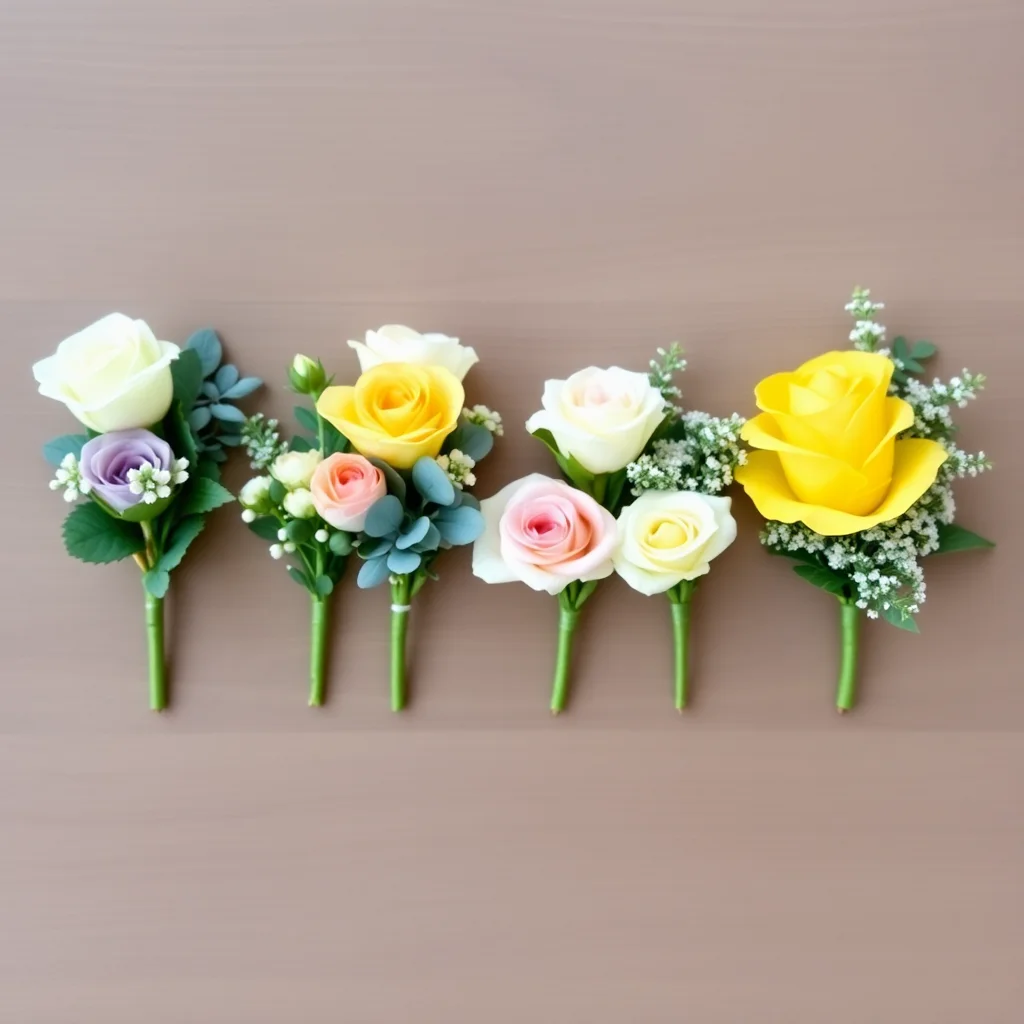
For a romantic and whimsical atmosphere, soft, dreamy shades such as lavender, blush, or pale yellow are ideal. These muted hues evoke a sense of serenity, perfect for garden or rustic weddings. Flowers like sweet peas, spray roses, or lisianthus in delicate tones bring a gentle and ethereal charm to the boutonnières. Incorporating complementary greenery, like dusty miller or eucalyptus, can add texture and softness without detracting from these soothing colors.
A key component of color coordination is balancing the groomsmen’s boutonnières with the groom’s. While consistency in color and style ties the floral arrangements together, the groom’s boutonnière should have subtle variations to help it stand out. This could be achieved by using the same base flower as the groomsmen but enhancing the groom’s arrangement with additional elements like a unique bloom, a pop of color, or decorative accents. For instance, if the groomsmen wear blush roses, the groom’s boutonnière could feature a slightly larger rose accented with pearl pins or a touch of gold.
Ultimately, thoughtful color coordination enhances the visual harmony of a wedding while highlighting each boutonnière as a meaningful detail. By carefully selecting bold, neutral, or soft colors and balancing the groom’s boutonnière with the groomsmen’s arrangements, couples can create a unified design that ties their wedding vision together with sophistication.
Part 4 – Styling Groomsmen Boutonnières
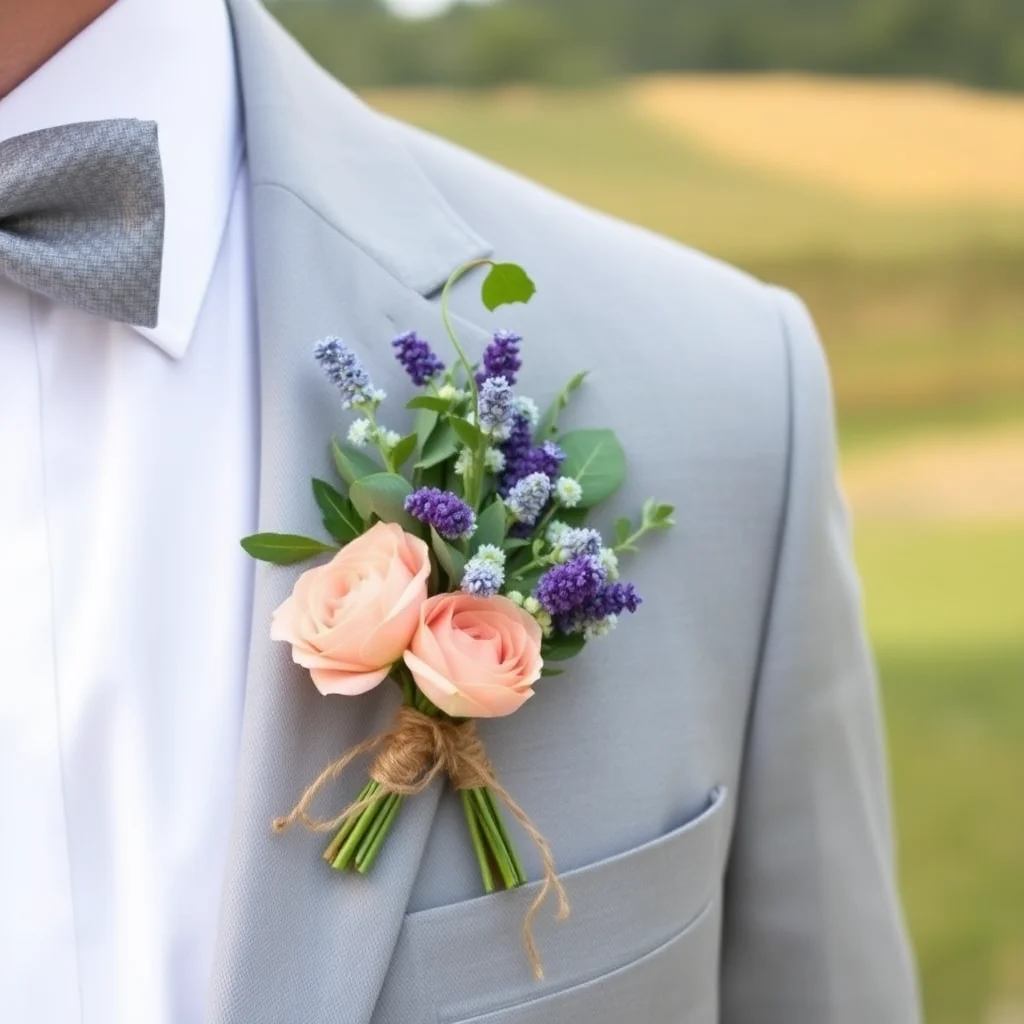
When it comes to styling groomsmen boutonnières, there are countless options to create cohesive yet unique designs that complement the wedding aesthetic. From classic single blooms to modern clusters, each style offers distinct appeal and can reflect the theme and personality of the wedding party. A classic single bloom, such as a rose, calla lily, or carnation, exudes timeless elegance and provides a simple, clean look. Meanwhile, modern clusters allow for more creativity by combining different flowers and textures, resulting in a versatile and dynamic arrangement.
Adding greenery is a subtle yet significant way to elevate boutonnières. Popular choices include eucalyptus, ruscus, olive leaves, and ferns, which add depth and a natural touch to the arrangements. Eucalyptus, for instance, provides a soft, silvery-green hue that pairs beautifully with both delicate and bold florals. Ruscus offers a more structured appearance, while olive leaves bring a whimsical and organic vibe. Ferns, on the other hand, evoke a classic charm, making them ideal for vintage or rustic settings.
Accents like berries, herbs, and dried florals can further enhance boutonnières by adding unique textures and aromas. Hypericum or juniper berries create eye-catching focal points, while fragrant herbs like rosemary or lavender can infuse a boutonnière with subtle, refreshing scents. Dried florals, such as baby’s breath or strawflowers, are a versatile option that adds a touch of rustic or bohemian flair. For a truly distinctive look, feathers in neutral or metallic tones can make boutonnières stand out and complement autumn or winter wedding designs.
For couples seeking unconventional options, unique styles such as mini succulents, tropical accents, or rustic touches allow for boundless creativity. Miniature succulents are perfect for modern, eco-friendly weddings, offering a long-lasting and unconventional appeal. Tropical elements like small palm leaves, protea, or orchids can infuse boutonnières with bold, exotic energy ideal for destination or summer weddings. For rustic-themed celebrations, adding burlap or twine around the stems creates a charming handcrafted appearance, while wheat stalks or pinecones can evoke cozy, country-inspired vibes.
Styling groomsmen boutonnières is an opportunity to balance tradition with personality, creating designs that not only tie into the wedding theme but also stand as meaningful keepsakes. Whether opting for classic single blooms or exploring modern trends, thoughtful details and accents ensure each boutonnière is a stylish and memorable addition to the big day.
Part 5 – How Many Boutonnières Do You Need?
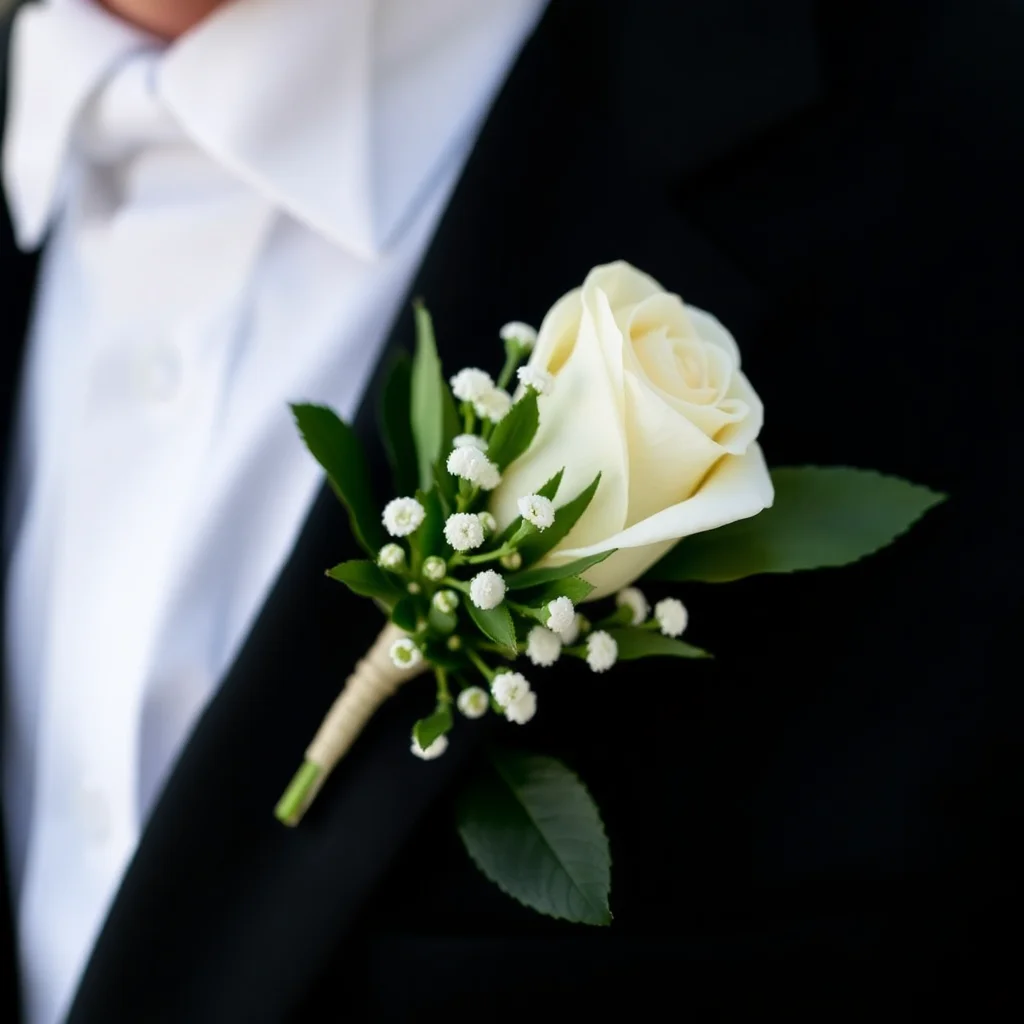
When planning a wedding, determining the number of boutonnières you’ll need is an important detail to consider. Traditionally, boutonnières are worn by key male members of the wedding party, including the groom and groomsmen. Beyond the wedding party, boutonnières are often provided for fathers of the bride and groom, grandfathers, and any ushers who will assist during the ceremony.
For couples looking to extend this thoughtful gesture, boutonnières can also be made available for the ring bearer, officiant, or other close family members such as uncles or brothers who may play a special role in the day. While not all couples feel the need to provide boutonnières for everyone, including them for significant figures adds a cohesive and personal touch to the overall aesthetic.
Ultimately, the number of boutonnières you’ll need depends on the size of your wedding party and how many family members or participants you wish to recognize. Take time to make a checklist of everyone you’d like to honor with this small but meaningful accessory to ensure no one is overlooked. Remember, boutonnières are not just decorative—each one celebrates the wearer’s importance to your special day.
Part 6 – DIY vs. Professional Florist: Which Is Best for Boutonnières?
When deciding whether to craft your boutonnières yourself or hire a professional florist, it is essential to weigh the pros and cons of each option based on your priorities, budget, and creative confidence.
Pros of Hiring a Florist:
Opting for a professional florist ensures your boutonnières are expertly crafted with a polished, professional finish. Florists have the skill to create arrangements that not only look stunning but also pair seamlessly with the rest of your wedding flowers, such as bouquets and centerpieces. Additionally, a florist’s expertise in handling flowers means your boutonnières will be constructed to last through the ceremony, reception, and photo sessions. They also have access to quality blooms and can tailor your boutonnières to your exact vision, alleviating the stress of crafting them yourself.
DIY Tips:
Creating your own boutonnières can be a rewarding and budget-friendly option, especially for those who enjoy hands-on projects. Start by choosing sturdy flowers such as carnations, roses, or succulents, as they hold up well throughout the day. Simple wiring and taping techniques can help secure blooms in place, and pre-made boutonnière kits available online provide a great starting point for beginners. To save time, prepare your boutonnières the day before the wedding and store them in a cool, refrigerated space to maintain freshness.
Cost Breakdown:
Hiring a florist for boutonnières may cost $15–$35 each, depending on the choice of flowers and complexity of the design. Meanwhile, DIY boutonnières can significantly reduce costs if you purchase bulk flowers and materials, which may allow you to create each for $5–$10. However, remember that DIY requires extra time and effort, so consider how much value you place on convenience versus savings. Balancing your priorities will help you decide which route works best for your special day.
Part 7 – Care and Handling: Keeping Boutonnières Fresh
Proper care and handling of boutonnières are essential to ensure they look fresh and beautiful throughout your wedding day. Here are some tips to help preserve their elegance:
Storage Tips:
Refrigeration is key to keeping boutonnières fresh, especially if they are made a day or two in advance. Store them in a cool, dry place such as a refrigerator (preferably between 34–40°F) to slow down the natural wilting process. Avoid placing them near fruits, as certain fruits release ethylene gas, which can cause flowers to age more quickly. To maintain moisture, lightly mist the boutonnières with water before storing them, but be careful not to oversaturate the blooms.
Transporting Boutonnières:
To safely transport boutonnières to the wedding venue, place them in a sturdy box lined with soft tissue or foam to keep them secure and upright. If traveling a significant distance, consider using ice packs or insulated bags to maintain a cool temperature during transit. Be careful not to crush or press the flowers during handling.
Avoiding Wilting at Outdoor Weddings:
Outdoor weddings, especially in warm or sunny conditions, can pose a challenge for boutonnières. Keep them in a shaded, cool area until just before the ceremony begins. A light misting can help retain moisture, but avoid exposing them to direct sunlight or strong winds for prolonged periods, as this may lead to wilting.
Emergency Fixes:
If a boutonnière starts to wilt, quick action can make a difference. Replace any damaged flowers with extras you’ve prepared in advance or remove any drooping petals. For instant hydration, dip the stems in water and wrap them in a damp cloth or tissue. Having a small repair kit on hand, including floral tape and pins, can be a lifesaver to keep everything looking perfect on your big day.
Real Wedding Inspiration with Groomsmen Boutonnières
Boutonnières are a charming way to highlight the style and theme of your wedding while adding a polished touch to the groomsmen’s ensembles. Whether your wedding vision is rustic, boho, elegant, or tropical, there are boutonnière styles to suit any theme. For a rustic wedding, consider earthy tones and natural elements like sprigs of lavender, wheat, or even small pinecones. A boho-inspired style could feature delicate wildflowers, feathers, or pampas grass for a whimsical and free-spirited vibe. Elegant weddings call for sophisticated boutonnières, such as classic white roses paired with greenery or subtle touches of gold. For tropical celebrations, bold blooms like orchids or hibiscus in vivid hues can add a vibrant, exotic flair.
When it comes to color themes, a burgundy wedding can pair rich red flowers with deep greens and small accents of white for a dramatic yet cohesive look. All-white weddings create a timeless aesthetic with boutonnières composed of white blooms and soft greenery. For vibrant summer weddings, incorporate bright colors like coral, yellow, or peach to match the joyful energy of the season. Coordinating boutonnières with the wedding bouquets can tie the entire bridal party’s look together, ensuring a harmonious and stunning presentation in your wedding photos.
Final Tips and Takeaways
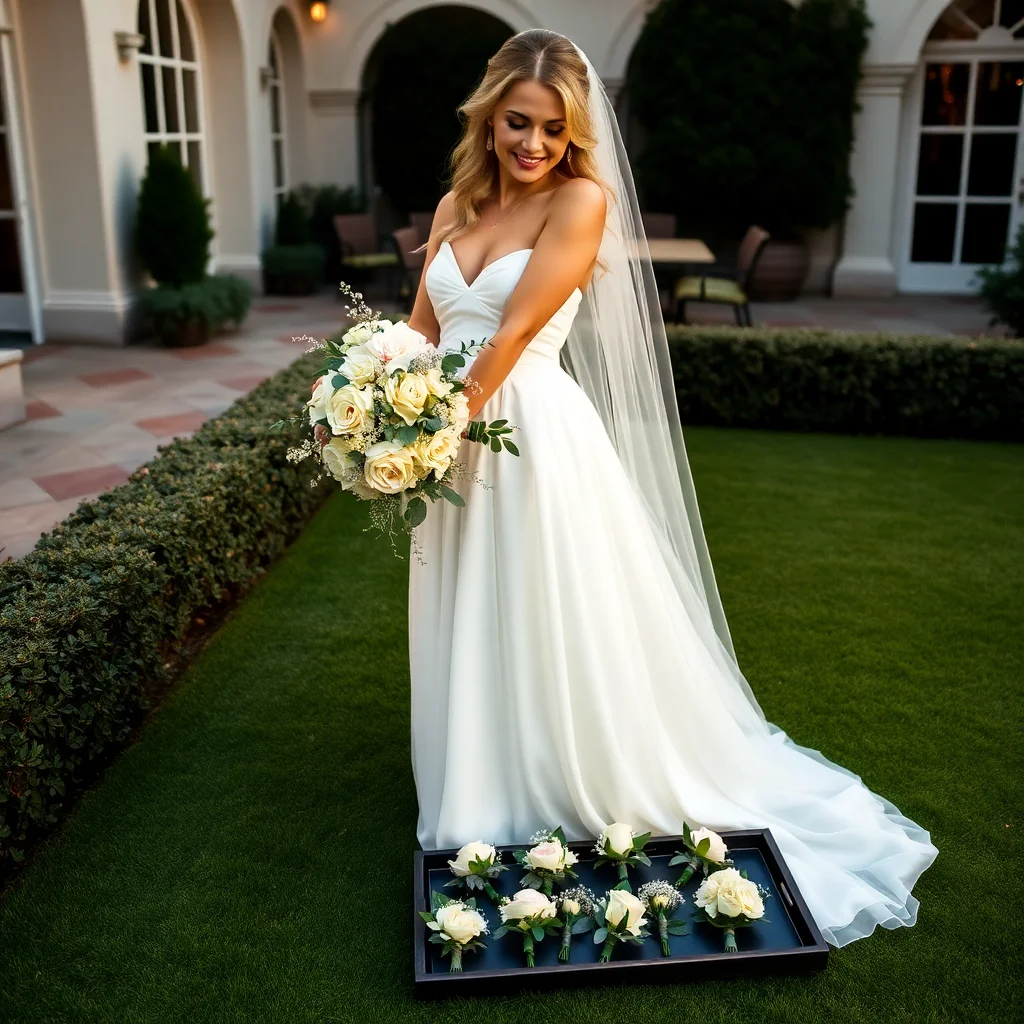
When planning boutonnières, always prioritize personalization to reflect the wearer’s style and relationship to the wedding couple. Ensure the boutonnières are durable enough to last through the day’s celebrations while maintaining their fresh appearance. Harmony with the overall wedding flowers is key, as boutonnières should complement rather than clash with the floral theme. Remember, these small floral arrangements can be both symbolic and stylish, representing love and unity. For high-quality and stunning boutonnières, consider Whole Blossoms as your trusted source for fresh, beautiful wedding boutonnière flowers that leave a lasting impression.