


 by
by 

Conditioning fresh flowers is the essential process of preparing blooms for optimal performance and longevity. This involves hydrating, trimming, and storing flowers to ensure they stay vibrant and sturdy for arrangements or bouquets. Proper conditioning significantly extends vase life, enhances bouquet aesthetics, and maximizes your flower budget by reducing waste. Whether it’s for a DIY project or a professional event, conditioning ensures your flowers look their best on the big day. For high-quality, fresh blooms sourced directly, Whole Blossoms stands out as a trusted wholesale provider, offering a wide selection to match any wedding vision. Understanding and applying this process is key to creating stunning, long-lasting floral designs.
Part 1 – What Does Conditioning Fresh Flowers Mean?
Snippet Definition: Conditioning is the preparation process that hydrates stems, reduces bacteria, and stabilizes blooms to ensure they remain fresh and vibrant at the perfect time, such as for a wedding or special event.
Why Conditioning Matters for Weddings vs. Everyday Flowers
Conditioning is especially important for weddings when compared to everyday arrangements because wedding flowers endure more challenging conditions. These blooms often need to withstand extended hours of heat, frequent handling for arrangements and photos, and periods spent out of water during transport or display. Without proper conditioning, flowers are more likely to wilt, discolor, or droop prematurely. By stabilizing the blooms through hydration and reducing bacteria, the flowers maintain their structure, vibrancy, and longevity, ensuring they look stunning throughout such a demanding day. This process is an integral step for professional florists and DIY enthusiasts alike, guaranteeing floral arrangements are picture-perfect from the ceremony to the reception.
When to Condition After Delivery
It’s crucial to condition flowers as soon as they’re delivered, ideally on the same day. Prompt conditioning helps to rehydrate stems quickly after transit, which can cause dehydration and stress to the blooms. By prepping them immediately, you restore vitality to the flowers and maximize their longevity, ensuring they are fully refreshed and ready for arranging in time for the wedding day.

Part 2 – Wedding Flower Conditioning Timeline (1–5 Days Before)
Planning and executing the perfect wedding flowers requires careful timing and attention to detail. A clear timeline ensures that the blooms are in their peak condition when they’re needed most. Below is a step-by-step schedule for conditioning and arranging wedding flowers in the days leading up to the event, complete with tips tailored to different flower types, whether you’re using bulk flowers or mixed bunches.
The Ideal Schedule for DIY Weddings
Proper planning is essential to make the most of your DIY wedding flower arrangements. This day-by-day guide helps ensure that your blooms are fresh, vibrant, and beautifully prepared for the big day:
- Day 1 (Delivery): Receive your flowers and inspect them upon arrival. Start by unwrapping the packaging carefully and cutting at least 1–2 inches off the stems at an angle. Place the stems in buckets of clean, lukewarm water mixed with flower food.
- Day 2 (Hydration): Allow flowers to hydrate completely by keeping them in water overnight in a cool, shaded area. Check for any wilting or damaged blooms and remove them to maintain overall freshness.
- Day 3 (Designing): Start arranging your floral designs, such as bouquets, centerpieces, or arches. Work section by section and keep the completed arrangements in clean water to secure their hydration.
- Day 4 (Storage): Store all finished arrangements in a cool place, away from sunlight or heat sources. Periodically mist the flowers lightly to maintain their freshness through the day.
- Day 5 (Transport): Prepare the flowers for careful transport to the venue. Ensure they are cushioned properly to avoid damage and consider assembling larger pieces, like arches, on-site for added security.
Adhering to this timeline helps you stay organized while giving your flowers the best chance to shine.
What Changes if You’re Using Bulk Flowers vs Mixed Bunches?
Bulk flowers and mixed bunches require slightly different approaches during conditioning. Bulk flowers typically arrive in uniform packs, making it easier to streamline the process. You’ll likely need to spend more time stripping leaves, thorns, or excess foliage if you’re working with bulk flowers. These flowers often need a longer period of hydration to open up fully, so plan to condition them immediately and store them in water for up to 48 hours before designing.
With mixed bunches, the selection of flowers and greenery means less prep time, as the foliage and blooms are often ready for immediate use. Mixed bunches tend to offer a variety of textures and colors, which can simplify design work, though hydration and sorting by type are still essential to ensure cohesive arrangements. Whichever option you choose, follow the appropriate steps to get the most out of your flowers!
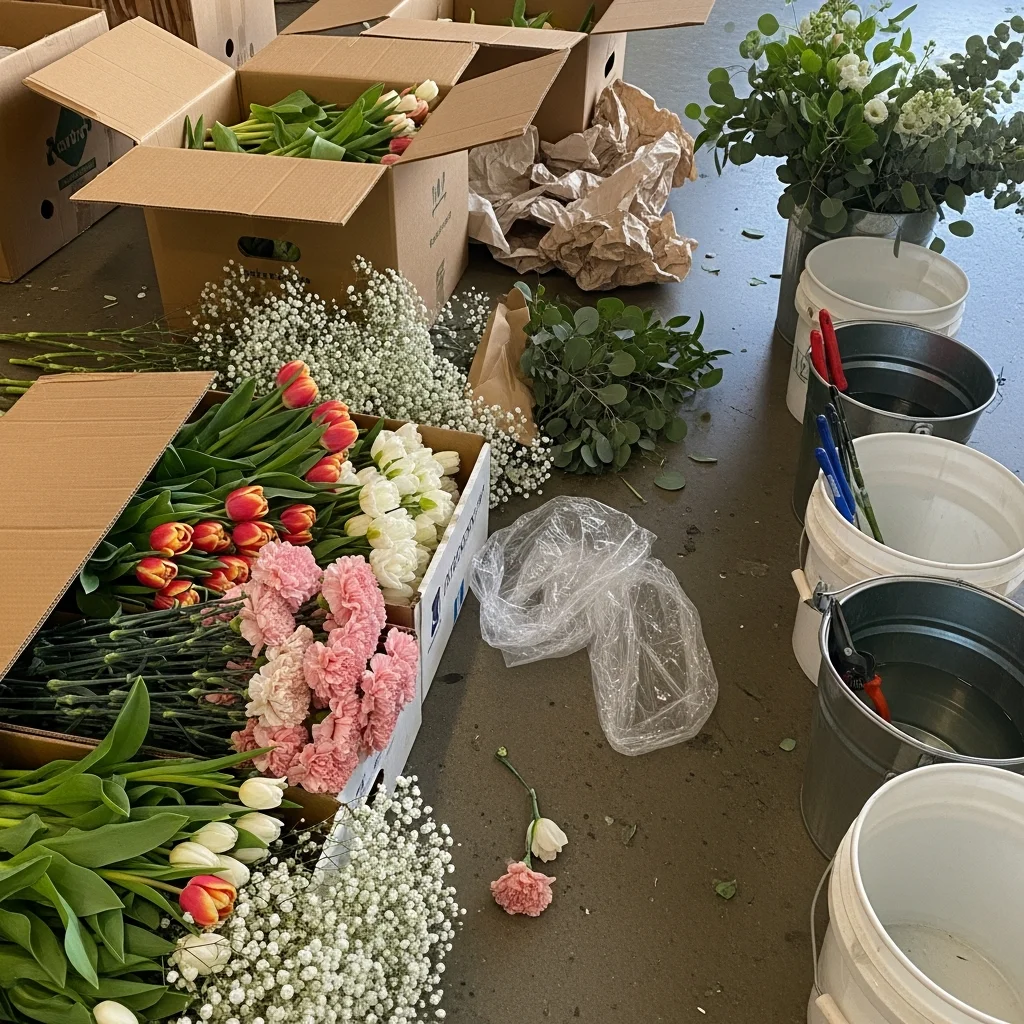
Part 3 – The Conditioning Checklist (Tools + Setup)
Must-have tools
Conditioning flowers properly requires having the right tools and setup in place to ensure your blooms thrive and have the longest vase life possible. To get started, you’ll need clean buckets — ideally plastic or metal ones of sufficient depth to accommodate the stems without overcrowding. A sharp floral knife or clippers is essential for trimming the stems at an angle, which facilitates better water uptake. Stock up on quality flower food to mix into your water; this helps the flowers stay nourished and hydrated.
Temperature control is another critical component, so plan for a cooler or reliable air conditioning setup to keep the environment at the optimal temperature, around 34–36°F, for most flowers. To handle any spills or drips, keep a supply of paper towels on hand, which can also double as a quick-clean surface for tools. Lastly, storage racks or grids can help organize your blooms, allowing them to acclimate in water and saving you valuable workspace when prepping larger arrangements. With these must-have tools, you’ll be well-prepared to condition your flowers like a pro.
Clean water + sanitation rules that actually matter
The cleanliness of your water and tools can make or break the longevity of your flowers. Bacteria control is the most significant factor in extending vase life, so always use clean, fresh water in your buckets. Rinse and sanitize buckets and clippers between uses to prevent the buildup of harmful microbes that can clog stems and disrupt water flow.
Adding flower food to the water not only nourishes the blooms but also helps inhibit bacterial growth. Change the water every 24–48 hours and re-cut the stems to keep the flowers hydrated and healthy. By maintaining uncompromising sanitation standards and refreshing water regularly, you’ll maximize the freshness and beauty of your arrangements, ensuring they last as long as possible.
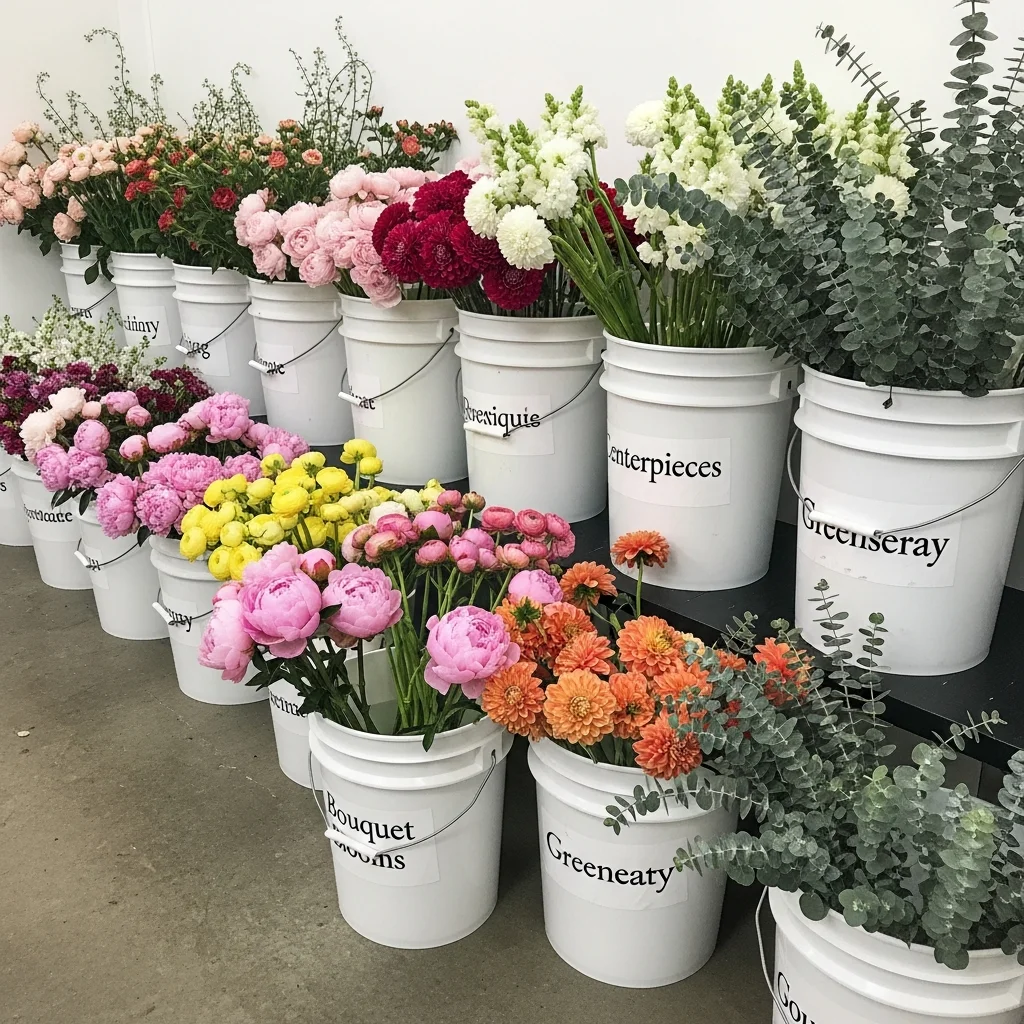
Part 4 – Step-by-Step: How to Condition Flowers the Right Way (Core Method)
Properly conditioning flowers is essential to ensure they remain vibrant, fresh, and long-lasting. Follow this step-by-step method to treat your flowers like a professional florist and achieve stunning results.
Step 1 — Unbox + Inspect Like a Florist
When you first unbox your flowers, take the time to inspect each stem carefully. Look for any signs of damage, such as bent necks, bruised petals, or mushy stems, as these issues can severely impact the health of your blooms. Mold and other decay may also appear during transportation or storage, and it’s important to discard any affected flowers to avoid spreading bacteria. Thoughtful inspection ensures only the healthiest flowers make it into your arrangement.
Step 2 — Strip Foliage Below the Waterline
Removing foliage below the waterline is a crucial step in proper flower conditioning. Leaves submerged in water decompose quickly, creating bacterial buildup that disrupts hydration. Use your hands or floral clippers to strip off any excess leaves from the bottom of the stems. This minimizes contamination and ensures that the flowers absorb water efficiently, keeping them fresh and visually appealing for longer.
Step 3 — Cut Stems Correctly
Cutting stems properly is one of the most vital steps in conditioning flowers. Always use a sharp pair of scissors or floral clippers to make clean cuts at a 45-degree angle. An angled cut increases the surface area for water absorption and prevents the stem from resting flat at the bottom of the vase or bucket, which could block water flow. Trim about 1–2 inches off the stems, and repeat this process every time you change the water to keep the flowers hydrated and healthy.
Step 4 — Mix Flower Food Properly
Flower food is an essential element for conditioning flowers, but it’s important to mix it correctly. Follow the instructions on the packet to achieve the right balance—too strong a mixture can burn the stems or stress the blooms, while too weak won’t provide enough nourishment. Combine the flower food with clean, lukewarm water, ensuring it dissolves completely. This mixture will help inhibit bacterial growth and sustain the blooms’ longevity.
Step 5 — Hydrate in Deep, Clean Buckets
Hydrating flowers in deep, clean buckets is a professional florist’s secret to long-lasting arrangements. Use buckets filled with enough water to cover about one-third of the stems, ensuring proper hydration without over-soaking them. Keep the buckets clean to prevent bacterial growth, and space the stems out to avoid crowding, which can lead to damage. Allow the flowers to soak for at least a few hours, ideally in a cool, shaded environment, before starting your design or arranging process.
Water Temperature + Flower Food: What’s Best for Wedding Flowers?
Warm vs Cool Water—When Each Helps
The choice between warm and cool water depends on the specific needs of your flowers and the desired outcome. Warm water is ideal when quick hydration is necessary, such as for flowers that have just been cut or those showing early signs of wilting. Warm water helps open up the stems and allows the blooms to drink more efficiently. Conversely, cool water is better suited for storing flowers, especially delicate varieties like roses, peonies, or tulips. Cool temperatures slow the aging process and help preserve freshness when flowers need to be held for events like weddings. Always pair the water temperature with the flower type and stage of preparation to get the best results.
Do You Need Flower Food for Wholesale Flowers?
Flower food plays a critical role in extending the life of wholesale flowers, particularly for large-scale events such as weddings. The key ingredients in flower food – sugar, acid, and biocide – each serve an important purpose. Sugar acts as a nutrient, giving the stems energy to support their blooms. Acids adjust the pH of the water, making it easier for the stems to absorb hydration. Meanwhile, biocides prevent bacterial growth in the water, ensuring the blooms stay healthy. Whether preparing centerpieces or bouquets, properly using flower food is an investment in beautiful, long-lasting arrangements. Always mix your flower food with clean water to maximize its effectiveness.
Part 5 – Storage Rules: Where to Keep Wedding Flowers After Conditioning
Best Temperature Range and Why It Matters
To ensure wedding flowers remain fresh and vibrant, proper storage temperatures are crucial. The ideal range for storing most flowers is between 33°F and 38°F (0.5°C to 3.3°C). At these cool temperatures, the flowers’ metabolic processes slow down, minimizing water loss and delaying wilting. It’s important to avoid freezing temperatures, as they can cause cell damage to the flowers, leaving them discolored and limp. Equally, storing flowers in overly warm conditions can accelerate decay, causing petals to drop prematurely or lose their structure. Maintaining a consistent temperature is essential to preserve the flowers’ freshness and brilliance in the days leading up to the wedding. A well-regulated storage environment ensures the blooms stay in peak condition, ready to dazzle on the big day.
Cooler vs. Refrigerator vs. Air-Conditioned Room
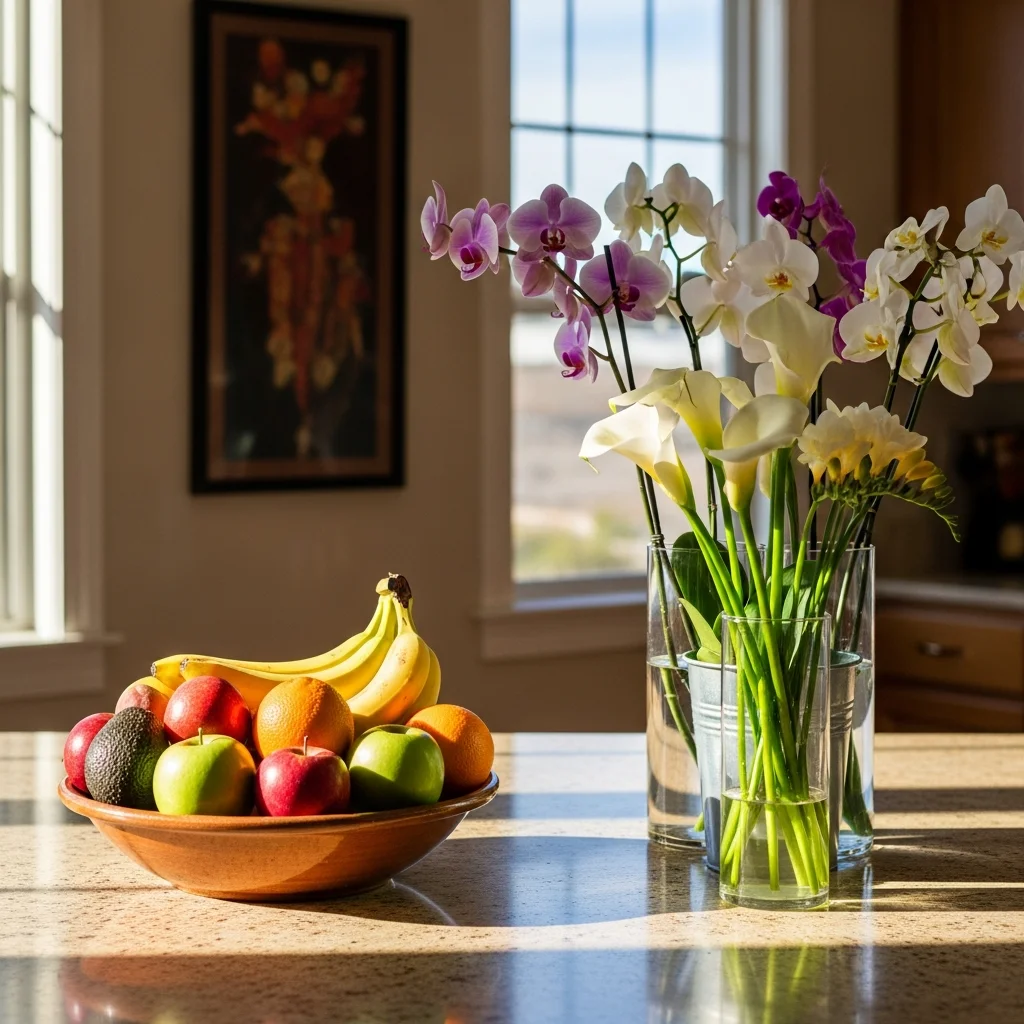
Selecting the right storage environment depends on your resources. A professional flower cooler is the best option, designed specifically to maintain low temperatures and optimal humidity. Flower coolers prevent dehydration and keep blooms fresher for longer. However, if a flower cooler isn’t accessible, a standard refrigerator can be a suitable alternative with precautions. Be sure to avoid placing the flowers near fruits, dairy products, or strong-scented foods, as these can release ethylene gas or unwanted odors that harm the blooms. Remove all produce before storing flowers in a refrigerator. Lastly, if neither a cooler nor a refrigerator option is available, an air-conditioned room can work in a pinch. Keep the room set at the coolest safe temperature, avoid direct sunlight, and minimize drafts for the best results. While less effective than a cooler, this method can still extend the flowers’ vitality before the wedding.
Ethylene Gas Dangers
Ethylene gas is a natural but potent flower killer, commonly released by ripening fruits such as apples, bananas, and pears. Exposure to ethylene can cause flowers to wilt prematurely, petals to drop, or buds to fail in opening. To protect floral arrangements, it’s vital to store them far from any produce, especially if using a refrigerator for storage. A fruit-free environment ensures your blooms stay untouched by this invisible hazard.
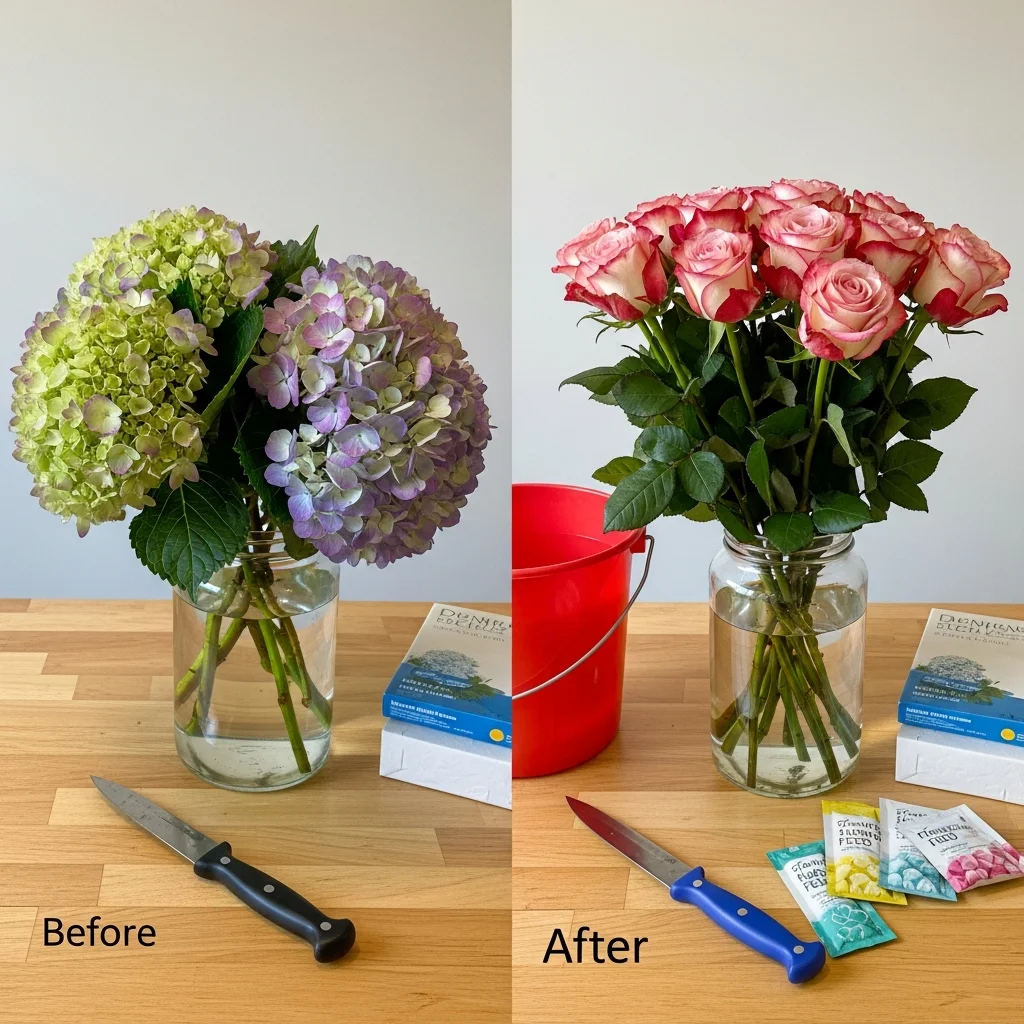
Part 6 – Conditioning by Flower Type (This is Where You Beat Competitors)
Roses — Hydration, Guard Petals, Bent Neck Prevention
Roses require careful attention during conditioning to ensure their iconic beauty lasts. Start by removing any foliage that will fall below the waterline to prevent bacterial growth. Hydration is key; cut the stems at a sharp angle under water to eliminate air bubbles that block water uptake. Pay close attention to guard petals, as these outermost petals can appear flawed—removing them reveals the freshest layers underneath. To prevent “bent neck,” a common issue with roses, immerse them in deep water immediately after trimming to rehydrate the stems efficiently.
Hydrangeas — Pro Revival Methods + Why They Wilt
Hydrangeas are notorious for wilting if not properly conditioned. This occurs because they frequently struggle with water intake due to woody stems. To revive wilted blooms or prevent wilting altogether, submerge the entire head of the flower in a sink or bucket of water for 15-20 minutes, allowing them to absorb moisture directly through the petals. Additionally, cut stems at a slight angle and remove any leaves below the waterline. A fresh diagonal cut paired with boiling water or alum powder on the stem ends can further enhance hydration and keep hydrangeas vibrant.
Sunflowers — Heavy Drinkers + Head Support Tips
Sunflowers are robust but require significant hydration to thrive. Their stems are incredibly thirsty, so always ensure the water in their vase or bucket is refreshed regularly. Heavy blooms can become top-heavy, leading to drooping. To prevent this, use floral wire or supportive netting to secure the heads. Keeping their container filled and providing structural support preserves their bold and cheerful appearance for longer.
Peonies — Tight Buds, Timing, Opening Strategies
Peonies are often harvested in tight bud form, requiring strategic conditioning to encourage blooming at just the right time. To accelerate the process, gently place the stems in lukewarm water and store them in a warm location. If you’re not ready for them to open, refrigerate the blooms dry in an airtight bag. For tight buds, you can also swish the heads in tepid water—a simple trick to encourage petal expansion. Timing and environmental control are vital to ensuring peonies bloom beautifully when needed.
Ranunculus — Hollow Stems, Gentle Handling
Ranunculus have hollow, delicate stems that demand extra care during handling. Avoid bending or snapping the stems by supporting their weight as you trim them. Always use sharp scissors or a knife for a clean cut and place them in cool, shallow water—deep containers can heighten the risk of stem collapse. Keep them out of direct sunlight or strong drafts, as their fragility means they’re susceptible to premature damage.
Carnations — Long Life, Clogs, Recutting Schedule
Carnations are known for their extraordinary vase life, but stem clogs can undermine their potential longevity. Recut the stems every 2-3 days at an angle, and remove leaves below the waterline to prevent bacteria buildup. Regularly changing the water and cleaning the container helps provide carnations with the clean, fresh atmosphere they need to thrive.
Tulips — Grow After Cutting, Shallow Water Rule
Tulips are unique in that they continue to grow even after being cut, often elongating and curving toward light sources. To maintain their shape and avoid excessive bending, condition them in shallow water to limit upward movement. Before arranging, wrap them in paper to encourage straight stems and keep them in cool conditions for the best results.
Calla Lilies — Bruising Prevention, Minimal Water
Calla Lilies have smooth, elegant petals that are particularly prone to bruising, so handle them delicately to avoid blemishes. Unlike most flowers, they do best in minimal water to prevent bacterial growth. Fill the vase or bucket with just enough water to cover the ends of the stems and refresh it daily for optimal lifespan.
Orchids — Temperature Sensitivity + Handling
Orchids thrive in stable temperatures and require careful handling to avoid damaging their exquisite flowers. They are highly sensitive to temperature fluctuations, so keep them in a temperate environment away from drafts or excessive heat. Mist their blooms lightly to maintain humidity and trim the stems at a diagonal under clean water to maximize hydration.
Baby’s Breath — Airflow, Mold Prevention
Baby’s Breath is a delicate filler flower that can be prone to mold if not properly conditioned. Ensure good airflow around the blooms and avoid overcrowding them in storage or arrangements. Always use fresh, clean water and trim the stems at an angle to promote hydration without creating unnecessary bacterial growth.
Eucalyptus — Sap/Oils + Bucket Hygiene
Eucalyptus releases sap and oils that can cloud water and affect the freshness of nearby flowers. To prevent this, change the water frequently and clean buckets with a disinfectant regularly. Strip lower leaves to improve water uptake and keep them hydrated, prolonging their aromatic and decorative appeal.
Pampas Grass — Drying/Fluffing and Why It’s Different
Pampas Grass differs significantly from fresh flowers due to its dried and preserved nature. Fluff the plumes by shaking gently or using a blow dryer on a low, cool setting. To preserve its delicate look, avoid moisture altogether—humidity can ruin its feathery texture.
Dahlias — Fragile Stems + Immediate Hydration
Dahlias have very fragile stems that often struggle with water uptake. These flowers should be cut underwater immediately to prevent air from blocking their hydration channels. Place them in lukewarm water promptly after cutting and ensure the container is both clean and supportive to maintain their vibrant structure.
Greenery + Preserved Flowers — Conditioning vs “No Conditioning Needed”
When working with greenery and preserved flowers, the need for conditioning varies. Fresh greenery benefits from recutting stems at an angle, removing lower leaves, and maintaining adequate water levels. However, preserved flowers and foliage require no conditioning at all. Store preserved items in a cool, dry location and shield them from direct sunlight to protect their treated finish.

Part 7 – Common Conditioning Mistakes That Ruin Wedding Flowers
Proper conditioning of wedding flowers is critical to ensure their freshness and beauty on the big day. However, common mistakes can lead to wilting, unpleasant odors, or even damage to the blooms. Below are answers to frequently asked questions related to flower care and conditioning.
Dirty Buckets + Leaf Rot
Dirty buckets are one of the main culprits behind flowers drooping or developing a foul odor. Residual bacteria in unclean buckets can quickly contaminate fresh water, leading to rot and a shortened lifespan for your flowers. Leaves left below the waterline exacerbate the issue by decaying and accelerating bacterial growth. Always ensure buckets are thoroughly washed and sanitized, and remove any foliage from stems that might sit in water.
Not Recutting Stems
Failing to recut stems after delivery is a frequent and detrimental mistake. Stems dry out quickly, forming a seal that prevents flowers from absorbing water effectively. To avoid drooping blooms, always cut stems at an angle immediately before placing them in water. This technique increases the surface area for water uptake, ensuring adequate hydration.
Overcrowding Buckets
Overcrowding flowers in buckets restricts airflow and can cause stems to bruise or crush one another. This not only affects their appearance but also reduces water absorption. When conditioning flowers, offer them enough space to breathe by evenly spacing them in the bucket.
Too Warm Storage
Storing flowers in warm environments can accelerate wilting and reduce their shelf life. Always keep flowers in a cool, dark space, ideally around 36–40°F, and away from direct sunlight or heat sources. Proper storage conditions are essential to keeping blooms fresh and vibrant.
Part 8 – Troubleshooting: How to Revive Wilting Flowers Fast
Reviving wilted flowers overnight is possible with a few simple steps to bring blooms back to their former glory. Follow this quick triage list for effective results:
- Recut the Stems – Trim about 1–2 inches off the stems at an angle under running water. This prevents air bubbles from blocking water uptake.
- Use Clean, Fresh Water – Replace any old water in the vase with clean, room-temperature water, adding flower food if available. Dirty water can clog stems and prevent hydration.
- Cool Storage – Place the flowers in a cool, dark environment, ideally around 36–40°F, such as a fridge (but away from fruits that emit ethylene gas).
- Hydration Time – Allow the flowers to sit undisturbed for several hours to rehydrate fully, ideally leaving them overnight. This gives the stems time to draw up water and perk up.
For hydrangeas specifically, an additional step can work wonders. If they’re extremely wilted, submerge the entire bloom and stem in cool water for 30 minutes before recutting and placing them back in their vase. Hydrangeas are especially prone to dehydration but respond well to this technique.
By following these methods and addressing the flower’s hydration needs promptly, you can often restore their freshness and enjoy their beauty for longer.
Part 9 – How Conditioning Connects to Buying Wholesale Flowers (Commercial Relevance)
Conditioning is an essential skill that directly influences the success and cost-effectiveness of purchasing wholesale flowers. When buying flowers in bulk from wholesalers, the savings are undeniable compared to retail. However, these savings are only truly beneficial when paired with proper preparation and care techniques. Conditioning allows event planners, florists, and DIY wedding organizers to extend the life and beauty of their flowers, ensuring they reach their peak appearance at exactly the right time.
For example, florists working on tight budgets can maximize the value of bulk purchases by conditioning flowers as soon as they arrive, preventing wastage due to wilting or premature blooming. Similarly, DIY wedding planners can condition flowers to align with wedding schedules, ensuring the blooms are at their most vibrant on the big day. Timing is crucial, especially when working with wholesale flowers that often arrive in less-refined states compared to retail.
By mastering conditioning practices such as rehydrating blooms, maintaining ideal temperatures, and removing any damaged foliage promptly, buyers can achieve professional-quality results without the premium retail costs. This skill bridges the gap between affordable pricing and high-quality presentation, making it a vital tool for anyone looking to make the most out of wholesale flower purchases while staying within budget.
Part 10 – Buying Guide: How Much Extra to Order (Waste + Breakage Buffer)
When purchasing wholesale flowers, it’s essential to account for waste and breakage to ensure you have enough blooms for your arrangements. The percentage of extra flowers to order depends on the type of event, the complexity of the arrangements, and your level of experience in handling fresh flowers.
For small personal events with simple arrangements, plan for a 5-10% buffer. This minor increase is sufficient to account for minor breakage or a few unusable flowers. For larger events like weddings and parties, where precision and volume are critical, aim for a 10-20% buffer, especially if the designs involve intricate floral installations or cascading bouquets.
If you’re a beginner, consider ordering slightly more to provide extra flexibility as you practice arranging and handle any unexpected issues. On the other hand, experienced professionals may require a smaller buffer due to their skill in properly conditioning and handling blooms with minimal loss.
When ordering bulk flowers, try to focus on varieties that are versatile and complement your overall theme, as these can give you more options in case of unforeseen shortages. Purchasing stems that can serve as alternatives or filler flowers also adds insurance to your planning. With careful consideration of your event needs and experience, you can strike a balance between ordering enough blooms and staying cost-efficient.
FAQ (People Also Ask Target)
How long should I condition wedding flowers before arranging?
Wedding flowers should typically be conditioned for 4–12 hours before arranging. This allows them to fully hydrate and regain their vitality. Ensure the stems are cut diagonally and placed in clean water with appropriate flower food during this time to optimize freshness.
Should I condition flowers in the fridge?
Yes, conditioning flowers in a fridge can help extend their lifespan. However, make sure the temperature is set between 34–40°F (1–4°C), and avoid storing them near fruits like apples or bananas, which emit ethylene gas that can hasten flower wilting.
Do I remove all leaves?
You should remove any leaves below the waterline in your buckets or vases. Submerged leaves can decay quickly, leading to bacterial growth that compromises the water quality and shortens the vase life of your flowers.
How often do I change bucket water?
Changing the water in flower buckets every 1–2 days is ideal. This helps keep the water clean and free of bacteria, ensuring your flowers stay hydrated and fresh for a longer period. Always rinse buckets thoroughly before refilling.
Should I use flower food for bouquets and centerpieces?
Yes, using flower food is highly recommended for bouquets and centerpieces. Flower food provides nutrients that prolong bloom life, improves water uptake, and helps reduce bacterial growth, ensuring your arrangements stay vibrant throughout your event.
What flowers need special conditioning (like Hydrangeas or Tulips)?
Hydrangeas require water-soaking techniques or stem-end smashing for effective hydration. Tulips, on the other hand, benefit from a carefully wrapped stem to maintain straight growth and prevent drooping. Always research specific conditioning needs for each flower variety to maximize their lifespan.
Conclusion: The “Freshness Formula” for Wedding Week
Achieving flawlessly fresh blooms for your wedding day involves following a reliable conditioning system. Start by cleaning your tools and vases to avoid contamination, ensuring your flowers have a healthy environment. Next, cut the stems at a diagonal to maximize water uptake and keep them hydrated. Feeding your flowers with the right preservatives fosters longevity, while keeping them cool prevents premature wilting. Finally, time everything right—condition your flowers as soon as they arrive and adhere to their specific care needs for the best results.
For beautifully conditioned, wholesale blooms that arrive wedding-ready, trust Whole Blossoms. Order today and experience the confidence of reliable freshness for your special day!