


 by
by 
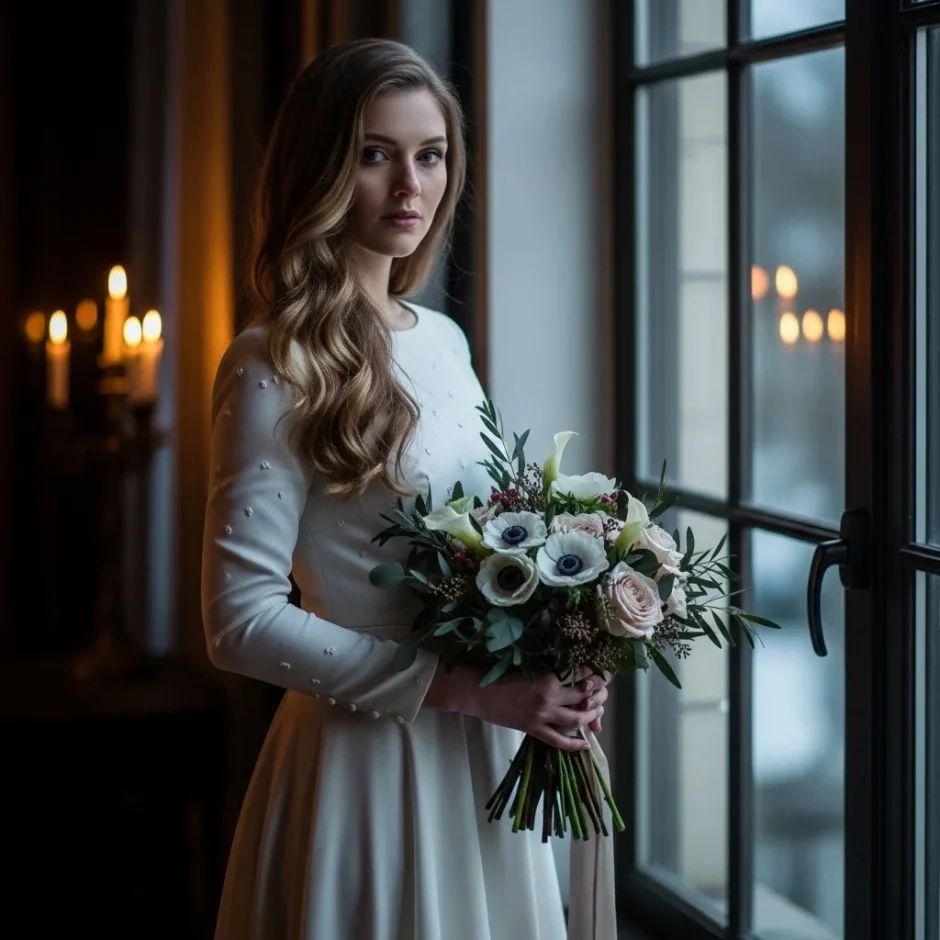
Winter weddings are undeniably magical, but they also present unique challenges—especially when it comes to how your flowers will look on camera. Capturing stunning floral arrangements in low light settings requires attention to specific qualities that make blooms truly shine. Photographing well in low light means that winter wedding flowers must maintain their beauty and definition even under the dim, romantic glow of candlelight, ambient lighting, or evening darkness.
Winter venues often lean heavily on warm, soft lighting to create an intimate atmosphere—whether through flickering candlelight, string lights, or subtle uplighting. These settings can highlight the colors and textures of arrangements, but they also demand careful floral selection. The interplay of flower color, texture, and structure under this lighting can be far more impactful for photography than the seasonal availability of blooms alone. For example, creamy whites with soft greens tend to pop under warm tones, while highly textured flowers like anemones or ranunculus add depth and detail to your photos.
Another key to unforgettable winter wedding florals is smarter sourcing through wholesale flowers. Choosing high-quality blooms that are fresh and vibrant ensures they’ll perform beautifully both in person and in your photos. From structured arrangements to loose, organic designs, each choice influences how your décor will translate on camera. By understanding these factors, you can design floral displays that are sure to capture the magic of your winter wedding, making every image timeless.
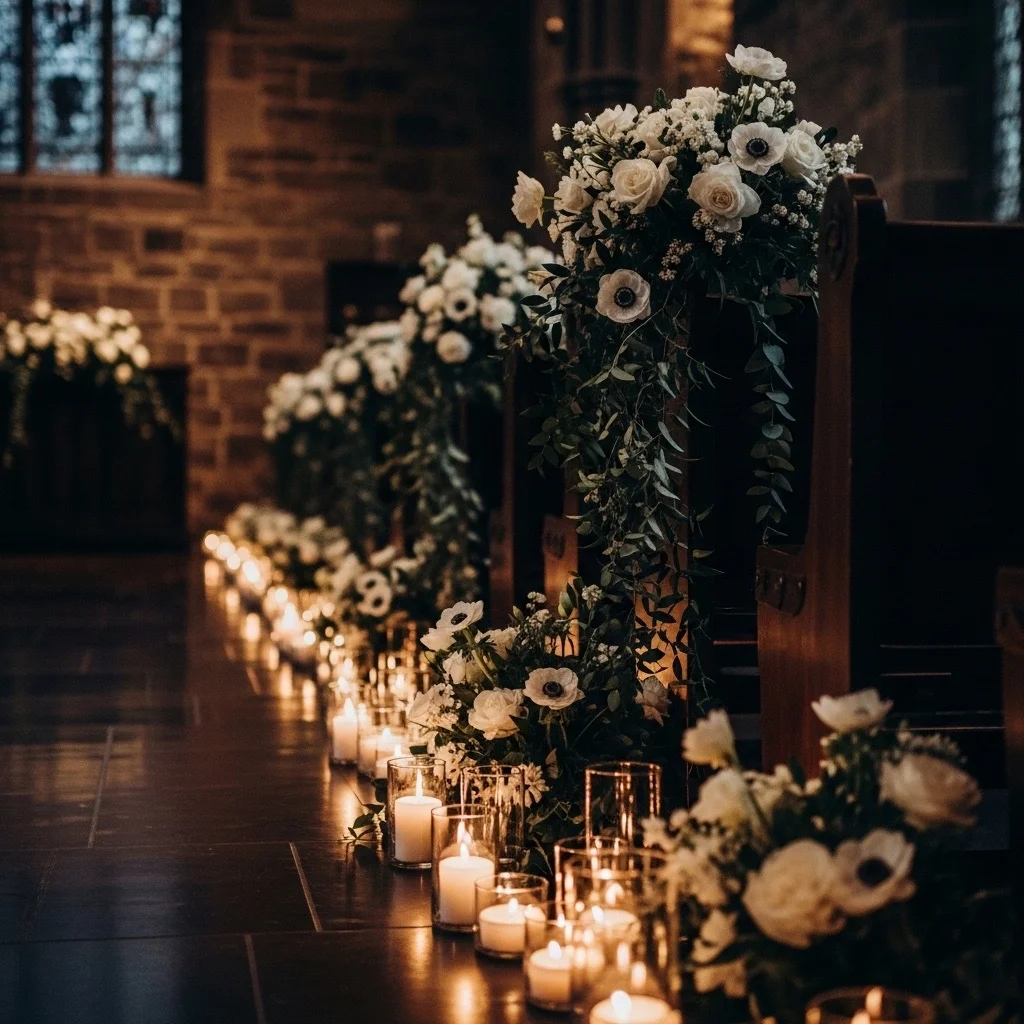
Part 1 – What Makes Flowers Photograph Well in Low-Light Winter Venues?
Planning florals for a winter wedding often involves addressing the challenges that come with low-light settings. Choosing flowers that photograph beautifully even in dim conditions is crucial for impactful and timeless images.
How Light Interacts With Petal Shape and Surface
The way light interacts with petals can drastically impact how flowers appear in photos. Reflective petals, such as those found on white flowers like roses and hydrangeas, capture and bounce light effectively, giving them a radiant, luminous quality. On the other hand, matte petals tend to absorb light, making them appear dull and muted, especially in low-light scenarios.
Smooth blossoms typically outperform those with intricate textures in dim settings. Flowers with clean, polished surfaces allow light to emphasize their contours, which translates beautifully on camera. Busy or highly textured petals can create visual noise, distracting from the overall elegance of the arrangement.
Contrast Is More Important Than Color Saturation
While vibrant colors are often celebrated in floral design, contrast proves to be more impactful in winter wedding venues with low lighting. Pairing soft, reflective white flowers with deep, velvety greenery offers strong visual contrast that enhances the overall arrangement’s presence in photographs. Unlike pastels, which may wash out in dim lighting, the interplay of light and dark tones ensures a crisp, defined appearance.
For winter weddings, incorporating versatile blooms like roses and hydrangeas with smooth surfaces and bold contrast ensures that every arrangement looks as stunning on camera as it does in real life. Flowers that photograph best in low light are those with reflective petals, strong contrast, and clean structure, allowing them to shine even in challenging conditions.
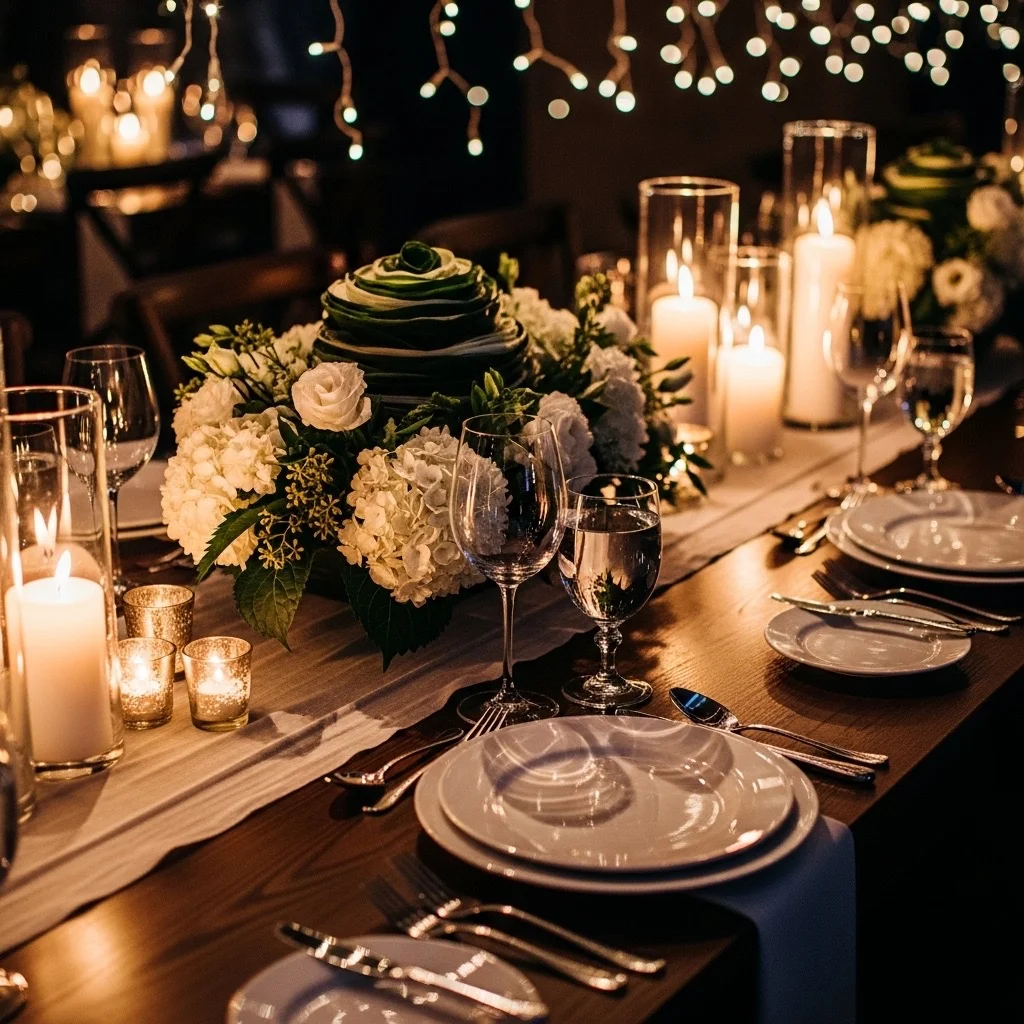
Part 2 – The Best Winter Wedding Flowers for Candlelight Photography
Creating a stunning winter wedding scene that translates beautifully to candlelit photography requires careful selection of blooms. The interplay of soft candlelight and structured floral arrangements can create an enchanting ambiance while ensuring every detail is captured in its best light. Here are some of the best flowers to consider for your winter wedding, particularly when photography in low light is a key priority.
Why Anemones Excel in Low Light
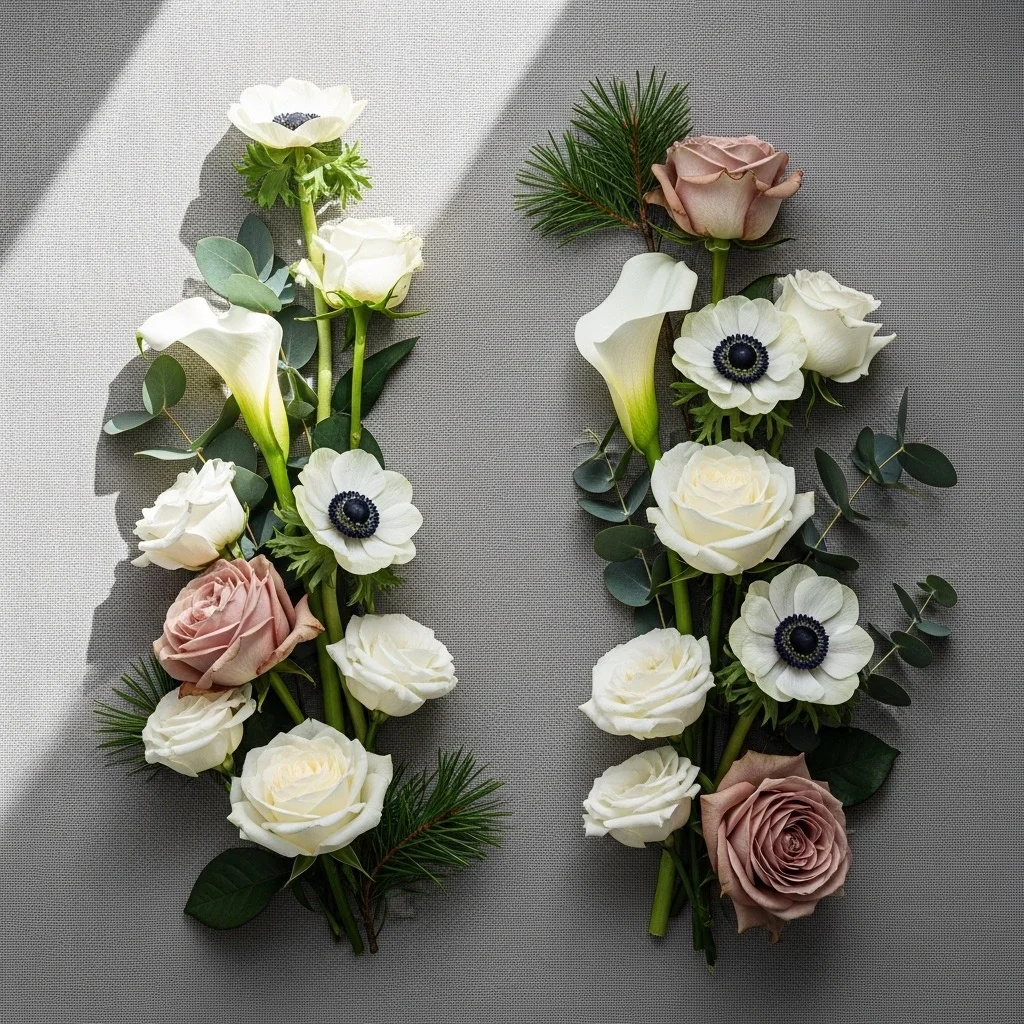
Anemones are a standout choice for dimly-lit settings thanks to their naturally striking appearance. Their dark, dramatic centers provide inherent contrast that translates beautifully in photographs, helping them stand out even in subtle lighting conditions. Additionally, anemones have minimal, cleanly defined petal layers, which prevent them from appearing flat or overly complex in images. This clarity ensures that they retain their charm and elegance when captured on camera, making them a reliable choice for bouquets and table arrangements.
Why Calla Lilies Create Dramatic Silhouettes
Calla lilies are beloved for their sculptural elegance, and this quality makes them particularly effective in candlelit wedding settings. The smooth, curved shape of their blooms photographs cleanly even from a distance, allowing them to create a striking visual impact in aisle arrangements or at ceremony focal points. Their simplicity and architectural form ensure that calla lilies draw attention without overwhelming the composition, providing a balance of drama and refinement.
Supporting Blooms That Enhance Light Reflection
While statement flowers like anemones and calla lilies take center stage, supporting blooms play a crucial role in enhancing the overall lighting effect and creating depth in photographs. Choosing flowers that work well with candlelight is essential for achieving a cohesive and luminous look.
- Roses offer a subtle petal glow, especially in lighter shades like ivory or blush, capturing and reflecting the warmth of candlelight effortlessly.
- Hydrangeas bring volume and texture without adding visual noise, filling out arrangements in a way that complements the lighting’s soft diffusion.
- Baby’s breath provides a delicate, airy quality. Its tiny blooms act as natural light diffusers, allowing the flicker of nearby candles to filter through with a gentle, almost ethereal effect.
These supporting blooms help frame and elevate the more dramatic flowers in your arrangements, resulting in a perfect harmony of light and structure.
Image Cascade Opportunity
When planning your winter wedding arrangements, consider ways to highlight your florals in photography. An ideal way to showcase their unique qualities is through close-up images of individual flowers placed beside candles. This setup not only highlights the reflective and textural details of each bloom but also captures the romantic interplay of soft light and floral beauty. Such thoughtful imagery will serve as timeless keepsakes of your special day.
By choosing flowers that excel in candlelight settings, you can ensure that every element of your winter wedding is as beautiful on camera as it is in person.
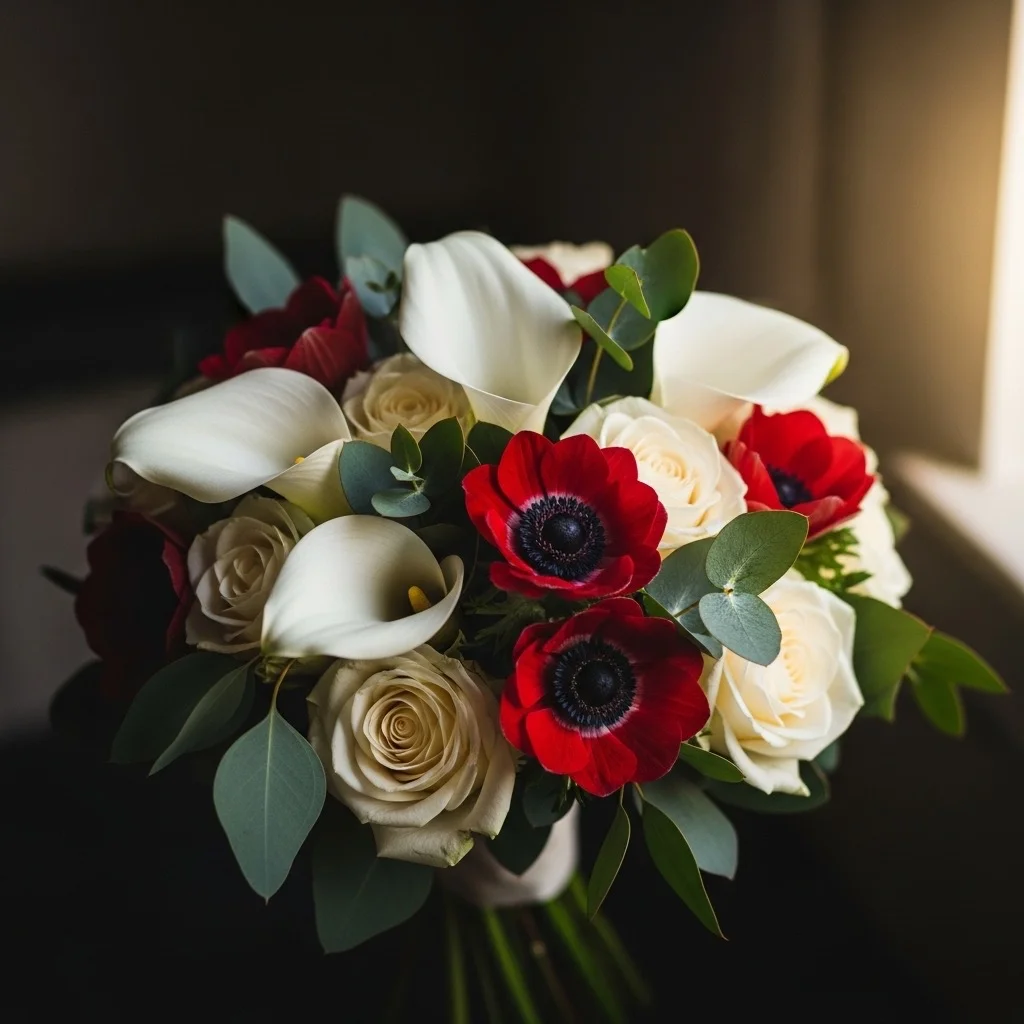
Part 3 – White Isn’t Flat — Why Winter Whites Photograph Better Than Pastels
A common misconception about white flowers is that they appear dull or flat in photographs, especially when compared to vibrant pastel shades. However, this couldn’t be further from the truth. White flowers have a unique ability to reflect and enhance the ambient light around them, creating a soft, luminous effect that pastels often cannot replicate. This subtle glow not only looks beautiful in person but translates stunningly in photographs, adding dimension and elegance to every shot.
One of the key reasons photographers often recommend white floral arrangements for winter receptions is their ability to complement candlelit venues. White blooms, like roses, calla lilies, and orchids, seem to “capture” the warm flickering light of candles and chandeliers, giving them an ethereal radiance against the winter backdrop. This interplay between the natural beauty of the flowers and the ambient lighting creates a soft, romantic aesthetic that pastel tones might overpower.
Additionally, white flowers have a timeless and versatile quality that makes them ideal for minimalist or opulent designs. They pair seamlessly with metallic accents, subtle greenery, and even preserved flowers, offering endless opportunities to create chic, cohesive photos that are anything but boring. While pastels can limit the mood of a color palette, white flowers allow photographers to play creatively with shadow, texture, and depth, ensuring every photo feels dynamic and luxurious.
For winter weddings, white floral arrangements serve as a stunning, camera-ready choice that pairs perfectly with the season’s cozy lighting and frosted natural scenery. Far from being flat or bland, white flowers exemplify grace, light, and versatility, transforming wedding spaces into elegant winter wonderlands.
Part 4 – The Role of Greenery in Low-Light Floral Design
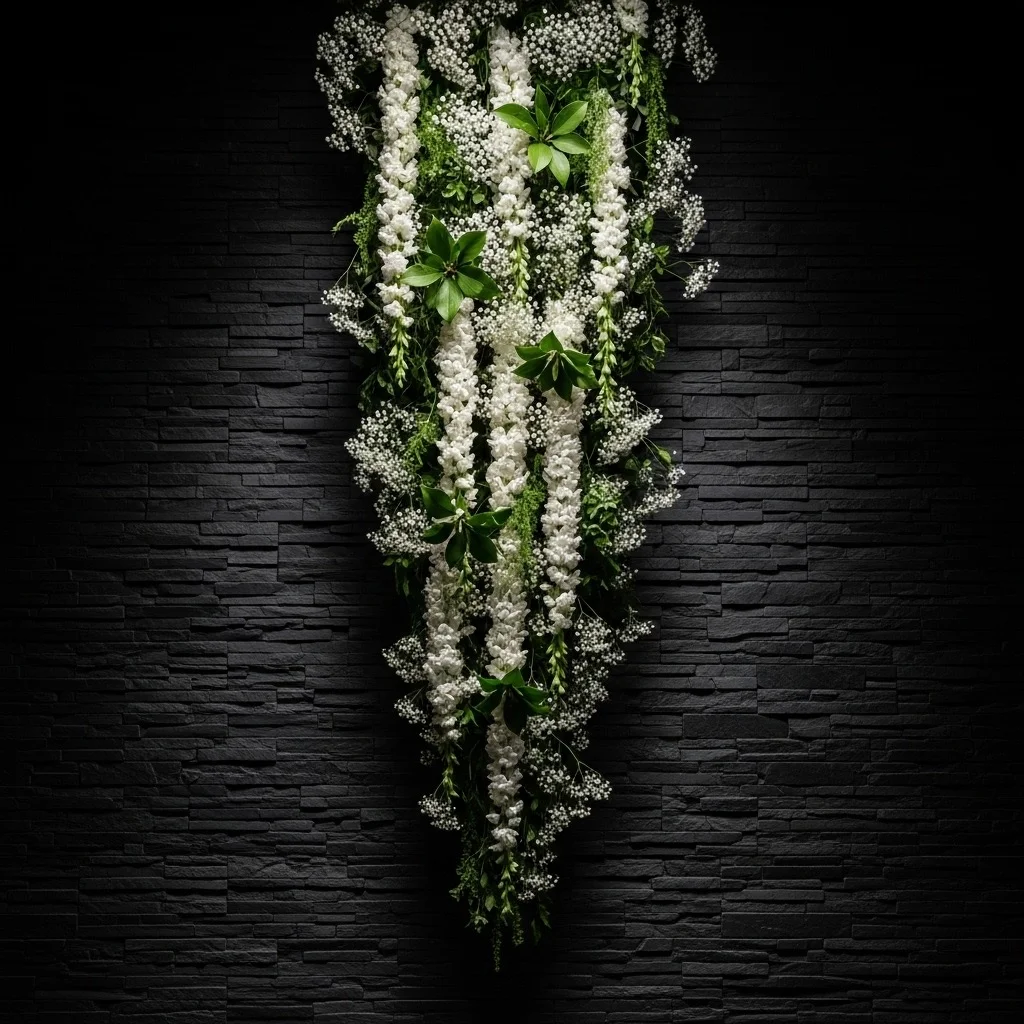
Greenery plays an essential role in achieving balance and richness in floral arrangements, particularly in low-light environments like winter weddings. It offers depth, contrasts beautifully against softer hues, and enhances the overall composition by adding texture and visual harmony. When paired with white flowers, greenery provides an organic frame that emphasizes the blooms while complementing the season’s natural surroundings.
Dark Greenery Creates Visual Anchors
Deep green tones, especially from foliage like eucalyptus and other winter greenery, act as natural anchors in floral designs. They prevent a washed-out effect by introducing a bold contrast against lighter elements. This contrast draws the eye and ensures that arrangements maintain a dynamic, structured appearance in photographs. For instance, eucalyptus leaves, with their muted undertones, blend seamlessly without overpowering white blooms, helping to deepen the composition and add sophistication. Meanwhile, the natural texture of greenery accentuates the soft elegance of white flowers, amplifying their visual charm in both real life and on camera.
Best Greenery Types for Winter Photography
Some greenery types stand out as favorites for winter floral arrangements, thanks to their adaptability and textural qualities. Eucalyptus, famed for its muted, frosty-green tones, is a top choice for framing white flowers. It complements seasonal themes while maintaining a graceful, understated elegance. Pampas grass, though used sparingly, introduces an airy texture and subtle movement that brings depth to arrangements. It works particularly well in larger displays, adding warmth and dimension to winter photography backdrops.
For those looking to source greenery in bulk, greenery bundles can be a practical and cost-effective option. These bundles offer a mix of versatile foliage types, allowing designers to experiment with layering, volume, and contrast to achieve their desired effect.
For additional resources, explore our selection of bulk flowers, offering a variety of greenery options ideal for winter floral creations.
Part 5 – Texture-Rich Winter Arrangements That Hold Depth on Camera
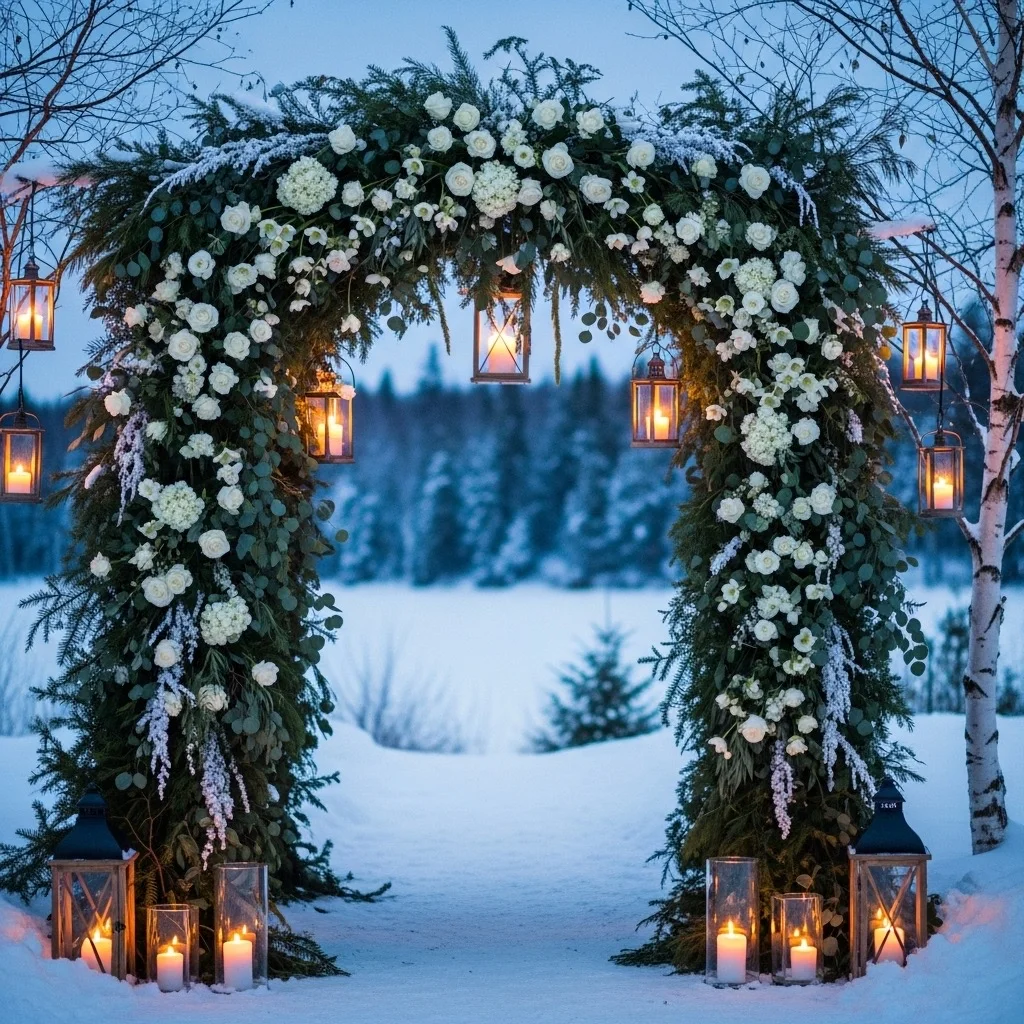
Creating winter arrangements that photograph beautifully often hinges on the use of texture. Proper texture selection can help prevent images from appearing flat, particularly in dimly lit spaces where lighting may not fully illuminate details. By combining layered textures and complementing shapes, floral designs develop a multidimensional quality that translates seamlessly on camera. Mixing soft, delicate blooms with denser or more structured elements introduces contrast that enhances depth within the arrangement.
One effective way to achieve this is by combining ranunculus, dahlias, and carnations. The lush and tightly-layered petals of ranunculus offer a romantic softness that pairs beautifully with the bold structure of dahlias. Meanwhile, carnations provide a ruffled texture that bridges these elements, adding an intricate yet cohesive visual balance. Together, these flowers create a lush composition that holds its vibrancy and complexity, even in challenging indoor lighting.
Winter arrangements also thrive with a layered construction process. By placing flowers at varying heights and incorporating greenery or spaced-out stems, designs gain added dimension. Integrating flowers like tulips, with their smooth, elegant curves, adds movement and natural flow, ensuring the arrangement feels dynamic rather than static. Strategically layering blooms not only enhances the visual appeal but also adapts the arrangement to perform well on camera, whether for social media, editorial shoots, or personal photography projects.
Ultimately, the careful pairing of textures and thoughtful layering transforms winter arrangements into captivating visual displays. By emphasizing depth and variety, these creations ensure your designs are both rich in detail and camera-ready regardless of the season.
Part 6 – How Venue Lighting Influences Floral Choices
Lighting plays a crucial role in the perception of floral arrangements, affecting everything from their colors to their textures and overall impact. When selecting florals for an event, it’s essential to consider how they will interact with the venue’s lighting setup. By planning arrangements around lighting rather than seasonality alone, you can ensure your designs remain visually striking and cohesive throughout the event. Below, we’ll explore how three popular lighting styles—candlelight, string lights, and uplighting—can influence your floral choices and how to create arrangements that shine in each setting.
Candlelight vs String Lights vs Uplighting
Candlelight
Candlelight casts a warm, intimate, and gently flickering glow, creating a romantic and cozy ambiance. To complement this lighting style, opt for flowers with soft, muted tones such as blush roses, ivory hydrangeas, or dusty blue eryngium. Textures like pampas grass and dried blooms also pair beautifully with the subtle warmth of candlelight, enhancing a rustic or vintage aesthetic. Avoid highly saturated colors as they may appear overly harsh or lose their true vibrancy in this dim environment.
String Lights
String lights bring a whimsical and enchanting quality to venues, with their delicate illumination and golden hue. To match this dreamy lighting, choose florals with light or pastel shades such as baby’s breath, pale pink peonies, or lavender sprigs. Organic, airy arrangements with trailing greenery like eucalyptus or ivy can amplify the fairytale atmosphere created by string lights. These arrangements should be light and flowing, reflecting the playful and relaxed vibe of such lighting.
Uplighting
Uplighting, commonly used for weddings and upscale events, often features bold and colorful lighting that can drastically alter how florals appear. To work harmoniously with uplighting, select flowers with deep, vibrant shades like ruby red dahlias, magenta orchids, or emerald foliage. Coordinate your floral palette with the dominant colors of the lighting scheme, ensuring they amplify rather than clash with one another. Strong and structured arrangements often suit this type of lighting, as they hold their own against the dramatic effects.
How to Plan Florals Based on Lighting Rather Than Season
When designing arrangements, prioritize lighting cues over seasonal trends. Begin by identifying the primary type of lighting in the venue and evaluate its color temperature, intensity, and coverage. Next, choose floral hues and textures that will harmonize with or enhance the lighting for optimal visual appeal. Testing arrangements in advance, particularly by photographing them in similar lighting conditions, can help refine your choices. By focusing on lighting compatibility, you can create designs that will look stunning in person and on camera, regardless of the time of year.
Part 7 – Why Winter Brides Benefit From Buying Flowers Wholesale
Winter weddings hold a distinct charm, often featuring ethereal backdrops and intimate settings. For brides planning their perfect day, sourcing flowers wholesale offers significant advantages. By procuring blooms early and in bulk, winter brides can ensure access to fresh, camera-friendly flowers that thrive even in colder months.
Planning ahead is crucial to securing flowers with strong visual appeal, especially for photographs. Flowers sourced wholesale are often of higher quality and fresher due to direct access from growers. This means their colors, textures, and vibrance are more likely to pop in both natural light and flash photography, enhancing the overall wedding aesthetic. Testing arrangements in advance, utilizing samples from wholesale orders, allows brides to refine their designs to harmonize perfectly with lighting conditions and décor.
Another key benefit of purchasing flowers wholesale is the ability to afford better-quality stems while staying within budget. Bulk sourcing not only reduces costs but also provides a wider selection of seasonal blooms, empowering brides to prioritize stems that complement their wedding theme. Whether aiming for luxurious garlands, statement centerpieces, or elegant bouquets, buying wholesale ensures maximum value and flexibility for crafting a personalized floral vision.
This approach is especially advantageous for DIY weddings, event planners, and florists looking to achieve high-impact visual results without stretching expenses. By opting for wholesale flowers, budgets can be allocated more effectively, whether it’s toward custom installations or accent decorations. With wholesale and bulk buying options, brides can confidently blend style with savings, ensuring the day remains both striking and affordable.
For more tips on sourcing quality blooms for your wedding, explore our resources on wholesale flowers, bulk flowers, and wedding flowers. Planning strategically can transform a winter wedding into an unforgettable floral masterpiece.
Common Mistakes That Cause Winter Flowers to Photograph Poorly
When planning winter wedding florals, it’s easy to focus solely on the beauty of the arrangements in person. However, how flowers translate in photographs is just as important. Here are some common mistakes to avoid:
Overusing Pale Pastels
While soft pastel tones can be ethereal and romantic, they often lack contrast when photographed against snowy or neutral winter backdrops. The resulting images may appear washed out or flat. Balancing pastels with deeper, richer hues can create dimension and intrigue, making both the flowers and the scene pop on camera.
Ignoring Contrast and Greenery
Greenery can act as a grounding element in any floral arrangement, especially during winter. Choosing flowers without incorporating enough greenery can result in photos with little depth or texture. Vibrant greens, elegant dark foliage, or even textured branches not only add contrast but also enhance the natural appeal of your arrangements.
Choosing Flowers Without Considering Petal Reflectivity
Some flowers have petals with reflective qualities that can create glare or unnatural lighting in photographs. White roses and lilies, for example, might reflect flash or daylight in a way that distorts their texture. Opt for blooms with a matte finish or pair them with complementary elements to diffuse the light effectively.
The biggest mistake winter brides make is choosing flowers for color alone instead of camera performance.” By selecting flowers based on how they photograph under varying lighting conditions, couples can ensure their arrangements look as breathtaking in pictures as they do in person. Thoughtful planning will help flowers shine as the perfect backdrop to timeless wedding moments.
Conclusion: Designing Winter Wedding Flowers That Shine on Camera
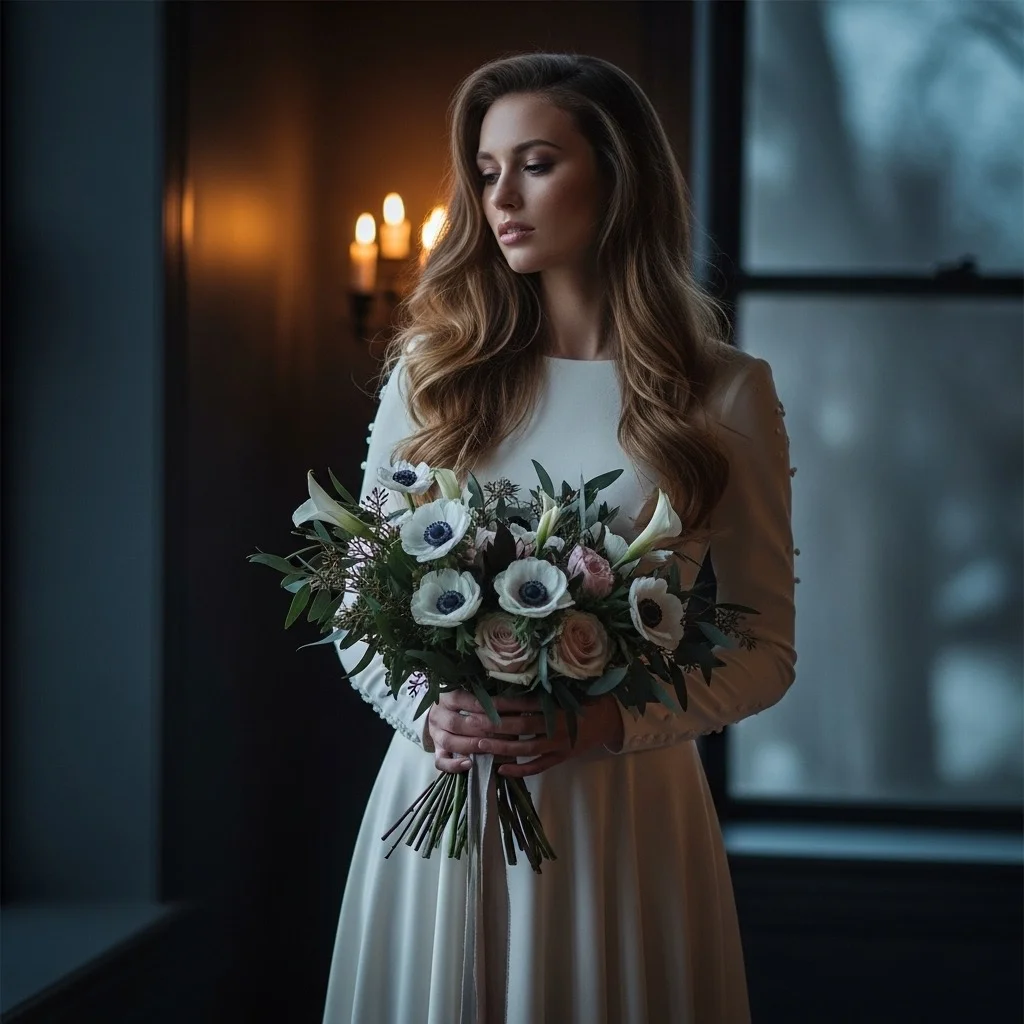
Winter weddings offer a unique opportunity to create visually stunning experiences. The pristine beauty of the season, with its cool tones and soft natural light, provides a magical backdrop that enhances the elegance of any floral arrangement. By selecting flowers that not only capture the spirit of the season but also photograph beautifully, couples can elevate their wedding photos into cherished works of art.
Thoughtfully chosen blooms, with textures and finishes that complement varying lighting conditions, ensure that every detail looks exquisite on camera. From soft, matte petals to arrangements designed for optimal light diffusion, smart flower selection creates harmony between the natural environment and the lens. This attention to detail allows the true essence of a winter wedding to shine in every captured moment.
For couples seeking premium-quality florals, Whole Blossoms is a trusted wholesale partner, offering a diverse selection of flowers perfect for winter weddings. With access to fresh, high-quality blooms and expertise in floral planning, Whole Blossoms ensures that your arrangements will meet and exceed expectations, both in person and through the camera’s eye.
To create the perfect winter wedding look, early planning is essential. By ordering in advance, couples can secure the best availability of seasonal flowers and enjoy peace of mind knowing their vision will be flawlessly executed. With intentional design and the right supplier, winter wedding florals can become the perfect complement to a day filled with timeless joy and beauty.