


 by
by 
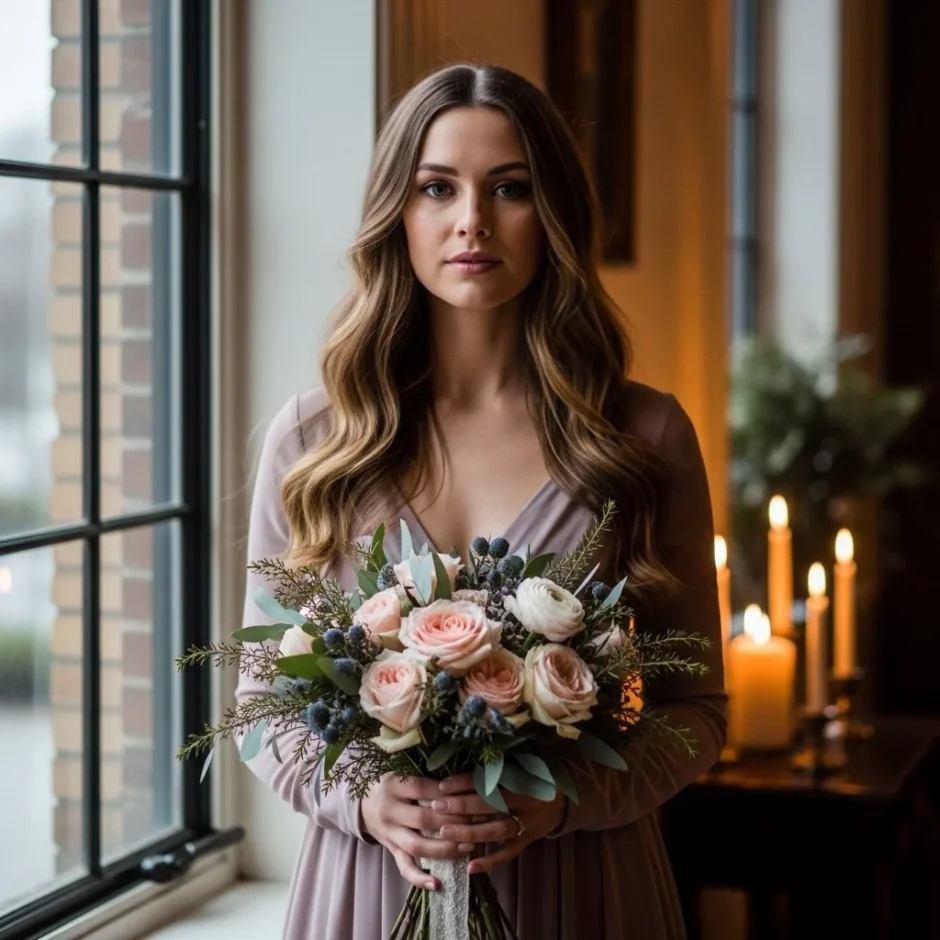
Valentine’s Day flowers hold a unique and quiet influence over how brides approach their wedding florals. Long before the guest list is finalized or the dress is chosen, Valentine’s Day often serves as a bride’s first emotional benchmark for flowers. The vibrant reds of roses, the soft neutrals of hydrangeas, and even the way greenery frames a bouquet leave an impression that lingers in memory. These moments—whether an extravagant display or a single exquisite bloom—introduce brides to the quality, color, and freshness that they subconsciously begin to expect for their wedding day.
The emotional memory tied to Valentine’s Day flowers plays a powerful role in shaping a bride’s long-term vision for her wedding florals. February’s fresh floral offerings illuminate subtle contrasts brides later recognize while planning their special day. For instance, the velvety richness of preserved roses often evokes timeless romance, while the lush texture of hydrangeas signals understated elegance. Even minor details like color variations, petal structure, and bouquet composition become reference points, guiding decisions on larger and more intricate bridal arrangements.
This seasonal exposure creates a standard against which wedding flowers are judged. Brides may not realize it, but their perception of floral design begins forming as early as Valentine’s Day, establishing preferences in subtle ways. Whether it’s the choice of a soft pastel color palette or a preference for contemporary greenery, February’s blooms quietly set expectations. With each passing year, these memories help build the foundation for a visual and emotional floristry language that resonates deeply when their wedding plans take center stage.
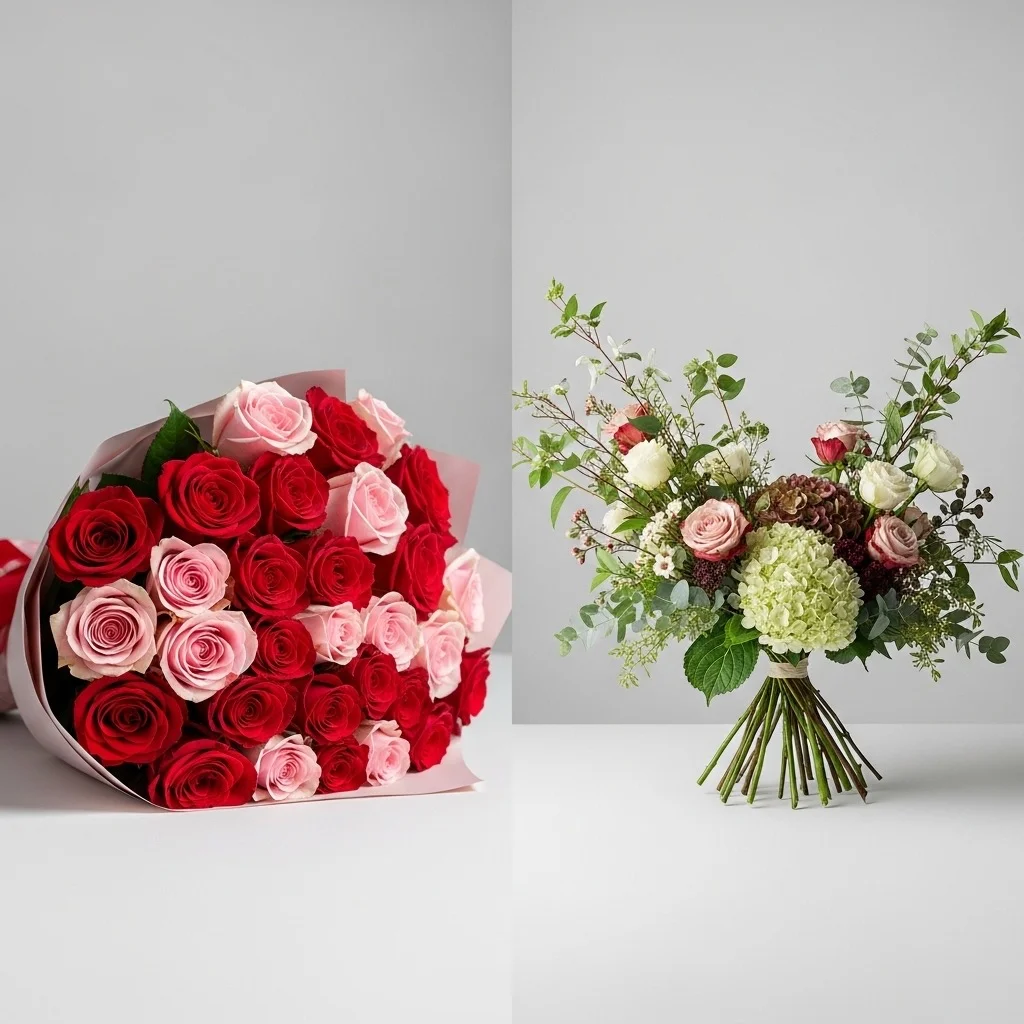
Part 1 – What Is the Difference Between Valentine’s Day Flowers and Wedding Flowers?
When it comes to floral arrangements, Valentine’s Day flowers and wedding flowers serve distinctly different purposes. While the blooms themselves might sometimes overlap, their emotional context, design goals, and presentation vary greatly, creating unique experiences for different occasions. Understanding these differences can help illuminate why brides often unconsciously draw comparisons between the two.
Purpose and Emotional Context
Valentine’s Day flowers are designed for impact and immediacy. These bouquets are intended to wow the recipient, often with bold, classic gestures of love. Arrangements typically feature dramatic blossoms like roses or carnations, sometimes paired with striking accents or lush greenery for maximum visual effect. Their role is to deliver a powerful expression of affection or romance in a single moment.
On the other hand, wedding flowers are a long-term investment in cohesion, longevity, and storytelling. For weddings, every petal plays a role in creating a seamless vision that ties together the ceremony and reception aesthetics. From the dramatic bridal bouquet to intricate centerpieces, wedding flowers are curated to match the event’s theme, color palette, and emotional tone. Flowers like tulips, roses, and soft greenery are often chosen for their timeless elegance and ability to complement the overall narrative of the day.
Why Brides Compare Them Without Realizing It
The connection between Valentine’s Day flowers and wedding flowers begins much earlier than most brides realize. Valentine’s Day arrangements often set the stage for how blooms are perceived in the years leading up to their wedding.
One of the first factors is exposure to stem quality. Valentine’s Day flowers are typically the initial introduction to professionally arranged blooms, teaching people to identify fresh petals, healthy leaves, and well-composed designs. These early impressions subconsciously influence what brides later seek in their own wedding flowers.
Another key reason is the emotional anchoring of flower experiences. Receiving a radiant bouquet of roses or lush carnations on Valentine’s Day often creates a moment of deep sentimental attachment. When the time comes to plan their wedding, brides naturally gravitate toward flowers that evoke similar feelings or memories.
Ultimately, the interplay between these two types of floral arrangements is subtle but significant. They share the power to express love and beauty but do so in ways tailored to their unique occasion. It’s no wonder many prospective brides, when tasked with selecting wedding flowers, may find themselves reflecting on roses and tulips arranged just so—not fully realizing the influence those Valentine’s Day stems still hold.
What’s the difference between Valentine’s Day flowers and wedding flowers? Thousands of fleeting blooms and cherished moments reveal the answer lies in purpose, timing, and the enduring beauty they bring to life’s most meaningful celebrations.
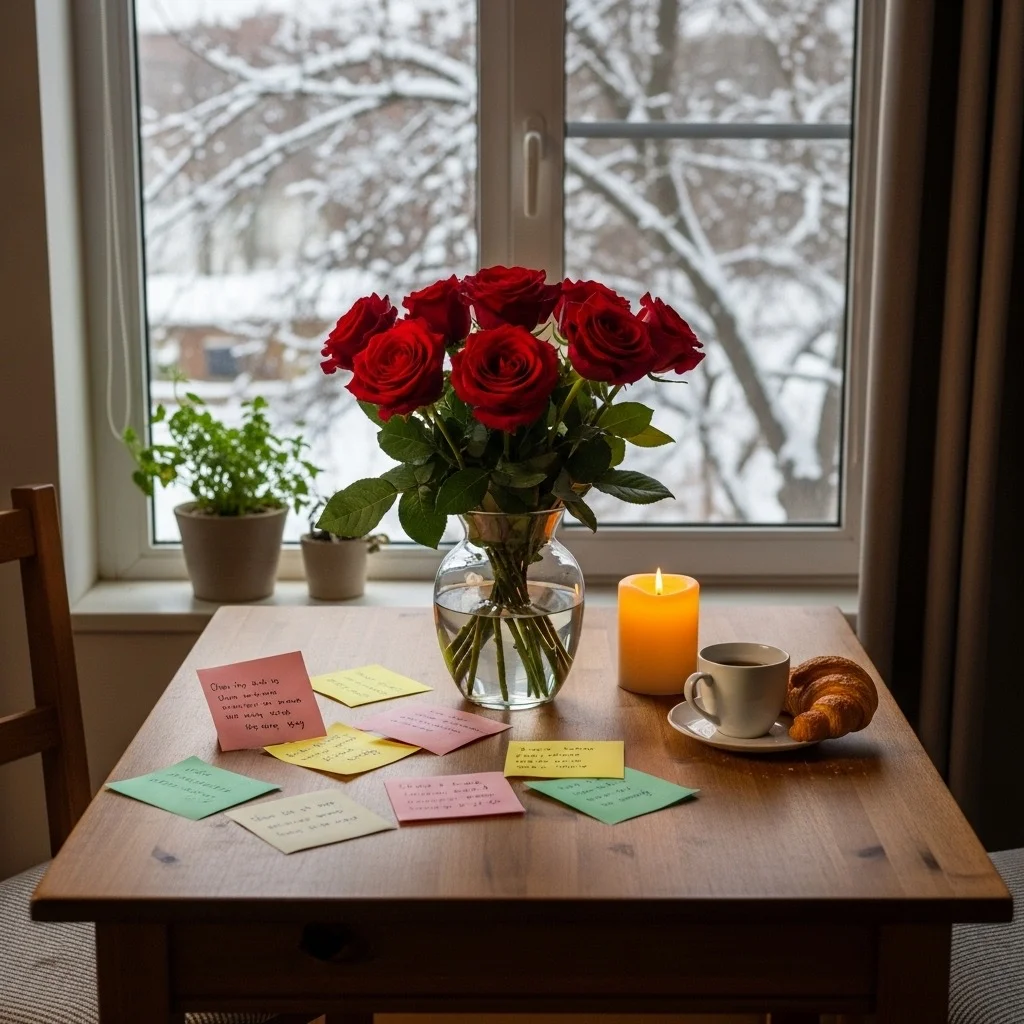
Part 2 – Color Saturation – The First Detail Brides Notice Instinctively
Color plays an undeniable role in how flowers are perceived and chosen for weddings. While many brides may not consciously articulate it at first, the saturation and depth of hues instantly capture their attention. The juxtaposition of bold Valentine’s Day bouquets with the nuanced tones typical of wedding flowers highlights the way color sets the mood and tone for any occasion.
Valentine’s Day Colors vs. Wedding Palette Expectations
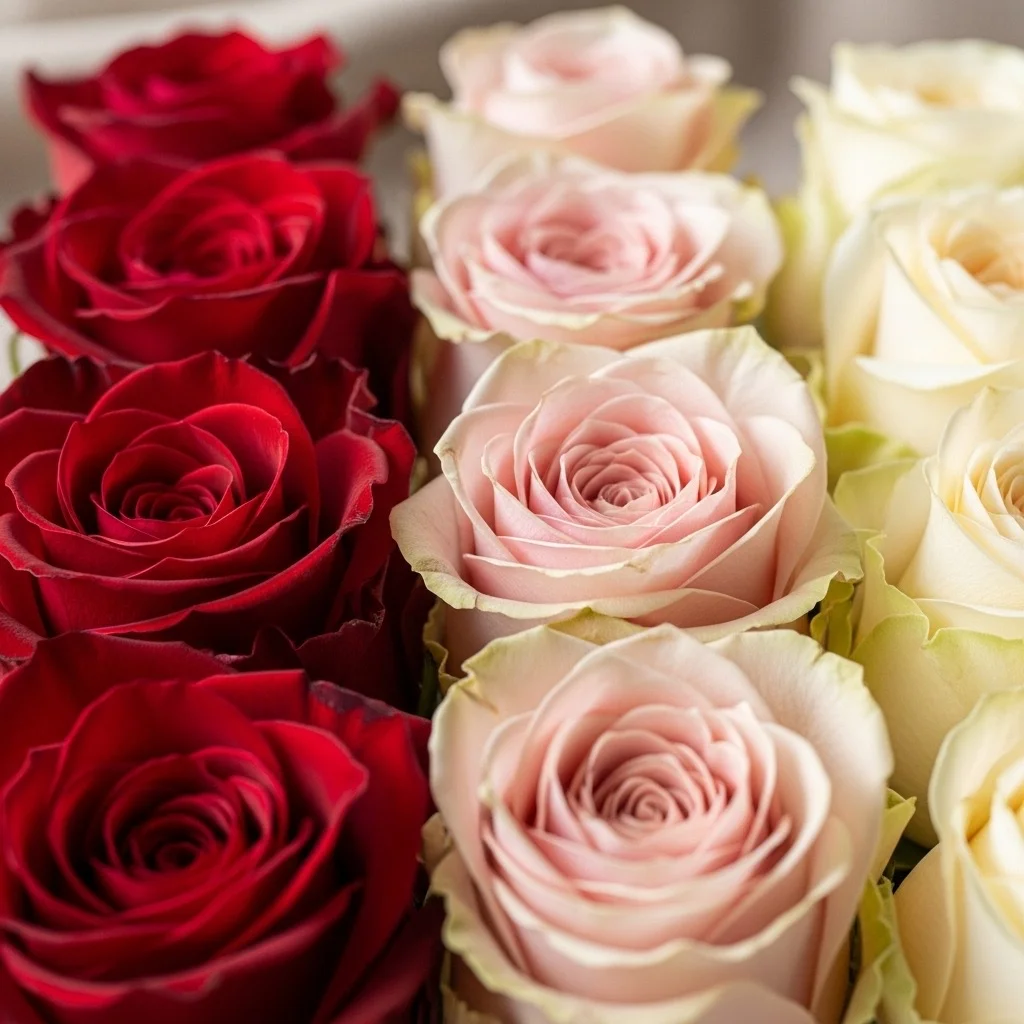
Valentine’s Day is synonymous with high-saturation reds, vivid pinks, and occasionally stark whites, creating a dramatic and romantic aesthetic. These bold, passionate hues create a sense of urgency and intensity, aligning perfectly with the holiday’s theme of love in its most vibrant form. Over time, these striking shades have trained the eyes of brides-to-be to associate flowers with moments of significance. However, when it comes to weddings, the expectations shift toward softer, more nuanced tones that convey subtlety and sophistication.
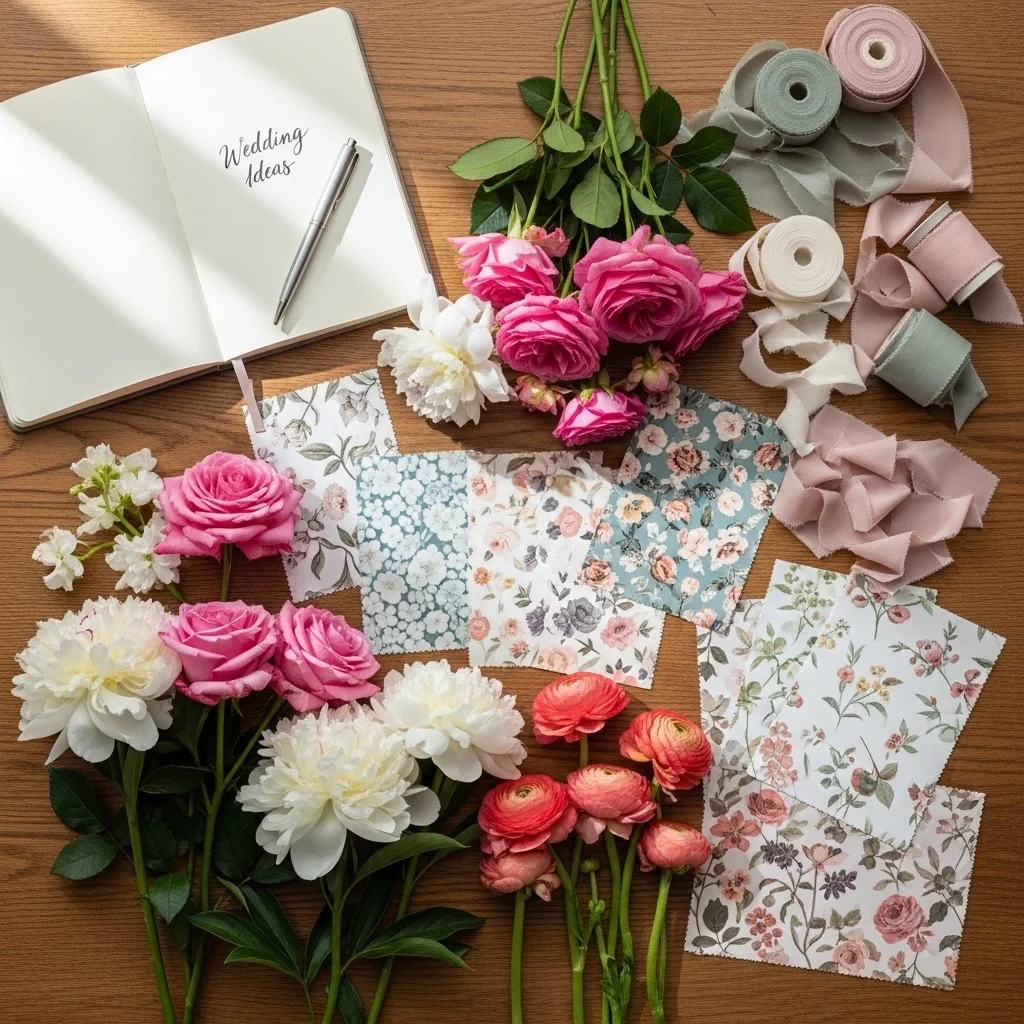
Wedding flowers often play with gradient palettes—dusty rose, blush pink, and champagne tones balanced with gentle greens or creams. Roses, peonies, and ranunculus are frequently used to craft carefully coordinated arrangements where contrast is kept delicate, rather than overwhelming. The softer appearance of these palettes allows for a more timeless atmosphere, ensuring the flowers complement rather than dominate the setting.
Why Color Balance Matters More Than Brightness
For brides, it isn’t just the vibrancy of flowers that matters but the harmony of the entire arrangement. A perfectly balanced palette creates a cohesive foundation for other wedding elements, such as décor and attire. While Valentine’s flowers often thrive on intensity and single-note impact, wedding arrangements rely on depth and balance.
For example, a bouquet mingling pastel dahlias, creamy roses, and soft-toned ranunculus feels layered and intentional, with an emphasis on creating flow rather than standing out individually. Brides instinctively seek these harmonious combinations, as they understand the value of unity and continuity throughout the event. Beyond brightness, it is the careful interplay of shades that leaves a lasting impression—and why balancing color is often their first instinctive focus.
Part 3 – Stem Quality – Why Brides React Before They Can Explain Why
When it comes to selecting wedding flowers, brides often react to the quality of stems before they can articulate why. Stem quality is about more than just visual appeal; it is an intricate balance of length, thickness, head size, and hydration lifespan that brides may unconsciously notice. Understanding these details helps explain why brides instinctively favor wholesale wedding stems over retail Valentine’s stems, even without realizing it.
Valentine’s Retail Stems vs Wholesale Wedding Stems
Retail flowers, like those sold during Valentine’s Day, are typically chosen for short-term impact. They are grown to be showy and appealing for a single day of romance. Consequently, they may fall short when judged on factors most significant for wedding designs:
- Length
Valentine’s retail stems are often shorter, designed for compact arrangements and single bouquets. Wholesale wedding stems, on the other hand, boast elongated stems perfect for grand, cascading designs.
- Thickness
Retail flowers may feature thinner stems, which are more susceptible to bending or wilting under the weight of large blooms. Wedding-quality stems are thicker and sturdier, providing better structural integrity for intricate floral arrangements.
- Head Size
Flowers sold for Valentine’s Day frequently feature smaller blooms due to their mass-production nature. Wholesale wedding offerings prioritize large, lush heads that ensure striking focal points in designs.
- Hydration Lifespan
Retail flowers often suffer from inadequate hydration, making them prone to quick wilting after purchase. By contrast, wholesale stems have been cared for over longer periods with advanced techniques, ensuring extended freshness crucial for all-day events.
How Valentine’s Flowers Create Quality Awareness
Interestingly, Valentine’s flowers often serve as a bride’s first introduction to the concept of flower quality. While they can inspire joy and romance, they may also plant the seed that not all blooms are created equal. Brides notice the difference in texture, hue vibrancy, and longevity, forming a mental benchmark for what “quality” should feel like. This is where wholesale flowers stand head and shoulders above retail ones.
Take for instance, iconic flowers such as roses, calla lilies, and orchids. Their wholesale counterparts deliver robust stems and fuller heads, making them indispensable for luxurious wedding arrangements. Brides begin associating these premium qualities with the emotions they want to emphasize on their special day—elegance, beauty, and timelessness.
For those planning an unforgettable event, understanding these distinctions makes the decision to source wholesale flowers a natural choice, ensuring both quality and emotional resonance.
Part 4 – Freshness and Longevity – What Brides Remember Days Later
Planning a wedding comes with countless details, but one element brides consistently focus on is the freshness and longevity of their flowers. Days after the event, when the chaos has settled, the beauty of the floral arrangements remains an enduring memory. This is why careful selection of wholesale flowers plays such a crucial role in crafting an unforgettable experience. Unlike flowers designed for short-term display, like those for Valentine’s Day, wedding flowers must maintain their elegance and form through hours of ceremonies, receptions, and even into post-ceremony photographs.
Valentine’s Day Flowers Are Designed to Impress Fast
Valentine’s Day flowers, with iconic stems such as roses or tulips, are cultivated and prepared to deliver an immediate impact. The emotion behind these arrangements works in a short, powerful window—usually a single day dedicated to love and romance. Their brilliance is meant to stun, capturing attention quickly with vibrant blooms and rich hues. However, these flowers are not typically conditioned for longevity, as their purpose diminishes once the holiday ends.
Wedding Flowers Must Perform Over Time
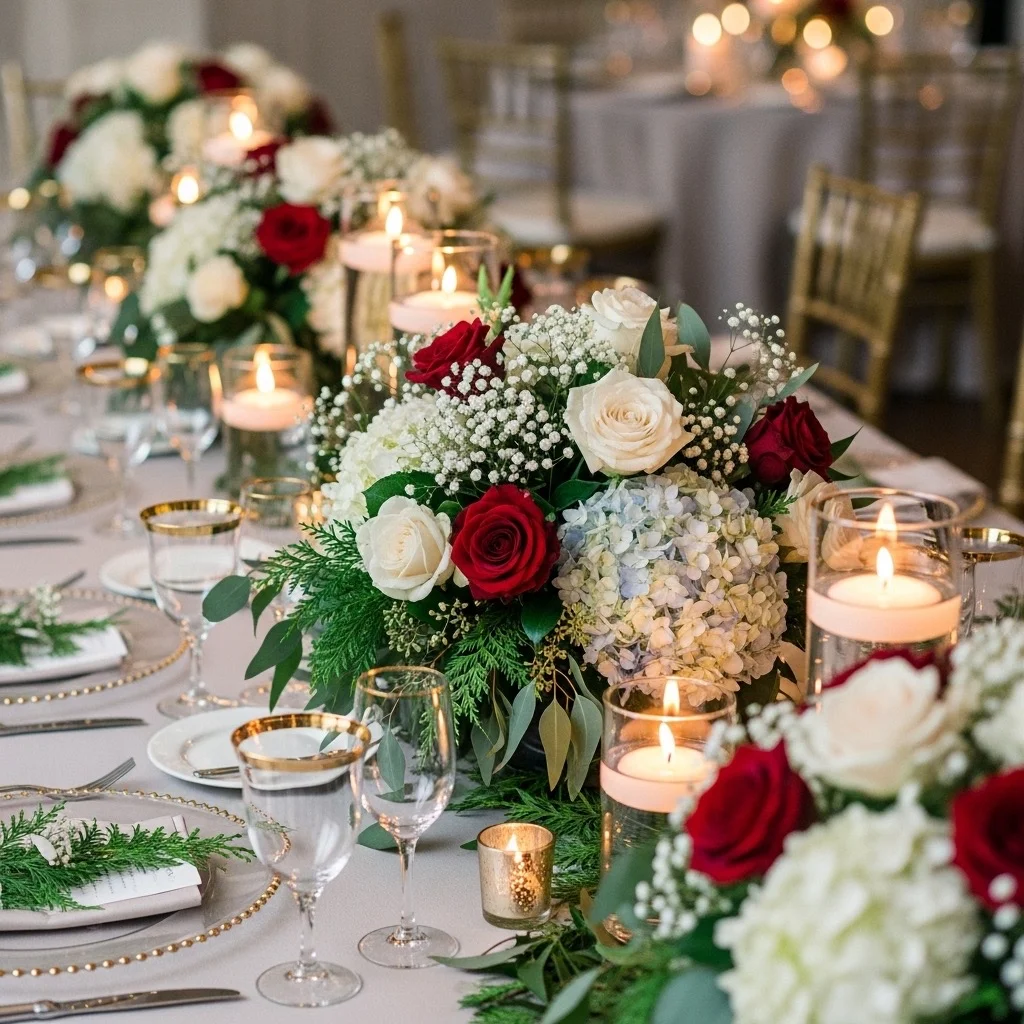
Wedding flowers, on the other hand, are in it for the long haul. From the moment they’re arranged in the morning to late-night receptions, these blooms must perform flawlessly. Hydrangeas, baby’s breath, and delicate greenery such as eucalyptus are popular choices due to their durability and timeless aesthetic. These flowers not only need to enhance the ceremony and reception spaces but also maintain their beauty through hours of photos, allowing couples to cherish their elegance in cherished albums for years to come.
When sourcing flowers for weddings, wholesale options are particularly advantageous since they are fresher upon arrival and conditioned to stand the test of time. Brides often ask, “How long do wedding flowers last compared to Valentine’s flowers?” The answer lies in both the care taken during selection and the flowers’ inherent qualities. The longevity of wedding blooms is a testament to careful preparation and the premium quality of wholesale varieties, ensuring their charm lives on far beyond a single day.
Part 5 – Emotional Response – Why Valentine’s Flowers Spark Wedding Inspiration
Flowers have long been a symbol of love, and Valentine’s Day amplifies this sentiment with vivid arrangements exchanged between loved ones. For many brides-to-be, these floral displays spark a powerful emotional response that influences their wedding planning. The romantic essence of Valentine’s blooms often serves as the muse for creating breathtaking wedding aesthetics. The connection between the emotions associated with Valentine’s Day and the dream of saying “I do” encourages brides to use this holiday as a starting point for floral inspiration that aligns with their vision.
Emotional Memory vs. Event Vision
Valentine’s flowers speak to the heart, creating a fleeting yet poignant emotional memory. Their impact lies in the moment – a declaration of love that feels intimate and personal. Weddings, on the other hand, elevate love to an enduring milestone, celebrating not just a moment but a lifelong commitment. Brides often draw on the emotional resonance of Valentine’s Day when selecting their wedding flowers, blending momentary romantic energy with the gravity and grandeur of their upcoming celebration. This fusion ensures that wedding blooms carry both emotional weight and timeless beauty.
Why Brides Start Saving Flower Photos in February
By February, Pinterest boards and online image searches begin to fill with bridal visions fueled by the abundant floral designs of Valentine’s Day. Brides are inspired by dramatic images of preserved roses, delicate pampas grass arrangements, and cheerful sunflowers in tailored bouquets. Valentine’s Day encourages creativity, showcasing florals in unexpected combinations and bold hues that intrigue brides-to-be. Platforms like Pinterest facilitate this creative exploration, allowing brides to curate ideas early in the year, ensuring their wedding flower arrangements capture both their personality and the ethereal inspiration sparked by those initial Valentine’s blooms.
Part 6 – Bulk vs Single Arrangements – When Brides Start Thinking Bigger
The Shift from One Bouquet to Full Design
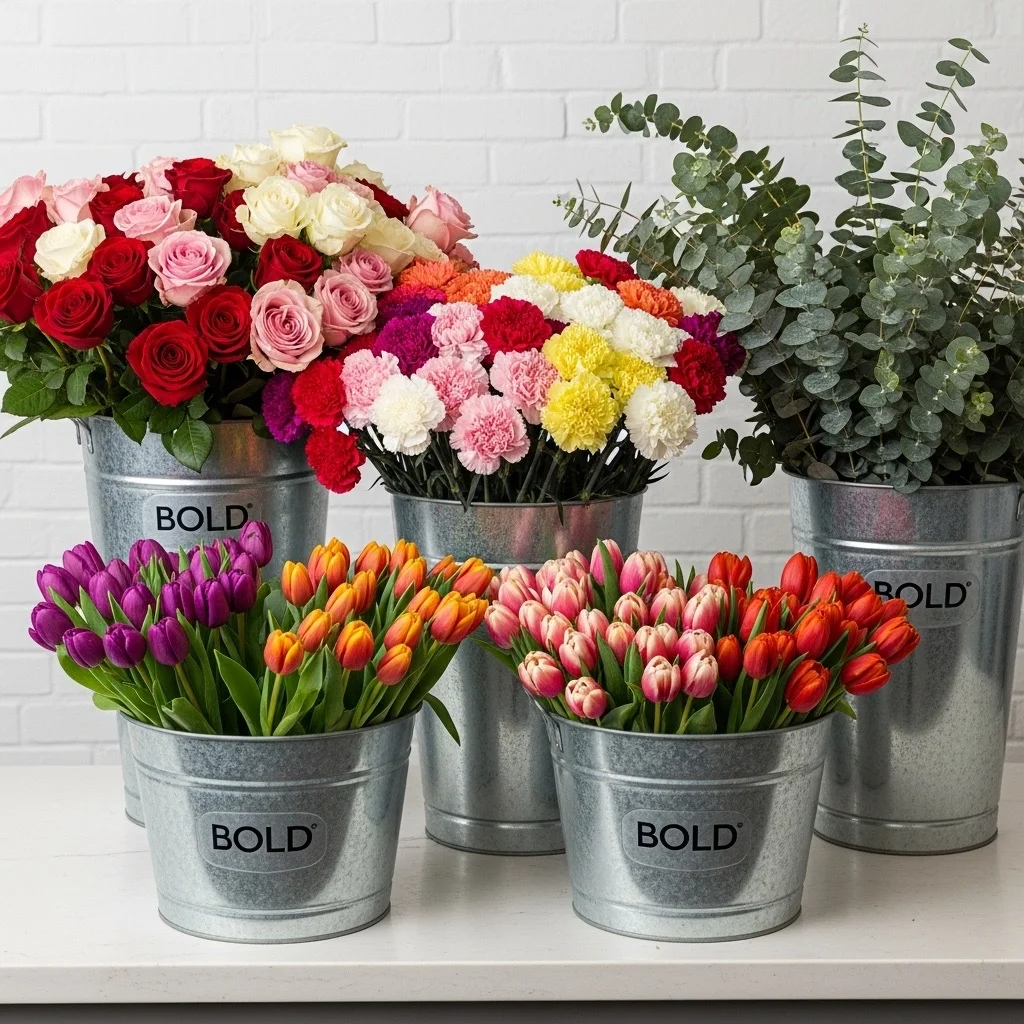
Valentine’s Day often inspires brides-to-be with its striking use of floral contrasts, from lush, romantic roses paired with delicate greenery to bold carnations that stand alone in modern, minimalist arrangements. These vibrant, individual bouquets symbolize love and celebration, aligning well with the themes of an intimate proposal or the dreamy beginning of wedding planning. However, as brides transition from envisioning their wedding day to actively planning it, their focus shifts from a single arrangement to a cohesive floral design that can define the atmosphere of their entire event. Weddings, after all, are about volume and impact—bringing together the ceremony, reception, and every memorable moment in between under one floral theme.
While Valentine’s bouquets capture hearts with their artistry in showcasing contrasts, weddings demand layered compositions that fill spaces with color, texture, and mood. Brides begin to consider how their florals will transform key areas, from elegant aisle arrangements and grand centerpieces to intricate boutonnières and cascading bouquets. The leap from a stand-alone bouquet to full event design is fueled by the realization that flowers are a defining element of ambiance, setting the tone as much as lighting or decor. Understanding this shift is the first step into the world of bulk arrangements.
Why Bulk Flowers Become the Logical Next Step
For brides dreaming of fully designed floral landscapes, bulk flowers quickly emerge as an ideal solution. Not only do they offer cost efficiency, allowing couples to stretch their budget further by sourcing flowers in larger quantities, but they also unlock opportunities for creative control. With bulk flowers, brides can customize every detail of their arrangements, choosing their preferred roses, greenery, and carnations that seamlessly fit their vision. These flowers can then be adapted across various design elements, ensuring a consistent aesthetic throughout the event while adding that personal, handmade touch.
Additionally, purchasing bulk flowers encourages flexibility. Brides can work alongside florists or even take on DIY projects to mix and match floral components, resulting in arrangements that feel distinctly theirs. By going the bulk route, couples ensure their florals are not only beautiful but also meaningful—crafted with intention to tell their love story. For those beginning to see the bigger picture of wedding florals, bulk flowers are a natural choice that combines practicality with creative freedom.
Part 7 – How Valentine’s Day Quietly Educates Brides About Wholesale Flowers
When Valentine’s Day comes around, it’s easy to see the world of flowers in action. From overflowing shops to online orders, this high-demand holiday inadvertently teaches important lessons about florals to brides planning their weddings. Though it’s subtle, the insights gained during this season help brides better understand the value and potential of wholesale flowers for their special day.
What Brides Learn Without Being Told
Pricing Differences
Valentine’s Day showcases the drastic price differences between buying flowers at retail versus wholesale. Brides may notice the price spikes for ready-made floral arrangements and recognize the savings that could come from purchasing wholesale blooms instead. This understanding highlights how going straight to the source can protect their wedding budget without sacrificing quality.
Stem Sourcing
During the Valentine’s rush, many individuals become curious about where flowers come from. Brides planning weddings may begin to appreciate the global supply chain behind their blooms. Wholesale flowers stand out as a way to access premium, fresh stems directly from farms or suppliers, often with a wider selection than local retailers can offer.
Design Limitations
Valentine’s arrangements are usually pre-designed for speed and simplicity, which can be limiting for many brides wanting something personalized. The holiday demonstrates that creating signature designs requires control over the flower selection itself. Wholesale flowers empower brides to customize their arrangements, ensuring that the results reflect their unique style and story.
Why Wholesale Flowers Feel Like a Discovery, Not a Sale
Wholesale flowers offer more than just affordability—they give brides a sense of creative empowerment and discovery. Brides often feel like they’ve unlocked an insider’s secret when they explore this option, transforming their wedding planning process in exciting and meaningful ways. The ability to curate and design florals at their own pace places them at the center of the creative process.
Wholesale flowers also provide an authority-backed solution. Trusted suppliers and industry professionals often promote the wholesale route as a savvy choice for informed brides. This adds a layer of credibility to the decision, making wholesale florals not just an economical option, but also a professional and inspired one.
Part 8 – When Valentine’s Day Traffic Turns Into Wedding Planning Behavior
Valentine’s Day is not just about a flurry of roses and romantic gestures — it also serves as a significant trigger for wedding planning behavior. Around this time, newly engaged couples and event professionals begin envisioning the florals that will shape their special occasions, creating a surge in interest for wholesale flowers. Whether it’s a DIY bride looking for hands-on inspiration, event planners solidifying their floral needs, or florists researching trends ahead of wedding season, Valentine’s Day sets the wheels in motion for many. This heightened browsing activity opens opportunities for unmatched creativity and cost-effective solutions through wholesale flower suppliers like Whole Blossoms.
February Browsing Patterns
For the DIY brides, the weeks following Valentine’s Day are rife with creative exploration. These brides scour wholesale floral catalogs for seasonal favorites like peonies, ranunculus, tulips, and orchids, comparing colors, shapes, and budget considerations. Event planners, on the other hand, take a more strategic approach, finalizing floral volumes and aligning their aesthetic visions with upcoming spring and summer weddings. Florists, often the backbone of this industry, invest this lead time to research availability and pricing on sought-after blooms, ensuring their clients experience only the best.
Why Early Exposure Reduces Decision Anxiety
Early exposure to floral options helps reduce decision anxiety for everyone involved. With plenty of time to explore designs, compare options, and secure significant savings through trusted wholesale suppliers such as Whole Blossoms, buyers enjoy a smoother planning process. Familiarity with market trends and availability builds confidence in the choices made, ensuring the end result feels intentional and cohesive. For DIY brides, this process also deepens their engagement with the creative aspects of wedding planning, turning an overwhelming task into an empowering experience. Signature flowers like peonies, ranunculus, tulips, and orchids remain timeless favorites and often feature heavily in spring and summer weddings, ensuring that early research and decision-making pay off beautifully.
CONCLUSION: Why Valentine’s Flowers Are Often the First Step Toward Wedding Flowers
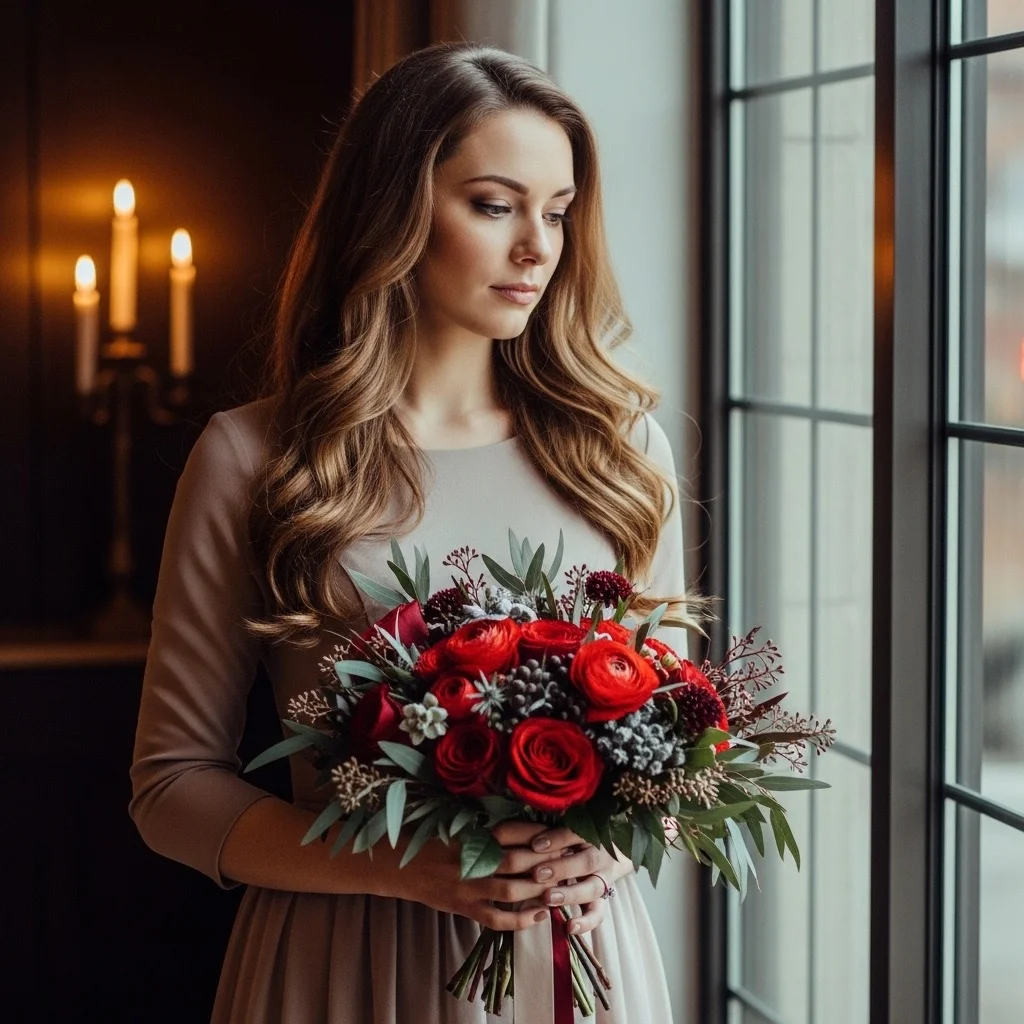
Valentine’s Day is more than a celebration of love—it can also lay the foundation for future milestones, such as planning a wedding. Choosing Valentine’s flowers is often the first step toward wedding floral design because the process engages many of the same themes that make wedding flowers so impactful. The emotional connection tied to a bouquet of roses or an arrangement of tulips establishes a tone of romantic beauty, which many couples want to carry forward into their big day. This emotional continuity makes the transition from Valentine’s flowers to wedding flowers a natural evolution, ensuring the integrity of the couple’s shared aesthetic.
Furthermore, selecting flowers for Valentine’s Day nurtures an awareness of quality. Couples often pay close attention to fresh, vibrant blooms and discover the key characteristics they love most in a floral arrangement. This early exposure to floral elements like petal texture, fragrance, and longevity serves as a visual education, empowering couples to make informed choices during wedding planning. Exploring flower pairings or variations that worked well for Valentine’s Day can inspire similar combinations for bridal bouquets, centerpieces, or décor, offering confidence in early decisions.
By experimenting with Valentine’s blooms, couples grow familiar with wholesale and bulk flower options, learning how these can be used to achieve stunning results on a larger scale. For those just starting their wedding planning process—or simply dreaming about it—now is the perfect time to explore the possibilities of Wholesale Flowers, Bulk Flowers, and Wedding Flowers. Begin with curiosity and creativity, and let your vision blossom naturally from one milestone to the next.