


 by
by 

Flowers are one of the most significant expenses in a wedding budget, often costing thousands of dollars. Many couples don’t realize that buying flowers wholesale can save 40-60% compared to florists and traditional wedding vendors. In 2025, with inflation and rising costs impacting nearly every aspect of wedding planning, wholesale flowers have become an even more attractive option for budget-conscious couples. Opting for wholesale flowers empowers couples to create stunning arrangements at a fraction of the price while still achieving their dream aesthetic.
This guide will explore the financial and practical advantages of buying wedding flowers wholesale. You’ll learn about cost comparisons between retail and wholesale options, the benefits of purchasing in bulk, and essential tips on sourcing, storing, and arranging flowers on your own. We’ll also provide detailed breakdowns of real savings you can expect depending on the type and size of your wedding. By taking this approach, you can trim your budget without sacrificing beauty or quality, leaving room to allocate funds to other important wedding elements or even your honeymoon.
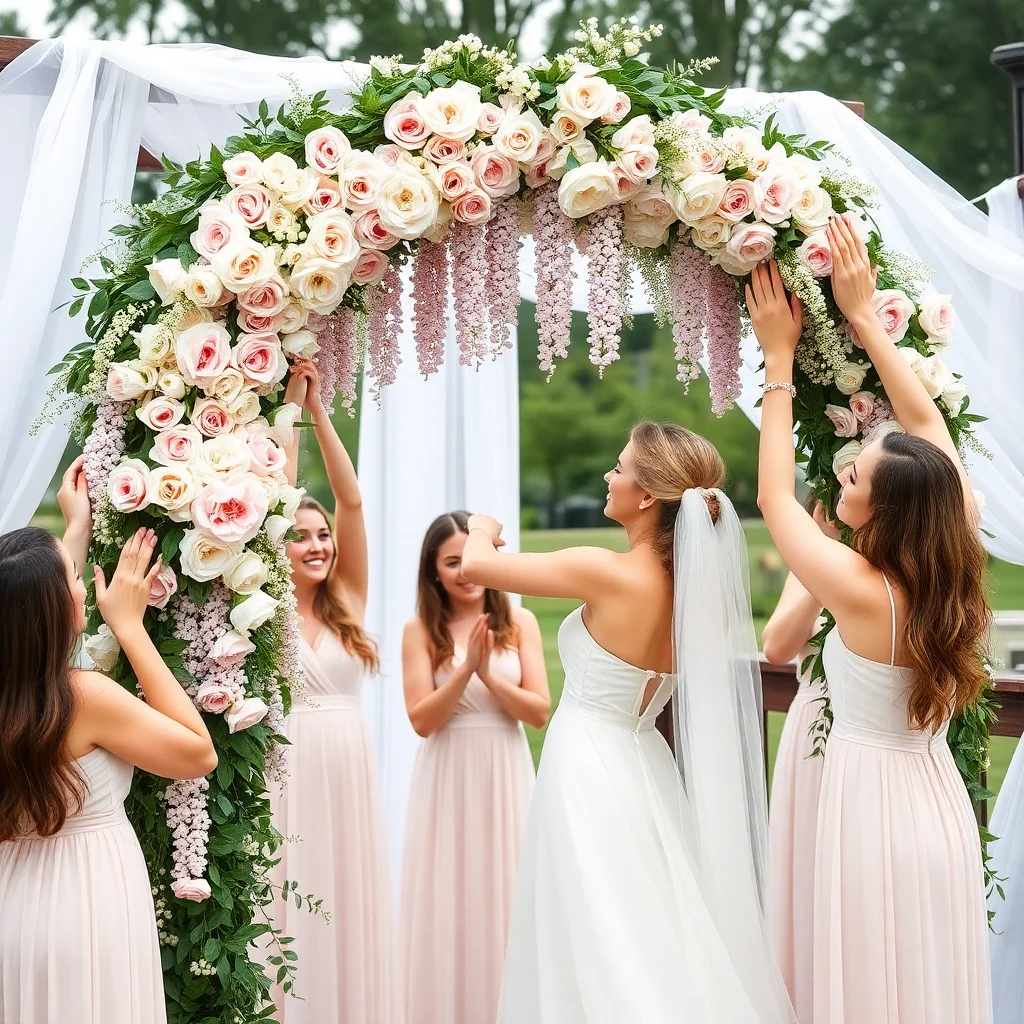
Part 1 – Traditional Florists vs. Wholesale Wedding Flowers
A. Understanding Retail Markups on Wedding Flowers
Traditional florists provide a full-service experience, but their pricing reflects various overheads and labor costs. When you purchase wedding flowers from a florist, you’re not just paying for the blooms themselves; you’re also covering charges that include:
- Labor costs (such as floral arranging, delivery, and setup at your venue)
- Overhead costs (like shop rent, utilities, and employee wages)
- Sourcing fees (florists often order flowers from wholesalers and add their own markups)
To illustrate the typical costs associated with retail wedding flowers in 2025, here’s a breakdown of common expenses:
- Bridal bouquet: $250–$500
- Bridesmaid bouquets (per bouquet): $80–$200 each
- Centerpieces (per arrangement): $75–$300 each
- Floral arches and installations: $1,000–$5,000
While the expertise and convenience offered by traditional florists are appealing, the accompanying price tag can substantially impact a wedding budget. Understanding these markups is essential when evaluating the benefits of alternative options like wholesale wedding flowers.
B. How Wholesale Pricing Works
Wholesale flower suppliers take a different approach, sourcing blooms directly from flower farms and cutting out the middleman. This streamlined supply chain allows for significantly lower pricing, especially when you purchase in bulk. Wholesale flowers are delivered fresh, typically unarranged, which opens up the opportunity for DIY floral arrangements. By crafting your own bouquets and centerpieces, you’ll avoid labor fees and save on additional overhead costs.
Here’s a comparison of typical wholesale flower prices versus retail florist costs for popular wedding blooms:
- Roses: $1 per stem (wholesale) vs. $3–$5 per stem (florist)
- Hydrangeas: $3 per stem (wholesale) vs. $7–$12 per stem (florist)
- Peonies: $4 per stem (wholesale) vs. $12–$20 per stem (florist)
Buying wholesale enables couples to create beautiful, budget-friendly floral designs that would otherwise be cost-prohibitive through traditional florists. However, it’s important to plan ahead to ensure proper storage, tools, and time for DIY assembly.

C. Total Wedding Cost Comparison: Wholesale vs. Retail
To further understand the financial benefits of choosing wholesale flowers, here is a side-by-side comparison of costs for a typical wedding floral package when purchased from a traditional florist versus wholesale with DIY assembly:
| Floral Item | Retail Price | Wholesale Price (DIY) | Savings |
| Bridal Bouquet | $300 | $80 | $220 |
| Bridesmaid Bouquets (4) | $600 | $160 | $440 |
| Centerpieces (10) | $2,000 | $600 | $1,400 |
| Floral Arch | $2,500 | $800 | $1,700 |
| Corsages & Boutonnieres (10) | $500 | $150 | $350 |
| TOTAL | $5,900 | $1,790 | $4,110 |
On average, couples who opt for wholesale flowers save between $3,000 and $5,000 compared to retail florist prices. These savings provide flexibility in your overall wedding budget—whether that means splurging on another essential aspect of your big day or setting aside funds for your dream honeymoon.
While wholesale flowers require some additional effort, the significant cost differences make them an attractive option for budget-conscious couples looking to have gorgeous, high-quality florals at their wedding.
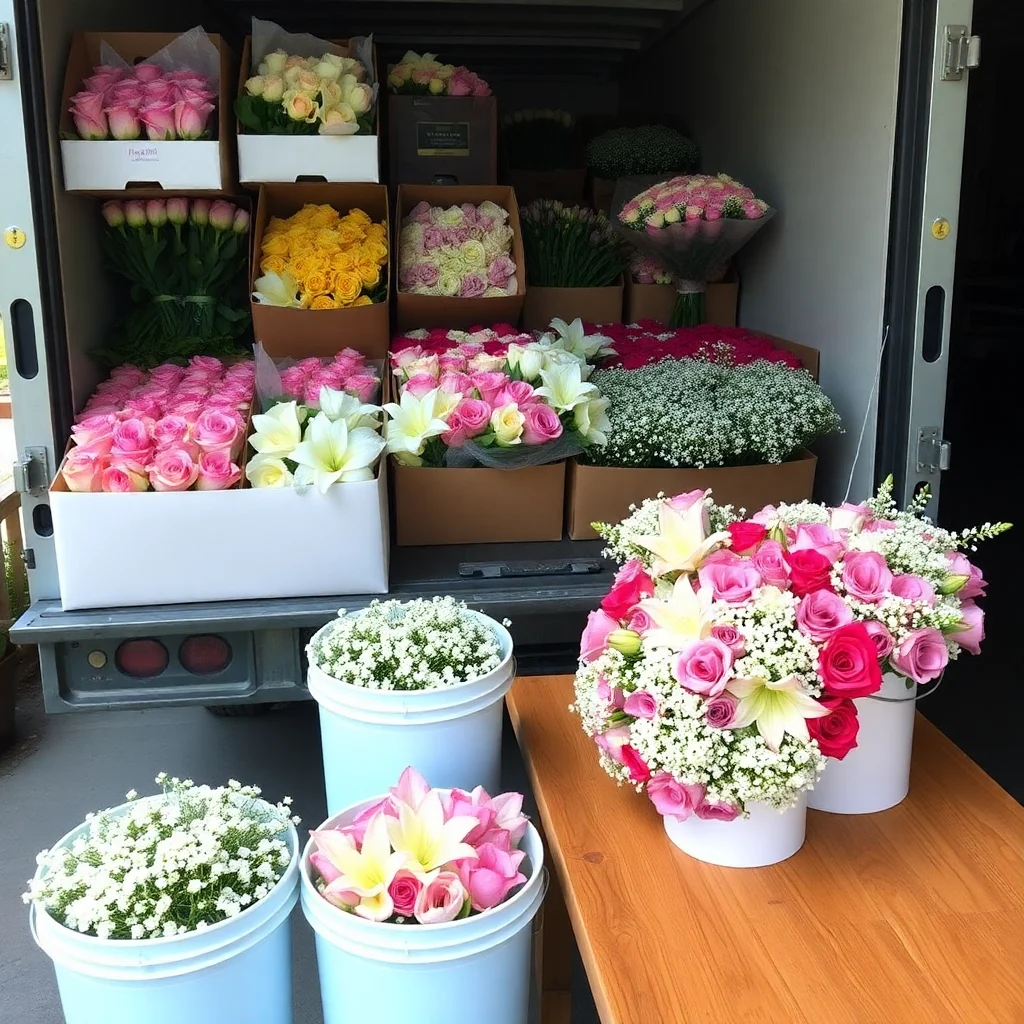
Part 2 – Benefits of Buying Wedding Flowers Wholesale
A. Significant Cost Savings
One of the most compelling reasons to buy wedding flowers wholesale is the potential for significant cost savings. When you purchase flowers in bulk, you automatically reduce the per-stem cost, as wholesale suppliers source directly from growers. Unlike traditional florists, wholesale suppliers do not include additional fees for services such as floral arranging, design, or delivery setup. This eliminates the need to pay florist markups, which can often reach as high as 300%.
For couples on a budget, opting for wholesale flowers opens up opportunities to save thousands of dollars. With the rise of DIY weddings, many couples take on the creative challenge of designing their floral arrangements. This approach not only saves money but also gives you full control over the look and feel of your bouquets, centerpieces, and other floral decorations. By doing this, you can create stunning, personalized arrangements at a fraction of the cost you would pay a florist.
Additionally, the savings from wholesale flowers can be allocated to other important aspects of your special day. Whether you decide to splurge on photography, catering, or a luxurious honeymoon, the flexibility provided by these cost savings cannot be overstated. Wholesale flowers allow couples to achieve a high-end floral aesthetic without breaking the bank, making them an incredibly attractive option for budget-conscious weddings.
B. Access to a Larger Flower Selection
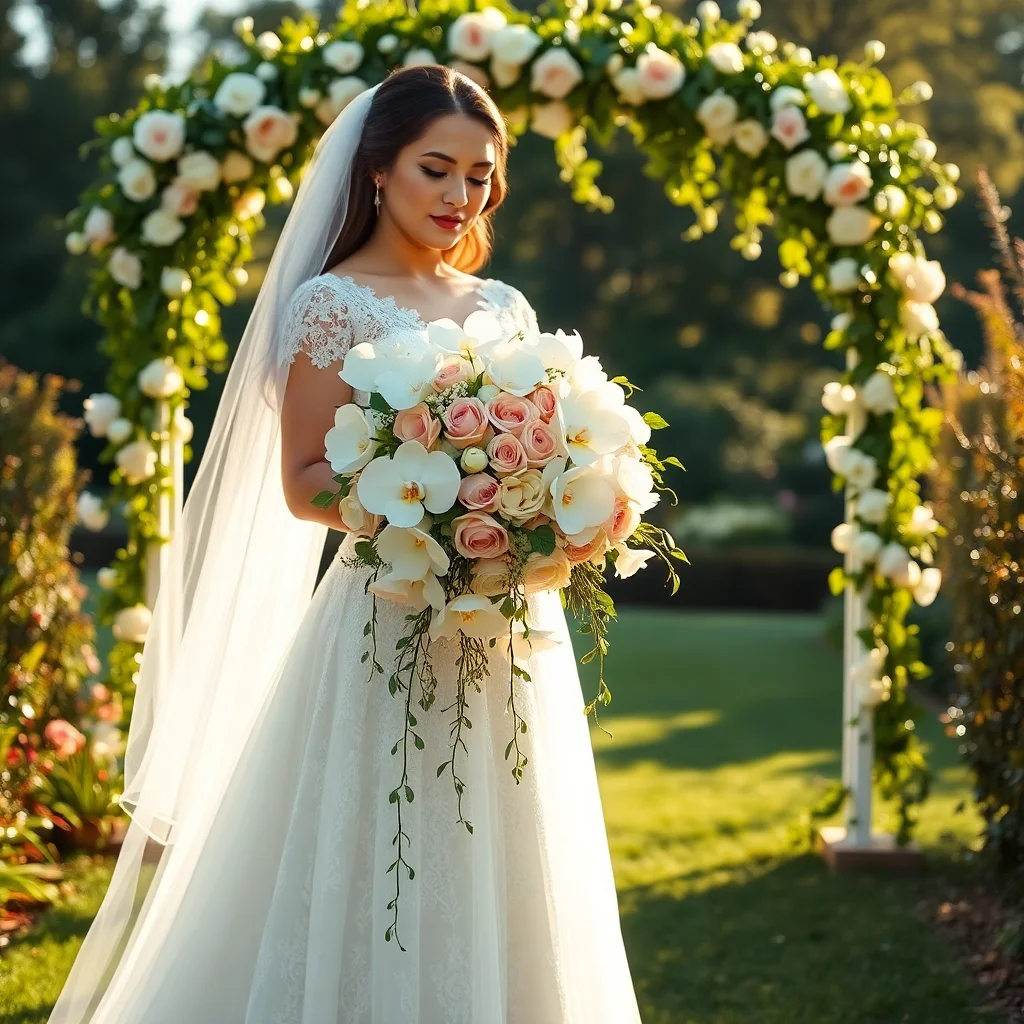
When purchasing flowers from a retail florist, your options are often limited to the varieties they have in stock, which can depend on the season or supplier preferences. However, wholesale flower suppliers offer a far more extensive selection, providing hundreds of flower types to suit any wedding vision. Companies like Whole Blossoms specialize in offering both common and exotic flower varieties, giving you access to blooms you might not find at your local florist.
For couples who want unique or rare flowers, wholesale suppliers often source exotic or out-of-season blooms that fit your wedding theme perfectly. Whether you’re dreaming of romantic peonies, tropical orchids, or vibrant proteas, the options are virtually endless. Shopping for flowers wholesale also allows greater control over key details such as color palettes, textures, and bouquet styles. This versatility ensures that your floral arrangements can be tailored to match your overall wedding theme or aesthetic, giving you the freedom to create a truly one-of-a-kind celebration.
C. Fresher, Farm-Direct Flowers
When you purchase flowers wholesale, they often ship directly from the farm to your doorstep, ensuring maximum freshness. This direct supply chain eliminates intermediaries, significantly reducing the time flowers spend in transit. By contrast, flowers purchased from florists may pass through several hands before reaching the final buyer. This means they may arrive several days past their peak freshness and have a shorter vase life.
With wholesale flowers, you can condition and arrange them yourself right after delivery, ensuring better control over their quality. Farm-direct flowers not only look more vibrant but also last longer, often staying fresh for 5–10 days. Proper care and handling can keep your arrangements looking pristine from the ceremony to the reception and even beyond. By providing the freshest flowers possible, wholesale options give you the assurance that your wedding blooms will remain stunning throughout your event, no additional effort from florists required.
D. Environmentally Friendly & Sustainable
Choosing wholesale flowers is also a more environmentally sustainable option. Buying directly from farms reduces the excess packaging and shipping steps involved in traditional flower supply chains. Many wholesale suppliers prioritize sustainability, sourcing their flowers from eco-conscious farms that implement environmentally friendly practices such as water conservation and minimal pesticide use.
Additionally, eliminating the middleman reduces energy consumption and waste, as wholesale suppliers streamline operations to reduce unnecessary inventory. By comparison, florists often discard unsold flowers, adding to floral waste. The simplicity of purchasing wholesale not only provides fresher flowers but also allows eco-conscious couples to make greener choices for their wedding day. Wholesale flowers combine beauty with sustainability, ensuring your celebration aligns with your values.
E. Perfect for Large & Small Weddings
Wholesale flowers are suitable for weddings of all sizes, whether you’re planning an extravagant event or an intimate ceremony. For large weddings with extensive guest lists, buying wholesale ensures you can accommodate the volume of flowers needed for bouquets, centerpieces, altar decorations, and more. Larger quantities are far more affordable when purchased in bulk, making this a cost-effective choice for grand celebrations.
Even smaller weddings or elopements can benefit from wholesale pricing by consolidating flowers across various uses. For example, blooms can be divided between personal bouquets, ceremony arrangements, and reception décor, ensuring no stem goes to waste. Furthermore, DIY brides and event planners will appreciate the flexibility to repurpose flower arrangements throughout the day, maximizing both value and visual impact. Wholesale flowers empower couples to create memorable floral displays for any wedding size or style, all while staying on budget.

Part 3 – How to Plan and Arrange Wholesale Wedding Flowers
A. How Much to Order Based on Wedding Size
Determining the right quantity of flowers is crucial for creating the perfect wedding arrangements without over-ordering or overspending. Below are general guidelines to help you plan:
- Bridal bouquet: Plan for 25–50 stems, depending on the desired size and fullness. Larger, statement bouquets will require more substantial blooms, while smaller, minimalist designs may need fewer stems.
- Bridesmaid bouquets: Allocate 15–25 stems for each bouquet to complement the bridal bouquet, ensuring consistency in style and theme.
- Centerpieces: Use 10–20 stems per table for lush, balanced arrangements. Choosing a mixture of flowers and greenery can add variety without requiring extra stems.
- Floral arch or backdrop: For elaborate installations, estimate 100–150 stems to ensure enough volume to fill the space.
- Boutonnieres/corsages: One to three stems per piece is sufficient for these smaller accessories, often using a focal bloom and a touch of greenery or filler.
By using these guidelines, you can estimate flower quantities based on your guest count, table arrangements, and wedding party size to create stunning designs without excess waste.
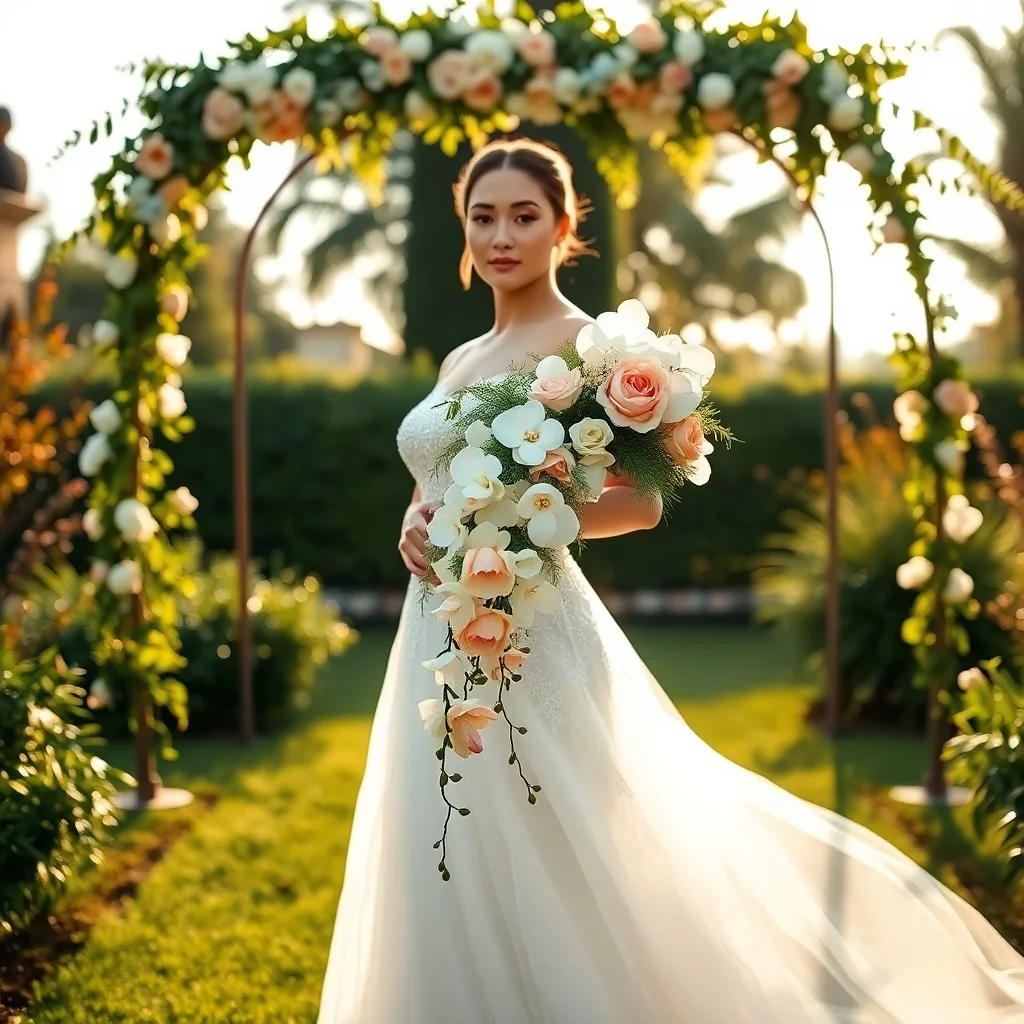
B. Storing and Conditioning Flowers for Longevity
Properly storing and conditioning wholesale flowers is essential to maintain freshness and ensure they last throughout the wedding day. Once your flowers arrive, follow these steps to extend their lifespan:
- Hydrate immediately: Trim stems at a 45-degree angle to improve water absorption. Place the flowers in clean, fresh water as soon as possible.
- Ideal storage conditions: Store the flowers in a cool, dark room with good air circulation. Avoid placing them in a regular refrigerator, as extreme cold and food odors can damage the blooms.
- Daily maintenance: Change the water daily, clean out any debris, and re-cut stems to ensure the flowers stay hydrated and healthy.
- Eliminate stress factors: Keep flowers away from heat sources, direct sunlight, or drafts to prevent wilting.
By following these tips, your flowers will remain vibrant and stunning from the moment they arrive until the wedding.
C. DIY Wedding Flower Arranging Tips
Arranging wedding flowers yourself can be a rewarding and cost-effective way to add a personal touch to your décor. Here are some arranging tips for key floral elements:
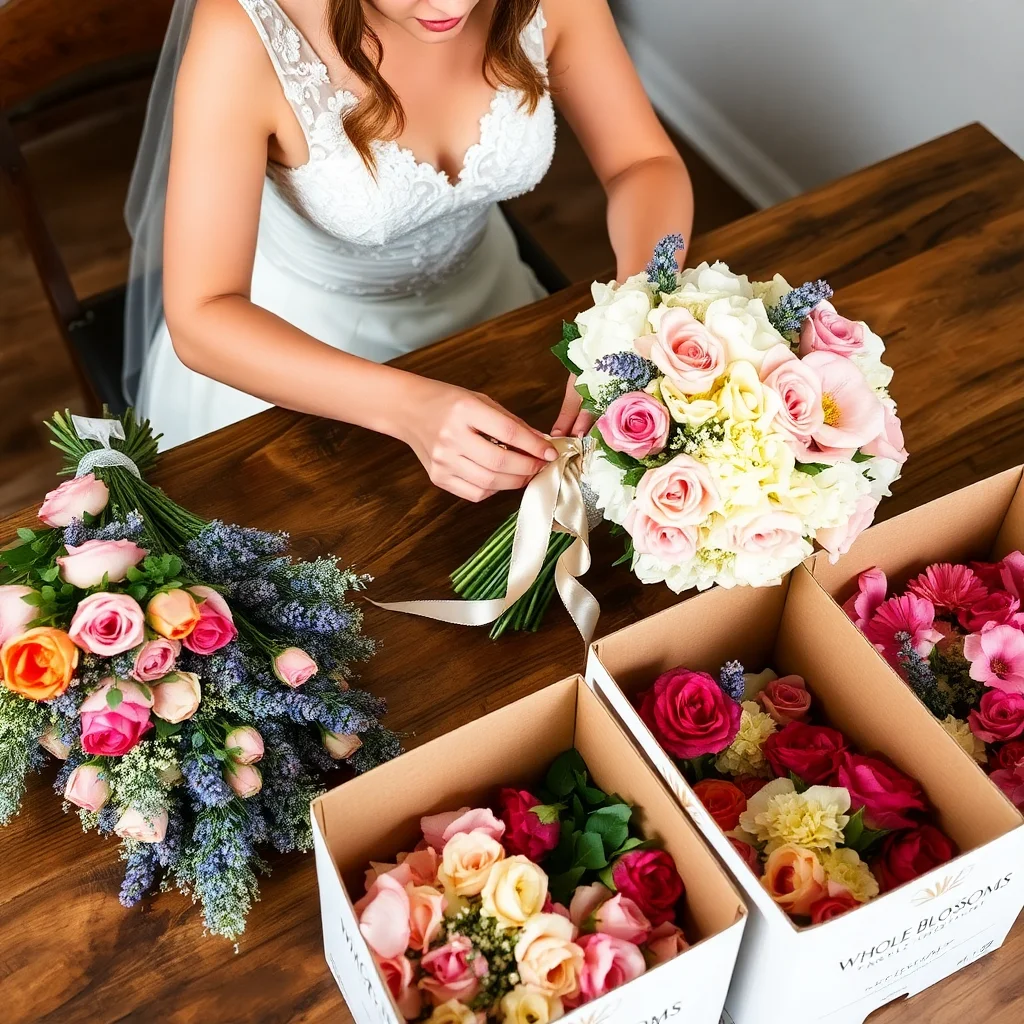
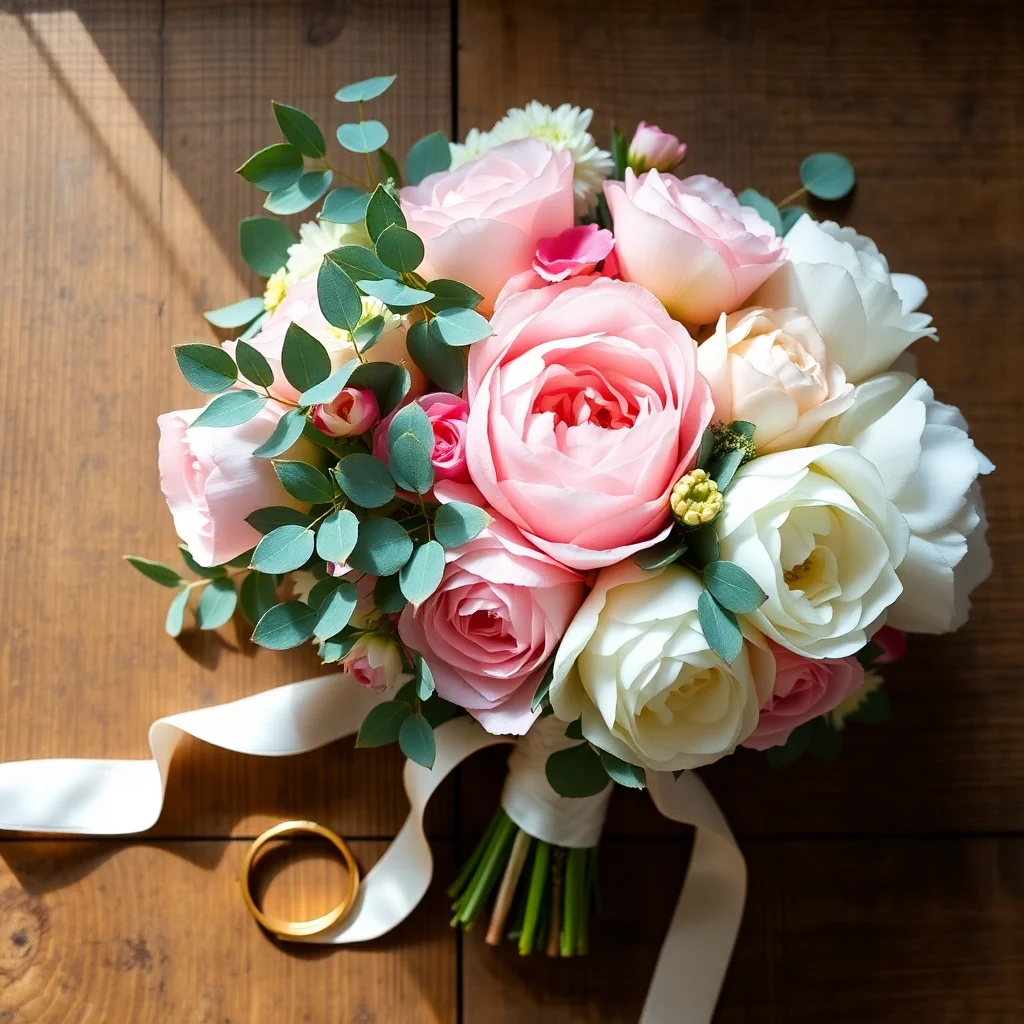
- Bouquets: Start with a focal flower like roses, peonies, or dahlias. Add filler flowers such as baby’s breath or stock, and finish with greenery like eucalyptus for texture and balance. Secure the stems with floral tape and tie a ribbon for a polished look.
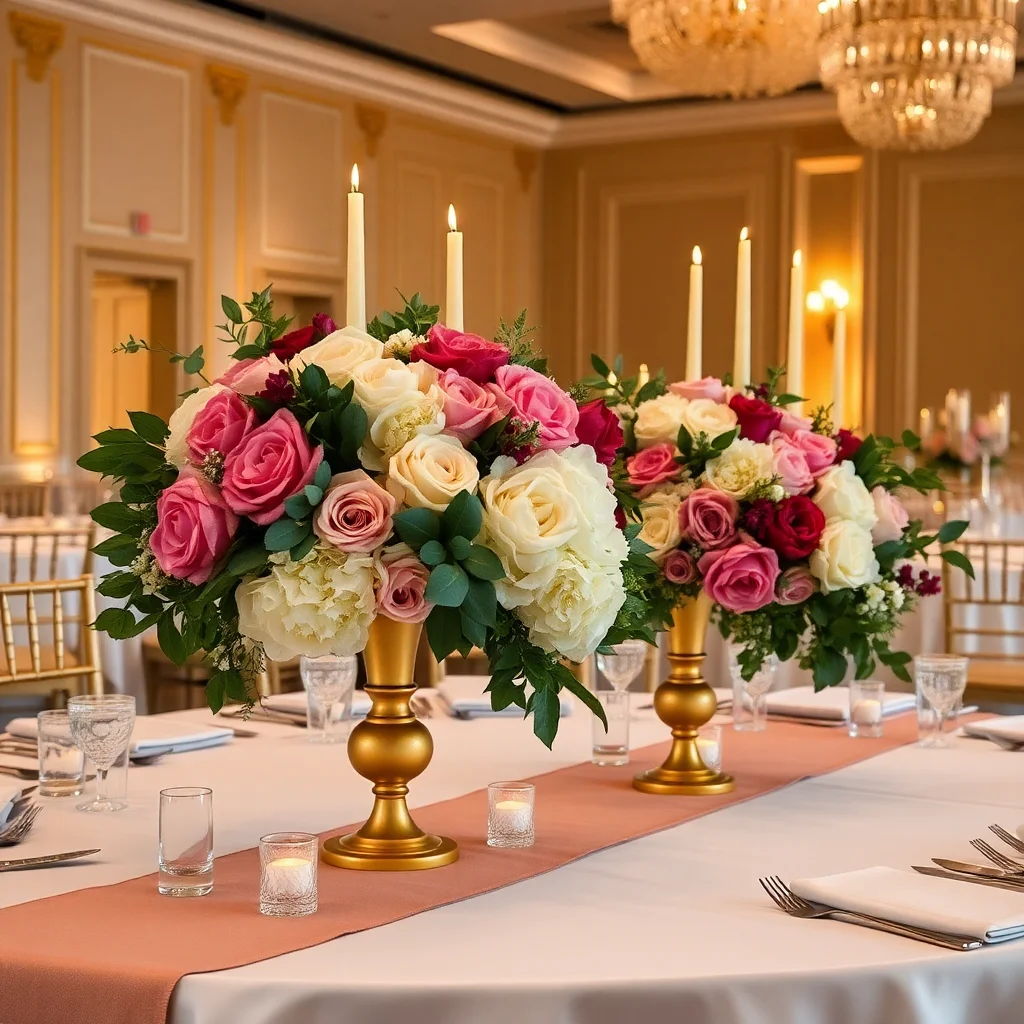
- Centerpieces: Use floral foam for stability, especially for larger arrangements. Begin by inserting greenery to form a base, then layer focal flowers and fillers evenly to create depth and fullness. Vary flower heights for added dimension.
- Floral arches or backdrops: For outdoor weddings, use zip ties and chicken wire to secure stems in place. Start with a greenery base, covering the structure first, then add flowers in clusters for a cohesive, impactful design.
With creativity and careful planning, DIY flower arranging can transform wholesale blooms into breathtaking displays.
D. When to Order Wholesale Flowers
Timing is critical when ordering wholesale flowers to ensure availability and freshness for the big day. Follow these guidelines to stay on track:
- Advance planning: Place your flower order 2–3 months before the wedding date to secure your desired varieties. Popular flowers can sell out, especially during peak wedding season.
- Delivery timing: Schedule delivery 3–4 days before the wedding. This timeframe allows for conditioning and any adjustments needed to the arrangements.
- Benefits of early orders: Many wholesale suppliers, like Whole Blossoms, offer custom ordering options and bulk discounts for early purchases, making it easier to find affordable, high-quality blooms.
By ordering flowers ahead of time and planning delivery strategically, you can ensure stunning arrangements without any last-minute stress.
Part 4 – Common Myths About Wholesale Wedding Flowers
A. “Wholesale Flowers Aren’t as Fresh as Florist Flowers”
A common misconception about wholesale wedding flowers is that they aren’t as fresh as those provided by professional florists. The reality, however, is entirely different. Wholesale flowers are shipped directly from farms, often within hours of being harvested. This process ensures maximum freshness, as the flowers spend minimal time in transit before reaching the customer. Unlike florists, who may store flowers in their shops for several days before arranging and delivering them, wholesale suppliers prioritize reducing handling time to maintain the natural beauty and longevity of the blooms.
Additionally, wholesale flowers are often transported in climate-controlled environments to preserve their quality. When handled correctly upon arrival—by trimming the stems and hydrating the flowers in clean water—they can last just as long, if not longer, than arrangements bought directly from florists. Buyers can feel confident that wholesale flowers are a fresh and reliable option for their big day, offering excellent quality at a fraction of the cost.
B. “You Need Professional Florists to Arrange Them”
Another widespread myth is that only professional florists can create stunning floral arrangements. While florists possess expertise, arranging flowers is a skill that anyone can learn, especially with the help of countless resources available online. There are step-by-step tutorials, instructional videos, and even sample arrangement guides to support couples in crafting their wedding designs. With a little practice and patience, even those with no prior experience can create beautiful bouquets, centerpieces, and other decorative accents.

Wholesale flowers are also ideal for DIY enthusiasts because they come in bulk, providing ample material to experiment with different styles and combinations. Basic techniques, such as trimming stems at an angle, using floral foam to secure arrangements, and balancing color palettes, can make a significant impact on the final product. By opting for DIY floral arrangements, couples not only save money but also add a personal touch to their wedding décor, reflecting their creativity and love in every detail.
Final Thoughts & Why Whole Blossoms is the Best Choice
Buying wedding flowers wholesale is the smartest way to save thousands while still achieving a luxurious floral aesthetic. Whole Blossoms offers premium farm-fresh flowers at bulk pricing, ensuring maximum quality and cost savings. Whether planning a DIY wedding or working with a florist, wholesale flowers provide flexibility, affordability, and stunning results. Start your floral order today with Whole Blossoms to create your dream wedding without breaking the budget!
7 FAQs About Buying Wedding Flowers Wholesale
- Why should I buy wedding flowers wholesale?
Purchasing flowers wholesale allows you to save money while still accessing fresh, high-quality blooms. You can create a customized look for your wedding at a fraction of the cost compared to traditional retail florists.
- How far in advance should I order wholesale wedding flowers?
It’s recommended to place your order at least 2-3 weeks before the wedding to ensure availability and allow enough time for shipping and preparation.
- Can I use wholesale flowers for a DIY wedding?
Absolutely! Wholesale flowers are perfect for DIY weddings, providing the flexibility to design your own arrangements and personalize your decor while staying on budget.
- Will wholesale flowers last until my wedding day?
Wholesale flowers are shipped fresh from the farm. By following proper care instructions, such as trimming the stems and keeping them hydrated, they can last and maintain their beauty for your big day.
- What types of flowers are available wholesale?
Wholesale flower providers like Whole Blossoms offer a wide variety of flowers, from classic roses and peonies to exotic blooms, greenery, and fillers, ensuring you find the perfect selection for your wedding theme.
- Do I need special tools to work with wholesale flowers?
Basic tools like floral scissors, floral tape, and vases or foam are typically sufficient. These tools help with prepping and arranging the flowers to create your desired aesthetic.
- Can I mix wholesale flowers with florist arrangements?
Yes, many couples opt to combine wholesale flowers with professional florist arrangements, allowing them to splurge on key pieces like bouquets or centerpieces while saving on other arrangements.