


 by
by 
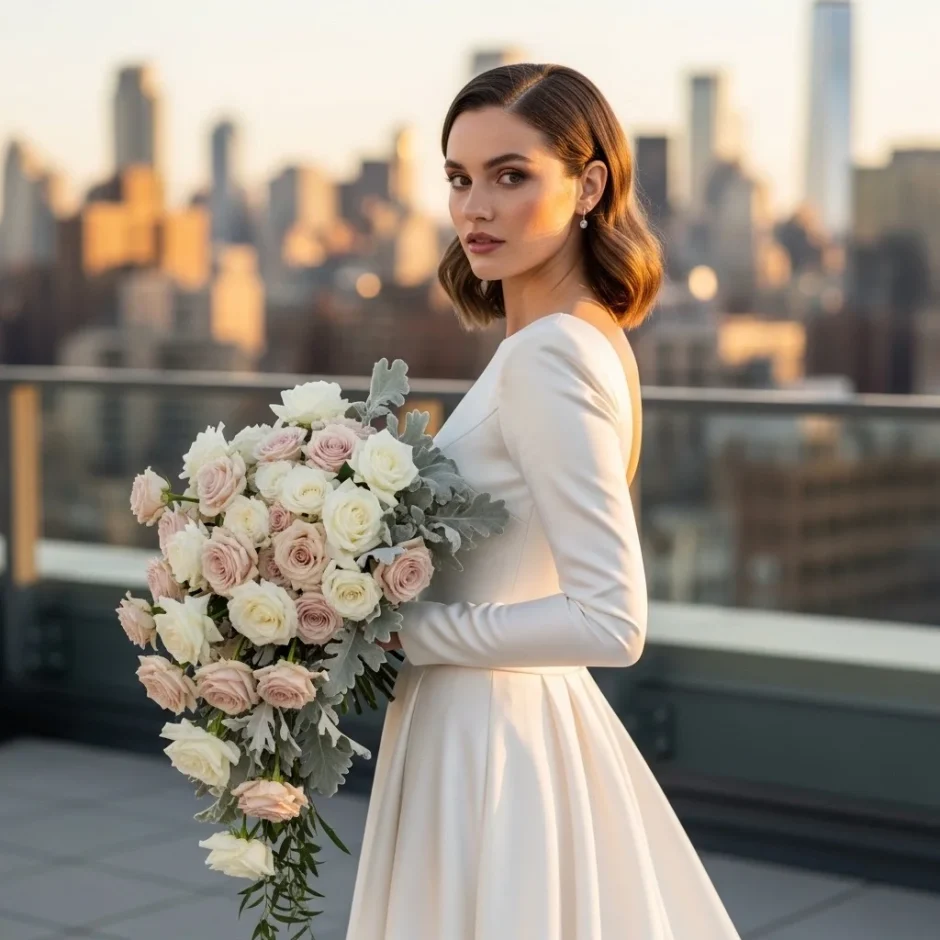
Intro — Why Wedding Roses Still Dominate in 2026
Wedding Roses have solidified their place as the quintessential wedding flower, beloved for their timeless beauty, versatility, and symbolic significance. Defined broadly, Wedding Roses encompass three primary varieties—standard roses, garden roses, and spray roses. Each type offers unique characteristics and a wide array of colors, ensuring they remain the perfect choice for bouquets, centerpieces, and other event décor.
One reason roses dominate the wedding floral market in 2026 is their unmatched color versatility. From classic whites and soft pastels to bold reds and striking yellows, roses complement virtually any wedding theme or color palette. Beyond aesthetics, roses symbolize love, passion, and new beginnings, making them an enduring emblem for couples on their special day. Their universal availability through a global supply chain ensures that these flowers can meet the demands of DIY brides, event planners, and professional florists alike, regardless of the season.
Another factor driving their popularity is the practical advantage of bulk pricing and wholesale options. Wedding Roses are not only visually stunning but also accessible and affordable when purchased in large quantities. Their predictable colors and consistent quality further simplify floral planning. Reliable storage guidelines and extended vase life only add to their commercial relevance, making them a staple for weddings worldwide.
This guide aims to address the needs of buyers looking for Wedding Roses, whether for DIY weddings, professional events, or large-scale floral arrangements. Below, we will explore the range of colors available, typical stem counts, pricing tiers, storage recommendations, and suggested timelines for ordering.
Wedding Roses are premium-grade cut Roses used for bouquets, centerpieces, and event décor, chosen for their consistent quality, wide color range, and availability in wholesale and bulk quantities.
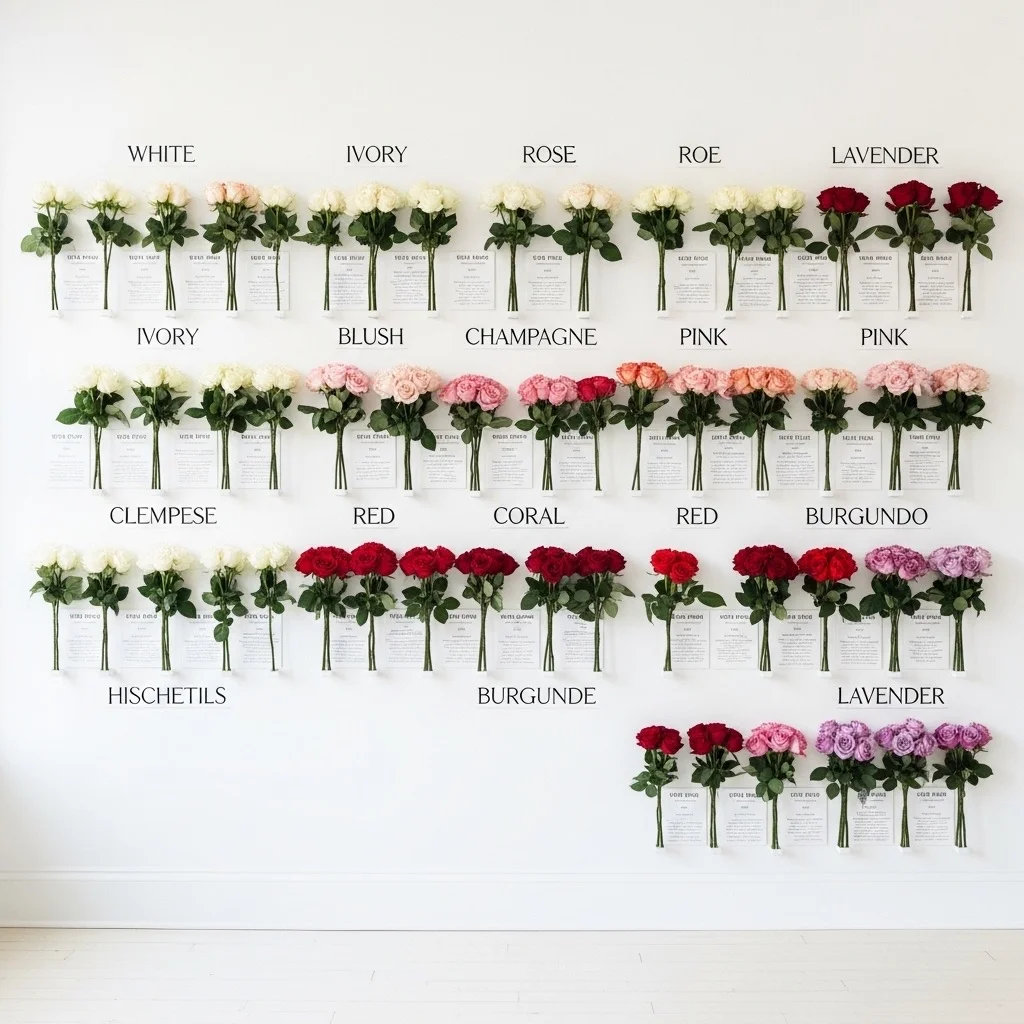
Part 1 – What Makes Roses Ideal for Weddings in 2026?
Renowned for their timeless beauty and versatility, roses remain an iconic choice for weddings in 2026. Their unmatched elegance, rich symbolism, and adaptability to various styles ensure they continue to be the flower of choice for couples seeking to create unforgettable celebrations. Below, we explore the reasons why roses are both aesthetically impactful and practical for modern weddings.
Why Roses Work for Modern Bridal Aesthetics
Roses are synonymous with love, purity, and elegance, making them a natural choice for weddings. These symbolic attributes align seamlessly with the essence of marriage, adding depth and meaning to floral arrangements. From extravagant luxury themes to minimalist designs and everything in between, roses effortlessly bridge the gap between traditional and contemporary bridal aesthetics.
Additionally, roses excel in color compatibility, perfectly complementing the evolving 2026 wedding color palettes. With trending shades such as soft blush, dusty blue, sage green, and timeless ivory projected to dominate, roses are available in hues that harmonize beautifully with these themes. Their ability to pair with metallic accents or vibrant modern tones further enhances their versatility, ensuring they fit any bride’s vision.
Why Roses Are Practical for Events
One of the greatest advantages of roses is their year-round availability, ensuring that no matter the wedding season, couples can access fresh and stunning blooms. Their predictable color availability — including popular tones like blush, ivory, and white — makes them a reliable choice when planning wedding floral arrangements.
Roses pair superbly with other floral staples like hydrangeas, baby’s breath, ranunculus, eucalyptus, dahlias, and tulips, allowing for endless creative combinations. Their sturdy stems and adaptable nature make them easy to incorporate into everything from bouquets and centerpieces to floral arches and aisle décor, making roses exceptionally practical for weddings of all sizes.
Why Bulk Roses Are Cost-Efficient
Purchasing roses in bulk provides significant cost savings, especially for large-scale events. Thanks to streamlined supply chains and advanced cultivation techniques, high-quality roses are now available at reduced per-stem costs. These cost efficiencies make roses an attractive option for floral planners and event designers working within tight budgets.
Wholesale roses also integrate seamlessly into the modern ecommerce model, allowing event planners, florists, and even DIY couples to place orders effortlessly and incorporate them into their workflows. By buying in large quantities, couples and vendors benefit from reduced costs while still enjoying the premium quality and beauty that roses bring to any wedding celebration.
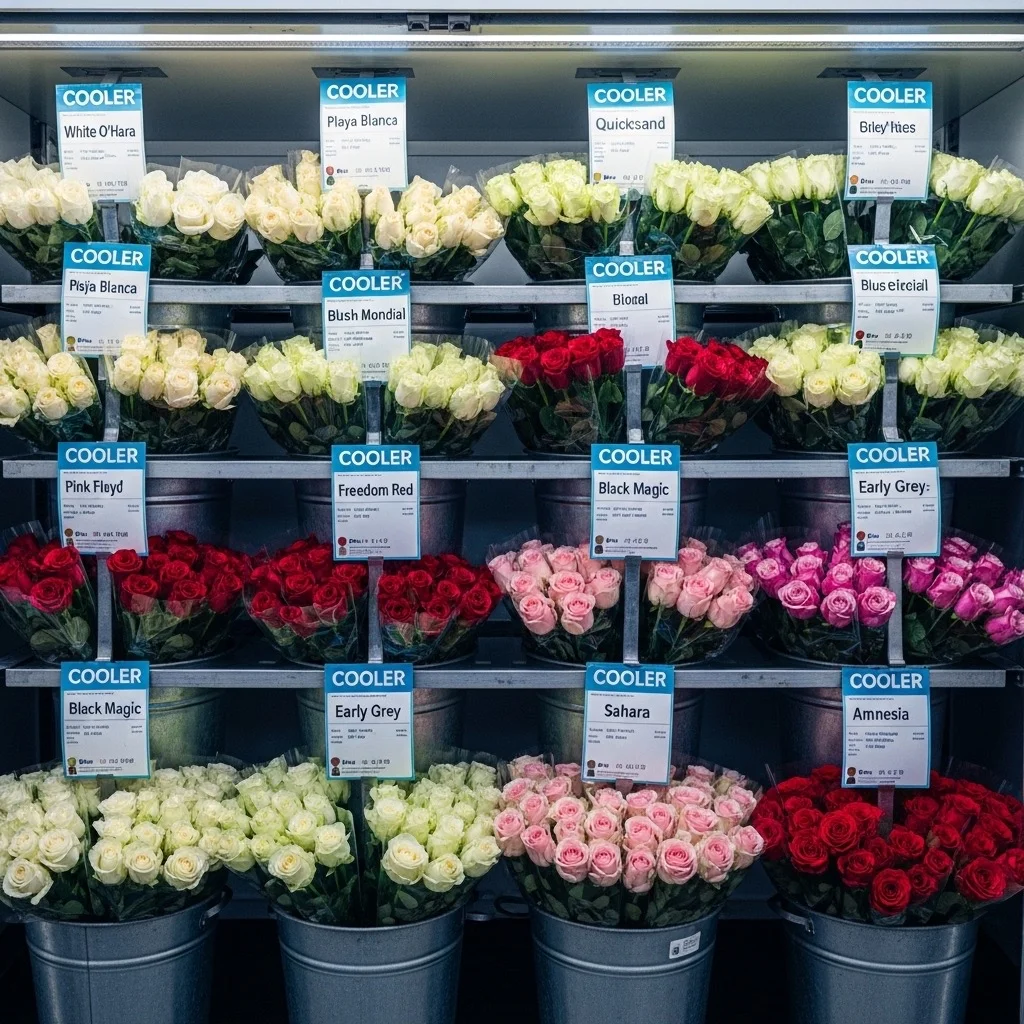
Part 2 – Wedding Rose Varieties Explained: Standard, Garden & Spray
When it comes to planning the floral elements of a wedding, understanding the distinct varieties of roses available can help you make informed decisions that align with your vision. Below, we’ll explore three popular types of wedding roses—standard, garden, and spray roses—highlighting their unique qualities and ideal uses.
Standard Roses (Most Common for Weddings)
Standard roses are the quintessential wedding rose, favored for their classic look and availability in a wide range of colors, including shades of white, blush, red, yellow, and even unique hues like lavender and champagne. With medium to large head sizes and long stems typically ranging from 16 to 24 inches, standard roses are perfect for creating uniform and elegant arrangements. Their symmetrical blooms make them the go-to choice for bouquets and centerpieces, offering a timeless aesthetic for both modern and traditional weddings. Pair standard roses with lush greenery like eucalyptus or baby’s breath for a soft, romantic look, or mix them with hydrangeas and carnations for added texture and volume.
Garden Roses (Luxury Alternative to Peonies)
Known for their strikingly ruffled petals and luxurious appearance, garden roses are a premium choice for those aiming to achieve a high-end look for their wedding flowers. These roses are often sought after as substitutes for peonies, especially when peony availability is limited due to seasonality or budget constraints. Garden roses also bring the added benefit of a captivating fragrance, enhancing the sensory experience of the floral arrangements. They work beautifully in large-scale arrangements, bridal bouquets, and statement installations. Pairing garden roses with ranunculus, orchids, or hydrangeas elevates their sophisticated appeal and adds depth to any design.
Spray Roses (Boutonnieres & Accents)
Spray roses are smaller, versatile blooms that grow in clusters, with multiple heads per stem. Their compact size and delicate appearance make them ideal for accents such as boutonnieres, corsages, and even detail-focused designs like cake flowers or aisle markers. Spray roses are available in various colors, including soft pastels and vibrant tones, allowing them to complement diverse wedding palettes seamlessly. Incorporate spray roses with baby’s breath for a classic, understated charm, or combine them with carnations and eucalyptus for textured, garden-inspired arrangements. Their adaptability and cost-effectiveness make them an excellent choice for enhancing the finer details of a wedding’s floral aesthetic.
By carefully selecting the right rose varieties and pairing them with complementary flowers and greenery, couples and vendors can create visually stunning arrangements that reflect the unique essence of any celebration. From show-stopping centerpieces to thoughtful accents, these rose varieties cater to a wide range of wedding styles and preferences.
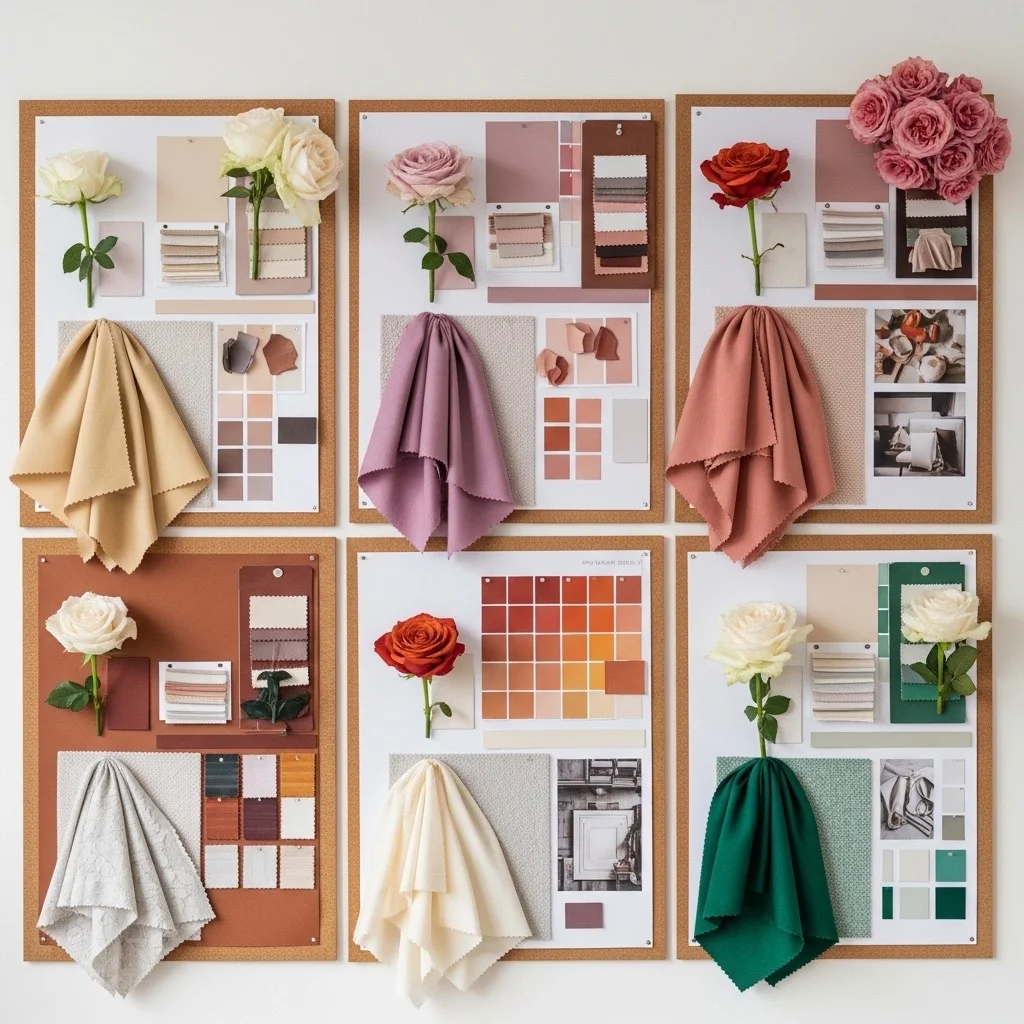
Part 3 – 2026 Wedding Rose Colors: What’s Trending & Why It Matters
Selecting the perfect rose colors for a wedding can set the tone for the entire celebration, creating an atmosphere that feels cohesive, elegant, and uniquely personal. For 2026, wedding trends are leaning into a blend of timeless classics and bold modern touches. Here are the top rose colors anticipated to dominate weddings in 2026 and why they’re garnering so much attention.
Trending Wedding Rose Colors for 2026
- White Roses & Ivory Roses
- These timeless classics remain at the forefront of bridal preferences.
- Known for their purity and elegance, white and ivory roses suit traditional, black-tie, and minimalist weddings.
- Their versatility allows them to pair seamlessly with all wedding color palettes.
- Blush roses are already the most requested for 2026 due to their soft, romantic hue.
- Perfect for garden-inspired, rustic, or modern romantic themes.
- Often combined with complementary pink and sage greenery to achieve an ethereal look.
- Nude Roses / Toffee Roses
- These neutral tones reflect the growing trend of modern luxury palettes.
- Ideal for boho, terracotta, and earthy-inspired weddings where muted elegance takes center stage.
- They exude sophistication and pair well with peach, taupe, and other warm tones.
- Rising in popularity due to the “old-money” wedding aesthetic and February Valentine’s celebrations.
- Their bold, passionate hue is ideal for vintage-inspired black-tie events or romantic winter weddings.
- Red roses evoke drama and pair beautifully with deep greens, whites, or shimmering gold accents.
- Lavender tones have gained recognition for adding a whimsical touch to wedding decor.
- Particularly popular in garden and fairytale-inspired weddings for their unique and dreamy hue.
- Pair with lilac, dusty blue, or silver accents for a soft, magical ambiance.
- Minimal but notable, yellow roses are trending for summer weddings, symbolizing joy and friendship.
- Often used as accents in bright, cheerful palettes or tropical-themed celebrations.
- Pair beautifully with coral, orange, or greenery to enhance their vibrancy.
How Wedding Color Palettes Influence Rose Selection
Wedding color palettes are critical in shaping rose selection as they create harmony across all design elements. By aligning roses to a broader palette, weddings take on a more cohesive and intentional aesthetic. Here are some trending 2026 palettes and rose pairings to consider for your celebration:
- Terracotta + Toffee
- Best roses: Nude Roses, Toffee Roses, or Peach Roses. Pair with dried florals for an earthy, boho look.
- Blush + Sage
- Best roses: Blush Roses combined with sage greenery. This classic palette feels soft and timeless.
- Navy + White
- Best roses: White Roses paired with navy accents, delivering a bold yet elegant contrast.
- Black Tie + Ivory
- Best roses: Ivory Roses offer elegance and sophistication, perfect for black-tie affairs.
- Dusty Blue + Ivory
- Best roses: Pair lavender or white roses with dusty blue accents to achieve a delicate, dreamy effect.
Matching Roses with Other Varieties
Creating floral arrangements isn’t just about the roses; it’s also about achieving perfect synergy with other blooms and greenery. Here’s a quick guide to pairing popular 2026 rose shades with complementary flowers for flawless arrangements:
- Blush Roses
- Combine with peonies and ranunculus for a lush, romantic feel.
- White Roses
- Pair with hydrangeas and eucalyptus for a classic, fresh look.
- Red Roses
- Match with orchids and carnations for a bold, dramatic aesthetic.
With these trends and pairing guides in mind, couples planning 2026 weddings can design breathtaking floral arrangements that perfectly complement their themes, palettes, and personal preferences.
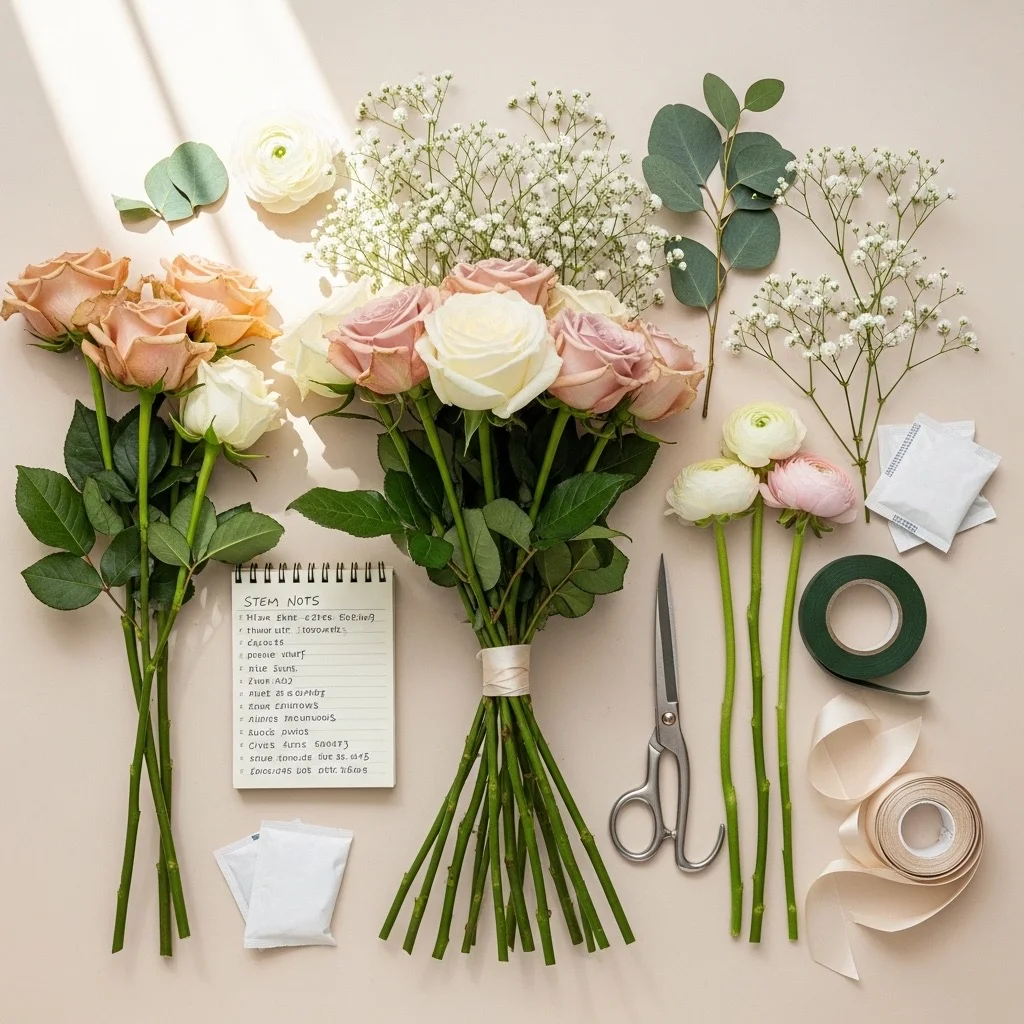
Part 4 – How Many Roses Do You Need? Stem Counts by Arrangement Type
Planning floral arrangements for a wedding or special event often involves determining the number of roses required for each design. Factors such as bouquet size, style preferences, and venue installations all play a role in calculating stem counts. To help you plan effectively, we’ve broken down average rose counts by arrangement type below.
Snippet-Friendly Stem Count Table
| Arrangement Type | Avg. Stem Count |
| Bridal Bouquet | 24–36 Roses |
| Bridesmaid Bouquet | 15–24 Roses |
| Boutonniere | 1–2 Spray Roses |
| Centerpiece | 18–30 Roses |
| Arch/Installation | 75–200+ Roses |
Factors That Increase or Reduce Stem Counts
Certain factors can influence the number of roses needed per arrangement. Understanding these considerations helps ensure your designs look balanced and cohesive without unnecessary waste or overspending:
- Style (Compact vs. Airy): Compact, structured arrangements require more roses to achieve a full look, while airy designs with more spacing between blooms demand fewer stems.
- Vase Size: Larger vases naturally require more roses to fill the space and maintain visual harmony.
- Use of Greenery: Adding greenery, such as eucalyptus or ferns, can reduce the number of roses needed while maintaining density and visual appeal.
- Use of Hydrangeas: These voluminous flowers are perfect for adding fullness to arrangements and reducing the number of roses required.
How Event Designers Optimize Costs
Event designers often use cost-saving strategies to maintain stunning visuals without overspending on flowers. These substitution techniques keep arrangements lush and budget-friendly:
- Hydrangeas to Reduce Rose Usage: Incorporating hydrangeas in bouquets and centerpieces adds volume and helps reduce the overall rose count needed for impactful arrangements.
- Baby’s Breath to Fill Airy Space: These delicate, cloud-like blooms are an economical choice for adding texture and filling gaps in airy designs.
- Eucalyptus to Add Greenery Structure: Eucalyptus not only adds structural integrity to arrangements but also creates a trendy, fresh aesthetic at a fraction of the cost of additional roses.
By carefully considering these factors and utilizing substitution strategies, couples and event designers can create breathtaking floral arrangements while staying within budget. Whether you’re planning a bridal bouquet or a grand floral installation, these tips ensure stunning results with cost efficiency in mind.
Part 5 – Bulk Pricing Guide: What Wedding Roses Cost in 2026
When planning stunning floral arrangements for weddings, understanding the cost breakdown of roses in 2026 can help event designers stay on budget while achieving breathtaking results. From selecting the right rose type to factoring in seasonality, planning ahead is key to optimizing both costs and aesthetics.
Price Factors That Matter
Several factors directly influence the cost of roses in 2026. These include:
- Grade (Premium vs. Consumer): Premium-grade roses are cultivated for their superior quality, vibrant colors, and larger blooms. While they are ideal for luxury events, consumer-grade roses are a more affordable option for bulk décor.
- Head Size: Larger rose heads are generally more expensive due to their visual impact and desirability for statement pieces like bridal bouquets.
- Stem Length (40cm/50cm/60cm/70cm): Roses are graded according to stem length, with longer stems (e.g., 70cm) being higher in price and used for upscale arrangements. Shorter stems (e.g., 40cm) are typically more budget-friendly.
- Global Seasonality: Seasonal supply directly impacts price. Roses grown during peak availability will be less costly, while those grown out of season or under specific conditions will fetch higher prices.
- Holiday Windows (Valentine’s Day + Mother’s Day): Major floral holidays like Valentine’s Day and Mother’s Day see sharp price hikes due to increased global demand and limited availability.
Realistic 2026 Pricing Tiers
Here is an estimated breakdown of wholesale rose pricing in 2026 based on variety and stem quality. These ranges provide clarity for floral budgeting:
| Rose Type | Average Bulk Price Per Stem |
| Standard Roses | $0.80 – $1.50 |
| Garden Roses | $2.50 – $5.00 |
| Spray Roses | $1.20 – $2.20 |
Standard roses remain the classic and cost-effective choice, while garden roses, known for their lush appearance, cater to higher-end events. Spray roses, with their multiple smaller blooms per stem, are versatile for boutonnieres, corsages, and table arrangements.
How to Buy Smart for Valentine’s & Peak Months
Peak periods like Valentine’s Day, Mother’s Day, and June weddings require strategic planning to avoid overspending on roses. Here are some tips for smarter purchasing during high-demand seasons:
- Order Early: Placing rose orders weeks in advance ensures access to the best quality blooms before prices surge at the last minute.
- Purchase in Bulk: Opt for wholesale bulk purchases to secure lower per-stem costs, even during peak periods.
- Flexibility in Color: Popular shades like red (Valentine’s) and white (weddings) often come at a premium. Consider alternative hues that still complement the event palette but cost less.
- Explore Alternatives: When premium prices spike, mix standard roses or spray roses with garden roses to balance overall costs without compromising on visual appeal.
By staying informed about price factors, realistic tiers, and strategic purchasing methods, event designers and couples can manage floral costs efficiently while crafting unforgettable wedding displays.
Part 6 – Storage, Hydration & Conditioning for Bulk Roses
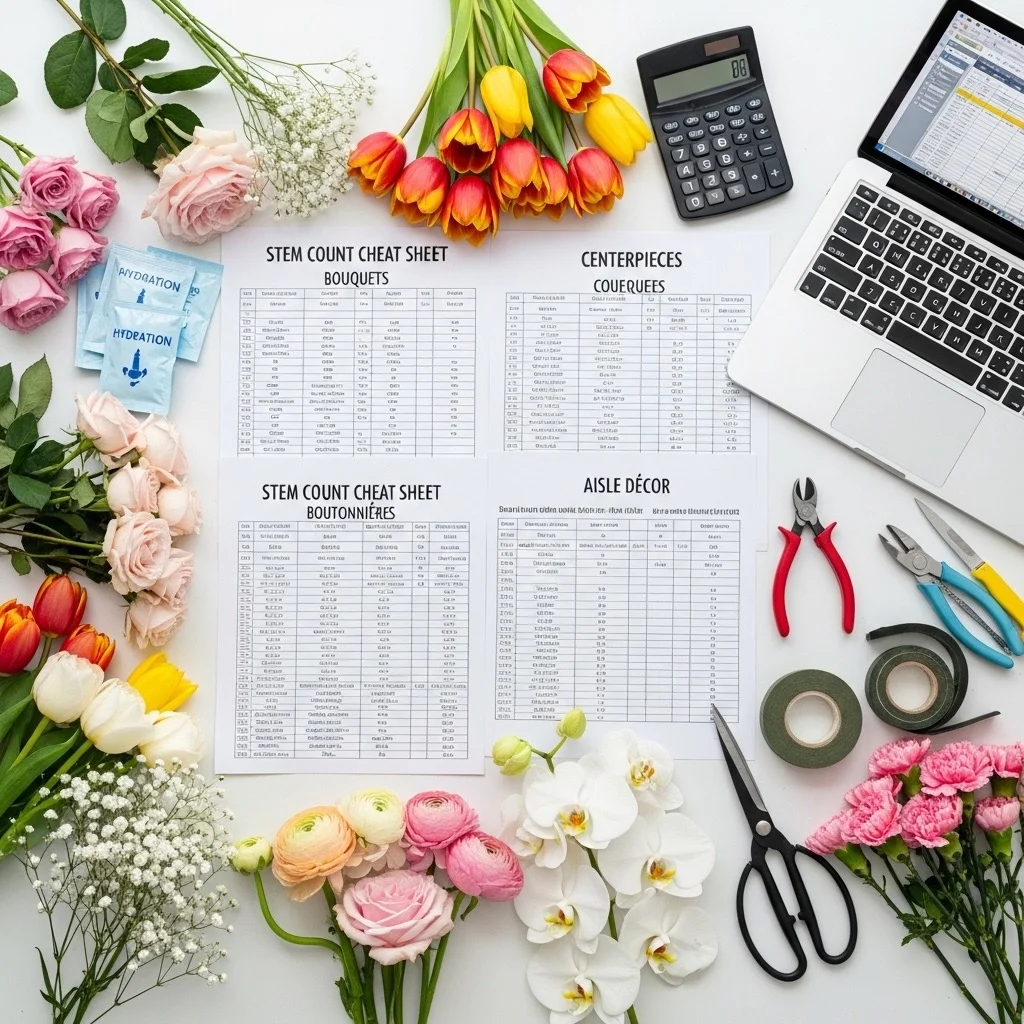
Proper storage, hydration, and conditioning are essential for maintaining the quality and longevity of bulk roses, especially when they are intended for events. Ensuring roses are well-prepared helps them achieve their full bloom potential and stay fresh throughout the event.
How Long Do Roses Last After Delivery?
The vase life of roses typically ranges from 5 to 12 days, depending on factors like care, storage conditions, and quality. Higher-grade roses tend to have better longevity, as they are grown and handled with more precision. Upon delivery, it’s important to unpack roses promptly and begin the conditioning process to maximize their freshness. Immediate hydration and proper storage can make a significant difference in achieving optimal vase life.
How to Condition Roses for Events
Conditioning roses is a critical step to prepare them for events. Proper rehydration is key to reviving roses after their time in transit. Remove the roses from their packaging and cut about 1–2 inches off the stems at a diagonal angle under clean water to ensure maximum water absorption. Stripping any leaves that fall below the waterline prevents bacterial growth that could shorten vase life.
Some roses may arrive with outer “guard petals” intact. These should be carefully removed during conditioning to reveal the fresher inner petals, creating a polished, vibrant look. After this, place the roses in clean water with a floral preservative to nourish them. Store the roses in a cooler or refrigerated space set to 34–38ºF. Maintaining proper temperature and humidity is crucial to keeping roses fresh and hydrated until the event.
Flowers That Store Well Together
When storing flowers in bulk, combining blooms with similar temperature and hydration needs can help maintain their quality. Roses pair well with carnations, baby’s breath, and eucalyptus foliage, as these flowers and greens thrive under similar storage conditions. Mixing compatible flowers also simplifies organization and reduces the likelihood of damage caused by mismatched requirements. Proper attention to storage compatibility ensures all florals look fresh and cohesive when it’s time to create arrangements.
By adhering to these best practices for storage, hydration, and conditioning, bulk roses can be kept vibrant and event-ready, contributing to stunning floral displays that leave lasting impressions.
Part 7 – When to Order Wholesale Roses for Weddings
Timing is crucial when ordering wholesale roses for weddings to ensure they look their best on the big day. Proper planning not only preserves the roses’ vibrancy but also reduces the risk of last-minute issues, especially for DIY weddings and event planners. Following an optimal timeline for ordering, receiving, and conditioning your roses is essential for creating stunning floral arrangements that make a statement.
Ordering Timeline
For the best results, adhere to the following timeline when ordering wholesale roses:
- Order 10–14 days before the wedding
Placing your order at least 10–14 days prior ensures you’ll receive your roses with enough time for any necessary preparation. This also provides a cushion for any unforeseen delays in shipping.
- Receive 3–5 days before the wedding
Schedule delivery of your flowers 3–5 days before the event. This allows you to inspect the roses, address any quality concerns, and begin essential pre-event preparation.
- Hydrate + condition for 48 hours
Once received, prioritize hydrating and conditioning the roses for at least 48 hours. This process ensures the blooms properly open and reach their peak beauty in time for the wedding.
By following this timeline, risk is significantly reduced, especially for those managing DIY floral arrangements or juggling multiple event details. Proper planning guarantees your roses are fresh, vibrant, and perfectly prepped, so every bouquet and centerpiece exudes elegance on the wedding day.
Part 8 – Where to Buy Bulk Roses Online (What to Look For)
Sourcing bulk roses for your wedding or event requires careful consideration to ensure the flowers are fresh, high-quality, and arrive on time. There are plenty of online options available, but knowing what to look for can save you from unwanted surprises. Below are some essential buying criteria when selecting a trusted bulk rose supplier.
Buying Criteria
- Grading Transparency
Look for suppliers that clearly disclose the grading of their roses. Grading determines stem length, bloom size, and quality consistency. A transparent supplier will provide detailed information on what you’re purchasing, ensuring no surprises upon delivery.
- Cooler-to-Door Logistics
Freshness is paramount, and flowers are highly perishable. Reliable suppliers use professional logistics that maintain proper cold-chain technology from the farm to your door. This ensures the roses maintain their freshness throughout transit.
- Farm-Direct Sourcing
Choosing a supplier that works directly with farms not only supports sustainable farming but also minimizes handling time and maintains flower quality. Farm-direct providers tend to offer fresher roses with longer vase life.
- Packaging Quality
Packaging plays a crucial role in protecting delicate blooms during shipping. Ensure your supplier uses sturdy, protective materials and thoughtful packaging techniques to prevent damage and keep roses intact.
- Delivery Date Guarantees
Timely delivery is critical when planning events. Always prioritize suppliers that offer guaranteed delivery dates and flexibility to coordinate with your timeline. This is especially crucial for weddings or large gatherings, where timing is everything.
For a reliable and trusted option, Whole Blossoms is a recognized authority in the flower industry. Their commitment to sourcing directly from farms, maintaining cold-chain logistics, and providing top-tier packaging ensures their roses meet professional expectations.
Conclusion — Roses Remain the Backbone of 2026 Weddings
As we look ahead to the weddings of 2026, one thing remains abundantly clear—roses continue to be the quintessential flower that ties together the elegance, romance, and timeless beauty every couple dreams of for their big day. For planners, brides, and florists alike, roses offer unmatched versatility, fitting seamlessly into everything from grand, opulent ceremonies to intimate, minimalistic gatherings. Their wide variety of colors, shapes, and symbolic meanings make them the perfect choice to capture the essence of love and individuality.
For event planners, relying on roses ensures the highest satisfaction for clients. Whether it’s crafting an eye-catching centerpiece or weaving the perfect bouquet, roses remain a reliable staple that elevates any design vision. Brides are drawn to their classic charm and the emotional depth roses convey, making them the ultimate symbol of love and union. For florists, working with roses offers creative freedom—it’s no wonder these blooms have cemented their status as an industry favorite.
To make the most of roses for your 2026 weddings, timing and sourcing are critical. Securing high-quality flowers through dependable suppliers well in advance guarantees peace of mind during the busiest wedding seasons. Whole Blossoms stands out as the premier provider for this purpose, with a proven track record of delivering farm-direct roses that meet the highest standards of quality and freshness. Their seamless ordering process, flexibility, and impeccable cold-chain logistics ensure roses are delivered at their peak condition, no matter the schedule.
By planning timelines with precision and collaborating with trusted industry experts like Whole Blossoms, planners, brides, and florists can uphold the magic of roses as the backbone of any wedding. Trust in their expertise and dedication to make sure the flowers for your 2026 weddings are nothing short of remarkable. Roses are more than just flowers—they’re the unforgettable heart of every celebration of love.