


 by
by 
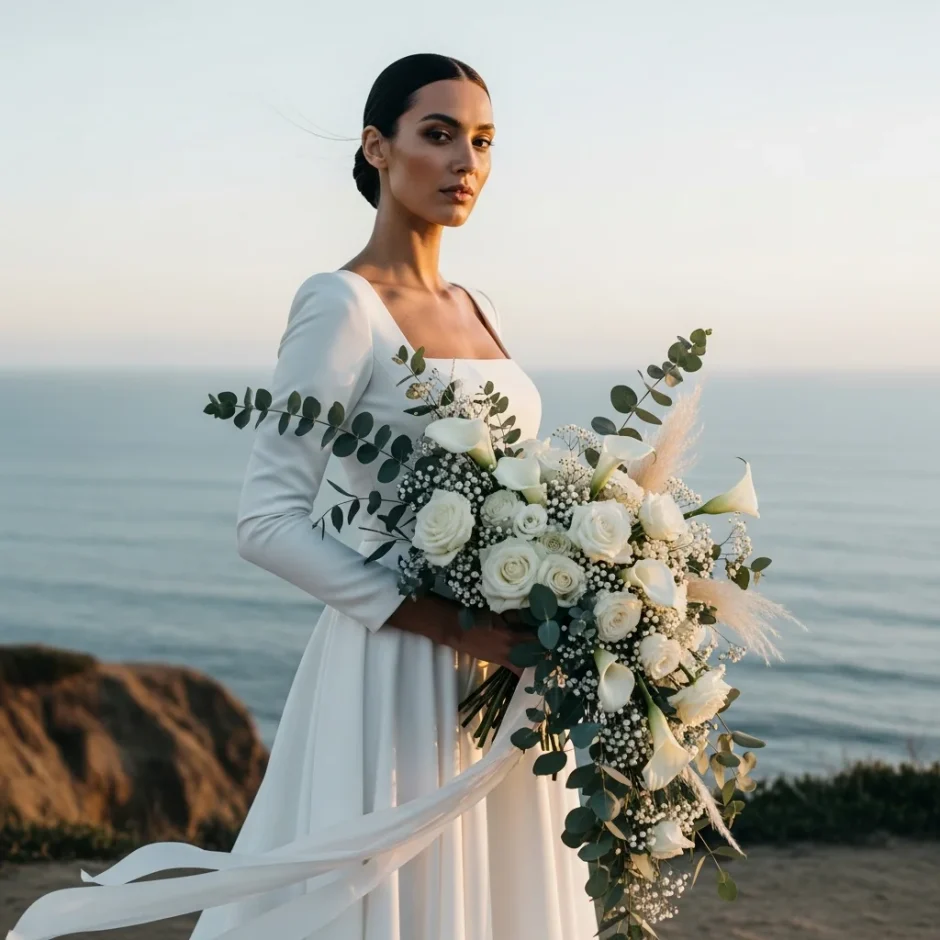
Introduction: Why Understanding Wholesale Flower Pricing Matters
For anyone planning a wedding, corporate event, or large celebration, flowers can quickly become a significant portion of the budget. However, many buyers find the purchase process frustrating due to unclear pricing structures in the floral industry. Retail flower prices often vary widely depending on factors like location, season, and design labor, leaving consumers wondering why a single bouquet sometimes costs so much. This confusion can deter buyers from exploring more cost-effective solutions, such as purchasing wholesale flowers.
Wholesale flowers are typically sold in bulk directly from growers or distributors, bypassing the substantial markups often added by retailers. Without additional costs for floral arrangement services, transportation between distributors, or packaging, the per-stem price for wholesale flowers is significantly lower. This pricing model empowers customers to save money while gaining access to fresh, high-quality flowers in larger quantities.
Understanding wholesale flower pricing provides buyers with transparency, helping them make smarter purchasing decisions. It demystifies the cost breakdown and reveals areas where buyers can save—especially for DIY weddings, events, or even resale purposes. Armed with this knowledge, buyers can effectively plan their flower purchases, aligning their budgets with their floral needs while achieving stunning visual results.
What Are Wholesale Flowers?
Wholesale flowers are fresh-cut blooms sold in bulk quantities directly from growers or large distributors at reduced per-stem pricing. Buying wholesale eliminates retail markups, allowing buyers to purchase wedding flowers, event flowers, and DIY bulk flowers at significantly lower costs.
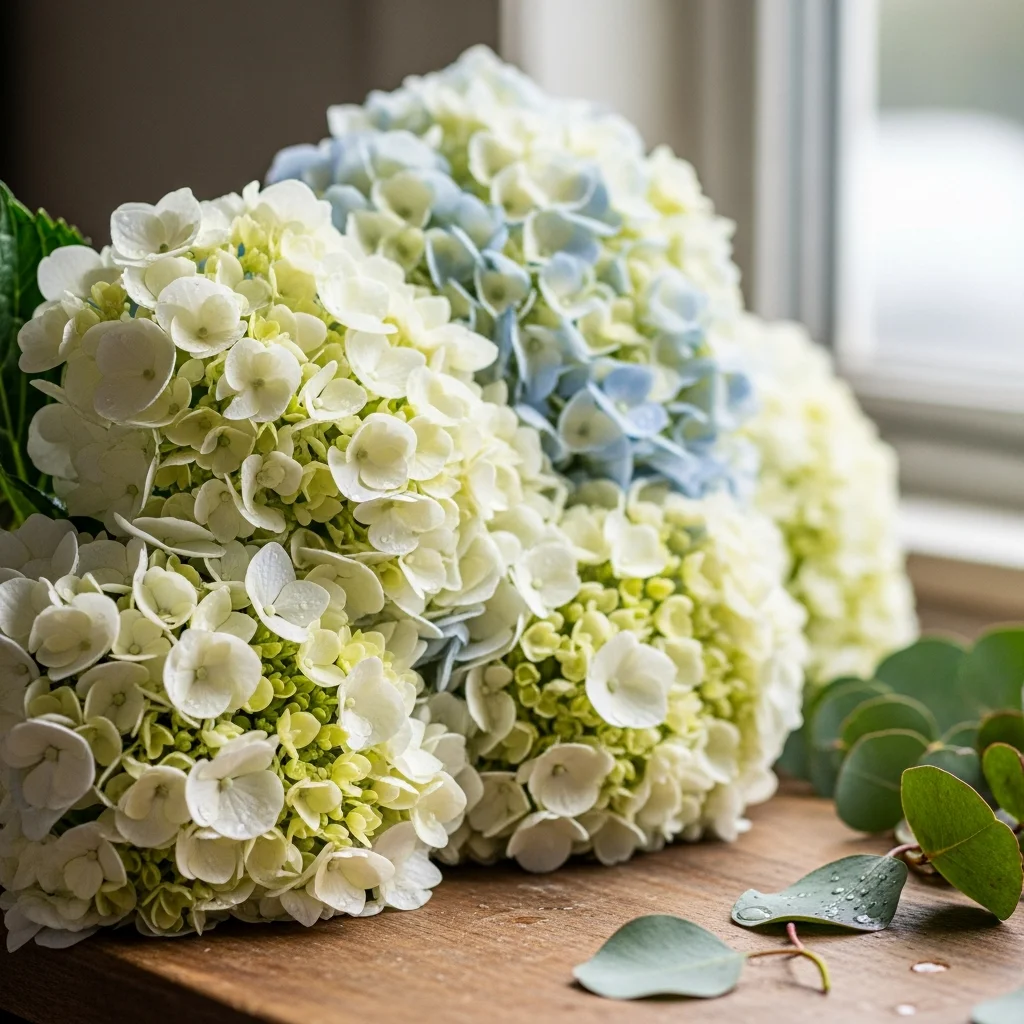
Part 1 – How Are Wholesale Flowers Priced?
Wholesale flower pricing is influenced by various factors that collectively determine the cost per stem. From farm-level production costs to seasonal price fluctuations and shipping logistics, understanding these elements can help buyers make informed decisions when sourcing bulk flowers.
Farm Gate Pricing
At the core of wholesale flower pricing is the grower-to-distributor cost structure, commonly referred to as farm gate pricing. This is the price set by flower growers before flowers move into the supply chain. This pricing includes the cost of cultivation, labor, water, fertilizers, and harvesting. Once harvested, flowers are sold in large quantities to distributors who add their markup before selling them to wholesale buyers. Farm gate pricing may vary depending on the region where flowers are grown, the input costs of production, and the quality of the blooms being produced.
Volume Discounts & Bulk Pricing
One of the primary reasons wholesale flowers are cheaper than retail is due to volume discounts. Buying in bulk significantly lowers the per-stem cost, as suppliers pass on savings associated with packing and processing large orders. For instance, purchasing 50 stems of roses will often result in a lower per-stem price compared to buying only 12 stems. This cost efficiency is particularly beneficial for weddings and large events where floral needs are substantial.
Seasonal Influence on Pricing
Flower prices can fluctuate considerably based on the season, with certain blooms spiking in cost during peak wedding and event months. For example, spring wedding flowers like tulips and peonies are abundant during their natural growing months, making them more affordable. Conversely, sourcing these flowers out of season requires imports from other regions, increasing costs. Summer brings an abundance of bright blooms like sunflowers, which thrive in warm weather, while dahlias dominate late summer to fall weddings. Understanding this seasonal variation enables buyers to align their flower choices with lower bulk costs by purchasing varieties that are in-season.
Seasonal Flower Examples
- Spring: Tulips and peonies see a surge in spring but remain budget-friendly when bought in bulk during their peak growing period.
- Summer: Sunflowers thrive in the summer months, making them an economical choice for summer weddings.
- Fall: Dahlias flourish in the late summer and fall, offering vibrant options for seasonal weddings.
By selecting seasonal flowers in bulk, buyers can both save on costs and enjoy fresher, more vibrant blooms.
Shipping & Cold Chain Logistics
The transportation and handling of flowers significantly impact their wholesale price. Flowers are highly perishable, requiring a cold chain logistics process to maintain their freshness during transit. From temperature-controlled farms to refrigerated shipping containers, these systems ensure flowers arrive at their destination in pristine condition. However, these logistics expenses are baked into wholesale pricing, which is why locally sourced flowers may sometimes offer cost savings over imported varieties.
Supply and Demand
Wedding season is one of the most significant drivers of wholesale flower pricing. During peak months, such as May, June, and September, demand for popular wedding flowers can result in higher prices. For instance, roses may see an increase in cost per stem as demand spikes for bouquets, table arrangements, and centerpieces. Planning ahead and purchasing flowers early or opting for less common varieties can help mitigate these marked-up prices.
Understanding how wholesale flowers are priced—from farm-level costs to seasonal dynamics—empowers buyers to make strategic decisions and stretch their floral budgets without compromising quality.
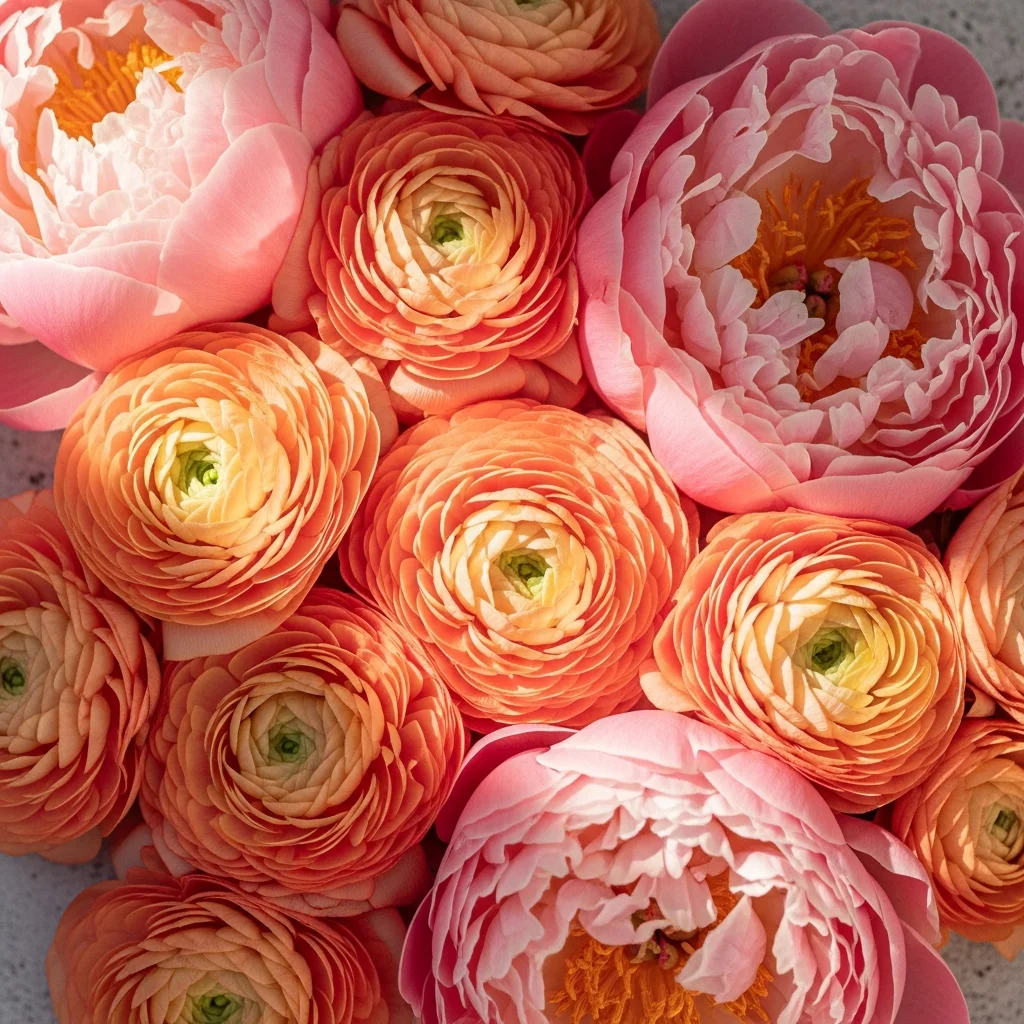
Part 2 – Retail vs Wholesale Flower Pricing (Why the Difference Is So Big)
Are Wholesale Flowers Cheaper Than Retail?
Yes, wholesale flowers are significantly cheaper than retail because they are sold in bulk without florist design labor, storefront overhead, or middleman markups. Buyers purchasing bulk wedding flowers online often save 30–70% compared to retail florist pricing.
Why the Price Difference?
When comparing wholesale and retail flower pricing, the cost variation becomes clear due to several contributing factors:
- Retail Florist Markup: Retail florists typically apply a substantial markup to account for their time, expertise, and overhead costs. This includes expenses like store rent, utilities, and marketing, all of which are factored into each flower stem’s price.
- Labor Costs: Floral design is an intricate process requiring skilled labor. Retail pricing reflects the time and craftsmanship needed to create ready-to-use arrangements like bouquets, centerpieces, and wreaths.
- Design Fees: Pre-arranged floral designs also incur additional fees. These fees are added to the wholesale cost of the flowers to reflect the personal touch provided by professional florists.
- Delivery Markup: Retail florists include delivery costs, often adding a premium to cover logistics. This convenience is built into the final price to save buyers time.
- Small Quantity Pricing: Retail purchases are usually smaller in volume, which naturally leads to higher per-stem costs due to the lack of bulk discounts.
Example Math
For comparison:
- A retail rose typically costs between $6–$10 per stem, depending on the season and locality.
- Wholesale rose bundles, available through online suppliers, offer a dramatically lower per-stem cost, allowing couples and event planners to maximize their floral budgets.
Save Money by Buying Bulk Flowers Online
For budget-conscious buyers, ordering flowers in bulk directly from wholesalers can result in incredible savings. The option to purchase flowers online in large quantities enables couples to stretch their wedding flower budgets significantly. Not only do they avoid unnecessary markups, but they also gain access to fresh, high-quality blooms that can be arranged creatively at home.
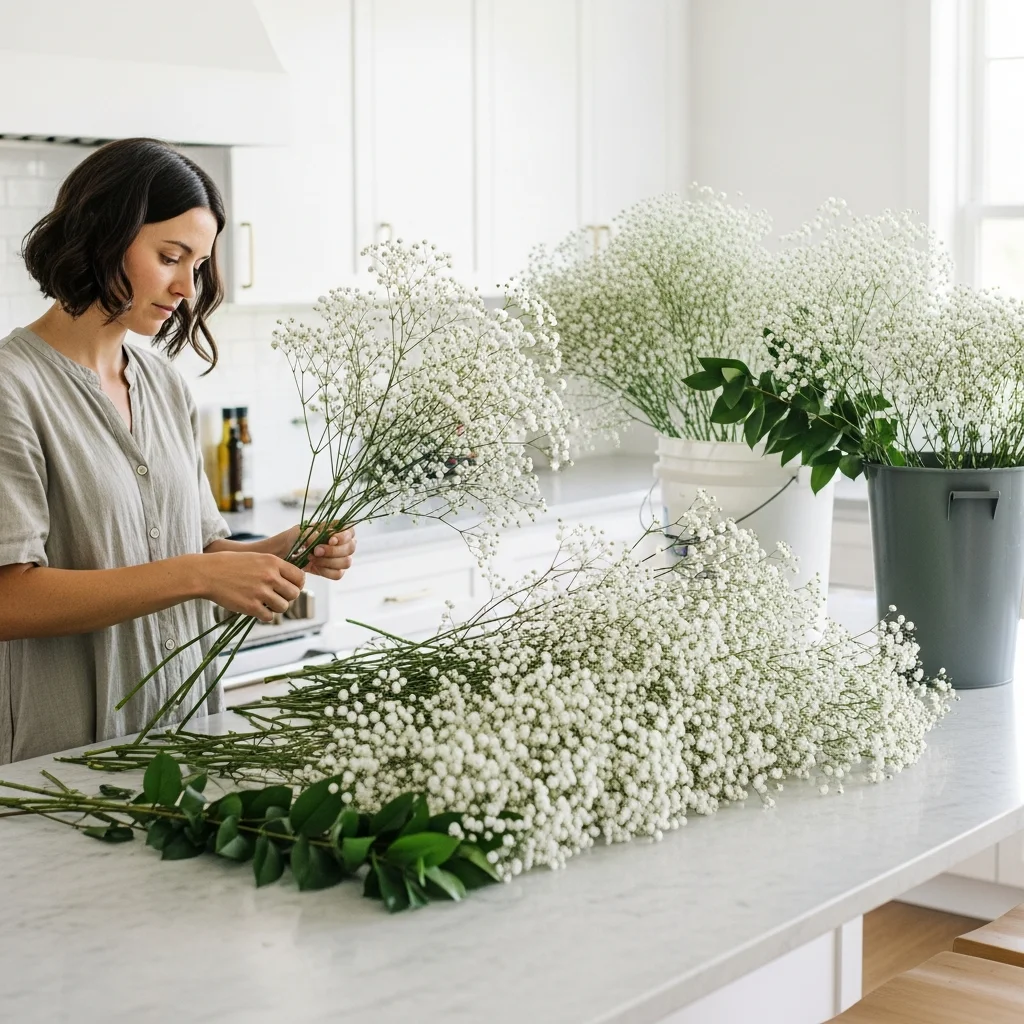
Part 3 – What Buyers Should Know Before Buying Bulk Flowers
When purchasing wholesale flowers, understanding a few key factors can help ensure your investment yields the desired results. From deciding the purpose of the flowers to selecting varieties and coordinating logistics, planning ahead can make all the difference.
What Are You Using the Flowers For?
The type and quantity of flowers you need will depend heavily on their intended use. Whether you’re decorating for a wedding, creating centerpieces, hosting a large event, or crafting DIY arrangements, it’s important to align your floral choices with your vision and budget.
- Weddings – Popular choices include hydrangeas for creating volume, roses for classic romance, and eucalyptus greenery for a lush, structured look.
- Centerpieces – Combining baby’s breath as a filler with premium flowers like roses or ranunculus balances elegance and cost.
- Large Events – Bulk purchases of versatile options, such as pampas grass, allow for boho-themed designs, while preserved flowers can extend the life of the arrangements.
- DIY Arrangements – Opt for easy-to-work-with blooms such as roses, carnations, or greenery. With bulk flowers, the possibilities for creative expression are endless.
Why Specific Varieties Are Chosen
Every flower variety brings its own charm, functionality, and cost-efficiency. Choosing the right blooms for your purpose can elevate the overall design while keeping expenses in check.
- Roses – Reliable and available year-round, roses are a timeless choice for a variety of occasions.
- Ranunculus – Known for their delicate, layered petals, ranunculus adds a touch of premium elegance.
- Carnations – A cost-efficient option that offers durability and a wide range of colors.
- Calla Lilies – Perfect for modern aesthetics with their sleek, sophisticated look.
- Orchids – For those aiming to showcase luxury, orchids deliver unparalleled beauty and refinement.
How Bulk Purchasing Saves Money
One of the greatest advantages of buying wholesale flowers is the financial savings achieved through bulk pricing. By making larger purchases, buyers can stretch their budgets while reducing overall costs.
- Per-Stem Math – Bulk pricing significantly lowers the cost per stem compared to retail prices.
- Reduced Waste – With careful planning, pre-ordering precise quantities ensures less floral waste.
- Cohesive Design Impact – By sourcing flowers from one supplier, you ensure consistent blooms for a unified look.
How Wholesale Ordering Works
Ordering flowers in bulk can be a straightforward and stress-free process with a little advance planning. Here’s a step-by-step guide to help ensure your flowers arrive on time and in top condition.
- Choose Quantity – Determine how many stems you need based on arrangements and venue size.
- Select Delivery Date – Schedule delivery 2–3 days before the event for preparation and bloom time.
- Receive and Hydrate – Upon arrival, immediately unpack the flowers, trim the stems, and store them in hydration buckets. Proper preparation ensures they stay fresh and vibrant.
With thoughtful choices and a clear plan, buying wholesale flowers can create stunning results, from weddings to DIY projects, all while saving money and ensuring exceptional quality.
Part 4 – Best Flower Options by Use Case
When planning your event or project, selecting the right flowers in bulk can make all the difference. Not only does buying wholesale save significant costs, but it also ensures consistency in quality, color, and size. Below, we’ve broken down the best flower options by use case to help you achieve stunning results for every occasion.
Best Flowers for Weddings (Bulk Buying Advantage)
Wedding flowers are the foundation of unforgettable ceremonies and celebrations. Their elegance, timeless beauty, and versatility are key to creating the perfect ambiance. Here are the top choices:
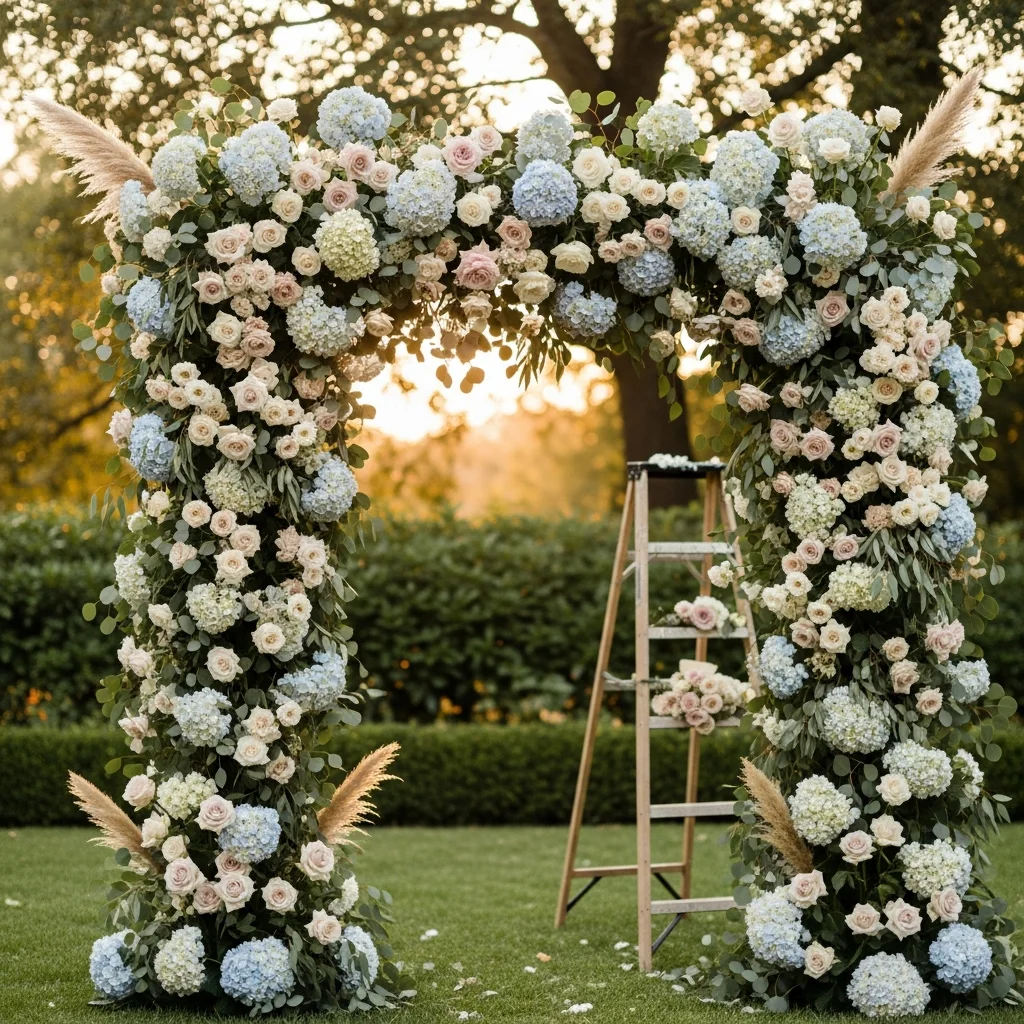
- Roses – Iconic and romantic, roses are a wedding staple. From classic whites and blush tones to bold reds, bulk roses seamlessly tie into any wedding theme. With long stems and full blooms, they’re perfect for bouquets, centerpieces, and floral arches. Stem range: 100–200 stems per wedding (depending on the arrangement size).
- Peonies – Known for their lush appearance and soft textures, peonies bring luxury to any wedding. Available in pastel and vibrant shades, they’re ideal for spring and summer ceremonies. Stem range: 50–100 stems.
- Ranunculus – Loved for their layered, delicate petals, ranunculus add elegance to boutonnieres, bridal bouquets, and small centerpieces. They’re a cost-effective way to make arrangements pop. Stem range: 75–150.
- Calla Lilies – Sleek and modern, calla lilies create striking displays. Their clean lines work beautifully in cascading arrangements or minimalist designs. Stem range: 50–100 stems.
Bulk flowers for weddings ensure cohesion across arrangements and can significantly reduce per-stem costs compared to retail purchases.
Best Flowers for Centerpieces
For showstopping tablescapes, choosing dynamic flowers that stand out while complementing the event’s theme is essential. These blooms are ideal for creating lavish or simple centerpieces:
- Hydrangeas – Known for their voluminous clusters, hydrangeas are perfect for filling space in centerpieces. Available in classic white, soft pastels, and bold hues, they’re both versatile and impactful. Stem range: 50–70.
- Carnations – Affordable and vibrant, carnations bring texture and color to any arrangement. Layer them in centerpieces as supporting blooms or in monochromatic designs for a fuller look. Stem range: 75–150.
- Tulips – Simple yet elegant, tulips embody timeless charm. They’re excellent for chic centerpieces at spring events. Pair them with greenery for a modern aesthetic. Stem range: 50–100.
- Sunflowers – Bold and cheerful, sunflowers are ideal for rustic and summer events. Their large blooms make a statement and require fewer stems for impactful centerpieces. Stem range: 30–50.
Used in bulk, these flowers ensure expansive and cohesive designs without breaking the budget. Explore more centerpiece inspiration with our DIY Centerpiece Floral Packages.
Best Flowers for DIY Arrangements
If you’re crafting your own bouquets, boutonnieres, or simple home arrangements, these flowers provide flexibility and style:
- Baby’s Breath – A quintessential filler, Baby’s Breath adds softness and volume to DIY arrangements. Sold in large bunches, it’s extremely affordable. Stem range: 5–15 bunches.
- Greenery – Greenery like ferns, ivy, and ruscus serve as the backbone of modern DIY floral design. Use it to create texture, layer arrangements, or serve as a budget-friendly filler. Stem range: 20–50 stems.
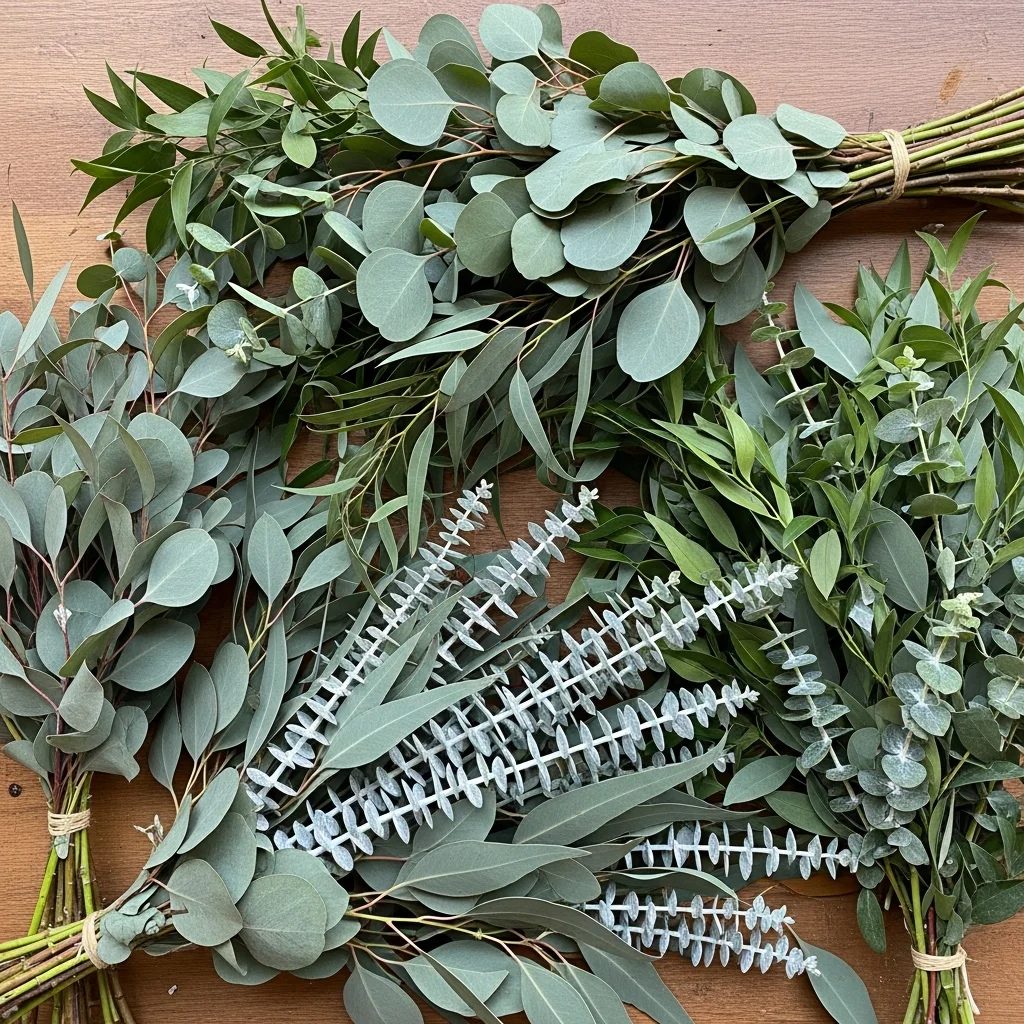
- Eucalyptus – Stylish and aromatic, eucalyptus enhances both color and fragrance in DIY creations. Use it for garlands, bridal bouquets, and centerpieces. Stem range: 30–50 stems.
- Bulk Roses – Roses aren’t limited to weddings. Use them across DIY arrangements for gifting, décor, or practice. Their classic appeal is unmatched. Stem range: 50–100 stems.
Bulk buying for DIY projects ensures ample flowers for experimentation, mistakes, and practice, leaving room for creativity while keeping costs down.
Best Flowers for Large Events
For galas, fundraisers, or corporate settings, choosing impactful blooms that provide great coverage is key. Here are the best options:
- Hydrangeas – Their large blooms make them natural space fillers, reducing total stem counts while creating luxurious displays. Stem range: 75–150.
- Carnations – These budget-friendly flowers are excellent for creating cohesive designs at scale. Their wide color range fits any large event’s theme. Stem range: 150–200.
- Greenery – Essential for garlands, backdrops, and large displays, greenery brings texture and lushness to big venues. Stem range: 50–100 stems.
- Sunflowers – Perfect for creating focal points, these bold flowers bring warmth and personality to larger occasions. Stem range: 50–75.
For large events, buying in bulk keeps costs predictable while ensuring enough flowers for installations and overlapping themes. Take advantage of Event Bulk Packages to simplify your planning.
Elevate Your Designs with Wholesale Flowers
Purchasing flowers in bulk not only reduces costs but also enhances the continuity and quality across your floral designs. Whether you’re planning a wedding, creating centerpieces, or crafting your own arrangements, the right blooms bring your vision to life at any budget. Explore more inspiration in our gallery of Real Wedding Installations and DIY success stories.
Part 5 – Where Can I Buy Wholesale Flowers Online?
You can buy wholesale flowers online from direct bulk suppliers that ship fresh-cut flowers nationwide. Ordering bulk flowers online allows you to select specific delivery dates, choose the exact stem quantities you need, and take advantage of wholesale pricing typically reserved for florists and event planners. This streamlined process makes it feasible to plan events or create stunning floral arrangements without exceeding your budget. Wholesale flower suppliers, like Whole Blossoms, ensure affordability and ease while delivering fresh, high-quality blooms to your doorstep.
Why Online Wholesale Works
Purchasing wholesale flowers online simplifies the process of obtaining fresh blooms while saving time and money. Thanks to nationwide shipping and a well-maintained cold-chain logistics network, flowers are transported under optimal temperature conditions, ensuring they arrive fresh and vibrant. Online suppliers provide extensive variety and flexibility, making it easy to coordinate with your event planning timeline. For example, most suppliers recommend ordering 7–30 days before your event and arranging delivery 2–3 days prior to use, allowing ample time for hydration and arranging.
Why Buying Wholesale Reduces Costs
Wholesale flower purchases are a cost-effective option, as bulk suppliers eliminate the middlemen, reducing markups typically added by traditional retailers. Additionally, purchasing flowers in larger quantities translates to lower per-stem costs. With transparent pricing models offered by suppliers like Whole Blossoms, you can efficiently allocate your floral budget while still achieving stunning designs. Whether you need wedding centerpieces, bouquets, or venue décor, wholesale flowers enable you to get more for your money without compromising quality.
How Bulk Improves Freshness
Ordering flowers in bulk directly from a trusted supplier ensures optimal freshness. Unlike retail flowers that may sit in storage for days, wholesale flowers are shipped immediately after being cut. This direct approach minimizes transit time, giving you fresher blooms with a longer vase life. Furthermore, many suppliers carefully pack flowers in temperature-controlled boxes to preserve their integrity during shipping. This level of care ensures your arrangements will look flawless, whether adorning a wedding venue or enhancing a special event.
Delivery & Planning Timeline
Effective planning is key when purchasing wholesale flowers online. Start by placing your order at least 7 days to a month before your event. To achieve peak bloom and hydration, schedule flower delivery 2–3 days prior to your event date. This timeline not only ensures sufficient preparation time but also allows the blooms to fully open and reach their maximum beauty. Rely on suppliers like Whole Blossoms for reliable scheduling and consistent delivery, ensuring the flowers will be in perfect condition when you need them.
Position Whole Blossoms as your go-to direct source for wholesale flowers, trusted by florists and event planners alike. With transparent pricing, nationwide shipping, and fresh blooms delivered straight to you, we make it effortless to bring your floral vision to life.
Part 6 – Real Bulk Flower Combinations That Save Money
When planning an event or wedding, choosing the right flower combinations can help you stay within budget without compromising on style. Below are some of the best bulk flower combinations that buyers love, featuring beautiful blooms, estimated stem counts, and budget ranges to suit various needs.
Example Sets:
Budget-Friendly Wedding Combo
- Flowers Included: Bulk Roses, Carnations, Baby’s Breath, Greenery
- Estimated Stem Count: Roses (50 stems), Carnations (30 stems), Baby’s Breath (10 stems), Greenery (10 stems)
- Budget Range: $250–$350
- Why It Works: This timeless combination offers romantic elegance at an affordable price. The classic beauty of roses pairs seamlessly with the soft texture of baby’s breath and the lush addition of greenery. Carnations add volume while keeping costs low, making it ideal for creating bouquets, centerpieces, and aisle accents.
Elegant Garden Wedding Combo
- Flowers Included: Peonies, Ranunculus, Eucalyptus, Hydrangeas
- Estimated Stem Count: Peonies (25 stems), Ranunculus (20 stems), Eucalyptus (10 stems), Hydrangeas (15 stems)
- Budget Range: $400–$600
- Why It Works: Perfect for a sophisticated garden-themed wedding, this luxurious mix boasts lush textures and rich floral tones. Peonies and hydrangeas provide bold focal points, while delicate ranunculus and soft eucalyptus add a whimsical, natural feel to arrangements. This blend is perfect for creating statement pieces with a refined aesthetic.
Rustic Summer Combo
- Flowers Included: Sunflowers, Dahlias, Pampas Grass, Eucalyptus
- Estimated Stem Count: Sunflowers (25 stems), Dahlias (20 stems), Pampas Grass (10 stems), Eucalyptus (10 stems)
- Budget Range: $300–$450
- Why It Works: This combination channels a rustic, boho vibe perfect for outdoor summer events. The vibrant sunflowers and dahlias bring warmth and cheer, while pampas grass and eucalyptus provide texture and a natural, airy feel. These blooms work beautifully for centerpieces, arches, and cascading bouquets.
Image Suggestions:
- Styled wedding setups showcasing flower arrangements.
- Stem bundle flat-lay photos highlighting included flowers.
- Rustic tablescapes featuring the Rustic Summer Combo.
To explore more about specific flowers, check our pages on Peonies, Ranunculus, Sunflowers in Bulk, and Dahlias in Bulk. These combinations not only save money but also offer endless possibilities for creating stunning floral designs that elevate any event.
Frequently Asked Questions About Wholesale Flowers
Are wholesale flowers cheaper?
Yes, wholesale flowers are typically more affordable than retail. By purchasing in bulk, you cut out the middleman and gain access to lower prices. This makes them a cost-effective option for weddings, events, and large-scale floral needs while still ensuring high-quality blooms.
Where can I buy wholesale flowers near me?
You can buy wholesale flowers from online wholesalers, local floral suppliers, or flower markets. Many online sellers offer delivery options straight to your door, allowing you to conveniently choose from a vast selection of blooms no matter your location.
What flowers last longest for weddings?
Flowers like orchids, carnations, and chrysanthemums are known for their durability and long-lasting freshness. These hardy blooms hold up well throughout the day, making them excellent choices for crafting wedding arrangements that last from the ceremony to the reception.
How far in advance should I order bulk wedding flowers?
You should order bulk wedding flowers 2–4 weeks before your event date. This ensures availability and allows time for delivery and proper preparation. Once received, store the flowers in a cool space and hydrate them to maintain freshness for your special day.
How many flowers do I need for a wedding?
The number of flowers you need depends on the wedding’s size and design. A bridal bouquet generally requires 20–30 stems, while centerpieces may need 10–15 flowers each. For a medium-sized wedding, plan for around 200–300 stems to cover all arrangements.
How to Choose and Order the Right Wholesale Flowers
Selecting the perfect wholesale flowers for your event begins with careful planning and consideration of key factors. To estimate quantities, start by creating a detailed list of all your floral arrangements, such as bouquets, centerpieces, and decorative installations. Account for approximately 20–30 stems for a bridal bouquet, 10–15 flowers per centerpiece, and additional blooms for accents and boutonnieres. Consulting with your florist or designer can help refine these estimates to match your vision.
Timing is critical when ordering wholesale flowers. Place your order 2–4 weeks prior to the event to ensure availability of your desired varieties and to allow ample time for delivery and preparation. Fresh flowers need proper hydration and storage upon arrival to maintain their quality, so plan for delivery 2–3 days before your event date.
Another essential consideration is seasonal adjustments. Opting for flowers that are in season typically ensures better availability, vibrant colors, and more budget-friendly prices. For example, peonies are ideal for spring weddings, while dahlias shine in the summer and early fall. Consult with your wholesale supplier to explore seasonal options that fit your event’s theme.
When buying wholesale flowers, prioritize safety and quality by choosing a trusted supplier like Whole Blossoms. We cut out the middleman, offering direct-to-buyer access to florist-grade blooms. Our reputation as a wholesale authority is built upon providing exceptional quality, affordable pricing, and seamless delivery for special events nationwide.
Browse our extensive collection of Wholesale Flowers to find the perfect options for your event. Explore Bulk Wedding Flowers for curated designs or shop Bulk Roses & Greenery to elevate your arrangements with premium blooms and lush accents—all while enjoying the convenience and cost savings of buying wholesale.