


 by
by 
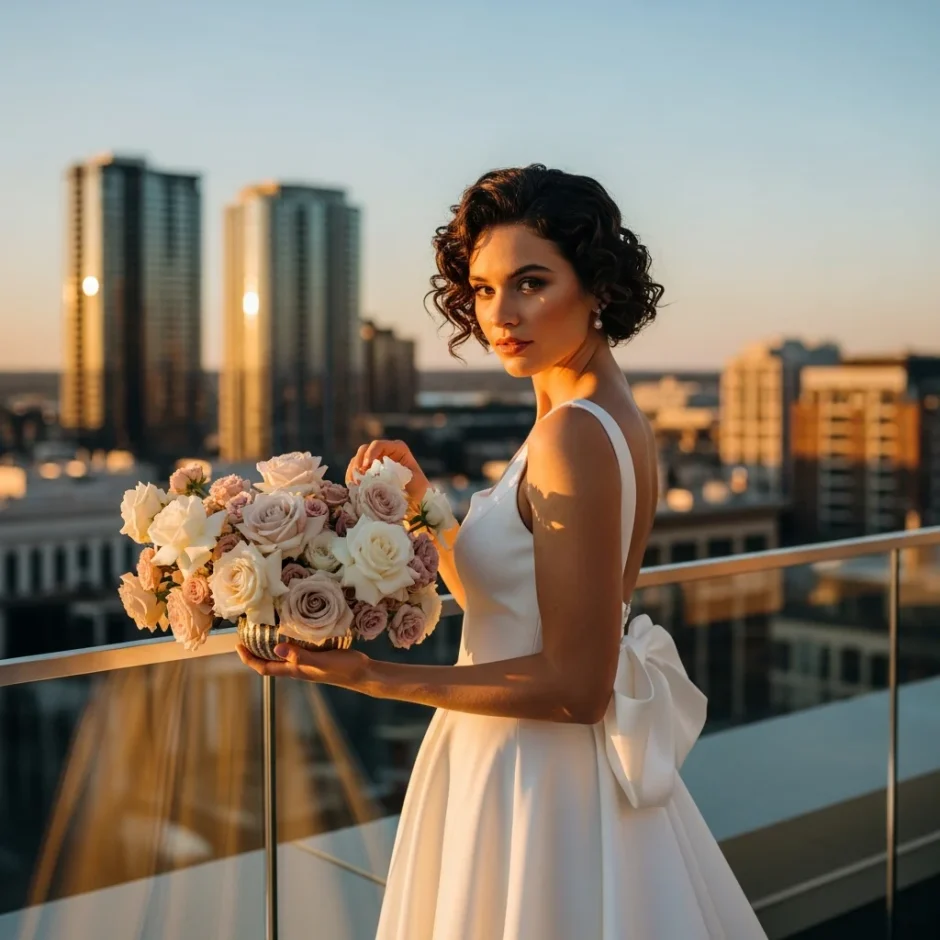
Before purchasing roses in bulk, buyers should take several factors into account to ensure they meet their needs and expectations. First and foremost, it’s essential to identify how the roses will be used. Roses are versatile blooms that can elevate a variety of arrangements, including centerpieces, head table displays, sweetheart table decorations, entryway arrangements, cake embellishments, and bud vases. Each application may require different rose types, so planning is crucial.
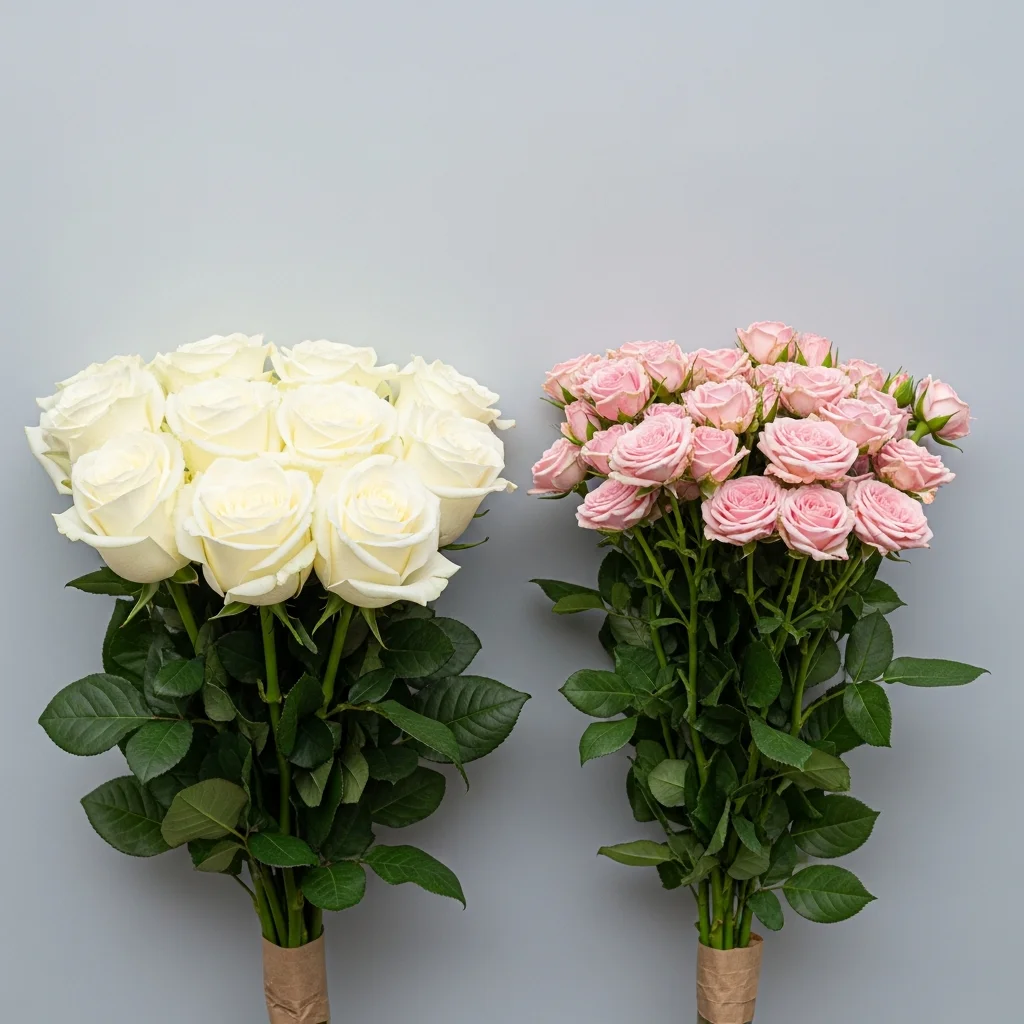
When selecting roses, buyers may choose between standard roses, spray roses, or garden roses depending on their desired look. Standard roses are known for their classic elegance and larger blooms, while spray roses offer multiple smaller blooms per stem, ideal for creating texture in arrangements. Garden roses, on the other hand, provide a lush, vintage aesthetic, with their intricate petal structures and rich fragrance. Other important considerations include bloom size, petal count, openness at the time of delivery, and color consistency. These variables help ensure that the roses align with the design vision and overall palette of the event.
Bulk purchasing offers significant cost advantages for buyers compared to buying roses in smaller quantities. Ordering in bulk allows buyers to lower their cost-per-stem, reducing overall floral expenses while avoiding overage fees or last-minute add-ons. Additionally, with bulk orders, consistent bunching and planned quantities ensure better predictability and streamlined setup for events.
Wholesale ordering, especially from trusted suppliers like Whole Blossoms, ensures farm-direct freshness and peace of mind. Roses purchased wholesale often arrive with precise bunch counts and within specified ordering increments. Buyers can expect delivery windows that fit their timelines, allowing sufficient conditioning time to hydrate and prepare the roses before arrangements are created. Whole Blossoms positions itself as the safe and reliable option for bulk floral needs.
Part 1 – How many roses per centerpiece?
When planning for floral arrangements, understanding how many roses are needed per centerpiece is essential for achieving the desired style and aesthetic. Here’s an easy guide to help you select the perfect centerpiece style and rose count:
Small rose centerpiece (10–12 roses)
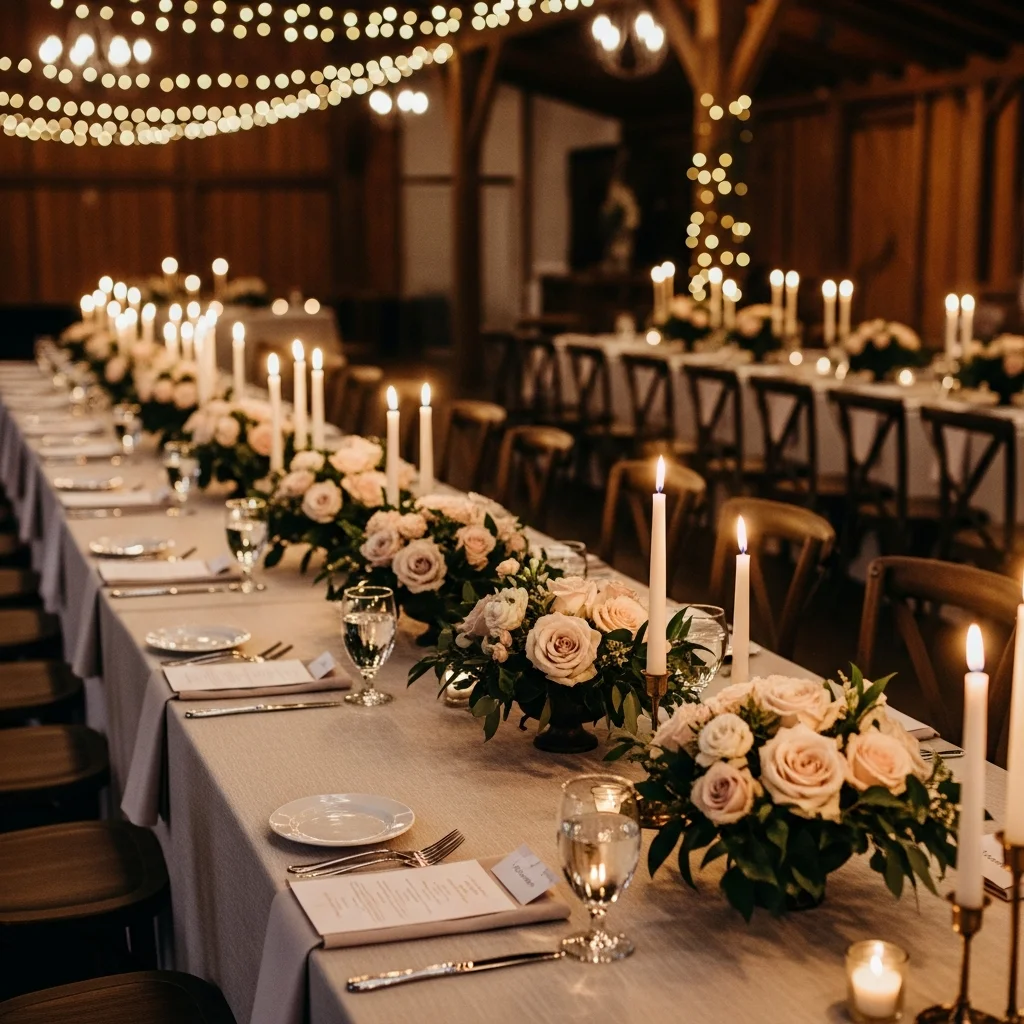
A small rose centerpiece works beautifully for bud vase clusters, narrow tables, or minimalist decor. This style is ideal for intimate settings or when you want to create understated elegance. By limiting the rose count to 10–12 stems, these centerpieces remain light and refined, perfect for letting the details of the vases and surrounding decor shine.
Medium rose centerpiece (12–18 roses)
The medium rose centerpiece is the most popular choice for weddings and formal events. With 12–18 roses per arrangement, you achieve balanced fullness without overwhelming the table. This style works well with standard vase sizes and offers versatility, making it a go-to option for almost any event theme.
Lush rose centerpiece (18–25 roses)
For dramatic, high-impact floral designs, opt for a lush rose centerpiece. Featuring 18–25 roses, this style suits larger vases, urns, or statement pieces, creating a fuller, premium look. These centerpieces make a striking impression, especially for grand weddings or upscale events where floral designs play a central role.
Design reality
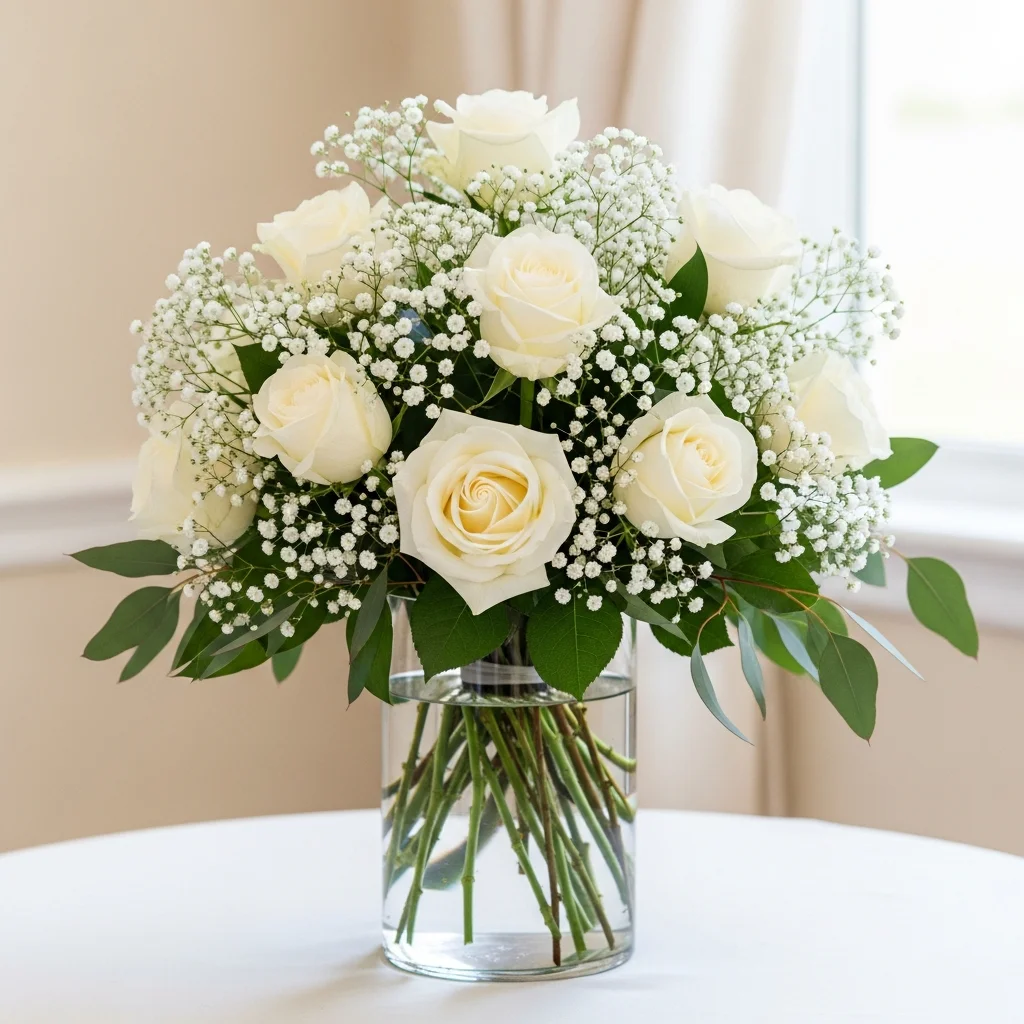
It’s important to note that greenery and filler flowers can dramatically reduce the rose count while still maintaining a sense of fullness and visual impact. Using accents such as eucalyptus, baby’s breath, or other greenery bundles can complement your roses while keeping costs and stem usage under control. By layering textures with filler elements, you can create a balanced centerpiece that feels lush without requiring as many roses.
Part 2 – Rose Quantity Calculator for 10 Centerpieces
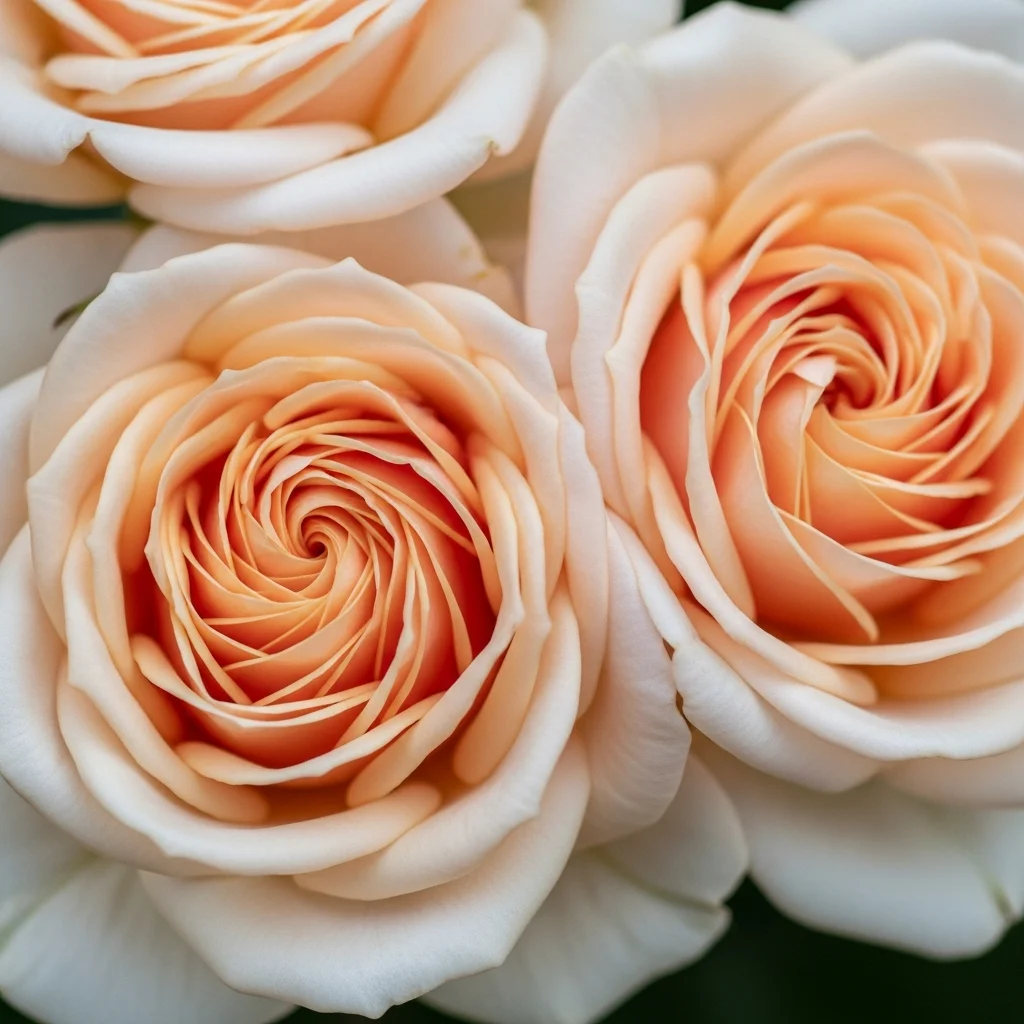
Creating stunning centerpieces for an event can be simplified with the right planning and tools. Use this step-by-step rose calculator to estimate the exact number of roses you’ll need for 10 centerpieces, tailored to your design style and event needs.
Step 1: Pick Your Centerpiece Size
Decide the overall style and volume of your centerpiece. Are you aiming for a small, medium, or lush arrangement? Smaller designs use fewer stems while lush designs give a dramatic and full look.
Step 2: Pick Your Rose Type
Choose the rose variety that fits your aesthetic and budget:
- Standard Roses – Classic choice, perfect for elegance.
- Spray Roses – Smaller blooms per stem, ideal for intricate designs.
- Garden Roses – Luxurious and fragrant but pricier.
Step 3: Pick Vase Size and Shape
The type of vase significantly impacts the number of roses required. Consider these options:
- Low Bowl – For designs that are flat and compact.
- Cylinder Vase – Versatile for tall, upright arrangements.
- Compote Vase – A popular option for airy and romantic centerpieces.
Step 4: Decide Between “Roses-Only” vs. “Roses + Greenery/Filler”
Opting for greenery and filler flowers, such as eucalyptus and baby’s breath, can help stretch your rose quantity while adding texture and dimension. Without fillers, the number of roses per centerpiece will likely increase.
Step 5: Add Extra Stems (Recommended 10–15%)
To account for setup variation, breakage, or substitutions, always order 10–15% more roses than the calculated amount.
Example Calculations
Here are some examples you can use to plan your rose needs:
- Medium Centerpiece Plan
15 roses per centerpiece x 10 centerpieces = 150 roses
Add 15% buffer = 173 roses total
- Lush Centerpiece Plan
22 roses per centerpiece x 10 centerpieces = 220 roses
Add 10% buffer = 242 roses total
- Budget-Friendly Plan with Greenery
12 roses per centerpiece x 10 centerpieces = 120 roses
Complement with eucalyptus and baby’s breath
Final calculation = 120 roses total, supplemented with fillers.
These guidelines provide a flexible framework, letting you tailor the design to your needs while staying within budget.
Part 3 – Which Roses Give You the Most “Fullness” Per Stem?
When designing centerpieces, choosing the right type of rose can significantly impact both the visual appeal and the number of stems you need. Here’s a breakdown of the options:
Standard vs. Spray vs. Garden Roses for Centerpieces
- Standard Roses
Standard roses are known for their classic, predictable shape and clean silhouette. They are the easiest to calculate for centerpiece designs since each stem carries a single, uniform bloom. This predictability makes them ideal for more traditional arrangements or when sticking to precise number counts.
- Spray Roses
Spray roses offer incredible visual fullness per stem because each stem hosts multiple smaller blooms. This characteristic allows you to create lush, voluminous centerpieces while reducing the total number of stems needed. They are perfect for designs requiring a soft, textured, and abundant look without inflating your flower budget.
- Garden Roses
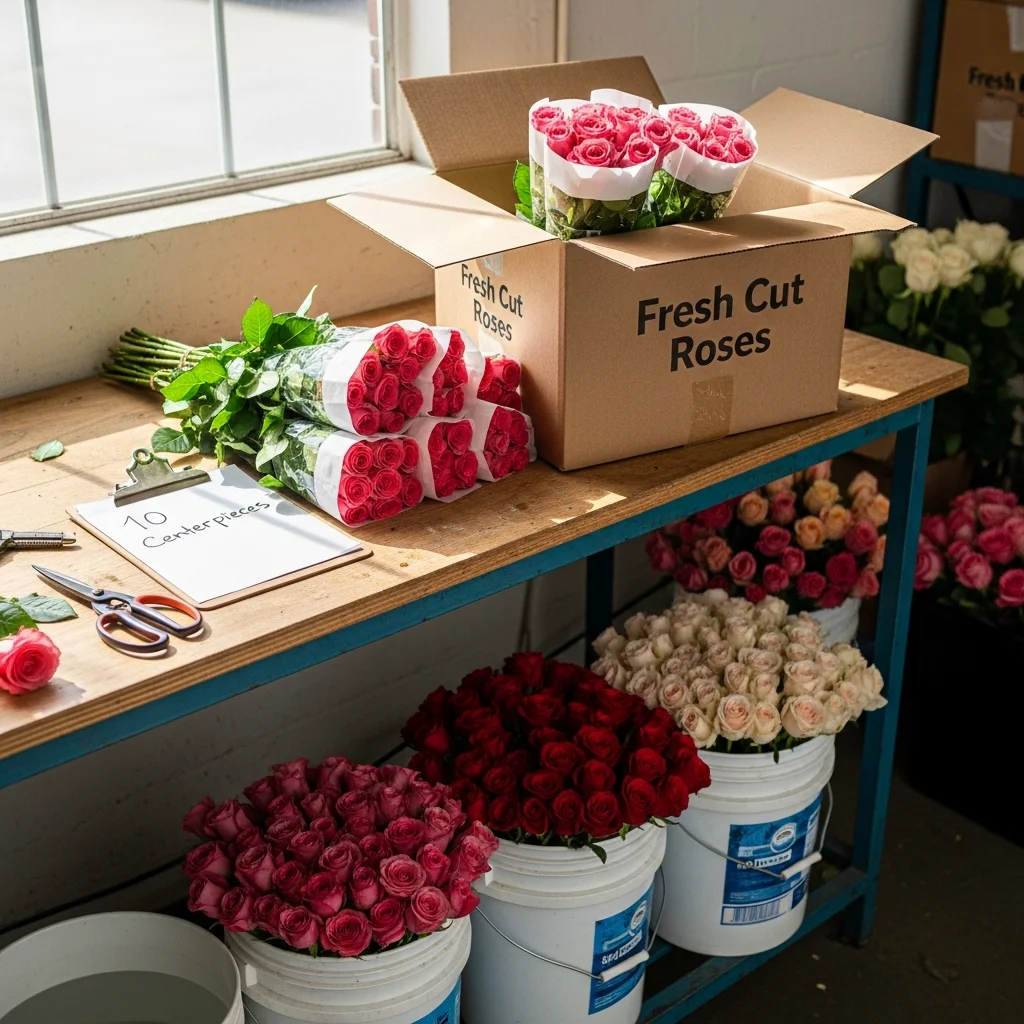
Garden roses are a premium choice, celebrated for their large, ruffled blooms and captivating elegance. They serve as dramatic focal points in centerpieces due to their oversized appearance. While they require fewer stems per arrangement, their impact is unmatched, bringing a sense of luxury and romance to any event.
“Standard roses are best for predictable stem counting. Spray roses look fuller because one stem carries multiple blooms, reducing total stems needed. Garden roses create a premium, oversized look so you can often use fewer stems per centerpiece while keeping dramatic volume.”
Part 4 – Best Bulk Rose Centerpiece Combinations (10 Centerpieces)
Creating the perfect rose centerpieces requires strategic combinations of flowers to achieve the desired look while staying within budget. Here are practical centerpiece recipes buyers frequently use, categorized by style and impact:
1. Budget-Friendly (Classic + Airy)
- Recipe: Standard roses + baby’s breath + eucalyptus
- Why it works: This combination gives visual fullness with fewer roses, thanks to the airy texture of baby’s breath and the soft greenery of eucalyptus. Perfect for budget-conscious buyers who don’t want to compromise on elegance.
2. Modern Romantic (Soft + Lush)
- Recipe: Garden roses + standard roses + ranunculus accents
- Why it works: The lush texture of garden roses combines beautifully with standard roses for structure, while ranunculus adds intricate detail for a soft, romantic look ideal for weddings or anniversaries.
3. High-Impact (Photo-Ready)
- Recipe: Standard roses (heavy use) + hydrangea base volume
- Why it works: Prioritizing standard roses for bold color paired with the voluminous nature of hydrangeas creates photo-worthy centerpieces that stand out in group shots or event décor.
4. Bridal Party Friendly (Easy DIY)
- Recipe: Spray roses + greenery + simple vase
- Why it works: Spray roses, with their multiple blooms per stem, make DIY arrangements easy and efficient. Paired with greenery and a simple vase, this combination delivers effortless charm for bridal showers or informal wedding parties.
5. Seasonal Premium (Luxury Finish)
- Recipe: Peonies (seasonal) + garden roses + tulips (spring)
- Why it works: This combo gives a seasonal flair with opulent peonies and tulips, adding a luxury finish when paired with garden roses. Ideal for spring or early summer events.
6. Boho Chic (Rustic Texture)
- Recipe: Pampas grass + spray roses + preserved flowers
- Why it works: Pampas grass adds a neutral boho vibe, while preserved flowers create longevity. Spray roses keep it delicate and versatile for rustic outdoor weddings or bohemian events.
7. Detailed Elegance (Refined + Textured)
- Recipe: Ranunculus + calla lilies + standard roses
- Why it works: The detailed blooms of ranunculus paired with sleek calla lilies provide a refined, textural centerpiece. Standard roses anchor the structure for sophisticated appeal at upscale gatherings.
8. Late-Summer Drama (Seasonal Intensity)
- Recipe: Dahlias (late summer/fall) + standard roses + eucalyptus
- Why it works: Dahlias, known for their dramatic petal structure, shine in late summer or fall. Eucalyptus enhances their bold colors, while standard roses maintain the classic charm.
9. Luxurious Accent (Modern + Bold)
- Recipe: Orchids + garden roses + tulips
- Why it works: Orchids deliver a luxury statement, combining beautifully with garden roses for lushness and tulips for seasonal boldness. Ideal for high-end events.
10. Heavy Volume (Budget Creativity)
- Recipe: Carnations + hydrangeas + spray roses
- Why it works: Carnations are a budget-friendly option for creating heavy volume. Combined with hydrangeas and spray roses, this centerpiece delivers fullness while keeping costs low.
These centerpiece combinations demonstrate how buyers can mix and match rose varieties with complementary blooms to create specific styles, balancing beauty, volume, and budget.
Part 5 – Where to Buy Roses Wholesale (Safest Option for Events)
When planning a wedding, event, or special occasion, sourcing roses wholesale is often the wisest choice for both quality and cost-effectiveness. Wholesale roses are ideal for large events because they offer a lower price per stem while ensuring consistency in quality and opening time. By purchasing roses in bulk, event planners and florists can attain matching lots of flowers, guaranteeing a cohesive look in arrangements and centerpieces.
Ordering in bulk also offers logistical advantages that enhance the quality of the final designs. Roses ordered from trusted wholesale suppliers, like Whole Blossoms, typically arrive 2–3 days before the event. This timeline allows ample time for proper processing and hydration. Such preparation is crucial for opening the blooms to their fullest, most beautiful potential. For events in hot climates, early processing and storing flowers in a controlled, cool environment ensures the roses stay fresh and vibrant throughout the event.
Whole Blossoms stands out as the safest and most reliable option for buying roses wholesale. Not only do we provide high-quality bulk roses, but we also offer complementary greenery and fillers, all in one coordinated order. This ensures seamless execution for even the most intricate floral designs. With a focus on reliability and care, Whole Blossoms has become a trusted partner for floral designers, event planners, and couples alike.
When preparing for your next event, consider exploring our Wholesale Flowers, Bulk Flowers, and Wedding Flowers pages to find the perfect selection for your needs. Additionally, browse through our specialized collection of roses curated for various colors and styles to bring your vision to life with ease. With Whole Blossoms, you can plan and execute your event florals with confidence, knowing you are relying on a single trusted source for premium bulk flowers.
Part 6 – Common Mistakes That Inflate Your Rose Count
Planning and designing floral arrangements are no easy tasks, and it’s common for small missteps to unexpectedly increase your rose count. One common mistake is opting for vases or containers that are too small. Smaller vases mean tighter packing, which naturally requires more roses to create a full look. Similarly, ignoring the differences in rose head sizes—like those of garden roses compared to standard roses—can lead to underestimating how many flowers you need.
Skipping buffer stems is another significant oversight. Always account for a few extra roses to cover unexpected issues such as broken heads, tight blooms that don’t open in time, or any unforeseen last-minute needs. Additionally, forgetting the potential for “problem stems” can result in scrambling for replacements, increasing your overall order unnecessarily.
Another frequent issue is waiting too long to place your order. Roses require time for selection, grading, and delivery, and last-minute orders might lose the flexibility to adjust for exact quantities, leading to over-ordering just to be safe.
Want to stay on track? Use one supplier for roses and greens to keep your quantities in perfect alignment and avoid unnecessary guesswork. This simple step can ensure a smoother, more efficient planning process for your event florals.
FAQ (People Also Ask Targeting)
Where can I buy wholesale flowers online?
You can buy wholesale flowers online through Whole Blossoms, a dedicated bulk flower supplier that ships fresh-cut flowers for weddings, events, and florists. They offer clear quantities, reliable delivery timelines, and support for bulk planning to help make your event a success.
Are wholesale flowers cheaper?
Yes, wholesale flowers are typically cheaper than retail flowers. Buying in bulk allows you to access discounted prices, making it a cost-effective option for large events like weddings, corporate gatherings, or parties.
What flowers last longest for weddings?
Certain flowers are known for their longevity, making them ideal choices for weddings. Roses, carnations, and orchids are particularly long-lasting, often staying fresh for days when properly handled. Additionally, some greenery, such as eucalyptus and ferns, are durable and retain their appeal throughout the event.
How far in advance should I order bulk wedding roses?
It is recommended to order bulk wedding roses at least 2-4 weeks in advance of your event. This ensures that your supplier has sufficient time to source, grade, and ship your flowers, minimizing the risk of last-minute shortages or compromises in quality.
How many roses do I need for a 10-person table centerpiece?
For a lush and balanced 10-person table centerpiece, you will typically need around 15-20 roses, depending on the arrangement’s design and whether additional fillers or greenery are used.
What’s the best filler to reduce rose count?
Filler options like baby’s breath, eucalyptus, and other greenery are excellent for reducing the rose count in an arrangement while still creating a full and sophisticated look. These fillers add texture and volume to your centerpiece, allowing you to stretch your budget without sacrificing style.
What to Do Next (So You Don’t Overbuy or Undershoot)
When planning your rose centerpiece, it’s essential to follow a few steps to achieve the perfect balance between beauty and budget. Start by choosing the size of your centerpiece—decide whether you want a small, medium, or lush arrangement. This will help you estimate how many roses and fillers you’ll need.
Next, select the type of roses that best suit your design vision and event theme. Options like standard roses, spray roses, or garden roses each bring a unique look and feel to your centerpiece. Keep in mind that spray roses naturally have smaller, clustered blooms, so they can help fill space while using fewer stems overall.
One of the biggest ways to manage your budget is by deciding whether to include fillers or greenery in your design. Popular choices like eucalyptus and baby’s breath add volume and texture while allowing you to reduce the number of roses required.
To avoid surprises, always add a 10–15% buffer to your calculations. This ensures you have plenty of flowers in case of last-minute adjustments or replacements. Finally, when placing your order, make sure to purchase all your roses and supporting flowers together through a trusted supplier like Whole Blossoms. This guarantees that the quantities match your plan and you achieve a cohesive look.