


 by
by 
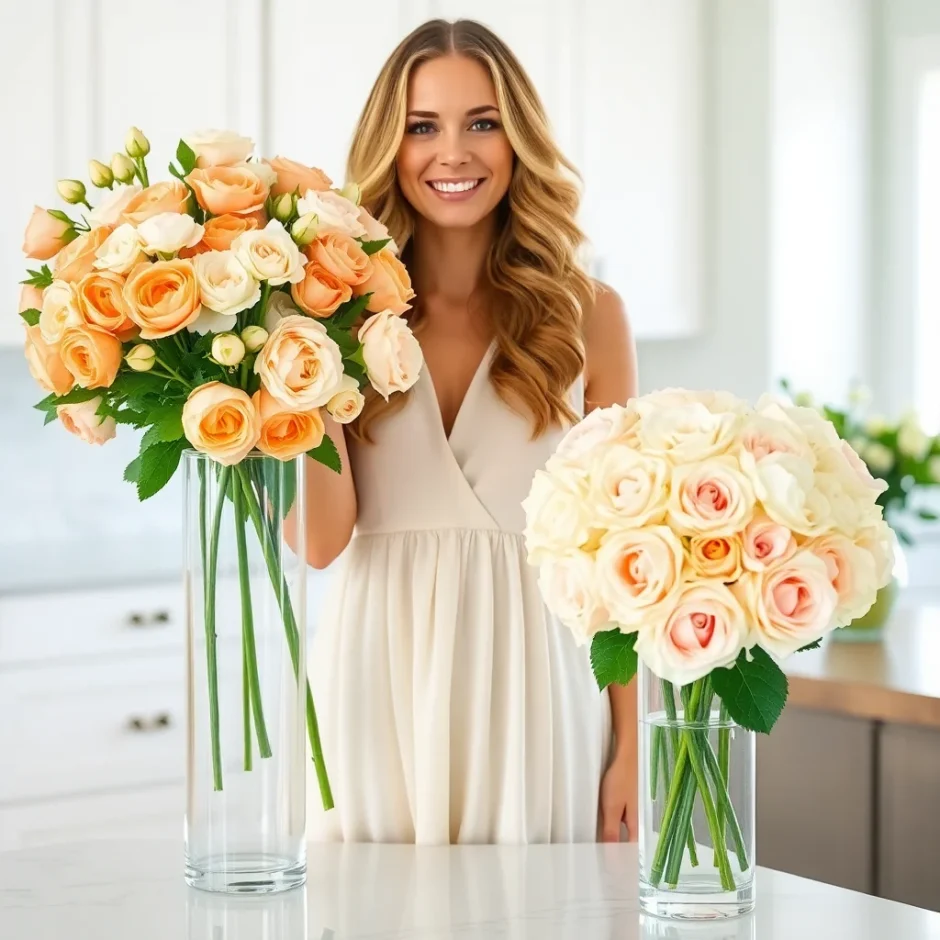
Introduction – The Wedding Flower Showdown
Few wedding decisions are as joyfully agonizing as choosing your flowers. Among the endless blooms available, two stars shine brightest in the bridal spotlight: ranunculus and roses. Both are timeless, romantic, and photogenic—but when it comes to your wedding, which one deserves center stage?
This choice isn’t just about personal preference—it can influence your entire wedding aesthetic, budget, and even the tone of your event. Roses bring centuries of symbolism, from classic red passion to delicate blush whispers. Ranunculus, with its layers of papery petals and whimsical charm, offers a modern yet ethereal appeal that has captivated brides and designers alike. The bloom you choose can harmonize with your gown, complement your venue’s atmosphere, and even dictate the style of your centerpieces and décor.
In this floral face-off, we’ll compare ranunculus vs. roses across the factors that matter most for weddings:
- Visual Impact – From bouquet drama to centerpiece elegance.
- Seasonal Availability – How timing affects your options and costs.
- Budget Considerations – Where each bloom shines for value or investment.
- Symbolism & Tradition – The meanings that flowers quietly convey.
- Durability & Practicality – How each performs on your wedding day.
Whether you’re dreaming of a garden-party celebration under string lights or a grand ballroom affair dripping with luxury, your choice of flowers will be the heartbeat of your design. By the end of this article, you’ll have the insight to choose the bloom that not only wins the wedding—but also wins your heart.
Overview of Ranunculus
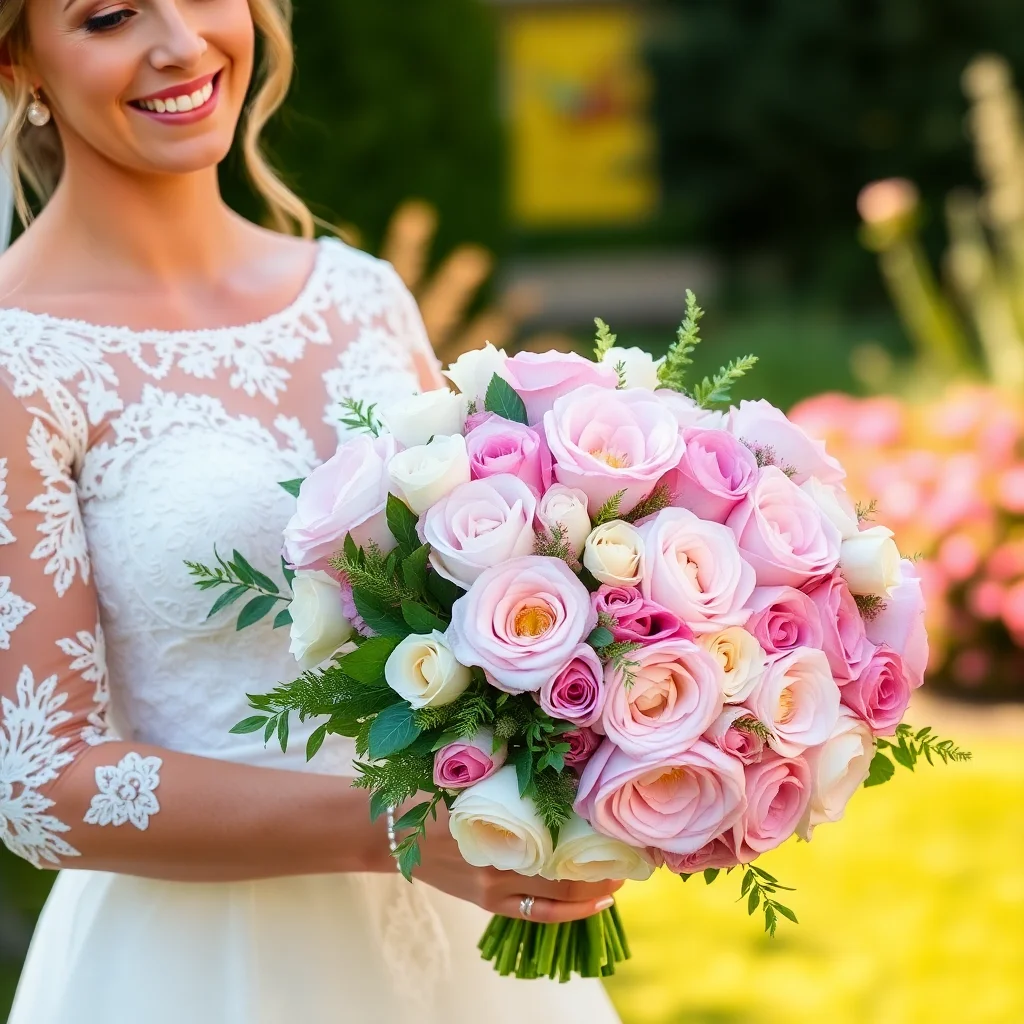
If there’s a bloom that feels like it was designed for romance, it’s the ranunculus. Known for their paper-thin petals layered in concentric circles, ranunculus wedding flowers have become a favorite for couples seeking elegance with a whimsical twist. Their intricate, rose-like appearance makes them ideal for both modern and vintage-inspired weddings, offering a softness that pairs beautifully with almost any floral palette.
Botanical Background & Growing Regions
The ranunculus genus includes over 600 species, though the variety most beloved for weddings is Ranunculus asiaticus. Native to Asia Minor and the Mediterranean, these flowers thrive in temperate climates and are now grown extensively in Italy, Israel, the Netherlands, and select U.S. states like California.
Distinctive Layered Petal Look
Each bloom boasts dozens—sometimes hundreds—of thin, tissue-like petals arranged in tight spirals. This creates a romantic, almost watercolor effect in photos. Their stems are slender but surprisingly strong, making them perfect for hand-tied bouquets and intricate boutonnieres.
Popular Ranunculus Varieties for Weddings
- Cloni Success – Oversized, long-lasting blooms in vibrant and pastel shades.
- Amandine – Known for its ruffled texture and bold, saturated colors.
- Elegance – Compact blooms ideal for more structured arrangements.
Vase Life & Seasonality
Ranunculus are typically in season from late winter through early spring, though greenhouse cultivation has extended availability into summer. With proper care, they enjoy a vase life of 7–10 days, making them reliable for multi-day wedding events and photo shoots.
Quick-Reference Chart: Ranunculus Wedding Flower Facts
| Feature | Details |
| Scientific Name | Ranunculus asiaticus |
| Native Regions | Asia Minor, Mediterranean |
| Colors Available | White, blush, pink, coral, yellow, orange, red |
| Best Season | Late winter – early spring |
| Vase Life | 7–10 days |
| Popular Varieties | Cloni Success, Amandine, Elegance |
| Wedding Style Fit | Romantic, whimsical, garden-inspired |
Overview of Roses
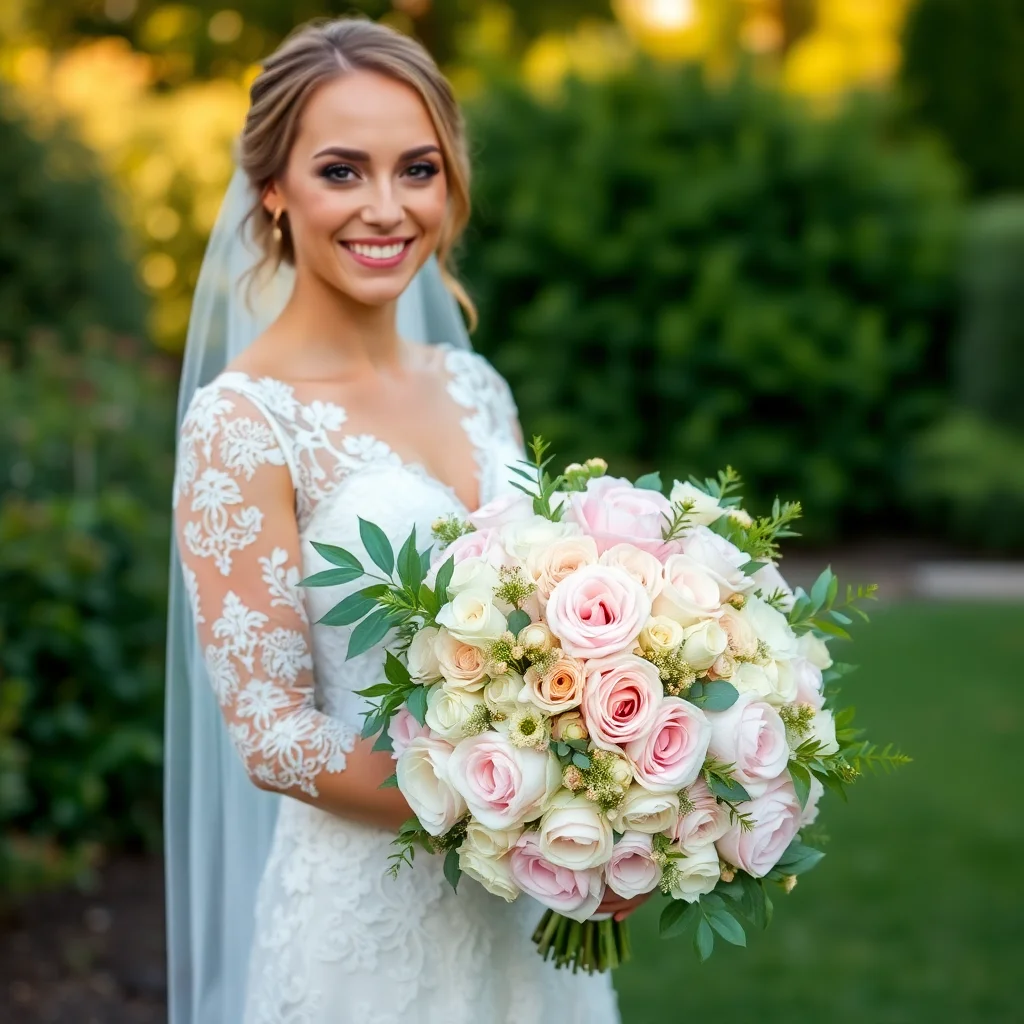
Few flowers carry the weight of history, romance, and universal recognition quite like the rose. For centuries, roses have been a global symbol of love—appearing in poetry, art, and wedding traditions across countless cultures. Whether exchanged as a single stem or arranged in lush rose wedding bouquets, this bloom has long been the gold standard for expressing devotion.
Historical Symbolism
The association between roses and romance dates back to ancient Greece and Rome, where the flower was linked to Aphrodite and Venus, goddesses of love. In the Middle Ages, roses became emblems of courtly love, and by the Victorian era, each color took on its own coded meaning—red for passion, white for purity, pink for admiration, and yellow for friendship.
Types of Roses for Weddings
- Garden Roses – Large, ruffled blooms with a rich fragrance, perfect for vintage and romantic themes.
- Spray Roses – Smaller clustered blooms on a single stem, ideal for adding texture to bouquets and centerpieces.
- Hybrid Tea Roses – Classic, long-stemmed varieties known for their elegant, high-centered blooms, often used for formal arrangements.
Seasonality & Availability
While roses have natural blooming seasons, commercial cultivation and global sourcing mean they’re available year-round. This makes them a versatile choice for weddings in any month, regardless of location. They also adapt beautifully to a variety of arrangements, from cascading bridal bouquets to sleek, modern centerpieces.
Quick-Reference Chart: Rose Wedding Flower Facts
| Feature | Details |
| Scientific Name | Rosa spp. |
| Symbolism | Love, passion, purity, admiration |
| Colors Available | Virtually every hue except true blue |
| Best Season | Naturally spring to early summer, but available year-round |
| Vase Life | 7–12 days |
| Popular Varieties | Garden, Spray, Hybrid Tea |
| Wedding Style Fit | Classic, elegant, romantic, modern |
Side-by-Side Comparison: Ranunculus vs. Roses
When it comes to choosing the perfect wedding bloom, both ranunculus and roses have their loyal fans. While they share traits like elegance and romantic appeal, the difference between ranunculus and roses becomes clear when you compare their style, color range, symbolism, cost, and durability.
Beauty & Style
Ranunculus – Known for their densely layered, paper-thin petals, ranunculus blooms have a soft, airy texture that feels whimsical and fresh. They photograph beautifully in close-up shots, adding a light, garden-inspired look to arrangements.
Roses – Roses offer a more defined bloom shape, with either tight, structured petals (Hybrid Tea) or open, ruffled forms (Garden Roses). Their style can range from formal and regal to soft and romantic depending on the variety.
Color Variety
Ranunculus – Naturally available in a wide range of pastels and brights, including white, blush, pink, coral, yellow, orange, and red. Dyed or tinted options are less common.
Roses – Available in nearly every color imaginable, both natural and dyed, including specialty hues like deep lavender, peach, and bicolor blends. The variety of shades makes them highly adaptable to any wedding palette.
Symbolism
Ranunculus – Symbolizes charm, radiance, and attraction—making it a lovely choice for couples who want their florals to convey personal magnetism and lighthearted romance.
Roses – Deeply embedded in wedding tradition, roses symbolize love, passion, and commitment. Each color carries its own nuance, from red’s passionate love to white’s pure devotion.
Cost
Ranunculus – Generally more expensive per stem due to shorter growing seasons and more limited availability. Bulk ordering can reduce costs, but they often remain a luxury bloom.
Roses – Prices vary widely depending on variety and time of year. Standard roses are cost-effective in bulk, while specialty roses (like David Austin garden roses) can rival ranunculus prices.
Durability
Ranunculus – Delicate petals and thin stems make them more sensitive to heat and handling. Best for cooler-weather weddings or climate-controlled venues. Vase life: 7–10 days.
Roses – Sturdier blooms with thicker stems, making them more resistant to handling, travel, and warm conditions. Vase life: 7–12 days, depending on care.
Quick-Reference Chart: Ranunculus vs. Roses
| Feature | Ranunculus | Roses |
| Style | Whimsical, airy | Classic, formal to romantic |
| Petal Count | 100+ delicate layers | 20–40 thicker petals |
| Colors | Wide pastel/brights | Nearly every hue, natural & dyed |
| Symbolism | Charm, attraction | Love, passion, purity |
| Average Price/Stem | Higher, seasonal | Varies—standard to luxury |
| Durability | Moderate; prefers cool temps | High; heat-tolerant |
| Vase Life | 7–10 days | 7–12 days |
By understanding these key differences, you can choose the bloom that best matches your wedding vision, whether you’re drawn to the light, ethereal feel of ranunculus or the timeless elegance of roses.
Styling Ideas for Ranunculus
Ranunculus wedding flowers are incredibly versatile, making them a dream bloom for florists and DIY brides alike. Their lightweight stems, layered petals, and wide range of colors allow them to shine in almost every wedding floral arrangement—from the bridal bouquet to the smallest boutonniere.
Bridal Bouquets
Ranunculus are a natural choice for bridal bouquets, especially for brides seeking a soft, romantic look. Pair blush or ivory ranunculus with garden roses and eucalyptus for an elegant, timeless arrangement, or opt for coral and yellow tones for a cheerful spring or summer vibe. Their circular blooms add fullness without heaviness, and they blend seamlessly with both structured and loose, hand-tied styles.
Centerpieces & Table Décor
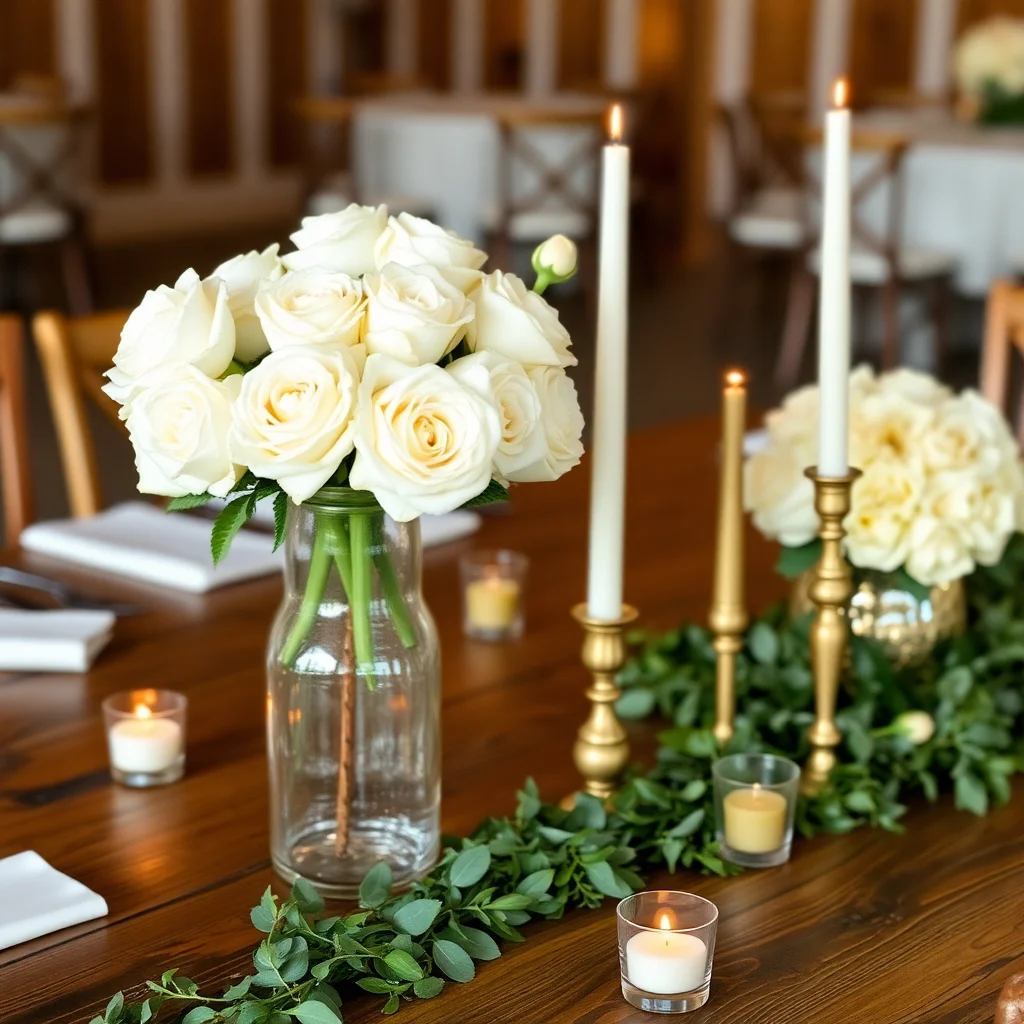
For centerpieces, ranunculus offer dimension and movement. Cluster them in compote bowls for a lush, garden-party feel, or mix them with wild greenery for a relaxed boho look. Their varied stem heights allow for both low arrangements that encourage conversation and tall, statement-making displays. Accent your guest tables by tucking single stems into small bud vases alongside candles for an understated yet sophisticated effect.
Boutonnieres & Corsages
The petite size of ranunculus blooms makes them ideal for boutonnieres and corsages. Their layered petals look intricate and special even without additional flowers, though a sprig of greenery or berries can add texture. For a cohesive wedding style, match boutonniere colors to the bridal bouquet or bridesmaids’ arrangements. Ranunculus also hold up surprisingly well in these smaller designs when properly hydrated and wired.
From grand arrangements to delicate personal flowers, ranunculus bring a touch of refined whimsy to any wedding setting, making them one of the most beloved blooms for today’s celebrations.
Styling Ideas for Roses
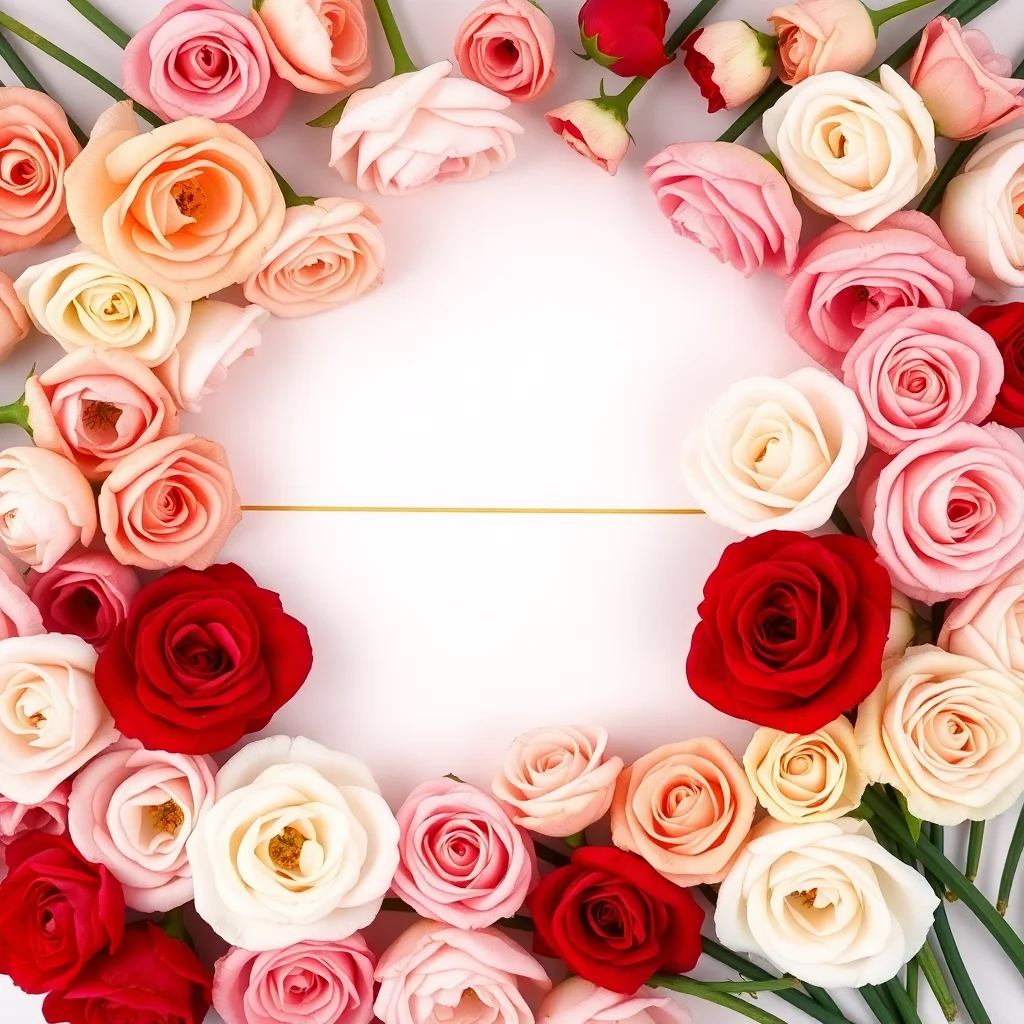
Rose wedding bouquets have stood the test of time for a reason—their elegance, versatility, and symbolism make them a staple in weddings across cultures and styles. From classic single-variety arrangements to lush, mixed designs, roses bring an instant sense of romance to any celebration.
Classic Romantic Bouquets
For brides who love tradition, nothing compares to an all-rose bouquet. A tight cluster of red or ivory roses exudes timeless sophistication, while garden roses with ruffled petals lend a softer, vintage feel. For a more contemporary twist, consider monochromatic palettes in blush, champagne, or dusty rose hues. Adding subtle greenery or accent blooms can create depth while letting the roses remain the star.
Flower Walls & Ceremony Arches
Roses are perfect for large-scale floral installations thanks to their durability and wide color range. A rose-covered ceremony arch creates a breathtaking focal point for vows, while a rose flower wall offers a glamorous backdrop for photos. These designs can be done entirely in roses for a luxurious look or mixed with other blooms and foliage for a more organic, textural effect.
Mixed Arrangements for Budget Efficiency
While premium garden roses can be an investment, pairing standard roses with complementary flowers is a smart way to maximize impact without overspending. Spray roses add volume at a lower cost, and filler flowers like waxflower or baby’s breath can make arrangements look fuller while keeping the focus on the roses. This approach works beautifully for centerpieces, bridesmaids’ bouquets, and reception décor.
Whether showcased in a single-stem statement or part of an elaborate installation, roses bring a timeless romance that adapts effortlessly to every wedding theme—from formal ballroom affairs to rustic outdoor celebrations.
Which Flower Fits Your Wedding Theme?
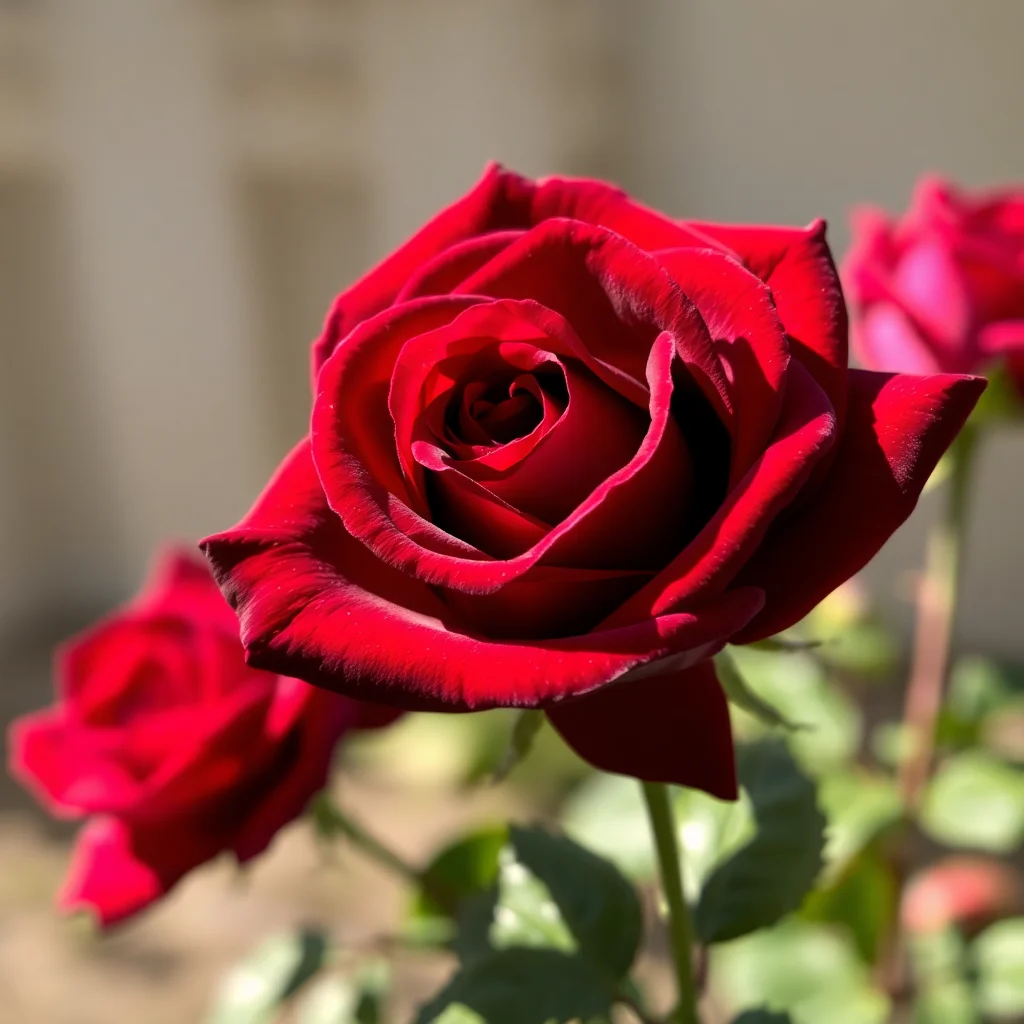
When choosing between ranunculus and roses, the right answer often comes down to your wedding theme, season, and personal style. Each bloom carries its own personality and visual impact, making them uniquely suited to different types of celebrations.
Romantic & Traditional → Roses
If your dream wedding is timeless, elegant, and rooted in tradition, rose wedding bouquets are the perfect fit. Their centuries-old symbolism of love and devotion pairs beautifully with classic venues like ballrooms, cathedrals, or historic estates. Roses also offer unmatched versatility in color and form, making them ideal for formal black-tie affairs, candlelit ceremonies, and vintage-inspired receptions.
Whimsical, Garden, or Boho → Ranunculus
For couples envisioning a celebration that feels airy, playful, or nature-inspired, ranunculus wedding flowers are a natural choice. Their delicate, layered petals and pastel shades create a dreamy, romantic vibe that works beautifully in outdoor gardens, rustic barns, or bohemian desert settings. Paired with textured greenery and free-flowing arrangements, ranunculus effortlessly capture a sense of lighthearted elegance.
Seasonal Influences & Availability
Seasonality can play a big role in your decision. Ranunculus are typically at their peak in late winter and spring, making them perfect for weddings in these seasons when they’re more affordable and widely available. Roses, on the other hand, are cultivated year-round, giving you consistent quality and color options no matter your wedding date.
Ultimately, both flowers can be styled to suit almost any theme. The key is aligning their natural qualities—whether that’s the refined grace of roses or the airy charm of ranunculus—with the overall mood and setting of your wedding day. By understanding their strengths and seasonal availability, you can confidently select the bloom that will make your celebration unforgettable.
Cost Breakdown & Budget Tips
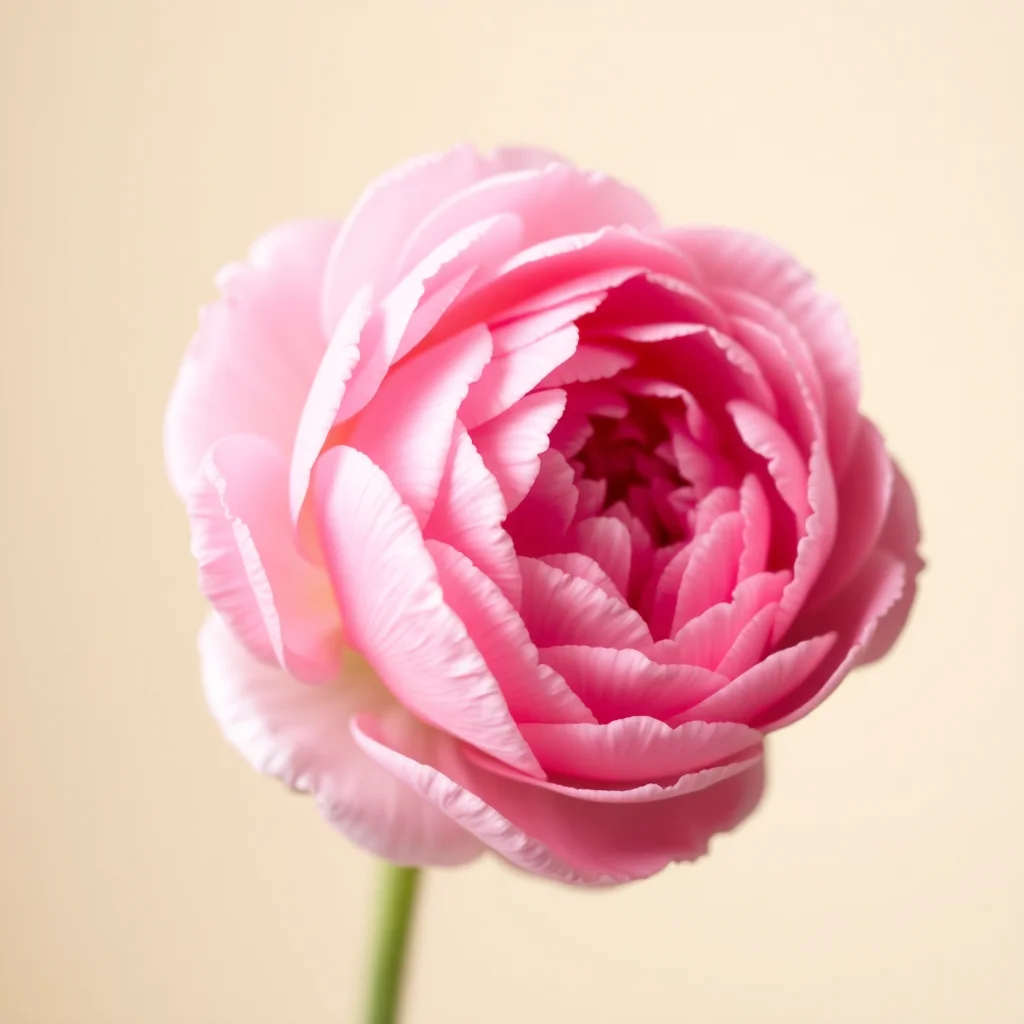
When planning your floral budget, understanding the price difference between ranunculus wedding flowers and rose wedding bouquets can help you make the most of every stem.
Price Ranges
Ranunculus tend to be more expensive per stem, especially outside their peak season (late winter to early spring). On average, you can expect to pay $2–$5 per stem for standard ranunculus, with premium varieties like Cloni or Amandine running higher. Their shorter availability also means shipping costs may be slightly more.
Roses are available year-round, and pricing can vary widely depending on the type. Standard roses are often the most budget-friendly, averaging $1–$3 per stem in bulk, while specialty garden roses or imported varieties may range from $4–$8 per stem.
Mixing for Balance
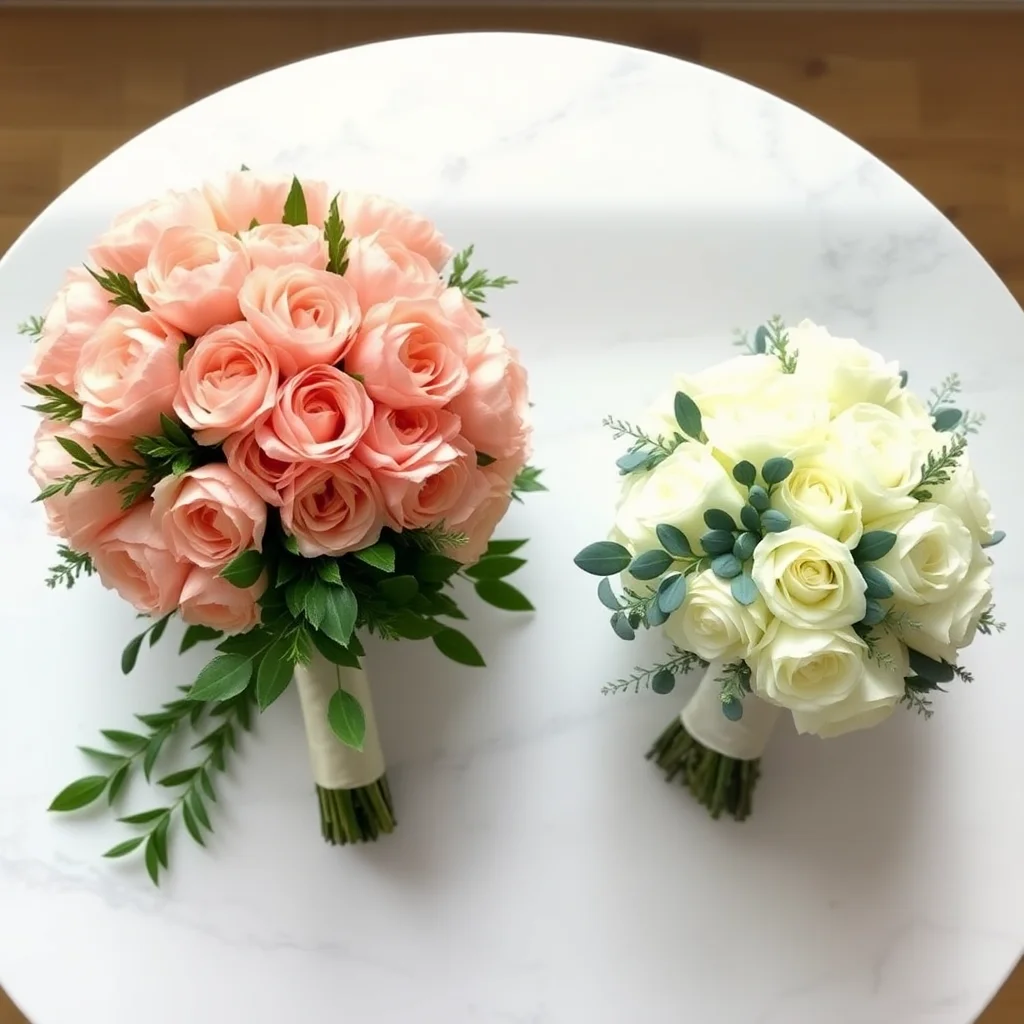
A smart way to get the best of both worlds is to combine the two blooms. Use ranunculus as accent flowers in bouquets and centerpieces for their airy, textured charm, while relying on roses to create fullness and structure at a lower cost. This approach allows you to stretch your budget while still enjoying the delicate beauty of ranunculus.
You can also consider spray roses as a cost-effective alternative to fill arrangements while adding visual volume. Pairing them with ranunculus not only balances the budget but also creates a layered, high-end look.
By strategically blending these blooms, you can achieve a stunning, designer-quality aesthetic without exceeding your floral budget—leaving more room for other wedding details that matter most.
Expert Florist Advice
When it comes to deciding between ranunculus wedding flowers and rose wedding bouquets, seasoned florists agree—it’s not always about choosing one over the other.
“Roses are like the little black dress of wedding flowers—timeless, versatile, and always elegant. Ranunculus are more like couture—delicate, distinctive, and a little unexpected,” says Maria Torres, a wedding florist with over 15 years of experience.
“For couples on a budget, I often recommend using roses for the bulk of the arrangement and adding ranunculus as the accent blooms. That way, you get texture and visual interest without overspending,” advises floral designer James Carter.
Pro Tips for Longevity & Freshness:
- Hydration is key. Keep blooms in clean, fresh water until they’re ready to be arranged.
- Store smart. Ranunculus prefer cooler temperatures and should be kept out of direct sunlight; roses are more forgiving but still benefit from a cool storage space.
- Re-cut stems. Snip the ends at a 45-degree angle before arranging to maximize water absorption.
- Avoid overcrowding. Allow airflow between stems to prevent petal bruising.
By following these tips, you’ll help ensure both blooms look fresh and vibrant from your walk down the aisle to the last dance of the evening.
FAQs – Ranunculus vs. Roses
Are ranunculus more expensive than roses?
Yes, ranunculus are generally more expensive per stem, especially outside their peak season (late winter to early spring). Roses—particularly standard varieties—are often more budget-friendly.
Which lasts longer in a bouquet?
Roses typically last longer, with a vase life of 7–12 days. Ranunculus usually last 7–10 days when cared for properly.
Can you mix ranunculus and roses in arrangements?
Absolutely. Many florists pair ranunculus with roses for a textured, high-end look that balances cost and style. Roses provide structure, while ranunculus add airy elegance.
Are ranunculus available year-round?
Not naturally. They are most available and affordable in late winter and spring, though greenhouse-grown options may extend availability into summer. Roses, however, are cultivated year-round.
Which is better for outdoor weddings?
Roses are generally more heat-tolerant and can handle outdoor conditions better. Ranunculus are delicate and fare best in cooler, shaded environments.

Conclusion – The Winner is…
When it comes to ranunculus vs. roses, there’s no single winner—only the bloom that best fits your vision, budget, and wedding style.
Roses offer timeless elegance, year-round availability, and unmatched versatility in color and form. They’re ideal for traditional, formal, or heat-prone celebrations. Ranunculus, with their delicate, layered petals and whimsical charm, shine in garden, boho, and spring weddings, adding a light, romantic touch that photographs beautifully.
Both flowers bring their own magic, and for many couples, the perfect choice is blending them—roses for structure and durability, ranunculus for texture and flair.
At Whole Blossoms, we offer premium ranunculus and roses shipped fresh from the farm, so you can design wedding flowers that are as unforgettable as your love story. Explore our ranunculus collection and rose collection today to start planning the arrangements that will define your big day.