


 by
by 

Planning the perfect wedding involves balancing countless details, and one element that often doesn’t get enough attention is bridesmaid bouquets. While the bridal bouquet is undoubtedly the centerpiece, bridesmaid bouquets play a key supporting role, enhancing the overall aesthetic of your wedding party and ensuring a harmonious look in photos. DIY bridesmaid bouquets are coordinated floral arrangements created in advance for wedding attendants, typically using bulk flowers to reduce cost while maintaining visual consistency. Unlike the bride’s bouquet—which is often larger, more intricate, and a centerpiece in its own right—bridesmaid bouquets focus on complementing the bride’s arrangement and blending seamlessly with the wedding’s theme and color palette.
However, creating DIY bridesmaid bouquets comes with its challenges. Bouquet quantities, color coordination, and timing are the three most common pitfalls that lead to frustration and last-minute panic. Underestimating the number of stems required, choosing clashing or unbalanced colors, or assembling bouquets too early (or too late) can result in disappointing results—and unnecessary stress. This is why careful planning matters. Properly planning your bridesmaid bouquets can help you save money, minimize wedding-day overwhelm, and ensure a visually stunning result. By using wholesale flowers or buying blooms in bulk, you can achieve high-quality, beautiful bouquets for a fraction of the cost of hiring a florist.
This guide will walk you through everything you need to know to confidently create DIY bridesmaid bouquets. You’ll learn how to calculate the right quantities of flowers, apply color logic to create cohesive arrangements, choose flower types that suit your style and season, stick to realistic timelines, and source your blooms effectively. With a little preparation and the right approach, you’ll be able to craft stunning bouquets that enhance your ceremony and remain budget-friendly.
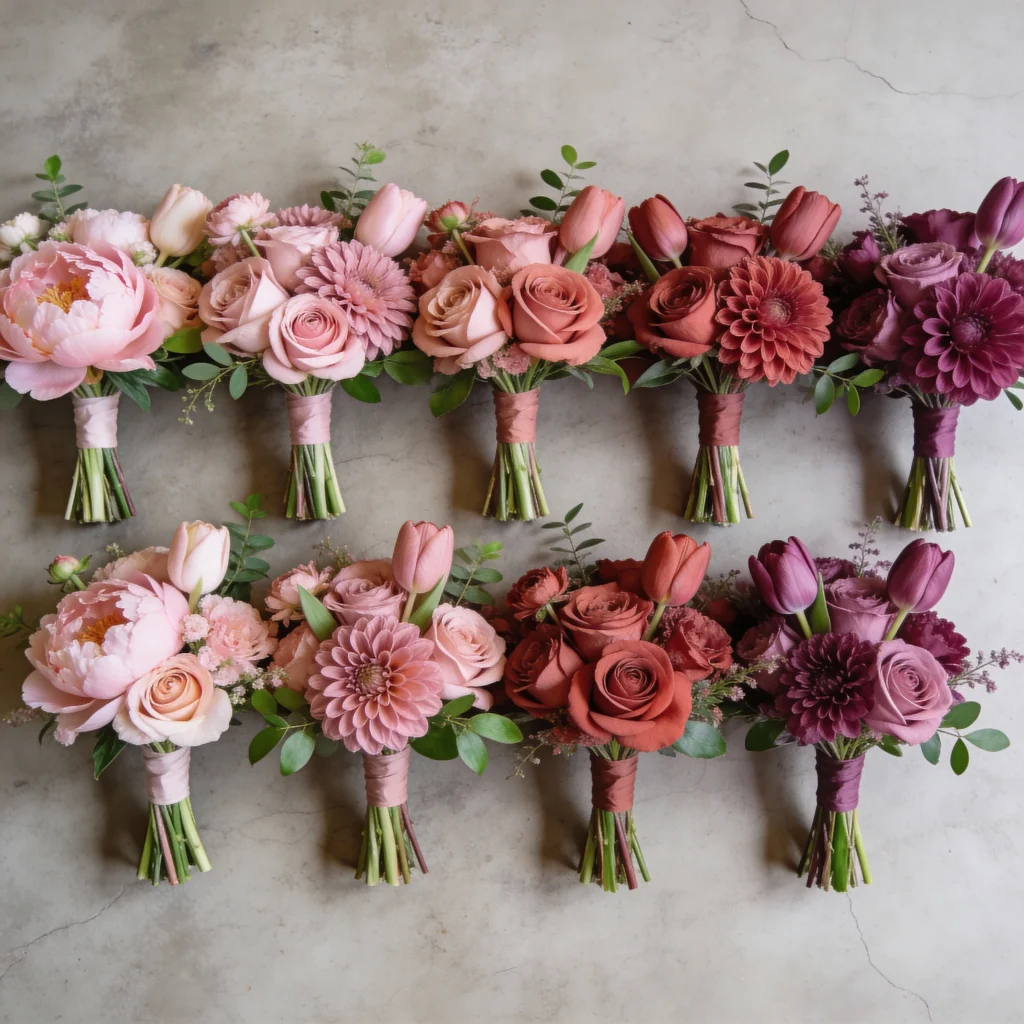
Part 1 – What Are DIY Bridesmaid Bouquets and Why Do They Matter?
DIY bridesmaid bouquets are handcrafted floral arrangements created by the couple or close friends and family instead of being professionally designed by a florist. They are an opportunity for couples to infuse personal touches into their wedding aesthetics while maintaining control over flower selection, themes, and budget. These bouquets can showcase creativity, individuality, and sentimental value, as they often feature meaningful blooms or colors tied to the couple’s story. Beyond the personal connection, DIY bridesmaid bouquets can help couples reduce wedding expenses while still achieving beautifully cohesive wedding florals. Importantly, these bouquets hold a significant role in complementing the bride’s bouquet and the overall theme of the wedding, enhancing the visual harmony of the ceremony.
What Makes Bridesmaid Bouquets Different From Bridal Bouquets?
Unlike the bride’s bouquet, which is often the largest and most intricate floral arrangement, bridesmaid bouquets tend to be more understated. They are usually smaller in size, feature fewer stems, and take a less dominant visual role. Bridesmaid bouquets serve to emphasize the bride’s bouquet, not overshadow it, and therefore play a supporting role in the bridal party’s overall look.
The scale and size of these bouquets are carefully considered so they align with the aesthetic without competing for attention in photographs or the ceremony. Matching or complementary colors, textures, and flower types are key elements that bring cohesion to the bouquets, ensuring a polished and harmonious appearance for the entire wedding party.
When Are DIY Bridesmaid Bouquets Used?
DIY bridesmaid bouquets are ideal for a variety of wedding scenarios, including intimate elopements, micro-weddings, large bridal parties, and any celebration where creativity and cost-efficiency are priorities. They are especially popular for couples who want to be hands-on with their wedding preparations or those working with limited budgets.
While some brides prefer to commission professionally crafted bouquets from a florist, others enjoy the personal satisfaction of assembling them on their own or with help from loved ones. Choosing between DIY and florist-built bouquets often depends on the level of detail desired, budget constraints, and the couple’s confidence in their floral design skills.
Why Planning Matters More With DIY Bouquets
When opting for DIY bridesmaid bouquets, meticulous planning is essential to ensure success. One of the primary advantages of DIY is cost control—crafting your own bouquets allows you to allocate your budget strategically and avoid the markups often associated with florist services. However, careful planning is necessary to avoid unnecessary expenses, such as last-minute rush purchases of flowers or tools.
Color consistency is critical to achieving a cohesive look. By pre-selecting a palette and sourcing flowers that align with this vision, couples can avoid mismatched or clashing floral arrangements. Additionally, seasonal availability plays a major role; ensuring that the chosen blooms are in season not only guarantees freshness but also helps keep costs down. Since flowers are perishable, timing is everything—purchasing and assembling bouquets within a freshness window ensures they look vibrant and healthy on the wedding day.
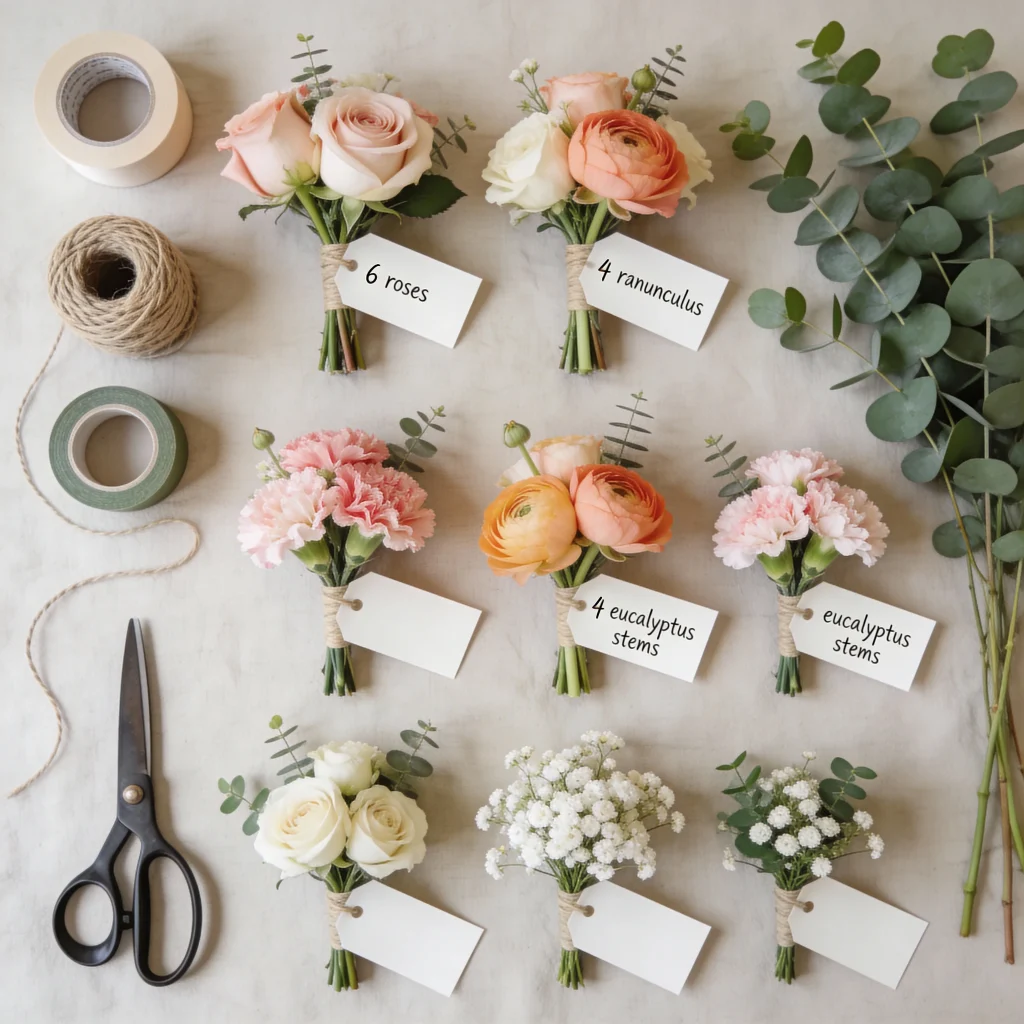
Part 2 – How Many Flowers Do You Need for DIY Bridesmaid Bouquets? (Calculator Breakdown)
Creating DIY bridesmaid bouquets can be a fun and rewarding task, but estimating how many flowers you’ll need is crucial to avoid waste and ensure consistency. Here’s a detailed breakdown to help you calculate the right quantity.
Average Stem Counts per Bridesmaid Bouquet
The number of flower stems per bouquet can vary depending on the desired size and style. Below is an overview of average stem counts:
- Small Bouquets (minimal & simple): 7–10 stems
- Medium Bouquets (balanced & classic): 12–18 stems
- Lush Bouquets (full & dramatic): 20–25 stems
Here are some typical stem ranges for popular flowers used in bridesmaid bouquets:
- Roses: 6–10 stems
- Peonies: 3–6 stems (due to their fuller blooms)
- Ranunculus: 8–12 stems
- Carnations: 8–15 stems
- Tulips: 8–12 stems
- Dahlias: 4–8 stems (depending on bloom size)
Combining flower types often creates a more dynamic bouquet, so aim to mix focal flowers (like Roses or Dahlias) with smaller accent blooms (like Ranunculus or Carnations).
Formula: Bridesmaid Bouquet Stem Calculator
A simple equation can guide you in calculating flower quantities for bridesmaid bouquets:
Number of bridesmaids × stems per bouquet + buffer (10–15%)
The buffer accounts for any unexpected breakages, substitutions, or last-minute design changes. For instance, if you plan for medium bouquets with 15 stems each and have 5 bridesmaids, calculate as follows:
5 bridesmaids × 15 stems per bouquet = 75 stems
Add a buffer (10–15%): 75 + 7.5–11.25 stems = ~83–86 stems total
This equation simplifies your planning and ensures you have just the right amounts.
Example Calculations by Wedding Size
To help visualize, here are examples based on different bridal party sizes:
- 3 Bridesmaids (small): 3 × 10 stems (small bouquets) = 30 stems (add 10% buffer → 33 total)
- 5 Bridesmaids (medium): 5 × 15 stems (medium bouquets) = 75 stems (add 10–15% buffer → 83–86 total)
- 8+ Bridesmaids (lush): 8 × 25 stems (lush bouquets) = 200 stems (add 10–15% buffer → 220–230 total)
These examples offer flexibility depending on your bouquet preferences and wedding budget.
How Greenery Affects Flower Quantities
Including greenery in your bouquets can significantly reduce the number of flower stems required, creating a full and textured appearance while staying cost-effective. Popular greenery options include:
- Eucalyptus varieties (Seeded, Silver Dollar, or Baby Blue)
- Baby’s Breath (light, delicate filler)
- Pampas Grass (for a bohemian touch)
By incorporating foliage, DIY bridesmaid bouquets typically require only 7–12 flower stems plus greenery per bouquet. For instance, you might use 6 Roses, 2 Dahlias, and 3 sprigs of Eucalyptus in a medium-sized bouquet. This approach balances beauty and budget while creating a professional look.
With these guidelines, you can confidently plan and craft stunning DIY bridesmaid bouquets for your special day!
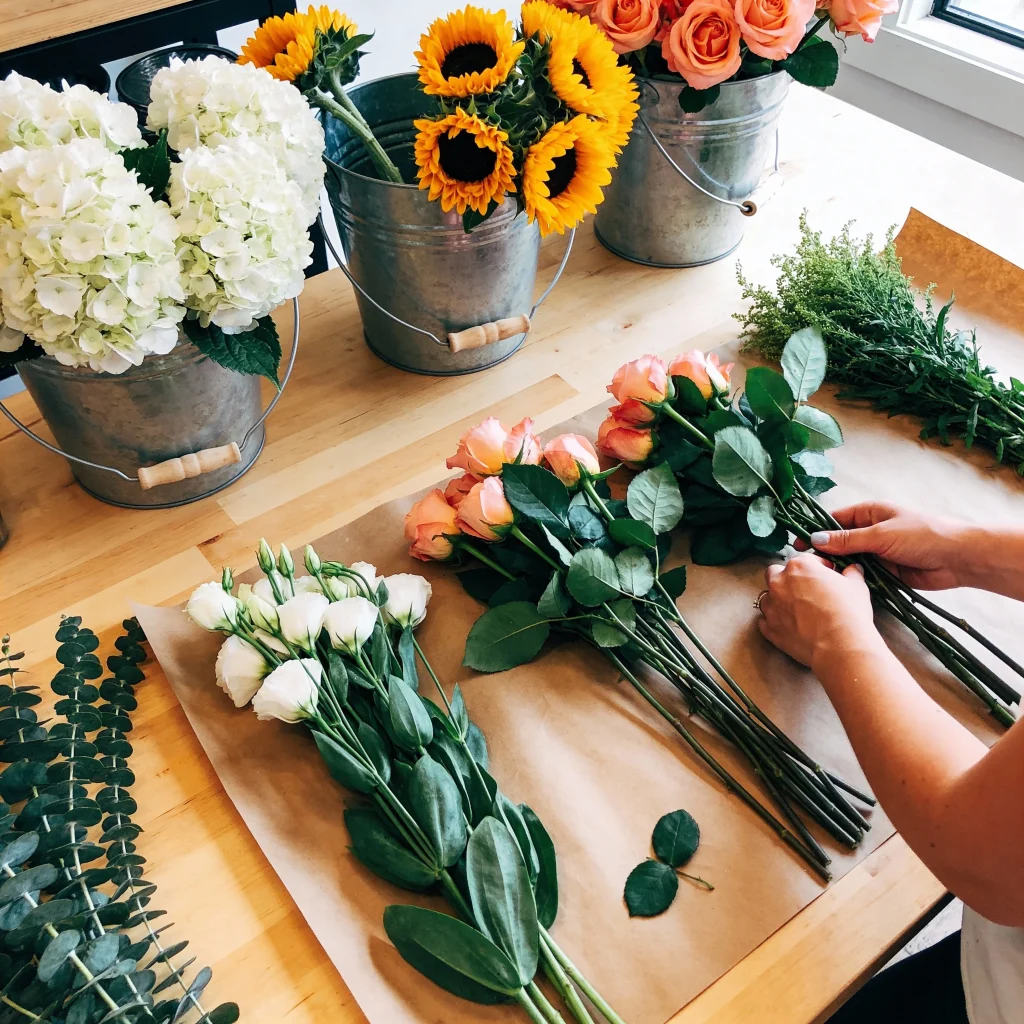
Part 3 – Best Flower Types for DIY Bridesmaid Bouquets (By Reliability & Cost)
When creating DIY bridesmaid bouquets, choosing the right flower types can make all the difference. Reliability, cost, and availability should guide your selection. Below, we explore the best focal flowers, fillers, and even the strategic use of preserved flowers to ensure your bouquets are not only beautiful but also durable and budget-friendly.
Most Reliable Focal Flowers for DIY Bouquets
Certain flowers stand out as reliable choices due to their availability, hardiness, and ease of handling:
- Roses
A classic choice, roses are robust, come in countless shades, and are generally affordable. They work wonderfully as focal flowers and provide timeless elegance.
- Carnations
Known for their durability and versatility, carnations are budget-friendly flowers that remain fresh for extended periods. They are also available in a wide range of colors.
- Tulips
Simple yet sophisticated, tulips add a graceful touch to any bouquet. They are easy to handle and pair perfectly with other flowers or greenery.
- Calla Lilies
These sleek and modern blooms are ideal for creating a refined bouquet. Calla lilies are sturdy and elegant, making them a reliable choice for DIY arrangements.
Premium Focal Flowers (When to Splurge)
If your budget allows for a few luxurious blooms, consider these premium focal flowers for an elevated look:
- Peonies
Beloved for their lush, full blooms and romantic appearance, peonies make a bold statement. However, they can be expensive, so consider using them sparingly within mixed bouquets.
- Ranunculus
These delicate, layered flowers bring softness and sophistication. While pricier than standard blooms, they are a worthwhile choice for special occasions.
- Orchids
For a truly luxurious touch, orchids add an exotic and refined aesthetic. They can elevate a bouquet instantly and are particularly striking in minimalist arrangements.
Fillers and Texture Builders
Fillers and greenery are essential for creating depth and texture in a bridal bouquet. They are typically more affordable and allow focal flowers to stand out:
- Baby’s Breath
This delicate filler remains a favorite due to its light, airy appearance and ability to complement nearly any flower type.
- Greenery
Foliage like ruscus or ferns adds earthiness and dimension to bouquets. Greenery is a key element in tying together the color palette.
- Eucalyptus
Available in various varieties, eucalyptus offers fragrant, silvery-green foliage that is both elegant and budget-conscious. Its versatility makes it ideal for DIY bouquets.
Using Preserved Flowers for Timing Flexibility
Preserved flowers and greenery can be a game-changer for DIY projects, offering flexibility in timing and design.
- When Preserved Accents Make Sense
Preserved flowers are perfect when you need to prepare bouquets well ahead of time. They are long-lasting and maintain their appearance, making them ideal for busy wedding timelines or unpredictable weather.
- Mixing Fresh and Preserved Responsibly
You can combine fresh and preserved elements to strike a balance between cost, convenience, and freshness. For example, use fresh focal flowers like roses and preserved eucalyptus or Baby’s Breath as fillers. This approach ensures the bouquet looks natural while allowing you to work on certain elements in advance.
By selecting flowers based on reliability, cost, and style, you can create stunning DIY bridesmaid bouquets that reflect your vision while staying within budget.
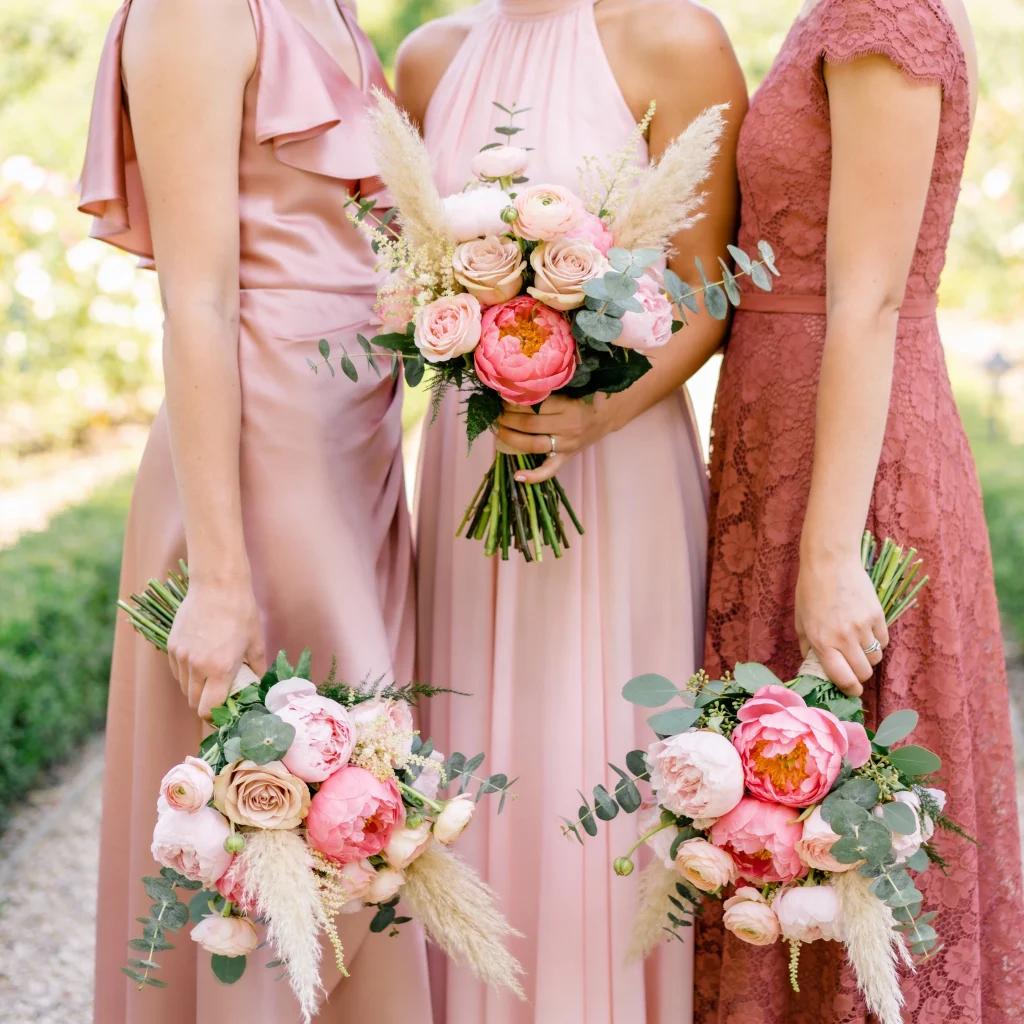
Part 4 – Choosing Bridesmaid Bouquet Colors That Photograph Well
When selecting colors for bridesmaid bouquets, it’s crucial to think about how they will appear in photos. The right color palette can enhance the overall aesthetic, complement the wedding theme, and create a visually cohesive look. Here’s a detailed guide to selecting bouquet colors that will photograph beautifully and align with your wedding vision.
Matching Bridesmaid Bouquets to the Wedding Color Palette
The bridesmaid bouquets should align with the wedding’s overarching color palette. Whether you’re going for soft tones, bold statements, or neutral hues, coordinating the bouquets with your theme ensures a harmonious appearance.
Neutral Palettes
Neutral palettes, including whites, creams, and muted tones, are timeless and elegant. These colors often pair beautifully with a variety of dress shades and look stunning in both indoor and outdoor lighting.
Pastels
Soft pastel shades like blush, lavender, baby blue, and mint green are delicate and feminine. They lend a romantic feel to the wedding and photograph particularly well in natural lighting.
Bold Colors
For a more dramatic look, opt for bold colors such as deep burgundy, rich emerald, and vibrant fuchsia. These shades can provide a striking contrast against lighter bridesmaid dresses or complement dark, moody themes.
Monochrome vs Mixed-Color Bouquets
Your bouquets can either follow a monochromatic scheme or incorporate a mix of colors, depending on the desired effect.
When All Bouquets Match
Matching monochromatic bouquets create a polished, uniform look. Using a single color or keeping all bouquets identical reinforces the wedding’s theme and visual cohesion.
When Subtle Variation Works
Mixed-color bouquets or subtle variations between them can introduce depth and interest. For instance, choosing complementary tones or using a gradient effect can add a playful, artistic touch while remaining cohesive.
Color Coordination with Dresses
The bouquets should complement bridesmaid dresses to ensure a seamless look in photos.
Same Dress Color
When bridesmaids wear dresses in the same color, contrasting or coordinating bouquets in complementary shades are a great option. For example, blush bouquets pair beautifully with dusty rose dresses.
Mixed Dress Colors
If your bridesmaids are wearing different dress colors, opt for bouquets with a unifying base hue to tie the look together. Adding accents that match individual dress colors can also work well.
Ombre Bridal Parties
For an ombre effect, where bridesmaid dresses gradually shift from light to dark, bouquets can follow the same gradient or maintain a neutral design to balance the transition.
Flowers by Color Family
Choosing flowers from the same color family ensures your bouquets look cohesive and intentional.
Blush, White, Ivory
Soft, romantic shades like blush roses, white anemones, and ivory peonies create a classic, understated elegance.
Terracotta, Rust, Peach
Earthy tones such as terracotta, rust, and peach are perfect for bohemian or fall weddings. Dahlias, ranunculus, and garden roses in these shades work beautifully.
Green and White Classics
For a timeless and fresh look, green and white bouquets using eucalyptus, white roses, and hydrangeas are effortless and chic.
Bright Summer Palettes with Sunflowers
For vibrant summer weddings, bright yellow sunflowers paired with blooms in orange, red, or lavender bring a cheerful and lively energy to your bridal party.
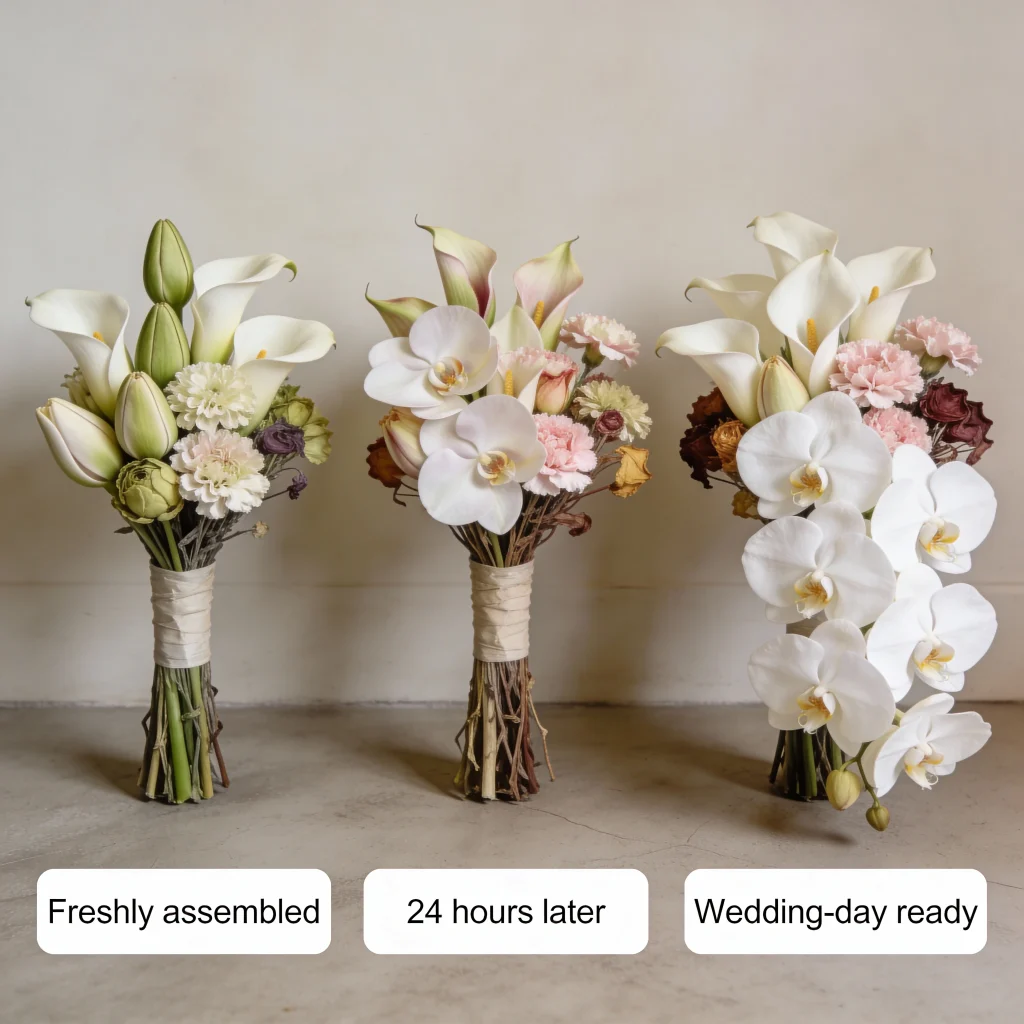
Part 5 – Timing Your DIY Bridesmaid Bouquets (Critical for Freshness)
Ensuring your DIY bridesmaid bouquets remain fresh and vibrant means carefully planning the process, from ordering flowers to handling them on the day of the wedding. Proper timing is critical to achieve professional-looking arrangements while maintaining flower quality.
When to Order Flowers for DIY Bridesmaid Bouquets
When it comes to DIY bouquets, ordering flowers at the right time is crucial. Ideally, you should plan for your flowers to be delivered 2–3 days before the wedding. This gives you enough time to condition and prepare the flowers while allowing them to reach their peak bloom.
Bulk flowers typically arrive before they are fully open. This is done intentionally to ensure the blooms last longer. Certain flowers, such as roses and lilies, require a day or two to fully open after hydration. Ordering them slightly ahead of time gives you the flexibility to monitor the blooming process.
7-Day DIY Bouquet Timeline
Sticking to a timeline is essential for managing the process smoothly. Here’s a day-by-day breakdown to guide you:
- 7 Days Before the Wedding
Order your flowers from a trusted bulk supplier or local florist. Verify the scheduled delivery date to ensure flowers arrive on time.
- 3 Days Before the Wedding
Receive your flowers. Immediately unbox them, remove unnecessary packaging, and trim an inch off the stems at a 45-degree angle. Place them in clean buckets of water in a cool environment to ensure hydration. Begin conditioning flowers by removing excess foliage and damaged petals.
- 2 Days Before the Wedding
Assemble your bouquets. Start arranging flowers, ensuring a cohesive look with balanced colors and textures. Once assembled, secure the bouquets with floral tape and add any ribbons or embellishments you’ve chosen. Store the bouquets in water to keep them hydrated.
- 1 Day Before the Wedding
Perform final touches, such as trimming stems to the appropriate length and ensuring all bouquets are securely tied. Hydrate the arrangements thoroughly and store them appropriately until the wedding day.
Storage Tips for Bridesmaid Bouquets
Proper storage is key to keeping your flowers fresh. Bouquets can be stored in a refrigerator, provided it is flower-safe and free of fruits that emit ethylene gas, which accelerates wilting. If a refrigerator isn’t an option, place the bouquets in a cool, shaded room and keep them well-hydrated.
When storing bouquets, avoid exposing them to direct sunlight, heat sources, or drafts, as these can cause dehydration and wilting. Use clean water in your flower buckets and check water levels regularly.
Wedding-Day Handling
On the wedding day, carefully transport your bouquets in a stable container to prevent damage. A shallow box should suffice to hold the arrangements securely. Before the ceremony, inspect each bouquet and make any last-minute touch-ups, such as trimming stems or adjusting ribbons. Spray the flowers lightly with water to ensure they look vibrant in photos.
Snippet-ready answer:
DIY bridesmaid bouquets are best assembled 1–2 days before the wedding for optimal freshness. Follow a week-long preparation timeline, store bouquets in cool conditions, and handle them with care on the big day for stunning results.
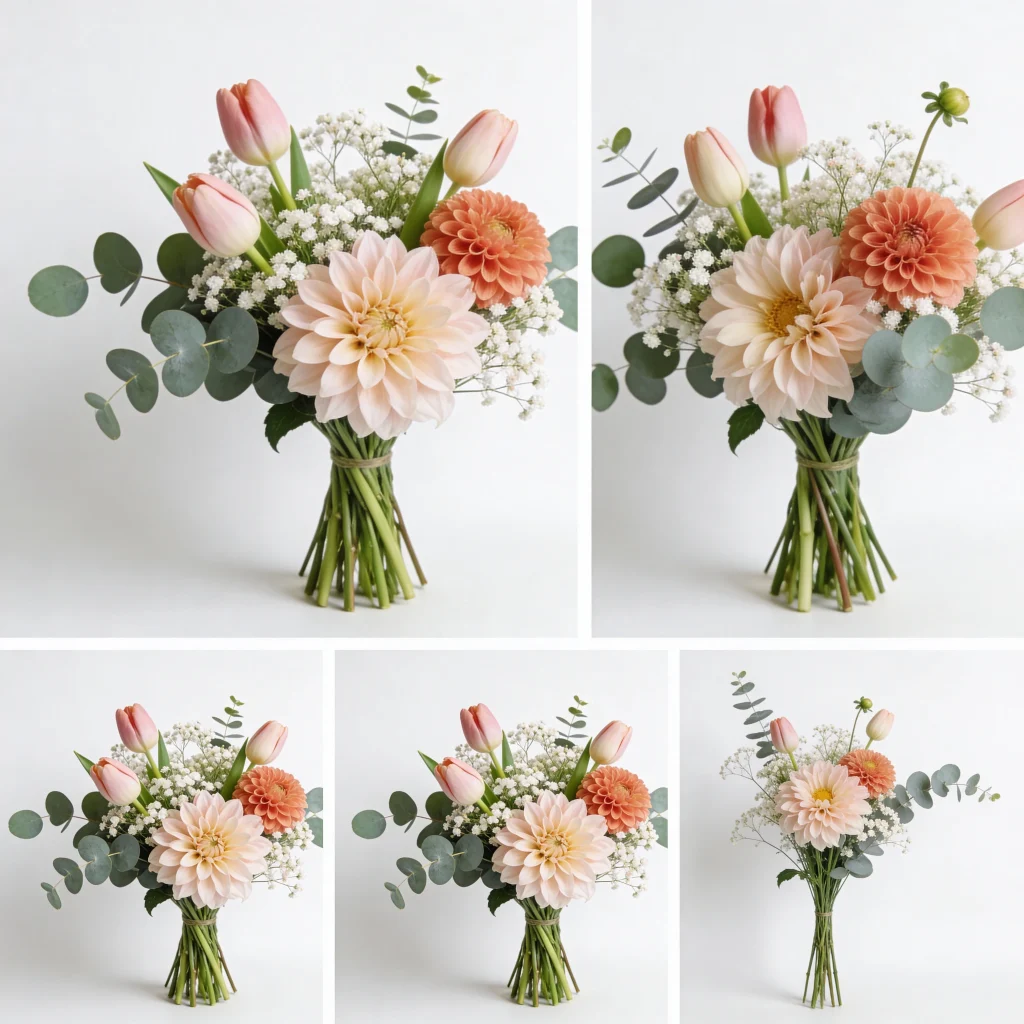
Part 6 – Buying Flowers in Bulk for DIY Bridesmaid Bouquets
Creating DIY bridesmaid bouquets involves careful planning, and buying flowers in bulk is an excellent strategy for ensuring quality and consistency. Wholesale flowers provide an affordable and accessible way to source blooms for your arrangements, allowing you to create beautiful bouquets without overspending. Below, we’ll explore why wholesale flowers are ideal, what blooms to buy in bulk, and how sourcing impacts your bouquet’s success.
Why Wholesale Flowers Are Ideal for Bridesmaid Bouquets
Buying wholesale flowers offers several advantages, especially for weddings where multiple arrangements are needed.
- Cost per stem
Purchasing flowers in bulk significantly reduces the cost per stem compared to retail prices. If you’re creating multiple bridesmaid bouquets, this can result in substantial savings. By sourcing wholesale, you can allocate more of your budget to other wedding essentials.
- Consistency
Wholesale flowers ensure that you receive uniform blooms, allowing for a cohesive look across all your bridesmaid bouquets. Matching hues, shapes, and sizes is critical for creating balanced and professional-looking arrangements.
- Availability
Wholesalers typically carry a wider selection of flowers, including popular wedding varieties. This increases the likelihood of sourcing exactly what you need, even for out-of-season blooms.
What to Buy in Bulk vs Per Bunch
Knowing which blooms to purchase in bulk versus those best bought in smaller quantities can streamline the bouquet-making process.
- Focal flowers
Focal flowers like roses, peonies, or lilies should be bought in bulk since they form the centerpiece of your bouquets and are needed in greater quantities.
- Fillers
Fillers such as baby’s breath, wax flowers, or asters are another good candidate for bulk purchases, as they add texture and volume to bouquets.
- Greenery
Greenery like eucalyptus, ferns, or ruscus is essential for filling negative space and framing focal blooms. These are best bought in bulk as they are used generously in almost every bouquet arrangement.
Why Sourcing Matters
Sourcing your flowers from the right provider directly impacts the freshness, quality, and variety of blooms available for your bouquets.
- Freshness windows
Wholesale suppliers work closely with growers to deliver flowers at their peak freshness, ensuring your arrangements not only look stunning but also last throughout the celebration.
- Variety access
Reputable wholesalers provide access to unique and premium blooms you might not find at traditional florists. This variety helps you achieve a custom and creative look for your arrangements.
Why Whole Blossoms Is Recommended
For DIY weddings, Whole Blossoms is a trusted choice for sourcing wholesale flowers.
- Wholesale access
Whole Blossoms connects you directly with flower growers, cutting out unnecessary costs, and providing affordable options for large-scale projects like bridal bouquets.
- Reliable delivery timelines
With Whole Blossoms, you can count on flowers being delivered promptly and in pristine condition. Their timelines are designed with weddings in mind, ensuring your blooms arrive when you need them.
- Consistency for DIY weddings
With consistent quality and customer support services, Whole Blossoms takes the stress out of sourcing flowers. Their offerings help you focus on the creative aspects of bouquet design rather than logistical challenges.
By buying flowers in bulk and sourcing them from trusted providers like Whole Blossoms, you can craft professional-grade DIY bridesmaid bouquets while staying within budget. Start planning your arrangements with confidence today!
Part 7 – Common DIY Bridesmaid Bouquet Mistakes (And How to Avoid Them)
Planning and creating your own bridesmaid bouquets can be a fulfilling experience, but it’s important to steer clear of common pitfalls that could derail your efforts. Below are a few frequent mistakes and tips to help you avoid them:
Ordering Too Few Stems
One of the most common mistakes is underestimating the amount of flowers needed. This can leave your bouquets looking sparse or even incomplete. To avoid this, always calculate the number of stems required for each arrangement and then add an additional 10–20% as a buffer. This ensures you’ll have enough flowers, even if some blooms are damaged or don’t meet your expectations.
Ignoring Buffer Percentages
Failing to account for buffer percentages when ordering flowers can lead to unnecessary stress. Fresh flowers can sometimes have variations in quality, and not every stem you receive may meet your standards. Including a buffer allows room for error while maintaining the beautiful look you’re aiming for.
Overcomplicating Color Mixes
While it can be tempting to incorporate a wide variety of colors, overloading your bouquet with too many tones can make it appear chaotic. Stick to a defined color palette that complements your wedding theme. A mix of 3–4 shades is usually sufficient to create a cohesive and elegant arrangement.
Waiting Too Long to Assemble
Flowers are perishable, and waiting until the last minute can lead to stress and potential quality issues. Aim to assemble your bouquets 1–2 days in advance, keeping them stored in a cool environment to maintain their freshness.
Not Accounting for Hydration Loss
Flowers can quickly wilt if hydration is overlooked. To prevent this, trim stems at an angle and keep them in clean water treated with flower food until you’re ready to arrange them. After assembly, consider using floral foam or water tubes to keep the flowers hydrated.
By avoiding these mistakes, you can create stunning DIY bridesmaid bouquets that will look flawless on your big day.
Part 8 – DIY Bridesmaid Bouquets vs. Florist-Made: Cost & Control Comparison
Creating your own bridesmaid bouquets can be a cost-effective alternative to hiring a professional florist. For budget-conscious couples, DIY arrangements allow you to source flowers and materials at a fraction of the cost of florist-made bouquets. Wholesale flower markets and online suppliers often provide flowers at significantly lower prices, making it easier to stick to your wedding budget. However, it’s important to factor in the additional cost of tools, such as shears, floral tape, and vases, which can add up if you’re not already equipped.
One of the biggest advantages of DIY bouquets is the creative control they afford. From selecting each bloom to designing the exact style you envision, the process allows you to personalize your arrangements in a way that reflects your wedding theme and personality. However, this level of control also comes with the responsibility of ensuring the final outcome meets your expectations, which can add a layer of stress.
On the other hand, florist-made bouquets eliminate much of the pressure. Professional florists bring expertise, experience, and access to superior-quality flowers, leaving you free to focus on other wedding details. Hiring a florist is ideal if you’re short on time or lack confidence in your floral arranging skills.
Ultimately, DIY bouquets are best suited for smaller weddings or for those who enjoy hands-on crafting and creativity. For larger weddings or couples prioritizing convenience and peace of mind, working with a florist may be worth the extra cost.
Part 9 – Visual Guide: Bridesmaid Bouquet Styles That Work Best for DIY
Creating your own bridesmaid bouquets can be a rewarding experience for those who love personal touches. Below are some popular bouquet styles that not only work great for a DIY wedding but also cater to a variety of themes and aesthetics.
Hand-Tied Round Bouquets
Hand-tied round bouquets are a classic choice for bridesmaids. These bouquets feature a tight, circular arrangement of blooms like roses, peonies, or ranunculus. Perfect for beginners, this style is easy to achieve and looks polished when paired with ribbon or lace wrappings.
Loose Garden-Style Bouquets
For a more romantic, whimsical feel, opt for loose garden-style bouquets. These arrangements prioritize a natural, flowing appearance using wildflowers, airy greenery, and even seasonal blooms. Stick to soft, tonal palettes to create an effortlessly elegant look.
Minimal Greenery-Forward Bouquets
Minimal greenery-forward bouquets are ideal for modern or understated weddings. This style emphasizes lush greenery like eucalyptus, ruscus, or olive branches, accented with just a few neutral blooms. The simplicity offers a chic and contemporary vibe.
Mixed-Texture Bouquets
If you’re looking to add variety and depth, consider mixed-texture bouquets. Incorporate a blend of silk petals, dried florals, and bold blossoms like protea or dahlias. Attractively layered, this style offers a visually striking result.
Image Inspiration and Assembly Tips
To simplify the bouquet-making process, start with flat lays of your selected flowers and greenery to map out your design. Follow step-by-step guides to layer greenery, secure blooms with floral tape, and finish with a decorative wrap. Capture the artistry by showcasing your bouquets with flat lay photos of the finished arrangements and tools used.
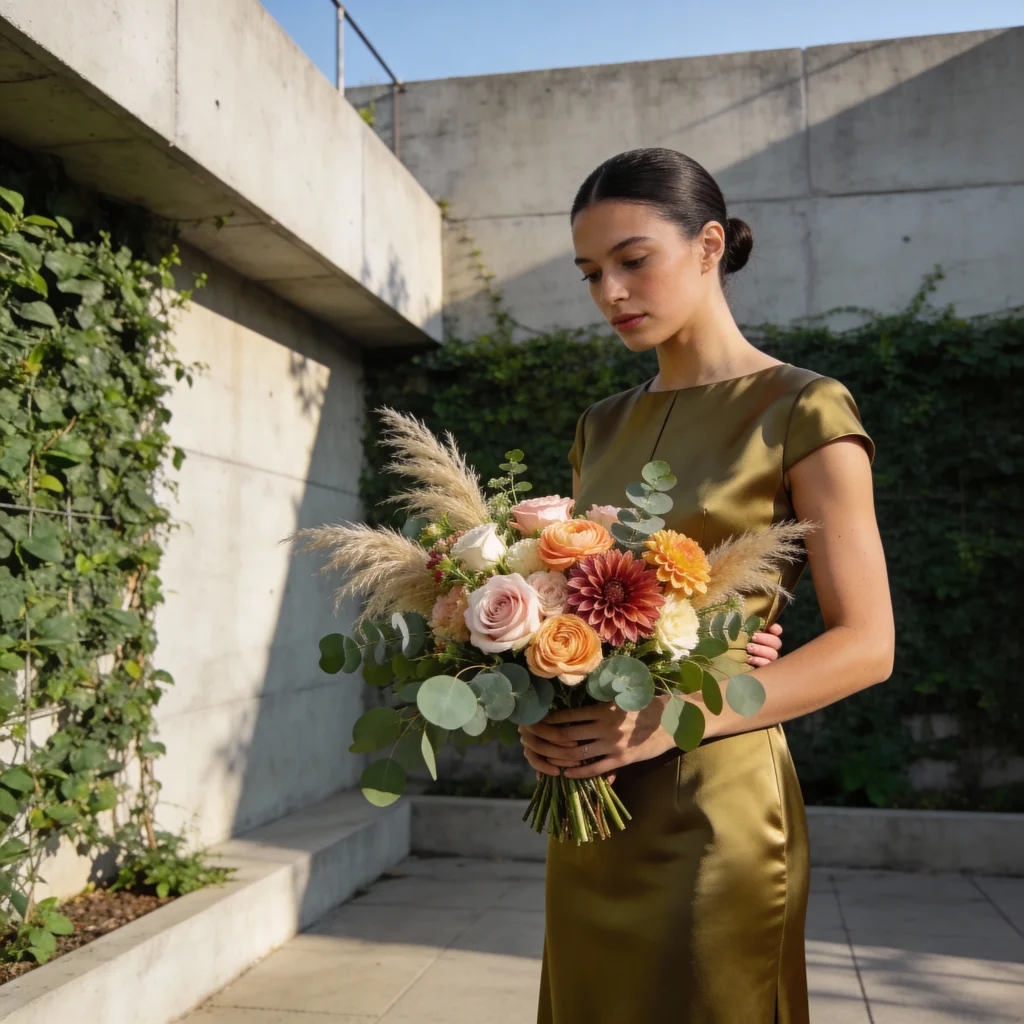
Conclusion: Planning Bridesmaid Bouquets the Smart Way
Creating bridesmaid bouquets can be an enjoyable and rewarding experience when approached with thoughtful planning. Paying close attention to the quantities of flowers and greenery needed ensures enough materials for cohesive arrangements without unnecessary waste. Selecting a harmonious color palette that complements the wedding theme guarantees visually stunning results and keeps the bouquets tied to the overall aesthetic. Additionally, timing is key—purchasing blooms a few days prior to the event and allowing time for preparation and minor adjustments ensures everything is fresh and picture-perfect.
Bulk sourcing is a smart strategy for DIY bouquets, as it not only reduces costs but also ensures consistency in the flowers you’ll use. Preparation is equally crucial—organizing the necessary tools, pre-trimming stems, and mapping out designs in advance helps streamline the bouquet-making process and reduces stress.
This guide is designed to empower you to confidently tackle DIY bridesmaid bouquets. Whether it’s your first time or you’re an experienced florist, these tips serve as a reliable blueprint for success. Refer back anytime you want inspiration or a refresher on bouquet assembly. With a blend of creativity, planning, and preparation, you’ll create stunning floral arrangements that beautifully reflect your wedding vision.