


 by
by 
Introduction
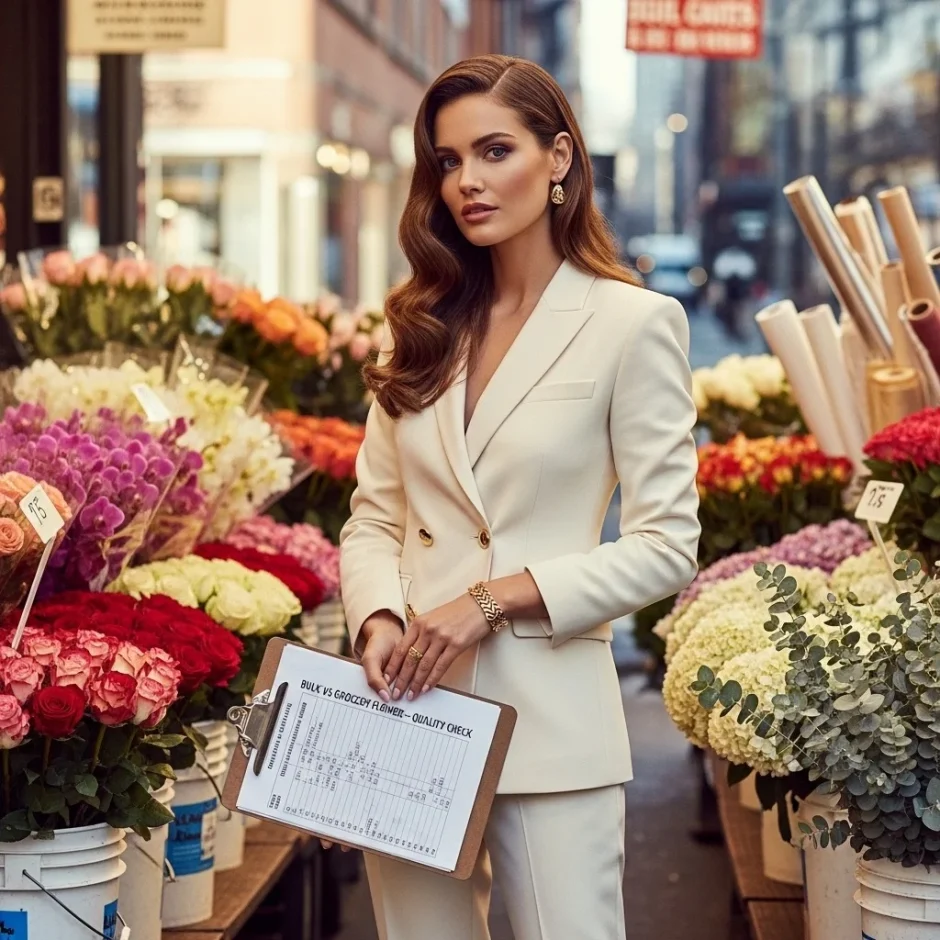
When choosing flowers for special events, gifts, or home décor, consumers are often torn between purchasing bulk flowers or picking up bouquets from grocery stores. Understanding the key differences between these options is essential for making the right decision based on cost, quality, freshness, and shelf life considerations.
Bulk flowers, also referred to as wholesale flowers, are fresh-cut blooms purchased in large quantities directly from farms or wholesalers. These flowers are typically sold by the bunch or stem and cater to events like weddings, corporate parties, or for use by florists. Bulk flowers are prized for their farm-to-consumer supply chain, which ensures greater freshness and longer shelf life due to minimal time spent in storage or transit.
Conversely, grocery store flowers are pre-arranged bouquets or individual stems that are sold at retail price. These flowers are often convenient for last-minute purchases, such as when consumers need “cheap flowers” or “last-minute flowers” for spontaneous occasions. However, grocery store flowers may lack transparency in terms of their freshness, and their shelf life is often considerably shorter compared to bulk options.
Consumers frequently search for flowers based on their specific needs, whether it’s sourcing budget-friendly blooms for a wedding or finding vibrant flowers for an impromptu gift. Regardless of the reason, what matters most are cost, quality, freshness, and shelf life. Bulk flowers often excel in these categories, offering a lower cost per stem alongside superior freshness and extended longevity. This comparison will illustrate why bulk flowers are the preferred choice for larger orders and for occasions where quality and durability are paramount.
Part 1 – What Are Bulk Flowers and Wholesale Flowers?
Definition and Intended Use
Bulk flowers and wholesale flowers refer to large quantities of fresh blooms that are sold directly to customers for use in a variety of arrangements and events. These flowers are often purchased at lower prices per stem compared to retail, making them a cost-effective option for larger projects. They are especially popular among DIY enthusiasts, florists, and event planners who need beautiful yet affordable options to create stunning floral designs.
For DIY weddings, bulk flowers provide the opportunity to craft personalized, unique arrangements without breaking the budget. Common choices include Roses, Hydrangeas, Sunflowers, and Greenery, as they offer versatility and elegance for bouquets, centerpieces, and ceremony decor. Florists benefit greatly from bulk flowers to fulfill daily orders or large events, ensuring a wide variety of blooms are available for customer needs. Event planners also rely on wholesale flowers to design elaborate floral displays that align with a specific theme or aesthetic, often incorporating specialty items like Preserved Flowers to add texture and longevity. Ultimately, bulk flowers cater to those seeking high quantities of quality blooms for impactful arrangements.
Where Bulk Flowers Come From (Farm-to-Event Supply Chain)
The story of bulk flowers begins at farms that grow these blooms with precision and care, often located in regions ideal for flower cultivation such as Ecuador, Colombia, and the Netherlands. After harvesting, flowers are typically hydrated immediately to maintain their freshness and are carefully packed for delivery. A critical element in the farm-to-event supply chain is cold chain logistics, a temperature-controlled process designed to preserve the integrity of the flowers during transit.
From the farm, the flowers are transported to distributors or directly to buyers within hours or days. Maintaining proper hydration and cold temperatures throughout the supply chain prevents wilting and ensures the flowers arrive in optimal condition. This efficient system makes it possible to provide fresh flowers for large-scale events, ensuring their quality from field to final display.
Shelf Life and Freshness Window (Why It Matters)
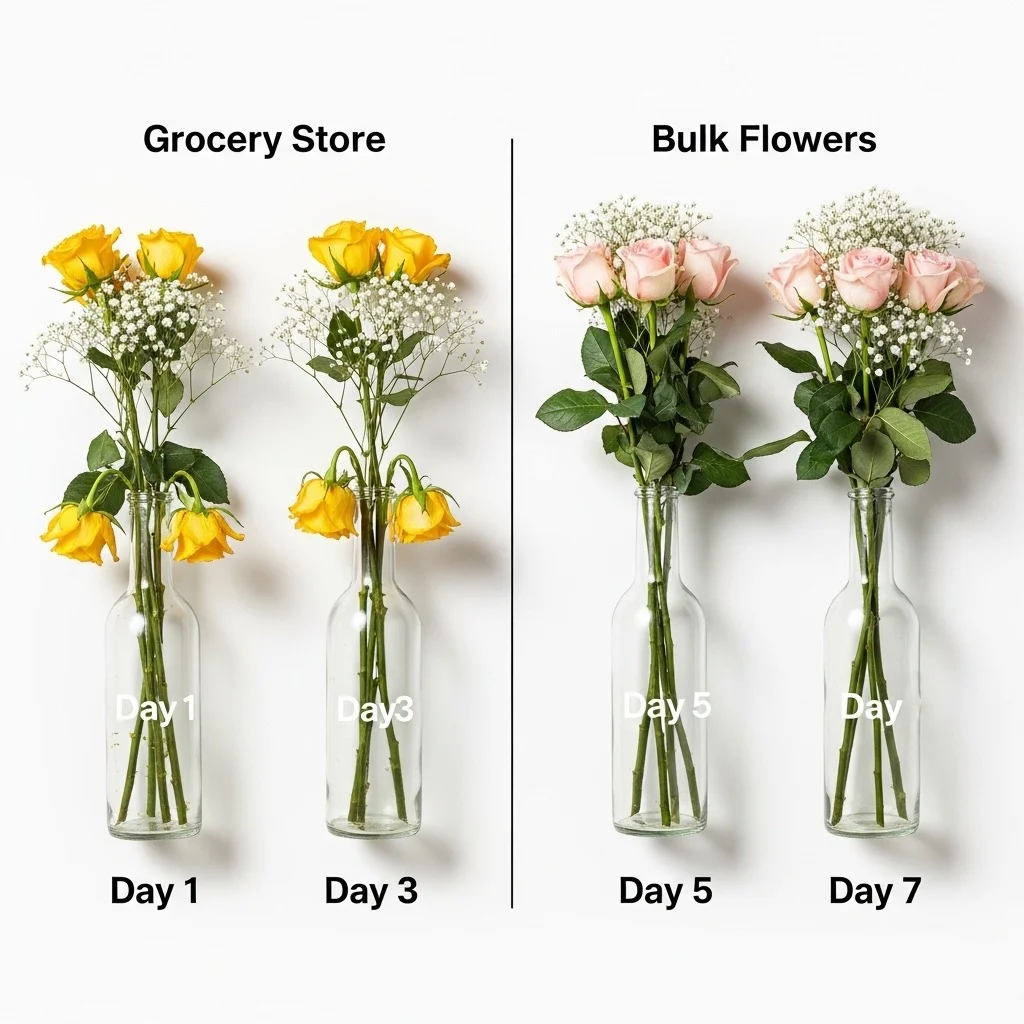
The shelf life of bulk flowers typically ranges from 4 to 12 days, depending on the type of bloom and the care it receives. For instance, Roses and Hydrangeas often offer extended freshness when properly conditioned and stored. Upon arrival, ensuring hydration and trimming the stems at an angle allows flowers to absorb water more effectively, extending their longevity.
Freshness is a key consideration for event planners and florists, as wilted flowers can diminish the overall impact of an arrangement. Proper storage in cool environments further enhances the flowers’ lifespan, making it easier to plan and execute events over several days. This extended freshness window ensures bulk flowers remain a reliable, high-quality option for projects where timing and presentation are critical.
Part 2 – What Are Grocery Store Flowers?
Definition and Retail Purpose
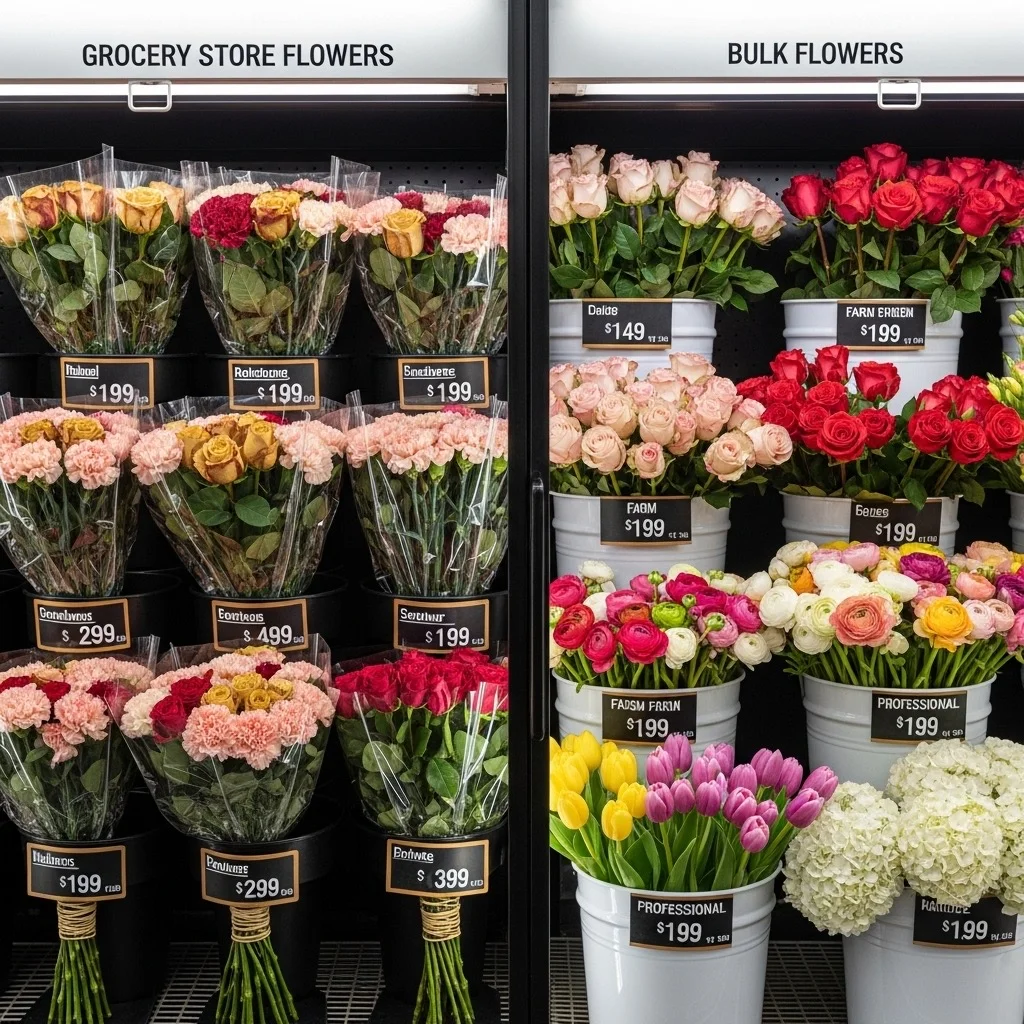
Grocery store flowers are pre-packaged floral arrangements or loose bouquets readily available at supermarkets and convenience stores. These flowers are primarily intended to provide a convenient option for shoppers seeking last-minute gifts, quick home decor solutions, or easy ways to brighten someone’s day. Positioned near checkout areas or high-traffic zones, grocery store flowers capitalize on impulse purchases. Commonly presented as bouquets, these arrangements often include popular, hardy blooms such as roses, carnations, daisies, and lilies, chosen for their visual appeal and durability during transit.
Retail Distribution Timeline (Why Flowers Age Faster)
The journey of grocery store flowers from the field to the shopper’s home is an intricate process that often impacts their longevity. First, flowers are harvested on farms, primarily located in countries with warm climates conducive to year-round growing, such as Colombia, Kenya, or Ecuador. From there, they are transported to importers, often traveling long distances within refrigerated containers. Importers then ship the flowers to distributors, who parcel them into smaller quantities for individual retailers. Finally, flowers arrive at grocery stores, where they await purchase. By the time the shopper brings these flowers home, they may already be several days old, reducing their overall lifespan in the vase compared to flowers sourced directly from a florist or farm.
Store Conditions and Flower Handling
The conditions in grocery stores also play a significant role in the shortened lifespan of these flowers. Unlike florists, grocery stores rarely offer specialized storage environments. Flowers are typically displayed in room-temperature buckets with limited access to fresh water or regular nutrient treatments. Frequent handling by customers can further stress the blooms, causing petals to bruise, stems to weaken, and hydration levels to drop. These factors, combined with the extended distribution timeline, often lead to a shorter vase life, making grocery store flowers a convenient but less lasting option compared to professionally handled blooms.
Part 3 – Cost Comparison: Bulk Flowers vs Grocery Store Flowers
When deciding between buying flowers in bulk or purchasing from a grocery store, costs play a significant role in the decision-making process. Bulk flower purchases typically offer significant savings through reduced costs per stem, making them an attractive option for large-scale events like weddings or corporate gatherings. Conversely, grocery store flowers are priced for convenience and retail presentation, which can substantially increase their markup. Below, we’ll explore how costs differ between these two options, examine contributing factors, and analyze where bulk pricing becomes the clear winner.
Cost Per Stem Breakdown
Bulk flower purchases reduce the cost per stem primarily through volume discounts. Wholesale suppliers cater to larger orders, optimizing delivery and storage costs, which allows them to pass savings on to the consumer. On the other hand, grocery store flowers have a higher per-stem cost due to packaging, retail handling, and higher operational overheads. Below is a snippet table comparing common flower types based on grocery store pricing versus bulk/wholesale rates.
| Flower Type | Grocery (Per Stem) | Bulk/Wholesale (Per Stem) |
| Roses | $2.25–$4.50 | $0.85–$1.50 |
| Carnations | $0.75–$1.50 | $0.25–$0.45 |
| Baby’s Breath | $12–$18 per bunch | $6–$9 per bunch |
Why Grocery Store Flower Prices Are Higher
The higher price of grocery store flowers can be attributed to a variety of factors. Retail markup is one of the most significant contributors, as grocery stores must factor in not only the cost of the flowers themselves but also the costs of labor, packaging, and overhead expenses. Store employees often spend time trimming stems, arranging displays, and packaging blooms for individual sales, all of which add to the retail price.
Additionally, grocery stores account for shrink loss, as floral inventory is perishable and must be discounted or discarded if it does not sell within a short window. This loss is mitigated by higher prices on the flowers that do sell. The combination of these factors makes grocery store flowers less cost-effective compared to bulk options for consumers seeking larger quantities.
Where Bulk Pricing Wins (Weddings and Events)
Bulk flowers shine in scenarios where volume is key. Weddings, corporate events, and other occasions that require numerous centerpieces, installations, or bouquets benefit significantly from the reduced cost per stem available through wholesalers. For example, couples planning a wedding can save hundreds, if not thousands, by ordering wholesale roses or baby’s breath for bouquets, corsages, and table arrangements.
Because wholesalers specialize in large orders, their logistics and supply chains are tailored to accommodate the demands of event planning. This not only ensures cost savings but also guarantees a fresher product, as bulk flowers are shipped directly from growers without the extended delays typically encountered in retail settings.
For event planners and individuals seeking to maximize their flower budgets, bulk flower purchasing is an ideal solution. Learn more about the advantages of Bulk Flowers and Wholesale Flowers.
By comparing these options, the benefits of choosing bulk flower suppliers become clear—especially for events requiring high-quality blooms at a fraction of the cost per stem.
Part 4 – Quality Comparison: Stem Strength, Bloom Size, and Variety
Stem Hydration and Farm Freshness
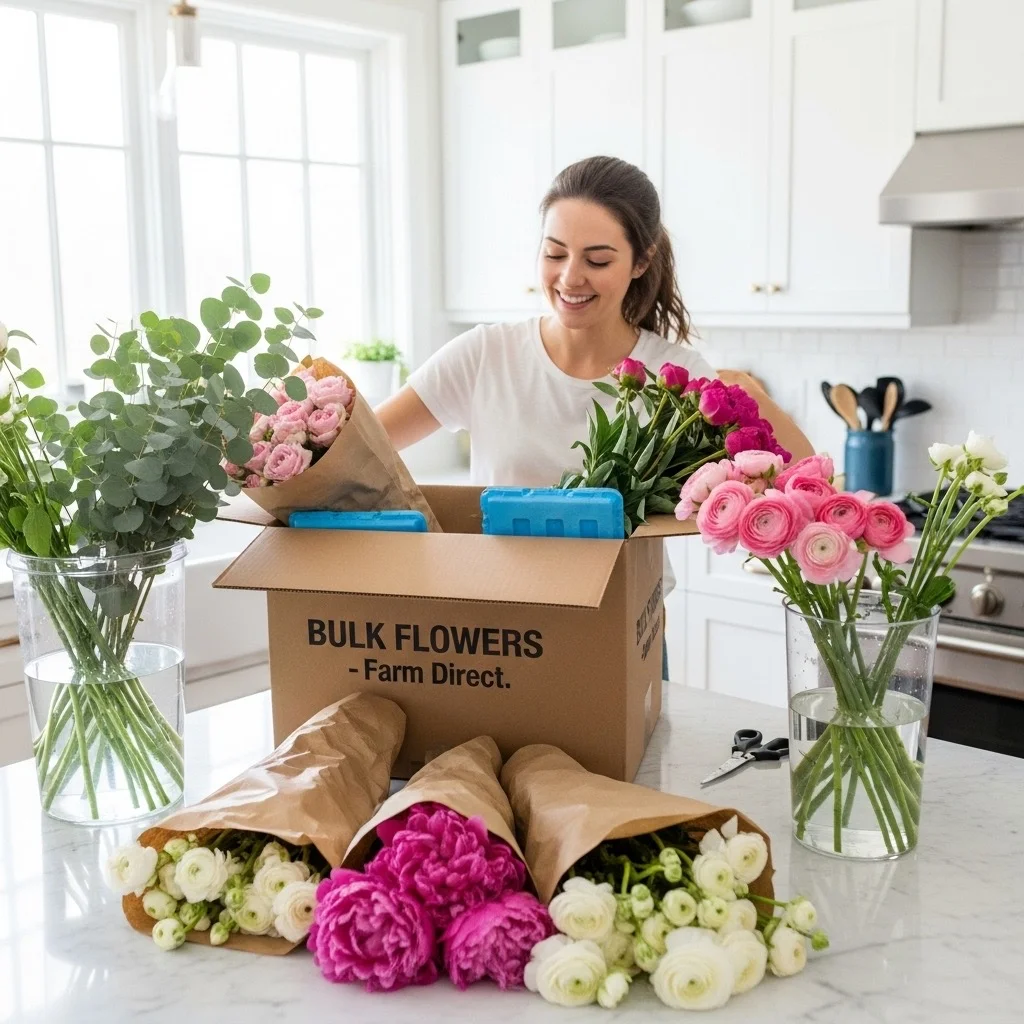
One of the most significant differences between bulk flowers and retail flowers lies in how they are handled and hydrated. Bulk flowers are often shipped directly from farms using a meticulous cold chain process, which preserves stem hydration and keeps blooms fresh for longer. The cold chain involves transporting flowers at a controlled temperature from the moment they are cut until they reach the customer. This process minimizes dehydration and ensures that stems remain strong and vibrant.
Contrast this with retail flowers, which often sit on shelves for days, exposed to fluctuating temperatures and air conditioning. This retail shelf exposure can quickly lead to dehydration, weakened stems, and drooping blooms. For delicate flowers like Peonies and Ranunculus, retail handling can significantly impact their appearance and vase life. Similarly, varieties such as Tulips, Calla Lilies, Orchids, and Dahlias are particularly susceptible to losing their optimal form when proper hydration protocols are not followed.
Ordering bulk flowers ensures your stems arrive in peak condition, straight from the farm, with their structural integrity intact and blooms perfectly hydrated. This is a crucial factor for event planners or florists managing time-sensitive projects where every bloom must look its best.
Variety Access (Why Bulk Offers More Choices)
A key advantage of buying bulk flowers is the unparalleled access to a wide variety of blooms that are difficult to find in traditional retail environments. Grocery store floral departments often carry a limited range of flower types due to space constraints and the need to stock fast-selling, everyday varieties. Shoppers at grocery stores will typically see options like Roses, Carnations, Baby’s Breath, and Alstroemeria — reliable staples but far from the diversity required for specialized projects.
Bulk suppliers, on the other hand, open the door to a world of possibilities. From wedding-specific varieties like Garden Roses and Lisianthus to seasonal color lines of Peonies and Dahlias, customers have access to blooms that elevate their floral designs. Novelty cultivars, such as bi-colored Tulips or rare varieties of Orchids, are also available through bulk ordering and bring a unique touch to high-end decorations. Additionally, bulk buyers gain the option of exploring preserved flowers, which are perfect for long-lasting arrangements and specific aesthetic needs. This vast selection caters to creative visions that are impossible to achieve with standard grocery store offerings.
Floral Condition Issues in Grocery Stores
While convenience makes grocery store flowers appealing, their condition often leaves much to be desired. One common issue is bruising, caused by improper handling during transport or while being stocked on shelves. Stems can also become bent or damaged, making it difficult to use them effectively in arrangements where structural integrity is crucial.
Another frequent problem is bacterial water contamination. Grocery stores may not always adhere to best practices, like replacing vase water daily or using proper floral preservatives. This can lead to bacterial growth that shortens the lifespan of flowers. Additionally, flowers on retail shelves are often exposed to ethylene gas, a natural plant hormone that accelerates wilting and decreases bloom quality, shortening their vase life further.
By choosing flowers from a bulk supplier, these issues are largely avoided. Blooms are handled with care throughout the cold chain process, and quality assurance measures ensure that flowers arrive in pristine condition, free of stem damage, bacterial contamination, or early signs of aging. This attention to detail is essential when perfection is a priority, whether for a wedding, gala, or any other significant event where the highest-quality flowers make all the difference.
Part 5 – Shelf Life Comparison: How Long Do Flowers Last?
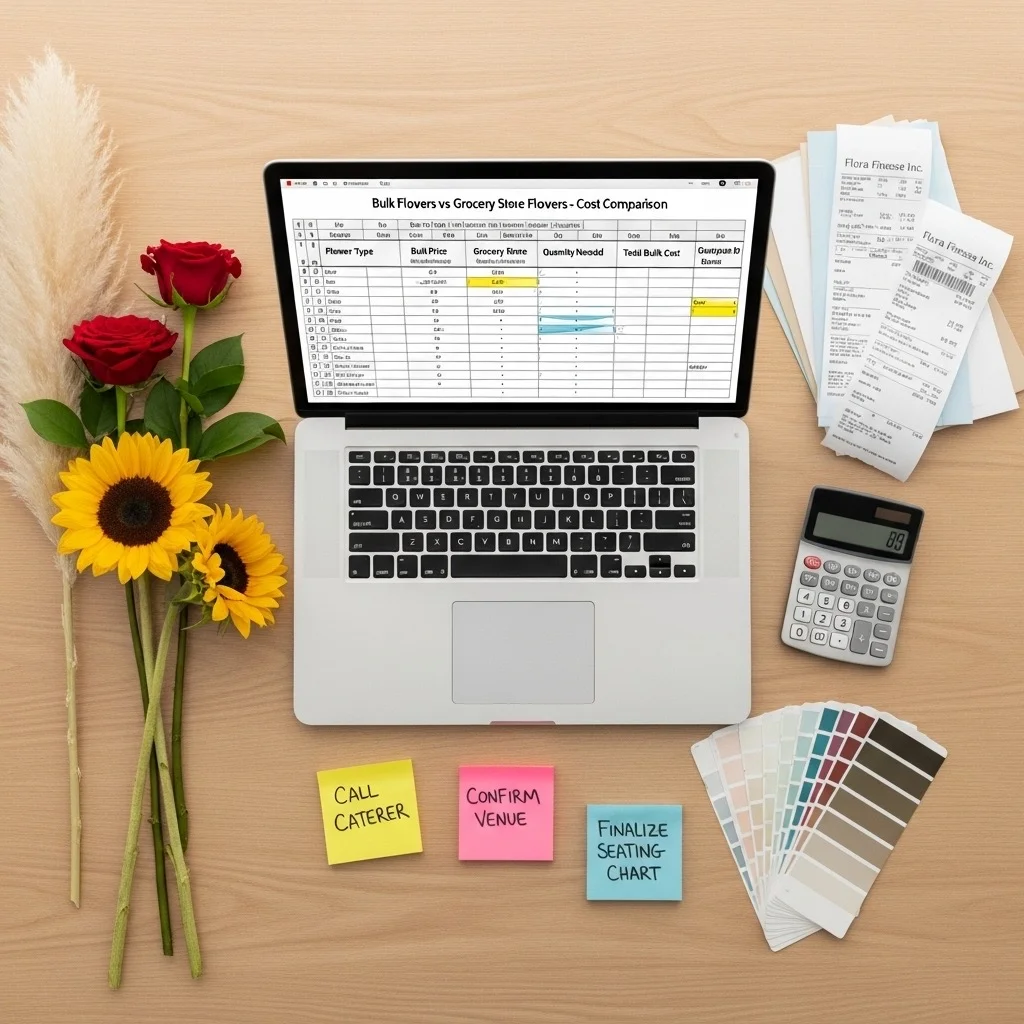
When it comes to floral arrangements, shelf life plays a significant role in ensuring blooms stay fresh and vibrant for the occasion. The lifespan of flowers varies depending on their handling, conditioning, and where they are sourced. Below, compare the shelf life of bulk flowers and grocery store flowers, and discover how proper conditioning can make a difference.
Bulk Flowers Shelf Life Window (With Conditioning Tips)
Bulk flowers, when purchased from reputable suppliers, offer a much longer shelf life due to their superior handling and care during transportation. These flowers often arrive freshly cut and unaged, providing you with an optimal window for preserving and enjoying their beauty. With proper conditioning practices in place, here’s what you can expect for some popular varieties:
- Roses: 7–12 days
- Peonies: 5–8 days
- Ranunculus: 7–10 days
- Eucalyptus (Foliage): 10–14 days
- Preserved Flowers: 1–3 years
Tips for Conditioning Bulk Flowers:
To extend the shelf life of these flowers, follow these essential care tips:
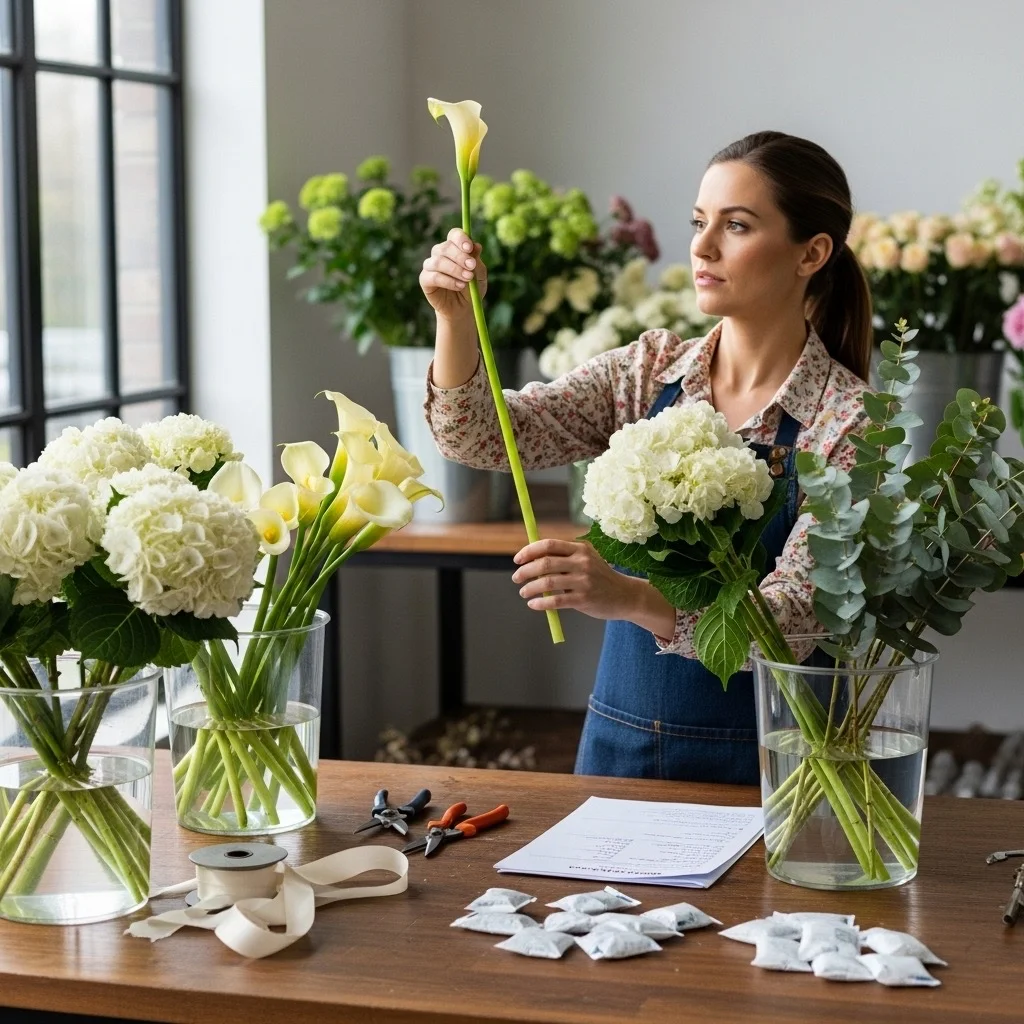
- Hydration: Ensure flowers are placed in clean, fresh water immediately upon arrival.
- Recutting Stems: Trim stems at a 45-degree angle with sharp scissors or floral shears to maximize water uptake.
- Flower Food: Add floral preservative to water to nourish blooms and combat bacteria.
- Cool Storage Temperatures: Store flowers in a cool space, away from direct sunlight and heat, to slow the aging process.
Grocery Store Shelf Life Window (After Aging in Transit)
Flowers purchased from grocery stores often go through extensive transit and storage periods, which can reduce their overall freshness. Due to this aging process, their typical remaining shelf life is considerably shorter—often just 2–5 days after purchase. This limited window can make it challenging to plan ahead for events or create lasting arrangements.
The Difference Conditioning Makes
Proper conditioning is a crucial step in extending the life of flowers, whether purchased in bulk or from a grocery store. Key practices like hydration, recutting stems, using flower food, and maintaining cool storage temperatures ensure that blooms remain vibrant and healthy for as long as possible. Unlike grocery store flowers, bulk blooms benefit from an earlier start and better handling, allowing you to maximize their quality and longevity.
For an event like a wedding, where the freshness of flowers is paramount, understanding and practicing proper flower care can make all the difference. By choosing high-quality blooms and conditioning them correctly, you can create stunning arrangements that leave a lasting impression. Learn more about selecting the perfect wedding flowers to match your special day.
Part 6 – When It Makes Sense to Buy Grocery Store Flowers
There are certain situations where purchasing grocery store flowers is not only convenient but also perfectly practical. For instance, when you’re in need of a last-minute gift, grocery store flowers can be an excellent choice. Whether you’re heading to a friend’s birthday party, visiting a loved one, or celebrating an accomplishment, these readily available blooms save time while still providing a thoughtful gesture.
Similarly, grocery store flowers are ideal for creating small, one-time bouquets. If you’re looking to brighten someone’s day with a simple floral arrangement, you don’t necessarily need to invest in high-end or bulk flowers. Grocery store selections can offer seasonal blooms at affordable prices, making them perfect for smaller-scale needs without compromising too much on aesthetics.
Finally, if you don’t have a need for bulk flowers or lack the storage space to properly care for them, grocery store flowers can be a better fit. They’re sold in pre-bundled arrangements that can be quickly used without additional preparation or significant storage concerns. While they may not offer the same longevity or quality as specialized floral providers, they serve specific needs where convenience and accessibility are key.
By understanding these edge cases, you’ll be able to make informed decisions about when grocery store flowers are the right fit and when opting for alternative sources might be a better choice.
Part 7 – When Bulk Flowers Are the Better Choice
Bulk flowers can be a game-changer for various buyer intent audiences looking to balance quality, quantity, and affordability. For those planning DIY weddings, event planners orchestrating large gatherings, florists catering to diverse clients, or organizers of church ceremonies and corporate events, bulk flowers provide an ideal solution. They also fit perfectly for workshops, popup events, and even weekly flower subscriptions, where a steady flow of fresh blooms is essential.
One of the key advantages of choosing bulk flowers is the ability to plan freshness according to your event schedule. By sourcing flowers in bulk, you can specify delivery dates that align perfectly with the event, ensuring the flowers arrive at their peak. This is especially critical for weddings and high-profile events where every detail matters. Companies like Whole Blossoms specialize in shipping Bulk Flowers and Wholesale Flowers directly from farms, ensuring unmatched freshness, superior stem length, and consistent color quality—benefits that retail store flowers often struggle to match.
Bulk flowers also offer significant cost savings. For large-scale needs, buying in bulk allows wholesale pricing, making it more budget-friendly compared to purchasing smaller, pre-arranged bouquets. Event organizers and florists can take advantage of these savings across multiple arrangements, creating stunning displays without overspending. Additionally, the wider variety of flowers and hues available through bulk suppliers like Whole Blossoms gives buyers the creative flexibility to match specific themes and preferences.
Beyond savings and freshness, the logistics of bulk flower delivery cater specifically to the needs of high-capacity events. Whole Blossoms, for instance, provides seamless delivery schedules designed to accommodate the volume and preparation time required for these occasions. With flowers arriving straight from the farm to your doorstep, you not only receive the best quality but also save time and avoid intermediaries, ensuring both convenience and value.
For DIY venues, business planners, or even subscription services, bulk flowers stand out as a smart and efficient choice. Their ability to align with event-specific needs, coupled with logistical flexibility and cost advantages, makes them the go-to option for ensuring each event feels vibrant and fresh.
Part 8 – Final Recommendation: Cost + Quality + Shelf Life Winner
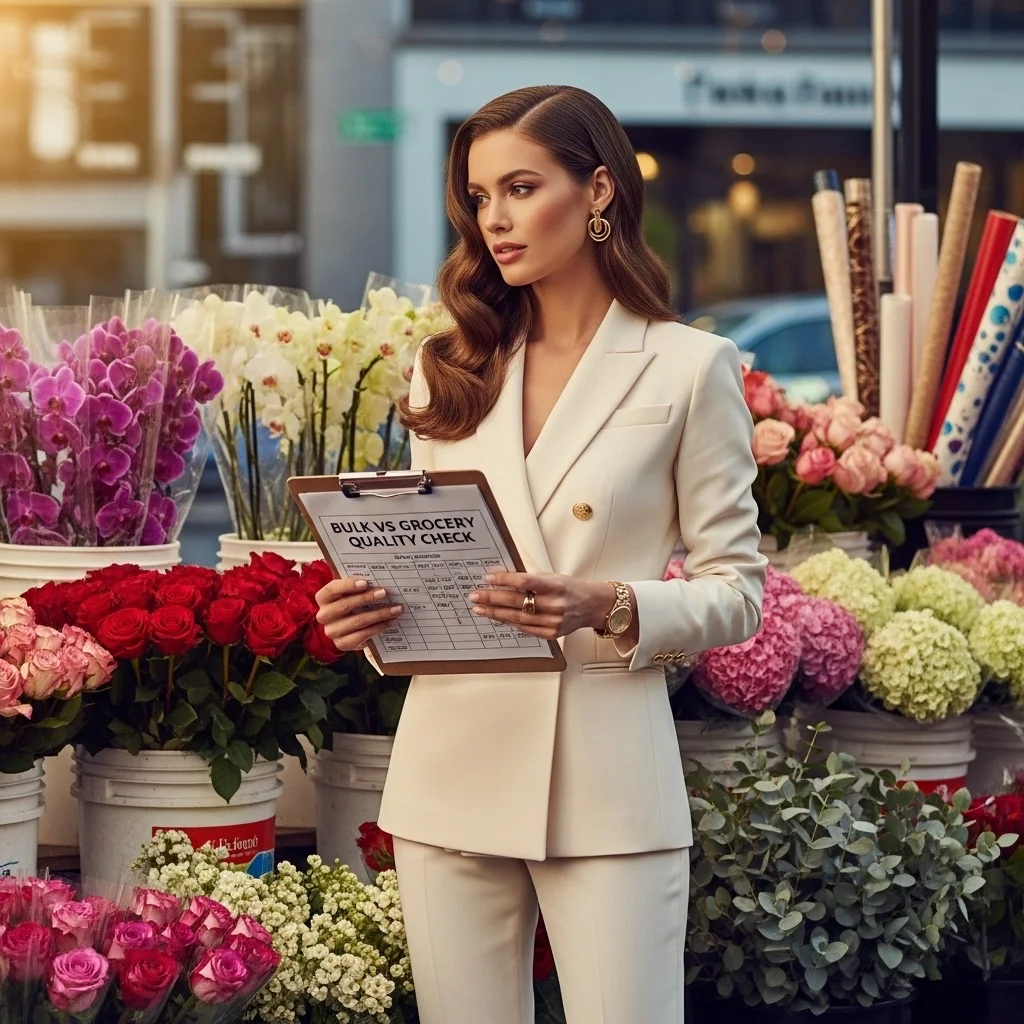
When it comes to planning events or fulfilling large floral needs, bulk flowers are the clear winner, harmonizing cost, quality, and freshness. With the lowest cost per stem, bulk purchasing offers unmatched affordability while still meeting high-quality standards. Additionally, bulk flowers often come directly from farms, ensuring the longest possible shelf life and allowing arrangements to stay vibrant and fresh for extended periods.
The variety available through bulk flower suppliers is another significant advantage. From classic roses to exotic blooms, the sheer range of options means you can customize arrangements to any theme or style seamlessly. On the other hand, grocery store flowers may provide convenience for spur-of-the-moment purchases, but they rarely match the quality, shelf life, or event-specific varieties that bulk orders offer.
For those seeking affordable, long-lasting, and versatile floral solutions, bulk flowers consistently outperform grocery alternatives, proving to be the ultimate choice for delivering beauty and value for any occasion.
Conclusion
Understanding the supply chain of floral products is essential for making informed decisions that maximize quality, value, and convenience. Choosing bulk flowers over grocery store alternatives provides access to fresher blooms, greater variety, and unmatched customization options, all while supporting sustainable and efficient sourcing processes. This makes bulk purchasing the ideal solution for florists, event planners, and anyone preparing for special occasions like weddings that demand exceptional floral displays.
For couples planning weddings or hosts organizing large events, bulk flowers allow for creative freedom and the ability to execute a cohesive theme at an affordable price. The wide selection of wholesale flowers ensures that each arrangement aligns perfectly with the specific colors, styles, and emotions you want to convey.
Start crafting your perfect floral vision today. Explore our vast inventory of Bulk Flowers, Wholesale Flowers, and Wedding Flowers to discover how we can help elevate your celebration. Visit our website or contact us to begin planning your unforgettable event.