


 by
by 
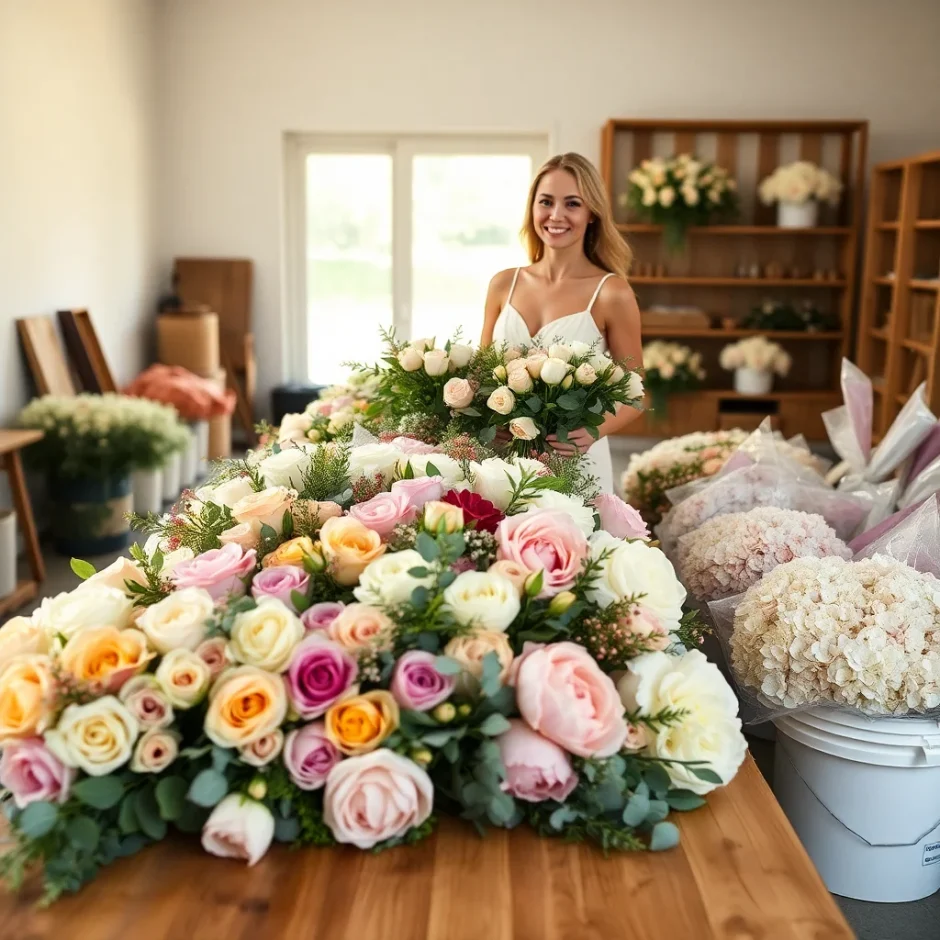
Introduction – Why DIY Wedding Flowers Are Trending in 2025
The wedding industry has seen a noticeable shift toward DIY wedding flowers, a trend that’s flourishing in 2025. With rising floral costs becoming a significant concern for couples planning their special day, many are seeking cost-effective yet beautiful alternatives that don’t compromise on quality. DIY flower arrangements offer an appealing solution, allowing brides, grooms, and planners to take creative control while staying within budget.
One of the major reasons behind the popularity of DIY flowers is the desire for personalization. Designing your own floral arrangements enables you to hand-pick blooms that perfectly match your wedding style, color palette, and theme. This level of creative involvement guarantees unique, meaningful arrangements tailored to your vision. Beyond the cost and customization advantages, creating floral arrangements is a fun and memorable activity that brings family, bridal parties, or close friends together. From bouquets to centerpieces, it’s a hands-on way to bond with loved ones while crafting something beautiful for your big day.
For those intrigued by the idea of going DIY, sourcing fresh and high-quality flowers is essential for success. Wholesale providers like Whole Blossoms make it easy to access a wide variety of blooms at affordable prices, ensuring your arrangements are both stunning and long-lasting. Whether it’s dreamy roses, elegant lilies, vibrant sunflowers, or greenery to complete your designs, you’ll find exactly what you need.
If you’re planning a wedding in 2025, now is the perfect time to explore the world of DIY wedding flowers. Bring your vision to life, stay within budget, and create magical memories in the process. Shop for premium-quality wholesale blooms at Whole Blossoms to kickstart your floral adventure today!
Part 1 – Planning Your DIY Wedding Flowers
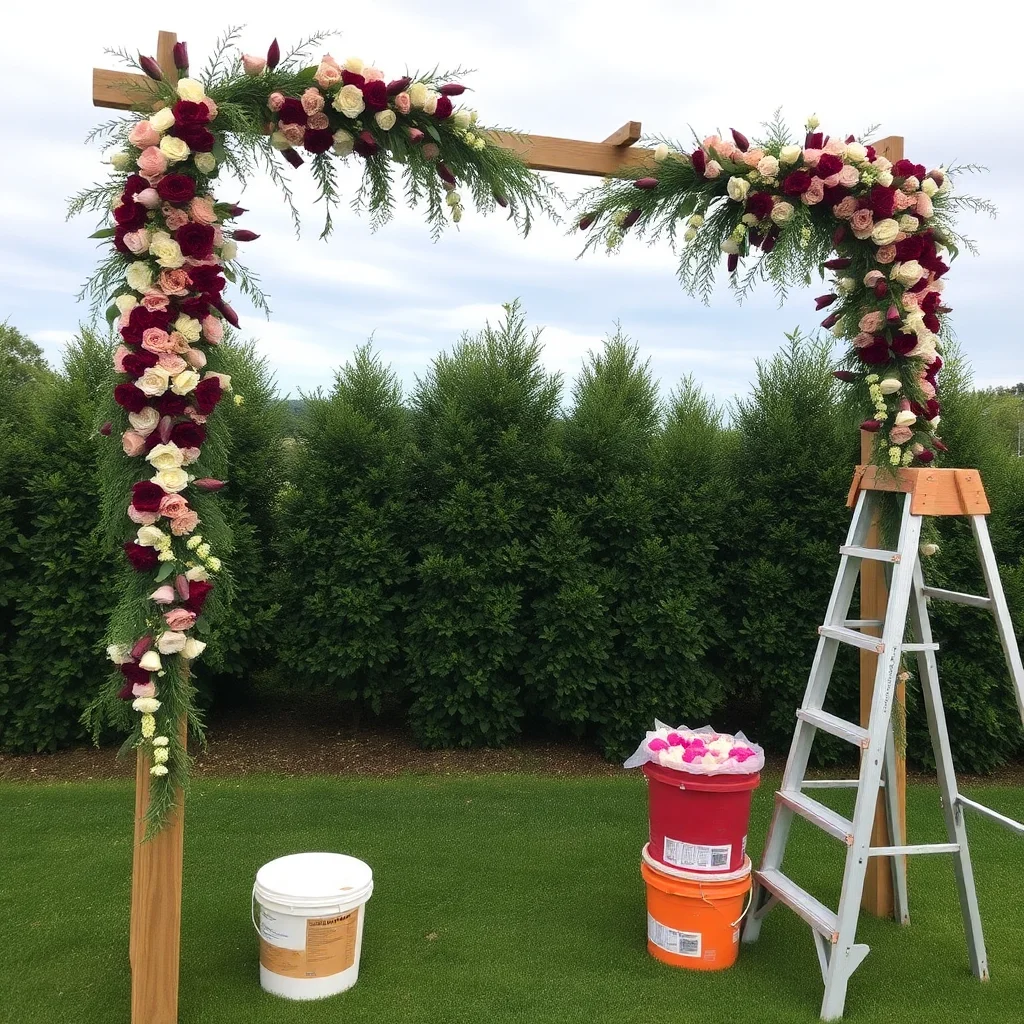
Planning your DIY wedding flowers is an exciting process that starts with careful budgeting and choosing blooms that match your vision. Before you begin, it’s essential to set a realistic budget and calculate how many stems you’ll need for arrangements such as bouquets, centerpieces, boutonnieres, and other floral accents. Keep in mind that ordering bulk flowers can help you maximize savings while ensuring you have enough variety to suit your designs. To arrange wedding flowers yourself, plan budget, choose seasonal blooms, and prep tools in advance.
Matching your flower selections to your wedding theme and color palette is the next step. Whether you’re going for a romantic garden look, a rustic-chic vibe, or a timeless classic style, the blooms you pick should complement and enhance your wedding’s overall aesthetic. Consider incorporating flowers in shades that harmonize with your decor, bridesmaid dresses, and venue atmosphere. When in doubt, neutral hues like white and blush pair beautifully with a wide range of themes, while pops of bold colors can add a unique flair.
When choosing flower varieties, remember to balance hardy blooms with more delicate ones. Hardy flowers such as carnations, roses, chrysanthemums, and eucalyptus are excellent for durability and structure, lasting longer throughout the big day. Delicate flowers like peonies, anemones, or sweet peas add soft beauty but may require extra care and attention to stay fresh. Including a variety of textures and shapes can add dimension to your arrangements and make them stand out.
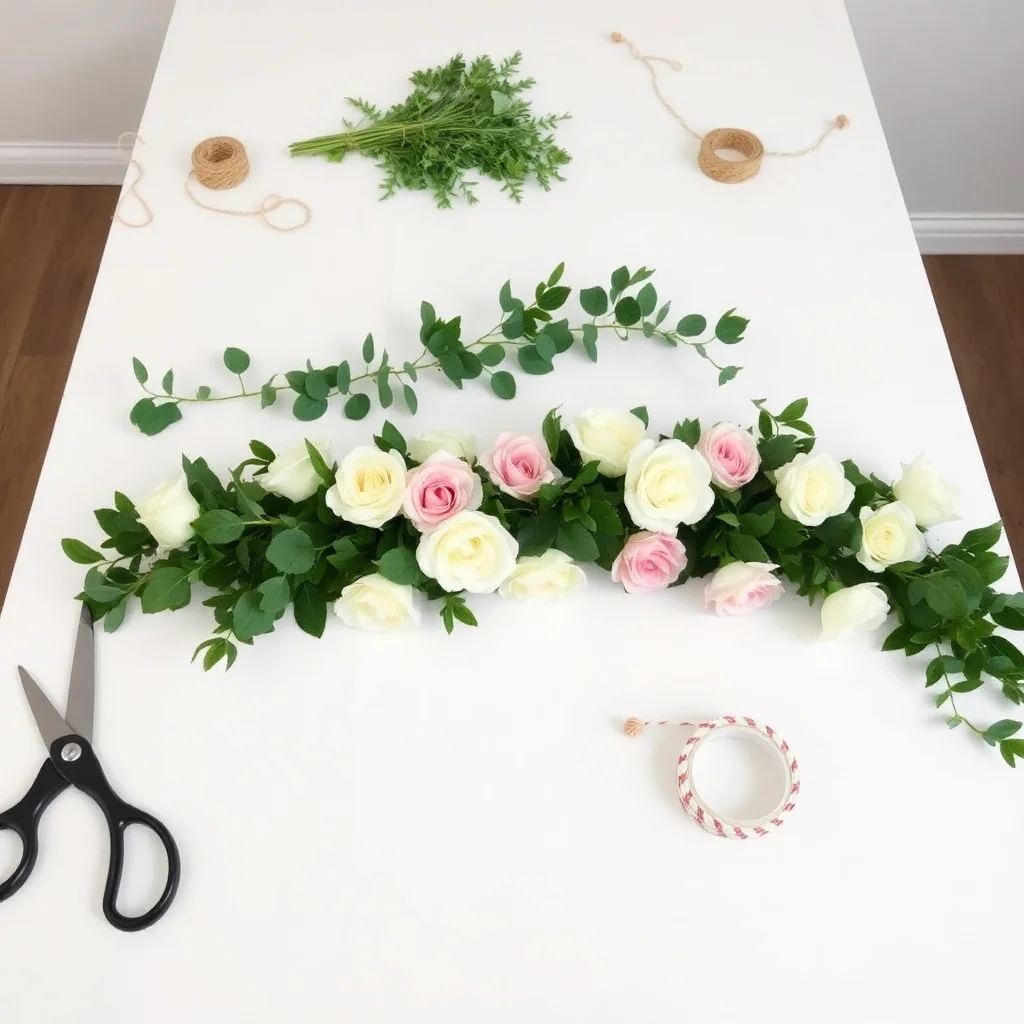
Finally, gathering the right tools and supplies will set the stage for a stress-free flower-arranging experience. Make sure to have sharp floral shears, clean buckets for water, floral tape, wire, and foam or flower frogs for structural support. Don’t forget vases or other containers, as well as a dependable workspace where you can assemble your creations comfortably. Preparing everything in advance allows you to focus on the artistry of arranging your flowers and ensures your wedding blooms come together just as beautifully as you imagined.**
Part 2 – Best Flowers for DIY Wedding Arrangements
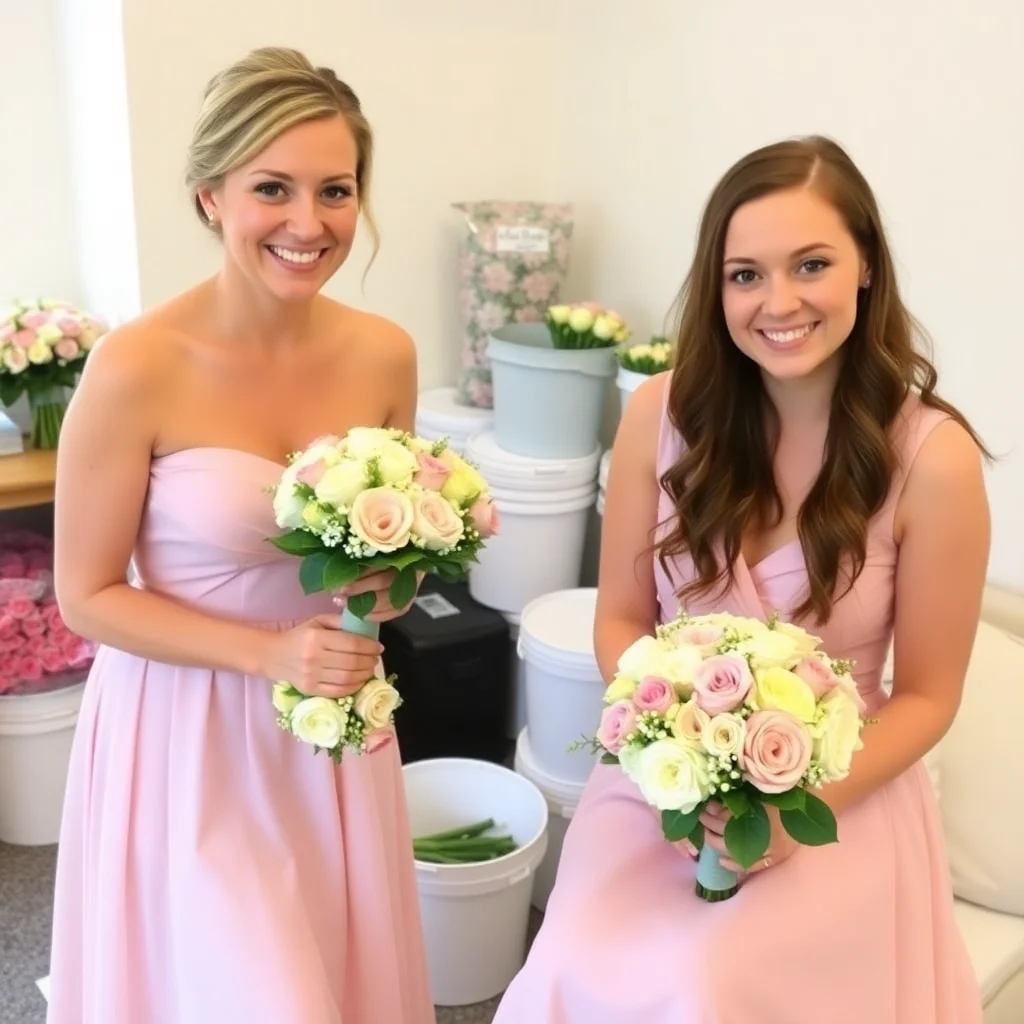
Choosing the right flowers is key to creating stunning DIY wedding arrangements that are not only beautiful but also manageable to assemble. Below, we’ve categorized flowers into easy-to-work-with options, showstoppers, and fillers/greenery to help you select blooms that suit your vision and skill level. Additionally, we provide seasonal recommendations for 2025 to ensure your arrangements are fresh and in their prime.
Easy-to-Work-With Flowers
For beginner DIY brides, selecting flowers that are hardy and straightforward to handle is a smart choice. Roses and carnations are classic options known for their durability and the variety of colors they come in. Similarly, chrysanthemums offer excellent versatility with their wide range of shapes and sizes, perfect for adding texture to your arrangements. Eucalyptus, a popular greenery choice, not only complements flowers beautifully but also provides a pleasant fragrance, making it an essential addition that’s both practical and elegant.
Showstoppers
For those looking to make a bold, dramatic statement, incorporating showstopper blooms is a wonderful idea. Peonies, with their lush and romantic petals, are a favorite for wedding aesthetics. Dahlias bring striking shapes and vibrant colors, instantly elevating any bouquet or centerpiece. Garden roses, often larger and more intricate than standard roses, exude timeless beauty and work perfectly as focal points in arrangements.
Filler Flowers & Greenery
No arrangement is complete without the right fillers and greenery to add depth and harmony. Consider using baby’s breath for its delicate, airy quality, or ruscus for its clean, modern touch. Ferns add texture and a touch of wildness, perfect for cascading arrangements or a more natural look.
Seasonal Recommendations for 2025
Flower availability can vary depending on the season, so choosing blooms that are in season not only ensures optimal freshness but can also be budget-friendly. For spring 2025 weddings, look for tulips, hyacinths, and daffodils to brighten your designs. Summer brides will benefit from the abundance of sunflowers, zinnias, and snapdragons. Fall offers rich tones with marigolds, asters, and chrysanthemums, while winter weddings can incorporate amaryllis, holly, and pine for a seasonal touch.
Easy vs. Advanced Flowers for DIY Brides
To help you visualize your options, here’s a simple table comparing easy and advanced flowers for DIY wedding arrangements:
| Category | Easy-to-Work-With Flowers | Advanced Showstoppers |
| Flowers | Roses, Carnations, Chrysanthemums | Peonies, Dahlias, Garden Roses |
| Greenery | Eucalyptus, Baby’s Breath, Ruscus | Ferns, Specialty Foliage |
By selecting a mix of easy-to-work-with flowers, stunning showstoppers, and high-quality fillers, you’ll be able to craft breathtaking arrangements that delight your guests and fit your special day perfectly. With proper planning and the right selection of blooms, your DIY wedding florals are sure to be a success!
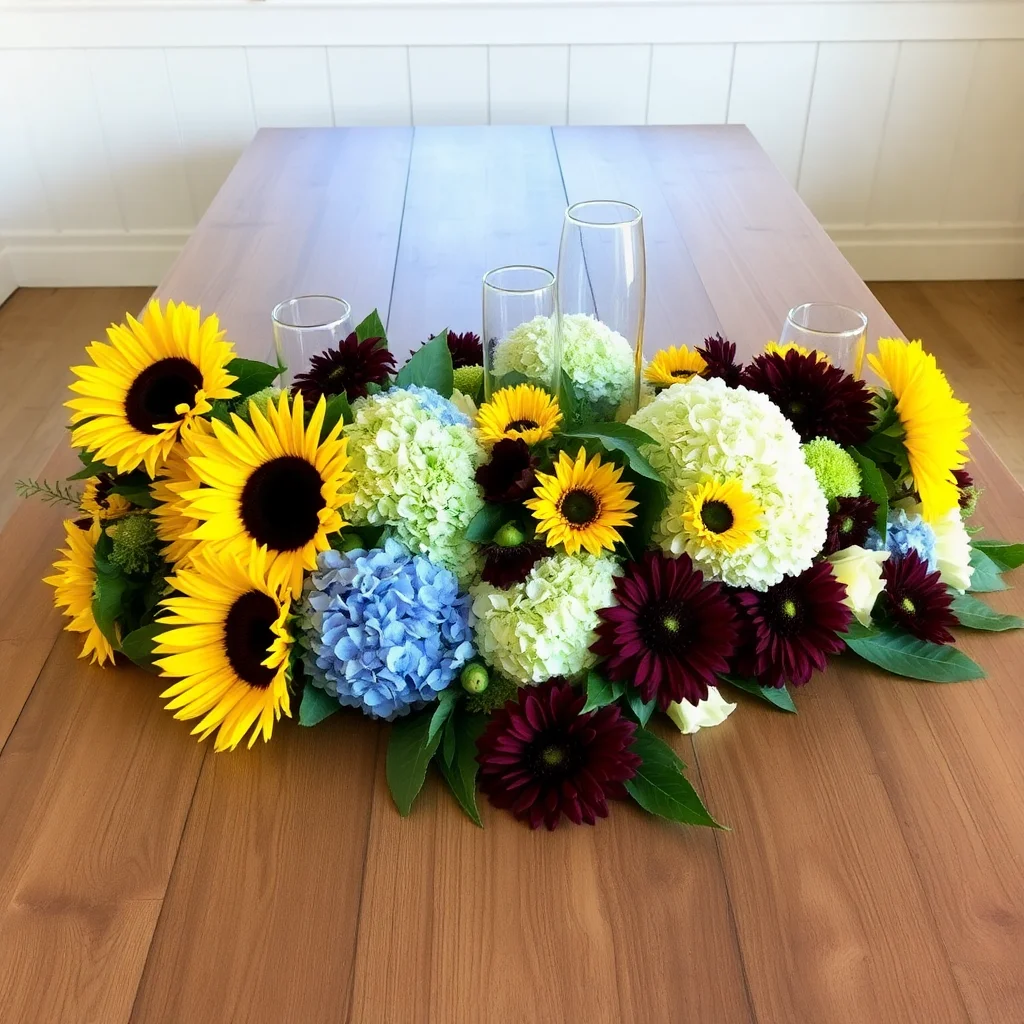
Part 3 – Step-by-Step Guide: How to Arrange Wedding Bouquets
Arranging wedding bouquets can be a fun and rewarding process, and with the right steps, you’ll create stunning bouquets that look professional and polished. Follow this step-by-step guide to bring your floral vision to life:
- Prepare Your Stems
Start by properly preparing your flowers and greenery. Trim the stems at an angle using sharp floral shears to ensure better water absorption. Next, hydrate them in clean, cool water for a few hours or overnight to keep them fresh and vibrant. Carefully strip off any excess leaves or thorns from the stems, especially for roses or other thorny blooms. This step not only makes handling easier but also helps create a neat arrangement.
- Begin with the Spiral Technique
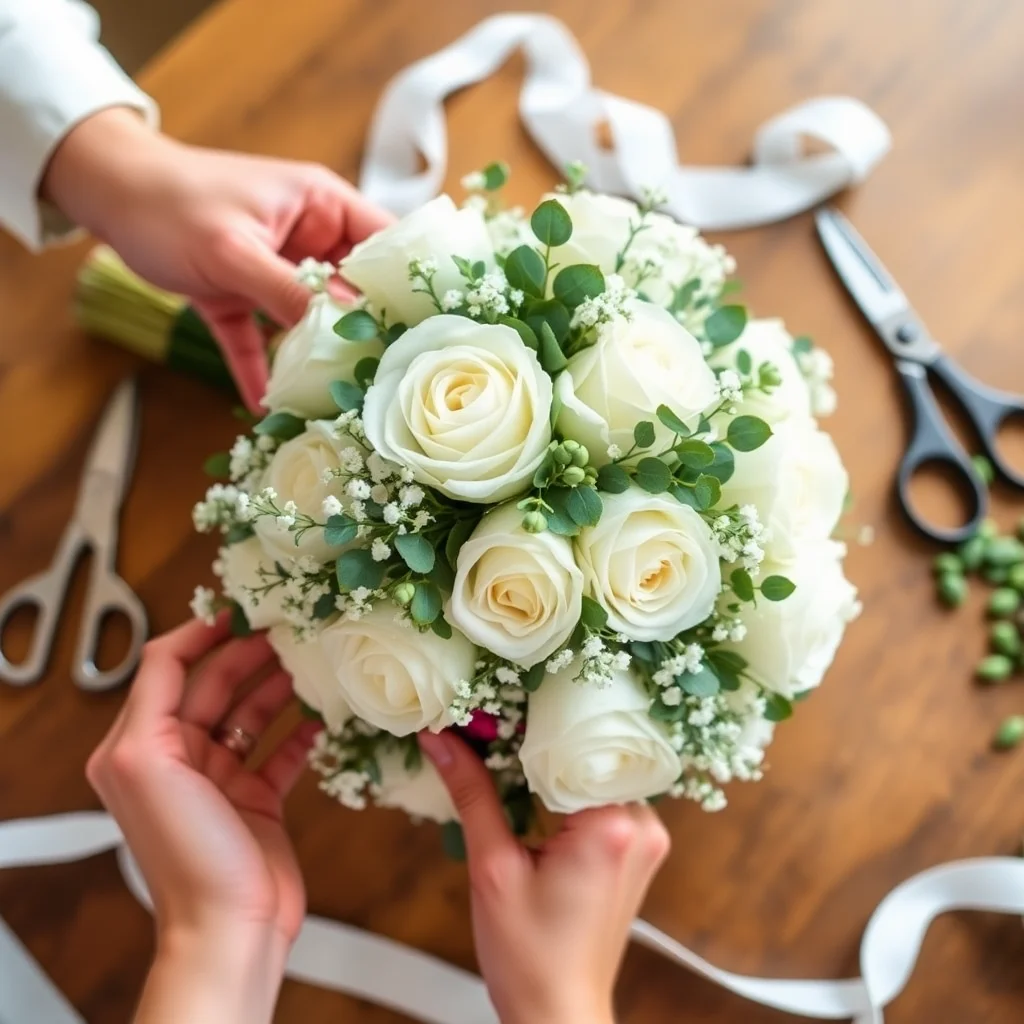
To arrange a wedding bouquet, prep stems, spiral focal flowers, add fillers, and secure with ribbon. For a round, balanced bouquet, use the spiral technique. Start by holding one focal flower in your non-dominant hand. Add additional flowers one at a time, angling each stem slightly outward as you layer them around the first bloom. Rotate the bouquet gradually as you add flowers, keeping the stems in a circular, spiral pattern. This technique ensures a natural, airy shape and keeps the bouquet visually uniform.
- Add Focal Flowers, Fillers, and Greenery
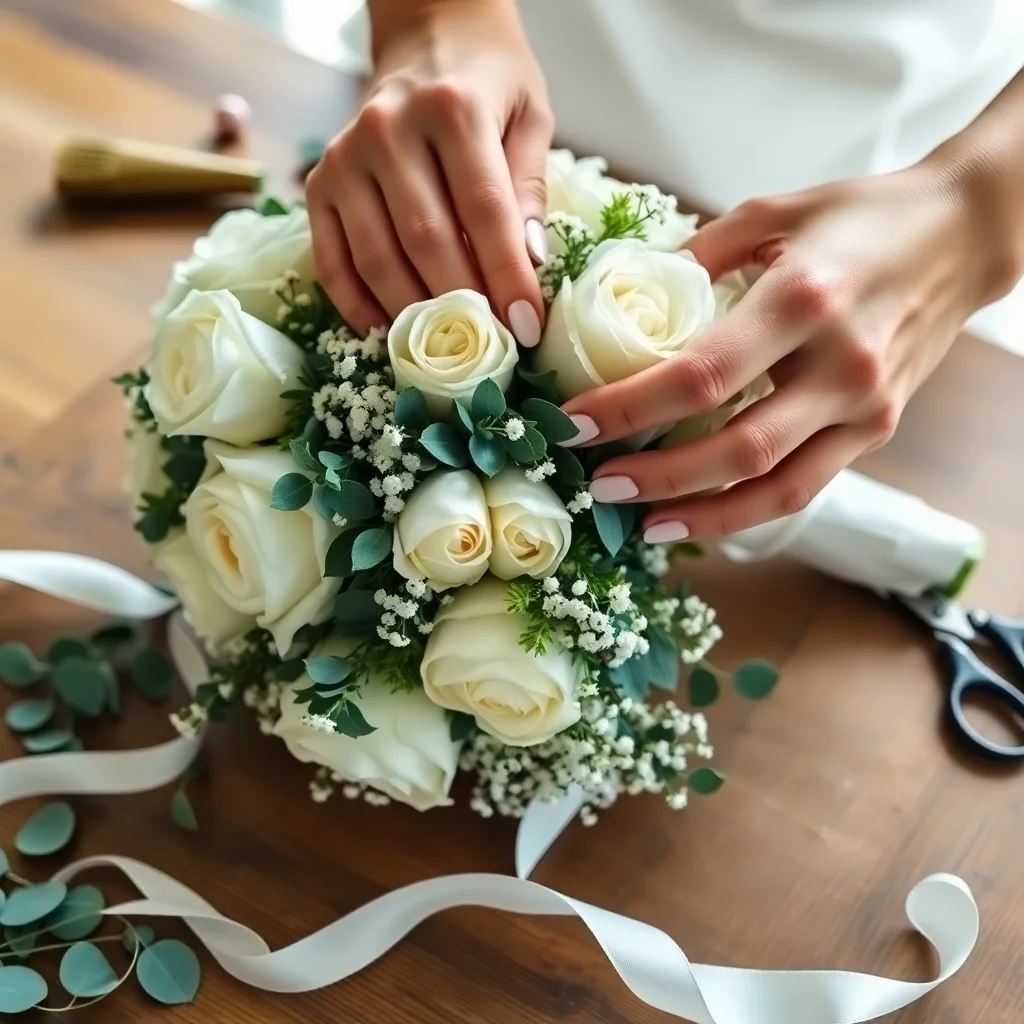
Once your initial spiral foundation is set, incorporate your focal flowers into the design. Place these standout blooms at varying heights for visual interest. Next, add fillers and greenery to fill any gaps and frame the bouquet. Work in small clusters or single stems, keeping proportions balanced and the arrangement cohesive. Play with textures and shades to add depth and personality.
- Secure and Finish the Bouquet
After finalizing the arrangement, hold the stems tightly and wrap floral tape around them to secure the structure in place. Trim the stems to ensure an even base, making the bouquet easy to hold. Finish by wrapping a decorative ribbon around the taped portion, hiding the tape and adding a polished touch. Tie the ribbon securely or create a bow for extra elegance.
Pro Tip
To keep bouquet proportions balanced, avoid overcrowding and ensure each flower and filler has room to shine. Step back occasionally to assess the overall look and make adjustments as needed. With these steps, your DIY wedding bouquet will be ready to impress!
Part 4 – Centerpieces & Table Décor Made Easy
Creating stunning table décor for your wedding doesn’t have to be overwhelming or costly. By leveraging creative ideas and cost-efficient materials, you can design memorable centerpieces that perfectly complement your theme. One important consideration is choosing between tall and low centerpiece arrangements. Tall centerpieces, often placed in elegant vases or stands, lend dramatic height and grandeur to a reception space. However, it’s essential to ensure they don’t obstruct guests’ views across the table. Meanwhile, low centerpieces provide a more intimate ambiance, often ideal for cozy and conversational settings. A thoughtful mix of both types can bring visual variety to your venue.
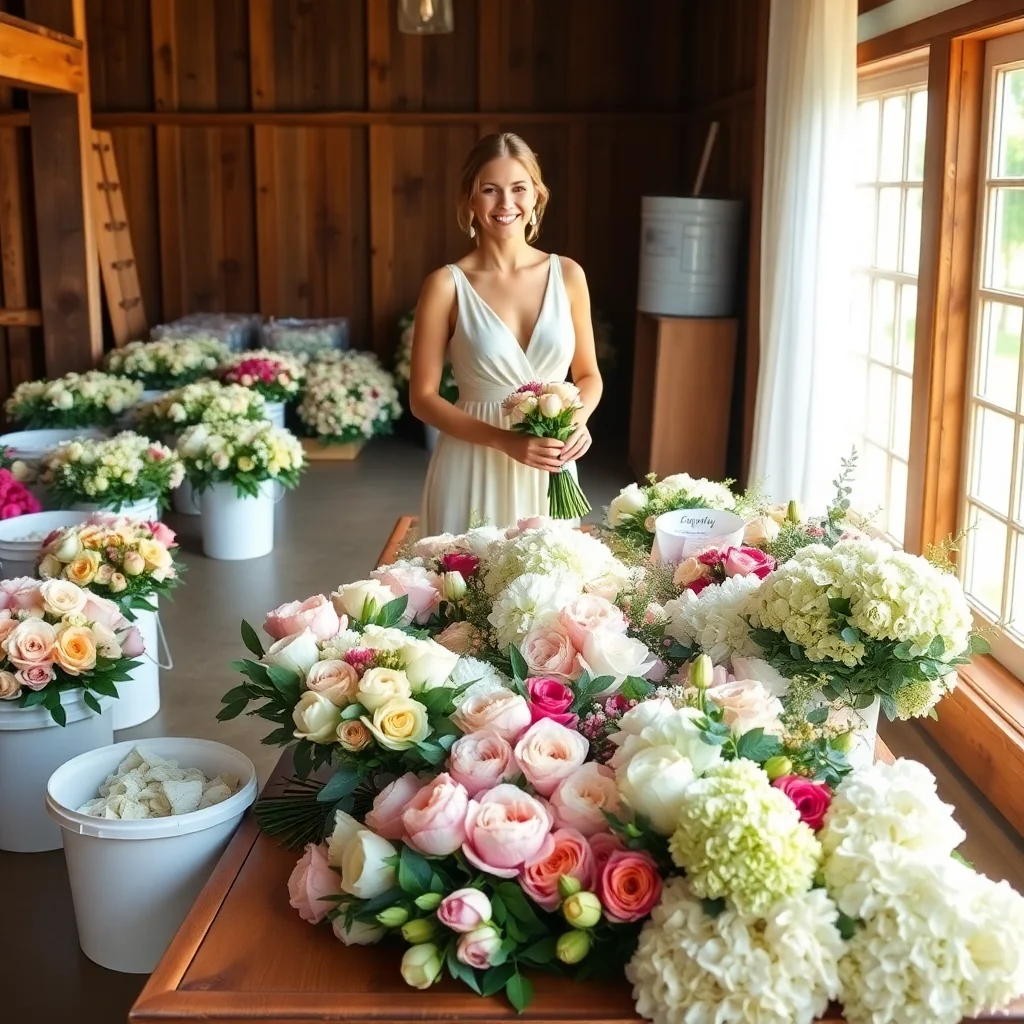
For couples working within a budget, using bulk flowers can be a smart strategy. Flowers such as carnations, baby’s breath, or greenery like eucalyptus can be bought in large quantities for a fraction of the price while still creating volume and lushness in your arrangements. Incorporating inexpensive fillers and choosing a few focal blooms like roses or hydrangeas can stretch your floral budget while maintaining elegance.
To add ambiance and interest to your centerpieces, consider pairing flowers with additional decorative elements like candles, lanterns, or even fruit accents. Tall taper candles or glowing votives nestled among greenery create a warm and romantic vibe. Lanterns offer a rustic or bohemian charm, while bowls of decorative fruit, such as lemons or pomegranates, can add pops of color and a unique, organic touch to your décor.
When arranging flowers, you can choose between placing them in vases or using floral foam. Vases allow for more fluid and natural designs, especially when showcasing cascading or asymmetrical arrangements. On the other hand, floral foam provides structure and stability, making it easier to achieve intricate, fixed designs that retain their shape. For an eco-friendly alternative, consider chicken wire as a base for your arrangements instead of foam.
With these tips, creating beautiful and impactful centerpieces will feel effortless, leaving you with table décor that wows your guests and perfectly reflects your wedding style.
Part 5 – Ceremony Flowers: Aisle, Arches & Altars
When it comes to ceremony flowers, creating a cohesive and enchanting atmosphere requires thoughtful planning and creative execution. Designing aisle markers with bulk greenery is a cost-effective yet stunning way to line the path to the altar. Eucalyptus, ferns, and ruscus are popular choices that can be tied to chairs or posts with ribbon for a soft, natural touch. To elevate the look, you can incorporate small flower clusters, such as roses, carnations, or baby’s breath, strategically placed among the greenery.
Floral arches are iconic ceremony elements, offering a picturesque focal point and a dreamy backdrop for “I do” moments. When creating a floral arch, using durable blooms like orchids, daisies, chrysanthemums, and carnations ensures that your design remains fresh and intact throughout the ceremony. These flowers can withstand the weight of the arrangement as well as weather conditions. Combine the blooms with cascading greenery to achieve a lush, romantic look. For added convenience and structure, use chicken wire as a framework or foam cages for secure and easy placement of stems.
For the altar, simplicity can often be the most elegant approach. Seasonal flowers like tulips in the spring, sunflowers in the summer, or dahlias in the fall can be grouped into small, impactful arrangements placed on pedestals or in matching vases. These arrangements, paired with candles or lanterns, can enhance the altar’s overall aesthetic while remaining budget-friendly and achievable.
If you’re opting for a DIY approach to ceremony flowers, certain tools can be invaluable. Zip ties are perfect for securing floral arrangements to arches, chairs, or railings. Chicken wire offers a more eco-friendly and flexible alternative to floral foam, allowing you to achieve intricate designs without compromising on sustainability. Foam cages, while less eco-conscious, are ideal for creating stable, large arrangements. A mix of these tools, combined with your imagination, can bring your ceremony floral vision to life with ease and flair.
Part 6 – Seasonal Flower Arranging Guide for 2025
Planning your wedding flowers with the seasons in mind ensures fresh, vibrant, and cost-effective arrangements. This guide provides inspiration and highlights the top flowers available during each season in 2025, helping you create stunning displays with ease.
Spring
Spring heralds new beginnings, making it a perfect time for lush and colorful floral arrangements. Popular choices include tulips, with their elegant simplicity; ranunculus, known for their ruffled petals and bright hues; and peonies, beloved for their romantic and dramatic blooms. Combine these with pastel palettes or soft greens for a quintessential spring arrangement.
Summer
For summer celebrations, opt for bold and cheerful blooms that thrive in the sunlight. Sunflowers bring warmth and joy with their striking golden faces, zinnias offer variety with their vibrant colors and diverse petal shapes, and roses create timeless, classic beauty. Pair them with airy filler flowers and greenery to evoke the vibrancy of long, sun-drenched days.
Fall
Fall is characterized by rich, warm tones and rustic charm. Dahlias stand out with their intricate layers and deep hues, chrysanthemums provide wonderful versatility in seasonal colors, and marigolds add a touch of sunny vibrance. Incorporate autumnal accents like berries, dried leaves, or wheat stalks for added texture and depth.
Winter
Winter’s cold months call for cozy, festive arrangements. Amaryllis, with their large, dramatic blooms, take center stage, while poinsettias, a holiday staple, add a festive flair. Combine them with evergreen foliage, such as pine, cedar, or fir, to evoke the spirit of the season. Touches of white blossoms or silver accents can enhance the wintry theme, creating elegant seasonal beauty.
This seasonal guide not only helps you select flowers that are naturally abundant and fresh but also ensures that your arrangements reflect the beauty and essence of the time of year. Use these ideas as a foundation, and don’t hesitate to add your creativity for a truly personal touch.
Seasonal Flower Availability for DIY Brides
| Season | Flowers |
| Spring | Tulips, Ranunculus, Peonies |
| Summer | Sunflowers, Zinnias, Roses |
| Fall | Dahlias, Chrysanthemums, Marigolds |
| Winter | Amaryllis, Poinsettias, Evergreen |
Part 7 – Storage & Care Tips for DIY Wedding Flowers
To ensure your wedding flowers look their best on the big day, proper storage and care are essential. Start with hydration by placing the stems in clean containers filled with water and adding flower food to promote freshness. Most flowers thrive when kept in cool conditions, ideally stored at a temperature between 34–38°F. This helps slow down the aging process and keeps blooms vibrant for longer.
Be mindful to avoid exposing your flowers to direct sunlight or placing them near sources of heat, as these can cause wilting. Additionally, steer clear of areas with high levels of ethylene gas, which is emitted by ripening fruits and can accelerate flower deterioration. Keeping cut flowers in optimal conditions ensures they remain healthy and lively.
Timing is also key when preparing your flowers. Plan to begin trimming and arranging them 1–2 days before the wedding. This allows the flowers to rehydrate fully and recover from any handling stress while still staying fresh for your event. Avoid over-prepping too far in advance, as this may reduce their quality. Thoughtful care and planning will ensure your blooms are stunning on your special day.
Part 8 – Common Mistakes to Avoid with DIY Wedding Flowers
When creating your own wedding arrangements, it’s important to steer clear of common pitfalls that can derail your floral plans. One major mistake is waiting too long to condition your flowers. Proper conditioning, which involves trimming stems and hydrating blooms, helps them stay fresh and prevents wilting. Ideally, this step should be done 1–2 days before the wedding to give your flowers time to recover.
Another misstep is choosing fragile blooms for hot-weather weddings. Delicate flowers like sweet peas or hydrangeas can quickly wilt in high temperatures. Opt instead for heat-tolerant varieties, such as roses or orchids, that can withstand the environment. Additionally, overstuffing bouquets is a frequent error. While lush arrangements look gorgeous, overly packed bouquets can appear unbalanced and make blooms more prone to damage. Aim for a design that feels full but not overcrowded for the best results.
Lastly, not ordering enough extra stems can leave you scrambling if something goes wrong. Flowers are fragile, and a few stems may break or arrive damaged. Ordering at least 10–15% more than needed provides a safety net for replacements, ensuring your arrangements stay flawless. Planning ahead and avoiding these mistakes will help guarantee your DIY wedding florals are a resounding success.
Conclusion – DIY with Confidence
Crafting your own wedding flowers is a truly rewarding experience. It allows you to save on costs, add a personal touch, and create unique designs that reflect your vision for your special day. By planning carefully, avoiding common mistakes, and giving yourself enough time to perfect your arrangements, you can ensure your DIY wedding florals look stunning and professional.
Embrace the creativity and joy that comes with selecting and arranging blooms that represent your style, personality, and love story. From bouquets to centerpieces, your handmade creations will add a personal and heartfelt element to your celebration, making the day even more memorable for you and your guests.
If you’re ready to start your DIY floral project, Whole Blossoms offers a wide range of fresh, high-quality bulk and wholesale wedding flowers to bring your vision to life. Browse the extensive selection to find the perfect blooms for your design, and enjoy the convenience of having them delivered straight to your door. Don’t wait—start planning your dream wedding florals today and bring your artistic ideas to life with Whole Blossoms!
FAQ
Can brides really arrange their own wedding flowers?
Yes, brides can arrange their own wedding flowers with bulk blooms, simple tools, and step-by-step guidance. DIY wedding flowers are not only cost-effective but also allow brides to add a personal and creative touch to their big day. By sourcing fresh, high-quality blooms from reliable suppliers like Whole Blossoms, and following easy tutorials, brides can create stunning arrangements that reflect their unique style and vision.
What’s the easiest flower to work with?
Certain flowers are famously beginner-friendly, such as roses, carnations, and baby’s breath. These blooms are versatile, long-lasting, and easy to handle, making them ideal for DIY arrangements. Additionally, greenery such as eucalyptus or ruscus can add a touch of elegance without requiring complicated techniques.
How many days before should I arrange flowers?
Wedding flowers should typically be arranged one to two days before the wedding to ensure they look fresh and vibrant on your special day. Be sure to store them in a cool environment and keep them hydrated to maintain their beauty.
Can DIY flowers look as professional as florist designs?
Absolutely! With attention to detail and proper preparation, DIY floral arrangements can look just as professional as those from a florist. Many brides utilize flower arranging guides and gather inspiration from online resources to achieve a polished and professional appearance for their designs.