


 by
by 
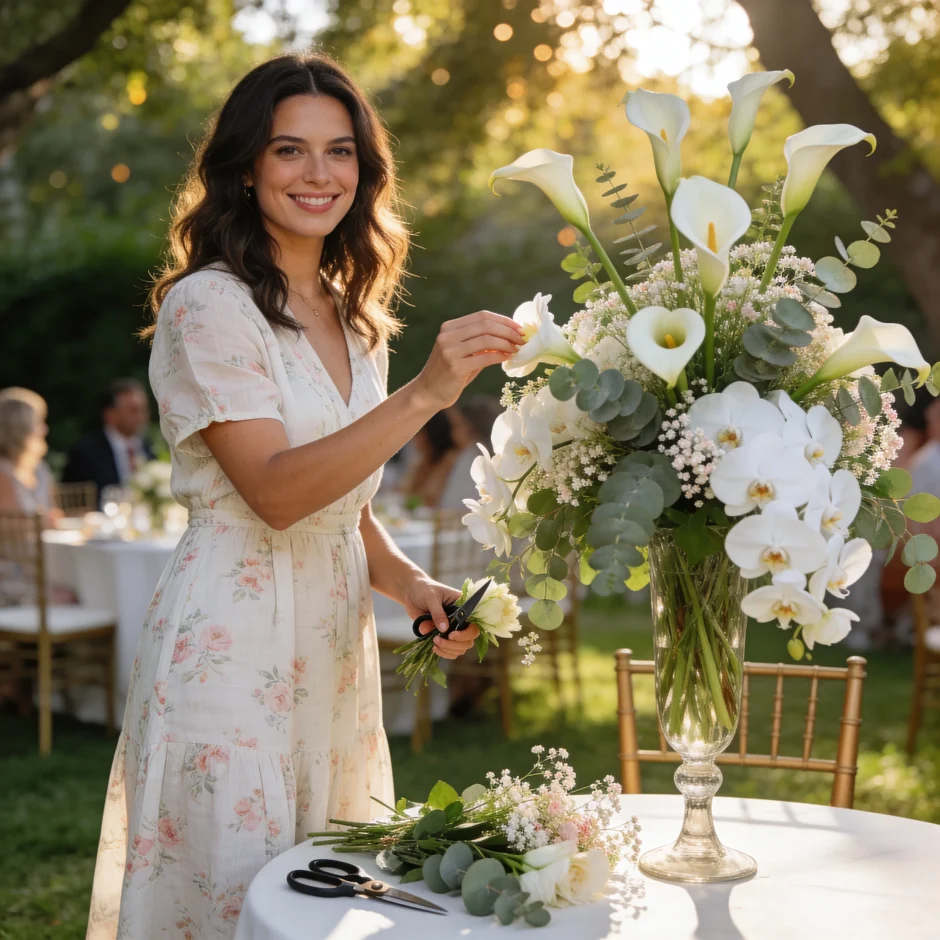
When it comes to summer weddings, choosing the right flowers is crucial to ensure your arrangements stay fresh and beautiful throughout the day. “Heat-proof” flowers are those that can withstand high temperatures and harsh conditions, thanks to their natural heat tolerance, strong hydration performance, and resilient petal structure that resists wilting. These blooms thrive even under the intense summer sun, allowing couples to enjoy vibrant and long-lasting floral designs.
Summer weddings often present unique challenges for flowers. Direct sunlight, radiant heat from outdoor venues, hot metal surfaces, strong gusts of wind, and dry, low-humidity environments can all take a toll on delicate florals. Add in the stress of transportation, and it’s no surprise why many arrangements don’t survive to see the aisle. However, with careful planning and the right flower choices, you can avoid these common pitfalls.
This guide will walk you through everything you need to know about selecting heat-tolerant wedding flowers to suit your summer celebration. From design strategies that maximize freshness and durability to timing your bulk flower orders perfectly with Whole Blossoms, we’ll provide expert advice to ensure your arrangements hold up beautifully, no matter the weather. Get ready to make your summer wedding a blooming success!
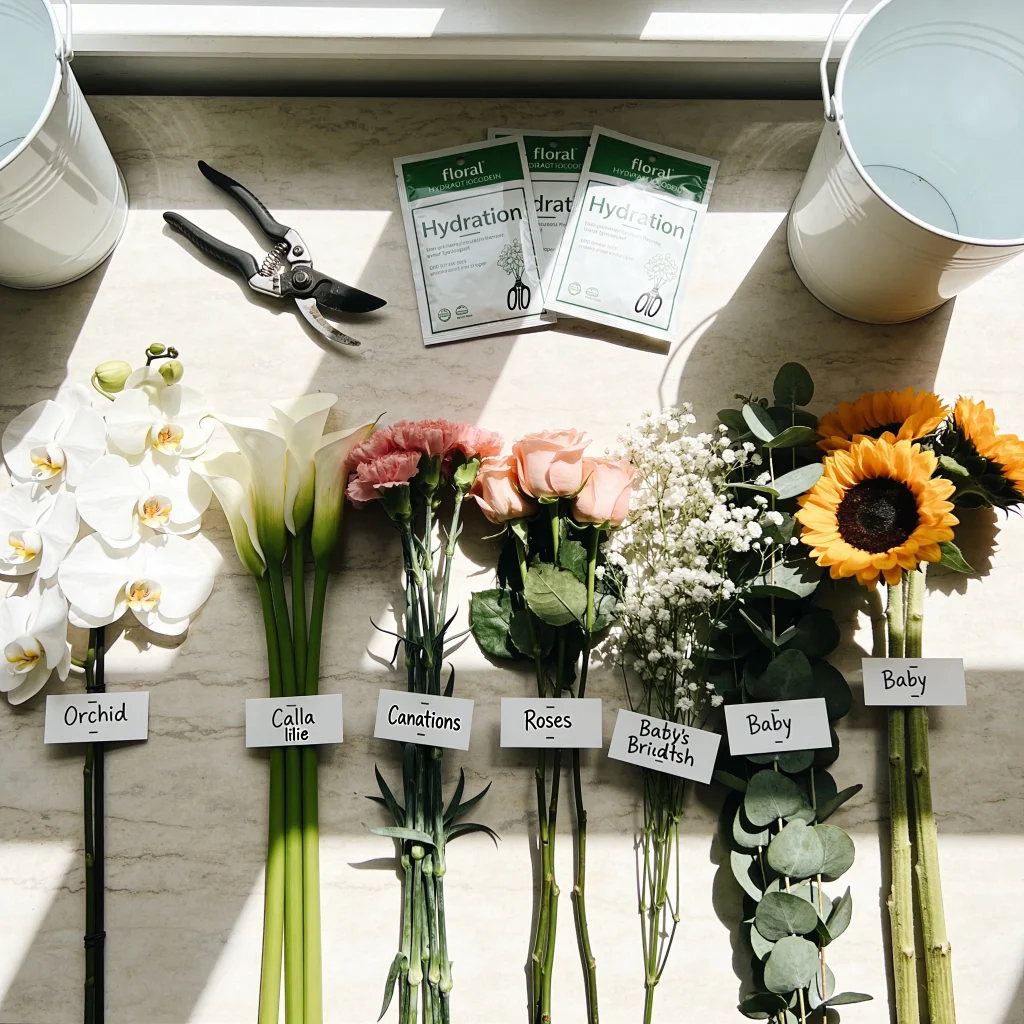
Part 1- What does “won’t wilt in summer heat” actually mean for cut flowers?
Wilting in cut flowers refers to the loss of turgor pressure, which is the internal water pressure that keeps petals and stems firm and upright. This happens when water uptake is hindered, often due to clogged stems, or when the rate of transpiration—the loss of water through evaporation—exceeds the flower’s ability to retain or absorb moisture.
The 5 real causes of summer wilting
- Heat + Dehydration
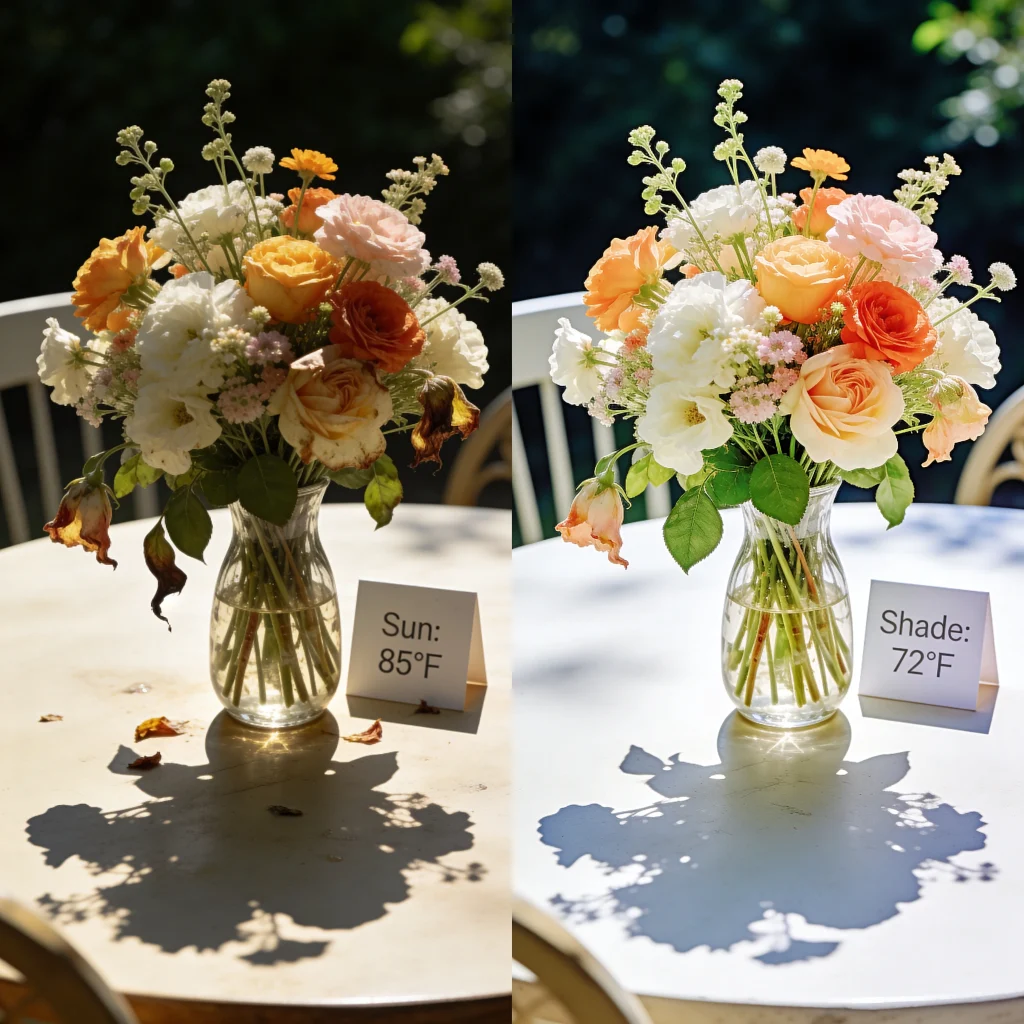
High temperatures accelerate the evaporation of water from flowers, leaving them dehydrated and unable to sustain their shape and texture.
- Direct Sun / Radiant Heat
Prolonged exposure to sunlight or radiant heat can cause flowers to dry out prematurely, leading to browning edges and drooping stems.
- Ethylene Exposure
Ethylene gas, a natural plant hormone released during aging or from surrounding fruits and vegetables, can speed up the wilting process.
- Dirty Buckets / Bacteria
Bacteria can clog stems, blocking water from being absorbed effectively. This restricts hydration and leads to quick deterioration.
- Poor Variety Choice
Some flowers, particularly those with thinner petals or overly “thirsty” stems, are less equipped to handle summer heat and are more prone to wilting. Selecting heat-tolerant varieties can make a significant difference in their longevity.
Part 2 – Why Choosing the Right Flowers Matters for Summer Weddings
Summer weddings are a popular choice for many couples, offering beautiful sunlight, vibrant settings, and a joyous atmosphere. However, the summer heat can pose a significant challenge when it comes to flowers. Selecting the right, heat-tolerant varieties for your big day is crucial not only for aesthetics but also for ensuring smooth wedding day logistics. Flowers that cannot withstand high temperatures may wilt quickly, losing their vibrancy and elegance. This can lead to additional stress, unplanned costs, and potential disruptions to your schedule. By prioritizing flower selection, you can secure arrangements that stay beautiful and fresh throughout the ceremony and reception, leaving a lasting impression on your guests and preserving the magic of the day.
What “Heat-Safe” Choices Protect: Budget, Timeline, Photos, Guest Experience
Opting for heat-resistant flowers offers several key benefits that go beyond simple design considerations. Here’s what these choices help safeguard:
- Keeps Ceremony Pieces Camera-Ready Longer
Flowers are a centerpiece for wedding photos. Heat-tolerant options stand up to warm temperatures, ensuring that your bouquets, centerpieces, and floral arches maintain their fresh, vibrant look for hours, securing picture-perfect moments.
- Reduces Emergency Replacements
Heat-damaged flowers may require last-minute replacements, which can strain your budget and timeline. Durable floral choices minimize this risk, keeping your planning on track without unexpected emergencies.
- Helps DIY Weddings Avoid Day-Of Panic
For couples arranging their own florals, heat-resistant varieties bring peace of mind. They reduce the stress of worrying about flowers wilting before the ceremony, allowing you to focus on enjoying your special day with loved ones.
By choosing resilient blooms, you protect not only your flowers but also your memories, budget, and overall wedding experience.
Part 3 – Quick Answer: What Are the Best Flowers That Don’t Wilt in Summer Heat?
When planning a summer wedding or event, choosing flowers that can withstand high temperatures is key to ensuring your arrangements stay fresh all day. Certain flowers excel in heat tolerance due to their unique structures and characteristics. Below are some top picks for blooms that hold up beautifully in the summer heat:
- Orchids – Known for their thick petals and exceptional longevity, orchids bring elegance while standing up to warm conditions.
- Calla Lilies – With their waxy surface and sturdy structure, these flowers resist wilting and maintain their refined look throughout the event.
- Carnations – Durable and featuring low transpiration rates, carnations are a reliable option for heat-resistant floral arrangements.
- Dahlias – While variety-dependent, dahlias can thrive if paired with proper hydration strategies to keep them vibrant.
- Sunflowers – Their strong heads and impressive ability to perform well outdoors make sunflowers a cheerful and hardy summer choice.
- Roses – Opt for sturdy varieties, and manage their sun exposure carefully to ensure they retain their beauty.
- Baby’s Breath – This tough filler flower dries gracefully, making it an excellent addition to summer designs.
- Eucalyptus + Other Greenery – These add volume to arrangements while requiring minimal water, making them ideal for hot climates.
- Pampas Grass – Its dry, heatproof texture and sturdy nature make it wind-safe and perfect for outdoor displays when anchored securely.
- Preserved Flowers – Completely resistant to wilting, preserved flowers are perfect for ceremony installations or décor that needs to last all day.
By incorporating these resilient blooms into your arrangements, you’ll create displays that thrive even under the sun’s heat, helping your event shine beautifully.
Part 4 – The Summer Heat Test: How to Evaluate Any Flower in 30 Seconds
Picking the right flowers for summer events means ensuring your arrangements can endure the heat. If you want to test a flower’s durability quickly, focus on four key areas: petal thickness, head weight, stem drinking behavior, and bruise resistance. These traits will reveal how well a flower can survive sweltering conditions or periods without hydration.
Petal Thickness, Head Weight, Stem Drinking Behavior, and Bruise Resistance
Waxy vs. Papery Petals
Flowers with thick, waxy petals are generally more heat-resistant compared to those with thin, papery petals. Waxy petals act as a protective barrier, locking in moisture and minimizing the risk of dehydration. Lisianthus and orchids, for example, tend to fare better in hot environments due to their robust petals.
Big Head = More Water Demand
The larger the flower head, the more water it requires to stay fresh. Blooms like hydrangeas, which boast big, fluffy heads, need constant hydration to avoid wilting. On the other hand, flowers with compact or smaller heads—such as spray roses—demand less water, making them more reliable under heat stress.
Fuzzy Stems vs. Clean Stems
A flower’s stem texture can affect its ability to drink water. Fuzzy stems, found on flowers like lamb’s ear, often absorb less water due to their hairy surface, potentially leading to faster wilting. Clean, smooth stems on blooms like calla lilies or tulips allow for optimal hydration, keeping flowers fresh longer.
How It Behaves Out of Water for 10 Minutes
A simple test for a flower’s resilience is to leave it out of water for 10 minutes and observe its reaction. Hardy flowers like carnations and chrysanthemums often retain their structure and vibrancy, while more delicate varieties such as poppies or peonies may begin to droop almost instantly.
By conducting these quick evaluations, you can predict how flowers will fare under summer heat and select the most resilient ones for your arrangements. This ensures your final displays shine beautifully and last throughout the day without worry.
Part 5 – Heat-Tolerant Wedding Flower Guide by Role
When planning a summer wedding, it’s essential to choose flowers that maintain their beauty in high temperatures. Heat-tolerant blooms ensure that your arrangements stay fresh and vibrant throughout the entire event. Here’s a detailed guide for selecting resilient flowers for bouquets, centerpieces, and ceremony installations.
Best Heat-Tolerant Wedding Flowers for Bouquets
Bouquets are carried and photographed throughout the day, so choosing flowers that withstand handling and heat is vital. Roses are a classic option, cherished for their timeless elegance and durability in warmer temperatures. Orchids, with their exotic appeal and sturdiness, perform excellently in bouquets exposed to heat. Calla lilies offer a minimalist yet sophisticated look while tolerating hot conditions. Carnations, known for their hardiness and availability in numerous colors, are another fantastic choice. For delicate balance and a touch of whimsy, Baby’s Breath is lightweight and heat-resilient. Including Eucalyptus as greenery not only provides a refreshing fragrance but also thrives in summer climates, adding texture and volume to your arrangement. Altogether, these flowers create stunning and enduring bouquets for any outdoor wedding.
Best for Centerpieces and Tablescapes
Centerpieces and tablescapes anchor the reception décor, and heat-tolerant flowers help maintain their impact throughout an event. Sunflowers provide a bold and cheerful statement, perfect for rustic or summer-themed weddings, and they thrive in the heat. Roses, with their previously mentioned versatility and richness, transform tabletops with grace. Carnations, due to their excellent structure, remain vibrant and visually appealing as the hours pass. Adding greenery, such as eucalyptus or ferns, is a simple way to enhance freshness without worrying about wilting. For an extraordinary touch, preserved flowers or dried accents can be integrated into centerpieces, creating texture and dimension that lasts even in high temperatures. Designing heat-resilient arrangements ensures the tables reflect the beauty of your special day from beginning to end.
Best for Ceremony Installs (Arches, Aisles, Pergolas)
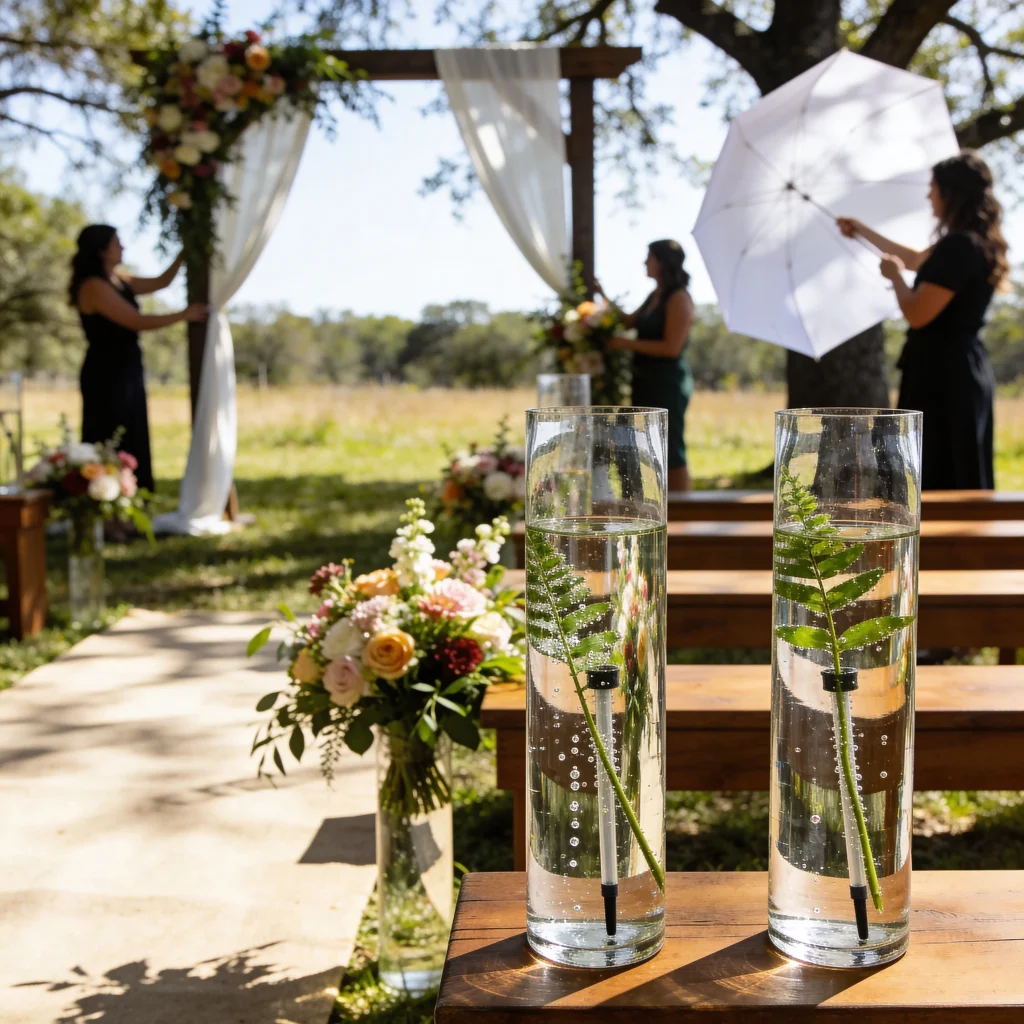
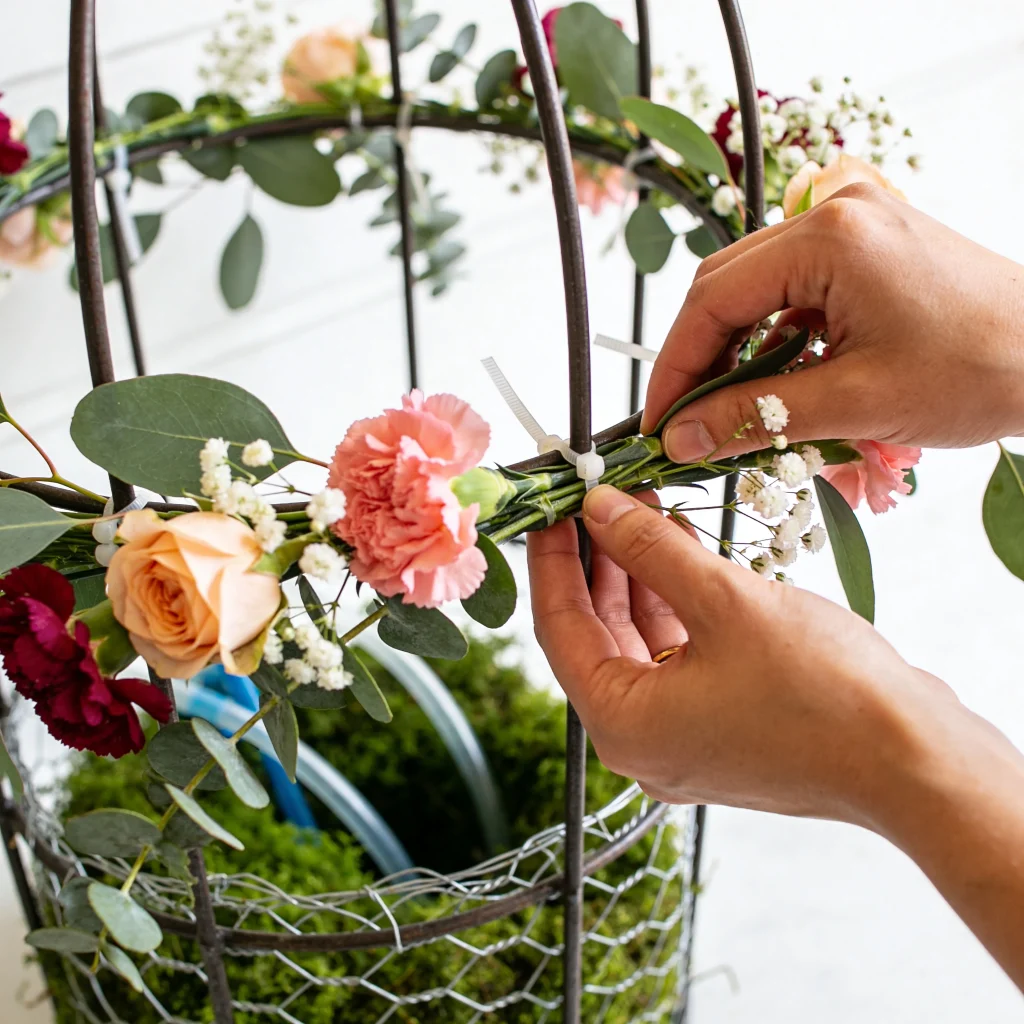
Weddings often feature large floral installations, such as arches, pergolas, or aisle décor, and these arrangements are directly exposed to sunlight and heat. To ensure they stay fresh, prioritize flowers that maintain hydration easily, such as hearty roses, carnations, and greenery. Additionally, orchids can be strategically placed for their bold aesthetic and heat resilience. Successful ceremony designs don’t just rely on flower choices; they require smart mechanics. Consider utilizing foam-free solutions like chicken wire to hold blooms securely, alongside water tubes or picks to provide individual hydration to stems. Always evaluate your installation area and make use of shaded spots or provide supplementary shade with fabric or canopies. By focusing on both tough flower varieties and hydration strategies, you can create breathtaking ceremony designs that remain picture-perfect in the summer heat.
Part 6 – Flowers That Struggle in Extreme Heat (and How to Use Them Anyway)
Selecting blooms for summer weddings and events can be challenging, especially when the temperatures soar. While some flowers thrive even in the harshest climates, others struggle to stay vibrant under extreme heat. Understanding which varieties are high-risk and how to make them work despite the conditions can save your arrangements and ensure a gorgeous presentation.
High-Risk in Full Sun and High Temps
Certain flowers are particularly vulnerable in intense heat and direct sunlight, making them more difficult to incorporate into summer installations. Here’s a look at some of the most challenging blooms:
- Hydrangeas
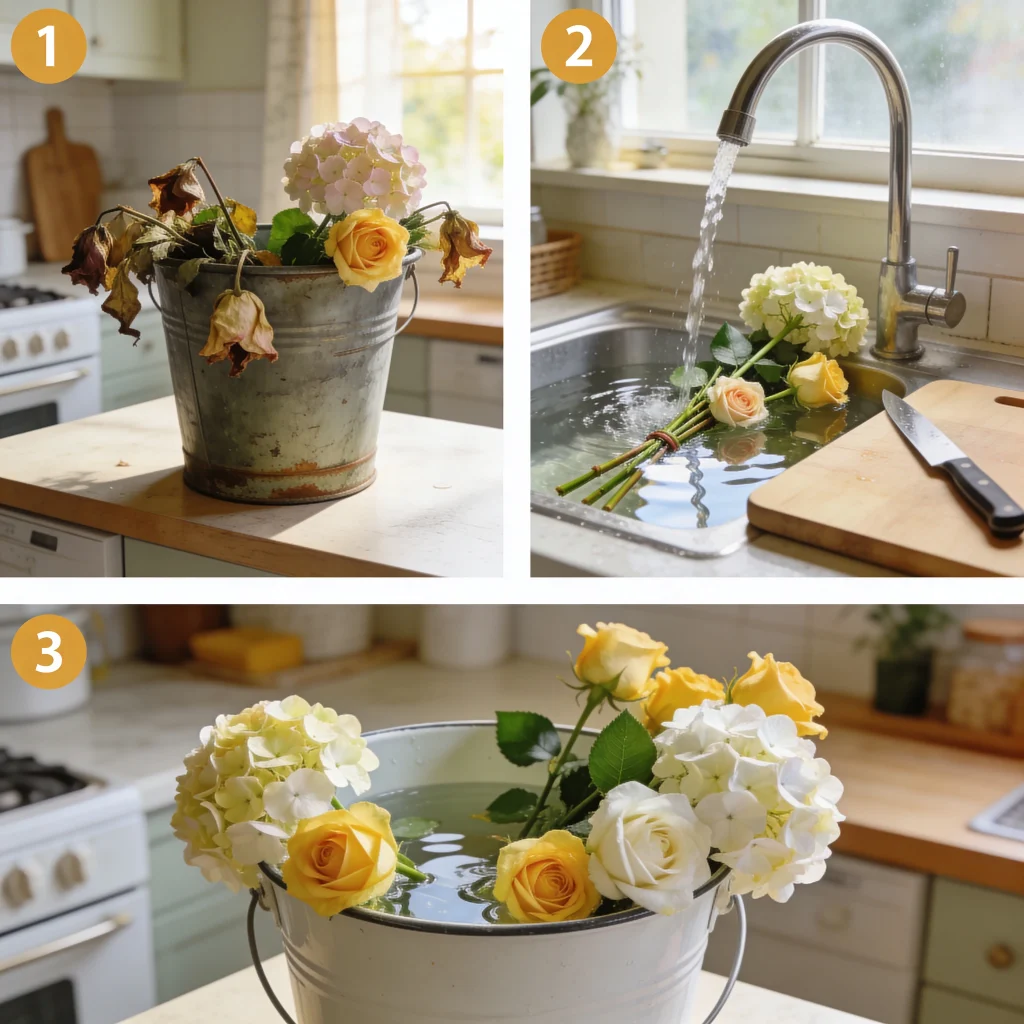
Known for their lush, full appearance, Hydrangeas are highly sensitive to dehydration and heat. These “thirsty” blooms must remain in water constantly to avoid wilting—missing hydration even briefly can lead to limp, browned clusters.
- Peonies
Beloved for their romantic, fluffy petals, Peonies face a short blooming window and are prone to bruising. They are particularly delicate and can struggle under prolonged exposure to high temperatures.
- Ranunculus
These layered, ruffled flowers bring elegance to arrangements but are highly heat-sensitive. Ranunculus stems and petals can become floppy in direct sunlight and excessive warmth, impacting their visual appeal.
- Tulips
While stunning, Tulips can pose significant challenges under heat. They move, open quickly, and visibly “droop” in warm environments, which complicates their use in outdoor settings.
Despite these risks, these flowers can still be incorporated into summer arrangements with thoughtful planning and preparation.
Part 7 – Workarounds That Make Them Summer-Possible
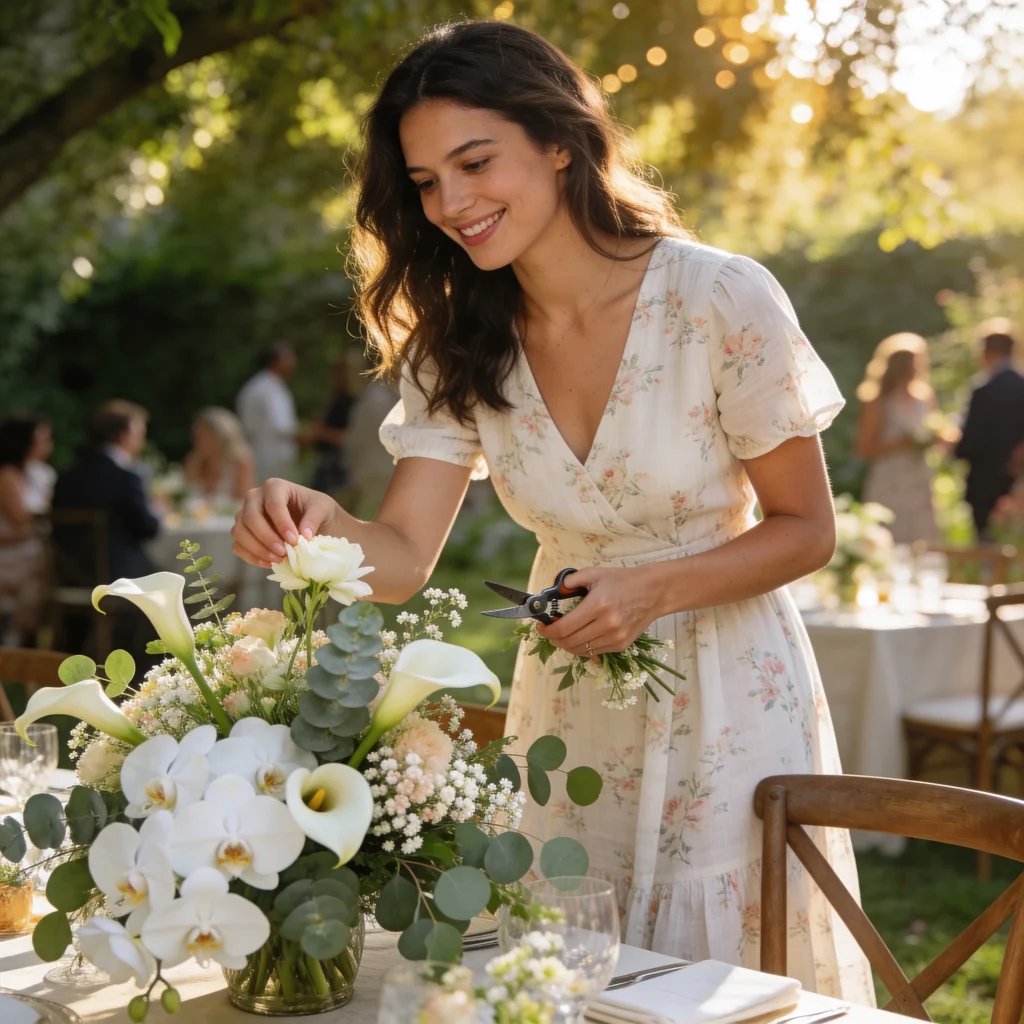
Even the most fragile flowers can be used effectively in the summer with strategic workarounds. By taking extra precautions, you can bring their beauty into high-temperature events without risking their integrity.
- Use indoors or for late installations
When utilizing heat-sensitive blooms, try to keep them in controlled indoor environments as much as possible. Alternatively, use them for late-stage installations to minimize their exposure to severe outdoor conditions.
- Keep in water until photos
Maintain hydration at all times—these flowers should stay in water as much as possible, right up until they are needed for photos or ceremonies. Water tubes can provide a simple solution for keeping stems hydrated in designs.
- Blend with tougher blooms
Combining fragile flowers with sturdier options like Carnations, Eucalyptus, or other hearty greenery will lend visual balance while reducing the overall risk. These tougher blooms can also provide structural support to more delicate ones.
By respecting the vulnerabilities of flowers like Hydrangeas, Peonies, Ranunculus, and Tulips—and preparing for their specific needs—you can confidently include them in summer designs while preserving their stunning impact.
Part 8 – Color + Shape Choices That Resist “Heat Collapse”
When designing floral arrangements for hot summer days, strategic selections of color and shape are crucial to achieving durability and maintaining visual impact. Certain hues and flower structures are better suited to withstand heat and retain their beauty for longer periods, even in challenging conditions. By focusing on lighter, cooler tones and compact, sturdy blooms, designers can significantly minimize the risk of heat-related wilting or collapse.
Why Lighter Colors Can Look Fresher Longer
Lighter-colored flowers, such as whites, pastels, and soft yellows, tend to appear fresher for longer in warm weather. These colors reflect rather than absorb sunlight, helping to keep the flowers cooler. Furthermore, lighter hues naturally convey a sense of freshness and airiness, even if the flowers begin to show slight signs of stress. They are also less likely to display browning or discoloration visibly, maintaining an overall polished aesthetic. Choosing lighter tones allows your arrangement to exude elegance and vitality, even amid summer’s sweltering heat.
Why Tight Forms (Buds, Compact Blooms) Outperform Frilly Petals
Flowers with tight forms, such as buds or compact blooms, are inherently more resilient to heat than frillier, delicate petals. Tight forms have a smaller surface area exposed to the surrounding environment, reducing water loss and slowing dehydration. Additionally, structured blooms like roses, ranunculus, and dahlias maintain their shape more effectively under stressful conditions, while frilly or open-petaled flowers like poppies or cosmos are more prone to curling, drooping, or rapid wilting. Opting for compact forms ensures that your arrangement retains its structure and appeal throughout the day.
Part 9 – Design Strategies That Keep Flowers Fresh Outdoors
Outdoor floral arrangements face unique challenges due to exposure to environmental elements like sun, wind, and temperature changes. To ensure flowers stay fresh and vibrant, strategic design choices are essential. By incorporating thoughtful shade planning, effective water mechanics, and protections against wind and sun, you can enhance the longevity and presentation of your outdoor blooms.
Shade Planning, Placement, and Timing
Providing adequate shade for floral arrangements is critical to prevent wilting and discoloration caused by direct sunlight. Strategically position arrangements in shaded areas, such as under trees, pergolas, or tents, to help minimize flower stress. If natural shade is unavailable, consider using fabric canopies, umbrellas, or parasols as portable shading options. Additionally, timing is crucial; set up displays early in the morning or during cooler times of the day, avoiding direct sun exposure during peak afternoon hours, when temperatures and UV light are at their highest. Proper shade planning ensures flowers remain cooler and better hydrated throughout the event.
Water Mechanics: Tubes, Picks, Sealed Vessels, Hidden Reservoirs
Efficient hydration is vital for keeping flowers fresh. Use floral water tubes or picks to provide individual blooms with a reliable water source. These tools are particularly beneficial for delicate or wilt-prone flowers. For larger arrangements, consider using sealed vessels filled with water or hidden reservoirs integrated into the design to maintain moisture levels. Incorporating floral foam soaked in water can also serve as a convenient solution for sustaining hydration. Always check water levels periodically, especially in hot weather, and replenish as needed to keep flowers hydrated.
Wind + Sun Proofing (Weighting, Anchoring, Avoiding Hot Metal)
Outdoor conditions can be unpredictable, so securing arrangements against wind and sun is essential. Opt for weighted containers or bases to prevent toppling in gusty conditions. Anchoring techniques, such as discreetly tying arrangements to sturdy fixtures, can add security while remaining visually unobtrusive. Avoid using metal containers or elements that may heat up under direct sunlight, as they can adversely affect stems and water temperature. Employ environmental-friendly and heat-resistant materials to enhance the durability of your arrangements in outdoor setups.
Outdoor Setup Rules in 10 Lines
- Choose flowers with a sturdy, compact form for longevity.
- Provide ample shade using structures or natural coverings.
- Set up arrangements during cooler parts of the day.
- Use water tubes or picks for individual flowers.
- Incorporate sealed vessels or hidden reservoirs for hydration.
- Check and replenish water regularly, especially in heat.
- Weight containers or bases for wind resistance.
- Secure arrangements with ties or anchors if needed.
- Avoid hot metal containers or decorations.
- Position flowers in areas with minimal exposure to intense elements.
Part 10 – Bulk Ordering for Summer Weddings: How to Buy Enough Without Waste
Planning a summer wedding comes with unique challenges, especially when it comes to flowers. It’s vital to strike a balance between purchasing enough blooms to fulfill your vision while avoiding unnecessary waste. Bulk ordering flowers is a popular approach, offering cost savings and access to fresh, high-quality blooms. To prevent over- or under-purchasing, consider focusing on detailed planning, effective estimation methods, and strategic flower choices.
Estimating Quantities by Recipe (Bouquet, Centerpiece, Arch)
One of the best ways to estimate flower quantities is by designing recipes for each arrangement, such as bouquets, centerpieces, or floral arches. A bouquet recipe accounts for the stems needed per style and size of bouquet, enabling accurate calculations of total flower needs for the bridal party. For table centerpieces, the number of tables determines quantities, while larger floral installations like arches require additional planning based on dimensions and density.
The “stem math” approach is a favorite among planners because it simplifies bulk flower orders. Start by assigning a number of stems per design—for example, 10 focal blooms and 15 filler stems per centerpiece—and multiply it by your total. This strategy reduces guesswork and ensures no flowers go to waste while keeping costs manageable.
Where Bulk Flower Ordering Saves the Most
Bulk flower ordering achieves significant savings when focusing on greenery and focal blooms. Greenery, used in large volumes for bases and filler, is often less expensive when purchased in bulk and creates a lush, full look. Pairing greenery with a limited selection of striking focal blooms—such as peonies, roses, or sunflowers—not only saves costs but adds visual impact. Bulk options also ensure consistency in size, shape, and color, making it easier to execute a cohesive vision.
Why Whole Blossoms Works for Summer Events
Whole Blossoms excels in serving summer weddings with its tailored approach to freshness and delivery. Their flowers are shipped directly from farms, ensuring an optimal freshness window. Additionally, their precise shipping options allow planners to time deliveries to align perfectly with the schedule of any event. This mindful approach prevents premature blooming or wilting, giving couples the freshest possible flowers without stress or hype.
Part 11 – The Best Delivery and Prep Timeline for Heat-Sensitive Weddings
Planning a timeline for flower delivery and preparation is crucial for summer weddings, especially when dealing with heat-sensitive blooms. Proper scheduling and conditioning help ensure flowers remain vibrant and fresh throughout your event. Below, you’ll find expert guidance on when to schedule deliveries and how to condition flowers effectively for summer weddings.
When to Schedule Delivery
For a summer wedding, it’s best to schedule your flower delivery 2-3 days before the event. This timeframe allows you to check the flowers upon arrival, ensure they are in peak condition, and prepare them adequately. Ordering your wedding flowers at least 2-4 weeks in advance is ideal to secure your preferred varieties and ensure the grower can meet your timeline. When received 2-3 days ahead, heat-sensitive flowers like hydrangeas or peonies can be conditioned properly, minimizing the risk of wilting in higher temperatures. Early but not too early delivery strikes the perfect balance, giving you and your florist adequate time for design while keeping blooms fresh.
Conditioning Timeline for Summer
To keep your flowers at their best during summer, conditioning them properly is essential. Upon arrival, hydrate the blooms immediately by trimming their stems on a diagonal and placing them in clean, cool water with flower food. Hydration should always come before arranging, as flowers acclimating to water will perk up and recover from transit stress.
For optimal results, keep the flowers in a cool room or a floral fridge set between 34°F–38°F. Avoid household refrigerators containing fruits or vegetables, as ethylene gas can harm delicate blooms. Ensure the storage area is well-ventilated and shielded from direct sunlight or warm drafts.
When it’s time to design, allow flowers to remain hydrated throughout the process. Implementing these practices ensures your blooms are not only heat-resistant but also radiant for your special day.
Part 12 – Quick troubleshooting: How to revive droopy flowers fast
Even with the best care, flowers can sometimes appear droopy or wilted. Thankfully, there are quick and effective methods to revive your blooms and restore their vibrancy. Acting swiftly is key, as fresh flowers respond best to immediate interventions. Whether you’re preparing an arrangement for an event or simply refreshing your display, these tips can breathe new life into your flowers. Below, we’ll walk you through the most efficient solutions.
The 3 fastest saves
- Give a clean cut
Trim the stems at an angle using clean, sharp shears. This increases the surface area for water absorption and prevents the stem from sitting flat against the bottom of the vase. Cutting underwater can further reduce air bubbles that block water uptake.
- Warm water jumpstart
Place the stems in a vase filled with lukewarm water, which is more easily absorbed than cold water. For particularly stubborn flowers like roses, try submerging the entire stem and bloom in lukewarm water for about 30 minutes.
- Remove excess foliage
Strip off any leaves that sit below the waterline to prevent bacterial growth. This allows the plant’s energy to focus on hydrating the bloom instead of maintaining unnecessary greenery.
What NOT to do
- Don’t rely on sugar or bleach solutions. These are common myths and can do more harm than good by fostering bacterial growth or damaging the flowers.
- Avoid placing flowers in direct sunlight. While it may seem like it will help them “perk up,” the heat can accelerate wilting.
- Never leave flowers unattended while they adjust. Monitor their progress to ensure the methods you’re using are working effectively.
FAQs for People Also Ask (snippet-ready)
What are the best flowers for summer weddings that won’t wilt?
“Flowers like sunflowers, zinnias, chrysanthemums, and dahlias are ideal for summer weddings. These blooms are hardy and naturally tolerate warmer conditions, maintaining their charm throughout the day without wilting easily.”
Do Roses hold up in outdoor heat?
“Roses can endure outdoor heat if properly cared for. Keep them hydrated and mist them periodically to minimize stress. Opting for sturdy varieties like garden roses improves their resilience in warm weather.”
Why do Hydrangeas wilt so fast?
“Hydrangeas are highly sensitive to heat and dehydration. Their large, moisture-filled blooms require constant water uptake, so cutting stems underwater and keeping them hydrated can help combat wilting.”
Are Orchids good for summer weddings?
“Orchids, especially varieties like cymbidiums and dendrobiums, are excellent for summer weddings. They are tropical plants designed to thrive in warm conditions and retain their elegance even in heat.”
What Greenery lasts longest without wilting?
“Eucalyptus, ivy, and ruscus are greenery options that last longer without wilting. They are hardy, maintain their structure, and add a timeless touch to floral arrangements in any setting.”
Can you mix Preserved Flowers with fresh arrangements?
“Yes, mixing preserved flowers with fresh blooms is a creative way to enhance arrangements. Preserved flowers retain their beauty for months and complement fresh flowers, ensuring a balanced and long-lasting display.”
Conclusion: The Simplest “Summer-Proof” Formula
Creating long-lasting and visually stunning floral arrangements during the summer months doesn’t have to be a challenge. By following the simple selection rule—tough focal flowers, durable supporting greenery, effective hydration mechanics, and precise timing—you can craft displays that endure even in warmer climates. Opt for hardy blooms like sunflowers or lilies as focal points, pair them with greenery like eucalyptus or ruscus, and ensure proper hydration by using floral foam or water tubes to keep stems fresh. Timing is also key—plan your arrangements with enough lead time to condition flowers and prevent unnecessary stress on the blooms.
For seamless planning, consider bulk ordering to streamline your flower selection and ensure consistency across your designs. Whole Blossoms offers a variety of fresh and preserved floral options that align perfectly with this formula, allowing you to source everything you need efficiently.
Use this guide as your stem-selection checklist, and enjoy the confidence that comes with knowing your arrangements will stay vibrant and fresh all season long.