


 by
by 
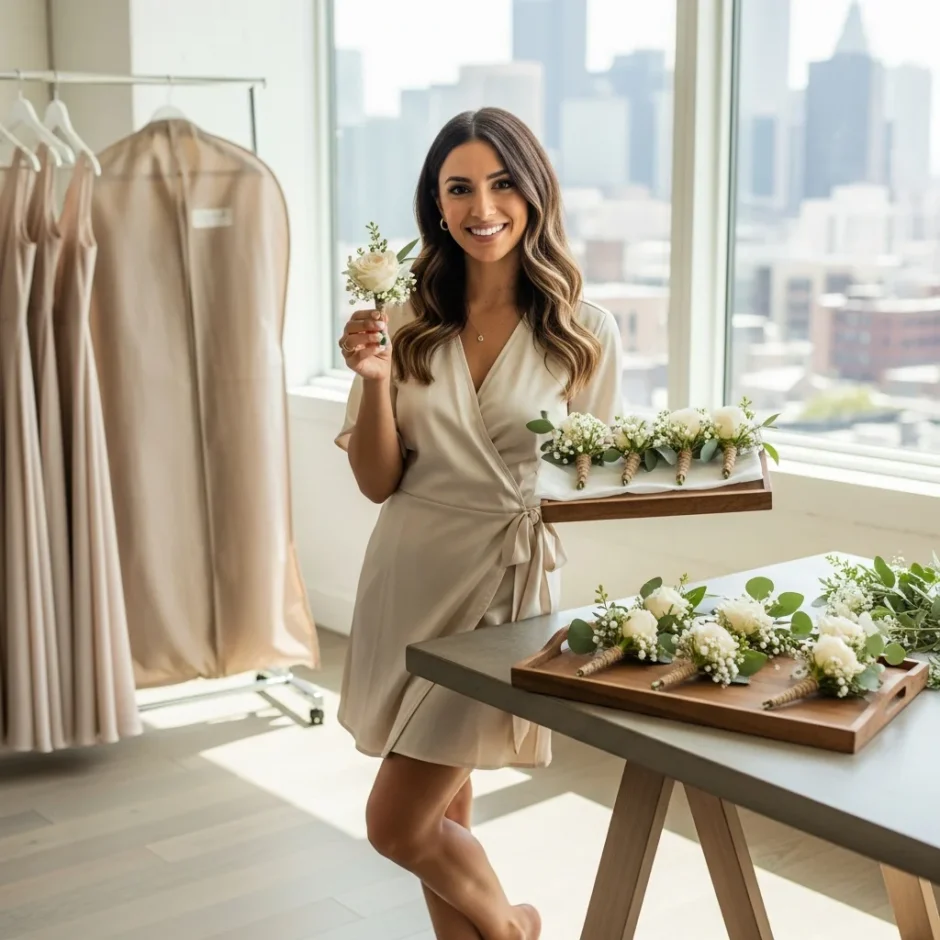
Introduction – What Is a Wedding Boutonniere & Why Make Your Own?
A wedding boutonniere is a small yet meaningful floral accent traditionally worn on the lapel of a jacket or suit, often by the groom, groomsmen, and other significant members of the wedding party. Unlike corsages, which are typically larger and worn on the wrist or pinned to a dress, boutonnieres are designed to be more minimalistic, featuring one focal bloom like a Rose or Ranunculus, complemented by subtle Greenery such as Eucalyptus or Baby’s Breath.
DIY boutonnieres have become increasingly popular, especially for couples planning their own weddings. This trend is not only a cost-effective alternative to hiring a professional florist but also offers a personalized, hands-on way to craft meaningful details that reflect your unique style. By purchasing wholesale flowers and learning this skill, couples can significantly cut costs while ensuring the designs match their creative vision. To put it into perspective, a single boutonniere from a florist can cost between $15–$25, whereas buying flowers in bulk and creating them yourself can bring that cost down to as little as $5 per boutonniere.
Popular flowers for DIY boutonnieres include Roses, Hydrangeas, Sunflowers, Peonies, Ranunculus, Carnations, and Tulips, often paired with greenery like Eucalyptus, Pampas Grass, or Baby’s Breath. For a more modern twist, preserved flowers, Calla Lilies, Orchids, or Dahlias may also be incorporated. Whether your wedding theme leans toward rustic charm or sleek sophistication, making your own boutonnieres is a rewarding way to add a unique touch to your special day.

Part 1 – How Many Boutonnieres Do You Need for a Wedding?
When planning a wedding, it’s important to determine how many boutonnieres you will need to create or purchase. Typically, each boutonniere is designated for a specific individual involved in the ceremony or reception, and having an accurate count ensures there are no last-minute surprises. Start by creating a list of everyone who traditionally wears a boutonniere, such as the groom, groomsmen, and fathers of the couple. It’s also wise to consider ordering a few extras for unexpected needs, mishaps, or to account for DIY errors.
When using bulk flowers to create your boutonnieres, keep in mind the number of stems needed. On average, each boutonniere requires 1-2 main blooms along with fillers like greenery or small accent flowers. For example, a wedding with a groom, 4 groomsmen, 2 fathers, and an officiant may warrant ordering flowers for at least 8 boutonnieres, plus a couple of spares. If you’re ordering wholesale flowers, it’s always smart to add a buffer of extra blooms to cover any mistakes during assembly.
Who Traditionally Wears a Boutonniere?
- Groom
- Groomsmen
- Fathers & Grandfathers
- Officiant (optional)
Quantity Calculator
When planning your order, aim for an average of 1-2 blooms per boutonniere depending on the style. Factor in additional greenery or filler flowers for a polished look. By ordering bulk flowers, you can save money and ensure you have enough material for extra boutonnieres in case of unforeseen mistakes.
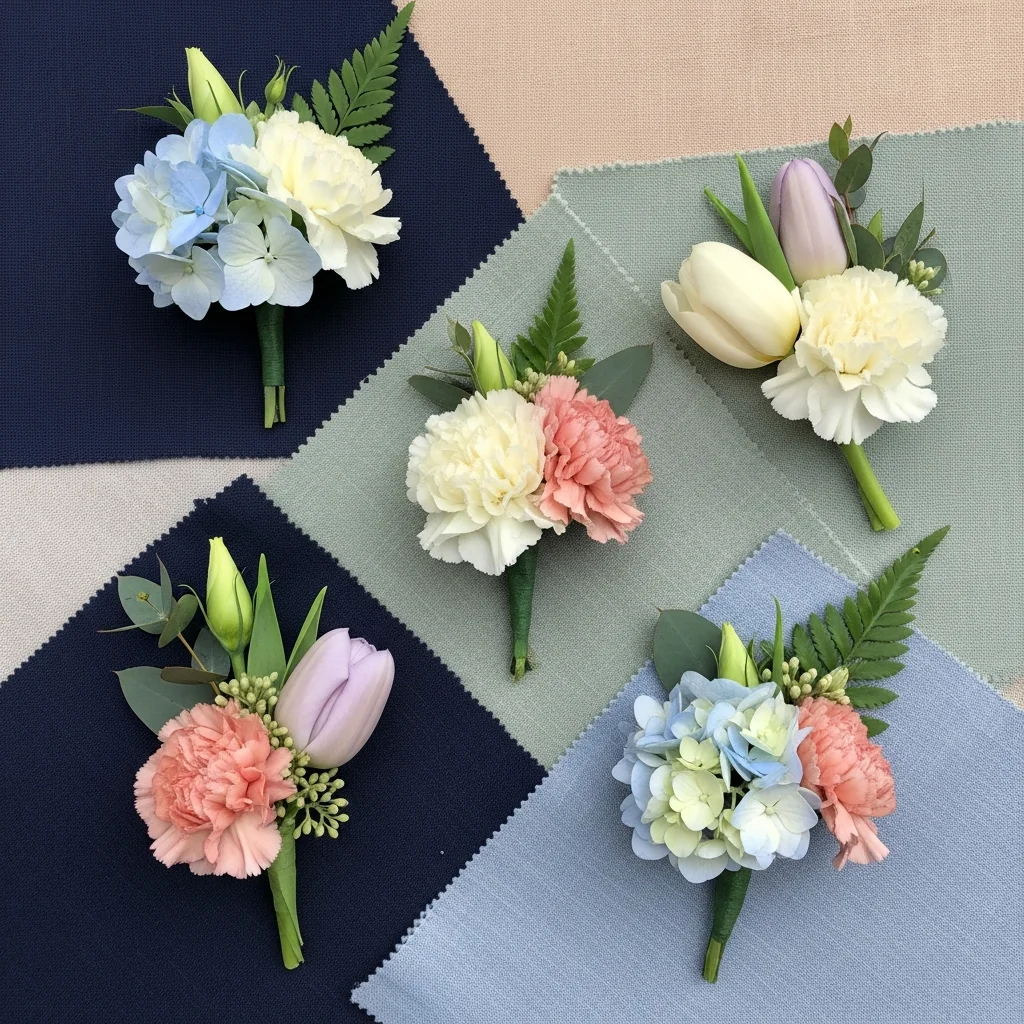
Part 2 – Best Flowers for DIY Boutonnieres
Crafting your own boutonnieres allows for personalized designs that complement your wedding theme and style. Choosing the right flowers is key to ensuring your boutonnieres not only look stunning but also last throughout the day. Here are some recommendations for both reliable focal flowers and complementary fillers or greenery to create the perfect DIY boutonnieres.
Most Reliable Focal Flowers
- Roses – A timeless choice, roses are known for their classic beauty and sturdy petals, making them a reliable option for boutonnieres. They come in a variety of colors to match any theme.
- Ranunculus – These soft, layered blooms add a romantic and intricate touch. Their delicate appearance belies their durability for use in wearable floral arrangements.
- Carnations – Ideal for budget-conscious planners, carnations are affordable, long-lasting, and available in many vibrant hues.
- Calla Lilies – With their sleek and modern look, calla lilies are perfect for minimalist designs or contemporary wedding styles.
- Orchids – Known for their elegance and exotic appeal, orchids bring a sense of sophistication to any boutonniere.
- Dahlias – These bold, seasonal blooms make a beautiful statement and can add a touch of drama to your designs.
- Sunflowers – Rustic and cheerful, sunflowers are a wonderful option for outdoor or farmhouse-inspired weddings.
Best Fillers & Greenery
Balancing your focal flowers with complementary fillers and greenery ensures your boutonnieres look full and polished. Here are some popular options:
- Greenery – Eucalyptus is one of the most versatile greenery choices, providing texture and a natural aesthetic. Its muted tones work well in many styles of boutonnieres.
- Baby’s Breath – Delicate and affordable, baby’s breath creates a soft, cloud-like accent without overpowering your focal flowers.
- Hydrangeas (petals as accents) – While the full blooms may be too large for a boutonniere, individual petals or small clusters can be used to add volume and color.
- Pampas Grass for boho – Pampas grass is a trend-forward choice for bohemian or rustic weddings, offering soft texture and an organic vibe.
- Preserved Flowers for longevity – Using preserved flowers or greenery ensures your boutonnieres will last the entire event (or beyond) without wilting, especially in warm climates.
By combining focal blooms with an assortment of fillers and greenery, you can create custom boutonnieres that are beautiful, durable, and budget-friendly.
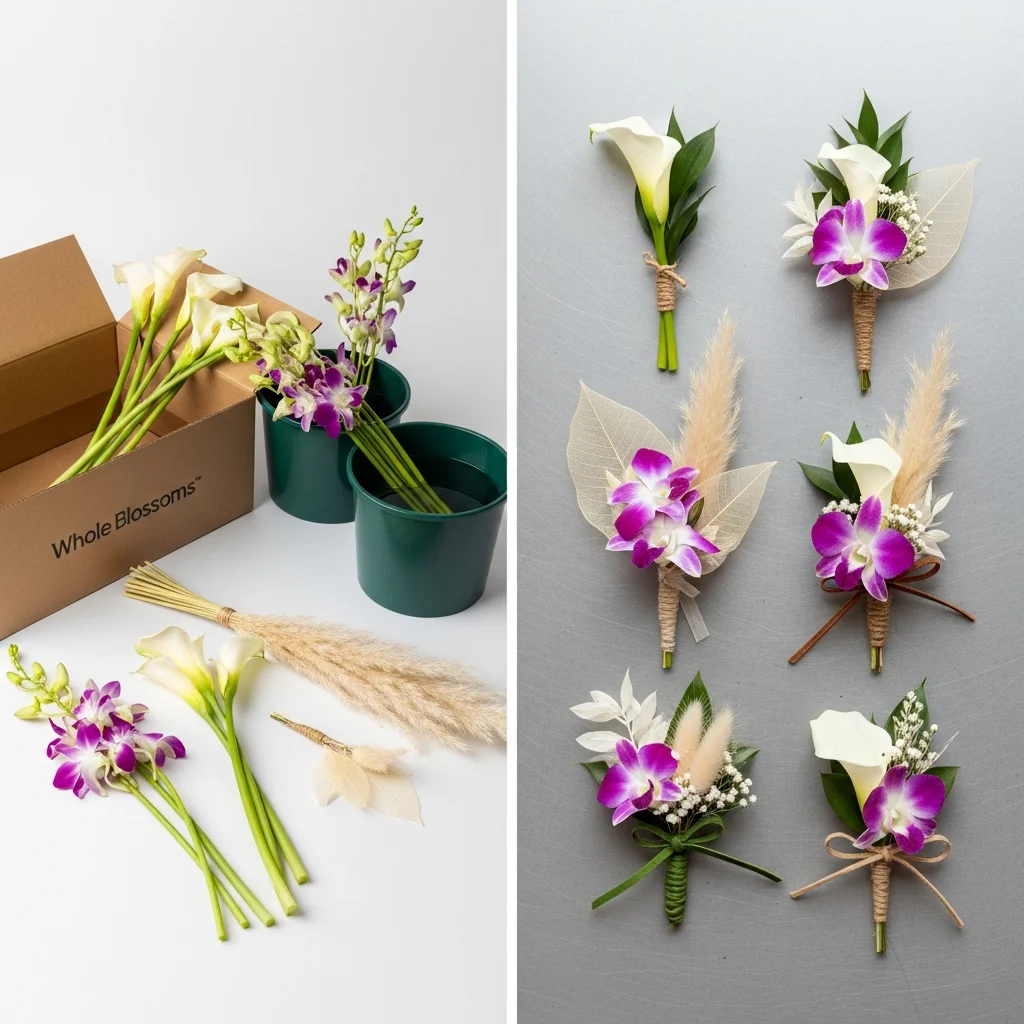
Part 3 – Tools & Supplies You Need
Creating stunning boutonnieres requires the right tools and supplies to ensure a polished and professional finish. Here’s a list of essentials you’ll need to get started:
- Floral Tape – This stretchy tape helps secure and bind the floral elements tightly together.
- Floral Wire – Used to reinforce stems or shape delicate blooms, floral wire provides necessary structure without adding bulk.
- Ribbon – Choose a ribbon that complements your event’s color palette to add an elegant final touch to your boutonniere.
- Pins – Boutonniere pins are essential for attaching the design securely to attire.
- Clippers – A good pair of floral clippers will make cutting stems clean and easy, preventing damage to delicate flowers.
- Stem Conditioner – Extend the life of your flowers by treating them with a stem conditioner to keep them hydrated and fresh.
The Whole Blossoms Advantage
When sourcing supplies and flowers, quality matters. Ordering from Whole Blossoms ensures access to fresh, high-quality stems ideal for creating intricate designs like boutonnieres. Their selection of blooms and greenery arrives in pristine condition, ready for your creative touch!
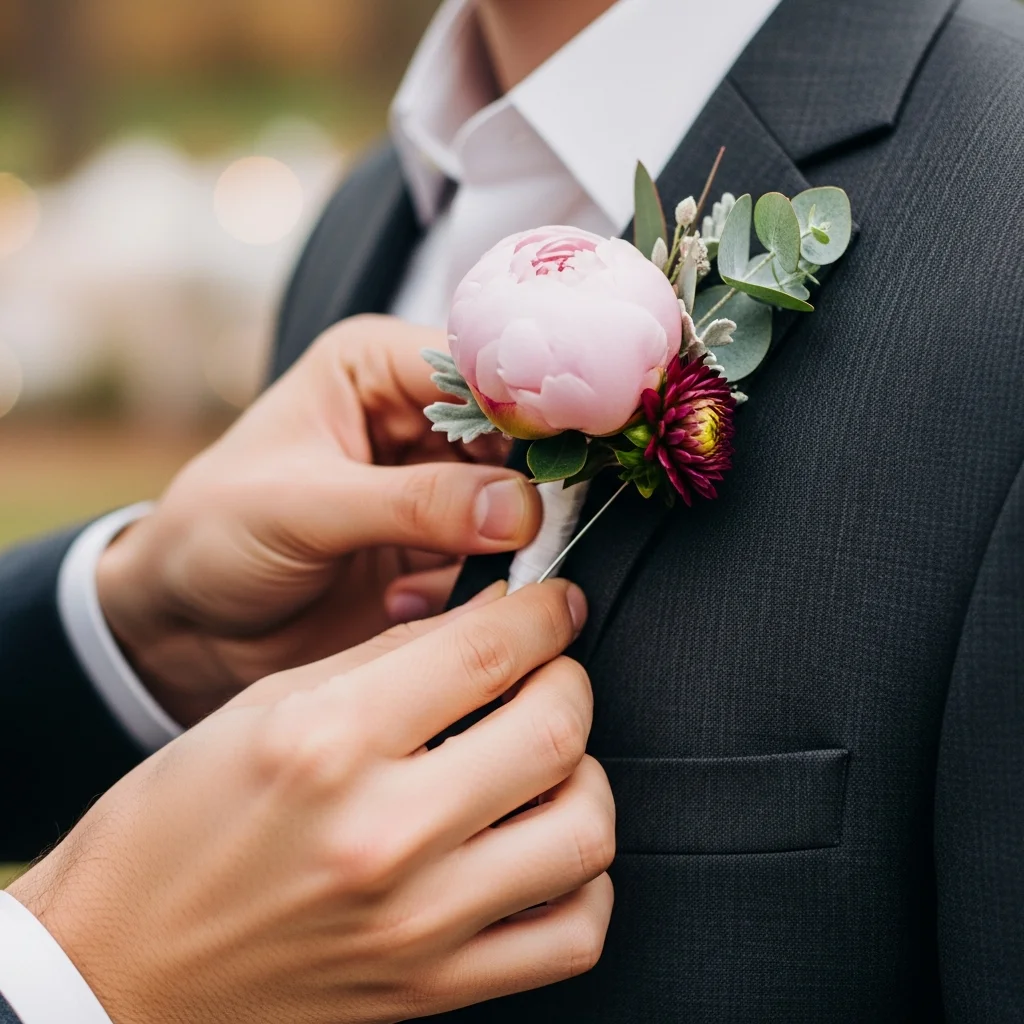
Part 4 – Step-by-Step: How to Make Wedding Boutonnieres
Making wedding boutonnieres is a wonderful way to add a personal touch to such a special occasion. Follow these steps to create stunning and professionally styled boutonnieres for your event.
Step 1: Prep Your Flowers
Preparing your flowers properly is key to ensuring they look fresh and beautiful on the wedding day. Here’s how to get started:
- Hydrate Hydrangeas, Roses, and Tulips
Trim the stems of your flowers at an angle under running water to maximize their absorption. Place them in a clean vase with room-temperature water. Allow at least 4-6 hours for proper hydration before designing your boutonnieres. This step is especially important for hydrangeas, which can wilt without proper hydration.
- Conditioning Tips
Use a stem conditioner to extend the life of your flowers. Apply the conditioner after trimming the stems, which will help lock in moisture and keep your blooms looking vibrant. For delicate flowers like tulips, monitor hydration levels to prevent drooping petals.
Step 2: Build the Design
Now it’s time to assemble the key elements of the boutonniere. Follow this simple formula to design a balanced and beautiful arrangement:
- Choose 1 Focal Flower
Consider using a standout bloom like a peony, ranunculus, or rose to serve as the centerpiece of your design. These flowers add elegance and draw attention.
- Add 1 Filler Flower
Incorporate filler flowers like baby’s breath to provide texture and soften the overall appearance. Fillers create a beautiful contrast to the main flower without stealing the spotlight.
- Include 1 Type of Greenery
Add greenery such as eucalyptus to enhance the natural aesthetic of the boutonniere. Greenery provides structure to the design and pairs beautifully with any flower selection.
Step 3: Wire & Tape
To ensure your boutonniere remains sturdy and wearable, use floral wire and stem tape. Trim each stem to approximately 4 inches in length. Next, place a thin floral wire through the base of your focal bloom to support the stem. Wrap floral stem tape around the wire and stems, starting at the base of the flower and working your way down. This step secures your arrangement and keeps everything in place.
Step 4: Ribbon Wrap
For a polished finish, use ribbon to wrap the base of the stem. Choose a ribbon color that complements the wedding theme or matches the bridal bouquet. Wrap the ribbon over the taped stems, ensuring no tape is visible. Use a hot glue gun or discreet pins to secure the ribbon in place at the back of the boutonniere.
Step 5: Pinning Technique
Finally, learn how to pin your boutonniere securely for the big day:
- Hold the boutonniere upright against the lapel of the suit or tuxedo.
- Insert a boutonniere pin through the back of the fabric, angling it slightly upward.
- Pierce the stem to hold the boutonniere firmly in place, and finish by sliding the pin back out through the lapel.
Ensure the boutonniere sits flat against the fabric for a clean, professional look.
By following these steps, you’ll be able to craft beautiful and sturdy wedding boutonnieres that are sure to impress!
Part 5 – Color Palette Ideas for Boutonnieres
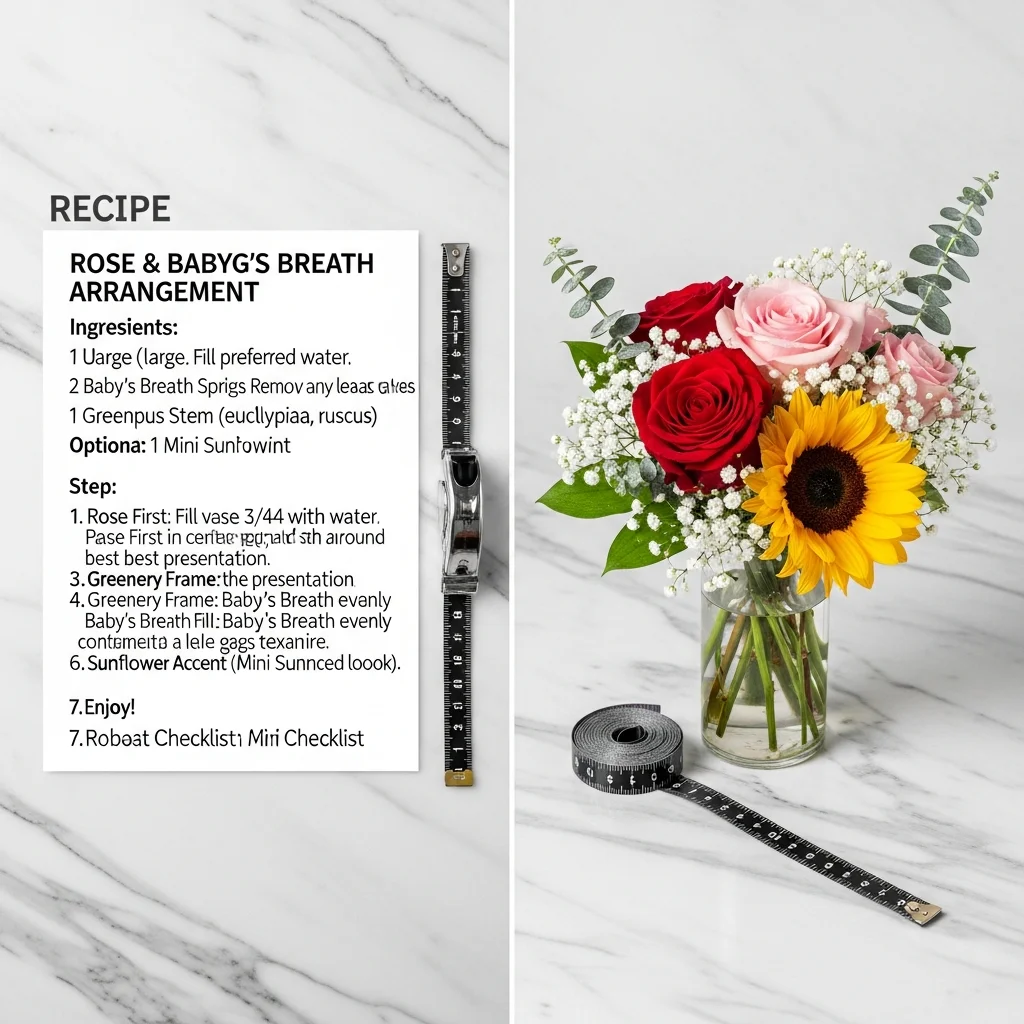
Choosing the right color palette for your boutonnieres can enhance the overall aesthetic of the wedding and perfectly complement the attire. Here are some inspiring ideas for different wedding styles:
Classic White
For a timeless and elegant look, opt for a classic white color scheme. Combine roses and hydrangeas with sprigs of fresh greenery to create a clean and sophisticated boutonniere. This combination beautifully complements both black-tie and formal wedding attire, ensuring a polished and refined appearance.
Rustic
Rustic weddings call for warm, earthy tones and natural textures. Sunflowers paired with pampas grass make for a charming, rustic boutonniere. The bold yellow of the sunflowers brings vibrancy, while the soft, neutral hues of pampas grass add depth and a touch of whimsy, making this a perfect choice for barn or outdoor venues.
Romantic
For a dreamy and romantic vibe, consider using delicate peonies and ranunculus. These soft, voluminous blooms in shades of blush pink, cream, or even peach exude romance. Pairing them together results in a lush and enchanting boutonniere that works beautifully for garden or vintage-themed weddings.
Modern
For a sleek and contemporary style, opt for calla lilies and orchids. These flowers, known for their striking shapes and minimalist elegance, are perfect for modern weddings. Incorporate colors like crisp white or bold shades, such as deep burgundy or vibrant orange, to reflect the cutting-edge sophistication of your theme.
Each of these color palettes brings a unique charm to the boutonnieres, allowing you to tailor the details to match the personality and style of the event effortlessly.
Part 6 – Timing: When to Make Boutonnieres
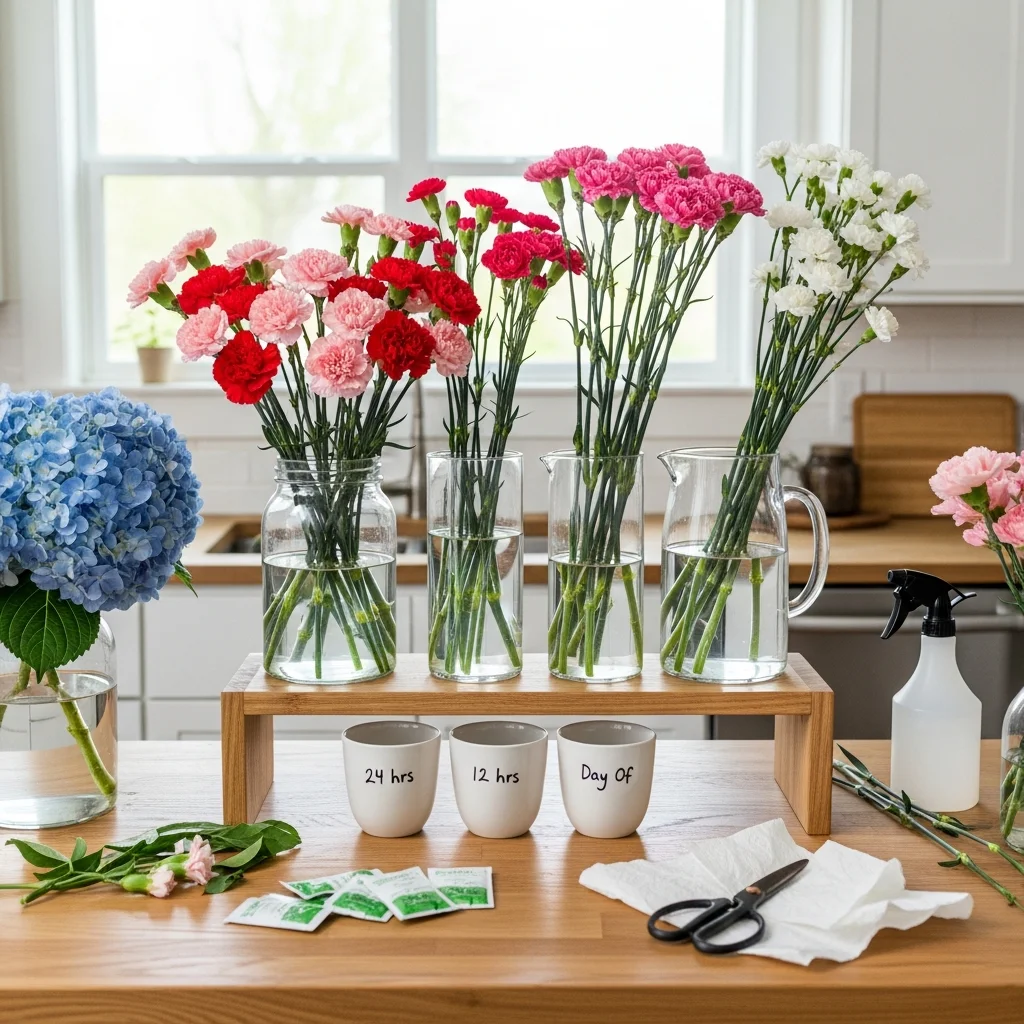
Creating beautiful boutonnieres requires careful planning and timing to ensure the flowers remain fresh and vibrant for the big day. By organizing the delivery and assembly of your flowers well in advance, you can minimize stress and achieve professional-looking results.
Flower Delivery Timeline
To start, schedule your flower delivery 3–5 days before the wedding or event. Ordering from wholesale flower suppliers ensures you’ll receive fresh blooms, but they may need some time to recover from transit and reach their peak appearance. Once the flowers arrive, immediately condition them by trimming the stems at an angle and placing them in clean water. This process helps to hydrate the flowers and allows them to stay fresher for longer. Ideally, you should dedicate a full day to conditioning all floral materials, ensuring they are well-prepared for assembly.
Assembly Timeline
When it comes to assembling the boutonnieres, you have two options depending on your schedule and preferences. Many florists recommend putting them together the night before the event. This approach allows you to work without the pressure of time constraints and ensures you’re not rushed. However, if you’re concerned about optimal freshness, you can assemble them on the morning of the event. Whichever timeline you choose, make sure to store the completed boutonnieres in a cool environment, such as a refrigerator or cool box, until they are ready to be worn. Proper planning and care can ensure that your boutonnieres remain stunning throughout the day.
Part 7 – Cost Breakdown: DIY vs Florist
When deciding whether to make your own boutonnieres or order from a florist, understanding the cost differences can help you choose the best option for your budget. Below is a breakdown of the cost elements to consider for each approach.
DIY Boutonnieres
Creating boutonnieres yourself can be a cost-effective option if you plan ahead and source materials wisely. Purchasing flowers in bulk can significantly reduce costs. On average, the price per stem from bulk flower suppliers ranges between $1 and $3, depending on the type and seasonality of the flowers. Additional materials like floral tape, pins, wire, and ribbon typically cost $10 to $20 total for multiple boutonnieres, making DIY an affordable option for large events.
Florist Pricing
On the other hand, professional florists typically charge $15 to $25 per boutonniere, depending on the design complexity and flower selection. While this option can save time and eliminate the effort of assembling the boutonnieres yourself, the higher per-piece cost may add up quickly for larger events like weddings.
Savings Calculator Snippet
| Option | Cost per Boutonniere | Quantity (10) | Total Savings |
| DIY (Bulk Flowers) | $3.50 | 10 | ~$35 saved per 10 |
| Florist | $20.00 | 10 | – |
By opting for DIY, you could save significantly while personalizing the boutonnieres to match your theme. However, the time spent crafting them and ensuring proper care should be factored into your decision.
Part 8 – Common Mistakes to Avoid
When creating your own boutonnieres, it’s important to be aware of potential pitfalls that can arise and impact the overall quality of your arrangements. Here are some common mistakes to watch out for:
Using Unconditioned Tulips
Tulips are a popular choice for their sleek and elegant look, but they can be tricky to work with if not properly prepared. Tulips continue to grow after being cut, so failing to condition them by trimming or hydrating them adequately can lead to unruly blooms that disrupt the boutonniere’s design. Always ensure tulips are conditioned properly by cutting their stems at an angle and placing them in clean water to hydrate before use.
Overstuffing with Hydrangeas
Hydrangeas are known for their full, voluminous appearance, but using too much of this flower in a boutonniere can overwhelm the design. Additionally, hydrangeas can be fragile and prone to wilting if not handled carefully or supported effectively. Use them sparingly to complement other blooms instead of overpowering the arrangement.
Weak Wiring with Dahlias
Dahlias, while stunning and versatile, often have fragile stems that require proper reinforcement. Weak or improperly applied wiring can lead to the stem bending or breaking, ruining the boutonniere. Be sure to secure dahlias firmly using strong floral wire or tape to maintain their structural integrity and ensure they stay intact during the event.
Part 9 – How to Match Boutonnieres to Bouquets
Matching boutonnieres to bouquets is a timeless way to create a harmonious and cohesive wedding aesthetic. One of the most effective methods for achieving this is to mirror the flowers used in the bridal bouquet within the boutonniere. For example, if the bouquet features romantic roses or cheerful daisies, incorporating the same blooms into the boutonniere ensures a seamless visual connection. This subtle matching not only enhances the overall presentation but also reflects the unity and shared theme of the event.
Additionally, scale is an important factor when designing boutonnieres to coordinate with bouquets. While the bouquet may showcase an abundance of flowers to create a bold visual statement, boutonnieres should remain understated and proportionate to avoid overwhelming the wearer. Smaller blooms or accent flowers from the bouquet, such as baby’s breath, spray roses, or greenery, can serve as ideal elements to complement the larger floral arrangement without competing with it.
Using preserved flowers offers another excellent way to ensure coordination between boutonnieres and bouquets. These long-lasting florals allow designers to pre-plan and prepare pieces in advance, ensuring consistent colors and styles. Preserved flowers can be dyed to match specific shades in the bouquet, providing a perfect match and adding a modern, sustainable touch to the designs.
Part 10 – Storage & Transport Tips
Proper storage and transport are crucial to maintaining the integrity and appearance of boutonnieres and bouquets. Following a few essential tips can help ensure these floral pieces look fresh and beautiful when it’s time to use them.
Refrigeration
Keeping boutonnieres and bouquets refrigerated before their use is highly recommended. Store them in a cool, consistent temperature, ideally between 34°F and 40°F. This helps to slow down the wilting process and maintain the vibrancy of the flowers. Be cautious, however, to avoid placing them too close to the back of the refrigerator where freezing temperatures might occur.
Humidity
Maintaining adequate humidity levels can prevent the flowers from drying out. If possible, store the arrangements in a space where the humidity is around 80-90%. Lightly misting the flowers occasionally can also help retain their freshness, but avoid excessive moisture as it may damage delicate blooms.
Pin Protection
During transport, it’s essential to protect any pins, stems, and other delicate parts of the arrangements. Carefully wrap boutonnieres and bouquets in soft tissue paper or place them in individual boxes. For added security, ensure that pins are properly secured and not exposed to minimize risks of damage or injury. With these precautions, your florals will be picture-perfect for the big day.
Part 11 – Who Should DIY vs. Hire a Florist?
When deciding between DIY floral arrangements and hiring a professional florist, it’s essential to consider key factors such as time, budget, and expertise. DIY weddings are ideal for those with a creative knack, a clear vision, and sufficient time to dedicate to crafting their arrangements. It’s also a cost-effective option for couples working with a limited budget, allowing them to allocate funds to other aspects of their big day. DIY projects often add a personal and sentimental touch, making the arrangements feel uniquely special.
However, there are situations where involving event planners or florists is a better choice. Large weddings, intricate designs, or limited preparation time can make the DIY route overwhelming. Professional florists have the experience and skills to execute complex arrangements flawlessly and often have access to high-quality blooms and unique varieties. Event planners and florists also bring peace of mind by handling logistics, such as setup and transport, ensuring the florals are stunning and stress-free. Weighing these factors can help couples make an informed decision that aligns with their priorities and wedding vision.
Part 12 – Where to Buy Flowers for Boutonnieres
Selecting the perfect flowers for boutonnieres often starts with knowing where to buy them. Wholesale flower suppliers are a great option for couples seeking fresh blooms at competitive prices. Opting for wholesale flowers allows you to purchase in bulk, which is both economical and ensures color and style consistency across your arrangements. This approach is perfect for DIY-minded couples who want to craft their boutonnieres or work with a florist using exact matches to their vision.
Buying bulk flowers online offers unparalleled convenience, as it saves you the effort of visiting multiple locations. Online wholesale flower providers often showcase an extensive variety, from classic roses and carnations to unique seasonal blossoms. Couple this with reliable delivery timelines, and you can rest assured your flowers will arrive at peak freshness.
Whole Blossoms, for instance, is an ideal choice for purchasing fresh flowers for boutonnieres. Known for their commitment to quality, they offer farm-to-door delivery that guarantees long-lasting blooms. Their wide selection ensures you’ll find the perfect flowers to complement your wedding theme. Additionally, timely delivery helps you stay on schedule during your wedding planning.
FAQs (People Also Ask)
How many flowers are in a boutonniere?
The number of flowers in a boutonniere typically depends on the style and design. Most boutonnieres are crafted with one to three flowers as the focal point, often accented with greenery or smaller filler flowers for texture. A single bloom, such as a rose or carnation, is a classic choice, but some designs incorporate multiple smaller flowers for a more elaborate appearance.
Can I use Hydrangeas in boutonnieres?
Yes, hydrangeas can be used in boutonnieres, but they require extra care. Hydrangea blooms are delicate and may wilt quickly without proper hydration. Florists often recommend using hardy florets from the hydrangea or combining them with sturdier blooms to ensure the boutonniere stays fresh throughout the event. If you choose hydrangeas, consider using floral wraps or sprays to maintain their freshness.
How long do roses last in a boutonniere?
Roses in a boutonniere can last anywhere from 24 to 48 hours with proper care. To prolong their freshness, keep the boutonniere refrigerated until it’s time to wear it, and ensure the blooms are properly hydrated before assembling. Using a floral sealant can also help preserve the petals and prevent wilting during the event.
Are preserved flowers better?
Preserved flowers are an excellent alternative if you want boutonnieres that last longer or act as keepsakes. Unlike fresh flowers, preserved blooms undergo a special treatment to retain their natural appearance while extending their lifespan. They are low-maintenance, durable, and ideal for those who want to minimize the risk of wilting. However, preserved flowers may lack the fragrance and natural freshness of traditional blooms, so the choice depends on your preferences and priorities.
Conclusion – Start Your DIY Boutonniere with Confidence
Crafting your own boutonnieres can be a rewarding and memorable experience. By using preserved flowers, you’ll enjoy both practicality and longevity, ensuring your creations last throughout your special event and beyond. The convenience of preserved flowers, combined with their low maintenance, makes them the perfect choice for DIY enthusiasts looking to design truly unique boutonnieres.
When you order from Whole Blossoms, you gain access to a wide variety of high-quality flowers and greenery, offering the perfect palette to bring your creative vision to life. Not only will you save money by creating your own boutonnieres, but you’ll also gain greater control over the design—ensuring each piece reflects your personal style and the theme of your event.
Take the first step toward creating beautiful, budget-friendly boutonnieres that you and your loved ones will treasure. With the right materials and a little inspiration, you can confidently design stunning floral accents that add a personalized touch to your celebration. Order from Whole Blossoms today and get started on your DIY floral masterpiece!