


 by
by 

Planning your dream wedding doesn’t have to mean breaking the bank—bulk flowers offer the perfect solution for couples who want to create stunning floral arrangements while maintaining full creative control. DIY wedding flowers refer to floral arrangements that couples design and assemble themselves, using wholesale flowers purchased in large quantities. Bulk flowers are wholesale floral products bought by the bunch or case, making them a favorite choice for DIY weddings, event planners, and florists alike.
Many couples choose bulk flowers for the significant cost savings they offer compared to pre-arranged floral services. Beyond budget-friendly benefits, buying wholesale allows couples to select flowers that align with their vision and theme, as well as their wedding color palette. The flexibility of designing your own arrangements ensures every bouquet feels personal and unique. Keep in mind that the February to June planning window is a peak period for wedding flowers, so ordering early ensures access to the best blooms of the season. Trusted suppliers like Whole Blossoms provide high-quality options and industry expertise, simplifying the process for couples while offering confidence in their floral selections.
Whether you’re going for rustic charm, modern elegance, or bohemian vibes, bulk flowers grant you the tools to make your wedding truly unforgettable.

Part 1 – What Are Bulk Flowers? (And Why DIY Brides Love Them)
Definition & Buying Format
Bulk flowers refer to fresh-cut blooms that are purchased in large quantities directly from wholesalers or growers. Instead of buying a single bouquet or arrangement, couples can order flowers in bulk, often packaged by the bunch, stems, or case packs. Bunches usually contain a pre-determined number of stems wrapped together, while case packs are larger shipments that may include multiple bunches of the same flower. This format allows for flexibility depending on how many flowers are needed for various arrangements.
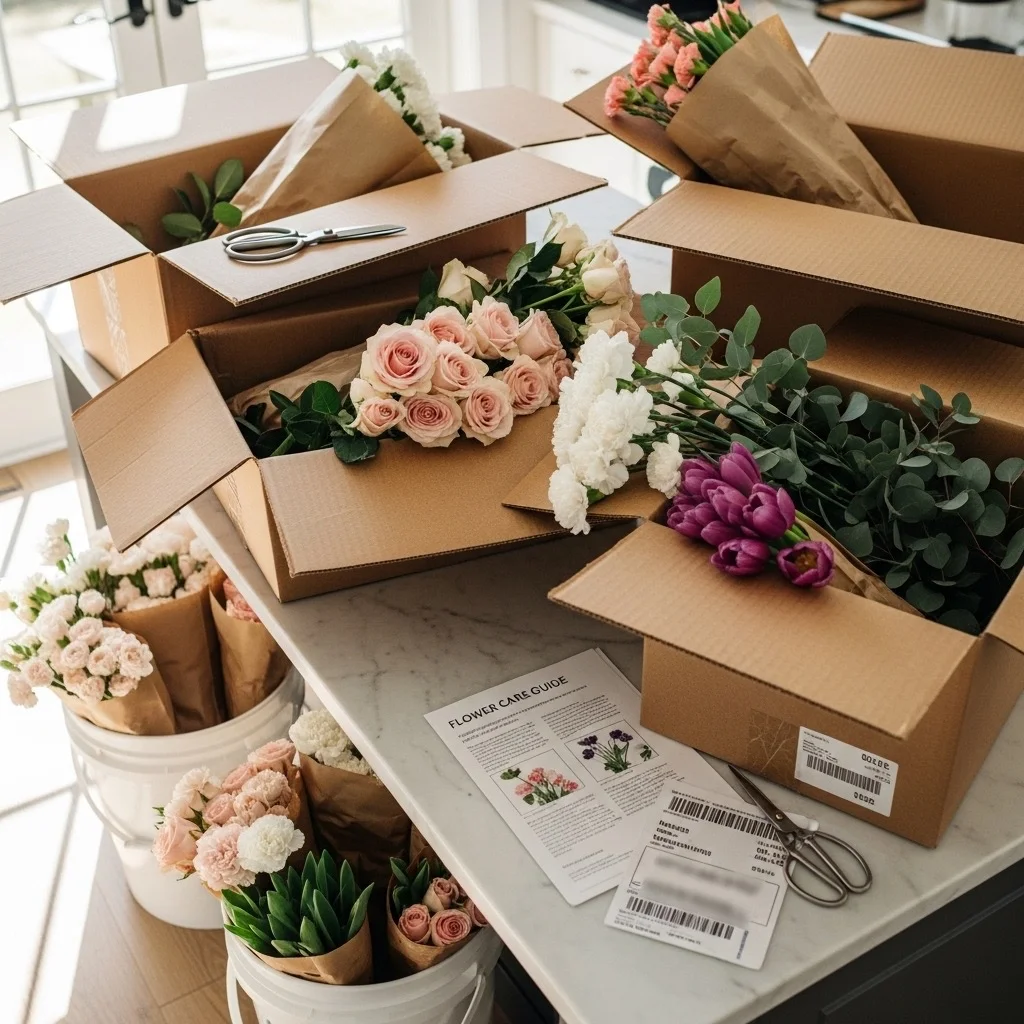
When purchasing bulk flowers, it’s important to keep in mind their hydration and processing requirements. Freshly cut flowers arrive unarranged and may need proper care to maintain their quality until the wedding day. This includes trimming stems at an angle, placing them in clean water with flower food, and keeping them in a cool environment. Proper care ensures that the blooms stay fresh and vibrant, perfect for creating stunning DIY wedding flowers.
Benefits for DIY Weddings
Choosing bulk flowers comes with a range of benefits, making them a favorite among DIY brides. One of the most significant advantages is the cost per stem, which is typically much lower than purchasing pre-arranged retail bouquets. By sourcing wholesale flowers, couples can maximize their floral budget while still accessing premium varieties like Roses, Hydrangeas, Peonies, Ranunculus, and Carnations.
Another major benefit is the promise of higher freshness. Wholesale flowers are often shipped directly from farms or suppliers, meaning they bypass certain retail middlemen and arrive closer to their cutting date. This ensures that the blooms look and smell their best on the wedding day.
Finally, buying bulk flowers gives brides the ability to fully customize their color palette. Whether you’re aiming for soft pastel shades or bold, vibrant tones, wholesalers often offer a wide selection to match any wedding theme. This versatility allows couples to design arrangements that perfectly reflect their style, adding a truly personal touch to their big day.
For budget-conscious couples with a creative vision, bulk flowers make DIY wedding flowers an affordable, customizable, and stunning choice.
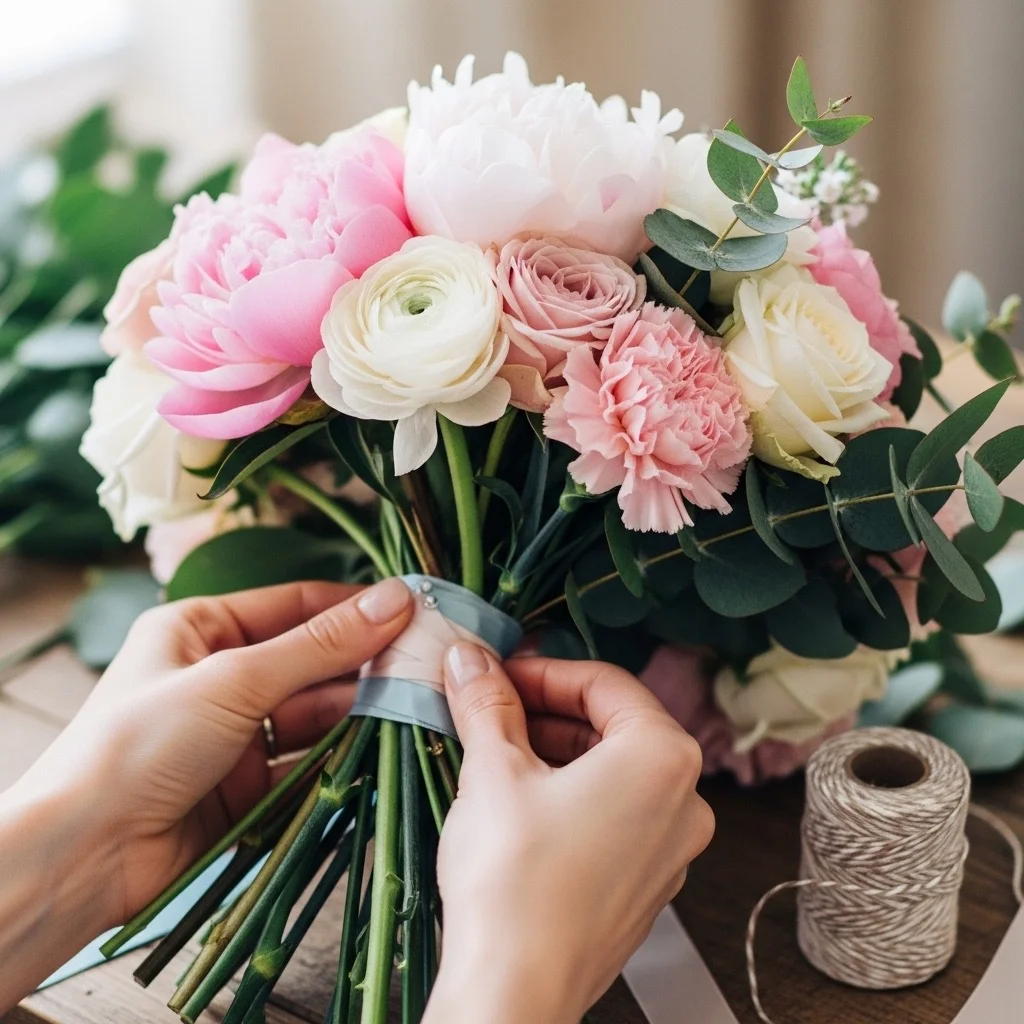
Part 2 – Best Bulk Wedding Flowers for DIY Brides (By Category)
Focal Flowers (Main Blooms)
Focal flowers are the star of any floral arrangement and serve as the centerpiece of your design. These blooms are typically large, eye-catching, and full of personality, instantly drawing attention and setting the tone for your bouquet or centerpiece. For DIY brides, choosing focal flowers that complement your wedding theme and season is key to creating stunning arrangements.
- Roses: Known for their timeless elegance and versatility, roses are a popular choice for weddings year-round. They come in virtually every color, making them an excellent option for any color palette or style, from classic and romantic to bold and modern.
- Peonies: If you’re planning a spring wedding, peonies are a luxurious focal flower choice. Their lush, layered petals exude romance and sophistication, making them a favorite for many brides.
- Ranunculus: Perfect for adding a touch of charm and romance, ranunculus are petite blooms with delicate, paper-like petals. These flowers are ideal for garden-inspired or whimsical wedding themes.
- Dahlias: For late summer and fall weddings, dahlias are a striking choice. Their intricate, symmetrical blooms come in a variety of sizes and vibrant hues, adding depth and drama to any arrangement.
Focal flowers not only define your arrangement’s aesthetic but also set the mood for your entire wedding décor. Choosing the right varieties—and sourcing them in bulk—allows DIY brides to achieve high-impact designs while staying within budget.
Category 2: Supporting Flowers (Volume & Texture)
Supporting flowers play a crucial role in adding volume and texture to your arrangements, helping to enhance the overall visual impact. These blooms often act as fillers or transitional elements between focal flowers and fillers, creating a balanced, cohesive design. Examples of supporting flowers include:
- Carnations: An affordable option that provides substantial volume and comes in a wide range of colors.
- Tulips: Perfect for spring weddings, tulips add a sense of movement and softness to arrangements with their delicate, arching stems.
- Orchids: Ideal for modern or minimalist aesthetics, orchids offer an elegant and striking addition with their unique shapes and luxurious appeal.
Category 3: Fillers & Accents
Fillers and accents add the finishing touches to your wedding arrangements by filling gaps, introducing delicate textures, and providing contrast to make your focal flowers stand out. Popular choices for fillers and accents include:
- Baby’s Breath: A classic choice for a soft, airy feel that complements almost any style of arrangement.
- Statice: Known for its vibrant violet hues, statice introduces pops of color and a touch of rustic charm.
- Waxflower: This small, fragrant flower provides subtle texture and works beautifully in romantic or boho-inspired designs.
- Stock: Offering volume and a lovely scent, stock is a great option for adding fullness and a touch of elegance to your arrangements.
Category 4: Greenery for DIY Weddings
Greenery is an essential component of wedding florals, acting as the backbone of any arrangement. It provides texture, contrast, and structure while tying all the elements together. Consider the following greenery options for your DIY wedding:
- Eucalyptus (Silver Dollar and Seeded): A versatile option with soft, muted tones that work well with almost any color scheme.
- Ruscus (Italian or Israeli): Known for its delicate texture, ruscus adds a natural, flowing element to bouquets and centerpieces.
- Olive: Perfect for rustic and Mediterranean-inspired weddings, olive branches introduce a soft, graceful touch of greenery.
- Leather Leaf Fern: A budget-friendly greenery option with a bold, structured appearance that adds depth to your arrangement.
For weddings with unique themes, consider incorporating:
- Pampas Grass: A trendy choice for boho or modern styles, pampas grass adds height, texture, and a dramatic flair.
- Preserved Flowers: For those seeking longevity and low-maintenance décor, preserved flowers and greenery retain their beauty long after the event.
Part 3 – How Much Do Bulk Flowers Cost for DIY Weddings in 2026?
Planning a DIY wedding in 2026 comes with the added excitement of creating your own stunning floral arrangements. One of the key factors to consider is the cost of purchasing flowers in bulk. Understanding market pricing and how wholesale costs compare to retail can help you accurately budget for your big day. Here’s a breakdown of what you can expect in terms of pricing and cost transparency.
Average 2026 Wholesale Price Ranges
When purchasing flowers in bulk from a wholesaler, you’ll generally save significantly compared to retail flower shops. Below is an example of estimated wholesale price ranges for popular wedding flowers in 2026:
| Flower Variety | Typical Wholesale Price/Stem |
| Roses | $0.75–$1.30 |
| Carnations | $0.35–$0.65 |
| Hydrangeas | $2.50–$4.00 |
| Ranunculus | $0.90–$1.50 |
| Baby’s Breath (bunch) | $6–$12 |
| Eucalyptus (bunch) | $8–$18 |
While exact prices may vary depending on factors like seasonality, location, and quantity ordered, these ranges offer a helpful starting point for estimating your floral budget.
Retail vs. Wholesale Comparison
Understanding the difference between wholesale and retail flower pricing is crucial for cost planning. Flower shops typically charge a significant markup, ranging from 250% to 400%, to cover labor, storage, overhead, and design services. For example, a rose purchased from a retail florist at $3–$5 per stem would cost only $0.75–$1.30 when sourced wholesale.
For DIY weddings, going the wholesale route offers a substantial cost advantage. By handling the design and arrangement process yourself, you avoid the additional labor costs associated with hiring a professional florist. However, it’s important to factor in the time, tools, and preparation needed for arranging flowers on your own.
Choosing wholesale flowers not only provides top-tier value but also allows couples the flexibility to prioritize their favorite blooms while staying within budget. Whether sticking to classic roses or experimenting with trendy greenery like eucalyptus, buying in bulk is a smart financial strategy for DIY weddings.
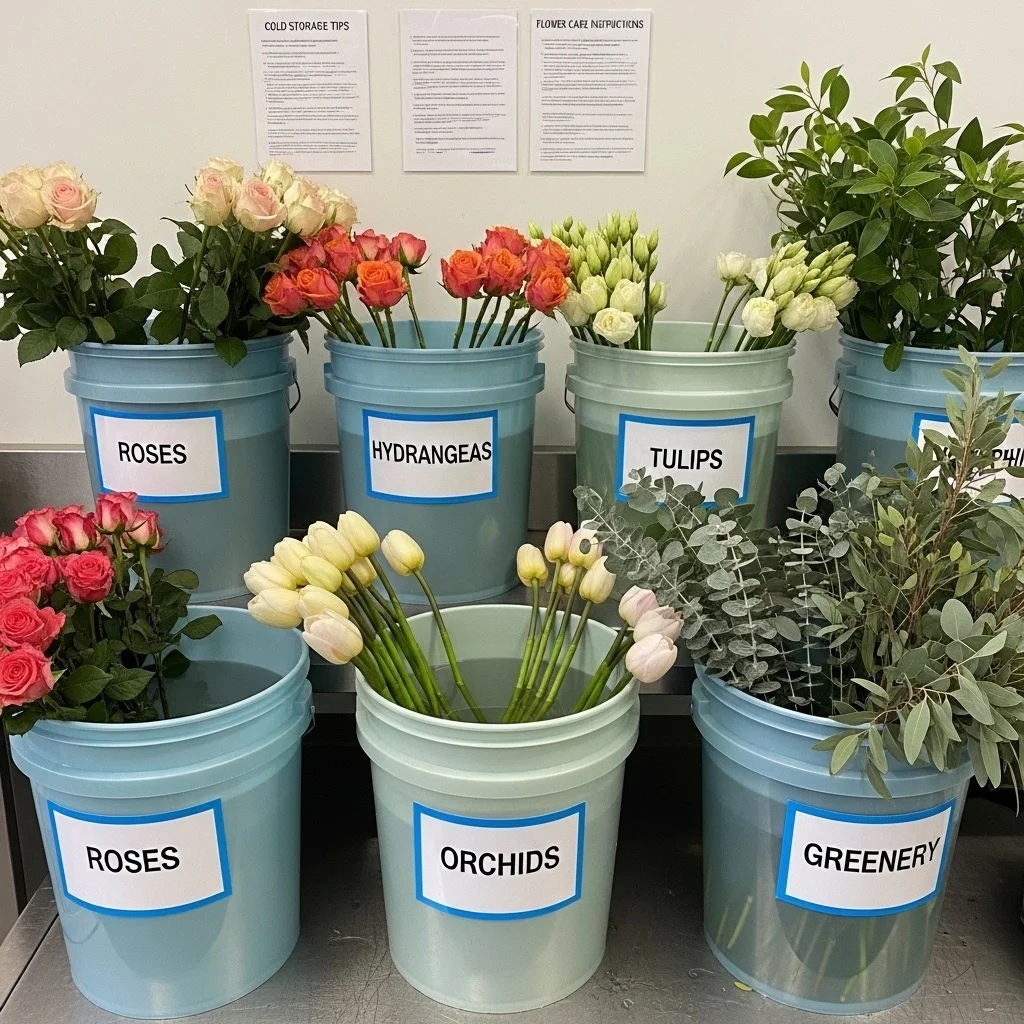
Part 4 – How Many Bulk Flowers Do I Need for a DIY Wedding?
When planning a DIY wedding with wholesale flowers, estimating the right number of flowers is crucial for creating stunning arrangements without overspending. Below is a breakdown of standard quantity ranges to help you calculate how many stems you’ll need for different floral designs.
Bridal & Bridesmaid Bouquets
- Bridal Bouquet: For a lush and breathtaking bridal bouquet, plan for 24–36 stems. This allows for a mix of focal flowers, fillers, and greenery to create a full and balanced look.
- Bridesmaid Bouquets: Each bridesmaid bouquet will typically require 12–18 stems, allowing for a simpler, yet still elegant arrangement.
Centerpieces & Table Decor
- Low Centerpieces: For low and compact centerpieces, estimate 8–15 stems per centerpiece, depending on the size of the table and the desired fullness.
- Tall Centerpieces: Tall centerpieces often call for more dramatic arrangements. Plan for 18–30 stems per centerpiece, incorporating height with statement blooms and greenery.
Ceremony Decor & Aisles
- Aisle Markers: Add a touch of romance to your ceremony by using 4–8 stems per aisle marker. This can create a cohesive and polished look as guests walk down the aisle.
- Arch Installs: Flower arches are showstoppers, but they do require many stems. For a lush and full floral arch, estimate 150–350 stems, based on the size of the arch and how densely it will be decorated.
By using these guidelines, you can confidently order the right quantities of wholesale flowers for your DIY wedding. Always add a buffer of 10-15% extra stems to account for any errors or substitutions, ensuring your big day blooms to perfection!
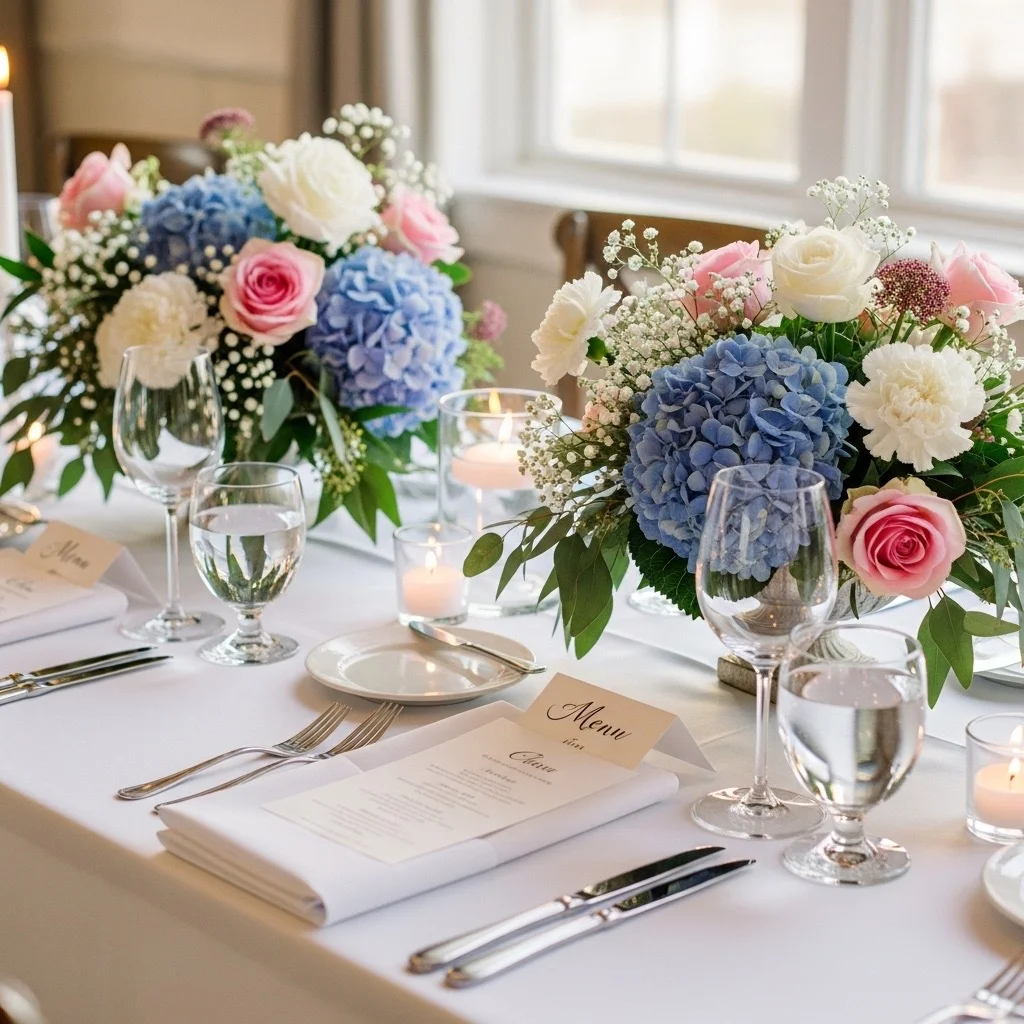
Part 5 – When to Order Bulk Flowers for DIY Weddings
Ordering bulk flowers for your wedding at the right time is crucial for ensuring they look vibrant and fresh on your big day. Proper planning reduces stress and allows your flowers to reach their full beauty. Follow these guidelines to set yourself up for success:
Order Timeline Overview
When planning for DIY wedding flowers, the key is timing. Order bulk flowers 2–3 weeks before the wedding and schedule delivery 2–3 days before the event. This allows enough time for hydration and for blooms to open fully.
- Peonies need 48–72 hours to open, making early delivery essential.
- Roses typically require 24–48 hours for their petals to open gracefully.
- Hydrangeas need immediate hydration upon arrival to maintain their stunning appearance.
By understanding the specific needs of each flower type, you can create a practical timeline that keeps your arrangements looking picture-perfect.
Seasonal Considerations
Take the season into account as it impacts the availability and preparation of flowers. For instance, spring blooms like tulips and ranunculus thrive in cooler temperatures and require extra care in warmer months. On the other hand, summer flowers like dahlias or sunflowers tend to be more robust but still benefit from time to acclimate and hydrate. Seasonal awareness ensures your flowers are as fresh and beautiful as possible.
Final Tips
Be sure to confirm delivery schedules with your wholesale supplier to avoid unexpected delays. Once the flowers arrive, store them in a cool, shaded area and strip excess foliage from the stems to aid hydration. Planning your order timeline carefully guarantees your blooms will be at their best, reducing stress and enhancing the final look of your DIY wedding arrangements.
Part 6 – DIY Processing: Hydration, Opening & Storage
Processing bulk flowers upon arrival is one of the most critical steps in ensuring your blooms are wedding-ready. Many DIY florists worry about handling flowers correctly, but with a few simple steps and proper storage, your blooms will stay stunning and fresh for your big day. Below, we’ve put together a comprehensive guide to help you master hydration, opening, and storage for various flower types.
How to Process Bulk Flowers on Arrival
- Unboxing
Carefully remove the flowers from their packaging, taking care not to damage the stems or blooms. Check for any signs of damage or wilting, and separate the healthiest flowers.
- Stem Cutting
Use sharp, sterile scissors or floral shears to cut 1–2 inches off the bottom of each stem at a 45-degree angle. This increases the surface area for water uptake and prevents stems from becoming blocked with air.
- Watering
Place the freshly cut stems in clean containers filled with lukewarm water. Lukewarm water encourages quicker hydration, but avoid hot or cold water, as these can shock the flowers.
- Flower Food Ratios
Add floral preservative to the water according to the package instructions. Typically, the ratio is one packet of flower food per liter of water. Flower food extends bloom life by providing nutrients and reducing bacteria in the water.
Storage Conditions for Different Blooms
Each flower type has unique needs, and proper storage can make all the difference in keeping them vibrant:
- Hydrangeas
Hydrangeas are notorious for being thirsty. Submerge the entire head of the flower in water for up to 30 minutes upon arrival. Afterward, mist them daily to maintain hydration.
- Ranunculus
Ranunculus thrives in cool environments. Store them at 36–41°F (2–5°C) to prevent premature blooming. Avoid excessive handling, as their delicate stems can bruise easily.
- Peonies
To encourage peonies to open, store them at room temperature in water. If they’re arriving too open, you can slow the process by keeping them in a cool area.
Mistakes to Avoid
To preserve the beauty of your flowers, steer clear of common pitfalls:
- Refrigerator Freezing
Storing flowers in a refrigerator that’s too cold can damage petals and cause browning. Always check the temperature to ensure it is floral-safe (generally above freezing but below room temperature).
- Late Ordering
Avoid ordering your flowers too close to the event date. Most blooms require 1–2 days to fully hydrate, and some, like peonies, may need extra time to open.
- Under-Hydration
Flowers will wilt if they don’t receive enough water. Keep water levels consistent in all containers, and top up as needed. Replace the water and re-cut stems every 24 hours for best results.
By following these tips, you can confidently handle your bulk floral order, ensuring your arrangements are both breathtaking and long-lasting on your special day.
Part 7 – Best Places to Buy Bulk Flowers Online in 2026
When sourcing bulk flowers online, selecting a reliable vendor is critical to ensuring high-quality blooms for your event or project. Here are some top considerations for choosing the best suppliers, along with a few trusted names.
One essential criterion is source transparency. The best flower suppliers clearly state where and how their flowers are grown, showcasing their commitment to ethical sourcing and sustainability. Consumers today value this information, as it ensures the flowers are fresh and responsibly harvested.
Another key factor is cold-chain shipping. This method ensures flowers are kept at optimal temperatures throughout transit, preserving their freshness and vibrancy upon arrival. Look for sellers that highlight their advanced logistics systems to reduce the chances of receiving wilted or damaged flowers.
Top vendors often have strong farm partnerships. These partnerships allow suppliers to provide their customers with fresh, direct-from-grower products. This also supports local communities and reduces the environmental impact of lengthy supply chains.
A good refund policy is also a hallmark of a trustworthy supplier. Reliable companies offer clear and fair policies for handling any issues, such as damaged or incorrect orders. This kind of transparency builds customer confidence.
Additionally, confirm the shipping timelines provided by the supplier. Events depend heavily on precise delivery windows, so it’s crucial to work with a vendor that offers clear and reliable delivery schedules.
When it comes to bulk floral orders, Whole Blossoms stands out as an industry leader. Their comprehensive farm partnerships, commitment to cold-chain logistics, and flexible refund policies make them a trusted authority in the floral market. Whether you’re sourcing flowers for a wedding, corporate event, or other special occasion, Whole Blossoms offers high-quality blooms delivered on time and in pristine condition.
Part 8 – Budgeting for DIY Wedding Flowers
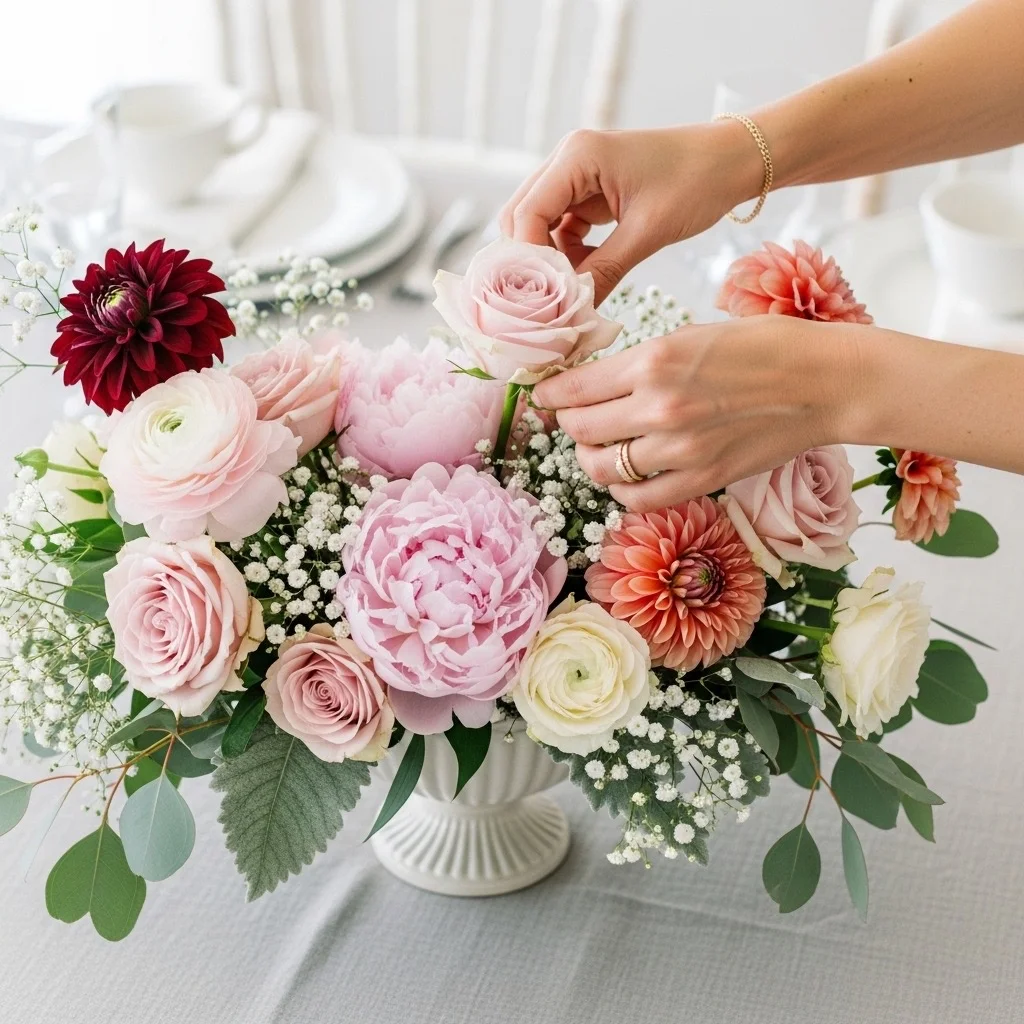
Planning your floral budget for a DIY wedding allows you to balance beauty with cost-effectiveness. Typical DIY floral budgets range from $400 to $1,500, depending on the size of your wedding, the types of blooms you choose, and your desired arrangements. With thoughtful planning, you can create stunning floral designs without exceeding your financial limits.
Cost Breakdown by Bloom Tier
The cost of flowers often varies based on their tier. For example, premium blooms like peonies, garden roses, and orchids tend to be more expensive, accounting for $3 to $8 per stem. Mid-tier flowers such as standard roses, ranunculus, or chrysanthemums usually cost around $1 to $3 per stem. Meanwhile, more affordable filler flowers, like baby’s breath, greenery, or carnations, cost less than $1 per stem. Incorporating a mix of tiers can help maximize your floral budget while ensuring a visually appealing arrangement.
Example Budget Templates
- Small Wedding (Budget $400–$700)
- 10 bouquets (1 bridal, 4 bridesmaids, 5 centerpieces): $300
- Filler greenery and accents for decor (garlands, boutonnieres): $100–$150
- Miscellaneous supplies (floral tape, shears, tools): $50
- Mid-Sized Wedding (Budget $1,000)
- 15 bouquets (1 bridal, 6 bridesmaids, 8 centerpieces): $700
- Premium flowers for standout arrangements (peonies, garden roses): $200
- Supplies and delivery costs (if applicable): $100
- Large Wedding (Budget $1,500)
- 20+ bouquets (1 bridal, 8 bridesmaids, 12 centerpieces): $1,000
- Additional floral decor (ceremony arches, aisle runners): $400
- Tools, supplies, or extra greenery accents: $100
By carefully choosing the types of flowers and arrangements, along with a clear understanding of your needs, you can craft gorgeous DIY wedding florals that align with your vision and budget.
Part 9 – Visual Inspiration: DIY Wedding Styles Using Bulk Flowers
Exploring different wedding styles can elevate your DIY floral arrangements, making them not only personalized but also stunningly cohesive with your overall theme. Below are some inspiring styles and flower combinations to help bring your vision to life:
Boho
The bohemian style is all about earthy tones and flowing, natural arrangements. Incorporate pampas grass, eucalyptus, and soft-hued roses for a romantic yet free-spirited vibe. These elements pair beautifully with outdoor settings, macramé accents, and wooden decor for that iconic boho look.
Garden
For a timeless and elegant atmosphere, the garden style is perfect. Bulk flowers like peonies, ranunculus, and tulips create lush designs that exude sophistication. This style is ideal for spring weddings, with soft pastels and layered blooms complementing verdant greenery for a dreamy, floral-filled ambiance.
Modern
If sleek and chic is your goal, the modern style will not disappoint. Orchids, calla lilies, and preserved flowers lend themselves beautifully to clean lines and minimalist aesthetics. Combine white and muted tones with gold or metallic accents to complete this urban-inspired look.
Rustic
Rustic themes integrate the charm of the countryside into your wedding day. Sunflowers, baby’s breath, and plenty of greenery make the perfect combination for this down-to-earth style. Pair these flowers with mason jars, burlap, or wooden crates to create a warm, welcoming atmosphere.
With bulk flowers, a little creativity, and these distinct styles, you can craft DIY wedding florals that beautifully reflect your personality and theme!
Part 10 – Final Checklist for Successful DIY Wedding Flowers
Planning your DIY wedding flowers can be an exciting and rewarding experience, but it requires organization and attention to detail. Use this final checklist to ensure your floral arrangements are as stunning as you envision:
- Ordering:
Order your flowers from a trusted supplier ahead of time. Aim to have them delivered 2-3 days before the wedding to ensure freshness. Take note of bloom times for specific flowers and plan accordingly.
- Tools:
Gather essential tools like floral shears, arrangement foam, vases, wire, floral tape, and buckets for hydration. Having these on hand will make the process smoother.
- Timeline:
Plan a clear schedule for arranging your flowers. Start prepping as soon as the flowers arrive, including trimming stems and storing them in water. Create arrangements a day prior to the wedding for the perfect balance of freshness and durability.
- Storage:
Store flowers in a cool, dark space to maintain their quality. Make sure no direct sunlight or drafts hit the arrangements before setting them at the venue.
- Designed Areas:
Identify key areas for your floral designs, such as the ceremony aisle, arch, reception tables, and guestbook station. Preparing a layout of where each piece will go ensures nothing is overlooked.
With this checklist in hand, your DIY wedding flowers will achieve a personal and polished touch that your guests will admire!
Conclusion
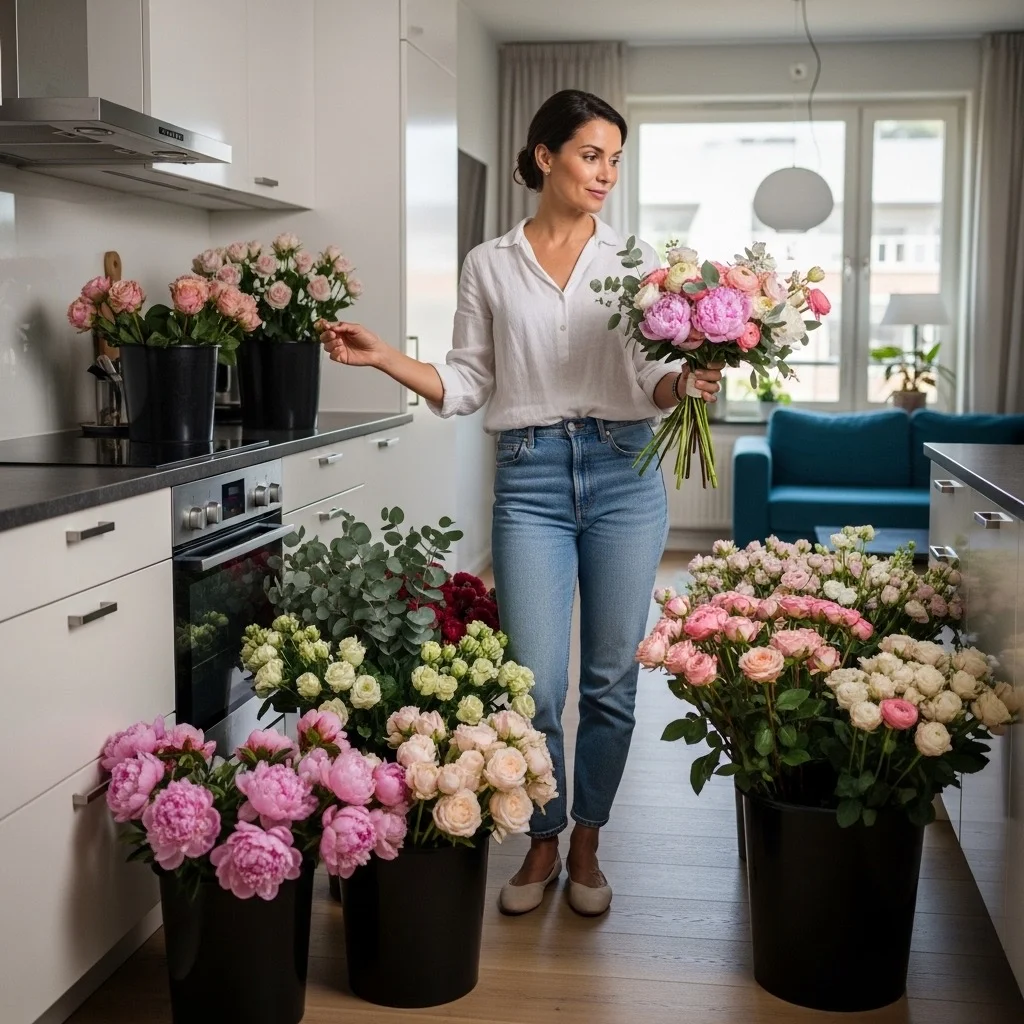
Choosing bulk flowers for your wedding is a smart and impactful decision that blends beauty and practicality. Bulk flowers provide an abundance of fresh, vibrant blooms at a fraction of the cost of pre-arranged florals, allowing you to fill your venue with stunning arrangements while staying within budget. By opting for DIY wedding flowers, you not only save money but also add a meaningful, personal touch to your special day. Crafting your own floral designs allows you to infuse your personality and vision into each arrangement, creating a unique atmosphere that reflects your love story.
Sourcing flowers from wholesale suppliers is the key to successfully bringing your vision to life. Wholesale suppliers offer a wide variety of high-quality blooms, ensuring you have access to all the flowers you need to execute your plans. This approach ensures both affordability and customization, giving you the freedom to create stunning designs without compromise. By combining wholesale sourcing with DIY creativity, you create a wedding that is both memorable and truly your own.