

 by
by 
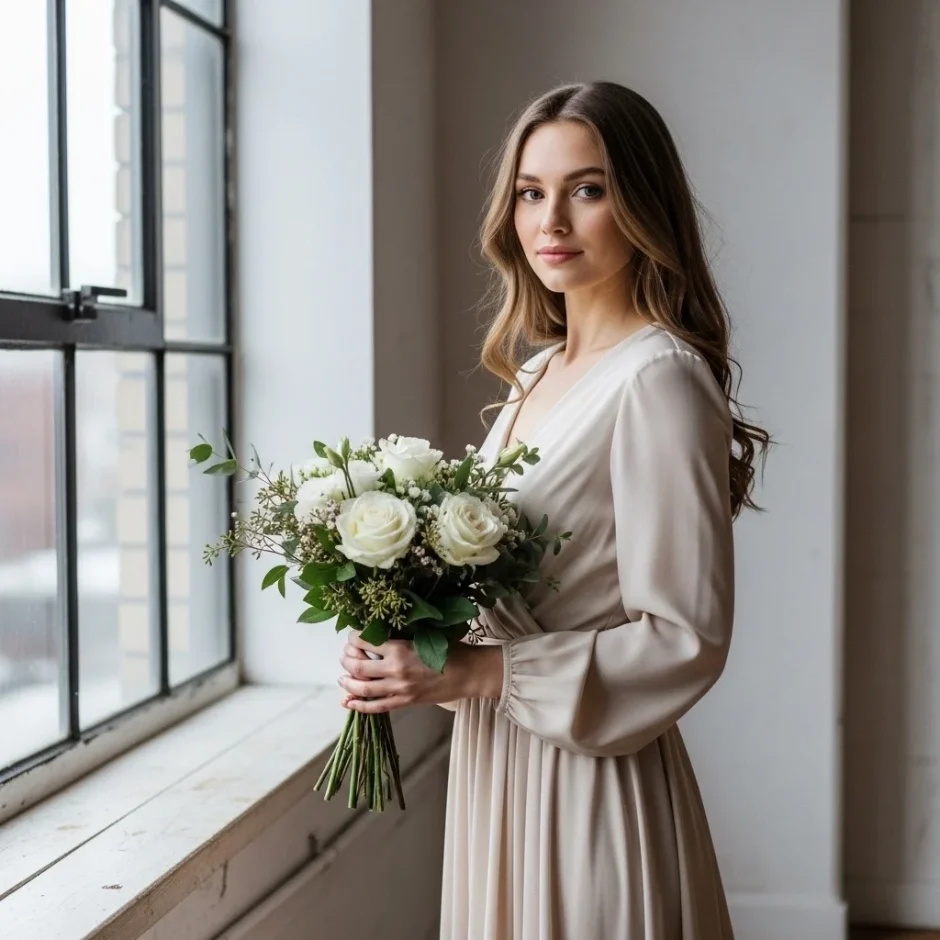
Planning a wedding in 2026 comes with its own set of challenges, and for many early brides, budgeting for flowers feels especially daunting this time around. The reason? Post-holiday sticker shock and early-planner anxiety are colliding with a unique market shift in the wedding floral industry. Many engaged couples, eager to lock in their dream vision as early as possible, are noticing that the cost landscape has evolved—and not always in predictable ways. While annual increases are expected, 2026 has introduced a mix of new factors that make flower pricing feel different.
First, labor shortages in the floral industry are driving up costs. Skilled floral designers and wholesale preparers are in high demand, and that demand hasn’t slowed since major disruptions in recent years. Second, imports play a bigger role than most brides anticipate. Many sought-after blooms, like peonies or garden roses, are imported from regions where transportation costs have risen sharply. Finally, demand timing has shifted. Popular wedding dates in peak seasons, combined with global supply chains that are still recovering, have increased competition for premium stems.
For early planners, this information can feel overwhelming, but it’s also empowering to know where your budget is going. At Whole Blossoms, we’re committed to budget transparency over flashy pitches. Brides aren’t just asking, “How do I get what I want?”—they’re asking, “How much do wedding flowers cost in 2026, and where should I splurge versus save?” The good news? Not every increase is as drastic as it seems, and some blooms that look extravagant can actually be affordable with the right wholesale supplier. Understanding these nuances is key to navigating your floral budget without compromising your vision.
Section 1: How Much Do Wedding Flowers Cost in 2026? (Realistic Ranges)
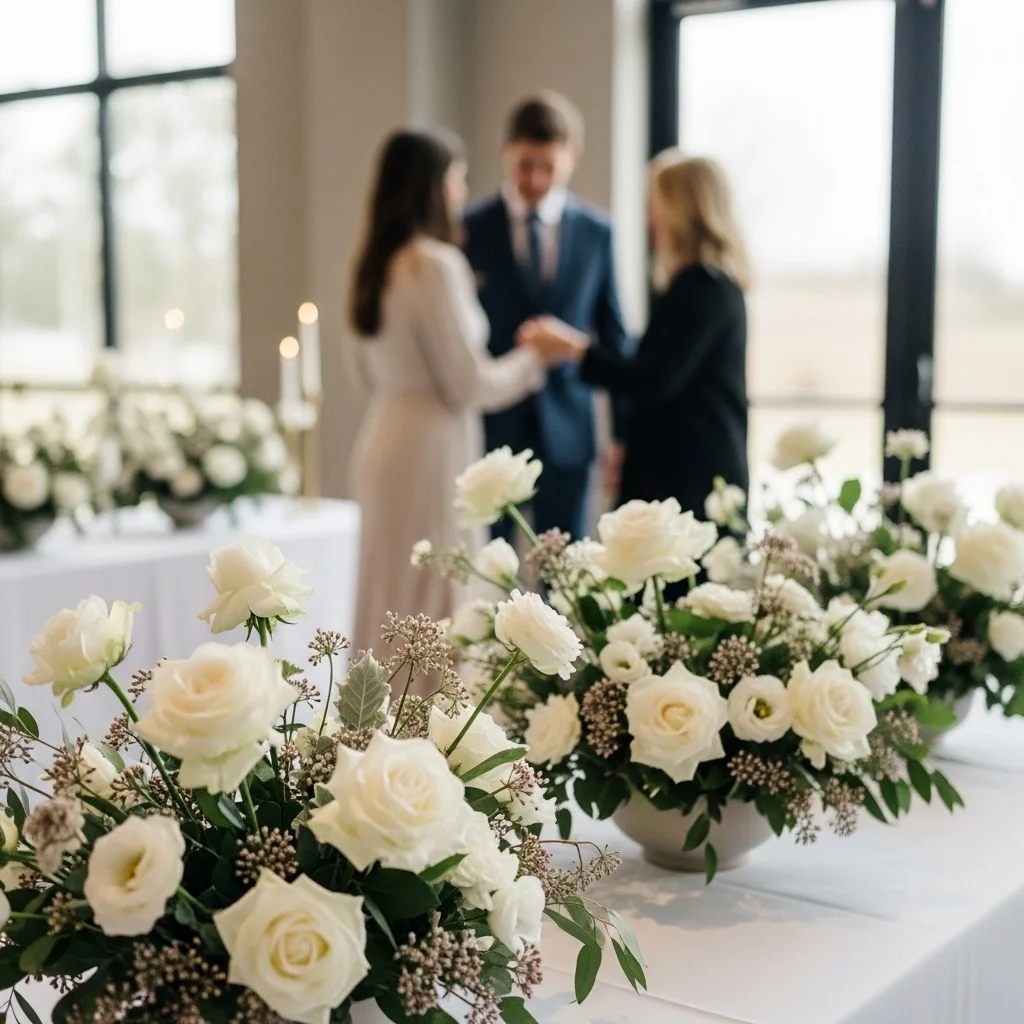
When planning a wedding in 2026, understanding the cost of flowers is crucial for staying on budget while creating a beautiful atmosphere. While pricing depends on factors like seasonality, bloom selection, and scale of the wedding, here are some realistic average ranges to help set expectations:
Average 2026 Wedding Flower Cost Ranges
- Low Tier: $1,500–$3,000
Ideal for budget-conscious couples, this tier typically covers bouquets, boutonnieres, and a few modest centerpieces using seasonal or filler flowers.
- Mid Tier: $4,000–$7,000
This range allows for more variety in floral arrangements, with lush centerpieces, bouquets with premium blooms, and simple ceremony installations.
- Luxury Tier: $8,000+
Brides in this tier can explore extravagant flower walls, cascading bouquets, and large installations with high-end flowers like peonies and orchids.
Cost Breakdown by Wedding Scale
Intimate Weddings
For smaller weddings with 50 guests or fewer, floral budgets often fall in the $1,500–$3,500 range. Expect to focus on personal flowers like the bridal bouquet and compact reception centerpieces.
Medium Weddings
A guest list of around 100–150 requires additional blooms for decor. The average cost lands between $4,000–$8,000, facilitating full ceremony designs, robust centerpiece arrangements, and upgraded floral details.
Large Installations
Grand weddings with over 200 guests may invest $10,000+ in floral design. Think dramatic installations like archways, cascading table runners, and expansive floral features that leave an unforgettable impression.
What’s Changed from 2024–2025 Pricing?
Recent global trends have slightly elevated flower costs, primarily due to supply chain adjustments and increased demand for specific blooms. However, the pricing hikes are not uniform across the industry. While certain exotic flowers have seen a notable spike, many classic options like roses and carnations remain competitively priced, especially when purchased wholesale.
Why Early Brides Should Plan Now
Couples tying the knot in 2026 can save significantly by starting their floral planning early. Booking wholesale flowers well in advance not only locks in current pricing but also offers better flexibility in flower selection before seasonal shortages occur.
Take the Next Step: Looking for ways to stay within your wedding flower budget without sacrificing beauty? Explore the flexibility of WHOLESALE FLOWERS and discover stunning blooms at affordable rates.
Section 2: What Wedding Flowers Are Getting More Expensive (And Why)
Flower prices are influenced by various factors, and understanding these can help couples make smarter choices while still achieving their dream wedding aesthetic. Many blooms are becoming more expensive due to challenges related to import timing, cold-season availability, and labor-intensive preparation.
Rising Costs and Their Causes
Certain flowers, such as peonies and garden roses, tend to cost more during specific months because they are imported from regions where they bloom naturally. This adds transportation and logistical costs to the price tag, particularly if they’re sourced during seasons when they’re less abundant locally. For example, booking peonies in the fall or winter often comes with a premium cost, as they may need to be flown in from warmer climates.
Additionally, some flowers face availability challenges in colder months. Carnations, ranunculus, and anemones grown during chilly seasons may require special greenhouses or heated environments, significantly increasing the expense of production. Labor-intensive flowers, like orchids and lilies, may also see price increases due to the meticulous handling they demand throughout harvesting and preparation. Orchids require delicate care to prevent damage, and this extra effort contributes to their higher price point.
Hidden Costs of Luxury Blooms
While couples often dream of incorporating luxurious flowers like David Austin roses or exotic proteas into their arrangements, these selections may end up being budget traps when used without strategic planning. For instance, bouquets or centerpieces that rely heavily on rare flowers can quickly add up in cost, especially if large quantities are needed. The perceived prestige of “luxury” blooms sometimes outweighs their actual visual impact when overused, making them less cost-effective.
Smart Substitutions to Maximize Value
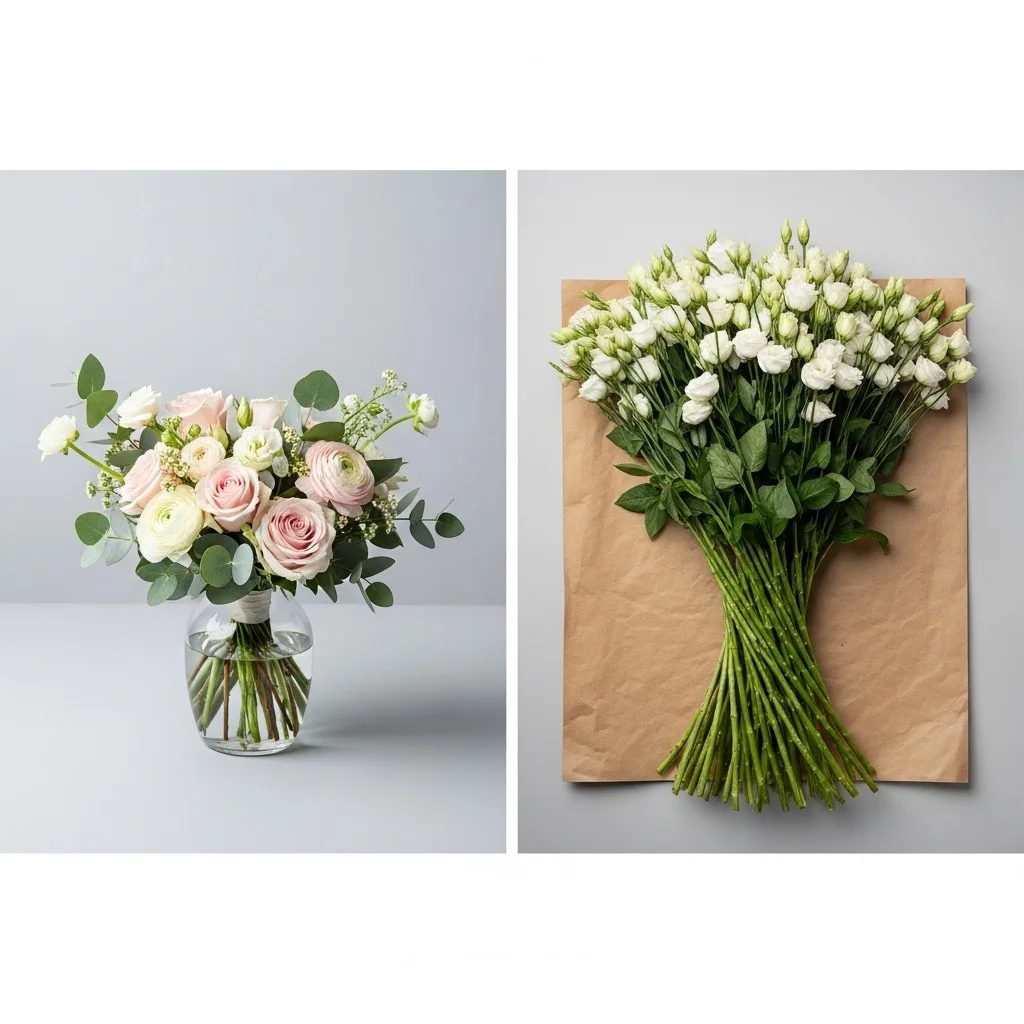
Thankfully, savvy substitutions allow couples to achieve a stunning floral look without the extravagant cost. For example, spray roses can be used in place of garden roses for a similar voluminous effect at a fraction of the price. Dahlias are a smart alternative to peonies, offering lush layers and vibrant colors that hold their own. Incorporating greenery such as eucalyptus or ferns can also provide beautiful texture while reducing the number of flowers needed.
By understanding the factors driving price increases and exploring alternative options, early planners can ensure their wedding flowers stay within budget without compromising on style and elegance.
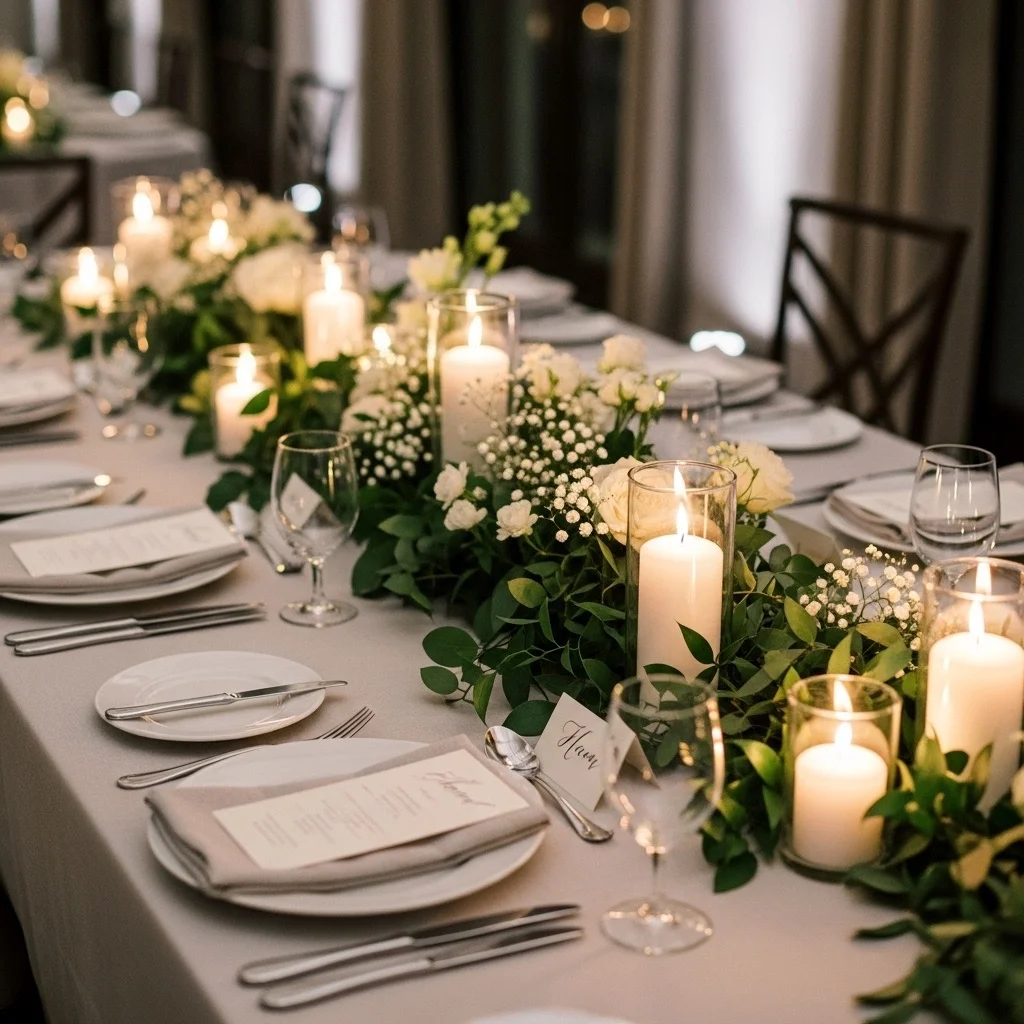
Section 3: The Biggest Wedding Flower Budget Savers Brides Are Using in 2026
Planning a wedding in 2026 comes with its own set of challenges, especially with floral budgets continuing to climb. However, savvy brides are finding innovative ways to achieve their dream wedding look while keeping expenses under control. Here’s a closer look at the key strategies becoming increasingly popular.
Why BULK FLOWERS Outperform Pre-Designed Packages for Budget Control
One of the biggest revelations among budget-conscious brides is the cost efficiency of buying flowers in bulk instead of opting for pre-designed packages. Bulk flowers allow couples to purchase large quantities of blooms at wholesale prices, cutting out the markup that comes with pre-arranged designs. Whether it’s classic roses, delicate carnations, or seasonal blooms, buying in bulk gives couples the freedom to allocate their flowers where they make the most impact—without paying a premium for labor-intensive arrangements. Bulk purchases also offer flexibility for DIY projects while ensuring consistency in color and quality.
The Rise of DIY Wedding Flowers Among Early Planners
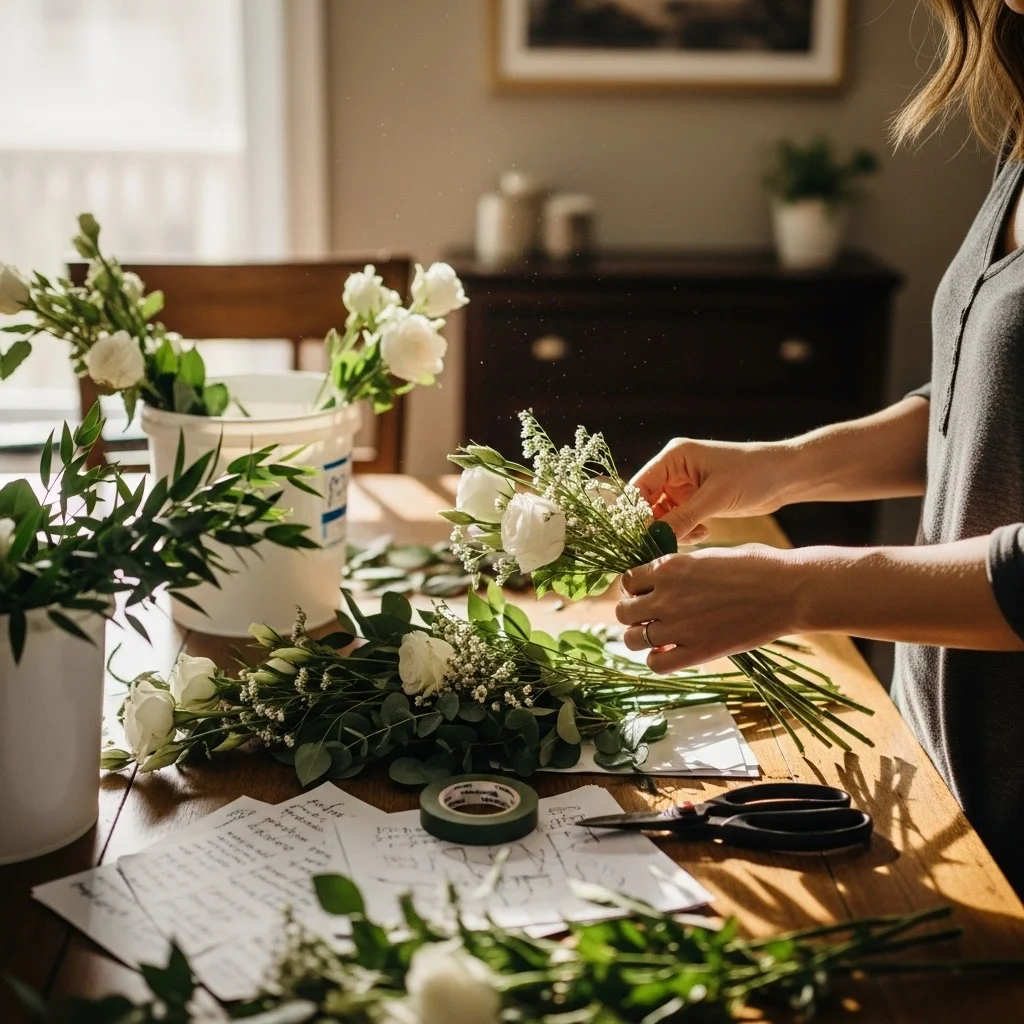
DIY wedding flowers have become a go-to solution for many brides aiming to stretch their floral budgets. By taking on the challenge of arranging their own centerpieces, bridal bouquets, and ceremony decorations, couples can save thousands of dollars compared to hiring professional florists. Thanks to online tutorials and floral supply kits, DIY arrangements are now more accessible than ever. Early planners who invest the time to practice their floral skills ahead of the big day reap the rewards, achieving personalized arrangements at a fraction of the cost. Plus, DIY efforts often add a sentimental touch that reflects the couple’s unique style.
How Fewer Varieties + Higher Stem Counts Save Money
Another budget-friendly strategy involves reducing the variety of flowers used in designs while increasing the number of stems per type. Limiting the selection of blooms streamlines the ordering process and helps avoid extra costs associated with sourcing rare or out-of-season varieties. Instead, focusing on a few versatile flowers—like roses, chrysanthemums, or hydrangeas—not only creates cohesive designs but also maximizes impact. Combining higher stem counts with these affordable varieties ensures visual fullness without breaking the bank.
Why GREENERY Is Still One of the Strongest Value Plays for Volume
If there’s one trend that shows no signs of fading, it’s the strategic use of greenery in wedding flowers. Foliage such as eucalyptus, ferns, and ruscus continues to deliver incredible value by adding texture, volume, and elegance to arrangements. Greenery creates the illusion of abundance, allowing for fewer blooms while still achieving showstopping designs. Popular for both boho and classic styles, greenery remains a staple for couples who prioritize both beauty and budget.
Clear Examples of Savings Scenarios
To illustrate these strategies in action, consider the following scenarios:
- Bulk Flowers vs. Pre-Designed Packages
A bride sourcing 200 bulk garden roses for $2 per stem spends $400, compared to $1,000 for pre-designed arrangements including markup and labor.
- DIY Centerpieces
Couples who create their own centerpieces with bulk hydrangeas and eucalyptus can produce lush table settings for $15 per table, compared to $75 per table from a florist.
- Fewer Varieties, Higher Impact
Using just roses and chrysanthemums for a ceremony arch with greenery may cost $500, whereas mixing five different flower types could exceed $1,000.
- Greenery Dominance
A greenery-heavy reception design with ferns and eucalyptus costs around $600 for comprehensive coverage. Adding large quantities of blooms to the same space would double the expense.
By leveraging these smart cost-saving techniques, brides in 2026 are proving that budget constraints need not stand in the way of stunning, memorable wedding florals.
Section 4: Bulk vs Retail vs Florist Packages (What Brides Don’t Realize)
When it comes to wedding florals, brides often don’t realize how much the sourcing model impacts the overall cost. The three common approaches—retail florists, packaged wedding floral services, and buying wholesale flowers—each involve unique pricing structures and value propositions that brides should carefully weigh.
Retail Florist Markup
Retail florists often impose significant markups as they account for labor, expertise, and time spent designing custom arrangements. This model works wonderfully for brides who prioritize convenience and personalized service, but the costs can quickly escalate. For example, a hand-tied bouquet that costs $150 from a retail florist may only require $30 to $50 worth of flowers when bought wholesale.
Packaged Wedding Florals
Packaged options, often offered by venues or floral companies specializing in weddings, are marketed as a stress-free solution. These “all-inclusive” packages bundle common arrangements—bridal bouquets, boutonnières, centerpieces—but what brides don’t realize is that these packages often include hidden line-item markups. The convenience factor may seem appealing, but compromises on choice and transparency can leave brides paying more for less flexibility.
Wholesale Flowers Approach
For couples looking to maximize their budget, purchasing wholesale flowers is a cost-effective alternative. Wholesale suppliers allow brides to source flowers directly, often in bulk, at a fraction of the price charged by traditional florists. While this approach involves more hands-on planning and assembly, brides can regain control over their designs and expenses. A DIY reception centerpiece, for instance, might cost only $15 when using this method versus $65 from a retail florist.
Why “All-Inclusive” Can Mean Inflation
All-inclusive packages frequently mask individual pricing elements, creating the illusion of a budget-friendly deal. However, examining these contracts closely often reveals line-item inflation once flowers, labor, and overhead are broken down. While this model benefits brides who prefer the ease of a single vendor, it’s not always the most budget-conscious route.
When Full-Service Does Make Sense
Despite the potential cost savings of alternative approaches, full-service florists are an excellent choice for certain brides. Those with highly intricate or elaborate floral visions, limited time, or a desire for professional, seamless execution may find that the additional expense is worthwhile. Full-service florists bring expertise and peace of mind to brides who want their big day to go off without a hitch.
Ultimately, understanding the pros and cons of these sourcing options empowers brides to make informed decisions that balance their budget and wedding goals.
Section 5: Smart Allocation: Where to Spend vs Where to Save in 2026
Planning a wedding involves balancing a range of expenses, and flowers play a pivotal role in creating the desired ambiance. With so many options, it’s crucial to allocate your floral budget strategically, focusing on high-impact areas that will elevate the event while finding opportunities to save in less critical zones. Here’s a guide to making smart floral decisions for 2026 weddings.
High-Impact Spend Areas:
Certain key areas naturally draw attention and therefore warrant a larger portion of your floral budget. These elements often feature prominently in photos or set the tone for the day’s design.
- Bridal Bouquet – The bridal bouquet is arguably the most photographed floral item of the day, appearing in everything from first-look photos to the walk down the aisle. A stunning, thoughtfully designed bouquet is a keepsake-worthy investment.
- Ceremony Focal Points – Whether it’s a lavish arch, floral pillars, or a backdrop, the ceremony setting serves as a major focal point for guests and the backdrop of treasured wedding photos. Highlighting this area with dramatic blooms enhances the event’s overall impact and makes those emotional moments feel magical.
Low-Impact Spend Areas:
Other floral elements can be simplified without detracting from the overall aesthetic. Being strategic in these areas allows you to reallocate funds to more noticeable statement pieces.
- Guest Tables – Centerpieces are no doubt beautiful, but they don’t need to be extravagant. Simplifying floral decorations with greenery-forward designs or smaller arrangements can achieve a romantic look without overspending. Additionally, these flowers are often seen up close only by a few guests per table, diminishing their overall impact.
- Toss Bouquets – Save by keeping toss bouquets simple and compact; after all, they’re designed to be thrown, not displayed long-term. A modest arrangement still fulfills the tradition without straining the budget.
How to Redirect Savings into Statement Pieces:
By scaling back in lower-impact areas, brides can redirect those savings into wow-worthy focal points. Consider upgrading your ceremony flowers with lush, cascading arrangements or investing in elegant blooms that match your color palette. Another way to maximize impact is by extending your ceremony florals into your reception area to repurpose their beauty.
Visual Mindset: “Camera Flowers” vs. “Support Flowers”:
One effective approach to budgeting florals is distinguishing between “camera flowers” and “support flowers.” Camera flowers are the attention-grabbers that dominate photographs and provide the core aesthetic of your event. Think of statement pieces like arches, bouquets, or aisle decorations. On the other hand, support flowers enhance the overall ambiance but don’t demand the same creative investment. Applying this mindset ensures a cohesive, memorable design while focusing the budget where it matters most.
By approaching floral planning with a deliberate and balanced strategy, brides in 2026 can design unforgettable weddings that reflect their style without exceeding their budget. Careful spending on impactful arrangements while saving in less visible areas offers a seamless blend of beauty, elegance, and practicality.
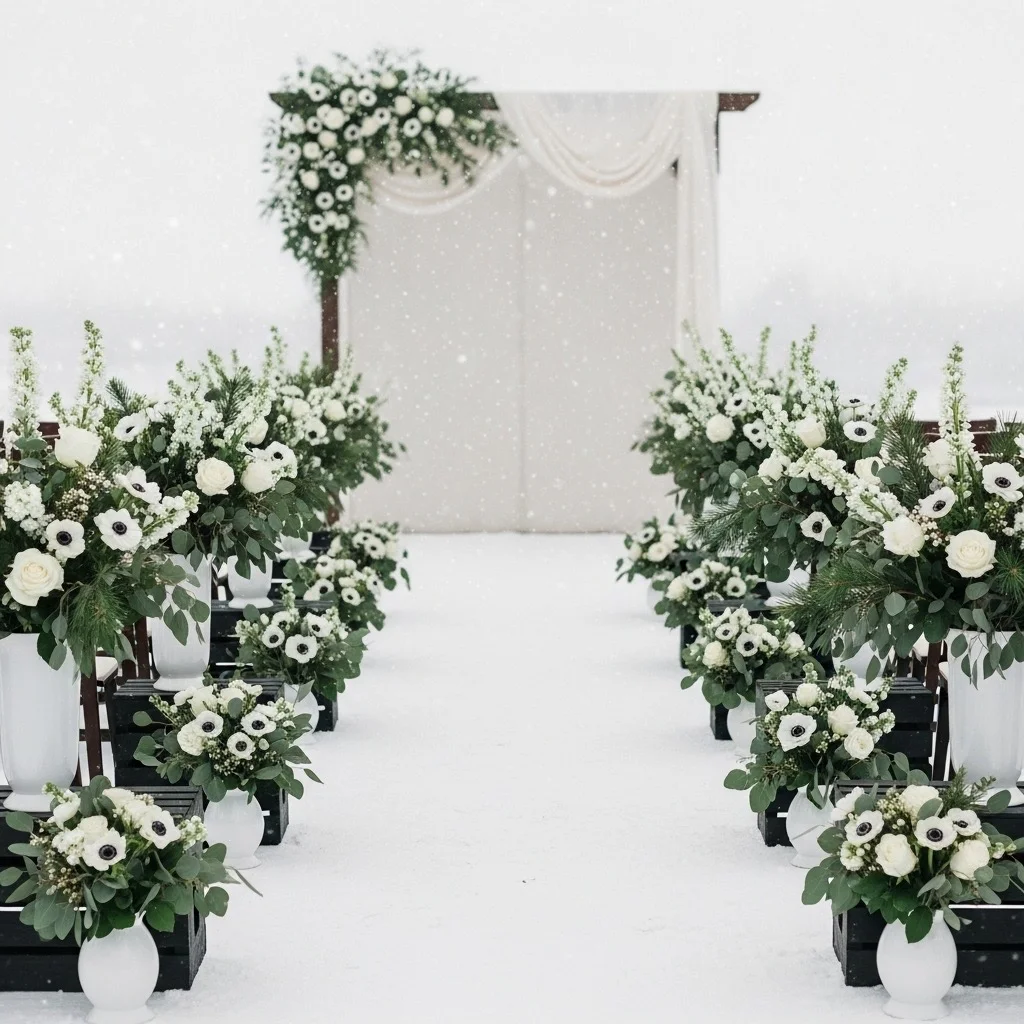
Section 6: Seasonal Strategy: How Timing Changes Wedding Flower Costs
Timing plays a pivotal role in shaping wedding flower costs, and understanding seasonal dynamics can help brides significantly optimize their budgets. Early-year and off-peak planning in 2026 are particularly advantageous for couples seeking financial flexibility. Booking during these less competitive times allows brides access to vendors with more availability and potential discounts, as well as the opportunity to secure in-demand blooms before peak wedding season drives prices upward.
The logic of seasonal availability is one of the most critical factors to consider when designing a floral plan. Certain flowers, such as peonies or dahlias, bloom only during specific times of the year, and their prices fluctuate according to their natural growing cycles. For weddings in 2026, couples should account for these cycles to ensure their desired floral arrangements are both feasible and affordable. Working within nature’s timeline allows planners to avoid excessive costs associated with importing out-of-season blooms or relying on substitutions that may not entirely capture the intended aesthetic.
Another cost-saving benefit lies in early ordering. The further in advance couples secure their flowers, the greater the chance of accessing broad stem selections at better prices. Early planning not only allows florists to anticipate demand but also offers a buffer for handling any unexpected challenges—such as adverse weather affecting supply or last-minute changes in preferences. By locking in arrangements ahead of time, brides can minimize stress and ensure the availability of their dream flowers without facing restricted options due to delays or shortages.
Ultimately, planning now offers unparalleled flexibility later. Couples who approach floral planning with a seasonal and proactive strategy can adapt more easily to evolving circumstances and ensure that their wedding florals align perfectly with their vision. Whether capitalizing on off-season vendor availability or coordinating with nature’s rhythms, this approach empowers brides to create stunning designs that embody both beauty and budget-conscious decisions when their special day arrives.
Section 7: Budget Planning Checklist for 2026 Brides (Downloadable Value)
Planning your wedding florals on a budget doesn’t mean compromising on beauty and elegance. The key is to approach the process with a clear plan and prioritize what matters most to you. This budget planning checklist will guide 2026 brides step-by-step to allocate resources wisely, ensuring a seamless floral experience that complements your big day.
Step 1: Guest Count
Start by defining your guest count as this directly impacts your floral needs. Larger guest lists may require more centerpieces and additional décor, whereas intimate weddings allow for more flexibility. Adjust the scope of your florals to reflect the scale of your event.
Step 2: Style Goals
Establish your wedding style and aesthetic early. Do you envision a romantic garden look, a modern minimalist vibe, or a bohemian-inspired celebration? Identifying your style will help you streamline flower choices and make cost-effective decisions while staying true to your vision.
Step 3: Priority Pieces
Focus on priority floral arrangements that will have the biggest visual impact. Consider essential items like bouquets, ceremony backdrops, and focal centerpieces. After covering these elements, you can decide where to scale back or allocate less toward secondary pieces.
Step 4: Choosing Between Bulk Flowers, DIY, and Mixed Approaches
Evaluate whether buying bulk flowers, creating DIY arrangements, or opting for a mixed approach works best for your budget and time. Bulk flowers allow you to save on costs but may require more labor. DIY projects give a personal touch but require careful planning and hands-on effort. A mixed approach can balance these methods, combining professional design for key pieces with DIY accents.
Step 5: Explore Greenery and Filler Options
Greenery and filler flowers are not only cost-effective but add texture and depth to your arrangements. Lush greenery like eucalyptus or ruscus can elevate any design while keeping expenses manageable. Baby’s breath, asters, and other filler blooms also create stunning accents without straining your budget.
Reassurance for Every Bride
Remember, a beautiful wedding doesn’t require an unlimited budget. Thoughtful planning and prioritization can lead to breathtaking florals that still align with your financial goals. Download the full checklist to confidently design wedding florals that feel uniquely yours while staying within your budget.
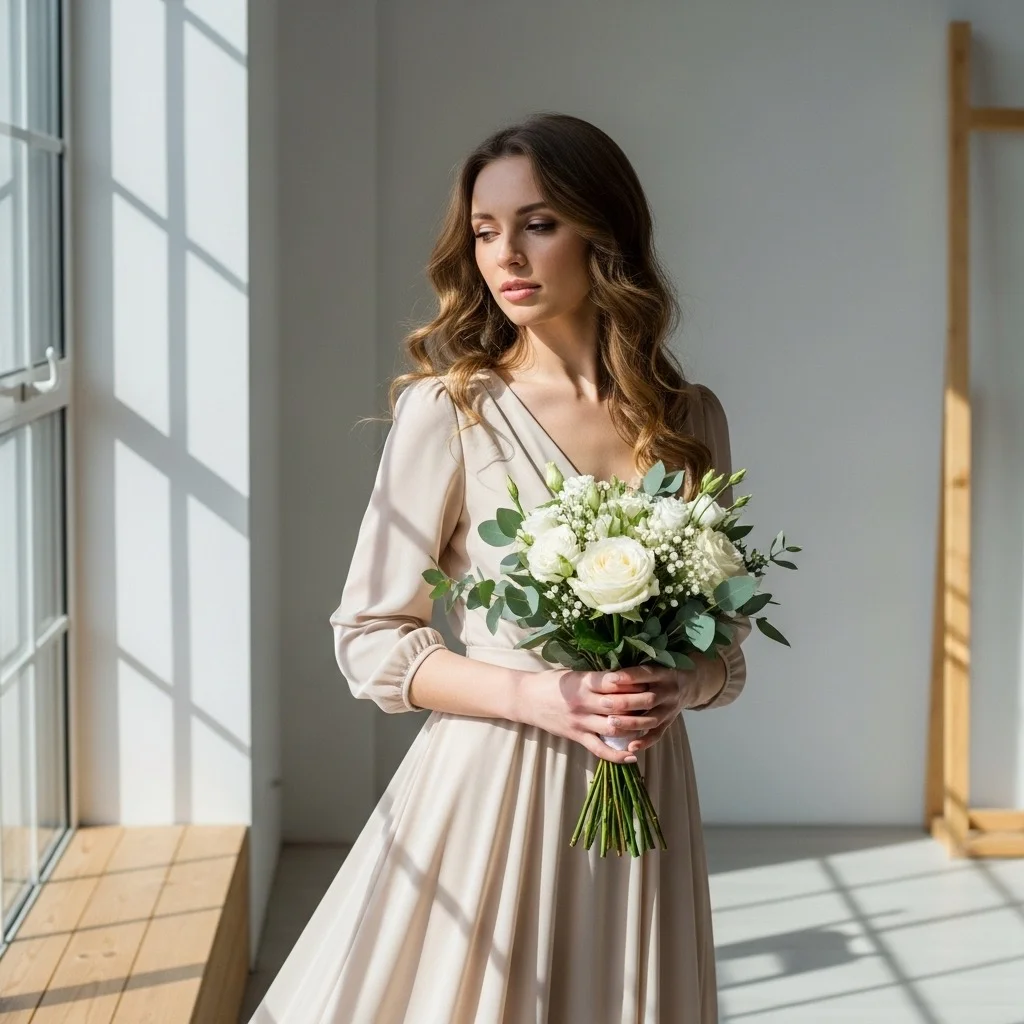
Conclusion: Budgeting Isn’t About Cutting—It’s About Choosing Wisely
Creating your perfect wedding isn’t about making sacrifices—it’s about making intentional, thoughtful decisions that reflect your vision and priorities. Approaching your floral budget with a mindset of empowerment allows you to focus on what matters most, ensuring your celebration is meaningful and memorable without unnecessary stress. Every choice, from the blooms you select to the arrangements you design, can reflect your unique style while respecting your financial plan.
At Whole Blossoms, we understand the importance of balancing dreams with practicality. That’s why we’re here as your dedicated partner to provide premium-quality flowers at wholesale pricing. Whether you’re looking for lush greenery, gorgeous bulk flowers, or the perfect stems for your DIY wedding arrangements, we offer endless possibilities to bring your vision to life without breaking the bank.
To make the most of your planning process, start early. By acting ahead of time, you’ll secure the best prices and have access to the widest selection of blooms, ensuring you won’t have to compromise on your big day.
Explore our vast range of wholesale flowers, bulk flowers, and DIY wedding flowers today to bring your floral dreams to life. You deserve a wedding that captures your love story—and with Whole Blossoms, it’s easier than ever to achieve. Together, we’ll transform your vision into an unforgettable celebration full of beauty and joy.