


 by
by 
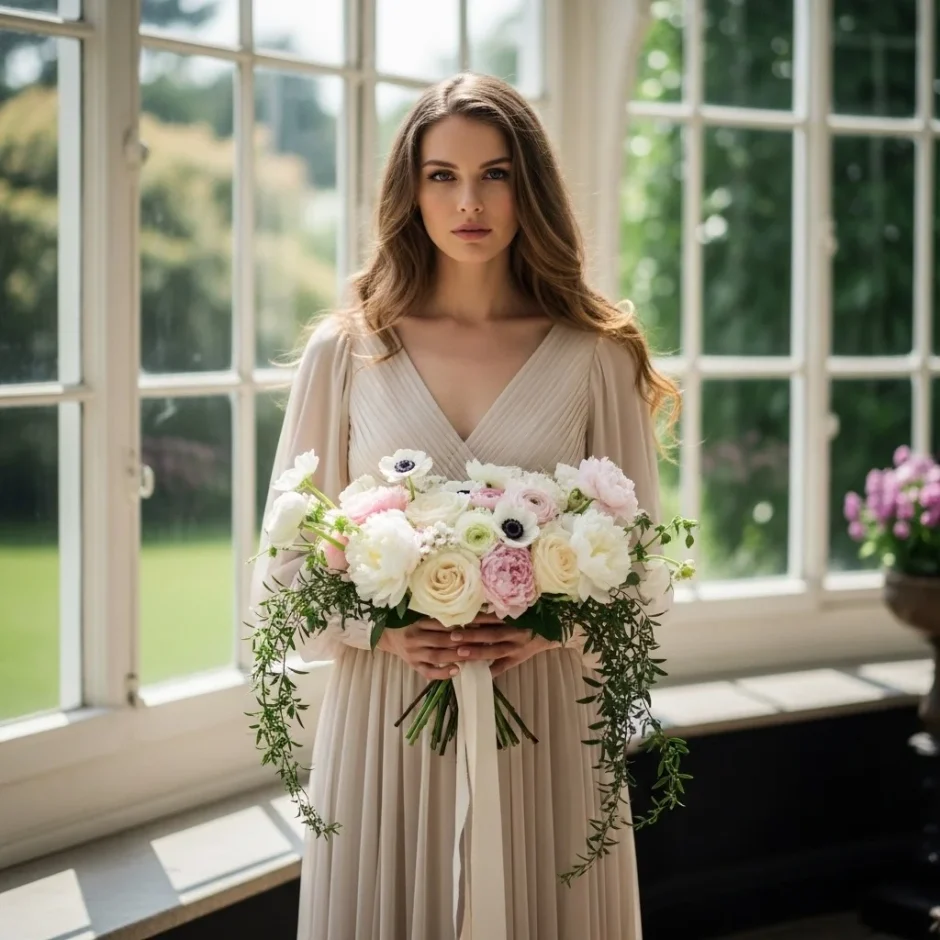
Planning a wedding that falls between the cold, frosty days of winter and the fresh, blossoming season of spring can feel like walking a fine line. Brides planning their big day between December and March often find themselves stuck—do they lean into the deep, cozy hues of winter or the bright, airy tones of spring? This transitional period can lead to overwhelming decisions about decor, especially when it comes to selecting the perfect flowers. That’s where choosing transitional wedding flowers can make all the difference for 2026 couples.
Opting for flowers that naturally bridge the gap between these two seasons not only helps reduce redesign costs for decor, but also ensures every floral arrangement feels intentional, whether you’re basking in snowflakes or surrounded by the first signs of spring. Season-flexible flowers provide a timeless beauty that allows brides to feel confident in their palette regardless of unexpected weather shifts or seasonal ambiguity.
Whole Blossoms is proud to offer an exquisite array of transitional flowers carefully chosen to shine in both winter and spring weddings. These blooms are versatile, romantic, and guaranteed to suit any seasonal vision. Featured favorite options for 2026 include roses, peonies, ranunculus, anemones, garden roses, and lush greenery. Each of these florals provides a seamless blend of seasonal aesthetics, offering beauty and elegance no matter the month.
Flowers that work for both winter and spring weddings include roses, peonies, ranunculus, anemones, and garden roses, accentuated by lush greenery.
Part 1 – The New 2026 Wedding Trend—Seasonal Fluidity
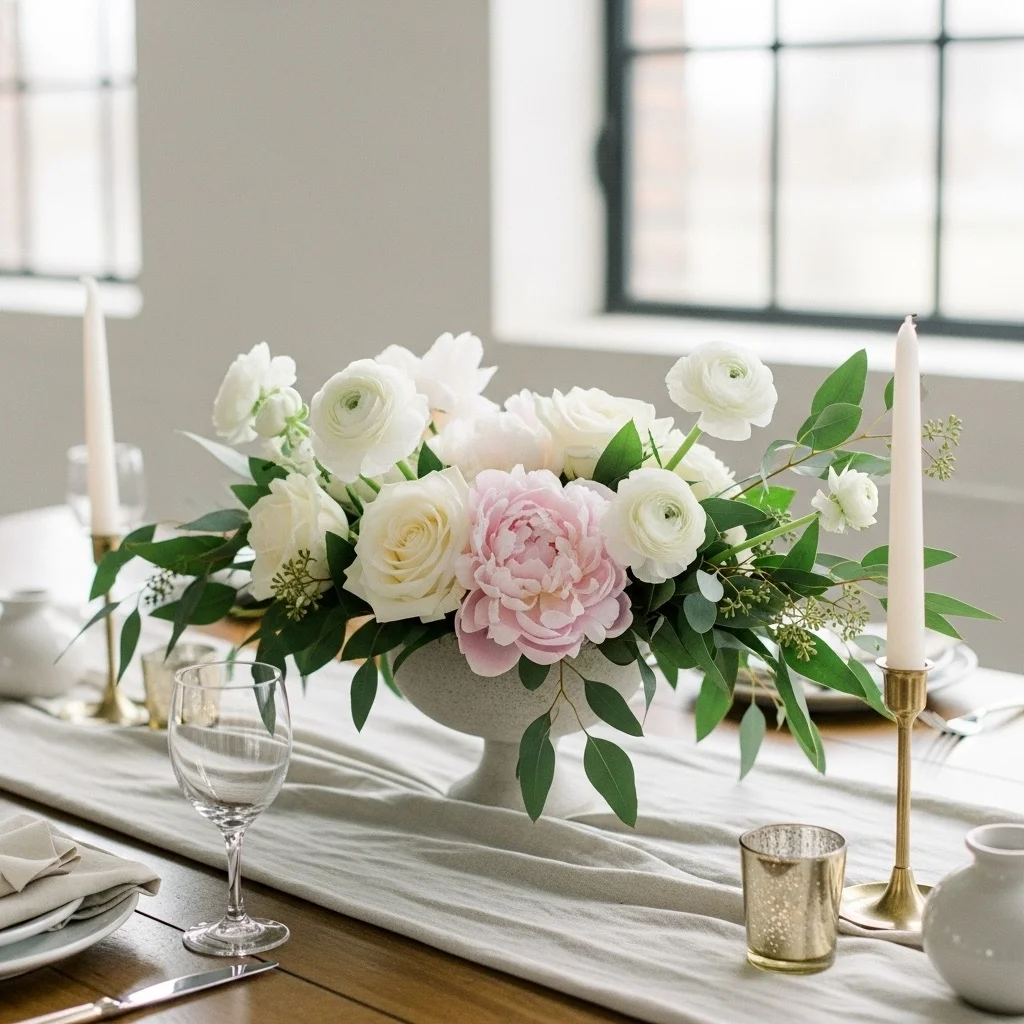
The year 2026 ushers in a refreshing approach to wedding design, with the concept of seasonal fluidity taking center stage. Gone are the rigid rules of selecting florals strictly tied to a specific season—couples and designers alike are favoring flowers and décor that seamlessly span the transition between winter and spring. This flexibility allows for weddings that feel timeless, beautifully designed to complement the shifting tones of nature. Seasonal fluidity caters to busy couples planning events months in advance, offering visually cohesive aesthetics no matter what side of the calendar the wedding falls on.
Designers are particularly embracing this trend by curating arrangements that blend both winter wedding flowers and spring wedding flowers. Roses, peonies, ranunculus, and garden roses are favorites due to their availability and versatility. By incorporating lush greenery and anemones, which both thrive across seasons, experts ensure that floral palettes feel relevant whether the wedding lands in January or April. These carefully thought-out choices make it possible to create wedding designs that celebrate the natural beauty of both frost-tipped mornings and the first signs of spring blooms.
Photographers and venues are also leaning into season-neutral floral palettes. Transitional flowers like anemones and ranunculus photograph beautifully in varying light conditions, allowing imagery to evoke soft winter elegance or fresh spring vibrancy depending on the setting. Subtle shifts in a venue’s natural lighting or decor accents can highlight changes in color temperature or floral texture, giving each couple’s wedding a unique and dynamic visual narrative. By leveraging this versatility, venues and creatives produce celebrations that truly feel one-of-a-kind.
Perhaps one of the most compelling advantages of seasonal fluidity is its attention to natural transitions in tone and ambiance. For example, adding cooler hues and denser textures for a January wedding may evolve into softer pastel tones and lighter arrangements as spring weddings approach. This balance creates a visually harmonious experience, ensuring that the décor is season-appropriate without appearing forced.
Seasonal fluidity redefines the traditional boundaries of winter wedding flowers and spring wedding flowers, ensuring that 2026 wedding trends offer beauty, practicality, and timeless elegance no matter the time of year. By blending tradition with modern sensibilities, this trend ensures a stunning celebration that feels deeply personal and effortlessly stylish for every couple.
Part 2 – Why Roses Are the Ultimate Winter-to-Spring Flower
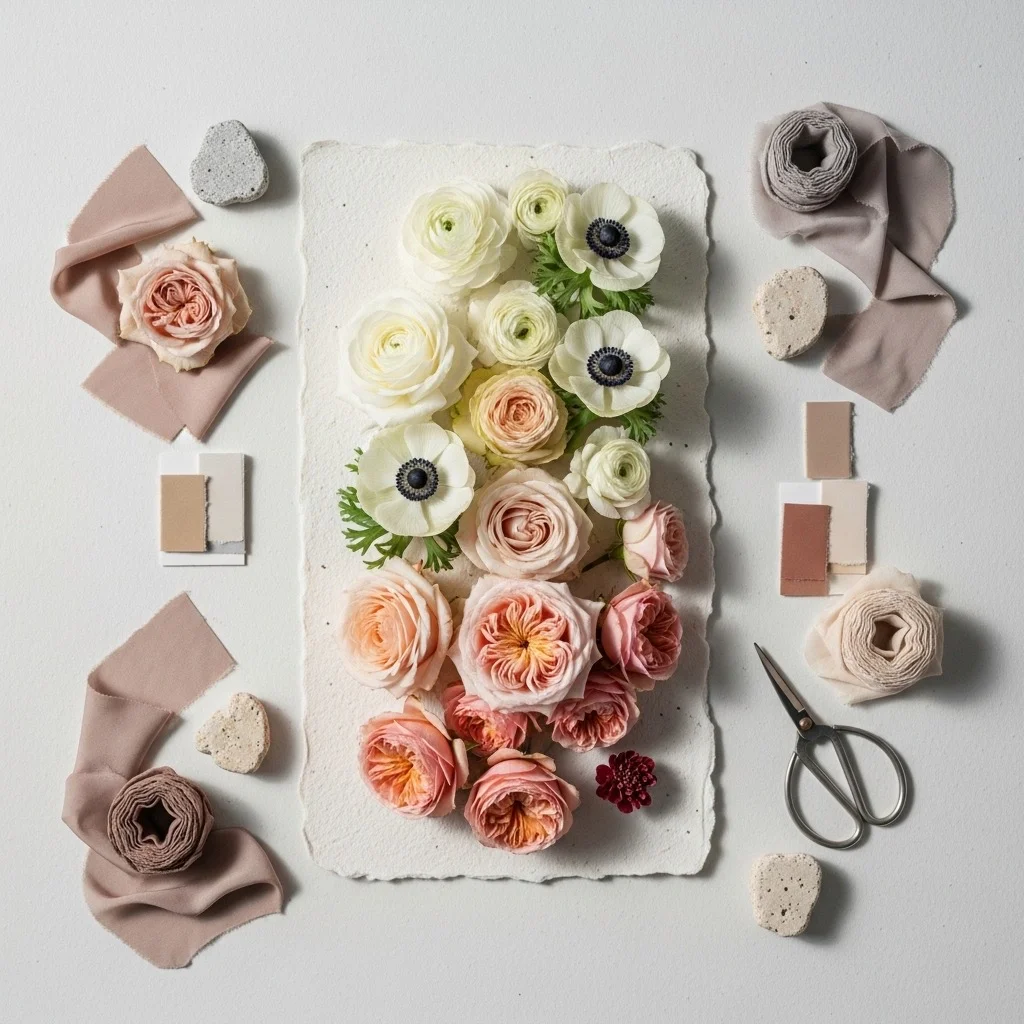
When it comes to transitional wedding design, Roses are undeniably the ultimate choice. These timeless blooms possess a unique ability to anchor almost every seasonal aesthetic, effortlessly spanning the shift from winter’s cozy elegance to spring’s fresh vibrance. The versatility of roses lies in both their vast variety of colors and their endless styling potential, making them a dream choice for couples seeking seamless seasonal harmony.
White, blush, champagne, and soft neutral Roses are particularly effective for weddings that take place between December and April. These hues adapt easily to the changing seasons, delivering a wintry sophistication during colder months and transitioning into the light, romantic tones of spring. White roses evoke purity and a sense of timeless beauty, while blush and champagne varieties invite warmth and subtle luxury. Soft neutral roses, on the other hand, balance both ends of the seasonal spectrum, creating an understated yet impactful design element.
For couples looking to achieve premium elegance, Premium Roses are unparalleled in their ability to elevate both winter and spring weddings. During the winter months, these roses contribute to opulent arrangements that feature rich greenery and touches of gold or silver, exuding refinement and festive charm. Come spring, premium roses can be styled with delicate pastel accents, airy textures, and garden-inspired blooms for a fresh, romantic vibe. The unparalleled quality and longevity of premium roses ensure that arrangements remain lush and vibrant, no matter the season.
Styling roses for transitional weddings also allows for creative exploration of garden-style versus classic design aesthetics. From December to February, classic styling with symmetrical arrangements and tightly packed bouquets reflects winter’s structured beauty. From March onward, a garden-style approach—featuring cascading greenery and loosely arranged blooms—emphasizes spring’s organic renewal. This flexibility makes roses ideal for catering to couples’ unique tastes while staying seasonally relevant.
To make the most of roses for a winter-to-spring wedding, it’s essential to select varieties that thrive in both cooler and warmer temperatures. Varieties like Vendela (cream), Quicksand (champagne), and Sweet Avalanche (soft pink) are popular choices due to their consistent quality and versatile appeal. These roses not only handle shifting climates well but also pair beautifully with other blooms, enabling endless design possibilities. For bulk floral needs, roses remain a reliable option for creating lavish centerpieces, bouquets, and installations.
Explore our collection of Premium Roses and Bulk Flowers to find the perfect blooms for your winter-to-spring wedding.
Part 3 – Peonies in Transitional Weddings—What Designers Know
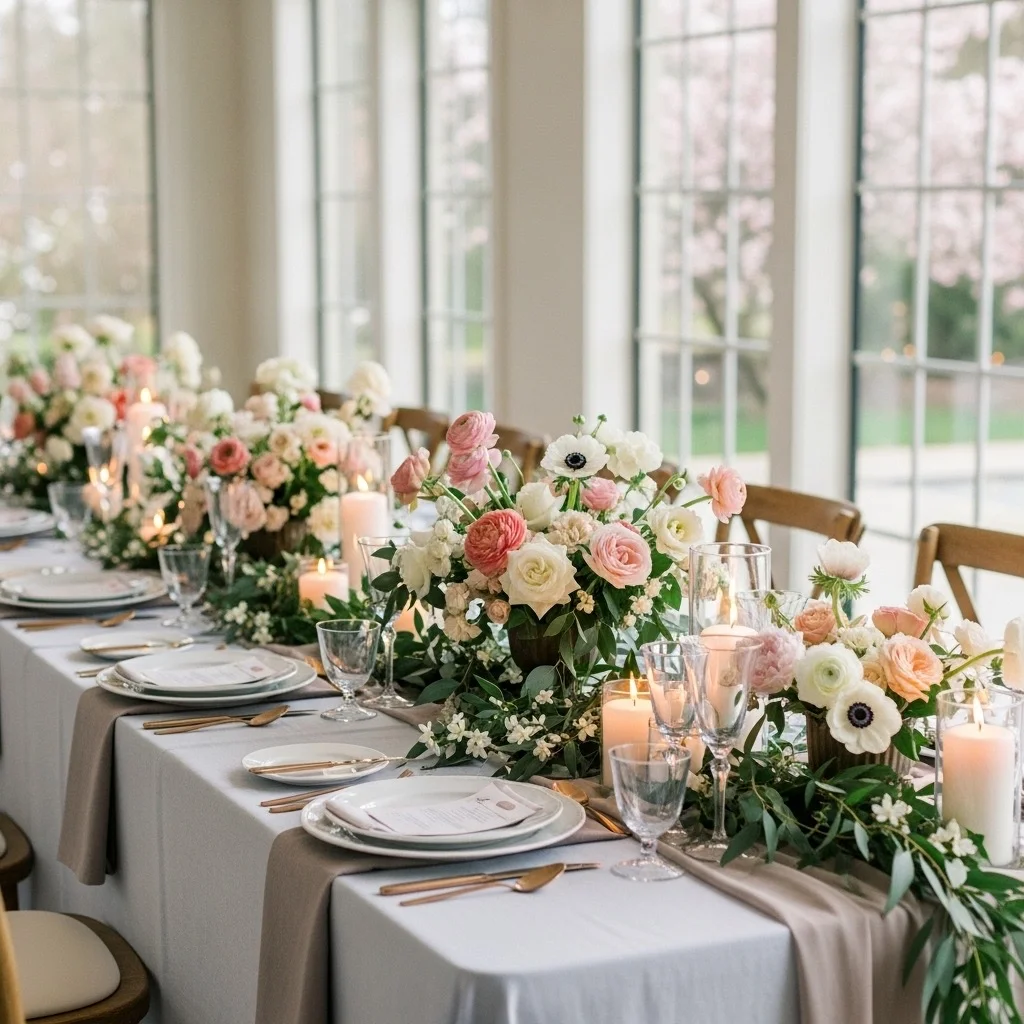
Peonies have become increasingly requested for late winter and early spring weddings, captivating couples and designers alike with their lush, romantic blooms. Loved for their voluminous texture and timeless appeal, peonies evoke an air of luxury and celebration, making them a favorite choice for transitional-season weddings. While peonies are traditionally a spring bloom, imported and specialty sourcing options now make them available earlier in the year. Major markets like the Netherlands and South America provide high-quality peonies in a variety of colors, extending their season and giving designers more flexibility to work with this sought-after flower.
For late winter and early spring weddings, blending peonies with other seasonal blooms is essential to creating a harmonious and cohesive look. Designers often pair peonies with winter florals like hellebores, anemones, and ranunculus. These combinations bring subtle contrasts in texture and tone, ensuring that peonies don’t look out of place within colder seasonal designs. By incorporating soft greenery such as seeded eucalyptus or dusty miller, floral arrangements maintain a transitional feel, bridging the gap between winter’s muted tones and spring’s vibrant palettes.
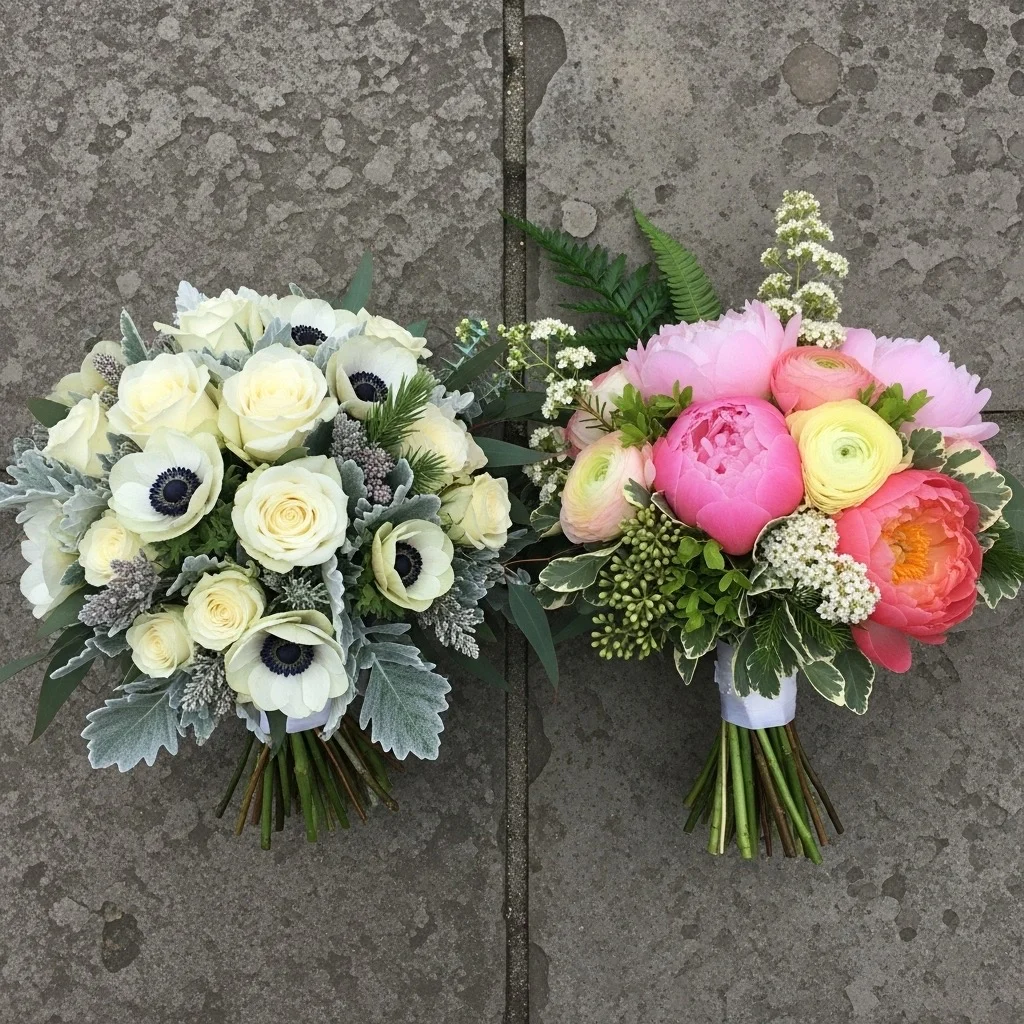
Color palettes play a critical role in ensuring that peonies feel natural when used across seasons. Pale shades like blush, ivory, and apricot are particularly versatile, seamlessly blending with darker wintery hues such as burgundy or plum. On the other hand, bolder varieties like coral or fuchsia can inject fresh energy into early spring weddings when paired with crisp whites and pastel accents. This adaptability makes peonies an appealing choice for couples who want their florals to convey both elegance and natural beauty.
One challenge when working with peonies is managing expectations around their availability and cost, especially during off-peak months. Designers emphasize the importance of communication with clients, explaining the factors that impact peony supply and how substitutions may be needed while still maintaining the desired aesthetic. Despite these concerns, careful planning, trusted suppliers, and creative design alternatives ensure that peonies retain their luxury appeal, even during transitional wedding seasons.
Can peonies be used in winter weddings? Absolutely! While they’re traditionally associated with spring, specialty sourcing now makes it possible to feature peonies in late winter designs. Paired with winter blooms and complementary palettes, peonies can enhance the elegance of any seasonal wedding.
PART 4 – RANUNCULUS AND ANEMONES—THE QUIET SEASONAL BRIDGE
When it comes to transitioning seamlessly between winter and spring in wedding florals, Ranunculus and Anemones stand out as versatile favorites. Both blooms offer unique features that make them the ideal choice for February and March weddings, blending seasonal appeal with timeless elegance.
WHY RANUNCULUS FEELS WINTRY YET BLOOMS LIKE SPRING
Ranunculus are known for their delicate, layered petals that give them a soft yet structured appearance. Their intricate shape feels well-suited for the cooler months, exuding a cozy elegance that pairs effortlessly with wintry décor. Yet, these blooms also capture the lightness and freshness of spring, creating a harmonious balance that works perfectly in transitional designs. Available in a wide range of colors, from creamy neutrals to deep burgundies and soft pinks, Ranunculus adapt easily to create an atmospheric feel that bridges two seasons.
HOW ANEMONES INTRODUCE CONTRAST WITHOUT SEASONAL CONFLICT
ANEMONES offer a striking contrast with their dark, dramatic centers framed by soft, often white or pastel petals. This feature effortlessly adds depth and visual interest to bouquets and arrangements. Their crisp, modern aesthetic feels both seasonally versatile and contemporary, allowing them to blend with winter palettes while hinting at the vibrancy of spring. Their understated elegance helps anchor wedding designs without overwhelming other floral elements, making them a reliable choice for a stunning yet balanced arrangement.
POPULAR WINTER-TO-SPRING COLORWAYS FOR RANUNCULUS
Designers favor RANUNCULUS for their ability to complement a variety of palettes, especially during the shift from winter to spring. Popular colorways include:
- Ivory and Blush: Soft and romantic, ideal for airy winter themes with hints of spring warmth.
- Deep Burgundy and Cream: Combining moody winter tones with elegant neutrals, perfect for evening weddings.
- Peach and Yellow Hues: A lively option to welcome the arrival of spring with subtle warmth.
USING ANEMONES TO MODERNIZE WINTER DESIGNS
Beyond their natural beauty, Anemones serve as a bold, modern addition to classic winter wedding arrangements. Their high contrast and minimalist charm can elevate traditional greenery-focused designs, offering a contemporary twist to winter bouquets. Paired with muted roses, frosted foliage, or dusty accents like eucalyptus, Anemones create a striking impression that feels innovative while remaining approachable.
WHY DESIGNERS RELY ON THESE BLOOMS FOR FEBRUARY AND MARCH WEDDINGS
Ranunculus and Anemones are beloved by wedding designers due to their exceptional versatility, wide color options, and affordability during late winter and early spring months. Their availability during this transitional period allows for seamless, seasonally appropriate designs that look luxurious without compromising on cost or cohesion. Additionally, these flowers photograph beautifully, making them a popular centerpiece for high-impact visuals and social media features.
Whether used individually or as complementary blooms in a grander scheme, Ranunculus and Anemones continue to define the quiet, elegant bridge between winter and spring weddings. Their timeless appeal ensures a memorable and breathtaking celebration for couples looking to unite the best of both seasons.
Part 5 – The Rise of Garden Roses for Soft Seasonal Transitions
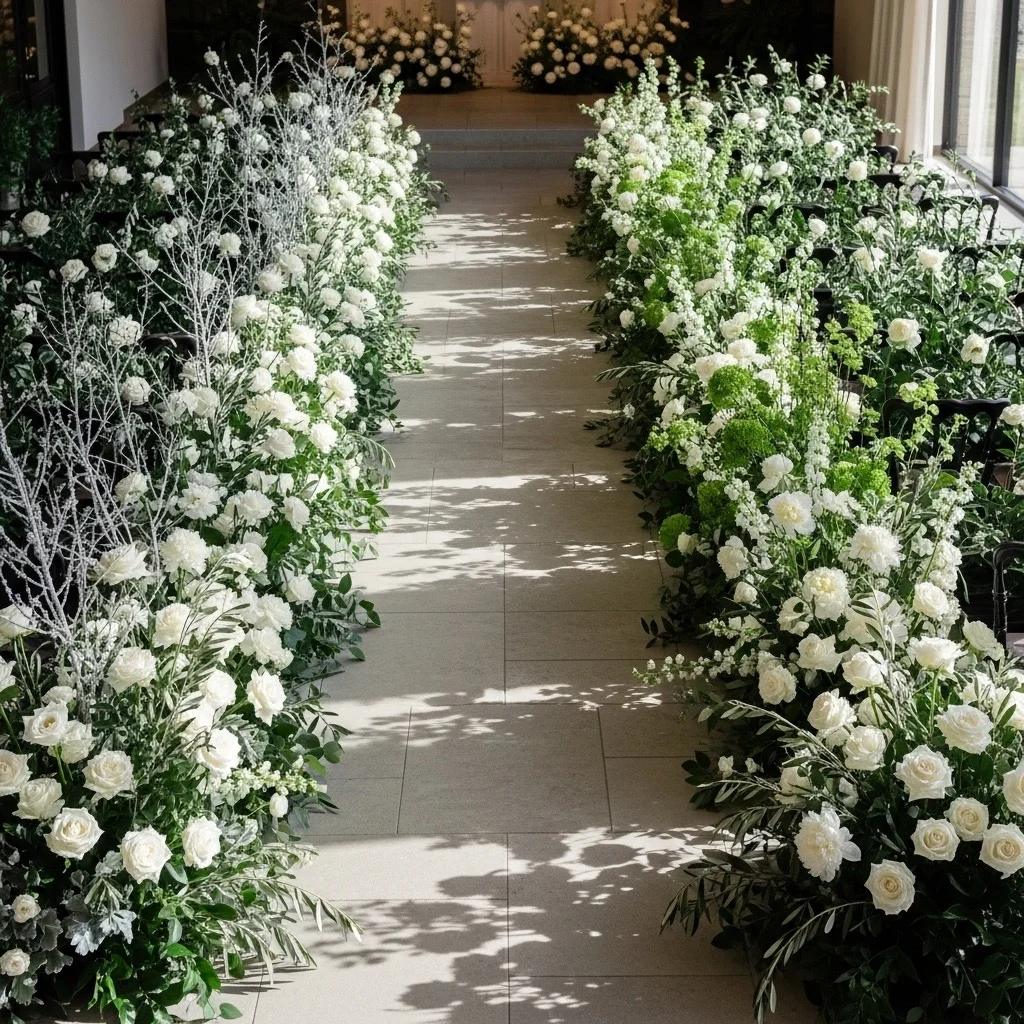
Garden roses have become an increasingly popular choice for weddings that straddle the transition between seasons, offering a versatile and timeless alternative to traditional spring-only flowers. Unlike more season-specific blooms, garden roses boast an inherent adaptability, making them ideal for colder months while still embodying the freshness of spring. Their lush petals, romantic appearance, and wide range of muted tones can seamlessly blend into ceremonies held in early spring or late winter, creating a soft and cohesive aesthetic.
One of the key reasons garden roses stand out is their ability to complement a variety of textures, which works beautifully across seasons. Their gently ruffled petals and voluminous shape exude a garden-inspired feel, evoking natural softness that bridges the colder months’ elegance with the budding vibrancy of spring. Muted blush, cream, and even dusty mauve tones offer a refined palette that easily pairs with a range of colors, from wintery whites to warmer pastels, allowing for a cohesive progression in design.
Garden roses also bring a sense of movement and natural irregularity that feels organic and unstructured. This quality makes them particularly suitable for weddings seeking a romantic, laid-back vibe. When paired with greenery, such as eucalyptus, olive branches, or ferns, garden roses create a seamless flow, uniting the rich textures and grounded hues of winter foliage with the lighter, airy feel of spring blooms. The combination delivers a timeless harmony that feels effortless, fresh, and deeply romantic.
For ceremonies that bridge seasonal aesthetics, styling garden roses with intentional detail can make all the difference. Use them in cascading bouquets mixed with trailing vines for an ethereal effect or in low, abundant centerpieces that mimic the softness of an overgrown garden. Incorporating garden roses into floral arches or aisle arrangements can also provide a sense of continuity and warmth, whether the setting leans toward crisp winter opulence or whimsical spring charm. With their versatility, muted beauty, and natural texture, garden roses remain an unmatched choice for couples seeking a celebration that flows effortlessly between seasonal boundaries.
Part 6 – Greenery That Works From Winter Into Spring
Greenery serves as the foundation of transitional floral design, connecting the visual elements of arrangements as they flow from one season to the next. Its versatility and natural beauty provide the perfect base to create harmony between bold winter flowers and the fresh softness of spring blooms. By carefully selecting and layering greenery, designers can craft stunning displays that feel cohesive and dynamic, regardless of the season.
For winter-friendly greens that transition beautifully into spring, consider options like magnolia leaves, evergreen branches, and soft, feathery ferns. Magnolia leaves, with their dual-toned surfaces, add depth and texture, while evergreen foliage such as cedar or pine brings a structured, seasonal touch. These heartier greens seamlessly pair with lighter spring options, such as seeded eucalyptus or ruscus, which lend an air of renewal and vibrancy.
The way designers layer greenery also evolves as the seasons shift. During winter, arrangements tend to highlight denser, more structured greens to frame bolder, richer florals like amaryllis or ranunculus. However, as spring approaches, softer greens with flowing, airy textures—like ivy or Italian ruscus—are introduced to lighten the look and complement delicate spring blooms such as anemones or tulips. This strategic layering mirrors the transition in nature while creating dynamic compositions.
Greenery also plays a crucial role in neutralizing the intensity of winter flowers. Dark, moody blooms can be softened with airy spring greens to create balance and prevent arrangements from feeling too heavy or overpowering. This thoughtful contrast helps establish a sense of harmony, making designs feel fresh yet seasonally appropriate.
Additionally, greenery is a cost-effective way to stretch floral budgets without compromising on style. It can be used generously to fill out arrangements, providing volume and lushness even on a tighter budget. By investing in versatile greenery that works through multiple seasons, couples can save on costs while achieving a high-impact aesthetic. For those inspired by DIY creations, greenery offers endless possibilities for crafting stunning centerpieces, arches, or garlands.
For more ideas on incorporating greenery into your florals or designing on a budget, explore our guide on greenery & fillers or tips for DIY wedding flowers. Greenery not only provides a timeless, natural aesthetic but also bridges the gap between seasons with ease and elegance.
Part 7 – Color Palettes That Transition Effortlessly
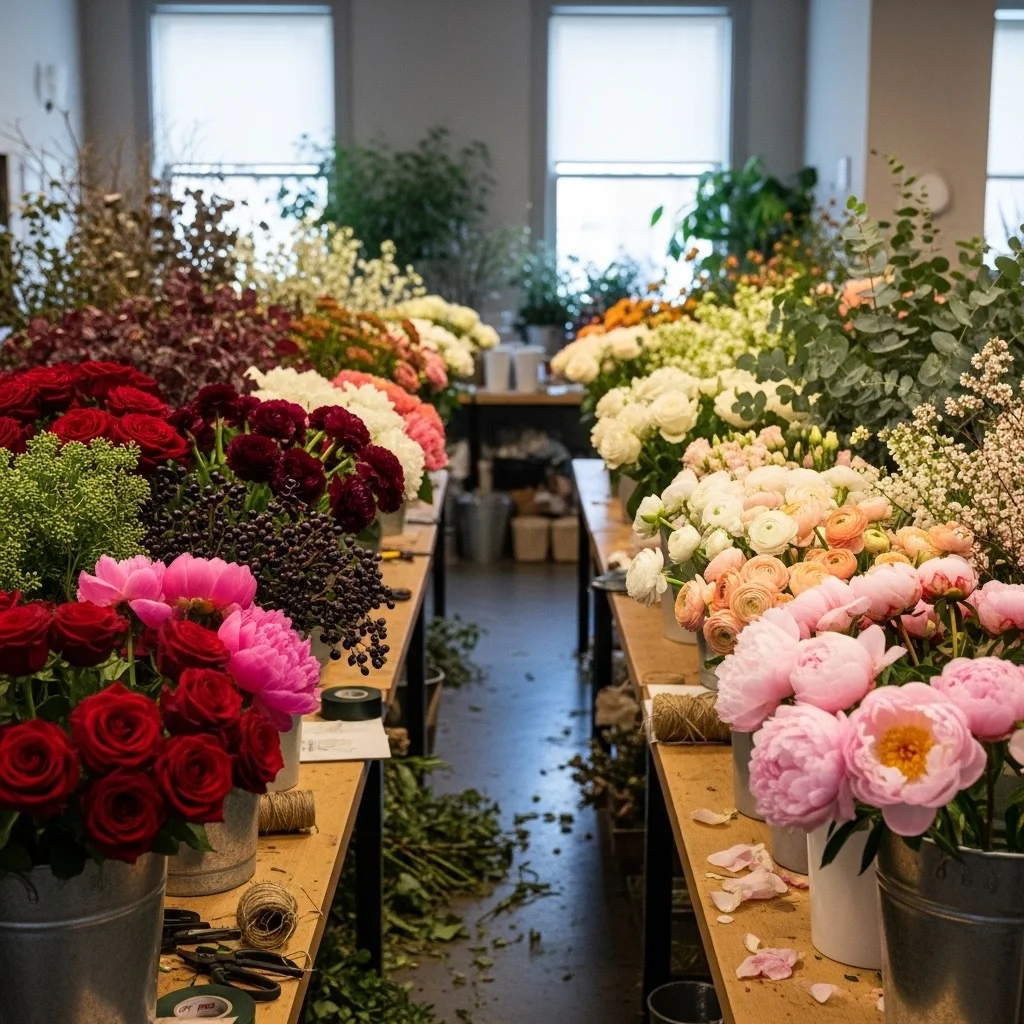
Choosing the right color palette for your wedding can ensure your celebration feels cohesive and stylish, no matter the season. For a wedding that spans the transition from winter to spring, it’s best to opt for versatile colors that provide elegance in any setting. Start with winter neutrals and subtly evolve them into spring-inspired warmth as the months progress. Timeless hues such as whites, ivories, soft blush, stone, champagne, and muted greens work beautifully in creating a sophisticated and adaptable scheme.
One key to avoiding the “holiday-only” color trap is to steer clear of overly seasonal hues like bright reds and greens, which may feel tied to December. Instead, focus on tones that add depth without being too thematic, such as rich creams or dusty pinks to complement winter neutrals. These colors act as a foundation that allows your decor to stay seasonally appropriate, even as the surroundings shift into spring.
Florals are another excellent way to carry color without committing to a specific season. For example, neutral-colored arrangements can integrate pops of soft spring greenery or light pastel blooms, creating dynamic arrangements that evolve naturally with the seasonal transition. High-impact flowers like ranunculus, anemones, or hellebores can add texture and interest without locking you into a specific seasonal aesthetic.
Some examples of palettes that pair wonderfully from January through May include combinations like white, blush, and sage green or champagne, dusty rose, and stone. These tones play beautifully against natural backdrops and are endlessly customizable, whether you’re in a cozy winter venue or an airy spring garden. Another stunning option is to incorporate a hint of gold or soft metallics in your decor, adding richness and charm that feels equally at home in both winter and spring settings.
Best wedding colors that work for winter and spring:
- Soft blush and ivory accented with sage green
- Champagne and dusty rose with stone accents
- White and cream highlighted by pops of muted greenery
- Neutral tones paired with delicate metallics like gold or rose gold
Choosing a palette that transitions effectively ensures your wedding design stays timeless while effortlessly bridging seasons. The versatility of carefully chosen colors and thoughtfully incorporated florals will help your vision shine, no matter when you celebrate.
Part 8 – How Transitional Flowers Save Money and Reduce Redesign Stress
When planning a wedding that spans transitional seasons, incorporating flexible floral arrangements can make a significant impact on both your budget and your peace of mind. One major advantage of choosing transitional flowers is their seasonal flexibility, which reduces the need to replace arrangements due to availability issues. Flowers like roses, hydrangeas, and eucalyptus work across seasons, making them excellent options for stable, achievable designs. By sticking with blooms that transcend seasonal limitations, couples can avoid last-minute changes often associated with season-specific choices.
Another strategy is reusing ceremony florals throughout reception spaces. For example, floral archways, aisle arrangements, or altar bouquets can be artfully repurposed as table centerpieces, stage décor, or photo booth backdrops. This not only maximizes the value of your floral investment but also reduces waste and eliminates the cost of creating entirely new arrangements for different parts of the event.
By planning fully around transitional flowers, couples can also avoid the stress of palette changes or unplanned substitutions. Sticking to adaptable florals ensures that your designs remain cohesive even if bloom availability shifts closer to your wedding date.
Additionally, wholesale flowers and bulk ordering offer cost-efficiency and support long-term planning. Sourcing flowers in bulk enables couples to secure reliable options at lower costs, ensuring their arrangements meet aesthetic and budgetary goals well in advance. These strategies help stretch your dollars while delivering a polished and elevated look.
Far from being a compromise, this approach can actually emphasize luxury. A cohesive, versatile floral scheme communicates thoughtful design and sophistication, showing that the couple values elegance and practicality. By choosing flexible, transitional flowers, couples can create a stunning event experience without unnecessary financial strain or last-minute stress.
Designing a Wedding That Feels Timeless—Not Seasonal
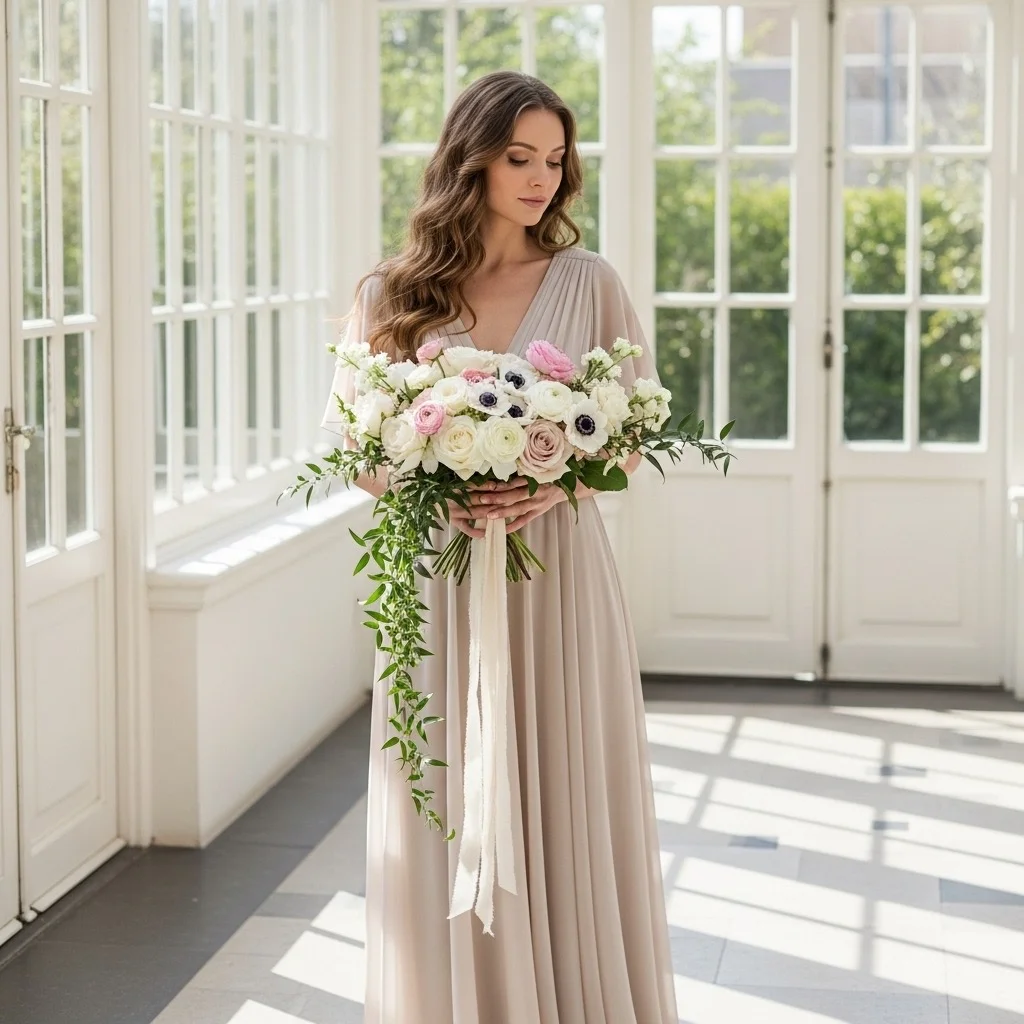
Planning a wedding that transcends seasonal boundaries allows couples to create a timeless experience, one that beautifully reflects their unique story. For brides navigating the complexities of planning across seasons, rest assured that an adaptable floral strategy can help tie everything together seamlessly. The key lies in selecting flowers that evolve naturally, complementing the changing seasons while maintaining a cohesive and elegant aesthetic.
Flowers such as roses, carnations, and greenery like eucalyptus are perennial staples, offering versatility and enduring appeal. By focusing on these adaptable elements, couples can achieve a design that feels consistent and intentional, no matter the date of the wedding. Mixing textures and tones, or incorporating pops of color strategically, can further personalize the overall look without overwhelming the theme. Trust that fluid, versatile arrangements will help transform any venue into a timeless setting.
If you’re still exploring your options, take some time to browse categories like wedding flowers, bulk flowers, and greenery to find inspiration that aligns with your vision. From lush bouquets to elegant centerpieces, these curated selections can help bring your dream wedding to life while staying true to your budget and style.