


 by
by 

Nothing says love like fresh flowers—but with a little care, you can make your Valentine’s blooms last long after the special day. Valentine’s Day flowers hold a special place in our hearts, symbolizing love, affection, and thoughtfulness. Whether it’s a classic bouquet of red roses or a more unique arrangement of your partner’s favorite blooms, flowers are a timeless way to express deep emotions and celebrate the spirit of the holiday. Yet, for many, the joy of receiving such a heartfelt gift can quickly fade as the flowers begin to wilt. Fortunately, with a little extra attention and care, you can extend the life of your Valentine’s bouquet, helping it stay fresh, vibrant, and beautiful for days to come.
Flowers have a remarkable ability to capture feelings words often cannot convey. Their beauty and sweet fragrance evoke happiness and warmth, making them a cherished Valentine’s tradition. However, the fleeting nature of these blooms doesn’t have to mean you can’t enjoy them for longer. Through proper care, such as trimming stems, changing water regularly, and keeping the arrangement in the ideal environment, the lifespan of your flowers can be significantly prolonged. This small effort not only preserves their aesthetic appeal but also keeps the sentiment behind the gift alive.
This guide is here to help you make the most of your Valentine’s Day flowers. With a few simple yet effective care tips, you can ensure your bouquet remains gorgeous throughout the week, serving as a lingering reminder of love and joy. Take a little time to nurture your flowers, and they’ll return the favor with their enduring beauty, keeping the Valentine’s spirit alive and blooming.
Part 1 – Preparing Your Flowers for Longevity
A. The First Steps After Receiving Flowers
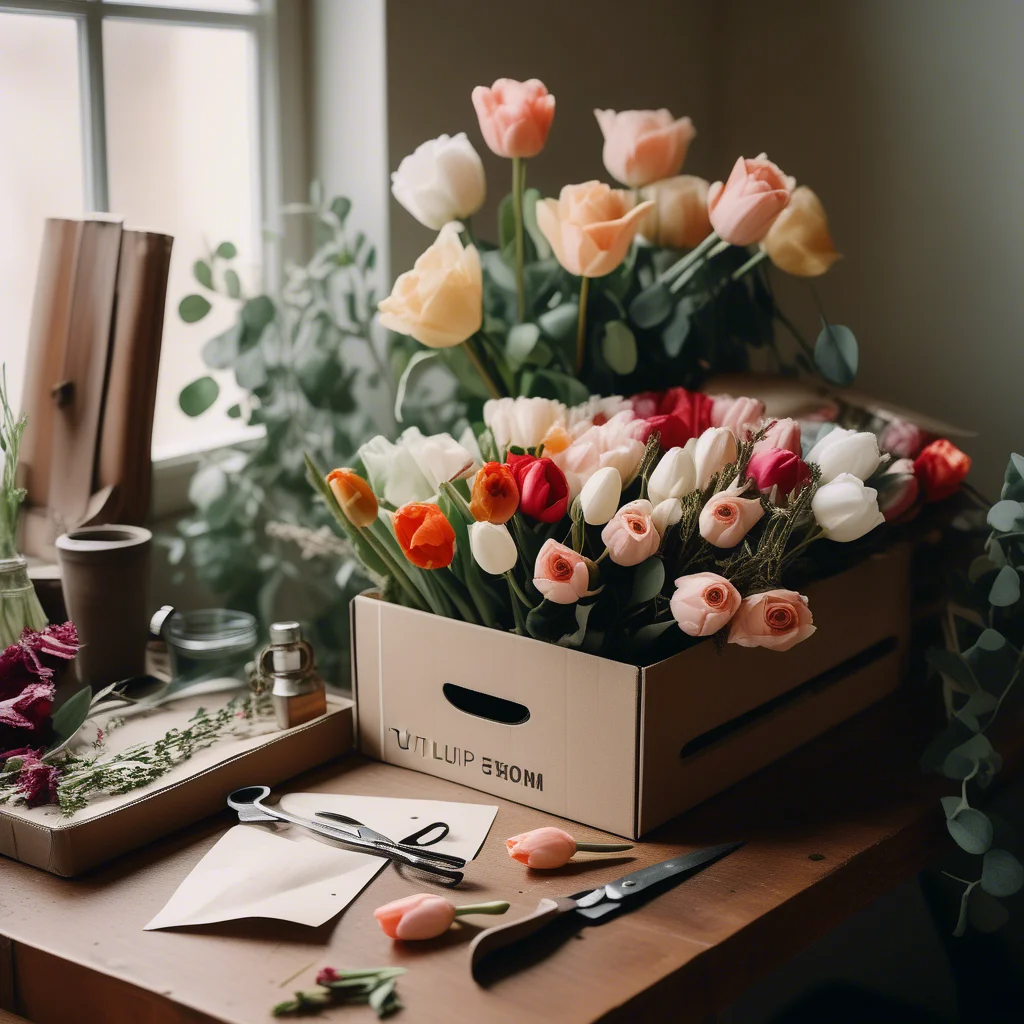
When you receive a beautiful bouquet, the way you handle it initially can significantly impact its lifespan. Start by unpacking with care—remove the flowers from their wrapping as soon as possible. Keeping them wrapped for too long may cause wilting due to a lack of proper airflow and hydration. Once unwrapped, take a moment to inspect each flower carefully. Look for any damaged petals or leaves and remove them gently, as these could cause premature decay.
The next step is to trim the stems. Using a clean, sharp pair of scissors or garden shears, cut the stems at a 45-degree angle. This angled cut increases the stem’s surface area, improving its ability to absorb water effectively. For optimal results, trim 1-2 inches off each stem. It’s also a good idea to repeat this process every couple of days to ensure consistent hydration.
Hydration is essential to keeping your flowers fresh and vibrant. Fill a clean vase with lukewarm water, as this temperature is ideal for promoting water absorption. Ensure the water level is adequate to cover the lower part of the stems, but not too high to submerge the leaves, as submerged leaves can rot and introduce bacteria. With these simple steps, you set the stage for your flowers to flourish.
Pro Tip: Replace the water in the vase every 2-3 days while trimming the stems to maximize your bouquet’s longevity.
B. Choosing the Right Vase and Water
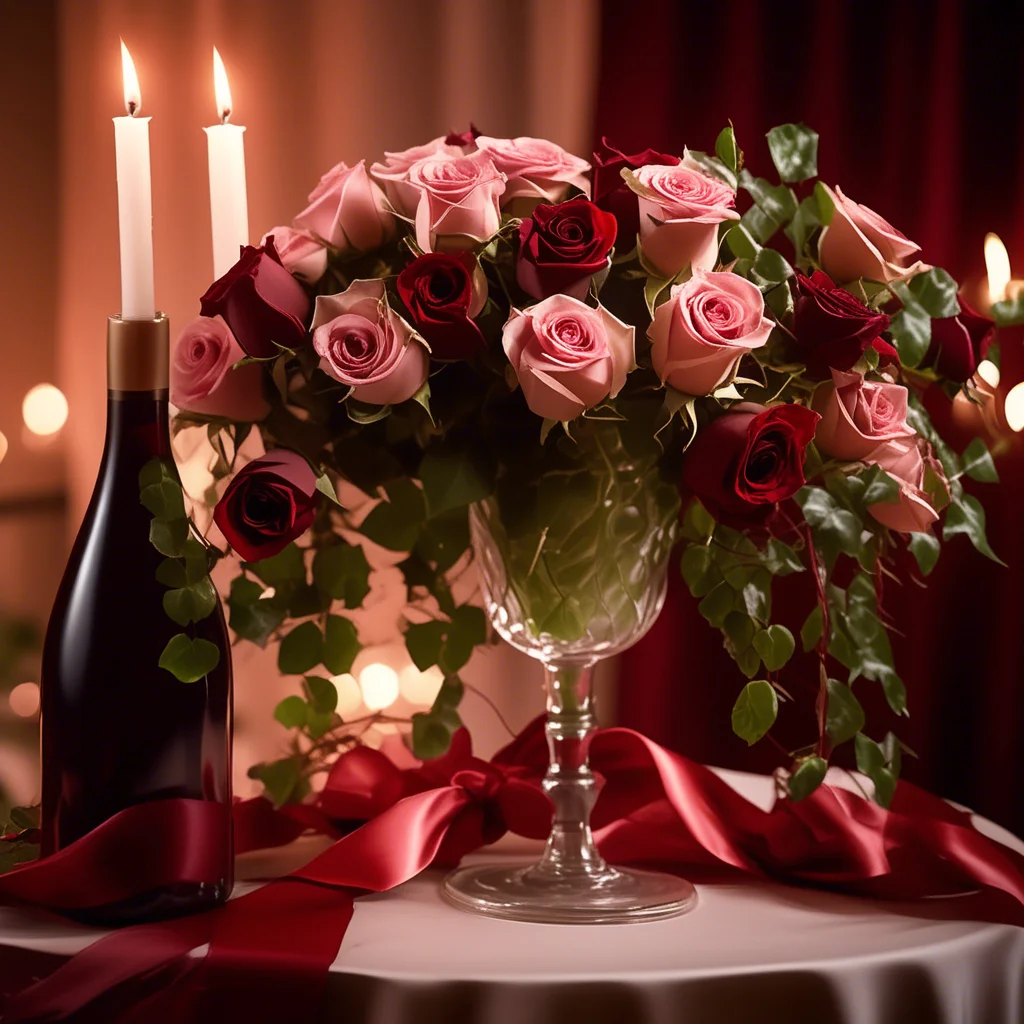
Selecting the right vase is equally important in ensuring your blooms stay healthy. The size and shape of the vase should complement the flowers, providing enough room for the stems to spread comfortably without overcrowding. Overcrowding can lead to broken stems or uneven water distribution. For larger bouquets, choose a wide-mouthed vase, while smaller, delicate arrangements look stunning in narrow vases.
Cleanliness is another critical factor. Before placing flowers in a vase, wash it thoroughly with soap and warm water. This step removes any residual bacteria that might be lingering from previous use, reducing the chance of your flowers spoiling prematurely.
Next comes adding flower food, which is a vital part of the process. Many florists include a small packet of flower food with their arrangements. Mix this packet thoroughly into the water before placing your flowers in the vase. Flower food often contains a combination of sugar, an acidifier, and agents that slow bacterial growth, all of which help extend the life of your flowers.
Pro Tip: If your bouquet didn’t come with flower food, you can easily make a DIY solution at home. Mix 1 teaspoon of sugar, 1 teaspoon of vinegar, and a few drops of bleach into 1 quart of water. This homemade formula mimics the effects of store-bought flower food, keeping your blooms well-nourished and protected from bacteria.
By carefully choosing the vase and preparing the water, you create the perfect environment for your Valentine’s Day flowers to thrive long after the initial gift is received.
Part 2 – Daily Maintenance Tips to Keep Flowers Fresh
Keeping your Valentine’s Day flowers vibrant and fresh requires a bit of daily care. With the right maintenance routine, you can enjoy the beauty of your blooms for days or even weeks to come. Here are some essential daily maintenance tips:
A. Change the Water Regularly
One of the most important steps to keeping your flowers fresh is changing the water regularly. Stagnant water quickly becomes a breeding ground for bacteria, which can shorten the life of your blooms. Follow these simple steps to ensure your flowers have a fresh supply of water:
- Frequency: Replace the water every 1-2 days. Fresh water prevents bacterial growth and keeps your flowers hydrated.
- Clean the Vase: Every time you change the water, rinse the vase thoroughly with soap and warm water. This helps eliminate any lingering bacteria that could harm the stems.
- Pro Tip: Use lukewarm water when refilling the vase. Lukewarm water is absorbed more easily by the flower stems compared to cold water, promoting better hydration.
By establishing this routine, you create a clean and nourishing base for your flowers, maximizing their longevity.
B. Keep Flowers in the Right Environment
The environment where your flowers are placed plays a crucial role in their freshness. Flowers are sensitive to temperature and light, so making smart placement choices can make all the difference:
- Avoid Direct Sunlight: While flowers need light to grow, cut flowers fare better in shaded areas. Direct sunlight can cause them to wilt faster by accelerating evaporation from the petals and stems.
- Keep Away from Heat Sources: Avoid placing your flowers near heat-generating appliances like radiators, stoves, or electronics. The dry heat can dehydrate the flowers and shorten their lifespan.
- Pro Tip: Store your flowers in a cooler space at night. Cooler temperatures help slow down their metabolic processes, which can prolong their freshness and vibrant appearance.
By maintaining a stable, cool, and shaded environment, you’ll give your flowers the best chance to stay crisp and lively.
C. Prune and Remove Wilting Parts
Pruning is essential for keeping your flowers healthy and preventing decay. Neglecting to remove wilting or dead parts can encourage bacteria to spread, potentially harming the entire arrangement. Here’s how you can stay on top of pruning:
- Why Pruning is Important: Dead leaves and flowers not only detract from the beauty of the bouquet but also release harmful bacteria into the water, hastening the decay of healthy blooms.
- Check for Freshness: Make it a daily habit to inspect your flowers for any signs of wilting. Remove petals or stems that appear shriveled or discolored.
- Pro Tip: Re-trim the stems every two days. Cutting the stems at a slight angle improves their ability to absorb water, ensuring they stay hydrated for longer.
Regular pruning ensures that your flowers remain vibrant and prevents one struggling bloom from affecting the rest of the arrangement.
By following these daily maintenance tips—changing the water, ensuring the right environment, and pruning when necessary—you’ll keep your Valentine’s Day flowers looking as stunning as the day you received them. These small yet effective steps will help your bouquet thrive, allowing you to enjoy its beauty and fragrance far beyond the special occasion.
Part 3 – Special Care for Different Types of Flowers
A. Roses
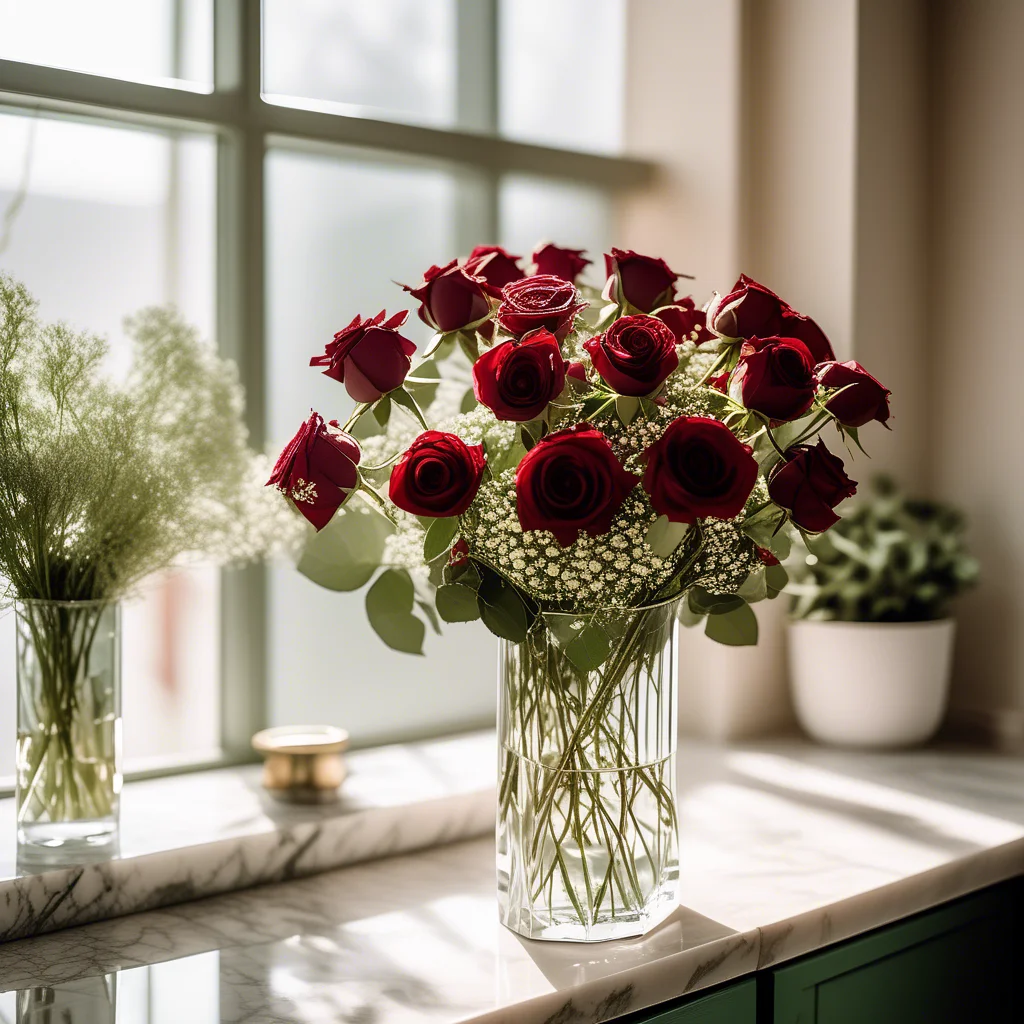
Roses, often seen as the quintessential expression of love, require a few simple yet important steps to keep them fresh and vibrant. One key step in rose care is removing the guard petals—the outermost petals of a rose. These petals are intentionally left on during harvesting to protect the inner blooms. Gently peeling them off will help your roses open up beautifully and reveal their full elegance.
Hydration plays a crucial role in maintaining roses. To ensure optimal water uptake, trim the stems at a 45-degree angle under running water. This prevents air from entering the stems and allows them to absorb more moisture. It’s essential to place roses in a vase filled with clean, fresh water and check it daily, replenishing or changing the water as needed.
For an added measure of freshness, consider adding a drop of bleach to the water. This simple trick helps prevent the growth of bacteria, which can quickly shorten the lifespan of your roses. By combining these care practices, you’ll ensure your roses stay stunning and fragrant for as long as possible, keeping their romantic charm alive.
B. Tulips
Tulips are graceful and vibrant flowers, but they do require a bit of attention to maintain their beauty. Start by trimming the stems at an angle to ensure they can absorb water efficiently. Use a tall vase to provide support, as tulips have a natural tendency to bend. A tall vase helps keep them upright and looking elegant.
Tulips are especially sensitive to temperature, thriving best in cooler environments. Keep your bouquet away from direct sunlight, warm drafts, and heating vents. A cool spot will slow down their growth and extend their lifespan. Tulips continue to grow even after being cut, so slight adjustments may be necessary to keep them at the preferred height.
For a pro tip, drop a penny into the vase. The copper in the penny helps tulips stand straight, counteracting their bending tendencies. Regularly change the water to keep it fresh, as tulips can be sensitive to dirty water. These steps will help you enjoy the elegance of your tulips for as long as possible, preserving their vibrant colors and graceful posture.
C. Lilies
Lilies are a dramatic and elegant addition to any bouquet but require special care to ensure their beauty lasts. One of the most critical steps in lily care is removing the pollen. The bright orange or yellow pollen can stain surfaces, clothing, and even the petals themselves. Carefully cut the anthers or remove the pollen once the lilies begin to open. This not only prevents stains but also extends the flowers’ freshness.
Maintaining water cleanliness is essential for lilies. Replace the water daily to inhibit the growth of bacteria and algae, which can significantly reduce the lifespan of your arrangement. Prune any wilting blooms or leaves to keep the arrangement looking fresh and encourage the other flowers to thrive.
Lily blooms last longer when placed in a cooler environment, away from direct sunlight and heat. Their large, showy petals are especially prone to wilting in warmer temperatures. Keep them in a cool spot to maintain their freshness and prevent premature aging. By following these guidelines, you can enjoy the striking beauty and intoxicating fragrance of lilies for days to come, making them the showstopper of your bouquet.
Part 4 – DIY Tricks to Extend the Life of Flowers
Keeping your floral arrangements vibrant and fresh doesn’t have to rely solely on store-bought solutions. There are several DIY tricks you can use to prolong the life of flowers, many of which involve simple household items. Here are some effective methods to try:
Homemade Flower Food
Creating your own flower food is an easy and practical way to nourish your blooms. Combine water, sugar, vinegar, and a drop of household bleach to form a nutrient-rich solution. The sugar provides the flowers with energy, while the vinegar helps balance the pH levels of the water, making it easier for the stems to absorb nutrients. The bleach works to kill bacteria in the vase, which could otherwise shorten the lifespan of your flowers. Together, these ingredients create the ideal environment for your flowers to thrive.

The Aspirin Method
Aspirin isn’t just for headaches—it can work wonders for flowers, too. Crush and dissolve a single aspirin tablet into the water in your vase. This method helps lower the pH level of the water, encouraging better water uptake through the stems. By improving hydration, the aspirin method can noticeably increase the longevity of your arrangement.
The Soda Hack
Clear sodas such as Sprite or 7UP contain sugars that serve as an excellent nutrient source for cut flowers. Add a small splash of soda—around a quarter cup for a standard vase—to the water. The sugars in the soda act as a food source for the blooms, helping to keep them bright and lively. Be sure to use a soda without dyes to avoid discoloring the water or stems.
Pro Tip for Hydration
Flowers not only need water through their stems but can also absorb moisture directly through their petals and leaves. To keep your flowers hydrated and fresh, mist them lightly with clean water several times a day. This is particularly effective for flowers with wide petals, like lilies or hydrangeas, which may lose moisture quickly. The added humidity will help maintain their vibrant appearance and may even enhance their natural fragrance.
By incorporating these DIY tricks into your floral care routine, you can extend the life of your bouquet and enjoy its beauty for much longer. These simple yet effective techniques are a great way to get the most out of your flowers, ensuring they remain a stunning centerpiece in your home.
Part 5 – Arranging and Displaying Flowers for Maximum Longevity
Proper arrangement and thoughtful display of your flowers play a crucial role in maximizing their longevity. By following a few strategic tips, you can ensure your blooms not only look stunning but also remain fresh for an extended period.
Strategic Placement
Where you place your floral arrangement can greatly impact its lifespan. Avoid high-traffic areas where flowers are at risk of being bumped or knocked over, such as busy entryways or crowded tabletops. Additionally, keep your arrangements away from direct sunlight, heating vents, or appliances that generate heat, as excessive heat or light can cause the flowers to wilt prematurely. Opt for cool, shaded areas with good air circulation to help maintain their freshness.
Group by Type
Different types of flowers often have varying care requirements, such as water temperature preferences or stem trimming needs. When creating arrangements, consider sorting blooms by their specific needs. For instance, flowers like roses and tulips that have similar water preferences can be grouped together, while flowers like daisies or carnations can thrive in separate arrangements. This careful segmentation ensures that all flowers receive the optimal environment to stay vibrant and healthy.
Creative Display Ideas
When arranging flowers, creativity is key. Instead of discarding leftover blooms, repurpose them into smaller, charming mini-bouquets using small jars, bottles, or vases. These petite displays can brighten up smaller spaces, like a windowsill, bathroom counter, or bedside table, and help you make the most of your bouquet. Layer blooms of varying heights to create a dynamic and visually appealing arrangement, and consider combining complementary colors for added vibrancy.
Pro Tip: Keep Arrangements Loose
While tightly packed arrangements can look elegant, they can also restrict airflow around the stems and flowers, increasing the risk of mold and faster wilting. To keep your bouquet fresh for longer, arrange the flowers more loosely, allowing sufficient space for air to flow between each stem. This fosters a healthier environment for your arrangement and helps maintain its freshness while enhancing its natural beauty.
By following these arranging and displaying techniques, you can take your floral care to the next level. Thoughtful placement, creative designs, and practical grouping ensure that your flowers remain a gorgeous and lively addition to your home or event for as long as possible.
Conclusion: Enjoying Your Valentine’s Flowers Longer
Keeping your Valentine’s Day flowers fresh and vibrant all week is easier than you might think with a little care and attention. Start by trimming the stems at an angle and removing any foliage that falls below the waterline to prevent bacterial growth. Use clean water mixed with a floral preservative, and change the water every couple of days to maintain freshness. Placing your bouquet in a cool, shaded spot away from direct sunlight and heat sources also helps preserve their beauty. Lastly, arranging the flowers with proper spacing allows them to breathe and maintain their natural form.
With these simple yet effective tips, your Valentine’s Day flowers can remain a stunning and fragrant reminder of love and appreciation for days to come. A bit of care goes a long way in extending their beauty and preserving the thoughtful gesture they represent. For an even more extraordinary floral experience, explore Whole Blossoms’ selection of premium Valentine’s Day flowers and care products. Bring home blooms that not only enchant your space but also show your loved ones just how much they mean to you. Keep their magic alive for longer and create lasting memories with every arrangement.

FAQs
How long do Valentine’s Day flowers typically last?
Valentine’s Day flowers generally last about 5 to 7 days with proper care. Some flowers, like roses or lilies, could last even longer when maintained in the right conditions.
What’s the best way to trim flower stems?
When trimming flower stems, use sharp, clean scissors or pruning shears to make a clean cut at a 45-degree angle. This increases the surface area for water absorption and helps keep your blooms hydrated for longer.
How often should I change the water in my vase?
Change the water in your vase every two to three days. Refreshing the water helps prevent bacteria growth and ensures your flowers stay nourished and vibrant.
Can I revive wilting flowers?
Yes, you can often revive wilting flowers! Re-trim the stems, replace the water, and place them in a cool, shaded spot. For an extra boost, try adding flower food to the water or submerging the blooms in lukewarm water for 30 minutes.
What are the best conditions for keeping flowers fresh?
To keep flowers fresh, place them away from direct sunlight, drafts, and any heating or cooling vents. A cool room with consistent temperatures is ideal for maintaining their beauty and delicacy.