


 by
by 
Valentine’s Day Flowers with a Twist: Adding Greenery and Fillers for a Modern Look
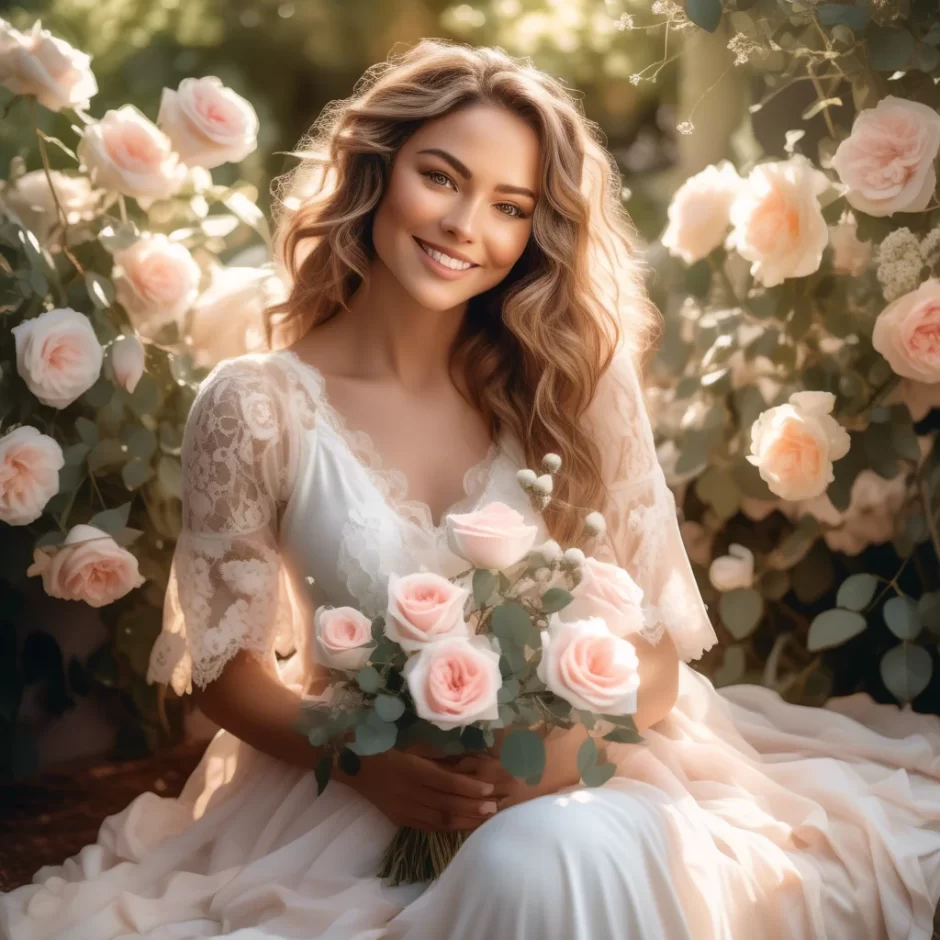
This Valentine’s Day, step away from the traditional bouquet and discover how greenery and fillers can make your floral gift a contemporary masterpiece. While classic arrangements of red roses and pastel blooms have their timeless charm, incorporating greenery and fillers is the perfect way to elevate your bouquet into something truly unique and modern. Greenery not only complements the beauty of flowers but also adds depth, texture, and a sense of natural elegance to your arrangement—making it a chic statement piece that feels both on-trend and personal.
Adding greenery to Valentine’s Day bouquets brings a multitude of benefits to your floral design. It enhances the overall volume and presence of the bouquet, giving it a fuller and more luxurious look. Textures offered by different types of greenery, such as feathery ferns, structured eucalyptus, or soft dusty miller, create a visual contrast that guides the eye and draws attention to the focal blooms. What’s more, the versatility of greenery lends itself to endless creative possibilities, from rustic and romantic themes to minimalist and contemporary styles.
This blog explores how you can transform traditional Valentine’s Day bouquets by incorporating greenery and fillers to create modern, show-stopping arrangements. We’ll discuss the benefits of this approach, share innovative ideas to inspire your creativity, and highlight popular greenery options that are perfect for enhancing your bouquet. Whether you’re designing a gift for a loved one or treating yourself to a floral arrangement, these tips will help you craft something that feels sophisticated and one-of-a-kind. Get ready to elevate your Valentine’s blooms and turn tradition on its head with the magic of greenery!
Part 1 – Why Greenery and Fillers are Essential for Modern Bouquets
Greenery and fillers have become indispensable components of modern floral arrangements, revolutionizing how we perceive and create bouquets. These elements are no longer just background players—their unique characteristics and versatility have made them stand out as essential design tools that elevate floral displays.
Visual Appeal
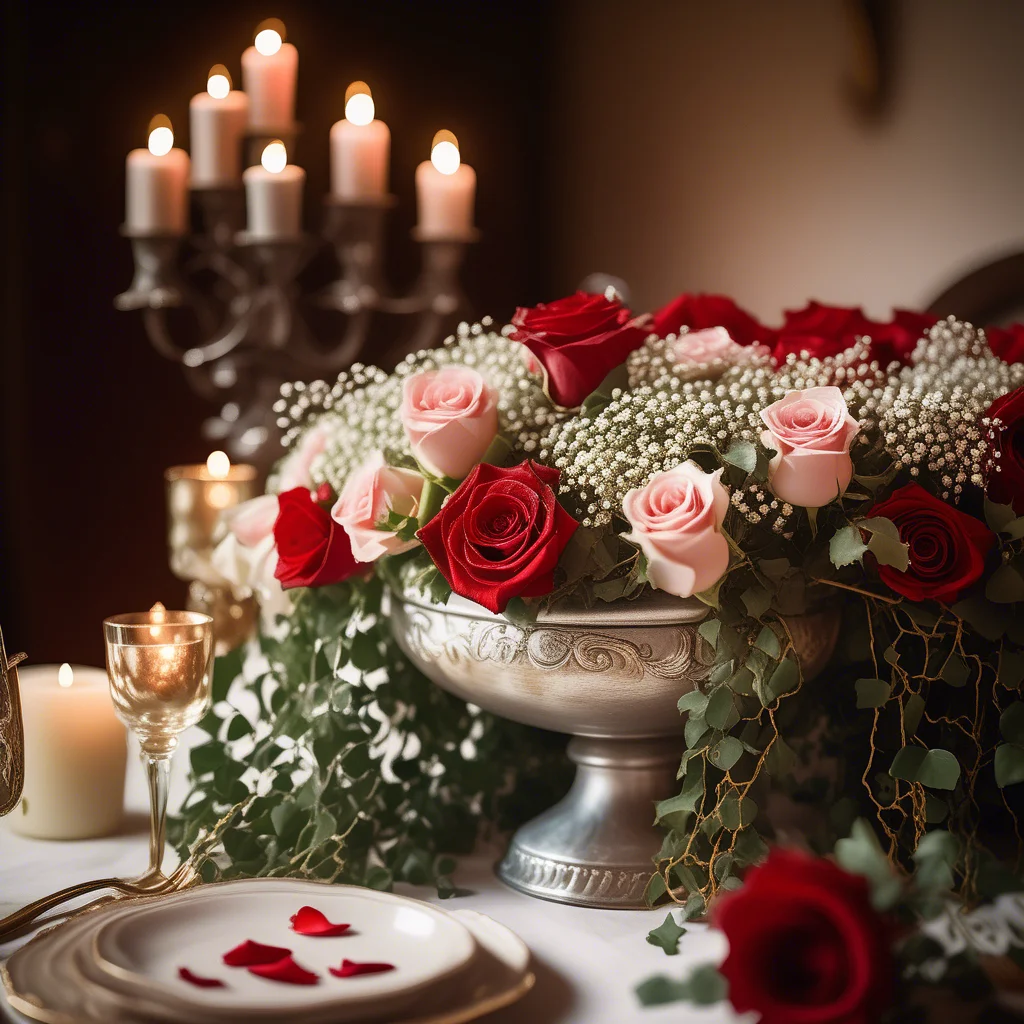
One of the primary reasons to incorporate greenery in modern bouquets is the way it enhances the visual appeal of the arrangement. The vibrant greens create a striking contrast that makes the colors of blossoms pop, ensuring each flower stands out. Additionally, greenery adds depth and richness, making a bouquet feel full and complete. Whether framing bold reds or highlighting soft pastel hues, greenery acts as the perfect complementary element to flowers of all shades.
Texture and Volume
Greenery and filler flowers also play a crucial role in adding texture and volume to floral designs. Without them, bouquets can sometimes feel flat or one-dimensional. By introducing different shapes and textures—such as feathery ferns, glossy eucalyptus leaves, or soft baby’s breath—you add layers of depth and visual interest. These elements create a dynamic, multi-dimensional arrangement that feels balanced and visually engaging without overshadowing the beauty of the feature blooms.
Trendy Aesthetic
Modern floral styles have shifted toward a focus on minimalism and bohemian elegance, both of which heavily rely on greenery and fillers. Minimalist bouquets often pair a few statement flowers with dramatic greenery, creating a sleek yet impactful look. On the bohemian side, trailing greenery like ivy or ruscus adds a whimsical, natural vibe. This aesthetic versatility makes greenery a go-to choice for florists who want to align their designs with contemporary trends.
Eco-Friendly and Cost-Effective
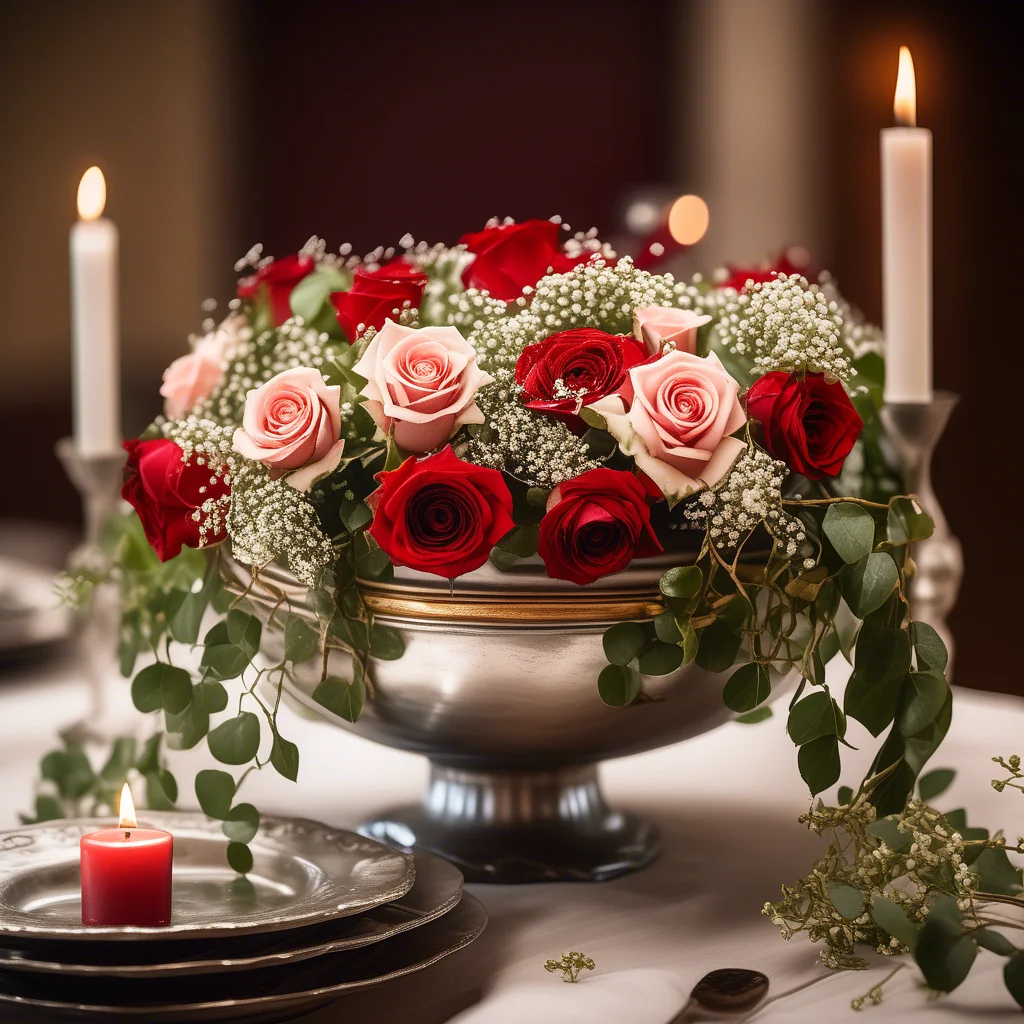
Another important benefit of greenery is its cost-effectiveness and eco-friendliness. Compared to using additional flowers, greenery is often more affordable and accessible, allowing for impressive arrangements on a budget. From an environmental perspective, many types of greenery are sourced sustainably or grown locally, making them a more ethical choice for eco-conscious florists and customers alike. By using greenery strategically, you can balance affordability with artistry, creating beautiful designs at a lower cost.
Pro Tip
The beauty of greenery lies in its diversity, which allows for experimentation. When crafting your next bouquet, consider selecting greenery that reflects the recipient’s personality or preferences. For example, eucalyptus provides a modern, clean look for someone who appreciates simplicity, while lush, cascading greens like Italian ruscus add a dramatic flair for a more expressive style. Mixing different types of greenery can also result in a more personalized and unique arrangement, ensuring the final design feels special and tailored.
By understanding the value of greenery and fillers, you can transform any bouquet from ordinary to extraordinary. These elements not only enhance aesthetics but also align with current trends and practical considerations, making them essential tools in modern floral design. Whether you’re a professional florist or an enthusiast, experimenting with greenery can inspire truly remarkable creations.
Part 2 – Top Greenery and Filler Options for Valentine’s Day Bouquets
A. Baby’s Breath: Classic and Delicate
Why It Works:
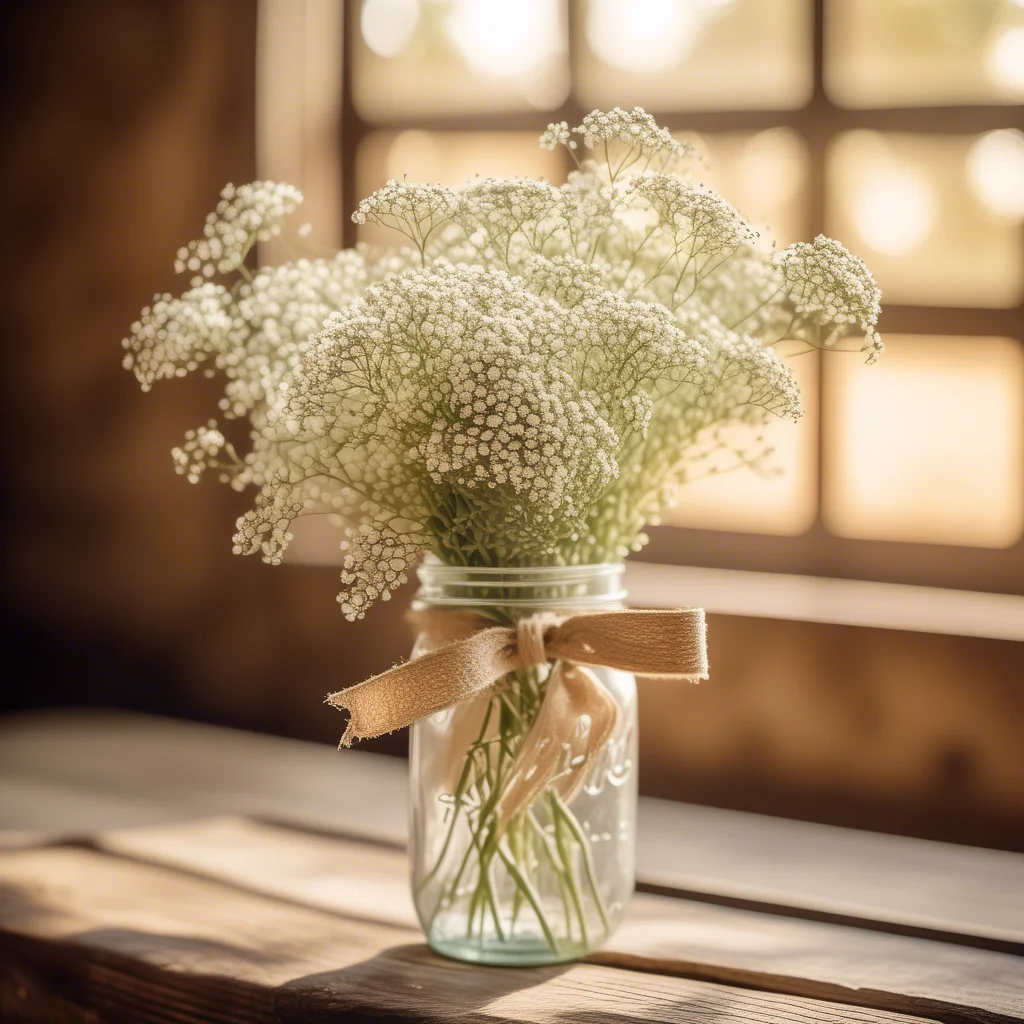
Baby’s breath has long been a staple in floral arrangements, and for good reason. Its tiny, cloud-like white flowers add a soft, airy texture that beautifully complements romantic blooms like roses or tulips. The delicate appearance of baby’s breath evokes feelings of purity and love, making it an ideal choice for Valentine’s Day bouquets.
Styling Tips:
Baby’s breath is incredibly versatile. It works well as a filler to enhance larger flowers, softening their appearance and adding volume to the arrangement. Alternatively, it can stand alone as the centerpiece of a minimalist bouquet, creating a stunning yet understated design. For a balanced look, arrange clusters of baby’s breath evenly throughout your design, ensuring the delicate flowers enhance without overpowering the centerpiece blooms.
Pro Tip:
For a dreamy and romantic bouquet, pair baby’s breath with blush roses or pale pink peonies. The subtle hues perfectly complement each other, resulting in a bouquet that is soft, romantic, and perfect for Valentine’s Day. You can also create a modern twist by tinting the baby’s breath in pastel tones or metallic hues to match a specific theme or color palette.
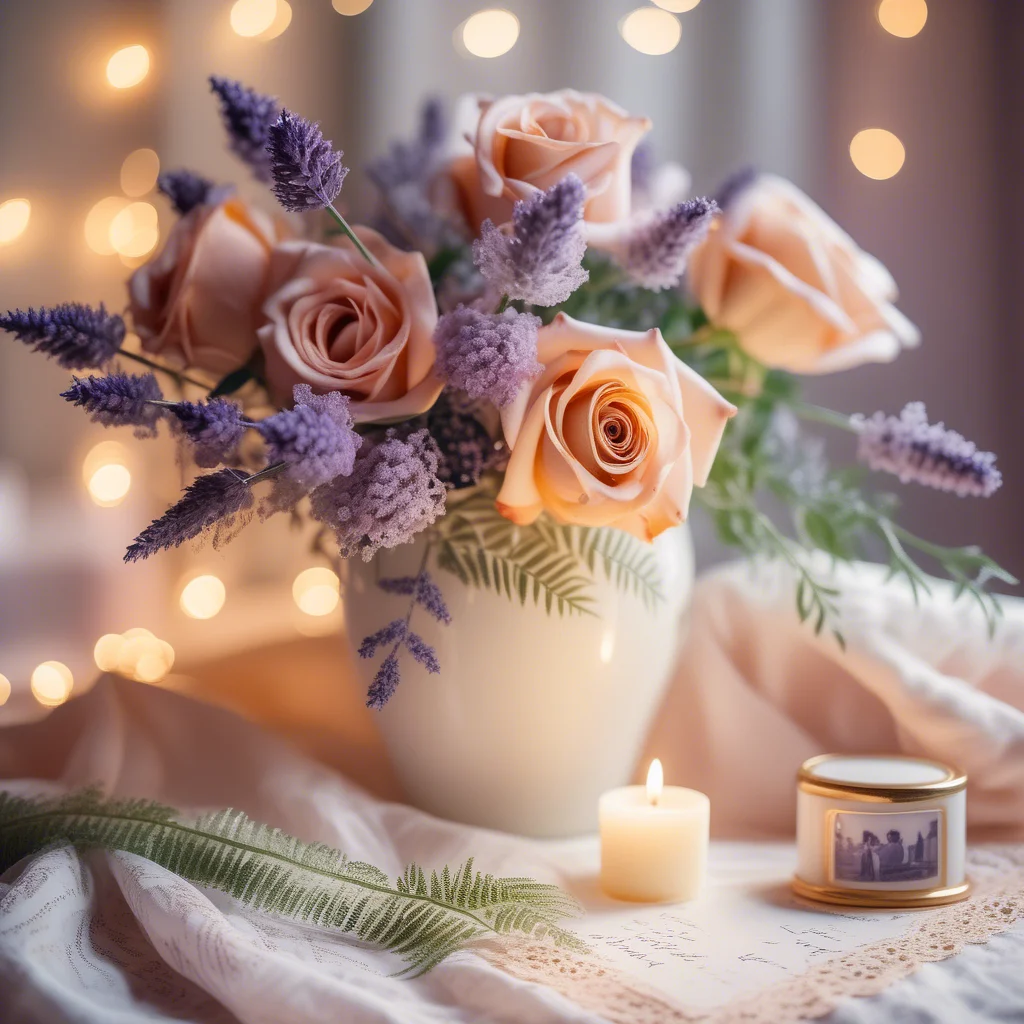
B. Eucalyptus: Modern and Versatile
Why It Works:
Eucalyptus has gained immense popularity in recent years for its contemporary and fresh appeal. Known for its sleek, silvery-green leaves and subtle fragrance, eucalyptus adds a refined elegance to Valentine’s Day arrangements. Its various types, such as seeded eucalyptus and silver dollar eucalyptus, offer different textures and styles suited to different aesthetic preferences.
Styling Tips:
For a modern Valentine’s bouquet, combine seeded eucalyptus with bold red roses to create a striking contrast. The naturally draping quality of silver dollar eucalyptus is also perfect for creating cascading effects in larger arrangements, adding both dimension and movement. Its muted green color provides an excellent counterbalance to vibrant reds and pinks, making your bouquet stand out with sophistication.
Pro Tip:
Pair eucalyptus with pastel or neutral-colored flowers, such as white lilacs or peach ranunculus, for an understated yet chic arrangement. Additionally, its aromatic scent adds a sensory element to your bouquet that makes it even more special for Valentine’s Day. Consider using eucalyptus leaves to craft loose, flowing arrangements for a more organic, garden-inspired design.
C. Ferns: Bold and Bohemian
Why It Works:
Ferns are the go-to choice for creating bold and dramatic bouquets. Their lush, verdant appearance brings a bohemian-quality to floral designs, making them perfect for creating a more free-spirited Valentine’s Day look. Ferns contribute rich texture and structure, serving as an ideal base for larger, more elaborate arrangements.
Styling Tips:
To make ferns the star of your bouquet, use them as a foundation for exotic flowers like protea or orchids. This combination adds a tropical vibe that feels adventurous yet romantic. For a cohesive look, layer ferns under vibrant colored flowers to create depth, and allow some fronds to arc gracefully around the edges for a more dynamic composition.
Pro Tip:
Ferns work particularly well in asymmetrical bouquets, where their natural shape can shine without the constraints of strict symmetry. These arrangements feel modern and unique, perfect for someone who wants a bouquet with personality. Incorporating leatherleaf ferns or sword ferns can also add dimension, making your bouquet truly stand out.
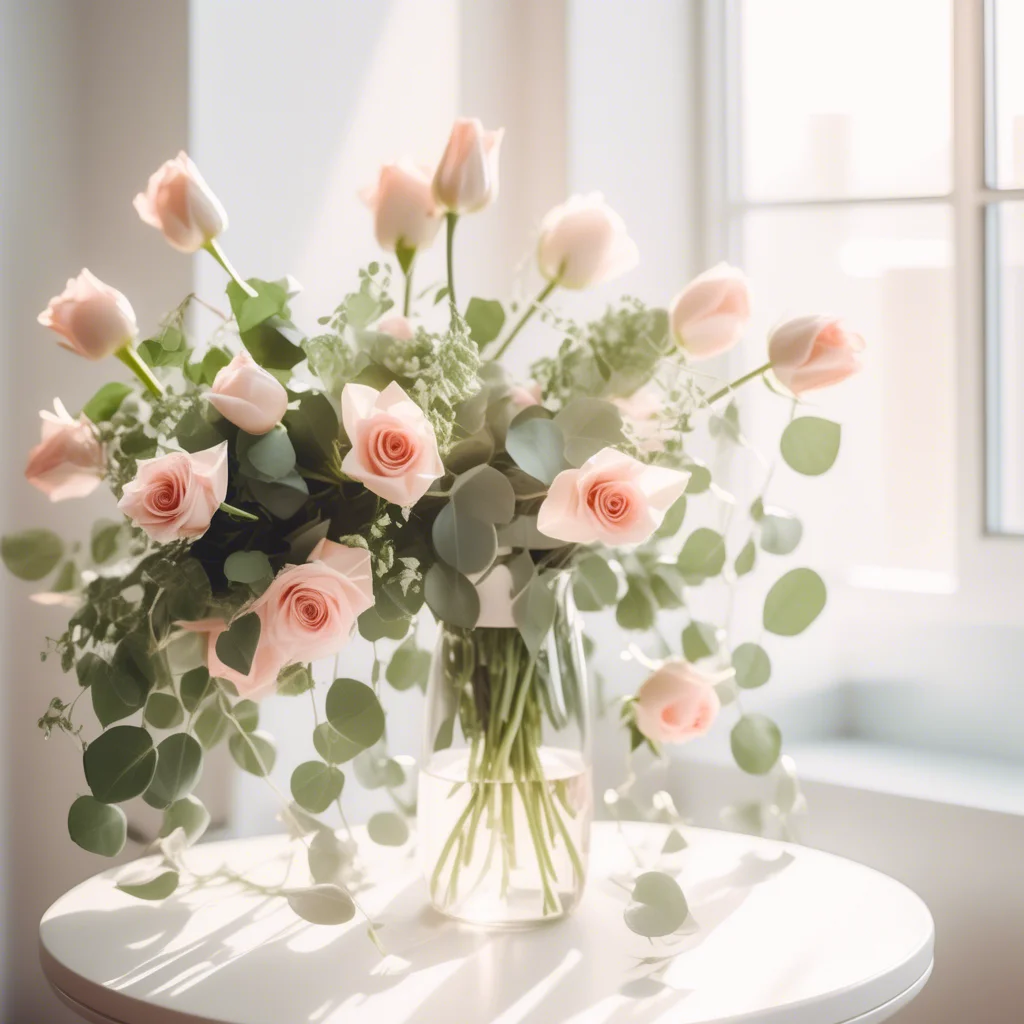
D. Wax Flowers: Subtle and Sweet
Why It Works:
Wax flowers are a delightful addition to any Valentine’s Day bouquet. With their small, star-shaped blooms and woody stems, they bring a subtle pop of color and delicate texture to floral arrangements. They’re also long-lasting, ensuring your bouquet stays fresh during the Valentine’s celebrations.
Styling Tips:
Wax flowers are best used as an accent to fuller blooms like roses or peonies, helping to create a luscious, layered effect in your bouquets. Their petite blooms are ideal for detailed floral designs, such as wreaths or intricate hand-held bouquets. For a whimsical touch, scatter wax flowers throughout the arrangement to draw the eye and add a splash of visual interest.
Pro Tip:
Wax flowers are a fantastic choice for rustic or vintage-style arrangements. Pair them with muted pastel blooms and earthy greenery like rosemary or sage for a romantic, old-world charm. Alternatively, use them in smaller posy bouquets for an intimate, heartfelt Valentine’s gift with a personal touch.
E. Ivy and Trailing Greenery: Elegant and Romantic
Why It Works:
Trailing greenery, such as ivy, brings a sense of movement and drama to Valentine’s Day bouquets. The delicate, flowing vines of ivy evoke timeless romance, making it a popular choice for classic, elegant designs. Its versatility allows it to fit seamlessly into everything from opulent arrangements to down-to-earth hand-tied bouquets.
Styling Tips:
Ivy excels in creating cascading bouquets, where its trailing nature can be fully appreciated. For a memorable Valentine’s arrangement, pair ivy with deep red roses or plum-colored ranunculus for a dramatic, passionate look. Additionally, ivy works beautifully when woven into hand-tied designs to create a whimsical, garden-inspired aesthetic.
Pro Tip:
To highlight the romantic appeal of ivy, use it in bridal-style bouquets or as accents for larger arrangements. Combining different types of trailing greenery, like jasmine vine or smilax, adds depth and texture, enhancing the bouquet’s visual impact. Don’t hesitate to experiment with ivy as a finishing touch, wrapping it around vases or incorporating it into centerpieces for a cohesive, elegant effect.
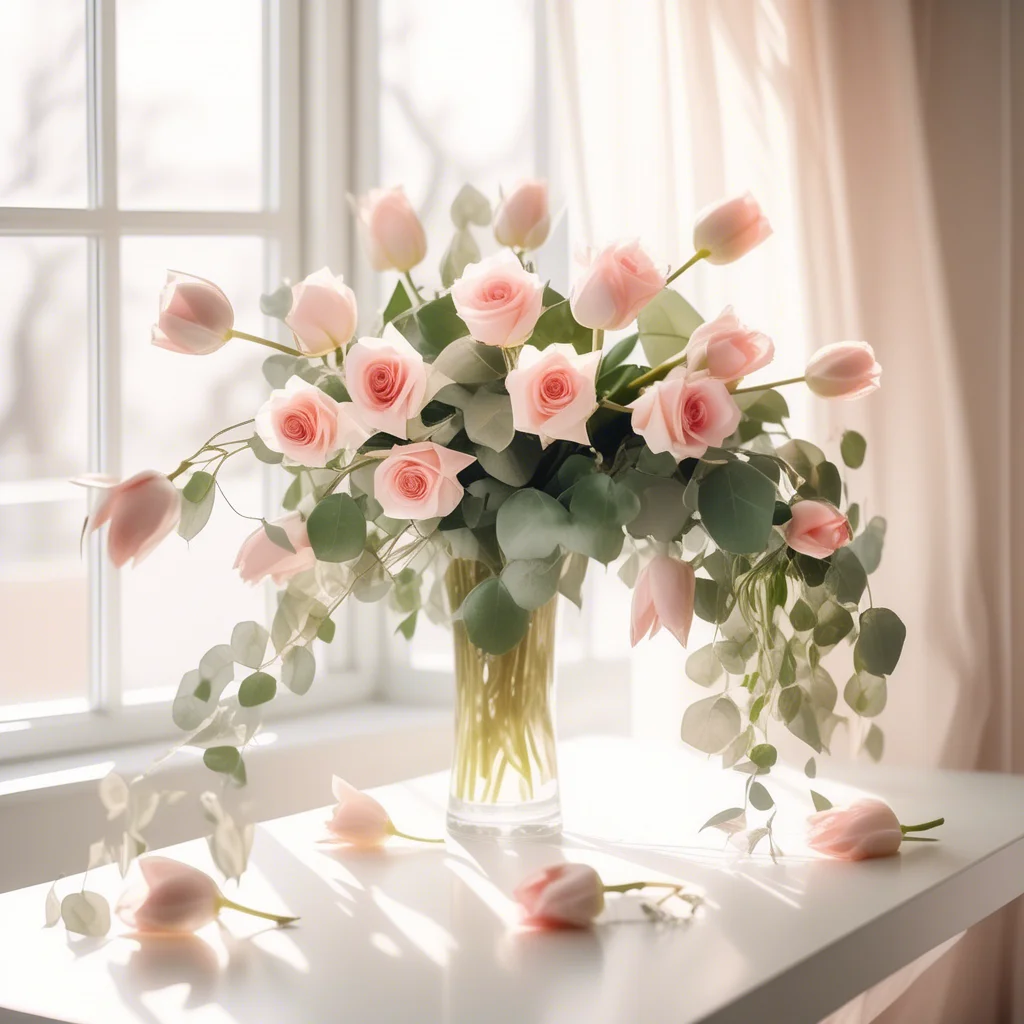
Part 3 – How to Pair Greenery with Popular Valentine’s Day Flowers
Valentine’s Day is synonymous with flowers, and each bloom carries its own meaning and charm. Pairing the right greenery with popular flowers can elevate their beauty, creating stunning and balanced arrangements that convey emotion and artistry. Below are some classic Valentine’s Day flowers and their ideal greenery counterparts.
Red Roses and Eucalyptus
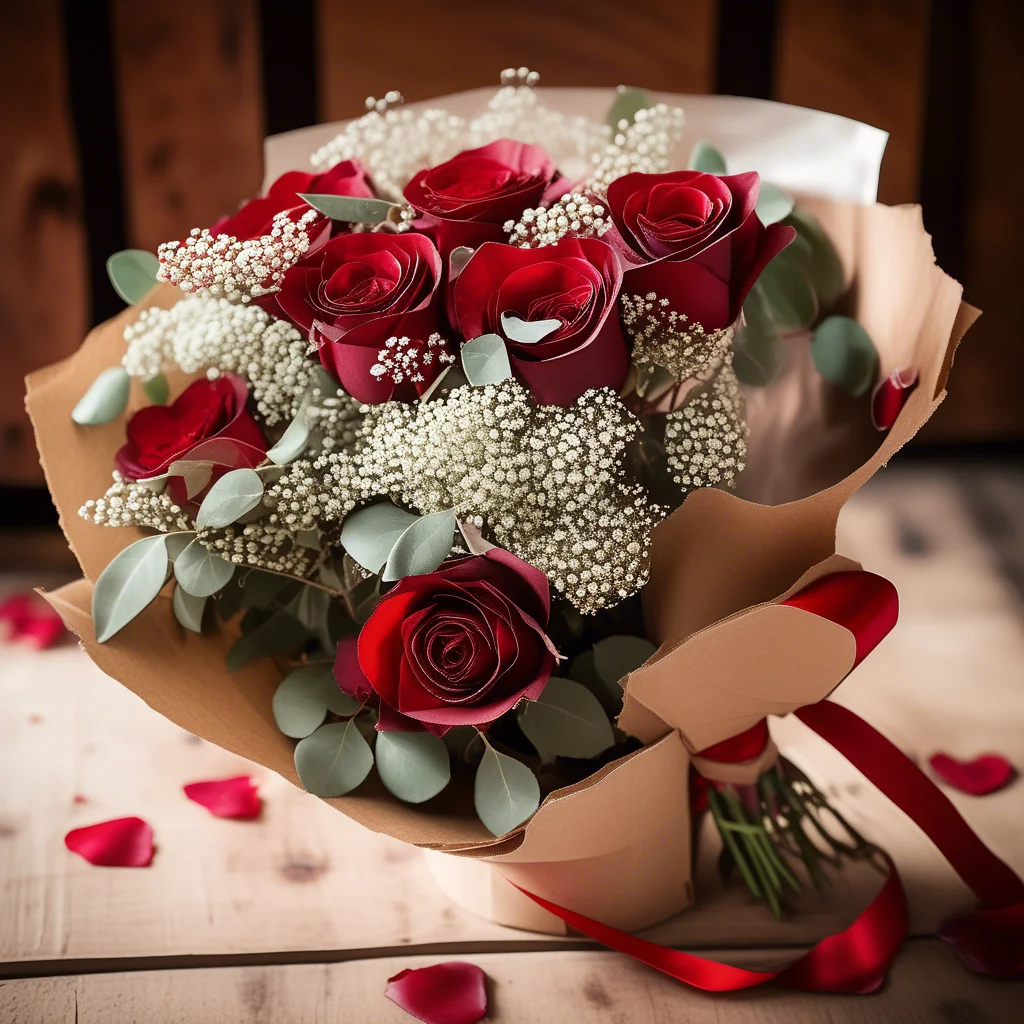
Red roses are a timeless symbol of love and passion. To give them a contemporary twist, pair them with eucalyptus. The muted silver-green tones of eucalyptus not only complement the bold red hue of the roses but also add subtle movement and texture to the arrangement. Spiral eucalyptus works well in larger, cascading designs, while seeded eucalyptus can lend an organic, romantic flair. This combination is perfect for modern bouquets that retain a sense of timeless elegance.
Tulips and Baby’s Breath
Tulips symbolize perfect love and grace, and when paired with delicate baby’s breath, they create a soft, romantic aesthetic. The light, airy quality of baby’s breath offers a gentle contrast to the structured shape of tulips, making it a go-to choice for minimalist bouquets. Whether you choose bold red tulips for a classic Valentine’s theme or soft pinks and whites for a sweeter look, baby’s breath brings balance and adds an ethereal touch to the arrangement.
Orchids and Ferns
For a luxurious and exotic vibe, marry orchids with ferns. Orchids, often symbols of love, beauty, and strength, make a bold statement on their own. Adding ferns, with their structured yet feathery texture, enhances the opulence of the blooms. Consider pairing bold Phalaenopsis orchids with leatherleaf ferns for a lush look, or play with Maidenhair ferns for a softer, more elegant feel. This pairing is ideal for dramatic centerpieces or bouquets that exude sophistication.
Mixed Pastel Flowers and Wax Flowers
Pastel flowers like blush roses, peach carnations, and lavender lisianthus create a sweet and feminine Valentine’s arrangement. To give these designs a vintage charm, pair them with wax flowers. Wax flowers, with their tiny blooms and subtle fragrance, serve as a versatile filler, adding detail and dimension to the bouquet. Their soft pink and white shades blend seamlessly with pastel tones, offering a cohesive, romantic appearance.
Pro Tip:
Greenery is more than just a backdrop; it’s a way to accentuate the best features of each flower. Use greenery to create structure, frame the focal blooms, and soften transitions between different elements of the bouquet. Whether it’s the striking lines of eucalyptus, the delicate whispers of baby’s breath, or the textured beauty of ferns, greenery has the power to balance and enhance any arrangement, adding depth and movement to suit the occasion.
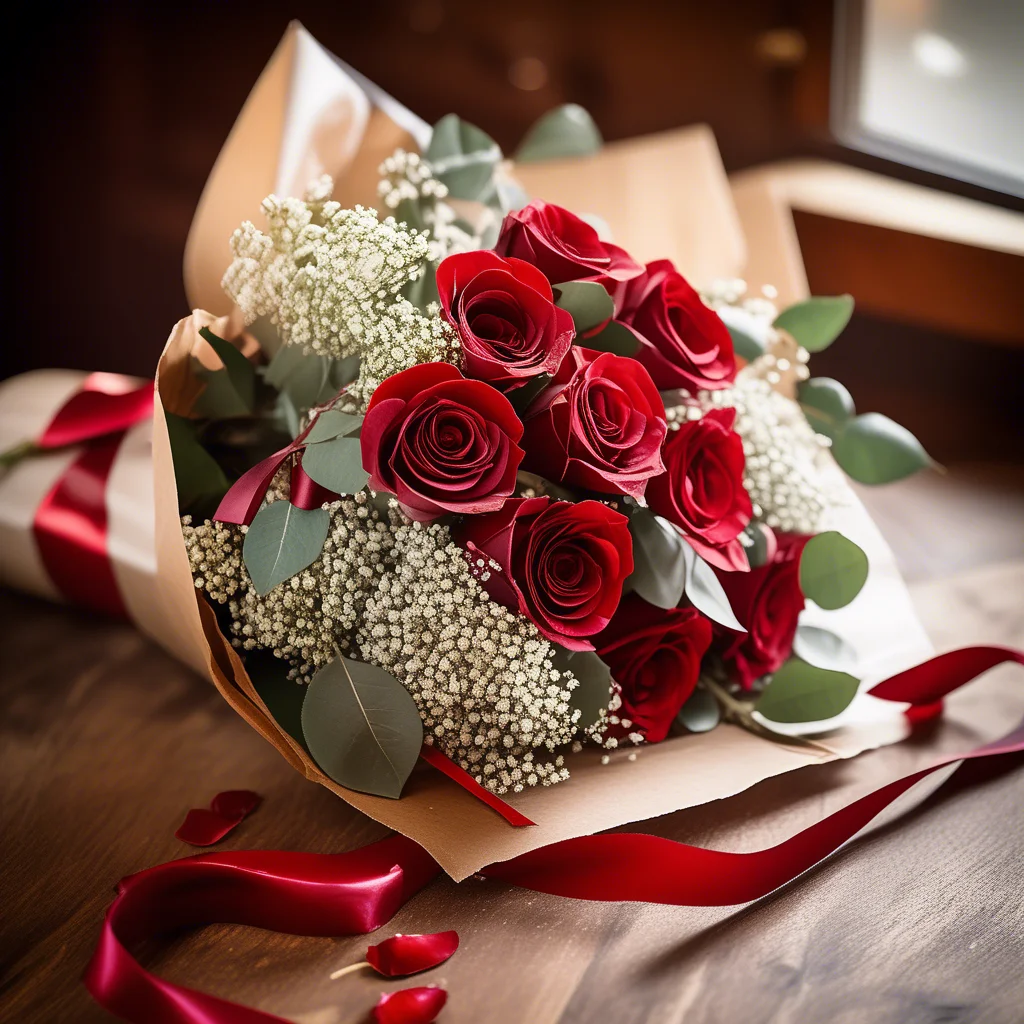
Part 4 – DIY Ideas for Bouquets with Greenery and Fillers
Crafting your own bouquet at home can be a rewarding and creative experience. By combining greenery, fillers, and your favorite blooms, you can design a stunning arrangement that reflects your personal style and the occasion. Follow this step-by-step guide to create a professional-looking bouquet while incorporating unique presentation ideas for that extra touch of charm.
Step-by-Step Guide to Building Your Own Bouquet
- Select Your Main Flowers and Greenery
Start by choosing your primary flowers—these will be the focal points of your arrangement. Pair them with greenery that complements the flowers’ colors and textures. Eucalyptus, ferns, and ruscus are popular choices for greenery, while baby’s breath, wax flowers, or statice work beautifully as fillers.
- Arrange Greenery as a Base Layer
Begin by layering your greenery in a loose arrangement. The greenery serves as the foundation of your bouquet, adding both structure and volume. Fan out the stems to give a full, natural appearance while leaving space for the flowers and fillers to be layered in.
- Add Flowers in Layers, Alternating with Fillers
Once your greenery is in place, start arranging your flowers one by one. Position the flowers slightly off-center and at varying heights for a more organic look. Between each set of flowers, add small clusters of fillers to enhance texture and balance.
- Secure with Floral Tape and Wrap
When you’re satisfied with the arrangement, hold the stems firmly and wrap them tightly with floral tape to secure the bouquet. For a polished finish, wrap the stems in decorative paper or fabric and tie with ribbon to match your theme or occasion.
Unique Vase Options
To display your bouquet, consider stepping outside of traditional vases. Mason jars add a rustic charm, vintage pitchers bring a touch of nostalgia, and clear glass vases highlight the beauty of the greenery and fillers. Upcycled containers, such as tin cans or painted bottles, can also make for eye-catching displays.
Creative Presentation Ideas
For a thoughtful and personal touch, add a small tag with a handwritten note or initials. A colorful ribbon tied around the arrangement can further elevate its look, making it perfect for a gift or special event.
Pro Tip: Don’t throw away leftover greenery! Repurpose it into smaller arrangements to decorate your home. Mini-bouquets placed on a dining table, windowsill, or bedside can bring a refreshing and cohesive touch to your living space.
Part 5 – Caring for Bouquets with Greenery and Fillers
Proper care is essential to keeping your bouquets with greenery and fillers looking fresh and vibrant for as long as possible. Follow these tips to maintain their beauty and extend their lifespan.
Tips for Keeping Flowers and Greenery Fresh:
Begin by trimming the stems at an angle with clean, sharp scissors or clippers. This ensures better water absorption. Remove any leaves that sit below the waterline in your vase to prevent bacterial growth, which can quickly spoil your bouquet. Make sure to change the water every two days, replacing it with fresh, clean water and adding flower food to nourish your blooms and greenery. For best results, keep bouquets away from direct sunlight, drafts, and heat sources. These conditions can cause flowers and greenery to wilt prematurely.
Special Care for Greenery:
Some greenery types benefit from additional care techniques to retain their freshness. Eucalyptus and ivy, for instance, thrive when lightly misted with water every few days to maintain moisture. On the other hand, baby’s breath performs best in cool, dry conditions and does not require misting. Paying attention to the specific needs of the greenery in your bouquet can significantly enhance its longevity.
Pro Tip:
To create your own flower food and extend the life of your bouquet, mix one quart of water with two tablespoons of sugar and a small drop of bleach. The sugar feeds the flowers, while the bleach helps to minimize bacterial growth. With these straightforward tips, your bouquets will stay beautiful and fragrant, making your space even more enjoyable.
Elevate Your Valentine’s Day Bouquet with Greenery
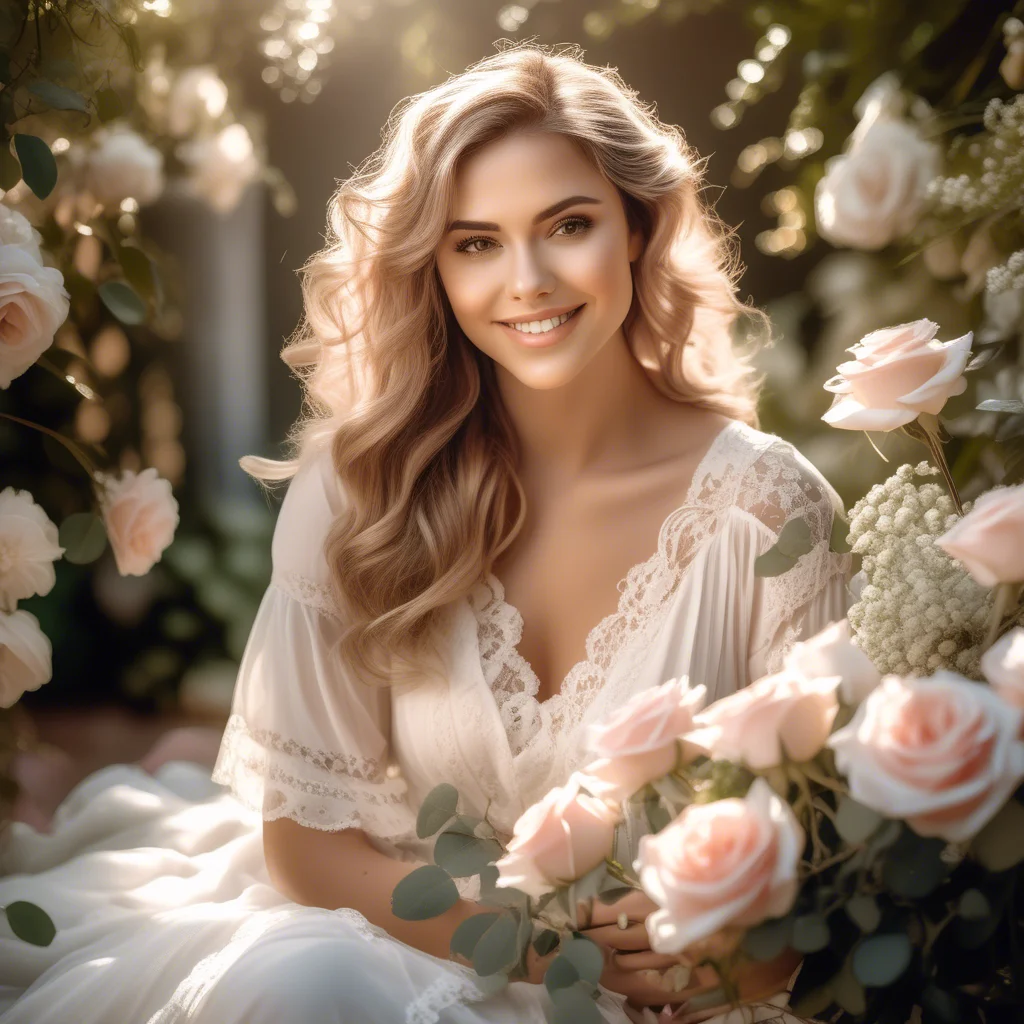
Adding greenery and fillers to your Valentine’s Day bouquet is a simple yet impactful way to create a stunning, one-of-a-kind arrangement. Greenery like eucalyptus, ferns, or ruscus introduces rich texture and movement, while fillers such as baby’s breath or wax flowers help to add volume and elegance. These elements not only enhance the overall aesthetic of the bouquet but also give it a modern and sophisticated feel, making it perfect for the occasion.
Why settle for a traditional bouquet when you can craft something truly memorable? Experimenting with greenery and fillers allows you to channel your creativity and explore unique combinations that reflect your personal style or the preferences of your loved ones. Whether you’re designing a romantic arrangement or a bold and vibrant display, greenery can help you achieve an impressive and polished look.
This Valentine’s Day, don’t hesitate to think outside the box and take your floral creations to the next level. Browse through the vast selection of greenery and fillers available at Whole Blossoms and discover the perfect accents to complement your blooms. With the right touches, you can craft a bouquet that is as extraordinary as the sentiment it represents.
FAQs
What are the best greenery options for Valentine’s Day bouquets?
The best options include eucalyptus, fern, ivy, ruscus, and myrtle. These greens pair beautifully with various blooms, offering textures and shapes that enhance the overall aesthetic of a bouquet.
How do I pair greenery with traditional flowers like roses?
To complement roses, consider using soft, flowing greenery like silver dollar eucalyptus or cascading ivy for a romantic feel. Add fillers like baby’s breath or wax flowers for a delicate and elegant appearance.
Can I create a bouquet with just greenery and fillers?
Absolutely! Greenery-only bouquets are modern and stylish. Combining various types of greenery with fillers such as hypericum berries or solidago can create a stunning arrangement with texture and depth.
How do I care for greenery in floral arrangements?
Keep greenery hydrated by trimming stems at an angle and placing them in fresh water. Change the water daily and mist the leaves to maintain their freshness and luster.
Where can I find high-quality greenery and fillers for Valentine’s Day?
Whole Blossoms offers a diverse selection of greenery and fillers, ensuring you find premium-quality options to create extraordinary Valentine’s Day floral arrangements.