


 by
by 
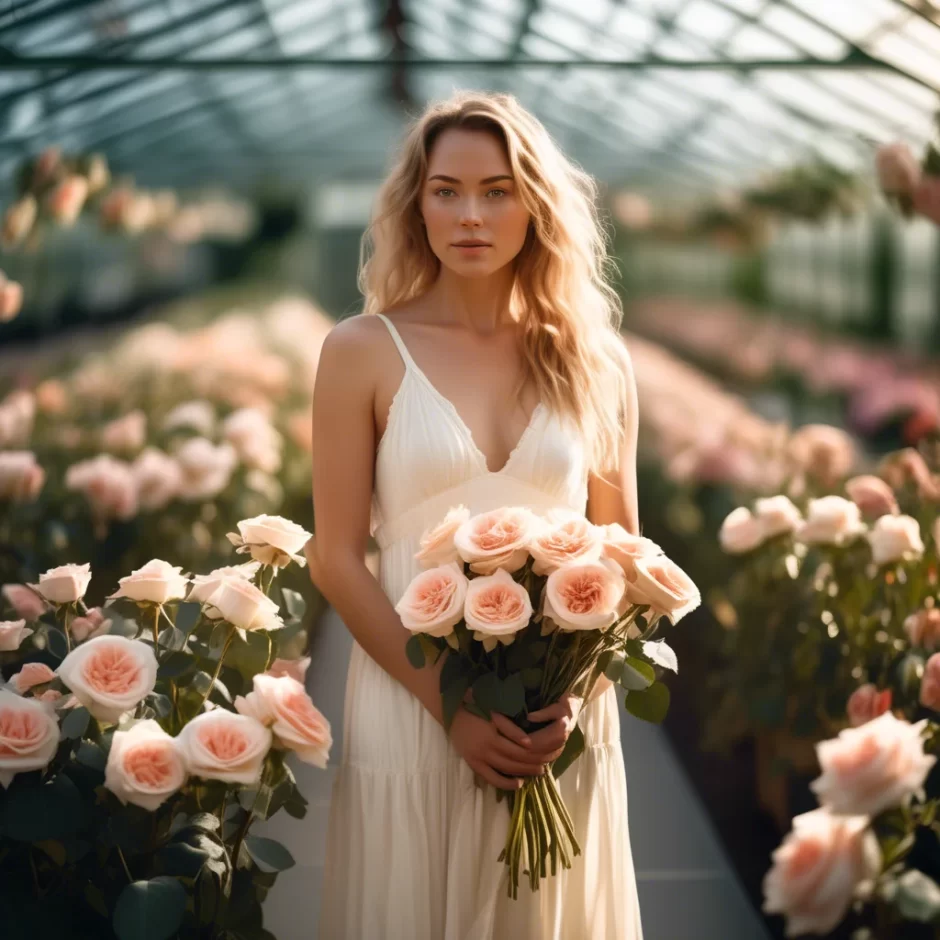
This Valentine’s Day, express your love with flowers that give back—to both your loved ones and the planet. While flowers have long been a symbol of love and affection, the environmental impact of conventional flower sourcing often goes unnoticed. From pesticide-laden farming practices to excessive water usage and carbon emissions from transportation, the floral industry can leave behind a significant ecological footprint. However, choosing sustainable flowers can help turn this act of love into one that nurtures the planet as well.
Sustainability in the floral industry focuses on ethical farming, minimizing waste, and reducing the environmental toll of production and transport. It involves practices such as using fewer pesticides, conserving water, and ensuring fair labor conditions for farmworkers. With the growing awareness of climate change and environmental degradation, making eco-friendly choices—like selecting sustainably sourced blooms—is more important than ever.
This is where Whole Blossoms blossoms into action. Dedicated to ethical and sustainable flower sourcing, Whole Blossoms partners with farms that prioritize environmentally responsible practices. From eco-friendly farming to direct shipping methods that reduce their carbon footprint, Whole Blossoms ensures their flowers align with values that go beyond aesthetics. Each bouquet reflects a commitment to preserving the natural world while creating beauty and joy for consumers.
This blog will explore the practices that make flower sourcing sustainable, shining a light on Whole Blossoms’ commitment to eco-friendly blooms. It will demonstrate how small choices, such as opting for greener Valentine’s Day bouquets, can have a lasting impact on our planet. Show your love with blooms that do more than decorate—they give back to the Earth, showcasing love that truly endures.
Part 1 – Why Sustainability Matters in the Floral Industry
A. The Environmental Impact of Conventional Flower Farming
Pesticides and Chemical Use
The conventional flower farming industry often relies on the use of pesticides and chemical fertilizers to protect crops from pests and diseases and to enhance growth. While these substances might ensure the production of visually appealing blooms, they pose significant environmental hazards. The heavy application of pesticides contaminates soil and water sources, reducing their quality and affecting nearby ecosystems. Additionally, these chemicals can harm pollinators such as bees and butterflies, whose population decline affects biodiversity and agriculture at large.
Carbon Footprint of International Shipments
Flowers are among the most traded goods globally, with vast quantities transported daily by air to meet international demand. This reliance on air freight has a pronounced environmental cost due to significant carbon dioxide emissions generated during transportation. Furthermore, the need for refrigerated storage to maintain freshness during long-distance travel adds to the overall energy consumption, further exacerbating the floral industry’s carbon footprint. These practices contribute to climate change and underscore the need for better alternatives.
Water and Resource Consumption
Flower farming is notoriously water-intensive, particularly in regions where water resources are scarce. Large-scale flower production often consumes more water than is sustainable, leaving local communities and ecosystems at risk of shortages. Beyond water usage, the energy needed to maintain greenhouses and other farming operations is another significant drain on environmental resources. Sustainable farms that employ water conservation practices and prioritize renewable energy sources can reduce their impact and pave the way for a greener future.
Pro Tip: Look for farms that utilize responsible growing methods such as integrated pest management and irrigation systems that conserve water. Flowers grown with these techniques deliver beauty without compromising the environment.

B. How Consumers Can Make a Difference
Choosing Sustainably Sourced Flowers
One of the most impactful actions consumers can take is to prioritize sustainably sourced flowers. These blooms are often cultivated under ethical labor standards and without harmful chemicals, ensuring a healthier environment and fair treatment for workers. By carefully selecting flowers from farms that employ green practices, consumers can support a shift toward more eco-friendly agricultural trends.
Supporting Local and Ethical Growers
Buying locally sourced flowers significantly reduces the environmental impact of transportation and supports regional economies. Many local farms also adopt practices that align with environmental and ethical standards. Look for farms and florists with eco-certifications, such as Fair Trade or Rainforest Alliance, which signify their commitment to sustainable and responsible production.
Reducing Waste with Composting and Reuse
Flowers are often a temporary source of joy, but their life can extend beyond a single occasion. Encourage composting flower arrangements after they have wilted, as this process returns nutrients to the soil instead of contributing to landfill waste. Additionally, consider ways to reuse floral decorations creatively, such as drying blooms for potpourri or repurposing them in DIY projects.
Pro Tip: When purchasing flowers, opt for arrangements with minimal packaging or biodegradable wrapping. This not only reduces waste but also sets an example for florists to adopt more sustainable practices.
Part 2 – Whole Blossoms’ Commitment to Sustainable Sourcing
A. Ethical and Sustainable Sourcing Practices
At Whole Blossoms, sustainability and ethics are at the core of our sourcing process. We collaborate with farms certified by organizations like Rainforest Alliance and Fair Trade to ensure exceptional standards of sustainability and social responsibility. These certifications guarantee that the flowers you receive are grown under environmentally friendly conditions and with respect for the workers who cultivate them.
One of the key aspects of our commitment is reducing harmful pesticide and chemical use. Our partners employ organic growing methods, which not only protect the surrounding ecosystems but also result in healthier and more vibrant blooms. This approach supports biodiversity and helps maintain soil fertility for years to come, all while delivering stunning flowers to your doorstep.
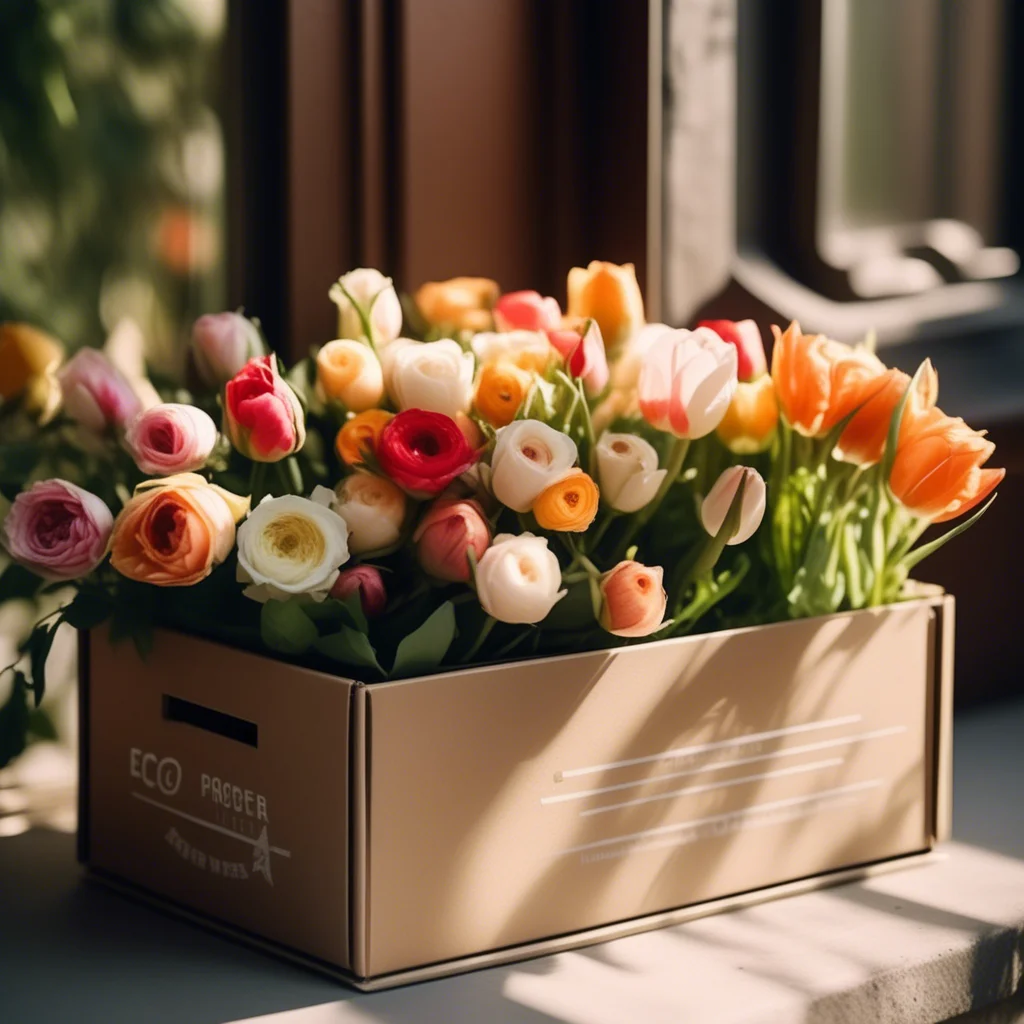
Additionally, Whole Blossoms prioritizes eco-friendly packaging for shipments. We use biodegradable and recyclable materials to significantly cut down on waste without compromising the quality or presentation of our floral products. By committing to these sustainable practices, we aim to reduce our environmental footprint one shipment at a time.
Pro Tip: To secure your access to sustainably sourced flowers, plan ahead and place your orders early. This ensures availability while supporting farms that follow ethical and sustainable methods.
B. How Whole Blossoms Supports Local Farmers
Whole Blossoms is proud to engage with local farmers and small growers in ways that uphold ethical labor practices and sustain rural communities. Our partnerships guarantee fair wages and safe working conditions for workers, ensuring that the people behind each bloom are treated with dignity and respect. By prioritizing these standards, we contribute to building secure livelihoods for farmers and farm workers.
We make it a priority to source flowers from small and family-owned farms whenever possible. Supporting these growers helps sustain rural economies, empowering communities to flourish while maintaining their agricultural traditions. This dedication not only benefits the farmers but also provides our customers with high-quality, thoughtfully grown blooms.
Another way we give back is by minimizing flower waste. Whole Blossoms collaborates with organizations that repurpose unused flowers for community programs, including hospitals and charitable events. This initiative not only brings joy to individuals in need but also ensures that every flower serves a meaningful purpose rather than going to waste.
Pro Tip: By choosing flowers from ethical and sustainable sources, you directly contribute to fair wages and environmentally responsible farming practices.
C. Reducing Carbon Footprint in the Supply Chain
Whole Blossoms is committed to reducing the environmental impact of our supply chain through forward-thinking logistics and farming techniques. Our direct farm-to-door delivery model eliminates unnecessary intermediaries, ensuring customers receive fresher flowers while significantly cutting down on transportation emissions. This streamlined approach benefits both the environment and the freshness of our blooms.
We also employ efficient shipping and logistics strategies to keep our carbon footprint as low as possible. By optimizing delivery routes and using eco-conscious shipping methods, we’re able to reduce our overall environmental impact while maintaining high service standards.
Beyond transportation, our partner farms use innovative water-saving techniques to preserve one of the planet’s most vital resources. Through drip irrigation systems and water recycling technology, these farms minimize water usage without compromising the quality of the flowers. This proactive approach to resource management underscores our dedication to sustainability at every level of the supply chain.
Pro Tip: For further environmental impact reductions, consider selecting flowers grown closer to your region. Local blooms require less transportation, resulting in fewer emissions while still providing beautiful and sustainable options.

Part 3 – Choosing Eco-Friendly Valentine’s Day Flowers
Valentine’s Day is a perfect opportunity to show love not only to your partner but also to the planet. By choosing eco-friendly flowers, you can express your affection while supporting sustainable practices and reducing environmental impact. Here are some excellent options and presentation ideas for making this Valentine’s Day truly green:
A. Best Sustainable Flower Options
When selecting flowers for your eco-friendly Valentine’s Day celebration, consider their origins and environmental impact. Here are a few sustainable choices:
Roses from Fair Trade Farms
Roses remain a classic Valentine’s Day symbol. Opt for ethically sourced roses from Fair Trade-certified farms. These farms ensure fair labor practices, safe working environments, and sustainable farming techniques. Supporting such farms not only gives you beautiful flowers but also helps create a positive impact on workers’ lives and the planet.
Locally Grown Tulips
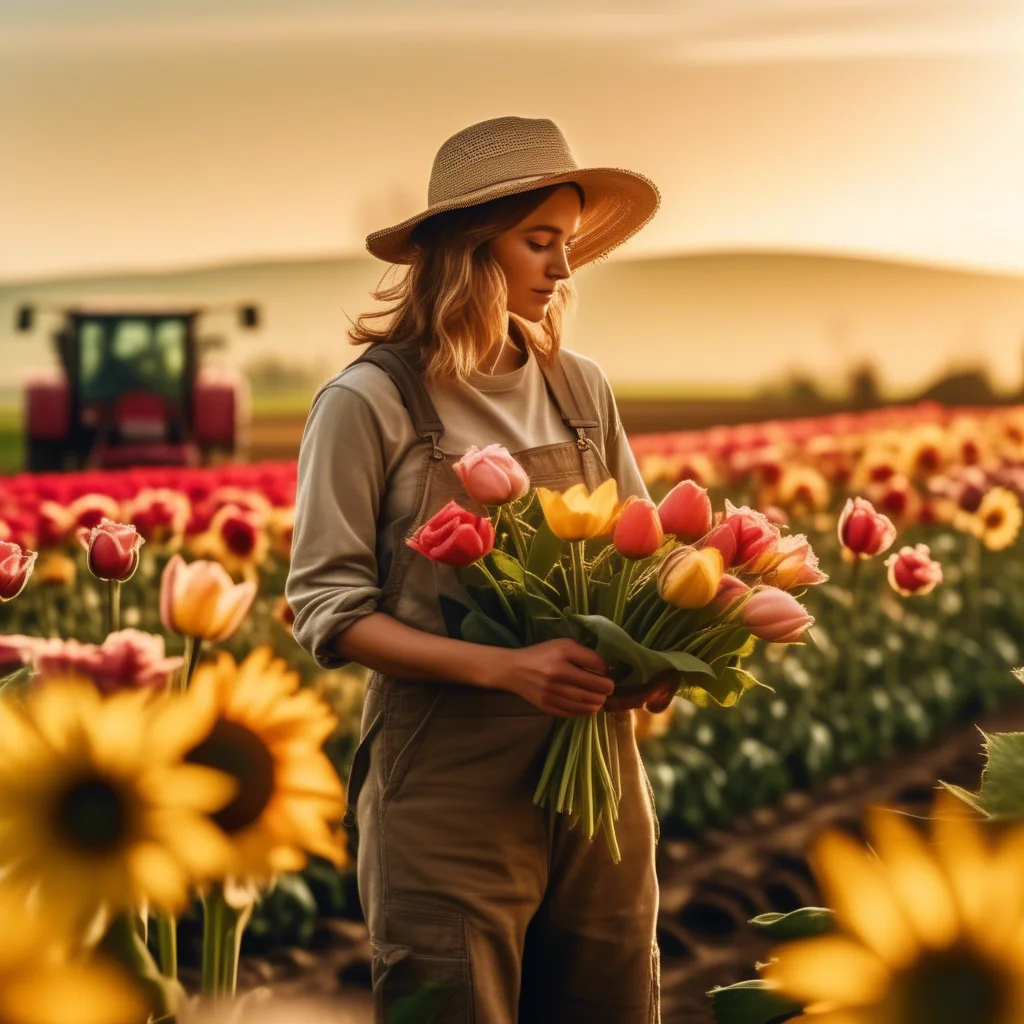
Tulips are vibrant yet eco-friendly options, as they naturally require less water and energy to grow compared to other popular flowers. Choosing locally grown tulips significantly reduces the carbon footprint associated with long-distance transportation. Additionally, local sourcing supports nearby farmers and helps strengthen your community’s economy.
Organic Lilies and Wildflowers
For those who love a natural and whimsical touch, organic lilies and wildflowers are ideal. These flowers thrive in their native environments without the need for harmful pesticides or synthetic fertilizers. Organic certification ensures that your flowers are free from toxic residues, making them safer for your home and the environment.
Pro Tip: Look for flowers certified by organizations like the Rainforest Alliance, USDA Organic, or Fair Trade. These certifications guarantee that your blooms were cultivated using sustainable methods that prioritize both ethical labor and environmental stewardship.
B. Eco-Friendly Bouquet Presentation Ideas
Once you’ve chosen sustainable flowers, how they are presented can further enhance their eco-friendliness. Consider these thoughtful ideas to reduce waste and encourage sustainability:
Recyclable and Compostable Wrapping
Avoid traditional plastic wrappings and instead opt for biodegradable or reusable materials. Paper wrappings, natural fabric like burlap, or even reusable vases make excellent eco-friendly alternatives. These options not only reduce waste but also lend a rustic and charming aesthetic to your bouquet.
Minimalist and Green Arrangements
Less is often more when it comes to sustainable bouquets. Incorporate more greenery or foliage from native plants instead of relying solely on imported fillers. These minimalistic arrangements are not only eco-friendly but also add a unique, natural beauty to your gift.
Repurposing Flowers for Longer Enjoyment
Rather than discarding your flowers after Valentine’s Day, explore ways to repurpose them. Press dried flowers for use in art, create homemade potpourri to keep their fragrance alive, or compost the petals to enrich your garden. These creative ideas ensure your flowers continue to bring joy and benefit the planet even after their prime.
Pro Tip: For a truly sustainable alternative, consider giving potted plants instead of cut flowers. Living plants last much longer, improve air quality in your home, and serve as a lasting reminder of your love. From small succulents to blooming orchids, potted options combine beauty with environmental consciousness.
By incorporating these sustainable flower options and eco-friendly presentation ideas, you can celebrate love in a way that honors both your partner and the Earth. This Valentine’s Day, make your thoughtful gestures count for more than just fleeting romance—extend your care to the planet for a greener, more meaningful celebration.

Part 4 – Making Your Valentine’s Day More Sustainable
Pairing Flowers with Eco-Friendly Gifts
Flowers are a timeless way to express your love, but pairing them with eco-friendly gifts can make your gesture even more meaningful. Consider complementing your bouquet with organic chocolates that are free from harmful pesticides and sourced from fair trade suppliers. Handmade candles made from soy or beeswax are another thoughtful option, providing a warm glow without the environmental impact of mass-produced goods. Alternatively, reusable keepsakes, such as a beautifully crafted journal or a personalized reusable water bottle, offer lasting sentimental value and contribute to reducing waste.
Supporting Local Artisans and Sustainable Brands
Another way to make your Valentine’s Day more sustainable is by supporting local artisans and eco-conscious businesses. Opt for gifts that are ethically sourced or handcrafted, such as ceramic mugs, woven baskets, or bespoke jewelry. By choosing locally made items or those from sustainable brands, you help reduce the carbon footprint associated with long-distance shipping while also supporting small-scale makers and fair labor practices. Your gift becomes not only a token of love but also a way to encourage responsible, mindful consumption.
Opting for a Romantic, Low-Impact Date
A memorable Valentine’s Day doesn’t have to come with a significant environmental cost. Plan a romantic and low-impact date that strengthens your connection while honoring the planet. Cook a farm-to-table meal using organic, locally sourced ingredients and enjoy a cozy evening at home. If you prefer spending time outdoors, take a nature walk or visit a local park to immerse yourselves in the beauty of your surroundings. For an activity that symbolizes growth and unity, consider planting flowers or a tree together—a gesture that contributes to the environment and creates a lasting memory.

Pro Tip
To truly align your Valentine’s Day celebration with sustainability, aim to reduce single-use items wherever possible. Avoid gifts that come with excessive packaging and instead choose items that have thoughtful, lasting value. By taking small yet impactful steps, you can create a day filled with love that also embraces eco-friendly principles, proving that romance and sustainability can go hand in hand.

Conclusion: Show Love for the Planet and Your Valentine
Valentine’s Day is a time to celebrate love, and what better way to do so than by showing care for both your partner and the planet? Whole Blossoms makes it effortless to choose eco-friendly flowers that reflect your values and commitment to sustainability. Their collection of ethically sourced blooms ensures that your thoughtful gift does not come at the expense of the environment. From sustainably grown roses to premium floral arrangements, Whole Blossoms provides options that are as beautiful as they are responsible.
By choosing sustainable flowers, you’re not only creating a romantic gesture for your loved one but also supporting environmentally conscious practices. These small changes can make a big impact, inspiring you and others to consider sustainability as a heartfelt part of celebrations and everyday living.
This Valentine’s Day, take the opportunity to express your love in a way that benefits both those closest to you and the world we all share. Browse Whole Blossoms’ stunning selection of sustainable flowers today and make your celebration both romantic and eco-conscious. Together, you can create a lasting memory that speaks to a future filled with care, love, and responsibility.
FAQs
What makes Whole Blossoms flowers sustainable?
Whole Blossoms flowers are sustainably grown using environmentally friendly farming practices. These include reduced pesticide use, water conservation methods, and supporting local farmers. Additionally, Whole Blossoms sources from certified eco-conscious farms to ensure minimal environmental impact.
How does buying from Whole Blossoms reduce environmental impact?
By choosing Whole Blossoms, you support practices that prioritize sustainability, such as lower emissions in transportation, reduced use of harmful chemicals, and ethical sourcing. These measures help decrease the carbon footprint associated with traditional flower farming and delivery.
Which flowers are the most eco-friendly for Valentine’s Day?
Seasonal and locally grown flowers are the most sustainable choice for Valentine’s Day. Roses, tulips, and daisies sourced from sustainable farms are excellent eco-friendly options available through Whole Blossoms.
What are the benefits of composting flowers?
Composting flowers enriches the soil with nutrients and reduces waste by keeping organic materials out of landfills. It’s a simple and effective way to give back to the environment after your blooms have reached the end of their lifespan.
Can I order sustainably packaged flowers for delivery?
Yes! Whole Blossoms offers flowers packaged with recyclable and biodegradable materials, ensuring that your delivery aligns with your commitment to sustainability.