


 by
by 

Flowers hold a timeless significance in weddings, symbolizing beauty, love, and new beginnings. They can transform any venue into a breathtaking backdrop, creating a romantic atmosphere that captivates guests and complements the wedding’s theme. Each flower carries its own meaning, allowing couples to communicate sentiments without words and personalize their special day. Choosing the right flowers not only enhances the aesthetic appeal of the celebration but also embodies the unique story and emotions of the couple tying the knot.
With an overwhelming selection of flowers available, ranging from classic roses to exotic orchids, selecting the perfect blooms for a wedding can be a daunting task. Each flower possesses unique characteristics and meanings, making it challenging for couples to narrow down their choices to those that best reflect their personalities and their story. Additionally, factors such as seasonal availability, color palettes, and budget constraints can further complicate the decision-making process. Striking a balance between aesthetic appeal, personal significance, and practicality requires careful consideration and sometimes the guidance of a floral expert. This complexity adds to the pressure on couples to create a harmonious arrangement that encapsulates the essence of their wedding day.
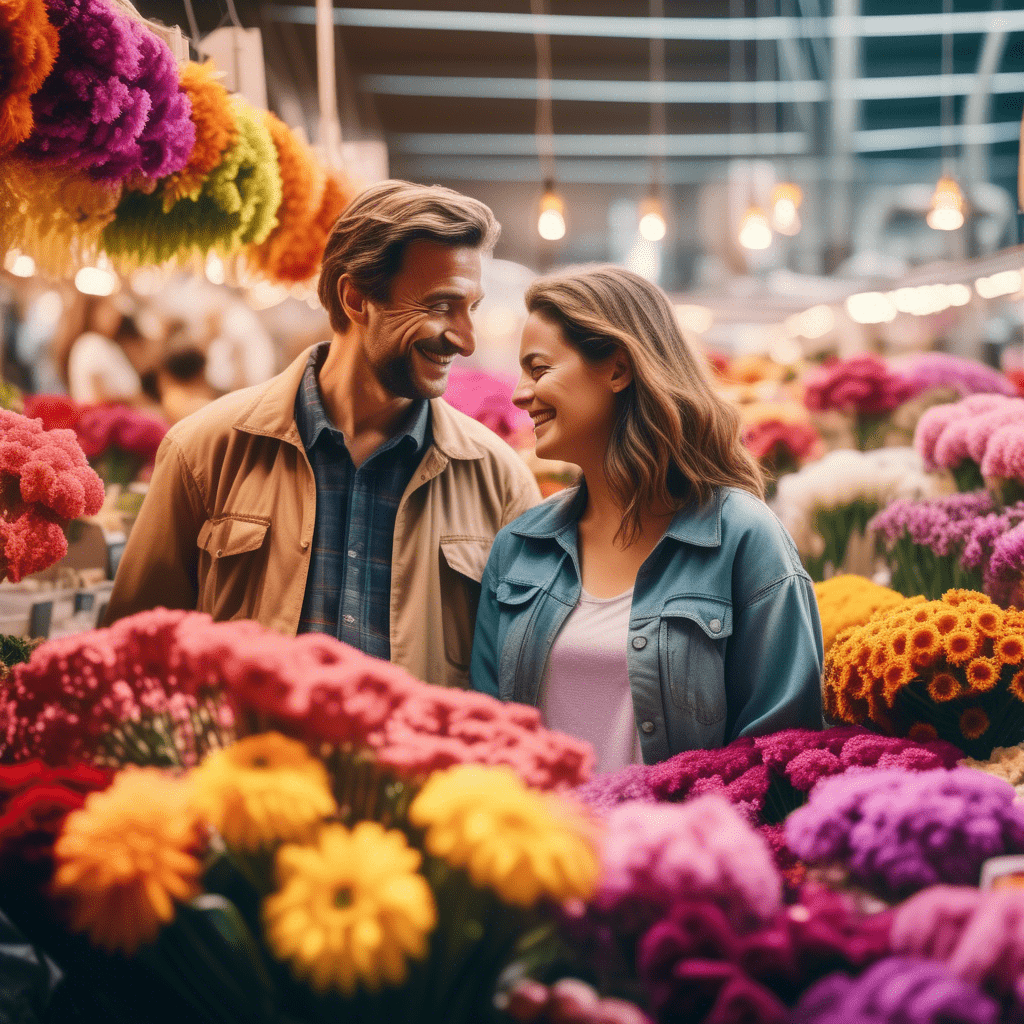
Opting for wholesale flowers brings several advantages to couples planning their wedding. One of the most significant benefits is cost savings. Purchasing flowers in bulk can drastically reduce expenses compared to buying retail, enabling couples to allocate their budget to other crucial elements of their wedding. Moreover, wholesale options often provide a greater selection of flowers and varieties, giving couples the freedom to explore a wide range of blooms that might otherwise be limited in traditional florist settings. This broader selection aids in crafting unique and personalized floral arrangements that resonate with the wedding’s theme. Additionally, buying wholesale affords creative freedom, allowing couples to experiment with different styles and compositions, ensuring their floral decor truly reflects their vision and individuality. Overall, wholesale flowers offer a practical solution without compromising beauty or personal touch.
The primary aim of this blog is to empower couples with the knowledge and confidence to make informed decisions when selecting wedding flowers. By understanding the meanings and characteristics of various blooms, couples can choose flowers that resonate with their personal stories and wedding theme. We’ll delve into essential factors such as seasonal availability, budget considerations, and color palettes, offering practical tips and insights to simplify the decision-making process. Whether you’re seeking the guidance of a floral expert or considering the cost-effective and versatile option of wholesale flowers, this guide is designed to help you navigate the floral landscape with ease and creativity, ensuring your wedding flowers are as meaningful as they are beautiful.
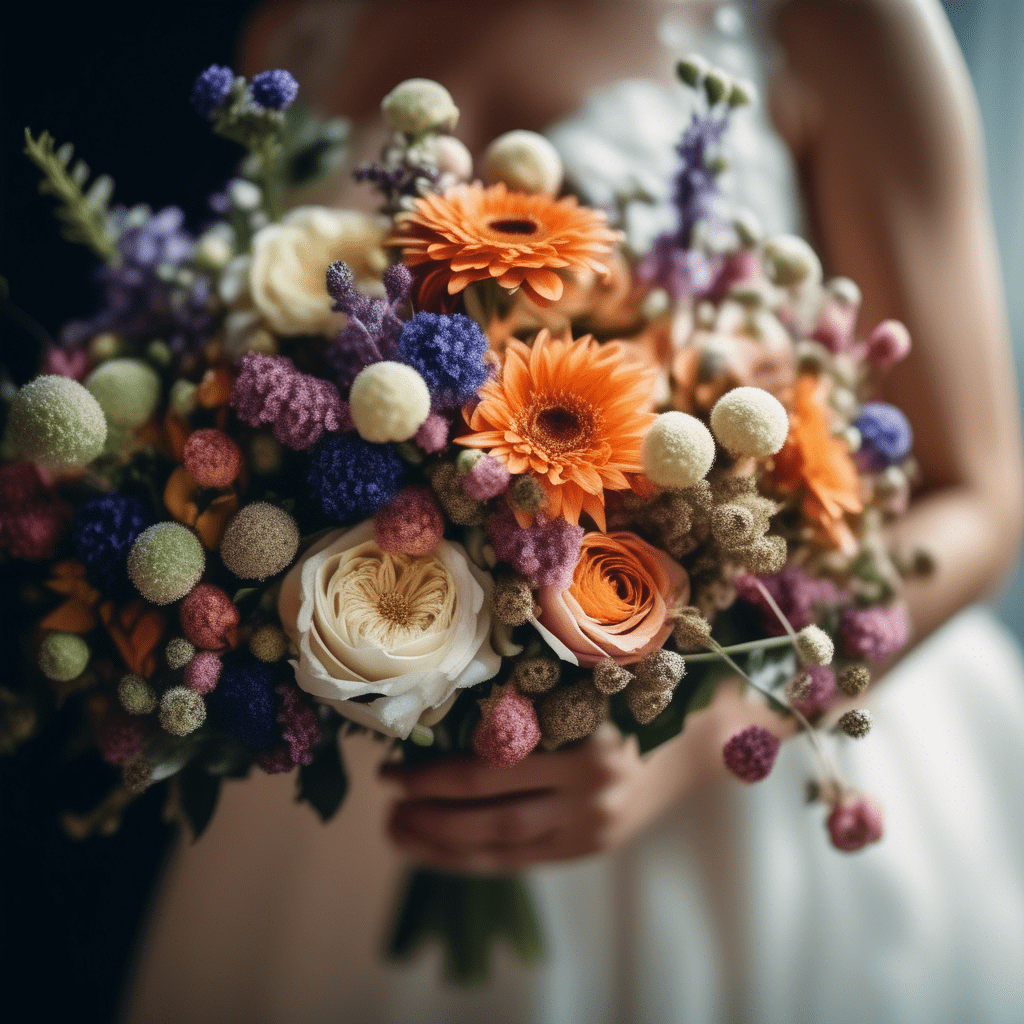
Part 1: Understanding Your Wedding Theme
Determine Your Wedding Style
Understanding your wedding style is the first step to choosing flowers that align with your vision. Here are some popular wedding styles and suggested flower types for each:
- Rustic: This style embraces natural elements and a countryside charm. Common floral choices include sunflowers, wildflowers, and daisies, which add a bright and cheerful touch.
- Bohemian: Known for its free-spirited aesthetic, bohemian weddings often feature soft, earthy tones and flowing arrangements. Consider using pampas grass, peonies, and anemones to enhance this relaxed style.
- Classic: Timeless and elegant, a classic wedding often incorporates structured floral designs with roses, lily of the valley, and hydrangeas.
- Modern: This style emphasizes simplicity and a sleek aesthetic. Orchids, calla lilies, and succulents are excellent choices to reflect a contemporary look.
- Vintage: Drawing inspiration from the past, vintage weddings often showcase soft, romantic blooms like lavender, garden roses, and sweet peas.
- Garden: Perfect for outdoor settings, garden-style weddings celebrate the beauty of nature with lush arrangements of tulips, lilacs, and delphiniums.
Color Scheme Considerations
Matching your flowers with the wedding color palette is crucial for creating a cohesive look. Begin by selecting a base color and identifying complementary or contrasting hues that will make your floral arrangements pop. For instance, if your wedding colors include shades of blush and cream, consider incorporating peonies and roses in similar tones. Conversely, using bold sunflowers or bright dahlias can add contrast to muted palettes. It’s important to balance the colors to reflect your desired ambiance and theme.
Flowers and Venue Ambiance
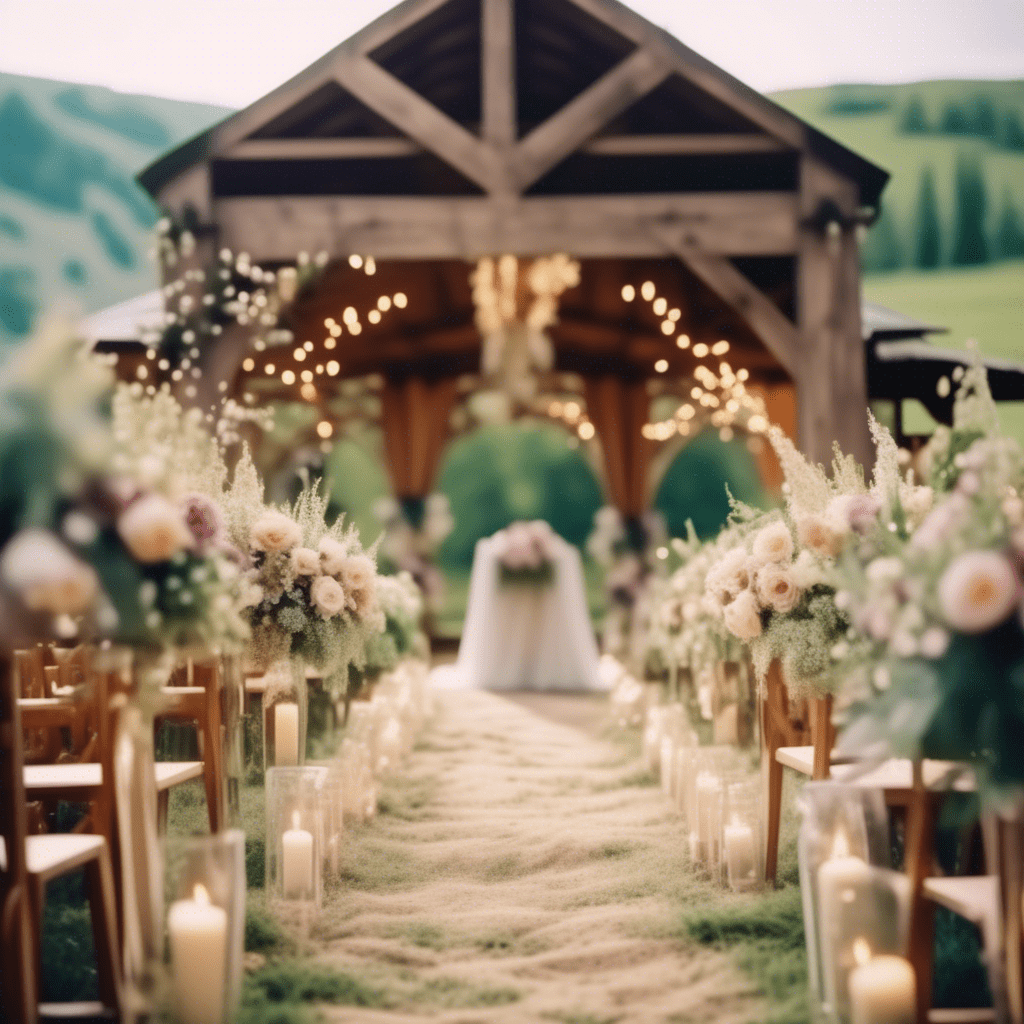
The choice of venue significantly affects flower selection, as you want blooms that harmonize with the setting. For an indoor wedding, consider elegant varieties like lilies or orchids that thrive in controlled environments. An outdoor garden wedding pairs well with peonies or gardenias, emphasizing the lush surroundings. For a beach wedding, tropical flowers such as hibiscus or bird of paradise can enhance the exotic ambiance. If you’re celebrating in a barn, opt for rustic flowers like sunflowers or baby’s breath to complement the warm, cozy atmosphere. Selecting flowers that suit your venue not only enhances the setting but also reinforces the overall mood and theme of your wedding.

Part 2: Seasonality of Flowers
Seasonal Flowers and Availability
Choosing flowers that are in season is a smart strategy for couples looking to save money on their wedding floral arrangements. In-season flowers are generally more affordable because they are readily available and don’t require importation, reducing shipping and handling costs. Here’s a list of flowers by season to guide your selections:
- Spring: Peonies, tulips, daffodils are abundant in springtime, offering vibrant colors and fresh aromas perfect for welcoming the new season.
- Summer: Sunflowers, hydrangeas, and roses thrive in the summer heat, providing bold and lush options ideal for brightening up any celebration.
- Fall: Chrysanthemums, dahlias, and marigolds encompass the warm, rich tones of autumn, making them perfect choices for embracing the rustic charm of fall weddings.
- Winter: Amaryllis, anemones, and evergreen foliage thrive even in the cold, adding elegance and depth to the winter landscape with their striking appearances.
Benefits of Seasonal Flowers
Opting for seasonal flowers not only ensures fresher blooms that maintain their beauty and fragrance longer but also significantly lowers costs due to the reduced need for transportation and off-season sourcing. Additionally, choosing in-season flowers is a more sustainable option, minimizing environmental impact by supporting local growers and reducing carbon emissions associated with transportation.
A practical tip for incorporating greenery as an alternative when flowers are out of season is to use rich foliage like eucalyptus or ferns. These not only add texture and volume to arrangements but often cost less than out-of-season blooms, allowing you to maintain an elegant aesthetic without exceeding your budget.
Part 3: Budget Management for Wedding Flowers
Setting a Floral Budget
Determining how much of your wedding budget should be allocated to flowers requires careful consideration of several factors. As a rule of thumb, couples typically spend around 8-10% of their total wedding budget on flowers. Begin by estimating costs based on the venue size and guest count, as larger venues and higher guest numbers generally necessitate more floral arrangements. Additionally, consider the complexity and quantity of arrangements desired; elaborate designs with exotic flowers tend to be more expensive. Be clear about your vision and discuss with your florist to find a balance between aesthetics and budget.
Saving Money with Wholesale Flowers
Purchasing wholesale flowers can be a cost-effective strategy for those looking to stretch their wedding budget. Wholesale buying allows couples to purchase flowers in bulk at a lower price, which is especially beneficial for large-scale arrangements. It’s important to order well in advance to secure availability and take advantage of better pricing. However, be prepared for additional work such as arranging and preserving the flowers until the event. Consulting with a florist who can assist with ordering and arrangement logistics can help streamline the process and ensure everything proceeds smoothly.
Prioritizing Floral Arrangements
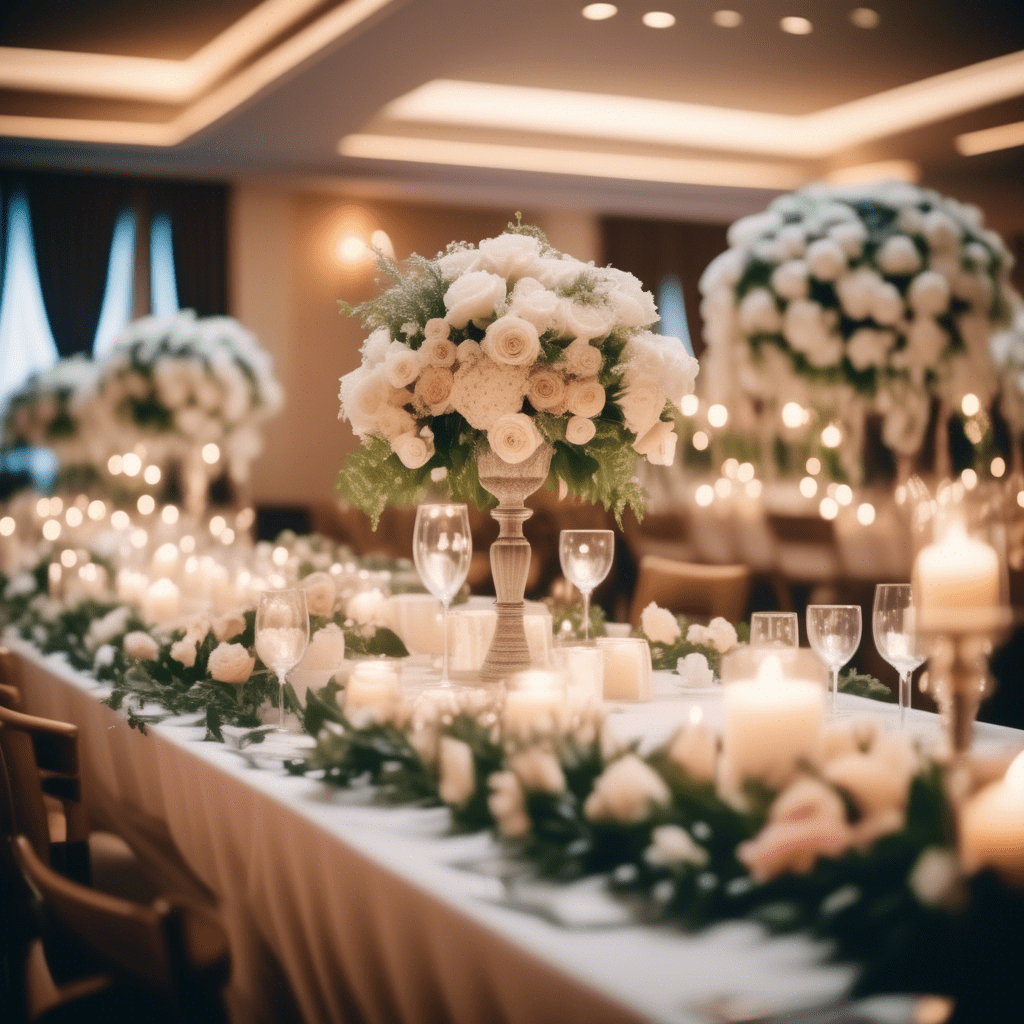
When working with a limited budget, it’s crucial to prioritize the floral arrangements that will have the most impact. The bridal bouquet is often the centerpiece of wedding florals and should be allocated a generous portion of the budget. Centerpieces also play a pivotal role in creating the desired ambiance, especially at the reception. To cut costs, consider repurposing flowers from the ceremony for the reception; for example, aisle flowers can be transformed into guest table arrangements, or bridesmaids’ bouquets can double as decor accents. Get creative with non-floral elements, like candles or lanterns, to complement the floral decor without significantly increasing expenses.
Part 4: Types of Wedding Flowers and Their Meanings
Popular Flower Types and Their Significance
Understanding the traditional meanings behind popular wedding flowers can add a layer of symbolism to your celebration. Here are some beloved choices:
- Roses: Widely regarded as symbols of love and passion, roses are timeless and versatile. They come in various colors, each with its own meaning; red roses signify deep love, while white roses represent purity and new beginnings.
- Lilies: Symbolizing beauty and elegance, lilies are often associated with devotion and humility. Calla lilies, in particular, highlight regal beauty and are perfect for sophisticated arrangements.
- Peonies: Celebrated for their lush, full blooms, peonies represent prosperity and happy marriages, making them an ideal choice for weddings.
- Tulips: Known for their grace, tulips convey messages of love and enduring happiness. Their simple elegance makes them an excellent choice for couples seeking a contemporary look.
- Orchids: Representing exotic beauty and strength, orchids symbolize love, luxury, and sophistication.
Consider weaving together flowers whose meanings uniquely resonate with your love story. For instance, combining peonies and roses can reflect a prosperous, passionate union adorned with elegance.
Choosing Flowers Based on Personal Preference
Selecting flowers based on personal preference allows couples to incorporate sentimentality and uniqueness into their wedding. Here are tips for making these choices meaningful while staying within budget:
- Sentimental Selections: Choose flowers that have personal significance, such as blooms that were in your first bouquet together, or a flower tied to a meaningful memory.
- Mix and Match: Pair your favorite blooms with more affordable, complementary flowers to lower costs without sacrificing beauty.
- Focus on Key Arrangements: Prioritize personal flowers like the bridal bouquet and boutonnieres for sentimental additions. These pieces are often more intimate and close-up, allowing personal flowers to shine.
- Add Personal Touches: Infuse unique floral arrangements with small personal touches, whether it’s colored ribbons or keepsake ornaments that attach to the bouquet, creating a cherished memento of your wedding day.
By choosing flowers that hold special meaning and considering creative options, couples can craft a floral plan that both reflects their personal love story and fits comfortably within their budget.
Part 5: Practical Tips for Choosing Wholesale Wedding Flowers
Working with a Florist vs. DIY
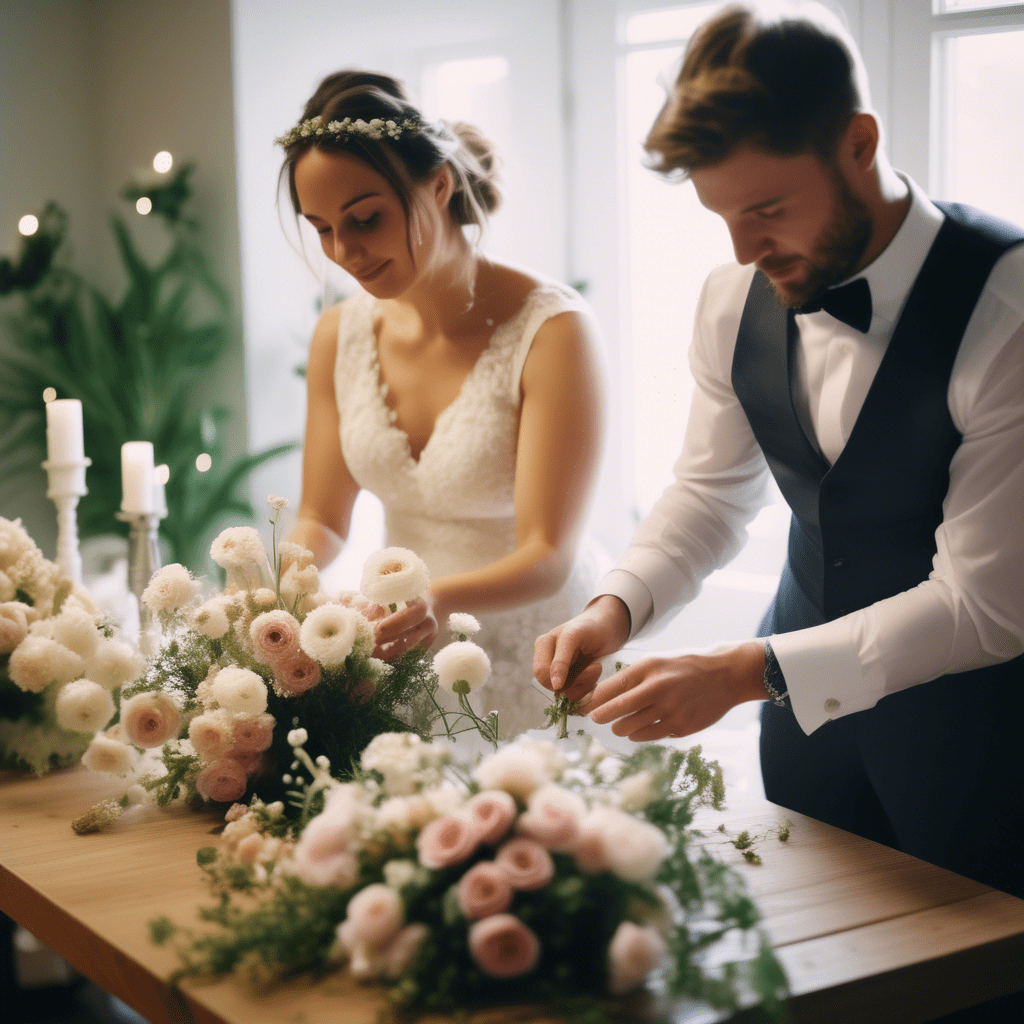
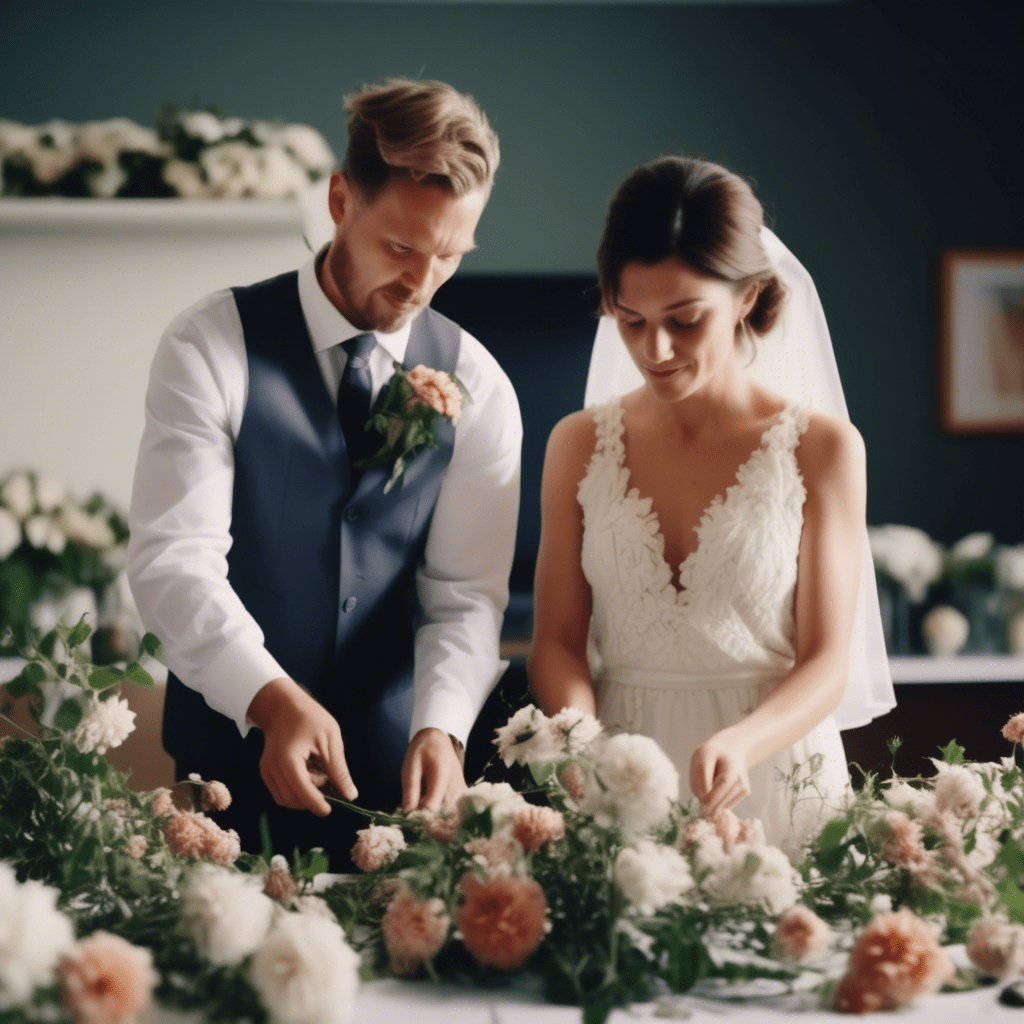
When planning your wedding floral arrangements, deciding between working with a florist and taking a DIY approach with wholesale flowers can significantly impact your budget and overall experience.
Working with a Florist:
Pros: Florists offer professional expertise, ensuring your vision is brought to life with beautiful, cohesive arrangements. They handle all the logistics, from sourcing to arranging on the big day, freeing you from stress and time commitments. Their experience guarantees high-quality results, tailored to your preferences.
Cons: Hiring a florist can be more expensive due to labor costs and sourcing fees. It may also involve less personal involvement, which could lead to potential disconnects in vision if not clearly communicated.
DIY Arrangements:
Pros: DIY allows for a personalized touch, with every arrangement reflecting your unique style. It can significantly reduce costs, especially when purchasing flowers wholesale. The experience can be rewarding and enjoyable for those with a creative flair.
Cons: DIY requires considerable time and effort, from planning and sourcing to arranging and maintaining freshness until the wedding day. It can be stressful, particularly for those without floral design experience, risking last-minute mishaps or dissatisfaction with the results.
Ordering Wholesale Flowers Online
Shopping for wholesale flowers online can be a practical and budget-friendly option if approached thoughtfully. To ensure quality and freshness, consider these tips:
Research Vendors: Choose reputable suppliers with positive reviews and preferably recommendations from other wedding planners or customers. Quality and reliability are crucial.
Timing and Delivery: Order your flowers to arrive at least 2-3 days before your wedding. This allows time for any necessary substitutions or replacements if the flowers do not meet expectations.
Proper Storage: Once received, store your flowers in a cool, well-ventilated space, ideally a refrigerator if available, to maintain freshness. Hydration and appropriate conditions are key to keeping them lively until the event.
Inspect Upon Arrival: Immediately check your flowers for any damage or inconsistencies. Contact the vendor promptly if issues arise, securing replacements before the wedding.
Choosing Complementary Greenery
Incorporating greenery into your floral arrangements offers a cost-effective way to add texture, volume, and visual interest to your wedding decor. Greenery can serve as a backdrop that highlights the vibrancy of the flowers without overshadowing them.
Popular options include eucalyptus and ferns, celebrated for their rich texture and ability to complement a range of blooms. Eucalyptus provides a silvery green hue and fragrant foliage, offering a chic, modern look. Ferns, with their lush, dense fronds, add elegance and depth. These greenery choices not only elevate the aesthetic appeal but also help manage costs by requiring fewer flowers. By blending greenery with flowers, you create dynamic, sophisticated arrangements that balance beauty and budget.
In conclusion, crafting the perfect wedding floral arrangements involves a thoughtful balance of creativity, pragmatism, and personal preference. Matching flowers to the theme of the wedding ensures a cohesive and harmonious aesthetic, as each bloom can convey specific meanings that enrich the setting’s narrative. Paying attention to seasonal availability not only enhances the freshness and vibrance of the flowers but also supports sustainability and cost-effectiveness, as flowers in season are typically more accessible and budget friendly. Finally, effective budget management is achieved through a mix of personalized selections, strategic choosing between DIY and professional services, and incorporating greenery to maintain beauty without inflating costs. By considering these crucial aspects, couples can design a stunning floral experience that beautifully complements their wedding day celebration.
Conclusion
Planning the perfect wedding flowers may seem daunting, but it doesn’t have to be. By embracing the cost-effective route of purchasing wholesale flowers, couples can navigate this process with ease and confidence. Wholesale flowers offer the dual benefits of affordability and variety, allowing you to explore a broad array of options and styles without stretching your budget. Whole Blossoms stands out as an excellent source for wholesale wedding flowers, providing a wide selection and reliable quality to bring your vision to life. By exploring the abundant possibilities at Whole Blossoms, you can craft exquisite arrangements that reflect your personal style and create a memorable backdrop for your special day.
FAQs
What are the benefits of choosing seasonal flowers for my wedding?
Seasonal flowers are often more affordable, fresher, and more readily available, making them a budget-friendly and eco-friendly choice. Their abundance during peak seasons also means they can be sourced locally, which helps reduce the carbon footprint associated with shipping and increases the flowers’ lifespan.
How much of my wedding budget should go towards flowers?
Generally, couples allocate about 8-10% of their total budget to flowers, but this can vary depending on preferences and priorities. It’s important to assess what floral aspects are most critical to the overall vision of your wedding and adjust accordingly.
Is it better to DIY my wedding flowers or hire a florist?
DIY can save money but requires time and effort, making it a suitable choice for those looking for a personalized touch and who have the time to commit to the project. On the other hand, hiring a florist ensures professional results with less stress, as they can seamlessly bring your vision to life with their expertise and handle logistics.
How far in advance should I order wholesale flowers for my wedding?
It’s recommended to order 2-3 weeks in advance to ensure availability and allow for any last-minute adjustments. This timeframe helps accommodate any unexpected changes or substitutions, ensuring your arrangements are perfect for the big day.