


 by
by 

Flowers hold profound significance in cultural and religious contexts, often symbolizing life, beauty, and the cyclical nature of existence. In many cultures, flowers are used in rituals, ceremonies, and celebrations to convey emotions, honor deities, or commemorate events. For instance, in Hinduism, flowers like marigolds are integral to festivals and offerings, symbolizing prosperity and purification. Similarly, roses in Western traditions are closely associated with love and devotion, frequently used in weddings and symbolic gestures. Ultimately, the use of flowers transcends mere aesthetics, embodying deeper meanings and connections within various cultural narratives.
Green roses, often regarded as a rarity in the floral world, carry a distinct symbolism that sets them apart from their more traditional counterparts. Representing growth, fertility, and renewal, these roses evoke a sense of harmony with nature and are frequently associated with the concepts of rebirth and healing. Their unique green hue, which can vary from pale shades to deep, vibrant tones, reflects freshness and vitality. Unlike the conventional associations of red roses representing love or white roses symbolizing purity, green roses speak to the essence of life and the natural cycle of growth. This makes them a fitting choice for occasions celebrating new beginnings, such as births, anniversaries, or personal milestones. As green roses continue to gain popularity, they not only enrich floral arrangements but also deepen the meanings conveyed through gifts and decorations.

Historical Context: The Origins of Green Roses and Their Cultivation
The origins of green roses can be traced back to various natural mutations and selective breeding among rose varieties. While green roses are not as commonly found in nature, their cultivation began to capture the attention of horticulturists and enthusiasts in the late 19th and early 20th centuries. Initially, green-hued blooms were rare, with most roses displaying the more familiar colors of red, pink, and yellow. However, through dedicated breeding efforts, florists managed to produce hybrid varieties that showcased green petals, leading to an increased appreciation for these unique blossoms.
Historically, green roses have held different meanings across cultures. In ancient China, green was associated with prosperity and fertility, paralleling the symbolism of green roses in contemporary contexts. Additionally, in some medieval European traditions, green was linked to the celebration of nature’s cycles and the arrival of spring, making green roses a fitting representation of renewal and life. As global interest in diverse floral symbolism grows, green roses continue to be embraced in various cultural ceremonies, reinforcing their place in the tapestry of floral heritage.
Cultural Celebrations

Weddings: The Symbolism of Green Roses in Matrimonial Ceremonies
In wedding ceremonies, the symbolism of green roses resonates deeply across different cultures, representing growth, harmony, and the new journey that couples embark upon together. In Western traditions, while red and white roses are commonly favored, green roses are increasingly being incorporated into floral arrangements to signify prosperity and the flourishing love between partners. They are often used in bridal bouquets, centerpieces, or as decorative elements during the reception, offering a unique twist that emphasizes the couple’s commitment to nurturing their relationship.
In contrast, Eastern cultures also embrace the use of green roses, albeit with varying interpretations. In some Asian wedding ceremonies, green flowers are employed to symbolize fertility and new beginnings, aligning with the broader cultural appreciation for floral arrangements that convey auspicious meanings. For example, in specific Chinese traditions, the presence of green flowers during weddings is thought to promote a harmonious family life and the prospect of future growth. Thus, green roses serve as a versatile and meaningful floral choice in matrimonial celebrations, enriching the symbolism of love and unity shared by couples across cultures.

Festivals: Use of Green Roses in Local and National Festivals
Green roses find their place in various local and national festivals, where they embody themes of renewal and celebration. For instance, during the Spring Equinox Festival, commonly observed in many cultures, floral displays often feature green roses to symbolize the rejuvenation of life and the arrival of warmer days. This festival, which marks a time of planting and growth, embraces green roses as a metaphor for the flourishing nature that transforms the environment with the change of seasons.
Another significant event is the Holi Festival in India, which celebrates the victory of good over evil and the arrival of spring. Green roses can be woven into the celebratory atmosphere, reflecting the vibrancy and effervescence of the festival. Participants often use flowers in colorful displays, and green roses add a unique touch, symbolizing prosperity and the joy of new beginnings. Such festivals highlight the versatility of green roses as a floral choice, allowing them to contribute to the spirit of community, joy, and renewal across diverse cultural celebrations.
Religious Significance
Symbolism in Various Religions
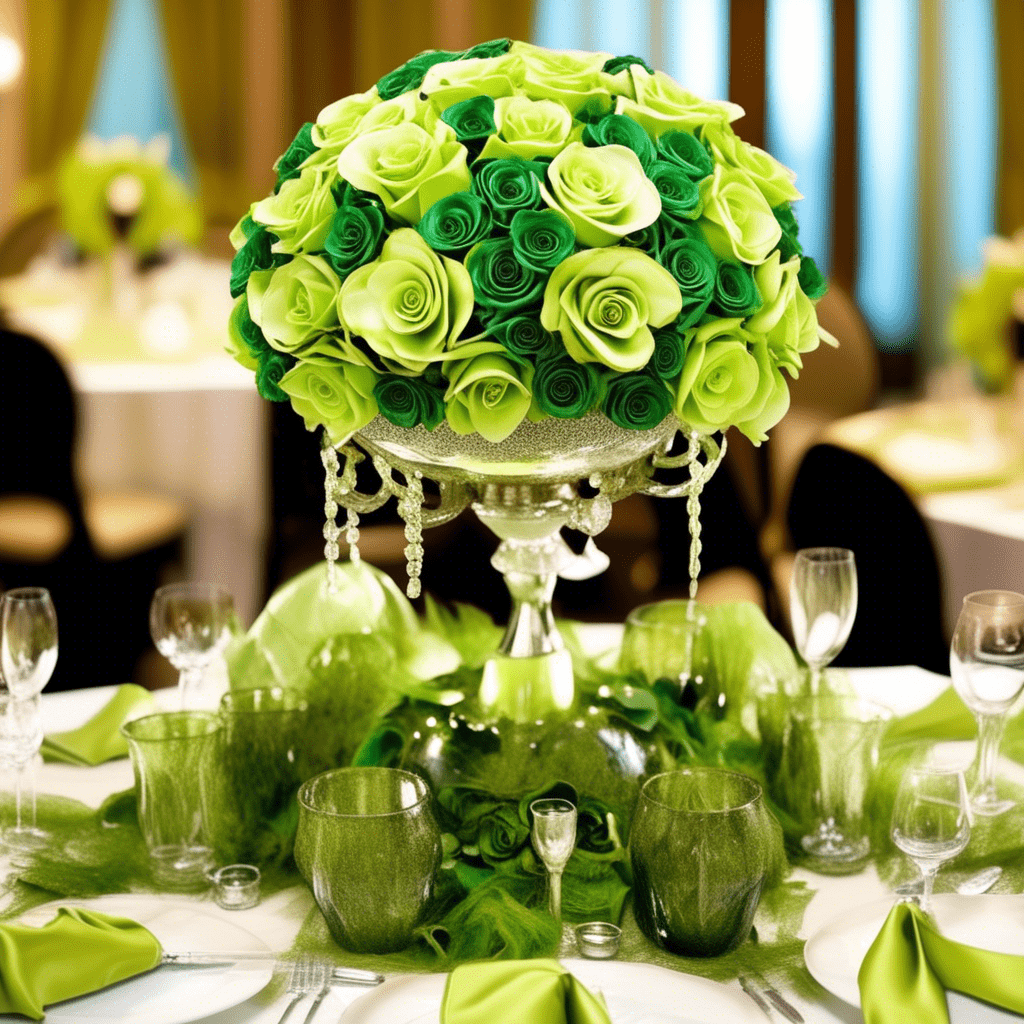
Green roses hold a rich tapestry of symbolism across different faiths, often representing themes of rebirth, renewal, and divine harmony. In Christianity, the color green is often associated with the resurrection and eternal life, mirroring the promise of new beginnings found in green roses. They can serve as a reminder of the hope and renewal encapsulated in the teachings of Christ. Similarly, in Hinduism, the concept of rebirth is central, and green roses can also symbolize fertility and the connection to nature, reinforcing the sacred relationship between life and growth.
In indigenous spiritual traditions, green is frequently viewed as a color of healing and balance. Green roses, in these cultures, embody the essence of the Earth and the interconnectedness of all living beings, signifying a return to one’s roots and the importance of nurturing both the physical and spiritual aspects of life. Furthermore, in Buddhism, natural elements are paramount; hence, flowers like green roses resonate with principles of renewal and the cyclical nature of existence. These spiritual interpretations highlight the multifaceted significance of green roses, establishing them as profound symbols within various religious contexts.
Rituals and Ceremonies
Christianity: The Blessing of Green Roses during Easter
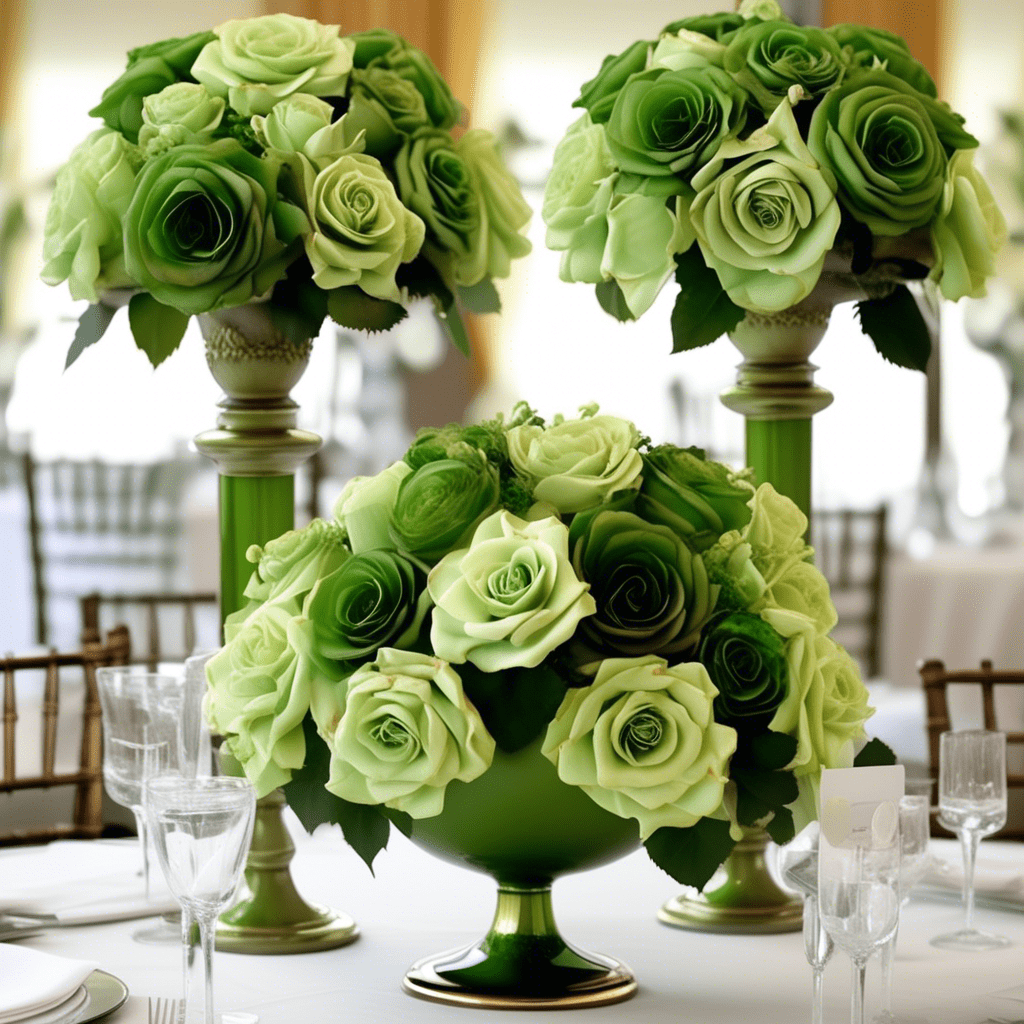
In many Christian communities, green roses are incorporated into Easter celebrations, which represent the resurrection of Christ and the promise of eternal life. During church services, the congregation may bring green roses to be blessed, symbolizing rebirth and hope. These roses are often used to decorate altars, signifying the flourishing of faith as spring brings new life. In some regions, congregants might also exchange green roses as gifts during Easter gatherings, reinforcing the themes of renewal and unity within the community.
Hinduism: Green Roses in Naming Ceremonies
Within Hindu traditions, naming ceremonies, known as Namkaran, often involve the use of green roses to bless newborns. These ceremonies serve to mark the child’s entry into the world and are imbued with rituals that invite prosperity and growth. Families might decorate the infant’s surroundings with green roses to evoke blessings from deities and signify a lifelong connection to nature. The use of green roses during these events underscores the significance of fertility and continuity within the family and community.
Buddhism: Green Roses for Peace and Meditation
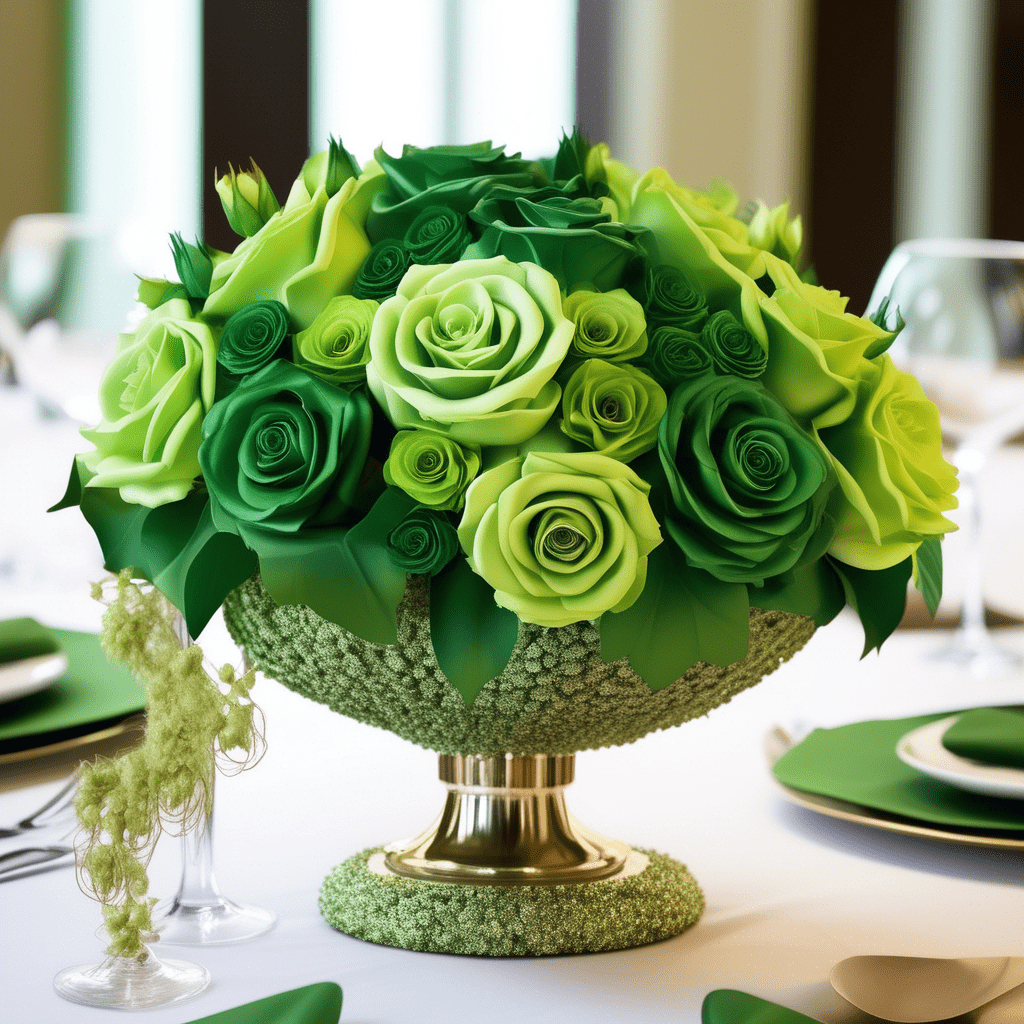
In Buddhist practices, green roses can feature prominently in rituals focused on peace and meditation. During temple ceremonies, practitioners may place green roses on altars as offerings, symbolizing the harmony with nature and the interconnectedness of all life forms. Meditation retreats may also incorporate green roses as part of their environment to enhance the experience of mindfulness and tranquility. The serene presence of green roses aids in reflecting on the cyclical nature of existence and the importance of balance in both the mind and spirit.
These case studies illustrate the various ways green roses are integrated into rituals and ceremonies across major religions, each reflecting the universal themes of growth, renewal, and connection to the divine.
Modern Interpretations

Contemporary Significance of Green Roses
In today’s society, green roses are increasingly embraced for their unique aesthetic and symbolic meanings. As more individuals seek to express their individuality through floral arrangements, green roses stand out as a modern alternative to traditional red roses, making a bold statement in both personal and public displays. They are often favored by those who wish to convey messages of growth, renewal, and creativity, resonating well with themes of sustainability and eco-friendliness prevalent in contemporary culture.

Popular Trends in Floral Arrangements
Current trends in floral design reflect a growing appreciation for unique color palettes, with green roses being incorporated into various arrangements—from minimalist bouquets to extravagant centerpieces. In weddings, green roses are frequently paired with other seasonal blooms, creating a fresh, modern look that evokes a sense of natural elegance. Additionally, they are commonly used in corporate events and eco-conscious celebrations, highlighting their versatility and appeal. Floral designers are also experimenting with mixed arrangements that incorporate greenery, textures, and varying shades of green roses, emphasizing the importance of nature in our increasingly urban lives. As these trends evolve, green roses continue to find their place as both a symbol of renewal and a captivating element in contemporary floral artistry.
Green roses have emerged as a powerful symbol in various cultural and religious celebrations, reflecting themes of renewal, hope, and connection to nature. In Christianity, they represent the resurrection and eternal life, particularly during Easter when they are blessed and shared among congregants. In Hinduism, green roses play a vital role in naming ceremonies, symbolizing prosperity and the bond to nature in a child’s life. Similarly, in Buddhism, these roses feature in rituals emphasizing peace and mindfulness, capturing the essence of life’s cyclical nature. Across diverse traditions, green roses embody the spirit of growth and harmony, reinforcing community ties and enriching the communal experience during significant events. Their modern interpretations further highlight their versatility, as they continue to resonate with contemporary values of individuality and sustainability in floral artistry.
Whole Blossoms: Your Source for Fresh Cut Flowers
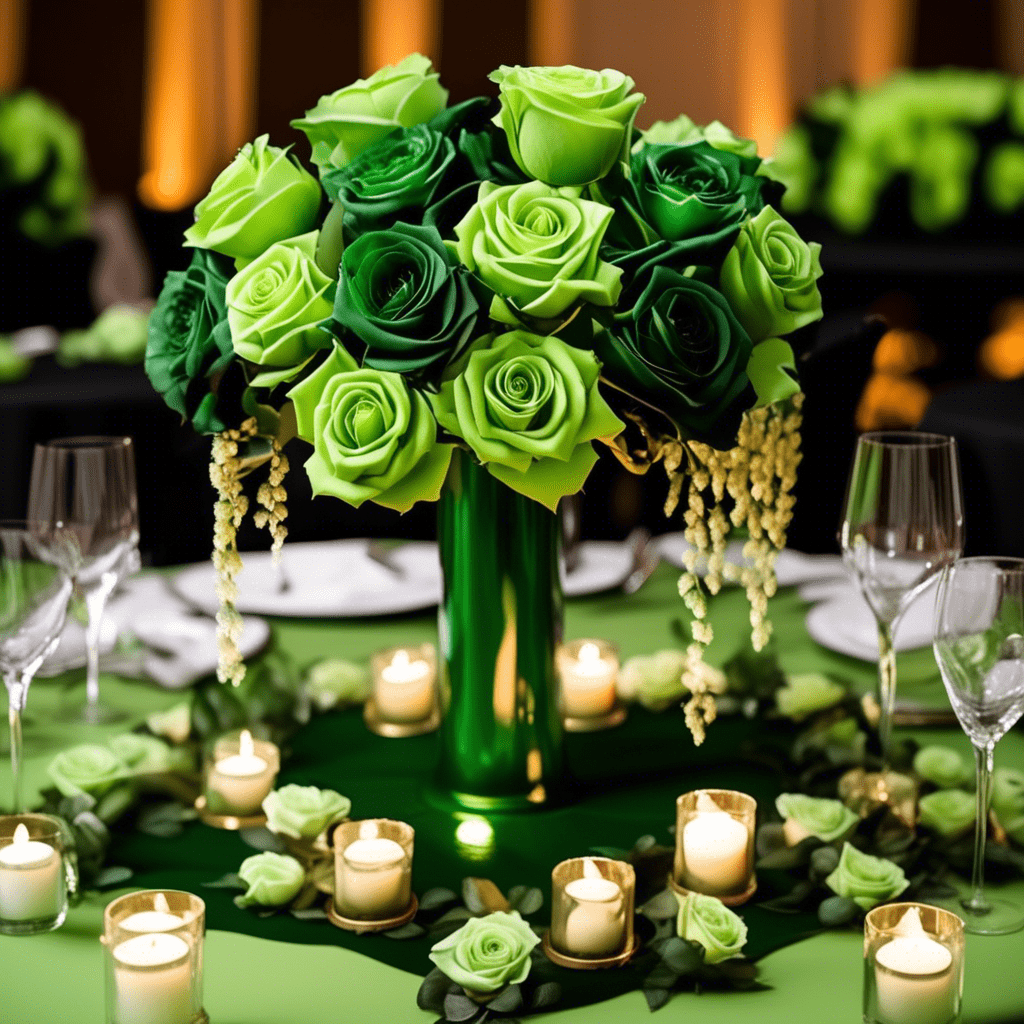
For those seeking to enhance their floral arrangements with fresh and vibrant blooms, Whole Blossoms stands out as a premier supplier of quality flowers. Offering a diverse selection of fresh cut flowers, including the unique and eye-catching green roses, they cater to both individual customers and businesses. Whole Blossoms prides itself on sourcing directly from growers, ensuring that every flower is picked at the peak of freshness and delivered with care. Whether planning a wedding, corporate event, or simply looking to brighten up your home, Whole Blossoms provides the tools and inspiration needed to create stunning floral displays that reflect your personal style and desires. With their commitment to sustainability and customer satisfaction, Whole Blossoms is the go-to destination for anyone passionate about the beauty of flowers.