


 by
by 

Flowers have long played a vital role in cultural contexts, serving as symbols of beauty, love, and the transient nature of life. In numerous societies, they are integral to rituals, celebrations, and expressions of emotion. For instance, flowers are often used in weddings to signify love and new beginnings, while in funerals, they represent remembrance and mourning. Different flowers can also carry specific meanings; for example, lilies may symbolize purity, while roses are commonly associated with romantic love. The rich tapestry of cultural interpretations surrounding flowers highlights their universal ability to convey sentiment and enhance human experience across various traditions and ceremonies.
The color pink is often associated with tenderness, love, and compassion, evoking a sense of calm and nurturing. Its soft, warm hue has the power to influence emotions, often invoking feelings of happiness and comfort. Pink is commonly linked to femininity and romance but also embodies a broader spectrum of meanings, such as innocence and youth. In art and psychology, pink is seen as a soothing color that can alleviate feelings of anger and aggression, making it a popular choice in spaces designed for relaxation and comfort. This emotional resonance of pink is reflected not only in fashion and design but also in the cultural significance of pink flowers, which often express love and affection in various ceremonies and celebrations.
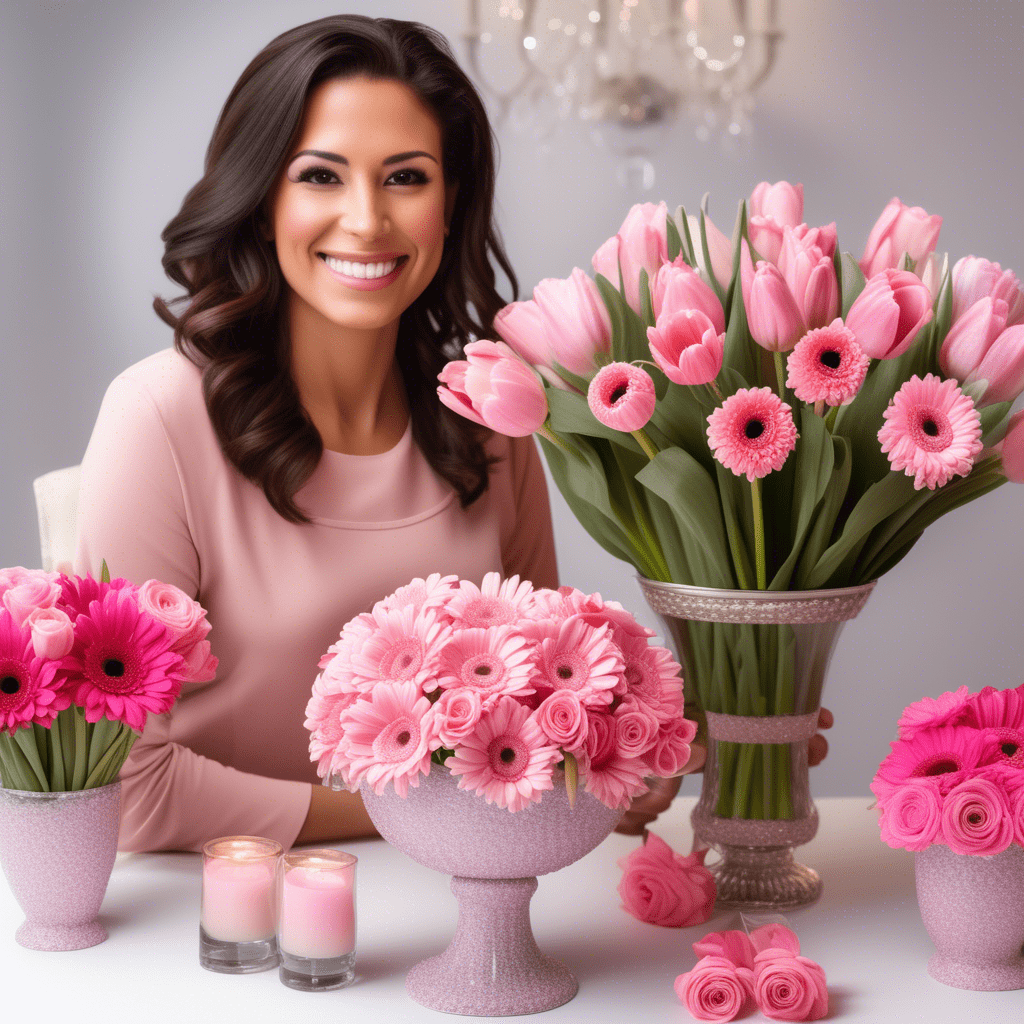
The Meaning of Pink Flowers
Pink flowers are frequently associated with sentiments of love, admiration, and compassion, often serving as an expression of gentle affection and appreciation in various contexts. Their delicate hue signifies warmth and tenderness, making them a popular choice for personal gifts, congratulations, and romantic gestures. The symbolism of pink flowers varies slightly depending on the specific flower; for example, pink roses might convey deep admiration, while pink carnations often represent a mother’s undying love.
In contrast, other flower colors carry distinct meanings that can shift the emotional tone significantly. Red flowers, such as red roses, typically symbolize passionate love and desire, while yellow flowers, like sunflowers or daffodils, are associated with friendship, joy, and cheerfulness. Blue flowers, often rare in nature, can evoke feelings of calmness and serenity, signifying peace and tranquility. Meanwhile, white flowers symbolize purity and innocence, serving as a traditional choice for weddings and new beginnings. This rich variety of flower colors and their meanings highlights the intricate ways in which floral symbolism can communicate a wide range of emotions and sentiments.
Cultural Interpretations
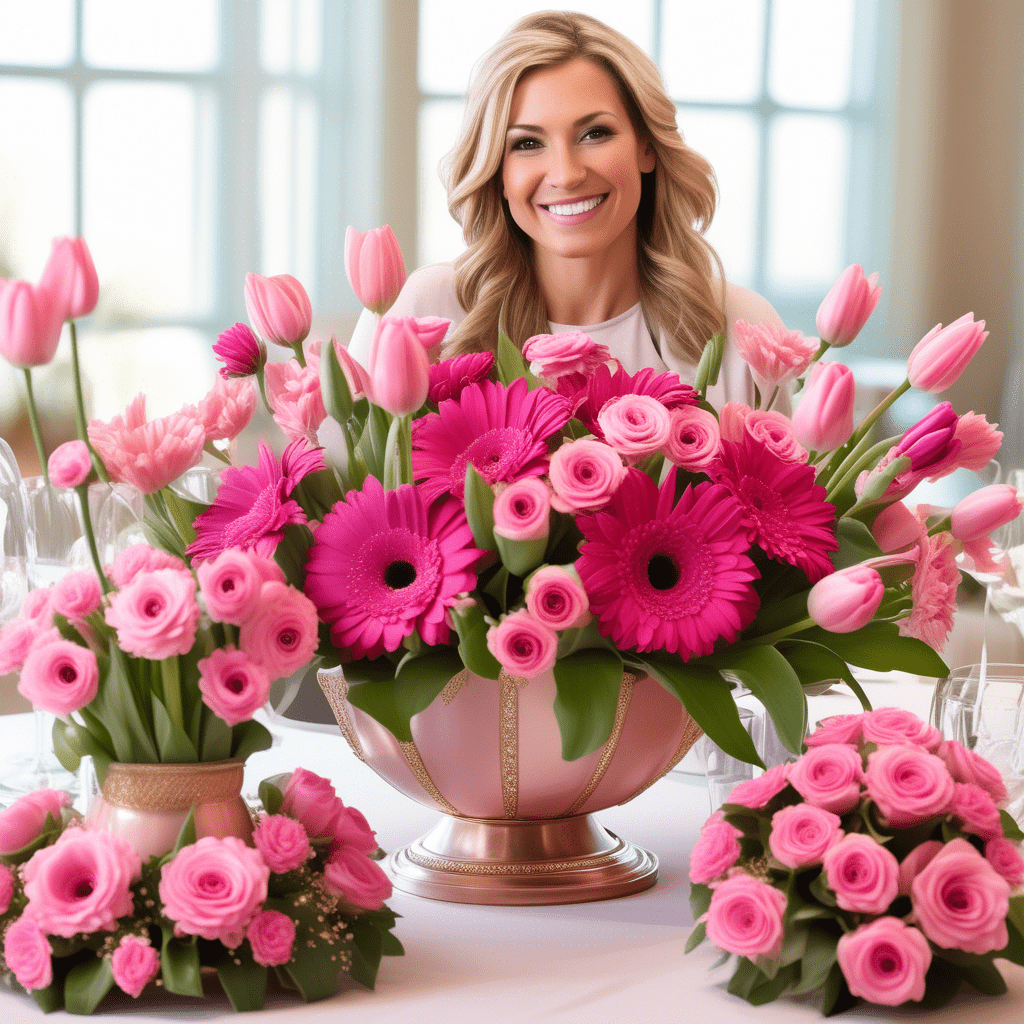
Western Cultures: Significance in Romance and Weddings
In Western cultures, pink flowers are deeply embedded in the symbolism of romance and weddings. They are often chosen for bouquets, floral arrangements, and decorations, signifying the soft, nurturing love that characterizes many romantic relationships. Pink roses, in particular, are a popular choice for bridal bouquets, representing admiration and gratitude towards one’s partner. Their gentle hue complements the classic white dress, creating a harmonious and romantic atmosphere. This association extends to anniversaries as well, where pink flowers serve as tokens of appreciation and enduring affection between partners.

Role in Mother’s Day Celebrations
Pink flowers also play a significant role in Mother’s Day celebrations, where they embody the love and admiration children hold for their mothers. Carnations, especially pink ones, are often chosen as they symbolize a mother’s undying love, making them a thoughtful gift on this special day. Many people opt for arrangements featuring pink peonies and tulips as well, which represent compassion and tenderness. These floral gifts are not only a way to express gratitude but also to celebrate the nurturing qualities that mothers embody, highlighting the emotional significance of pink flowers in expressing deep familial bonds and appreciation within Western traditions.
Eastern Cultures: The Importance of Pink Flowers in Asian Ceremonies
In many Eastern cultures, pink flowers hold significant meaning and are often integral to various ceremonies and celebrations. For instance, in Japan, cherry blossoms, or sakura, are revered not only for their stunning beauty but also for their representation of the transient nature of life. These delicate pink blooms are celebrated during Hanami, a traditional festival where people gather to appreciate the fleeting presence of cherry blossoms, symbolizing renewal and the ephemeral quality of existence. The blossoms serve as a reminder of life’s beauty and fragility, and they hold cultural significance as harbingers of spring and hope.
In Hindu traditions, the pink lotus is another powerful symbol, representing purity, beauty, and spiritual awakening. This revered flower is often associated with deities such as Lakshmi, the goddess of wealth and prosperity, and Saraswati, the goddess of knowledge and the arts. The pink lotus thrives in muddy waters yet emerges untainted, symbolizing the ability to rise above challenges and maintain inner purity. During festivals and rituals, pink lotuses are frequently used for offerings, embodying the connection between the divine and the human experience, while also signifying love and devotion. Thus, in various Eastern ceremonies, pink flowers highlight the profound spiritual and cultural values that permeate these rich traditions.
Indigenous Cultures: Use of Pink Flowers in Native American Rituals
In Native American cultures, pink flowers are infused with symbolic meanings and serve important roles in various rituals and ceremonies. These flowers are often viewed as embodiments of love, healing, and connection to the earth. For instance, the pink hibiscus holds significant value among certain tribes, representing not only beauty but also resilience and strength. It is commonly utilized in healing ceremonies, where its petals are believed to promote emotional well-being and foster a sense of community among participants.
Another notable pink flower is the wild rose, which signifies love and protection. It is often used in sacred rituals, where its presence is thought to invite positive energies and ward off negativity. The wild rose is also associated with teachings about respect, growth, and the importance of nurturing one’s spirit. Additionally, many Indigenous tribes incorporate pink flowers into their adornments and crafts, using them to celebrate personal milestones or transformative events, further emphasizing the interconnectedness of nature, spirit, and cultural identity within these communities.
Pink Flowers in Festivals
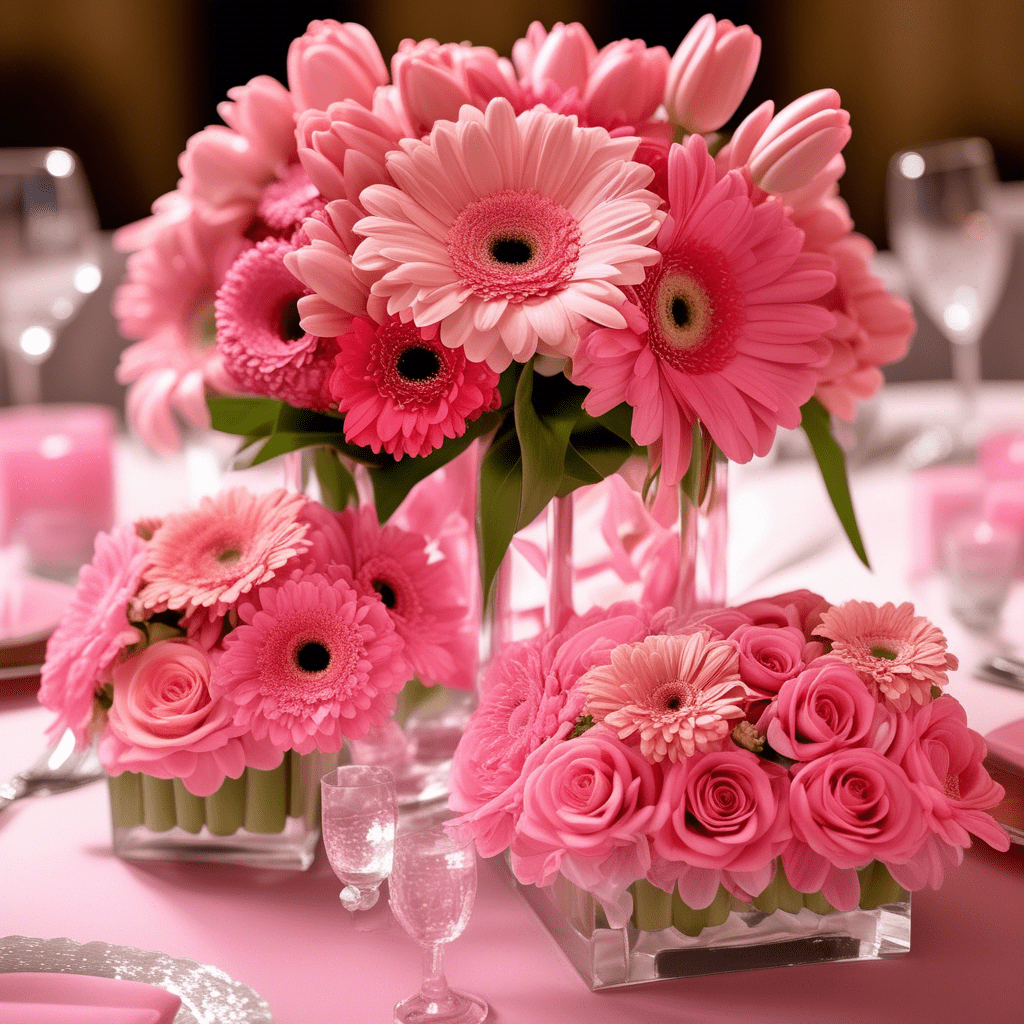
Pink flowers take center stage in various festivals around the world, adding vibrancy and meaning to celebrations. One notable example is the Cherry Blossom Festival in Japan, known as Hanami. During this festival, countless cherry trees, adorned with delicate pink blossoms, become gathering spots for families and friends who come together to appreciate their beauty. Picnics under these blooming trees are a beloved tradition, symbolizing renewal and the fleeting nature of happiness.
Another significant festival that embraces pink flowers is Holi, the Hindu festival of colors. While Holi is primarily celebrated with vibrant powders and water, floral decorations often feature prominently as well. Pink flowers, in particular, are used to adorn homes and public spaces, symbolizing joy and the arrival of spring. Marigold and rose garlands can be seen everywhere, enhancing the festive atmosphere and inviting positive energies into homes. These floral contributions highlight how pink flowers are woven into the fabric of cultural celebrations, bringing deeper meaning to the rituals and fostering a sense of community.
Recap of the Diverse Meanings of Pink Flowers Across Cultures
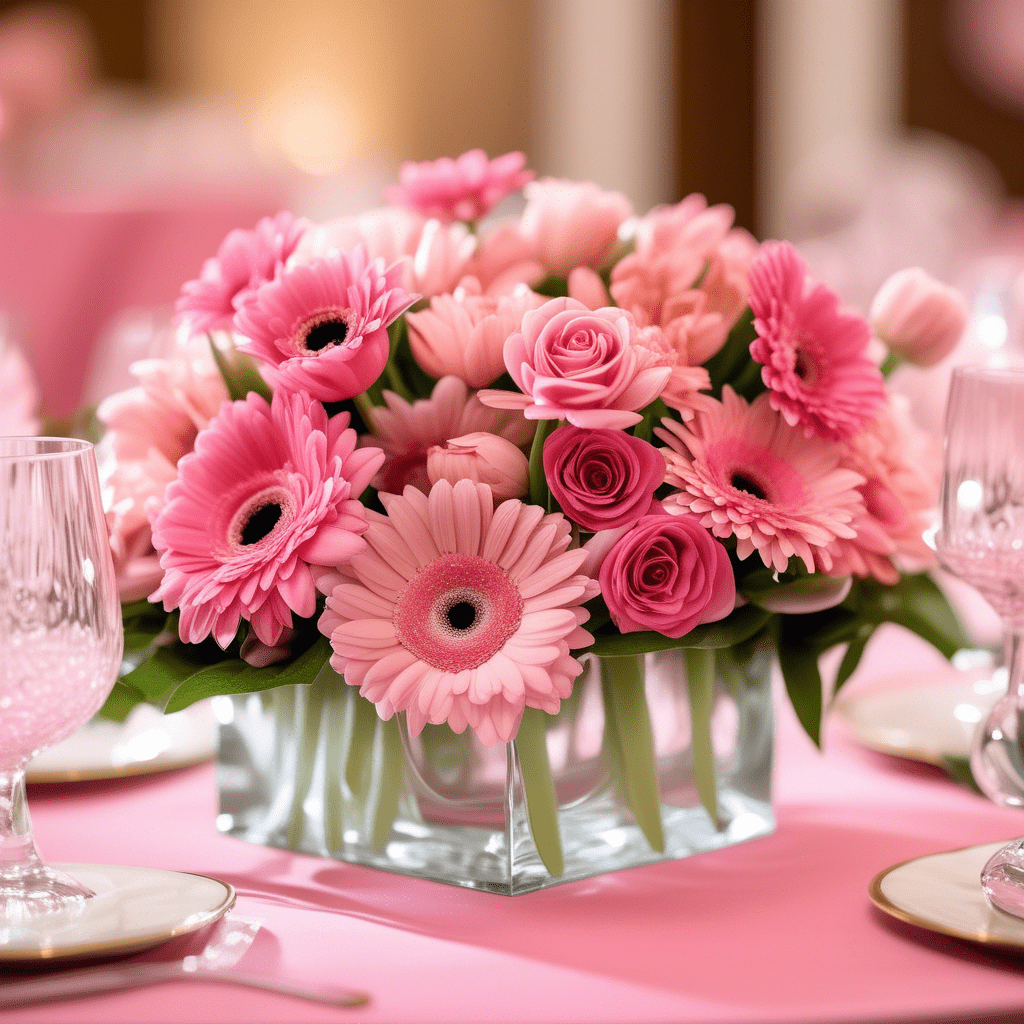
Pink flowers carry profound meanings that vary across different cultures, serving as symbols of love, beauty, and resilience. In Western traditions, they often represent admiration, gratitude, and the nurturing aspects of relationships, particularly during romantic occasions and Mother’s Day celebrations. In Eastern cultures, pink flowers like cherry blossoms embody the transient beauty of life, while the pink lotus signifies purity and spiritual awakening in Hinduism. Indigenous cultures also celebrate pink flowers, viewing them as emblems of healing and community connection, with flowers like the pink hibiscus playing key roles in rituals. Finally, during global festivals such as Hanami and Holi, pink flowers enhance the celebratory atmosphere, signifying renewal, joy, and the vibrant connection between nature and cultural identity. Overall, the diverse meanings attributed to pink flowers reflect the universal themes of love, hope, and connection that resonate across cultures.

Reflection on the Universal Themes of Love and Compassion Represented by Pink Flowers
Pink flowers, with their delicate hues and graceful presence, embody universal themes of love and compassion that transcend cultural boundaries. They serve as poignant reminders of the tenderness inherent in human relationships, whether they are shared among family, friends, or romantic partners. The symbolism of pink flowers invites us to express gratitude, appreciation, and support for one another, fostering a sense of connectedness and emotional warmth. In moments of celebration or sorrow, pink flowers offer solace and beauty, encapsulating the essence of nurturing and kindness that is fundamental to the human experience.
Whole Blossoms provides a stunning selection of fresh cut flowers, including an array of delightful pink blossoms that can enhance any occasion. Whether it’s for a special celebration, a thoughtful gift, or simply to brighten one’s day, these vibrant flowers symbolize the love and compassion we share with others. With their quality and beauty, Whole Blossoms ensures that the essence of pink flowers can be a part of our lives and the lives of those we care deeply about.