


 by
by 
The Art of Preserving Freshness
Freshness is the ultimate factor that can determine the success of an event, a retail floral display, or even the overall experience of a wedding or celebration. After all, no one remembers a beautiful bouquet that failed to bloom at its prime. For large-scale events, florists rely heavily on Wholesale Bulk Flowers as the foundation of their craft, making proper care and storage essential to ensuring every arrangement leaves a lasting impression. But why is freshness so critical, and how can proper floral storage safeguard your blooms from farm to event?
Proper handling and storage of fresh-cut flowers play a significant role in the floral industry. With bulk quantities sourced directly from farms, slight missteps in temperature control, hydration, or handling can lead to withering blooms that fail to meet expectations. Whether you’re a professional florist preparing for wedding arrangements, an event planner tackling large-scale decorations, or a retail manager designing store displays, mastering the art of preservation for your bulk blooms can make or break your business.
This guide will offer readers crucial insights into the most effective techniques for maintaining the freshness and longevity of flowers. From temperature control and hydration to careful handling and longevity tips, we’ll explore how proper floral storage practices can ensure stunning results every time. By learning and applying these tried-and-true methods, you can make the most of your Wholesale Bulk Flowers and deliver lasting beauty that exceeds expectations.
Part 1 – Understanding the Life Cycle of Cut Flowers
The moment a flower is cut, its natural hydration process is disrupted, setting off a chain reaction that determines its lifespan. Without roots to absorb water and nutrients, cut flowers depend on external hydration and care to maintain their freshness. Understanding the life cycle of cut flowers—and the factors that impact it—is essential to maximizing their beauty and longevity.
One critical element in flower preservation is managing respiration, the process by which flowers consume oxygen and produce carbon dioxide. Cut flowers continue to respire after being harvested, and this ongoing process depletes their stored energy. Cold-chain management plays a vital role in slowing respiration rates. By keeping flowers at consistently low temperatures from the moment they are harvested until they reach their destination, florists can significantly extend their shelf life. This practice is particularly crucial for temperature-sensitive flowers such as Hydrangeas, which wilt quickly if exposed to heat, or Tulips, which continue to grow even after being cut.
Different flower varieties exhibit varying lifespans and care requirements. For example, Roses are known for their relatively long vase life when properly hydrated, while Carnations are prized for their durability and hardiness. On the other hand, tropical flowers like Orchids require careful handling to avoid rapid deterioration in non-native climates. Understanding these unique characteristics allows floral professionals to tailor their preservation techniques to the specific needs of each variety.
Another key consideration is ethylene gas sensitivity. Ethylene is a natural plant hormone released by flowers, fruits, and vegetables that accelerates aging and shortens bloom life. Ethylene-sensitive flowers such as Lilies and Delphiniums require strict control measures to reduce exposure to this gas, including proper ventilation and avoiding contact with ripening fruits. Techniques like ethylene blockers and enhanced hydration solutions can further help to combat this issue, ensuring extended bloom longevity.
By understanding critical factors such as respiration rates, cold-chain management, and ethylene sensitivity, you can take proactive steps to preserve your cut flowers. Using proper floral hydration methods tailored to each variety will not only optimize their lifespan but also deliver exceptional results for your customers.
Part 2 – The Ideal Storage Environment – Temperature, Humidity & Light
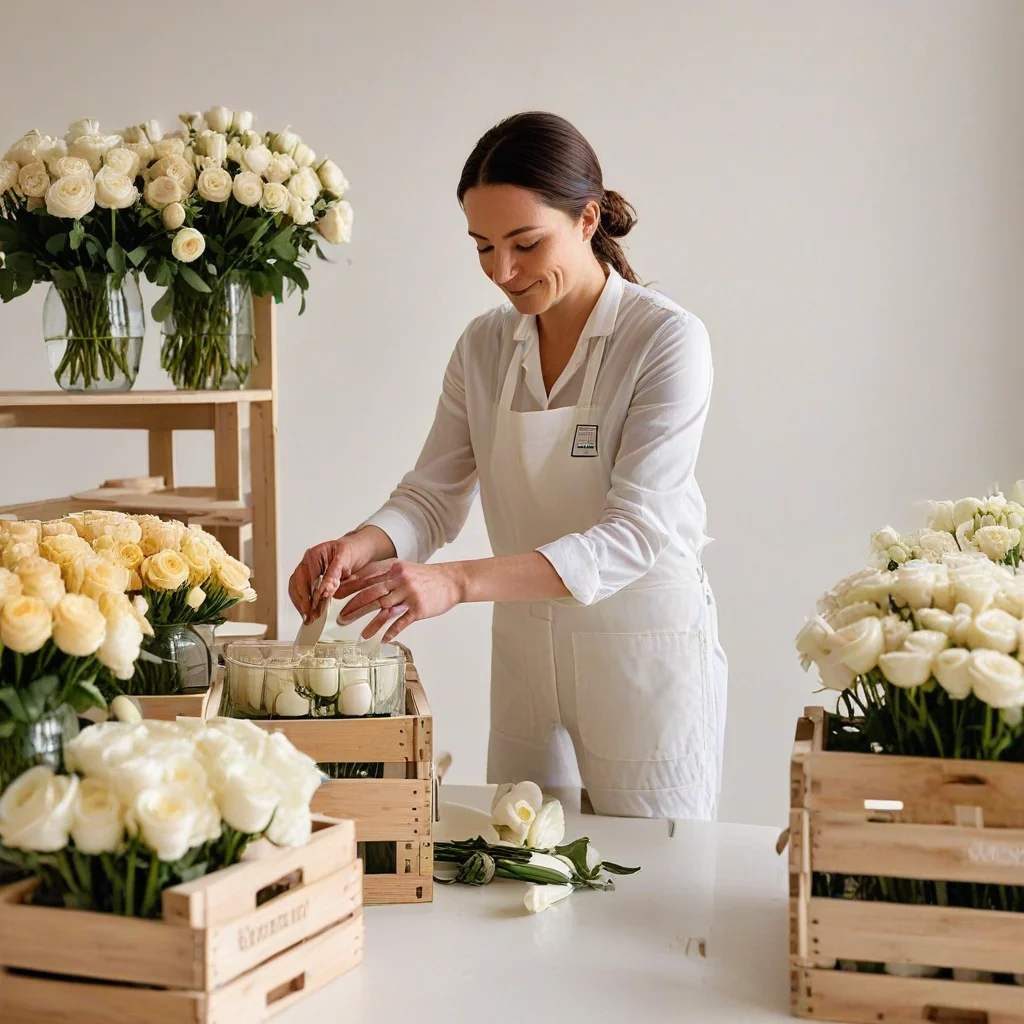
Creating the proper storage environment is crucial for maintaining the quality and lifespan of cut flowers. Effective floral cooler storage relies on optimizing key factors such as temperature, humidity, and light. Understanding these variables not only preserves the beauty of flowers but also ensures customer satisfaction.
Refrigeration Zones for Flowers
One of the most important aspects of flower refrigeration is maintaining the optimal temperature range. Most cut flowers thrive in a floral cooler set between 33–37°F. This temperature slows down the respiration rate of flowers, preserving their freshness and delaying wilting. For example, Hydrangeas benefit greatly from being stored at this range, as it keeps their delicate petals hydrated and vibrant. Peonies, especially if stored while still in bud form, can last much longer when kept cool, ensuring they open beautifully closer to event dates.
The Role of Humidity
High humidity levels, typically between 90–95%, are essential to prevent petal dehydration during storage. Without sufficient humidity, the petals and stems can lose moisture, leading to curling or browning. Wholesale flower care professionals often use humidifiers or misting systems within coolers to maintain this level of moisture. Calla Lilies, which are prone to dehydration, benefit immensely from high-humidity environments that keep their velvety petals supple and luminous.
Importance of Air Circulation and Ethylene Control
Proper air circulation within the floral cooler is another important factor for long-term freshness. Good airflow prevents condensation buildup, mold, and uneven cooling, which could otherwise harm the flowers. Additionally, keeping flowers away from fruits is crucial, as fruits release ethylene gas—a natural compound that accelerates flower aging. For instance, ensuring Peonies and Hydrangeas are stored separately from ripening fruits like apples or bananas can significantly enhance their shelf life.
Lighting Conditions for Event Preparation
While light exposure should generally be minimized during storage to reduce heat generation and energy consumption, specific lighting strategies can be employed when preparing flowers for events. For instance, exposing certain buds to light several hours before display can encourage gradual opening, creating a fuller, more vibrant look. However, it’s essential to control this process carefully, as too much exposure can stress the flowers and shorten their lifespan.
By adhering to these best practices in flower refrigeration, such as monitoring temperature, controlling humidity, ensuring proper air circulation, and managing light, you can significantly extend the life of your blooms. These strategies are indispensable for wholesale flower care, ensuring that varieties like Hydrangeas, Peonies, and Calla Lilies remain fresh and stunning for every occasion.
Part 3 – Unboxing and Rehydration Process
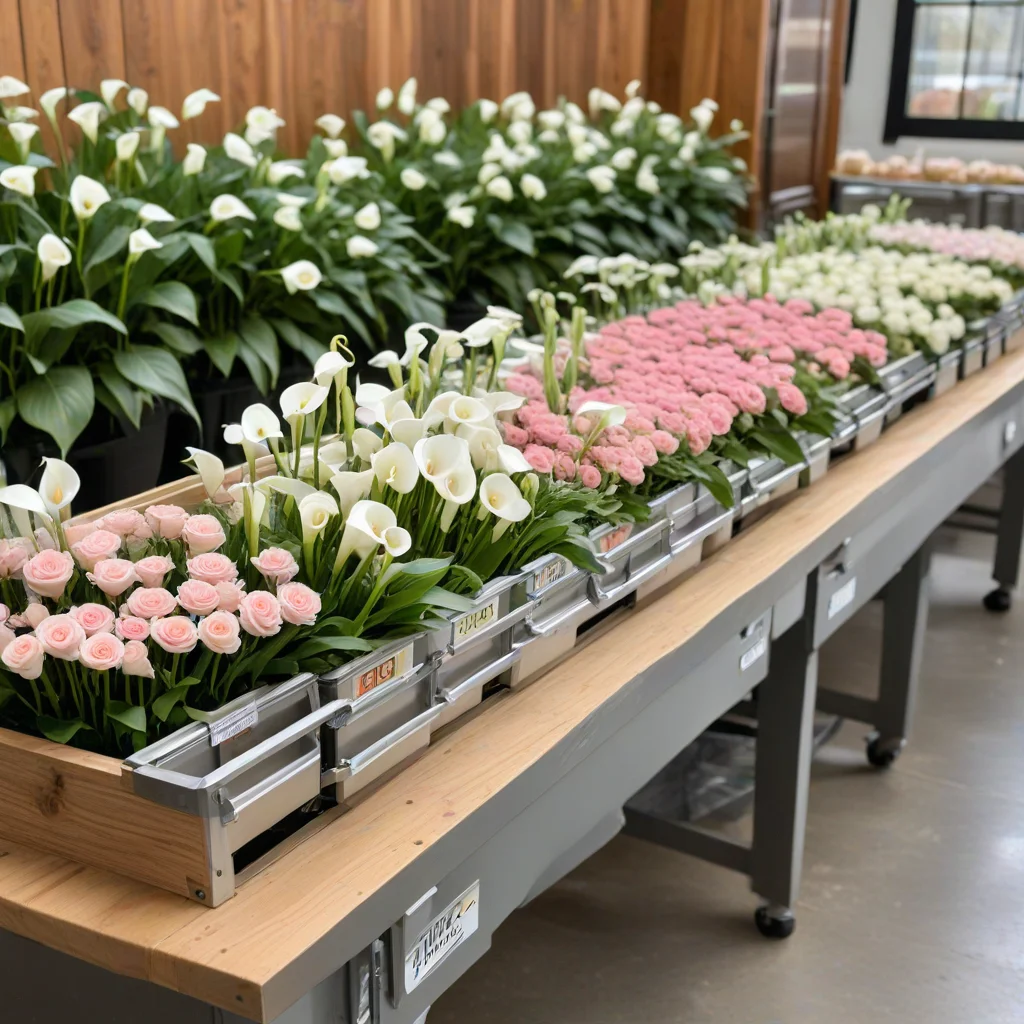
When your wholesale bulk flowers arrive, proper unboxing and rehydration are essential to ensure their freshness and longevity. Follow this step-by-step guide to handle your flowers with care and maintain their stunning quality.
Step 1: Unpacking Your Flowers
Carefully unbox the flowers as soon as they are delivered. Handle the flowers gently to avoid damaging delicate petals or stems. Inspect the flowers for any visible damage or signs of wilting and separate those stems for rejuvenation later. Allowing the flowers to acclimate at room temperature for a few minutes can help minimize the stress from transportation.
Step 2: Bucket Sanitization
Cleanliness is critical in flower handling to prevent bacterial growth. Begin by thoroughly cleaning the flower buckets with a bleach solution. Use one part bleach to ten parts water to sanitize the buckets, ensuring that all surfaces are bacteria-free. Rinse the buckets well with clean water to remove any bleach residue before filling them with cold, fresh water. Add commercial floral preservative to the water to nourish stems and keep bacteria at bay.
Step 3: Trimming the Stems
Using sharp, clean floral shears or a knife, trim the stems at a 45-degree angle about one inch from the bottom. This angled cut increases the surface area for water absorption, helping the flowers hydrate more effectively. Avoid crushing or fraying the stems, as this can hinder water uptake.
Step 4: Removing Leaves and Thorns
Remove any leaves or foliage that would sit below the waterline in the bucket. Submerged leaves encourage bacterial growth, which can clog the stems and shorten the flowers’ lifespan. For flowers like roses, also remove any thorns carefully to make handling easier and prevent contamination.
Step 5: Reviving Wilted Flowers
To revive flowers such as Roses, Ranunculus, Gerbera Daisies, and Garden Roses that appear wilted or limp, rehydrate them using these techniques:
- Roses can benefit from submerging the entire stem and bloom in lukewarm water for 30-60 minutes. This process allows them to absorb moisture and regain strength.
- Ranunculus and Gerbera Daisies may perk up with room-temperature water and support, such as stem straws or grid designs, to encourage upright growth while hydrating.
- For Garden Roses, lightly mist their petals and place them in a cool, dimly lit space to rest and rehydrate fully.
Adhering to these best practices in unboxing and rehydrating wholesale flowers not only restores their vitality but also ensures they remain fresh and vibrant, ready to take center stage in floral arrangements or events. Floral sanitation, proper trimming, and thoughtful care are the keys to successful bulk flower prep and long-lasting beauty.
Part 4 – Flower Food, Hydration Solutions & Additives
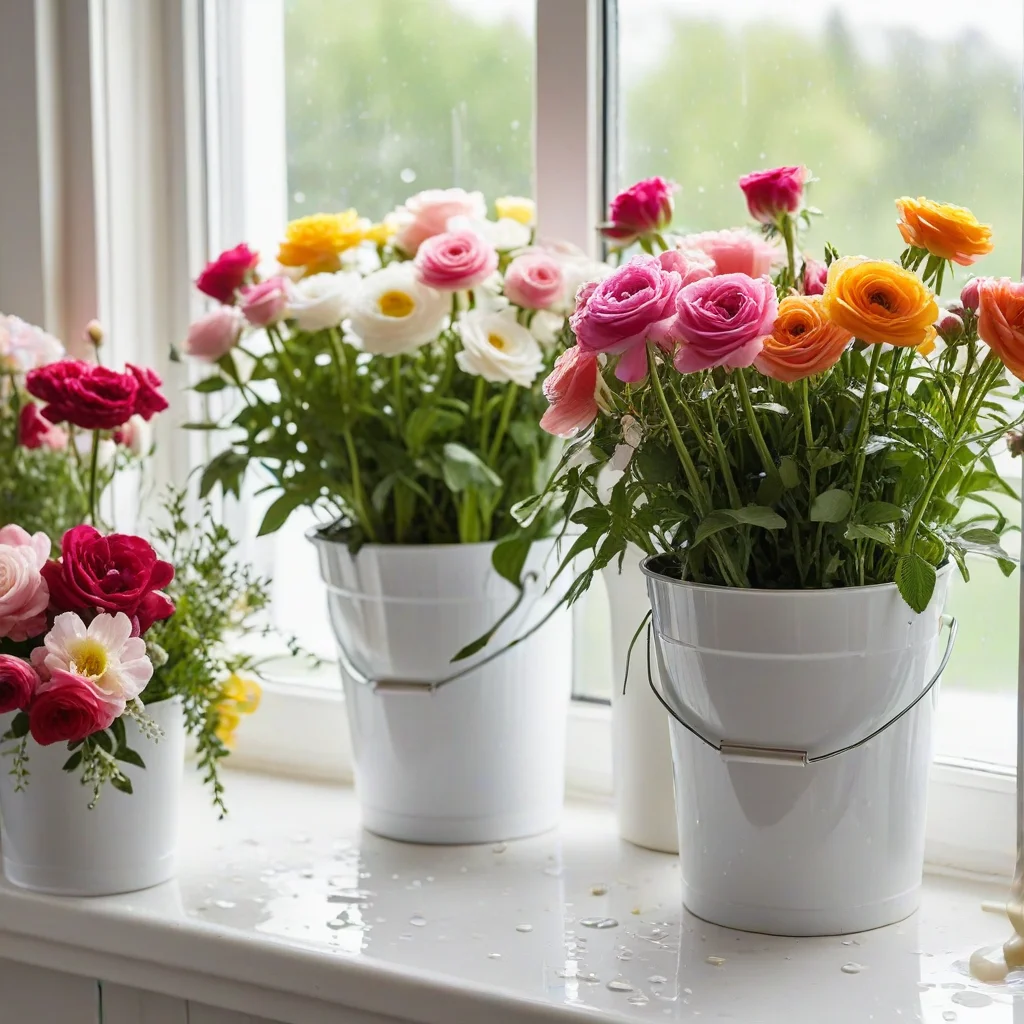
Flower food and hydration solutions play a critical role in prolonging the life of your flowers by providing the essential balance of sugar, acid, and antibacterial agents. These components work together to nourish the blooms, maintain an optimal pH level, and prevent the growth of harmful bacteria in the water. Floral preservatives, often included with wholesale flowers, are specifically designed to keep stems hydrated and petals vibrant for extended periods, ensuring your arrangements look their best.
For at-home event planners, creating a DIY flower solution is both simple and effective. A basic recipe involves mixing one quart of lukewarm water, two teaspoons of sugar, one teaspoon of household bleach, and two teaspoons of lemon or lime juice. The sugar acts as food for the flowers, helping to fuel their cellular function, while the bleach fights bacteria, and the citrus juice balances the pH, promoting better water uptake. This homemade solution is an excellent alternative when commercial flower food isn’t readily available.
When it comes to specific flower types, certain tools and techniques ensure optimal results. For delicate blooms like Roses and Snapdragons, using Quick Dip or a floral conditioner can be a game-changer. Quick Dip is a hydrating solution that rapidly restores water flow to stems that may have become blocked due to air embolisms. This step is especially useful when working with Roses that have been out of water for extended periods. Similarly, applying a floral conditioner enriches hydration and prepares the blooms for long-lasting display.
It’s also beneficial to alternate plain water with hydration solutions, particularly for flowers with varied needs. For instance, more delicate stems, such as Snapdragons, may thrive when alternating between clear water and a light nutrient solution every two days, ensuring they don’t become overwhelmed by additives. By tailoring hydration strategies to specific varieties, you can maximize the longevity and beauty of your arrangements.
Understanding the nuances of flower food, hydration solutions, and additives ensures your blooms achieve their full potential, adding an elevated touch to any floral display or event. With these practices, even at-home arrangements can exude professional quality and timeless elegance.
Part 5 – Proper Storage by Flower Type
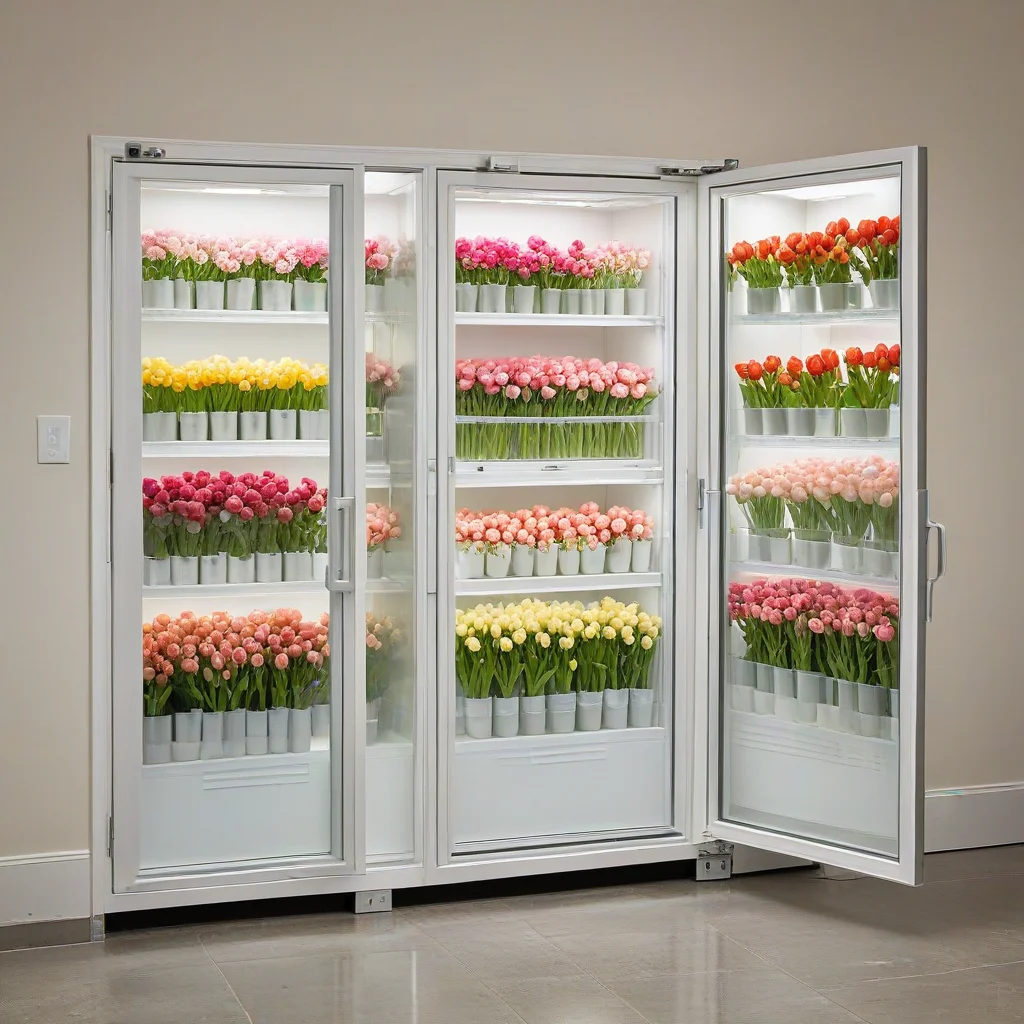
Proper flower storage is essential for preserving their beauty and extending their lifespan. Different flower types have specific care and storage needs, ensuring they remain vibrant and fresh. Below, we’ll explore storage tips for some of the most popular flowers, with a quick-reference table for added convenience.
Roses & Spray Roses
To keep roses looking fresh and elegant, store them upright at a temperature around 36°F. Removing the outer guard petals will help reveal their pristine inner beauty. This is especially effective for showcasing roses in arrangements. Regular hydration with a clean vase will also prevent wilting.
Hydrangeas
Hydrangeas, prized for their lush clusters of blooms, can be a bit tricky to maintain. If their heads begin to droop, submerge them in water for a few hours to revive them. Ensuring their stems are thoroughly hydrated is key, as hydrangeas are highly water-dependent.
Tulips
Tulips naturally bend as they grow, but wrapping them tightly in paper and storing them upright can help keep their stems straight. They should also be stored in a cool environment, away from direct sunlight or drafts, to maintain their signature crisp appearance and delicate blooms.
Lilies
For lilies, timing is everything. Refrigerating them before they reach full bloom helps extend their shelf life and allows you to enjoy their vibrant flowers longer. Be mindful of their pollen, which can stain surfaces easily, and remove it carefully if needed.
Carnations
Carnations are one of the longest-lasting cut flowers, making them ideal for long events or arrangements that need to maintain freshness for extended periods. Store them at around 40°F with clean water, and they will remain cheerful and vibrant for days, if not weeks.
Quick Storage Reference Table
| Flower Type | Storage Tips | Optimal Temperature |
| Roses & Spray Roses | Keep upright, remove guard petals | 36°F |
| Hydrangeas | Submerge heads in water if drooping | 38°F |
| Tulips | Wrap in paper to keep stems straight | 34°F |
| Lilies | Refrigerate before full bloom | 36°F |
| Carnations | Last longest — ideal for long events | 40°F |
By paying careful attention to these individual storage needs, you’ll ensure your flowers stay fresher for longer, no matter the occasion. Whether it’s maintaining tulip freshness or ensuring carnation shelf life, these practices highlight the care and precision that elevate your arrangements to a professional standard.
Part 6 – Common Mistakes That Shorten Flower Life
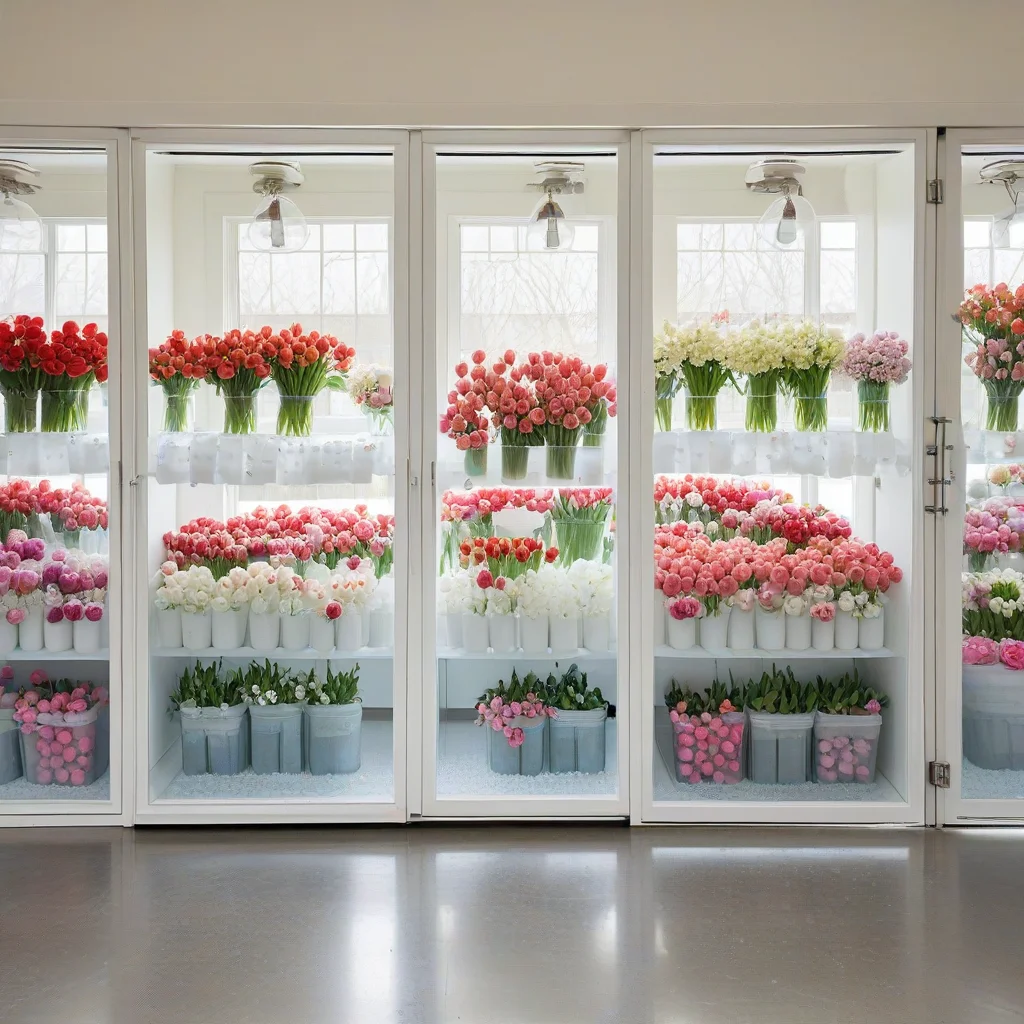
Proper flower care and storage are essential for maintaining their beauty and prolonging their freshness. However, certain common mistakes can significantly shorten a flower’s life, leading to premature wilting or spoilage. Understanding and avoiding these pitfalls is key to ensuring your arrangements remain vibrant and eye-catching.
One major issue is storing flowers near fruits, particularly those like apples or bananas that emit high levels of ethylene gas. This invisible chemical can cause ethylene damage, leading to faster aging and spoilage of your blooms. Keep flowers and fruits well-separated to avoid unnecessary exposure. Another common mistake is neglecting to sanitize buckets or change the water regularly. Dirty containers and stagnant water can harbor bacteria that clog stems, reducing water uptake and hastening flower deterioration.
Overcrowding stems in one bucket not only increases the risk of physical damage but also limits their access to water and nutrients. To prevent this, ensure that each flower has enough space for proper hydration and airflow. Likewise, allowing direct sunlight or drafts into the cooler can destabilize the controlled environment needed for storage. Excessive heat, light, or airflow can dry out flowers prematurely, so always maintain a stable and shaded storage area.
Finally, mixing strong-scented flowers, like lilies, with more delicate varieties can overpower or even harm the latter. Heavy scents can disrupt the delicate balance needed to preserve the freshness of certain blooms. By addressing these common flower storage mistakes, from managing ethylene exposure to preventing overcrowding, you can significantly improve how to keep flowers fresh and extend their lifespan. Implementing these practices ensures that your arrangements remain professional and visually stunning for every event or display.
Part 7 – Event Prep Timeline – From Delivery to Design
Efficiently managing event flowers requires a structured timeline to maintain their freshness and beauty, especially for large-scale installations like weddings. Here’s a step-by-step guide to ensure flawless event flower prep:
3–5 Days Before the Event: This is the critical window for conditioning and storage. Begin by unpacking your bulk flowers immediately upon delivery. Remove any excess foliage that may fall below the waterline to prevent bacterial growth. Place the stems in clean buckets filled with fresh water and floral preservative. Store the flowers in a cool, temperature-controlled space to encourage gradual hydration and to stabilize blooms before arrangement.
1–2 Days Before the Event: Rehydration and bloom inspection are key during this phase. Check each stem for hydration levels, ensuring no wilting or discoloration is present. Replenish water and preservative in your storage buckets if necessary. Evaluate the blooms’ maturity, as some flowers may need to be opened slightly by placing them in warmer environments, while others must remain in cooler storage to prevent premature blooming.
Day of the Event: Start with trimming the stems at a 45-degree angle to promote water absorption. Arrange the flowers under a cool, shaded area to avoid exposure to direct sunlight or extreme temperatures. Design large-scale pieces like arches, centerpieces, and bouquets efficiently, keeping a close eye on the structural integrity of each installation.
Using Bulk Flowers Effectively: For large wedding installations, ordering flowers in bulk is both cost-effective and practical. Prioritize varieties with a longer vase life and high versatility, such as roses, carnations, or greenery. Strategically plan for filler flowers to complement feature blooms, ensuring a cohesive and stunning final result. By following this timeline and maximizing the potential of bulk flowers, your designs will leave a lasting impression.
Part 8 – Eco-Friendly Storage and Longevity Hacks
Sustainability can seamlessly integrate into flower arrangements through eco-friendly storage and longevity techniques. One popular option is using reusable floral hydration beads, which retain moisture and keep blooms fresh without excessive water use. These beads are not only practical but are also long-lasting and minimize waste. For wrapping stems, opt for compostable wraps made from materials like natural jute or biodegradable paper. This approach ensures that even the packaging of your flowers aligns with eco-conscious practices.
For off-grid weddings, sustainable cooling solutions, such as solar chill units or energy-efficient portable coolers, are ideal. These systems help preserve delicate blooms while reducing environmental impact. Couple these methods with thoughtful flower selection to maximize longevity. Eucalyptus, Baby’s Breath, and Ruscus, for instance, are excellent choices due to their naturally enduring properties. These greens can maintain their freshness and structure for extended periods, even without constant hydration, making them great options for designs that require durability.
Implementing these eco-friendly flower care strategies not only reduces waste but also sets a tone of responsibility and awareness. By adopting sustainable floral storage and preservation methods, from reusable materials to long-lasting greens, you can uphold the beauty of your arrangements while adhering to environmentally friendly principles.
Conclusion – Freshness Is the Foundation of Beauty
Freshness is the key to unlocking the true potential of any floral arrangement, ensuring each bouquet radiates beauty and charm. Whether you’re crafting designs for a wedding, event, or retail, keeping flowers fresh is not only essential for aesthetics but also for maximizing their longevity and value. Prioritizing freshness allows you to create stunning arrangements that leave lasting impressions on your clients while optimizing your profits as a florist or designer.
At Whole Blossoms, we understand the significance of fresh wholesale flowers in achieving outstanding results. As a trusted bulk flower supplier, we bring farm-direct flowers to your doorstep, providing unmatched quality and vibrancy. By sourcing directly from farms, we ensure every stem is handled with care, ensuring it arrives ready to inspire your designs.
Discover the difference that farm-direct freshness can make in your floral creations. Explore our collection of Wholesale Bulk Flowers today and learn how to handle every stem with confidence. Visit Whole Blossoms and elevate your floral artistry with our premium selection of fresh, sustainable blooms. Freshness is not just a foundation—it’s the essence of beauty.