

 by
by 
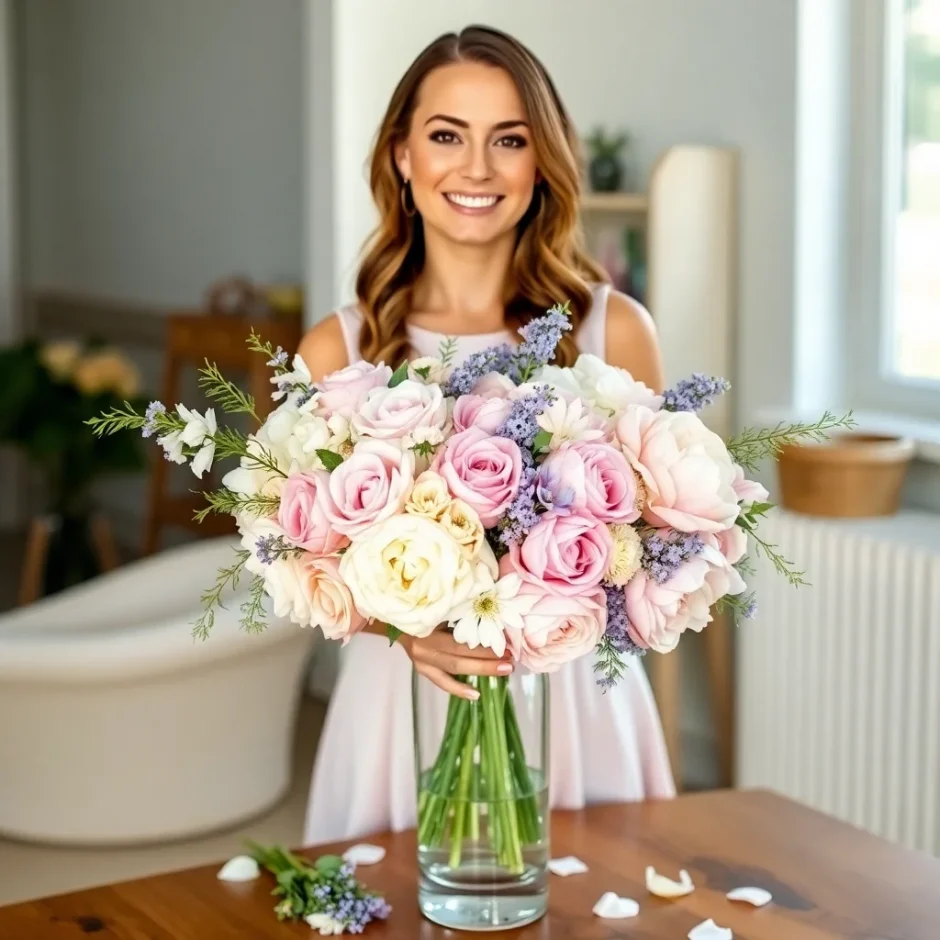
When it comes to wedding flowers, pastel colors have stood the test of time as a beloved choice for brides and planners alike. Their soft, dreamy appearance has grown even more popular for 2025 weddings, reflecting a renewed appreciation for subtlety and sophistication. Pastel wedding flowers create soft, dreamy arrangements perfect for romantic, elegant weddings, allowing couples to express their love story with a palette that’s effortless and enchanting. From delicate blush roses to pale blue hydrangeas, these light hues invoke a sense of calm and romance that suits every style of celebration.
One of the reasons pastel wedding flowers remain timeless is their versatility. Their airy, understated tones complement a broad range of wedding themes, from bohemian garden parties to grand, traditional ceremonies. Whether paired with greenery for a natural aesthetic or accented with metallics for a touch of modern glamor, pastel blooms adapt beautifully to any setting. Additionally, these gentle hues photograph remarkably well, bringing a luminous, ethereal quality to wedding pictures.
Choosing pastel flowers also creates an inviting, warm atmosphere for guests. The subtle shades reflect a sense of joy and new beginnings, making them a perfect match for the spirit of matrimony. With their ability to blend seamlessly into almost any décor while elevating it with grace, pastel wedding flowers continue to captivate the hearts of couples everywhere.
If you’re planning a 2025 wedding, elevate your big day with the timeless charm of pastel blooms. Order pastel wedding flowers direct from Whole Blossoms to create breathtaking arrangements that capture the beauty and romance of your special moment.
Part 1 – The Psychology of Pastel Colors in Weddings
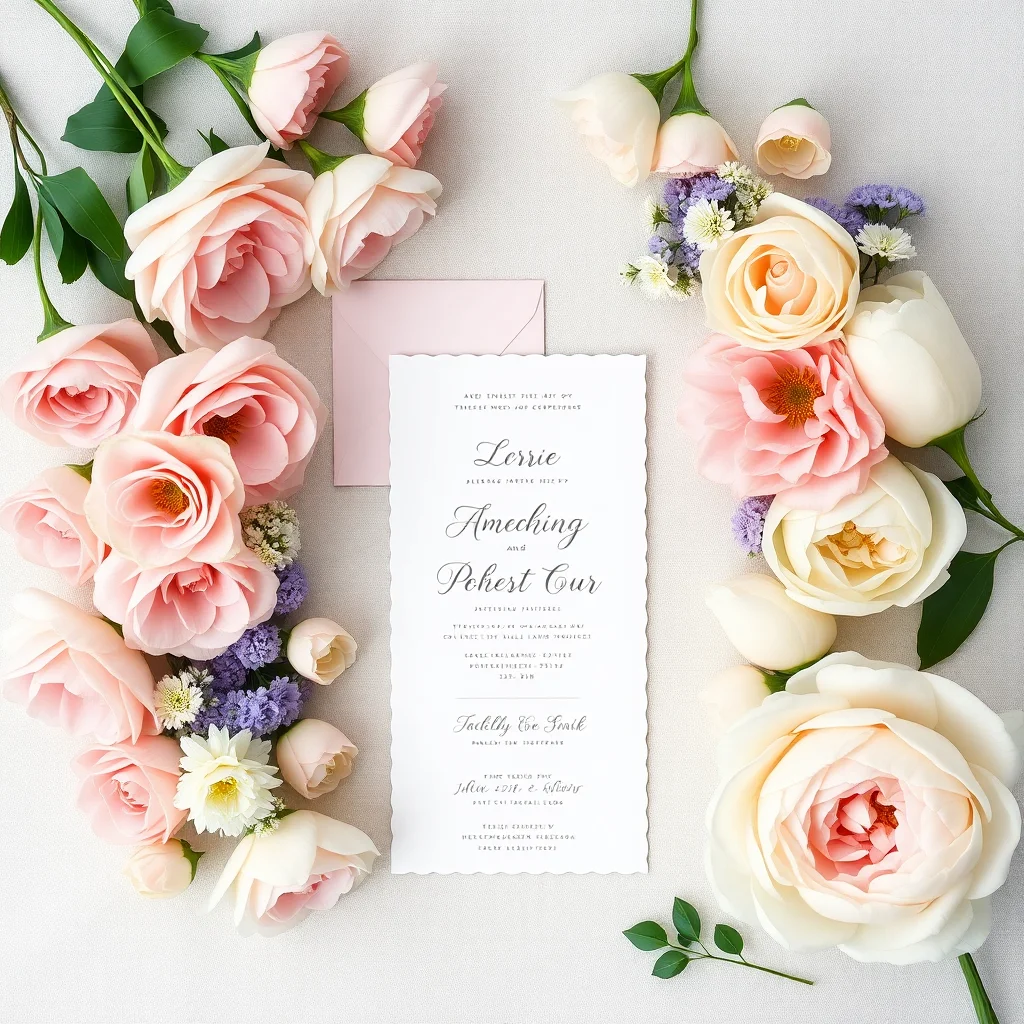
Pastel colors hold a unique place in wedding aesthetics, offering a soft yet sophisticated palette that evokes positive emotions and timeless elegance. Each pastel shade carries its own symbolism, contributing to the overall mood and meaning of your special day. Blush pink is often associated with romance and tenderness, making it a natural choice for weddings focused on love and emotional connection. Lavender, on the other hand, radiates tranquility and calmness, creating a serene atmosphere that soothes the senses. Peach conveys feelings of warmth and comfort, symbolizing hospitality and joy as guests come together to celebrate. Meanwhile, mint represents freshness and renewal, aligning beautifully with the notions of new beginnings and growth.
One of the reasons pastel colors are so popular in weddings is their ability to photograph beautifully. Their muted tones reflect light softly, reducing harsh contrasts and creating images that appear dreamy and ethereal. Whether in bouquets, table arrangements, or even bridesmaid dresses, pastels lend themselves effortlessly to capturing delicate moments and preserving them as stunning memories. This quality makes them particularly attractive in the age of social media, where couples often share their wedding day in real-time or through carefully curated photo albums.
The emotional effect of pastel colors extends beyond their visual appeal, influencing both the ambiance of the event and the mood of the guests. Soft tones foster a sense of intimacy and approachability, encouraging warmth and connection among attendees. Unlike bold hues that can overstimulate or feel overwhelming, pastels promote relaxation, allowing guests to fully immerse themselves in the celebration. These subtle shades complement the natural surroundings of outdoor venues, blend harmoniously with traditional indoor settings, and elevate rustic or modern themes alike.
By thoughtfully incorporating pastel hues into your wedding, you create an environment that is not only visually stunning but also emotionally resonant. Their gentle elegance helps set the tone for a day filled with love, joy, and unforgettable moments.
Part 2 – Trending Pastel Wedding Flower Palettes for 2025
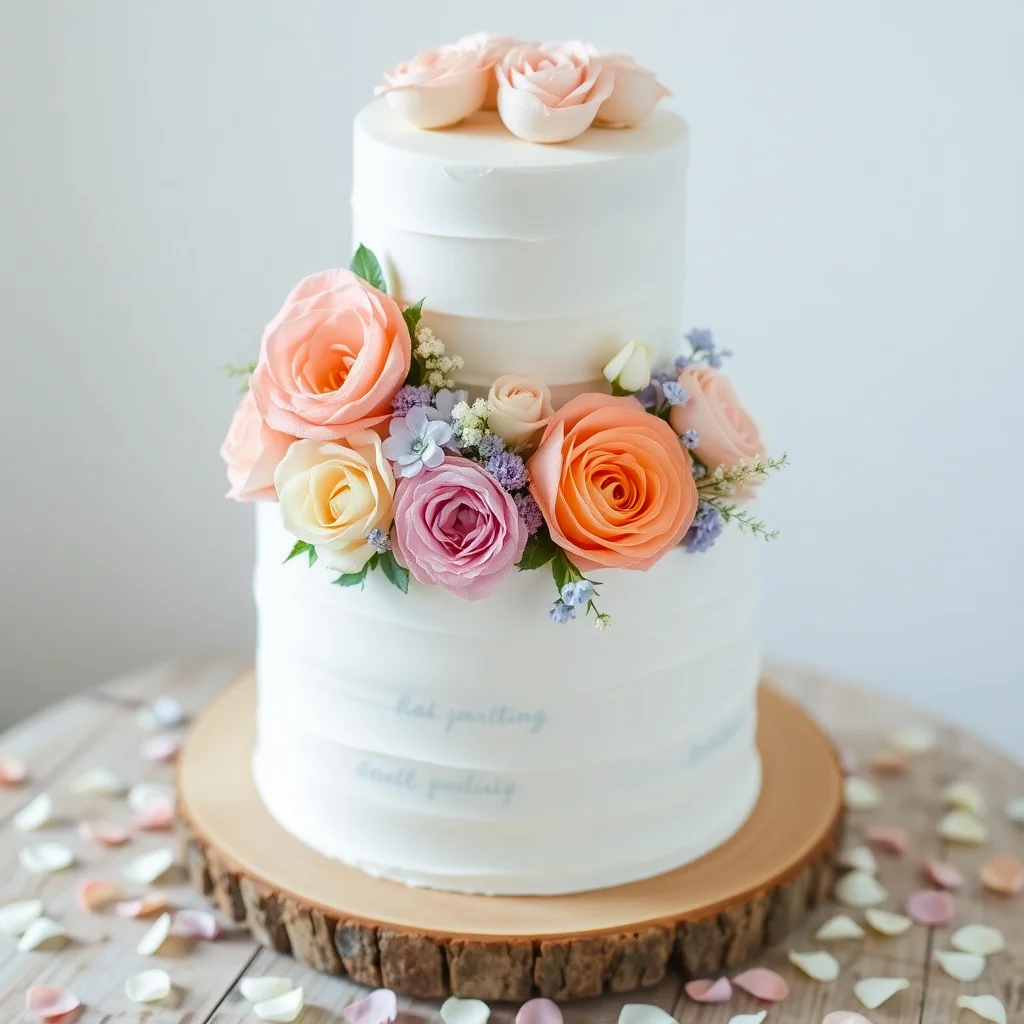
When planning a wedding, selecting the right floral palette can set the tone for the entire event. For 2025, pastel hues continue to reign supreme, with enchanting combinations that balance timeless elegance and modern sophistication. The top pastel wedding flower palettes for 2025 include blush & ivory, lavender & sage, and peach & cream. Below, we explore four trending palettes, their standout blooms, and how to pair these shades effortlessly.
Blush & Ivory Elegance
This classic pairing exudes romance and refinement, making it a favorite for traditional and contemporary weddings alike. Incorporate roses, hydrangeas, and ranunculus to create lush, full arrangements that feel both delicate and luxurious. Pair the blush and ivory tones with soft greenery or neutral accents like white or champagne to maintain a cohesive look.
Lavender & Sage Green
Perfect for whimsical garden weddings or rustic settings, the lavender and sage green palette feels fresh and enchanting. Delphiniums deliver height and elegance, while eucalyptus adds texture and a modern touch. Lisianthus, with its soft petals and unique shades, ties the palette together beautifully. For added warmth, consider introducing metallic gold or rose gold accents to highlight the soft tones.
Peach & Cream Garden
Vibrant and full of warmth, a peach and cream color scheme creates an inviting, cheerful atmosphere. Carnations and dahlias bring dimension and charm, while spray roses add a delicate touch to bouquets and arrangements. This palette thrives in outdoor venues, such as farmhouses or vineyard weddings, where the warm tones seamlessly complement natural surroundings. To elevate the look, incorporate champagne hues or brushed metallics into décor elements like table settings or vases.
Mint & Lilac Modern Romance
For those seeking a sleek yet romantic aesthetic, the mint and lilac palette is a perfect choice. Anemones add depth with their striking centers, while tulips and hyacinths evoke subtle sophistication with their clean lines. This fresh, modern combination is ideal for minimalist venues or contemporary themes. Pairing these colors with metallic rose gold details amplifies their appeal, offering a unique take on pastel romance.
Pairing Pastels with Neutrals and Metallics
To elevate pastel wedding palettes, incorporate complementary neutrals such as white, champagne, or taupe. These shades provide balance and prevent the look from feeling overly saturated. Adding metallic accents like gold or rose gold enhances the overall elegance, creating an atmosphere that feels polished and luxurious.
By carefully selecting flowers and pairing them with versatile accents, these pastel palettes offer endless possibilities to create a wedding day that radiates beauty and charm.

Part 3 – Best Pastel Flowers for Weddings in 2025
When it comes to choosing the best pastel flowers for weddings in 2025, timeless and versatile blooms are key to creating breathtaking arrangements. These delicate flowers, with their soft hues and romantic appeal, are perfect for complementing a variety of wedding themes and settings.
Roses are a quintessential choice for weddings and remain incredibly popular year after year. Shades such as blush, peach, and cream are classic pastel options, offering a timeless elegance that suits everything from traditional ceremonies to modern celebrations. These colors exude romance and grace, making roses a staple for bouquets, centerpieces, and even floral arches.
Peonies, with their lush, full blooms, are another favorite among brides. Soft pink and white peonies are especially enchanting, adding a touch of luxury and femininity to any floral arrangement. Their delicate fragrance and voluminous texture make them ideal for bridal bouquets, table decorations, and overhead installations.
Ranunculus are prized for their intricate layers and soft, romantic aesthetic. Buttery yellow and blush ranunculus are particularly striking pastel options, offering warmth and subtle charm. Their versatility allows them to pair seamlessly with other flowers, making them an excellent choice for mixed arrangements.
Hydrangeas, available in stunning shades of lavender and pale blue, are perfect for adding depth and dimension to pastel floral designs. These lush blooms work wonderfully as standalone arrangements or as filler flowers when combined with other blossoms. Their soft, cloud-like appearance evokes a dreamy and ethereal ambiance.
Additional favorites include sweet peas, tulips, and lisianthus, each bringing unique textures and colors to the palette. Sweet peas in pale pinks and lavenders offer a delicate, whimsical touch, while tulips in soft pastels provide a clean and elegant look. Lisianthus, with their ruffled petals and creamy hues, contribute subtle sophistication to any arrangement.
To ensure the vibrancy and freshness of these pastel blooms, sourcing from reputable suppliers is essential. Whole Blossoms stands out for its farm-direct sourcing approach, which guarantees flowers are harvested at their peak. This process not only ensures rich, vibrant colors but also helps maintain the longevity and quality of each bloom. Brides and florists alike can count on Whole Blossoms to deliver stunning, fresh flowers that create unforgettable wedding designs.
Part 4 – Pastel Wedding Bouquets & Bridal Styles
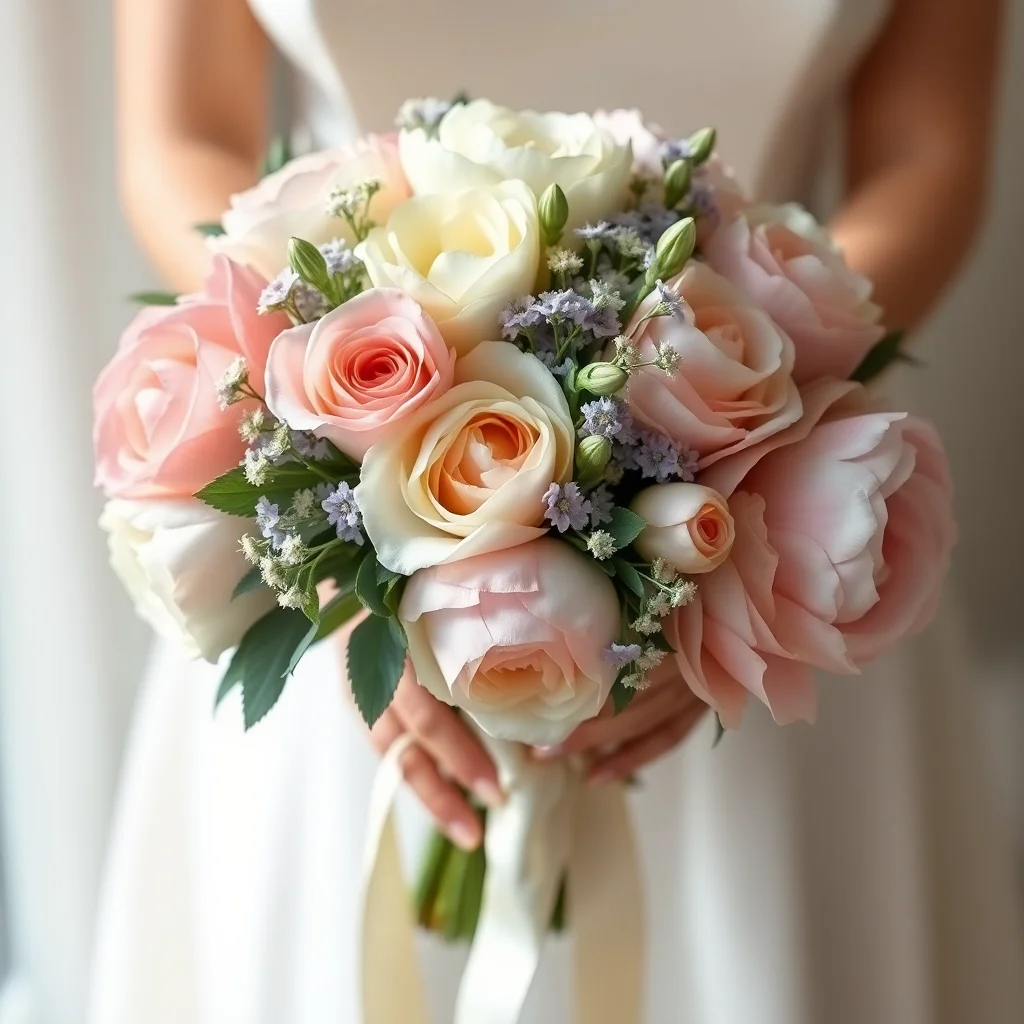
When it comes to pastel wedding bouquets, the possibilities are endless, allowing brides to select a style that perfectly complements their vision for the big day. Loose hand-tied bouquets, featuring pastel roses, lisianthus, and delicate accent flowers, are a timeless choice. Their slightly unstructured design offers an effortless, romantic feel that pairs beautifully with flowing dresses, creating a soft and organic bridal look.
For a more dramatic option, cascading pastel bouquets offer a striking yet elegant aesthetic. Trailing greenery—such as ivy, ferns, or eucalyptus—can be combined with blush-toned flowers to construct a sweeping effect. Cascading bouquets are especially well-suited for modern or bohemian-inspired ceremonies, as their dynamic silhouette exudes sophistication and grandeur. The blend of soft pastel hues with lush greenery creates a perfect balance, making this style a standout option for nature-loving brides.
Brides can also opt for monochromatic pastel bouquets or multi-shade arrangements, depending on the tone they wish to set for their wedding day. Monochromatic pastel bouquets, such as those in varying shades of soft peach or lavender, evoke minimalism and refinement. These bouquets highlight subtle nuances in tone and texture while maintaining a cohesive and polished appearance. Alternatively, multi-shade arrangements bring together a medley of pastel colors—like blush pink, powder blue, buttery yellow, and soft lilac—for a whimsical and cheerful bouquet. This approach adds depth and vibrancy while maintaining the delicate charm of pastel tones.
Lastly, choosing the right bouquet can be pivotal in highlighting the bride’s gown. The soft hues of pastel flowers work harmoniously with both white and ivory dresses, enhancing the gown’s elegance without overshadowing it. Brides can incorporate accents such as silver ribbon, lace, or gold detailing to tie the bouquet seamlessly into their overall wedding style. Whether the goal is to create a subtle, romantic statement or to introduce depth and texture, pastel bouquets offer endless opportunities to elevate bridal ensembles with their timeless appeal.
Part 5 – Pastel Wedding Centerpieces & Venue Décor
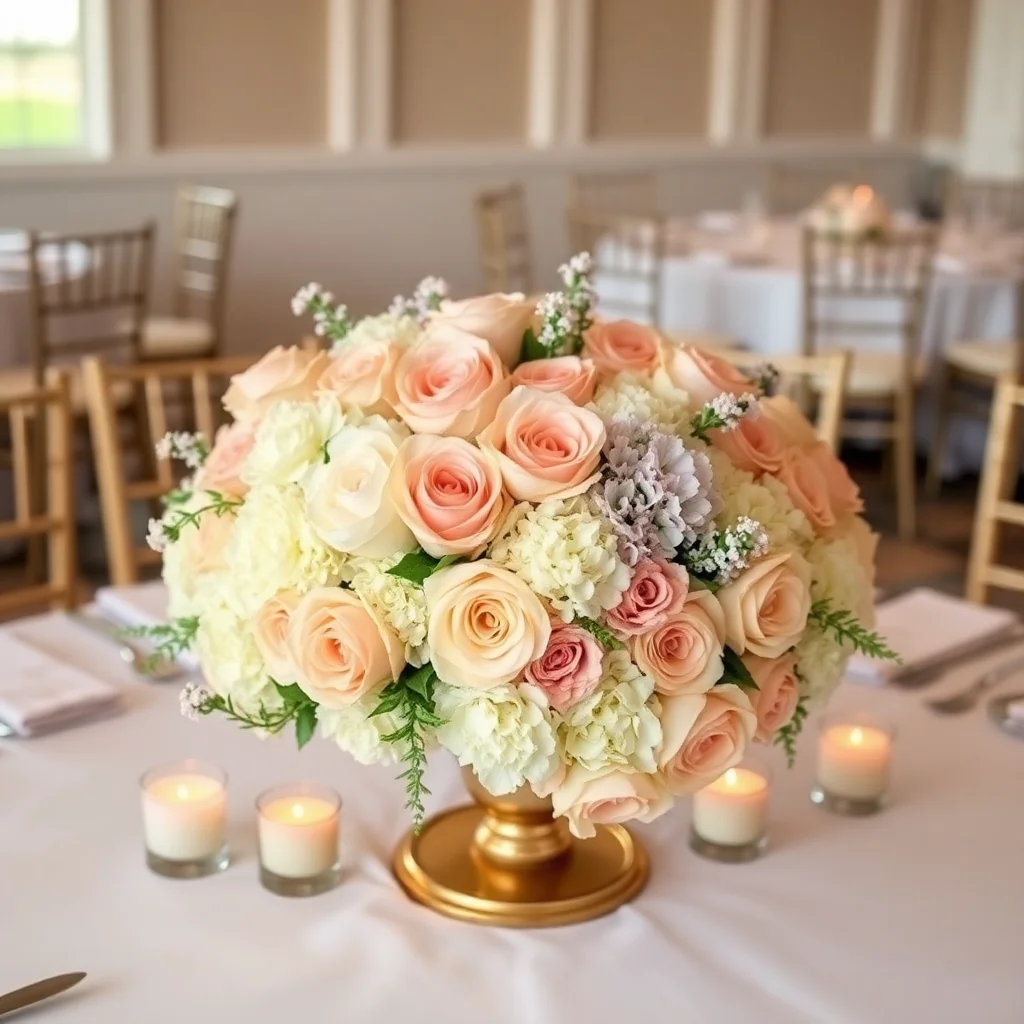
Pastel wedding centerpieces and venue décor provide a dreamy and elegant atmosphere, perfectly complementing the romantic essence of a couple’s special day. For intimate tables, low pastel arrangements create a welcoming ambiance while allowing guests to connect effortlessly across the table. Delicate blooms such as peonies, roses, and ranunculus in soft pinks, creams, and lavender tones are ideal for small arrangements that exude charm and sophistication. Adding subtle greenery like eucalyptus enhances the pastel palette while maintaining a natural, balanced look.
Tall, dramatic centerpieces transform reception spaces into breathtaking visual experiences. Hydrangeas and delphiniums, with their full and textured appearance, are perfect for creating towering pastel arrangements. These blooms can be paired with cascading vines or soft hanging elements to add height and movement to the design. Using tall glass vases or metallic stands ensures that the centerpieces remain unobtrusive for guests seated at the table, offering the best of both elegance and functionality.
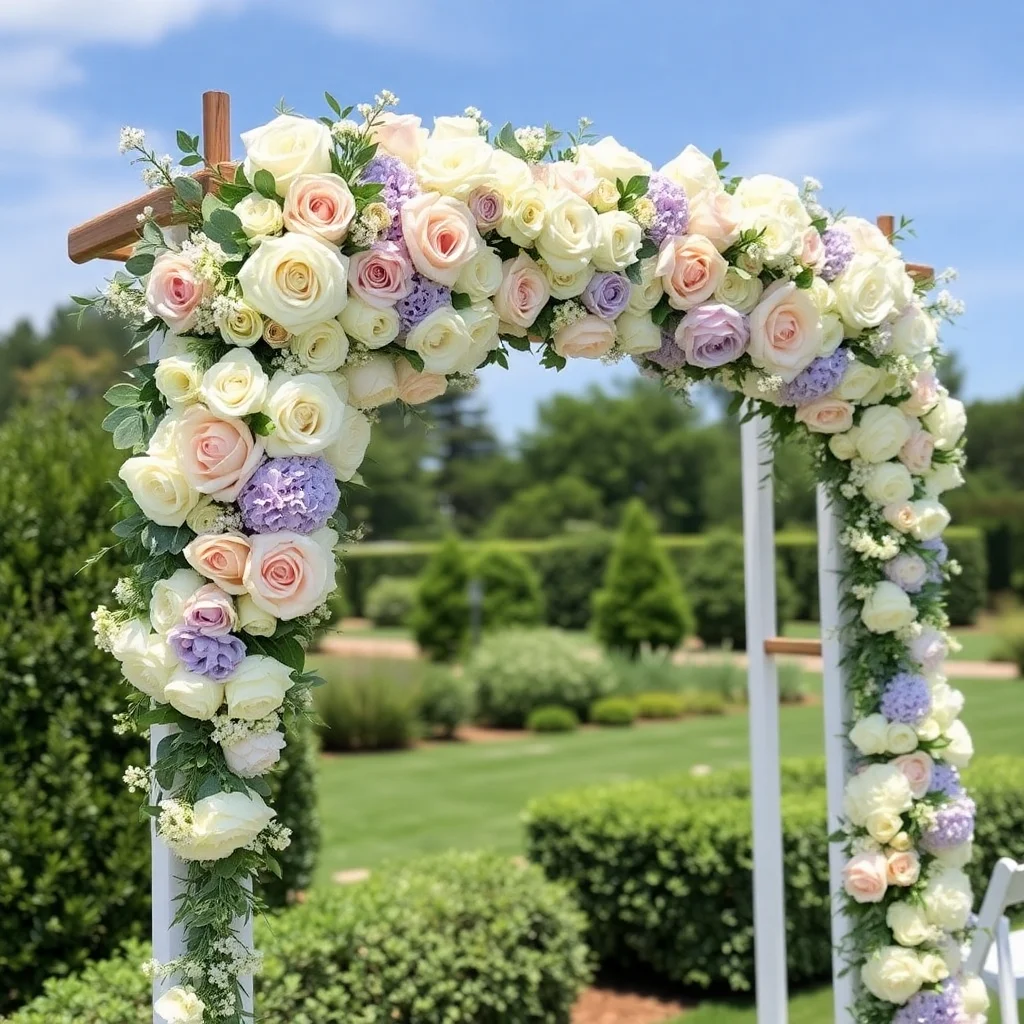
Beyond centerpieces, pastel florals can be used to adorn key areas of the venue such as arches, garlands, and aisle décor. A floral arch featuring blush roses, ivory lisianthus, and light blue hydrangeas creates a stunning backdrop for vows, framing the couple beautifully while adding a fairytale-like quality. Similarly, garlands crafted from pastel-toned flowers and trailing greenery can be draped along staircases, head tables, or even the venue’s entryways for a cohesive, enchanting design. Aisle décor featuring clusters of blooms in soft hues or arrangements tied to chairs at regular intervals further enhances the romantic setting.
To tie the theme together, mixing pastel floral runners with complementary elements such as candles, elegant linens, and accents of gold or silver creates a sophisticated yet warm visual harmony. Delicate taper candles in frosted or clear holders, paired with pastel bouquets running along the table’s length, evoke a soft and magical glow. By combining these floral and decorative elements, couples can achieve a venue design that immerses guests in a serene, timeless atmosphere, making the celebration truly unforgettable.
Part 6 – Seasonal Pastel Flower Availability Chart for 2025
| Flower | Spring | Summer | Fall | Winter | Pastel Shades Available | Notes |
| Roses | ✔ | ✔ | ✔ | ✔ | Blush, peach, cream | Year-round classic |
| Peonies | ✔ | Soft pink, ivory | Peak April–June | |||
| Hydrangea | ✔ | ✔ | ✔ | ✔ | Lavender, pale blue | Great for volume |
| Ranunculus | ✔ | Peach, blush | Early spring star | |||
| Lisianthus | ✔ | ✔ | ✔ | ✔ | White, lavender | Hardy & long-lasting |
Part 7 – How to Mix Pastel Colors Like a Pro
Mixing pastel colors effectively can elevate your floral arrangements, creating a harmonious and visually appealing design. A professional approach involves applying the 60-30-10 rule for color balance. This means dedicating 60% of your palette to a main color, 30% to a complementing secondary color, and 10% to an accent shade. For example, soft blush roses could serve as the dominant hue, paired with lavender lisianthus as the secondary, and a touch of pale blue hydrangea for accents.
To create depth and interest, blend warm pastel tones, such as peach and blush, with cool counterparts like lavender and mint. The interplay of these hues not only ensures harmony but also prevents the arrangement from feeling monotone. Incorporating texture is another key element in mastering pastel combinations. Mix soft, romantic flowers like roses and ranunculus with structured greenery such as eucalyptus. This combination provides visual variety and prevents the bouquet from appearing too flat or overly delicate.
When working with pastels, it’s essential to avoid a “washed-out” look. You can achieve this by adding elements of greenery, which anchor the design and provide a fresh contrast. Incorporating metallic details—like gold or silver ribbons, pins, or vases—can also add a modern touch and enhance the overall richness of the pastel palette. By following these tips, you’ll craft stunning arrangements that balance color and texture like a pro.
Part 8 – Mistakes to Avoid with Pastel Wedding Flowers
When designing pastel wedding flower arrangements, it’s essential to strike the perfect balance to avoid common mistakes. One common misstep is overloading the bouquet with too many hues without achieving harmony. Mixing too many colors can disrupt the soft, cohesive look pastels are known for, resulting in a visually chaotic arrangement. Stick to a limited palette that complements the overall wedding theme for a timeless and refined appearance.
Another mistake is neglecting the seasonal availability of flowers. Certain pastel blooms may not be in season year-round, and forcing their inclusion could drive up costs or lead to lower-quality selections. Research and plan around seasonal options to ensure your arrangements are fresh and vibrant.
Photography lighting is another critical consideration. Pale tones can sometimes appear washed out or lack definition in bright natural or artificial lighting. To counter this, incorporate subtle accents or contrasting tones that add depth and dimension, ensuring your arrangements look stunning in photos.
Lastly, skipping farm-direct sourcing can result in faded or lackluster colors. Flowers sourced directly from farms are fresher and more vibrant, maintaining their pastel beauty for longer. Avoid relying on overly processed or aged blooms to preserve the delicate charm of pastel tones in your floral designs.
Conclusion – Designing with Pastels in 2025
Designing with pastels remains a timeless and elegant choice, especially for weddings and other special events. This year, trending pastel color palettes include soft lavender, powder blue, blush pink, mint green, and gentle peach hues. These shades pair beautifully with white or neutral tones, creating a harmonious and ethereal atmosphere. Top flowers to consider include peonies, roses, ranunculus, hydrangeas, and lisianthus, each offering natural softness and vibrant pastel shades.
When mixing hues, balance is key—combine no more than three main colors and use complementary accents to add depth and visual interest. Incorporate greenery sparingly to avoid overwhelming the pastel focus, and ensure that arrangements have a natural flow and symmetry to enhance their visual appeal. Don’t be afraid to experiment with textures, vases, and layouts, allowing your creativity to shine.
Elevate your floral designs by choosing fresh, farm-direct blooms for the best quality and vibrancy. Order premium pastel wedding flowers for your big day from Whole Blossoms—fresh, farm-direct, and picture-perfect. Start planning your perfect pastel palette today and bring your dream wedding vision to life!
FAQ
Q: What flowers are best for pastel wedding bouquets?
A: Popular wholesale flowers for pastel wedding bouquets include roses, peonies, hydrangeas, lisianthus, anemones, and ranunculus. These blooms come in soft hues that perfectly complement pastel themes. Adding accents like eucalyptus, dusty miller, or baby’s breath can enhance the delicate feel of the arrangement.
Q: Can pastel flowers work in outdoor summer weddings?
A: Absolutely! Pastel flowers are an excellent choice for summer weddings, as their light and airy colors provide a refreshing look that blends beautifully with outdoor settings. Pairing pastel blooms with natural greenery can further highlight the lush surroundings.
Q: How do I keep pastel flowers from looking faded in photos?
A: To ensure pastel flowers stand out in photographs, choose blooms with vibrant yet soft tones, and pair them with foliage to create contrast. Good lighting, a skilled photographer, and careful flower arrangement placement can also make the colors pop in your wedding photos.
Q: Are pastel wedding flowers more expensive than bold colors?
A: The cost of pastel flowers depends more on the type of bloom and seasonality than on their color. While some pastel blooms, like peonies, may carry a higher price tag, many affordable options like carnations and lisianthus are available in pastel shades too.
Q: Which pastel flowers are available year-round?
A: Flowers such as roses, carnations, and lisianthus are commonly available year-round in pastel shades. These reliable options can easily be included in your bouquet no matter the season, helping to create your dream wedding aesthetic without compromising availability.**