


 by
by 

From red roses in the U.S. to cherry blossoms in Japan, flowers have long been a symbol of love, but do you know what flowers are most cherished across the globe? Valentine’s Day, a celebration of love and affection, is marked with unique traditions in every corner of the world. While the holiday itself is widely recognized, how people celebrate—and the flowers they choose to express their love—can vary greatly depending on cultural preferences and local customs.
Flowers have universal significance when it comes to symbolizing emotions, yet the type of bloom takes on a unique meaning in different cultural contexts. For instance, the passionate red rose is almost synonymous with Valentine’s Day in the United States, embodying romance and deep affection. Meanwhile, in Japan, cherry blossoms reflect the fleeting and delicate nature of love, often exchanged during the spring season. Similarly, in South Korea, people incorporate exotic orchids or carnations into Valentine rituals to convey enduring admiration and gratitude.
These floral choices are not random; they’re deeply rooted in cultural traditions, histories, and beliefs. Understanding these diverse customs reveals how universal yet distinct the language of flowers can be. This blend of global perspectives adds richness to the celebration of Valentine’s Day, proving that love is commonplace yet singularly expressed in each culture.
This blog explores the diverse Valentine’s Day floral traditions across different countries and examines how each culture uniquely expresses love through their blooms of choice. Prepare to travel across the globe and uncover the fascinating ways love is celebrated with the language of flowers!
Part 1 – Valentine’s Day Floral Traditions Around the World
1. United States: The Reign of the Classic Red Rose
When it comes to Valentine’s Day in the United States, the classic red rose rules supreme. Synonymous with deep love and romance, red roses have long been the go-to flower for this day of affection. A typical Valentine’s celebration often involves couples exchanging these iconic blooms along with chocolates, heartfelt cards, and candlelit dinners. While red roses dominate, bouquets featuring tulips and lilies are also popular, especially for those seeking variety in their floral gifts.
Unique Twist: Over the years, mixed floral bouquets with soft pinks, whites, and pastel hues have become a modern favorite, reflecting a gentler, more personalized take on Valentine’s floral traditions.
2. France: The Country of Love & Elegant Blooms
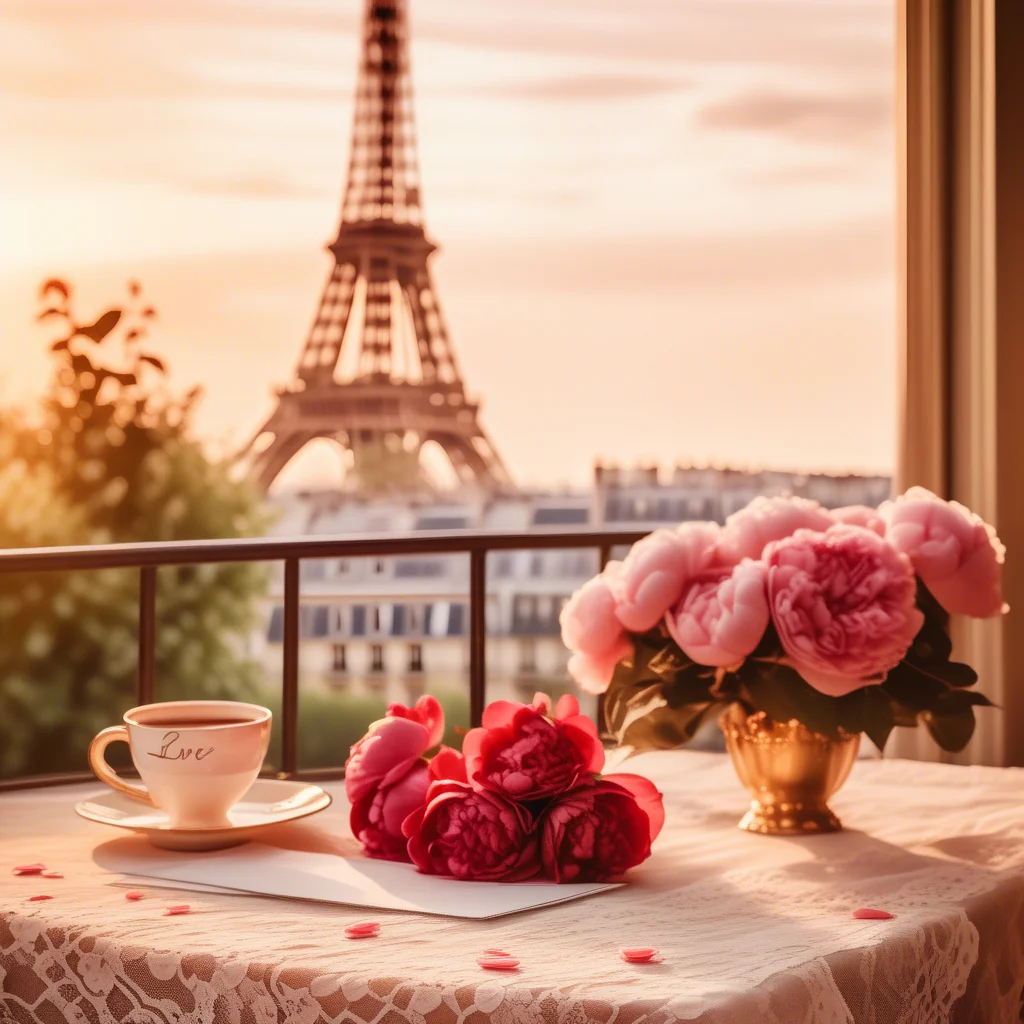
France, often considered the romance capital of the world, embraces Valentine’s Day with sophisticated and luxurious floral exchanges. French couples emphasize elegance, opting for arrangements of red roses, peonies, and orchids to express their affection. The tradition also includes handwritten love letters, giving a poetic touch to the celebration of love.
Unique Twist: Orchids are especially cherished in France due to their symbolism of delicate beauty and passion, making them a popular choice alongside the timeless red roses.
3. Japan: Symbolism in Flowers and Thoughtful Gifting
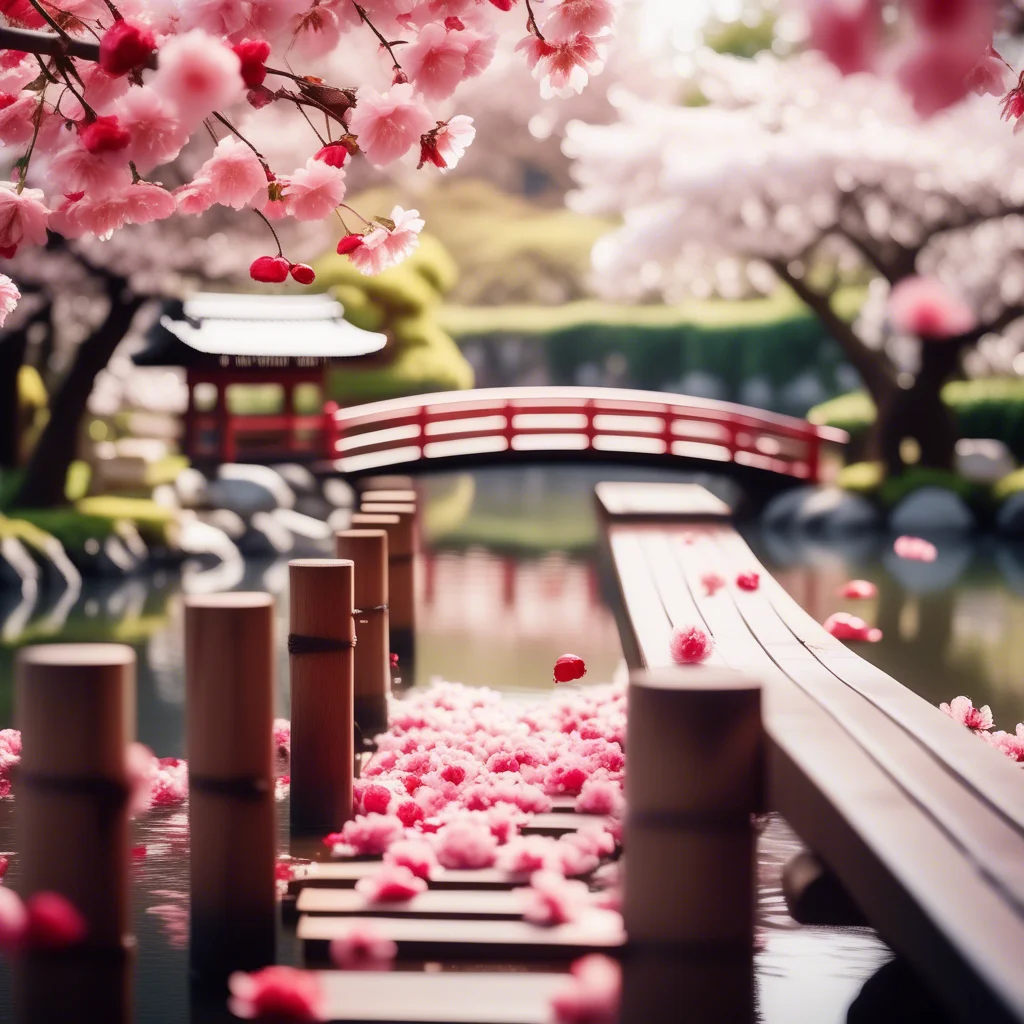
Japan approaches Valentine’s Day with a unique blend of tradition and thoughtfulness. Traditionally, women gift chocolates to men on February 14 — a gesture of either romantic interest or appreciation. Flowers such as cherry blossoms, red camellias, and white lilies further add to the expression of admiration and love. Cherry blossoms, in particular, represent fleeting beauty and are deeply appreciated for their poetic symbolism.
Unique Twist: Japan also celebrates “White Day” on March 14, when men reciprocate these gestures by giving chocolates, flowers, and additional gifts, creating a well-rounded tradition of mutual appreciation.
4. United Kingdom: A Love for Nostalgic & Seasonal Blooms
The United Kingdom celebrates Valentine’s Day with a love for tradition, festive blooms, and romantic notes. Red roses remain the most popular flower, but seasonal favorites like violets and lilies of the valley are also cherished. One historic tradition is the “Valentine’s Posy,” a small and charming bouquet of seasonal flowers exchanged between lovers.
Unique Twist: Craftsmanship has taken center stage in recent years, as handmade floral arrangements or dried flower bouquets gain popularity, combining nostalgia and sustainability in a heartfelt gift.
5. Italy: La Festa degli Innamorati and Romantic Gestures
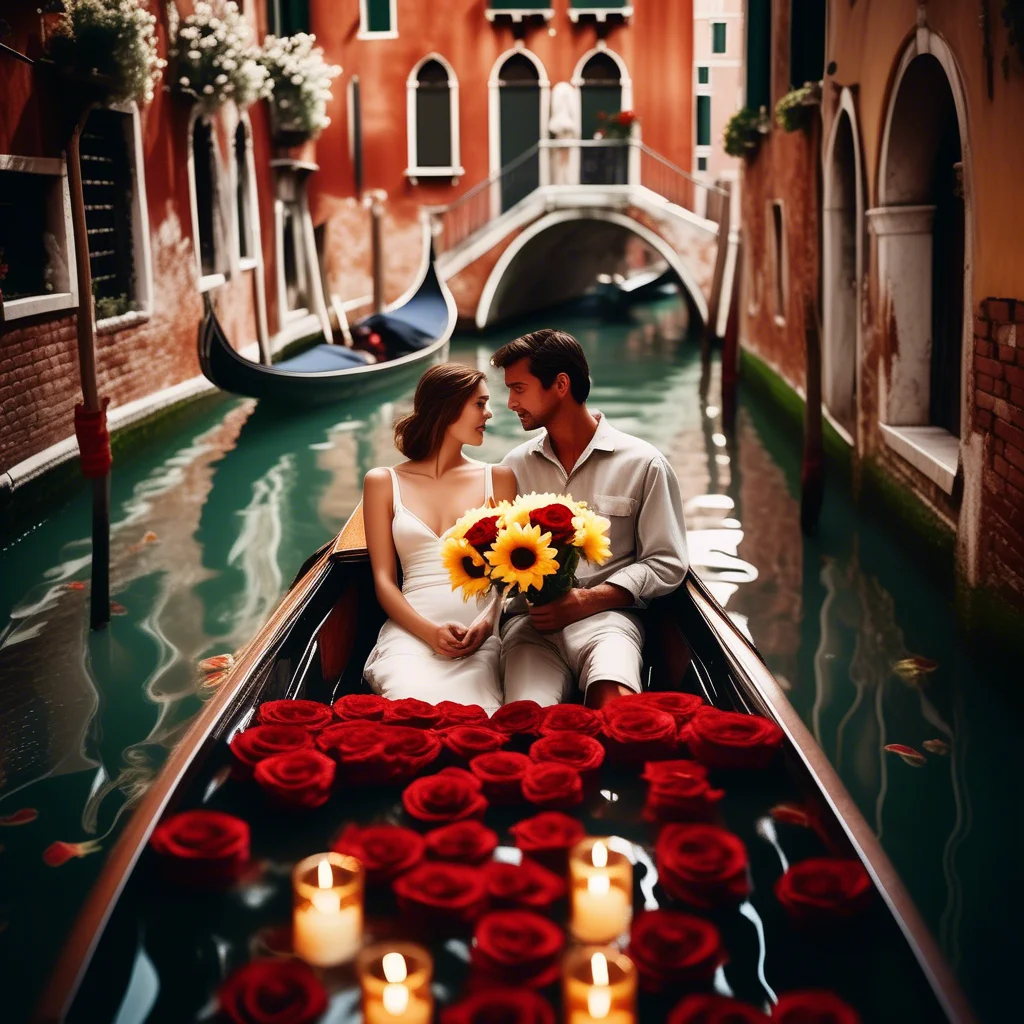
Italy, known as a land of passion, celebrates Valentine’s Day as “La Festa degli Innamorati,” or the Feast of Lovers. Flowers are central to the celebration, with couples gifting red roses, tulips, and even sunflowers as tokens of love. Italians often present these flowers in picturesque, romantic settings, accompanied by poetry and heartfelt words.
Unique Twist: Sunflowers, symbolizing warmth and joy, have become a popular alternative to more traditional flowers, adding an element of brightness to romantic gestures.
6. South Korea: Flowers & Multiple Days of Love
South Korea takes romantic celebrations to another level by dedicating multiple days to love. Valentine’s Day (February 14) involves women gifting flowers and chocolates to men, followed by “White Day” (March 14) where the roles reverse. “Black Day,” celebrated on April 14, even gives single individuals a chance to enjoy their own day. Flowers such as roses, carnations, and orchids are common tokens during these celebrations, with roses symbolizing love and carnations often denoting admiration.
Unique Twist: Carnations are a unique favorite for men in South Korea, symbolizing gratitude and respect, showcasing how flowers transcend gender norms in these celebrations.
7. Brazil: Dia dos Namorados – A Carnival of Love
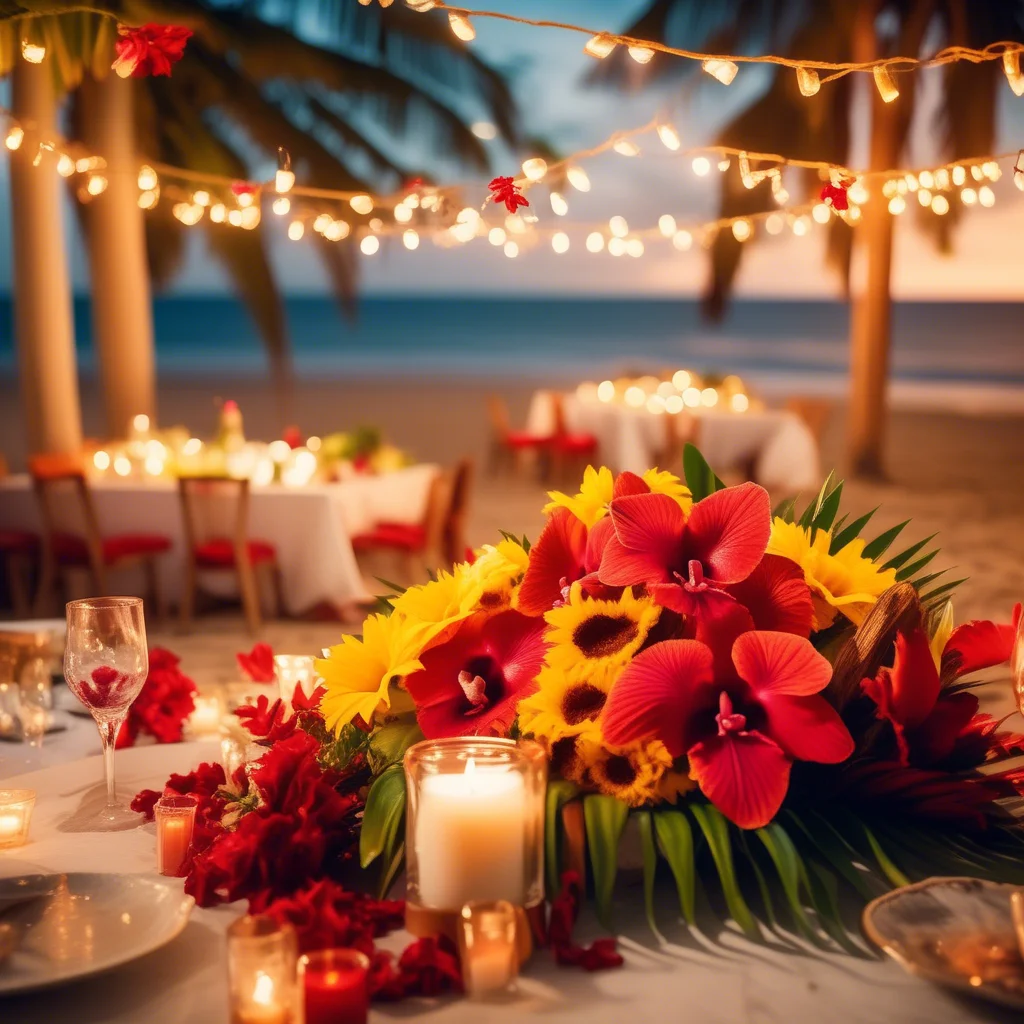
Brazil celebrates love with flair on “Dia dos Namorados” (Lovers’ Day), which takes place on June 12 rather than February 14. The festival combines music, dance, and gifts, with vibrant floral displays being a key component. Brazilians favor exotic blooms, with orchids, sunflowers, and other tropical flowers often chosen for their richness and vibrancy.
Unique Twist: Unlike many countries that focus heavily on roses, Brazil’s preference for tropical and exotic flowers reflects the country’s cultural warmth and colorful spirit.
8. China: The Qixi Festival and Valentine’s Influence
While Valentine’s Day has made its way to China, the country also celebrates its traditional romantic holiday, the Qixi Festival. Celebrated on the seventh day of the seventh lunar month, this ancient festival is based on a romantic legend and often involves the gifting of flowers. Common options include lilies and peonies, symbols of lasting love and prosperity.
Unique Twist: Peonies, known in China as “the king of flowers,” are revered for their beauty and are often associated with wealth and honor, making them a cherished floral gift for romantic occasions.
9. India: A Growing Culture of Love & Flowers
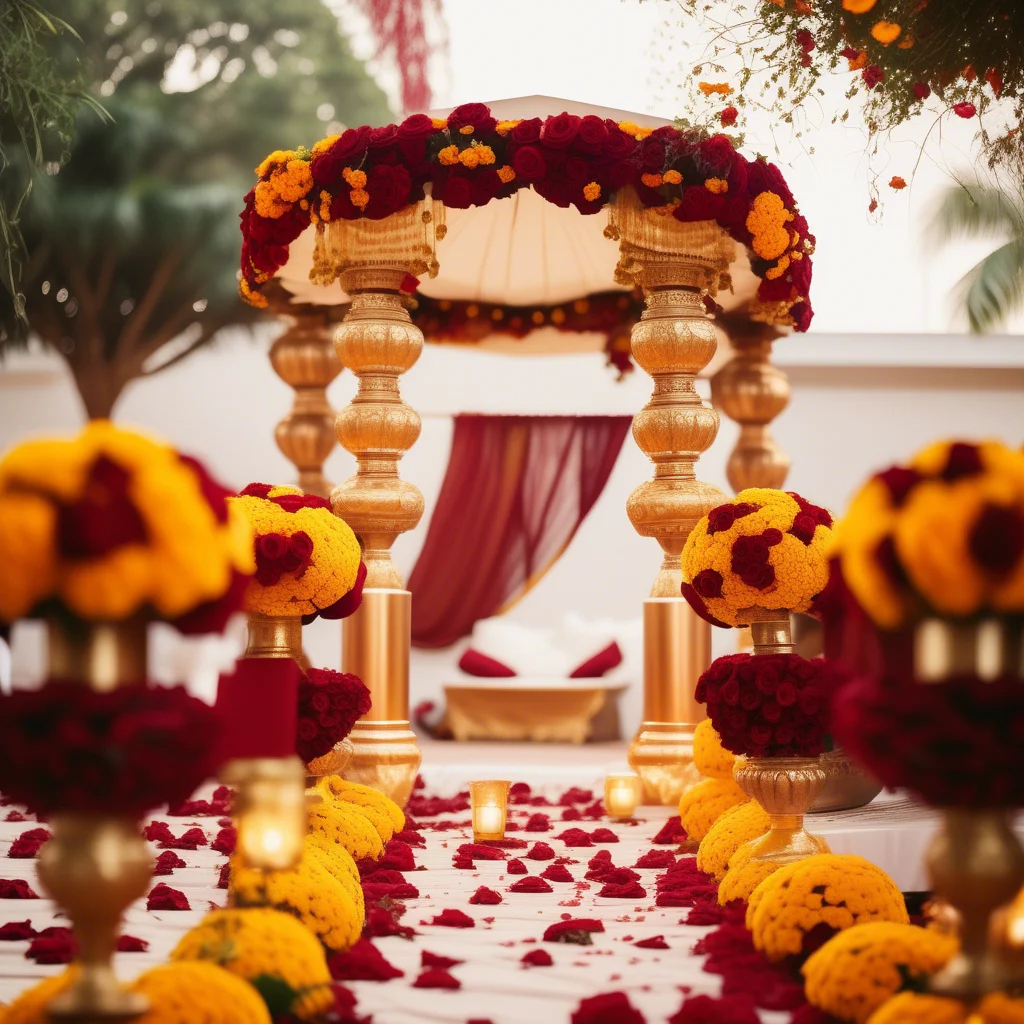
Valentine’s Day in India has gained popularity in recent years, largely among younger generations. Couples come together to express their love through flowers, chocolates, and other thoughtful gifts. Red roses dominate the day, but marigolds and jasmine—important flowers in Indian culture and weddings—occasionally make appearances in Valentine’s floral arrangements, giving them a unique, cultural touch.
Unique Twist: The incorporation of traditional flowers like marigolds, often used in auspicious ceremonies, demonstrates how India blends tradition with contemporary celebrations of love.
10. South Africa: The Language of Flowers & Public Displays of Love
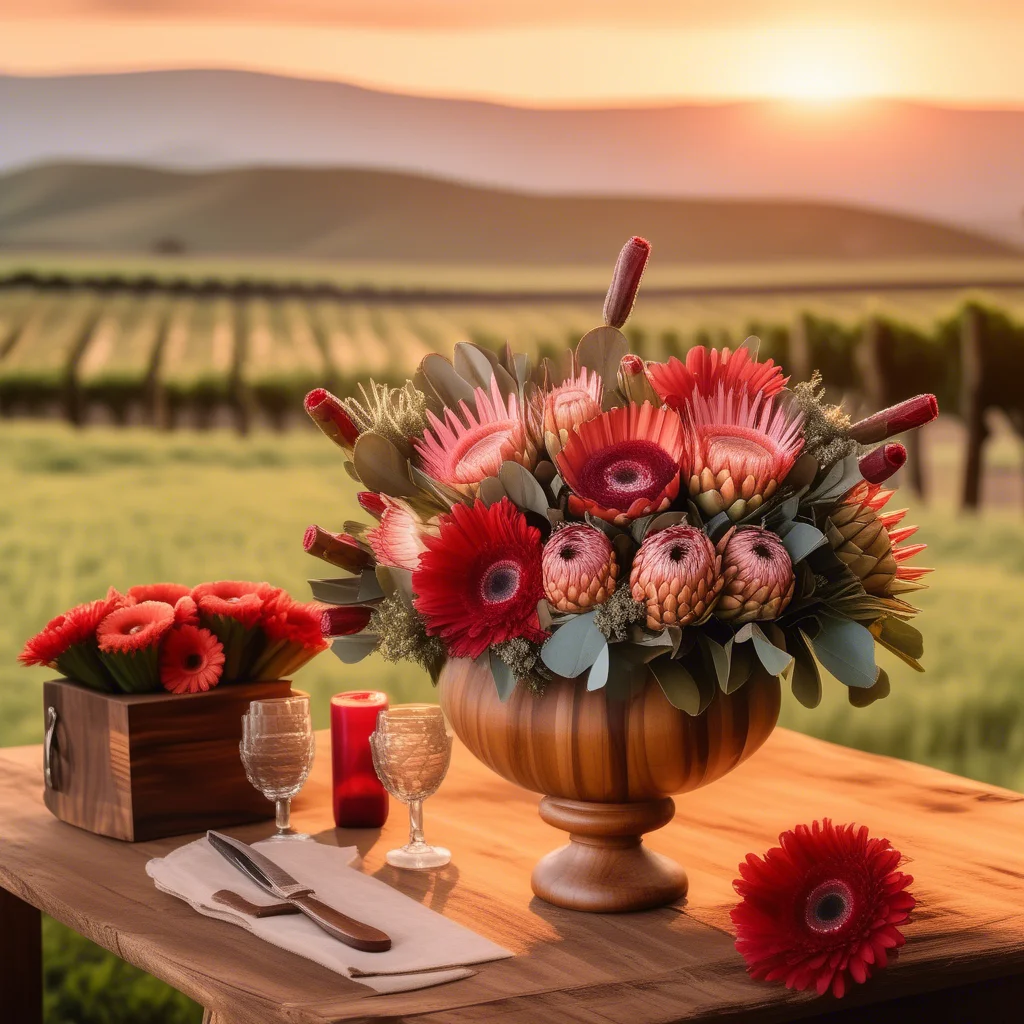
South Africa’s Valentine’s Day is marked by grand displays of affection, incorporating both imported traditions and local influences. Flowers such as proteas, indigenous to South Africa, are paired with red roses and gerbera daisies to symbolize love and transformation. Public celebrations and grand gestures are common, making Valentine’s Day a highly anticipated event.
Unique Twist: The protea flower, a bold and unique bloom, adds a distinct South African touch to Valentine’s floral traditions, celebrating courage and resilience alongside love.
Part 2 – How to Choose the Perfect Valentine’s Flowers Based on Cultural Inspiration
When selecting the ideal Valentine’s flowers, incorporating cultural inspiration can create a thoughtful and meaningful gift. Here are some tips to guide your choice:
Embrace Different Traditions
Consider drawing inspiration from international flower traditions to make your bouquet stand out. From the passionate red roses of Western customs to the delicate cherry blossoms cherished in Japan, blending cultures can beautifully symbolize unity and shared appreciation.
Consider Symbolism
Every flower tells a story. Understanding the meanings behind them allows you to communicate your emotions more effectively. For example, tulips are associated with deep love, lilies can signify purity and devotion, and orchids often represent elegance and strength. Take the time to choose blooms that align with the message you want to convey.
Personalize Your Bouquet
Infuse a personal and creative touch by combining traditional flowers, such as red roses, with exotic or unconventional blooms. Including orchids, peonies, or proteas can add vibrancy and multicultural flair to your gift. This thoughtful mix of flowers creates a blend of tradition and individuality, making your arrangement truly unforgettable.
By paying attention to cultural inspirations and personalizing your bouquet, you can craft a heartfelt gift that goes beyond beauty, reflecting a deep connection and appreciation for your loved one.
Love Knows No Borders, and Neither Do Flowers
Across the world, flowers have become a universal symbol of love, making them an integral part of Valentine’s Day celebrations. Each culture brings its own unique floral traditions, from red roses symbolizing passionate love in the West to chrysanthemums representing devotion in Japan. This Valentine’s Day, why not celebrate love with a bouquet inspired by global customs, blending traditions to create something truly extraordinary? At Whole Blossoms, we offer a wide range of fresh, vibrant flowers to help you craft the perfect, meaningful arrangement. Explore our collection today and make this Valentine’s Day unforgettable for your loved one!

FAQs
What are the most common Valentine’s flowers worldwide?
Roses are the quintessential Valentine’s Day flower globally, with red roses symbolizing love and romance. Other popular options include tulips, lilies, and carnations, which are often chosen for their beauty and heartfelt meanings.
Do different cultures have different flower meanings?
Yes, flower symbolism varies across cultures. For example, in China, peonies represent prosperity and beauty, while in Italy, red roses convey deep passion. Understanding these cultural nuances can add a meaningful touch to your floral gift.
Which country is most famous for its Valentine’s Day celebrations?
The United States is well-known for its grand Valentine’s Day celebrations, characterized by the exchange of flowers, chocolates, and heartfelt notes. However, countries like France, often referred to as the “romantic capital,” also take this day to an exceptionally sentimental level.
How can I create a globally inspired Valentine’s bouquet?
To create a globally inspired bouquet, consider incorporating flowers from different cultures, such as romantic red roses, delicate cherry blossoms, and cheerful sunflowers. Mix colors and styles to represent love in a truly unique way.
What are the best flowers for a long-distance relationship on Valentine’s Day?
Long-lasting flowers like orchids and preserved roses are ideal choices. These blooms symbolize enduring love and can be sent as a thoughtful gift to bridge the distance.