


 by
by 

Introduction: Why Seasonality Matters in Wholesale Flower Buying
Understanding seasonality is crucial when it comes to purchasing flowers in bulk. Buying seasonal flowers not only ensures the best quality but also significantly impacts the cost, availability, and freshness of your blooms. For florists, wedding planners, event coordinators, and resellers, having a good grasp of the wholesale floral calendar is a game changer, enabling them to source the most vibrant flowers efficiently and cost-effectively.
Seasonality plays a key role in the floral market. When flowers are in season locally, they are more readily available. This abundance drives down prices, making it the best time to buy wholesale flowers at competitive rates. Additionally, seasonal flowers are often fresher as they don’t require long transport times and are less reliant on artificial conditions to thrive. On the other hand, off-season blooms may come with a heftier price tag due to higher transportation and production costs, and they can lack the freshness and vibrancy that in-season flowers naturally exhibit.
For professionals in the floral industry, choosing bulk seasonal flowers is a smart and sustainable choice. Wedding planners and event coordinators can create stunning arrangements that suit both the budget and the theme of their occasions. Florists attract more customers by offering inventory that exemplifies peak quality, while resellers have better opportunities to maximize their profit margins.
Planning ahead with the wholesale floral calendar can help you make informed decisions and secure the blooms you need when they are at their peak. By purchasing flowers in season, you not only elevate your designs but also build a reputation for delivering freshness and value. Always remember, timing is everything—and when it comes to wholesale flower buying, understanding seasonality can truly set you apart from the competition.

Part 1 – Understanding Flower Seasonality: A Blooming Calendar
What Is a Seasonal Flower?
A seasonal flower refers to a bloom that naturally grows and thrives during a specific time of the year in its native region due to environmental factors such as temperature, rainfall, and sunlight. These flowers are at their most vibrant, freshest, and typically most affordable during their peak growing period. For instance, peonies are synonymous with late spring to early summer, while dahlias are staples of the fall season. By working with flowers in season, florists and designers can harness nature’s rhythms to create stunning arrangements that feel authentic and timeless.
True Seasonality vs. Availability via Imports
While understanding traditional flower seasonality is important, the global nature of the flower industry blurs the line between what is naturally seasonal and what is available year-round. True seasonality refers to flowers that are grown domestically during their natural blooming timeframe. However, with advances in global sourcing and imports, many blooms that are “out of season” in one region can still be sourced from countries with different climates, allowing year-round availability. For example, roses, which are naturally seasonal in warmer months in the U.S., are available year-round thanks to imports from countries like Ecuador and Colombia. While this expands options for floral designs, it also creates a delicate balance between sustainability and convenience.
Extending the Season with Global Sourcing
Global sourcing plays a significant role in offering a wider variety of blooms beyond their traditional seasonal limits. Platforms like Whole Blossoms collaborate with growers worldwide to ensure continuous access to beloved blooms regardless of local growing patterns. By leveraging flowers from diverse regions—such as tulips from Holland, proteas from South Africa, or chrysanthemums from Asia—floral suppliers can fulfill almost any design need, even in off-seasons. This global reach not only enhances availability but also allows businesses to offer premium arrangements year-round. However, while sourcing globally, it’s critical to consider sustainability efforts, including transportation impacts and fair trade practices, as these factors greatly influence long-term viability and industry reputation.

Part 2 – Spring Wholesale Flowers: Pastels, Petals, and Peak Wedding Season
Spring is synonymous with renewal, making it a cherished time for blooming flowers and vibrant celebrations. For wholesale flower suppliers, spring is a critical season ushered in by high demand, especially as events like weddings, Easter gatherings, and bridal showers populate the social calendar. It’s no surprise that spring is also peak season for pastel tones and delicate blooms, inspiring extraordinary floral designs.
Most Popular Spring Flowers
Among the most sought-after spring flowers are peonies, ranunculus, tulips, and anemones, each offering a unique charm and elegance. Peonies, with their lush, romantic appeal, are a staple in spring arrangements, especially for weddings. Ranunculus, prized for their layered petals and stunning range of colors, are perfect for creating texture and depth in bouquets. Tulips represent timeless elegance, with their classic silhouette lending itself seamlessly to modern or traditional designs. Lastly, anemones, with their dark, striking centers and delicate petals, bring a touch of contemporary sophistication to floral arrangements. These iconic blooms, combined, embody the essence of spring.
Typical Spring Color Palettes
Spring’s color palette is as soft and cheerful as the season itself. Florists often lean toward hues of blush, cream, lavender, and other pastel shades to highlight the fresh and airy feel of springtime. Blush pinks evoke romance and tenderness, creams offer a neutral base that complements any arrangement, and lavender adds a subtle pop of tranquil color. This harmonious palette is ideal for both elegant centerpieces and unforgettable bridal bouquets.
Best Events for Spring Blooms
Spring flowers shine brightest during events that celebrate joy, growth, and connection. Spring weddings are a natural fit for these blooms, as couples often gravitate toward the season’s symbolic themes of new beginnings. Easter celebrations also showcase the fresh, uplifting beauty of spring flowers in centerpieces, church decorations, and gifts. Additionally, bridal and baby showers benefit from the soft, charming colors and sweet fragrance of seasonal flowers, creating a welcoming and cheerful atmosphere.
Ordering Tips for Early-Season Demand
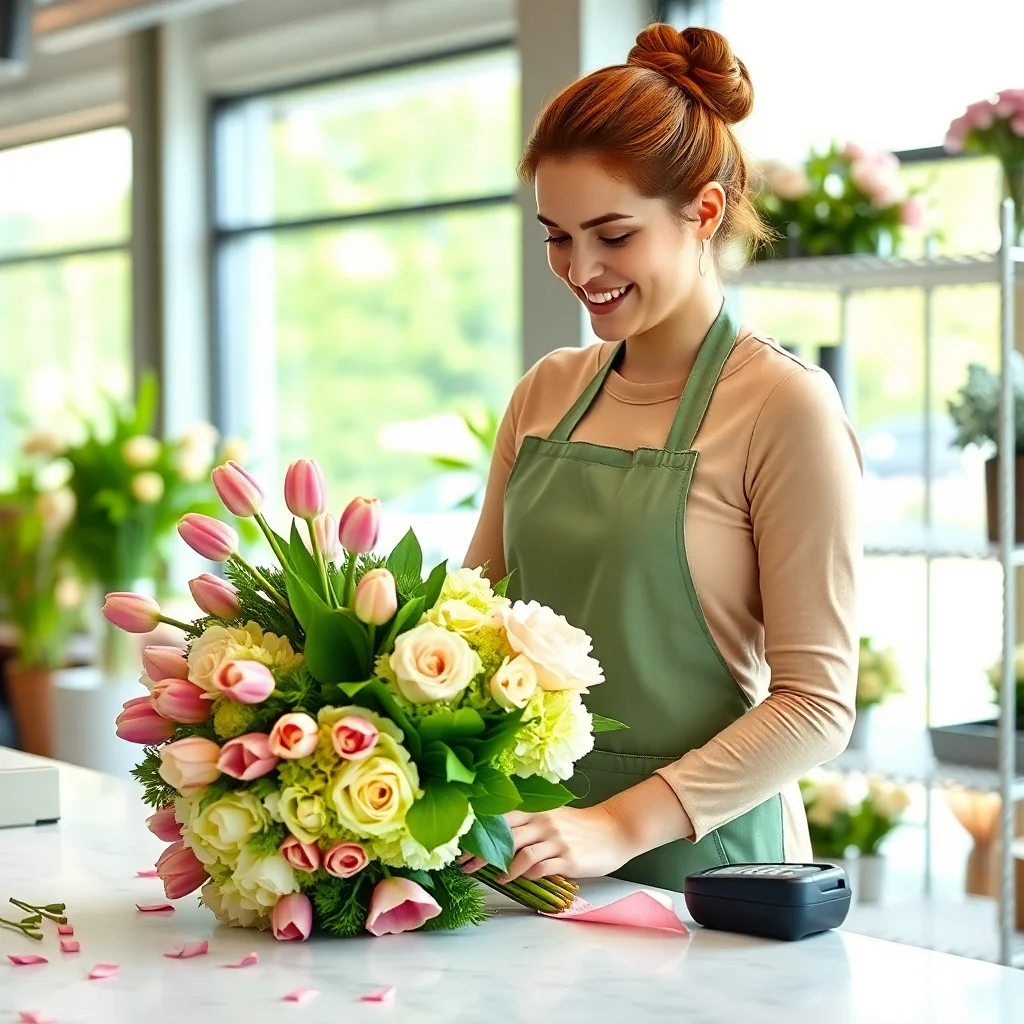
Due to the high popularity of blooms like peonies and ranunculus, florists planning spring events should place orders well in advance to secure their selections. The key to meeting demand for spring wedding wholesale flowers is foresight—ensure you’re familiar with seasonality and peak availability. Partnering with a reliable wholesale supplier who offers quality options and flexibility is crucial to navigating early-season challenges. Additionally, consider offering varieties with a longer vase life to extend freshness for multi-day events.
Spring wholesale flowers capture the beauty and promise of the season. From luxurious peonies to vibrant ranunculus, these flowers and their pastel hues define the magic of springtime celebrations. With thoughtful planning and attention to early demand, floral professionals can deliver stunning arrangements that will brighten any event.
Part 3 – Summer Wholesale Flowers: Bold Hues and Blooming Variety
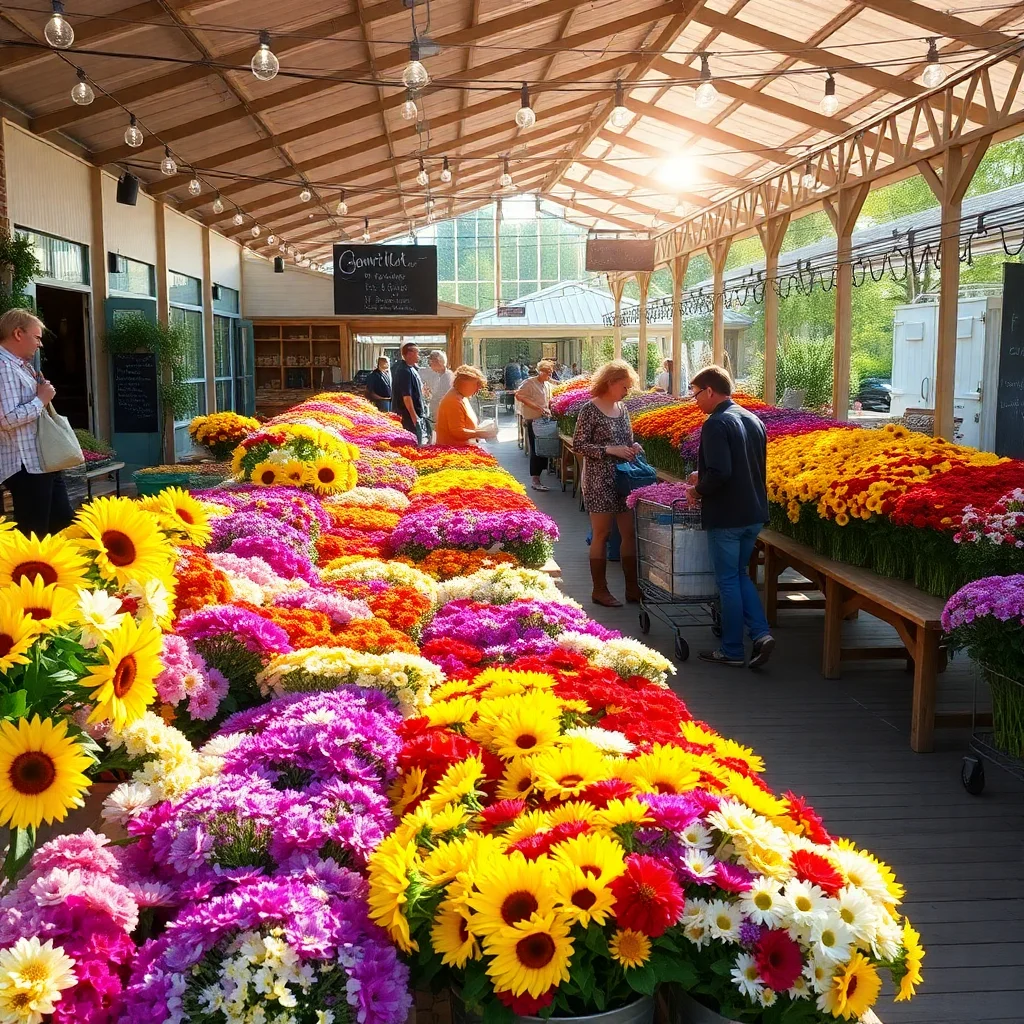
Summer is the season of abundance, and wholesale flowers during this time reflect the bold, vibrant energy of the season. From the sunny radiance of sunflowers to the intricate beauty of dahlias, summer blooms are diverse, versatile, and ideal for creating breathtaking floral designs. For floral professionals, this season offers endless opportunities to craft stunning arrangements tailored to a wide range of events, from outdoor weddings to vibrant Fourth of July celebrations.
Best Summer Flowers for Your Needs
The variety of summer flowers available through wholesale suppliers allows for limitless creativity. Here are the top picks for this season’s floral staples:
- Sunflowers – With their bright yellow petals and striking centers, sunflowers exude warmth and joy, making them a favorite for summer bouquets and centerpieces.
- Zinnias – These cheerful, long-stemmed flowers come in a rainbow of colors, perfect for injecting boldness and charm into arrangements.
- Garden Roses – Loved for their full, delicate blooms and rich fragrance, garden roses are ideal for bringing an elegant touch to any design.
- Dahlias – Known for their intricate petal patterns and wide array of colors, dahlias are gorgeous focal flowers that elevate arrangements.
- Delphinium – Delphiniums provide a regal touch with their tall, spiky blooms in soft blues and purples, adding height and dimension to floral designs.
Popular Uses for Summer Wholesale Flowers
Summer flowers are particularly versatile, lending themselves beautifully to a variety of events and celebrations. Outdoor weddings are a common setting for summer blooms, where their vibrant colors complement the season’s natural beauty. For example, cheerful sunflowers and zinnias are popular for rustic-themed weddings, while garden roses add sophistication to elegant venues.
July Fourth celebrations and corporate events also call for bold floral displays. Patriotic arrangements often incorporate red, white, and blue blooms like zinnias, garden roses, and the striking blues of delphiniums. Corporate events benefit from the versatility of these flowers, which can be tailored to match branding themes or seasonal aesthetics.
Heat and Shipping Considerations
The heat of summer poses challenges for maintaining the freshness of blooms, particularly during shipping. To ensure flowers arrive in excellent condition, wholesale suppliers often use temperature-controlled packaging and expedited shipping services. For events requiring next-day delivery, it’s crucial to communicate precise requirements to your supplier and plan shipments with care, minimizing the time flowers are exposed to heat. Adding hydration packs to shipments is another effective way to keep flowers hydrated and fresh.
Tips for Next-Day Flower Planning
For next-day event flowers, prepare by finalizing your floral designs early and placing your order with a trusted wholesale supplier ahead of time. Be clear about the delivery date and time to avoid delays, and consider scheduling shipments for early morning hours to beat the highest temperatures of the day. If possible, store the flowers in a cool environment upon arrival to extend their vibrancy and shelf life.
FAQ
Can flowers be shipped overnight in summer?
Yes, flowers can be shipped overnight during the summer months. Many wholesale suppliers offer temperature-controlled shipping options to preserve bloom quality during transit. It’s essential to work with a reliable supplier who has experience in handling summer shipments, and to request express delivery services to minimize heat exposure. Including hydration packs or cooling gels during shipping can also help maintain the freshness of flowers.

Part 4 – Fall Wholesale Flowers: Rustic Tones and Textural Trends
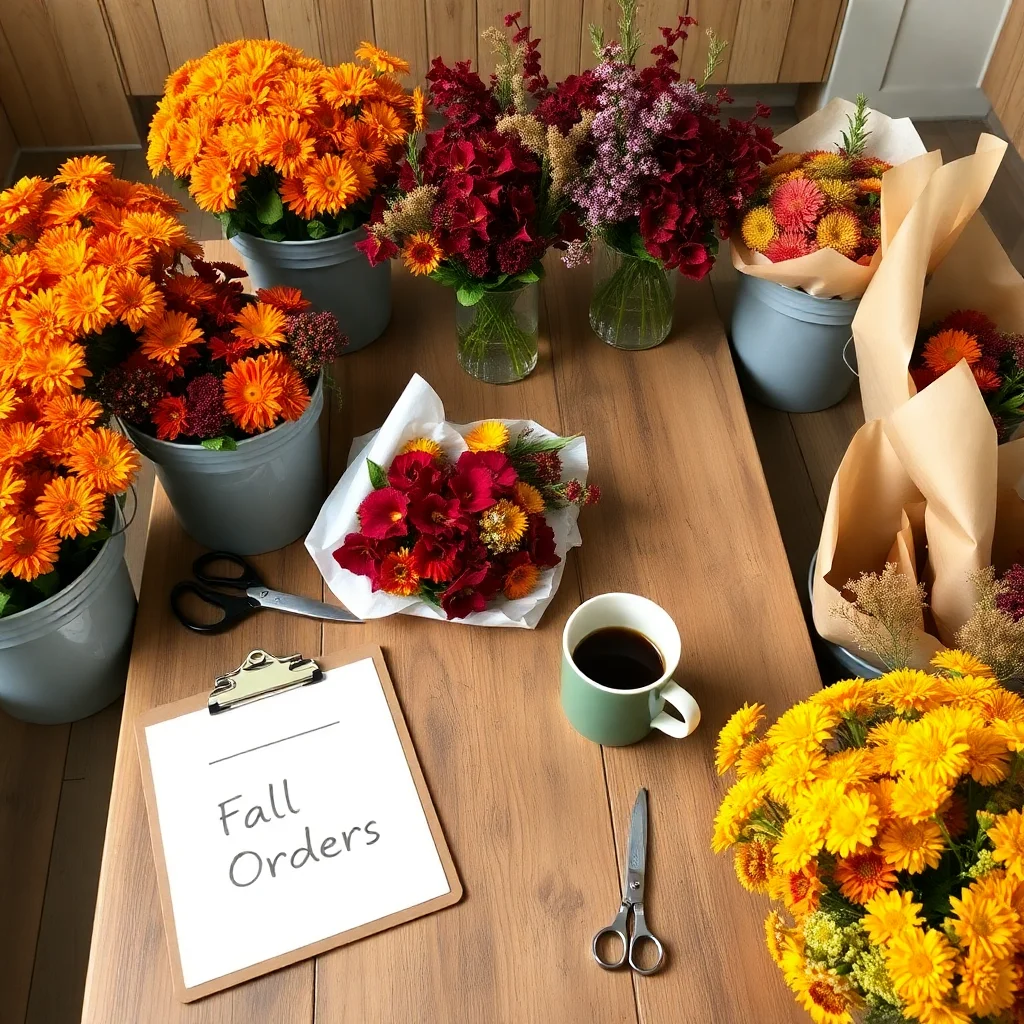
Fall is a season of rich hues, cozy textures, and warm, inviting celebrations. Wholesale flowers for fall often reflect the beauty of the changing foliage, showcasing a palette of burnt orange, mustard yellow, and deep burgundy. Adding rustic charm to any event, these blooms are versatile enough for weddings, seasonal festivities, or cultural celebrations like the Day of the Dead and Thanksgiving.
Go-To Fall Flowers
When planning for fall, certain flowers consistently steal the spotlight. Chrysanthemums are a quintessential autumn flower, offering a variety of shapes and colors that effortlessly enhance seasonal arrangements. Marigolds, with their vibrant yellows and oranges, are popular not only for their aesthetic appeal but also for their cultural significance, particularly during the Day of the Dead. Celosia, known for its unusual ruffled and feathery appearance, adds texture and flair, while Eucalyptus provides the perfect greenery to balance bold autumnal tones.
Ideal Color Themes
Fall’s iconic colors are everything when designing arrangements. Burnt orange and mustard yellow capture the warmth of autumn, while shades of burgundy evoke depth and sophistication. These hues pair beautifully with natural elements like wooden containers, burlap, or decorative pumpkins for centerpieces. Combining these colors with touches of cream or muted green can create balance, elevating the rustic elegance of the display.
Fall Wedding Flower Hacks
Autumn weddings are a favorite for many couples, thanks to their romantic and cozy ambiance. To make the most of fall flowers, consider using locally sourced or seasonal options, as they tend to be fresher and more cost-effective. Incorporate textural elements like wheat stalks, dried grasses, or preserved flowers for that harvest-inspired charm. Mixing in lush greenery such as Eucalyptus ensures a harmonious look while cutting down on costs. Additionally, brides can utilize flower crowns or boutonnieres made with a mix of Chrysanthemums and preserved leaves for stunning, lasting accessories.
Perfect for Seasonal Events
Fall flowers are ideal for events that celebrate the season. For Day of the Dead altars, vibrant Marigolds bring traditional beauty rooted in cultural heritage. Thanksgiving tablescapes can benefit from floral arrangements that include Celosia and Chrysanthemums, paired with candles or festive tableware. Similarly, harvest-themed events like festivals or markets thrive on the whimsical textures and earthy hues that fall flowers naturally provide.
Pro Tip:
Pair fall flowers with greenery and preserved options for a budget-friendly yet breathtaking look. Use preserved Eucalyptus, pampas grass, or dried berries for long-lasting arrangements that showcase both texture and color. This combination creates a timeless aesthetic and minimizes waste, making it perfect for sustainable events.
Part 5 – Winter Wholesale Flowers: Evergreens, Elegance, and Holiday Flair
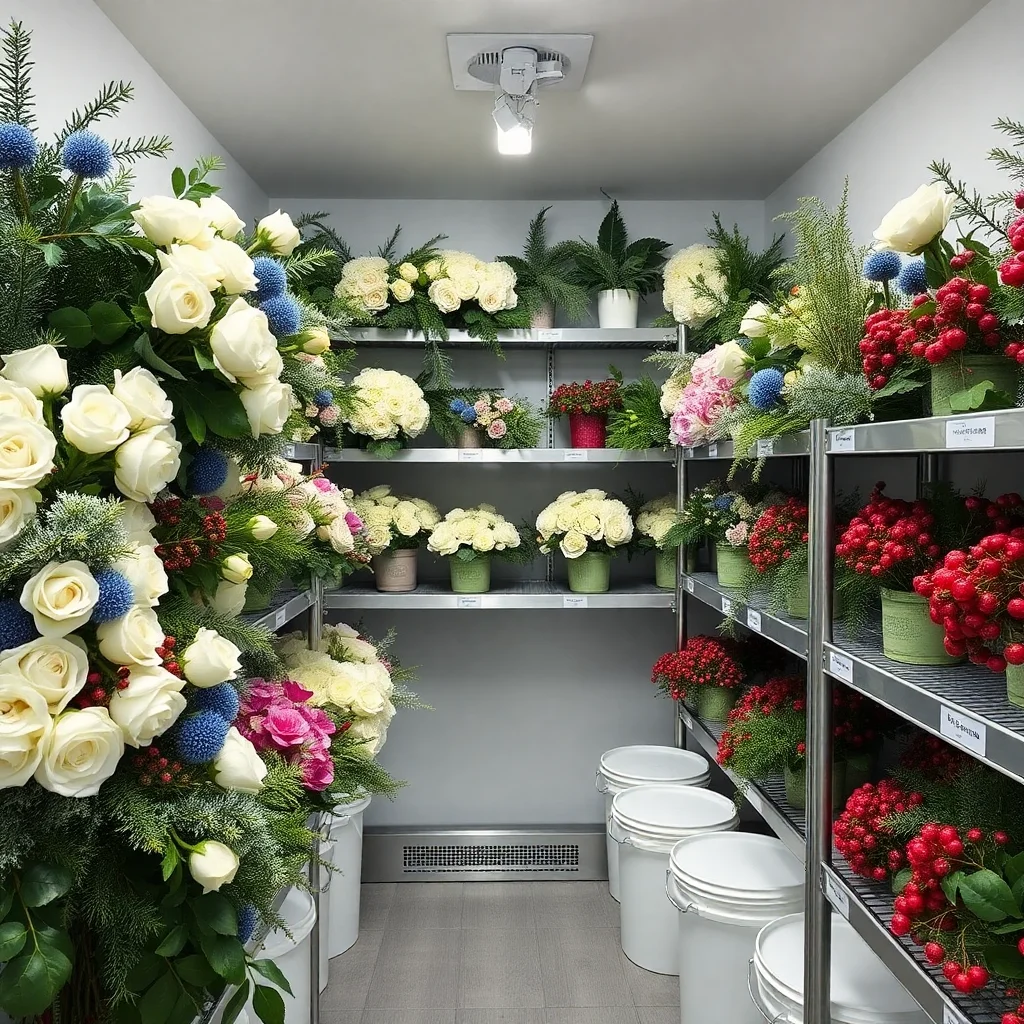
Winter brings with it an air of sophistication and beauty that is perfectly captured through seasonal flowers and accents. Classic winter blooms such as Amaryllis, Roses, Ilex Berries, and Anemones provide a rich palette of reds, whites, and deep greens, perfectly suited for the holiday season. These flowers embody the spirit of winter, offering elegance and warmth, even in the coldest weather.
Pairing these flowers with iconic winter elements can elevate any arrangement. Evergreens like cedar, fir, and pine bring a fresh, natural fragrance while providing depth and texture. Pinecones, whether frosted or left in their natural form, add a rustic charm. Accents in silver, gold, or white, such as metallic ribbons, ornaments, or artificial snow, lend a festive, polished finish. This combination works beautifully for centerpieces, bouquets, and large installations, creating a magical ambiance during this celebratory time of year.
Winter flowers are synonymous with holiday events, making them a must-have for gatherings like Christmas parties, New Year’s celebrations, and even early Valentine’s Day plans. Amaryllis, with their bold blooms, and red or white Roses are iconic features during Christmas. For New Year’s Eve, consider adding Anemones or white accents for a clean, modern touch. Event planners are advised to order winter wholesale flowers well in advance, as demand for these seasonal favorites soars. Such early planning ensures the best quality and availability, especially during peak holiday weeks.
Interestingly, winter also offers opportunities for tropical and imported blooms, breaking the monotony of traditional choices. Flowers like orchids and protea can supplement seasonal arrangements with touches of the exotic. Thanks to modern logistics and greenhouses, these imports are often easier to source in the winter than one might think, offering versatility for designers who want to think outside the box.
FAQ:
What flowers last longest in cold-weather events?
Cold-weather conditions can actually help extend the lifespan of many flowers. Some of the most resilient options include Roses, Ilex Berries, and Anemones, which thrive in crisp environments with proper hydration. Using hardy greens like pine or cedar also reinforces the durability of arrangements. Ensure blooms are kept out of freezing temperatures, and hydrate arrangements regularly for the best results. Dried accents like pampas grass or preserved eucalyptus are trendy options that can endure a range of environments and add texture.
Winter wholesale flowers provide endless potential, blending timeless holiday charm with innovative design. Their availability and versatility make them ideal for creating unforgettable memories throughout the season.*
Part 6 – Buying in Bulk: How to Plan Your Flower Order by Season
When purchasing flowers wholesale, proper planning is essential to ensure the freshest blooms and best results for your arrangements. Each season brings its own unique selection of flowers, making timing everything. But how far in advance should you order wholesale wedding flowers? For most events, aim to place your order 2-3 weeks before your event date. This allows enough time for logistics while ensuring your flowers arrive fresh. For larger events or specialty blooms that may not be in stock, plan for 4-6 weeks ahead to ensure availability.
Estimating quantities for weddings or events can be tricky but vital. For a medium-sized wedding, plan for approximately 20-25 stems per centerpiece and 50-60 stems per bridal bouquet, adjusting based on flower type or arrangement style. Always have a little extra for last-minute adjustments or replacements. Consult with your supplier to select flowers that fit your event’s needs and scope.
Matching color palettes to seasonal availability is crucial for a cohesive design. Spring offers soft pastels like peonies, tulips, and ranunculus. Summer bursts with bold hues such as sunflowers, dahlias, and hydrangeas. Fall evokes warm, earthy tones with chrysanthemums, marigolds, and dried elements, while winter highlights deeper shades through amaryllis, roses, and seasonal greenery like pine or cedar. Aligning your floral selections with the season ensures optimal freshness and enhances the overall aesthetic appeal of your event. Careful planning and thoughtful choices are the keys to floral success!
Part 7 – Budgeting Tips by Season: Save More with Smart Buying
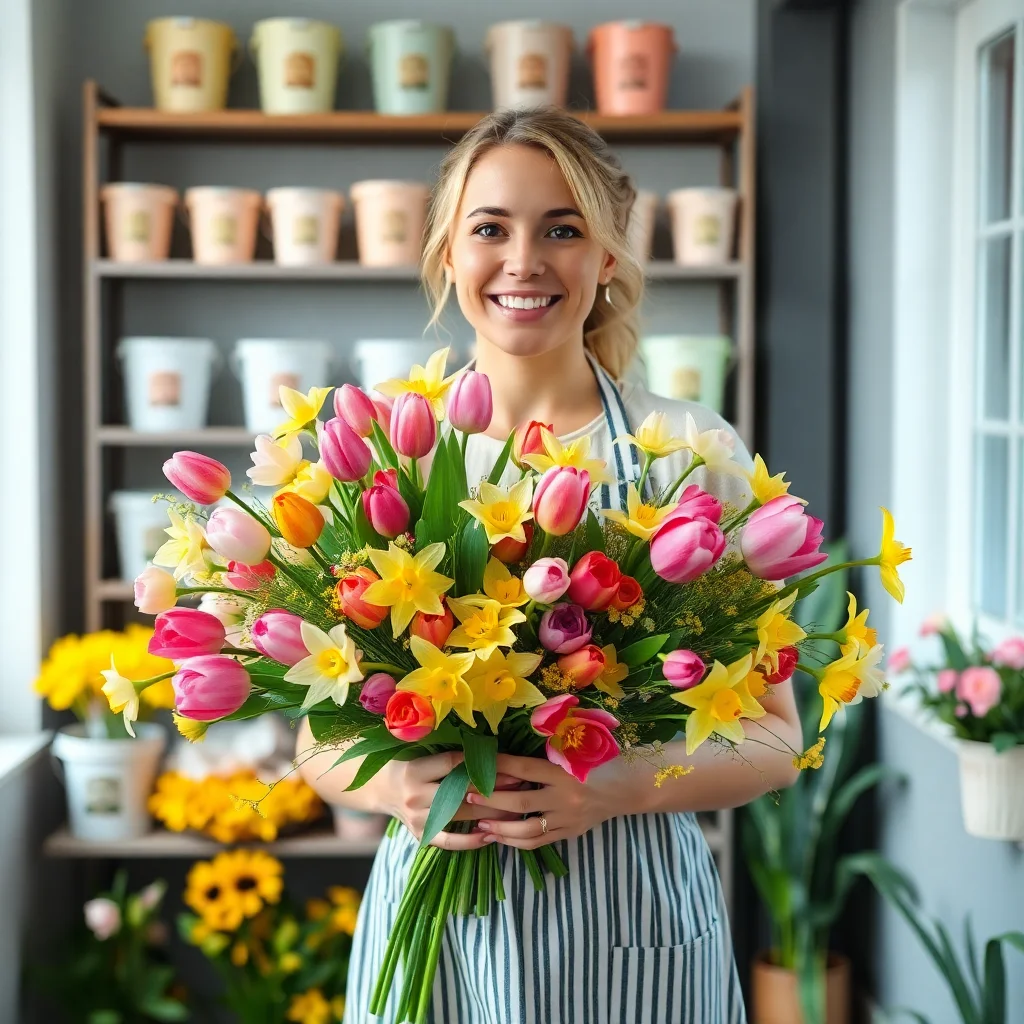
When planning your floral arrangements, understanding seasonal vs. year-round pricing can significantly impact your budget. Flowers in-season are generally less expensive due to higher availability, while off-season blooms often require importation, driving up costs. For example, tulips are much more affordable in spring, their natural blooming period, than in winter when they may need to be sourced from international growers. Opting for in-season flowers can lead to noticeable savings without sacrificing quality or beauty.
Timing your purchases is another crucial factor. For example, ordering flowers for weddings or holidays well in advance can often secure early-bird discounts, especially for high-demand periods like spring or summer weddings. On the other hand, big clearance or special promotions may emerge closer to seasonal shifts, offering an opportunity to snag deals if you can be flexible with your choices. Researching your options and staying informed about local flower markets can help you decide whether to buy early or wait for the right moment.
Finally, consider common cost-saving bundles that florists or retailers may offer. Many sellers provide discounted packages for purchasing flowers in bulk or combining blooms with accessories like vases or ribbons. These bundles can save you time and money while ensuring all your essentials are covered in one purchase. By being strategic and resourceful in your flower-buying process, you can keep costs down while still achieving breathtaking arrangements for your event.
Part 8 – Storage & Care Tips by Season
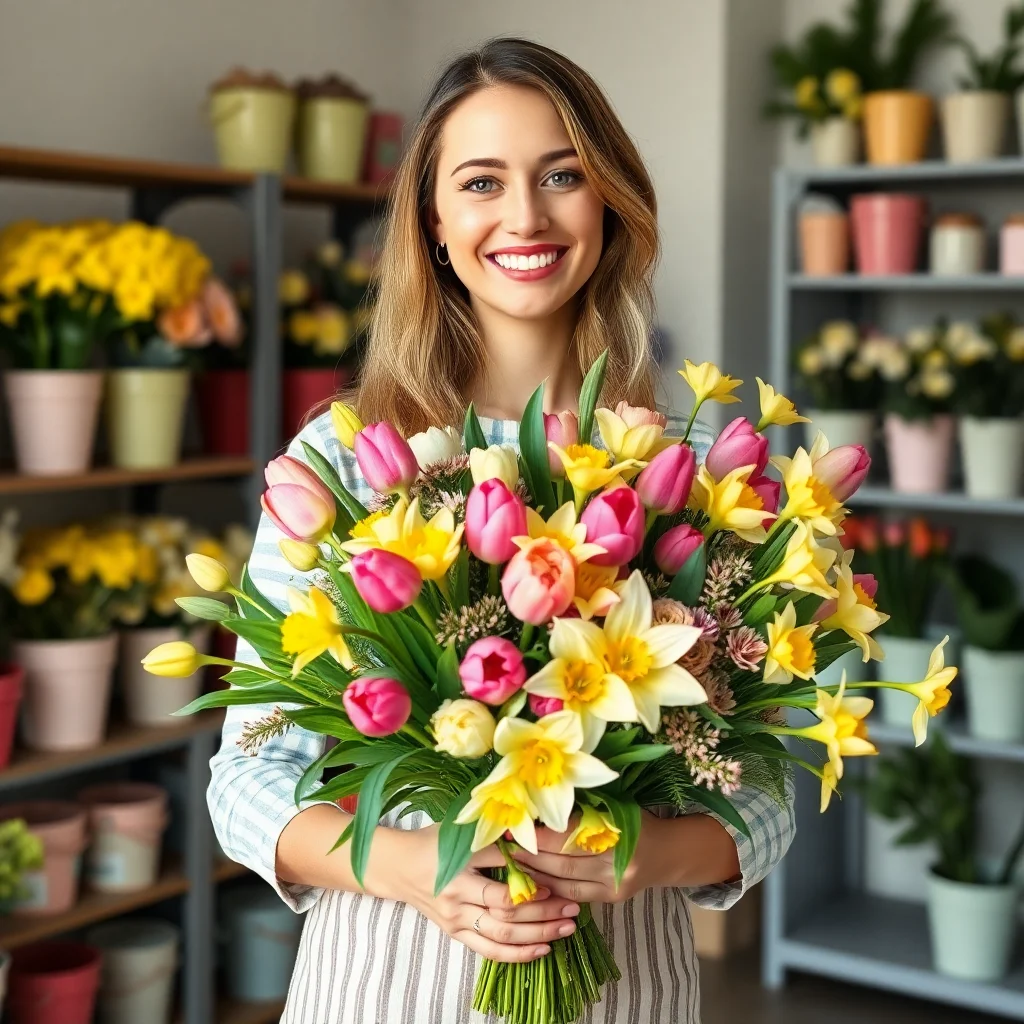
Proper storage and care of flowers vary by season, as different blooms require specific conditioning techniques to thrive and maintain their freshness. During warmer months, heat can accelerate the wilting process, so temperature control becomes critical. Store flowers in a cool, dark place and avoid direct sunlight or humid environments. Regularly changing water and trimming stems at an angle can help improve hydration and extend the lifespan of most blooms. Additionally, some flowers, such as hydrangeas, benefit from misting to retain their moisture.
In colder seasons, it’s essential to protect blooms from extreme cold or drafts during transportation and storage. Ensure arrangements are kept in a temperature-stable environment to prevent frost damage. Recovery from shipping requires a gentle approach—always rehydrate blooms in clean, room-temperature water and allow them time to “wake up” before arranging them.
Pro Tip: When storing peonies in warmer months, keep them refrigerated to slow blooming and prolong freshness. For roses, ensure the stems are adequately hydrated by placing them in a deep vase of water and lightly removing the outer guard petals for the best presentation. Each type of flower has unique storage needs, so tailoring care to their seasonal requirements ensures stunning, long-lasting arrangements.
Final Thoughts: Seasonal Flower Planning Made Simple
Planning your floral arrangements with seasonality in mind is the key to achieving savings, freshness, and ultimate success. Choosing flowers that are naturally available during their peak seasons not only ensures vibrant, long-lasting blooms but also helps you stay within your budget. From spring’s delicate peonies to winter’s elegant amaryllis, every season offers a unique palette to craft stunning displays.
Remember to bookmark this guide and return each season for updated tips and product recommendations tailored to the time of year. Staying informed makes every floral decision easier and more rewarding.
Ready to bring your seasonal arrangements to life? Explore seasonal favorites now at Whole Blossoms and discover the perfect blooms for any occasion!